SOURCE: RAUNAK KUNDE / NEWS BEAT / IDRW.ORG
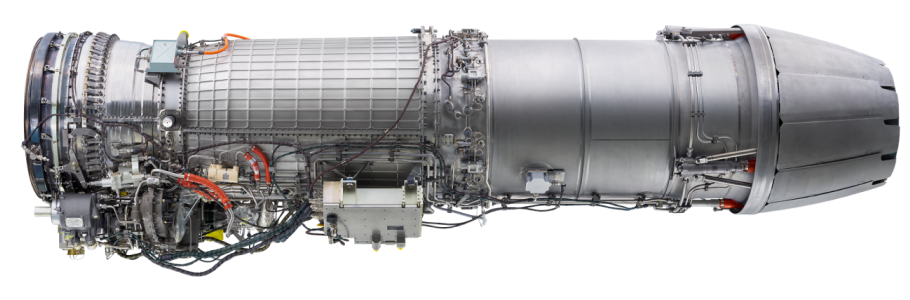
GE Aerospace is set to increase investments in its F-404 engine production line in anticipation of significant orders from both India and the United States. This move comes as India finalizes a deal for additional Tejas Mk1A fighter jets, each powered by the F404-IN20 engine variant.
The investment will focus on new tooling, refurbishment of existing machinery, and the acquisition of additional equipment. This will specifically target the production of F-404 engine blades and vanes, critical components for achieving optimal engine performance.
Continue readingSOURCE: DINESH BEHARA / FOR MY TAKE / IDRW.ORG

In an ever-changing landscape of global politics, the shifting strategies and alliances of nations often leave observers bewildered about future outcomes. Look at the example of the Philippines’ contrasting foreign policy approaches under different administrations of Gloria Macapagal Arroyo to Benigno Aquino III to Rodrigo Duterte to Ferdinand Marcos Jr [1] or the example of fluctuating stances on international agreements like the JCPOA by Obama and Trump [2] , these examples highlight the volatility inherent in geopolitics.
In this article, let us shed light on some of the global leaders, who envisioned greater ties with India and were steadfast in their actions.
Continue readingSOURCE: DEEPAK HILORI/ FOR MY TAKE / IDRW.ORG
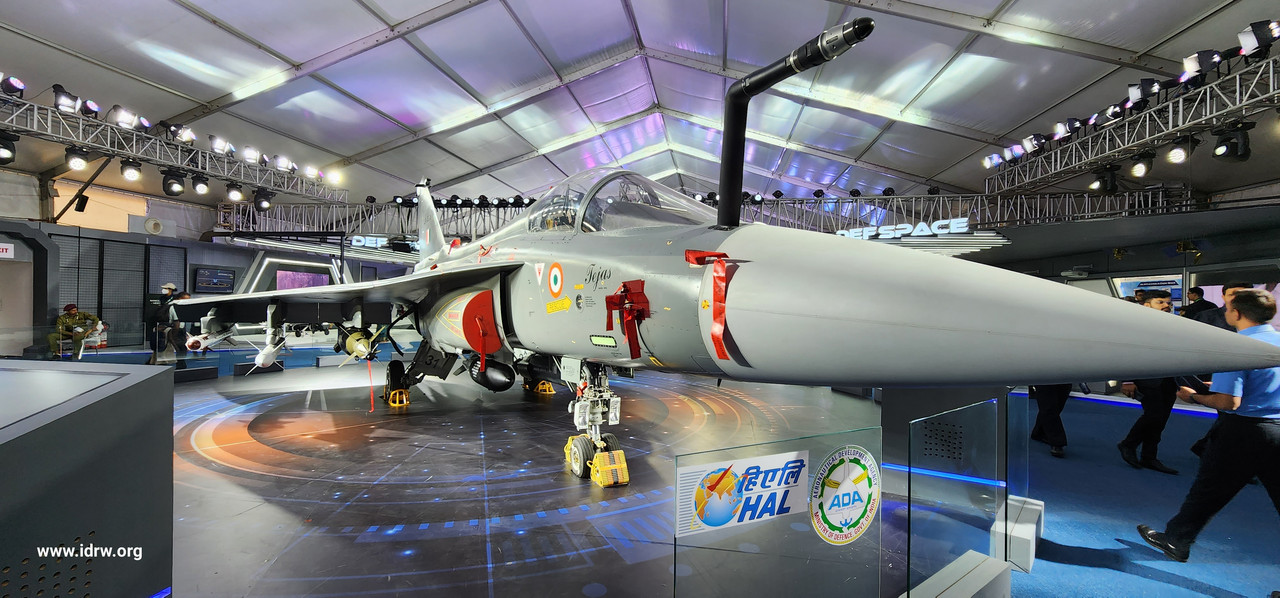
Hindustan Aeronautics Limited (HAL) seems poised to miss the March 31st deadline for delivering the first Tejas Mk-1A fighter jet to the Indian Air Force (IAF). This raises serious concerns about HAL’s ability to meet crucial deadlines and deliver on its promises. First Tejas Mk1A took off right before March deadline but as per latest media reports it will not be ready for handover for next few months before it is handed over to IAF.
The Mk-1A is a significant upgrade, boasting new systems, software, and weaponry. While the complexity justifies a thorough certification process involving multiple agencies, the missed deadline is a bitter pill to swallow, especially since it comes with a potential financial penalty for HAL.
Continue readingSOURCE: DEEPAK HILORI/ FOR MY TAKE / IDRW.ORG
The recent approval by the Cabinet Committee on Security (CCS) for the development of the Advanced Medium Combat Aircraft (AMCA) marks a significant milestone in India’s quest for self-reliance in fighter jet technology. However, the high cost of the AMCA program, coupled with the uncertainties surrounding the TEDBF program for the Navy, raises questions about India’s overall fighter jet development strategy.
With a budget of ?15,000 crore, the AMCA program aims to develop a fifth-generation fighter jet for the Indian Air Force (IAF). The IAF has already committed to procuring 120 AMCA jets in both MkI and MkII variants, reflecting its confidence in the project’s potential.
Continue readingSOURCE: RAJESH AHUJA / FOR MY TAKE / IDRW.ORG
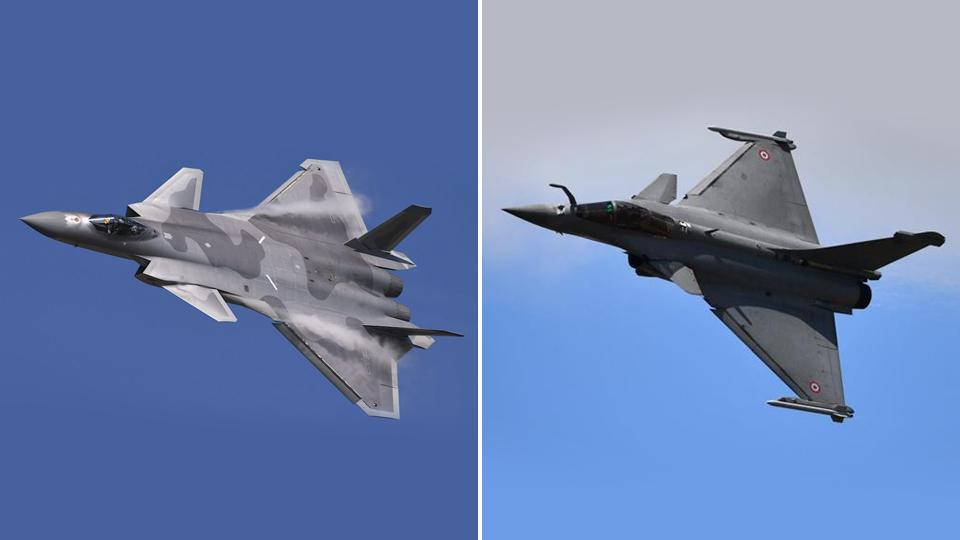
The potential clash between India’s Rafale fighter jets and China’s J-20s is a topic of intense discussion. While some Indian Air Force (IAF) veterans believe 36 Rafales could overpower 200+ J-20s, the reality is more nuanced. The Rafale does boast of extensive combat experience in Afghanistan, Libya, Mali, Iraq, and Syria. But will this experience translates to pilot proficiency and battle-tested tactics in still questionable.
The J-20, China’s answer to fifth-generation fighter jets, boasts of stealth capabilities and advanced technology. However, its actual combat performance remains untested, raising questions about its true effectiveness. While not officially a 5th generation fighter, the Rafale incorporates many features of this class, including superior avionics, a highly capable radar system, and a wide range of weaponry.
Continue reading