Toi qui as fixé les frontières, dressé les bornes de la terre, tu as créé l’été, l’hiver ! Psaumes 74: 17
Où tu iras j’irai, où tu demeureras je demeurerai; ton peuple sera mon peuple, et ton Dieu sera mon Dieu où tu mourras je mourrai, et j’y serai enterrée. Ruth (Ruth 1: 16)
Un peuple connait, aime et défend toujours plus ses moeurs que ses lois. Montesquieu
L’arbre de la liberté doit être revivifié de temps en temps par le sang des patriotes et des tyrans. Jefferson
Condamner le nationalisme parce qu’il peut mener à la guerre, c’est comme condamner l’amour parce qu’il peut conduire au meurtre. C.K. Chesterton
Le patriotisme est l’exact contraire du nationalisme. Le nationalisme est l’exact contraire du patriotisme, il en est sa trahison. Emmanuel Macron
Les démocrates radicaux veulent remonter le temps, rendre de nouveau le pouvoir aux mondialistes corrompus et avides de pouvoir. Vous savez qui sont les mondialistes? Le mondialiste est un homme qui veut qu’il soit bon de vivre dans le monde entier sans, pour dire le vrai, se soucier de notre pays. Cela ne nous convient pas. (…) Vous savez, il y a un terme devenu démodé dans un certain sens, ce terme est « nationaliste ». Mais vous savez qui je suis? Je suis un nationaliste. OK? Je suis nationaliste. Saisissez-vous de ce terme! Donald Trump
We have a very clear policy. We want to preserve Hungary as a Hungarian country. We have a right for that. It’s a sovereign right of Hungary to decide whom we would like to allow to enter the territory of the country, and with whom we would like to live together. That must be a national decision … a matter of national sovereignty, and we don’t want to give that up. And we do not accept either Brussels, New York or Geneva taking these kinds of decisions instead of us. (…) We think that the illegal migration is a threat to the European future, a threat to the European culture and to the European civilization. We are a country which sticks strictly to national identity, which would like to preserve religious heritage, historic heritage and cultural heritage. We do not want to lose them. Péter Szijjártó (Hungary’s foreign minister)
So apparently Donald Trump wants to make this an election about what it means to be American. He’s got his vision of what it means to be American, and he’s challenging the rest of us to come up with a better one. In Trump’s version, “American” is defined by three propositions. First, to be American is to be xenophobic. The basic narrative he tells is that the good people of the heartland are under assault from aliens, elitists and outsiders. Second, to be American is to be nostalgic. America’s values were better during some golden past. Third, a true American is white. White Protestants created this country; everybody else is here on their sufferance. When you look at Trump’s American idea you realize that it contradicts the traditional American idea in every particular. In fact, Trump’s national story is much closer to the Russian national story than it is toward our own. It’s an alien ideology he’s trying to plant on our soil. Trump’s vision is radically anti-American. The real American idea is not xenophobic, nostalgic or racist; it is pluralistic, future-oriented and universal. America is exceptional precisely because it is the only nation on earth that defines itself by its future, not its past. America is exceptional because from the first its citizens saw themselves in a project that would have implications for all humankind. America is exceptional because it was launched with a dream to take the diverse many and make them one — e pluribus unum. (…) Trump’s campaign is an attack on that dream. The right response is to double down on that ideal. The task before us is to create the most diverse mass democracy in the history of the planet — a true universal nation. It is precisely to weave the social fissures that Trump is inclined to tear. David Brooks
In the matter of immigration, mark this conservative columnist down as strongly pro-deportation. The United States has too many people who don’t work hard, don’t believe in God, don’t contribute much to society and don’t appreciate the greatness of the American system. They need to return whence they came. I speak of Americans whose families have been in this country for a few generations. Complacent, entitled and often shockingly ignorant on basic points of American law and history, they are the stagnant pool in which our national prospects risk drowning. (…) Bottom line: So-called real Americans are screwing up America. Maybe they should leave, so that we can replace them with new and better ones: newcomers who are more appreciative of what the United States has to offer, more ambitious for themselves and their children, and more willing to sacrifice for the future. In other words, just the kind of people we used to be — when “we” had just come off the boat. O.K., so I’m jesting about deporting “real Americans” en masse. (Who would take them in, anyway?) But then the threat of mass deportations has been no joke with this administration. On Thursday, the Department of Homeland Security seemed prepared to extend an Obama administration program known as Deferred Action for Childhood Arrivals, or DACA, which allows the children of illegal immigrants — some 800,000 people in all — to continue to study and work in the United States. The decision would have reversed one of Donald Trump’s ugly campaign threats to deport these kids, whose only crime was to have been brought to the United States by their parents. Yet the administration is still committed to deporting their parents, and on Friday the D.H.S. announced that even DACA remains under review — another cruel twist for young immigrants wondering if they’ll be sent back to “home” countries they hardly ever knew, and whose language they might barely even speak. Beyond the inhumanity of toying with people’s lives this way, there’s also the shortsightedness of it. We do not usually find happiness by driving away those who would love us. Businesses do not often prosper by firing their better employees and discouraging job applications. So how does America become great again by berating and evicting its most energetic, enterprising, law-abiding, job-creating, idea-generating, self-multiplying and God-fearing people? Because I’m the child of immigrants and grew up abroad, I have always thought of the United States as a country that belongs first to its newcomers — the people who strain hardest to become a part of it because they realize that it’s precious; and who do the most to remake it so that our ideas, and our appeal, may stay fresh. That used to be a cliché, but in the Age of Trump it needs to be explained all over again. We’re a country of immigrants — by and for them, too. Americans who don’t get it should get out. Bret Stephens
Obama est le premier président américain élevé sans attaches culturelles, affectives ou intellectuelles avec la Grande-Bretagne ou l’Europe. Les Anglais et les Européens ont été tellement enchantés par le premier président américain noir qu’ils n’ont pu voir ce qu’il est vraiment: le premier président américain du Tiers-Monde. The Daily Mail
Culturellement, Obama déteste la Grande-Bretagne. Il a renvoyé le buste de Churchill sans la moindre feuille de vigne d’une excuse. Il a insulté la Reine et le Premier ministre en leur offrant les plus insignifiants des cadeaux. A un moment, il a même refusé de rencontrer le Premier ministre.Dr James Lucier (ancien directeur du comité des Affaire étrangères du sénat américain)
La jeune génération n’est pas encouragée à aimer notre héritage. On leur lave le cerveau en leur faisant honte de leur pays. (…) Nous, Français, devons nous battre pour notre indépendance. Nous ne pouvons plus choisir notre politique économique ou notre politique d’immigration et même notre diplomatie. Notre liberté est entre les mains de l’Union européenne. (…) Notre liberté est maintenant entre les mains de cette institution qui est en train de tuer des nations millénaires. Je vis dans un pays où 80%, vous m’avez bien entendu, 80% des lois sont imposées par l’Union européenne. Après 40 ans d’immigration massive, de lobbyisme islamique et de politiquement correct, la France est en train de passer de fille aînée de l’Eglise à petite nièce de l’islam. On entend maintenant dans le débat public qu’on a le droit de commander un enfant sur catalogue, qu’on a le droit de louer le ventre d’une femme, qu’on a le droit de priver un enfant d’une mère ou d’un père. (…) Aujourd’hui, même les enfants sont devenus des marchandises (…) Un enfant n’est pas un droit (…) Nous ne voulons pas de ce monde atomisé, individualiste, sans sexe, sans père, sans mère et sans nation. (…) Nous devons faire connaitre nos idées aux médias et notre culture, pour stopper la domination des libéraux et des socialistes. C’est la raison pour laquelle j’ai lancé une école de sciences politiques. (…) Nous devons faire connaitre nos idées aux médias et notre culture, pour stopper la domination des libéraux et des socialistes. C’est la raison pour laquelle j’ai lancé une école de sciences politiques. (…) La Tradition n’est pas la vénération des cendres, elle est la passation du feu. (…)Je ne suis pas offensée lorsque j’entends le président Donald Trump dire ‘l’Amérique d’abord’. En fait, je veux l’Amérique d’abord pour le peuple américain, je veux la Grande-Bretagne d’abord pour le peuple britannique et je veux la France d’abord pour le peuple français. Comme vous, nous voulons reprendre le contrôle de notre pays. Vous avez été l’étincelle, il nous appartient désormais de nourrir la flamme conservatrice.Marion Maréchal
La frontière a mauvaise presse : elle défend les contre-pouvoirs. N’attendons pas des pouvoirs établis, en position de force, qu’il fassent sa promo. Ni que que ces passe-muraille que sont évadés fiscaux, membres de la jet-set, stars du ballon rond, trafiquants de main-d’oeuvre, conférenciers à 50 000 dollars, multinationales adeptes des prix de transfert déclarent leur amour à ce qui leur fait barrage. […] Là est d’ailleurs le bouclier des humbles, contre l’ultra-rapide, l’insaisissable et l’omniprésent. Ce sont les dépossédés qui ont intérêt à la démarcation franche et nette. Leur seul actif est leur territoire, et la frontière, leur principale source de revenus (plus pauvre un pays, plus dépendant est-il de ses taxes douanières). La frontière rend égales (tant soit peu) des puissances inégales. Les riches vont où ils veulent, à tire-d’aile ; les pauvres vont où ils peuvent, en ramant. Ceux qui ont la maîtrise des stocks (de têtes nucléaires, d’or et de devises, de savoirs et de brevets) peuvent jouer avec les flux, en devenant encore plus riches. Ceux qui n’ont rien en stock sont les jouets des flux. Le fort est fluide. Le faible n’a pour lui que son bercail, une religion imprenable, un dédale inoccupable, rizières, montagnes, delta. Guerre asymétrique. Le prédateur déteste le rempart ; la proie aime bien. Régis Debray (Eloge des frontières, 2010)
En Europe comme aux Etats-Unis, la contestation émerge sur les territoires les plus éloignés des métropoles mondialisées. La « France périphérique » est celle des petites villes, des villes moyennes et des zones rurales. En Grande-Bretagne, c’est aussi la « Grande-Bretagne périphérique » qui a voté pour le Brexit. Attention : il ne s’agit pas d’un rapport entre « urbains » et « ruraux ». La question est avant tout sociale, économique et culturelle. Ces territoires illustrent la sortie de la classe moyenne des catégories qui en constituaient hier le socle : ouvriers, employés, petits paysans, petits indépendants. Ces catégories ont joué le jeu de la mondialisation, elles ont même au départ soutenu le projet européen. Cependant, après plusieurs décennies d’adaptation aux normes de l’économie-monde, elles font le constat d’une baisse ou d’une stagnation de leur niveau de vie, de la précarisation des conditions de travail, du chômage de masse et, in fine, du blocage de l’ascenseur social. Sans régulation d’un libre-échange qui défavorise prioritairement ces catégories et ces territoires, le processus va se poursuivre. C’est pourquoi la priorité est de favoriser le développement d’un modèle économique complémentaire (et non alternatif) sur ces territoires qui cumulent fragilités socio-économiques et sédentarisation des populations. Cela suppose de donner du pouvoir et des compétences aux élus et collectivités de ces territoires. En adoptant le système économique mondialisé, les pays développés ont accouché de son modèle sociétal : le multiculturalisme. En la matière, la France n’a pas fait mieux (ni pire) que les autres pays développés. Elle est devenue une société américaine comme les autres, avec ses tensions et ses paranoïas identitaires. Il faut insister sur le fait que sur ces sujets, il n’y a pas d’un côté ceux qui seraient dans l’ouverture et de l’autre ceux qui seraient dans le rejet. Si les catégories supérieures et éduquées ne basculent pas dans le populisme, c’est parce qu’elles ont les moyens de la frontière invisible avec l’Autre. Ce sont d’ailleurs elles qui pratiquent le plus l’évitement scolaire et résidentiel. La question du rapport à l’autre n’est donc pas seulement posée pour les catégories populaires. Poser cette question comme universelle – et qui touche toutes les catégories sociales – est un préalable si l’on souhaite faire baisser les tensions. Cela implique de sortir de la posture de supériorité morale que les gens ne supportent plus. J’avais justement conçu la notion d’insécurité culturelle pour montrer que, notamment en milieu populaire, ce n’est pas tant le rapport à l’autre qui pose problème qu’une instabilité démographique qui induit la peur de devenir minoritaire et de perdre un capital social et culturel très important. Une peur qui concerne tous les milieux populaires, quelles que soient leurs origines. C’est en partant de cette réalité qu’il convient de penser la question du multiculturalisme. Christophe Guilluy
Pour la première fois, le modèle mondialisé des classes dominantes, dont Hillary Clinton était le parangon, a été rejeté dans le pays qui l’a vu naître. Fidèles à leurs habitudes, les élites dirigeantes déprécient l’expression de la volonté populaire quand elles en perdent le contrôle. Ainsi, les médias, à travers le cas de la Pennsylvanie – l’un des swing states qui ont fait le succès de Trump -, ont mis l’accent sur le refus de mobilité de la working class blanche, les fameux « petits Blancs », comme cause principale de la précarité et du déclassement. Le « bougisme », qui est la maladie de Parkinson de la mondialisation, confond les causes et les conséquences. Il est incapable de comprendre que, selon la formule de Christopher Lasch, « le déracinement déracine tout, sauf le besoin de racines ». L’élection de Trump, c’est le cri de révolte des enracinés du local contre les agités du global. (…) La gauche progressiste n’a eu de cesse, depuis les années 1980, que d’évacuer la question sociale en posant comme postulat que ce n’est pas la pauvreté qui interdit d’accéder à la réussite ou à l’emploi, mais uniquement l’origine ethnique. Pourtant, l’actuelle dynamique des populismes ne se réduit pas à la seule révolte identitaire. En contrepoint de la protestation du peuple-ethnos, il y a la revendication du peuple-démos, qui aspire à être rétabli dans ses prérogatives de sujet politique et d’acteur souverain de son destin. Le populisme est aussi et peut-être d’abord un hyperdémocratisme, selon le mot de Taguieff, une demande de démocratie par quoi le peuple manifeste sa volonté d’être représenté et gouverné selon ses propres intérêts. Or notre postdémocratie oscille entre le déni et le détournement de la volonté populaire. (…) Au XIXe siècle, la bourgeoisie a eu recours à la loi pour imposer le suffrage censitaire. Aujourd’hui, les classes dominantes n’en éprouvent plus la nécessité, elles l’obtiennent de facto : il leur suffit de neutraliser le vote populiste en l’excluant de toute représentation par le mode de scrutin et de provoquer l’abstention massive de l’électorat populaire, qui, convaincu de l’inutilité du vote, se met volontairement hors jeu. Ne vont voter lors des élections intermédiaires que les inclus, des fonctionnaires aux cadres supérieurs, et surtout les plus de 60 ans, qui, dans ce type de scrutin, représentent autour de 35 % des suffrages exprimés, alors qu’ils ne sont que 22 % de la population. Ainsi, l’écosystème de la génération de 68 s’est peu à peu transformé en un egosystème imposé à l’ensemble de la société. Dans notre postdémocratie, c’est le cens qui fait sens et se traduit par une surreprésentation des classes favorisées aux dépens de la France périphérique, de la France des invisibles. (…) On est arrivé à une situation où la majorité n’est plus une réalité arithmétique, mais un concept politique résultant d’une application tronquée du principe majoritaire. Dans l’Assemblée élue en 2012 avec une participation de 55 %, la majorité parlementaire socialiste ne représente qu’un peu plus de 16 % des inscrits. La majorité qui fait et défait les lois agit au nom d’à peine plus de 1 Français sur 6 ! Nous vivons sous le régime de ce qu’André Tardieu appelait déjà avant-guerre le « despotisme d’une minorité légale ». On assiste, avec le système de l’alternance unique entre les deux partis de gouvernement, à une privatisation du pouvoir au bénéfice d’une partitocratie dont la légitimité ne cesse de s’éroder. (…) Plus les partis ont perdu en légitimité, plus s’est imposée à eux l’obligation de verrouiller le système de crainte que la sélection des candidats à l’élection présidentielle ne leur échappe. Avec la crise de la représentation, le système partisan n’a plus ni l’autorité ni la légitimité suffisante pour imposer ses choix sans un simulacre de démocratie. Les primaires n’ont pas d’autre fonction que de produire une nouvelle forme procédurale de légitimation. En pratique, cela revient à remettre à une minorité partisane le pouvoir de construire l’offre politique soumise à l’ensemble du corps électoral. Entre 3 et 4 millions de citoyens vont préorienter le choix des 46 millions de Français en âge de voter. Or la sociologie des électeurs des primaires à droite comme à gauche ne fait guère de doute : il s’agit des catégories supérieures ou moyennes, qui entretiennent avec la classe politique un rapport de proximité. Les primaires auront donc pour effet d’aggraver la crise de représentation en renforçant le poids politique des inclus au moment même où il faudrait rouvrir le jeu démocratique. (…) D’un tel processus de sélection ne peuvent sortir que des produits de l’endogamie partisane, des candidats façonnés par le conformisme de la doxa et gouvernés par l’économisme. Des candidats inaccessibles à la dimension symbolique du pouvoir et imperméables aux legs de la tradition et de l’Histoire nationale. Sarkozy et Hollande ont illustré l’inaptitude profonde des candidats sélectionnés par le système à se hisser à la hauteur de la fonction. Dans ces conditions, il est à craindre que, quel que soit l’élu, l’élection de 2017 ne soit un coup à blanc, un coup pour rien. D’autant que les hommes de la classe dirigeante n’ont ni les repères historiques ni les bases culturelles pour défendre les sociabilités protectrices face aux ravages de la mondialisation. En somme, ils ne savent pas ce qu’ils font parce qu’ils ne savent pas ce qu’ils défont. Quant au FN, privé de toute espérance du pouvoir, contrairement à ce qu’on voudrait nous faire croire, il offre un repoussoir utile à la classe dirigeante, qui lui permet de se survivre à bon compte. Il est à ce jour encore la meilleure assurance-vie du système.Patrick Buisson
Les «élites» françaises, sous l’inspiration et la domination intellectuelle de François Mitterrand, on voulu faire jouer au Front National depuis 30 ans, le rôle, non simplement du diable en politique, mais de l’Apocalypse. Le Front National représentait l’imminence et le danger de la fin des Temps. L’épée de Damoclès que se devait de neutraliser toute politique «républicaine». Cet imaginaire de la fin, incarné dans l’anti-frontisme, arrive lui-même à sa fin. Pourquoi? Parce qu’il est devenu impossible de masquer aux Français que la fin est désormais derrière nous. La fin est consommée, la France en pleine décomposition, et la république agonisante, d’avoir voulu devenir trop bonne fille de l’Empire multiculturel européen. Or tout le monde comprend bien qu’il n’a nullement été besoin du Front national pour cela. Plus rien ou presque n’est à sauver, et c’est pourquoi le Front national fait de moins en moins peur, même si, pour cette fois encore, la manœuvre du «front républicain», orchestrée par Manuel Valls, a été efficace sur les électeurs socialistes. Les Français ont compris que la fin qu’on faisait incarner au Front national ayant déjà eu lieu, il avait joué, comme rôle dans le dispositif du mensonge généralisé, celui du bouc émissaire, vers lequel on détourne la violence sociale, afin qu’elle ne détruise pas tout sur son passage. Remarquons que le Front national s’était volontiers prêté à ce dispositif aussi longtemps que cela lui profitait, c’est-à-dire jusqu’à aujourd’hui. Le parti anti-système a besoin du système dans un premier temps pour se légitimer. Nous approchons du point où la fonction de bouc émissaire, théorisée par René Girard va être entièrement dévoilée et où la violence ne pourra plus se déchaîner vers une victime extérieure. Il faut bien mesurer le danger social d’une telle situation, et la haute probabilité de renversement qu’elle secrète: le moment approche pour ceux qui ont désigné la victime émissaire à la vindicte du peuple, de voir refluer sur eux, avec la vitesse et la violence d’un tsunami politique, la frustration sociale qu’ils avaient cherché à détourner. Les élections régionales sont sans doute un des derniers avertissements en ce sens. Les élites devraient anticiper la colère d’un peuple qui se découvre de plus en plus floué, et admettre qu’elles ont produit le système de la victime émissaire, afin de détourner la violence et la critique à l’égard de leur propre action. Pour cela, elles devraient cesser d’ostraciser le Front national, et accepter pleinement le débat avec lui, en le réintégrant sans réserve dans la vie politique républicaine française. Y-a-t-il une solution pour échapper à une telle issue? Avouons que cette responsabilité est celle des élites en place, ayant entonné depuis 30 ans le même refrain. A supposer cependant que nous voulions les sauver, nous pourrions leur donner le conseil suivant: leur seule possibilité de survivre serait d’anticiper la violence refluant sur elles en faisant le sacrifice de leur innocence. Elles devraient anticiper la colère d’un peuple qui se découvre de plus en plus floué, et admettre qu’elles ont produit le système de la victime émissaire, afin de détourner la violence et la critique à l’égard de leur propre action. Pour cela, elles devraient cesser d’ostraciser le Front national, et accepter pleinement le débat avec lui, en le réintégrant sans réserve dans la vie politique républicaine française. Pour cela, elles devraient admettre de déconstruire la gigantesque hallucination collective produite autour du Front national, hallucination revenant aujourd’hui sous la forme inversée du Sauveur. Ce faisant, elles auraient tort de se priver au passage de souligner la participation du Front national au dispositif, ce dernier s’étant prêté de bonne grâce, sous la houlette du Père, à l’incarnation de la victime émissaire. Il faut bien avouer que nos élites du PS comme des Républicains ne prennent pas ce chemin, démontrant soit qu’elles n’ont strictement rien compris à ce qui se passe dans ce pays depuis 30 ans, soit qu’elles l’ont au contraire trop bien compris, et ne peuvent plus en assumer le dévoilement, soit qu’elles espèrent encore prospérer ainsi. Il n’est pas sûr non plus que le Front national soit prêt à reconnaître sa participation au dispositif. Il y aurait intérêt pourtant pour pouvoir accéder un jour à la magistrature suprême. Car si un tel aveu pourrait lui faire perdre d’un côté son «aura» anti-système, elle pourrait lui permettre de l’autre, une alliance indispensable pour dépasser au deuxième tour des présidentielles le fameux «plafond de verre». Il semble au contraire après ces régionales que tout changera pour que rien ne change. Deux solutions qui ne modifient en rien le dispositif mais le durcissent au contraire se réaffirment. La première solution, empruntée par le PS et désirée par une partie des Républicains, consiste à maintenir coûte que coûte le discours du front républicain en recherchant un dépassement du clivage gauche/droite. Une telle solution consiste à aller plus loin encore dans la désignation de la victime émissaire, et à s’exposer à un retournement encore plus dévastateur. (…) Car sans même parler des effets dévastateurs que pourrait avoir, a posteriori, un nouvel attentat, sur une telle déclaration, comment ne pas remarquer que les dernières décisions du gouvernement sur la lutte anti-terroriste ont donné rétrospectivement raison à certaines propositions du Front national? On voit mal alors comment on pourrait désormais lui faire porter le chapeau de ce dont il n’est pas responsable, tout en lui ôtant le mérite des solutions qu’il avait proposées, et qu’on n’a pas hésité à lui emprunter! La deuxième solution, défendue par une partie des Républicains suivant en cela Nicolas Sarkozy, consiste à assumer des préoccupations communes avec le Front national, tout en cherchant à se démarquer un peu par les solutions proposées. Mais comment faire comprendre aux électeurs un tel changement de cap et éviter que ceux-ci ne préfèrent l’original à la copie? Comment les électeurs ne remarqueraient-ils pas que le Front national, lui, n’a pas changé de discours, et surtout, qu’il a précédé tout le monde, et a eu le mérite d’avoir raison avant les autres, puisque ceux-ci viennent maintenant sur son propre terrain? Comment d’autre part concilier une telle proximité avec un discours diabolisant le Front national et cherchant l’alliance au centre? Curieuses élites, qui ne comprennent pas que la posture «républicaine», initiée par Mitterrand, menace désormais de revenir comme un boomerang les détruire. Christopher Lasch avait écrit La révolte des élites, pour pointer leur sécession d’avec le peuple, c’est aujourd’hui le suicide de celles-ci qu’il faudrait expliquer, dernière conséquence peut-être de cette sécession.Vincent Coussedière
With their politicization of their victory, their expletive-filled speech, and their publicly expressed contempt for half their fellow citizens, the women of the U.S. women’s soccer team succeeded in endearing themselves to America’s left. But they earned the rest of the country’s disdain, which is sad. We really wanted to love the team. What we have here is yet another example of perhaps the most important fact in the contemporary world: Everything the left touches, it ruins. Dennis Prager
The San Francisco Board of Education recently voted to paint over, and thus destroy, a 1,600-square-foot mural of George Washington’s life in San Francisco’s George Washington High School. Victor Arnautoff, a communist Russian-American artist and Stanford University art professor, had painted “Life of Washington” in 1936, commissioned by the New Deal’s Works Progress Administration. A community task force appointed by the school district had recommended that the board address student and parent objections to the 83-year-old mural, which some viewed as racist for its depiction of black slaves and Native Americans. Nike pitchman and former NFL quarterback Colin Kaepernick recently objected to the company’s release of a special Fourth of July sneaker emblazoned with a 13-star Betsy Ross flag. The terrified Nike immediately pulled the shoe off the market. The New York Times opinion team issued a Fourth of July video about “the myth of America as the greatest nation on earth.” The Times’ journalists conceded that the United States is “just OK.” During a recent speech to students at a Minnesota high school, Rep. Ilhan Omar (D-Minn.) offered a scathing appraisal of her adopted country, which she depicted as a disappointment whose racism and inequality did not meet her expectations as an idealistic refugee. Omar’s family had fled worn-torn Somalia and spent four-years in a Kenyan refugee camp before reaching Minnesota, where Omar received a subsidized education and ended up a congresswoman. The U.S. Women’s National Soccer Team won the World Cup earlier this month. Team stalwart Megan Rapinoe refused to put her hand over heart during the playing of the national anthem, boasted that she would never visit the “f—ing White House” and, with others, nonchalantly let the American flag fall to the ground during the victory celebration. The city council in St. Louis Park, a suburb of Minneapolis, voted to stop reciting the Pledge of Allegiance before its meeting on the rationale that it wished not to offend a “diverse community.” The list of these public pushbacks at traditional American patriotic customs and rituals could be multiplied. They follow the recent frequent toppling of statues of 19th-century American figures, many of them from the South, and the renaming of streets and buildings to blot out mention of famous men and women from the past now deemed illiberal enemies of the people. Such theater is the street version of what candidates in the Democratic presidential primary have been saying for months. They want to disband border enforcement, issue blanket amnesties, demand reparations for descendants of slaves, issue formal apologies to groups perceived to be the subjects of discrimination, and rail against American unfairness, inequality, and a racist and sexist past. In their radical progressive view — shared by billionaires from Silicon Valley, recent immigrants and the new Democratic Party — America was flawed, perhaps fatally, at its origins. Things have not gotten much better in the country’s subsequent 243 years, nor will they get any better — at least not until America as we know it is dismantled and replaced by a new nation predicated on race, class and gender identity-politics agendas. In this view, an “OK” America is no better than other countries. As Barack Obama once bluntly put it, America is only exceptional in relative terms, given that citizens of Greece and the United Kingdom believe their own countries are just as exceptional. In other words, there is no absolute standard to judge a nation’s excellence. About half the country disagrees. It insists that America’s sins, past and present, are those of mankind. But only in America were human failings constantly critiqued and addressed. (…) The traditionalists see American history as a unique effort to overcome human weakness, bias and sin. That effort is unmatched by other cultures and nations, and explains why millions of foreign nationals swarm into the United States, both legally and illegally. (…) If progressives and socialists can at last convince the American public that their country was always hopelessly flawed, they can gain power to remake it based on their own interests. These elites see Americans not as unique individuals but as race, class and gender collectives, with shared grievances from the past that must be paid out in the present and the future. Victor Davis Hanson
America is changing. By 2043, we’ll be a nation [that’s] majority people of color, and that’s — that is the game here — that’s what folks don’t want to understand what’s happening in this country. Roland Martin (African-American journalist)
How’d we lose the working class? Ask yourself, what did we do for them? You called them stupid. You marginalized them, took them for granted and you didn’t talk to them. For 20 years, the right wing has invested tremendous amounts of money in talk radio, in television, in every possible platform to be in their ears, before their eyes, and on their minds. And they don’t call them stupid. Rick Smith (talk-show host)
On several polarizing issues, Democrats are refusing to offer the reassurances to moderate opinion that they once did. They’re not saying: We will secure the border and insist on an orderly asylum process, but do it in a humane way; we will protect the right to abortion while working to make it less common; we will protect gun rights while setting sensible limits on them. The old rhetorical guardrails — trust us, there’s a hard stop on how far left we’ll go — are gone. Ramesh Ponnuru
Trump also highlighted a basic fact about the nature of leftist ideology. Just as the Iranian regime views the United States and Israel as two sides of the same coin, with the ayatollahs dubbing the U.S. “the Great Satan” and Israel, “the Little Satan,” so the radical left views the U.S. and Israel – the most powerful democracy in the world and the only democracy in the Middle East – as states with no moral foundation for existing. Although other presidents have spoken out against hatred of Jews and Israel on the one hand and hatred of America on the other, it is hard to think of another example of a U.S. leader making the case that the two hatreds are linked as Trump did this week. This is important, because they are linked. The haters see both America and the Jews as all-powerful forces who use their power to bend the world to their nefarious, avaricious, greedy aims. They stereotype both Americans and pro-Israel and traditional Jews as vulgar and fascist. Pew Research Center studies of European perspectives on Jews and Americans show a massive overlap between anti-Semitic attitudes and anti-American ones. As the American left has become more radical, it has also become more aligned with those toxic European attitudes towards both the United States and Israel. One example is evident at the U.S.-Mexico border. The left’s opposition to enforcing American immigration laws goes hand-in-hand with the view that the Jewish people have no right to national self-determination in their homeland and that the Jewish state has no right to exist. As political philosopher Yoram Hazony argued in his book, The Virtue of Nationalism, nationalism — and, indeed, the concept of a nation itself — is a biblical concept. The nation of Israel is the first nation. And the American Founding Fathers’ conception of the United States and the American nation was rooted in the biblical concept of nationhood and nationalism of the Jews. Hazony contends that anti-nationalism is both inherently antisemitic and anti-American. And it is also imperialist. Anti-nationalists support international and transnational legal constructs and institutions that deny distinct nations large and small the ability to determine their own unique course in the world. As repositories of the concept of distinct nations, nation-states are, in Hazony’s view, inherently freer and more cohesive societies than imperialist societies that insist that one-size-fits-all and that there are people better equipped than the people themselves to decide what is good for them. As Trump tweeted, the four sirens of the socialist revolution are a dire threat to the Democratic Party. By embracing the likes of Reps. Omar and Tlaib with their repeated statements against the United States, Jews and Israel and their tolerance for terrorist groups and terrorists, and by embracing Ocasio-Cortez who likens America to Nazi Germany, replete with “concentration camps,” the Democratic Party is indeed embracing anti-Americanism and anti-Semitism. And, as Trump tweeted, it is the Democrats, not the Republicans — and certainly not the president — who are making Israel a partisan issue. They are doing so by abandoning Israel and embracing antisemitic conceptions of nationalism and of the Jewish and American nations. Trump’s tweet storm, however controversial, showed that he is personally committed to fighting hatred of Jews and Israel. As he was being targeted as a racist by Democrats, the Department of Justice was holding a conference on combatting antisemitism. The conference, which placed a spotlight on campus antisemitism, did not shy away from discussing and condemning antisemitism on the left as well as on the right, and Islamic antisemitism. In his remarks before the conference, Attorney General Willian Barr discussed the galloping hostility Jewish students face in U.S. universities today. In his words, “On college campuses today, Jewish students who support Israel are frequently targeted for harassment, Jewish student organizations are marginalized, and progressive Jewish students are told they must denounce their beliefs and their heritage in order to be part of ‘intersectional’ causes.” (…) It is a testament to the left’s increasing embrace of anti-Jewish bigotry, and its rejection of America’s right to borders, — and through them, to self-government and self-determination — that Trump is being branded a racist for standing up to these distressing trends. And it is a testament to Trump’s moral courage that he is willing to speak the truth about antisemitism and anti-Americanism even at the cost of wall-to-wall calumny by Democrats and the media. Caroline Glick
This month, Netroots Nation met in Philadelphia. The choice was no accident. Pennsylvania will probably be the key swing state in 2020. Donald Trump won it by only 44,000 votes or seven-tenths of a percentage point. He lost the prosperous Philadelphia suburbs by more than Mitt Romney did in 2012 but more than made up for it with new support in “left behind” blue-collar areas such as Erie and Wilkes-Barre. You’d think that this history would inform activists at Netroots Nation about the best strategy to follow in 2020. Not really. Instead, Netroots events seemed to alternate between pandering presentations by presidential candidates and a bewildering array of “intersectionality” and identity-politics seminars. Senator Elizabeth Warren pledged that, if elected, she would immediately investigate crimes committed by border-control agents. Julian Castro, a former Obama-administration cabinet member, called for decriminalizing illegal border crossings. But everyone was topped by Washington governor Jay Inslee. “My first act will be to ask Megan Rapinoe to be my secretary of State,” he promised. Naming the woke, purple-haired star of the championship U.S. Women’s Soccer team, he said, would return “love rather than hate” to the center of America’s foreign policy. It is true that a couple of panels tried to address how the Left could appeal to voters who cast their ballots for Barack Obama in 2012 but switched to Trump in 2016. (…) But that kind of introspection was rare at Netroots Nation. Elizabeth Warren explicitly rejected calls to keep Democrats from moving too far to the left in the next campaign (…) Warren and her supporters point to polls showing that an increasing number of Americans are worried about income inequality, climate change, and America’s image around the world. But are those the issues that actually motivate people to vote, or are they peripheral issues that aren’t central to the decision most voters make? Consider a Pew Research poll taken last year that asked respondents to rank 23 “policy priorities” from terrorism to global trade in order of importance. Climate change came in 22nd out of 23. There is a stronger argument that Democrats will have trouble winning over independent voters if they sprinting so far to the left that they go over a political cliff. (…) Many leftists acknowledge that Democrats are less interested than they used to be in trimming their sails to appeal to moderates. Such trimming is no longer necessary, as they see it, because the changing demographics of the country give them a built-in advantage. Almost everyone I encountered at Netroots Nation was convinced that President Trump would lose in 2020. (…) It’s a common mistake on both the right and the left to assume that minority voters will a) always vote in large numbers and b) will vote automatically for Democrats. Hillary Clinton lost in 2016 in part because black turnout fell below what Barack Obama was able to generate. There is no assurance that black turnout can be restored in 2020. As for other ethnic groups, a new poll by Politico/Morning Consult this month found that Trump’s approval among Hispanics is at 42 percent. An Economist/YouGov poll showed Trump at 32 percent among Hispanics; another poll from The Hill newspaper and HarrisX has it at 35 percent. In 2016, Trump won only 29 to 32 percent of the Hispanic vote. Netroots Nation convinced me that progressive activists are self-confident, optimistic about the chances for a progressive triumph, and assured that a Trump victory was a freakish “black swan” event. But they are also deaf to any suggestion that their PC excesses had anything to do with Trump’s being in the White House. That is apt to be the progressive blind spot going into the 2020 election. John Fund
The immigrant is the pawn of Latin American governments who view him as inanimate capital, someone who represents thousands of dollars in future foreign-exchange remittances, as well as one less mouth to feed at home — if he crosses the border, legality be damned. If that sounds a cruel or cynical appraisal, then why would the Mexican government in 2005 print a comic booklet (“Guide for the Mexican Migrant”) with instructions to its citizens on how best to cross into the United States — urging them to break American law and assuming that they could not read? Yet for all the savagery dealt out to the immigrant — the callousness of his government, the shakedowns of the coyotes and cartels, the exploitation of his labor by new American employers — the immigrant himself is not entirely innocent. He knows — or does not care to know — that by entering the U.S., he has taken a slot from a would-be legal immigrant, one, unlike himself, who played by the rules and waited years in line for his chance to become an American. He knowingly violates U.S. immigration law. And when the first act of an immigrant is to enter the U.S. illegally, the second to reside there unlawfully, and the third so often to adopt false identities, he undermines American law on the expectation that he will receive exemptions not accorded to U.S. citizens, much less to other legal immigrants. In terms of violations of federal law, and crimes such as hit-and-run accidents and identity theft, the illegal immigrant is overrepresented in the criminal-justice system, and indeed in federal penitentiaries. Certainly, no Latin American government would allow foreigners to enter, reside, and work in their own country in the manner that they expect their own citizens to do so in America. Historically, the Mexican constitution, to take one example, discriminates in racial terms against both the legal and illegal immigrants, in medieval terms of ethnic essence. Some $30 billion in remittances are sent back by mostly illegal aliens to Central American governments and roughly another $30 billion to Mexico. But the full implications of that exploitation are rarely appreciated. Most impoverished illegal aliens who send such staggering sums back not only entered the United States illegally and live here illegally, but they often enjoy some sort of local, state, or federal subsidy. They work at entry-level jobs with the understanding that they are to scrimp and save, with the assistance of the American taxpayer, whose laws they have shredded, so that they can send cash to their relatives and friends back home. In other words, the remitters are like modern indentured servants, helots in hock to their governments that either will not or cannot help their families and are excused from doing so thanks to such massive remittances. In sum, they promote illegal immigration to earn such foreign exchange, to create an expatriate community in the United States that will romanticize a Guatemala or Oaxaca — all the more so, the longer and farther they are away from it. Few of the impoverished in Mexico paste a Mexican-flag sticker on their window shield; many do so upon arrival in the United States. Illegal immigration is a safety valve, by which dissidents are thanked for marching north rather than on their own nations’ capitals. Latin American governments really do not care that much that their poor are raped while crossing the Mexican desert, or sold off by the drug cartels, or that they drown in the Rio Grande, but they suddenly weep when they reach American detention centers — a cynicism that literally cost hundreds their lives. America is increasingly becoming not so much a nonwhite nation as an assimilated, integrated, and intermarried country. Race, skin color, and appearance, if you will, are becoming irrelevant. The construct of “Latino” — Mexican-American? Portuguese? Spanish? Brazilian? — is becoming immaterial as diverse immigrants soon cannot speak Spanish, lose all knowledge of Latin America, and become indistinguishable in America from the descendants of southern Europeans, Armenians, or any other Mediterranean immigrant group. In other words, a Lopez or Martinez was rapidly becoming as relevant or irrelevant in terms of grievance politics, or perceived class, as a Pelosi, Scalise, De Niro, or Pacino. If Pelosi was named “Ocasio-Cortez” and AOC “Pelosi,” then no one would know, or much care, from their respective superficial appearance, who was of Puerto Rican background and who of Italian ancestry. Such a melting-pot future terrifies the ethnic activists in politics, academia, and the media who count on replenishing the numbers of unassimilated “Latinos,” in order to announce themselves the champions of collective grievance and disparity and thereby find careerist advantage. When 1 million of some of the most impoverished people on the planet arrive without legality, a high-school diploma, capital, or English, then they are likely to remain poor for a generation. And their poverty then offers supposed proof that America is a nativist or racist society for allowing such asymmetry to occur — a social-justice crime remedied best the by Latino caucus, the Chicano-studies department, the La Raza lawyers association, or the former National Council of La Raza. Yet, curb illegal immigration, and the entire Latino race industry goes the way of the Greek-, Armenian-, or Portuguese-American communities that have all found parity once massive immigration of their impoverished countrymen ceased and the formidable powers of the melting pot were uninterrupted. Democrats once were exclusionists — largely because they feared that illegal immigration eroded unionization and overtaxed the social-service resources of their poor citizen constituents. Cesar Chavez, for example, sent his thugs to the border to club illegal aliens and drive them back into Mexico, as if they were future strike breakers. Until recently, Barack Obama and Hillary Clinton called for strict border enforcement, worried that the wages of illegal workers were driving down those of inner-city or barrio American youth. What changed? Numbers. Once the pool of illegal aliens reached a likely 20 million, and once their second-generation citizen offspring won anchor-baby legality and registered to vote, a huge new progressive constituency rose in the American Southwest — one that was targeted by Democrats, who alternately promised permanent government subsidies and sowed fears with constant charges that right-wing Republicans were abject racists, nativists, and xenophobes. Due to massive influxes of immigrants, and the flight of middle-class citizens, the California of Ronald Reagan, George Deukmejian, and Pete Wilson long ago ceased to exist. Indeed, there are currently no statewide Republican office-holders in California, which has liberal supermajorities in both state legislatures and a mere seven Republicans out of 53 congressional representatives. Nevada, New Mexico, and Colorado are becoming Californized. Soon open borders will do the same to Arizona and Texas. No wonder that the Democratic party has been willing to do almost anything to become the enabler of open borders, whether that is setting up over 500 sanctuary-city jurisdictions, suing to block border enforcement in the courts, or extending in-state tuition, free medical care, and driver’s licenses to those who entered and reside in America illegally. If most immigrants were right-wing, middle-class, Latino anti-Communists fleeing Venezuela or Cuba, or Eastern European rightists sick of the EU, or angry French and Germans who were tired of their failed socialist governments, the Democratic party would be the party of closed borders and the enemy of legal, meritocratic, diverse, and measured immigration. Employers over the past 50 years learned fundamental truths about illegal immigrants. The impoverished young male immigrant, arriving without English, money, education, and legality, will take almost any job to survive, and so he will work all the harder once he’s employed. For 20 years or so, young immigrant workers remain relatively healthy. But once physical labor takes its toll on the middle-aged immigrant worker, the state always was expected to step in to assume the health care, housing, and sustenance cost of the injured, ill, and aging worker — thereby empowering the employer’s revolving-door use of a new generation of young workers. Illegality — at least until recently, with the advent of sanctuary jurisdictions — was seen as convenient, ensuring asymmetry between the employee and the employer, who could always exercise the threat of deportation for any perceived shortcoming in his alien work force. Note that those who hire illegal aliens claim that no Americans will do such work, at least at the wages they are willing to, or can, pay. That is the mea culpa that employers voice when accused of lacking empathy for out-of-work Americans. If employers were fined for hiring illegal aliens, or held financially responsible for their immigrant workers’ health care and retirements, or if they found that such workers were not very industrious and made poor entry-level laborers, then both the Wall Street Journal and the Chamber of Commerce would be apt to favor strict enforcement of immigration laws. Wealthy progressives favor open borders and illegal immigration for a variety of reasons. The more immigrants, the cheaper, more available, and more industrious are nannies, housekeepers, caregivers, and gardeners — the silent army that fuels the contemporary, two-high-income, powerhouse household. Championing the immigrant poor, without living among them and without schooling one’s children with them or socializing among them, is the affluent progressive’s brand. And to the degree that the paradox causes any guilt, the progressive virtue-signals his loud outrage at border detentions, at separations between parents in court and children in custody, and at the contrast between the burly ICE officers and vulnerable border crossers. In medieval fashion, the farther the liberal advocate of open borders is from the objects of his moral concern, the louder and more empathetic he becomes. Most progressives also enjoy a twofer: inexpensive immigrant “help” and thereby enough brief exposure to the Other to authenticate their 8-to-5 caring. If border crossers were temporarily housed in vacant summer dorms at Stanford, Harvard, or Yale, or were accorded affordable-housing tracts for immigrant communities in the vast open spaces of Portola Valley and the Boulder suburbs, or if immigrant children were sent en masse to language-immersion programs at St. Paul’s, Sidwell Friends, or the Menlo School, then the progressive social-justice warrior would probably go mute.Victor Davis Hanson
À bien des égards, ce que l’on pourrait appeler la classe intellectuelle conservatrice s’est trouvée à la traîne et même parfois à contre-courant de la dernière campagne. Le Weekly Standard, hebdomadaire néoconservateur fondé par Bill Kristol — l’une des voix de droite les plus violemment critiques de l’administration —, en a payé le prix en cessant il y a peu de paraître. Une fois Trump élu, le pragmatisme a toutefois dominé l’attitude de cette galaxie d’institutions vis-à-vis de la Maison Blanche. Ne leur devant pas sa victoire ni son programme, le président a, quant à lui, su utiliser leurs ressources et leurs compétences quand elles lui étaient utiles. L’illustration la plus frappante de cette relation fut la place centrale qu’il donna aux recommandations de la Heritage Foundation (le plus grand think tank conservateur à Washington) et de la Federalist Society (une association influente rassemblant plus de 40 000 juristes conservateurs) pour la nomination des juges à la Cour Suprême (Neil Gorsuch et Brett Kavanaugh) et dans les degrés inférieurs du système judiciaire. Malgré un style de gouvernement indéniablement nouveau, Trump ne semblait donc pas avoir profondément affecté l’infrastructure institutionnelle d’où s’élaborent la majorité des politiques publiques aux États-Unis. Envisagé comme un phénomène personnel qui disparaîtrait avec lui, certains pouvaient encore penser qu’il ne laisserait avec son départ pas d’héritage profond sur les plans institutionnels et intellectuels. Une conférence comme il s’en organise pourtant des dizaines chaque année à Washington DC vient peut-être de changer la donne. Et si, de manière pour le moins inattendue, Trump s’avérait être depuis Reagan le président ayant eu le plus d’impact sur la fabrique des idées et des élites dans son pays? Le chercheur israélien à l’origine de l’événement, Yoram Hazony, s’est fait connaître à l’automne dernier en publiant The Virtue of Nationalism [La vertu du nationalisme], un livre où il s’emploie à critiquer l’idéal post-national qui a dominé l’éducation politique des élites ces dernières décennies. En organisant ce rassemblement d’intellectuels, de journalistes et d’hommes politiques, il entend désormais jeter les bases d’un mouvement intellectuel, le «conservatisme national», dont il propagera les idées au travers de la Edmund Burke Foundation — créée en janvier en vue de préparer l’événement. Le programme mélange des invités prestigieux (l’entrepreneur Peter Thiel, le présentateur de Fox News Tucker Carlson), des étoiles montantes (le jeune sénateur Josh Hawley et J. D. Vance, l’auteur du best-seller Hillbilly Elegy) et des figures établies (Rusty Reno de la revue First Things ou encore Christopher DeMuth, l’ancien responsable du think tank AEI). S’il est évident que de nombreuses divergences existent entre ces invités, notamment sur les questions de politique étrangère, ils s’accordent assez largement autour de certains points fondamentaux qui constituent à des degrés divers des changements d’orientation profonds par rapport au consensus conservateur antérieur. Ce consensus, aussi connu sous le nom de «fusionnisme», reposait sur la compatibilité de la défense du marché et du libre-échange avec celle des valeurs familiales et religieuses. Libertariens et conservateurs pouvaient ainsi agir côte à côte afin de laisser d’un côté l’État hors de l’entreprise et de l’autre, hors de la famille — attitude résumée par la formule lapidaire de Reagan: «Le gouvernement n’est pas la solution à nos problèmes. Le gouvernement est le problème.» Pour les tenants du «conservatisme national» le danger vient non plus principalement de l’État mais du secteur privé, et plus particulièrement des GAFA et de Wall Street. C’est également à l’État qu’ils s’en remettent pour préserver l’existence nationale de l’ingérence croissante des institutions supranationales. Étonnante dans le paysage politique américain, cette défense de l’État réaffirme la primauté du politique et avec lui du vecteur d’action collective qu’est la nation. La question n’est plus de savoir si l’intervention de l’État est intrinsèquement mauvaise et la liberté du marché intrinsèquement bonne, mais de déterminer dans chaque cas laquelle des deux correspond à l’intérêt et à la volonté de la nation. Le critère permettant de juger une mesure politique n’est plus sa conformité à l’intérêt économique ou aux droits de l’homme mais sa capacité à protéger et renforcer la citoyenneté. Car les normes au fondement de l’État de droit, les principes économiques du capitalisme, n’ont de validité pratique qu’en raison des sentiments communs et des qualités partagées qui constituent les modes de vie des populations qui les adoptent. En déconnectant l’individu de ses solidarités concrètes, une pratique aveugle du libéralisme a selon eux dépossédé les citoyens de ce mode de vie et de leur capacité d’action sur les plans individuels et collectifs. L’objectif du «conservatisme national» est de leur restituer ces deux choses. Or, des hommes que ne relie rien d’autre que le fait d’être porteurs des mêmes droits ne suffisent pas à faire une nation. Et c’est parce que l’existence de cette dernière ne peut plus être prise pour acquis que le danger qui pèse sur elle nécessite une action politique spécifique en rupture avec le consensus des libéraux et conservateurs traditionnels.Les réflexions sur le devenir des nations ne sont pas nouvelles, surtout en France, où des auteurs comme Pierre Manent ont depuis les années 90 mené une critique écoutée des conservateurs américains à l’égard du projet post-national. Ce qui est inédit, c’est qu’une action aussi structurée émerge en vue de former une nouvelle classe dirigeante sur le fondement de ces constats. Adversaires ou alliés de l’actuel président feraient bien de surveiller cette initiative. Si elle réalise son ambition la Edmund Burke Foundation pourrait parvenir à associer au changement immédiat impulsé par Donald Trump une éducation politique susceptible d’affecter sur le long terme la formation des élites américaines, ce à quoi son style de gouvernement et les techniques de communication qui le caractérisent ne sauraient parvenir à eux seuls. Le sénateur Josh Hawley, âgé de 39 ans (ancien procureur général de l’état du Missouri), fait figure de symbole de cette classe politique en devenir: «Une nation républicaine requiert une économie républicaine […] Une économie fondée sur les échanges monétaires à Wall Street ne bénéficie en dernier ressort qu’à ceux qui possèdent déjà de l’argent. Une telle économie ne saurait soutenir une grande nation.» Hostile à l’inflation des diplômes universitaires et aux multinationales, favorable aux droits de douane, défenseur de «l’Amérique moyenne», il représente peut-être ce que pourrait devenir le «trumpisme» sans Trump.Alexis Carré
In a universal political order . . . in which a single standard of right is held to be in force everywhere, tolerance for diverse political and religious standpoints must necessarily decline. (…) We should not let a hairbreadth of our freedom be given over to foreign bodies under any name whatsoever, or to foreign systems of law that are not determined by our own nations. (…) “the European Union has caused severe damage to the principle that originally granted legitimacy to Israel as an independent national state: the principle of national freedom and self-determination. Yoram Hazony
Custom quite often wears the mask of nature, and we are taken in [by this] to the point that the practices adopted by nations, based solely on custom, frequently come to seem like natural and universal laws of mankind. John Selden
Selden, and the other profoundly learned men, who drew this petition of right, were as well acquainted, at least, with all the general theories concerning the “rights of men” [as any defenders of the revolution in France]. . . . But, for reasons worthy of that practical wisdom which superseded their theoretic science, they preferred this positive, recorded, hereditary title to all which can be dear to the man and the citizen, to that vague speculative right, which exposed their sure inheritance to be scrambled for and torn to pieces by every wild, litigious spirit. Edmund Burke
I believe the British government forms the best model the world ever produced. Hamilton
Experience must be our only guide. Reason may mislead us. It was not reason that discovered the singular and admirable mechanism of the English constitution…. Accidents probably produced these discoveries, and experience has given a sanction to them. John Dickinson
It yet remains a problem to be solved in human affairs, whether any free government can be permanent, where the public worship of God, and the support of religion, constitute no part of the policy or duty of the state in any assignable shape. John Story
The liberty of the whole earth was depending on the issue of the contest. . . . Rather than it should have failed, I would have seen half the earth desolated. Thomas Jefferson
President Trump is often accused of creating a needless rift with America’s European allies. The secretary-general of the North Atlantic Treaty Organization, Jens Stoltenberg, expressed a different view recently when he told a joint session of Congress: “Allies must spend more on defense—this has been the clear message from President Trump, and this message is having a real impact.” Mr. Stoltenberg’s remarks reflect a growing recognition that strategic and economic realities demand a drastic change in the way the U.S. conducts foreign policy. The unwanted cracks in the Atlantic alliance are primarily a consequence of European leaders, especially in Germany and France, wishing to continue living in a world that no longer exists. The U.S. cannot serve as the enforcer for the Europeans’ beloved “rules-based international order” any more. Even in the 1990s, it was doubtful the U.S. could indefinitely guarantee the security of all nations, paying for George H.W. Bush’s “new world order” principally with American soldiers’ lives and American taxpayers’ dollars. Today a $22 trillion national debt and the voting public’s indifference to the dreams of world-wide liberal empire have depleted Washington’s ability to wage pricey foreign wars. At a time of escalating troubles at home, America’s estimated 800 overseas bases in 80 countries are coming to look like a bizarre misallocation of resources. And the U.S. is politically fragmented to an extent unseen in living memory, with uncertain implications in the event of a major war. This explains why the U.S. has not sent massive, Iraq-style expeditionary forces to defend Ukraine’s integrity or impose order in Syria. If there’s trouble on Estonia’s border with Russia, would the U.S. have the will to deploy tens of thousands of soldiers on an indefinite mission 85 miles from St. Petersburg? Although Estonia joined NATO in 2004, the certainties of 15 years ago have broken down. On paper, America has defense alliances with dozens of countries. But these are the ghosts of a rivalry with the Soviet Union that ended three decades ago, or the result of often reckless policies adopted after 9/11. These so-called allies include Turkey and Pakistan, which share neither America’s values nor its interests, and cooperate with the U.S. only when it serves their purposes. Other “allies” refuse to develop a significant capacity for self-defense, and are thus more accurately regarded as American dependencies or protectorates. Liberal internationalists are right about one thing, however: America cannot simply turn its back on the world. Pearl Harbor and 9/11 demonstrated that the U.S. can and will be targeted on its own soil. An American strategic posture aimed at minimizing the danger from rival powers needs to focus on deterring Russia and China from wars of expansion; weakening China relative to the U.S. and thereby preventing it from attaining dominance over the world economy; and keeping smaller hostile powers such as North Korea and Iran from obtaining the capacity to attack America or other democracies. To attain these goals, the U.S. will need a new strategy that is far less costly than anything previous administrations contemplated. Mr. Trump has taken a step in the right direction by insisting that NATO allies “pay their fair share” of the budget for defending Europe, increasing defense spending to 2% of gross domestic product in accordance with NATO treaty obligations. But this framing of the issue doesn’t convey the problem’s true nature or its severity. The real issue is that the U.S. can no longer afford to assume responsibility for defending entire regions if the people living in them aren’t willing and able to build up their own credible military deterrent. The U.S. has a genuine interest, for example, in preventing the democratic nations of Eastern Europe from being absorbed into an aggressive Russian imperial state. But the principal interested parties aren’t Americans. The members of the Visegrád Group—the Czech Republic, Hungary, Poland and Slovakia—have a combined population of 64 million and a 2017 GDP of $2 trillion (about 50% of Russia’s, according to CIA estimates). The principal strategic question is therefore whether these countries are willing to do what is necessary to maintain their own national independence. If they are—at a cost that could well exceed the 2% figure devised by NATO planners—then they could eventually shed their dependent status and come to the table as allies of the kind the U.S. could actually use: strong frontline partners in deterring Russian expansion. The same is true in other regions. Rather than carelessly accumulate dependencies, the U.S. must ask where it can develop real allies—countries that share its commitment to a world of independent nations, pursue democratic self-determination (although not necessarily liberalism) at home, and are willing to pay the price for freedom by taking primary responsibility for their own defense and shouldering the human and economic costs involved. Nations that demonstrate a commitment to these shared values and a willingness to fight when necessary should benefit from relations that may include the supply of advanced armaments and technologies, diplomatic cover in dealing with shared enemies, preferred partnership in trade, scientific and academic cooperation, and the joint development of new technologies. Fair-weather friends and free-riding dependencies should not. Perhaps the most important candidate for such a strategic alliance is India. Long a dormant power afflicted by poverty, socialism and an ideology of “nonalignment,” India has become one of the world’s largest and fastest-expanding economies. In contrast to the political oppression of the Chinese communist model, India has succeeded in retaining much of its religious conservatism while becoming an open and diverse country—by far the world’s most populous democracy—with a solid parliamentary system at both the federal and state levels. India is threatened by Islamist terrorism, aided by neighboring Pakistan; as well as by rapidly increasing Chinese influence, emanating from the South China Sea, the Pakistani port of Gwadar, and Djibouti, in the Horn of Africa, where the Chinese navy has established its first overseas base. India’s values, interests and growing wealth could establish an Indo-American alliance as the central pillar of a new alignment of democratic national states in Asia, including a strengthened Japan and Australia. But New Delhi remains suspicious of American intentions, and with good reason: Rather than unequivocally bet on an Indian partnership, the U.S. continues to play all sides, haphazardly switching from confrontation to cooperation with China, and competing with Beijing for influence in fanaticism-ridden Pakistan. The rationalizations for these counterproductive policies tend to focus on Pakistan’s supposed logistical contributions to the U.S. war in Afghanistan—an example of how tactical considerations and the demands of bogus allies can stand in the way of meeting even the most pressing strategic needs. A similar confusion characterizes America’s relationship with Turkey. A U.S. ally during the Cold War, Turkey is now an expansionist Islamist power that has assisted the Muslim Brotherhood, Hamas, al Qaeda and even ISIS; threatened Greece and Cyprus; sought Russian weapons; and recently expressed its willingness to attack U.S. forces in Syria. In reality, Turkey is no more an ally than Russia or China. Yet its formal status as the second-largest military in NATO guarantees that the alliance will continue to be preoccupied with pretense and make-believe, rather than the interests of democratic nations. Meanwhile, America’s most reliable Muslim allies, the Kurds, live under constant threat of Turkish invasion and massacre. The Middle East is a difficult region, in which few players share American values and interests, although all of them—including Turkey, Iraq, Egypt, Saudi Arabia and even Iran—are willing to benefit from U.S. arms, protection or cash. Here too Washington should seek alliances with national states that share at least some key values and are willing to shoulder most of the burden of defending themselves while fighting to contain Islamist radicalism. Such natural regional allies include Greece, Israel, Ethiopia and the Kurds. A central question for a revitalized alliance of democratic nations is which way the winds will blow in Western Europe. For a generation after the Berlin Wall’s fall in 1989, U.S. administrations seemed willing to take responsibility for Europe’s security indefinitely. European elites grew accustomed to the idea that perpetual peace was at hand, devoting themselves to turning the EU into a borderless utopia with generous benefits for all. But Europe has been corrupted by its dependence on the U.S. Germany, the world’s fifth-largest economic power (with a GDP larger than Russia’s), cannot field more than a handful of operational combat aircraft, tanks or submarines. Yet German leaders steadfastly resist American pressure for substantial increases in their country’s defense capabilities, telling interlocutors that the U.S. is ruining a beautiful friendship. None of this is in America’s interest—and not only because the U.S. is stuck with the bill. When people live detached from reality, they develop all sorts of fanciful theories about how the world works. For decades, Europeans have been devising “transnationalist” fantasies to explain how their own supposed moral virtues, such as their rejection of borders, have brought them peace and prosperity. These ideas are then exported to the U.S. and the rest of the democratic world via international bodies, universities, nongovernmental organizations, multinational corporations and other channels. Having subsidized the creation of a dependent socialist paradise in Europe, the U.S. now has to watch as the EU’s influence washes over America and other nations. For the moment, it is hard to see Germany or Spain becoming American allies in the new, more realistic sense of the term we have proposed. France is a different case, maintaining significant military capabilities and a willingness to deploy them at times. But the governments of these and other Western European countries remain ideologically committed to transferring ever-greater powers to international bodies and to the concomitant degradation of national independence. That doesn’t make them America’s enemies, but neither are they partners in defending values such as national self-determination. It is difficult to foresee circumstances under which they would be willing or able to arm themselves in keeping with the actual security needs of an emerging alliance of independent democratic nations. The prospects are better with respect to Britain, whose defense spending is already significantly higher, and whose public asserted a desire to regain independence in the Brexit referendum of 2016. With a population of more than 65 million and a GDP of $3 trillion (75% of Russia’s), the U.K. may yet become a principal partner in a leaner but more effective security architecture for the democratic world. Isolationists are also right about one thing: The U.S. cannot be, and should not try to be, the world’s policeman. Yet it does have a role to play in awakening democratic nations from their dependence-induced torpor, and assisting those that are willing to make the transition to a new security architecture based on self-determination and self-reliance. An alliance including the U.S., the U.K. and the frontline Eastern European nations, as well as India, Israel, Japan and Australia, among others, would be strong enough to exert sustained pressure on China, Russia and hostile Islamist groups. Helping these democratic nations become self-reliant regional actors would reduce America’s security burden, permitting it to close far-flung military installations and making American military intervention the exception rather than the rule. At the same time, it would free American resources for the long struggle to deny China technological superiority, as well as for unforeseen emergencies that are certain to arise.Yoram Hazony and Ofir Haivry
The year 2016 marked a dramatic change of political course for the English-speaking world, with Britain voting for independence from Europe and the United States electing a president promising a revived American nationalism. Critics see both events as representing a dangerous turn toward “illiberalism” and deplore the apparent departure from “liberal principles” or “liberal democracy,” themes that surfaced repeatedly in conservative publications over the past year. Perhaps the most eloquent among the many spokesmen for this view has been William Kristol, who, in a series of essays in the Weekly Standard, has called for a new movement to arise “in defense of liberal democracy.” In his eyes, the historic task of American conservatism is “to preserve and strengthen American liberal democracy,” and what is needed now is “a new conservatism based on old conservative—andliberal—principles.” Meanwhile, the conservative flagship Commentary published a cover story by the Wall Street Journal’s Sohrab Ahmari entitled “Illiberalism: The Worldwide Crisis,” seeking to raise the alarm about the dangers to liberalism posed by Brexit, Trump, and other phenomena. (…) But we see this confusion of conservatism with liberalism as historically and philosophically misguided. Anglo-American conservatism is a distinct political tradition—one that predates Locke by centuries. Its advocates fought for and successfully established most of the freedoms that are now exclusively associated with Lockean liberalism, although they did so on the basis of tenets very different from Locke’s. Indeed, when Locke published his Two Treatises of Government in 1689, offering the public a sweeping new rationale for the traditional freedoms already known to Englishmen, most defenders of these freedoms were justly appalled. They saw in this new doctrine not a friend to liberty but a product of intellectual folly that would ultimately bring down the entire edifice of freedom. Thus, liberalism and conservatism have been opposed political positions in political theory since the day liberal theorizing first set foot in England. Today’s confusion of conservative political thought with liberalism is in a way understandable, however. In the great twentieth-century battles against totalitarianism, conservatives and liberals were allies: They fought together, along with the Communists, against Nazism. After 1945, conservatives and liberals remained allies in the war against Communism. Over these many decades of joint struggle, what had for centuries been a distinction of vital importance was treated as if it were not terribly important, and in fact, it was largely forgotten. But since the fall of the Berlin Wall in 1989, these circumstances have changed. The challenges facing the Anglo-American tradition are now coming from other directions entirely. Radical Islam, to name one such challenge, is a menace that liberals, for reasons internal to their own view of the political world, find difficult to regard as a threat and especially difficult to oppose in an effective manner. But even more important is the challenge arising from liberalism itself. It is now evident that liberal principles contribute little or nothing to those institutions that were for centuries the bedrock of the Anglo-American political order: nationalism, religious tradition, the Bible as a source of political principles and wisdom, and the family. Indeed, as liberalism has emerged victorious from the battles of the last century, the logic of its doctrines has increasingly turned liberals against all of these conservative institutions. On both of these fronts, the conservative and liberal principles of the Anglo-American tradition are now painfully at cross-purposes. The twentieth-century alliance between conservatism and liberalism is proving increasingly difficult to maintain. Among the effects of the long alliance between conservatism and liberalism has been a tendency of political figures, journalists, and academics to slip back and forth between conservative terms and ideas and liberal ones as if they were interchangeable. And until recently, there seemed to be no great harm in this. Now, however, it is becoming obvious that this lack of clarity is crippling our ability to think about a host of issues, from immigration and foreign wars to the content of the Constitution and the place of religion in education and public life. (…) Living in very different periods, these individuals nevertheless shared common ideas and principles and saw themselves as part of a common tradition of English, and later Anglo-American, constitutionalism. A politically traditionalist outlook of this kind was regarded as the mainstream in both England and America up until the French Revolution and only came to be called “conservative” during the nineteenth century, as it lost ground and became one of two rival camps. Because the name conservative dates from this time of decline, it is often wrongly asserted that those who continued defending the Anglo-American tradition after the revolution—men such as Burke and Hamilton—were the “first conservatives.” (…) The emergence of the Anglo-American conservative tradition can be identified with the words and deeds of a series of towering political and intellectual figures, among whom we can include individuals such as Sir John Fortescue, Richard Hooker, Sir Edward Coke, John Selden, Sir Matthew Hale, Sir William Temple, Jonathan Swift, Josiah Tucker, Edmund Burke, John Dickinson, and Alexander Hamilton. Men such as George Washington, John Adams, and John Marshall, often hastily included among the liberals, would also have placed themselves in this conservative tradition rather than with its opponents, whom they knew all too well.According to Fortescue, the English constitution provides for what he calls “political and royal government,” by which he means that English kings do not rule by their own authority alone (i.e., “royal government”), but together with the representatives of the nation in Parliament and in the courts (i.e., “political government”). In other words, the powers of the English king are limited by the traditional laws of the English nation, in the same way—as Fortescue emphasizes—that the powers of the Jewish king in the Mosaic constitution in Deuteronomy are limited by the traditional laws of the Israelite nation. This is in contrast with the Holy Roman Empire of Fortescue’s day, which was supposedly governed by Roman law, and therefore by the maxim that “what pleases the prince has the force of law,” and in contrast with the kings of France, who governed absolutely. Among other things, the English law is described as providing for the people’s representatives, rather than the king, to determine the laws of the realm and to approve requests from the king for taxes. In addition to this discussion of what later tradition would call the separation of powers and the system of checks and balances, Fortescue also devotes extended discussion to the guarantee of due process under law, which he explores in his discussion of the superior protections afforded to the individual under the English system of trial by jury. Crucially, Fortescue consistently connects the character of a nation’s laws and their protection of private property to economic prosperity, arguing that limited government bolsters such prosperity, while an absolute government leads the people to destitution and ruin. In another of his writings, The Difference between an Absolute and a Limited Monarchy (also known as The Governance of England, c. 1471), he starkly contrasts the well-fed and healthy English population living under their limited government with the French, whose government was constantly confiscating their property and quartering armies in their towns—at the residents’ expense—by unilateral order of the king. (…) Like later conservative tradition, Fortescue does not believe that either scripture or human reason can provide a universal law suitable for all nations. We do find him drawing frequently on the Mosaic constitution and the biblical “Four Books of Kings” (1–2 Samuel and 1–2 Kings) to assist in understanding the political order and the English constitution. Nevertheless, Fortescue emphasizes that the laws of each realm reflect the historic experience and character of each nation, just as the English common law is in accord with England’s historic experience. Thus, for example, Fortescue argues that a nation that is self-disciplined and accustomed to obeying the laws voluntarily rather than by coercion is one that can productively participate in the way it is governed. This, Fortescue proposes, was true of the people of England, while the French, who were of undisciplined character, could be governed only by the harsh and arbitrary rule of absolute royal government. On the other hand, Fortescue also insisted, again in keeping with biblical precedent and later conservative tradition, that this kind of national character was not set in stone, and that such traits could be gradually improved or worsened over time. (…) Fortescue wrote in the decades before the Reformation, and as a firm Catholic. But every page of his work breathes the spirit of English nationalism—the belief that through long centuries of experience, and thanks to a powerful ongoing identification with Hebrew Scripture, the English had succeeded in creating a form of government more conducive to human freedom and flourishing than any other known to man. First printed around 1545, Fortescue’s Praise of the Laws of England spoke in a resounding voice to that period of heightened nationalist sentiment in which English traditions, now inextricably identified with Protestantism, were pitted against the threat of invasion by Spanish-Catholic forces aligned with the Holy Roman Emperor. This environment quickly established Fortescue as England’s first great political theorist, paving the way for him to be read by centuries of law students in both England and America and by educated persons wherever the broader Anglo-American conservative tradition struck root. (…) the decisive chapter in the formation of modern Anglo-American conservatism: the great seventeenth-century battle between defenders of the traditional English constitution against political absolutism on one side, and against the first advocates of a Lockean universalist rationalism on the other (…) is dominated by the figure of John Selden (1584–1654), probably the greatest theorist of Anglo-American conservatism. (…) In 1628, Selden played a leading role in drafting and passing an act of Parliament called the Petition of Right, which sought to restore and safeguard “the divers rights and liberties of the subjects” that had been known under the traditional English constitution. Among other things, it asserted that “your subjects have inherited this freedom, that they should not be compelled to contribute to any tax . . . not set by common consent in Parliament”; that “no freeman may be taken or imprisoned or be disseized of his freehold or liberties, or his free customs . . . but by the lawful judgment of his peers, or by the law of the land”; and that no man “should be put out of his land or tenements, nor taken, nor imprisoned, nor disinherited nor put to death without being brought to answer by due process of law.” In the Petition of Right, then, we find the famous principle of “no taxation without representation,” as well as versions of the rights enumerated in the Third, Fourth, Fifth, Sixth, and Seventh Amendments of the American Bill of Rights—all declared to be ancient constitutional English freedoms and unanimously approved by Parliament, before Locke was even born. Although not mentioned in the Petition explicitly, freedom of speech had likewise been reaffirmed by Coke as “an ancient custom of Parliament” in the 1590s and was the subject of the so-called Protestation of 1621 that landed Coke, then seventy years old, in the Tower of London for nine months. In other words, Coke, Eliot, and Selden risked everything to defend the same liberties that we ourselves hold dear in the face of an increasingly authoritarian regime. (…) But they did not do so in the name of liberal doctrines of universal reason, natural rights, or “self-evident” truths. These they explicitly rejected because they were conservatives, not liberals. (…) Selden sought to defend conservative traditions, including the English one, not only against the absolutist doctrines of the Stuarts but also against the claims of a universalist rationalism, according to which men could simply consult their own reason, which was the same for everyone, to determine the best constitution for mankind. This rationalist view had begun to collect adherents in England among followers of the great Dutch political theorist Hugo Grotius, whose On the Law of War and Peace (1625) suggested that it might be possible to do away with the traditional constitutions of nations by relying only on the rationality of the individual. (…) Selden responds to the claims of universal reason by arguing for a position that can be called historical empiricism. On this view, our reasoning in political and legal matters should be based upon inherited national tradition. This permits the statesman or jurist to overcome the small stock of observation and experience that individuals are able to accumulate during their own lifetimes (“that kind of ignorant infancy, which our short lives alone allow us”) and to take advantage of “the many ages of former experience and observation,” which permit us to “accumulate years to us, as if we had lived even from the beginning of time.” In other words, by consulting the accumulated experience of the past, we overcome the inherent weakness of individual judgement, bringing to bear the many lifetimes of observation by our forebears, who wrestled with similar questions under diverse conditions. (…) Recalling the biblical Jeremiah’s insistence on an empirical study of the paths of old (Jer. 6:16), Selden argues that the correct method is that “all roads must be carefully examined. We must ask about the ancient paths, and only what is truly the best may be chosen.” (…) Selden recognizes that, in making these selections from the traditions of the past, we tacitly rely upon a higher criterion for selection, a natural law established by God, which prescribes “what is truly best” for mankind in the most elementary terms. In his Natural and National Law, Selden explains that this natural law has been discovered over long generations since the biblical times and has come down to us in various versions. Of these, the most reliable is that of the Talmud, which describes the seven laws of the children of Noah prohibiting murder, theft, sexual perversity, cruelty to beasts, idolatry and defaming God, and requiring courts of law to enforce justice. The experience of thousands of years has taught us that these laws frame the peace and prosperity that is the end of all nations, and that they are the unseen root from which the diverse laws of all the nations ultimately derive. (…) In doing so, he seeks to gradually approach, by trial and error, the best that is possible for each nation. (…) But (…) Stuart absolutism eventually pressed England toward civil war and, finally, to a Puritan military dictatorship that not only executed the king but destroyed Parliament and the constitution as well. Selden did not live to see the constitution restored. The regicide regime subsequently offered England several brand-new constitutions, none of which proved workable, and within eleven years it had collapsed. In 1660, two eminent disciples of Selden, Edward Hyde (afterward Earl of Clarendon) and Sir Matthew Hale, played a leading role in restoring the constitution and the line of Stuart kings. When the Catholic James II succeeded to the throne in 1685, fear of a relapse into papism and even of a renewed attempt to establish absolutism moved the rival political factions of the country to unite in inviting the next Protestants in line to the throne. The king’s daughter Mary and her husband, Prince William of Orange, the Stadtholder of the Dutch Republic, crossed the channel to save Protestant England and its constitution. Parliament, having confirmed the willingness of the new joint monarchs to protect the English from “all other attempts upon their religion, rights and liberties,” in 1689 established the new king and queen on the throne and ratified England’s famous Bill of Rights. This new document reasserted the ancient rights invoked in the earlier Petition of Right, among other things affirming the right of Protestant subjects to “have arms for their defense” and the right of “freedom of speech and debates” in Parliament, and that “excessive bail ought not to be required, nor excessive fines imposed, nor cruel and unusual punishments inflicted”—the basis for the First, Second, and Eighth Amendments of the American Bill of Rights. Freedom of speech was quickly extended to the wider public, with the termination of English press licensing laws a few years later. The restoration of a Protestant monarch and the adoption of the Bill of Rights were undertaken by a Parliament united around Seldenian principles. What came to be called the “Glorious Revolution” was glorious precisely because it reaffirmed the traditional English constitution and protected the English nation from renewed attacks on “their religion, rights and liberties.” Such attacks came from absolutists like Sir Robert Filmer on the one hand, whose Patriarcha (published posthumously, 1680) advocated authoritarian government as the only legitimate one, and by radicals like John Locke on the other. Locke’s Two Treatises of Government (1689) responded to the crisis by arguing for the right of the people to dissolve the traditional constitution and reestablish it according to universal reason. Over the course of the seventeenth century, English conservatism was formed into a coherent and unmistakable political philosophy utterly opposed both to the absolutism of the Stuarts, Hobbes, and Filmer (what would later be called “the Right”), as well as to liberal theories of universal reason advanced first by Grotius and then by Locke (“the Left”). The centrist conservative view was to remain the mainstream understanding of the English constitution for a century and a half, defended by leading Whig intellectuals in works from William Atwood’s Fundamental Constitution of the English Government (1690) to Josiah Tucker’s A Treatise of Civil Government (1781), which strongly opposed both absolutism and Lockean theories of universal rights. This is the view upon which men like Blackstone, Burke, Washington, and Hamilton were educated. Not only in England but in British America, lawyers were trained in the common law by studying Coke’s Institutes of the Lawes of England (1628–44) and Hale’s History of the Common Law of England (1713). In both, the law of the land was understood to be the traditional English constitution and common law, amended as needed for local purposes. (…) We have described the Anglo-American conservative tradition as subscribing to a historical empiricism, which proposes that political knowledge is gained by examining the long history of the customary laws of a given nation and the consequences when these laws have been altered in one direction or another. Conservatives understand that a jurist must exercise reason and judgment, of course. But this reasoning is about how best to adapt traditional law to present circumstances, making such changes as are needed for the betterment of the state and of the public, while preserving as much as possible the overall frame of the law. To this we have opposed a standpoint that can be called rationalist. Rationalists have a different view of the role of reason in political thought, and in fact a different understanding of what reason itself is. Rather than arguing from the historical experience of nations, they set out by asserting general axioms that they believe to be true of all human beings, and that they suppose will be accepted by all human beings examining them with their native rational abilities. From these they deduce the appropriate constitution or laws for all men. (…) Locke is known philosophically as an empiricist. But his reputation in this regard is based largely on his Essay concerning Human Understanding (1689), which is an influential exercise in empirical psychology. His Second Treatise of Government is not, however, a similar effort to bring an empirical standpoint to the theory of the state. Instead, it begins with a series of axioms that are without any evident connection to what can be known from the historical and empirical study of the state. Among other things, Locke asserts that, (1) prior to the establishment of government, men exist in a “state of nature,” in which (2) “all men are naturally in a state of perfect freedom,” as well as in (3) a “state of perfect equality, where naturally there is no superiority or jurisdiction of one over another.” Moreover, (4) this state of nature “has a law of nature to govern it”; and (5) this law of nature is, as it happens, nothing other than human “reason” itself, which “teaches all mankind, who will but consult it.” It is this universal reason, the same among all mankind, that leads them to (6) terminate the state of nature, “agreeing together mutually to enter into . . . one body politic” by an act of free consent. From these six axioms, Locke then proceeds to deduce the proper character of the political order for all nations on earth. (…) Faced with this mass of unverifiable assertions, empiricist political theorists such as Hume, Smith, and Burke rejected all of Locke’s axioms and sought to rebuild political philosophy on the basis of things that can be known from history and from an examination of actual human societies and governments. (…) While Locke’s rationalist theories made limited headway in England, they were all the rage in France. Rousseau’s On the Social Contract (1762) went where others had feared to tread, embracing Locke’s system of axioms for correct political thought and calling upon mankind to consent only to the one legitimate constitution dictated by reason. Within thirty years, Rousseau, Voltaire, and the other French imitators of Locke’s rationalist politics received what they had demanded in the form of the French Revolution. The 1789 Declaration of the Rights of Man and of the Citizen was followed by the Reign of Terror for those who would not listen to reason. Napoleon’s imperialist liberalism rapidly followed, bringing universal reason and the “rights of man” to the whole of continental Europe by force of arms, at a cost of millions of lives. In 1790, a year after the beginning of the French Revolution, the Anglo-Irish thinker and Whig parliamentarian Edmund Burke composed his famous defense of the English constitutional tradition against the liberal doctrines of universal reason and universal rights, entitled Reflections on the Revolution in France. Burke’s argument is frequently quoted today by conservatives who assume that his target was Rousseau and his followers in France. But Burke’s attack was not primarily aimed at Rousseau, who had few enthusiasts in Britain or America at the time. The actual target of his attack was contemporary followers of Grotius and Locke—individuals such as Richard Price, Joseph Priestley, Charles James Fox, Charles Grey, Thomas Paine, and Thomas Jefferson. Price, who was the explicit subject of Burke’s attack in the first pages of Reflections on the Revolution in France, had opened his Observations on the Nature of Civil Liberty (1776) with the assertion that “the principles on which I have argued form the foundation of every state as far as it is free; and are the same with those taught by Mr. Locke.” And much the same could be said of the others, all of whom followed Locke in claiming that the only true foundation for political and constitutional thought was precisely in those “general theories concerning the rights of men” that Burke believed would bring turmoil and death to one country after another. The carnage taking place in France triggered a furious debate in England. It pitted supporters of the conservatism of Coke and Selden (both Whigs and Tories) against admirers of Locke’s universal rights theories (the so-called New Whigs). The conservatives insisted that these theories would uproot every traditional political and religious institution in England, just as they were doing in France. (…) Burke’s conservative defense of the traditional English constitution enjoyed a large measure of success in Britain, where it was continued after his death by figures such as Canning, Wellington, and Disraeli. That this is so is obvious from the fact that institutions such as the monarchy, the House of Lords, and the established Church of England, not to mention the common law itself, were able to withstand the gale winds of universal reason and universal rights, and to this day have their staunch supporters. But what of America? Was the American revolution an upheaval based on Lockean universal reason and universal rights? To hear many conservatives talk today, one would think this were so, and that there never were any conservatives in the American mainstream, only liberals of different shades. The reality, however, was rather different. When the American English, as Burke called them, rebelled against the British monarch, there were already two distinct political theories expressed among the rebels, and the opposition between these two camps only grew with time. First, there were those who admired the English constitution that they had inherited and studied. Believing they had been deprived of their rights under the English constitution, their aim was to regain these rights. Identifying themselves with the tradition of Coke and Selden, they hoped to achieve a victory against royal absolutism comparable to what their English forefathers had achieved in the Petition of Right and Bill of Rights. To individuals of this type, the word revolution still had its older meaning, invoking something that “revolves” and would, through their efforts, return to its rightful place—in effect, a restoration. Alexander Hamilton was probably the best-known exponent of this kind of conservative politics (…) And it is evident that they were quietly supported behind the scenes by other adherents of this view, among them the president of the convention, General George Washington. Second, there were true revolutionaries, liberal followers of Locke such as Jefferson, who detested England and believed—just as the French followers of Rousseau believed—that the dictates of universal reason made the true rights of man evident to all. For them, the traditional English constitution was not the source of their freedoms but rather something to be swept away before the rights dictated by universal reason. And indeed, during the French Revolution, Jefferson and his supporters embraced it as a purer version of what the Americans had started. (…) The tension between these conservative and liberal camps finds rather dramatic expression in America’s founding documents: The Declaration of Independence, drafted by Jefferson in 1776, is famous for resorting, in its preamble, to the Lockean doctrine of universal rights as “self-evident” before the light of reason. Similarly, the Articles of Confederation, negotiated the following year as the constitution of the new United States of America, embody a radical break with the traditional English constitution. These Articles asserted the existence of thirteen independent states, at the same time establishing a weak representative assembly over them without even the power of taxation, and requiring assent by nine of thirteen states to enact policy. The Articles likewise made no attempt at all to balance the powers of this assembly, effectively an executive, with separate legislative or judicial branches of government. The Articles of Confederation came close to destroying the United States. After a decade of disorder in both foreign and economic affairs, the Articles were replaced by the Constitution, drafted at a convention initiated by Hamilton and James Madison, and presided over by a watchful Washington, while Jefferson was away in France. Anyone comparing the Constitution that emerged with the earlier Articles of Confederation immediately recognizes that what took place at this convention was a reprise of the Glorious Revolution of 1689. Despite being adapted to the American context, the document that the convention produced proposed a restoration of the fundamental forms of the English constitution: a strong president, designated by an electoral college (in place of the hereditary monarchy); the president balanced in strikingly English fashion by a powerful bicameral legislature with the power of taxation and legislation; the division of the legislature between a quasi-aristocratic, appointed Senate and a popularly elected House; and an independent judiciary. Even the American Bill of Rights of 1789 is modeled upon the Petition of Right and the English Bill of Rights, largely elaborating the same rights that had been described by Coke and Selden and their followers, and breathing not a word anywhere about universal reason or universal rights. The American Constitution did depart from the traditional English constitution, however, adapting it to local conditions on certain key points. The Americans, who had no nobility and no tradition of hereditary office, declined to institute these now. Moreover, the Constitution of 1787 allowed slavery, which was forbidden in England—a wretched innovation for which America would pay a price the framers could not have imagined in their wildest nightmares. Another departure—or apparent departure—was the lack of a provision for a national church, enshrined in the First Amendment in the form of a prohibition on congressional legislation “respecting an establishment of religion, or prohibiting the free exercise thereof.” The English constitutional tradition, of course, gave a central role to the Protestant religion, which was held to be indispensable and inextricably tied to English identity (although not incompatible with a broad measure of toleration). But the British state, in certain respects federative, permitted separate, officially established national churches in Scotland and Ireland. This British acceptance of a diversity of established churches is partially echoed in the American Constitution, which permitted the respective states to support their own established churches, or to require that public offices in the state be held by Protestants or by Christians, well into the nineteenth century. When these facts are taken into account, the First Amendment appears less an attempt to put an end to established religion than a provision for keeping the peace among the states by delegating forms of religious establishment to the state level. As early as 1802, however, Jefferson, now president, announced that the First Amendment’s rejection of a national church in fact should be interpreted as an “act of the whole American people . . . building a wall of separation between church and state.” This characterization of the American Constitution as endorsing a “separation of church and state” was surely overwrought, and more compatible with French liberalism—which regarded public religion as abhorrent to reason—than with the actual place of state religion among “the whole American people” at the time. Yet on this point, Jefferson has emerged victorious. In the years that followed, his “wall of separation between church and state” interpretation was increasingly considered to be an integral part of the American Constitution, even if one that had not been included in the actual text. Lockean liberalism grew increasingly dominant in America after Jefferson’s election. Hamilton’s death in a duel in 1804, at the age of 47, was an especially heavy blow that left American conservatism without its most able spokesman. Nevertheless, the tradition of Selden and Burke was taken up by Americans of the next generation, including two of the country’s most prominent jurists, New York chancellor James Kent (1763–1847) and Supreme Court justice Joseph Story (1779–1845). Story’s influence was especially significant. Although appointed to the Supreme Court by Jefferson in the hope of undermining Chief Justice John Marshall, Story’s opinions almost immediately displayed the opposite inclination, and continued to do so throughout his thirty-four-year tenure on the court. Perhaps Story’s greatest contribution to the American conservative tradition is his famous Commentaries on the Constitution (3 vols., 1833), which were dedicated to Marshall and went on to be the most important and influential interpretation of the American constitutional tradition in the nineteenth century. These were overtly conservative in spirit, citing Burke with approval and repeatedly criticizing not only Locke’s theories but Jefferson himself. Among other things, Story forcefully rejected Jefferson’s claim that the American founding had been based on universal rights determined by reason, emphasizing that it was the rights of the English traditional law that Americans had always recognized and continued to recognize. (…) With Selden, we believe that, in their campaign for universal “liberal democracy,” liberals have confused certain historical-empirical principles of the traditional Anglo-American constitution, painstakingly developed and inculcated over centuries (Principle 1), for universal truths that are equally accessible to all human beings, regardless of historical or cultural circumstances. This means that, like all rationalists, they are engaged in applying local truths, which may hold good under certain conditions, to quite different situations and circumstances, where they often go badly wrong. For conservatives, these failures—for example, the repeated collapse of liberal constitutions in places such as Mexico, France, Germany, Italy, Nigeria, Russia, and Iraq, among many others—suggest that the principles in question have been overextended and should be regarded as true only within a narrower range of conditions. Liberals, on the other hand, explain such failures as a result of “poor implementation,” leaving liberal democracy as a universal truth that remains untouched by experience and unassailable, no matter what the circumstances. (…) Burke and Hamilton belonged to a generation that was still educated in the significance of the Anglo-American tradition as a whole. Only a few decades later, this had begun to change, and by the end of the nineteenth century, conservative views were increasingly in the minority and defensive both in Britain and America. But conservatism was really only broken in a decisive way by Franklin Roosevelt in America in 1932, and by Labour in Britain in 1945. At this point, socialism displaced liberalism as the worldview of the parties of the “Left,” driving some liberals to join with the last vestiges of the conservative tradition in the parties of the “Right.” In this environment, new leaders and movements did arise and succeed from time to time in raising the banner of Anglo-American conservatism once more. But these conservatives were living on a shattered political and philosophical landscape, having lost much of the chain of transmission that had connected earlier conservatives to their forefathers. Thus their roots remained shallow, and their victories, however impressive, brought about no long-term conservative restoration. The most significant of these conservative revivals was, of course, the one that reached its peak in the 1980s under Prime Minister Margaret Thatcher and President Ronald Reagan. Thatcher and Reagan were genuine and instinctive conservatives, displaying traditional Anglo-American conservative attachments to nation and religion, as well as to limited government and individual freedom. They also recognized and gave voice to the profound “special relationship” that binds Britain and America together. Coming to power at a time of deep crisis in the struggle against Communism, their renewed conservatism succeeded in winning the Cold War and freeing foreign nations from oppression, in addition to liberating their own economies, which had long been shackled by socialism. In both countries, these triumphs shifted political discourse rightward for a generation. Yet the Reagan-Thatcher moment, for all its success, failed to touch the depths of the political culture in America and Britain. Confronted by a university system devoted almost exclusively to socialist and liberal theorizing, their movement at no point commanded the resources needed to revive Anglo-American conservatism as a genuine force in fundamental arenas such as jurisprudence, political theory, history, philosophy, and education—disciplines without which a true restoration was impossible. Throughout the conservative revival of the 1980s, academic training in government and political theory, for instance, continued to maintain its almost complete boycott of conservative thinkers such as Fortescue, Coke, Selden, and Hale, just as it continued its boycott of the Bible as a source of English and American political principles. Similarly, academic jurisprudence remained a subject that is taught as a contest among abstract liberal theories. Education of this kind meant that a degree from a prestigious university all but guaranteed one’s ignorance of the Anglo-American conservative tradition, but only a handful of conservative intellectual figures, most visibly Russell Kirk and Irving Kristol, seem to have been alert to the seriousness of this problem. On the whole, the conservative revival of those years remained resolutely focused on the pressing policy issues of the day, leaving liberalism virtually unchallenged as the worldview that conservatives were taught at university or when they picked up a book on the history of ideas. (…) There may have been genuine advantages to soft-pedaling differences between conservatives and liberals until the 1980s, when all the strength that could be mustered had to be directed toward defeating Communism abroad and socialism at home. But we are no longer living in the 1980s. Those battles were won, and today we face new dangers. The most important among these is the inability of countries such as America and Britain, having been stripped of the nationalist and religious traditions that held them together for centuries, to sustain themselves while a universalist liberalism continues, year after year, to break down these historic foundations of their strength. Under such conditions of internal disintegration, there is a palpable danger that liberal rationalism, having established itself in a monopoly position in the state, will drive a broad public that cannot accept its regimented view of the world into the hands of genuinely authoritarian movements. Liberals of various persuasions have, in their own way, sought to warn us about this, from Fareed Zakaria’s “The Rise of Illiberal Democracy” in Foreign Affairs (1997) to the Economist’s “Illiberalism: Playing with Fear” (2016) and Commentary’s “Illiberalism: The Worldwide Crisis,” mentioned earlier. These and many other publications have made intensive use of the term illiberal as an epithet to describe those who have strayed from the path of Lockean liberalism. In so doing, they divide the political universe into two: there are liberals—those decent persons who are willing to exercise reason in the universally accepted manner and come to the appropriate liberal conclusions; and there are those others—the “illiberals,” who, out of ignorance, resentment, or some atavistic hatred, will not get with the program. When things are divided up this way, the latter group ends up including everyone from Brexiteers, Trump supporters, Evangelical Christians, and Orthodox Jews to dictators, Iranian ayatollahs, and Nazis. Once things are framed in this way, it is hard to avoid the conclusion that everyone in that second group is in some degree a threat that must be combated. We conservatives, however, have our own preferred division of the political universe: one in which Anglo-American conservatism appears as a distinct political category that is obviously neither authoritarian nor liberal. With the rest of the Anglo-American conservative tradition, we uphold the principles of limited government and individual liberties. But we also see clearly (again, in keeping with our conservative tradition) that the only forces that give the state its internal coherence and stability, holding limited government in place while staving off authoritarianism, are our nationalist and religious traditions. These nationalist and religious principles are not liberal. They are prior to liberalism, in conflict with liberalism, and presently being destroyed by liberalism. Our world desperately needs to hear a clear conservative voice. Any continued confusion of conservative principles with the liberalism on our Left, or with the authoritarianism on our Right, can only do harm. The time has arrived when conservatives must speak in our own voice again. In doing so, we will discover that we can provide the political foundations that so many now seek, but have been unable to find. Ofir Haivry and Yoram Hazony
In our own day, we recognize the clash between conservatism and liberalism in the following areas, among others (here described only very briefly, and so in overly simple terms): Liberal Empire. Because liberalism is thought to be a dictate of universal reason, liberals tend to believe that any country not already governed as a liberal democracy should be pressed—or even coerced—to adopt this form of government. Conservatives, on the other hand, recognize that different societies are held together and kept at peace in different ways, so that the universal application of liberal doctrines often brings collapse and chaos, doing more harm than good. International Bodies. Similarly, liberals believe that, since liberal principles are universal, there is little harm done in reassigning the powers of government to international bodies. Conservatives, on the other hand, believe that such international organizations possess no sound governing traditions and no loyalty to particular national populations that might restrain their spurious theorizing about universal rights. They therefore see such bodies as inevitably tending to arbitrariness and autocracy. Immigration. Liberals believe that, since liberal principles are accessible to all, there is nothing to be feared in large-scale immigration from countries with national and religious traditions very different from ours. Conservatives see successful large-scale immigration as possible only where the immigrants are strongly motivated to integrate and assisted in assimilating the national traditions of their new home country. In the absence of these conditions, the result will be chronic intercultural tension and violence. Law. Liberals regard the laws of a nation as emerging from the tension between positive law and the pronouncements of universal reason, as expressed by the courts. Conservatives reject the supposed universal reason of judges, which often amounts to little more than their succumbing to passing fashion. But conservatives also oppose an excessive regard for written documents, which leads, for example, to the liberal mythology of America as a “creedal nation” (or a “propositional nation”) created and defined solely by the products of abstract reason that are supposedly found in the American Declaration of Independence and Constitution. Economy. Liberals regard the universal market economy, operating without regard to borders, as a dictate of universal reason and applicable equally to all nations. They therefore recognize no legitimate economic aims other than the creation of a “level field” on which all nations participate in accordance with universal, rational rules. Conservatives regard the market economy and free enterprise as indispensable for the advancement of the nation in its wealth and wellbeing. But they see economic arrangements as inevitably varying from one country to another, reflecting the particular historical experiences and innovations of each nation as it competes to gain advantage for its people. Education. Liberals believe that schools should teach students to recognize the Lockean goods of liberty and equality as the universal aims of political order, and to see America’s founding political documents as having largely achieved these aims. Conservatives believe education should focus on the particular character of the Anglo-American constitutional and religious tradition, with its roots in the Bible, and on the way in which this tradition has given rise to a unique family of nations with a distinctive political thought and practice that has influenced the world. Public Religion. Liberals believe that universal reason is the necessary and sufficient basis for just and moral government. This means that the religious traditions of the nation, which had earlier been the basis for a public understanding of justice and right, can be replaced in public discourse by universal reason itself. In its current form, liberalism asserts that all governments should embrace a Jeffersonian “wall separating church and state,” whose purpose is to banish the influence of religion from public life, relegating it to the private sphere. Conservatives hold that none of this is true. They see human reason as producing a constant profusion of ever-changing views concerning justice and morals—a fact that is evident today in the constant assertion of new and rapidly multiplying human rights. Conservatives hold that the only stable basis for national independence, justice, and public morals is a strong biblical tradition in government and public life. They reject the doctrine of separation of church and state, instead advocating an integration of religion into public life that also offers broad toleration of diverse religious views. Ofir Haivry and Yoram Hazony
Hazony reviews the history of the conflict between nationalism and imperialism, from the Tower of Babel to the latest anti-Israeli U.N. resolution. The political concept of the independent national state, as an alternative to empire and tribalism, begins with the Hebrew Bible. Ancient Israel was a national state posed against empires in Egypt, Babylonia, Assyria, Persia, and Rome. Hazony declares that the Israelite nation was not based on race but on a “shared understanding of history, language, and religion.” He cites Exodus, noting that some Egyptians joined the Hebrews in fleeing Pharaoh, and points out that other foreigners joined the Jewish people once they had accepted “Israel’s God, laws, and understanding of history.” In Hazony’s telling, after the fall of the Roman imperium, the ideal of a universal empire lived on in the papacy and in the German-led Holy Roman Empire. The emergence of Protestantism resurrected the Hebrew Bible’s concept of the national state. For example, Dutch Protestant rebels in their war with imperial Spain modeled themselves on ancient Israelis fighting for national freedom against the Egyptian and Babylonian empires. The Thirty Years’ War was not simply a religious conflict but a struggle that pitted nationalism against imperialism, with the states of France (Catholic), the Netherlands (Calvinist), and Sweden (Lutheran) fighting against the German-Spanish Hapsburg empire. Hazony describes a new “Protestant construction” of the West inspired by the Hebrew Bible. It was based on two core principles: national self-determination and a “moral minimum” order, roughly corresponding to recognizing the Ten Commandments as natural law. This Protestant construction has been challenged by a “liberal construction” based on individual rights and a universal order. Beginning in the Enlightenment with Locke and Kant, but particularly since World War II, the liberal construction has largely replaced the Protestant construction among Western elites, though Hazony optimistically remarks that the ideas of the Protestant construction are still strong in the U.S. and Britain. Further, the liberal construction has proved to be illiberal, leading to the suppression of free speech, “public shaming” campaigns, and “heresy hunts.” Hazony laments that “Western democracies are rapidly becoming one big university campus.” Hazony asserts that the “neutral state is a myth.” While the national state has historically been successful, a purely “neutral” or “civic” state based only on formal law and abstract principles and without attachments to a particular culture, language, religion, tradition, history, or shared sacrifice is unable to inspire the necessary mutual loyalty and national cohesion required for a free society to survive. He identifies the United States, Britain, and France as national, as opposed to neutral or civic, states. One of Hazony’s most powerful insights is his understanding of the role that hatred plays in the conflict between nationalists and globalists. One hears repeatedly that nationalism means hatred of the “other.” Hazony, however, successfully flips the argument. He notes that “anti-nationalist hate” is as great as or greater than the hatred emanating from nationalists. In fact, the forces supporting universalism hate the particular, especially when particularist resistance to globalist homogenization “proves itself resilient and enduring.” Thus, “liberal internationalism is not merely a positive agenda. . . . It is an imperialist ideology that incites against . . . nationalists, seeking their delegitimization wherever they appear” throughout the West. Nowhere is this clearer than in the intense antipathy such liberal internationalists feel towards Israel. (…) He concludes that since World War II, and particularly since the 1990s, in elite circles in the West, a Kantian post-national moral paradigm has replaced the old liberal-nationalist paradigm of a world of independent states in which the Zionist dream was born. This new paradigm insists that national states should increasingly cede sovereignty to supranational institutions, especially in matters of war and peace. In the new paradigm, Israel’s use of force to defend itself is seen as morally illegitimate. The leadership of the European Union and American progressives, for the most part, adheres to the new post-national paradigm; hence, they constantly excoriate Israeli attempts at self-defense. Hazony declares that “the European Union has caused severe damage to the principle that originally granted legitimacy to Israel as an independent national state: the principle of national freedom and self-determination.” (There is also a faction of Americans, Hazony writes, who favor a different, more muscular type of imperialist project: the establishment of a pax Americana in which America would serve as a contemporary Roman empire, providing peace and security for the entire world and policing the internal affairs of recalcitrant national states that are insufficiently liberal.) For the EU and Western progressives, Hazony explains, the horror of Auschwitz was the result of atrocities committed by a national state, Germany, infused with a fanatical nationalism. But, as Hazony argues, Hitler’s genocide was inspired by a belief in Aryan racial superiority and imperialism. Hitler cared little for the German nation per se. For example, near the end of World War II, he told his confidant Albert Speer not to “worry” about the “German people”; they might as well perish, for “they had proven to be the weaker [nation] and the future belongs solely to the stronger eastern nation.” Not exactly the sentiments of a true nationalist. On the other hand, Hazony says, for Israelis, Auschwitz was the result of powerlessness: Jews did not have their own national state and the requisite military capability to protect themselves. (…) It is exactly this very human aspiration for national independence hailed by the liberal nationalists of yesteryear (e.g., Garibaldi, Kossuth, Herzl) that the new imperialists of 21st-century globalism (Merkel, Juncker, Soros) scorn. Hazony writes that other nations too have been subject to campaigns of vilification from European and transnational elites when they have ignored supranational authority and acted as independent national states. The United States, in particular, has been excoriated (since long before the Trump administration) for refusing to join the International Criminal Court and the Kyoto Protocol and for deciding for itself when its national interest requires the use of force. Recently, globalist wrath “has been extended to Britain” because it returned “to a course of national independence and self-determination and to nations such as Czechia, Hungary, and Poland that insist on maintaining an immigration policy of their own that does not conform to the European Union’s theories concerning refugee resettlement. John Fonte
Aujourd’hui, on ne cesse de nous répéter que le nationalisme a provoqué les deux guerres mondiales, et on lui impute même la responsabilité de la Shoah. Mais cette lecture historique n’est pas satisfaisante. J’appelle «nationaliste» quelqu’un qui souhaite vivre dans un monde constitué de nations indépendantes. De sorte qu’à mes yeux, Hitler n’était pas le moins du monde nationaliste. Il était même tout le contraire: Hitler méprisait la vision nationaliste, et il appelle dans Mein Kampf à détruire les autres Etats-nations européens pour que les Allemands soient les maîtres du monde. Dès son origine, le nazisme est une entreprise impérialiste, pas nationaliste. Quant à la Première Guerre mondiale, le nationalisme est loin de l’avoir déclenchée à lui seul! Le nationalisme serbe a fourni un prétexte, mais en réalité c’est la visée impérialiste des grandes puissances européennes (l’Allemagne, la France, l’Angleterre) qui a transformé ce conflit régional en une guerre planétaire. Ainsi, le principal moteur des deux guerres mondiales était l’impérialisme, pas le nationalisme. (…) Le nationalisme est en effet en vogue en ce moment: c’est du jamais-vu depuis 1990, date à laquelle Margaret Thatcher a été renversée par son propre camp à cause de son hostilité à l’Union européenne. Depuis plusieurs décennies, les principaux partis politiques aux Etats-Unis et en Europe, de droite comme de gauche, ont souscrit à ce que l’on pourrait appeler «l’impérialisme libéral», c’est-à-dire l’idée selon laquelle le monde entier devrait être régi par une seule et même législation, imposée si besoin par la contrainte. Mais aujourd’hui, une génération plus tard, une demande de souveraineté nationale émerge et s’est exprimée avec force aux Etats-Unis, au Royaume-Uni, en Italie, en Europe de l’Est et ailleurs encore. Avec un peu de chance et beaucoup d’efforts, cet élan nationaliste peut aboutir à un nouvel ordre politique, fondé sur la cohabitation de nations indépendantes et souveraines. Mais nous devons aussi être lucides: les élites «impérialistes libérales» n’ont pas disparu, elles sont seulement affaiblies. Si, en face d’eux, le camp nationaliste ne parvient pas à faire ses preuves, elles ne tarderont pas à revenir dans le jeu. (…) Historiquement, le «nationalisme» décrit une vision du monde où le meilleur système de gouvernement serait la coexistence de nations indépendantes, et libres de tracer leur propre route comme elles l’entendent. On l’oppose à «l’impérialisme», qui cherche à apporter au monde la paix et la prospérité en unifiant l’humanité, autant que possible, sous un seul et même régime politique. Les dirigeants de l’Union européenne, de même que la plupart des élites américaines, croient dur comme fer en l’impérialisme. Ils pensent que la démocratie libérale est la seule forme admissible de gouvernement, et qu’il faut l’imposer progressivement au monde entier. C’est ce que l’on appelle souvent le «mondialisme», et c’est précisément ce que j’entends par «nouvel empire libéral». (…) En Europe, on se désolidarise du militarisme américain: les impérialistes allemands ou bruxellois préfèrent d’autres formes de coercition… mais leur objectif est le même. Regardez comment l’Allemagne cherche à imposer son programme économique à la Grèce ou à l’Italie, ou sa vision immigrationniste à la République tchèque, la Hongrie ou la Pologne. En Italie, le budget a même été rejeté par la Commission européenne! (…) Le conflit entre nationalisme et impérialisme est aussi vieux que l’Occident lui-même. La vision nationaliste est l’un des enseignements politiques fondamentaux de la Bible hébraïque: le Dieu d’Israël fut le premier qui donna à son peuple des frontières, et Moïse avertit les Hébreux qu’ils seraient punis s’ils tentaient de conquérir les terres de leurs voisins, car Yahvé a donné aussi aux autres nations leur territoire et leur liberté. Ainsi, la Bible propose le nationalisme comme alternative aux visées impérialistes des pharaons, mais aussi des Assyriens, des Perses ou, bien sûr, des Babyloniens. Et l’histoire du Moyen Âge ou de l’époque moderne montre que la plupart des grandes nations européennes – la France, l’Angleterre, les Pays-Bas… – se sont inspirées de l’exemple d’Israël. Mais le nationalisme de l’Ancien Testament ne fut pas tout de suite imité par l’Occident. La majeure partie de l’histoire occidentale est dominée par un modèle politique inverse: celui de l’impérialisme romain. C’est de là qu’est né le Saint Empire romain germanique, qui a toujours cherché à étendre sa domination, tout comme le califat musulman. Les Français aussi ont par moments été tentés par l’impérialisme et ont cherché à conquérir le monde: Napoléon, par exemple, était un fervent admirateur de l’Empire romain et n’avait pour seul but que d’imposer son modèle de gouvernement «éclairé» à tous les pays qu’il avait conquis. Ainsi a-t-il rédigé de nouvelles constitutions pour nombre d’entre eux: les Pays-Bas, l’Allemagne, l’Italie, l’Espagne… Son projet, en somme, était le même que celui de l’Union européenne aujourd’hui : réunir tous les peuples sous une seule et même législation. (…) [le modèle nationaliste] permet à chaque nation de décider ses propres lois en vertu de ses traditions particulières. Un tel modèle assure une vraie diversité politique, et permet à tous les pays de déployer leur génie à montrer que leurs institutions et leurs valeurs sont les meilleures. Un tel équilibre international ressemblerait à celui qui s’est établi en Europe après les traités de Westphalie signés en 1648, et qui ont permis l’existence d’une grande diversité de points de vue politiques, institutionnels et religieux. Ces traités ont donné aux nations européennes un dynamisme nouveau: grâce à cette diversité, les nations sont devenues autant de laboratoires d’idées dans lesquels ont été expérimentés, développés et éprouvés les théories philosophiques et les systèmes politiques que l’on associe aujourd’hui au monde occidental. À l’évidence, toutes ces expériences ne se valent pas et certaines n’ont bien sûr pas été de grands succès. Mais la réussite de l’une seule d’entre elles – la France, par exemple – suffit pour que les autres l’imitent et apprennent grâce à son exemple. Tandis que, par contraste, un gouvernement impérialiste comme celui de l’Union européenne tue toute forme de diversité dans l’œuf. Les élites bruxelloises sont persuadées de savoir déjà avec exactitude la façon dont le monde entier doit vivre. Il est pourtant manifeste que ce n’est pas le cas… (…) La diversité des points de vue, et, partant, chacun de ces désaccords, sont une conséquence nécessaire de la liberté humaine, qui fait que chaque nation a ses propres valeurs et ses propres intérêts. La seule manière d’éviter ces désaccords est de faire régner une absolue tyrannie – et c’est du reste ce dont l’Union européenne se rend peu à peu compte: seules les mesures coercitives permettent d’instaurer une relative uniformité entre les États membres. (…) Mais nous devons alors reconnaître, tout aussi humblement, que les mouvements universalistes ne sont pas exempts non plus d’une certaine inclination à la haine ou au sectarisme. Chacun des grands courants universels de l’histoire en a fait montre, qu’il s’agisse du christianisme, de l’islam ou du marxisme. En bâtissant leur empire, les universalistes ont souvent rejeté les particularismes nationaux qui se sont mis en travers de leur chemin et ont refusé d’accepter leur prétention à apporter à l’humanité entière la paix et la prospérité. Cette détestation du particulier, qui est une constante dans tous les grands universalismes, est flagrante aujourd’hui dès lors qu’un pays sort du rang: regardez le torrent de mépris et d’insultes qui s’est répandu contre les Britanniques qui ont opté pour le Brexit, contre Trump, contre Salvini, contre la Hongrie, l’Autriche et la Pologne, contre Israël… Les nouveaux universalistes vouent aux gémonies l’indépendance nationale. (…) un nationaliste ne prétend pas savoir ce qui est bon pour n’importe qui, n’importe où dans le monde. Il fait preuve d’une grande humilité, lui, au moins. N’est-ce pas incroyable de vouloir dicter à tous les pays qui ils doivent choisir pour ministre, quel budget ils doivent voter, et qui sera en droit de traverser leurs frontières? Face à cette arrogance vicieuse, je considère en effet le nationalisme comme une vertu. (…) le nationaliste est vertueux, car il limite sa propre arrogance et laisse les autres conduire leur vie à leur guise. (…) Si les différents gouvernements nationalistes aujourd’hui au pouvoir dans le monde parviennent à prouver leur capacité à diriger un pays de manière responsable, et sans engendrer de haine ou de tensions, alors ils viendront peut-être à bout de l’impérialisme libéral. Ils ont une chance de restaurer un ordre du monde fondé sur la liberté des nations. Il ne tient désormais qu’à eux de la saisir, et je ne peux prédire s’ils y parviendront: j’espère seulement qu’ils auront assez de sagesse et de talent pour cela.Yoram Hazony
FIGAROVOX/TRIBUNE – La tenue de la National Conservatism Conference réunissant des intellectuels conservateurs américains invite le politologue Alexis Carré à se demander s’il existe une élite intellectuelle représentative des idées de Donald Trump.
Alexis Carré est doctorant en philosophie politique à l’École normale supérieure. Il travaille sur les mutations de l’ordre libéral. Suivez-le sur Twitter et sur son site.
La victoire de Donald J. Trump ne fut pas exactement celle d’un intellectuel. Contrairement à celle de Ronald Reagan, elle n’a pas non plus été précédée par la création ou la mobilisation de think tanks et autres organismes de recherche qui structurent habituellement la discussion publique aux États-Unis, tout en servant d’écurie de formation pour les futurs cadres gouvernementaux. À bien des égards, ce que l’on pourrait appeler la classe intellectuelle conservatrice s’est trouvée à la traîne et même parfois à contre-courant de la dernière campagne. Le Weekly Standard, hebdomadaire néoconservateur fondé par Bill Kristol — l’une des voix de droite les plus violemment critiques de l’administration —, en a payé le prix en cessant il y a peu de paraître.
Une fois Trump élu, le pragmatisme a toutefois dominé l’attitude de cette galaxie d’institutions vis-à-vis de la Maison Blanche. Ne leur devant pas sa victoire ni son programme, le président a, quant à lui, su utiliser leurs ressources et leurs compétences quand elles lui étaient utiles. L’illustration la plus frappante de cette relation fut la place centrale qu’il donna aux recommandations de la Heritage Foundation (le plus grand think tank conservateur à Washington) et de la Federalist Society (une association influente rassemblant plus de 40 000 juristes conservateurs) pour la nomination des juges à la Cour Suprême (Neil Gorsuch et Brett Kavanaugh) et dans les degrés inférieurs du système judiciaire. Malgré un style de gouvernement indéniablement nouveau, Trump ne semblait donc pas avoir profondément affecté l’infrastructure institutionnelle d’où s’élaborent la majorité des politiques publiques aux États-Unis. Envisagé comme un phénomène personnel qui disparaîtrait avec lui, certains pouvaient encore penser qu’il ne laisserait avec son départ pas d’héritage profond sur les plans institutionnels et intellectuels. Une conférence comme il s’en organise pourtant des dizaines chaque année à Washington DC vient peut-être de changer la donne. Et si, de manière pour le moins inattendue, Trump s’avérait être depuis Reagan le président ayant eu le plus d’impact sur la fabrique des idées et des élites dans son pays?
Une force de frappe en devenir
Le chercheur israélien à l’origine de l’événement, Yoram Hazony, s’est fait connaître à l’automne dernier en publiant The Virtue of Nationalism [La vertu du nationalisme], un livre où il s’emploie à critiquer l’idéal post-national qui a dominé l’éducation politique des élites ces dernières décennies. En organisant ce rassemblement d’intellectuels, de journalistes et d’hommes politiques, il entend désormais jeter les bases d’un mouvement intellectuel, le «conservatisme national», dont il propagera les idées au travers de la Edmund Burke Foundation — créée en janvier en vue de préparer l’événement.
Le programme mélange des invités prestigieux (l’entrepreneur Peter Thiel, le présentateur de Fox News Tucker Carlson), des étoiles montantes (le jeune sénateur Josh Hawley et J. D. Vance, l’auteur du best-seller Hillbilly Elegy) et des figures établies (Rusty Reno de la revue First Things ou encore Christopher DeMuth, l’ancien responsable du think tank AEI). S’il est évident que de nombreuses divergences existent entre ces invités, notamment sur les questions de politique étrangère, ils s’accordent assez largement autour de certains points fondamentaux qui constituent à des degrés divers des changements d’orientation profonds par rapport au consensus conservateur antérieur.
La fin du consensus libéral et conservateur à droite
Ce consensus, aussi connu sous le nom de «fusionnisme», reposait sur la compatibilité de la défense du marché et du libre-échange avec celle des valeurs familiales et religieuses. Libertariens et conservateurs pouvaient ainsi agir côte à côte afin de laisser d’un côté l’État hors de l’entreprise et de l’autre, hors de la famille — attitude résumée par la formule lapidaire de Reagan: «Le gouvernement n’est pas la solution à nos problèmes. Le gouvernement
est le problème.» Pour les tenants du «conservatisme national» le danger vient non plus principalement de l’État mais du secteur privé, et plus particulièrement des GAFA et de Wall Street. C’est également à l’État qu’ils s’en remettent pour préserver l’existence nationale de l’ingérence croissante des institutions supranationales. Étonnante dans le paysage politique américain, cette défense de l’État réaffirme la primauté du politique et avec lui du vecteur d’action collective qu’est la nation.
La question n’est plus de savoir si l’intervention de l’État est intrinsèquement mauvaise et la liberté du marché intrinsèquement bonne, mais de déterminer dans chaque cas laquelle des deux correspond à l’intérêt et à la volonté de la nation. Le critère permettant de juger une mesure politique n’est plus sa conformité à l’intérêt économique ou aux droits de l’homme mais sa capacité à protéger et renforcer la citoyenneté. Car les normes au fondement de l’État de droit, les principes économiques du capitalisme, n’ont de validité pratique qu’en raison des sentiments communs et des qualités partagées qui constituent les modes de vie des populations qui les adoptent.
En déconnectant l’individu de ses solidarités concrètes, une pratique aveugle du libéralisme a selon eux dépossédé les citoyens de ce mode de vie et de leur capacité d’action sur les plans individuels et collectifs. L’objectif du «conservatisme national» est de leur restituer ces deux choses. Or, des hommes que ne relie rien d’autre que le fait d’être porteurs des mêmes droits ne suffisent pas à faire une nation. Et c’est parce que l’existence de cette dernière ne peut plus être prise pour acquis que le danger qui pèse sur elle nécessite une action politique spécifique en rupture avec le consensus des libéraux et conservateurs traditionnels.
Vers une nouvelle élite?
Les réflexions sur le devenir des nations ne sont pas nouvelles, surtout en France, où des auteurs comme Pierre Manent ont depuis les années 90 mené une critique écoutée des conservateurs américains à l’égard du projet post-national. Ce qui est inédit, c’est qu’une action aussi structurée émerge en vue de former une nouvelle classe dirigeante sur le fondement de ces constats. Adversaires ou alliés de l’actuel président feraient bien de surveiller cette initiative. Si elle réalise son ambition la Edmund Burke Foundation pourrait parvenir à associer au changement immédiat impulsé par Donald Trump une éducation politique susceptible d’affecter sur le long terme la formation des élites américaines, ce à quoi son style de gouvernement et les techniques de communication qui le caractérisent ne sauraient parvenir à eux seuls.
Le sénateur Josh Hawley, âgé de 39 ans (ancien procureur général de l’état du Missouri), fait figure de symbole de cette classe politique en devenir: «Une nation républicaine requiert une économie républicaine […] Une économie fondée sur les échanges monétaires à Wall Street ne bénéficie en dernier ressort qu’à ceux qui possèdent déjà de l’argent. Une telle économie ne saurait soutenir une grande nation.» Hostile à l’inflation des diplômes universitaires et aux multinationales, favorable aux droits de douane, défenseur de «l’Amérique moyenne», il représente peut-être ce que pourrait devenir le «trumpisme» sans Trump.
FIGAROVOX/GRAND ENTRETIEN – Le nationalisme est sur toutes les lèvres, et pourtant, affirme Yoram Hazony, ce concept n’a jamais été aussi mal compris. Le philosophe entend réhabiliter la «vertu du nationalisme», qu’il oppose à la «tentation impérialiste», et promouvoir la vision d’un monde fondé sur l’indépendance et la liberté des nations.
Yoram Hazony est spécialiste de la Bible et docteur en philosophie politique.
Il a fondé le Herzl Institute et enseigne la philosophie et la théologie à Jérusalem.
Ce penseur de la droite israélienne est également auteur de nombreux articles publiés dans les journaux américains les plus prestigieux, du New York Times au Wall Street Journal.
Presque inconnu en France, son livre The Virtue of Nationalism a suscité un vif débat aux Etats-Unis.
LE FIGARO MAGAZINE. – Le 11 novembre dernier, Emmanuel Macron déclarait aux chefs d’Etat du monde entier: «Le nationalisme est la trahison du patriotisme.» Qu’en pensez-vous?
Yoram HAZONY. –
Aujourd’hui, on ne cesse de nous répéter que le nationalisme a provoqué les deux guerres mondiales, et on lui impute même la responsabilité de la Shoah.
Mais cette lecture historique n’est pas satisfaisante.
J’appelle «nationaliste» quelqu’un qui souhaite vivre dans un monde constitué de nations indépendantes.
De sorte qu’à mes yeux, Hitler n’était pas le moins du monde nationaliste.
Il était même tout le contraire: Hitler méprisait la vision nationaliste, et il appelle dans Mein Kampf à détruire les autres Etats-nations européens pour que les Allemands soient les maîtres du monde.
Dès son origine, le nazisme est une entreprise impérialiste, pas nationaliste.
Quant à la Première Guerre mondiale, le nationalisme est loin de l’avoir déclenchée à lui seul!
Le nationalisme serbe a fourni un prétexte, mais en réalité c’est la visée impérialiste des grandes puissances européennes (l’Allemagne, la France, l’Angleterre) qui a transformé ce conflit régional en une guerre planétaire.
Ainsi, le principal moteur des deux guerres mondiales était l’impérialisme, pas le nationalisme.
Donald Trump, lui, avait déclaré il y a quelques semaines: «Je suis nationaliste.» Y a-t-il aujourd’hui un retour du nationalisme?
Le nationalisme est en effet en vogue en ce moment: c’est du jamais-vu depuis 1990, date à laquelle Margaret Thatcher a été renversée par son propre camp à cause de son hostilité à l’Union européenne.
Depuis plusieurs décennies, les principaux partis politiques aux Etats-Unis et en Europe, de droite comme de gauche, ont souscrit à ce que l’on pourrait appeler «l’impérialisme libéral», c’est-à-dire l’idée selon laquelle le monde entier devrait être régi par une seule et même législation, imposée si besoin par la contrainte.
Mais aujourd’hui, une génération plus tard, une demande de souveraineté nationale émerge et s’est exprimée avec force aux Etats-Unis, au Royaume-Uni, en Italie, en Europe de l’Est et ailleurs encore.
Avec un peu de chance et beaucoup d’efforts, cet élan nationaliste peut aboutir à un nouvel ordre politique, fondé sur la cohabitation de nations indépendantes et souveraines.
Mais nous devons aussi être lucides: les élites «impérialistes libérales» n’ont pas disparu, elles sont seulement affaiblies.
Si, en face d’eux, le camp nationaliste ne parvient pas à faire ses preuves, elles ne tarderont pas à revenir dans le jeu.
Quel est ce «nouvel empire libéral» dont vous parlez? Et qu’entendez-vous exactement par «impérialisme»?
Historiquement, le «nationalisme» décrit une vision du monde où le meilleur système de gouvernement serait la coexistence de nations indépendantes, et libres de tracer leur propre route comme elles l’entendent.
On l’oppose à «l’impérialisme», qui cherche à apporter au monde la paix et la prospérité en unifiant l’humanité, autant que possible, sous un seul et même régime politique.
Les dirigeants de l’Union européenne, de même que la plupart des élites américaines, croient dur comme fer en l’impérialisme.
Ils pensent que la démocratie libérale est la seule forme admissible de gouvernement, et qu’il faut l’imposer progressivement au monde entier.
C’est ce que l’on appelle souvent le «mondialisme», et c’est précisément ce que j’entends par «nouvel empire libéral».
Bien sûr, tous les «impérialistes libéraux» ne sont pas d’accord entre eux sur la stratégie à employer!
L’impérialisme américain a voulu imposer de force la démocratie dans un certain nombre de pays, comme en Yougoslavie, en Irak, en Libye ou en Afghanistan.
En Europe, on se désolidarise du militarisme américain: les impérialistes allemands ou bruxellois préfèrent d’autres formes de coercition… mais leur objectif est le même.
Regardez comment l’Allemagne cherche à imposer son programme économique à la Grèce ou à l’Italie, ou sa vision immigrationniste à la République tchèque, la Hongrie ou la Pologne.
En Italie, le budget a même été rejeté par la Commission européenne!
Est-ce que, selon vous, le nationalisme et l’impérialisme sont deux visions de l’ordre mondial qui s’affrontaient déjà dans la Bible?
Le conflit entre nationalisme et impérialisme est aussi vieux que l’Occident lui-même.
La vision nationaliste est l’un des enseignements politiques fondamentaux de la Bible hébraïque: le Dieu d’Israël fut le premier qui donna à son peuple des frontières, et Moïse avertit les Hébreux qu’ils seraient punis s’ils tentaient de conquérir les terres de leurs voisins, car Yahvé a donné aussi aux autres nations leur territoire et leur liberté.
Ainsi, la Bible propose le nationalisme comme alternative aux visées impérialistes des pharaons, mais aussi des Assyriens, des Perses ou, bien sûr, des Babyloniens.
Et l’histoire du Moyen Âge ou de l’époque moderne montre que la plupart des grandes nations européennes – la France, l’Angleterre, les Pays-Bas… – se sont inspirées de l’exemple d’Israël.
Mais le nationalisme de l’Ancien Testament ne fut pas tout de suite imité par l’Occident.
La majeure partie de l’histoire occidentale est dominée par un modèle politique inverse: celui de l’impérialisme romain.
C’est de là qu’est né le Saint Empire romain germanique, qui a toujours cherché à étendre sa domination, tout comme le califat musulman.
Les Français aussi ont par moments été tentés par l’impérialisme et ont cherché à conquérir le monde: Napoléon, par exemple, était un fervent admirateur de l’Empire romain et n’avait pour seul but que d’imposer son modèle de gouvernement «éclairé» à tous les pays qu’il avait conquis.
Ainsi a-t-il rédigé de nouvelles constitutions pour nombre d’entre eux: les Pays-Bas, l’Allemagne, l’Italie, l’Espagne…
Son projet, en somme, était le même que celui de l’Union européenne aujourd’hui : réunir tous les peuples sous une seule et même législation.
Pourquoi le modèle nationaliste est-il meilleur, selon vous?
Parce que ce modèle permet à chaque nation de décider ses propres lois en vertu de ses traditions particulières.
Un tel modèle assure une vraie diversité politique, et permet à tous les pays de déployer leur génie à montrer que leurs institutions et leurs valeurs sont les meilleures.
Un tel équilibre international ressemblerait à celui qui s’est établi en Europe après les traités de Westphalie signés en 1648, et qui ont permis l’existence d’une grande diversité de points de vue politiques, institutionnels et religieux.
Ces traités ont donné aux nations européennes un dynamisme nouveau: grâce à cette diversité, les nations sont devenues autant de laboratoires d’idées dans lesquels ont été expérimentés, développés et éprouvés les théories philosophiques et les systèmes politiques que l’on associe aujourd’hui au monde occidental.
À l’évidence, toutes ces expériences ne se valent pas et certaines n’ont bien sûr pas été de grands succès.
Mais la réussite de l’une seule d’entre elles – la France, par exemple – suffit pour que les autres l’imitent et apprennent grâce à son exemple.
Tandis que, par contraste, un gouvernement impérialiste comme celui de l’Union européenne tue toute forme de diversité dans l’œuf.
Les élites bruxelloises sont persuadées de savoir déjà avec exactitude la façon dont le monde entier doit vivre.
Il est pourtant manifeste que ce n’est pas le cas…
Mais ce «nouvel ordre international» n’a-t-il pas permis, malgré tout, un certain nombre de progrès en facilitant les échanges marchands ou en créant une justice pénale internationale, par exemple?
Peut-être, mais nous n’avons pas besoin d’un nouvel impérialisme pour permettre l’essor du commerce international ou pour traîner en justice les criminels.
Des nations indépendantes sont tout à fait capables de se coordonner entre elles.
Alors, certes, il y aura toujours quelques désaccords à surmonter, et il faudra pour cela un certain nombre de négociations.
Et je suis tout à fait capable de comprendre que d’aucuns soient tentés de se dire que, si on crée un gouvernement mondial, on s’épargne toutes ces frictions.
Mais c’est là une immense utopie.
La diversité des nations rend strictement impossible de convenir, universellement, d’une vision unique en matière de commerce et d’immigration, de justice, de religion, de guerre ou de paix.
La diversité des points de vue, et, partant, chacun de ces désaccords, sont une conséquence nécessaire de la liberté humaine, qui fait que chaque nation a ses propres valeurs et ses propres intérêts.
La seule manière d’éviter ces désaccords est de faire régner une absolue tyrannie – et c’est du reste ce dont l’Union européenne se rend peu à peu compte: seules les mesures coercitives permettent d’instaurer une relative uniformité entre les États membres.
Ne redoutez-vous pas la compétition accrue à laquelle se livreraient les nations dans un monde tel que vous le souhaitez? Au risque de renforcer le rejet ou la haine de ses voisins?
Dans mon livre, je consacre un chapitre entier à cette objection qui m’est souvent faite.
Il arrive parfois qu’à force de vouloir le meilleur pour les siens, on en vienne à haïr les autres, lorsque ceux-ci sont perçus comme des rivaux.
Mais nous devons alors reconnaître, tout aussi humblement, que les mouvements universalistes ne sont pas exempts non plus d’une certaine inclination à la haine ou au sectarisme.
Chacun des grands courants universels de l’histoire en a fait montre, qu’il s’agisse du christianisme, de l’islam ou du marxisme. En bâtissant leur empire, les universalistes ont souvent rejeté les particularismes nationaux qui se sont mis en travers de leur chemin et ont refusé d’accepter leur prétention à apporter à l’humanité entière la paix et la prospérité.
Cette détestation du particulier, qui est une constante dans tous les grands universalismes, est flagrante aujourd’hui dès lors qu’un pays sort du rang: regardez le torrent de mépris et d’insultes qui s’est répandu contre les Britanniques qui ont opté pour le Brexit, contre Trump, contre Salvini, contre la Hongrie, l’Autriche et la Pologne, contre Israël…
Les nouveaux universalistes vouent aux gémonies l’indépendance nationale.
En quoi le nationalisme est-il une «vertu»?
Dans le sens où un nationaliste ne prétend pas savoir ce qui est bon pour n’importe qui, n’importe où dans le monde.
Il fait preuve d’une grande humilité, lui, au moins.
N’est-ce pas incroyable de vouloir dicter à tous les pays qui ils doivent choisir pour ministre, quel budget ils doivent voter, et qui sera en droit de traverser leurs frontières?
Face à cette arrogance vicieuse, je considère en effet le nationalisme comme une vertu.
Le nationaliste, lui, dessine une frontière par terre et dit au reste du monde: «Au-delà de cette limite, je renonce à faire imposer ma volonté. Je laisse mes voisins libres d’être différents.»
Un universaliste répondra que c’est immoral, car c’est la marque d’une profonde indifférence à l’égard des autres.
Mais c’est en réalité tout l’inverse: le nationaliste est vertueux, car il limite sa propre arrogance et laisse les autres conduire leur vie à leur guise.
Que vous inspirent les difficultés qu’ont les Britanniques à mettre en œuvre le Brexit? N’est-il pas déjà trop tard pour revenir en arrière?
Non, il n’est pas trop tard.
Si les différents gouvernements nationalistes aujourd’hui au pouvoir dans le monde parviennent à prouver leur capacité à diriger un pays de manière responsable, et sans engendrer de haine ou de tensions, alors ils viendront peut-être à bout de l’impérialisme libéral.
Ils ont une chance de restaurer un ordre du monde fondé sur la liberté des nations.
Il ne tient désormais qu’à eux de la saisir, et je ne peux prédire s’ils y parviendront: j’espère seulement qu’ils auront assez de sagesse et de talent pour cela.
The Virtue of Nationalism, by Yoram Hazony (Basic, 304 pp., $18.99)
If the great struggle of the 20th century was between Western liberal democracy and totalitarianism, the major fault line of the 21st century is within the democratic family, pitting those who believe nations should be self-governing and sovereign against powerful forces advancing “global governance” by supranational authorities.
In a new book that will become a classic, Israeli political philosopher Yoram Hazony identifies this conflict as one “between nationalism and imperialism,” which he describes as “two irreconcilably opposed ways of thinking about political order.” Further, “the debate between nationalism and imperialism is upon us.” This “fault line” at “the heart of Western public life is not going away,” and one must “choose.”
Hazony poses the question: What would the best political order for the world look like? A universal empire with global law? A collection of autonomous tribes? Or an order of independent national states? He chooses the last model over universalism (i.e., empire, including the soft “global governance” variety) and tribalism. He explains that, first, unlike the rule of tribes, the national state establishes internal security and order and reduces the threat of violence. Second, unlike empire, the scope of the national state is limited, because it is confined to exercising authority within its borders.
Third, it provides for what Bill Buckley’s Yale mentor Willmoore Kendall called the greatest right of all, national freedom, the collective right of a free people to rule themselves. Fourth, national freedom permits nations to develop their own institutions “that may be tested through painstaking trial and error over centuries.” Thus, what might be called the sovereigntist option tends toward a realistic empirical style of governance as opposed to a utopian rationalist outlook.Hazony contrasts Margaret Thatcher’s empirical approach to economics, for example, with an overly rationalistic perspective that often leads to unworkable utopianism (e.g., socialist economics in practice).
Fifth, Hazony, quoting John Stuart Mill, argues that, historically, individual rights have been protected best in national states, particularly in England and America. He maintains that in a “universal political order . . . in which a single standard of right is held to be in force everywhere, tolerance for diverse political and religious standpoints must necessarily decline.” This is exactly what has happened as transnational progressive elites, including organs of the EU, the U.N., and, significantly, the American Bar Association, have promoted a “global rule of law” that is intolerant of longstanding religious and patriotic beliefs.
Hazony boldly declares that we should resist all efforts to establish supranational global institutions: “We should not let a hairbreadth of our freedom be given over to foreign bodies under any name whatsoever, or to foreign systems of law that are not determined by our own nations.”
Hazony reviews the history of the conflict between nationalism and imperialism, from the Tower of Babel to the latest anti-Israeli U.N. resolution. The political concept of the independent national state, as an alternative to empire and tribalism, begins with the Hebrew Bible. Ancient Israel was a national state posed against empires in Egypt, Babylonia, Assyria, Persia, and Rome. Hazony declares that the Israelite nation was not based on race but on a “shared understanding of history, language, and religion.” He cites Exodus, noting that some Egyptians joined the Hebrews in fleeing Pharaoh, and points out that other foreigners joined the Jewish people once they had accepted “Israel’s God, laws, and understanding of history.”
In Hazony’s telling, after the fall of the Roman imperium, the ideal of a universal empire lived on in the papacy and in the German-led Holy Roman Empire. The emergence of Protestantism resurrected the Hebrew Bible’s concept of the national state. For example, Dutch Protestant rebels in their war with imperial Spain modeled themselves on ancient Israelis fighting for national freedom against the Egyptian and Babylonian empires. The Thirty Years’ War was not simply a religious conflict but a struggle that pitted nationalism against imperialism, with the states of France (Catholic), the Netherlands (Calvinist), and Sweden (Lutheran) fighting against the German-Spanish Hapsburg empire.
Hazony describes a new “Protestant construction” of the West inspired by the Hebrew Bible. It was based on two core principles: national self-determination and a “moral minimum” order, roughly corresponding to recognizing the Ten Commandments as natural law. This Protestant construction has been challenged by a “liberal construction” based on individual rights and a universal order. Beginning in the Enlightenment with Locke and Kant, but particularly since World War II, the liberal construction has largely replaced the Protestant construction among Western elites, though Hazony optimistically remarks that the ideas of the Protestant construction are still strong in the U.S. and Britain. Further, the liberal construction has proved to be illiberal, leading to the suppression of free speech, “public shaming” campaigns, and “heresy hunts.” Hazony laments that “Western democracies are rapidly becoming one big university campus.”
Hazony asserts that the “neutral state is a myth.” While the national state has historically been successful, a purely “neutral” or “civic” state based only on formal law and abstract principles and without attachments to a particular culture, language, religion, tradition, history, or shared sacrifice is unable to inspire the necessary mutual loyalty and national cohesion required for a free society to survive. He identifies the United States, Britain, and France as national, as opposed to neutral or civic, states.
One of Hazony’s most powerful insights is his understanding of the role that hatred plays in the conflict between nationalists and globalists. One hears repeatedly that nationalism means hatred of the “other.” Hazony, however, successfully flips the argument. He notes that “anti-nationalist hate” is as great as or greater than the hatred emanating from nationalists. In fact, the forces supporting universalism hate the particular, especially when particularist resistance to globalist homogenization “proves itself resilient and enduring.”
Thus, “liberal internationalism is not merely a positive agenda. . . . It is an imperialist ideology that incites against . . . nationalists, seeking their delegitimization wherever they appear” throughout the West. Nowhere is this clearer than in the intense antipathy such liberal internationalists feel towards Israel.
As a proud nationalist, Hazony declares, “My first concern is for Israel.” He examines the hostility directed at the Jewish state by “many” in Europe and, increasingly, in America. He concludes that since World War II, and particularly since the 1990s, in elite circles in the West, a Kantian post-national moral paradigm has replaced the old liberal-nationalist paradigm of a world of independent states in which the Zionist dream was born.
This new paradigm insists that national states should increasingly cede sovereignty to supranational institutions, especially in matters of war and peace. In the new paradigm, Israel’s use of force to defend itself is seen as morally illegitimate. The leadership of the European Union and American progressives, for the most part, adheres to the new post-national paradigm; hence, they constantly excoriate Israeli attempts at self-defense.
Hazony declares that “the European Union has caused severe damage to the principle that originally granted legitimacy to Israel as an independent national state: the principle of national freedom and self-determination.” (There is also a faction of Americans, Hazony writes, who favor a different, more muscular type of imperialist project: the establishment of a pax Americana in which America would serve as a contemporary Roman empire, providing peace and security for the entire world and policing the internal affairs of recalcitrant national states that are insufficiently liberal.)
For the EU and Western progressives, Hazony explains, the horror of Auschwitz was the result of atrocities committed by a national state, Germany, infused with a fanatical nationalism. But, as Hazony argues, Hitler’s genocide was inspired by a belief in Aryan racial superiority and imperialism. Hitler cared little for the German nation per se. For example, near the end of World War II, he told his confidant Albert Speer not to “worry” about the “German people”; they might as well perish, for “they had proven to be the weaker [nation] and the future belongs solely to the stronger eastern nation.” Not exactly the sentiments of a true nationalist.
On the other hand, Hazony says, for Israelis, Auschwitz was the result of powerlessness: Jews did not have their own national state and the requisite military capability to protect themselves. Hazony quotes David Ben-Gurion’s famous World War II address in November 1942. He noted that there was “no Jewish army” and declared: Give us the right to fight and die as Jews. . . . We demand the right . . . to a homeland and independence.” It is exactly this very human aspiration for national independence hailed by the liberal nationalists of yesteryear (e.g., Garibaldi, Kossuth, Herzl) that the new imperialists of 21st-century globalism (Merkel, Juncker, Soros) scorn.
Hazony writes that other nations too have been subject to campaigns of vilification from European and transnational elites when they have ignored supranational authority and acted as independent national states. The United States, in particular, has been excoriated (since long before the Trump administration) for refusing to join the International Criminal Court and the Kyoto Protocol and for deciding for itself when its national interest requires the use of force. Recently, globalist wrath “has been extended to Britain” because it returned “to a course of national independence and self-determination and to nations such as Czechia, Hungary, and Poland that insist on maintaining an immigration policy of their own that does not conform to the European Union’s theories concerning refugee resettlement.”
A serious scholar, Hazony is a consistent thinker and is intellectually honest to a fault. As a result, many potential allies in the political-ideological struggle against transnational progressivism might well object to his critical portrayal of, for example, Friedrich Hayek, Ludwig von Mises, Ayn Rand, John Locke, Immanuel Kant, Konrad Adenauer, Charles Krauthammer, the British Empire, a pax Americana, the papacy, and medieval Christianity, to say nothing of the World Trade Organization and President George H. W. Bush’s “new world order.”
My only serious substantive difference with Hazony concerns his interpretation of John Locke and natural rights, a subject directly related to the American Founding and, therefore, to the crux of American nationalism. Hazony presents Locke as overly focused on individual autonomy and detached from the national state and the culture necessary to sustain it. However, in his famous Second Treatise, Locke explicitly favors the nationalist over the imperialist perspective, lauding “an entire, free, independent society, to be governed by its own laws” and decrying “the delivery . . . of the people into the subjection of a foreign power, either by the prince or the legislature.”
Locke in his other writing also emphasizes the centrality of morality, religion, and family, as well as individual rights, thereby supporting Hazony’s “moral minimum” for the well-being of any independent commonwealth. In any case, it should be stressed that the philosophical basis of the American Founding is much more than the theories of John Locke (as Hazony agrees). Leo Strauss, Harry Jaffa, and, recently, Thomas G. West in his brilliant and definitive work The Political Theory of the American Founding have argued that from the beginning, the American regime has contained pre-Enlightenment, pre-liberal, non-rational elements that are essential to its vitality and success.
Further, the law of nature and the natural rights envisioned by the American Founders were held to be accompanied by an equal set of duties and virtues commensurate with those rights, including the republican virtue of patriotism. Neither Locke nor, certainly, the Founders were utopian, but instead they balanced a belief in reason with an empirical outlook and a realistic view of human nature.
Caveats aside, Yoram Hazony has written a magnificent affirmation of democratic nationalism and sovereignty. The book is a tour de force that has the potential to significantly shape the debate between the supporters of supranational globalism and those of national-state democracy. The former will attempt to marginalize Hazony. Crucial will be the response of the Western (particularly American) center-right intelligentsia. Will mainstream conservatives embrace Hazony’s core thesis (with requisite qualifications) and recognize that they have been given a powerful intellectual and moral argument, or will this opportunity be squandered in sectarian squabbling over exactly what Locke meant and how to redefine “liberalism” in the 21st-century global world?
The year 2016 marked a dramatic change of political course for the English-speaking world, with Britain voting for independence from Europe and the United States electing a president promising a revived American nationalism. Critics see both events as representing a dangerous turn toward “illiberalism” and deplore the apparent departure from “liberal principles” or “liberal democracy,” themes that surfaced repeatedly in conservative publications over the past year. Perhaps the most eloquent among the many spokesmen for this view has been William Kristol, who, in a series of essays in the Weekly Standard, has called for a new movement to arise “in defense of liberal democracy.” In his eyes, the historic task of American conservatism is “to preserve and strengthen American liberal democracy,” and what is needed now is “a new conservatism based on old conservative—andliberal—principles.” Meanwhile, the conservative flagship Commentary published a cover story by the Wall Street Journal’s Sohrab Ahmari entitled “Illiberalism: The Worldwide Crisis,” seeking to raise the alarm about the dangers to liberalism posed by Brexit, Trump, and other phenomena.
These and similar examples demonstrate once again that more than a few prominent conservatives in America and Britain today consider themselves to be not only conservatives but also liberals at the same time. Or, to get to the heart of the matter, they see conservatism as a branch or species of liberalism—to their thinking, the “classical” and most authentic form of liberalism. According to this view, the foundations of conservatism are to be found, in significant measure, in the thought of the great liberal icon John Locke and his followers. It is to this tradition, they say, that we must turn for the political institutions—including the separation of powers, checks and balances, and federalism—that secure the freedoms of religion, speech, and the press; the right of private property; and due process under law. In other words, if we want limited government and, ultimately, the American Constitution, then there is only one way to go: Lockean liberalism provides the theoretical basis for the ordered freedom that conservatives strive for, and liberal democracy is the only vehicle for it.
Many of those who have been most outspoken on this point have been our long-time friends. We admire and are grateful for their tireless efforts on behalf of conservative causes, including some in which we have worked together as partners. But we see this confusion of conservatism with liberalism as historically and philosophically misguided. Anglo-American conservatism is a distinct political tradition—one that predates Locke by centuries. Its advocates fought for and successfully established most of the freedoms that are now exclusively associated with Lockean liberalism, although they did so on the basis of tenets very different from Locke’s. Indeed, when Locke published his Two Treatises of Government in 1689, offering the public a sweeping new rationale for the traditional freedoms already known to Englishmen, most defenders of these freedoms were justly appalled. They saw in this new doctrine not a friend to liberty but a product of intellectual folly that would ultimately bring down the entire edifice of freedom. Thus, liberalism and conservatism have been opposed political positions in political theory since the day liberal theorizing first set foot in England.
Today’s confusion of conservative political thought with liberalism is in a way understandable, however. In the great twentieth-century battles against totalitarianism, conservatives and liberals were allies: They fought together, along with the Communists, against Nazism. After 1945, conservatives and liberals remained allies in the war against Communism. Over these many decades of joint struggle, what had for centuries been a distinction of vital importance was treated as if it were not terribly important, and in fact, it was largely forgotten.
But since the fall of the Berlin Wall in 1989, these circumstances have changed. The challenges facing the Anglo-American tradition are now coming from other directions entirely. Radical Islam, to name one such challenge, is a menace that liberals, for reasons internal to their own view of the political world, find difficult to regard as a threat and especially difficult to oppose in an effective manner. But even more important is the challenge arising from liberalism itself. It is now evident that liberal principles contribute little or nothing to those institutions that were for centuries the bedrock of the Anglo-American political order: nationalism, religious tradition, the Bible as a source of political principles and wisdom, and the family. Indeed, as liberalism has emerged victorious from the battles of the last century, the logic of its doctrines has increasingly turned liberals against all of these conservative institutions. On both of these fronts, the conservative and liberal principles of the Anglo-American tradition are now painfully at cross-purposes. The twentieth-century alliance between conservatism and liberalism is proving increasingly difficult to maintain.
Among the effects of the long alliance between conservatism and liberalism has been a tendency of political figures, journalists, and academics to slip back and forth between conservative terms and ideas and liberal ones as if they were interchangeable. And until recently, there seemed to be no great harm in this. Now, however, it is becoming obvious that this lack of clarity is crippling our ability to think about a host of issues, from immigration and foreign wars to the content of the Constitution and the place of religion in education and public life. In these and other areas, America, Britain, and their allies can neither recognize the difficulties ahead nor develop appropriate responses to them without a strong and intellectually capable conservatism. But to have a strong and intellectually capable conservatism, we must be able to see clearly what the Anglo-American conservative tradition is and what it is about. And to do this, we have to disentangle it from its old opponent—liberalism.
In this essay, we seek to clarify the historical and philosophical differences between the two major Anglo-American political traditions, conservative and liberal. We will begin by looking at some important events in the emergence of Anglo-American conservatism and its conflict with liberalism. After that, we will use these historical events as a basis for drawing some political distinctions that will be highly relevant for our own political context.
Fortescue and the Birth of Anglo-American Conservatism
The emergence of the Anglo-American conservative tradition can be identified with the words and deeds of a series of towering political and intellectual figures, among whom we can include individuals such as Sir John Fortescue, Richard Hooker, Sir Edward Coke, John Selden, Sir Matthew Hale, Sir William Temple, Jonathan Swift, Josiah Tucker, Edmund Burke, John Dickinson, and Alexander Hamilton. Men such as George Washington, John Adams, and John Marshall, often hastily included among the liberals, would also have placed themselves in this conservative tradition rather than with its opponents, whom they knew all too well.
Living in very different periods, these individuals nevertheless shared common ideas and principles and saw themselves as part of a common tradition of English, and later Anglo-American, constitutionalism. A politically traditionalist outlook of this kind was regarded as the mainstream in both England and America up until the French Revolution and only came to be called “conservative” during the nineteenth century, as it lost ground and became one of two rival camps.
Because the name conservative dates from this time of decline, it is often wrongly asserted that those who continued defending the Anglo-American tradition after the revolution—men such as Burke and Hamilton—were the “first conservatives.” But one has to view history in a peculiar and distorted way to see these men as having founded the tradition they were defending. In fact, neither the principles they upheld nor the arguments with which they defended them were new. They read them in the books of earlier thinkers and political figures such as Fortescue, Coke, Selden, and Hale. These men, the intellectual and political forefathers of Burke and Hamilton, are conservatives in just the same way that John Locke is a liberal. The term was not yet in use, but the ideas that it designates are easily recognizable in their writings, their speeches, and their deeds.
Where does the tradition of Anglo-American conservatism begin? Any date one chooses will be somewhat arbitrary. Even the earliest surviving English legal compilations, dating from the twelfth century, are arguably recognizable as forerunners of this conservative tradition. But we will not make the case for this claim here. Instead, we will begin on what seems to us indisputable ground—with the writings of Sir John Fortescue, which date from the late fifteenth century. Fortescue (c. 1394–1479) occupies a position in the Anglo-American conservative tradition somewhat analogous to Locke in the later liberal tradition: although not the founder of this tradition, he is nonetheless its first truly outstanding expositor and the model in light of which the entire subsequent tradition developed.1 It is here that any conservative should begin his or her education in the Anglo-American tradition.
For eight years during the Wars of the Roses, beginning in 1463, John Fortescue lived in France with the court of the young prince Edward of Lancaster, the “Red Rose” claimant to the English throne, who had been driven into exile by the “White Rose” king Edward IV of York. Fortescue had been a member of Parliament and for nearly two decades chief justice of the King’s Bench, the English Supreme Court. In the exiled court, he became the nominal chancellor of England. While in exile, Fortescue composed several treatises on the constitution and laws of England, foremost among them a small book entitled Praise of the Laws of England.
Although Praise of the Laws of England is often mischaracterized as a work on law, anyone picking it up will immediately recognize it for what it is: an early great work of English political philosophy. Far from being a sterile rehearsal of existing law, it is written as a dialogue between the chancellor of England and the young prince he is educating, so that he may wisely rule his realm. It offers a theorist’s explanation of the reasons for regarding the English constitution as the best model of political government known to man. (Those who have been taught that it was Montesquieu who first argued that, of all constitutions, the English constitution is the one best suited for human freedom will be dismayed to find that this argument is presented more clearly by Fortescue nearly three hundred years earlier, in a work with which Montesquieu was probably familiar.)
According to Fortescue, the English constitution provides for what he calls “political and royal government,” by which he means that English kings do not rule by their own authority alone (i.e., “royal government”), but together with the representatives of the nation in Parliament and in the courts (i.e., “political government”). In other words, the powers of the English king are limited by the traditional laws of the English nation, in the same way—as Fortescue emphasizes—that the powers of the Jewish king in the Mosaic constitution in Deuteronomy are limited by the traditional laws of the Israelite nation. This is in contrast with the Holy Roman Empire of Fortescue’s day, which was supposedly governed by Roman law, and therefore by the maxim that “what pleases the prince has the force of law,” and in contrast with the kings of France, who governed absolutely. Among other things, the English law is described as providing for the people’s representatives, rather than the king, to determine the laws of the realm and to approve requests from the king for taxes.
In addition to this discussion of what later tradition would call the separation of powers and the system of checks and balances, Fortescue also devotes extended discussion to the guarantee of due process under law, which he explores in his discussion of the superior protections afforded to the individual under the English system of trial by jury. Crucially, Fortescue consistently connects the character of a nation’s laws and their protection of private property to economic prosperity, arguing that limited government bolsters such prosperity, while an absolute government leads the people to destitution and ruin. In another of his writings, The Difference between an Absolute and a Limited Monarchy (also known as TheGovernance of England, c. 1471), he starkly contrasts the well-fed and healthy English population living under their limited government with the French, whose government was constantly confiscating their property and quartering armies in their towns—at the residents’ expense—by unilateral order of the king. The result of such arbitrary taxation and quartering is, as Fortescue writes, that the French people have been “so impoverished and destroyed that they may hardly live. . . . Verily, they live in the most extreme poverty and misery, and yet they dwell in one of the most fertile parts of the world.”
Like later conservative tradition, Fortescue does not believe that either scripture or human reason can provide a universal law suitable for all nations. We do find him drawing frequently on the Mosaic constitution and the biblical “Four Books of Kings” (1–2 Samuel and 1–2 Kings) to assist in understanding the political order and the English constitution. Nevertheless, Fortescue emphasizes that the laws of each realm reflect the historic experience and character of each nation, just as the English common law is in accord with England’s historic experience. Thus, for example, Fortescue argues that a nation that is self-disciplined and accustomed to obeying the laws voluntarily rather than by coercion is one that can productively participate in the way it is governed. This, Fortescue proposes, was true of the people of England, while the French, who were of undisciplined character, could be governed only by the harsh and arbitrary rule of absolute royal government. On the other hand, Fortescue also insisted, again in keeping with biblical precedent and later conservative tradition, that this kind of national character was not set in stone, and that such traits could be gradually improved or worsened over time.
Fortescue was eventually permitted to return to England, but his loyalty to the defeated House of Lancaster meant that he never returned to power. He was to play the part of chancellor of England only in his philosophical dialogue, Praise of the Laws of England. His book, however, went on to become one of the most influential works of political thought in history. Fortescue wrote in the decades before the Reformation, and as a firm Catholic. But every page of his work breathes the spirit of English nationalism—the belief that through long centuries of experience, and thanks to a powerful ongoing identification with Hebrew Scripture, the English had succeeded in creating a form of government more conducive to human freedom and flourishing than any other known to man. First printed around 1545, Fortescue’s Praise of the Laws of England spoke in a resounding voice to that period of heightened nationalist sentiment in which English traditions, now inextricably identified with Protestantism, were pitted against the threat of invasion by Spanish-Catholic forces aligned with the Holy Roman Emperor. This environment quickly established Fortescue as England’s first great political theorist, paving the way for him to be read by centuries of law students in both England and America and by educated persons wherever the broader Anglo-American conservative tradition struck root.
The Greatest Conservative: John Selden
We turn now to the decisive chapter in the formation of modern Anglo-American conservatism: the great seventeenth-century battle between defenders of the traditional English constitution against political absolutism on one side, and against the first advocates of a Lockean universalist rationalism on the other. This chapter in the story is dominated by the figure of John Selden (1584–1654), probably the greatest theorist of Anglo-American conservatism.
Under the reign of Elizabeth Tudor, Fortescue’s account of the virtues of England’s traditional institutions had become an integral part of the self-understanding of a politically independent English nation. But in 1603, Elizabeth died childless and was succeeded by her distant relative, the king of Scotland, James Stuart. The Stuart kings had little patience for English theories of “political and royal rule.” In fact, James, himself a thinker of some ability, had four years earlier penned a political treatise of his own, in which he explained that kings rule by divine right and the laws of the realm are, as the title of his book suggested, a Basilikon Doron (Greek for “Royal Gift”). In other words, the laws are the king’s freely given gift, which he can choose to make or revoke as he pleases. James was too prudent a man to openly press for his absolutist theories among his English subjects, and he insisted that he meant to respect their traditional constitution. But the English, who had bought thousands of copies of the king’s book when he ascended to their throne, were never fully convinced. Indeed, the policies of James and, later, his son Charles I constantly rekindled suspicions that the Stuarts’ aim was a creeping authoritarianism that would eventually leave England as bereft of freedom as France.
When this question finally came to a head, most of the members of the English Parliament and common lawyers proved willing to risk their careers, their freedom, and even their lives in the defense of Fortescue’s “political and royal rule.” Among these were eminent names such as Sir John Eliot and the chief justice of the King’s Bench, Sir Edward Coke. But in the generation that bore the full brunt of the new absolutist ideas, it was John Selden who stood above all others. The most important common lawyer of his generation, he was also a formidable political philosopher and polymath who knew more than twenty languages. Selden became a prominent leader in Parliament, where he joined the older Coke in a series of clashes with the king. In this period, Parliament denied the king’s right to imprison Englishmen without showing cause, to impose taxes and forced loans without the approval of Parliament, to quarter soldiers in private homes, and to wield martial law in order to circumvent the laws of the land.
In 1628, Selden played a leading role in drafting and passing an act of Parliament called the Petition of Right, which sought to restore and safeguard “the divers rights and liberties of the subjects” that had been known under the traditional English constitution. Among other things, it asserted that “your subjects have inherited this freedom, that they should not be compelled to contribute to any tax . . . not set by common consent in Parliament”; that “no freeman may be taken or imprisoned or be disseized of his freehold or liberties, or his free customs . . . but by the lawful judgment of his peers, or by the law of the land”; and that no man “should be put out of his land or tenements, nor taken, nor imprisoned, nor disinherited nor put to death without being brought to answer by due process of law.”
In the Petition of Right, then, we find the famous principle of “no taxation without representation,” as well as versions of the rights enumerated in the Third, Fourth, Fifth, Sixth, and Seventh Amendments of the American Bill of Rights—all declared to be ancient constitutional English freedoms and unanimously approved by Parliament, before Locke was even born. Although not mentioned in the Petition explicitly, freedom of speech had likewise been reaffirmed by Coke as “an ancient custom of Parliament” in the 1590s and was the subject of the so-called Protestation of 1621 that landed Coke, then seventy years old, in the Tower of London for nine months.
In other words, Coke, Eliot, and Selden risked everything to defend the same liberties that we ourselves hold dear in the face of an increasingly authoritarian regime. (In fact, John Eliot was soon to die in the king’s prison.) But they did not do so in the name of liberal doctrines of universal reason, natural rights, or “self-evident” truths. These they explicitly rejected because they were conservatives, not liberals. Let’s try to understand this.
Selden saw himself as an heir to Fortescue and, in fact, was involved in republishing the Praise for the Laws of England in 1616. His own much more extensive theoretical defense of English national traditions appeared in the form of short historical treatises on English law, as well as in a series of massive works (begun while Selden was imprisoned on ill-defined sedition charges for his activities in the 1628–29 Parliament) examining political theory and law in conversation with classical rabbinic Judaism. The most famous of these was his monumental Natural and National Law (1640). In these works, Selden sought to defend conservative traditions, including the English one, not only against the absolutist doctrines of the Stuarts but also against the claims of a universalist rationalism, according to which men could simply consult their own reason, which was the same for everyone, to determine the best constitution for mankind. This rationalist view had begun to collect adherents in England among followers of the great Dutch political theorist Hugo Grotius, whose On the Law of War and Peace (1625) suggested that it might be possible to do away with the traditional constitutions of nations by relying only on the rationality of the individual.
Then as now, conservatives could not understand how such a reliance on alleged universal reason could be remotely workable, and Selden’s Natural and National Law includes an extended attack on such theories in its first pages. There Selden argues that, everywhere in history, “unrestricted use of pure and simple reason” has led to conclusions that are “intrinsically inconsistent and dissimilar among men.” If we were to create government on the basis of pure reason alone, this would not only lead to the eventual dissolution of government but to widespread confusion, dissention, and perpetual instability as one government is changed for another that appears more reasonable at a given moment. Indeed, following Fortescue, Selden rejects the idea that a universally applicable system of rights is even possible. As he writes in an earlier work, what “may be most convenient or just in one state may be as unjust and inconvenient in another, and yet both excellently as well framed as governed.” With regard to those who believe that their reasoning has produced the universal truths that should be evident to all men, he shrewdly warns that
custom quite often wears the mask of nature, and we are taken in [by this] to the point that the practices adopted by nations, based solely on custom, frequently come to seem like natural and universal laws of mankind.
Selden responds to the claims of universal reason by arguing for a position that can be called historical empiricism. On this view, our reasoning in political and legal matters should be based upon inherited national tradition. This permits the statesman or jurist to overcome the small stock of observation and experience that individuals are able to accumulate during their own lifetimes (“that kind of ignorant infancy, which our short lives alone allow us”) and to take advantage of “the many ages of former experience and observation,” which permit us to “accumulate years to us, as if we had lived even from the beginning of time.” In other words, by consulting the accumulated experience of the past, we overcome the inherent weakness of individual judgement, bringing to bear the many lifetimes of observation by our forebears, who wrestled with similar questions under diverse conditions.
This is not to say that Selden is willing to accept the prescription of the past blindly. He pours scorn on those who embrace errors originating in the distant past, which, he says, have often been accepted as true by entire communities and “adopted without protest, and loaded onto the shoulders of posterity like so much baggage.” Recalling the biblical Jeremiah’s insistence on an empirical study of the paths of old (Jer. 6:16), Selden argues that the correct method is that “all roads must be carefully examined. We must ask about the ancient paths, and only what is truly the best may be chosen.” But for Selden, the instrument for such examination and selection is not the wild guesswork of individual speculation concerning various hypothetical possibilities. In the life of a nation, the inherited tradition of legal opinions and legislation preserves a multiplicity of perspectives from different times and circumstances, as well as the consequences for the nation when the law has been interpreted one way or another. Looking back upon these varied and changing positions within the tradition, and considering their real-life results, one can distinguish the true precepts of the law from the false turns that have been taken in the past. As Selden explains:
The way to find out the Truth is by others’ mistakings: For if I [wish] to go to such [and such] a place, and [some]one had gone before me on the right-hand [side], and he was out, [while] another had gone on the left-hand, and he was out, this would direct me to keep the middle way that peradventure would bring me to the place I desired to go.
Selden thus turns, much as the Hebrew Bible does, to a form of pragmatism to explain what is meant when statesmen and jurists speak of truth. The laws develop through a process of trial and error over generations, as we come to understand how peace and prosperity (“what is truly best,” “the place I desired to go”) arise from one turn rather than another.
Selden recognizes that, in making these selections from the traditions of the past, we tacitly rely upon a higher criterion for selection, a natural law established by God, which prescribes “what is truly best” for mankind in the most elementary terms. In his Natural and National Law, Selden explains that this natural law has been discovered over long generations since the biblical times and has come down to us in various versions. Of these, the most reliable is that of the Talmud, which describes the seven laws of the children of Noah prohibiting murder, theft, sexual perversity, cruelty to beasts, idolatry and defaming God, and requiring courts of law to enforce justice. The experience of thousands of years has taught us that these laws frame the peace and prosperity that is the end of all nations, and that they are the unseen root from which the diverse laws of all the nations ultimately derive.
Nonetheless, Selden emphasizes that no nation can govern itself by directly appealing to such fundamental law, because “diverse nations, as diverse men, have their diverse collections and inferences, and so make their diverse laws to grow to what they are, out of one and the same root.” Each nation thus builds its own unique effort to implement the natural law according to an understanding based on its own unique experience and conditions. It is thus wise to respect the different laws found among nations, both those that appear right to us and those that appear mistaken, for different perspectives may each have something to contribute to our pursuit of the truth. (Selden’s treatment of the plurality of human knowledge is cited by Milton as a basis for his defense of freedom of speech in Areopagitica.)
Selden thus offers us a picture of a philosophical parliamentarian or jurist. He must constantly maintain the strength and stability of the inherited national edifice as a whole—but also recognize the need to make repairs and improvements where these are needed. In doing so, he seeks to gradually approach, by trial and error, the best that is possible for each nation.
Selden’s view of the underlying principles of what was to become the Anglo-American traditional constitution is perhaps the most balanced and sophisticated ever written. But neither his intellectual powers nor his personal bravery, nor that of his colleagues in Parliament, were enough to save the day. Stuart absolutism eventually pressed England toward civil war and, finally, to a Puritan military dictatorship that not only executed the king but destroyed Parliament and the constitution as well. Selden did not live to see the constitution restored. The regicide regime subsequently offered England several brand-new constitutions, none of which proved workable, and within eleven years it had collapsed.
In 1660, two eminent disciples of Selden, Edward Hyde (afterward Earl of Clarendon) and Sir Matthew Hale, played a leading role in restoring the constitution and the line of Stuart kings. When the Catholic James II succeeded to the throne in 1685, fear of a relapse into papism and even of a renewed attempt to establish absolutism moved the rival political factions of the country to unite in inviting the next Protestants in line to the throne. The king’s daughter Mary and her husband, Prince William of Orange, the Stadtholder of the Dutch Republic, crossed the channel to save Protestant England and its constitution. Parliament, having confirmed the willingness of the new joint monarchs to protect the English from “all other attempts upon their religion, rights and liberties,” in 1689 established the new king and queen on the throne and ratified England’s famous Bill of Rights. This new document reasserted the ancient rights invoked in the earlier Petition of Right, among other things affirming the right of Protestant subjects to “have arms for their defense” and the right of “freedom of speech and debates” in Parliament, and that “excessive bail ought not to be required, nor excessive fines imposed, nor cruel and unusual punishments inflicted”—the basis for the First, Second, and Eighth Amendments of the American Bill of Rights. Freedom of speech was quickly extended to the wider public, with the termination of English press licensing laws a few years later.
The restoration of a Protestant monarch and the adoption of the Bill of Rights were undertaken by a Parliament united around Seldenian principles. What came to be called the “Glorious Revolution” was glorious precisely because it reaffirmed the traditional English constitution and protected the English nation from renewed attacks on “their religion, rights and liberties.” Such attacks came from absolutists like Sir Robert Filmer on the one hand, whose Patriarcha (published posthumously, 1680) advocated authoritarian government as the only legitimate one, and by radicals like John Locke on the other. Locke’s Two Treatises of Government (1689) responded to the crisis by arguing for the right of the people to dissolve the traditional constitution and reestablish it according to universal reason.
The Challenge from Locke and Liberalism
Over the course of the seventeenth century, English conservatism was formed into a coherent and unmistakable political philosophy utterly opposed both to the absolutism of the Stuarts, Hobbes, and Filmer (what would later be called “the Right”), as well as to liberal theories of universal reason advanced first by Grotius and then by Locke (“the Left”). The centrist conservative view was to remain the mainstream understanding of the English constitution for a century and a half, defended by leading Whig intellectuals in works from William Atwood’s Fundamental Constitution of the English Government (1690) to Josiah Tucker’s A Treatise of Civil Government (1781), which strongly opposed both absolutism and Lockean theories of universal rights. This is the view upon which men like Blackstone, Burke, Washington, and Hamilton were educated. Not only in England but in British America, lawyers were trained in the common law by studying Coke’s Institutes of the Lawes of England (1628–44) and Hale’s History of the Common Law of England (1713). In both, the law of the land was understood to be the traditional English constitution and common law, amended as needed for local purposes.
Because Locke is today recognized as the decisive figure in the liberal tradition, it is worth looking more carefully at why his political theory was so troubling for conservatives. We have described the Anglo-American conservative tradition as subscribing to a historical empiricism, which proposes that political knowledge is gained by examining the long history of the customary laws of a given nation and the consequences when these laws have been altered in one direction or another. Conservatives understand that a jurist must exercise reason and judgment, of course. But this reasoning is about how best to adapt traditional law to present circumstances, making such changes as are needed for the betterment of the state and of the public, while preserving as much as possible the overall frame of the law. To this we have opposed a standpoint that can be called rationalist. Rationalists have a different view of the role of reason in political thought, and in fact a different understanding of what reason itself is. Rather than arguing from the historical experience of nations, they set out by asserting general axioms that they believe to be true of all human beings, and that they suppose will be accepted by all human beings examining them with their native rational abilities. From these they deduce the appropriate constitution or laws for all men.
Locke is known philosophically as an empiricist. But his reputation in this regard is based largely on his Essay concerning Human Understanding (1689), which is an influential exercise in empirical psychology. His Second Treatise of Government is not, however, a similar effort to bring an empirical standpoint to the theory of the state. Instead, it begins with a series of axioms that are without any evident connection to what can be known from the historical and empirical study of the state. Among other things, Locke asserts that, (1) prior to the establishment of government, men exist in a “state of nature,” in which (2) “all men are naturally in a state of perfect freedom,” as well as in (3) a “state of perfect equality, where naturally there is no superiority or jurisdiction of one over another.” Moreover, (4) this state of nature “has a law of nature to govern it”; and (5) this law of nature is, as it happens, nothing other than human “reason” itself, which “teaches all mankind, who will but consult it.” It is this universal reason, the same among all mankind, that leads them to (6) terminate the state of nature, “agreeing together mutually to enter into . . . one body politic” by an act of free consent. From these six axioms, Locke then proceeds to deduce the proper character of the political order for all nations on earth.
Three important things should be noticed about this set of axioms. The first is that the elements of Locke’s political theory are not known from experience. The “perfect freedom” and “perfect equality” that define the state of nature are ideal forms whose relationship with empirical reality is entirely unclear. Nor can the identity of natural law with reason, or the assertion that the law dictated by reason “teaches all mankind,” or the establishment of the state by means of purely consensual social contract, be known empirically. All of these things are stipulated as when setting out a mathematical system.
The second thing to notice is that there is no reason to think that any of Locke’s axioms are in fact true. Faced with this mass of unverifiable assertions, empiricist political theorists such as Hume, Smith, and Burke rejected all of Locke’s axioms and sought to rebuild political philosophy on the basis of things that can be known from history and from an examination of actual human societies and governments.
Third, Locke’s theory not only dispenses with the historical and empirical basis for the state, it also implies that such inquiries are, if not entirely unnecessary, then of secondary importance. If there exists a form of reason that is accessible to “all mankind, who will but consult it,” and that reveals to all the universal laws of nature governing the political realm, then there will be little need for the historically and empirically grounded reasoning of men such as Fortescue, Coke, and Selden. All men, if they will just gather together and consult with their own reason, can design a government that will be better than anything that “the many ages of experience and observation” produced in England. On this view, the Anglo-American conservative tradition—far from having brought into being the freest and best constitution ever known to mankind—is in fact shot through with unwarranted prejudice and an obstacle to a better life for all. Locke’s theory thus pronounces, in other words, the end of Anglo-American conservatism, and the end of the traditional constitution that conservatives still held to be among the most precious things on earth.
While Locke’s rationalist theories made limited headway in England, they were all the rage in France. Rousseau’s On the Social Contract (1762) went where others had feared to tread, embracing Locke’s system of axioms for correct political thought and calling upon mankind to consent only to the one legitimate constitution dictated by reason. Within thirty years, Rousseau, Voltaire, and the other French imitators of Locke’s rationalist politics received what they had demanded in the form of the French Revolution. The 1789 Declaration of the Rights of Man and of the Citizen was followed by the Reign of Terror for those who would not listen to reason. Napoleon’s imperialist liberalism rapidly followed, bringing universal reason and the “rights of man” to the whole of continental Europe by force of arms, at a cost of millions of lives.2
In 1790, a year after the beginning of the French Revolution, the Anglo-Irish thinker and Whig parliamentarian Edmund Burke composed his famous defense of the English constitutional tradition against the liberal doctrines of universal reason and universal rights, entitled Reflections on the Revolution in France. In one passage, Burke asserted that
Selden, and the other profoundly learned men, who drew this petition of right, were as well acquainted, at least, with all the general theories concerning the “rights of men” [as any defenders of the revolution in France]. . . . But, for reasons worthy of that practical wisdom which superseded their theoretic science, they preferred this positive, recorded, hereditary title to all which can be dear to the man and the citizen, to that vague speculative right, which exposed their sure inheritance to be scrambled for and torn to pieces by every wild, litigious spirit.
In this passage, Burke correctly emphasizes that Selden and the other great conservative figures of his day had been quite familiar with the “general theories concerning the ‘rights of men’” that had now been used to overthrow the state in France. He then goes on to endorse Selden’s argument that universal rights, since they are based only on reason rather than “positive, recorded, hereditary title,” can be said to give everyone a claim to absolutely anything. Adopting a political theory based on such universal rights has one obvious meaning: that the “sure inheritance” of one’s nation will immediately be “scrambled for and torn to pieces” by “every wild litigious spirit” who knows how to use universal rights to make ever new demands.
Burke’s argument is frequently quoted today by conservatives who assume that his target was Rousseau and his followers in France. But Burke’s attack was not primarily aimed at Rousseau, who had few enthusiasts in Britain or America at the time. The actual target of his attack was contemporary followers of Grotius and Locke—individuals such as Richard Price, Joseph Priestley, Charles James Fox, Charles Grey, Thomas Paine, and Thomas Jefferson. Price, who was the explicit subject of Burke’s attack in the first pages of Reflections on the Revolution in France, had opened his Observations on the Nature of Civil Liberty (1776) with the assertion that “the principles on which I have argued form the foundation of every state as far as it is free; and are the same with those taught by Mr. Locke.” And much the same could be said of the others, all of whom followed Locke in claiming that the only true foundation for political and constitutional thought was precisely in those “general theories concerning the rights of men” that Burke believed would bring turmoil and death to one country after another.
The carnage taking place in France triggered a furious debate in England. It pitted supporters of the conservatism of Coke and Selden (both Whigs and Tories) against admirers of Locke’s universal rights theories (the so-called New Whigs). The conservatives insisted that these theories would uproot every traditional political and religious institution in England, just as they were doing in France. It is against the backdrop of this debate that Burke reportedly stated in Parliament that, of all the books ever written, the Second Treatise was “one of the worst.”
Liberalism and Conservatism in America
Burke’s conservative defense of the traditional English constitution enjoyed a large measure of success in Britain, where it was continued after his death by figures such as Canning, Wellington, and Disraeli. That this is so is obvious from the fact that institutions such as the monarchy, the House of Lords, and the established Church of England, not to mention the common law itself, were able to withstand the gale winds of universal reason and universal rights, and to this day have their staunch supporters.
But what of America? Was the American revolution an upheaval based on Lockean universal reason and universal rights? To hear many conservatives talk today, one would think this were so, and that there never were any conservatives in the American mainstream, only liberals of different shades. The reality, however, was rather different. When the American English, as Burke called them, rebelled against the British monarch, there were already two distinct political theories expressed among the rebels, and the opposition between these two camps only grew with time.
First, there were those who admired the English constitution that they had inherited and studied. Believing they had been deprived of their rights under the English constitution, their aim was to regain these rights. Identifying themselves with the tradition of Coke and Selden, they hoped to achieve a victory against royal absolutism comparable to what their English forefathers had achieved in the Petition of Right and Bill of Rights. To individuals of this type, the word revolution still had its older meaning, invoking something that “revolves” and would, through their efforts, return to its rightful place—in effect, a restoration. Alexander Hamilton was probably the best-known exponent of this kind of conservative politics, telling the assembled delegates to the constitutional convention of 1787, for example, that “I believe the British government forms the best model the world ever produced.” Or, as John Dickinson told the convention: “Experience must be our only guide. Reason may mislead us. It was not reason that discovered the singular and admirable mechanism of the English constitution…. Accidents probably produced these discoveries, and experience has given a sanction to them.” And it is evident that they were quietly supported behind the scenes by other adherents of this view, among them the president of the convention, General George Washington.
Second, there were true revolutionaries, liberal followers of Locke such as Jefferson, who detested England and believed—just as the French followers of Rousseau believed—that the dictates of universal reason made the true rights of man evident to all. For them, the traditional English constitution was not the source of their freedoms but rather something to be swept away before the rights dictated by universal reason. And indeed, during the French Revolution, Jefferson and his supporters embraced it as a purer version of what the Americans had started. As he wrote in a notorious letter in 1793 justifying the revolution in France: “The liberty of the whole earth was depending on the issue of the contest. . . . [R]ather than it should have failed, I would have seen half the earth desolated.”
The tension between these conservative and liberal camps finds rather dramatic expression in America’s founding documents: The Declaration of Independence, drafted by Jefferson in 1776, is famous for resorting, in its preamble, to the Lockean doctrine of universal rights as “self-evident” before the light of reason. Similarly, the Articles of Confederation, negotiated the following year as the constitution of the new United States of America, embody a radical break with the traditional English constitution. These Articles asserted the existence of thirteen independent states, at the same time establishing a weak representative assembly over them without even the power of taxation, and requiring assent by nine of thirteen states to enact policy. The Articles likewise made no attempt at all to balance the powers of this assembly, effectively an executive, with separate legislative or judicial branches of government.
The Articles of Confederation came close to destroying the United States. After a decade of disorder in both foreign and economic affairs, the Articles were replaced by the Constitution, drafted at a convention initiated by Hamilton and James Madison, and presided over by a watchful Washington, while Jefferson was away in France. Anyone comparing the Constitution that emerged with the earlier Articles of Confederation immediately recognizes that what took place at this convention was a reprise of the Glorious Revolution of 1689. Despite being adapted to the American context, the document that the convention produced proposed a restoration of the fundamental forms of the English constitution: a strong president, designated by an electoral college (in place of the hereditary monarchy); the president balanced in strikingly English fashion by a powerful bicameral legislature with the power of taxation and legislation; the division of the legislature between a quasi-aristocratic, appointed Senate and a popularly elected House; and an independent judiciary. Even the American Bill of Rights of 1789 is modeled upon the Petition of Right and the English Bill of Rights, largely elaborating the same rights that had been described by Coke and Selden and their followers, and breathing not a word anywhere about universal reason or universal rights.
The American Constitution did depart from the traditional English constitution, however, adapting it to local conditions on certain key points. The Americans, who had no nobility and no tradition of hereditary office, declined to institute these now. Moreover, the Constitution of 1787 allowed slavery, which was forbidden in England—a wretched innovation for which America would pay a price the framers could not have imagined in their wildest nightmares.
Another departure—or apparent departure—was the lack of a provision for a national church, enshrined in the First Amendment in the form of a prohibition on congressional legislation “respecting an establishment of religion, or prohibiting the free exercise thereof.” The English constitutional tradition, of course, gave a central role to the Protestant religion, which was held to be indispensable and inextricably tied to English identity (although not incompatible with a broad measure of toleration). But the British state, in certain respects federative, permitted separate, officially established national churches in Scotland and Ireland. This British acceptance of a diversity of established churches is partially echoed in the American Constitution, which permitted the respective states to support their own established churches, or to require that public offices in the state be held by Protestants or by Christians, well into the nineteenth century. When these facts are taken into account, the First Amendment appears less an attempt to put an end to established religion than a provision for keeping the peace among the states by delegating forms of religious establishment to the state level.
As early as 1802, however, Jefferson, now president, announced that the First Amendment’s rejection of a national church in fact should be interpreted as an “act of the whole American people . . . building a wall of separation between church and state.” This characterization of the American Constitution as endorsing a “separation of church and state” was surely overwrought, and more compatible with French liberalism—which regarded public religion as abhorrent to reason—than with the actual place of state religion among “the whole American people” at the time. Yet on this point, Jefferson has emerged victorious. In the years that followed, his “wall of separation between church and state” interpretation was increasingly considered to be an integral part of the American Constitution, even if one that had not been included in the actual text.
Lockean liberalism grew increasingly dominant in America after Jefferson’s election. Hamilton’s death in a duel in 1804, at the age of 47, was an especially heavy blow that left American conservatism without its most able spokesman. Nevertheless, the tradition of Selden and Burke was taken up by Americans of the next generation, including two of the country’s most prominent jurists, New York chancellor James Kent (1763–1847) and Supreme Court justice Joseph Story (1779–1845). Story’s influence was especially significant. Although appointed to the Supreme Court by Jefferson in the hope of undermining Chief Justice John Marshall, Story’s opinions almost immediately displayed the opposite inclination, and continued to do so throughout his thirty-four-year tenure on the court. Perhaps Story’s greatest contribution to the American conservative tradition is his famous Commentaries on the Constitution (3 vols., 1833), which were dedicated to Marshall and went on to be the most important and influential interpretation of the American constitutional tradition in the nineteenth century. These were overtly conservative in spirit, citing Burke with approval and repeatedly criticizing not only Locke’s theories but Jefferson himself. Among other things, Story forcefully rejected Jefferson’s claim that the American founding had been based on universal rights determined by reason, emphasizing that it was the rights of the English traditional law that Americans had always recognized and continued to recognize. As he wrote:
[This] has been the uniform doctrine in America ever since the settlement of the colonies. The universal principle (and the practice has conformed to it) has been, that the common law is our birthright and inheritance, and that our ancestors brought hither with them upon their emigration all of it, which was applicable to their situation. The whole structure of our present jurisprudence stands upon the original foundations of the common law.
Regarding the American Constitution’s deviation from English tradition in the matter of a national religion, Story’s view was appropriately balanced. On the one hand, he confirmed “the right of private judgment in matters of religion, and of the freedom of public worship according to the dictates of one’s conscience” as an integral part of the nation’s constitutional heritage. At the same time, he asserted the traditional Anglo-American conservative view that “the right of a society or government to interfere in matters of religion will hardly be contested by any persons, who believe that piety, religion, and morality are intimately connected with the well-being of the state, and indispensable to the administration of civil justice.” For this reason, he was confident that the ongoing circumstances of his day, in which some of the states continued to “support and sustain, in some form, the Christian religion,” as being “without the slightest suspicion that it was against the principles of public law or republican liberty.” Story thus recognized no wall of separation between the government and religion at the state level as being either required by the American constitution or desirable.
As for the breach in conservative principles that had opened up with the barring of an establishment of religion at the national level, Story wrote with prescient concern:
It yet remains a problem to be solved in human affairs, whether any free government can be permanent, where the public worship of God, and the support of religion, constitute no part of the policy or duty of the state in any assignable shape.
Principles of the Conservative Tradition
As we have seen, the period between John Selden and Edmund Burke gave rise to two highly distinct and conflicting Anglo-American political traditions, conservative and liberal. Both were opposed to royal absolutism and devoted to freedom. But they were bitterly divided on theoretical grounds, as well as on a wide range of policy matters. Indeed, many of the principal issues that divided these two traditions continue to divide liberals and conservatives today.
What is the substance of the Anglo-American conservative political tradition? We can summarize the principles of conservatism as they appeared in the writings and deeds of the early architects of this tradition as follows:
(1) Historical Empiricism. The authority of government derives from constitutional traditions known, through the long historical experience of a given nation, to offer stability, well-being, and freedom. These traditions are refined through trial and error over many centuries, with repairs and improvements being introduced where necessary, while maintaining the integrity of the inherited national edifice as a whole. Such empiricism entails a skeptical standpoint with regard to the divine right of the rulers, the universal rights of man, or any other abstract, universal systems. Written documents express and consolidate the constitutional traditions of the nation, but they can neither capture nor define this political tradition in its entirety.
(2) Nationalism. The diversity of national experiences means that different nations will have different constitutional and religious traditions. The Anglo-American tradition harkens back to principles of a free and just national state, charting its own course without foreign interference, whose origin is in the Bible. These include a conception of the nation as arising out of diverse tribes, its unity anchored in common traditional law and religion. Such nationalism is not based on race, embracing new members who declare that “your people is my people, and your God is my God” (Ruth 1:16).
(3) Religion. The state upholds and honors the biblical God and religious practices common to the nation. These are the centerpiece of the national heritage and indispensable for justice and public morals. At the same time, the state offers wide toleration to religious and social views that do not endanger the integrity and well-being of the nation as a whole.
(4) Limited Executive Power. The powers of the king (or president) are limited by the laws of the nation, which he neither determines nor adjudicates. The powers of the king (or president) are limited by the representatives of the people, whose advice and consent he must obtain both respecting the laws and taxation.
(5) Individual Freedoms. The security of the individual’s life and property is mandated by God as the basis for a society that is both peaceful and prosperous, and is to be protected against arbitrary actions of the state. The ability of the nation to seek truth and conduct sound policy depends on freedom of speech and debate. These and other fundamental rights and liberties are guaranteed by law, and may be infringed upon only by due process of law.
These principles can serve as a useful summary of the conservative political tradition as it existed long before Locke and long before liberalism, serving as the basis for the restoration of the English constitution in 1689, and for the restoration that was the ratification of the American Constitution of 1787. Moreover, we see them as principles that we can affirm today, and which can serve as a sound basis for political conservatism in Britain, America, and other countries in our time.
Conservatism versus Liberalism in Current Affairs
How do these conservative principles conflict with those of liberalism? We understand the crucial differences between ourselves and our liberal friends in the following way:
Liberalism is a political doctrine based on the assumption that reason is everywhere the same and accessible, in principle, to all individuals; and that one need only consult reason to arrive at the one form of government that is everywhere the best, for all mankind. In its current form, liberalism asserts that this one best form of government is “liberal democracy.” This is a term popularized in the 1920s to describe a type kind of government that borrows certain principles from the earlier Anglo-American conservative tradition, including those limiting executive power and guaranteeing individual freedoms (Principles 4 and 5 above). But liberalism regards these principles as stand-alone entities, detachable from the broader Anglo-American tradition in which they arose. Liberals thus tend to have few, if any, qualms about discarding the national and religious foundations of Anglo-American government (Principles 2 and 3), regarding these as unnecessary, if not simply contrary to universal reason.
With Selden, we believe that, in their campaign for universal “liberal democracy,” liberals have confused certain historical-empirical principles of the traditional Anglo-American constitution, painstakingly developed and inculcated over centuries (Principle 1), for universal truths that are equally accessible to all human beings, regardless of historical or cultural circumstances. This means that, like all rationalists, they are engaged in applying local truths, which may hold good under certain conditions, to quite different situations and circumstances, where they often go badly wrong. For conservatives, these failures—for example, the repeated collapse of liberal constitutions in places such as Mexico, France, Germany, Italy, Nigeria, Russia, and Iraq, among many others—suggest that the principles in question have been overextended and should be regarded as true only within a narrower range of conditions. Liberals, on the other hand, explain such failures as a result of “poor implementation,” leaving liberal democracy as a universal truth that remains untouched by experience and unassailable, no matter what the circumstances.
The liberal assertion that Principles 4 and 5 are universal truths that are readily recognized by all human beings has had far-reaching consequences even in the United States and Britain. The fact is that what is now called “liberal democracy” refers not to the traditional Anglo-American constitution but to a rationalist reconstruction of it that has been entirely detached from the Protestant religion and the Anglo-American nationalist tradition. Far from being a time-tested form of government, this liberal-democratic ideal is something new to both America and Britain, dating only from the mid-twentieth century. The claim that liberal-democratic regimes of this kind can be maintained for long without the conservative principles they have blithely discarded is a hypothesis now being tested for the first time. Those who believe that a favorable outcome of this experiment is assured draw this conclusion not from historical or empirical evidence, for we have none. Rather, their confidence derives from the closed Lockean-rationalist system that holds them captive, preventing them from being able to anticipate any of the other quite possible outcomes before us.
These pronounced differences between conservatives and liberals do not, of course, remain at the rarified level of political theory. They quickly lead to disagreements over proposed policy, expressed in somewhat different ways from one generation to the next. In our own day, we recognize the clash between conservatism and liberalism in the following areas, among others (here described only very briefly, and so in overly simple terms):
Liberal Empire. Because liberalism is thought to be a dictate of universal reason, liberals tend to believe that any country not already governed as a liberal democracy should be pressed—or even coerced—to adopt this form of government. Conservatives, on the other hand, recognize that different societies are held together and kept at peace in different ways, so that the universal application of liberal doctrines often brings collapse and chaos, doing more harm than good.
International Bodies. Similarly, liberals believe that, since liberal principles are universal, there is little harm done in reassigning the powers of government to international bodies. Conservatives, on the other hand, believe that such international organizations possess no sound governing traditions and no loyalty to particular national populations that might restrain their spurious theorizing about universal rights. They therefore see such bodies as inevitably tending to arbitrariness and autocracy.
Immigration. Liberals believe that, since liberal principles are accessible to all, there is nothing to be feared in large-scale immigration from countries with national and religious traditions very different from ours. Conservatives see successful large-scale immigration as possible only where the immigrants are strongly motivated to integrate and assisted in assimilating the national traditions of their new home country. In the absence of these conditions, the result will be chronic intercultural tension and violence.
Law. Liberals regard the laws of a nation as emerging from the tension between positive law and the pronouncements of universal reason, as expressed by the courts. Conservatives reject the supposed universal reason of judges, which often amounts to little more than their succumbing to passing fashion. But conservatives also oppose an excessive regard for written documents, which leads, for example, to the liberal mythology of America as a “creedal nation” (or a “propositional nation”) created and defined solely by the products of abstract reason that are supposedly found in the American Declaration of Independence and Constitution.
Economy. Liberals regard the universal market economy, operating without regard to borders, as a dictate of universal reason and applicable equally to all nations. They therefore recognize no legitimate economic aims other than the creation of a “level field” on which all nations participate in accordance with universal, rational rules. Conservatives regard the market economy and free enterprise as indispensable for the advancement of the nation in its wealth and wellbeing. But they see economic arrangements as inevitably varying from one country to another, reflecting the particular historical experiences and innovations of each nation as it competes to gain advantage for its people.
Education. Liberals believe that schools should teach students to recognize the Lockean goods of liberty and equality as the universal aims of political order, and to see America’s founding political documents as having largely achieved these aims. Conservatives believe education should focus on the particular character of the Anglo-American constitutional and religious tradition, with its roots in the Bible, and on the way in which this tradition has given rise to a unique family of nations with a distinctive political thought and practice that has influenced the world.
Public Religion. Liberals believe that universal reason is the necessary and sufficient basis for just and moral government. This means that the religious traditions of the nation, which had earlier been the basis for a public understanding of justice and right, can be replaced in public discourse by universal reason itself. In its current form, liberalism asserts that all governments should embrace a Jeffersonian “wall separating church and state,” whose purpose is to banish the influence of religion from public life, relegating it to the private sphere. Conservatives hold that none of this is true. They see human reason as producing a constant profusion of ever-changing views concerning justice and morals—a fact that is evident today in the constant assertion of new and rapidly multiplying human rights. Conservatives hold that the only stable basis for national independence, justice, and public morals is a strong biblical tradition in government and public life. They reject the doctrine of separation of church and state, instead advocating an integration of religion into public life that also offers broad toleration of diverse religious views.
The Restoration of Conservatism?
Burke and Hamilton belonged to a generation that was still educated in the significance of the Anglo-American tradition as a whole. Only a few decades later, this had begun to change, and by the end of the nineteenth century, conservative views were increasingly in the minority and defensive both in Britain and America. But conservatism was really only broken in a decisive way by Franklin Roosevelt in America in 1932, and by Labour in Britain in 1945. At this point, socialism displaced liberalism as the worldview of the parties of the “Left,” driving some liberals to join with the last vestiges of the conservative tradition in the parties of the “Right.” In this environment, new leaders and movements did arise and succeed from time to time in raising the banner of Anglo-American conservatism once more. But these conservatives were living on a shattered political and philosophical landscape, having lost much of the chain of transmission that had connected earlier conservatives to their forefathers. Thus their roots remained shallow, and their victories, however impressive, brought about no long-term conservative restoration.
The most significant of these conservative revivals was, of course, the one that reached its peak in the 1980s under Prime Minister Margaret Thatcher and President Ronald Reagan. Thatcher and Reagan were genuine and instinctive conservatives, displaying traditional Anglo-American conservative attachments to nation and religion, as well as to limited government and individual freedom. They also recognized and gave voice to the profound “special relationship” that binds Britain and America together. Coming to power at a time of deep crisis in the struggle against Communism, their renewed conservatism succeeded in winning the Cold War and freeing foreign nations from oppression, in addition to liberating their own economies, which had long been shackled by socialism. In both countries, these triumphs shifted political discourse rightward for a generation.
Yet the Reagan-Thatcher moment, for all its success, failed to touch the depths of the political culture in America and Britain. Confronted by a university system devoted almost exclusively to socialist and liberal theorizing, their movement at no point commanded the resources needed to revive Anglo-American conservatism as a genuine force in fundamental arenas such as jurisprudence, political theory, history, philosophy, and education—disciplines without which a true restoration was impossible. Throughout the conservative revival of the 1980s, academic training in government and political theory, for instance, continued to maintain its almost complete boycott of conservative thinkers such as Fortescue, Coke, Selden, and Hale, just as it continued its boycott of the Bible as a source of English and American political principles. Similarly, academic jurisprudence remained a subject that is taught as a contest among abstract liberal theories. Education of this kind meant that a degree from a prestigious university all but guaranteed one’s ignorance of the Anglo-American conservative tradition, but only a handful of conservative intellectual figures, most visibly Russell Kirk and Irving Kristol, seem to have been alert to the seriousness of this problem. On the whole, the conservative revival of those years remained resolutely focused on the pressing policy issues of the day, leaving liberalism virtually unchallenged as the worldview that conservatives were taught at university or when they picked up a book on the history of ideas.
This is why conservative discourse today is so often just a pastiche of liberal themes and principles, with the occasional reference to Burke or Hamilton thrown in as a rhetorical ornament. We have not made the effort necessary to understand the intellectual and political heritage for which these great Anglo-American conservatives stood their ground, to know what it was and what it was about. As a consequence, conservatives remain uprooted from the wisdom of past generations and speak so unpersuasively when they talk of passing the tradition to future generations. For one cannot pass on what one does not have.
There may have been genuine advantages to soft-pedaling differences between conservatives and liberals until the 1980s, when all the strength that could be mustered had to be directed toward defeating Communism abroad and socialism at home. But we are no longer living in the 1980s. Those battles were won, and today we face new dangers. The most important among these is the inability of countries such as America and Britain, having been stripped of the nationalist and religious traditions that held them together for centuries, to sustain themselves while a universalist liberalism continues, year after year, to break down these historic foundations of their strength. Under such conditions of internal disintegration, there is a palpable danger that liberal rationalism, having established itself in a monopoly position in the state, will drive a broad public that cannot accept its regimented view of the world into the hands of genuinely authoritarian movements.
Liberals of various persuasions have, in their own way, sought to warn us about this, from Fareed Zakaria’s “The Rise of Illiberal Democracy” in Foreign Affairs (1997) to the Economist’s “Illiberalism: Playing with Fear” (2016) and Commentary’s “Illiberalism: The Worldwide Crisis,” mentioned earlier. These and many other publications have made intensive use of the term illiberal as an epithet to describe those who have strayed from the path of Lockean liberalism. In so doing, they divide the political universe into two: there are liberals—those decent persons who are willing to exercise reason in the universally accepted manner and come to the appropriate liberal conclusions; and there are those others—the “illiberals,” who, out of ignorance, resentment, or some atavistic hatred, will not get with the program. When things are divided up this way, the latter group ends up including everyone from Brexiteers, Trump supporters, Evangelical Christians, and Orthodox Jews to dictators, Iranian ayatollahs, and Nazis. Once things are framed in this way, it is hard to avoid the conclusion that everyone in that second group is in some degree a threat that must be combated.
We conservatives, however, have our own preferred division of the political universe: one in which Anglo-American conservatism appears as a distinct political category that is obviously neither authoritarian nor liberal. With the rest of the Anglo-American conservative tradition, we uphold the principles of limited government and individual liberties. But we also see clearly (again, in keeping with our conservative tradition) that the only forces that give the state its internal coherence and stability, holding limited government in place while staving off authoritarianism, are our nationalist and religious traditions. These nationalist and religious principles are not liberal. They are prior to liberalism, in conflict with liberalism, and presently being destroyed by liberalism.
Our world desperately needs to hear a clear conservative voice. Any continued confusion of conservative principles with the liberalism on our Left, or with the authoritarianism on our Right, can only do harm. The time has arrived when conservatives must speak in our own voice again. In doing so, we will discover that we can provide the political foundations that so many now seek, but have been unable to find.
This article originally appeared in American Affairs Volume I, Number 2 (Summer 2017): 219–46.
Notes
1 Fortescue is now available in an easily readable edition, transcribed in modern English spelling. See John Fortescue, On the Laws and Governance of England, ed. Shelley Lockwood (Cambridge: Cambridge University Press, 1997).2 Our account diverges here from that of Leo Strauss, who presents Rousseau as a critic of Locke and asserts that “the first crisis of modernity occurred in the thought of Jean-Jacques Rousseau.” See Natural Right and History (Chicago: University of Chicago Press, 1953), 252. Strauss is right in seeing Rousseau, especially in his Discourses, as demanding a return to the cohesive community of classical antiquity, as well as to the virtues that are required to maintain such social cohesion and to wage wars in defense of the community. But it is a mistake to regard this demand as initiating “the first crisis of modernity.” What is now regarded as political modernity is more accurately regarded as emerging from the conservative tradition represented by Fortescue, Coke, and Selden. The first crisis of modernity is that which universalist-rationalists such as Grotius and Locke initiate against this conservative tradition. In certain ways, Rousseau does side with earlier conservative tradition, which likewise held that Lockean rationalism would make social cohesion impossible and destroy the possibility of virtue. But while Rousseau believed he could revive social cohesion and virtue while retaining Locke’s liberal axioms as a point of departure, Anglo-American conservatism regards this entire effort as futile. The intractable contradictions in Rousseau’s thought derive from the fact that there is no way to square this circle. Once liberal axioms are accepted, there is neither any need for, nor any possibility of, the social cohesion and virtue that Rousseau insists are necessary. Rousseau’s “civil religion” and his nation-state have no hope of playing the role that the traditional religion and nation play in conservative thought. These are ersatz creations of the Lockean universe, in which Rousseau’s thought remains imprisoned.
President Trump is often accused of creating a needless rift with America’s European allies. The secretary-general of the North Atlantic Treaty Organization, Jens Stoltenberg, expressed a different view recently when he told a joint session of Congress: “Allies must spend more on defense—this has been the clear message from President Trump, and this message is having a real impact.”
Mr. Stoltenberg’s remarks reflect a growing recognition that strategic and economic realities demand a drastic change in the way the U.S. conducts foreign policy. The unwanted cracks in the Atlantic alliance are primarily a consequence of European leaders, especially in Germany and France, wishing to continue living in a world that no longer exists. The U.S. cannot serve as the enforcer for the Europeans’ beloved “rules-based international order” any more. Even in the 1990s, it was doubtful the U.S. could indefinitely guarantee the security of all nations, paying for George H.W. Bush’s “new world order” principally with American soldiers’ lives and American taxpayers’ dollars.
Today a $22 trillion national debt and the voting public’s indifference to the dreams of world-wide liberal empire have depleted Washington’s ability to wage pricey foreign wars. At a time of escalating troubles at home, America’s estimated 800 overseas bases in 80 countries are coming to look like a bizarre misallocation of resources. And the U.S. is politically fragmented to an extent unseen in living memory, with uncertain implications in the event of a major war.
This explains why the U.S. has not sent massive, Iraq-style expeditionary forces to defend Ukraine’s integrity or impose order in Syria. If there’s trouble on Estonia’s border with Russia, would the U.S. have the will to deploy tens of thousands of soldiers on an indefinite mission 85 miles from St. Petersburg? Although Estonia joined NATO in 2004, the certainties of 15 years ago have broken down.
On paper, America has defense alliances with dozens of countries. But these are the ghosts of a rivalry with the Soviet Union that ended three decades ago, or the result of often reckless policies adopted after 9/11. These so-called allies include Turkey and Pakistan, which share neither America’s values nor its interests, and cooperate with the U.S. only when it serves their purposes. Other “allies” refuse to develop a significant capacity for self-defense, and are thus more accurately regarded as American dependencies or protectorates.
Liberal internationalists are right about one thing, however: America cannot simply turn its back on the world. Pearl Harbor and 9/11 demonstrated that the U.S. can and will be targeted on its own soil. An American strategic posture aimed at minimizing the danger from rival powers needs to focus on deterring Russia and China from wars of expansion; weakening China relative to the U.S. and thereby preventing it from attaining dominance over the world economy; and keeping smaller hostile powers such as North Korea and Iran from obtaining the capacity to attack America or other democracies.
To attain these goals, the U.S. will need a new strategy that is far less costly than anything previous administrations contemplated. Mr. Trump has taken a step in the right direction by insisting that NATO allies “pay their fair share” of the budget for defending Europe, increasing defense spending to 2% of gross domestic product in accordance with NATO treaty obligations.
But this framing of the issue doesn’t convey the problem’s true nature or its severity. The real issue is that the U.S. can no longer afford to assume responsibility for defending entire regions if the people living in them aren’t willing and able to build up their own credible military deterrent.
The U.S. has a genuine interest, for example, in preventing the democratic nations of Eastern Europe from being absorbed into an aggressive Russian imperial state. But the principal interested parties aren’t Americans. The members of the Visegrád Group—the Czech Republic, Hungary, Poland and Slovakia—have a combined population of 64 million and a 2017 GDP of $2 trillion (about 50% of Russia’s, according to CIA estimates). The principal strategic question is therefore whether these countries are willing to do what is necessary to maintain their own national independence. If they are—at a cost that could well exceed the 2% figure devised by NATO planners—then they could eventually shed their dependent status and come to the table as allies of the kind the U.S. could actually use: strong frontline partners in deterring Russian expansion.
The same is true in other regions. Rather than carelessly accumulate dependencies, the U.S. must ask where it can develop real allies—countries that share its commitment to a world of independent nations, pursue democratic self-determination (although not necessarily liberalism) at home, and are willing to pay the price for freedom by taking primary responsibility for their own defense and shouldering the human and economic costs involved.
Nations that demonstrate a commitment to these shared values and a willingness to fight when necessary should benefit from relations that may include the supply of advanced armaments and technologies, diplomatic cover in dealing with shared enemies, preferred partnership in trade, scientific and academic cooperation, and the joint development of new technologies. Fair-weather friends and free-riding dependencies should not.
Perhaps the most important candidate for such a strategic alliance is India. Long a dormant power afflicted by poverty, socialism and an ideology of “nonalignment,” India has become one of the world’s largest and fastest-expanding economies. In contrast to the political oppression of the Chinese communist model, India has succeeded in retaining much of its religious conservatism while becoming an open and diverse country—by far the world’s most populous democracy—with a solid parliamentary system at both the federal and state levels. India is threatened by Islamist terrorism, aided by neighboring Pakistan; as well as by rapidly increasing Chinese influence, emanating from the South China Sea, the Pakistani port of Gwadar, and Djibouti, in the Horn of Africa, where the Chinese navy has established its first overseas base.
India’s values, interests and growing wealth could establish an Indo-American alliance as the central pillar of a new alignment of democratic national states in Asia, including a strengthened Japan and Australia. But New Delhi remains suspicious of American intentions, and with good reason: Rather than unequivocally bet on an Indian partnership, the U.S. continues to play all sides, haphazardly switching from confrontation to cooperation with China, and competing with Beijing for influence in fanaticism-ridden Pakistan. The rationalizations for these counterproductive policies tend to focus on Pakistan’s supposed logistical contributions to the U.S. war in Afghanistan—an example of how tactical considerations and the demands of bogus allies can stand in the way of meeting even the most pressing strategic needs.
A similar confusion characterizes America’s relationship with Turkey. A U.S. ally during the Cold War, Turkey is now an expansionist Islamist power that has assisted the Muslim Brotherhood, Hamas, al Qaeda and even ISIS; threatened Greece and Cyprus; sought Russian weapons; and recently expressed its willingness to attack U.S. forces in Syria. In reality, Turkey is no more an ally than Russia or China. Yet its formal status as the second-largest military in NATO guarantees that the alliance will continue to be preoccupied with pretense and make-believe, rather than the interests of democratic nations. Meanwhile, America’s most reliable Muslim allies, the Kurds, live under constant threat of Turkish invasion and massacre.
The Middle East is a difficult region, in which few players share American values and interests, although all of them—including Turkey, Iraq, Egypt, Saudi Arabia and even Iran—are willing to benefit from U.S. arms, protection or cash. Here too Washington should seek alliances with national states that share at least some key values and are willing to shoulder most of the burden of defending themselves while fighting to contain Islamist radicalism. Such natural regional allies include Greece, Israel, Ethiopia and the Kurds.
A central question for a revitalized alliance of democratic nations is which way the winds will blow in Western Europe. For a generation after the Berlin Wall’s fall in 1989, U.S. administrations seemed willing to take responsibility for Europe’s security indefinitely. European elites grew accustomed to the idea that perpetual peace was at hand, devoting themselves to turning the EU into a borderless utopia with generous benefits for all.
But Europe has been corrupted by its dependence on the U.S. Germany, the world’s fifth-largest economic power (with a GDP larger than Russia’s), cannot field more than a handful of operational combat aircraft, tanks or submarines. Yet German leaders steadfastly resist American pressure for substantial increases in their country’s defense capabilities, telling interlocutors that the U.S. is ruining a beautiful friendship.
None of this is in America’s interest—and not only because the U.S. is stuck with the bill. When people live detached from reality, they develop all sorts of fanciful theories about how the world works. For decades, Europeans have been devising “transnationalist” fantasies to explain how their own supposed moral virtues, such as their rejection of borders, have brought them peace and prosperity. These ideas are then exported to the U.S. and the rest of the democratic world via international bodies, universities, nongovernmental organizations, multinational corporations and other channels. Having subsidized the creation of a dependent socialist paradise in Europe, the U.S. now has to watch as the EU’s influence washes over America and other nations.
For the moment, it is hard to see Germany or Spain becoming American allies in the new, more realistic sense of the term we have proposed. France is a different case, maintaining significant military capabilities and a willingness to deploy them at times. But the governments of these and other Western European countries remain ideologically committed to transferring ever-greater powers to international bodies and to the concomitant degradation of national independence. That doesn’t make them America’s enemies, but neither are they partners in defending values such as national self-determination. It is difficult to foresee circumstances under which they would be willing or able to arm themselves in keeping with the actual security needs of an emerging alliance of independent democratic nations.
The prospects are better with respect to Britain, whose defense spending is already significantly higher, and whose public asserted a desire to regain independence in the Brexit referendum of 2016. With a population of more than 65 million and a GDP of $3 trillion (75% of Russia’s), the U.K. may yet become a principal partner in a leaner but more effective security architecture for the democratic world.
Isolationists are also right about one thing: The U.S. cannot be, and should not try to be, the world’s policeman. Yet it does have a role to play in awakening democratic nations from their dependence-induced torpor, and assisting those that are willing to make the transition to a new security architecture based on self-determination and self-reliance. An alliance including the U.S., the U.K. and the frontline Eastern European nations, as well as India, Israel, Japan and Australia, among others, would be strong enough to exert sustained pressure on China, Russia and hostile Islamist groups.
Helping these democratic nations become self-reliant regional actors would reduce America’s security burden, permitting it to close far-flung military installations and making American military intervention the exception rather than the rule. At the same time, it would free American resources for the long struggle to deny China technological superiority, as well as for unforeseen emergencies that are certain to arise.
The universities are no “ivory tower.” They are more like radio towers, broadcasting certain ways of looking at the world into the society we live in. Of course, radio waves are difficult to detect. If you don’t know what to look for, you’ll think there’s nothing going on at all. And the same thing is true for the academic transmission of ideas, which takes place through the medium of our children. While at university, our children are immersed in a particular range of ideas, and it is ideas within this range that they usually end up seeing as normal and legitimate. Show me the ideas that are ascendant in the universities of America and Europe today, and I will show you the thoughts that will dominate public discourse throughout the Western world—including Israel, of course—a generation or two from now.
That’s why I like to keep track of trends in ideas at the universities, even in disciplines far removed from the things I am presently writing about myself. I like to know what is going to happen in the world. I like to know what everyone is going to be thinking a generation from now.
Perhaps surprisingly, one of the most important intellectual trends taking place in the universities right now is a pronounced shift toward a greater openness to the Hebrew Bible (“Tanach”), belief in God, and religion generally. This is happening slowly, but the indicators are clear. In a previous letter, I wrote about the rise of Christian theology as a legitimate discipline in mainstream philosophy departments. In this letter, I want to touch on another significant indicator in the same direction.
As is well known, university treatments of the Bible have for generations focused on attempts at reconstructing the compositional histories of various biblical texts. The devotion of vast resources to this project over the last two hundred years has yielded little in the way of firm answers as to how the Bible was really composed. But what it has done is to divert attention from what I take to be the most interesting and important parts of Biblical Studies: Figuring out the ideas that the Hebrew Scriptures were meant to bring into the world, and working out their place in the intellectual history of mankind down to our own day.
In the last generation, however, there has been a growing interest in academic scholarship aimed at trying to understand the ideas of the Bible—the metaphysics, theory of knowledge, ethics, and political thought that are in fact characteristic of the biblical worldview. Among the most recent entries in this project are my own The Philosophy of Hebrew Scripture(Cambridge 2012), which has just won the second place award for best book in Theology and Religion in 2012 given by the Association of American Publishers, academic division; Dru Johnson’s Biblical Knowing (Wipf and Stock, 2013); and Jaco Gericke’s The Hebrew Bible and Philosophy of Religion (Society of Biblical Literature, 2012). The interest in such books by leading academic presses, at academic conferences, in academic journals, and on prize committees is a clear indication that something new and potentially quite significant is taking place.
Below is a review of Gericke’s book that I wrote at the request of the German theological journal Theologische Literaturzeitung, and which appeared in print a few weeks ago. But before getting into my thoughts on the book itself, I’d like to say a few words about its author, Jaco Gericke. Jaco (pronounced “Yaku”) is a young Old Testament scholar at North-West University in South Africa. He entered a graduate program in theology in order to become a Christian minister, but academic Bible study ended up destroying his Christian faith rather than deepening it. When he finished his Ph.D. in 2003, Jaco added an appendix to his doctoral dissertation called “Autobiography of a Died-Again Christian,” in which he declared the end of his allegiance with Christianity.
It is fascinating and painful reading. But perhaps more fascinating is what happened afterward. Over the next decade, Jaco gradually constructed a new agenda for his intellectual life. Boldly declaring that university “biblical scholars have not made a beginning in coming to terms with the conceptual content” of the Hebrew Scriptures—an assessment that is surely right—Jaco remade himself into an intellectual historian of the ideas of the Bible. His aim now is to try to initiate a “new era” in academic research and instruction into the Hebrew Bible by seeking an objective clarification of the philosophy explicit and implicit in the biblical texts.
I very much admire this fellow, whom I met this summer for the first time at a Bible conference organized by my new institute, the Herzl Institute / Machon Herzl in Jerusalem. I admire the fact that, unlike others who have broken with Christianity, Jaco has rebuilt his life so as to try and contribute something truly positive to our understanding of the Bible. He is back in the game, lecturing with a winning gentleness that masks an extraordinary passion to understand what the Bible really was all about.
Moved by his life’s journey and his academic work, I invited Jaco over for Shabbat and had him tell his story to my children. Changing what the Western world thinks of the Bible is a prodigious undertaking. It means moving a mountain. Yet in face to face conversation, you get the feeling that despite the disappointments he has experienced, or perhaps because of them, Jaco Gericke is someone who may be able to pull this off.
So here is my review of Gericke’s book, The Hebrew Bible and the Philosophy of Religion. His next book is going to be about the biblical God.
II.
In academia, philosophy and Bible studies tend to react to one another like oil and water. Each discipline possesses a finely tuned repertoire of arguments for why the other is not really relevant to its concerns. Some of these arguments go back centuries and speak to deeply held premises that guide scholars in each field. But Jacko Gericke wants to change all that, and his new book The Hebrew Bible and Philosophy of Religion presents a compelling case for why we would be better off if the wall separating the study of Hebrew Scripture from philosophical investigation were torn down.
Gericke’s book is in two parts: The first argues that philosophy (or more exactly, “philosophy of religion”) is crucial to the study of the Hebrew Bible. The second consists of case studies in the theology, metaphysics, epistemology and ethics of Hebrew Scripture, which seek to show that the theoretical discussion in the first half of the book is more than just talk. Both parts reflect a staggering quantity of reading in the relevant disciplines, and Gericke’s careful citations are going to be a crucial roadmap for anyone approaching the question of the relationship between Bible and philosophy from now on.
Are philosophical tools really crucial for the study of the Hebrew Bible? Gericke’s argument is refreshingly candid: The biblical texts, he says, are riddled with concepts and assumptions—“metaphysical, epistemological, and ethical assumptions about the nature of reality, existence, life, knowledge, truth, belief, good and evil, value, and so on”—that are different from our own. Without a conscious effort to reconstruct these concepts and assumptions, we cannot “prevent ourselves from reading our own anachronistic philosophical-theological assumptions into and onto the biblical discourse.” Tools for engaging in such philosophical reconstruction are familiar and are commonly employed by scholars who seek to describe the views of other ancient philosophies and religions, but “for a number of historical reasons, the study of ancient Israelite religion has been one of the few” such areas of study that have remained “utterly lacking in a philosophical approach.” Consequently, there exists a “yawning philosophical gap in research on the Hebrew Bible.”
Gericke believes that Old Testament scholars have frequently expended their energies on anachronistic readings that have forced the texts to express late theological conceptions that were entirely unknown to the biblical authors. His hope is that with the introduction of philosophical techniques for reconstructing the actual ideas found in the biblical texts, we can enter into a “new era” in the academic study of the Bible—“one in which both believer and skeptic can together read the ancient texts” from a “relatively neutral” perspective such as that which is normally accepted when approaching the study of Greek philosophy or any other ancient culture.
Gericke is at his best when he is cataloguing and demolishing various anachronisms that have been dragged into current readings of the Hebrew Bible from medieval or modern theology. Among these are “dualist metaphysical assumptions,” including the distinctions between supernatural and natural, transcendent and immanent, reality and appearance,religious and secular. The absence of such oppositions means, for example, that the Bible knows of no “other” world, and that gods, far from being “ineffable,” are for the biblical authors a “natural kind.” Similarly, Gericke turns time and again to debunking the claims of “perfect being” theology to be describing the God of Hebrew Scripture. He shows that medieval conceptions of God’s perfection are responsible for creating the so-called “problem of evil,” and that theodicy in the modern sense is unknown in the Hebrew Scriptures because the biblical God is not assumed to be all-powerful, all-knowing, or all-good. Gericke also questions whether the biblical authors would have recognized a distinction between “revelation” and “nature,” and suggests that in biblical narrative, worldly events may have been accepted as evidence that God has “spoken.”
Gericke offers some powerful constructive arguments, especially in the area of ethics. He rejects the common belief that the biblical ethics is a form of “divine command theory” (i.e., that God’s will defines what is morally right), and shows convincingly that the Bible assumes a standard of right that is independent of God’s will. But he is not as confident in his claims about biblical metaphysics and epistemology. For instance, Gericke makes a great case for the need for a careful clarification of the biblical concept of a “god,” but the results of his study on the subject are inconclusive. His tentative suggestion that the authors of the biblical narratives may have known that what they were writing was fiction covers old ground, and I don’t think Gericke’s version of this proposal is any more persuasive than its predecessors. A more credible and interesting suggestion, also presented tentatively, is that the biblical texts tend to rely on an evidentialist theory of knowledge—that is, the view that one’s beliefs can only be justified by evidence.
Overall, Gericke’s case studies are more successful in clarifying what the Bible does not say than in reconstructing what it does. I don’t see this as an objection to the book. Gericke says his constructive proposals are preliminary. His principal aim is to propose a research agenda that will introduce profound changes in the way the Hebrew Bible is studied and taught in the university setting, and to describe methods by which this agenda can be pursued. And this he does in a manner that is compelling and much needed.
I do have some questions about the way Gericke frames his vision for a “new era” in Bible scholarship. In particular, I wonder at Gericke’s references to the “folk philosophical presuppositions” of the biblical texts, and to their “precritical” or “prephilosophical” character. Occasionally, he will also mention that the texts are “naïve” or “primitive” as well. All of this makes it sound as though the authors of the Bible were only capable of dim premonitions concerning the metaphysical or ethical issues that we later readers are fortunate enough to have firmly in our grasp.
But if Gericke is right that modern “biblical scholars have not made a beginning in coming to terms with the conceptual content” of the Hebrew Bible, then all these judgments about the supposedly naïve and uncritical nature of biblical thought may be premature. Perhaps an impartial philosophical elucidation of the Hebrew Bible such as Gericke proposes will lead to the conclusion that the prophets and scholars who assembled these texts were in fact quite conscious of the positions they were advancing in opposition to their surroundings and to one another? Perhaps what Gericke is calling the “philosophical assumptions” of the biblical texts, or at least some of them, are actually the intended philosophical teachings of these works? Indeed, the fact that such a possibility is so foreign to so many scholars may be a consequence of the very same prejudices that Gericke is at such pains to combat.
This is a wonderful book, brimming with intellectual energy. I cannot help marveling at the love of the Hebrew Bible that Gericke continues to exhibit, given the pain and disappointments in his personal spiritual life, which he is trusting enough to mention to his readers in passing. I have no doubt that there will be others who will be moved by the vision he articulates, and who will wish to take part in pursuing it.
Voir enfin:
Trump’s Tweetstorm Correctly Linked Anti-Americanism to Antisemitism
President Donald Trump’s tweets on Sunday drew predictable condemnation. But aside from the partisan debate about whether they were racist, they contained an important truth: hatred of Jews and hatred of America are linked
Caroline Glick
Breitbart
17 Jul 2019
Trump told the so-called “squad” of radical Democrats — Reps. Ilhan Omar (D-MN), Rashida Tlaib (D-MI), Ayanna Pressley (D-MA), and Alexandria Ocasio-Cortez (D-NY) — they could leave the country if they hate it so much. He drew criticism because he said that they came from foreign countries; in fact, only Omar did.
But Trump also highlighted a basic fact about the nature of leftist ideology. Just as the Iranian regime views the United States and Israel as two sides of the same coin, with the ayatollahs dubbing the U.S. “the Great Satan” and Israel, “the Little Satan,” so the radical left views the U.S. and Israel – the most powerful democracy in the world and the only democracy in the Middle East – as states with no moral foundation for existing.
Although other presidents have spoken out against hatred of Jews and Israel on the one hand and hatred of America on the other, it is hard to think of another example of a U.S. leader making the case that the two hatreds are linked as Trump did this week.
This is important, because they are linked. The haters see both America and the Jews as all-powerful forces who use their power to bend the world to their nefarious, avaricious, greedy aims. They stereotype both Americans and pro-Israel and traditional Jews as vulgar and fascist.
Pew Research Center studies of European perspectives on Jews and Americans show a massive overlap between anti-Semitic attitudes and anti-American ones. As the American left has become more radical, it has also become more aligned with those toxic European attitudes towards both the United States and Israel.
One example is evident at the U.S.-Mexico border. The left’s opposition to enforcing American immigration laws goes hand-in-hand with the view that the Jewish people have no right to national self-determination in their homeland and that the Jewish state has no right to exist. As political philosopher Yoram Hazony argued in his book, The Virtue of Nationalism, nationalism — and, indeed, the concept of a nation itself — is a biblical concept. The nation of Israel is the first nation. And the American Founding Fathers’ conception of the United States and the American nation was rooted in the biblical concept of nationhood and nationalism of the Jews.
Hazony contends that anti-nationalism is both inherently antisemitic and anti-American. And it is also imperialist. Anti-nationalists support international and transnational legal constructs and institutions that deny distinct nations large and small the ability to determine their own unique course in the world. As repositories of the concept of distinct nations, nation-states are, in Hazony’s view, inherently freer and more cohesive societies than imperialist societies that insist that one-size-fits-all and that there are people better equipped than the people themselves to decide what is good for them.
As Trump tweeted, the four sirens of the socialist revolution are a dire threat to the Democratic Party. By embracing the likes of Reps. Omar and Tlaib with their repeated statements against the United States, Jews and Israel and their tolerance for terrorist groups and terrorists, and by embracing Ocasio-Cortez who likens America to Nazi Germany, replete with “concentration camps,” the Democratic Party is indeed embracing anti-Americanism and anti-Semitism.
And, as Trump tweeted, it is the Democrats, not the Republicans — and certainly not the president — who are making Israel a partisan issue. They are doing so by abandoning Israel and embracing antisemitic conceptions of nationalism and of the Jewish and American nations.
Trump’s tweet storm, however controversial, showed that he is personally committed to fighting hatred of Jews and Israel. As he was being targeted as a racist by Democrats, the Department of Justice was holding a conference on combatting antisemitism. The conference, which placed a spotlight on campus antisemitism, did not shy away from discussing and condemning antisemitism on the left as well as on the right, and Islamic antisemitism.
In his remarks before the conference, Attorney General Willian Barr discussed the galloping hostility Jewish students face in U.S. universities today.
In his words, “On college campuses today, Jewish students who support Israel are frequently targeted for harassment, Jewish student organizations are marginalized, and progressive Jewish students are told they must denounce their beliefs and their heritage in order to be part of ‘intersectional’ causes.”
He added: “We must ensure for the future of our country and our society – that college campuses remain open to ideological diversity and respectful of people of all faiths.”
In her remarks at the Justice Department conference, Secretary of Education Betsy DeVos championed Israel, and discussed actions her department is taking to combat campus antisemitism and specifically the so-called “boycott, divestment, sanctions” (BDS) movement against Israel and its American supporters.
In DeVos’s words, the BDS campaign is “one of the most pernicious threats” of antisemitism on college campuses.
“These bullies claim they stand for human rights, but we all known that BDS stands for antisemitism,” she said.
She noted that education department intervention forced Williams College to cancel an antisemitic ruling against a Jewish campus group, and that the department is currently investigating the use of federal funds by Duke University and the University of North Carolina to finance a conference featuring antisemitic and pro-terror speakers.
It is a testament to the left’s increasing embrace of anti-Jewish bigotry, and its rejection of America’s right to borders, — and through them, to self-government and self-determination — that Trump is being branded a racist for standing up to these distressing trends.
And it is a testament to Trump’s moral courage that he is willing to speak the truth about antisemitism and anti-Americanism even at the cost of wall-to-wall calumny by Democrats and the media.
Toi qui as fixé les frontières, dressé les bornes de la terre, tu as créé l’été, l’hiver ! Psaumes 74: 17
La vertu même devient vice, étant mal appliquée, et le vice est parfois ennobli par l’action. Frère Laurent (Roméo et Juliette, Shakespeare)
Un peuple connait, aime et défend toujours plus ses moeurs que ses lois. Montesquieu
Aux États-Unis, les plus opulents citoyens ont bien soin de ne point s’isoler du peuple ; au contraire, ils s’en rapprochent sans cesse, ils l’écoutent volontiers et lui parlent tous les jours. Ils savent que les riches des démocraties ont toujours besoin des pauvres et que, dans les temps démocratiques, on s’attache le pauvre par les manières plus que par les bienfaits. La grandeur même des bienfaits, qui met en lumière la différence des conditions, cause une irritation secrète à ceux qui en profitent; mais la simplicité des manières a des charmes presque irrésistibles : leur familiarité entraîne et leur grossièreté même ne déplaît pas toujours. Ce n’est pas du premier coup que cette vérité pénètre dans l’esprit des riches. Ils y résistent d’ordinaire tant que dure la révolution démocratique, et ils ne l’abandonnent même point aussitôt après que cette révolution est accomplie. Ils consentent volontiers à faire du bien au peuple ; mais ils veulent continuer à le tenir à distance. Ils croient que cela suffit ; ils se trompent. Ils se ruineraient ainsi sans réchauffer le coeur de la population qui les environne. Ce n’est pas le sacrifice de leur argent qu’elle leur demande; c’est celui de leur orgueil.Tocqueville
Il n’est presque pas de question politique, aux États-Unis, qui ne se résolve tôt ou tard en question judiciaire. De là, l’obligation où se trouvent les partis, dans leur polémique journalière, d’emprunter à la justice ses idées et son langage. La plupart des hommes publics étant, ou ayant d’ailleurs été des légistes, font passer dans le maniement des affaires les usages et le tour d’idées qui leur sont propres. Le jury achève d’y familiariser toutes les classes. La langue judiciaire devient ainsi, en quelque sorte, la langue vulgaire ; l’esprit légiste, né dans l’intérieur des écoles et des tribunaux, se répand donc peu à peu au-delà de leur enceinte ; il s’infiltre pour ainsi dire dans toute la société, il descend dans les derniers rangs, et le peuple tout entier finit par contracter une partie des habitudes et des goûts du magistrat. Tocqueville (De la démocratie en Amérique, 1848)
Le citoyen candide doit admettre que si la politique du gouvernement sur des questions vitales affectant l’ensemble du peuple doit être irrévocablement fixée par des décisions de la Cour suprême, le peuple aura cessé d’être son propre gouverneur. Lincoln (premier discours d’investiture, 4 mars 1861)
La bourgeoisie ne peut exister sans révolutionner constamment les instruments de production et donc les rapports de production, c’est-à-dire l’ensemble des rapports sociaux. Le maintien sans changement de l’ancien mode de production était, au contraire, pour toutes les classes industrielles antérieures, la condition première de leur existence. Ce bouleversement continuel de la production, ce constant ébranlement de toutes les conditions sociales, cette agitation et cette insécurité perpétuelles distinguent l’époque bourgeoise de toutes les précédentes. Tous les rapports sociaux stables et figés, avec leur cortège de conceptions et d’idées traditionnelles et vénérables, se dissolvent ; les rapports nouvellement établis vieillissent avant d’avoir pu s’ossifier. Tout élément de hiérarchie sociale et de stabilité d’une caste s’en va en fumée, tout ce qui était sacré est profané, et les hommes sont enfin forcés d’envisager leur situation sociale, leurs relations mutuelles d’un regard lucide.Karl Marx (Manifeste du parti communiste, 1848)
Le monde moderne n’est pas mauvais : à certains égards, il est bien trop bon. Il est rempli de vertus féroces et gâchées. Lorsqu’un dispositif religieux est brisé (comme le fut le christianisme pendant la Réforme), ce ne sont pas seulement les vices qui sont libérés. Les vices sont en effet libérés, et ils errent de par le monde en faisant des ravages ; mais les vertus le sont aussi, et elles errent plus férocement encore en faisant des ravages plus terribles. Le monde moderne est saturé des vieilles vertus chrétiennes virant à la folie.G.K. Chesterton
Condamner le nationalisme parce qu’il peut mener à la guerre, c’est comme condamner l’amour parce qu’il peut conduire au meurtre. C.K. Chesterton
Il faut constamment se battre pour voir ce qui se trouve au bout de son nez. George Orwell
Le plus difficile n’est pas de dire ce que l’on voit mais d’accepter de voir ce que l’on voit. Charles Péguy
L’enracinement est peut-être le besoin le plus important et le plus méconnu de l’âme humaine. C’est un des plus difficiles à définir. Un être humain a une racine par sa participation réelle, active et naturelle à l’existence d’une collectivité qui conserve vivants certains trésors du passé et certains pressentiments d’avenir. Participation naturelle, c’est-à-dire amenée automatiquement par le lieu, la naissance, la profession, l’entourage. Chaque être humain a besoin d’avoir de multiples racines. Il a besoin de recevoir la presque totalité de sa vie morale, intellectuelle, spirituelle, par l’intermédiaire des milieux dont il fait naturellement partie. Simone Weil (1943)
Nous apprenons à nous sentir responsable d’autrui parce que nous partageons avec eux une histoire commune, un destin commun. Robert Reich
Sade imaginait une utopie sexuelle où chacun avait le droit de posséder n’importe qui ; des êtres humains, réduits à leurs organes sexuels, deviennent alors rigoureusement anonymes et interchangeables. Sa société idéale réaffirmait ainsi le principe capitaliste selon lequel hommes et femmes ne sont, en dernière analyse, que des objets d’échange. Elle incorporait également et poussait jusqu’à une surprenante et nouvelle conclusion la découverte de Hobbes, qui affirmait que la destruction du paternalisme et la subordination de toutes les relations sociales aux lois du marché avaient balayé les dernières restrictions à la guerre de tous contre tous, ainsi que les illusions apaisantes qui masquaient celle-ci. Dans l’état d’anarchie qui en résultait, le plaisir devenait la seule activité vitale, comme Sade fut le premier à le comprendre — un plaisir qui se confond avec le viol, le meurtre et l’agression sans freins. Dans une société qui réduirait la raison à un simple calcul, celle-ci ne saurait imposer aucune limite à la poursuite du plaisir, ni à la satisfaction immédiate de n’importe quel désir, aussi pervers, fou, criminel ou simplement immoral qu’il fût. En effet, comment condamner le crime ou la cruauté, sinon à partir de normes ou de critères qui trouvent leurs origines dans la religion, la compassion ou dans une conception de la raison qui rejette des pratiques purement instrumentales ? Or, aucune de ces formes de pensée ou de sentiment n’a de place logique dans une société fondée sur la production de marchandises. Christopher Lasch
Deux (…) changements (…) ont (…) largement contribué à l’expansion de l’empire du droit. L’un d’eux est un absolutisme moral et social croissant qui se tourne vers le droit pour produire de la conformité. L’autre est la recherche constante d’une plus grande sécurité et d’une réduction des risques dans notre vie quotidienne. (…) Nous vivons à une époque de censure, peut-être plus que jamais depuis que le mouvement évangélique a transformé les sensibilités morales des Victoriens. (…) Aujourd’hui, la presse peut déverser une avalanche de mépris et d’insultes sur quiconque sort du rang. Les médias sociaux encouragent le recours à des réponses faciles et génèrent un puissant instinct grégaire qui supprime non seulement la dissidence, mais aussi le doute et la nuance. Les solécismes publics et même privés peuvent détruire la carrière d’une personne. Les annonceurs font pression sur les rédacteurs en chef pour qu’ils ne publient pas d’articles controversés et les rédacteurs en chef peuvent être licenciés s’ils persistent. Les organisations étudiantes peuvent empêcher les orateurs peu orthodoxes d’être entendus. C’est la même mentalité qui se tourne vers la loi pour réglementer des domaines de la vie qui appartenaient autrefois exclusivement au domaine du jugement personnel. Nous sommes beaucoup moins prêts qu’avant à respecter l’autonomie des choix individuels. Nous avons tendance à considérer les valeurs sociales et morales comme appartenant à la communauté dans son ensemble, comme relevant d’une décision collective et non personnelle. Il y a deux ans, les tribunaux et la presse se sont beaucoup intéressés au cas de Charlie Gard, un bébé né avec une maladie génétique rare et mortelle. L’avis médical indiquait qu’il n’y avait aucune chance appréciable d’amélioration. L’hôpital où il était traité a demandé à la Haute Cour l’autorisation d’interrompre le traitement et de le laisser mourir. Les parents ont rejeté l’avis médical. Ils voulaient le retirer des mains du NHS et le transférer aux États-Unis pour qu’il y reçoive un traitement expérimental non testé. (…) Les tribunaux ont autorisé l’hôpital à interrompre le traitement thérapeutique et l’enfant est mort. Cette histoire présente deux caractéristiques frappantes. (…) les cliniciens impliqués ne voulaient pas prendre ce jugement seuls (…) ils voulaient l’aval d’un juge (…) parce que les juges ont un pouvoir d’absolution. En soumettant l’affaire aux tribunaux, les médecins se sont mis à l’abri de toute responsabilité juridique (…) parce que nous en sommes venus à considérer ces terribles dilemmes humains comme le domaine propre de la loi. (…) Les tribunaux ont décidé que non seulement l’hôpital avait le droit d’interrompre le traitement thérapeutique, mais que les parents ne devaient pas être autorisés à tenter leur chance de guérison ailleurs. (…) La décision des parents a été, pour ainsi dire, nationalisée. (…) Les règles de droit et les pouvoirs discrétionnaires que la loi confère aux juges, limitent le champ de la décision autonome des individus. Elles réduisent le champ de la responsabilité personnelle des citoyens. Bien entendu, le droit a toujours agi de la sorte dans certains domaines. (…) nous (…) faisons une distinction entre les actes qui affectent d’autres personnes, et qui relèvent donc de la réglementation juridique, et ceux qui n’affectent que l’acteur, qui appartiennent alors à son espace personnel. Ainsi, nous criminalisons le meurtre, le viol, le vol et la fraude, nous disons que la moralité de ces actes ne doit pas être laissée à la conscience de chaque individu. Non seulement ils sont préjudiciables à autrui, mais il existe un consensus presque total sur le fait qu’ils sont moralement répréhensibles. Ce qui est nouveau, c’est la tendance croissante du droit à réglementer les choix humains, même dans les cas où ils ne nuisent pas à autrui et où il n’y a pas de consensus sur leur moralité. (…) Cela marque l’expansion de l’espace public au détriment de l’espace privé qui était autrefois considéré comme sacro-saint. (…) l’autre grand facteur qui explique l’appétit croissant du public pour les règles juridiques (…) [est] la recherche d’une plus grande sécurité et d’une réduction des risques (…) On parle parfois comme si l’élimination des risques pour la vie, la santé et le bien-être était une valeur absolue, mais nous n’agissons pas vraiment selon ce principe, que ce soit dans notre propre vie ou dans nos arrangements collectifs. Pensez aux accidents de la route. Ils sont, de loin, la principale source de blessures physiques accidentelles dans ce pays. Nous pourrions les éliminer presque complètement en remettant en vigueur la loi sur les locomotives de 1865, qui limitait la vitesse des véhicules motorisés à 4 miles à l’heure à la campagne et à 2 miles à l’heure dans les villes. Aujourd’hui, nous autorisons des vitesses plus élevées, même si nous savons pertinemment que cela entraînera beaucoup plus de morts et de blessés, et nous le faisons parce que la sécurité totale serait trop gênante. Même s’il est difficile de le dire, on estime que des centaines de morts sur les routes et des milliers de blessures invalidantes sont le prix à payer pour pouvoir se déplacer plus rapidement et plus confortablement. L’élimination du risque n’est donc pas une valeur absolue, c’est une question de degré. Il y a quelques années, les tribunaux ont eu à traiter le cas d’un jeune homme qui s’était brisé le cou en plongeant dans un lac peu profond situé dans un lieu de beauté bien connu. Il est resté paralysé à vie. Les autorités locales ont été poursuivies pour négligence. Elles avaient affiché des avertissements, mais le jeune homme a fait valoir que, sachant que les gens étaient susceptibles d’ignorer ces avertissements, elles auraient dû prendre des mesures pour fermer complètement le lac. La cour d’appel lui a donné raison. Mais lorsque l’affaire a été portée devant la Chambre des lords, les juges ont souligné qu’il y avait un prix à payer pour protéger ce jeune homme de sa propre folie. Ce prix était la perte de liberté subie par la grande majorité des personnes qui aimaient visiter le lac et qui étaient assez raisonnables pour le faire en toute sécurité. Les law lords ont mis le doigt sur un dilemme plus large. Chaque fois qu’une autorité publique est blâmée pour n’avoir pas su prévenir une tragédie comme celle-ci, elle aura tendance à réagir en restreignant la liberté du grand public afin de le priver de la possibilité de nuire à l’environnement. C’est le seul moyen sûr de détourner les critiques. Chaque fois que nous critiquons les travailleurs sociaux parce qu’ils n’ont pas réussi à arrêter un terrible cas de maltraitance d’enfant, nous les invitons en fait à intervenir plus facilement dans la vie de parents innocents au cas où leurs enfants seraient eux aussi en danger. La loi peut renforcer la sécurité personnelle, mais sa protection a un prix, qui peut être élevé. Nous arrivons donc à l’une des ironies suprêmes de la vie moderne. Nous avons élargi l’éventail des droits individuels, tout en réduisant considérablement l’étendue des choix individuels. (…) Contrairement à nos ancêtres, nous ne sommes plus disposés à accepter la roue de la fortune comme un incident ordinaire de l’existence humaine. Nous considérons la sécurité physique, financière et émotionnelle non seulement comme un état normal des choses, mais aussi comme un droit. Jonathan Sumption
Les élites politiques ont leur utilité. On peut légitimement s’attendre à ce que les politiciens professionnels apportent à leur travail une approche plus réfléchie, une perspective plus large et beaucoup plus d’informations que leurs électeurs, mais il y a aussi un point plus fondamental. Les nations ont des intérêts collectifs qui s’étendent sur une période plus longue et une zone géographique plus vaste que ce que l’opinion publique du moment est susceptible de refléter. (…) Historiquement, la politique représentative a été de loin le moyen le plus efficace d’y parvenir, tout en tenant compte des différences entre nos peuples. Ceci est principalement dû au rôle central de ces institutions tant décriées que sont les partis politiques. (…) Leur objectif est de produire une liste de politiques que (…) le plus grand nombre possible de personnes peuvent accepter. Cela a traditionnellement fait d’eux de puissants moteurs de compromis nationaux et des médiateurs efficaces entre l’État et l’électorat. (…) Le référendum est un moyen de contourner le processus politique ordinaire. Il retire la prise de décision des mains des politiciens, dont l’intérêt est généralement de tenir compte du plus large éventail possible d’opinions, et la place entre les mains d’électeurs individuels qui n’ont aucune raison de tenir compte d’une autre opinion que la leur. (…) Un référendum fait obstacle au compromis en produisant un résultat dans lequel 52 % des électeurs se sentent autorisés à parler au nom de toute la nation et 48 % ne comptent pas du tout. (…) Un autre facteur (…) qui pourrait s’avérer encore plus dommageable (…) est le déclin brutal de l’engagement du public dans la politique active. (…) Tout cela a creusé le fossé entre les politiciens professionnels et le public. Cela signifie que l’adhésion aux partis politiques a été abandonnée à un petit nombre de militants qui sont de moins en moins représentatifs de ceux qui votent pour eux. L’effet a été d’entraver la capacité des partis à fonctionner comme des instruments de compromis et de limiter l’éventail des options offertes à l’électorat. (…) Les attraits du droit sont évidents. Les juges sont des personnes intelligentes, réfléchies et éloquentes. Dans l’ensemble, ils sont intellectuellement honnêtes. Ils ont l’habitude de réfléchir sérieusement à des problèmes qui n’ont pas de réponse facile et, contrairement aux clichés habituels, ils connaissent bien le monde. L’ensemble du processus judiciaire est animé par une combinaison de raisonnement abstrait, d’observation sociale et de jugement de valeur éthique qui semble, pour beaucoup, introduire une moralité supérieure dans la prise de décision publique. Ainsi, alors que la politique a perdu de son prestige, les juges ont été prêts à combler le vide. (…) Au cours des trois dernières décennies (…) les tribunaux ont développé un concept plus large de l’État de droit qui élargit considérablement leur propre rôle constitutionnel. Elles ont revendiqué une autorité de contrôle plus large sur les autres organes de l’État. Elles se sont rapprochées d’une notion de loi fondamentale prévalant sur les processus ordinaires de prise de décision politique, et ces éléments les ont inévitablement entraînées dans les domaines de la politique législative et ministérielle. Pour reprendre la célèbre formule du théoricien militaire allemand Clausewitz à propos de la guerre, le droit est désormais la continuation de la politique par d’autres moyens. (…) En matière d’immigration et de politique pénale, les tribunaux appliquent depuis de nombreuses années des valeurs qui leur sont propres et qui sont en contradiction avec les politiques plus sévères adoptées avec un fort soutien de l’opinion publique par le parlement et les gouvernements successifs. (…) C’est la fonction propre des tribunaux d’empêcher les gouvernements d’outrepasser ou d’abuser de leurs pouvoirs légaux. Mais permettre aux juges de contourner la législation parlementaire ou d’examiner le bien-fondé de décisions politiques dont les ministres sont responsables devant le parlement (…) confère de vastes pouvoirs discrétionnaires à un corps de personnes qui ne sont constitutionnellement responsables devant personne de ce qu’elles font. Il porte également atteinte au plus grand avantage du processus politique, qui est de prendre en compte les intérêts et les opinions divergents des citoyens. (…) Les litiges peuvent rarement servir de médiation. C’est un jeu à somme nulle. Le gagnant emporte le prix, le perdant paie. Le litige n’est pas un processus consultatif ou participatif, c’est un appel au droit. Le droit est rationnel. Le droit est cohérent. Le droit est analytiquement cohérent et rigoureux. Mais dans les affaires publiques, ce ne sont pas toujours des vertus. L’opacité, l’incohérence et le mensonge sont peut-être intellectuellement impurs, et c’est pourquoi les juristes ne les aiment pas, mais ils sont souvent inséparables du type de compromis que nous devons faire en tant que société si nous voulons vivre ensemble en paix. Jonathan Sumption
En théorie, (…) le Parlement a toujours le dernier mot sur le contenu de notre droit, même lorsqu’il trouve son origine dans un traité. Il existe cependant une catégorie de traités qui échappe largement au contrôle parlementaire. Je les appellerai « traités dynamiques ». Un traité dynamique est un traité qui ne se contente pas de dire ce que doit être notre droit interne, mais qui prévoit également un mécanisme supranational pour le modifier et le développer à l’avenir. (…) La Convention européenne des droits de l’homme est un traité dynamique classique. La loi de 1998 sur les droits de l’homme habilite les tribunaux britanniques à annuler toute règle de droit commun, réglementation ou décision gouvernementale jugée incompatible avec la Convention des droits de l’homme. (…) La Convention des droits de l’homme n’a pas été conçue à l’origine comme un traité dynamique. Elle a été rédigée au lendemain de la terrible histoire du Troisième Reich et a été conçue comme une déclaration partielle de droits universellement considérés comme fondamentaux. Pas de torture, pas d’exécution arbitraire, pas d’emprisonnement, liberté de pensée et d’expression, respect de la légalité, etc. C’est la Cour de Strasbourg qui l’a transformée en un traité dynamique. La doctrine de la Cour de Strasbourg est que la convention est ce qu’elle appelle un « instrument vivant ». La Cour la développe par un processus d’extrapolation ou d’analogie afin de refléter sa propre vision des droits supplémentaires qu’une démocratie moderne devrait avoir (…) L’article 8 de la convention est probablement l’exemple le plus frappant de ce type de « dérive de la mission ». L’article 8 protège le droit de l’homme à la vie privée et familiale, à l’intimité du domicile et à la correspondance personnelle. Il a été conçu comme une protection contre l’État de surveillance dans les régimes totalitaires. Mais la Cour de Strasbourg l’a transformé en ce qu’elle appelle un principe d’autonomie personnelle. Sur la base de ce principe, elle a étendu l’article 8 de manière à ce qu’il couvre potentiellement tout ce qui porte atteinte à l’autonomie d’une personne, à moins que la Cour ne l’estime justifié. (…) Il s’agit notamment du statut juridique des enfants illégitimes, de l’immigration et de l’expulsion, de l’extradition, de la condamnation pénale, de l’enregistrement des crimes, de l’avortement, de l’insémination artificielle, de l’homosexualité et des unions entre personnes du même sexe, de l’enlèvement d’enfants, du maintien de l’ordre lors de manifestations publiques, des droits en matière d’emploi et de sécurité sociale, du droit de l’environnement et de l’aménagement du territoire, de la lutte contre le bruit, de l’expulsion pour non-paiement de loyer et de bien d’autres choses encore. (…) Aucune de ces dispositions ne figure dans le texte de la convention. Aucun d’entre eux n’est une implication naturelle de ses termes. Aucun d’entre eux n’a été approuvé par les États signataires. Ce sont toutes des extensions du texte qui reposent sur la seule autorité des juges de la Cour de Strasbourg. Il s’agit en réalité d’une législation non consensuelle. (…) Mais la vraie question est de savoir si la décision de les créer doit être prise par des juges. Les juges existent pour appliquer la loi. C’est l’affaire des citoyens et de leurs représentants de décider ce que la loi devrait être. Bon nombre des questions soulevées par la convention ne sont même pas des questions entre l’État et l’individu. Il s’agit en fait de questions entre différents groupes de citoyens. Cela vaut en particulier pour les grandes questions sociales ou morales, telles que l’avortement, la recherche sur le tissu fœtal ou le suicide médicalement assisté, sur lesquelles l’opinion est souvent profondément divisée. Dans une démocratie, la manière appropriée de résoudre de tels désaccords est le processus politique. (…) Le principal problème de la législation sur les droits de l’homme est qu’elle transforme des questions politiques controversées en questions de droit pour les tribunaux. De cette manière, il retire du processus politique des pouvoirs de décision essentiels (…) la seule méthode par laquelle la population dans son ensemble est capable de s’engager, même indirectement, dans l’élaboration du droit (…) Ce que nous voyons ici, ce sont deux conceptions rivales de la démocratie. L’une est que la démocratie est un mécanisme constitutionnel permettant de parvenir à des décisions collectives et d’accommoder la dissidence. L’autre est qu’il s’agit d’un système de valeurs. (…) L’objection essentielle à cette conception est qu’elle n’est conceptuellement pas différente de la revendication du communisme, du fascisme, du monarchisme, du catholicisme, de l’islamisme et de tous les autres grands ismes qui ont historiquement revendiqué le monopole du discours politique légitime (…). Mais (…) On peut croire aux droits sans vouloir les retirer de l’arène démocratique en les plaçant sous la juridiction exclusive d’une caste sacerdotale de juges. (…) Il y a aussi (…) une question plus large, à savoir s’il est sage de légiférer de cette manière. (…) la fonction principale de tout système politique est de prendre en compte les différences d’intérêt et d’opinion entre les citoyens. Résoudre ces différences par une décision judiciaire ne contribue en rien à cet objectif. Au contraire, qualifier quelque chose de droit constitutionnel retire la question de l’arène du débat politique et la transfère aux juges. (…) L’avortement est beaucoup moins controversé en Europe qu’aux États-Unis. Je soupçonne, bien que je ne puisse le prouver, que l’une des raisons (…) est qu’il a été introduit judiciairement, c’est-à-dire par une méthode qui a relégué le débat politique plus large parmi les Américains à un niveau insignifiant.Jonathan Sumption
Nous ne pouvons pas faire de distinction dans les droits, que ce soit la PMA, la GPA ou l’adoption. Moi, je suis pour toutes les libertés. Louer son ventre pour faire un enfant ou louer ses bras pour travailler à l’usine, quelle différence ? C’est faire un distinguo qui est choquant.Pierre Bergé
Il n’y a pas d’identité fondamentale, pas de courant dominant, au Canada. Il y a des valeurs partagées — ouverture, compassion, la volonté de travailler fort, d’être là l’un pour l’autre, de chercher l’égalité et la justice. Ces qualités sont ce qui fait de nous le premier État postnational. Justin Trudeau
Vous allez dans certaines petites villes de Pennsylvanie où, comme ans beaucoup de petites villes du Middle West, les emplois ont disparu depuis maintenant 25 ans et n’ont été remplacés par rien d’autre (…) Et il n’est pas surprenant qu’ils deviennent pleins d’amertume, qu’ils s’accrochent aux armes à feu ou à la religion, ou à leur antipathie pour ceux qui ne sont pas comme eux, ou encore à un sentiment d’hostilité envers les immigrants. Barack Hussein Obama (2008)
. Pour la première fois de ma vie d’adulte, je suis fière de mon pays. Michelle Obama
Pour généraliser, en gros, vous pouvez placer la moitié des partisans de Trump dans ce que j’appelle le panier des pitoyables. Les racistes, sexistes, homophobes, xénophobes, islamophobes. A vous de choisir.Hillary Clinton (2016)
On vous demande une carte blanche, et vous salissez l’adversaire, et vous proférez des mensonges. Votre projet, c’est de salir, c’est de mener une campagne de falsifications, de vivre de la peur et des mensonges. La France que je veux vaut beaucoup mieux que ça. Il faut sortir d’un système qui vous a coproduit. Vous en vivez. Vous êtes son parasite. L’inefficacité des politiques de droite et de gauche, c’est l’extrême droite qui s’en nourrit. Je veux mener la politique qui n’a jamais été menée ces trente dernières années. Emmanuel Macron (2017)
Le patriotisme est l’exact contraire du nationalisme. Le nationalisme en est sa trahison. Emmanuel Macron
Les démocrates radicaux veulent remonter le temps, rendre de nouveau le pouvoir aux mondialistes corrompus et avides de pouvoir. Vous savez qui sont les mondialistes? Le mondialiste est un homme qui veut qu’il soit bon de vivre dans le monde entier sans, pour dire le vrai, se soucier de notre pays. Cela ne nous convient pas. (…) Vous savez, il y a un terme devenu démodé dans un certain sens, ce terme est « nationaliste ». Mais vous savez qui je suis? Je suis un nationaliste. OK? Je suis nationaliste. Saisissez-vous de ce terme! Donald Trump
I think it’s very unfortunate. (…) it’s almost like they’re embarrassed at the achievement coming from America. I think it’s a terrible thing. (…) because when you think of Neil Armstrong and when you think about the landing on the moon, you think about the American flag. And I understand they don’t do it. So for that reason I wouldn’t even want to watch the movie. (…) I don’t want to get into the world of boycotts. Same thing with Nike. I wouldn’t say you don’t buy Nike because of the Colin Kaepernick. I mean, look, as much as I disagree, as an example, with the Colin Kaepernick endorsement, in another way, I wouldn’t have done it. In another way, it is what this country is all about, that you have certain freedoms to do things that other people may think you shouldn’t do. So you know, I personally am on a different side of it, you guys are probably too, I’m on a different side of it. Donald Trump
Nous n’avons pas besoin de visages basanés qui ne veulent pas être une voix basanée. Nous n’avons pas besoin de visages noirs qui ne veulent pas être une voix noire. Nous n’avons pas besoin de musulmans qui ne veulent pas être une voix musulmane. Nous n’avons pas besoin d’homos qui ne veulent pas être une voix homo. Si vous craignez d’être marginalisé et stéréotypé, ne vous présentez même pas, nous n’avons pas besoin de vous pour représenter cette voix. Ayanna Pressley (représentante démocrate, Massachusetts)
So apparently Donald Trump wants to make this an election about what it means to be American. He’s got his vision of what it means to be American, and he’s challenging the rest of us to come up with a better one. In Trump’s version, “American” is defined by three propositions. First, to be American is to be xenophobic. The basic narrative he tells is that the good people of the heartland are under assault from aliens, elitists and outsiders. Second, to be American is to be nostalgic. America’s values were better during some golden past. Third, a true American is white. White Protestants created this country; everybody else is here on their sufferance. When you look at Trump’s American idea you realize that it contradicts the traditional American idea in every particular. In fact, Trump’s national story is much closer to the Russian national story than it is toward our own. It’s an alien ideology he’s trying to plant on our soil. Trump’s vision is radically anti-American. The real American idea is not xenophobic, nostalgic or racist; it is pluralistic, future-oriented and universal. America is exceptional precisely because it is the only nation on earth that defines itself by its future, not its past. America is exceptional because from the first its citizens saw themselves in a project that would have implications for all humankind. America is exceptional because it was launched with a dream to take the diverse many and make them one — e pluribus unum. (…) Trump’s campaign is an attack on that dream. The right response is to double down on that ideal. The task before us is to create the most diverse mass democracy in the history of the planet — a true universal nation. It is precisely to weave the social fissures that Trump is inclined to tear. David Brooks
In the matter of immigration, mark this conservative columnist down as strongly pro-deportation. The United States has too many people who don’t work hard, don’t believe in God, don’t contribute much to society and don’t appreciate the greatness of the American system. They need to return whence they came. I speak of Americans whose families have been in this country for a few generations. Complacent, entitled and often shockingly ignorant on basic points of American law and history, they are the stagnant pool in which our national prospects risk drowning. (…) Bottom line: So-called real Americans are screwing up America. Maybe they should leave, so that we can replace them with new and better ones: newcomers who are more appreciative of what the United States has to offer, more ambitious for themselves and their children, and more willing to sacrifice for the future. In other words, just the kind of people we used to be — when “we” had just come off the boat. O.K., so I’m jesting about deporting “real Americans” en masse. (Who would take them in, anyway?) But then the threat of mass deportations has been no joke with this administration. On Thursday, the Department of Homeland Security seemed prepared to extend an Obama administration program known as Deferred Action for Childhood Arrivals, or DACA, which allows the children of illegal immigrants — some 800,000 people in all — to continue to study and work in the United States. The decision would have reversed one of Donald Trump’s ugly campaign threats to deport these kids, whose only crime was to have been brought to the United States by their parents. Yet the administration is still committed to deporting their parents, and on Friday the D.H.S. announced that even DACA remains under review — another cruel twist for young immigrants wondering if they’ll be sent back to “home” countries they hardly ever knew, and whose language they might barely even speak. Beyond the inhumanity of toying with people’s lives this way, there’s also the shortsightedness of it. We do not usually find happiness by driving away those who would love us. Businesses do not often prosper by firing their better employees and discouraging job applications. So how does America become great again by berating and evicting its most energetic, enterprising, law-abiding, job-creating, idea-generating, self-multiplying and God-fearing people? Because I’m the child of immigrants and grew up abroad, I have always thought of the United States as a country that belongs first to its newcomers — the people who strain hardest to become a part of it because they realize that it’s precious; and who do the most to remake it so that our ideas, and our appeal, may stay fresh. That used to be a cliché, but in the Age of Trump it needs to be explained all over again. We’re a country of immigrants — by and for them, too. Americans who don’t get it should get out. Bret Stephens
Très intéressant de voir des élues démocrates du Congrès, “progressistes”, qui viennent originellement de pays dont les gouvernements sont des catastrophes complètes et absolues, les pires, les plus corrompus et les plus ineptes du monde (si tant est qu’on puisse parler de gouvernement) et qui maintenant clament férocement au peuple des États-Unis, la plus grande et la plus puissante nation du monde, comment notre gouvernement doit être dirigé. Pourquoi ne retournent-elles pas d’où elles viennent, pour aider à réparer ces lieux totalement dévastés et infestés par le crime ? Puis, qu’elles reviennent et qu’elles nous montrent comment elles ont fait. Ces endroits ont bigrement besoin de votre aide, vous n’y partirez jamais trop vite. Je suis sûr que Nancy Pelosi serait très heureuse d’organiser rapidement un voyage gratuit ! Donald Trump
N’en déplaise aux chiens de garde de la pensée unique, il n’y a rien de choquant dans ce texte. Trump ne critique ni des peuples ni des cultures, mais des gouvernements. Il mentionne des « élues démocrates », mais sans les citer nommément. Quant à ce qu’elles partent à l’étranger redresser ces pays qui sont à les entendre tellement mieux que les États-Unis, il ne s’agit pas d’un exil, puisqu’il mentionne explicitement qu’elles en reviennent. La seule flèche réelle est à l’encontre de Mme Pelosi, qui a le plus grand mal à tenir les rênes de ses troupes démocrates à la Chambre des Représentants. (…) Quatre élues démocrates se sentirent donc indignées par ces tweets: Ilhan Omar (Minnesota), Ayanna Pressley (Massachusetts) et Rashida Tlaib (Michigan), et Alexandria Ocasio-Cortez (New York). Trois d’entre elles ne correspondent même pas au portrait brossé par Trump puisqu’elles sont nées aux États-Unis, mais qu’importe, les médias se chargent de tous les raccourcis. (…) Ayanna Pressley déclencha une polémique il y a quelques jours par une vision de la société uniquement basée sur l’appartenance raciale, religieuse ou sexuelle, soit l’exact opposé du melting pot américain (…) Pour Mme Pressley, quelqu’un est blanc ou noir avant d’être Américain. Rashida Tlaib, qui grandit dans le paradis socialiste du Nicaragua, devint la première élue musulmane du Michigan. Ce qui n’est pas en soi un problème, si ce n’est qu’elle se fit remarquer dès son arrivée au Congrès par de nombreuses attaques antisémites. Elle traita également Trump de « fils de pute » dans sa première déclaration officielle, ce qui donne le niveau de finesse de la dame. Sur la carte du monde dans son bureau, elle recouvrit Israël avec un Post-It sur lequel il était marqué « Palestine ». Elle soutient l’organisation de promotion de l’islam CAIR, proche des Frères Musulmans. Bref, elle affiche clairement son allégeance (…) Ilhan Omar est née en Somalie et avoua en public son allégeance somalienne. Son statut civil est délicat: des rumeurs persistantes affirme qu’aurait pu être mariée à son propre frère pour s’installer aux États-Unis. Elle est en délicatesse avec le fisc américain pour de fausses déclarations fiscales. Politiquement, elle se fit remarquer par son indifférence à l’égard des attentats du 11 septembre 2001 (rien de plus pour elle que « des gens ont fait quelque chose ») mais surjoua son émotion à l’évocation de l’opération de secours « Black Hawk Down » où des soldats américains virent libérer un des leurs dans un hélicoptère abattu dans une mission de maintien de la paix. Enfin, elle refuse toujours de condamner publiquement Al-Qaeda (…) Alexandria Ocasio-Cortez est la plus souvent mise en avant par les médias, au point d’avoir son abréviation AOC. Issue d’une riche famille de New-York, elle travailla brièvement comme serveuse (permettant de donner corps à ses « humbles débuts » dans son récit personnel) avant d’embrasser la carrière politique. Depuis son élection, son radicalisme de gauche et ses délires utopiques montrent à quel point elle est coupée de la réalité. Ses sorties plongent régulièrement les responsables démocrates dans l’embarras. Elle réussit à faire fuir Amazon qui envisageait de s’installer à New York, perdant ainsi l’opportunité de créer 25’000 emplois, un exploit remarqué. Sans-frontiériste convaincue et imbue de son image, elle se fit aussi photographier dans une poignante séquence où elle pleure face à une clôture grillagée… Le tout étant en fait une mise en scène dans un parking vide. (…) Avec des rivales comme celles-ci, Trump pourrait dormir sur ses deux oreilles pour 2020. Leur bêtise et leur extrémisme fait fuir les électeurs centristes et provoque des remous jusque dans le camp démocrate. (…) Trump n’a que faire des accusations de racisme ; il est traité de raciste cent fois par semaine depuis qu’il est Président. De leur côté, les stratèges démocrates sont on ne peut plus embarrassés par leurs « étoiles montantes ». Nancy Pelosi essayait depuis plusieurs semaines de diminuer leur exposition médiatique dans l’espoir de restaurer un semblant de crédibilité au Parti Démocrate pour l’échéance de 2020 ; tout vient de voler en éclat. Les médias ne s’intéressent même plus aux candidats à l’investiture présidentielle. Seules comptent les réactions et les invectives des élues d’extrême-gauche. Pire encore, par réaction, les autres Démocrates ont été contraints de s’aligner avec elles pour prendre leur défense – augmentant encore l’alignement du parti avec ces extrémistes repoussantes pour qui n’est pas un militant d’extrême-gauche. En poussant le Parti Démocrate dans les cordes de l’extrême-gauche comme il le fait, Trump s’assure que les Démocrates passent pour des fous et des illuminés sans la moindre crédibilité. Les glapissements hystériques d’AOC, la vulgarité antisémite de Rashida Tlaib, l’obsession raciale de Ayanna Pressley et la sympathie affichée d’Ilhan Omar pour les islamistes auront tôt fait de détourner les Américains modérés de se rendre aux urnes pour chasser « l’ignoble Trump » du pouvoir – lui sur lequel il n’y a plus grand-chose à ajouter tant les médias lui envoient quotidiennement du fumier depuis trois ans. Stéphane Montabert
Obama est le premier président américain élevé sans attaches culturelles, affectives ou intellectuelles avec la Grande-Bretagne ou l’Europe. Les Anglais et les Européens ont été tellement enchantés par le premier président américain noir qu’ils n’ont pu voir ce qu’il est vraiment: le premier président américain du Tiers-Monde. The Daily Mail
Culturellement, Obama déteste la Grande-Bretagne. Il a renvoyé le buste de Churchill sans la moindre feuille de vigne d’une excuse. Il a insulté la Reine et le Premier ministre en leur offrant les plus insignifiants des cadeaux. A un moment, il a même refusé de rencontrer le Premier ministre.Dr James Lucier (ancien directeur du comité des Affaire étrangères du sénat américain)
La jeune génération n’est pas encouragée à aimer notre héritage. On leur lave le cerveau en leur faisant honte de leur pays. (…) Nous, Français, devons nous battre pour notre indépendance. Nous ne pouvons plus choisir notre politique économique ou notre politique d’immigration et même notre diplomatie. Notre liberté est entre les mains de l’Union européenne. (…) Notre liberté est maintenant entre les mains de cette institution qui est en train de tuer des nations millénaires. Je vis dans un pays où 80%, vous m’avez bien entendu, 80% des lois sont imposées par l’Union européenne. Après 40 ans d’immigration massive, de lobbyisme islamique et de politiquement correct, la France est en train de passer de fille aînée de l’Eglise à petite nièce de l’islam. On entend maintenant dans le débat public qu’on a le droit de commander un enfant sur catalogue, qu’on a le droit de louer le ventre d’une femme, qu’on a le droit de priver un enfant d’une mère ou d’un père. (…) Aujourd’hui, même les enfants sont devenus des marchandises (…) Un enfant n’est pas un droit (…) Nous ne voulons pas de ce monde atomisé, individualiste, sans sexe, sans père, sans mère et sans nation. (…) Nous devons faire connaitre nos idées aux médias et notre culture, pour stopper la domination des libéraux et des socialistes. C’est la raison pour laquelle j’ai lancé une école de sciences politiques. (…) Nous devons faire connaitre nos idées aux médias et notre culture, pour stopper la domination des libéraux et des socialistes. C’est la raison pour laquelle j’ai lancé une école de sciences politiques. (…) La Tradition n’est pas la vénération des cendres, elle est la passation du feu. (…)Je ne suis pas offensée lorsque j’entends le président Donald Trump dire ‘l’Amérique d’abord’. En fait, je veux l’Amérique d’abord pour le peuple américain, je veux la Grande-Bretagne d’abord pour le peuple britannique et je veux la France d’abord pour le peuple français. Comme vous, nous voulons reprendre le contrôle de notre pays. Vous avez été l’étincelle, il nous appartient désormais de nourrir la flamme conservatrice.Marion Maréchal
Il y a autant de racismes qu’il y a de groupes qui ont besoin de se justifier d’exister comme ils existent, ce qui constitue la fonction invariante des racismes. Il me semble très important de porter l’analyse sur les formes du racisme qui sont sans doute les plus subtiles, les plus méconnaissables, donc les plus rarement dénoncées, peut-être parce que les dénonciateurs ordinaires du racisme possèdent certaines des propriétés qui inclinent à cette forme de racisme. Je pense au racisme de l’intelligence. Le racisme de l’intelligence est un racisme de classe dominante qui se distingue par une foule de propriétés de ce que l’on désigne habituellement comme racisme, c’est-à-dire le racisme petit-bourgeois qui est l’objectif central de la plupart des critiques classiques du racisme, à commencer par les plus vigoureuses, comme celle de Sartre. Ce racisme est propre à une classe dominante dont la reproduction dépend, pour une part, de la transmission du capital culturel, capital hérité qui a pour propriété d’être un capital incorporé, donc apparemment naturel, inné. Le racisme de l’intelligence est ce par quoi les dominants visent à produire une «théodicée de leur propre privilège», comme dit Weber, c’est-à-dire une justification de l’ordre social qu’ils dominent. Il est ce qui fait que les dominants se sentent d’une essence supérieure. Tout racisme est un essentialisme et le racisme de l’intelligence est la forme de sociodicée caractéristique d’une classe dominante dont le pouvoir repose en partie sur la possession de titres qui, comme les titres scolaires, sont censés être des garanties d’intelligence et qui ont pris la place, dans beaucoup de sociétés, et pour l’accès même aux positions de pouvoir économique, des titres anciens comme les titres de propriété et les titres de noblesse. Pierre Bourdieu
« Pourquoi la Suède est-elle devenue la Corée du Nord de l’Europe ? » C’est la question qu’un Danois avait posée sous forme de demi-boutade au caricaturiste suédois Lars Vilks lors d’une conférence à laquelle j’ai participé en 2014. En guise de réponse qui n’avait d’ailleurs pas convaincu, Vilks avait marmonné en disant que la Suède avait une prédilection pour le consensus. Aujourd’hui, il existe à cette question une réponse plus convaincante qui nous est donnée par Ryszard Legutko, professeur de philosophie et homme politique polonais influent. Traduit en anglais par Teresa Adelson sous le titre The Demon in Democracy: Totalitarian Temptations in Free Societies (Le démon de la démocratie : les tentations totalitaires au sein des sociétés libres), son livre paru chez Encounter montre de façon méthodique les similitudes surprenantes mais réelles entre le communisme de type soviétique et le libéralisme moderne tel qu’il est conçu par la Suède, l’Union européenne ou Barack Obama. (Avant d’analyser son argumentation, je tiens toutefois à préciser que là où Legutko parle de démocratie libérale, un concept trop complexe selon moi, je préfère parler de libéralisme.) Legutko ne prétend pas que le libéralisme ressemble au communisme dans ce que celui-ci a de monstrueux et encore moins que les deux idéologies sont identiques. Il reconnaît pleinement le caractère démocratique du libéralisme d’une part et la nature brutale et tyrannique du communisme d’autre part. Mais une fois établie cette distinction nette, il met le doigt sur le point sensible commun aux deux idéologies. C’est dans les années 1970 au cours d’un voyage effectué en Occident qu’il s’est rendu compte pour la première fois de ces similarités. Il s’est alors aperçu que les libéraux préféraient les communistes aux anti-communistes. Par après, avec la chute du bloc soviétique, il a vu les libéraux accueillir chaleureusement les communistes mais pas leurs opposants anticommunistes. Pourquoi ? Car selon lui le libéralisme partage avec le communisme une foi puissante en l’esprit rationnel propre à trouver des solutions. Cela se traduit par une propension à améliorer le citoyen, à le moderniser et à le façonner pour en faire un être supérieur, une propension qui conduit les deux idéologies à politiser, et donc à dévaloriser, tous les aspects de la vie dont la sexualité, la famille, la religion, les sports, les loisirs et les arts. (…) Les deux idéologies recourent à l’ingénierie sociale de façon à créer une société dont les membres seraient « identiques dans les mots, les pensées et les actes ». L’objectif serait d’obtenir une population en grande partie interchangeable et dépourvue de tout esprit dissident susceptible de causer des ennuis. Chacune des deux idéologies assume complètement le fait que sa vision particulière constitue le plus grand espoir pour l’humanité et représente la fin de l’histoire, l’étape finale de l’évolution de l’humanité. Le problème, c’est que de tels plans d’amélioration de l’humanité conduisent inévitablement à de terribles déceptions. En réalité, les êtres humains sont bien plus têtus et moins malléables que ne le souhaitent les rêveurs. Quand les choses vont mal (disons la production alimentaire pour les communistes, l’immigration sans entraves pour les libéraux), apparaissent deux conséquences néfastes. La première est le repli des idéologues dans un monde virtuel qu’ils cherchent ardemment à imposer à des sujets réfractaires. Les communistes déploient des efforts colossaux pour convaincre leurs vassaux qu’ils prospéreront bien plus que ces misérables vivant dans des pays capitalistes. Les libéraux transforment les deux genres – masculin et féminin – en 71 genres différents ou font disparaître la criminalité des migrants. Quand leurs projets tournent au vinaigre, les uns et les autres répondent non pas en repensant leurs principes mais, contre toute logique, en exigeant l’application d’un communisme ou d’un libéralisme plus pur et en s’appuyant fortement sur le complotisme : les communistes blâment les capitalistes et les libéraux blâment les entreprises pour expliquer par exemple pourquoi San Francisco détient aux États-Unis le record d’atteintes à la propriété ou pourquoi la ville de Seattle est gangrenée par une mendicité épidémique. La deuxième conséquence survient quand les dissidents apparaissent immanquablement. C’est alors que les communistes comme les libéraux font tout ce qu’ils peuvent pour étouffer les opinions divergentes. Autrement dit, les uns comme les autres sont prêts à forcer leurs populations ignorantes « à la liberté » selon les termes de Legutko. Ce qui signifie, bien entendu, le contrôle voire, la suppression de la liberté d’expression. Dans le cas du communisme, les bureaux de la censure du gouvernement excluent toute opinion négative vis-à-vis du socialisme et les conséquences sont fâcheuses pour quiconque ose persister. Dans le cas du libéralisme, les fournisseurs d’accès à Internet, les grands réseaux sociaux, les écoles, les banques, les services de covoiturage, les hôtels et les lignes de croisière font le sale boulot consistant à mettre hors-jeu les détracteurs qui tiennent ce qui est appelé un discours de haine consistant notamment à affirmer l’idée scandaleuse selon laquelle il n’y a que deux genres. Bien entendu l’islam est un sujet insidieux : ainsi le fait de se demander si Mahomet était un pédophile, est passible d’une amende, et une caricature, d’une peine de prison. Résultat : en Allemagne à peine 19% des citoyens ont l’impression qu’ils peuvent exprimer leur opinion librement en public. Daniel Pipes
Ce qui est nouveau, c’est d’abord que la bourgeoisie a le visage de l’ouverture et de la bienveillance. Elle a trouvé un truc génial : plutôt que de parler de « loi du marché », elle dit « société ouverte », « ouverture à l’Autre » et liberté de choisir… Les Rougon-Macquart sont déguisés en hipsters. Ils sont tous très cools, ils aiment l’Autre. Mieux : ils ne cessent de critiquer le système, « la finance », les « paradis fiscaux ». On appelle cela la rebellocratie. C’est un discours imparable : on ne peut pas s’opposer à des gens bienveillants et ouverts aux autres ! Mais derrière cette posture, il y a le brouillage de classes, et la fin de la classe moyenne. La classe moyenne telle qu’on l’a connue, celle des Trente Glorieuses, qui a profité de l’intégration économique, d’une ascension sociale conjuguée à une intégration politique et culturelle, n’existe plus même si, pour des raisons politiques, culturelles et anthropologiques, on continue de la faire vivre par le discours et les représentations. (…) C’est aussi une conséquence de la non-intégration économique. Aujourd’hui, quand on regarde les chiffres – notamment le dernier rapport sur les inégalités territoriales publié en juillet dernier –, on constate une hyper-concentration de l’emploi dans les grands centres urbains et une désertification de ce même emploi partout ailleurs. Et cette tendance ne cesse de s’accélérer ! Or, face à cette situation, ce même rapport préconise seulement de continuer vers encore plus de métropolisation et de mondialisation pour permettre un peu de redistribution. Aujourd’hui, et c’est une grande nouveauté, il y a une majorité qui, sans être « pauvre » ni faire les poubelles, n’est plus intégrée à la machine économique et ne vit plus là où se crée la richesse. Notre système économique nécessite essentiellement des cadres et n’a donc plus besoin de ces millions d’ouvriers, d’employés et de paysans. La mondialisation aboutit à une division internationale du travail : cadres, ingénieurs et bac+5 dans les pays du Nord, ouvriers, contremaîtres et employés là où le coût du travail est moindre. La mondialisation s’est donc faite sur le dos des anciennes classes moyennes, sans qu’on le leur dise ! Ces catégories sociales sont éjectées du marché du travail et éloignées des poumons économiques. Cependant, cette« France périphérique » représente quand même 60 % de la population. (…) Ce phénomène présent en France, en Europe et aux États-Unis a des répercussions politiques : les scores du FN se gonflent à mesure que la classe moyenne décroît car il est aujourd’hui le parti de ces « superflus invisibles » déclassés de l’ancienne classe moyenne. (…) Toucher 100 % d’un groupe ou d’un territoire est impossible. Mais j’insiste sur le fait que les classes populaires (jeunes, actifs, retraités) restent majoritaires en France. La France périphérique, c’est 60 % de la population. Elle ne se résume pas aux zones rurales identifiées par l’Insee, qui représentent 20 %. Je décris un continuum entre les habitants des petites villes et des zones rurales qui vivent avec en moyenne au maximum le revenu médian et n’arrivent pas à boucler leurs fins de mois. Face à eux, et sans eux, dans les quinze plus grandes aires urbaines, le système marche parfaitement. Le marché de l’emploi y est désormais polarisé. Dans les grandes métropoles il faut d’une part beaucoup de cadres, de travailleurs très qualifiés, et de l’autre des immigrés pour les emplois subalternes dans le BTP, la restauration ou le ménage. Ainsi les immigrés permettent-ils à la nouvelle bourgeoisie de maintenir son niveau de vie en ayant une nounou et des restaurants pas trop chers. (…) Il n’y a aucun complot mais le fait, logique, que la classe supérieure soutient un système dont elle bénéficie – c’est ça, la « main invisible du marché» ! Et aujourd’hui, elle a un nom plus sympathique : la « société ouverte ». Mais je ne pense pas qu’aux bobos. Globalement, on trouve dans les métropoles tous ceux qui profitent de la mondialisation, qu’ils votent Mélenchon ou Juppé ! D’ailleurs, la gauche votera Juppé. C’est pour cela que je ne parle ni de gauche, ni de droite, ni d’élites, mais de « la France d’en haut », de tous ceux qui bénéficient peu ou prou du système et y sont intégrés, ainsi que des gens aux statuts protégés : les cadres de la fonction publique ou les retraités aisés. Tout ce monde fait un bloc d’environ 30 ou 35 %, qui vit là où la richesse se crée. Et c’est la raison pour laquelle le système tient si bien. (…) La France périphérique connaît une phase de sédentarisation. Aujourd’hui, la majorité des Français vivent dans le département où ils sont nés, dans les territoires de la France périphérique il s’agit de plus de 60 % de la population. C’est pourquoi quand une usine ferme – comme Alstom à Belfort –, une espèce de rage désespérée s’empare des habitants. Les gens deviennent dingues parce qu’ils savent que pour eux « il n’y a pas d’alternative » ! Le discours libéral répond : « Il n’y a qu’à bouger ! » Mais pour aller où ? Vous allez vendre votre baraque et déménager à Paris ou à Bordeaux quand vous êtes licencié par ArcelorMittal ou par les abattoirs Gad ? Avec quel argent ? Des logiques foncières, sociales, culturelles et économiques se superposent pour rendre cette mobilité quasi impossible. Et on le voit : autrefois, les vieux restaient ou revenaient au village pour leur retraite. Aujourd’hui, la pyramide des âges de la France périphérique se normalise. Jeunes, actifs, retraités, tous sont logés à la même enseigne. La mobilité pour tous est un mythe. Les jeunes qui bougent, vont dans les métropoles et à l’étranger sont en majorité issus des couches supérieures. Pour les autres ce sera la sédentarisation. Autrefois, les emplois publics permettaient de maintenir un semblant d’équilibre économique et proposaient quelques débouchés aux populations. Seulement, en plus de la mondialisation et donc de la désindustrialisation, ces territoires ont subi la retraite de l’État. (…) Même si l’on installe 20 % de logements sociaux partout dans les grandes métropoles, cela reste une goutte d’eau par rapport au parc privé « social de fait » qui existait à une époque. Les ouvriers, autrefois, n’habitaient pas dans des bâtiments sociaux, mais dans de petits logements, ils étaient locataires, voire propriétaires, dans le parc privé à Paris ou à Lyon. C’est le marché qui crée les conditions de la présence des gens et non pas le logement social. Aujourd’hui, ce parc privé « social de fait » s’est gentrifié et accueille des catégories supérieures. Quant au parc social, il est devenu la piste d’atterrissage des flux migratoires. Si l’on regarde la carte de l’immigration, la dynamique principale se situe dans le Grand Ouest, et ce n’est pas dans les villages que les immigrés s’installent, mais dans les quartiers de logements sociaux de Rennes, de Brest ou de Nantes. (…) In fine, il y a aussi un rejet du multiculturalisme. Les gens n’ont pas envie d’aller vivre dans les derniers territoires des grandes villes ouverts aux catégories populaires : les banlieues et les quartiers à logements sociaux qui accueillent et concentrent les flux migratoires. Christophe Guilluy
Comment expliquer que les ouvriers constituent toujours le groupe social le plus important de la société française et que leur existence passe de plus en plus inaperçue ? Stéphane Beaud et Michel Pialoux (Retour sur la condition ouvrière, 1999)
J’ai regardé les premières cartes qui avaient été faites par l’IFOP concernant les ronds-points occupés par les Gilets jaunes. Ce qui était frappant, c’était la parfaite corrélation avec celle de la France périphérique, développée autour d’un indicateur de fragilité sociale. Ce qui est très intéressant c’est que cette carte fait exploser toutes les typologies traditionnelles : la division est-ouest entre la France industrielle et la France rurale par exemple. En réalité, le mouvement est parti de partout, aussi bien dans le sud-ouest que dans le nord-est, on voit donc quelque chose qui correspond exactement à la France périphérique, c’est-à-dire à la répartition des catégories modestes et populaires dans l’espace. Cette typologie casse celle de la France du vide qui n’est plus pertinente et cela nous montre bien les effets d’un modèle économique nouveau qui est celui de la mondialisation. C’est pour cela que je dis que le mouvement des Gilets jaunes n’est pas une résurgence de la révolution française ou de mai 68, cela est au contraire quelque chose de très nouveau : cela correspond à l’impact de la mondialisation sur la classe moyenne au sens large : de l’ouvrier au cadre supérieur. La classe moyenne, ce ne sont pas seulement les professions intermédiaires, c’est un ensemble, ce sont les gens qui travaillent et qui ont l’impression de faire partie d’un tout, peu importe qu’il y ait des inégalités de salaires. (…) Ce qui était malsain dans l’analyse qui en a été fait, cela a été le moment ou l’on a dit « en réalité, ils ne sont pas pauvres ». On opposait une nouvelle fois les pauvres aux classes populaires alors que la presque totalité des pauvres sont issus des classes populaires. Il y a un lien organique entre eux. Quand on prend ces catégories, ouvriers, employés, paysans etc.…ils peuvent être pauvres, au chômage, et même quand ils ont un emploi, ils savent très bien que la case pauvreté est toute proche sur l’échiquier. Surtout, ils ont un frère, un cousin, un grand parent, un ami, un voisin qui est pauvre. On oublie toujours de dire que la pauvreté n’est pas un état permanent, il y a un échange constant entre classes populaires et pauvreté. Opposer ces catégories, c’est refuser ce lien organique entre pauvres et travailleurs modestes. C’est donc ne rien comprendre à ce qui se joue actuellement. (…) Ce que nous constatons aujourd’hui, c’est une dysfonction entre l’économie et la société. Et cela est la première fois. Avant, l’économie faisait société, c’était les 30 glorieuses avec un modèle économique qui intègre tout le monde et qui bénéficie à l’ensemble de la société. Là, nous avons un modèle qui peut créer de la richesse mais qui ne fait pas société. Le modèle économique mondialisé, parce qu’il n’a pas de limites, frappe les catégories sociales les unes après les autres. Après les employés, il y a les professions intermédiaires, les jeunes diplômés, et après nous aurons les catégories supérieures. La seule chose qui protège les catégories supérieures est qu’elles vivent aujourd’hui dans des citadelles. C’est ce qui fait aussi que la baisse du soutien des Français au mouvement des Gilets jaunes touche ces catégories-là. Mais cela n’empêche pas que le socle électoral d’Emmanuel Macron se restreint comme peau de chagrin, cela est mécanique. Depuis les années 80, on a souvent compensé ces destructions d’emplois sur ces territoires par des emplois publics, mais les gens ont parfaitement compris que ce modèle était à bout de souffle. Les fonctionnaires de catégorie B et C, qui sont présents dans le mouvement, ont compris que cela était fini, qu’ils n’auraient plus d’augmentations de salaires ou que leurs enfants ne pourront plus en profiter. On a bien là une angoisse d’insécurité sociale qui s’est généralisée à l’ensemble de ces catégories qui étaient, hier, totalement intégrées à la classe moyenne, et cela démontre bien comment un mouvement parti des marges est devenu majoritaire. Cela est la limite du modèle économique néolibéral. Je n’aurais aucun problème à adhérer au modèle néolibéral, s’il fonctionnait. On a vu comment cela avait commencé, ouvriers d’abord, paysans etc.. Et aujourd’hui, des gens que l’on pensait finalement sécurisés sont touchés ; petite fonction publique et retraités. Or, ce sont les gens qui ont, in fine, élu Emmanuel Macron. Son effondrement vient de ces catégories-là. Mais les classes populaires n’ont rien contre les riches, ils jouent au loto pour devenir riches, la question est simplement de pouvoir vivre décemment avec son salaire et d’être respecté culturellement. Nous payons réellement 30 années de mépris de classe, d’ostracisation, d’insultes en direction du peuple. (…) C’est ce que ne comprennent pas les libéraux. Je crois que le débat –libéral-pas libéral- est vain. Si je dis qu’il y a un problème avec ce modèle dans ces territoires, alors on me dit que je suis pour la suppression des métropoles ou que je suis favorable à un retour à une économie administrée. Et surtout, ce qui est intolérable, c’est que je cliverais la société en termes de classes sociales. En relisant récemment une biographie de Margaret Thatcher, je me suis rendu compte que le plus gros reproche fait aux travaillistes et aux syndicats dans les années 70 était justement de cliver la société à partir des classes sociales. L’argument était de dire qu’ils sont de mauvais Anglais parce qu’ils fracturent l’unité nationale. Ce qui est génial, c’est que nous voyons aujourd’hui exactement les mêmes réactions avec la France périphérique. Une arme sur la tempe, on vous dit d’arrêter de parler des inégalités. Ils veulent bien que l’on parle de pauvres mais cela ne va pas plus loin. Mais quand on regarde finement les choses, Emmanuel Macron n’aurait pas pu être élu sans le niveau de l’État providence français. À la fin il passe, évidemment parce qu’il fait le front des bourgeoisies et des catégories supérieures, des scores soviétiques dans les grandes métropoles mais aussi et surtout parce que la majorité de la fonction publique a voté pour lui, tout comme la majorité des retraités a voté pour lui. C’est-à-dire les héritiers des 30 glorieuses et surtout le cœur de la redistribution française. Emmanuel Macron se tire deux balles dans le pied en attaquant la fonction publique et les retraités. Nous assistons à un suicide en direct. C’est ce qui explique qu’il soit très vite passé de 65 à 25%. Finalement, et paradoxalement, le modèle français ne résiste au populisme et perdure dans le sens de la dérégulation néolibérale que grâce à un État providence fort. Mais en l’absence d’un État providence- ce que veulent les libéraux- nous aurons alors le populisme. (…) J’en veux à la production intellectuelle et universitaire parce qu’à partir du moment ou on met les marges en avant, les journalistes vont suivre cette représentation en allant voir une femme isolée dans la Creuse qui vit avec 500 euros, en se disant qu’elle est Gilet jaune, tout cela pour se rendre finalement compte qu’elle ne manifeste pas. Parce que quand on est pauvre, on n’a même pas l’énergie de se mobiliser, le but est de boucler la journée. Historiquement, les mouvements sociaux n’ont jamais été portés par les pauvres, et cela ne veut pas dire qu’ils ne soutiennent pas le mouvement. Ce que nous voyons aujourd’hui, ce sont des journalistes qui vont dans les salons des Gilets jaunes pour vérifier s’ils ont un écran plat, un abonnement Netflix, ou un IPhone. Ils sont prêts à les fouiller, cela est dingue. Lors des manifestations de 1995, les journalistes ne sont pas allés vérifier si les cheminots avaient un écran 16/9e chez eux, ou quand il y a eu les émeutes des banlieues, de vérifier si le mec qui brule une voiture vit chez lui avec une grande télé ou pas. Cette façon de délégitimer un mouvement est une grande première. C’est la première fois que l’on fait les poches des manifestants pour savoir s’ils ont de l’argent ou pas, et s’il y en a, on considère que cela n’est pas légitime. Ce qu’ils n’ont pas compris, c’est que si on gagne le revenu médian à 1700 euros, la perspective est que, même si cela va aujourd’hui, cela ne va pas aller demain. L’élite n’a toujours pas compris que les gens étaient parfaitement capables de faire un diagnostic de leurs propres vies. Cette condescendance dit un gigantesque mépris de classe. J’ai moi-même été surpris, je ne pensais pas que cela irait si vite. En quelques heures, les Gilets jaunes sont devenus antisémites, homophobes, racistes, beaufs… Et là encore, on voit bien que l’antiracisme et l’antifascisme sont devenus une arme de classe. (…) Nicolas Mathieu vient d’avoir le prix Goncourt avec son livre « Leurs enfants après eux », dont il dit qu’il s’agissait du roman de la France périphérique. Le combat culturel est en cours. Cela gagne le champ littéraire, culturel et médiatique. Les Gilets jaunes ont gagné l’essentiel, ils ont gagné la bataille de la représentation. On ne pourra plus faire comme si cette France n’existait pas, comme si la France périphérique était un concept qui ne pouvait pas être incarné par des gens. Si nous sommes encore démocrates nous sommes obligés de le prendre en compte. Ce qu’il faut espérer, c’est que les élites se rendent compte que les peuples occidentaux sont encore relativement paisibles. Le mouvement réel de la société, que nous constatons partout dans le monde occidental, et que nous ne pourrons pas arrêter, continue d’avancer, de se structurer, et que cela est de la responsabilité des élites d’y répondre. Ils n’ont pas d’autre choix, celui de l’atterrissage en douceur. Je crois que ce qui vient d’arriver, c’est que le rapport de force vient de changer, la peur a changé de camp. Aux Etats-Unis, au Royaume Uni, en Europe, maintenant, ils ont le peuple sur le dos. Et puis il y a une vertu à tout cela, prendre en compte les aspirations des plus modestes, c’est pour moi le fondement de la démocratie, c’est-à-dire donner du pouvoir à ceux qui n’en ont pas plutôt que de renforcer le pouvoir de ceux qui l’ont déjà. (…) Nous avons eu en direct ce qui essentiel pour moi ; la fracture culturelle gigantesque entre tout le monde d’en haut au sens large et la France périphérique. Ce qui s’est déployé sous nos yeux, ce n’est pas seulement la fracture sociale et territoriale mais plus encore cette fracture culturelle. L’état de sidération de l’intelligentsia française rappelle clairement celle de l’intelligentsia britannique face au Brexit, et cela est la même chose aux Etats-Unis avec l’élection de Donald Trump. Cette sidération a déclenché immédiatement l’emploi des armes de l’antifascisme, parce qu’ils n’ont rien d’autre. Ils ont découvert la dernière tribu d’Amazonie et – incroyable -elle est potentiellement majoritaire. C’est un mouvement très positif, contraire à toute l’analyse intellectuelle qui voit le peuple dans le repli individualiste, qui refuse le collectif, ou dans des termes comme celui de la « droitisation de la société française » alors que les gens demandent des services publics et un État providence. Après, on pointe le fait qu’ils sont contre l’immigration, ce à quoi on peut répondre « comme tout le monde », soit une très large majorité de Français. Le plus important est que nous avons sous les yeux un peuple qui veut faire société et des élites qui ne veulent plus faire société, comme je le disais dans « No Society » (Flammarion). C’est un moment de rupture historique entre un monde d’en haut, intellectuels, politiques, showbiz etc.… qui a peur de son propre peuple. Ils ne veulent plus faire société avec un peuple qu’ils méprisent. C’est la thèse de Christopher Lasch de la « sécession des élites ». On le voit aussi avec le discours anti-média des Gilets jaunes qui ne fait que répondre à 30 ans d’invisibilisation de ces catégories. Les classes populaires n’étaient traitées qu’au travers des banlieues et ils payent aujourd’hui ce positionnement. C’est un mouvement fondamentalement collectif et du XXI siècle. Ce qui est très nouveau, c’est que c’est un mouvement social du « No Society », c’est-à-dire sans représentants, sans intellectuels, sans syndicats, etc. Cela n’est jamais arrivé. Tout mouvement social est accompagné par des intellectuels mais pour la première fois nous ne voyons personne parler en leur nom. Cela révèle 30 ans de sécession du monde d’en haut. Le peuple dit « votre modèle ne fait pas société », tout en disant « nous, majorité, avec un large soutien de l’opinion malgré les violences, voulons faire société ». Et en face, le monde d’en haut, après le mépris, prend peur. Alors que les gens ne font que demander du collectif. (…) Les politiques pensent qu’en agglomérant des minorités ils font disparaître une majorité. Or, les minorités restent des minorités, on peut essayer de les agglomérer, mais cela ne fait pas un tout. Il est très intéressant de suivre l’évolution de la popularité de Donald Trump et d’Emmanuel Macron à ce titre. Trump garde son socle électoral alors que Macron s’est effondré, comme Hollande s’est effondré avant lui. Cela veut dire que l’on peut être élu avec un agglomérat de minorités, cadres supérieurs, minorités ethniques ou sexuelles -c’est à dire la stratégie Terra Nova – et cela peut éventuellement passer avec un bon candidat d’extrême droite en face. Mais cela ne suffit pas. Cela est extrêmement fragile. Quel rapport entre les catégories supérieures boboïsées de Paris et les banlieues précarisées et islamisées qui portent un discours traditionnel sur la société ? Quel rapport entre LGBT et Islam ? Et cela, c’est pour longtemps. Ils n’ont pas compris que les pays occidentaux, précisément parce qu’ils sont devenus multiculturels, vont de plus en plus s’appuyer sur un socle qui va être celui de la majorité relative. L’électorat de Donald Trump est une majorité relative mais cela est malgré tout ce que l’on appelait la classe moyenne dans laquelle des minorités peuvent aussi se reconnaitre. On a présenté les Gilets jaunes comme étant un mouvement de blancs « Ah..ils sont blancs », comme si cela était une surprise de voir des blancs dans les zones rurales françaises. Mais ce que l’on ne voit pas, c’est que beaucoup de Français issus de l’immigration participent à ce mouvement et qu’ils ne revendiquent aucune identité, ils sont totalement dans l’assimilation. Ils font partie d’un tout qui s’appelle la classe moyenne, ou l’ancienne classe moyenne. Le mouvement a été très fort à la Réunion, on voit donc bien que cela n’est pas ethnique. Mais cela a été présenté comme cela parce que cela permettait d’avoir le discours sur l’antiracisme et l’antifascisme. Il y a eu une ostracisation des Gilets jaunes par la gauche bienpensante parce que trop blancs, mais il y aussi eu une mise à l’écart et un mépris très fort de la part de la bourgeoisie de droite. C’est la même posture que vis-à-vis du White Trash américain : ils sont pauvres et ils sont blancs, c’est la honte de la société. (…) La question culturelle et ethnique existe, je veux bien que l’on clive, mais ce qui est intéressant c’est de voir que par exemple qu’un juif de Sarcelles rejette le CRIF ou Bernard-Henri Levy. C’est fondamental parce que cela dé-essentialise la communauté juive. C’est la même fracture que l’on retrouve dans toute la société. De la même manière, les musulmans ne se retrouvent absolument pas plus dans les instances musulmanes que dans Jamel Debbouze. Et à ce propos, ce que l’on voit le plus souvent, c’est que le destin des gens issus des classes populaires qui parviennent à s’élever, c’est de trahir. C’est banalement ce qui se passe parce que cette trahison permet l’adoubement. Edouard Louis fait son livre en ciblant sa propre famille, alors il fait la une des magazines. On a vu le même phénomène aux Etats-Unis avec le livre de J.D. Vance (Hillbilly Elegy), qui est quand même plus intéressant, mais il décrit aussi le « White Trash » en disant que la classe ouvrière américaine n’est quand même pas terrible, qu’ils sont fainéants, qu’ils boivent et qu’ils se droguent, et cela lui a permis d’accéder au New York Times. En rejetant son propre milieu. Je n’ai pas de jugement moral sur les classes populaires, je prends les Français tels qu’ils sont. Je ne demande à personne d’arrêter de penser ce qu’il pense, notamment sur l’immigration. De toute façon cette question va être réglée parce que 80% des Français veulent une régulation, et qu’on ne peut pas penser cette question comme on le faisait dans les années 60, parce que les mobilités ont évolué. La question n’est même plus à débattre. Les gens que je rencontre en Seine Saint Denis qui sont majoritairement d’origine maghrébine ou sub-saharienne veulent l’arrêt de l’immigration dans leurs quartiers. C’est une évidence. Il ne faut pas oublier que les deux candidats de 2017 rejetaient le clivage gauche droite. Les gens se positionnent par rapport à des thématiques comme la mondialisation ou l’État providence, et de moins en moins sur un clivage gauche droite. Aujourd’hui, des gens comme ceux qui sont avec Jean-Luc Mélenchon ou avec Laurent Wauquiez veulent réactiver ce clivage. En faisant cela, ils se mettent dans un angle mort. Gauche et droite sont minoritaires. Jean-Luc Mélenchon a derrière lui la gauche identitaire qui dit – »nous sommes de gauche »- mais cela lui interdit de rayonner sur ce monde populaire. La question est donc celle du débouché politique, mais tout peut aller très vite. L’Italie a basculé en 6 mois. (…) À la fin des années 90, j’avais fait une analyse croisée sur la relance de politique de la ville et les émeutes urbaines. On voyait bien que toutes les émeutes urbaines génèrent une relance des politiques de la ville. La réalité est ce que cela marche. Et surtout, le mouvement des Gilets jaunes n’existerait pas en France et dans le monde sans les violences aux Champs-Élysées. Le New York Times a fait sa Une parce qu’il y avait cela, parce que cela est parfaitement corrélé à ce qu’est la communication aujourd’hui. Il y a cette violence et il faut la condamner. Mais cela veut aussi dire que nous ne sommes plus au XXe siècle. C’est tout le mythe du mouvement social qui est ringardisé. Réunir des gens à République et les faire manifester jusqu’à Bastille avant qu’ils ne rentrent chez eux, c’est fini. C’est aussi une réécriture du mouvement social qui est en train de se réaliser. Christophe Guilluy
La Corse est un territoire assez emblématique de la France périphérique. Son organisation économique est caractéristique de cette France-là. Il n’y a pas de grande métropole mondialisée sur l’île, mais uniquement des villes moyennes ou petites et des zones rurales. Le dynamisme économique est donc très faible, mis à part dans le tourisme ou le BTP, qui sont des industries dépendantes de l’extérieur. Cela se traduit par une importante insécurité sociale : précarité, taux de pauvreté gigantesque, chômage des jeunes, surreprésentation des retraités modestes. L’insécurité culturelle est également très forte. Avant de tomber dans le préjugé qui voudrait que « les Corses soient racistes », il convient de dire qu’il s’agit d’une des régions (avec la PACA et après l’Ile-de-France) où le taux de population immigrée est le plus élevé. Il ne faut pas l’oublier. La sensibilité des Corses à la question identitaire est liée à leur histoire et leur culture, mais aussi à des fondamentaux démographiques. D’un côté, un hiver démographique, c’est-à-dire un taux de natalité des autochtones très bas, et, de l’autre, une poussée de l’immigration notamment maghrébine depuis trente ans conjuguée à une natalité plus forte des nouveaux arrivants. Cette instabilité démographique est le principal générateur de l’insécurité culturelle sur l’île. La question qui obsède les Corses aujourd’hui est la question qui hante toute la France périphérique et toutes les classes moyennes et populaires occidentales au XXIe siècle : « Vais-je devenir minoritaire dans mon île, mon village, mon quartier ? » C’est à la lumière de cette angoisse existentielle qu’il faut comprendre l’affaire du burkini sur la plage de Sisco, en juillet 2016, ou encore les tensions dans le quartier des Jardins de l’Empereur, à Ajaccio, en décembre 2015. C’est aussi à l’aune de cette interrogation qu’il faut évaluer le vote « populiste » lors de la présidentielle ou nationaliste aujourd’hui. En Corse, il y a encore une culture très forte et des solidarités profondes. À travers ce vote, les Corses disent : « Nous allons préserver ce que nous sommes. » Il faut ajouter à cela l’achat par les continentaux de résidences secondaires qui participe de l’insécurité économique en faisant augmenter les prix de l’immobilier. Cette question se pose dans de nombreuses zones touristiques en France : littoral atlantique ou méditerranéen, Bretagne, beaux villages du Sud-Est et même dans les DOM-TOM. En Martinique aussi, les jeunes locaux ont de plus en plus de difficultés à se loger à cause de l’arrivée des métropolitains. La question du « jeune prolo » qui ne peut plus vivre là où il est né est fondamentale. Tous les jeunes prolos qui sont nés hier dans les grandes métropoles ont dû se délocaliser. Ils sont les pots cassés du rouleau compresseur de la mondialisation. La violence du marché de l’immobilier est toujours traitée par le petit bout de la lorgnette comme une question comptable. C’est aussi une question existentielle ! En Corse, elle est exacerbée par le contexte insulaire. Cela explique que, lorsqu’ils proposent la corsisation des emplois, les nationalistes font carton plein chez les jeunes. C’est leur préférence nationale à eux. (…) La condition de ce vote, comme de tous les votes populistes, est la réunion de l’insécurité sociale et culturelle. Les électeurs de Fillon, qui se sont majoritairement reportés sur Macron au second tour, étaient sensibles à la question de l’insécurité culturelle, mais étaient épargnés par l’insécurité sociale. À l’inverse, les électeurs de Mélenchon étaient sensibles à la question sociale, mais pas touchés par l’insécurité culturelle. C’est pourquoi le débat sur la ligne que doit tenir le FN, sociale ou identitaire, est stérile. De même, à droite, sur la ligne dite Buisson. L’insécurité culturelle de la bourgeoisie de droite, bien que très forte sur la question de l’islam et de l’immigration, ne débouchera jamais sur un vote « populiste » car cette bourgeoisie estime que sa meilleure protection reste son capital social et patrimonial et ne prendra pas le risque de l’entamer dans une aventure incertaine. Le ressort du vote populiste est double et mêlé. Il est à la fois social et identitaire. De ce point de vue, la Corse est un laboratoire. L’offre politique des nationalistes est pertinente car elle n’est pas seulement identitaire. Elle prend en compte la condition des plus modestes et leur propose des solutions pour rester au pays et y vivre. Au-delà de l’effacement du clivage droite/gauche et d’un rejet du clanisme historique, leur force vient du fait qu’ils représentent une élite et qu’ils prennent en charge cette double insécurité. Cette offre politique n’a jamais existé sur le continent car le FN n’a pas intégré une fraction de l’élite. C’est même tout le contraire. Ce parti n’est jamais parvenu à faire le lien entre l’électorat populaire et le monde intellectuel, médiatique ou économique. Une société, c’est une élite et un peuple, un monde d’en bas et un monde d’en haut, qui prend en charge le bien commun. Ce n’est plus le cas aujourd’hui. Le vote nationaliste et/ou populiste arrive à un moment où la classe politique traditionnelle a déserté, aussi bien en Corse que sur le continent. L’erreur de la plupart des observateurs est de présenter Trump comme un outsider. Ce n’est pas vrai. S’il a pu gagner, c’est justement parce qu’il vient de l’élite. C’est un membre de la haute bourgeoisie new-yorkaise. Il fait partie du monde économique, médiatique et culturel depuis toujours, et il avait un pied dans le monde politique depuis des années. Il a gagné car il faisait le lien entre l’Amérique d’en haut et l’Amérique périphérique. Pour sortir de la crise, les sociétés occidentales auront besoin d’élites économiques et politiques qui voudront prendre en charge la double insécurité de ce qu’était hier la classe moyenne. C’est ce qui s’est passé en Angleterre après le Brexit, ce qui s’est passé aux Etats-Unis avec Trump, ce qui se passe en Corse avec les nationalistes. Il y a aujourd’hui, partout dans le monde occidental, un problème de représentation politique. Les électeurs se servent des indépendantismes, comme de Trump ou du Brexit, pour dire autre chose. En Corse, le vote nationaliste ne dit pas l’envie d’être indépendant par rapport à la France. C’est une lecture beaucoup trop simpliste. Si, demain, il y a un référendum, les nationalistes le perdront nettement. D’ailleurs, c’est simple, ils ne le demandent pas. (…) [Avec la Catalogne] Le point commun, c’est l’usure des vieux partis, un système représentatif qui ne l’est plus et l’implosion du clivage droite/gauche. Pour le reste, la Catalogne, c’est l’exact inverse de la Corse. Il ne s’agit pas de prendre en charge le bien commun d’une population fragilisée socialement, mais de renforcer des positions de classes et territoriales dans la mondialisation. La Catalogne n’est pas l’Espagne périphérique, mais tout au contraire une région métropole. Barcelone représente ainsi plus de la moitié de la région catalane. C’est une grande métropole qui absorbe l’essentiel de l’emploi, de l’économie et des richesses. Le vote indépendantiste est cette fois le résultat de la gentrification de toute la région. Les plus modestes sont peu à peu évincés d’un territoire qui s’organise autour d’une société totalement en prise avec les fondamentaux de la bourgeoisie mondialisée. Ce qui porte le nationalisme catalan, c’est l’idéologie libérale libertaire métropolitaine, avec son corollaire : le gauchisme culturel et l’« antifascisme » d’opérette. Dans la rhétorique nationaliste, Madrid est ainsi présentée comme une « capitale franquiste » tandis que Barcelone incarnerait l’« ouverture aux autres ». La jeunesse, moteur du nationalisme catalan, s’identifie à la gauche radicale. Le paradoxe, c’est que nous assistons en réalité à une sécession des riches, qui ont choisi de s’affranchir totalement des solidarités nationales, notamment envers les régions pauvres. C’est la « révolte des élites » de Christopher Lasch appliquée aux territoires. L’indépendance nationale est un prétexte à l’indépendance fiscale. L’indépendantisme, un faux nez pour renforcer une position économique dominante. Dans Le Crépuscule de la France d’en haut (*), j’ironisais sur les Rougon-Macquart déguisés en hipsters. Là, on pourrait parler de Rougon-Macquart déguisés en « natios ». Derrière les nationalistes, il y a les lib-lib. (…) L’exemple de la Catalogne préfigure peut-être, en effet, un futur pas si lointain où le processus de métropolisation conduira à l’avènement de cités-Etats. En face, les défenseurs de la nation apparaîtront comme les défenseurs du bien commun. Aujourd’hui, la seule critique des hyperriches est une posture trop facile qui permet de ne pas voir ce que nous sommes devenus, nous : les intellectuels, les politiques, les journalistes, les acteurs économiques, et on pourrait y ajouter les cadres supérieurs. Nous avons abandonné le bien commun au profit de nos intérêts particuliers. Hormis quelques individus isolés, je ne vois pas quelle fraction du monde d’en haut au sens large aspire aujourd’hui à défendre l’intérêt général. (…) [Pour Macron] Le point le plus intéressant, c’est qu’il s’est dégagé du clivage droite/gauche. La comparaison avec Trump n’est ainsi pas absurde. Tous les deux ont l’avantage d’être désinhibés. Mais il faut aussi tenir à l’esprit que, dans un monde globalisé dominé par la finance et les multinationales, le pouvoir du politique reste très limité. Je crois davantage aux petites révolutions culturelles qu’au grand soir. Trump va nous montrer que le grand retournement ne peut pas se produire du jour au lendemain mais peut se faire par petites touches, par transgressions successives. Trump a amené l’idée de contestation du libre-échange et mis sur la table la question du protectionnisme. Cela n’aura pas d’effets à court terme. Ce n’est pas grave car cela annonce peut-être une mutation à long terme, un changement de paradigme. La question est maintenant de savoir qui viendra après Trump. La disparition de la classe moyenne occidentale, c’est-à-dire de la société elle-même, est l’enjeu fondamental du XXIe siècle, le défi auquel devront répondre ses successeurs. (…) On peut cependant rappeler le mépris de classe qui a entouré le personnage de Johnny, notamment via « Les Guignols de l’info ». Il ne faut pas oublier que ce chanteur, icône absolue de la culture populaire, a été dénigré pendant des décennies par l’intelligentsia, qui voyait en lui une espèce d’abruti, chantant pour des « déplorables », pour reprendre la formule de Hillary Clinton. L’engouement pour Johnny rappelle l’enthousiasme des bobos et de Canal+ pour le ballon rond au moment de la Coupe du monde 1998. Le foot est soudainement devenu hype. Jusque-là, il était vu par eux comme un sport d’ « ouvriers buveurs de bière ». On retrouve le même phénomène aux États-Unis avec le dénigrement de la figure du white trash ou du redneck. Malgré quarante ans d’éreintement de Johnny, les classes populaires ont continué à l’aimer. Le virage à 180 degrés de l’intelligentsia ces derniers jours n’est pas anodin. Il démontre qu’il existe un soft power des classes populaires. L’hommage presque contraint du monde d’en haut à ce chanteur révèle en creux l’importance d’un socle populaire encore majoritaire. C’est aussi un signe supplémentaire de l’effritement de l’hégémonie culturelle de la France d’en haut. Les classes populaires n’écoutent plus les leçons de morale. Pas plus en politique qu’en chanson.Christophe Guilluy
En Europe comme aux Etats-Unis, la contestation émerge sur les territoires les plus éloignés des métropoles mondialisées. La « France périphérique » est celle des petites villes, des villes moyennes et des zones rurales. En Grande-Bretagne, c’est aussi la « Grande-Bretagne périphérique » qui a voté pour le Brexit. Attention : il ne s’agit pas d’un rapport entre « urbains » et « ruraux ». La question est avant tout sociale, économique et culturelle. Ces territoires illustrent la sortie de la classe moyenne des catégories qui en constituaient hier le socle : ouvriers, employés, petits paysans, petits indépendants. Ces catégories ont joué le jeu de la mondialisation, elles ont même au départ soutenu le projet européen. Cependant, après plusieurs décennies d’adaptation aux normes de l’économie-monde, elles font le constat d’une baisse ou d’une stagnation de leur niveau de vie, de la précarisation des conditions de travail, du chômage de masse et, in fine, du blocage de l’ascenseur social. Sans régulation d’un libre-échange qui défavorise prioritairement ces catégories et ces territoires, le processus va se poursuivre. C’est pourquoi la priorité est de favoriser le développement d’un modèle économique complémentaire (et non alternatif) sur ces territoires qui cumulent fragilités socio-économiques et sédentarisation des populations. Cela suppose de donner du pouvoir et des compétences aux élus et collectivités de ces territoires. En adoptant le système économique mondialisé, les pays développés ont accouché de son modèle sociétal : le multiculturalisme. En la matière, la France n’a pas fait mieux (ni pire) que les autres pays développés. Elle est devenue une société américaine comme les autres, avec ses tensions et ses paranoïas identitaires. Il faut insister sur le fait que sur ces sujets, il n’y a pas d’un côté ceux qui seraient dans l’ouverture et de l’autre ceux qui seraient dans le rejet. Si les catégories supérieures et éduquées ne basculent pas dans le populisme, c’est parce qu’elles ont les moyens de la frontière invisible avec l’Autre. Ce sont d’ailleurs elles qui pratiquent le plus l’évitement scolaire et résidentiel. La question du rapport à l’autre n’est donc pas seulement posée pour les catégories populaires. Poser cette question comme universelle – et qui touche toutes les catégories sociales – est un préalable si l’on souhaite faire baisser les tensions. Cela implique de sortir de la posture de supériorité morale que les gens ne supportent plus. J’avais justement conçu la notion d’insécurité culturelle pour montrer que, notamment en milieu populaire, ce n’est pas tant le rapport à l’autre qui pose problème qu’une instabilité démographique qui induit la peur de devenir minoritaire et de perdre un capital social et culturel très important. Une peur qui concerne tous les milieux populaires, quelles que soient leurs origines. C’est en partant de cette réalité qu’il convient de penser la question du multiculturalisme. Christophe Guilluy
Pour la première fois, le modèle mondialisé des classes dominantes, dont Hillary Clinton était le parangon, a été rejeté dans le pays qui l’a vu naître. Fidèles à leurs habitudes, les élites dirigeantes déprécient l’expression de la volonté populaire quand elles en perdent le contrôle. Ainsi, les médias, à travers le cas de la Pennsylvanie – l’un des swing states qui ont fait le succès de Trump -, ont mis l’accent sur le refus de mobilité de la working class blanche, les fameux « petits Blancs », comme cause principale de la précarité et du déclassement. Le « bougisme », qui est la maladie de Parkinson de la mondialisation, confond les causes et les conséquences. Il est incapable de comprendre que, selon la formule de Christopher Lasch, « le déracinement déracine tout, sauf le besoin de racines ». L’élection de Trump, c’est le cri de révolte des enracinés du local contre les agités du global. (…) La gauche progressiste n’a eu de cesse, depuis les années 1980, que d’évacuer la question sociale en posant comme postulat que ce n’est pas la pauvreté qui interdit d’accéder à la réussite ou à l’emploi, mais uniquement l’origine ethnique. Pourtant, l’actuelle dynamique des populismes ne se réduit pas à la seule révolte identitaire. En contrepoint de la protestation du peuple-ethnos, il y a la revendication du peuple-démos, qui aspire à être rétabli dans ses prérogatives de sujet politique et d’acteur souverain de son destin. Le populisme est aussi et peut-être d’abord un hyperdémocratisme, selon le mot de Taguieff, une demande de démocratie par quoi le peuple manifeste sa volonté d’être représenté et gouverné selon ses propres intérêts. Or notre postdémocratie oscille entre le déni et le détournement de la volonté populaire. (…) Au XIXe siècle, la bourgeoisie a eu recours à la loi pour imposer le suffrage censitaire. Aujourd’hui, les classes dominantes n’en éprouvent plus la nécessité, elles l’obtiennent de facto : il leur suffit de neutraliser le vote populiste en l’excluant de toute représentation par le mode de scrutin et de provoquer l’abstention massive de l’électorat populaire, qui, convaincu de l’inutilité du vote, se met volontairement hors jeu. Ne vont voter lors des élections intermédiaires que les inclus, des fonctionnaires aux cadres supérieurs, et surtout les plus de 60 ans, qui, dans ce type de scrutin, représentent autour de 35 % des suffrages exprimés, alors qu’ils ne sont que 22 % de la population. Ainsi, l’écosystème de la génération de 68 s’est peu à peu transformé en un egosystème imposé à l’ensemble de la société. Dans notre postdémocratie, c’est le cens qui fait sens et se traduit par une surreprésentation des classes favorisées aux dépens de la France périphérique, de la France des invisibles. (…) On est arrivé à une situation où la majorité n’est plus une réalité arithmétique, mais un concept politique résultant d’une application tronquée du principe majoritaire. Dans l’Assemblée élue en 2012 avec une participation de 55 %, la majorité parlementaire socialiste ne représente qu’un peu plus de 16 % des inscrits. La majorité qui fait et défait les lois agit au nom d’à peine plus de 1 Français sur 6 ! Nous vivons sous le régime de ce qu’André Tardieu appelait déjà avant-guerre le « despotisme d’une minorité légale ». On assiste, avec le système de l’alternance unique entre les deux partis de gouvernement, à une privatisation du pouvoir au bénéfice d’une partitocratie dont la légitimité ne cesse de s’éroder. (…) Plus les partis ont perdu en légitimité, plus s’est imposée à eux l’obligation de verrouiller le système de crainte que la sélection des candidats à l’élection présidentielle ne leur échappe. Avec la crise de la représentation, le système partisan n’a plus ni l’autorité ni la légitimité suffisante pour imposer ses choix sans un simulacre de démocratie. Les primaires n’ont pas d’autre fonction que de produire une nouvelle forme procédurale de légitimation. En pratique, cela revient à remettre à une minorité partisane le pouvoir de construire l’offre politique soumise à l’ensemble du corps électoral. Entre 3 et 4 millions de citoyens vont préorienter le choix des 46 millions de Français en âge de voter. Or la sociologie des électeurs des primaires à droite comme à gauche ne fait guère de doute : il s’agit des catégories supérieures ou moyennes, qui entretiennent avec la classe politique un rapport de proximité. Les primaires auront donc pour effet d’aggraver la crise de représentation en renforçant le poids politique des inclus au moment même où il faudrait rouvrir le jeu démocratique. (…) D’un tel processus de sélection ne peuvent sortir que des produits de l’endogamie partisane, des candidats façonnés par le conformisme de la doxa et gouvernés par l’économisme. Des candidats inaccessibles à la dimension symbolique du pouvoir et imperméables aux legs de la tradition et de l’Histoire nationale. Sarkozy et Hollande ont illustré l’inaptitude profonde des candidats sélectionnés par le système à se hisser à la hauteur de la fonction. Dans ces conditions, il est à craindre que, quel que soit l’élu, l’élection de 2017 ne soit un coup à blanc, un coup pour rien. D’autant que les hommes de la classe dirigeante n’ont ni les repères historiques ni les bases culturelles pour défendre les sociabilités protectrices face aux ravages de la mondialisation. En somme, ils ne savent pas ce qu’ils font parce qu’ils ne savent pas ce qu’ils défont. Quant au FN, privé de toute espérance du pouvoir, contrairement à ce qu’on voudrait nous faire croire, il offre un repoussoir utile à la classe dirigeante, qui lui permet de se survivre à bon compte. Il est à ce jour encore la meilleure assurance-vie du système.Patrick Buisson
Les «élites» françaises, sous l’inspiration et la domination intellectuelle de François Mitterrand, on voulu faire jouer au Front National depuis 30 ans, le rôle, non simplement du diable en politique, mais de l’Apocalypse. Le Front National représentait l’imminence et le danger de la fin des Temps. L’épée de Damoclès que se devait de neutraliser toute politique «républicaine». Cet imaginaire de la fin, incarné dans l’anti-frontisme, arrive lui-même à sa fin. Pourquoi? Parce qu’il est devenu impossible de masquer aux Français que la fin est désormais derrière nous. La fin est consommée, la France en pleine décomposition, et la république agonisante, d’avoir voulu devenir trop bonne fille de l’Empire multiculturel européen. Or tout le monde comprend bien qu’il n’a nullement été besoin du Front national pour cela. Plus rien ou presque n’est à sauver, et c’est pourquoi le Front national fait de moins en moins peur, même si, pour cette fois encore, la manœuvre du «front républicain», orchestrée par Manuel Valls, a été efficace sur les électeurs socialistes. Les Français ont compris que la fin qu’on faisait incarner au Front national ayant déjà eu lieu, il avait joué, comme rôle dans le dispositif du mensonge généralisé, celui du bouc émissaire, vers lequel on détourne la violence sociale, afin qu’elle ne détruise pas tout sur son passage. Remarquons que le Front national s’était volontiers prêté à ce dispositif aussi longtemps que cela lui profitait, c’est-à-dire jusqu’à aujourd’hui. Le parti anti-système a besoin du système dans un premier temps pour se légitimer. Nous approchons du point où la fonction de bouc émissaire, théorisée par René Girard va être entièrement dévoilée et où la violence ne pourra plus se déchaîner vers une victime extérieure. Il faut bien mesurer le danger social d’une telle situation, et la haute probabilité de renversement qu’elle secrète: le moment approche pour ceux qui ont désigné la victime émissaire à la vindicte du peuple, de voir refluer sur eux, avec la vitesse et la violence d’un tsunami politique, la frustration sociale qu’ils avaient cherché à détourner. Les élections régionales sont sans doute un des derniers avertissements en ce sens. Les élites devraient anticiper la colère d’un peuple qui se découvre de plus en plus floué, et admettre qu’elles ont produit le système de la victime émissaire, afin de détourner la violence et la critique à l’égard de leur propre action. Pour cela, elles devraient cesser d’ostraciser le Front national, et accepter pleinement le débat avec lui, en le réintégrant sans réserve dans la vie politique républicaine française. Y-a-t-il une solution pour échapper à une telle issue? Avouons que cette responsabilité est celle des élites en place, ayant entonné depuis 30 ans le même refrain. A supposer cependant que nous voulions les sauver, nous pourrions leur donner le conseil suivant: leur seule possibilité de survivre serait d’anticiper la violence refluant sur elles en faisant le sacrifice de leur innocence. Elles devraient anticiper la colère d’un peuple qui se découvre de plus en plus floué, et admettre qu’elles ont produit le système de la victime émissaire, afin de détourner la violence et la critique à l’égard de leur propre action. Pour cela, elles devraient cesser d’ostraciser le Front national, et accepter pleinement le débat avec lui, en le réintégrant sans réserve dans la vie politique républicaine française. Pour cela, elles devraient admettre de déconstruire la gigantesque hallucination collective produite autour du Front national, hallucination revenant aujourd’hui sous la forme inversée du Sauveur. Ce faisant, elles auraient tort de se priver au passage de souligner la participation du Front national au dispositif, ce dernier s’étant prêté de bonne grâce, sous la houlette du Père, à l’incarnation de la victime émissaire. Il faut bien avouer que nos élites du PS comme des Républicains ne prennent pas ce chemin, démontrant soit qu’elles n’ont strictement rien compris à ce qui se passe dans ce pays depuis 30 ans, soit qu’elles l’ont au contraire trop bien compris, et ne peuvent plus en assumer le dévoilement, soit qu’elles espèrent encore prospérer ainsi. Il n’est pas sûr non plus que le Front national soit prêt à reconnaître sa participation au dispositif. Il y aurait intérêt pourtant pour pouvoir accéder un jour à la magistrature suprême. Car si un tel aveu pourrait lui faire perdre d’un côté son «aura» anti-système, elle pourrait lui permettre de l’autre, une alliance indispensable pour dépasser au deuxième tour des présidentielles le fameux «plafond de verre». Il semble au contraire après ces régionales que tout changera pour que rien ne change. Deux solutions qui ne modifient en rien le dispositif mais le durcissent au contraire se réaffirment. La première solution, empruntée par le PS et désirée par une partie des Républicains, consiste à maintenir coûte que coûte le discours du front républicain en recherchant un dépassement du clivage gauche/droite. Une telle solution consiste à aller plus loin encore dans la désignation de la victime émissaire, et à s’exposer à un retournement encore plus dévastateur. (…) Car sans même parler des effets dévastateurs que pourrait avoir, a posteriori, un nouvel attentat, sur une telle déclaration, comment ne pas remarquer que les dernières décisions du gouvernement sur la lutte anti-terroriste ont donné rétrospectivement raison à certaines propositions du Front national? On voit mal alors comment on pourrait désormais lui faire porter le chapeau de ce dont il n’est pas responsable, tout en lui ôtant le mérite des solutions qu’il avait proposées, et qu’on n’a pas hésité à lui emprunter! La deuxième solution, défendue par une partie des Républicains suivant en cela Nicolas Sarkozy, consiste à assumer des préoccupations communes avec le Front national, tout en cherchant à se démarquer un peu par les solutions proposées. Mais comment faire comprendre aux électeurs un tel changement de cap et éviter que ceux-ci ne préfèrent l’original à la copie? Comment les électeurs ne remarqueraient-ils pas que le Front national, lui, n’a pas changé de discours, et surtout, qu’il a précédé tout le monde, et a eu le mérite d’avoir raison avant les autres, puisque ceux-ci viennent maintenant sur son propre terrain? Comment d’autre part concilier une telle proximité avec un discours diabolisant le Front national et cherchant l’alliance au centre? Curieuses élites, qui ne comprennent pas que la posture «républicaine», initiée par Mitterrand, menace désormais de revenir comme un boomerang les détruire. Christopher Lasch avait écrit La révolte des élites, pour pointer leur sécession d’avec le peuple, c’est aujourd’hui le suicide de celles-ci qu’il faudrait expliquer, dernière conséquence peut-être de cette sécession.Vincent Coussedière
With their politicization of their victory, their expletive-filled speech, and their publicly expressed contempt for half their fellow citizens, the women of the U.S. women’s soccer team succeeded in endearing themselves to America’s left. But they earned the rest of the country’s disdain, which is sad. We really wanted to love the team. What we have here is yet another example of perhaps the most important fact in the contemporary world: Everything the left touches, it ruins. Dennis Prager
The San Francisco Board of Education recently voted to paint over, and thus destroy, a 1,600-square-foot mural of George Washington’s life in San Francisco’s George Washington High School. Victor Arnautoff, a communist Russian-American artist and Stanford University art professor, had painted “Life of Washington” in 1936, commissioned by the New Deal’s Works Progress Administration. A community task force appointed by the school district had recommended that the board address student and parent objections to the 83-year-old mural, which some viewed as racist for its depiction of black slaves and Native Americans. Nike pitchman and former NFL quarterback Colin Kaepernick recently objected to the company’s release of a special Fourth of July sneaker emblazoned with a 13-star Betsy Ross flag. The terrified Nike immediately pulled the shoe off the market. The New York Times opinion team issued a Fourth of July video about “the myth of America as the greatest nation on earth.” The Times’ journalists conceded that the United States is “just OK.” During a recent speech to students at a Minnesota high school, Rep. Ilhan Omar (D-Minn.) offered a scathing appraisal of her adopted country, which she depicted as a disappointment whose racism and inequality did not meet her expectations as an idealistic refugee. Omar’s family had fled worn-torn Somalia and spent four-years in a Kenyan refugee camp before reaching Minnesota, where Omar received a subsidized education and ended up a congresswoman. The U.S. Women’s National Soccer Team won the World Cup earlier this month. Team stalwart Megan Rapinoe refused to put her hand over heart during the playing of the national anthem, boasted that she would never visit the “f—ing White House” and, with others, nonchalantly let the American flag fall to the ground during the victory celebration. The city council in St. Louis Park, a suburb of Minneapolis, voted to stop reciting the Pledge of Allegiance before its meeting on the rationale that it wished not to offend a “diverse community.” The list of these public pushbacks at traditional American patriotic customs and rituals could be multiplied. They follow the recent frequent toppling of statues of 19th-century American figures, many of them from the South, and the renaming of streets and buildings to blot out mention of famous men and women from the past now deemed illiberal enemies of the people. Such theater is the street version of what candidates in the Democratic presidential primary have been saying for months. They want to disband border enforcement, issue blanket amnesties, demand reparations for descendants of slaves, issue formal apologies to groups perceived to be the subjects of discrimination, and rail against American unfairness, inequality, and a racist and sexist past. In their radical progressive view — shared by billionaires from Silicon Valley, recent immigrants and the new Democratic Party — America was flawed, perhaps fatally, at its origins. Things have not gotten much better in the country’s subsequent 243 years, nor will they get any better — at least not until America as we know it is dismantled and replaced by a new nation predicated on race, class and gender identity-politics agendas. In this view, an “OK” America is no better than other countries. As Barack Obama once bluntly put it, America is only exceptional in relative terms, given that citizens of Greece and the United Kingdom believe their own countries are just as exceptional. In other words, there is no absolute standard to judge a nation’s excellence. About half the country disagrees. It insists that America’s sins, past and present, are those of mankind. But only in America were human failings constantly critiqued and addressed. (…) The traditionalists see American history as a unique effort to overcome human weakness, bias and sin. That effort is unmatched by other cultures and nations, and explains why millions of foreign nationals swarm into the United States, both legally and illegally. (…) If progressives and socialists can at last convince the American public that their country was always hopelessly flawed, they can gain power to remake it based on their own interests. These elites see Americans not as unique individuals but as race, class and gender collectives, with shared grievances from the past that must be paid out in the present and the future. Victor Davis Hanson
There is a ‘try a hijab on’ booth at my college campus. So you’re telling me that it’s now just a fashion accessory and not a religious thing? Or are you just trying to get women used to being oppressed under Islam? I said that it was (getting women used to) being oppressed because there are so many women in Middle Eastern countries that are being punished and stoned for refusing to wear a hijab. Nobody is talking about that in the West because all they see is everyone being at peace, but that is the beauty of America. Kathy Zhu
Did you know the majority of black deaths are caused by other blacks? Fix problems within your own community before blaming others. (…) This applies for every community. If there is a problem, fix things in your own community before lashing out at others and trying to find an issue there. That is all I wanted to say. It is not a problem against black people. Obviously I am not racist or stuff like that. Kathy Zhu
My first act will be to ask Megan Rapinoe to be my secretary of State and thus return “love rather than hate” to the center of America’s foreign policy. Jay Inslee (Washington governor)
The progressive agenda is America’s agenda, and we need to get out there and fight for it! Elizabeth Warren
America is changing. By 2043, we’ll be a nation [that’s] majority people of color, and that’s — that is the game here — that’s what folks don’t want to understand what’s happening in this country. Roland Martin (African-American journalist)
How’d we lose the working class? Ask yourself, what did we do for them? You called them stupid. You marginalized them, took them for granted and you didn’t talk to them. For 20 years, the right wing has invested tremendous amounts of money in talk radio, in television, in every possible platform to be in their ears, before their eyes, and on their minds. And they don’t call them stupid. Rick Smith (talk-show host)
On several polarizing issues, Democrats are refusing to offer the reassurances to moderate opinion that they once did. They’re not saying: We will secure the border and insist on an orderly asylum process, but do it in a humane way; we will protect the right to abortion while working to make it less common; we will protect gun rights while setting sensible limits on them. The old rhetorical guardrails — trust us, there’s a hard stop on how far left we’ll go — are gone. Ramesh Ponnuru
This month, Netroots Nation met in Philadelphia. The choice was no accident. Pennsylvania will probably be the key swing state in 2020. Donald Trump won it by only 44,000 votes or seven-tenths of a percentage point. He lost the prosperous Philadelphia suburbs by more than Mitt Romney did in 2012 but more than made up for it with new support in “left behind” blue-collar areas such as Erie and Wilkes-Barre. You’d think that this history would inform activists at Netroots Nation about the best strategy to follow in 2020. Not really. Instead, Netroots events seemed to alternate between pandering presentations by presidential candidates and a bewildering array of “intersectionality” and identity-politics seminars. Senator Elizabeth Warren pledged that, if elected, she would immediately investigate crimes committed by border-control agents. Julian Castro, a former Obama-administration cabinet member, called for decriminalizing illegal border crossings. But everyone was topped by Washington governor Jay Inslee. “My first act will be to ask Megan Rapinoe to be my secretary of State,” he promised. Naming the woke, purple-haired star of the championship U.S. Women’s Soccer team, he said, would return “love rather than hate” to the center of America’s foreign policy. It is true that a couple of panels tried to address how the Left could appeal to voters who cast their ballots for Barack Obama in 2012 but switched to Trump in 2016. (…) But that kind of introspection was rare at Netroots Nation. Elizabeth Warren explicitly rejected calls to keep Democrats from moving too far to the left in the next campaign (…) Warren and her supporters point to polls showing that an increasing number of Americans are worried about income inequality, climate change, and America’s image around the world. But are those the issues that actually motivate people to vote, or are they peripheral issues that aren’t central to the decision most voters make? Consider a Pew Research poll taken last year that asked respondents to rank 23 “policy priorities” from terrorism to global trade in order of importance. Climate change came in 22nd out of 23. There is a stronger argument that Democrats will have trouble winning over independent voters if they sprinting so far to the left that they go over a political cliff. (…) Many leftists acknowledge that Democrats are less interested than they used to be in trimming their sails to appeal to moderates. Such trimming is no longer necessary, as they see it, because the changing demographics of the country give them a built-in advantage. Almost everyone I encountered at Netroots Nation was convinced that President Trump would lose in 2020. (…) It’s a common mistake on both the right and the left to assume that minority voters will a) always vote in large numbers and b) will vote automatically for Democrats. Hillary Clinton lost in 2016 in part because black turnout fell below what Barack Obama was able to generate. There is no assurance that black turnout can be restored in 2020. As for other ethnic groups, a new poll by Politico/Morning Consult this month found that Trump’s approval among Hispanics is at 42 percent. An Economist/YouGov poll showed Trump at 32 percent among Hispanics; another poll from The Hill newspaper and HarrisX has it at 35 percent. In 2016, Trump won only 29 to 32 percent of the Hispanic vote. Netroots Nation convinced me that progressive activists are self-confident, optimistic about the chances for a progressive triumph, and assured that a Trump victory was a freakish “black swan” event. But they are also deaf to any suggestion that their PC excesses had anything to do with Trump’s being in the White House. That is apt to be the progressive blind spot going into the 2020 election. John Fund
The immigrant is the pawn of Latin American governments who view him as inanimate capital, someone who represents thousands of dollars in future foreign-exchange remittances, as well as one less mouth to feed at home — if he crosses the border, legality be damned. If that sounds a cruel or cynical appraisal, then why would the Mexican government in 2005 print a comic booklet (“Guide for the Mexican Migrant”) with instructions to its citizens on how best to cross into the United States — urging them to break American law and assuming that they could not read? Yet for all the savagery dealt out to the immigrant — the callousness of his government, the shakedowns of the coyotes and cartels, the exploitation of his labor by new American employers — the immigrant himself is not entirely innocent. He knows — or does not care to know — that by entering the U.S., he has taken a slot from a would-be legal immigrant, one, unlike himself, who played by the rules and waited years in line for his chance to become an American. He knowingly violates U.S. immigration law. And when the first act of an immigrant is to enter the U.S. illegally, the second to reside there unlawfully, and the third so often to adopt false identities, he undermines American law on the expectation that he will receive exemptions not accorded to U.S. citizens, much less to other legal immigrants. In terms of violations of federal law, and crimes such as hit-and-run accidents and identity theft, the illegal immigrant is overrepresented in the criminal-justice system, and indeed in federal penitentiaries. Certainly, no Latin American government would allow foreigners to enter, reside, and work in their own country in the manner that they expect their own citizens to do so in America. Historically, the Mexican constitution, to take one example, discriminates in racial terms against both the legal and illegal immigrants, in medieval terms of ethnic essence. Some $30 billion in remittances are sent back by mostly illegal aliens to Central American governments and roughly another $30 billion to Mexico. But the full implications of that exploitation are rarely appreciated. Most impoverished illegal aliens who send such staggering sums back not only entered the United States illegally and live here illegally, but they often enjoy some sort of local, state, or federal subsidy. They work at entry-level jobs with the understanding that they are to scrimp and save, with the assistance of the American taxpayer, whose laws they have shredded, so that they can send cash to their relatives and friends back home. In other words, the remitters are like modern indentured servants, helots in hock to their governments that either will not or cannot help their families and are excused from doing so thanks to such massive remittances. In sum, they promote illegal immigration to earn such foreign exchange, to create an expatriate community in the United States that will romanticize a Guatemala or Oaxaca — all the more so, the longer and farther they are away from it. Few of the impoverished in Mexico paste a Mexican-flag sticker on their window shield; many do so upon arrival in the United States. Illegal immigration is a safety valve, by which dissidents are thanked for marching north rather than on their own nations’ capitals. Latin American governments really do not care that much that their poor are raped while crossing the Mexican desert, or sold off by the drug cartels, or that they drown in the Rio Grande, but they suddenly weep when they reach American detention centers — a cynicism that literally cost hundreds their lives. America is increasingly becoming not so much a nonwhite nation as an assimilated, integrated, and intermarried country. Race, skin color, and appearance, if you will, are becoming irrelevant. The construct of “Latino” — Mexican-American? Portuguese? Spanish? Brazilian? — is becoming immaterial as diverse immigrants soon cannot speak Spanish, lose all knowledge of Latin America, and become indistinguishable in America from the descendants of southern Europeans, Armenians, or any other Mediterranean immigrant group. In other words, a Lopez or Martinez was rapidly becoming as relevant or irrelevant in terms of grievance politics, or perceived class, as a Pelosi, Scalise, De Niro, or Pacino. If Pelosi was named “Ocasio-Cortez” and AOC “Pelosi,” then no one would know, or much care, from their respective superficial appearance, who was of Puerto Rican background and who of Italian ancestry. Such a melting-pot future terrifies the ethnic activists in politics, academia, and the media who count on replenishing the numbers of unassimilated “Latinos,” in order to announce themselves the champions of collective grievance and disparity and thereby find careerist advantage. When 1 million of some of the most impoverished people on the planet arrive without legality, a high-school diploma, capital, or English, then they are likely to remain poor for a generation. And their poverty then offers supposed proof that America is a nativist or racist society for allowing such asymmetry to occur — a social-justice crime remedied best the by Latino caucus, the Chicano-studies department, the La Raza lawyers association, or the former National Council of La Raza. Yet, curb illegal immigration, and the entire Latino race industry goes the way of the Greek-, Armenian-, or Portuguese-American communities that have all found parity once massive immigration of their impoverished countrymen ceased and the formidable powers of the melting pot were uninterrupted. Democrats once were exclusionists — largely because they feared that illegal immigration eroded unionization and overtaxed the social-service resources of their poor citizen constituents. Cesar Chavez, for example, sent his thugs to the border to club illegal aliens and drive them back into Mexico, as if they were future strike breakers. Until recently, Barack Obama and Hillary Clinton called for strict border enforcement, worried that the wages of illegal workers were driving down those of inner-city or barrio American youth. What changed? Numbers. Once the pool of illegal aliens reached a likely 20 million, and once their second-generation citizen offspring won anchor-baby legality and registered to vote, a huge new progressive constituency rose in the American Southwest — one that was targeted by Democrats, who alternately promised permanent government subsidies and sowed fears with constant charges that right-wing Republicans were abject racists, nativists, and xenophobes. Due to massive influxes of immigrants, and the flight of middle-class citizens, the California of Ronald Reagan, George Deukmejian, and Pete Wilson long ago ceased to exist. Indeed, there are currently no statewide Republican office-holders in California, which has liberal supermajorities in both state legislatures and a mere seven Republicans out of 53 congressional representatives. Nevada, New Mexico, and Colorado are becoming Californized. Soon open borders will do the same to Arizona and Texas. No wonder that the Democratic party has been willing to do almost anything to become the enabler of open borders, whether that is setting up over 500 sanctuary-city jurisdictions, suing to block border enforcement in the courts, or extending in-state tuition, free medical care, and driver’s licenses to those who entered and reside in America illegally. If most immigrants were right-wing, middle-class, Latino anti-Communists fleeing Venezuela or Cuba, or Eastern European rightists sick of the EU, or angry French and Germans who were tired of their failed socialist governments, the Democratic party would be the party of closed borders and the enemy of legal, meritocratic, diverse, and measured immigration. Employers over the past 50 years learned fundamental truths about illegal immigrants. The impoverished young male immigrant, arriving without English, money, education, and legality, will take almost any job to survive, and so he will work all the harder once he’s employed. For 20 years or so, young immigrant workers remain relatively healthy. But once physical labor takes its toll on the middle-aged immigrant worker, the state always was expected to step in to assume the health care, housing, and sustenance cost of the injured, ill, and aging worker — thereby empowering the employer’s revolving-door use of a new generation of young workers. Illegality — at least until recently, with the advent of sanctuary jurisdictions — was seen as convenient, ensuring asymmetry between the employee and the employer, who could always exercise the threat of deportation for any perceived shortcoming in his alien work force. Note that those who hire illegal aliens claim that no Americans will do such work, at least at the wages they are willing to, or can, pay. That is the mea culpa that employers voice when accused of lacking empathy for out-of-work Americans. If employers were fined for hiring illegal aliens, or held financially responsible for their immigrant workers’ health care and retirements, or if they found that such workers were not very industrious and made poor entry-level laborers, then both the Wall Street Journal and the Chamber of Commerce would be apt to favor strict enforcement of immigration laws. Wealthy progressives favor open borders and illegal immigration for a variety of reasons. The more immigrants, the cheaper, more available, and more industrious are nannies, housekeepers, caregivers, and gardeners — the silent army that fuels the contemporary, two-high-income, powerhouse household. Championing the immigrant poor, without living among them and without schooling one’s children with them or socializing among them, is the affluent progressive’s brand. And to the degree that the paradox causes any guilt, the progressive virtue-signals his loud outrage at border detentions, at separations between parents in court and children in custody, and at the contrast between the burly ICE officers and vulnerable border crossers. In medieval fashion, the farther the liberal advocate of open borders is from the objects of his moral concern, the louder and more empathetic he becomes. Most progressives also enjoy a twofer: inexpensive immigrant “help” and thereby enough brief exposure to the Other to authenticate their 8-to-5 caring. If border crossers were temporarily housed in vacant summer dorms at Stanford, Harvard, or Yale, or were accorded affordable-housing tracts for immigrant communities in the vast open spaces of Portola Valley and the Boulder suburbs, or if immigrant children were sent en masse to language-immersion programs at St. Paul’s, Sidwell Friends, or the Menlo School, then the progressive social-justice warrior would probably go mute.Victor Davis Hanson
Libéralisme économique et libéralisme culturel sont les deux faces d’une même monnaie. Les libertaires favorables à l’extension infinie des droits individuels et à la destruction des « structures » traditionnelles (famille, nation) font le jeu du libéralisme économique, puisque celui-ci se déploie sur et par la dilution des sentiments d’appartenances (nation, famille, corporations) qui laisse l’individu isolé. À l’inverse, la recherche permanente du profit amène à marchandiser ce qui, dans la philosophie kantienne, ne devait pas l’être dans la mesure où l’objet avait une dignité – Pour Emmanuel Kant, « tout a un prix ou une dignité » alors que pour Adam Smith « tout a un prix ». Le marché, quand il n’est pas contenu, fait partout son intrusion et remodèle les structures selon ses besoins. Dans leurs livres, Christopher Lasch et, après lui, Jean-Claude Michéa – s’en sont donc logiquement pris à la gauche, et à la matrice dont elle est issue, la philosophie des Lumières dont le programme d’émancipation individuelle par la Raison universelle se fait au mépris de la tradition. (…) Le détachement aussi bien social, économique que géographique, qui est aujourd’hui celui des élites par rapport aux modes de vie et aux préoccupations populaires, met en péril la démocratie américaine. La méritocratie leur sert à justifier leur pouvoir et leur isolement. Le populisme, au contraire, offre selon Christopher Lasch une alternative à la fois à l’État-providence et au Marché. Il s’appuie sur les communautés, fondements de la démocratie américaine, plutôt que sur les individus. (…) La vie civique est détériorée parce que l’ »art de la controverse » a été perdu : le journalisme est devenu « objectif », le milieu universitaire s’est coupé du réel et l’école a été isolée de ce qui enflamme les imaginations (religion, politique). Les lieux-tiers comme les quartiers, situés entre la famille et le monde extérieur, ont subi les assauts du marché et les intrusions de l’État. (…) La religion est reléguée dans la « coulisse du débat public », ce qui signifie pour Christopher Lasch la sécularisation des États-Unis. Les élites américaines estiment que notre époque est sortie de l’enfance de l’humanité, associée à la religion – elle-même confondue avec la superstition. Elles se signalent par leur refus des limites. Elles vivent dans l’ »illusion de la maîtrise » de son destin et du monde. Substituts à la religion, la psychanalyse – bien qu’utilisée par Christopher Lasch dans ses travaux -, la médecine contemporaine qui promet de guérir tous les maux, ou encore la politique multiculturaliste, souhaitent toutes en finir avec la honte et la culpabilité au nom de « l’estime de soi ». La maladie a remplacé le péché dans la nouvelle « religion » des élites qui ne mérite pas ce nom. Christopher Lasch préfère la désigner comme un « pharisianisme laïc » (…) Comme Christopher Lasch l’écrit lui-même : « d’une façon ou d’une autre, l’essentiel de mes travaux récents tourne autour de la question de l’avenir possible de la démocratie ». La parution de La révolte des élites est postérieure à la théorie de Francis Fukuyama selon laquelle la chute de l’URSS acte la fin de l’Histoire et provoquerait l’extension du modèle de la démocratie libérale au monde. Plutôt que de réfléchir à l’extension ou non de ce modèle, Christopher Lasch interroge cette démocratie américaine telle qu’elle est ou, plutôt, telle qu’elle est dévoyée à ses yeux, en s’appuyant sur la tradition états-unienne (les Pères fondateurs, le populisme, Abraham Lincoln etc.). La thèse de Christopher Lasch – le lecteur s’en rend très rapidement compte – s’applique aussi à l’Europe occidentale. Le constat fait par l’historien au début de son essai nous est familier : « le déclin de l’activité industrielle et la perte d’emplois qui en résulte ; le recul de la classe moyenne ; l’augmentation du nombre des pauvres ; le taux de criminalité qui monte en flèche ; le trafic de stupéfiants en plein essor ; la crise urbaine ». Il n’est pas anodin que l’on ait parlé de révolte des peuples contre les élites quand les partisans du Brexit ont gagné le référendum, et après l’élection de Donald Trump – la géographie électorale a alors montré combien les votes étaient corrélés au niveau de diplômes. La trahison des élites est une expression qui a aussi servi à qualifier la ratification en 2007 par les parlementaires français du traité de Lisbonne, alors que le projet pour une Constitution européenne (TCE) avait été rejeté par référendum en 2005. Le taux d’abstention aux élections est aussi compris comme un détachement des élites des préoccupations des gens ordinaires, soit exactement l’analyse faite par Christopher Lasch dans son livre. « Jamais, selon lui, la classe privilégiée n’a été aussi dangereusement isolée de son environnement ». Il décrit le « fatal éloignement du côté physique de la vie » des classes intellectuelles. « Leur seul rapport avec le travail productif, déplore Christopher Lasch, est en tant que consommateur ». L’historien et sociologue définit ces élites comme les personnes qui « contrôlent les flux internationaux d’argent et d’informations, président aux fondations philanthropiques et aux institutions d’enseignements supérieurs (…) gèrent les instruments de la production culturelle et fixent ainsi les termes du débat public » (directeurs de journaux, hommes politiques, dirigeants de grandes entreprises, universitaires etc.). Elles travaillent aussi bien dans le public que dans le privé et concentrent les avantages financiers, d’éducation et de pouvoir. La bourgeoisie aisée constitue le cœur de ces élites. Pour l’ancien marxiste qu’est Christopher Lasch, la lutte des classes est encore une réalité. L’ambition politique défendue dans son livre correspond à ce qui est d‘après lui l’idéal originel américain d’une société sans classe. Il est étonnant, néanmoins, de ne pas trouver dans cet essai un long développement sur ce que Jacques Ellul, l’un des « maîtres » de Christopher Lasch, appelait le « système technicien »¹¹. L’historien et sociologue, dans son analyse, met bien plus l’accent sur les modes de vie et les évolutions urbaines. (…) Les élites américaines ciblées par Christopher Lasch se définissent moins par leur idéologie, que par leur mode de vie distinctif. Sans vision politique commune, elles ne peuvent pas, d’après lui, être qualifiées de « classe dirigeante ». Elles cherchent moins à commander qu’à « échapper au sort commun » et à la « vie commune ». Elles vivent repliées sur elles-mêmes. Alors qu’ils contribuaient auparavant – souvent de façon intéressée, certes- au financement des équipements de la communauté (bibliothèques, hôpitaux, universités etc.), les 20% les plus riches de la population se rendent aujourd’hui indépendants « non seulement des grandes villes industrielles en pleine déconfiture », du fait notamment de la globalisation, « mais des services publics en général », qu’ils n’utilisent plus. Ils investissent en masse dans l’éducation et l’information plutôt que dans la propriété. Leur argent leur permet de se constituer des ghettos volontaires : ils monopolisent les collèges et universités les plus célèbres où est encore transmise la culture humaniste et ils ont recours à des services de ramassage de déchets ainsi qu’à des sociétés de sécurité privées. Coupées de la solidarité nationale économique (la fraude fiscale des entreprises dites « multinationales » en est un exemple), les élites le sont aussi de la solidarité politique. La plupart des personnes qui font partie des élites ont « cessé de se penser américains » ou de se sentir « impliquées dans le destin de l’Amérique pour le meilleur et pour le pire ». Le sujet central du livre de Christopher Lasch, la démocratie, se confond en fait en bonne partie avec celui de la nation, dont les élites pensent qu’elle est un cadre obsolète et contraignant. Un tel détachement des élites, de la nation et du peuple, implique une dangereuse déresponsabilisation. Il en est la cause directe. (…) Comme l’homme-masse de Ortega y Gasset, les élites sont inconséquentes à l’égard des générations futures, elles exigent des droits plutôt que d’être exigeantes envers elles-mêmes. En se disant « citoyens du monde », elles séparent la citoyenneté de la nationalité et se déchargent donc de leurs obligations civiques. La fracture sociale décrite et analysée par l’auteur est aussi une fracture géographique. Aux yeux des élites, qui vivent majoritairement sur les côtes du pays, l’« Amérique du milieu », est un fardeau obscurantiste, rétrograde car rétif à l’esprit émancipateur des Lumières, en tout cas à l’idée qu’elles s’en font. (…) Si les élites s’emploient à « créer des institutions parallèles ou alternatives », c’est parce qu’elles ne cherchent pas à « imposer leurs valeurs à la majorité (qu’elles perçoivent comme incorrigiblement raciste, sexiste, provinciale et xénophobe) » et « encore moins à (la) persuader au moyen d’un débat public rationnel » (puisque la majorité, selon les élites, n’est pas raisonnable ni rationnelle). Ici est la limite de leur optimisme progressiste. La vie de la majorité n’en est pas moins, évidemment, bouleversée par les décisions prises par les élites politique, médiatique, universitaire et économique. Christopher Lasch qualifie de « touristique » la vision du monde des élites qu’il décrit. « Ce qui, ajoute-t-il, a peu de chances d’encourager un amour passionné pour la démocratie ». Leur idéal est celui de la mobilité. Elles se meuvent dans les réseaux internationaux, plutôt qu’elles ne s’inscrivent dans des lieux. « Jamais, souligne l’auteur, la réussite n’a été plus étroitement associée à la mobilité ». Elles participent ainsi, malgré elles, à faire surgir en réaction ce que Christopher Lasch appelle un nouveau « tribalisme ». Vingt ans après la parution de la Révolte des élites, ce constat est plus vrai que jamais. Les infra-nationalismes, dont la Catalogne est une des illustrations, relèvent de ce même processus de fragmentation. (…) S’il relativise exagérément le danger islamiste, Christopher Lasch s’inquiète cependant du multiculturalisme promu par les élites. Elles en ont une image là aussi touristique, celle du « bazar » qui met à leur portée les vêtements et cuisines les plus diverses du monde. Une telle conception biaise leur approche de la démocratie. L’État, selon les élites, a pour mission de démocratiser « l’estime de soi ». Des mesures dites « tolérantes », comme la discrimination positive, sont prises au nom de la diversité pour réparer le préjudice qu’auraient subi dans l’histoire les minorités, qu’elles soient ethniques ou sexuelles. Le « sociétal » efface les rapports de classe. Selon Christopher Lasch, une telle politique déresponsabilise et assiste ces minorités au lieu de les inciter à gagner « le respect ». Elle favorise la formation de parodies de communautés, caractérisées par un « entre-soi » sectaire. Des critères comme l’ethnie et le sexe y conditionnent les opinions. Si une personne en dévie, elle devient un traître à sa cause – elle est par exemple accusée de « penser blanc ». Christopher Lasch a ce mot terrible : « nous sommes devenus aujourd’hui une nation de minorités ». Il note très justement que ces communautés, substituts pour la gauche à la classe ouvrière, « ne cherchent plus à transformer révolutionnairement les rapports sociaux mais à intégrer les structures dominantes ». Ladite classe ouvrière a été sacrifiée sur l’autel du libéralisme promu par les élites américaines. Elles sont libérales, dans les deux sens du mot : pour la marchandisation croissante du monde et pour une prétendue « libération » sur le plan des mœurs. Un tel programme idéologique affaiblit l’État-nation « par le haut », au sens où par exemple la globalisation transfère le pouvoir du politique vers les multinationales, et par « le bas », les discours différentialistes générant du communautarisme. La fragilisation de l’État-nation provoque, d’une part, une unification du monde par le marché et le droit, et, d’autre part, une fragmentation identitaire et ethnique. Christopher Lasch estime qu’elle est profondément liée à l’effondrement de la classe moyenne sans laquelle il n’y aurait pas eu d’État-nation. C’est pourquoi ce qui reste de la classe moyenne aux États-Unis, au moment où Christopher Lasch écrit, est l’ « élément le plus patriote, pour ne pas dire chauvin et militariste de la société ». Laurent Ottavi
Lasch n’a jamais fait mystère de sa dette envers l’héritage protestant et l’étude de la théologie protestante dans la formulation de sa philosophie de l’espérance. Ce que lui ont apporté des théologiens comme Jonathan Edwards ou Reinhold Niebuhr, et des penseurs comme Emerson ou William James peut être résumé dans l’idée que l’espérance est la prédisposition mentale de ceux qui persistent à vouloir croire, envers et contre tout, dans l’infinie bonté de la vie, même en présence des preuves du contraire, et «dans la justice, la conviction que l’homme mauvais souffrira, que les hommes mauvais retrouveront le droit chemin, que l’ordre qui sous-tend le cours des évènements n’a rien à voir avec l’impunité». Et il n’est pas anodin que, se sachant condamné, Lasch ait consacré les deux derniers chapitres de son dernier livre à la religion dans lesquels il rappelle que, face à l’hybris technologique et l’illusion de la maîtrise totale, seule une vision religieuse de l’existence nous rappelle à notre nature divisée d’être «dépendant de la nature et en même temps incapable de la transcender», d’ «humanité oscill[ant] entre une fierté transcendante et un sentiment humiliant de faiblesse et de dépendance». À l’opposé de l’obsession de la certitude au détriment de la réalité du monde des démiurges de la Silicon Valley ou des gnostiques New Age, Lasch écrit que c’est «à la croyance douillette d’une coïncidence entre les fins du Tout-Puissant et nos fins purement humaines que la foi religieuse nous demande de renoncer». Seul ce sens des limites peut nous amener à réinvestir le monde par une «activité pratique qui lie l’homme à la nature en qualité de cultivateur soigneux». En d’autres termes, en fondant une éthique de l’attention au monde, comme nous y exhorte Matthew Crawford, sans doute le continuateur le plus juste de l’œuvre de Lasch. (…) Lasch avait très bien analysé avant la lettre le phénomène Trump au travers de la nouvelle droite, ou conservatisme de mouvement, incarnés successivement par Barry Goldwater ou Reagan. Tout comme ces derniers, Trump est parvenu à formuler un récit bien plus cohérent qu’il n’y paraît à partir de questions comme la crise des opiacés, les délocalisations, l’immigration, la menace chinoise et à s’en servir pour «diriger le ressentiment “petit bourgeois” à l’endroit des riches vers une “nouvelle classe” parasitaire constituée par des spécialistes de la résolution des problèmes et des relativistes moraux», afin d’en appeler aux «producteurs de l’Amérique» à se mobiliser autour de leur «intérêt économique commun» pour «limiter le développement de cette nouvelle classe non productive, rapace». Ainsi, concluait Lasch, le grand génie de la nouvelle droite était d’avoir retourné à son profit «les classifications sociales imprégnées de la tradition populiste – producteurs et parasitaires- et à les mettre au service de programmes sociaux et politiques directement opposés à tout ce que le Populisme avait toujours signifié». La différence est que Reagan est arrivé à la Maison Blanche au début de la contre-révolution monétariste, qui inaugurait la spécialisation de l’économie US dans le recyclage des surplus de la planète, alors que Trump arrive à un moment ou cette politique ininterrompue depuis la fin des années 1970 ne laisse qu’un champ de ruines, ce qui explique leurs divergences sur la question du commerce international. L’élection de Reagan était concomitante de l’entrée des États-Unis dans la période d’exubérance financière que connaissent tous les centres de l’économie-monde lorsqu’ils entament une phase de financiarisation, alors que celle de Trump est intervenue près de 10 ans après le début de la crise terminale de ce que Giovanni Arrighi appelait le long vingtième siècle ou siècle américain. Mais sur le fond, Trump n’est qu’un avatar actualisé de Reagan, allant d’ailleurs jusqu’à reprendre exactement le même slogan que ce dernier dans sa campagne victorieuse de 1980. (..) Récupéré sélectivement par des idéologues aux marges du parti républicain, comme Steve Bannon, qui a fait de La révolte des élites un de ses livres de chevet, Lasch est pour l’essentiel absent du paysage intellectuel engagé à gauche, à l’exception de The Baffler dans lequel officient des auteurs comme George Scialabba ou Thomas Frank. Il est tout aussi ignoré par les mouvements regroupés autour de Sanders, en raison de sa critique du progrès, qui le rend inaudible à leurs oreilles, et de leur tropisme en faveur d’une social-démocratie scandinave. C’est regrettable, car Lasch incarne un vrai socialisme à l’américaine, une sorte de proudhonisme américain, qui exhorte la gauche à chercher à s’allier, non pas avec les «médias de masse et les autres entreprises d’homogénéisation culturelle, ni avec la vision d’une société sans pères, et sans passé […] mais avec les forces qui, dans la vie moderne, résistent à l’assimilation, au déracinement et à la “modernisation forcée”». Mais, paraphrasant Simon Leys à propos d’Orwell, la gauche américaine, en persistant dans sa béatitude progressiste et sa perception simpliste et commode du capitalisme comme un système patriarcal, vertical et autoritaire, ne fait au fond que reproduire avec Lasch les mêmes erreurs qui l’ont poussée régulièrement à se laisser scandaleusement confisquer ses plus puissants penseurs. Renaud Beauchard
Comment se fait-il que des gens sérieux continuent encore à croire au Progrès alors que les évidences les plus massives auraient dû, une fois pour toutes, les conduire à abandonner cette idée ? Christopher Lasch
N’ayant pas l’espoir d’améliorer leur vie de manière significative, les gens se sont convaincus que ce qui comptait, c’était d’améliorer leur psychisme. L’atmosphère actuelle n’est pas religieuse, mais thérapeutique. Ce que les gens recherchent avec ardeur aujourd’hui, ce n’est pas le salut personnel, encore moins le retour d’un âge d’or antérieur, mais la santé, la sécurité psychique, l’impression, l’illusion momentanée d’un bien-être personnel… De fait, le narcissisme semble représenter la meilleure manière d’endurer les tensions et anxiété de la vie moderne. (…) Vivre dans l’instant est la passion dominante – vivre pour soi-même, et non pour ses ancêtres ou la postérité. Nous sommes en train de perdre le sens de la continuité historique, le sens d’appartenir à une succession de générations qui, nées dans le passé, s’étendent vers le futur. Christopher Lasch
Naguère, c’était “la révolte des masses” qui était considérée comme la menace contre l’ordre social et la tradition civilisatrice de la culture occidentale. De nos jours, cependant, la menace principale semble provenir de ceux qui sont au sommet de la hiérarchie sociale et non pas des masses. Christopher Lasch
Attention: une menace peut en cacher une autre !
A l’heure où après les multiples et vite oubliés non aux référendums européens …
Nos belles âmes et nos médias n’ont de cesse de stigmatiser comme menaces populistes tant le Brexit que l’élection de dirigeants nationalistes comme Donald Trump …
Nos élites, des gouvernements des pays de départ aux partis de gauche, employeurs, militants ethniques et milliardaires progressistes, en sont à célèbrer d’une manière toujours plus irresponsable et intéressée la mise en cause de la loi des pays d’accueil …
Montée des mouvements identitaires d’extrême droite dans les pays occidentaux, Brexit, élection de Donald Trump, défaites de Nicolas Sarkozy, Alain Juppé et Manuel Valls lors des primaires… Les analystes politiques ont de plus en plus de mal à comprendre les votes populaires. L’œuvre de Christopher Lasch, sociologue et historien américain décédé il y a vingt-trois ans, anticipait déjà largement ce moment populiste que nous vivons actuellement.
Le 14 février 1994, Christopher Lasch décède d’une leucémie, dix jours seulement après avoir achevé son testament politique, La révolte des élites et la trahison de la démocratie (Climats, 1996), qui sera publié à titre posthume. Le sociologue américain, héritier du marxisme de l’école de Francfort (Theodor W. Adorno, Max Horkheimer, etc.) et lecteur de George Orwell, y critique durement les nouvelles élites du capitalisme, coupables selon lui d’avoir trahi l’idéal démocratique.
Lasch analyse le fossé qui se creuse alors entre le haut et le bas de l’échelle sociale aux États-Unis, phénomène qui s’est reproduit presque à l’identique dans les pays d’Europe de l’Ouest. Mais si l’œuvre de Lasch est intéressante, c’est pour son caractère visionnaire. Lire La révolte des élites et les livres qui l’ont précédé permet de comprendre la séquence politique que nous vivons, caractérisée par un rejet des élites par les classes populaires.
La démocratie mise en danger par ses élites
Pour Lasch, notre époque est déterminée par un phénomène social inédit: la révolte des élites. Composée de «ceux qui contrôlent les flux internationaux d’argent et d’informations, qui président aux fondations philanthropiques et aux institutions d’enseignement supérieur, gèrent les instruments de la production culturelle et fixent ainsi les termes du débat public», cette «nouvelle classe» se distingue par «l’investissement réalisée dans l’éducation et l’information». Il précise cependant que «mis à part ses revenus en hausse rapide, la bourgeoisie aisée, le cœur de ces nouvelles élites, se définit moins par son idéologie que par son mode de vie, qui la distingue, d’une manière de moins en moins équivoque, du reste de la population».
D’après Lasch, les nouvelles élites, c’est-à-dire «les personnes qui se situent dans les 20% supérieurs en terme de revenus», grâce à leurs richesses considérables et à la mondialisation, qui permet la mobilité totale des capitaux et des personnes les plus fortunées, ne vivent plus réellement dans le même monde que leurs concitoyens. En cela, elles s’opposent à la vieille bourgeoisie des XIXe et XXe siècles, qui était contrainte par sa stabilité spatiale à un minimum d’enracinement et d’«obligations civiques». Ainsi, «bibliothèques, musées, parcs publics, orchestres, universités, hôpitaux et autres aménagement publics […] étaient autant de monuments à la magnificence des classes supérieures». La mondialisation, d’après le sociologue, a transformé les élites en touristes dans leurs propres pays. Les membres de cette nouvelle classe, qui se rêvent «citoyen[s] du monde» mais qui n’acceptent «aucune des obligations que la citoyenneté dans une forme de cité sous-entend normalement», se sont «retirés de la vie commune et ne veulent plus payer pour ce qu’ils ont cessé d’utiliser».
C’est ce qui amène Christopher Lasch à conclure, en référence à La révolte des masses (1929) du philosophe espagnol José Ortega y Gasset: «Naguère, c’était la “révolte des masses” qui était considérée comme la menace contre l’ordre social […]. De nos jours, cependant, la menace principale semble provenir de ceux qui sont au sommet de la hiérarchie sociale et non pas des masses.» Car cette «révolte des élites» détruit le débat démocratique. Le marxiste explique que «l’isolement croissant des élites signifie entre autre chose que les idéologies politiques perdent tout contact avec les préoccupations du citoyen ordinaire». La conséquence est que «le débat politique se restrei[nt] la plupart du temps aux “classes qui détiennent la parole”».
Or, ces dernières demeurent protégées des nouveaux problèmes qui touchent les classes populaires. Elles «ont perdu tout contact avec le peuple». Celui-ci vit «le déclin de l’activité industrielle et la perte d’emploi qui en résulte; le recul de la classe moyenne; l’augmentation du nombre des pauvres; le taux de criminalité qui monte en flèche; le trafic de stupéfiants en plein essor; la crise urbaine».
Le résultat de cette scission du haut de l’échelle est que «personne n’a de solution vraisemblable à apporter à ces problèmes inextricables» et qu’on «assiste à des batailles idéologiques furieuses sur des questions annexes». Dans le même temps, «ceux qui fabriquent l’opinion cultivée» perçoivent les «gens ordinaires» comme «désespérément minables, ringards et provinciaux, […] peu au fait des évolutions du goût ou des modes intellectuelles, […] obnubilés par la littérature de gare, les romans d’amour ou d’action, et abrutis par une surdose de télévision». Ainsi, «bon nombre des gens de bien, selon l’idée qu’ils se font d’eux-mêmes, ont toujours été sceptiques quant à la capacité des citoyens ordinaires à saisir des problèmes complexes et à produire des jugements critiques». Or, «la démocratie demande un échange vigoureux d’idées et d’opinions».
De la révolte des élites à la révolte des masses
Cette séparation de la nouvelle classe supérieure s’accompagne d’une panne de l’ascenseur social. Celle-ci est notamment alimentée par la crise que traverse l’école publique, à laquelle réussissent à échapper les couches aisées de la société, grâce aux écoles privées notamment. Pour être efficace, le mythe de la méritocratie doit laisser croire à un semblant de justice. Ainsi, «quoique les avantages héréditaires jouent un rôle important pour l’obtention d’un statut dans les professions intellectuelles ou les cercles dirigeants de l’entreprise, la classe nouvelle doit préserver la fiction selon laquelle son pouvoir repose sur la seule intelligence».
C’est pour cela que «l’évolution générale de l’histoire récente ne va plus dans le sens d’un nivellement des distinctions sociales, mais de plus en plus vers une société en deux classes où un petit nombre de privilégiés monopolisent les avantages de l’argent, de l’éducation et du pouvoir». Cette tendance est tellement visible que les «gens ordinaires» ne croient plus du tout en cette méritocratie. C’est pour cela que le repli des élites sur elles-mêmes finit par provoquer son symétrique dans les classes populaires, à commencer par la classe moyenne déclassée, qui est «devenue l’élément le plus patriote, pour ne pas dire chauvin et militariste, de la société». Ne se reconnaissant pas dans le type de société promise par ses élites, les classes moyennes rejoignent les classes populaires, déjà entrées en révolte. L’opposition s’opère de manière douce dans les urnes. Comme l’expliquait récemment l’historien français Jacques Julliard dans La gauche et le peuple (Flammarion, 2014), «le populisme du peuple n’est donc que la réplique à l’élitisme des élites».
Après avoir grossi les rangs de l’abstention, les classes populaires des deux côtés de l’Atlantique ont décidé de «voter mal». Si elles ne sont pas toujours en mesure d’imposer leurs choix politiques, elles ont compris qu’elles avaient la capacité de sanctionner leurs dirigeants. Après avoir presque failli empêcher la signature du traité de Maastricht en 1992, les classes populaires françaises ont massivement rejeté dans les urnes le traité établissant une constitution pour l’Europe (TCE) en 2005. En effet, si le «non» l’a emporté par 54,68%, ce vote était plébiscité, selon un sondage sortie des urnes de l’institut Ipsos, par 67% des employés, 70% des agriculteurs, 79% des ouvriers et 71% des chômeurs.
Le constat vaut également au Royaume-Uni pour le Brexit: en juin 2016, 64% des ouvriers britanniques ont choisi le retrait de leur pays de l’Union européenne. De même, si les métropoles plus favorisées, comme Londres, ont voté pour rester dans l’Union, les green belts, ces ceintures vertes encerclant les grandes villes, et les Midlands, régions du centre du pays, ainsi que les zones autour de certaines vieilles villes industrielles ont majoritairement fait le choix inverse. Aux États-Unis, l’élection de Donald Trump, en novembre dernier, a été portée par le centre du pays, tandis que les côtes, plus favorisées, ont choisi Hillary Clinton. Nous pouvons ajouter au tableau le fait que les perdants de la mondialisation se réfugient de plus en plus dans le vote identitaire d’extrême droite, comme en témoignent par exemple la progression du vote Front national depuis trente ans maintenant et, plus récemment, de l’AFD en Allemagne, du Parti pour la liberté aux Pays-Bas ou de l’Ukip au Royaume-Uni.
Le «populisme de gauche» comme solution
Mais Lasch ne s’arrête pas au constat: il tente également de proposer une solution. Le sociologue prend parti pour la majorité qui possède peu. Il plaide pour un populisme, terme remis à la mode à gauche ces dernières années par Ernesto Laclau et Chantal Mouffe, inspirateurs du mouvement espagnol Podemos et de Jean-Luc Mélenchon.
Dès les années 1990, Lasch veut rétablir une opposition politique entre peuple et élite plutôt qu’entre électeurs de gauche et électeurs de droite. Il estime que «si nous pouvons surmonter les fausses polarisations que suscite aujourd’hui la politique dominée par les questions de sexe et de race, peut-être découvrirons-nous que les divisions réelles restent celles de classes». L’Américain prend appui sur le mouvement populiste américain, initié par le People’s party au XIXe siècle. Fondé en 1891, ce parti «à la fois progressiste, de tradition rurale et structuré par un programme de transformation économique ambitieux et précis»,selon les mots du directeur du Monde diplomatique Serge Halimi, dénonce le monde de la finance, la corruption des élus, la trahison de l’idéal démocratique américain et se fait l’avocat des paysans, des ouvriers et des petits producteurs.
Dans Le seul et vrai paradis (Champs-Flammarion, 2002), rédigé en 1991, Lasch fait remonter les prémices du populisme à la fin du XVIIIe siècle et au début du XIXe siècle, avec des penseurs aussi divers que Ralph Waldo Emerson, William Cobbett, Orestes Brownson voire Thomas Paine, et dans «une certaine tradition qui se distingue par son scepticisme quant aux bénéfices du progrès commercial, et plus particulièrement par la crainte que la spécialisation sape les fondations sociales de l’indépendance morale». Dans La Révolte des élites, il prolonge l’histoire du populisme jusqu’au mouvement antiraciste des droits civiques des années 1960, mené par Martin Luther King. Pour le sociologue, «un peuple rabaissé s’est métamorphosé en citoyens actifs, fiers d’eux-mêmes, qui, tout en défendant leurs droits constitutionnels, ont atteint une dignité nouvelle».
Lasch voit dans le populisme à la fois un mode de contestation du capitalisme, mais également un retour au républicanisme caractérisé par un attachement aux traditions et aux vertus de la communauté, une défense de l’autonomie des individus et un certain sens des limites. Dans La révolte des élites, il explique que la promotion du «principe du respect» et de la responsabilisation des individus sont les conditions sine qua non au rétablissement d’un vrai civisme. Les règles communes doivent s’enraciner «dans le sens commun du peuple au lieu de l’être dans les idéologies qui séduisent les élites». Enfin, selon lui, «en s’approchant en gros de l’égalité économique»,«le populisme est la voie authentique de la démocratie», car «une société démocratique ne peut autoriser une accumulation illimitée du capital». Pour cela, il faut «limiter le champ du marché et le pouvoir des grandes compagnies sans les remplacer pour une bureaucratie étatique centralisée» et rétablir des institutions permettant un vrai débat pluraliste. Lasch perçoit dans ces solutions un moyen de mettre fin à la nostalgie d’un passé idéalisé, au ressentiment et à l’individualisme qui gangrènent notre société.
Anticipant la déliquescence de nos démocraties, l’œuvre de Lasch reste plus que jamais d’actualité. Avec La révolte des élites, l’Américain a tenté de nous avertir que le pire pourrait arriver si rien ne changeait. Il a également tenté de tracer une voie de sortie de crise. Malgré un constat très sombre, le sociologue ne versait pas pour autant dans une forme de pessimisme et croyait que l’espoir était une vertu qui permettait de se battre.
FIGAROVOX/GRAND ENTRETIEN – Le professeur Renaud Beauchard consacre un essai stimulant à l’inclassable sociologue américain Christopher Lasch. Il montre comment le penseur avait su démasquer les impostures de notre temps et présente l’issue que Lasch recommandait, celle d’un républicanisme civic conscient des limites qui s’imposent à l’homme.
Renaud Beauchard est professeur associé à l’American University Washington College of Law à Washington, DC. Il est l’auteur de plusieurs ouvrages, dont le dernier Christopher Lasch. Un populisme vertueux, vient de paraître aux éditions Michalon.
Historien et sociologue américain connu pour sa critique du progrès, Christopher Lasch (1932-1994) a publié notamment La Culture du narcissisme, Le Seul et Vrai Paradis: Une histoire de l’idéologie du progrès et de ses critiques et La Révolte des élites et la trahison de la démocratie, tous trois traduits en français aux éditions Climats.
LE FIGARO.- Vous consacrez un essai à l’historien et sociologue Christopher Lasch, connu pour sa critique fondamentale du progressisme. Qu’est-ce que reproche Lasch à l’idée de Progrès?
Renaud BEAUCHARD.– Lasch concevait le progrès comme le chas d’aiguille par lequel la rationalité abstraite du capitalisme est venue envahir tous les aspects de notre existence pour nous placer en état de banqueroute émotionnelle. Selon lui, l’idée de progrès se caractérise par deux composantes appartenant indissolublement à la même séquence historique engagée depuis le XVIIIe siècle. D’un côté, il implique la levée de la condamnation morale de l’insatiabilité des désirs humains en tant que garantie de l’émancipation des liens de dépendance étroits des communautés familiales, claniques, villageoises ou de quartier, qui corsetaient ces désirs. De l’autre, cette offensive contre toutes les formes d’autorité traditionnelle, qui encourageait, tout au moins au début, l’esprit critique et l’émancipation individuelle, s’est trouvée accompagnée de la création d’un marché universel de marchandises censé garantir le développement d’un progrès technique sans horizon temporel limité et l’accès de tous à un éventail de choix jadis réservé aux privilégiés. Mais, par une ruse de la raison, loin d’aboutir à un raffinement sans cesse croissant des goûts et des plaisirs, les effets de ce marché universel furent au contraire un rétrécissement de l’imaginaire émancipateur et une homogénéisation des modes de vie dans une société de plus en plus soumise au règne de l’abstraction capitaliste.
Lasch concevait le progrès comme le chas d’aiguille par lequel la rationalité abstraite du capitalisme est venue envahir tous les aspects de notre existence.
En conclusion, le progrès a produit une catastrophe anthropologique en sécrétant un type de personnalité, le Narcisse, un type d’être à la mentalité servile et foncièrement dépendant du marché – nourricier- à la consommation. En somme, c’est sur la pente d’une nouvelle société hétéronome que nous a conduits le progrès.
Quelles sont les caractéristiques de cette nouvelle personnalité issue des sociétés progressistes?
La culture du narcissisme est une métaphore de la situation de l’individu contemporain aux prises avec un monde qu’il ne comprend plus et dont l’effondrement ne cesse de le préoccuper quotidiennement. Comme l’enfant en bas âge qui développe des défenses inconscientes contre les sentiments de dépendance impuissante de la petite enfance, au moment où celui-ci réalise qu’il est séparé de son environnement et que les êtres qui l’entourent sont dotés d’une existence séparée de la sienne et frustrent ses désirs autant qu’ils les satisfont, Narcisse est inconsciemment tenté de se réfugier dans un déni de la réalité du monde extérieur qui peut prendre deux formes: soit une tentative de retour à un sentiment primitif d’union avec le monde (symbiose régressive ou fusion avec la nature du gnosticisme New Age), soit une illusion solipsiste d’omnipotence qui procède d’un refus de reconnaître la moindre limite à sa toute-puissance et dégénère dans le solutionisme technologique pour paraphraser Evgueni Morozov. La culture du narcissisme fait donc référence à la culture sécrétée par la société, la façon dont les institutions (la famille, l’école, la psychothérapie, la justice, le journalisme etc.) se spécialisent dans la production de la personnalité narcissique en tout point nécessaire au capitalisme contemporain et qui le soutient en retour.
Il faut bien se garder d’analyser le narcissisme comme une affirmation du moi, mais au contraire, comme un moi minimal, «un moi de plus en plus vidé de tout contenu, qui est venu à définir ses buts dans la vie dans les termes les plus restrictifs possible, en termes de survie pure et simple, de survie quotidienne.». Il s’agit d’une véritable aliénation au sens où l’entend Renaud Garcia, d’«une forme totale de dépossession de la subjectivité vivante, qui intervient lorsque les différents «savoirs de la vie» [aimer, dialoguer, habiter, manger, cuisiner, jouer, se soigner etc.] se trouvent transférés sur un plan abstrait, où seule compte la logique d’accumulation de la valeur en fonction de procédures techniques normées» (indicateurs de performance, bilan de santé etc.). Ainsi, tout comme le travailleur de l’industrie a été resocialisé pour que la belle ouvrage n’existe plus dans sa conscience, pour qu’il perde de vue le rapport entre la tâche qu’il accomplit dans le processus de production et le résultat final et n’ait plus à se soucier que du regard du contremaître ou des moyens d’enregistrement de plus en plus sophistiqués de sa performance, l’individu contemporain est exproprié de sa capacité à faire usage de ses sens pour trouver la moindre cohérence au monde qui l’entoure. Le narcissisme est donc l’appauvrissement de la vie intérieure qui survient après l’effondrement du monde commun.
Quelle est la conséquence de cette «culture du narcissisme»?
La conséquence la plus problématique de l’apparition de ce type de personnalité réside dans le déclin du surmoi entraîné par la dévalorisation des figures traditionnelles de l’autorité et son remplacement par une forme de surmoi archaïque et sévère qui n’est plus tempéré par des figures des parents, de la famille élargie ou du quartier auxquelles l’individu peut s’identifier. Narcisse intègre directement dans sa psyché la figure de l’État surpuissant en guise de représentation de l’autorité et celle du marché nourricier à la consommation en tant que représentation de l’amour. De façon encore plus dérangeante, la disparition du surmoi convoque une violence autrefois enfermée dans des rituels, comme l’ont très bien montré l’affaire Weinstein et les tueries de masse qui ponctuent l’actualité .
Lasch a parlé de «révolte des élites». Pouvez-vous nous expliquer ce qu’il entendait par là?
S’inspirant de La révolte des masses d’Ortega Y Gasset, Lasch estimait que les élites technocratiques contemporaines présentent les mêmes traits que ceux qu’Ortega avait identifiés chez l’homme de masse: optimisme béat dans l’avenir d’un monde promettant toujours plus d’abondance matérielle, culte de la forme physique, haine mortelle de tout ce qui n’est pas lui-même, incapacité d’émerveillement ou de respect, obsession de la santé mentale…
Selon Lasch, l’apparition de ces nouvelles élites est l’aboutissement du choix funeste qu’a fait l’Amérique, dès la fin du XIXe siècle lorsque, se convertissant au salariat, elle a abandonné l’idéal d’une société sans classe, reposant sur la propriété individuelle des moyens de production et l’idéal d’individus aptes à l’autogouvernement, au profit de la mobilité sociale ascendante et la méritocratie, reposant sur la maîtrise du savoir. Lasch voyait en effet dans le salariat l’institution qui séparait le savoir, désormais devenu le monopole d’une «minorité civilisée», de la vie ordinaire et partant, consacrait le renoncement à un idéal de démocratisation de l’intelligence. En somme, il s’agissait de la répétition au Nouveau Monde des systèmes de dépendance européens que les colons avaient fui en choisissant l’émigration.
Les élites placées du bon côté de ces cartes rebattues n’ont alors eu de cesse de refaçonner les institutions (administration publique, éducation et enseignement supérieur, services sociaux, journalisme, bureaucratie des grandes entreprises, définition du succès social etc.) dans le sens d’un séparatisme croissant entre elles et le reste de la population jusqu’à aboutir à deux mondes hermétiquement cloisonnés par des diplômes, des codes culturels abstraits et sans cesse changeants, et de plus en plus géographiquement ségrégués (les communautés de succès situées le long des côtes et l’Amérique au milieu avec des zones tampons en périphérie des grands centres urbains). Dénonçant «l’esprit de clocher» de cette élite mondialisée repliée sur elle-même, Lasch distingue ses premiers signes de sécession dès la conclusion de l’ère «progressiste» (1880-1920), lorsqu’elle a commencé à entretenir vis-à-vis des classes populaires une sorte de posture de ressentiment, allant du style de la satire sociale et anthropologique initié par H.L. Mencken dans les années 1920, dans lequel l’intellectuel «libéral» se pensait comme le représentant d’une «minorité civilisée», traitant la vox populi comme le «braiment d’un âne», jusqu’à Hillary Clinton et son «ramassis d’abrutis» (basket of deplorables). L’exemple le plus frappant de cette séparation est sans doute donné par Thurman Arnold, le grand juriste du New Deal, qui encourageait à penser l’État providence sur le modèle d’un asile d’aliénés devant traiter les gouvernés comme des «malades mentaux», et qui encourageait les administrateurs à prendre des décisions pour eux sans égard à «leurs effets sur le caractère des bénéficiaires».
Vous définissez de «populisme vertueux» l’alternative, fondée sur un renouvellement de la tradition du républicanisme civique, proposée par Lasch, à la modernité libérale. En quoi «populisme» et «vertu» sont-ils dans l’esprit de Lasch, liés?
Tout comme, paraphrasant Castoriadis, «le capitalisme n’a pu fonctionner que parce qu’il a hérité d’une série de types anthropologiques [et de valeurs] qu’il n’a pas créés et n’aurait pas pu créer lui-même», Lasch estime que la modernité libérale a vécu à crédit sur un capital emprunté à une vieille tradition de Républicanisme civique héritée d’Aristote, des cités italiennes du Moyen Âge et de la Renaissance et qui tenait le haut du pavé au moment de la fondation de la nation américaine. Elle postule que la liberté politique ne se résume pas à de bons arrangements institutionnels mais exige aussi des bonnes mœurs, c’est-à-dire des citoyens dénués d’une mentalité servile et aptes à former des communautés autogouvernées. Or, en fondant une société indifférente au «caractère» de l’individu démocratique, la logique libérale a invalidé tout autre contenu éthique que la tolérance et a fini par rendre impossible tout questionnement public sur les qualités intrinsèques de l’individu démocratique et ce qu’est un mode de vie démocratique. Il en résulte «une forme rudimentaire de vie commune incompatible avec les ambitions élevées des pères fondateurs d’hommes capables de se gouverner eux-mêmes», un «souci obsessionnel de l’estime de soi» et une «approche touristique de la morale» fondée sur un culte de la victime.
Seule une tradition «populiste» comprenant les mouvements de petits producteurs de la seconde moitié du XIXe siècle en lutte contre le salariat, les premiers mouvements féministes et le mouvement des droits civiques ont tenté de perpétuer une conception exigeante de la démocratie faisant des valeurs de gratification différée, d’esprit de sacrifice, d’éthique protestante, d’ardeur au débat, etc., sur lesquelles étaient basées le respect de soi, les piliers de la démocratie américaine. Mais tout comme la destruction créatrice a fini par avoir raison du seul type anthropologique créé par le capitalisme, l’entrepreneur schumpetérien, l’éthique de la tolérance, en prônant un droit de tous sur tout, a entraîné la dégénérescence de la culture de l’individualisme compétitif dans la recherche effrénée de plaisir psychique pour nous ramener au point de départ que la modernité s’est employée à conjurer: la guerre de tous contre tous. Face à cette situation, Lasch en appelle à une revalorisation de la conception populiste de la démocratie fondée sur le respect, valeur ancrée dans l’héritage civique, «que nous éprouvons en présence de réussites admirables, de caractères admirablement formés, de dons naturels mis à bon usage» et qui implique «l’exercice d’un jugement discriminant et non d’une acceptation indiscriminée».
Quelle place tient la culture protestante dans ce populisme vertueux? Est-il possible de renouer avec cet esprit dans une société fermée à toute forme de transcendance?
Lasch n’a jamais fait mystère de sa dette envers l’héritage protestant et l’étude de la théologie protestante dans la formulation de sa philosophie de l’espérance. Ce que lui ont apporté des théologiens comme Jonathan Edwards ou Reinhold Niebuhr, et des penseurs comme Emerson ou William James peut être résumé dans l’idée que l’espérance est la prédisposition mentale de ceux qui persistent à vouloir croire, envers et contre tout, dans l’infinie bonté de la vie, même en présence des preuves du contraire, et «dans la justice, la conviction que l’homme mauvais souffrira, que les hommes mauvais retrouveront le droit chemin, que l’ordre qui sous-tend le cours des évènements n’a rien à voir avec l’impunité».
Et il n’est pas anodin que, se sachant condamné, Lasch ait consacré les deux derniers chapitres de son dernier livre à la religion dans lesquels il rappelle que, face à l’hybris technologique et l’illusion de la maîtrise totale, seule une vision religieuse de l’existence nous rappelle à notre nature divisée d’être «dépendant de la nature et en même temps incapable de la transcender», d’ «humanité oscill[ant] entre une fierté transcendante et un sentiment humiliant de faiblesse et de dépendance». À l’opposé de l’obsession de la certitude au détriment de la réalité du monde des démiurges de la Silicon Valley ou des gnostiques New Age, Lasch écrit que c’est «à la croyance douillette d’une coïncidence entre les fins du Tout-Puissant et nos fins purement humaines que la foi religieuse nous demande de renoncer». Seul ce sens des limites peut nous amener à réinvestir le monde par une «activité pratique qui lie l’homme à la nature en qualité de cultivateur soigneux». En d’autres termes, en fondant une éthique de l’attention au monde, comme nous y exhorte Matthew Crawford, sans doute le continuateur le plus juste de l’œuvre de Lasch.
Lasch est mort en 1994. Y avait-il dans ses écrits quelque prescience de l’émergence d’un populisme trumpiste qui serait le retour de balancier du progressisme et de la sécession des élites?
Lasch avait très bien analysé avant la lettre le phénomène Trump au travers de la nouvelle droite, ou conservatisme de mouvement, incarnés successivement par Barry Goldwater ou Reagan. Tout comme ces derniers, Trump est parvenu à formuler un récit bien plus cohérent qu’il n’y paraît à partir de questions comme la crise des opiacés, les délocalisations, l’immigration, la menace chinoise et à s’en servir pour «diriger le ressentiment “petit bourgeois” à l’endroit des riches vers une “nouvelle classe” parasitaire constituée par des spécialistes de la résolution des problèmes et des relativistes moraux», afin d’en appeler aux «producteurs de l’Amérique» à se mobiliser autour de leur «intérêt économique commun» pour «limiter le développement de cette nouvelle classe non productive, rapace».
Ainsi, concluait Lasch, le grand génie de la nouvelle droite était d’avoir retourné à son profit «les classifications sociales imprégnées de la tradition populiste – producteurs et parasitaires- et à les mettre au service de programmes sociaux et politiques directement opposés à tout ce que le Populisme avait toujours signifié». La différence est que Reagan est arrivé à la Maison Blanche au début de la contre-révolution monétariste, qui inaugurait la spécialisation de l’économie US dans le recyclage des surplus de la planète, alors que Trump arrive à un moment ou cette politique ininterrompue depuis la fin des années 1970 ne laisse qu’un champ de ruines, ce qui explique leurs divergences sur la question du commerce international. L’élection de Reagan était concomitante de l’entrée des États-Unis dans la période d’exubérance financière que connaissent tous les centres de l’économie-monde lorsqu’ils entament une phase de financiarisation, alors que celle de Trump est intervenue près de 10 ans après le début de la crise terminale de ce que Giovanni Arrighi appelait le long vingtième siècle ou siècle américain. Mais sur le fond, Trump n’est qu’un avatar actualisé de Reagan, allant d’ailleurs jusqu’à reprendre exactement le même slogan que ce dernier dans sa campagne victorieuse de 1980.
Comment est-reçu Lasch aujourd’hui aux États-Unis? Le mouvement «sanderiste» qui prône le retour à une forme de socialisme démocratique, l’invoque-t-il?
Récupéré sélectivement par des idéologues aux marges du parti républicain, comme Steve Bannon, qui a fait de La révolte des élites un de ses livres de chevet, Lasch est pour l’essentiel absent du paysage intellectuel engagé à gauche, à l’exception de The Baffler dans lequel officient des auteurs comme George Scialabba ou Thomas Frank. Il est tout aussi ignoré par les mouvements regroupés autour de Sanders, en raison de sa critique du progrès, qui le rend inaudible à leurs oreilles, et de leur tropisme en faveur d’une social-démocratie scandinave. C’est regrettable, car Lasch incarne un vrai socialisme à l’américaine, une sorte de proudhonisme américain, qui exhorte la gauche à chercher à s’allier, non pas avec les «médias de masse et les autres entreprises d’homogénéisation culturelle, ni avec la vision d’une société sans pères, et sans passé […] mais avec les forces qui, dans la vie moderne, résistent à l’assimilation, au déracinement et à la “modernisation forcée”». Mais, paraphrasant Simon Leys à propos d’Orwell, la gauche américaine, en persistant dans sa béatitude progressiste et sa perception simpliste et commode du capitalisme comme un système patriarcal, vertical et autoritaire, ne fait au fond que reproduire avec Lasch les mêmes erreurs qui l’ont poussée régulièrement à se laisser scandaleusement confisquer ses plus puissants penseurs.
Vingt-trois ans après sa parution, la Révolte des élites¹ (1995) de l’historien Christopher Lasch constitue toujours une grille d’analyse pertinente pour décrypter le malaise dans la démocratie américaine et, plus généralement, dans les nations occidentales. D’où ses rééditions successives. L’élection de Donald Trump, revanche de cette « Amérique du milieu » brocardée par les élites vivant sur les côtes du pays, a été analysée comme une victoire du populisme par les médias occidentaux. De même que le Brexit. Les dix plaies d’Égypte ont été promises à ces mal-votants accusés de faire leur propre malheur.
Le populisme, pourtant, n’est pas qu’une injure pour caractériser ce qui soulève « les bas instincts du peuple » contre les élites, prétendument rationnelles et éclairées, et qui sont, en réalité, déconnectées des préoccupations populaires. Christopher Lasch, en prenant appui sur l’histoire du populisme, le considère comme la « voie authentique de la démocratie » au sens où il est le moyen d’accomplir l’idéal américain d’une société sans classes. Un livre indispensable pour comprendre le monde contemporain.
Le danger ne viendrait plus d’ »en bas », mais d’ »en haut ». Plus d’un demi-siècle après la publication de la Révolte des masses du grand philosophe espagnol Ortega Y Gasset, l’historien et sociologue américain Christopher Lasch (1932-1994) écrit son grand livre-testament, la Révolte des élites ou la trahison de la démocratie (1995). « Naguère, estime-t-il, c’était “la révolte des masses” qui était considérée comme la menace contre l’ordre social et la tradition civilisatrice de la culture occidentale. De nos jours, cependant, la menace principale semble provenir de ceux qui sont au sommet de la hiérarchie sociale et non pas des masses ».
Les travaux de Christopher Lasch ont précédemment porté sur l’histoire de la famille et des femmes², le progressisme, la consommation de masse et le populisme américain, tradition politique dont il se réclame. Ils ont surtout été portés à l’attention du public français par le philosophe Jean-Claude Michéa qui, comme Christopher Lasch, met l’accent dans son œuvre sur l’unité du libéralisme³.
« Dans leurs livres, Christopher Lasch et, après lui, Jean-Claude Michéa – s’en sont pris à la gauche, et à la matrice dont elle est issue, la philosophie des Lumières. »
Libéralisme économique et libéralisme culturel sont les deux faces d’une même monnaie. Les libertaires favorables à l’extension infinie des droits individuels et à la destruction des « structures » traditionnelles (famille, nation) font le jeu du libéralisme économique, puisque celui-ci se déploie sur et par la dilution des sentiments d’appartenances (nation, famille, corporations) qui laisse l’individu isolé. À l’inverse, la recherche permanente du profit amène à marchandiser ce qui, dans la philosophie kantienne, ne devait pas l’être dans la mesure où l’objet avait une dignité – Pour Emmanuel Kant, « tout a un prix ou une dignité » alors que pour Adam Smith « tout a un prix ». Le marché, quand il n’est pas contenu, fait partout son intrusion et remodèle les structures selon ses besoins.
Dans leurs livres, Christopher Lasch et, après lui, Jean-Claude Michéa – s’en sont donc logiquement pris à la gauche⁴, et à la matrice dont elle est issue, la philosophie des Lumières dont le programme d’émancipation individuelle par la Raison universelle se fait au mépris de la tradition.
Un livre très dense
L’ouvrage est divisé en trois grandes parties. Le style y est simple, agréable et direct, exceptions faites de quelques passages très lourds en citations d’ouvrages.
– « L’intensification des divisions sociales »⁵. Le détachement aussi bien social, économique que géographique, qui est aujourd’hui celui des élites par rapport aux modes de vie et aux préoccupations populaires, met en péril la démocratie américaine. La méritocratie leur sert à justifier leur pouvoir et leur isolement. Le populisme, au contraire, offre selon Christopher Lasch une alternative à la fois à l’État-providence et au Marché. Il s’appuie sur les communautés, fondements de la démocratie américaine, plutôt que sur les individus.
– « Le déclin du discours démocratique »⁶. La vie civique est détériorée parce que l’ »art de la controverse » a été perdu : le journalisme est devenu « objectif », le milieu universitaire s’est coupé du réel et l’école a été isolée de ce qui enflamme les imaginations (religion, politique). Les lieux-tiers comme les quartiers, situés entre la famille et le monde extérieur, ont subi les assauts du marché et les intrusions de l’État.
– « L’âme dans sa nuit obscure »⁷ est la partie la plus complexe du livre. La religion est reléguée dans la « coulisse du débat public », ce qui signifie pour Christopher Lasch la sécularisation des États-Unis. Les élites américaines estiment que notre époque est sortie de l’enfance de l’humanité, associée à la religion – elle-même confondue avec la superstition. Elles se signalent par leur refus des limites. Elles vivent dans l’ »illusion de la maîtrise » de son destin et du monde. Substituts à la religion, la psychanalyse – bien qu’utilisée par Christopher Lasch dans ses travaux⁸ -, la médecine contemporaine qui promet de guérir tous les maux, ou encore la politique multiculturaliste, souhaitent toutes en finir avec la honte et la culpabilité au nom de « l’estime de soi ». La maladie a remplacé le péché dans la nouvelle « religion » des élites qui ne mérite pas ce nom. Christopher Lasch préfère la désigner comme un « pharisianisme laïc ».
La survie de la démocratie en question
Un tel plan rend parfois difficile la distinction entre ce qui relève de la cause, de la conséquence ou du symptôme. Le sous-titre de la Révolte des élites clarifie davantage le propos : « la trahison de la démocratie ». C’est le sujet central de cet essai⁹, ouvert par une introduction qui donne elle aussi le ton : « malaise dans la démocratie », en référence bien sûr au Malaise dans la civilisation de Freud. La révolte des élites s’inscrit dans le prolongement des précédents travaux de l’auteur, parmi lesquels Le seul et vrai Paradis10, ouvrage contre l’idéologie du Progrès.
Comme Christopher Lasch l’écrit lui-même : « d’une façon ou d’une autre, l’essentiel de mes travaux récents tourne autour de la question de l’avenir possible de la démocratie ». La parution de La révolte des élites est postérieure à la théorie de Francis Fukuyama selon laquelle la chute de l’URSS acte la fin de l’Histoire et provoquerait l’extension du modèle de la démocratie libérale au monde. Plutôt que de réfléchir à l’extension ou non de ce modèle, Christopher Lasch interroge cette démocratie américaine telle qu’elle est ou, plutôt, telle qu’elle est dévoyée à ses yeux, en s’appuyant sur la tradition états-unienne (les Pères fondateurs, le populisme, Abraham Lincoln etc.).
« Christopher Lasch décrit le “fatal éloignement du côté physique de la vie” des classes intellectuelles. »
La thèse de Christopher Lasch – le lecteur s’en rend très rapidement compte – s’applique aussi à l’Europe occidentale. Le constat fait par l’historien au début de son essai nous est familier : « le déclin de l’activité industrielle et la perte d’emplois qui en résulte ; le recul de la classe moyenne ; l’augmentation du nombre des pauvres ; le taux de criminalité qui monte en flèche ; le trafic de stupéfiants en plein essor ; la crise urbaine ». Il n’est pas anodin que l’on ait parlé de révolte des peuples contre les élites quand les partisans du Brexit ont gagné le référendum, et après l’élection de Donald Trump – la géographie électorale a alors montré combien les votes étaient corrélés au niveau de diplômes.
La trahison des élites est une expression qui a aussi servi à qualifier la ratification en 2007 par les parlementaires français du traité de Lisbonne, alors que le projet pour une Constitution européenne (TCE) avait été rejeté par référendum en 2005. Le taux d’abstention aux élections est aussi compris comme un détachement des élites des préoccupations des gens ordinaires, soit exactement l’analyse faite par Christopher Lasch dans son livre. « Jamais, selon lui, la classe privilégiée n’a été aussi dangereusement isolée de son environnement ». Il décrit le « fatal éloignement du côté physique de la vie » des classes intellectuelles. « Leur seul rapport avec le travail productif, déplore Christopher Lasch, est en tant que consommateur ».
« L’ambition politique défendue dans son livre correspond à ce qui est d‘après lui l’idéal originel américain d’une société sans classe. »
L’historien et sociologue définit ces élites comme les personnes qui « contrôlent les flux internationaux d’argent et d’informations, président aux fondations philanthropiques et aux institutions d’enseignements supérieurs (…) gèrent les instruments de la production culturelle et fixent ainsi les termes du débat public » (directeurs de journaux, hommes politiques, dirigeants de grandes entreprises, universitaires etc.). Elles travaillent aussi bien dans le public que dans le privé et concentrent les avantages financiers, d’éducation et de pouvoir. La bourgeoisie aisée constitue le cœur de ces élites.
Pour l’ancien marxiste qu’est Christopher Lasch, la lutte des classes est encore une réalité. L’ambition politique défendue dans son livre correspond à ce qui est d‘après lui l’idéal originel américain d’une société sans classe. Il est étonnant, néanmoins, de ne pas trouver dans cet essai un long développement sur ce que Jacques Ellul, l’un des « maîtres » de Christopher Lasch, appelait le « système technicien »¹¹. L’historien et sociologue, dans son analyse, met bien plus l’accent sur les modes de vie et les évolutions urbaines.
Christopher Lasch contre Ortega Y Gasset ?
Les caractéristiques que Christopher Lasch associe aux élites américaines sont proches de celles qu’Ortega Y Gasset attribuait à l’« homme-masse ». Le philosophe espagnol le portraitise comme un homme satisfait de lui, conformiste, vulgaire, fermé à la transcendance et incapable de se dépasser. Il est haineux envers ce qui n’est pas comme lui. L’homme-masse ne songe qu’à son « bon plaisir ». La recherche du bien-être l’emporte chez lui sur le besoin que peut ressentir tout homme de dévouer sa vie à un idéal. L’homme-masse est l’« enfant gâté de l’histoire humaine » puisqu’il connaît une sécurité et une abondance inconnues des siècles passés – ou strictement réservées à un petit nombre – sans témoigner de gratitude à l’égard de ceux qui l’ont précédé et qui ont donc rendu possible le confort matériel dont il jouit.
En opposant dans son livre la révolte des masses à la révolte des élites, Christopher Lasch commet cependant un raccourci excessif. Ortega Y Gasset prend soin de souligner que « l’homme-masse » désigne « une manière d’être », celle de l’homme moyen, médiocre, « qui se manifeste aujourd’hui dans toutes les classes sociales », et non pas strictement dans les classes les plus pauvres. Le philosophe considère d’ailleurs que le « barbare spécialiste » est un homme-masse.
« La “révolte des masses” telle qu’Ortega y Gasset l’entendait et la “révolte des élites” telle qu’elle est pensée par Christopher Lasch ne sont pas deux thèses strictement opposées. »
« Reclus dans l’étroitesse de son champ visuel », « ce savant-ignorant » n’est pas intelligent au sens où il ne sait pas relier les choses entre elles. Il « ignore complètement, écrit Ortega Y Gasset, tout ce qui n’est pas dans sa spécialité ». De même, dans la Révolte des masses, « l’homme d’élite » ou « homme-minorité » n’est pas celui qui se trouve « en haut » de l’échelle sociale, mais celui pour qui « noblesse oblige ». Singulier, il a le sens de l’héritage, du tragique et de l’effort sans lesquels il n’est pas de civilisation possible.
La « révolte des masses » telle qu’Ortega y Gasset l’entendait et la « révolte des élites » telle qu’elle est pensée par Christopher Lasch ne sont donc pas deux thèses strictement opposées. Christopher Lasch, dans sa démonstration, se permet quelques simplifications commodes pour introduire et rendre plus facilement compréhensible son argumentation.
Les modes de vie plus que l’idéologie
Les élites américaines ciblées par Christopher Lasch se définissent moins par leur idéologie, que par leur mode de vie distinctif. Sans vision politique commune, elles ne peuvent pas, d’après lui, être qualifiées de « classe dirigeante ». Elles cherchent moins à commander qu’à « échapper au sort commun » et à la « vie commune ». Elles vivent repliées sur elles-mêmes.
Alors qu’ils contribuaient auparavant – souvent de façon intéressée, certes- au financement des équipements de la communauté (bibliothèques, hôpitaux, universités etc.), les 20% les plus riches de la population se rendent aujourd’hui indépendants « non seulement des grandes villes industrielles en pleine déconfiture », du fait notamment de la globalisation, « mais des services publics en général », qu’ils n’utilisent plus. Ils investissent en masse dans l’éducation et l’information plutôt que dans la propriété. Leur argent leur permet de se constituer des ghettos volontaires : ils monopolisent les collèges et universités les plus célèbres où est encore transmise la culture humaniste et ils ont recours à des services de ramassage de déchets ainsi qu’à des sociétés de sécurité privées.
« En se disant “citoyens du monde”, les élites séparent la citoyenneté de la nationalité et se déchargent de leurs obligations civiques. »
Coupées de la solidarité nationale économique (la fraude fiscale des entreprises dites « multinationales » en est un exemple), les élites le sont aussi de la solidarité politique. La plupart des personnes qui font partie des élites ont « cessé de se penser américains » ou de se sentir « impliquées dans le destin de l’Amérique pour le meilleur et pour le pire ». Le sujet central du livre de Christopher Lasch, la démocratie, se confond en fait en bonne partie avec celui de la nation, dont les élites pensent qu’elle est un cadre obsolète et contraignant.
Un tel détachement des élites, de la nation et du peuple, implique une dangereuse déresponsabilisation. Il en est la cause directe. « Nous apprenons à nous sentir responsable d’autrui, écrit en effet Robert Reich cité par Christopher Lasch, parce que nous partageons avec eux une histoire commune, un destin commun ». Comme l’homme-masse de Ortega y Gasset, les élites sont inconséquentes à l’égard des générations futures, elles exigent des droits plutôt que d’être exigeantes envers elles-mêmes. En se disant « citoyens du monde », elles séparent la citoyenneté de la nationalité et se déchargent donc de leurs obligations civiques.
« La philosophe Chantal Delsol a montré dans son essai, Le populisme, les demeurés de l’histoire, combien les élites actuelles considèrent les classes populaires comme des “idiots” au sens grec du terme. »
La fracture sociale décrite et analysée par l’auteur est aussi une fracture géographique. Aux yeux des élites, qui vivent majoritairement sur les côtes du pays, l’« Amérique du milieu », est un fardeau obscurantiste, rétrograde car rétif à l’esprit émancipateur des Lumières, en tout cas à l’idée qu’elles s’en font. La philosophe Chantal Delsol a montré dans son essai, Le populisme, les demeurés de l’histoire¹², combien les élites actuelles considèrent les classes populaires comme des « idiots » au sens grec du terme, c’est-à-dire enfermées dans le particulier, incapables de s’élever à la Raison universelle.
Si les élites s’emploient à « créer des institutions parallèles ou alternatives », c’est parce qu’elles ne cherchent pas à « imposer leurs valeurs à la majorité (qu’elles perçoivent comme incorrigiblement raciste, sexiste, provinciale et xénophobe) » et « encore moins à (la) persuader au moyen d’un débat public rationnel » (puisque la majorité, selon les élites, n’est pas raisonnable ni rationnelle). Ici est la limite de leur optimisme progressiste. La vie de la majorité n’en est pas moins, évidemment, bouleversée par les décisions prises par les élites politique, médiatique, universitaire et économique.
Une vision touristique du monde
Christopher Lasch qualifie de « touristique » la vision du monde des élites qu’il décrit. « Ce qui, ajoute-t-il, a peu de chances d’encourager un amour passionné pour la démocratie ». Leur idéal est celui de la mobilité. Elles se meuvent dans les réseaux internationaux, plutôt qu’elles ne s’inscrivent dans des lieux. « Jamais, souligne l’auteur, la réussite n’a été plus étroitement associée à la mobilité ». Elles participent ainsi, malgré elles, à faire surgir en réaction ce que Christopher Lasch appelle un nouveau « tribalisme ». Vingt ans après la parution de la Révolte des élites, ce constat est plus vrai que jamais. Les infra-nationalismes, dont la Catalogne est une des illustrations, relèvent de ce même processus de fragmentation. En revanche, Christopher Lasch est aveugle face au danger de l’islamisme. Il le sous-estime très clairement. Le 11 Septembre 2001 n’a pas encore eu lieu.
« Christopher Lasch a ce mot terrible : “nous sommes devenus aujourd’hui une nation de minorités”. »
S’il relativise exagérément le danger islamiste, Christopher Lasch s’inquiète cependant du multiculturalisme promu par les élites. Elles en ont une image là aussi touristique, celle du « bazar » qui met à leur portée les vêtements et cuisines les plus diverses du monde. Une telle conception biaise leur approche de la démocratie.
L’État, selon les élites, a pour mission de démocratiser « l’estime de soi ». Des mesures dites « tolérantes », comme la discrimination positive, sont prises au nom de la diversité pour réparer le préjudice qu’auraient subi dans l’histoire les minorités, qu’elles soient ethniques ou sexuelles. Le « sociétal » efface les rapports de classe. Selon Christopher Lasch, une telle politique déresponsabilise et assiste ces minorités au lieu de les inciter à gagner « le respect ». Elle favorise la formation de parodies de communautés, caractérisées par un « entre-soi » sectaire. Des critères comme l’ethnie et le sexe y conditionnent les opinions. Si une personne en dévie, elle devient un traître à sa cause – elle est par exemple accusée de « penser blanc ». Christopher Lasch a ce mot terrible : « nous sommes devenus aujourd’hui une nation de minorités ». Il note très justement que ces communautés, substituts pour la gauche à la classe ouvrière, « ne cherchent plus à transformer révolutionnairement les rapports sociaux mais à intégrer les structures dominantes ».
Des élites libérales
Ladite classe ouvrière a été sacrifiée sur l’autel du libéralisme promu par les élites américaines. Elles sont libérales, dans les deux sens du mot : pour la marchandisation croissante du monde et pour une prétendue « libération » sur le plan des mœurs. Un tel programme idéologique affaiblit l’État-nation « par le haut », au sens où par exemple la globalisation transfère le pouvoir du politique vers les multinationales, et par « le bas », les discours différentialistes générant du communautarisme.
La fragilisation de l’État-nation provoque, d’une part, une unification du monde par le marché et le droit, et, d’autre part, une fragmentation identitaire et ethnique. Christopher Lasch estime qu’elle est profondément liée à l’effondrement de la classe moyenne13, sans laquelle il n’y aurait pas eu d’État-nation. C’est pourquoi ce qu’il reste de la classe moyenne aux États-Unis, au moment où Christopher Lasch écrit, est l’ « élément le plus patriote, pour ne pas dire chauvin et militariste de la société ».
[1] LASCH (Christopher), La révolte des élites ou la trahison de la démocratie (The Revolt of the Elites : And the Betrayal of Democracy), Flammarion, Paris, 2007. Le livre a initialement été traduit en France en 1996 aux éditions Climats.
[2] Les Femmes et la vie ordinaire, Amour, mariage et féminisme, Climats, 2006. Un refuge dans ce monde impitoyable : la famille assiégée, François Bourin Editeur, 2012.
[3] Parmi les ouvrages de Jean-Claude Michéa : Orwell, anarchiste tory, Climats, Paris, 2008 ; Impasse Adam Smith, brèves remarques sur l’impossibilité de dépasser le capitalisme sur sa gauche, Flammarion, 2010 ; Notre ennemi, le capital, Flammarion, Paris, 2017.
[4] Christopher Lasch critique la new left, la nouvelle gauche américaine dans Le moi assiégé, Climats, 2008. Voir aussi : LASCH (Christopher), The Agony of the American Left, Knopft, 1969. Concernant Jean-Claude Michéa, voir notamment : Les mystères de la gauche, de l’idéal des Lumières au triomphe du capitalisme absolu, Climats, 2013.
[5] Constitué des chapitres : « La révolte des élites », « Opportunités dns la terre promise : mobilité sociale ou démocratisation de la compétence ? », « La démocratie mérite-t-elle de survivre ? », « Communautarisme ou populisme ?“, “Ethique de la compassion et éthique du respect ».
[6] « La conversation et les arts de la cité », « Politique et race à New York : la remise en cause des critères communs », « Les écoles pour tous ; Horace Mann et la guerre à l’imagination », « L’art perdu de la controverse », « Le pseudo-radicalisme universitaire : la pantalonnade de la « subversion ».
[7] « L’abolition de la honte », « Philippe Rieff et la religion de la culture », « L’âme humaine sous le règne de la laïcité ».
[8] C’est particulièrement le cas dans son autre grand livre, La culture du narcissisme, La vie américaine à un âge de déclin des espérances, Climats, 2000. « L’individu narcissique moderne » dont parle Christopher Lasch n’est, comme l’écrit Jean-Claude Michéa « rien d’autre que l’expression psychologique et culturelle de ce compromis libéral-libertaire devenu avec le temps historiquement réalisable ».
[9] La quatrième de couverture de l’édition de 2007, met l’accent sur le fait que les élites produisent des normes alors qu’elles se veulent elles-mêmes « hors-normes ». Elle est décalée, de même d’ailleurs que la courte préface de Jean-Claude Michéa, par rapport à ce qui nous paraît constituer le sujet central de ce livre.
[10] Le seul et vrai paradis : Une histoire de l’idéologie du progrès et de ses critiques, Climats, 2002. Il est paru en 1991 aux États-Unis.
[12] DELSOL (Chantal), Populisme, les demeurés de l’histoire, Editions du Rocher, 2015. Christopher Lasch est cité dans le livre.
[13] On trouve ici en germe les analyses du géographe Christopher Guilluy sur la fin
[11] Les innovations technologiques sont rapidement évoquées, pour constater qu’elles n’accomplissent pas la promesse de création de nombreux emplois qualifiés et de suppression des emplois pénibles, ni celle d’élever le niveau de l’intelligence du public. « Leur effet est le plus important, écrit-il, est d’élargir le fossé entre la classe de la connaissance et le reste de la population ».
Préface à l’édition française de The Culture of Narcissism de Christopher Lasch
Jean-Claude Michéa
Transatlantica 2002
Résumé
Culture of Narcissism: American Life in An Age of Diminishing Expectations a été publié aux États-Unis en 1979. Christopher Lasch (1932–1994) qui avait déjà écrit plusieurs ouvrages de sociologie, en particulier de la famille (Haven in a Heartless World : The Family Besieged, 1977), y fait un portrait psycho-social d’une société américaine absorbée dans la contemplation et l’adoration de sa propre image, construite en particulier par les sciences sociales. Ce livre militant suscita à l’époque nombre de controverses et popularisa le terme « nationalmalaise », version post-freudienne du malaise dans la civilisation.
Une traduction française a paru en 1981 chez Robert Laffont dans la collection Libertés 2000 dirigée par Georges Liébert et Emmanuel Todd, sous le titre du Complexe de Narcisse. Cette traduction, devenue rapidement introuvable, a été republiée en 2001, augmentée d’une postface inédite de l’auteur, par les éditions Climats.
Nous avons choisi de proposer dans TransatlanticA la préface originale à cette édition, rédigée par le philosophe Jean-Claude Michéa. Sa lecture engagée de Lasch nous a paru propre à susciter débats et réactions autour d’une oeuvre foisonnante, polémique et parfois datée aussi. Nous encourageons les lecteurs à poursuivre l’échange en nous écrivant. Nous publierons les principaux commentaires dans le numéro 3 de TransatlanticA.
Au début de son merveilleux petit livre sur George Orwell, Simon Leys fait observer, avec raison, que nous avons là un auteur qui « continue de nous parler avec plus de force et de clarté que la plupart des commentateurs et politiciens dont nous pouvons lire la prose dans le journal de ce matin »1..Toutes proportions gardées, ce jugement s’applique parfaitement à l’œuvre de Christopher Lasch et plus particulièrement à La Culture du narcissisme, qui est sans doute son chef-d’œuvre. Voici, en effet, un ouvrage écrit il y a déjà plus de vingt ans2 et qui demeure, à l’évidence, infiniment plus actuel que la quasi-totalité des essais qui ont prétendu, depuis, expliquer le monde où nous avons à vivre.
Par sa formation intellectuelle initiale (le « marxisme occidental » et, plus particulièrement, l’École de Francfort) Lasch s’est, en effet, trouvé assez vite immunisé contre ce culte du « Progrès » (ou, comme on dit maintenant, de la « modernisation ») qui constitue , de nos jours, le catéchisme résiduel des électeurs de Gauche et donc également un des principaux ressorts psychologiques qui les retient encore à cette étrange Église malgré son évidente faillite historique. Présentant, quelques années plus tard, la logique de son itinéraire philosophique, Lasch ira jusqu’à écrire que le point de départ de sa réflexion avait toujours été cette « question faussement simple : comment se fait-il que des gens sérieux continuent encore à croire au Progrès alors que les évidences les plus massives auraient dû, une fois pour toutes, les conduire à abandonner cette idée ? »3. Or, le simple fait d’accepter de poser cette question sacrilège ne permet pas seulement de renouer avec plusieurs aspects oubliés du socialisme origine4. Il contribue également à lever un certain nombre d’interdits théoriques qui, en se solidifiant avec le temps, avaient fini par rendre pratiquement inconcevable toute mise en cause un peu radicale de l’utopie capitaliste. C’est ainsi, par exemple, que la question soulevée par Lasch rend à nouveau possible l’examen critique de l’identification devenue traditionnelle — par le biais d’une forme quelconque de la théorie des « ruses de la raison » — entre le mouvement, posé comme inéluctable, qui soumet toutes les sociétés au règne de l’Économie et le processus d’émancipation effective des individus et des peuples. En d’autres termes, si l’on consent à traduire les concepts a priori de l’entendement progressiste, devant le tribunal de la Raison, si, par conséquent, on cesse de tenir pour auto-démontrée l’idée que n’importe quelle modernisation de n’importe quel aspect de la vie humaine constitue, par essence, un bienfait pour le genre humain, alors plus rien ne peut venir garantir théologiquement que le système capitaliste — sous le simple effet magique du « développement des forces productives » — serait historiquement voué à construire, « avec la fatalité qui préside aux métamorphoses de la nature » (Marx), la célèbre « base matérielle du socialisme », autrement dit l’ensemble des conditions techniques et morales de son propre « dépassement dialectique ». Cela signifie en clair — pour s’en tenir à quelques nuisances bien connues — que le développement d’une agriculture génétiquement modifiée, la destruction méthodique des villes et des formes d’urbanité correspondantes ou encore l’abrutissement médiatique généralisé et ses cyberprolongements, ne peuvent, de quelque façon que ce soit, être sérieusement présentés comme un préalable historique nécessaire, ou simplement favorable, à l’édification d’une société « libre, égalitaire et décente »5. Ce sont là, au contraire, autant d’obstacles évidents à l’émancipation des hommes, et plus ces obstacles se développeront et s’accumuleront (qu’on songe par exemple à certaines lésions probablement irréversibles de l’environnement), plus il deviendra difficile de remettre en place les conditions écologiques et culturelles indispensables à l’existence de toute société véritablement humaine. Ceci revient à dire, le capitalisme étant ce qu’il est, que le temps travaille désormais essentiellement contre les individus et les peuples, et que plus ceux-ci se contenteront d’attendre la venue d’un monde meilleur, plus le monde qu’ils recevront effectivement en héritage sera impropre à la réalisation de leurs espérances — y compris les plus modestes. Or cette idée constitue la négation même du dogme progressiste, lequel pose par définition que la Raison finit toujours par l’emporter et qu’ainsi, il est d’ores-et-déjà acquis que le XXIe siècle sera grand et l’avenir radieux. C’est pourquoi la critique de l’aliénation progressiste doit devenir le premier présupposé de toute critique sociale. Et malheureusement c’est une critique qui, jusqu’à présent, n’a guère dépassé le stade des commencements6.
Si l’admirable clairvoyance de Lasch a un secret, il n’est par conséquent pas très difficile à découvrir. Il réside dans l’articulation originale qui a toujours sous-tendu son œuvre entre, d’une part, une imperméabilité absolue aux mythologies modernistes et de l’autre une fidélité jamais démentie au point de vue des travailleurs et des simples gens, c’est-à-dire de ceux qui, par la force des choses, ont l’habitude de déchiffrer une société en la considérant sous le seul angle approprié, à savoir de bas en haut. Le bénéfice le plus tangible d’une telle position — qui est à la fois politique et épistémologique — est de rendre aussitôt perceptible l’illusion qui confère à la Gauche moderne, dans sa dérisoire « pluralité », le peu de cohérence intellectuelle dont elle a encore besoin pour s’assurer de ce semblant d’autonomie qui est indispensable à sa survie électorale.
Cette illusion, pour ainsi dire transcendantale, c’est l’idée bien connue selon laquelle le système capitaliste représenterait par nature un ordre social conservateur, autoritaire et patriarcal, fondé sur la répression permanente du Désir et de la Séduction, répression qu’exigerait la discipline du Travail et dont la Famille, l’Église et l’Armée seraient les agents privilégiés7. Cette représentation est certainement très reposante pour un esprit moderne. Elle exige cependant qu’on oublie que, dès 1848, Marx avait pris la précaution d’invalider par avance une interprétation des faits aussi furieuse qu’invraisemblable. « La bourgeoisie — rappelait-il ainsi — ne peut exister sans révolutionner constamment les instruments de production et donc les rapports de production, c’est-à-dire l’ensemble des rapports sociaux », alors que « le maintien sans changement de l’ancien mode de production était, au contraire, pour toutes les classes industrielles antérieures, la condition première de leur existence ». C’est pourquoi — ajoutait-il — au fur et à mesure que le système capitaliste progresse, « tous les rapports sociaux stables et figés, avec leur cortège de conceptions et d’idées traditionnelles et vénérables, se dissolvent ; les rapports nouvellement établis vieillissent avant d’avoir pu s’ossifier. Tout élément de hiérarchie sociale et de stabilité d’une caste s’en va en fumée, tout ce qui était sacré est profané ». L’un des plus grands mérites théoriques de Lasch est, assurément, d’avoir toujours su prendre au sérieux cette hypothèse de Marx et d’avoir cherché à en éprouver le pouvoir éclairant sur tous les aspects de la société américaine. Naturellement, à partir du moment où l’on reconnaît que le système capitaliste porte en lui — comme la nuée l’orage — le bouleversement perpétuel des conditions existantes, un certain nombre de conséquences indésirables ou iconoclastes ne peuvent manquer de se présenter. Sous ce rapport, l’un des passages les plus dérangeants de La Culture du narcissisme demeure, de toute évidence, celui où Lasch développe l’idée que le génie spécifique de Sade — l’une des vaches sacrées de l’intelligentsia de gauche — serait d’être parvenu, « d’une manière étrange », à anticiper dès la fin du XVIIIe siècle toutes les implications morales et culturelles de l’hypothèse capitaliste, telle qu’elle avait été formulée pour la première fois par Adam Smith, il est vrai dans un tout autre esprit. « Sade — écrit ainsi Lasch — imaginait une utopie sexuelle où chacun avait le droit de posséder n’importe qui ; des êtres humains, réduits à leurs organes sexuels, deviennent alors rigoureusement anonymes et interchangeables. Sa société idéale réaffirmait ainsi le principe capitaliste selon lequel hommes et femmes ne sont, en dernière analyse, que des objets d’échange. Elle incorporait également et poussait jusqu’à une surprenante et nouvelle conclusion la découverte de Hobbes, qui affirmait que la destruction du paternalisme et la subordination de toutes les relations sociales aux lois du marché avaient balayé les dernières restrictions à la guerre de tous contre tous, ainsi que les illusions apaisantes qui masquaient celle-ci. Dans l’état d’anarchie qui en résultait, le plaisir devenait la seule activité vitale, comme Sade fut le premier à le comprendre — un plaisir qui se confond avec le viol, le meurtre et l’agression sans freins. Dans une société qui réduirait la raison à un simple calcul, celle-ci ne saurait imposer aucune limite à la poursuite du plaisir, ni à la satisfaction immédiate de n’importe quel désir, aussi pervers, fou, criminel ou simplement immoral qu’il fût. En effet, comment condamner le crime ou la cruauté, sinon à partir de normes ou de critères qui trouvent leurs origines dans la religion, la compassion ou dans une conception de la raison qui rejette des pratiques purement instrumentales ? Or, aucune de ces formes de pensée ou de sentiment n’a de place logique dans une société fondée sur la production de marchandises. »
Si nous acceptons cette analyse, il devient d’un seul coup plus facile de saisir les liens métaphysiques essentiels qui unissent, dès l’origine, bien que de façon évidemment inconsciente, les deux moments théoriques de l’idéal capitaliste : d’un côté l’exhortation prétendument « libertaire » à émanciper l’individu de tous les « tabous » historiques et culturels qui sont supposés faire obstacle à son fonctionnement comme pure « machine désirante », de l’autre, le projet libéral d’une société homogène dont le Marché auto-régulateur constituerait l’instance à la fois nécessaire et suffisante pour ordonner au profit de tous, le mouvement brownien des individus « rationnels », c’est-à-dire enfin libérés de toute autre considération philosophique que celle de leur intérêt bien compris. Ce que Lasch appelle « l’individu narcissique moderne », avec sa peur de vieillir et son immaturité si caractéristique — dont l’américain des classes moyennes n’a été que la préfiguration burlesque — n’est, en définitive, rien d’autre que l’expression psychologique et culturelle de ce compromis libéral-libertaire devenu avec le temps historiquement réalisable. Et tout l’art de Lasch est d’établir avec rigueur comment cette rencontre, à première vue surprenante, a fini par trouver dans les métamorphoses du capitalisme contemporain ses conditions pratiques de possibilité. Quand la consommation est célébrée comme une forme de culture à part entière — avec son imaginaire et ses conventions spécifiques — plus rien ne s’oppose, en effet, à ce que les deux faces métaphysiquement complémentaires du paradigme libéral — faces qui, pour des raisons historiques, avaient dû, jusqu’à présent, se développer de façon indépendante et antagoniste — se réconcilient, et même fusionnent, dans l’unité d’une sensibilité aussi cohérente que moderne. On conçoit naturellement qu’une telle analyse ait pu choquer — aux États-Unis comme en Europe — les bonnes consciences progressistes. Elle les obligeait à reconnaître que l’ingénieuse hypothèse capitaliste — la « commercial society » imaginée par Adam Smith en réponse aux problèmes politiques du temps — n’empruntait pas ses principes (Individu, Raison, Liberté) aux anciennes barbaries ou au « ténébreux Moyen âge », mais bien à l’axiomatique des Lumières, c’est-à-dire, si on y réfléchit, à la même matrice culturelle que celle dont la Gauche est issue8.
Il n’est guère besoin de souligner l’intérêt politique majeur de l’hypothèse défendue par Lasch. Elle éclaire, par exemple, d’une lumière particulièrement cruelle le destin d’une époque qui aura vu, sans rire, le drapeau de la révolte tomber progressivement des mains de Rosa Luxembourg dans celles d’une Ségolène Royal.
La Gauche traditionnelle, en effet, malgré sa foi simpliste dans le mythe bourgeois du « Progrès », avait toujours conservé — notamment à travers le contrôle des bureaucraties syndicales et de nombreuses municipalités ouvrières — un minimum d’enracinement dans les milieux populaires et donc de compréhension envers leurs cultures et leurs sensibilités. C’est pourquoi ses programmes politiques, et parfois même ses luttes, maintenaient généralement un certain nombre d’aspects anticapitalistes, qui étaient autant de survivances tangibles des compromis historiques autrefois passés entre la Gauche et le socialisme ouvrier.
À partir des années soixante, au contraire, la convergence — rétrospectivement tout à fait logique — de différents processus « modernisateurs » — qui, sur le moment, pouvaient sembler indépendants les uns des autres — acheva rapidement de décomposer le peu d’esprit « anti-capitaliste » qui habitait encore les instances dirigeantes de l’ancienne Gauche. D’abord, le déclin accéléré des capacités de séduction de l’Empire soviétique, c’est-à-dire de la triste imitation d’État du progrès capitaliste ; ensuite, et de manière infiniment plus décisive, l’entrée de l’Europe occidentale dans l’ère du capitalisme de consommation, et donc l’installation inévitable au centre même du spectacle de cette « culture jeune » qui est chargée d’en légitimer l’imaginaire et d’assurer sans fin la circulation, sous mille emballages différents, de la même agréable pacotille ; enfin, et surtout, la destruction de la classe ouvrière elle-même, c’est-à-dire non pas, bien sûr, la disparition réelle des ouvriers (qui est, en partie, un artifice statistique) mais celle de la conscience de classe qui les unissait, disparition obtenue d’une part par la liquidation méthodique des quartiers populaires et, de l’autre, par les nouvelles formes d’organisation du travail dans l’entreprise modernisée et les techniques de management « anti-autoritaires » qui ont permis de les imposer9. Ce qui, en ces temps baptismaux, a été désigné comme la « nouvelle Gauche » n’est en définitive rien d’autre que l’écho politique de ces différents processus. Il faut donc également voir dans ce courant multicolore une des traductions politiques privilégiées de la montée en puissance de ces nouvelles classes moyennes — si bien décrites, à l’époque, par Georges Perec — qui, parce qu’elles sont préposées à l’encadrement technique, managérial ou « culturel »10 des formes les plus modernes du capitalisme, sont condamnées à asseoir leur pauvre image d’elles-mêmes sur leur seule aptitude à courber l’échine devant n’importe quelle innovation, « flexibilité » humaine pathétique qui en fait la proie rêvée des psychothérapeutes et le gibier électoral de prédilection de toute gauche « citoyenne » et progressiste. C’est seulement à la faveur de cette configuration culturelle très particulière que l’occasion historique put être enfin offerte aux représentants les plus ambitieux de la nouvelle sensibilité libérale-libertaire de confisquer à leur usage exclusif les derniers instruments de lutte ou d’influence dont les classes populaires avaient encore la disposition.
Si La Culture du narcissisme apparaît comme un livre si prophétique, c’est donc, en vérité, parce qu’en décrivant avec une précision remarquable, sur la base des données empiriques déjà disponibles à l’époque, les formes d’individualisation requises par le capitalisme de consommation (cet « homme psychologique de notre temps qui est le dernier avatar de l’individualisme bourgeois »), Lasch délimitait en même temps par avance11 le cadre psychologique et intellectuel très étroit à l’intérieur duquel devraient dorénavant se débattre les militants « pluriels » de toute gauche moderne, et d’une façon plus générale, les représentants de ces nouvelles classes moyennes dont la fausse conscience est devenue l’esprit du temps. Ainsi s’éclaire le curieux destin — qui n’est, bien sûr, paradoxal qu’en apparence — d’une gauche occidentale qui a, partout, en se modernisant, « renoncé à l’émancipation sociale et se contente d’aménager une infirmerie pour accueillir les blessés de la guerre économique »12, quand, encore, elle ne prend pas sur elle de diriger cette guerre avec l’enthousiasme des néophytes et le zèle des parvenus. De leur côté, pour s’être laissés déposséder du peu d’autonomie politique qui leur restait, par ces bienveillants tuteurs à l’esprit si ouvert (et dont — cela va de soi — la plupart des membres avaient fait leurs classes du bon côté des barricades), les vaincus du monde moderne — c’est-à-dire, comme toujours, les travailleurs et les simples gens — finissent par se retrouver, pour des raisons symétriques, dans la même situation d’impuissance que les ouvriers du XIXe siècle, lorsqu’ils ne s’étaient pas encore dotés d’organisations politiques indépendantes. « À ce stade — écrivait Marx (qui n’imaginait pas qu’en théorisant ainsi le passé il théorisait aussi le futur) — les ouvriers forment une masse disséminée à travers le pays et atomisée par la concurrence. S’il arrive que les ouvriers se soutiennent dans une action de masse, ce n’est pas encore là le résultat de leur propre union, mais de celle de la bourgeoisie qui, pour atteindre ses fins politiques propres, doit mettre en branle le prolétariat tout entier, et qui possède encore provisoirement le pouvoir de le faire. Durant cette phase, les prolétaires ne combattent donc pas leurs propres ennemis, mais les ennemis de leurs ennemis, c’est-à-dire les vestiges de la monarchie absolue, propriétaires fonciers, bourgeois non industriels, petits bourgeois. Tout le mouvement historique est de la sorte concentré entre les mains de la bourgeoisie ; toute victoire remportée dans ces conditions est une victoire bourgeoise. « Manifeste communiste ») Telle est la raison historique principale qui fait que, depuis vingt ans, chaque victoire de la Gauche correspond obligatoirement à une défaite du Socialisme.
Parvenu à ce point, j’imagine sans peine que le type de révolution intellectuelle auquel l’œuvre de Lasch nous invite ne pourra être que très mal accueillie par le public « éclairé », c’est-à-dire par celui qui se sait, par droit divin, situé à jamais dans le camp du Bien et de la Vérité. Pour un lecteur qui est avant tout soucieux de la correction politique de ses idées (sans doute parce que, pour lui, une idée n’est pas tant un moyen de comprendre le monde que celui d’apaiser ses propres inquiétudes), il ne peut, en effet, y avoir aucun doute sur ce qui donne son sens à l’époque présente : l’affrontement titanesque entre, d’un côté, les faibles forces qu’essaient de rassembler à grand-peine les guérilleros héroïques de la modernité et, de l’autre, les hordes déferlantes et puissamment organisées de la « Réaction » et du terrible passé. Dans cette vision, à coup sûr très touchante, de l’Histoire, il va de soi que ceux qui s’obstineraient à prétendre qu’il existe toujours des classes dirigeantes (mondialisées de surcroît) et qu’elles ont bien pour premier souci de façonner une humanité nouvelle conforme à leurs intérêts égoïstes, doivent être considérés comme les victimes d’une évidente prédisposition à la paranoïa. Quant à vouloir combattre la domination de ces puissances en prenant appui sur la dignité et les vertus des classes populaires, voilà qui témoigne au mieux d’une nostalgie déplacée pour un monde « disparu », au pire d’une fascination coupable pour ce « populisme » dont les médias unanimes ont le bon goût de nous rappeler quotidiennement de quelle bête immonde son ventre est toujours fécond. En prenant le risque de rééditer La Culture du narcissisme il n’entrait pas dans nos intentions — ni, certes, dans nos possibilités — de troubler le repos intellectuel de cette partie du public. Il n’est pas impossible, malgré tout, que même parmi ces lecteurs il s’en trouve quelques uns pour reconnaître au livre de Lasch la vertu de déranger leurs habitudes intellectuelles (ce qui pour tout moderniste est normalement une qualité) et donc d’appeler, par son caractère provocant, la réfutation en règle qu’il mérite. Il faudra par conséquent que de tels lecteurs aient aussi le courage d’aller jusqu’à la question suivante. Comment se fait-il qu’un ouvrage si stimulant — et, pour cette raison, discuté dans le monde entier — ait pu être publié en France dès 1981, s’y trouver rapidement épuisé grâce à ce « bouche à oreille » qui est devenu le samizdat des régimes libéraux — cela sans que la perspicace critique officielle se soit sentie tenue de lui consacrer une seule analyse sérieuse, c’est-à-dire à la mesure des enjeux réels du livre — pour ne rien dire ici, évidemment, de la pourtant si bavarde sociologie d’État ?
Il est vrai que cette manière d’opérer est, depuis assez longtemps, la marque de fabrique du paysage intellectuel français et que tout livre qui dérange réellement l’ordre établi et sa bonne conscience « citoyenne », est ordinairement condamné à paraître soit dans un silence de plomb soit sous un déluge de calomnies. Mais ceci est justement une raison supplémentaire pour que chacun s’interroge sur ce curieux état de fait et s’efforce à tout le moins d’en dégager les implications principales. Cela signifierait-il, par exemple, qu’à force de se « moderniser » les intellectuels officiels et les médiatiques en sont revenus aux mœurs d’une époque où — selon les mots de Marx — « désormais il ne s’agit plus de savoir si tel théorème est vrai, mais s’il est bien ou mal sonnant, agréable ou non à la police, utile ou nuisible au capital » et où de ce fait « la recherche désintéressée fait place au pugilat payé, l’investigation consciencieuse à la mauvaise conscience, aux misérables subterfuges de l’apologétique » ? (Marx, Postface à la deuxième édition allemande du Capital). Si tel était le cas, la situation aurait, bien sûr, quelque chose de profondément désespérant. À moins, au contraire, qu’on y lise précisément, comme jadis Hegel, le signe irrécusable que « tout continue » et que, par conséquent, nul n’est encore en mesure de prétendre que la vieille taupe creuse ses galeries en vain. Choisir la bonne interprétation n’est peut-être, après tout, qu’une affaire de tempérament. Mais ce qui est sûr, et quoi qu’il puisse advenir, c’est que Christopher Lasch aura été de ceux qui ont le plus aidé ce sympathique mammifère à poursuivre sa tâche ingrate. Et en ces temps étranges et difficiles, je ne connais pas de meilleure manière de recommander un livre.
Bibliographie
De Christopher Lasch :
The World of Nations ; Reflections on American History, Politics, and Culture (New York : Knopf, 1973).
Culture of Narcissism: American Life in An Age of Diminishing Expectations (New York : Norton, 1991 [1979]).
The True and Only Heaven : Progress and Its Critics (New York : Norton, 1991).
1 Simon Leys, Orwell ou l’horreur de la politique (Paris : Hermann, 1984).
2La Culture du narcissisme a été publiée aux États-Unis en 1979. Une traduction française a paru en 1981 chez Robert Laffont dans la collection « Libertés 2000 » dirigée par Georges Liébert et Emmanuel Todd, sous le titre du Complexe de Narcisse. C’est cette traduction, devenue rapidement introuvable, et par ailleurs excellente, que nous republions aujourd’hui, augmentée d’une postface inédite de l’auteur.
3The True and Only Heaven : Progress And its Critics (New York : Norton, 1991).
4 S’il y a, dans l’historiographie des révoltes populaires contre l’industrialisation capitaliste, un épisode qui a toujours été soit censuré, soit profondément dénaturé voire diabolisé, c’est bien le combat des Luddites anglais, au début du xixe siècle, contre les fanatiques du Progrès industriel et sa « meurtrière idolâtrie de l’avenir qui anéantit des espèces vivantes, abolit les langues, étouffe les diverses cultures et risque même de faire périr le monde naturel tout entier. » (John Zerzan, Aux sources de l’aliénation, L’insomniaque, 1999.) Si l’on veut redécouvrir le noyau rationnel de cette révolte fondatrice, il faut lire la remarquable étude de Kirkpatrick Sale, Rebels Against the Future — The Luddites and Their War on the Industrial Revolution. Lessons for the Computer Age (Quartet Books, 1995).
5 « The free, equal and decent society », telle est la formulation la plus exacte de l’idéal politique de G. Orwell. Voir l’introduction de Sonia Orwell aux « Essais, Articles, Lettres » (Ivrea-Encyclopédie des Nuisances, Tome i ; p. 8.)
6 Sur les conditions historiques et philosophiques de la formation du paradigme progressiste, entre 1680 et 1730, on lira l’excellente étude de Frédéric Rouvillois, L’Invention du Progrès (Éd. Kimé, 1996).
7 On reconnaît, dans cette audacieuse analyse, le décor philosophique quotidien que l’industrie du divertissement impose aux différents secteurs de la « culture jeune » et de la rebellion rentable.
8 La distinction moderne entre la « Droite » et la « Gauche » (qui est une transposition française de l’opposition, née en Angleterre, des Tories et des Whigs) correspond tout au long du XIXe siècle au conflit entre les défenseurs de l’« Ancien Régime » — c’est-à-dire d’une société agraire et théologico-militaire — et les partisans du « Progrès », pour qui la révolution industrielle et scientifique (forme pratique du triomphe de la Raison) conduira, par sa seule logique, à réconcilier l’humanité avec elle-même. Le socialisme originel, au contraire, est, dans son principe, parfaitement indépendant de ce clivage. Il constitue avant tout la traduction en idées philosophiques des premières protestations populaires (luddites et chartistes anglais, canuts de Lyon, tisserands de Silésie, etc.) contre les effets humains et écologiques désastreux de l’industrialisation libérale. On ne trouvera par conséquent pas, chez Fourier ou chez Marx, de vibrants appels à unir un mystérieux « peuple de gauche » contre l’ensemble des forces supposées « hostiles au changement ». Et durant tout le xixe siècle, les socialistes les plus radicaux sont d’abord attentifs à ne pas compromettre la précieuse autonomie politique des travailleurs lors des différentes alliances éphémères qu’ils sont obligés de nouer, tantôt contre les puissances de l’Ancien régime, tantôt contre les industriels libéraux. Ce n’est qu’après l’Affaire Dreyfus, — et non sans débats passionnés — que s’opérera véritablement pour le meilleur et pour le pire, l’inscription massive du mouvement socialiste dans le camp de la Gauche…/…défini comme celui des « forces de Progrès ». Pour valider cette opération historique, à la fois féconde et ambiguë, il sera d’ailleurs nécessaire (Durkheim jouant ici un rôle important) d’accentuer autrement la généalogie du projet socialiste. On choisira d’y voir désormais moins le produit de la créativité ouvrière qu’un développement « scientifique » de la philosophie des Lumières, rendu possible par l’œuvre du Comte de Saint-Simon, et importé ensuite « de l’extérieur » dans la classe ouvrière.
9 Sur cette destruction programmée de la classe ouvrière, on lira avec intérêt le livre de Stéphane Beaud et Michel Pialoux, Retour sur la condition ouvrière (Fayard, 1999). Cette enquête minutieuse commence par une question de bon sens (donc, de nos jours, éminemment subversive) : « Comment expliquer que les ouvriers constituent toujours le groupe social le plus important de la société française et que leur existence passe de plus en plus inaperçue ? ».
10 Dans la mesure où l’imaginaire de la consommation possède une fonction de plus en plus décisive dans le développement du capitalisme contemporain, la diffusion et la célébration de cet imaginaire deviennent une exigence économique prioritaire. À l’ère de la communication de masse, cela signifie donc nécessairement que le mensonge médiatique, la manipulation publicitaire, et l’abrutissement spectaculaire (assuré par le showbiz et ses artistes citoyens) tendent à devenir une force productive directe.
11 Lasch ne pouvait évidemment pas, à l’époque, prendre en compte les nouvelles contraintes politiques, économiques et technologiques (mises en place sous le nom de « mondialisation ») que le Capital imposerait bientôt à la planète entière pour essayer de contrecarrer, en élargissant brutalement le champ et les modalités de la guerre économique, la baisse tendancielle de son taux de profit, devenue manifeste au début des années 70. Toutefois, d’un point de vue philosophique, ces modifications sont, en fin de compte, relativement secondaires. Contre le discours positiviste ambiant, il faut, en effet, rappeler que des « nouvelles technologies » ne peuvent développer leurs effets principaux sur les rapports humains, que dans un monde qui est déjà culturellement préparé à les recevoir. Le principe de la machine à vapeur, par exemple, était parfaitement connu dans l’Alexandrie du iie siècle. Pour autant, dans les conditions culturelles de l’époque, aucune révolution industrielle n’aurait pu s’ensuivre ; et le téléphone mobile n’a pu généraliser tous ses effets d’incivilité que dans un monde où les formes autistiques de l’individualisme, tout comme l’effacement des frontières de la vie privée (« tout est politique ») avaient déjà atteint un degré de développement appréciable pour des raisons tout à fait indépendantes de cette technologie moderne, même si celle-ci, bien sûr, ne peut qu’amplifier en retour ces effets qui la précèdent. Le lecteur qui désirerait compléter utilement l’analyse de Lasch sur tous ces points, trouvera une mine de renseignements précis et d’analyses intelligentes dans l’ouvrage appelé à faire date de Luc Boltanski et Eve Chiappello, Le Nouvel esprit du capitalisme (Gallimard, 1999).
12 Selon la formule de Philippe Cohen, Protéger ou disparaître (Gallimard, 1999).
Jean-Claude Michéa, agrégé de philosophie, enseigne à Montpellier. Il est l’auteur de quatre ouvrages parus aux Éditions Climats : Orwell, anarchiste Tory (1995, 2ème ed. 2000), Les Intellectuels, le peupleet le ballon rond (1998), L’enseignement de l’ignorance (1999). Son dernier livre, Impasse Adam Smith. Brèves remarques sur l’impossibilité de dépasser le capitalisme sur sa gauche (2002) a été salué par la presse pour son originalité et sa tonicité de pensée.
Bon nombre d’auteurs contemporains insistent sur la vitalité du capitalisme comme culture : non plus une société non marchande, qui subsisterait à côté d’une économie de marché, mais une société de marché indissociable d’une économie de marché et mieux encore une société animée, cultivée par l’esprit du capitalisme, arôme spirituel du monde contemporain. Certains ont en quelque sorte ausculté nos psychismes pour (dé)montrer le formatage de nos consciences, de nos désirs, de nos valeurs par « l’éthique » et les cultures du capitalisme. Certains ont poussé le bouchon plus loin et redonné vie à un courant que l’on croyait enterré, un surgeon du freudo-marxisme qui critique autant la culture du capitalisme que les pratiques de ses opposants. Si certains ouvrages scrutent le psychisme des « capitalistants », (les metteurs en scène et en œuvre du capitalisme), Christopher Lasch en entomologiste social examine plutôt nos psychismes de « capitalistés », autant la classe ouvrière sans plus de conscience de classe que la classe moyenne qui découvre avec effroi que la vie n’est plus un long fleuve tranquille.
L’avènement des nouveaux Narcisse
Adieu les bonnes névroses freudiennes et place aux pathologies narcissiques, autant nouvelles postures des sujets que phénomène social global. « N’ayant pas l’espoir d’améliorer leur vie de manière significative, les gens se sont convaincus que, ce qui comptait, c’était d’améliorer leur psychisme » Christopher Lasch, La Culture du narcissisme, Climats, Castelneau-le-Lez, 2000, p. 31. Les mentions entre guillemets et graphies italiques sont, sauf exceptions, des citations de l’auteur. L’auteur poursuit : « L’atmosphère actuelle n’est pas religieuse, mais thérapeutique. Ce que les gens recherchent avec ardeur aujourd’hui, ce n’est pas le salut personnel, encore moins le retour d’un âge d’or antérieur, mais la santé, la sécurité psychique, l’impression, l’illusion momentanée d’un bien-être personnel… De fait, le narcissisme semble représenter la meilleure manière d’endurer les tensions et anxiété de la vie moderne ». Pour Lasch, les mutations du capitalisme engendrent en écho des mutations profondes du psychisme individuel et social. Un système social existe toujours sous une double forme Le lecteur désireux d’approfondir cette liaison « psychisme-société » pourra lire avec intérêt De notre servitude volontaire d’Alain Accardo (Agone, 2001) ; d’un côté, les institutions, les appareils médiatiques, les entreprises, les codes et réglementations, et de l’autre, des dispositions individuelles façonnées, tels les habitus de Bourdieu, les inclinations personnelles, les modes intellectuelles et vestimentaires, les motivations personnelles érigées ou non en système. « Ainsi donc, lorsque nous proclamons notre hostilité au ‘système capitaliste’, et que toutes les critiques que nous formulons s’adressent exclusivement à ses structures économico-politiques objectivées, il est clair que notre analyse s’est arrêtée à mi-chemin et que nous avons oublié de nous interroger sur la partie intériorisée du système, c’est-à-dire sur tout ce qui contribue à faire fonctionner ces structures, causes de tant de dégâts autour de nous » A. Accardo, op.cit.. On croirait lire, 60 ans après, le philosophe italien Gramsci évoquant la nécessité, pour un changement social révolutionnaire, d’effectuer au préalable, une réforme culturelle et morale, sans quoi ce qui a été éradiqué repousse avec plus de force.
Pas de passé et no future
Sans doute qu’à la racine, il y a l’évidement du moi et le sentiment d’impuissance qui l’habite. Les thérapeutes qui s’allongent sur le divan du philosophe convergent dans le constat : impression tenace et douloureuse, chez leurs patients, d’un sentiment de vide imprégné d’une angoisse sourde. Narcisse est un individu a-historique, soumis à l’auto-dictature du présent. Le peu d’intérêt pour l’histoire et le passé viennent sans doute qu’il a tiré un constat cynique et désabusé sur la perte de légitimité des grands récits : la croissance conduit aux désastres écologiques, le socialisme au goulag, la grande culture allemande à Auschwitz et le progrès technologique à Hiroshima. Quant à l’avenir, mieux vaut ne pas y penser car, de toutes manières, y penser ne changera rien. Le Narcisse se vit comme impuissant devant les apocalypses mondiales et collectives que lui ressassent les médias annonçant autant les catastrophes que notre impuissance à les éviter : on est passé sans y prendre garde de la lutte finale aux catastrophes finales. « Vivre dans l’instant est la passion dominante – vivre pour soi-même, et non pour ses ancêtres ou la postérité. Nous sommes en train de perdre le sens de la continuité historique, le sens d’appartenir à une succession de générations qui, nées dans le passé, s’étendent vers le futur ». Narcisse a perdu tout espoir « de changer la société et même de la comprendre ». L’observation le confirme : les nouveaux militants, quant il y en a, recherchent autant leur accomplissement personnel « réparateur du moi » que la victoire sur des enjeux autant éphémères que territorialisés : ce sont des « je ici maintenant » qui montent sur des barricades temporaires vite désertées en cas d’épreuve sérieuse. Nos compatriotes qui ont vécu en Amérique savent bien qu’il n’y a pas là-bas de construction d’un projet social et culturel sans une multiplicité de gratifications, de décorations, de mercis, l’employé du mois, la meilleure vendeuse de la semaine, le vestiairiste le plus aimable, le meilleur monsieur caca et la meilleure cuisinière, tous y passent et sont estampillés « on the best ». L’émotion partagée règne à tous les étages de la pyramide sociale.
Publicité et médias y sont pour quelque chose
« A une époque moins complexe, la publicité se contentait d’attirer l’attention sur un produit… Maintenant, elle fabrique son propre produit : le consommateur, être perpétuellement insatisfait, agité, anxieux, blasé. La publicité sert moins à lancer un produit qu’à promouvoir la consommation comme style de vie. Elle éduque les masses à ressentir un appétit insatiable… Elle vante la consommation, remède universel aux maux familiers que sont la solitude, la maladie, la fatigue, l’insatisfaction sexuelle… » Votre travail vous donne-t-il un sentiment de fatigue et de futilité ? Percevez-vous votre existence comme un vide ? « Consommez donc, cela comblera un vide douloureux ». Le travail publicitaire est sans doute, dans l’esprit de l’auteur, bien davantage qu’une démarche annexée à la production et pousse à la consommation : une immense et puissante rhétorique, une pseudo-sagesse de vie, une instillation subtile d’impératifs et de diktats discrets. La mode publicisée indique ce qu’il faut porter et la consommation se comprend dès lors comme solution de remplacement à la protestation et à la rébellion. Bien plus, la publicité intègre le mal être et la désolation spirituelle (désolation, être privé de sol) dans un paquet global dont la consommation est le remède immédiat et temporaire. La rhétorique publicitaire est lue par Lasch comme un instrument essentiel de l’éducation des masses : « L’éducation des masses a altéré l’équilibre des forces au sein de la famille, affaiblissant l’autorité du mari vis-à-vis de sa femme, et celle des parents vis-à-vis des enfants. Mais si elle émancipe femmes et enfants de l’autorité patriarcale, ce n’est que pour mieux les assujettir au nouveau paternalisme de la publicité, des grandes entreprises industrielles et de l’État ». Quant aux médias, ils sont interprétés comme des « opérateurs d’impuissantement » Que le lecteur me pardonne ce néologisme : « impuissanter », rendre impuissant en privant de moyens d’action , voire comme une véritable drogue : ouf, je ne suis pas « membre de la catastrophe », oui, « ce héros me ressemble », suspense, « qui va gagner ici ou perdre là-bas ? », « je suis branché, donc je participe » et surtout, « je ne meurs pas, je renais à chaque nouveau moment », et « je suis épargné de ma mort par la mort des autres », renaissant à chaque nouvelle dans un éternel présent juvénile des plus rassurants. Quant au narcissisme des journalistes et des animateurs, la mesure des évènements est rabattue sur le quantum d’émotions qui les affecte. La dictature des émotions immédiates a pris le pas sur l’analyse avec prise de distance et la jouissance perverse se complaît à mêler subtilement les traces de la réalité dans le « documenteur » : « L’interpénétration croissante de la fiction, du journalisme et de l’autobiographie montre de façon indéniable que de nombreux écrivains parviennent de plus en plus malaisément à atteindre le détachement indispensable à l’art ». La Belgique journalistique a connu récemment des dérapages déontologiques portés aux nues par les émotions légitimes qu’ils ont suscitées.
Le détachement ironique comme moyen d’évasion
L’œuvre narcisissée à l’excès de Woody Allen assortie des dérapages médiatisés de sa vie privée constitue sans doute la mise en scène parfaite de l’affaire. « Dans notre société, la surveillance anxieuse de soi, (à ne pas confondre avec l’auto-analyse critique) ne sert pas seulement à régulariser le courant d’information destiné à autrui et à interpréter les signaux reçus : elle établit également une distanciation ironique par rapport à la routine mortelle de la vie quotidienne ». C’est là une manière de désarmer à l’avance les critiques : mieux vaut rire de soi-même à l’avance qu’endurer l’ironie blessante de nos alter ego : « Narcisse tente de transformer le rôle qu’il joue en une élévation symbolique de la vie quotidienne et se réfugie dans la plaisanterie, la moquerie et le cynisme. Si on lui demande d’exécuter une tâche désagréable, il établit clairement qu’il ne croit pas aux objectifs de l’organisation (Lasch aurait du être engagé pour auditer les administrations belges)… s’il se rend à une réception, son comportement tend à montrer que tout n’est qu’un jeu, faux, artificiel, dénué de sincérité, une mascarade grotesque de la sociabilité… en démythifiant la vie quotidienne, il se donne à lui-même et transmet aux autres l’impression qu’il la sublime, même quand il s’y plie et fait ce qu’on attend de lui ». Sans doute qu’il convient de comprendre cette auto-ironie comme une résistance susceptible d’être dépassée positivement : je ne suis pas ce que vous croyez, je ne joue qu’apparemment dans vos combines, je ne suis pas pris dans cette situation médiocre où vous tentez de m’inscrire. A la force du capitalisme mondialisé, qui joue sur sa plasticité, son éthique à géographie variable et sa mobilité géographique, (Papa à la multinationale, mamy à Amnesty international ou l’inverse) répondrait la fluidité, l’insaisissable déracinement du moi : je suis ailleurs que là où vous prétendez me trouver. La dérobade comme art de vivre, finis les agrégats de prolétaires agglutinés derrière les drapeaux rouges : les nouveaux résistants sont-ils des truites insaisissables, des savonnettes encore plus glissantes que l’annonce publicitaire qui les magnifie ?
Les autres doivent être mes miroirs
Le Narcisse est en quête incessante de valorisation de soi. Et dans cette perspective, Narcisse rêve d’une vie grandiose, en admirant les vedettes fabriquées par les opérateurs de vedettariat : ainsi de cette fille de milliardaire américain dont les frasques, pourtant si humaines et si banales, sont élevées et transmutées en épopée : est célèbre qui est (rendu) célèbre, non pas par des mérites personnels mais par l’intervention performative des médias. La séduction joue dans ce déploiement relationnel un rôle essentiel : les autres doivent m’aimer et m’admirer et je ne reculerai devant aucune manipulation affective pour y parvenir, je contrôlerai les impressions que je donne de moi à autrui, je feindrai la compréhension même si autrui est aussi fatiguant, il importe moins de le convaincre par des arguments rationnels que par une approche charmeuse. Mais Narcisse en vient à mépriser ceux dont il attend de l’amour et qu’il s’est plu à manipuler : une généralisation sociale des impasses du donjuanisme ? Et en plus, ça ne marche pas toujours : « Si Narcisse admire ‘un gagneur’ et s’identifie à lui, c’est parce qu’il a peur d’être rangé parmi les perdants. Il espère refléter quelque lumière de son astre : mais une forte proportion d’envie se mêle à ses sentiments et son admiration tourne en haine si l’objet de son attachement fait quoi que ce soit qui lui rappelle sa propre insignifiance ». Voilà un client rêvé pour le marché, en constante expansion, des thérapies car la désillusion est au bout de la rencontre fort probable entre deux individus carburant au narcissisme : je (lui) découvrirai(ra) vite ma (sa) médiocrité microscopique, je (lui) ne peux (peut) même pas être une vedette mondiale durant un quart d’heure. Les critiques ravageuses de Michel Houellebecq sur le narcissisme soixante-huitard dans Les particules élémentaires ne sont pas loin. Narcisse est convaincu qu’il convient d’améliorer constamment son psychisme et de vivre pleinement ses émotions : il convient de « se nourrir convenablement, prendre des leçons de ballet ou de danse du ventre, s’immerger dans la sagesse de l’Orient, faire de la marche ou de la course à pied, apprendre à établir des rapports authentiques avec autrui, surmonter la peur du plaisir ». Ce qui est recherché n’est plus le salut personnel ou le mieux-être collectif, mais un tropisme thérapeutique avec l’équivalent moderne de la résurrection, la santé mentale promue par les nouveaux curés du bien-vivre.
Philosopher à coups de marteau
Lasch ne fait certainement pas dans la dentelle : sa critique est radicale au sens premier car elle va chercher des poux et planter des grenades dans les racines, dans les évidences structurantes et dans les organisations systémiques de notre vie. Elle travaille autant à partir de la description des grands ensembles qu’elle réfute (l’État providence et sa bureaucratie tentaculaire, le système de santé et les thérapies, l’entreprise et la nuée de travailleurs sociaux de tout bord) que dans l’analyse de notre vie quotidienne. C’est un conflit entre le David qui pense et le Goliath sociétal dont les critiques radicaux ne sont même pas épargnés : les pages corrosives sur les mouvements étudiants et radicaux des États-Unis des années 1960 et 1970 et leur composante narcissique réservent de bonnes surprises aux lecteurs opiniâtres. L’autorité familiale est dissoute de multiples manières : le pouvoir patriarcal est miné par le féminisme qui, selon l’auteur, n’est pas absout, bien au contraire, de diverses formes de récupération marchande, l’autorité familiale est minée par l’introduction subreptice (la première parution est de 1979) des verdicts technologiques et scientifiques, désappropriée des compétences éducatives par les experts de tout bord et les travailleurs sociaux. L’incapacité à rencontrer l’autre dans sa différence, l’anorexie relationnelle ne font que renforcer le sentiment du vide et laissent l’individu apeuré et éviscéré faire face à ses pulsions agressives : comment encore se structurer avec un papa copain et adolescent ? Où placer ma haine constitutive ? A poursuivre ainsi, certains malins esprits rangeraient vite l’auteur dans une galaxie bizarre de critiques réactifs. Certes, Lasch pointe l’érosion de l’autorité, la dilution des normes à l’école et la généralisation de l’attitude permissive, « mais elle (la critique des conservateurs) refuse d’établir le moindre rapport entre ces phénomènes et la montée du capitalisme monopolistique, entre la bureaucratie de l’Etat et celle de l’industrie ». L’auteur nous réserve de bonnes pages sur le déclin de l’esprit sportif, la peur de vieillir et le jeunisme et ce qu’il nomme « la banalité de la pseudo-connaissance de soi ». Le sport devient une industrie du divertissement et perd son ancrage local et ses envolées et héros mythiques : qui a pu, lors d’un séjour au Canada ou aux États-Unis, assister au triste spectacle de joueurs de hockey professionnel boxant, rouant de coups un adversaire à terre, sous l’œil à moitié complaisant des arbitres, pourrait aisément conclure que les conventions de l’honneur sportif disparaissent pour faire place à des jeux du cirque fréquemment interrompus par les mantras publicitaires. L’extension du régime de la marchandise et le triomphe de la société du spectacle rappellent ces fameuses phrases du Manifeste du Parti communiste rappelant la dimension révolutionnaire de la bourgeoisie capitaliste. C’est bien de cette révolution là que nous entretient Lasch, n’est pas ou n’est plus révolutionnaire celui qu’on croît. Certes, si l’analyse de l’auteur cible prioritairement la middle-class blanche américaine, la pathologie n’a cessé de s’étendre à d’autres couches sociales et a, avec la crise que nous connaissons, de beaux jours devant elle : « Il faut cependant comprendre que ce n’est pas par complaisance mais par désespoir que les gens s’absorbent en eux-mêmes, et que ce désespoir n’est pas l’apanage de la classe moyenne… L’effondrement de la vie personnelle ne provient pas de tourments spirituels réservés aux riches, mais de la guerre de tous contre tous, qui a toujours fait rage dans les couches inférieures de la population et qui s’étend à présent au reste de la société… le narcissisme se révélant essentiellement une défense contre les pulsions agressives plutôt qu’un amour de soi ». Ouïe.
Retranscription partielle de l’entretien entre C. Lasch et C.Castoriadis diffusée en 1986 sur Channel four dans la série Voices et partiellement retranscrit (scan ci-dessous). Traduction de nous.
CC-Lash-BBC
Depuis (ne dites pas merci), le texte a été repris dans son intégralité avec une nouvelle traduction (par Myrto Gondicas) dans « La Culture de l’égoïsme » agrémenté d’une postface de Jean-Claude Michéa, chez Climats/Flammarion 2012.
Mickael Ignatieff (I) s’entretient de « La culture du narcissisme » avec le psychanalyste Cornelius Castoriadis (CC) et le critique culturel Christophe Lasch (L)
I : peut-être que la perte de communauté et de voisinage est le coût le plus douloureux de la modernité. Dans un monde d’étrangers, nous semblons battre en retraite de plus en plus sur la famille et la maison, notre « paradis dans un monde sans cœur » . Nos plus vieilles traditions politiques nous disent qu’un sens de la communauté est une nécessité humaine, que nous ne pouvons devenir complètement humains que lorsque nous appartenons les uns aux autres en tant que citoyens ou voisins. Sans une telle vie publique nos moi commencent à rétrécir en un noyau privé et creux. Qu’est-ce que la modernité fait à nos identités ? Devenons nous plus égoïstes, moins capable d’engagement politique, plus prompts à relever le pont-levis devant nos voisins ? Cornelius, comment pourriez-vous décrire le changement de nos vies privées ?
CC : Pour moi, le problème survint pour la première fois à la fin des années 50 avec l’effritement du mouvement ouvrier et du projet révolutionnaire qui était lié à ce mouvement. J’ai été obligé de constater un changement dans la société capitaliste qui était en même temps un changement du type d’individus que cette société produisait de plus en plus. Le changement des individus était causé par la banqueroute des organisations ouvrières traditionnelles – syndicats, partis etc. – par le dégoût de ce qui arrivait mais aussi par la capacité, durant cette période de capitalisme, de garantir une élévation du niveau de vie et d’entrer dans la période du consumérisme. Les gens tournaient le dos, pour ainsi dire, aux intérêts communs, aux activité communes, aux activités publiques – refusant de prendre leur responsabilité. Cela eut pour effet un retranchement – un retrait dans une sorte de, entre guillemets, « monde privé », qu’est la famille et quelques rares relations. Je dis entre guillemets car nous devons éviter ici les malentendus.
I : Quels malentendus ?
CC : Et bien rien n’est jamais totalement privé. Même lorsque vous rêvez , vous avez des mots et ces mots vous les tenez du langage. Et ce que nous appelons l’individu est en un certain sens une construction sociale.
I : Un sceptique dirait que la critique de l’égoïsme et de l’individualisme dans une société capitaliste est aussi vieille que la société capitaliste elle-même. Alors que diriez vous à ce sceptique ? Comment les convaincriez vous que le moi moderne, le moi moderne et post guerre dans une société de consommation capitaliste, est un moi d’un autre type, qu’il y a un nouveau type d’individus, un nouveau genre d’égoïsme même ?
Lasch : Ce que nous avons n’est pas tant l’ancien individualisme animé par la volonté d’agrandissement et d’acquisition à des fins personnelles, qui, comme vous le dites, a été sujet à critique à partir du moment où ce nouveau type de personnalité individualiste apparut aux 17 et 18 eme siècle. Mais ce type d’individualisme semble avoir donné naissance au retranchement dont parlait Cornelius il y a quelques instants. J’ai parlé d’un moi minimal, ou encore d’un moi narcissique, comme un moi qui est de plus en plus vidé de tout contenu et qui a à trouver des buts à la vie dans les termes les plus étroits. C’est à dire, de plus en plus en terme de survie brute, de survie quotidienne, comme si la vie quotidienne était si problématique, comme si le monde était si menaçant et incertain que ce que vous pouvez espérer de mieux à faire serait simplement de vous débrouiller. De vivre un jour à la fois. Et en effet c’est le slogan thérapeutique dans le pire sens, que les gens reçoivent dans notre monde.
I : Mais, la survie, Christopher – n’allez vous pas un peu loin là ? Je veux dire, des gens peuvent ne pas le reconnaître, ils peuvent penser la survie appliquée aux victimes de quelque terrible tragédie. Mais vous parlez de la vie quotidienne dans la société la plus riche du monde. Pourquoi la survie ?
Lasch : C’est une façon de définir ce qui est nouveau je crois. Alors que la survie a toujours été une préoccupation, une occupation essentielle pour la plupart des gens, c’est seulement à notre époque qu’elle semble avoir acquis un sorte de statut moral. Si l’on retournait chez les Grecs, Je pense que l’on verrait clairement la différence avec les Grecs, avec Aristote en particulier. La pré condition d’une vie morale, d’une vie pleinement vécue, est la libération de la nécessité matérielle. Qu’en plus les grecs associaient avec le royaume privé, avec le foyer, le domaine qui est sujet aux contraintes biologiques et matérielles. C’est seulement lorsque vous allez au-delà de cela que vous pouvez vraiment, en un sens, parler d’un sens du Moi, d’une identité personnelle de la vie civique. Une vie morale est une vie qui est vécue en public.
I : Donc nous n’avons pas de vie vécue dans le domaine public. Nous avons une vie réduite à l’essentiel, à la survie. Or Castoriadis, vous êtes un psychanalyste en exercice. Est-ce que ce portrait du moi moderne fait écho chez vous qui rencontrez le moi moderne sur le divan du lundi au vendredi ?
CC : Je pense que ce qui est en jeu dans tout cela ce sont des choses très variées. « Un jour à la fois », si je prends cette belle expression, est ce que j’appelle l’absence de projet – à la fois chez l’individu et dans la société elle même. 30 ans plus tôt, 60 ans plus tôt, les gens de gauche vous parlaient du grand soir de la révolution, et les gens de droite du progrès infini etc. Et maintenant personne n’ose exprimer un projet grandiose ou même modérément raisonnable qui dépasse le budget ou les prochaines élections. Il y a donc un horizon temporel. Or la « survie » est une expression que vous pouvez critiquer, parce que, bien sûr tout le monde pense à sa retraite et pense aussi à l’éducation de ses enfants. Mais cet horizon temporel est privé. Personne ne participe à un horizon temporel public, de la même façon que personne ne participe à un espace public. Je veux dire, on participe toujours à l’espace publique, mais prenez la place de la Concorde ou Picadilly Circus à l’heure de pointe. Vous avez là un million de personnes qui sont noyées dans un océan de choses sociales, qui sont des êtres sociaux, et elles sont absolument isolées. Ils se haïssent les uns les autres et s’ils pouvaient se libérer la route en neutralisant les voitures devant eux, ils le feraient. Qu’est ce que l’espace public aujourd’hui ? c’est à l’intérieur de chaque maison avec la TV. Mais quel est cet espace public ?
I : Il est vide.
CC : Il est vide ou pire. C’est de l’espace public surtout pour la publicité , pour la pornographie – et je ne veux pas dire seulement la pornographie directe, je veux dire qu’il y a des philosophes qui sont en fait des pornographes.
I : C’est une cause ou une conséquence de la chute de l’espace public ? Quelle est la relation ici entre le moi et l’espace public dans sa crise ?
Lasch : Ce qui me frappe, c’est que nous ne vivons pas dans un monde solide. Il est souvent dit que la société de consommation nous abreuve de biens et nous encourage à accorder trop d’attention aux choses, mais dans un sens je crois que c’est aussi trompeur. Nous vivons dans un monde qui semble extrêmement instable, qui consiste en images fugaces. Un monde qui de plus en plus, en partie à cause, je pense, des technologies de communications de masse, semble acquérir un caractère d’hallucination. Une sorte de monde fantastique d’images, opposé à un monde d’objets solides que l’on peut espérer nous survivre. Ce qui a décliné, peut-être, c’est le sens de vivre dans un monde qui nous pré existe et qui nous survivra. Ce sens de la continuité historique – qui est fourni entre autres choses, simplement par un solide sens des choses matérielles palpables – semble être de plus en plus médiatisé par l’attaque des images, et souvent celles-là même qui en appelle par dessein à notre fantaisie. Même la science, je pense, qui passait dans une période précédente pour être un des principaux moyens de promouvoir une vue plus rationnelle et pleine de bon sens du monde, nous apparaît dans la vie quotidienne comme une succession de miracles technologiques qui rendent tout possible. Dans un monde où tout est possible dans un sens plus rien n’est possible.
I : Ce que je vous entends dire là est presque une définition de la sphère publique. Une des choses que vous dites est que la sphère publique est le domaine de la continuité historique. En fait, dans notre culture, c’est maintenant beaucoup plus le domaine des media. Les media nous donne le domaine public, un monde d’images hallucinantes dont les structures temporelles sont très courtes. Elles vont et viennent. Leur correspondance avec la réalité est très problématique et la vie publique ressemble à une sorte de conte fantastique, une sorte de monde de rêves. Mais cela ne répond pas à la question que j’ai posée, qui concernait les causes et les conséquences.
CC : Je ne pense pas qu’il soit pertinent de chercher une cause et une conséquence. Je pense que les deux vont ensemble. Le développement et les changements dans la société sont ipso facto des changements dans la structure des individus, leur façon d’agir et de se comporter. Après tout, tout est social. Mais la société en tant que telle n’a pas d’adresse. Je veux dire par là que vous ne pouvez pas la rencontrer. Elle est en vous, en moi, dans le langage, dans les livres etc. Mais je voudrais souligner une chose à cet égard : c’est la disparition des conflits et luttes sociales et politiques.
I : Quelle disparition ? Cela me semble faux.
CC : Je n’en vois pas. Je vois ce qui se passe aux USA, où, pour prendre l’exemple classique, les jeunes noirs des années 60 qui atteindraient les centres des villes brûleraient les magasins etc. Mais alors à la fin des années 70, au début de l’ère Reagan, vous avez 10 pourcent de chômage général, ce qui signifie 20 pourcent pour les noirs et 48 pourcent pour les jeunes noirs, et ces jeunes noirs ne réagissent pas. Vous avez la même situation en France maintenant où les gens se font licencier de leur travail, ils ne réagissent pas. En Angleterre, vous avez la tragédie des mineurs- le dernier feu de quelque chose qui est manifestement en train de mourir. Et ce n’est pas difficile à comprendre, je pense, parce que les gens pensent, à juste titre, que les idées politiques qui se trouvent sur le marché politique tel qu’il existe aujourd’hui ne valent pas que l’on se batte pour elles. Et ils pensent que les syndicats sont plus ou moins des bureaucraties qui se servent elles-même ou des lobbies. C’est comme si les gens tiraient la conclusion qu’il n’y a rien à faire, et par conséquent nous nous retranchons. Et cela correspond au mouvement intrinsèque du capitalisme – marchés en expansion, consommation, obsolescence incorporée etc. et plus généralement l’extension du contrôle sur les gens, non seulement comme producteurs, mais aussi comme consommateurs.
Lasch : Dans ces conditions la politique devient de plus en plus une question de groupes d’intérêt, chacun présentant des revendications adverses tout en réclamant leur part de l’Etat-providence, définissant leur intérêt dans les termes les plus proches possibles et ignorant délibérément toute revendication plus large, toute volonté d’établir les revendications d’un groupe dans des termes universels. Un des exemples que vous avez mentionnés plus tôt Cornelius, la lutte des noirs aux USA, offre un bon exemple de cela, et aussi un exemple de la façon dont souvent des idéologies qui paraissent radicales, militantes, révolutionnaires dans notre époque ont en fait contribué à ce processus. Le mouvement pour les droits civiques des années 50 et 60 était de beaucoup de façons un retour à une ancienne conception de la démocratie. Il articulait les objectifs des noirs d’une façon qui parlait à tout le monde. Il attaquait le racisme. Pas seulement le racisme blanc, mais le racisme. Le mouvement du black power qui apparut dans le milieu des années 60, qui semblait beaucoup plus militant et qui attaqua Martin Luther King et d’autres leaders de la première époque en les traitant de réactionnaires bourgeois, a en réalité redéfini les objectifs du mouvement noir, black power, en une attaque contre le racisme blanc, comme si le racisme était seulement un phénomène blanc, en fait cela a permis de redéfinir beaucoup plus facilement sur le long terme les noirs en Amérique comme étant essentiellement un autre groupe d’intérêts réclamant leur part de gâteau et ne faisant aucune revendication plus large du tout. Je pense que c’est une des raisons du déclin du militantisme chez les noirs américains.
I : Christopher a exprimé le sentiment que la politique était fracturée en groupes d’intérêt, et si nous parlons d’une crise du domaine public, c’est ce que nous voulons dire. Pourquoi cela se produit-il ?
Lasch : Et bien cela a à voir avec le déclin de n’importe quel langage public. Une partie a à voir avec l’élévation morale des victimes et l’augmentation tendancielle de se réclamer de la victimisation comme le seul standard de justice reconnaissable. Si vous prouvez que vous avez été « victimisé », discriminé – le plus longtemps est le mieux – cela devient la fondation d’une revendication faite par des groupes très spécifiques qui assument que leur histoire est très spécifique, n’a que peu de rapport avec celle d’autres groupes, ou avec la société dans son ensemble, qui ne figure pas du tout dans ce langage et qui en plus ne peut même pas être compris par les autres groupes. Encore une fois, l’exemple du mouvement noir est instructif, parce que, pour ne pas le dater trop précisément, au milieu des années 60, les noirs et leurs porte-paroles en Amérique, commencèrent à insister comme un article de foi, sur le fait que personne d’autre ne pouvait même comprendre leur histoire.
CC : Les féministes aussi.
Lasch : Oui, cela me semble être un parallèle tout à fait exact. Et quand cela arrive la possibilité d’un langage qui est compris par tous et qui constitue la base de la vie publique et des conversations politiques est à peu près par définition détruit.
CC : Aristote dans sa Politique mentionne une loi athénienne merveilleuse, à mon sens, qui est que lorsqu’une discussion à l’assemblée portait sur des questions qui pouvaient déboucher sur une guerre avec une cité voisine, les habitants de la zone frontière respective étaient exclus du vote. Or, c’est la conception grecque de la politique, et cette conception je la soutiens toujours.
I : Une des conséquences de ce genre de débat qui se poursuivent depuis au moins le début des années 60 est une très intense discussion à propos de savoir jusqu’où la liberté de choisir vous-même, de faire vous-même, de choisir vos propres valeurs, peut aller, jusqu’à quel point il faut donner un sens aux obligations sociales collectives, en un sens de ce que les êtres humains ont à faire.
CC : La liberté n’est pas une chose aisée ni un concept facile. Si vous parlez de la liberté véritable c’est, je dirais, un concept tragique. Comme la démocratie est un système tragique. Car il n’y a pas de limites externes ni de théorème mathématique qui vous disent où vous arrêtez. La démocratie est un système où nous disons : « nous faisons nos propres lois sur la base de nos propres esprits, notre moralité commune ». Mais cette moralité, même si elle coïncide avec les lois de Moïse, ou de l’évangile, n’existe pas parce qu’elle est dans les lois de l’évangile, elle existe parce que nous, en tant que communauté politique, l’acceptons, l’endossons et disons par exemple, on ne doit pas tuer. Même si 90 pourcent de la société est croyante et croit que l’autorité du commandement vient de Dieu, pour la communauté politique l’autorité ne vient pas de Dieu. Elle vient de la décision des citoyens. Le parlement britannique peut décider demain que les blonds n’ont pas le droit de vote. Rien ne peut les empêcher de faire ça. Il n’y a pas de limites externes et c’et pourquoi la démocratie peut périr et a péri plusieurs fois dans l’histoire, comme un héros tragique. Un héros tragique dans la tragédie grecque ne périssait pas parce qu’il y avait une limite et qu’il l’avait transgressé. Ça c’est le péché. C’est la conception chrétienne du péché. Le héros tragique périt à cause de l’hubris. C’est à dire, parce qu’il transgresse dans un domaine où il n’y a pas de limites connues au préalable. Et c’est notre triste situation.
Dans une série de tweets lancés dimanche, Donald Trump fit une nouvelle fois la preuve de son habileté politique en amenant ses adversaires droit dans son piège. Dire qu’ils auraient mordu à l’hameçon est un euphémisme.
Commençons par les mots du Président par qui le scandale arrive:
Très intéressant de voir des élues démocrates du Congrès, “progressistes”, qui viennent originellement de pays dont les gouvernements sont des catastrophes complètes et absolues, les pires, les plus corrompus et les plus ineptes du monde (si tant est qu’on puisse parler de gouvernement) et qui maintenant clament férocement au peuple des États-Unis, la plus grande et la plus puissante nation du monde, comment notre gouvernement doit être dirigé. Pourquoi ne retournent-elles pas d’où elles viennent, pour aider à réparer ces lieux totalement dévastés et infestés par le crime ? Puis, qu’elles reviennent et qu’elles nous montrent comment elles ont fait. Ces endroits ont bigrement besoin de votre aide, vous n’y partirez jamais trop vite. Je suis sûr que Nancy Pelosi serait très heureuse d’organiser rapidement un voyage gratuit !
N’en déplaise aux chiens de garde de la pensée unique, il n’y a rien de choquant dans ce texte. Trump ne critique ni des peuples ni des cultures, mais des gouvernements. Il mentionne des « élues démocrates », mais sans les citer nommément. Quant à ce qu’elles partent à l’étranger redresser ces pays qui sont à les entendre tellement mieux que les États-Unis, il ne s’agit pas d’un exil, puisqu’il mentionne explicitement qu’elles en reviennent.
La seule flèche réelle est à l’encontre de Mme Pelosi, qui a le plus grand mal à tenir les rênes de ses troupes démocrates à la Chambre des Représentants.
L’inénarrable Le Temps rend évidemment son verdict sans hésitation: ces tweets sont « racistes », point barre. Et il s’inquiète même de ce que les médias américains n’osent pas le clamer assez fort au goût du journaliste de service. Il y a pourtant une raison. Les médias américains savent encore qu’en qualifiant ouvertement ces tweets de « racistes » dans les titres de leurs articles, ils assènent au lecteur un jugement de valeur. Ce faisant, ils quittent la sphère de l’information pour celle de la propagande. Ils ont beau être anti-Trump jusqu’au bout des ongles, ils essayent encore de préserver les apparences.
Le Temps, lui, ne s’embarrasse plus de ces détails depuis longtemps…
Les égéries de la gauche
Quatre élues démocrates se sentirent donc indignées par ces tweets: Ilhan Omar (Minnesota), Ayanna Pressley (Massachusetts) et Rashida Tlaib (Michigan), et Alexandria Ocasio-Cortez (New York). Trois d’entre elles ne correspondent même pas au portrait brossé par Trump puisqu’elles sont nées aux États-Unis, mais qu’importe, les médias se chargent de tous les raccourcis.
Quand on se sent morveux on se mouche, dit l’adage. Pourquoi ces quatre femmes se sont senties visées?
Ayanna Pressleydéclencha une polémique il y a quelques jours par une vision de la société uniquement basée sur l’appartenance raciale, religieuse ou sexuelle, soit l’exact opposé du melting pot américain: « nous n’avons pas besoin de visages basanés qui ne veulent pas être une voix basanée. Nous n’avons pas besoin de visages noirs qui ne veulent pas être une voix noire. Nous n’avons pas besoin de musulmans qui ne veulent pas être une voix musulmane. Nous n’avons pas besoin d’homos qui ne veulent pas être une voix homo. Si vous craignez d’être marginalisé et stéréotypé, ne vous présentez même pas, nous n’avons pas besoin de vous pour représenter cette voix. » Pour Mme Pressley, quelqu’un est blanc ou noir avant d’être Américain.
Rashida Tlaib, qui grandit dans le paradis socialiste du Nicaragua, devint la première élue musulmane du Michigan. Ce qui n’est pas en soi un problème, si ce n’est qu’elle se fit remarquer dès son arrivée au Congrès par de nombreuses attaques antisémites. Elle traita également Trump de « fils de pute » dans sa première déclaration officielle, ce qui donne le niveau de finesse de la dame. Sur la carte du monde dans son bureau, elle recouvrit Israël avec un Post-It sur lequel il était marqué « Palestine ». Elle soutient l’organisation de promotion de l’islam CAIR, proche des Frères Musulmans. Bref, elle affiche clairement son allégeance:
(Bon, techniquement ce n’est pas l’allégeance à un autre pays puisque la Palestine n’en est pas un.)
Ilhan Omar est née en Somalie et avoua en public son allégeance somalienne. Son statut civil est délicat: des rumeurs persistantes affirme qu’aurait pu être mariée à son propre frère pour s’installer aux États-Unis. Elle est en délicatesse avec le fisc américain pour de fausses déclarations fiscales. Politiquement, elle se fit remarquer par son indifférence à l’égard des attentats du 11 septembre 2001 (rien de plus pour elle que « des gens ont fait quelque chose ») mais surjoua son émotion à l’évocation de l’opération de secours « Black Hawk Down » où des soldats américains virent libérer un des leurs dans un hélicoptère abattu dans une mission de maintien de la paix. Enfin, elle refuse toujours de condamner publiquement Al-Qaeda, ce qui permet à un internaute de résumer sa dernière interview en utilisant le mème du PNJ:
– Tump est raciste en disant que je soutiens Al-Qaeda. – Vous soutenez Al-Qaeda? – …
Alexandria Ocasio-Cortez est la plus souvent mise en avant par les médias, au point d’avoir son abréviation AOC. Issue d’une riche famille de New-York, elle travailla brièvement comme serveuse (permettant de donner corps à ses « humbles débuts » dans son récit personnel) avant d’embrasser la carrière politique. Depuis son élection, son radicalisme de gauche et ses délires utopiques montrent à quel point elle est coupée de la réalité. Ses sorties plongent régulièrement les responsables démocrates dans l’embarras. Elle réussit à faire fuir Amazon qui envisageait de s’installer à New York, perdant ainsi l’opportunité de créer 25’000 emplois, un exploit remarqué. Sans-frontiériste convaincue et imbue de son image, elle se fit aussi photographier dans une poignante séquence où elle pleure face à une clôture grillagée… Le tout étant en fait une mise en scène dans un parking vide.
Une belle brochette de championnes, comme on dit. Voilà les « étoiles montantes du parti démocrate » selon nos médias toujours aussi clairvoyants…
Le piège de Trump
Avec des rivales comme celles-ci, Trump pourrait dormir sur ses deux oreilles pour 2020. Leur bêtise et leur extrémisme fait fuir les électeurs centristes et provoque des remous jusque dans le camp démocrate.
Alors, pourquoi ne pas rajouter une bûche au feu?
C’est exactement ce que fit Trump en trois tweets dimanche dernier.
Depuis, la manœuvre – prévisible, prévue et même dénoncée – a réussi au-delà de toute espérance. Trump n’a que faire des accusations de racisme ; il est traité de raciste cent fois par semaine depuis qu’il est Président.
De leur côté, les stratèges démocrates sont on ne peut plus embarrassés par leurs « étoiles montantes ». Nancy Pelosi essayait depuis plusieurs semaines de diminuer leur exposition médiatique dans l’espoir de restaurer un semblant de crédibilité au Parti Démocrate pour l’échéance de 2020 ; tout vient de voler en éclat. Les médias ne s’intéressent même plus aux candidats à l’investiture présidentielle. Seules comptent les réactions et les invectives des élues d’extrême-gauche. Pire encore, par réaction, les autres Démocrates ont été contraints de s’aligner avec elles pour prendre leur défense – augmentant encore l’alignement du parti avec ces extrémistes repoussantes pour qui n’est pas un militant d’extrême-gauche.
En poussant le Parti Démocrate dans les cordes de l’extrême-gauche comme il le fait, Trump s’assure que les Démocrates passent pour des fous et des illuminés sans la moindre crédibilité. Les glapissements hystériques d’AOC, la vulgarité antisémite de Rashida Tlaib, l’obsession raciale de Ayanna Pressley et la sympathie affichée d’Ilhan Omar pour les islamistes auront tôt fait de détourner les Américains modérés de se rendre aux urnes pour chasser « l’ignoble Trump » du pouvoir – lui sur lequel il n’y a plus grand-chose à ajouter tant les médias lui envoient quotidiennement du fumier depuis trois ans.
Le site parodique Babylon Bee résume ce qui semble être la stratégie gagnante de Trump:
In the matter of immigration, mark this conservative columnist down as strongly pro-deportation. The United States has too many people who don’t work hard, don’t believe in God, don’t contribute much to society and don’t appreciate the greatness of the American system.
In the matter of immigration, mark this conservative columnist down as strongly pro-deportation. The United States has too many people who don’t work hard, don’t believe in God, don’t contribute much to society and don’t appreciate the greatness of the American system. They need to return whence they came. I speak of Americans whose families have been in this country for a few generations. Complacent, entitled and often shockingly ignorant on basic points of American law and history, they are the stagnant pool in which our national prospects risk drowning.
On point after point, America’s nonimmigrants are failing our country. Crime? A study by the Cato Institute notes that nonimmigrants are incarcerated at nearly twice the rate of illegal immigrants, and at more than three times the rate of legal ones. Educational achievement? Just 17 percent of the finalists in the 2016 Intel Science Talent Search — often called the “Junior Nobel Prize” — were the children of United States-born parents. At the Rochester Institute of Technology, just 9.5 percent of graduate students in electrical engineering were nonimmigrants. Religious piety — especially of the Christian variety? More illegal immigrants identify as Christian (83 percent) than do Americans (70.6 percent), a fact right-wing immigration restrictionists might ponder as they bemoan declines in church attendance. Business creation? Nonimmigrants start businesses at half the rate of immigrants, and accounted for fewer than half the companies started in Silicon Valley between 1995 and 2005. Overall, the share of nonimmigrant entrepreneurs fell by more than 10 percentage points between 1995 and 2008, according to a Harvard Business Review study. Nor does the case against nonimmigrants end there. The rate of out-of-wedlock births for United States-born mothers exceeds the rate for foreign-born moms, 42 percent to 33 percent. The rate of delinquency and criminality among nonimmigrant teens considerably exceeds that of their immigrant peers. A recent report by the Sentencing Project also finds evidence that the fewer immigrants there are in a neighborhood, the likelier it is to be unsafe. And then there’s the all-important issue of demographics. The race for the future is ultimately a race for people — healthy, working-age, fertile people — and our nonimmigrants fail us here, too. “The increase in the overall number of U.S. births, from 3.74 million in 1970 to 4.0 million in 2014, is due entirely to births to foreign-born mothers,” reports the Pew Research Center. Without these immigrant moms, the United States would be faced with the same demographic death spiral that now confronts Japan.
Bottom line: So-called real Americans are screwing up America. Maybe they should leave, so that we can replace them with new and better ones: newcomers who are more appreciative of what the United States has to offer, more ambitious for themselves and their children, and more willing to sacrifice for the future. In other words, just the kind of people we used to be — when “we” had just come off the boat.
O.K., so I’m jesting about deporting “real Americans” en masse. (Who would take them in, anyway?) But then the threat of mass deportations has been no joke with this administration.
On Thursday, the Department of Homeland Security seemed prepared to extend an Obama administration program known as Deferred Action for Childhood Arrivals, or DACA, which allows the children of illegal immigrants — some 800,000 people in all — to continue to study and work in the United States. The decision would have reversed one of Donald Trump’s ugly campaign threats to deport these kids, whose only crime was to have been brought to the United States by their parents. Yet the administration is still committed to deporting their parents, and on Friday the D.H.S. announced that even DACA remains under review — another cruel twist for young immigrants wondering if they’ll be sent back to “home” countries they hardly ever knew, and whose language they might barely even speak.
Beyond the inhumanity of toying with people’s lives this way, there’s also the shortsightedness of it. We do not usually find happiness by driving away those who would love us. Businesses do not often prosper by firing their better employees and discouraging job applications. So how does America become great again by berating and evicting its most energetic, enterprising, law-abiding, job-creating, idea-generating, self-multiplying and God-fearing people?
Because I’m the child of immigrants and grew up abroad, I have always thought of the United States as a country that belongs first to its newcomers — the people who strain hardest to become a part of it because they realize that it’s precious; and who do the most to remake it so that our ideas, and our appeal, may stay fresh.
That used to be a cliché, but in the Age of Trump it needs to be explained all over again. We’re a country of immigrants — by and for them, too. Americans who don’t get it should get out.
So apparently Donald Trump wants to make this an election about what it means to be American. He’s got his vision of what it means to be American, and he’s challenging the rest of us to come up with a better one.
In Trump’s version, “American” is defined by three propositions. First, to be American is to be xenophobic. The basic narrative he tells is that the good people of the heartland are under assault from aliens, elitists and outsiders. Second, to be American is to be nostalgic. America’s values were better during some golden past. Third, a true American is white. White Protestants created this country; everybody else is here on their sufferance.
When you look at Trump’s American idea you realize that it contradicts the traditional American idea in every particular. In fact, Trump’s national story is much closer to the Russian national story than it is toward our own. It’s an alien ideology he’s trying to plant on our soil.
Trump’s vision is radically anti-American.
The real American idea is not xenophobic, nostalgic or racist; it is pluralistic, future-oriented and universal. America is exceptional precisely because it is the only nation on earth that defines itself by its future, not its past. America is exceptional because from the first its citizens saw themselves in a project that would have implications for all humankind. America is exceptional because it was launched with a dream to take the diverse many and make them one — e pluribus unum.
The Puritans settled this continent with visions of creating a future city on a hill. They had an eschatological dream of completing God’s plan for this earth. By the time of the revolution it was well understood that America was the land of futurity, the vanguard nation that would lead all of humanity to a dignified and democratic future.
“I always consider the settlement of America with reverence and wonder,” John Adams declared, “as the opening of a grand scene and design in providence, for the illumination of the ignorant and the emancipation of the slavish part of mankind all over the earth.”
American life is so raucous and dynamic because people are inflamed by visions of creating a heaven on earth. As George Santayana put it, Americans often don’t make a distinction between the sacred and the profane. In building material wealth, they see themselves creating a country that will redeem humanity, that will become the last best hope of earth.
This sense of mission has often made Americans arrogant, and somewhat dangerous to be around. But it has also made us anxious. The country was built amid a wail of jeremiads: Providence assigned us a mission to serve the whole planet, but we, in our greed and sin, are blowing it! “Ah my country!” Ralph Waldo Emerson lamented, “In thee is the reasonable hope of mankind not fulfilled.”
But the American mission survived its failures. Herman Melville summarized the ethos in his novel “White Jacket”: “God has predestined, mankind expects, great things from our race; and great things we feel in our souls. … We are the pioneers of the world; the advance-guard, sent on through the wilderness of untried things, to break a new path.”
Again and again, Americans have felt called upon to launch off into new frontiers — to design a democracy, to create a new kind of democratic person, to settle the West, to industrialize, to pioneer new technologies, to explore space, to combat prejudice, to fight totalitarianism and spread democracy. The mission was always the same: to leap into the future, to give life meaning and shape by extending opportunity and dignity to all races and nations.
This American idea is not a resentful prejudice; it’s a faith and a dream. The historian Sacvan Bercovitch put it best: “Only ‘America,’ of all national designations, took on the combined force of eschatology and chauvinism. Many forms of nationalism have laid claims to a world-redeeming promise; many Christian sects have sought, in open or secret heresy, to find the sacred in the profane; many European Protestants have linked the soul’s journey and the way to wealth.
“But only the ‘American Way,’ of all modern symbologies, has managed to circumvent the contradictions inherent in these approaches. Of all symbols of identity, only ‘American’ has succeeded in uniting nationality with universality, civic and spiritual selfhood, sacred and secular history, the country’s past and the paradise to be, in a single transcendent ideal.”
Trump’s campaign is an attack on that dream. The right response is to double down on that ideal. The task before us is to create the most diverse mass democracy in the history of the planet — a true universal nation. It is precisely to weave the social fissures that Trump is inclined to tear.
Americans have always been divided on where they came from, but united in their vision of their common future. They’ve been bonded by the vision of creating a pluralistic home in which everybody can belong and be seen. Or as Langston Hughes wrote: “America never was America to me/And yet I swear this oath/America will be!”
« Pourquoi la Suède est-elle devenue la Corée du Nord de l’Europe ? » C’est la question qu’un Danois avait posée sous forme de demi-boutade au caricaturiste suédois Lars Vilks lors d’une conférence à laquelle j’ai participé en 2014. En guise de réponse qui n’avait d’ailleurs pas convaincu, Vilks avait marmonné en disant que la Suède avait une prédilection pour le consensus.
Aujourd’hui, il existe à cette question une réponse plus convaincante qui nous est donnée par Ryszard Legutko, professeur de philosophie et homme politique polonais influent. Traduit en anglais par Teresa Adelson sous le titre The Demon in Democracy: Totalitarian Temptations in Free Societies (Le démon de la démocratie : les tentations totalitaires au sein des sociétés libres), son livre paru chez Encounter montre de façon méthodique les similitudes surprenantes mais réelles entre le communisme de type soviétique et le libéralisme moderne tel qu’il est conçu par la Suède, l’Union européenne ou Barack Obama.
(Avant d’analyser son argumentation, je tiens toutefois à préciser que là où Legutko parle de démocratie libérale, un concept trop complexe selon moi, je préfère parler de libéralisme.)
Legutko ne prétend pas que le libéralisme ressemble au communisme dans ce que celui-ci a de monstrueux et encore moins que les deux idéologies sont identiques. Il reconnaît pleinement le caractère démocratique du libéralisme d’une part et la nature brutale et tyrannique du communisme d’autre part. Mais une fois établie cette distinction nette, il met le doigt sur le point sensible commun aux deux idéologies.
C’est dans les années 1970 au cours d’un voyage effectué en Occident qu’il s’est rendu compte pour la première fois de ces similarités. Il s’est alors aperçu que les libéraux préféraient les communistes aux anti-communistes. Par après, avec la chute du bloc soviétique, il a vu les libéraux accueillir chaleureusement les communistes mais pas leurs opposants anticommunistes. Pourquoi ?
Car selon lui le libéralisme partage avec le communisme une foi puissante en l’esprit rationnel propre à trouver des solutions. Cela se traduit par une propension à améliorer le citoyen, à le moderniser et à le façonner pour en faire un être supérieur, une propension qui conduit les deux idéologies à politiser, et donc à dévaloriser, tous les aspects de la vie dont la sexualité, la famille, la religion, les sports, les loisirs et les arts. (Ce qui par ailleurs suscite une question certes malicieuse mais on ne peut plus sérieuse : quel est le type d’art le plus affreux ? L’art communiste ou l’art libéral ? L’art de Staline ou celui de la Biennale de Venise ?)
Les deux idéologies recourent à l’ingénierie sociale de façon à créer une société dont les membres seraient « identiques dans les mots, les pensées et les actes ». L’objectif serait d’obtenir une population en grande partie interchangeable et dépourvue de tout esprit dissident susceptible de causer des ennuis. Chacune des deux idéologies assume complètement le fait que sa vision particulière constitue le plus grand espoir pour l’humanité et représente la fin de l’histoire, l’étape finale de l’évolution de l’humanité.
Le problème, c’est que de tels plans d’amélioration de l’humanité conduisent inévitablement à de terribles déceptions. En réalité, les êtres humains sont bien plus têtus et moins malléables que ne le souhaitent les rêveurs. Quand les choses vont mal (disons la production alimentaire pour les communistes, l’immigration sans entraves pour les libéraux), apparaissent deux conséquences néfastes.
La première est le repli des idéologues dans un monde virtuel qu’ils cherchent ardemment à imposer à des sujets réfractaires. Les communistes déploient des efforts colossaux pour convaincre leurs vassaux qu’ils prospéreront bien plus que ces misérables vivant dans des pays capitalistes. Les libéraux transforment les deux genres – masculin et féminin – en 71 genres différents ou font disparaître la criminalité des migrants. Quand leurs projets tournent au vinaigre, les uns et les autres répondent non pas en repensant leurs principes mais, contre toute logique, en exigeant l’application d’un communisme ou d’un libéralisme plus pur et en s’appuyant fortement sur le complotisme : les communistes blâment les capitalistes et les libéraux blâment les entreprises pour expliquer par exemple pourquoi San Francisco détient aux États-Unis le record d’atteintes à la propriété ou pourquoi la ville de Seattle est gangrenée par une mendicité épidémique.
La deuxième conséquence survient quand les dissidents apparaissent immanquablement. C’est alors que les communistes comme les libéraux font tout ce qu’ils peuvent pour étouffer les opinions divergentes. Autrement dit, les uns comme les autres sont prêts à forcer leurs populations ignorantes « à la liberté » selon les termes de Legutko. Ce qui signifie, bien entendu, le contrôle voire, la suppression de la liberté d’expression. Dans le cas du communisme, les bureaux de la censure du gouvernement excluent toute opinion négative vis-à-vis du socialisme et les conséquences sont fâcheuses pour quiconque ose persister.
Dans le cas du libéralisme, les fournisseurs d’accès à Internet, les grands réseaux sociaux, les écoles, les banques, les services de covoiturage, les hôtels et les lignes de croisière font le sale boulot consistant à mettre hors-jeu les détracteurs qui tiennent ce qui est appelé un discours de haine consistant notamment à affirmer l’idée scandaleuse selon laquelle il n’y a que deux genres. Bien entendu l’islam est un sujet insidieux : ainsi le fait de se demander si Mahomet était un pédophile, est passible d’une amende, et une caricature, d’une peine de prison. Résultat : en Allemagne à peine 19% des citoyens ont l’impression qu’ils peuvent exprimer leur opinion librement en public.
L’analyse faite par Legutko ne constitue pas un plan d’action pour les conservateurs. Néanmoins l’argumentation qu’elle développe devrait servir de point d’appui à ces derniers quand ils mettent en évidence les éléments répressifs du libéralisme, vantent les beautés de la liberté du conservatisme et s’attèlent à cette grande œuvre qui consiste à sortir du gouffre des pays comme la Suède. Si l’Union soviétique, qui a tué 62 millionsde personnes de son propre peuple et a menacé toute l’humanité avec ses missiles balistiques intercontinentaux, a fini par imploser, il est plausible de voir s’effondrer les bastions du libéralisme avec en perspective, l’analyse inspirante de Legutko.
Il faut avoir à l’esprit qu’il n’y a pas un racisme, mais des racismes : il y a autant de racismes qu’il y a de groupes qui ont besoin de se justifier d’exister comme ils existent, ce qui constitue la fonction invariante des racismes. Il me semble très important de porter l’analyse sur les formes du racisme qui sont sans doute les plus subtiles, les plus méconnaissables, donc les plus rarement dénoncées, peut-être parce que les dénonciateurs ordinaires du racisme possèdent certaines des propriétés qui inclinent à cette forme de racisme. Je pense au racisme de l’intelligence.
Le racisme de l’intelligence est un racisme de classe dominante qui se distingue par une foule de propriétés de ce que l’on désigne habituellement comme racisme, c’est-à-dire le racisme petit-bourgeois qui est l’objectif central de la plupart des critiques classiques du racisme, à commencer par les plus vigoureuses, comme celle de Sartre.
Ce racisme est propre à une classe dominante dont la reproduction dépend, pour une part, de la transmission du capital culturel, capital hérité qui a pour propriété d’être un capital incorporé, donc apparemment naturel, inné. Le racisme de l’intelligence est ce par quoi les dominants visent à produire une « théodicée de leur propre privilège », comme dit Weber, c’est-à-dire une justification de l’ordre social qu’ils dominent. Il est ce qui fait que les dominants se sentent d’une essence supérieure.
Tout racisme est un essentialisme et le racisme de l’intelligence est la forme de sociodicée caractéristique d’une classe dominante dont le pouvoir repose en partie sur la possession de titres qui, comme les titres scolaires, sont censés être des garanties d’intelligence et qui ont pris la place, dans beaucoup de sociétés, et pour l’accès même aux positions de pouvoir économique, des titres anciens comme les titres de propriété et les titres de noblesse.
Pierre Bourdieu
1930-2002. Sociologue, professeur au Collège de France.
ANITA ANAND: Welcome to the 2019 BBC Reith Lectures and to the magnificent
Middle Temple Hall in central London. This splendid Elizabethan edifice is the centrepiece of one of four Inns of Court which date back to the 14th century and it has been a home to lawyers for hundreds of years. We could think of no more fitting place for this year’s lecturer to begin his series about the relationship between the law and politics. Right now, with the world looking as it does, could there be a more timely intervention?
Having spent a career at the Bar, this year’s lecturer has been called a man with a
“brain the size of a planet.” Recently retired as one of Britain’s top judges, after sitting in
the Supreme Court, he has returned to his primary passion; history. His appropriately
forensic accounts of the One Hundred Years War have been widely praised.
Over a series of five lectures he will set out a critique of what he regards as law’s
expanding empire intruding into every corner of our lives. He will explain why he thinks
this is a corroding influence in our democracy and how, and why, we should revive our
political system.
Please welcome the BBC 2019 Reith Lecturer Jonathan Sumption.
(AUDIENCE APPLAUSE)
ANITA ANAND: Jonathan, welcome. Now, I did say you were once in full-time
academia, a historian, and then you became a Supreme Court Judge. What went wrong?
JONATHAN SUMPTION: Well, there were 37 years between those stages. I
started as an academic. I loved being an academic but I was fed up with being broke. The
Supreme Court was an opportunity that I never expected to have, not having served as a
full-time judge before, and I was lucky to be coming to the end of my career as a barrister
just at the moment when that opportunity became available.
ANITA ANAND: And the opportunities have been extraordinary. You have worked
in some of the most famous trials that we, as journalists, have covered in recent years. You
represented the Russian billionaire, Roman Abramovich, against the fellow oligarch Boris
Berezovsky. You have also represented the British government, Alistair Campbell, the
Queen. Just between us, who was the most difficult of all your clients?
JONATHAN SUMPTION: You’re trying to get me censored by someone. All
clients have special idiosyncrasies. I don’t think Alastair Campbell will object if I disclose
that he is the only person that I have ever met who can eat spaghetti while talking into a
mobile phone.
ANITA ANAND: This series is all about the dangers you feel we’re facing because
of the rise of law. Some may say that is a strange argument to have when so many of the
estates that we once trusted are under attack. The media, sometimes we rank below the
spirogyra politicians being introduced all the time, and people look to the law as something that is stable and something that is neutral. Why critique them now?
JONATHAN SUMPTION: Well, the latest Hansard Report on political
engagement suggests that judges are somewhere near the top of the list of public confidence and politicians pretty close to the bottom. I don’t think that that reputation is really justified.
We need to realise, perhaps more acutely than we do, what the political process can
contribute to reconciling our differences.
ANITA ANAND: Well, your first lecture is called Law’s Expanding Empire.
Jonathan Sumption, over to you.
(AUDIENCE APPLAUSE)
JONATHAN SUMPTION: In the beginning there was chaos and brute force. A
world without law. In the mythology of Ancient Athens, Agamemnon sacrificed his
daughter so that the Gods would allow his fleet to sail to Troy. His wife murdered him to
avenge the deed and she, in turn, was murdered by her son. Athena, the Goddess of
Wisdom, put an end to the cycle of violence by creating a Court to impose a solution in
what today we would call the public interest, a solution based on reason, on the experience
of human frailty and on fear of the alternative.
In the final part of Aeschylus’s great trilogy, the aristea, the Goddess justifies her
intervention in the world of mortals with these words, “Let no man live uncurbed by law or curbed by tyranny.” Now, that was written in the 5th century BC but the message is timeless and it’s universal. Law is not just an instrument of corrective or distributive justice, it is an expression of collective values and an alternative to violence and capricious despotism.
It is a vice of some lawyers that they talk about law as if it was a self-contained
subject, something to be examined like a laboratory specimen in a test tube, but law does
not occupy a world of its own. It is part of a larger system of public decision making. The
rest is politics. The politics of ministers and legislators of political parties, of media and
pressure groups, and of the wider electorate.
My subject, in these lectures, is the place of law in public life. The twin themes that
I want to explore are the decline of politics and the rise of law to fill the void. What ought to be the role of law in a representative democracy like ours? Is there too much law? Is there, perhaps, too little? Do judges have too much power? What do we mean by the rule of law, the phrase that so readily trips off the tongues of lawyers? Is it, as cynics have sometimes suggested, really no more than a euphemism for the rule of lawyers?
The expanding empire of law is one of the most significant phenomena of our time.
This splendid hall has been used by lawyers since it was built four and a-half centuries ago
but for most of that time these lawyers had very little to do. Until the 19th century, most
human interactions were governed by custom and convention. The law dealt with a narrow range of human problems. It regulated title to property, it enforced contracts, it protected people’s lives, their persons, their liberty and their property against arbitrary injury, but that was about all. Today, law penetrates every corner of human life.
The standard modern edition of the English statutes fills about 50 stout volumes,
with more than 30 volumes of supplements. In addition, there are currently about 21,000
regulations made by ministers under statutory powers and nearly 12,000 regulations made by the European Union, which will continue to apply unless and until they are repealed or replaced by domestic legislation.
In a single year, ending in May 2010, more than 700 new criminal offences were
created, three-quarters of them by government regulation. Now that was, admittedly, a
bumper year but the rate of increase continues to be high. On top of that, there is the
relentless output of judgments of the Courts, many of them on subjects which were hardly
touched by law a century ago.
The powers of the Family Courts now extend to every aspect of the wellbeing of
children, which once belonged to the enclosed domain of the home. Complex codes of law
enforced by specialised tribunals regulates the world of employment. An elaborate system
of administrative law, largely created by judges since the 1960s, governs most aspects of the relations between government and the citizen. The special areas that were once thought to be outside the purview of the Courts, such as foreign policy, the conduct of overseas military operations and the other prerogative powers of the State, have all, one by one, yielded to the power of judges.
Above all, since 2000, a code of legally enforceable human rights has opened up
vast new areas to judicial regulation. The impact of these changes can be gauged by the
growth of the legal profession. In 1911 there was one solicitor in England for every 3000
inhabitants. Just over a century later, there is about one in 400, a sevenfold increase.
The rule of law is one of the clichés of modern life which tends to be invoked, even
by lawyers, without much reflection on what it actually means. The essence of it can be
summed up in three points. First, public authorities have no power to coerce us, except what the law gives them. Secondly, people must have the minimum of basic legal rights. One can argue about what those rights should be but they must at least include the protection from physical violence and from arbitrary interference with life, liberty and property. Without these, social existence is no more than a crude contest in the deployment of force. Thirdly, there must be access to independent judges to vindicate these rights to administer the criminal law and to enforce the limits of State power.
At least as important as these, however, is a clear understanding of what the rule of
law does not mean. It does not mean that every human problem and every moral dilemma
calls for a legal solution. So why has this vast expansion in the domain of law happened?
The fundamental reason is the arrival of a broadly based democracy between the 1860s and the 1920s. Mass involvement in public affairs has inevitably led to rising demands of the State as a provider of amenities, as a guarantor of minimum standards of security and as a regulator of economic activity.
Optimism about what collective action can achieve is natural to social animals. Law
is the prime instrument of collective action and rising expectations of the State naturally
lead to calls for legal solutions. In some areas a legal solution is dictated by the nature of the problem. Take, for example, the unwelcome side effects of technological and economic
change, what economists call externalities. Industrial sickness and injury, pollution,
monopoly, climate change, to name only some of the more obvious ones. Economic growth is the spontaneous creation of numberless individuals but spontaneous action cannot address the unwanted collective costs that go with it. Only the State can do that. So we have laws against cartels, against pollution and so on.
But there are other areas where the intervention of law is not forced on us, it’s a
collective choice. It reflects pervasive changes in our outlook. I want to draw attention to
two of these changes which have, I think, contributed a great deal to the expansion of law’s
empire. One of them is a growing moral and social absolutism which looks to law to
produce conformity. The other is the constant quest for greater security and reduce risk in
our daily lives. Let’s look first at law as a means of imposing conformity. This was once
regarded as one of its prime functions.
The law regulated religious worship until the 18th century. It discriminated between
different religious denominations until the 19th century. It regulated private and consensual sexual relations until quite recently. Homosexual acts were criminal until 1967. Today the law has almost entirely withdrawn from all of these areas. Indeed, it’s moved to the opposite extreme and banned the discrimination that was once compulsory.
Yet, in other respects, we have moved back to the much older idea that law exists to
impose conformity. We live in a censorious age, more so perhaps than at any time since the evangelical movement transformed the moral sensibilities of the Victorians. Liberal voices in England, in Victorian Britain, like John Stuart Mill, were already protesting against the implications for personal liberty. Law, Mill argued, exists to protect us from harm and not to recruit us to moral conformity. Yet, today, a hectoring press can discharge an avalanche of public scorn and abuse on anybody who steps out of line.
Social media encourage a resort to easy answers and generate a powerful herd
instinct which suppresses, not just dissent but even doubt and nuance. Public and even
private solecisms can destroy a person’s career. Advertisers pressurise editors not to publish controversial pieces and editors can be sacked for persisting. Student organisations can prevent unorthodox speakers from being heard. These things have made the pressure to conform far more intense than it ever was in Mill’s day.
It is the same mentality which looks to law to regulate areas of life that once
belonged exclusively to the domain of personal judgment. We are a lot less ready than we
were to respect the autonomy of individual choices. We tend to regard social and moral
values as belonging to the community as a whole, as matters for collective and not personal decision.
Two years ago the Courts and the press were much exercised with the case of
Charlie Gard, a baby who had been born with a rare and fatal genetic disease. The medical
advice was that there was no appreciable chance of improvement. The hospital where he
was being treated applied to the High Court for permission to withdraw treatment and allow him to die. The parents rejected the medical advice. They wanted to take him out of the hands of the NHS and move him to the United States so that he could receive an untested experimental treatment there.
The American specialist thought that the chances of improvement were small but
better than zero. The parents wanted to take the chance. Unusually, they had raised the
money by crowd funding and they were able to pay for the cost without resorting to public
funds. This was a case that raised a difficult combination of moral judgement and pragmatic welfare considerations. The Courts authorised the hospital to withdraw therapeutic treatment and the child died.
Now, there are two striking features of this story. The first is that although the
decision whether to continue treatment was a matter of clinical judgment, the clinicians
involved were unwilling to make that judgment on their own, as I suspect that they would
have done a generation before. They wanted the endorsement of a judge. This was not
because judges were thought to have any special clinical or moral qualifications that the
doctors lacked, it was because judges have a power of absolution. By passing the matter to
the Courts, the doctors sheltered themselves from legal liability.
Now, that is an entirely understandable instinct. Doctors do not want to run the risk
of being sued or prosecuted, however confident they may be of their judgment, but the risk
of being sued or being prosecuted only existed because we have come to regard these
terrible human dilemmas as the proper domain of law.
The second feature of the case is perhaps even more striking. The Courts ruled that
not only should the hospital be entitled to withdraw therapeutic treatment but the parents
should not be permitted to take the chance of a cure elsewhere. It wasn’t suggested that
moving him to the United States and treating him there would actually worsen his condition, although it would obviously have prolonged it, the parents’ judgment seems to have been within the broad range of judgments which responsible and caring parents could make. Yet in law it was ultimately a matter for an organ of the State, namely the family division of the High Court. The parents’ decision was, so to speak, nationalised.
Now, I should make it clear that I am not criticising this decision for a moment. I
merely point out that it would probably have been a different decision a generation before,
even if the question had reached the Courts, which it would probably not have done. Now, I cite this agonising case because although its facts are unusual, it is illustrative of a more
general tendency of law. Rules of law and the discretionary powers which the law confers
on judges, limits the scope for autonomous decision making by individuals. They cut down
the area within which citizens take personal responsibility for their own destinations and
those of their families.
Now, of course, the law has always done this in some areas. The classic liberal
position, again, it was John Stuart Mill who expressed it best, is that we have to distinguish between those acts which affect other people, and are therefore proper matters for legal regulation, and those which affect only the actor, in which case they belong to his personal space. So we criminalise murder, rape, theft and fraud, we say that the morality of these acts is not something that should be left to the conscience of every individual. Not only are they harmful to others but there is an almost complete consensus that they are morally wrong.
What is new is the growing tendency for law to regulate human choices even in cases where they do no harm to others and there is no consensus about their morality.
A good example is provided by some recent animal welfare legislation. Take fur
farming. England and Scotland, in common with some other European countries, have over the last few years banned fur farming. The reason is not that the farming and humane
slaughter of furry animals for human use is itself objectionable, most people accept that
rearing and killing animals for food, for example, is morally acceptable but we don’t eat
beavers or minks. The sole reason for farming them is their fur. The idea behind the
statutory ban is that the desire to wear a beaver hat or a mink coat is not a morally sufficient reason for killing animals, whereas a desire to eat them would be. Yet many people would disagree with that judgment. Some of them are happy to wear fur, even if others disagree, but Parliament has decreed that fur farming is not a matter on which they should be allowed to make their own moral judgments. Similar points could be made about the extremely elaborate legislation which now regulates the docking of dogs’ tails. It allows the practice where it has a utilitarian value, for working dogs, for example, but not where it’s only value is aesthetic, for household pets or for dog shows.
Now, I don’t want to get into an argument about the rights or wrongs of laws like
these, I’m genuinely neutral about that. The point that I am making is a different one. These laws are addressed to moral issues on which people hold a variety of different views but the law regulates their choices on the principle that there ought to be only one collective moral judgment and not a multiplicity of individual ones. Now, that tells us something about the changing attitude of our society to law. It marks the expansion of the public space at the expense of the private space that was once thought sacrosanct. Even where there are no compelling welfare considerations involved, we resort to law to impose uniform solutions in areas where we once contemplated a diversity of judgment and behaviour. We are afraid to let people be guided by their own moral judgments in case they arrive at judgments which we do not agree with.
Let us now turn to the other major factor behind the growing public appetite for legal
rules, namely the quest for greater security and reduced risk. This is particularly important in the areas of public order, health and safety, employment and consumer protection, which are the areas that present the main risks to our wellbeing and account for a high proportion of modern law making. People sometimes speak as if the elimination of risk to life, health and wellbeing was an absolute value but we don’t really act on that principle, either in our own lives or in our collective arrangements.
Think about road accidents. They are, by far, the largest source of accidental,
physical injury in this country. We could almost completely eliminate them by reviving the
Locomotive Act of 1865 which limited the speed of motorised vehicles to 4 miles an hour in the country and 2 in towns. Today, we allow faster speeds than that, although we know for certain that it will mean many more people being killed or injured, and we do this because total safety would be too inconvenient. Difficult as it is to say so, hundreds of deaths on the roads and thousands of crippling injuries are thought to be a price worth paying for the ability to get around quicker and more comfortably. So, eliminating risk is not an absolute value, it’s a question of degree.
Some years ago the Courts had to deal with the case of a young man who had broken
his neck by diving into a shallow lake at a well-known beauty spot. He was paralysed for
life. The local authority was sued for negligence. They had put up warning notices but his
case was that since they knew that people were apt to ignore these warning notices, they
should have taken steps to close off the lake altogether. The Court of Appeal agreed with
that. But when the case reached the House of Lords the judges pointed out that there was a price to be paid for protecting this young man from his own folly. The price was the loss of liberty which would be suffered by the great majority of people who enjoyed visiting the
lake and were sensible enough to do it safely.
The law lords had put their finger on a wider dilemma. Every time that a public
authority is blamed for failing to prevent some tragedy like this, it will tend to respond by
restricting the liberty of the public at large in order to deprive them of the opportunity to
harm themselves. It’s the only sure way to deflect criticism. Every time that we criticise
social workers for failing to stop some terrible instance of child abuse we are, in effect,
inviting them to intervene more readily in the lives of innocent parents in case their children too may be at risk.
The law can enhance personal security but its protection comes at a price and it can
be a heavy one. We arrive, therefore, at one of the supreme ironies of modern life. We have
expanded the range of individual rights, while at the same time drastically curtailing the
scope of individual choice. Dilemmas of this sort have existed for centuries. What has
changed in recent years is the degree of risk that people are prepared to tolerate in their
lives. Unlike our forebears, we are no longer willing to accept the wheel of fortune as an
ordinary incident of human existence.
We regard physical, financial and emotional security not just as a normal state of
affairs but as an entitlement. Some people will welcome this change. Others will deplore it.
Most of us probably take different views about it at different moments of our lives but none of us should be surprised. It is a rational response to important changes in our world.
Improvements in the technical competence of humanity have given us much more influence over our own and other people’s wellbeing but they have not been matched by
corresponding improvements in our moral sensibilities or our solicitude for our neighbours.
Misfortunes, which seemed unavoidable to our ancestors, seem eminently avoidable
to us. Once they are seen to be avoidable consequences of human agency, they tend to
become a proper subject for the attribution of legal responsibility. So, after every disaster
we are apt to think that the law must either have been broken or be insufficiently robust. We look for a legal remedy, a lawsuit, a criminal prosecution or more legislation. “There ought to be a law against it,” is the universal cry. Usually there is or soon will be.
Of course, the law doesn’t in fact provide a solution for every misfortune. It expects
people, within limits, to look after their own interests. It assumes that some risks may have to be accepted because the social and economic costs of eliminating them are just too high.
However, public expectations are a powerful motor of legal development. Judges don’t
decide cases in accordance with the state of public opinion but it is their duty to take
account of the values of the society which they serve. Risk aversion has become one of the
most powerful of those values and is a growing influence in the development of the law.
These gradual changes in our collective attitudes have important implications for the
way that we govern ourselves. We cannot have more law without more State power to apply it. The great 17th century political philosopher, Thomas Hobbs, believed that political communities surrendered their liberty to an absolute monarch in return for security. Hobbs has very few followers today but modern societies have gone a long way towards justifying his theories. We have made a leviathan of the State, expanding and harnessing its power in order to reduce the risks that threaten our wellbeing. The 17th century may have abolished absolute monarchy but the 20th century created absolute democracy in its place.
How to limit and control the power of the State is an evergreen question. A modern
State’s monopoly of organised force and its growing technical capacity have made it a more urgent question for our age than it ever was for our ancestors, but the nature of the debate is inevitably different in a democracy. Our ancestors looked upon the State as an autonomous power embodied in a powerful monarch and his ministers. It was natural for them to talk about relations between the State and its citizens in us and them terms but in a democracy the State is not other, it is not either with us or against us, it is us, which is why most of us are so ambivalent about it. We resent its power, we object to its intrusiveness, we criticise the arrogance of some of its agents and spokesmen but our collective expectations depend for their fulfilment on its persistent intervention in almost every area of our lives. We don’t like it but we want it. The danger is that the demands of democratic majorities for State action may take forms which are profoundly objectionable, even oppressive, to individuals or to whole sectors of our society.
In the next lecture I shall turn to the challenge of taming the leviathan, of controlling
the actions of the democratic State.
(AUDIENCE APPLAUSE)
ANITA ANAND: Jonathan, thank you very much indeed. We’re going to open this
up for questions in just a moment from our audience here at Middle Temple but one thought that I had when I was hearing you speak, the expansion of law, surely isn’t that just a natural consequence of a more complex society? You know, we have more lawyers but we also have more accountants, we have more actuaries, more of us, doesn’t this just show that we live in a more complicated service economy?
JONATHAN SUMPTION: I’m sure that we do but we still have a choice as to
whereabouts, and quite a broad spectrum, we place the intrusiveness of law and of the State.
My point is that in areas where we do have a choice, we have opted for the more intrusive
end of the scale.
ANITA ANAND: Okay. Let’s, first of all, take a question here.
NICK HARDWICK: Hello, I’m Nick Hardwick from Royal Holloway University
of London. If it is the case, as you suggest, that lots of people think that the State can and
should prevent some of the public tragedies that occur, does it not also follow from that that if they fail to do so, that there is some individual to blame and don’t the interests of justice require those individuals to be held accountable or does that increase the kind of risk averse behaviour by public officials that maybe have a whole set of untoward consequences?
JONATHAN SUMPTION: I fundamentally disagree with your view about that. I
think that it is one thing to say that we need a system of regulation which reduces risk – we
want such a system, there’s absolutely no doubt about that – and it’s another thing to
conclude that someone is to blame whenever it breaks down. All human institutions break
down at the margins, all of them, and of course there’s a large element of judgment in
deciding where to pitch the standard of care. You can pitch it at a level which would be
extremely effective but unpleasantly intrusive. You can pitch it at a level which is so low as
to be ineffective. I think most of us believe that it should be somewhere in between. But I
don’t think that the exercise of reducing risk is a tool assisted by the search for scapegoats
or for objects of vengeance.
ANN WHALEY: My name is Ann Whaley from Chalfont St Peter in Buckinghamshire. Lord Sumption, you criticised the expansion of the law into areas that have historically been the remit of politicians but when we have a broken law that is causing
a great deal of suffering to many people, where else do we turn to but the Courts if
politicians refuse to act? The blanket ban on assisted dying is one example. It forced my
husband Geoffrey to make the difficult decision to travel to Dignitas in Switzerland earlier
this year. He was dying of motor neurone disease and simply wanted to avoid the final
agonising weeks that lay ahead. I helped him by arranging his final flight and
accompaniment. By doing this I was criminally accused by an anonymous notification of
our plans and I was interviewed under caution.
We were terrified that Geoff might be stopped from travelling or that I might be
arrested. The investigation was eventually dropped but the police intrusion into our lives
devastated our family. The current law on assisted dying is not working and a huge majority of the public wants to see a change.
ANITA ANAND: Okay. Let – do you mind if I just put that to Jonathan Sumption?
JONATHAN SUMPTION: I entirely understand the concern that you have but I
think that what I would not accept was that it necessarily means that decisions on these
matters have to be made by judges. The problem is that this is a major moral issue and it is an issue on which, although you say that the public is overwhelmingly in favour, a lot of
polling evidence suggests that that rather depends on the degree of detail which goes into
the asking of the question. But on any view, this is a subject on which people have strong
moral values and on which they disagree. There is a large number of people who feel – I’m
not expressing my own opinion, I am simply pointing out that there are many people who
feel – that a – changing the law so as to allow assisted suicide would render large numbers
of people vulnerable to unseen pressures from relatives and so on. There are others who feel that the intervention of somebody in the life of another so as to end it is morally
objectionable.
Now, the question that one has to ask is how do we resolve a disagreement like that?
It seems to me that where there is a difference of opinion within a democratic community
we need a political process in order to resolve it.
ANITA ANAND: May – may I ask you a question? I’m going to come back to you.
Even though you’re retired, you seem very unwilling to state what you feel and what you
think.
JONATHAN SUMPTION: I’ll tell you exactly what I think about this. I think that
the law should continue to criminalise assistance in suicide and I think that the law should
be broken. I think that it should be broken from time to time. We need to have a law against it in order to prevent abuse but it has always been the case that this has been criminal and it has always been the case that courageous relatives and friends have helped people to die, and I think that that is an untidy compromise of the sort that I suspect very few lawyers would adopt, but I don’t believe that there is necessarily a moral obligation to obey the law and, ultimately, it is something that each person has to decide within his own conscience. That – that’s something that I think. That is where it ought to be decided.
ANITA ANAND: I am very grateful that you answered that with as much candour.
Can I just go back to the person that raised the question?
ANN WHALEY: Me.
ANITA ANAND: How do you react to the point that was made by Jonathan, which
is don’t change the law but break the law, which is essentially what he said?
ANN WHALEY: No. The law needs an adaption. I thoroughly agree with Lord
Sumption that there has to be a law against suicide.
ANITA ANAND: Okay.
ANN WHALEY: There’s two points. The fact that somebody assisting obviously
has to be covered.
ANITA ANAND: Yes.
ANN WHALEY: But there’s a compassionate point as well, which should be not
that I should have had to go through caution and all that time before the case was obviously finally dropped, and the second point is the law can be adapted to accommodate those of sound mind with a terminal illness who’ve had – and it can be proved, psychiatrically, that there is no – no pressure from anybody and my husband had to go through a great deal to prove this himself.
ANITA ANAND: Thank you so much. Thank you very much for sharing a very
personal and, I appreciate, a very painful case with us. Yes, over here?
HELENA KENNEDY: Helena Kennedy. I’m a barrister, member of the House of
Lords. Lord Sumption, I think that you’re rather nostalgic about the past and that you see it through rather rose-tinted glasses. One of the things that has happened is that people have actually turned to the Courts to deal with abuses of power and that has been a very
important development, and so the expansion of law has actually been a good thing because many people are able to take their claims to the Courts and the Courts are the right place to take them, otherwise we would have either people feeling totally disempowered or they would take to, perhaps, the streets instead.
JONATHAN SUMPTION: Your question assumes that I am opposed to the
expansion of the domain of law. All that I am doing is pointing out that it has expanded, and the reason why I’m doing that is to try and explain why it is that law has acquired a greater space in our lives and in order to explain why we have enormously empowered the State in ways that, I quite agree with you, do need to be controlled. Whether law is the best way of doing that is one which I propose to deal with in the second and third lectures in this series.
PATRICK O’CONNOR: Patrick O’Connor, barrister. Lord Sumption, you do
suggest that the expanded scope of the law has restricted personal liberty and there was
more than a whiff of nostalgia, your mentioning an earlier society featuring custom
convention and personal autonomy, so perhaps there was a little bit of a tease in your
answering Helena Kennedy. I think you are taking an implicit position here which will no
doubt become clearer in the next lectures. In fact, people in that earlier society before the
law had little effective freedom, didn’t they, not least because of unrestrained power and
exploitation in the marketplace and in politics?
You do seem, in some of your statements, to be uncomfortable with the rise of broad
democracy and the welfare state. You wrote in your book Equality, and I quote, “It is more
comforting to think that one is poor because one belongs to the class whose lot it is to be
poor.” Now, your view that the law should be a separate thing from social justice is simply
tired, old near-liberal dogma, isn’t it, taken straight from F A Hayek. So what practical
proposal do you have today for how the law should disengage from involvement with
sustaining social justice, because without such a proposal, are you not just whistling in the
wind?
JONATHAN SUMPTION: I greatly admire the psychological penetration with
which you claim to have analysed my true views when I haven’t actually expressed them. I
do not feel the slightest nostalgia for the earlier period. I have not said so and what you
claim to have detected in my tone of voice is simply not there.
ANITA ANAND: Let’s – let’s take a—–
(AUDIENCE APPLAUSE)
ANITA ANAND: Let’s take a question from the gentleman there?
IMRAN KHAN: Imran Khan, lawyer, not cricketer turned politician, just to be
clear. Referring to the issue of law as a blunt instrument, I don’t know whether you’d agree,
the state through its politicians, notably, set the tone and tenor of how society operates and
oftentimes, and I’m talking particularly recent times, certain communities, minority
communities, are targeted and vilified. And it seems to me, from my professional work, that
the only way to provide the rights to those minority communities is through the application
and the use of the law, particularly because it has principles of natural justice and fairness
and rights, and I wonder whether I could get your comments on that, please?
JONATHAN SUMPTION: Well, there’s nothing that you have said that I would
disagree with, although, I mean, you speak generally of rights and an enormous amount
depends on the particular right that you are talking about. There are many rights which are
absolutely properly embodied in some kind of entrenched form, as with our Human Rights
Act. There are other rights which lend themselves much less well to that kind of treatment. I
think one needs to be a great deal more specific.
ANITA ANAND: Did you want to be more specific?
IMRAN KHAN: Yes. It’s really about the use of the law in order to promote the
rights of minorities. The only way to get the rights of those individuals and protect that
community which is, by its very nature, a minority community and a vulnerable community,
it’s only the use of the law that you can achieve positive rights or the rights for the – that
section of society. That is not, it seems to me, a blunt instrument.
JONATHAN SUMPTION: Well, it would depend on what law you’re talking
about. I mean law, essentially, operates on ordinary citizens through criminal sanctions. It
operates on governmental ministers and officials through the device of quashing their
decisions. I think that there are times when the only way in which you can achieve a result
is to go in for a measure of overkill, so I’m certainly not saying that blunt instruments are
wrong in all cases.
ANITA ANAND: A law against holocaust denial, how do you feel about that?
Jonathan?
JONATHAN SUMPTION: I would be opposed to a law against holocaust denial
because I think that there is absolutely no nonsense – with one exception and I’ll come to it
– there is no nonsense that people should not be allowed to spout if they are foolish enough
to want to do so. The exception that I would make is that free speech is perfectly
legitimately curtailed in circumstances where it would lead reasonable people, or reasonable
groups, to violence and that’s, broadly, the position that the law does take. But the idea that
one should actually criminalise, as many European countries do, the expression of opinions
simply because they are rubbish, strikes me as – as repellent.
ANITA ANAND: Yes, a question over here. Thank you.
SAILESH MEHTA: Sailesh Mehta, barrister. Are the politics of judges becoming
more and more important for us to know about?
JONATHAN SUMPTION: A short answer to your question is that I think that it
would be a very bad idea to vet the politics of judges. The oddity is that the – the rule we
currently have is there’s nothing wrong with judges having an opinion but there is
something wrong when they’re expressing it or allowing it to become known. Now, that
might be thought not a particularly logical state of affairs but pragmatically it works in a
sensible way. It means that judges do not make public statements which diminish the
confidence that litigants and others will have in their decisions.
One of the problems that I have, and it’s something that I want to expand on in
future lectures in this series, is that there are some issues that are put before judges for
decision which are, frankly, impossible, areas where it’s impossible for them not to be
influenced by their opinions, because they are questions which really are not so much what
is the law but what should the law be. It is very difficult to answer the question what should
the law be without expressing an opinion of your own on the subject.
BEN DEAN: Ben Dean, I’m not a lawyer but I am a fan of Ally McBeal. If there
were a number of people who were described in a newspaper as being “the enemies of the
people”, do you welcome that as a great expression of the freedom of the press or are you
worried about the political and public pressure being placed on senior lawyers?
JONATHAN SUMPTION: I think that the criticism on that headline of the divisional court in the Miller case was, frankly, absurd. One of the interesting things was
that when the case came to the Supreme Court there was no criticism along those lines and I think that the main reason for that was that the proceedings were broadcast. It was quite obvious to anybody who listened into extracts on the news or parts of the actual webcast that this was actually a dispute about law. However, there is another aspect of this which is that it is a traditional function of ministers to defend judges from abuse of that kind and that was a duty which the ministers involved, lamentably, failed to perform.
ANITA ANAND: Thank you very much. I have a supplementary. Do you know
who Ally McBeal is?
JONATHAN SUMPTION: No.
ANITA ANAND: Okay. Question from the front.
JONATHAN SUMPTION: Aren’t you going to tell me?
ANITA ANAND: Oh, yes. She’s a lawyer in an American drama serial that went on
forever.
JONATHAN SUMPTION: Okay. Right.
ANITA ANAND: Okay. I just wanted to go back to that very interesting question
that we had here about the judges being described as saboteurs in a – in a newspaper, and
you said that there was a lamentable failure from those who are in politics to do their duty,
which was to protect judges. I notice that we have two former politicians. Malcolm Rifkind
and Edward Garnier are both here. Do you recognise that characterisation?
EDWARD GARNIER: Well, I saw it happen. There was, as Lord Sumption says, a
lamentable failure of the government, or the relevant ministers, to protect the judges who
had been pilloried. The problem, it seems to me, and I spent 25 years in the House of
Commons before being booted upstairs, is that there is a failure of understanding of the role that the law and the judiciary play in the constitution by members of Parliament and that’s why we get these sorts of eruptions. A hundred years ago the Lord Chancellor would have been hot on that. Nowadays they don’t seem to understand what the point of it is.
JILL RUTTER: Hello. I’m Jill Rutter from the Institute for Government. I want to
ask a slightly different question, because you’ve talked about the borderline between law
and politics and I want to talk about lawyers and politicians. Very often when politicians are presented with a, sort of, intractable problem or a crisis, their immediate reaction is to
default to what we call a judge-led inquiry. The problem is too difficult, it’s too toxic, too
controversial for politicians to sort out and so we grasp for a judge, knowing slightly that
that will mean that there’s quite a long time before the issue comes back and they may very well have moved on. But I wonder whether you’ve thought that we, the people in
government, resorted too often to judge-led inquiries, whether you yourself thought that that was a good way of resolving some of these issues, whether we look at, sort of, Leveson, Bloody Sunday, lots of these sorts of really difficult issues? Is that right? When should people do it and when should actually politicians just say no, actually, this is something we politicians need to sort out?
JONATHAN SUMPTION: It depends wholly on the – on the issue which the inquiry is looking at. I – I’m inclined to agree that there are some inquiries, and it may be
that Sir Brian Leveson’s inquiry was one of them, which basically raised questions of
political judgment on which the conclusions of a judge conducting an inquiry are simply not likely to be very helpful, as one can see from the fact that Sir Brian Leveson’s
recommendations were largely ignored, and the second part of his inquiry, which was going to trespass on more sensitive aspects of the relations between the press and the state, was dropped. The reason for that was that ultimately the politicians were unwilling to take the risk of having the second part of the inquiry, they’d rather decide it themselves.
To my mind, it is such an intensely political question, how far you regulate the press,
that it would seem to me that it’s a matter on which members of Parliament and ministers
should make their own mind up but there are clearly many other inquiries where you need a substantial amount of information in order to make a sensible judgment. There are also, of course, inquiries into what I can loosely call scandals, so Matrix Churchill, for instance,
where nothing short of an inquiry independent of government would have performed the
essential function of reassuring the public that this had been properly looked into.
ANITA ANAND: We have time for one more question and there’s a gentleman
there who’s been incredibly patient. So let us go to you, sir.
IMRAN KHAN: Good evening. My name’s also Imran Khan. I’m not that one or
that one. I’d like to stay on this theme of the law in Parliament because, Lord Sumption, I
feel like you’ve described the law as a slightly inert, maybe even hapless bystander, as
society and Parliament have stepped back and – and the law has, sort of, stepped up to do its job and I wonder if that’s entirely fair? If you look at the House of Commons, for instance, about one in six or one in seven of its members are lawyers, which vastly outnumbers their proportion in society and certainly outnumbers their proportion of, let’s say, social workers or doctors or scientists, and maybe part of the antidote to the phenomenon you’re describing is lawyers, perhaps, backing off and then letting the rest of our diverse society have more of a say in how we’re governed?
JONATHAN SUMPTION: Yes. I mean, lawyers have always been the largest
professional constituency in the House of Commons, and they still are, but there is one big
difference, which is that the number of practicing lawyers in the House of Commons is tiny.
In fact, I think that Geoffrey Cox, before he became Attorney General, was probably the
only one. There may be one or two others. They are all non-practitioners. Some of them
have never practiced. I don’t see any sign of a particular legal mentality surfacing from that area of the House of Commons. Maybe if it did we would have fewer conflicts of the kind which my next three lectures will be concerned with.
ANITA ANAND: Well, unless the real Imran Khan wants to step up and ask a
question, we’re going to have to leave it there. Next time we are going to be in Birmingham
where Jonathan will be addressing how best democracy can accommodate political
difference, a theme currently dominating British national life, but for now, our thanks to our hosts here at Middle Temple, to our audience and, of course, to the Reith Lecturer for 2019, Jonathan Sumption.
(AUDIENCE APPLAUSE)
– THE REITH LECTURES 2019: LAW AND THE DECLINE OF POLITICS
TX: 28.05.2019 0900-1000
Reith Lecturer: Jonathan Sumption Lecture 2: In Praise of Politics
ANITA ANAND: Welcome to the second of the 2019 BBC Reith Lectures with the
former Supreme Court Judge, Jonathan Sumption. We’re in England’s second city at the
University of Birmingham’s Bramall Music Hall, a beautiful modern addition to this famous old red brick campus.
Our speaker this year began his series by raising concerns about the law’s growing
influence over public life. He suggested that this expansion may not be good for democratic life. Now, he develops this idea further, turning his attention to some fundamental issues which underpin democracy, how the State acquires and builds legitimacy and, mindful of recent events, how democracy accommodates difference, difference of opinion and experience. This, he believes, is the job of politicians, not of judges. Will you please welcome the 2019 BBC Lecturer Jonathan Sumption. The lecture is
called In Praise of Politics.
(AUDIENCE APPLAUSE)
JONATHAN SUMPTION: The 18th century sage, Dr Samuel Johnson, thought
that politicians were only in it out of vanity and ambition. Mark Twain believed that they
were corrupt, as well as thick. George Orwell famously dismissed the world of politics as ‘a
mass of lies, evasions, folly, hatred and schizophrenia.’ Statements like these are timeless
clichés, faithfully reflecting the received opinion of every age, including our own.
So, the title of this lecture may sound provocative, at least I hope so, because I want
to make the case for the political process with all its imperfections. I argued in my last
lecture that the quest for protection from perceived threats to our values and wellbeing had immeasurably expanded the role of the State in our lives. In a democracy the State, with its immense potential, for both good and ill, is ultimately in the hands of electoral majorities, hence comes the great dilemma of modern democracy, how do we control the potentially oppressive power of democratic majorities without undermining democracy itself?
Let us start with some basic questions. Why do people obey the State? Fear of
punishment is only part of the answer and not even the main part. Fundamentally, we obey the State because we acknowledge its legitimacy. Legitimacy is a vital but elusive concept in human affairs and it is a large part of what these lectures are about. Legitimacy is less than law but it is more than opinion. It’s a collective instinct that we owe it to each other to accept the authority of our institutions, even when we don’t like what they are doing. It depends on an unspoken sense that we are in it together. It’s the result of common historical attachments, of language, place and culture. In short, of collective identity. But even in an age when collective identities are under strain, legitimacy is still the basis of all consent for in spite of its immense power, the modern State depends, on a large measure, of tacit consent.
The sudden collapse of the communist governments of Eastern Europe at the end of
the last century was a sobering lesson in the importance of legitimacy. Even in a totalitarian State, civil government breaks down at the point where tacit consent fails and ideology cannot fill the gap. If that was true of the party dictatorships of Eastern Europe with their intimidating apparatus of social control, then how much more is it true of a relatively free society such as ours?
The legitimacy of State action in a democracy depends on a general acceptance of its
decision-making processes, not necessarily of the decisions themselves but of the method of making them. A free society comprises countless individuals and groups with conflicting opinions and interests. The first task of any political system is to accommodate these differences so that people can live together in a single community without the systematic application of force.
Democracies operate on the implicit basis that although the majority has authorised
policies which a minority deplores, these differences are transcended by their common
acceptance of the legitimacy of its decision-making processes. Self-evidently, majority rule
is the basic principle of democracy but that only means that a majority is enough to
authorise the State’s acts. It isn’t enough to make them legitimate. That is because majority rule is no more than a rule of decision. It does nothing to accommodate our differences, it simply restates them in numerical terms.
A democracy cannot operate on the basis that a bare majority takes a hundred
percent of the political spoils. If it did, it would harbour large and permanently disaffected
groups in their midst who had no common bonds to transcend their differences with the
majority. A State based on that principle would quickly cease to be a political community at all. That is why all democracies have evolved methods of limiting or diluting the power of majorities. I’m going to talk about two of them. They are, really, the only two that matter.
One of them is representative politics and the other is law.
This city has a good claim to be the birthplace of representative politics. In the lead
up to the great Reform Bill of 1832, Thomas Atwood and the Birmingham Political Union
were at the heart of the campaign for parliamentary representation across the whole of
Britain. Today, we could in theory abolish representative politics. In fact, we could abolish
politics as we know it. For the first time since the whole citizenry of Ancient Athens
gathered together in the Agora to transact public business, it would now be technically
feasible for the electorate to vote directly on every measure. In fact, no democracy works
like that. They act through elected legislatures. They do this not just for reasons of
practicality but on principle.
In one of his contributions to the federalist papers James Madison, the chief draftsman of the US Constitution, gave what is still the classic justification for the representative principle. A chosen body of citizens was less likely to sacrifice the true interests of the country to short term considerations, unthinking impulses or sectional interests. ‘Under such a regulation,’ he wrote, ‘it may well happen that the public voice pronounced by the representatives of the people will be more consonant to the public good
than if pronounced by the people themselves.’
In England, Madison’s contemporary, the politician and philosopher Edmund Burke,
carried this idea further. ‘Parliament,’ he said, ‘was not a congress of ambassadors. Its
members were there to represent the national interest and not the opinions of their
constituents.’ Now, this view might be called elitist, and so it is, but political elites
have their uses. Professional politicians can fairly be expected to bring to their work a more reflective approach, a broader outlook and a lot more information than their electors, but there is also a more fundamental point. Nations have collective interests which extend over a longer time scale and a wider geographical range than are ever likely to be reflected in the public opinion of the moment.
Today, for example, we face issues such as climate change, on which the interests of
future generations differ radically from those of the current electorate. There are other
issues on which the opinions of England, which is electorally dominant, differ from those of Scotland, Wales or Northern Ireland. Brexit is an issue which raises both of these
difficulties. It was the 18th century political philosopher David Hume who first pointed out what he called the ‘incurable narrowness of soul that makes people prefer the immediate to the remote.’ If we are to avoid the same narrowness of soul, we have to take a view of the national interest which transcends snapshots of the current state of electoral opinion.
Historically, representative politics has been by far the most effective way of doing
this, while at the same time accommodating the differences among our people. This is
mainly because of the pivotal role of those much maligned institutions, political parties.
Political parties are the creatures of mass democracy. Writing at the end of the 19th century, when mass democracy was a new phenomenon, the great constitutional lawyer, AV Dicey, regarded them as conspiracies which sacrificed the public interest to sectional interests, and that is still a widely held view but experience has, I think, proved it to be wrong.
Political parties have not usually been monolithic groups, they have been coalitions
of opinion, united by a loose consistency of outlook and the desire to win elections. Politics
is a marketplace. To achieve a critical size and to command the parliamentary majority,
parties have traditionally had to bid for support from a highly diverse body of MPs and an
even more diverse electorate. They have had to adjust their appeal to changes in the public
sentiments or priorities which seem likely to influence voting patterns. Their whole object is to produce a slate of policies which, perhaps, only a minority would have chosen as their
preferred option but which the broadest possible range of people can live with. This has
traditionally made them powerful engines of national compromise and effective mediators
between the State and the electorate.
In Britain it is impossible to think about these things without an eye to the tumults of
the past three years. There are serious arguments for leaving the European Union and
serious arguments for remaining. I’m not going to express a view about either because they are irrelevant to my theme. I want to focus on the implications for the way in which we govern ourselves. Brexit is an issue on which people feel strongly and on which Britain is divided, roughly, down the middle. These divisions are problematic, not just in themselves but because they roughly correspond to other divisions in our society, generational, social, economic, educational and regional. It’s a classic case for the kind of accommodations which a representative legislature is best placed to achieve.
Europe has now become the defining issue which determines party allegiance for
much of the electorate. As a result, we have seen both major national parties which
previously supported membership of the European Union adjust their policy positions to the new reality. In a sense, that is what parties are for, it’s what they have always done, but
there remains a large body of opinion, in both major national parties, which are strongly
opposed to Brexit. One would therefore ordinarily expect the political process to produce a
compromise not entirely to the liking of either camp but just about acceptable to both.
Now that may yet happen but it has proved exceptionally difficult. Why is that?
The fundamental reason is the referendum. A referendum is a device for bypassing
the ordinary political process. It takes decision-making out of the hands of politicians,
whose interest is generally to accommodate the widest possible range of opinion, and places it in the hands of individual electors who have no reason to consider any opinion but their own. The very object of a referendum is to inhibit an independent assessment of the national interest by professional politicians, which is why it might be thought rather absurd to criticise them for failing to do so. A referendum obstructs compromise by producing a result in which 52 per cent of voters feel entitled to speak for the whole nation and 48 per cent don’t matter at all.
This is, after all, the tacit assumption of every minister who declares that the British
people has approved this or that measure as if only the majority were part of the British
people. It is the mentality which has created an unwarranted sense of entitlement among the sort of people who denounce those who disagree with them as enemies, traitors, saboteurs, even Nazis. This is the authentic language of totalitarianism. It is the lowest point to which a political community can sink, short of actual violence.
In the last six months we have seen politics, in some small degree, reasserting itself.
Parliament has forced compromise on those who feel that the referendum entitles them to
absolute outcomes. If that process has been late, slow and incomplete, it is because of
another factor which has been at work for longer and may prove even more damaging. This is the steep decline in public engagement with active politics. The turnout at general
elections has been on a declining trend for many years. At one point in 2001 it fell below
60 per cent, the lowest ever.
In the early 1950s political parties were the largest membership organisations in
Britain. The Conservative Party had about 2.8 million members. The Labour Party had
about a million members in addition to the notional membership of those who belonged to
its affiliated trade unions. Between them, they probably represented a rough cross-section of the voting public. Today, in spite of the recent rise in Labour Party membership, the Royal Society for the Protection of Birds has a larger membership than all three national political parties combined.
The Hansard Society’s latest annual audit of political engagement records a marked
rise in the number of people who say that they don’t want to have any involvement in either national or local decision making. All of this has widened the gap between professional politicians and the public. It has meant that membership of political parties has been abandoned to small numbers of activists who are increasingly unrepresentative of those who vote for them. The effect has been to obstruct the ability of parties to function as instruments of compromise and to limit the range of options on offer to the electorate. This is a dangerous position to be in. The current disengagement of so many voters is, in the long run, likely to lead to a far more partisan and authoritarian style of political leadership.
There are some truths which are uncomfortable to admit. One of them is that an
important object of modern democratic constitutions is to treat the people as a source of
legitimacy while placing barriers between them and the direct operation of the levers of
power. They do this in order to contain the fissiparous tendencies of democracy, to counter the inherent tendency of democracy, to destroy itself when majorities become a source of instability and oppression.
One of these barriers, as I have argued, is the concept of representation. The other is
law, with its formidable bias in favour of individual rights and traditional social
expectations and a core of professional judges to administer it who are not accountable to
the electorate for their decisions. These two barriers are not mutually inconsistent. You can have both. To a greater or lesser extent, most countries do. But we need to understand the limits of what law can achieve in controlling majorities and the price to be paid if it tries too hard.
The attractions of law are obvious. Judges are intelligent, reflective and articulate
people. They are intellectually honest, by and large. They are used to thinking seriously
about problems which have no easy answer and contrary to familiar clichés, they know a
great deal about the world. The whole judicial process is animated by a combination of
abstract reasoning, social observation and ethical value judgment that seems, to many
people, to introduce a higher morality into public decision-making. So as politics has lost its prestige, judges have been ready to fill the gap. The catchphrase that justifies this is the rule of law.
Now, judges have always made law. In order to decide disputes between litigants,
they have to fill gaps, supplying answers which are not to be found in existing legal sources.
They have to be prepared to change existing judge-made rules if they are mistaken,
redundant or outdated. The common law, which has grown up organically through the
decisions of judges, remains a major source of our law. Judges have traditionally done this
within an existing framework of legal principle and without trespassing on the functions of
parliament and the executive.
In the last three decades, however, there has been a noticeable change of judicial
mood. The Courts have developed a broader concept of the rule of law which greatly
enlarges their own constitutional role. They have claimed a wider supervisory authority over other organs of the State. They have inched their way towards a notion of fundamental law overriding the ordinary processes of political decision-making, and these things have inevitably carried them into the realms of legislative and ministerial policy. To adopt the famous dictum of the German military theorist Clausewitz about war, law is now the continuation of politics by other means.
The Courts operate on a principle, not always acknowledged but usually present,
which lawyers call the principle of legality. It is probably better described as a principle of
legitimacy. Some things are regarded as inherently illegitimate. For example, retrospective
legislation, oppression of individuals, obstructing access to a Court, acts contrary to
international law, and so on. Now, that doesn’t mean that parliament can’t do them but
those who propose these things must squarely declare what they are doing and take the
political heat, otherwise there is too great a risk that the unacceptable implications of some loosely worded proposal will pass unnoticed as a Bill goes through parliament.
The principle of legitimacy is a very valuable technique for ascertaining what parliament really intended, but it puts great power into the hands of judges. Judges decide
what are the norms by which to identify particular actions as illegitimate. Judges decide
what language is clear enough. These are elastic concepts. There are usually no clear legal
principles to shape them. The answer depends on a subjective judgment in which a judge’s
personal opinion is always influential and often decisive. Yet the assertion by judges of a
power to give legal effect to their own opinions and values, what is that if not a claim to
political power?
Let me illustrate this with two recent decisions of the Supreme Court. Both of them
concerned a matter on which the Courts have always been sensitive, namely attempts to
curb their own authority. As it happens, I didn’t sit on either of them. The first is about
Court fees. Employment tribunals were created by Act of Parliament to provide a cheap and informal way in which employees could enforce their rights, the rights conferred upon them by statute. Until 2013, access to them was free but in that year the government introduced steep fees which people on low or middling incomes could not afford, at any rate without large sacrifices in other directions.
The government had a general statutory power to charge fees but in 2017 the Supreme Court held that the language of the Act was not clear enough to authorise fees so
large that many employees would be unable to enforce their rights in Court. This decision
has been criticised but I think it was perfectly orthodox. MPs looking at the words of the
Bill as it went through parliament would not have suspected that the power to charge fees
would be used to stifle people’s employment rights.
Let’s now move to the opposite end of the spectrum. The Freedom of Information
Act entitles people to see certain categories of documents held by public bodies, unless
there is an overriding interest in there being withheld. The Act also conferred on the Court a power to order disclosure but in addition to those, it gave ministers a veto if they felt that
they could justify that in parliament. In other words, it empowered them to impose a
political rather than a legal solution.
The Tribunal decided that letters written to ministers by the Prince of Wales should
be disclosed to a journalist on The Guardian. Thereupon the Attorney General issued a
certificate under the Act overriding that decision on the ground that disclosure was not in
the public interest. The Supreme Court, by a majority of five to two, quashed this decision.
The majority’s reason, however dressed up, was that they didn’t approve of the power that
parliament had, on the face of it, conferred on ministers. Three of the judges thought that it was such a bad idea that parliament could not possibly have meant what it plainly said. Two others accepted that parliament must have meant it but thought that the Attorney General had no right to disagree with the tribunal.
For my part, I think that there is no reason why a statute should not say that on an
issue like this a minister answerable to parliament is a more appropriate judge of the public interest than a Court. As one of the two dissenting judges pointed out, the rule of law is not the same as the rule that the Courts must always prevail, whatever the statute says. No other modern case so clearly reveals the judge’s expansive view of the rule of law. Whether the Prince of Wales’s letters should be disclosed is not itself a very important issue but the same technique has been applied more discretely to sensitive issues of social policy about which the public feels much more strongly.
An example, say for the past half century, include education, subsidised fares on
public transport, social security benefits, the use of overseas development funds, statutory
defence system murder, the establishment of public inquiries and many, many others. On
immigration and penal policy, the Courts have for many years applied values of their own
which are at odds with the harsher policies adopted with strong public support by
parliament and successive governments.
Now, most people’s reaction to decisions like these depends on whether they agree
with the result, but we ought to care about how decisions are made and not just about the
outcome. We ought to ask whether litigation is the right way to resolve differences of
opinion among citizens about what are really questions of policy. Many people applaud
decisions of the Courts which wrong-foot public authorities. Sometimes they’re right to
applaud but there is a price to be paid for resolving debatable policy issues in that way.
It is the proper function of the Courts to stop governments exceeding or abusing
their legal powers. But allowing judges to circumvent parliamentary legislation or review
the merits of policy decisions for which ministers are answerable to parliament, raises quite different issues. It confers vast discretionary powers on a body of people who are not
constitutionally accountable to anyone for what they do. It also undermines the single
biggest advantage of the political process, which is to accommodate the divergent interests
and opinions of citizens.
It is true, politics do not always perform that function very well but judges will
never be able to perform it. Litigation can rarely mediate differences. It’s a zero sum game.
The winner carries off the prize, the loser pays. Litigation is not a consultative or
participatory process, it is an appeal to law. Law is rational. Law is coherent. Law is
analytically consistent and rigorous. But in public affairs these are not always virtues.
Opacity, inconsistency and fudge maybe intellectually impure, which is why lawyers don’t
like them, but they are often inseparable from the kind of compromises that we have to
make as a society if we are going to live together in peace.
In my next lecture I want to consider what has become the main battle ground
between law and politics, namely international human rights. Thank you.
(AUDIENCE APPLAUSE)
ANITA ANAND: Thank you very much, Jonathan. We’re going to open this up for
questions from our audience here at the University of Birmingham in just a moment but
before we do, can I just ask you, isn’t there a fundamental problem here distinguishing
where the political ends and the distinctly legal begins?
JONATHAN SUMPTION: In the great majority of cases I think it is pretty clear
but there is a large grey area where many of the distinctions which I’ve sought to draw are
very difficult to draw. I absolutely accept that.
ANITA ANAND: And so, therefore, is there not a fundamental problem with your –
your theory then?
JONATHAN SUMPTION: All – all legal problems have – generate grey areas. It
doesn’t mean to say that the principle is misguided, it simply means that judges have to
work harder to decide which side they’re on.
ANITA ANAND: Let’s turn to some of the questions from the audience. One of the
questions which has been submitted to us anonymously this evening is from a member of
the audience who’s a bit shy, who wants to ask you, ‘For 30 years politics has spectacularly
failed to deliver effective collective action on society’s biggest threat, climate breakdown.
How do we change that?’
JONATHAN SUMPTION: I think the basic problem about climate breakdown –
climate change, is that it is not in the immediate interest of the current generation to do
anything about it which costs them in their pockets or in their way of life. Another part of
the problem is that it’s not a problem that can be tackled at national level, it’s got to be
tackled at international level, and people tend to feel that in the absence of international
agreement they might as well do what they please rather than go out on a limb. It’s roughly the equivalent of the feeling that if you’re going to divide the restaurant bill by 10, at the end of the day you might as well order lobster.
Now these, I agree, are very serious problems. They are not going to be overcome in
a way consistently with democracy until the problem becomes so dire that it threatens the
current generation.
ANITA ANAND: Yes…
SARA NATHAN: Hi, I’m Sara Nathan, I’m co-founder of a charity that hosts
refugees in people’s houses, Refuges At Home. The hostile environment to refugees is
government policy. Often the Court is the only defence for individuals facing removal.
Should the Courts act?
JONATHAN SUMPTION: It depends on the ground of complaint. It’s absolutely
right that the Courts should act, first of all in cases, obviously, where the government has
exceeded its powers; secondly, in cases where the government has abused its power, for
example, by using a power for a purpose which it was not intended to serve. But there are
different issues which arise when what is being reviewed is the underlying policy itself.
Now, I accept that the government’s policy about refugees is harsh and if you feel
that it’s too harsh, I’m with you, I personally take that view as well, but I also think that
immigration is a subject on which the public is entitled to its say.
ANITA ANAND: Yes..
ALEHA: I’m 16 and I study at Joseph Chamberlain College.
ANITA ANAND: And what’s your name?
ALEHA: Aleha.
ANITA ANAND: And what did you want to ask?
ALEHA: I ask more than one question.
JONATHAN SUMPTION: Choose the best one.
ANITA ANAND: Do you – yes?
ALEHA: How can we encourage ethnic minorities, females and our youth to go into
law and politics?
JONATHAN SUMPTION: Well, a certain amount of effort is already being made
to do that. I’d be interested in your view about how successful it is but all the – the various
legal professions, in addition to particular solicitors’ firms, barristers’ chambers and so on,
have Outreach programmes which endeavour to do this. The problem, of course, about
studying law at university is that to encourage ethnic minorities or any other group, to study law at university, you have to reach them while they’re still at school and that is very much more difficult for professional bodies to do. But they are doing it to some extent.
ANITA ANAND: Would the judiciary not benefit though from some kind of positive discrimination? At the moment the judges are pretty much of a muchness. They go
to the same universities, they are of the same social class and background. Is there not a
great argument for people like Aleah to get involved in the law or people who then make the law more representative, to look a lot more like the people they are judging?
JONATHAN SUMPTION: Well, I think the first priority in the selection of judges
is to choose people who are going to be good at the job and establishing preferred
categories, first of all, means that you’re not necessarily doing that. It also means that you
discourage people who feel that the dice is loaded against them and that is, I think, very
unfortunate and very damaging.
Now, I entirely agree that judges are not typical of those who they serve, of the
communities that they serve, and I have to tell you that that applies as much to judges who
come from ethnic minorities as to others. The problem is this, and actually the same applies to politicians, they may start by being from working-class backgrounds but they don’t end up that way. But there is an additional issue, which is that the administration of justice is something that people need to feel confidence in and I would entirely accept that judges – that one needs to have a reasonably representative Bench in order to make people feel that they have got a Bench that is sympathetic to their position.
ANITA ANAND: This is something that has been said for decades. And for decades
the judiciary has looked pretty much the same…
JONATHAN SUMPTION: That’s not true. I mean, you have to realise that judges,
because under our – in our system they’re appointed at the age of something like 50, the
current makeup of the Bench represents entry into the legal profession a generation ago, so there is always a delay. There has been really quite significant change in the makeup of the Bench and there will be more, but if we were today to say, for example, that 50 per cent of every new appointment to the Bench had to be female, it would still take about 30 years to have an exact match on the Bench as it is. That’s simply a matter of mathematics.
ANITA ANAND: Time for one last question?
EAMON ALAYWE: My name is Eamon Alaywe, I’m from Birmingham. My
question is, in the light of the recent political controversy surrounding the Supreme Court’s ruling over the 2017 Miller case, which of course you partook in, do you believe that the reforms that were made in the early 2000s in regards to, obviously, the creation of the Supreme Court, have been effective in enhancing judicial independence?
ANITA ANAND: Before – before you answer that, would you like to just
summarise, for those people who don’t know the case, you are speaking about what it is
about.
JONATHAN SUMPTION: I can do that.
ANITA ANAND: Yeah. Actually, you probably could, couldn’t you, Jonathan?
Yes, why don’t you do that?
JONATHAN SUMPTION: I mean, Miller was the case – Gina Miller contended,
successfully, that the government was not entitled to give notice under Article 50 of the EU treaty so – to withdraw the United Kingdom from the European Union without the authority of a statute in parliament. The changes that were made to create the Supreme Court, in my view, had no impact on this at all. All that happened was that the law lords, the appellate committee of the House of Lords who had previously served as the ultimate Court of Appeal in the United Kingdom, moved over the road and became the Supreme Court. Pretty well nothing changed.
There were a number of voices suggesting that being a new Court would make them
bolder, for example, in acting against the government. I don’t think that that is so. I think
that the Miller decision would have been arrived at under the old system, just as it was
under the new.
ANITA ANAND: Can I ask a supplementary question to this? I mean, if
representative democracy is so effective, as you argue that it is—–
JONATHAN SUMPTION: I accept that it’s not always.
ANITA ANAND: But parliament decided on a referendum when it came to Brexit.
JONATHAN SUMPTION: Yes. Parliament can do many things that are unwise
and that are – and that are – and that are inconsistent with the way that democracies ought to work. I am certainly not suggesting that the referendum was unlawful, I am simply suggesting that it was extremely unwise and that the last three years are an illustration of quite a lot of the reasons why.
ANITA ANAND: Okay, you’re not a fan. I get that.
JONATHAN SUMPTION: I’m not a fan of referendums, full stop.
ANITA ANAND: Okay. So, well, okay, well that answers the second thing. To get
us out of this mess, do we need a second referendum?
JONATHAN SUMPTION: Well, I don’t think we should have had the first.
ANITA ANAND: No, but we’ve had it now so now how do—–
JONATHAN SUMPTION: I – I – let me finish my sentence.
ANITA ANAND: Okay.
JONATHAN SUMPTION: I don’t think we should have had the first but having
had the first, it may well be that the only way that we can get out of the mess created by the first, is to have another one but the moral is not to have as many referendums as possible, the moral is to have none at all.
ANITA ANAND: Well, we’re going to have to leave it there. Next time we’re
going to be in the Scottish capital, Edinburgh, to hear why Jonathan thinks that judges are
over extending the remit of the European Convention on Human Rights. That is the third
lecture.
In the meantime, a huge thanks to the University of Birmingham for hosting us, to
our audience and to our BBC Reith lecturer, Jonathan Sumption.
(AUDIENCE APPLAUSE)
ANITA ANAND: Welcome to the third of this year’s Reith Lectures with the
former Supreme Court Justice Jonathan Sumption.
We are in Edinburgh’s Parliament House, a building which dates back to the
16th century. This place has long been home to the Court of Sessions, the highest court in
Scotland, and here in the great hall we are dominated by a stunning stained glass window
depicting the moment King James V confirmed the Court of Sessions right here in 1532.
This is a place, therefore, steeped in regal and legal history, an entirely suitable setting for
Jonathan Sumption to continue his series of lectures on the role of the law in our public and private life.
So far Jonathan has questioned what he calls “law’s expanding empire” and
discussed how best democracy can accommodate political difference. Today he will be
taking a look at human rights, in particular the role of the European Convention on Human Rights and the Strasbourg Court. The lecture is called Human Rights and Wrongs.
Please welcome the BBC 2019 Reith Lecturer, Jonathan Sumption.
(AUDIENCE APPLAUSE)
JONATHAN SUMPTION: Human rights are where law and politics meet. It can
be an unfriendly meeting. A few years ago the then Prime Minister, speaking to the House
of Commons, described a recent Supreme Court judgment about human rights as
“appalling”. The same Prime Minister, on a later occasion, said about another human rights decision that it made him “physically sick”. These are strong words. What’s the fuss about?
There is nothing new about human rights apart from the name. A quarter of a
millennium ago Sir William Blackstone, the author of the earliest methodical survey of the
common law, called them “natural rights”. They were, he believed, recognised by the law
because they belonged to human beings by the immutable laws of nature. The idea behind
this is simple and undeniably attractive. It is that there are some inalienable rights which
human beings enjoy, not by the largesse of the state, not by the forbearance of their fellow
citizens, but because they are inherent in their humanity. This is the idea which underlies
modern human rights theory.
There are, however, some problems about it which, if we are honest with ourselves,
we must recognise. To say that rights are inherent in our humanity without law is really no
more than rhetoric. It doesn’t get us anywhere unless there is some way of identifying
which rights are inherent in our humanity and why, and that is essentially a matter of
opinion.
In a democracy differences of opinion on what rights ought to exist are resolved
politically through legislation but advocates of human rights have always been suspicious of majorities, which ultimately control democratic legislatures. The idea behind modern
international human rights law is that certain fundamental rights should have a higher status than ordinary laws so that they cannot readily be dislodged politically, even with the
authority of a democratic legislature. In principle, democracies can enact whatever rights
they like. The object of human rights law is to ensure that they get certain rights, whether
they like them or not. To achieve that, however, it is necessary to identify some other source of legitimacy for these rights apart, that is, from the wishes of the population.
In a more religious age than ours this was perfectly straightforward. Rights were part
of the moral law or deigned by God. In a totalitarian state it’s equally straightforward.
Rights, so far as they exist at all, are ordained by the ruling group in accordance with its
ideology. But in a secular democracy, what is it that makes rights legitimate if not the
decision of representative bodies? What is the source, independent of popular endorsement, which enables us to identify some rights as so fundamental that they must not be removed or limited by political decision?
This is the city of David Hume, the great philosopher of the 18th century Scottish
Enlightenment. He rejected the whole concept of natural law. It is always dangerous to
paraphrase Hume but, essentially, he rejected it because you cannot derive moral principles from abstract reasoning or empirical observation. They derive their legitimacy from collective moral sentiment.
Rights do not exist in a vacuum. They are the creation of law which is a product of
social organisation and is therefore, necessarily, a matter of political choice. So, when we
speak of some rights as being inherent in our humanity, we are not really saying anything
about the nature of humanity. We are making a personal moral judgment that some rights
ought to exist because they are so fundamental to our values, and so widely accepted, as to
be above legitimate political debate.
Almost all of us believe that there are some rights in that category but the idea only
works if the rights in question are truly fundamental and generally accepted. If there is room for reasonable people to disagree about them, then we need a political process to resolve that disagreement. In that case, they cannot be above legitimate political debate except in a totalitarian state. There are probably only two categories of right that are truly fundamental and generally accepted.
First, there are rights which are fundamental because without them life is reduced to
a crude contest in the deployment of force. So we have rights not to be arbitrarily detained, injured or killed. We have equality before the law and recourse to impartial and independent courts. Secondly, there are rights without which a community cannot function as a democracy, so there must at least be freedom of thought and expression, assembly and association, and the right to participate in fair and regular elections. Of course, democracies should confer many more rights than these but they should confer them by collective political choice and not because they are thought to be inherent in our humanity or derived from some higher law.
Today, the main source of human rights in Britain is an international treaty, the
European Convention on Human Rights. It is a basic constitutional principle that
international treaties have no effect on people’s legal rights or duties without an Act of
parliament. In theory, this means that parliament always has the last word on the contents of our law, even when it originates in a treaty. There is, however, one category of treaties
which largely escapes parliamentary control. I will call them “dynamic treaties”. A dynamic treaty is one which does not just say what our domestic law should be, it also provides a supranational mechanism for altering and developing it in future.
For those who believe that fundamental rights should exist independently of
democratic choice, dynamic treaties have an obvious attraction. They create a source of law which is independent of democratic political choices. The European Convention on Human Rights is a classic dynamic treaty. The Human Rights Act 1998 empowers the British Courts to strike down any rule of common law, regulation or government decision which is found to be incompatible with the Human Rights Convention. Even an Act of parliament can be declared incompatible with the convention, which is a signal to parliament to repeal or amend it.
Crucially, the Human Rights Act requires the British Courts to take account of
rulings of the European Court of Human Rights, the International Court set up in Strasbourg to interpret the convention. In theory, the British Courts could reject decisions of the Strasbourg Court. In rare cases they do. Occasionally, Strasbourg modifies its position in response but defiance is really not an option if Strasbourg persists. That would put Britain in breach of international law, something which, by longstanding constitutional principle, the domestic courts should avoid if they possibly can.
The Human Rights Convention was not originally designed as a dynamic treaty. It
was drafted in the aftermath of the terrible history of the Third Reich and it was conceived
as a partial statement of rights universally regarded as fundamental. No torture, no arbitrary killing, no imprisonment, freedom of thought and expression, due process of law and so on.
It is the Strasbourg Court which has transformed it into a dynamic treaty. The doctrine of
the Strasbourg Court is that the convention is what it calls “a living instrument”. The court
develops it by a process of extrapolation or analogy so as to reflect its own view of what
additional rights a modern democracy ought to have.
Now, of course, the court wouldn’t need to do this if the additional rights were
already there in the treaty. It only needs to resort to the living instrument doctrine in order to declare rights which are not in the treaty. Now it’s fair to say that some development of the text is unavoidable when applying an abstract statement of principle to concrete facts. In addition, some concepts in the convention, such as the notion of inhuman or degrading treatment, plainly do evolve over the time with changes in our collective values. But the Strasbourg Court has gone much further than that. Article 8 of the convention is probably the most striking example of this kind of mission creep.
Article 8 protects the human right to private and family life, the privacy of the home
and personal correspondence. It was designed as a protection against the surveillance state in totalitarian regimes. But the Strasbourg Court has developed it into what it calls a
principle of personal autonomy. Acting on this principle, it has extended Article 8 so that it potentially covers anything that intrudes upon a person’s autonomy unless the Court
considers it to be justified.
Now, it will be obvious that most laws seek, to some degree, to intrude on personal
autonomy. They impose standards of behaviour which would not necessarily be accepted
voluntarily. This may be illustrated by the vast range of issues which the Strasbourg Court
has held to be covered by Article 8. They include the legal status of illegitimate children,
immigration and deportation, extradition, criminal sentencing, the recording of crime,
abortion, artificial insemination, homosexuality and same sex unions, child abduction, the
policing of public demonstrations, employment and social security rights, environmental
and planning law, noise abatement, eviction for non-payment of rent and a great deal else
besides. All of these things have been held to be encompassed in the protection of private
and family life.
None of them is to be found in the language of the convention. None of them is a
natural implication from its terms. None of them has been agreed by the signatory states.
They are all extensions of the text which rest on the sole authority of the Judges of the
Strasbourg Court. This is, in reality, a form of non-consensual legislation.
Now, I’m not complacent about our human rights record in the United Kingdom. We
have a strong libertarian tradition but we have done some things which are contrary to our
own traditions and morally and politically indefensible. In my lifetime, parliament has twice responded to political violence by authorising internment without trial in peacetime. So I have no problem with the idea of an international court to act as an external check. But most of the rights which the Strasbourg Court has added to our law are quite unsuitable for inclusion in any human rights instrument. They are contentious and they are very far from fundamental.
This has transformed the convention from an expression of noble values, almost
universally shared, into something meaner. It has become a template against which to assess most aspects of the ordinary domestic legal order, including some highly disputable ones, and the result has been to devalue the whole notion of universal human rights. Many people will feel that some, at least, of the additional rights invented by the Strasbourg Court ought to exist. I think so myself. But the real question is whether the decision to create them ought to be made by judges.
Judges exist to apply the law. It is the business of citizens and their representatives
to decide what the law ought to be. Many of the issues thrown up by the convention are not even issues between the state and the individual. They are really issues between different groups of citizens. This applies particularly to major social or moral issues, such as abortion, fetal tissue research or medically assisted suicide, about which opinion is often deeply divided.
In a democracy, the appropriate way of resolving such disagreements is through the
political process. If I say that we should recognise a human right, in appropriate cases, not
to be evicted from a council house for non-payment of rent and you say that somebody who hasn’t performed his side of the bargain should have no such right, then the only alternative to a political resolution of our difference is to invite the judges to legislate. The main problem about human rights law is that it does this too readily. It transforms controversial political issues into questions of law for the Courts. In this way it takes critical decision-making powers out of the political process. Since that process is the only method by which the population at large is able to engage, however indirectly, in the shaping of law, this is, I think, a problem.
If we are going to deal with fundamental human rights in a way which has radical
implications of this sort, then we need to have a very clear idea of what a fundamental
human right really is. In particular, we have to distinguish a fundamental human right from something which is merely a good idea. It is often pointed out that parliament has
authorised this way of making law by passing the Human Rights Act and, of course, so it
has. What is more, in 1998 when it did this the expansive tendencies of the Strasbourg
Court were already apparent but not everything that a democratic parliament does is
consistent with a democratic constitution. Parliament could abolish elections. It could ban
opposition parties. It could forbid criticism of official policy. It could transfer its powers to
a dictator, as the German parliament did in 1933 and the French one in 1940.
Decisions of this kind would have the authority of a democratic parliament but they
would hardly be democratic. So, the fact that parliament has incorporated the convention
into our law does not relieve us from the need to look at its implications for the working of
our democracy. The problem can be most clearly seen in decisions about qualified
convention rights. Most convention rights are qualified. They are subject to exceptions for
cases where an interference with the right in question is judged, as the phrase goes, to be
necessary in a democratic society for some legitimate purpose.
According to the convention, legitimate purposes include the prevention of crime,
the protection of public health or the economic wellbeing of society. If a national measure
interferes with a protected right, the Courts ask whether the interference has a legitimate
purpose and, if so, whether that purpose is important enough to justify the interference in
question. Ultimately, as the Appellate Committee of the House of Lords held in 2007, the
convention requires them to strike a fair balance between the rights of the individual and the interests of the community.
In the Courts, most arguments about human rights are not about the existence of the
rights but about the scope of these exceptions and qualifications. The Strasbourg Court
tends to give a wide scope to the rights protected by the convention, as we have seen with
Article 8. It does this precisely in order to enable more and more legislative and
governmental measures to be justified in Court. This poses, in an acute form, the role of
judges in a democracy. Who is to decide what is necessary in a democratic society, or what
purposes are legitimate, or what the prevention of crime, or public health, or the economic
wellbeing of society requires, or what is a fair balance between the individual and the
community? These are all intensely political questions. Yet, the convention reclassifies
them as questions of law, thus reforming them from the realm of democratic decision
making and referring them instead to national and international courts.
Our domestic courts have occasionally expressed surprise and dismay at decisions
emanating from Strasbourg, but their own legislative instincts are at least as strong. Five
years ago the Supreme Court had to deal with one of the most sensitive and controversial
moral issues of our time, assisted suicide for terminally ill patients. Our society is divided
about this. What is life worth when one’s ability to enjoy it has gone? What do we say about human autonomy? Does it entitle an individual to assistance in killing himself always or only sometimes? Are these just questions for the patient or does society have an interest of its own?
The Strasbourg Court had previously held that the whole issue was culturally and
politically too sensitive to permit of a single pan-European answer. Each convention state
would therefore have to decide it in accordance with its own values. The essential question
for the Supreme Court was who should give Britain’s answer, parliament or the courts?
Parliament had already given Britain’s answer. The Suicide Act 1961 says that assisting
somebody to kill himself is a crime. Over the years, parliament has considered proposals to change the law but has always decided against it. Yet, five of the nine judges who sat on
this appeal thought that the question was ultimately one for the courts. Two of the five
would have declared the Suicide Act to be incompatible with the convention. The other three decided not to do that but only because it would be premature until after parliament had had an opportunity to consider the matter. One of the three even threatened that unless this was satisfactorily addressed, the courts would do it for them.
Now, if that threat meant anything, it meant that the courts should be prepared to
exercise legislative powers in place of the legislature. I am not alone in questioning the
constitutional proprietary of all of this. The meaning of the Suicide Act is a question of law.
The question whether the Suicide Act is a good thing is not a question of law, it’s a question of moral and political opinion. I was one of the minority who considered that this was entirely a matter for parliament. I thought that on such an issue as this, my own opinion had no greater weight, by virtue of my judicial office, than that of any other citizen. I still think that.
The implicit message of cases like this is that even in a democracy such issues are
not in the last analysis to be left to the general body of citizens. Certainly the views of
parliament are a factor but how much attention the courts should pay to them is a matter of judicial value judgment. From time to time the Strasbourg Court has said this out loud. It has twice held that the statutory rule in Britain that serving prisoners cannot vote is
incompatible with the convention. What was interesting about these decisions was the way
in which the Strasbourg Court dealt with the fact that parliament had approved this rule.
In its first decision in 2005 Strasbourg said that parliament cannot have thought
properly about the human rights implications. In its second decision in 2008 it couldn’t say that because the House of Commons had by then debated the 2005 decision and reaffirmed its original view. So Strasbourg simply said, “Well, it was a question of law and not one for parliament at all.” There is an obvious irony in the Strasbourg Court’s rejection of parliamentary authority in the name of democracy and yet, that irony brings us close to the heart of the present issue.
What we are seeing here are two rival conceptions of democracy. One is that
democracy is a constitutional mechanism for arriving at collective decisions and
accommodating dissent. The other is that it is a system of values. After the end of the
Second World War the democratic label was claimed by the autocratic communist states
more or less forcibly established by the Soviet Union in Eastern Europe, such as the
German Democratic Republic. What they meant by democracy was a value-based system in which communism was treated as inherently democratic, although not chosen or necessarily supported by the people or even open to meaningful discussion among them.
The values of the Strasbourg Court are, of course, very different from those of the
post-war dictatorships of Eastern Europe but they do have this much in common. They both employ the concept of democracy as a generalised term of approval for a set of political values. The choice of elected representatives are, on that view, only legitimate within the limits allowed by these values. Democracy is a word with strong emotional resonance.
Everyone wants to appropriate it as a label for their own preferred positions. So we distort
the language, not in order to deceive, but to avoid confronting awkward dilemmas. This is
not just a question of vocabulary.
Democracy, in its traditional sense, is a fragile construct. It is extremely vulnerable
to the idea that one’s own values are so obviously urgent and right that the means by which one gets them adopted don’t matter. That is one reason why it exists in only a minority of states. Even in those states it is of relatively recent origin and its basic premises are under challenge by the advocates of various value-based systems. One of these is a system of law-based decision making which would entrench a broad range of liberal principles as the constitutional basis of the state. Democratic choice would be impotent to remove or limit them without the authority of courts of law.
Now, this is a model in which many lawyers ardently believe. The essential
objection to it is that it is conceptually no different from the claim of communism, fascism,
monarchism, Catholicism, Islamism and all the other great isms that have historically
claimed a monopoly of legitimate political discourse on the ground that its advocates
considered themselves to be obviously right. But other models are possible. One can believe in rights without wanting to remove them from the democratic arena by placing them under the exclusive jurisdiction of a priestly caste of judges. One can believe that one’s fellow citizens ought to choose liberal values without wanting to impose them.
In the next lecture in this series I want to turn to the experience of the country which
has confronted these dilemmas for longer than any other democracy, namely the United
States of America. Thank you.
(AUDIENCE APPLAUSE)
ANITA ANAND: Jonathan, thank you very much. Clearly there are failings in the
ECHR in your mind. Would you go as far as say, “Right, we should leave. Pack our bags,
we’re off.”
JONATHAN SUMPTION: I think a much better solution would be a change of
heart among both the domestic judiciary and the Strasbourg judiciary about how far it is
legitimate to go in differing from democratic institutions. So, that is the solution that I
would like to see, and there are some signs that this may be beginning but, ultimately, if
there is no significant change, yes, I would withdraw from the Human Rights Convention. I hope that won’t be necessary.
ANITA ANAND: Okay, but what – what is the thing that would push you over the
line?
JONATHAN SUMPTION: I can’t say what would happen in future that might
persuade me that we should leave, I’ve given a general description, but it isn’t true that
there are established positions. Judges, whether in Strasbourg or here, do not usually dig
trenches around their positions. They are sensitive to mood, they are sensitive to values. I
think that there has been a noticeable change of approach in some Strasbourg decisions in
the last five or six years. I also think that there are indications that a younger generation of
judges is less enthusiastic about the new toy placed in their hands by the Human Rights Act than some of those who were already judges when it was enacted.
ANITA ANAND: So – so even with the backdrop of Brexit, as we are seeing it
unfurl around us and some of the intransigencies that that has – has laid bare, you are still
helpful that there will be, at least, give in this monumental decision about human rights?
JONATHAN SUMPTION: The intransigencies that you refer to about Brexit have
not come from judges.
ANITA ANAND: Let’s take some questions from the floor. Can we get… one over
here?
CATHERINE SMITH: Thank you. Catherine Smith, Chair of the John Smith
Centre which promotes trust in politics and public service. You suggest we need a political
process rather than the courts to resolve human rights issues that are not truly fundamental.
If that were to happen, would we not need a different type of discourse from and between
our politicians to allow the very real tensions that you describe between individuals’ rights
and those of society to be properly weighed in the way that the courts currently do? And
separately from that kind of capability question, I wondered who you thought the public
would trust more to make these careful judgments, politicians or judges?
JONATHAN SUMPTION: Well, do we need a different kind of political forum to
address them? I don’t think so. What is quite striking is that some of the most impressive
and informative debates that have happened within our lifetimes in the House of Commons have been directed to just such an issue. For example, the abortion debates surrounding the 1967 Abortion Act were very remarkable in the extent to which MPs debated in an informed and enlightened way the issues involved, and I think that that was one reason why in this country, as in most of Europe, abortion has now become relatively uncontroversial, whereas in the United States, where it was a matter of judicial decision, it remains extremely controversial. Partly, I think, because the decision there was made in a way which marginalised the contribution of the electorate at large.
As to which the public would trust? There’s no doubt that the public generally, at the
moment, are saying in all the polls that politicians are somewhere down the bottom of their trust list and judges somewhere up the top. I think the problem about this is that when presented with a judicial decision, the great majority of people tend to ask themselves, “Do I like the result?” rather than, “Is this a way that we ought to be making decisions?” and the reason that that’s a problem is that if you have a method of making decisions which consigns to irrelevance the views of the public at large, you may get a result next time round where you don’t like the result and don’t like the method either.
ALAN PATERSON: My name is Alan Paterson. I’m a Professor of Law,
Strathclyde University. The standard answer to judicial accountability over human rights is, well, parliament enacted the Human Rights Act but you’ve kind of taken the ground from under their feet by saying, “Yes, but a democratic parliament can behave in an
undemocratic way”…
JONATHAN SUMPTION: The Human Rights Act is a sufficient explanation of
why the courts review governmental and legislative decisions in the way they do and the
jurisdiction of the Strasbourg Court, which the Human Rights Act requires them to have
regard to, is a sufficient explanation of most of the decisions which I would criticise as
going too far. But it is one thing to say that these decisions of the courts are in accordance
with the law. It’s another thing to say that they are legitimate. A large part of the theme of
all of these lectures has been to examine the concept of what makes law legitimate and my
complaint is not that there is a breach of the statute, my complaint is that this is not
legitimate.
ANITA ANAND: So you are saying categorically these are not legitimate?
JONATHAN SUMPTION: I think that some decisions go beyond what is
legitimate in a democracy.
FIONA GARWOOD: I’m Fiona Garwood, I’m not a lawyer but I’m interested to
know what you think about – you mentioned the rights of access to the courts and how
that’s reconciled with the restrictions and limitations now in legal aid for people to use that right to access the courts?
JONATHAN SUMPTION: The Strasbourg Court has never held that there is, as
part of the right of access to the courts, a right to legal aid. But, if you ask me from my own
view about that, in criminal cases a more generous attitude to legal aid is absolutely
indispensable. If the state, with its great armoury of lawyers and money, has set itself
against the citizen who is accused of a crime, I think that the citizen is entitled to legal aid
and I think that the recent changes in the legal aid regime under which if you are acquitted
you cannot recover more than a very modest part of your costs are, frankly, disgraceful.
As to civil legal aid, I would take a rather different view. There are some areas in
which litigation is a wholly involuntary process. A lot of matrimonial breakup, for example, where I would apply a similar principle to the one which I think should apply in criminal law, but in many others I would say that the state does not have a moral, and should not have a legal obligation to fund litigation.
DREW WALDY: Hello. My name’s Drew Waldy. I’m just your basic man in the
street. The young girl who went to Syria, who’s been on the news, do you think that her
basic human rights have changed during this episode, should they have changed during this episode and, if so, at which point did they change?
JONATHAN SUMPTION: Well, when you say “changed during this episode,” do
I think that her human rights have changed as a result of her being deprived of British
citizenship?
ANITA ANAND: You’re talking about Shamima Begum here?
DREW WALDY: It’s just the media would portray her as having no rights
whatsoever—–
JONATHAN SUMPTION: Well, I doubt that that’s right.
DREW WALDY: —–based on the decision that she’s making so I’m not sure—–
JONATHAN SUMPTION: I don’t think that human rights is actually – has any
direct bearing on her situation, either before or after she was deprived of her citizenship.
Essentially, the deprivation of her citizenship, the legality of that is going to depend on
whether she had Bangladeshi citizenship because if she didn’t, then the government was not entitled to deprive her of British citizenship, thereby rendering her stateless. If she was lawfully deprived of her British citizenship, then she has no right to come here. The Human Rights Act would not help her. It might have helped her if she was resident in this country because the right to deport her would have engaged her Article 8 rights but she’s not in this country and it’s very difficult to see that Article 8 is going to help her where she is. I’m frankly surprised at the suggestion that she could be regarded as the citizen of a country with which she has never had anything to do but that’s the government’s position and I have no doubt that it will be tested in the courts in due course.
ANITA ANAND: Can – but just on – on the, sort of, the kernel of the question
there, if somebody chooses to go to a state that is waging war against your country, do they, should they, ought they to lose their standing when it comes to human rights?
JONATHAN SUMPTION: Well, what they lose is their citizenship. That doesn’t
necessarily deprive them of their standing when it comes to human rights. I have no
problem about the notion of depriving people of their citizenship who have gone abroad to
fight in foreign wars save this: it is an established principle of international law that you
cannot deprive somebody of his – his or her citizenship if the result would be to render them stateless, and whatever they may have done, in Syria or anywhere else, that rule has always been applied and I have no doubt will be applied in this case.
ANITA ANAND: And should be.
JONATHAN SUMPTION: And should be, yeah, absolutely.
ANITA ANAND: I mean, the thing – the wonderful thing about – should be. Okay,
I just wanted to know where you were coming from.
JONATHAN SUMPTION: Yes, absolutely.
ANITA ANAND: Okay. Seems like an excellent place to leave it. Thank you all
very much indeed. We’re going to have to end it there.
Next time we’re going to be in Washington DC where Jonathan will be defending
Britain’s unwritten constitution but for now, a big thanks to our hosts here at Parliament
House in Edinburgh, to our audience and to Jonathan Sumption, the BBC’s Reith Lecturer.
(AUDIENCE APPLAUSE)
ANITA ANAND: Welcome to Washington DC and the fourth BBC Reith Lecture
with the former UK Supreme Court Judge, Jonathan Sumption.
We’re at George Washington University, home to 26,000 students. Former alumni
include Jacqueline Kennedy Onassis and the former director of the FBI, J Edgar Hoover.
In his series, Jonathan has been interrogating the complex relationship between
politics and the law, suggesting that the Courts have become too powerful. Now he
compares the constitutional models of the US and the UK. This lecture is called Rights and
the Ideal Constitution.
Please welcome the BBC 2019 Reith Lecturer, Jonathan Sumption.
(AUDIENCE APPLAUSE)
JONATHAN SUMPTION: When the French political writer Alexis de Tocqueville
visited the United States in the 1830s, one of the things that struck him most forcibly was
the dominant place occupied by lawyers in the public life of the nation. In his classic
account of early American democracy, de Tocqueville suggested that lawyers, as a class,
had succeeded to the beliefs and influence of the old landed aristocracy. They shared its
habits, its tastes and, above all, they shared its contempt for popular opinion.
“The more we reflect upon all that occurs in the United States,” he wrote, “the more
we shall find that the lawyers, as a body, form the most powerful, if not the only,
counterpoise to the democratic element in the Constitution.” There is scarcely any political
question in the United States that does not ultimately resolve itself into a judicial question.
There was only one other country that de Tocqueville could think of where the legal elite
enjoyed a comparable influence over public affairs and that country was Britain.
A new edition of de Tocqueville written for today would probably make the same
point. The twin themes of these lectures have been the decline of politics and the rise of law to fill the void. I have argued that democracies depend for their survival on their ability to mitigate the power and impulses of electoral majorities. Historically, they’ve done this in two ways. One is by a system of fundamental law standing above the elected legislature and enforced by judges. The other is representative politics, which creates a class of professional politicians with an interest in softening extremes in order to broaden their electoral appeal.
Representative politics is a very imperfect mechanism for achieving this but in the
long run, political constraints on the part of majorities are likely to be a great deal more
effective than legal ones. Why do we believe in democracy, or think we do? What are the
proper limits of democratic choice? What rights ought a democratic constitution to protect, even against the will of the people?
When the British argue about these questions, as they often do, they generally look
to the United States. Sometimes as an inspiration, sometimes as a warning. Yet, in spite of a close similarity of political outlook, the American constitutional tradition is the polar
opposite of the British one. At its most basic level, the difference is between two models of
the state, a legal model and a political one. The Constitution of the United States is the
archetypal legal constitution. Britain, by comparison, has historically been the archetypal
political state.
In Britain, as in many other countries, including the United States, we have
witnessed a mounting tide of hostility to representative politics over the past three or four
decades. This has naturally been accompanied by a growing interest in the legal
constitutional model, especially among the judiciary. This is therefore a good time to be
assessing its attractions, and Washington is a good place in which to do it, for the legal
model raises dilemmas in a democracy of which the United States has a longer and more
varied experience than any other country in the world.
The prime purpose of any constitution is to provide a framework of political rules
for making collective decisions. In its original form of 1787, the Constitution of the United
States did almost nothing else. The Protection of Rights came later with the 10 amendments of 1791 which together constitute the Bill of Rights. Twelve years later, in 1803, came the decision of the Supreme Court in Marbury and Madison which established the power of the Supreme Court to quash acts of Congress held to be unconstitutional.
So, by the beginning of the 19th century the US Constitution had already acquired
the three basic features which have come to be regarded as the hallmarks of every legal
constitution. First, there is a recent code of rights which prevails over all other law.
Secondly, it is proof against political amendment, except by some extraordinary procedure
such as a super majority in the legislature or a popular referendum. Third, it confers on
judges the power to enforce constitutional rights, to strike down any act of the state,
including its legislation, which they find to be inconsistent with them.
By comparison in Britain, at any rate in orthodox constitutional theory, there are no
constitutional limits on the power of the British parliament. There is no fundamental law
which parliament cannot alter or abrogate at will. Even the treaties of the European Union, which have prevailed over domestic legislation for the past 46 years, do so only by virtue of an act of parliament which can be repealed at will, as we have seen. We are almost the only country in the world of which this is true.
Of course, the difference between the legal and the political models of the state has
never been absolute. Almost all constitutions have some elements of both. The United
States has a sophisticated doctrine of the separation of powers which reserves a large space to political judgments by the executive and the legislature. In Britain, law has always had a place in its basically political constitution. Nonetheless, the conceptual difference between the legal and the political model remains a real one which exposes two very different views about democracy.
The attraction of the legal model is that it is based on a body of principle applied by
judges whose perceptions are less likely to be swayed by passion, prejudice, self-interest or
[realpolitik] than those of politicians or voters but it’s patronising overtones are perfectly
obvious. The legal model seeks to create a body of constitutional rights which is beyond the reach of popular choice. Its advocates do not trust elective institutions to form opinions about them with the necessary restraint, intelligence or moral sensibility. They therefore favour an accretion of power to the sort of people, namely judges, whose superior qualities and independence of public opinion are thought to produce more enlightened judgments. “We, the people,” are the opening words of the US Constitution but as James Madison’s contributions to the federal papers show, the founding fathers regarded the people as a bigger threat to liberty than their governments. Madison looked for a solution to the representative principle. He expected lawmakers to be wiser and more circumspect than their electors. For later generations, however, the representative principle has not been enough. Distrust of elected majorities and fear of majoritarian tyranny has always been the driving force behind the idea of entrenched constitutional rights.
Now, it is probably true that the decisions of voters and their representatives are not
morally pure. They are based on a variable mixture of wisdom and folly, prejudice and
understanding, of idealism, pragmatism and self-interest. The real question is whether this impurity of motive is a good enough reason for constraining their choices by law. To
answer that question, I think that we have to ask ourselves why we believe in counting votes at all. There are, surely, two main reasons.
In the first place, all governmental authority which is not based simply on force
requires some source of legitimacy. If a political community is to have any long-term
stability then people have to have a reason for obeying laws that they do not like, other than the threat of coercion. “We, the people,” is the emotional foundation of democracy in
Britain as well as in the United States, even if the British do not have a document that says
so.
The second reason why we believe in counting votes is that it reflects our sense of
social and political equality. Thomas Jefferson wrote in one of his letters to the German
scientist Alexander von Humboldt that the lex majoris, the law of the majority, is the
fundamental law of every society of individuals of equal rights. The critical words in that
sentence are the last ones “of equal rights.” The interests and the opinions of citizens
conflict. We cannot all have our own way. What we can expect is that the decision-making
process will treat our various interests and opinions with equal consideration and respect.
That is achieved by giving all of us an equal share in decision making, even if as individual
voters our influence on the outcome is minimal.
A constitution which was not based on democratic choice but on some embedded
scheme of values, such as liberalism, human rights, Islamic political theology or the
dictatorship of the proletariat, would not achieve this. It would privilege those citizens who happened to agree with these values. That might not matter if the values in question were universally or almost universally accepted. But you do not need to entrench values in the constitution if they are already universally accepted. You only need to entrench them if they are controversial and therefore liable to be discarded if people are allowed a free choice in the matter.
That suggests that the essence of democracy is not moral rectitude but participation,
that the proper function of a constitution is to determine how we participate in the decision-making processes of the state and not to determine what the outcome should be. Whether voters act from good or bad motives is really not the point. We cannot make the constitution for some imaginary world in which people are without prejudices or indifferent to their own interests. All that a political system can really aspire to do is to provide a method of decision making which has the best chance of accommodating disagreements between citizens as they actually are. That calls for a political process in which every citizen can engage whose results, however imperfect, are likely to be acceptable to the widest possible range of interests and opinions.
This is arguably a more important priority for a political community than finding the
right answers to its moral dilemmas, even assuming that there are right answers or that we can finally hit on them. The problem about the legal model is that it marginalises the
political process. When a judge identifies something as a constitutional, or a human, or a
fundamental right, he is saying that it derives from a higher law than the ordinary decision-making processes of the state. He is declaring that its existence and extent are not to be determined by political choice. Yet, very many judicial decisions about fundamental rights are themselves political choices only made by a smaller and unrepresentative body of people.
In an American context, perhaps the most interesting example is the due process
clause of the Fourteenth Amendment. It provides, among other things, that no state shall
deprive any person of liberty without due process of law. Successive decisions of the US
Supreme Court have made this the functional equivalent of Article 8 of the European
Convention on Human Rights and Fundamental Freedoms which protects private life. Both provisions have been interpreted as potentially embracing any interference with the personal autonomy of individuals within limits. But within what limits?
All mandatory rules of law interfere with the personal autonomy of individuals, that
is what they are there for. If the limits to the right of liberty are to be fixed as a matter of
principle by judges, then the answer must necessarily depend upon a judgment about which interferences with personal autonomy are acceptable and which are not.
Half a century ago this problem was energetically debated in the US Supreme Court
in a celebrated case about a Connecticut statute forbidding contraception. The Court held,
by a majority, that there was a constitutional right of privacy which the Connecticut statute violated. But this right was nowhere mentioned in the constitution and confusion about its exact basis is obvious from the diversity of opinion among the justices. Some of them thought that a right of privacy existed because it was analogous to other rights specifically mentioned in the constitution. Some thought that the right was to be derived from the collective values of the people as the Court perceived them to be. One thought that it was enough to say that a right of privacy was implicit in the whole concept of liberty. The dissenters said that there was no such right because the only basis on which it could be said to exist was that enough justices thought that it was a good idea.
I think that the dissenters had a point. When a judge is asked to decide a question as
broad as this, the issue is not really whether the right exists but whether it ought to exist.
Yet, that is surely a question for lawmakers and not judges. Over the century and a-half
since it was added to the constitution, the due process clause has been the basis of some of
the most illiberal, as well as some of the most progressive, decisions of the federal Courts,
according to the changing outlook of judges of the day.
As is well known, during the so-called Lochner era between the 1890s and the
1930s, the US Federal Courts struck down as unconstitutional some 150 pieces of employee protection legislation under the due process clause. They did this on the grounds that liberty required absolute freedom of contract subject only to limited considerations of public policy. Among the laws which they struck down were state laws limiting hours of work in the interests of health, guaranteeing a right to join unions and outlawing child labour.
Moving to the opposite extreme, the due process clause was also the basis of the
decision in Roe and Wade in 1973. The US Supreme Court derived a right to abortion from
the newly discovered constitutional right of privacy and autonomy. The same reasoning, in
a sense, lay behind the Court’s decision more recently about same sex marriage in 2015. In
both cases the Supreme Court’s decisions were necessarily based on the perception of the
justices that this was what liberty now required. Yet it seems likely that if the same issues
had come for the first time before the Court as it is now constituted, the result would have
been different, although nothing would have been changed apart from the outlook of
individual justices.
Now, one can draw two lessons from the broad range of outcomes which at different
times in American history have been justified under the due process clause. One is that on
politically controversial issues, the decisions of judges almost always involve a large
element of political value judgment. The case for or against labour regulation is a question
of economic and social policy. The case for or against abortion is a question of social and
moral values. What liberty requires in either context and how far it should go are
fundamentally political questions.
The other lesson is that judicial decisions on issues like these are not necessarily
wiser or morally superior to the judgments of the legislature. Much of the employee
protection legislation struck down by the federal courts in the Lochner era had been on the
statute book in Britain since the middle of the 19th century. It had got there by ordinary
legislation and by political action. The justification commonly put forward for treating such matters as constitutional issues is that it protects minorities against majoritarian tyranny. But what constitutes majoritarian tyranny very much depends on how you define your majority and what you regard as tyranny. Expect, perhaps, in classic discrimination cases where the animating principle is to treat like cases alike, there are no legal standards by which these questions can be answered. The only available standards are political ones.
There is also, although I perhaps hesitate to make the point here, a wider issue,
namely whether it is wise to make law in this way. I recognise that partisan divisions and
institutional blockages in Congress have made controversial legislative change difficult to
achieve in the United States. I recognise that that encourages those who look for a judicial
resolution of major social issues, but the chief function of any political system is to
accommodate differences of interest and opinion among citizens. Resolving these
differences by judicial decision contributes nothing to that end. On the contrary,
characterising something as a constitutional right removes the issue from the arena of
political debate and transfers it to judges.
In the United States it does this irreversibly unless the Supreme Court changes its
mind or the constitution is amended. Personally, I’m in favour of a regulated right of
abortion but I question whether it can properly be treated as a fundamental right displacing legislative or political intervention. Abortion was once highly controversial in Britain too.
After extensive parliamentary debate it was introduced by ordinary legislation in 1967
within carefully defined limits and subject to a framework of clinical regulation. The same
pattern has been followed in Europe where all but one state, and Northern Ireland, have now legislated for a regulated right of abortion. As a result, abortion is much less controversial in Europe than it is in the United States. I suspect, although I cannot prove it, that one reason why abortion remains so controversial in the United States is that it was introduced judicially, i.e. by a method which relegated the wider political debate among Americans to irrelevance. Instead, the debate is concentrated on candidacies for the Supreme Court with results that were apparent in the undignified and partisan procedures in the most recent [consummation] hearings.
In his first inaugural address in 1861 Abraham Lincoln drew attention to the
implications of filling gaps in the constitution by judicial decision. His words are very well
known. “The candid citizen,” he said, “must confess that if the policy of the government on
vital questions affecting the whole people is to be irrevocably fixed by decisions of the
Supreme Court, the people will have ceased to be their own rulers, having to that extent
practically resigned their government into the hands of that eminent tribunal.” Lincoln had in mind the notorious Supreme Court decision in Dred Scott, which had held that African-Americans were not to be treated as citizens, but he was also making a broader point which was about active citizenship. A nation cannot hope to accommodate divisions among its people unless its citizens actively participate in the process of finding political solutions to common problems.
Law has its own competing claim to legitimacy but it is really no substitute for
politics. Now, I’m certainly not saying that there are no rights which should be
constitutionally protected in a democracy but I think that one lesson which Britain can learn from the US experience is that one must be very careful about which rights one regards as so fundamental as to be beyond democratic choice.
I suggested in a previous lecture in this series that in a democracy there are only two
kinds of right that are truly fundamental in that sense. There are rights to a basic measure of security for life, liberty and property, without which life is reduced to a crude contest in the exercise of force. And there are rights such as freedom of expression, assembly and
association, without which a community cannot function as a democracy at all. These rights will certainly not be enough to prevent majoritarian tyranny, but no code of rights will do that.
The law simply has no solution to the problem of majoritarian tyranny, even in a
system of perfectly entrenched constitutional rights like that of the United States. Law can
insist that public authorities have a proper legal basis for everything that they do. Law can
supply the basic level of security on which civilised existence depends. Law can protect
minorities identified by some personal characteristics, such as gender, race or sexual
orientation, from discrimination. But the Courts cannot parry the broader threat that
legislative majorities may act oppressively unless they assume legislative powers for
themselves.
The only effective constraints on the abuse of democratic power are political. They
depend on active citizenship, on a culture of political sensitivity and on the capacity of
representative institutions to perform their traditional role of accommodating division and
mediating dissent. If that no longer happens in the United States, or on some issues in
Britain, it is because our political culture has lost the capacity to identify common premises,
common bonds and common priorities which stand above our differences. This is a serious
problem in any democracy but there is nothing that the law can do about it.
In an essay written in 1942, the great American Judge Learned Hand confessed that
he could not predict whether the spirit of equity and fairness which emanated the
constitution would survive without judges to enforce them. But he added these words, “This
much,” he said, “I think I do know, that a society so riven that the spirit of moderation is
gone no Court can save, that a society where that spirit flourishes, no Court need save. That
a society which evades its responsibilities by thrusting upon the Courts the nurture of that
spirit, that spirit will in the end perish.”
The ultimate expression of claims of law to set limits on political action is a written
constitution. In the next, and final, lecture in this series, I shall look at calls to introduce one
in the United Kingdom and at what such a constitution might say. Thank you.
(AUDIENCE APPLAUSE)
ANITA ANAND: Thank you very much, Jonathan. We’re going to open this up for
questions from our audience in just a moment but before we do, is it not a case of old world
arrogance that you will come over here and tell these good people, when the majority of
countries in the world right now have written constitutions, that we do it better because we
haven’t written it down?
JONATHAN SUMPTION: I haven’t said that we did it better. We obviously start
from completely different points of view. In the United States a written constitution on the
legal model has nearly a quarter of a millennium of history, so that is where you start and I
am not for one moment suggesting that that is something that you should dispose of or
modify, it’s 240 years too late for that. But, in the United Kingdom we start from a tradition
in which our constitution is essentially political. It differs from almost every other country
in the world in that respect. We are where we are and it is relevant when you try to answer
the question: Ought the United Kingdom to move closer to a legal model? Then it seems
sensible to me that one should look at the experience, pre-eminently that of the United
States, of managing such a model.
The United States Constitution experience has demonstrated that there are dilemmas
when you try to have both a democratic model and a legal one. That is something from
which the United Kingdom ought to learn.
ANITA ANAND: But you do believe in – in your country and my country that we
are slightly more fleet of foot, we have more flexibility because we have an unwritten – is
that true or not true, that you believe that we have more flexibility because we have an
unwritten constitution?
JONATHAN SUMPTION: I believe that we have a great deal of flexibility. I don’t
wish to suggest that the United States lacks that degree of flexibility.
ANITA ANAND: Question over there?
MARK MEDISH: Thank you. Mark Medish, a lawyer in Washington DC. I wanted
to probe further on your view of the role of judges. You had made the observation in
reference to due process and privacy cases decided by the Supreme Court that American
judges, justices, sometimes appear to arrogate power, that they almost act as legislators
through their practice of interpretation of legislation and of the constitution. And I was just
wondering if you think that judges in your country as somehow less powerful? Don’t they
have the same powers of interpretation that can have hugely consequential impact on the
outcome of cases and controversies and in that case, what really is the difference between a
written and an unwritten constitution if judges, who must be the arbiters, still have this
awesome power of interpretation?
JONATHAN SUMPTION: Judges in the United Kingdom have the same power of
interpreting written instruments as they do in the United States, although they carry that
power less far than at any rate the Supreme Court has done but their – the basic theoretical
framework is the same. Moreover, judges in the United Kingdom have the same appetite for
developing rights, as many judges do in the United States. That is something which I think
is relatively recent. It’s not recent in the States, it is recent in the United Kingdom, and is, I
think, undesirable. The difference between our systems is that what the Supreme Court
decides to be a right, a constitutional right, is thereafter written in stone unless the Supreme
Court itself modifies its view subsequently or, unusually, there is a constitutional
amendment. Whereas in the United Kingdom there are no entrenched rights that cannot be
modified by parliamentary legislation, if necessary, by a single vote. That’s the difference.
ANITA ANAND: Thank you very much. The gentleman over there?
REVEREND GRAYLAN HAGLER: I’m Reverend Graylan Scott Hagler, I’m the
pastor of Plymouth Congregation of the United Church of Christ here in Washington DC
and what I’m intrigued by is the total absence of any kind of racial analysis when it comes
to the interpretation and the use of the constitution and law in the United States because it is
basically the constitution and the language that was put in there, embedded in there, that
gave our black folks the opportunity to hope that those words would be interpreted in a way
that would lead towards their emancipation. And that eventually happened as attitudes got
changed but the reality, if we waited for attitudes to change, it would never, ever happen,
which was our process of almost 400 years of slavery in this country. And so, in a sense,
you know, it was the words in the constitution, it was the battleground in order for people to
get Brown v. Board of Education, even the Dred Scott decision failed or Plessy v. Ferguson,
but they kept coming up because that constitution was in place that guaranteed some rights.
So what is your perspective on that analysis?
JONATHAN SUMPTION: Well, emancipation wasn’t achieved by the original
constitution and, indeed, wasn’t achieved, in a real sense, by the constitution at any stage. It
was achieved by a bloody seven year civil war. The results of that civil war were
subsequently embodied in the amendments to the constitution which immediately followed
it. It is clearly right that the original constitution – effectively it did not deal with slavery, it
was ambiguous on the subject and that was because it was a subject on which the founding
fathers would probably never have been able to agree, and that was a missed opportunity at
a time when slaves were beginning to be emancipated in much of the rest of the civilised
world.
REVEREND GRAYLAN HAGLER: In a sense, the emancipation was a
battleground that was fought out in the civil war but also was fought out in the legislature.
But the real issue is what follows, after reconstruction, is Jim Crow, what we know as Jim
Crow in this country, the bricks of Jim Crow get taken down by basically the challenge of
the law that forced legislative bodies to have to deal with things like desegregation and had
to deal with things like public accommodations, that basically was the battleground on
which we fought, as well as in the street.
JONATHAN SUMPTION: That battle was won politically. I agree that the
Supreme Court contributed something to it, rather late, in Brown and Board of Education in
particular, but essentially, as I read the situation historically, I mean, correct me if I’m
wrong, the legislation of the 1960s and subsequently was what really produced that change.
That seems to me to be the way that it ought to work, except in one sense, it ought to have
been achieved very much earlier.
BRIAN CHUNG : Hi. My name is Brian Chung, I’m a graduate of both this
university, the George Washington University, and the Queen’s College Oxford. Both here
in the US and in the UK we’ve seen that leaders have come to power promising to restrict
the rights of minorities such as asylum seekers, terrorist suspects and particular religious
groups, and Congress and parliament have gone along or generally failed to protect these
rights. So my question is, how would your ideal system of constitutional law or politics
protect the rights of these persistently unpopular minorities?
JONATHAN SUMPTION: As I understand it, the United States Constitution does
not permit the executive to operate a system for admitting migrants which is biased on racial
or religious grounds. Certainly that is the principle in the United Kingdom and, so far as I’m
aware, of pretty well all European countries. All countries have an immigration policy and it
seems to me likely that in any democratic country there will be laws which restrict the right
to migrate into that country. I don’t regard that as inherently objectionable. I would
certainly regard it has inherently objectionable if these laws operated by discriminating
between some races or religions and others but I’m not sure that I would accept that
migrants can be regarded as a minority in the sense which you mean.
ANITA ANAND: Which system looks after minorities better, a written constitution
or an unwritten constitution?
JONATHAN SUMPTION: I don’t really think that there’s any difference in that
respect. It would be possible for the United Kingdom to have laws which did discriminate
against migrants from some races. In fact, we don’t do that. It would not be possible in the
United States. So to that extent, clearly, the American system has a more durable—–
ANITA ANAND: Sounds more robust?
JONATHAN SUMPTION: More durable protection. At the same time, there are
many things in any constitutional polity which one would wish to prevent but which are
already effectively prevented politically, and I think that our system does politically protect
minorities from ethnic or religious discrimination.
VERA GOGOKHIA: I’m Vera Gogokhia here, and I come from Georgia, the other
Georgia across the ocean. My question is what does – what do you think Brexit’s [stance
here]? Is it because of the very specific political system model that UK has—–
ANITA ANAND: Wow, there we go.
VERA GOGOKHIA which might be different from other countries, from other EU
countries, or do you think it is the reaction to the decline of politics?
JONATHAN SUMPTION: I’m not sure I think either is true. I think that Brexit is
the result, partly, of economic frustration, which is not peculiar to the United Kingdom but
is very strongly felt there. It is partly the result of a romantic view of the British past, which
in some important respects is very different from the past of other European countries. After
the Second World War every European country had been invaded and had had its existing
political system effectively destroyed, either in the course of the war itself or in the course
of the Nazi conquests which preceded it. The fact that this didn’t happen in Britain has
given very many British people a feeling that they can operate independently from social
and economic movements which exist across Europe and, indeed, in some cases, across the
world. I personally think that this is an illusion but historically I think that that is the
explanation.
I do not think that it has anything to do with our constitution except in one respect,
which is that we adopted a mode of decision making, namely a referendum, on a particular
issue which, I think, was constitutionally completely misguided. If you believe, as I do, that
the prime function of any constitution is to provide a method of decision making which has
the best prospect of accommodating dissent and disagreement within the citizen body, that’s
a state of affairs that you are likely to regard, as I do, as completely unacceptable.
ANITA ANAND: That is all that we have time for. My thanks to all of you here at
George Washington University, to you who are listening at home and, most especially, to
Jonathan Sumption. Thank you very much indeed.
(AUDIENCE APPLAUSE)
Ainsi parle l’Éternel à son oint, à Cyrus (…) C’est moi qui ai suscité Cyrus dans ma justice. Il rebâtira ma ville, et libérera mes captifs, sans rançon ni présents, dit l’Éternel des armées. Esaïe 45: 1-13
Là où le péché abonde, la grâce surabonde. Paul (Romains 5 : 20)
Où est le péril, croît, le salutaire aussi. Hölderlin
La vertu même devient vice, étant mal appliquée, et le vice est parfois ennobli par l’action. Frère Laurent (Roméo et Juliette, Shakespeare)
Le monde moderne n’est pas mauvais : à certains égards, il est bien trop bon. Il est rempli de vertus féroces et gâchées. Lorsqu’un dispositif religieux est brisé (comme le fut le christianisme pendant la Réforme), ce ne sont pas seulement les vices qui sont libérés. Les vices sont en effet libérés, et ils errent de par le monde en faisant des ravages ; mais les vertus le sont aussi, et elles errent plus férocement encore en faisant des ravages plus terribles. Le monde moderne est saturé des vieilles vertus chrétiennes virant à la folie. Elles ont viré à la folie parce qu’on les a isolées les unes des autres et qu’elles errent indépendamment dans la solitude. Ainsi des scientifiques se passionnent-ils pour la vérité, et leur vérité est impitoyable. Ainsi des « humanitaires » ne se soucient-ils que de la pitié, mais leur pitié (je regrette de le dire) est souvent mensongère.G.K. Chesterton
Comme une réponse, les trois slogans inscrits sur la façade blanche du ministère de la Vérité lui revinrent à l’esprit. La guerre, c’est la paix. La liberté, c’est l’esclavage. L’ignorance, c’est la force.1984 (George Orwell)
La liberté, c’est la liberté de dire que deux et deux font quatre. Lorsque cela est accordé, le reste suit. George Orwell (1984)
Il est des idées d’une telle absurdité que seuls les intellectuels peuvent y croire. George Orwell
Les intellectuels sont portés au totalitarisme bien plus que les gens ordinaires. George Orwell
Le langage politique est destiné à rendre vraisemblables les mensonges, respectables les meurtres, et à donner l’apparence de la solidité à ce qui n’est que vent. George Orwell
Parler de liberté n’a de sens qu’à condition que ce soit la liberté de dire aux gens ce qu’ils n’ont pas envie d’entendre. George Orwell
I suppose if I had lost the war, I would have been tried as a war criminal.General Curtis LeMay
La démocratie est le pire système de gouvernement, à l’exception de tous les autres qui ont pu être expérimentés dans l’histoire. Winston Churchill (1947)
To label him a great or good or even a weak president misses the point. He was merely necessary. Herbert Parmet (Eisenhower, 1972)
Je n’avais pas pensé au président Trump comme candidat à la présidentielle jusqu’à ce qu’il devienne candidat à la présidentielle. Et dans ses premières apparitions, j’ai pensé que c’était un phénomène éphémère, mais je lui attribue un immense mérite d’avoir analysé un aspect de la situation américaine, la stratégie disponible, de l’avoir menée contre la direction de son propre parti, et de l’avoir emporté. Maintenant, son défi est d’appliquer cette même compétence à la situation internationale. (…) Donald Trump est un phénomène que les pays étrangers n’ont pas vu, cela a donc été une expérience choquante pour eux qu’il entre en fonction. En même temps, et je crois qu’il a la possibilité d’entrer dans l’histoire comme un très grand président, parce que chaque pays a maintenant deux choses à considérer. Premièrement, leur perception que le président précédent ou le président sortant a essentiellement retiré l’Amérique de la politique internationale, de sorte qu’ils ont dû faire leur propre évaluation de leurs besoins. Et, deuxièmement, voici un nouveau président qui pose beaucoup de questions inconnues. Et à cause de la combinaison du vide partiel et des nouvelles questions, on pourrait imaginer que quelque chose de remarquable et de nouveau en émerge. Je ne dis pas que ce sera le cas. Je dis que c’est une opportunité extraordinaire. (…) Je pense qu’il opère par une sorte d’instinct qui est une forme d’analyse différente de la mienne, plus académique. Mais il a soulevé un certain nombre de questions que j’estime importantes, très importantes. Et si elles sont traitées correctement, cela pourrait conduire à de bons – d’excellents résultats. Henry Kissinger (Dec. 20, 2016)
Many of the younger — they’re not so young anymore — neoconservatives have gone over to the Never Trump movement. And they are extremely angry with anybody who doesn’t share their view. But I describe myself as anti-anti Trump. While I have no great admiration for him, to put it mildly, I think she’s worse. Between the two, he’s the lesser evil. (…) I think the Iran deal is one of the most catastrophic actions that any American president has ever taken. That’s how seriously I regard it. It paves the way for Iran to get a nuclear weapon. If Iran gets a nuclear weapon, I think that we would be in great danger of seeing an outbreak of a nuclear exchange between Iran and Israel. So that alone would be enough to turn me against the Obama administration and virtually everyone who took part in it, and certainly Hillary Clinton. It overshadows everything from my point of view. (…) I’m not 100 percent sure, not even 50 percent sure. [Trump] has described it as the worst deal ever made, and he has said he would renegotiate it — and he may very well mean that. (…) I find Trump impossible to predict. I don’t think anyone knows exactly what he would do about anything. But the fact of the matter is, you’re dealing here not just with two individuals, you know, Hillary Clinton and Donald Trump, you’re dealing with two political parties. (…) I think there is no question that on Israel the Democrats can no longer be trusted. The liberal community, generally, and the Democratic Party, particularly, have grown increasingly unfriendly to Israel over 50 years, and it’s reached a point now where there are elements within the party who are positively hostile to Israel, and many who are simply cold and unfriendly. (…) If Trump were to be elected, he’s not an emperor, he’s just one person, and he’s got a whole party and constituency coming along with him and so does Hillary. You know, you’re not voting for king. You’re voting for a president whose powers are limited and circumscribed by the Constitution and by the other branches of government. So to me, it’s just a no-brainer. (…) While I can’t predict for you what Trump will do about anything. I can predict for you what Hillary will do about everything. (…) I think she would continue the policy of daylight between Israel and the United States that Obama inaugurated. And by the way, she played along with that completely. There was the 45-minute harangue, the chewing out she gave to Bibi at one point. So I think this distancing from Israel would continue and probably grow worse. (…) Hillary has a worse character than Donald Trump. She’s a thief and a liar and a brazen unprincipled opportunist. She has never done anything good in her entire political career. Even as a woman, she has gotten to where she is on the shoulders of her husband, not on her own merits. No, I have no respect for her whatsoever on any front. (….) That’s a long time ago, and he’s said more reassuring things since then. He’s gone out of his way in several speeches to describe Israel as our strongest ally. And I think he would no longer say that he’s neutral. But I would not bet my life on anything about Trump. I can imagine him going the opposite direction on everything that he says he’s for. (…) I once said that Trump is Pat Buchanan without the anti-Semitism. By that, I meant that he seemed to be a nativist, an isolationist, and a protectionist. Those are sort of the three pillars of the Buchanan political creed. But whereas Buchanan really believes that stuff, I don’t think Trump does. I think he’s perfectly capable of turning on a dime on each one of those issues. (…) again, I’m not saying I would confidently predict what he would do as president. I only have a sort of hunch. (…) I think the Jews will vote for Hillary. They’ll revert to their old obsession with sticking with the Democratic Party, I think. (…) Trump certainly believes in the traditional American system, I think. He has no reason not to, and when he keeps saying that he wants to ‘Make America Great Again,’ that’s not that different from what Reagan was saying, ‘Our best days lie ahead,’ and so on. (…) [Even my son] thinks that Trump is worse, and I think that Hillary is worse. He keeps trying to persuade me. He sends me things, articles, showing how bad Trump is. And I keep saying, ‘I know all this. I don’t need to be persuaded.’” Norman Podhoretz (2016)
Trump’s move from Queens to Manhattan was, as I understand the real estate business, a quite daring move. Maybe that was the longest journey in the world because the Manhattan real estate world is a world unto its own. The competition is very fierce, you’re dealing with many, many clever people. I think it was Tom Klingenstein who said he always thought Trump was Jewish because he fit in so well with the real-estatenicks in Manhattan, most of whom were, and are, Jewish. (…) I take it as an affectionate remark. He had the qualities that all those guys had in common, and you might have thought, other things being equal, that he was one of them. And in a certain sense he was, but not entirely. I know a few of those guys and they’re actually very impressive. You have to get permits, and you have to deal with the mob, and you have to know how to handle workers who are very recalcitrant, many of whom are thuggish. You’re in a battlefield there, so you have to know how to operate politically as well as in a managerial capacity, and how to sweet talk and also how to curse. It’s not an easy field to master.(…) I do see [Trump’s blue collar sensibility] and even before Trump—long before Trump—actually going back to when I was in the army in the 1950s, I got to know blue-collar Americans. I’m “blue collar” myself, I suppose. I’m from the working class—my father was a milk man. But in the army I got to know people from all over the country and I fell in love with Americans—they were just great! These guys were unlike anybody I had ever met in New York or in England or France. They were mostly blue-collar kids and I think Trump has, in that sense, the common touch. That’s one of the things—it may be the main thing—that explains his political success. It doesn’t explain his success in general, but his political success, yes. Also—I often explain this to people—when I was a kid, you would rather be beaten up than back away from a fight. The worst thing in the world you could be called was a sissy. And I was beaten up many times. Trump fights back. The people who say: “Oh, he shouldn’t lower himself,” “He should ignore this,” and “Why is he demeaning himself by arguing with some dopey reporter?” I think on the contrary—if you hit him, he hits back; and he is an equal opportunity counter puncher. It doesn’t matter who you are. And actually Obama, oddly enough, made the same statement: “He pulls a knife, you pull a gun.” (…) when he first appeared on the scene, I disliked him because he resembled one of the figures that I dislike most in American politics and with whom I had tangled, namely Pat Buchanan—I had tangled with him in print and I had accused him of anti-Semitism. And he came back at me, and I came back at him. And it was a real street fight. And I said to my wife: “This guy [Trump] is Buchanan without the anti-Semitism,” because he was a protectionist, a nativist, and an isolationist. And those were the three pillars of Pat Buchanan’s political philosophy. How did I know he wasn’t an anti-Semite? I don’t know—I just knew. And he certainly wasn’t and isn’t, and I don’t think he’s a racist or any of those things. (…) that’s what’s so interesting. At first, I disliked him because I thought he was a Buchananite, and then when he said that they lied us into Iraq—that put me off, because that is itself one of the big lies of the century, and no matter how often it’s been refuted and refuted decisively, it just stays alive. And when Trump committed himself to that, I thought, “well, to hell with him.” (…) So for a while I was supporting Marco Rubio and I was enthusiastic about him. As time went on, and I looked around me, however, I began to be bothered by the hatred that was building up against Trump from my soon to be new set of ex-friends. It really disgusted me. I just thought it had no objective correlative. You could think that he was unfit for office—I could understand that—but my ex-friends’ revulsion was always accompanied by attacks on the people who supported him. They called them dishonorable, or opportunists, or cowards—and this was done by people like Bret Stephens, Bill Kristol, and various others. And I took offense at that. So that inclined me to what I then became: anti-anti-Trump. By the time he finally won the nomination, I was sliding into a pro-Trump position, which has grown stronger and more passionate as time has gone on. On the question of his isolationism, he doesn’t seem to give a damn. He hires John Bolton and Mike Pompeo who, from my point of view, as a neoconservative (I call myself a “paleo-neoconservative” because I’ve been one for so long), couldn’t be better. And that’s true of many of his other cabinet appointments. He has a much better cabinet than Ronald Reagan had, and Reagan is the sacred figure in Republican hagiography. Trump is able to do that because, not only is he not dogmatic, he doesn’t operate on the basis of fixed principles. Now some people can think that’s a defect—I don’t think it’s a defect in a politician at a high level. I remember thinking to myself once on the issue of his embrace of tariffs, and some of my friends were very angry. I said to myself for the first time, “Was thou shalt not have tariffs inscribed on the tablets that Moses brought down from Sinai? Maybe Trump has something on this issue, in this particular”—and then I discovered to my total amazement that there are a hundred tariffs (I think that’s right) against America from all over the world. So the idea that we’re living in a free trade paradise was itself wrong, and in any case, there was no reason to latch onto it as a sacred dogma. And that was true of immigration. I was always pro-immigration because I’m the child of immigrants. And I thought it was unseemly of me to oppose what not only had saved my life, but had given me the best life I think I could possibly have had. I wrote a book called My Love Affair with America, and that states it accurately. So I was very reluctant to join in Trump’s skepticism about the virtues of immigration. (…) We weren’t arguing about illegal immigration. We were arguing about immigration. (…) In 1924, immigration virtually stopped and the rationale for the new policy was to give newcomers a chance to assimilate—which may or may not have been the main reason—but it probably worked. What has changed my mind about immigration now—even legal immigration—is that our culture has weakened to the point where it’s no longer attractive enough for people to want to assimilate to, and we don’t insist that they do assimilate. When I was a kid, I lived in a neighborhood that had immigrant Jews, immigrant Italians (mainly from Sicily), and immigrant blacks—that is, they had come up from the South recently. It was incidentally one of the things that made me a lifelong skeptic about integration because far from understanding each other and getting to know each other, all we did was fight. In any case, the stuff that went on in the public schools! I had an incident when I went to school at the age of five. Although I was born in Brooklyn, I was bilingual and Yiddish was in a sense my first language, so I came to school with a bit of an accent. And the story was: I was wandering around in the hall, and the teacher said: “Where are you going?” And I said: “I’m goink op de stez.” And they slapped me into a remedial speech class. Now, if anyone did that now, federal marshals would materialize out of the wall and arrest them for cultural genocide. But, of course, they did me an enormous favor. I imagine my life would have been very different if I had not been subjected to that “speech therapy,” as they called it. And parents then did not object—on the contrary, they were very humble. If the teacher thought so, and the school thought so, they must be right. That was the culture of the prewar period. You certainly wanted your children to be Americans—real Americans—even if you wanted them to hold on to their ancestral culture as well. You were free to do that on your own time and your own dime. And it worked. It worked beautifully. (…) [Back to Trump] it wasn’t a lightbulb, and it wasn’t the road to Damascus revelation. It was that as I watched the appointments he was making even at the beginning, I was astonished. And he couldn’t have been doing this by accident. So that everything he was doing by way of policy as president, belied the impression he had given to me of a Buchananite. He was the opposite of a Buchananite in practice. The fact is he was a new phenomenon. And I still to this day haven’t quite figured out how he reconciled all of this in his own head. Maybe because, as I said earlier, he was not dogmatic about things. He did what he had to do to get things done. (…) [ he didn’t have principles] okay, but he had something—he had instincts. And he knew, from my point of view, who the good guys were. Now, he made some mistakes, for example, with Secretary of State Tillerson, but so did Reagan. I used to point out to people that it took Lincoln three years to find the right generals to fight the civil war, so what did you expect from George W. Bush? In Trump’s case, most of his appointments were very good and they’ve gotten better as time’s gone on. And even the thing that I held almost sacred, and still do really, which is the need for American action abroad—interventionism—which he still says he’s against. I mean, he wants to pull out all our troops from Syria and I think it was probably Bolton who talked him out of doing it all in one stroke. Even concerning interventionism, I began to rethink. I found my mind opening to possibilities that hadn’t been there before. And in this case it was a matter of acknowledging changing circumstances rather than philosophical or theoretical changes. (…) [As to Iraq] I am intransigent on Iraq. I think it was the right thing to do at the time. I’ve even gone so far as to say Bush would have deserved to be impeached if he had not gone in. Every intelligence agency in the world said that Saddam had weapons of mass destruction—nuclear weapons, actually—every one of his own intelligence agencies said so. Saddam himself said so. Especially after 9/11, there was almost no good reason not to go in. The administration had gone through all the diplomatic kabuki, which I always knew wouldn’t work. It’s inconceivable that they could have been lying. Who would be stupid enough to lie when you’re going to be exposed in a week? It’s ridiculous! Nobody was lying, except Saddam. (…) I still feel it was the right thing to do and the story’s not over yet, by the way. I mean, it’s assumed Iraq is a disaster and Iran is taking over—that’s not quite true. Many Iraqis are trying to resist Iran. I’m told that Baghdad has become what Beirut used to be—full of cafés and nightlife and traffic jams and liveliness; and they had a decent election. (…) [About democratizing Iraq] I know, it’s as if the effort to democratize was somehow ignoble instead of just misplaced. I mean, let me put it this way, we obviously did a bad job of the occupation and we are not an imperial power despite what the Left says. We’re not good at it. Although, in the case of Germany, Japan, and Korea, we’ve stationed troops there for 50 years. If you’re going to do it, you need to be prepared to do what is necessary when it’s over—when you’ve won. And we were not prepared. Many mistakes were made, and the will to see it through to the end was absent. So that I agree to. But my hope was not that we could have an election and overnight everything would be fine, but that we could clear the ground a bit in which seeds of democratization could be planted. That was what I used to call “draining the swamp.” And that swamp, we knew, was the swamp in which terrorism festered. So it seemed to me to make sense as a policy. (…) [Trump] was against what he called stupid wars or unnecessary wars. But I think that, again, he’s willing to be flexible under certain circumstances. I think that if we were hit by any of those people, he would respond with a hydrogen bomb. (…) some of [my ex-friends] have gone so far as to make me wonder whether they’ve lost their minds altogether. I didn’t object to their opposition to Trump. There was a case to be made, and they made it—okay. Of course, they had no reasonable alternative. A couple of them voted for Hillary, which I think would have been far worse for the country than anything Trump could have done. But, basically, I think we’re all in a state of confusion as to what’s going on. Tom Klingenstein has made a brilliant effort to explain it, in terms that haven’t really been used before. He says that our domestic politics has erupted into a kind of war between patriotism and multiculturalism, and he draws out the implications of that war very well. I might put it in different terms—love of America versus hatred of America. But it’s the same idea. We find ourselves in a domestic, or civil, war almost. In 1969-70, we neocons analyzed the international situation in a similar way, behind a clarifying idea that had a serious impact because it was both simple and sufficiently complex in its implications. I had by then become alienated from my long-term friend Hannah Arendt, whose book The Origins of Totalitarianism had had an enormous effect on me. Although she had become an ex-friend, her book’s argument still inspired me, and I think a lot of other people, to fight. And that argument was that the Soviet Union was an evil, moral and political, comparable to Nazi Germany. As we had fought to defend the West in World War II from the evil coming from, as it were, the Right, so we had to fight it coming from the Left in the Cold War, which I liked to call World War III. (And I’ve tried to say since 9/11, we have to fight an evil coming from the 7th century in what amounts to World War IV—but that name hasn’t caught on.) But the important point is we offered a wholehearted, full-throated defense of America. Not merely a defense, but a celebration, which is what I thought it deserved, nothing less. It was like rediscovering America—its virtues, its values, and how precious the heritage we had been born to was, and how it was, in effect, worth dying for. And that had a refreshing impact, I think, because that’s how most people felt. But all they had heard—though nothing compared to now—was that America was terrible. It was the greatest danger to peace in the world, it was born in racism, and genocide, and committed every conceivable crime. And then when new crimes were invented like sexism and Islamophobia, we were guilty of those, too. (…) one of the Soviet officials, after the fall of the Soviet Union, actually put it correctly when he said: “You’ve lost your enemy.” And that’s, I think, the largest cause. (…) the external threat inspired us, but it also gave rise to a new appreciation of what we were fighting for—not just against. I was a Democrat, you know, by heritage, and in 1972 I helped found a movement called, “The Coalition for a Democratic Majority,” which was an effort to save the Democratic Party from the McGovernites who had taken it over. We knew exactly what was wrong, but it metastasized. The long march through the institutions, as the Maoists called it, was more successful than I would have anticipated. The anti-Americanism became so powerful that there was virtually nothing to stop it. Even back then I once said, and it’s truer now: this country is like a warrior tribe which sends all its children to a pacifist monk to be educated. And after a while—it took 20 or 40 years—but little by little it turned out that Antonio Gramsci—the Communist theoretician who said that the culture is where the power is, not the economy—turned out to be right; and little by little the anti-Americanism made its way all the way down to kindergarten, practically. And there was no effective counterattack. I’m not sure why. I mean, some of us tried, but we didn’t get very far. (…) The crack I make these days is that the Left thinks that the Constitution is unconstitutional. When Barack Obama said, “We are five days away from fundamentally transforming this country,” well it wasn’t five days, but he was for once telling the truth. He knew what he was doing. I’ve always said that Obama, from his own point of view, was a very successful president. I wrote a piece about that in the Wall Street Journal which surprised a lot of people. Far from being a failure, within the constraints of what is still the democratic political system, he had done about as much as you possibly could to transform the country into something like a social democracy. The term “social democrat,” however, used to be an honorable one. It designated people on the Left who were anti-Communist, who believed in democracy, but who thought that certain socialist measures could make the world more equitable. Now it’s become a euphemism for something that is hard to distinguish from Communism. And I would say the same thing about anti-Zionism. I gave a talk to a meeting of the American Jewish Committee, which was then the publisher of Commentary, two years or so after the Six Day War. And I said what’s happened since that war is that anti-Semitism has migrated from the Right, which was its traditional home, to the Left, where it is getting a more and more hospitable reception. And people walked out on the talk, I mean, literally just got up. These were all Jews, you understand. Today, anti-Semitism, under the cover of anti-Zionism, has established itself much more firmly in the Democratic Party than I could ever have predicted, which is beyond appalling. The Democrats were unable to pass a House resolution condemning anti-Semitism, for example, which is confirmation of the Gramscian victory. I think they are anti-American—that’s what I would call them. They’ve become anti-American. (…) some of them say they’re pro-socialism, but most of them don’t know what they’re talking about. They ought to visit a British hospital or a Canadian hospital once in a while to see what Medicare for All comes down to. They don’t know what they’re for. I mean, the interesting thing about this whole leftist movement that started in the ’60s is how different it is from the Left of the ’30s. The Left of the ’30s had a positive alternative in mind—what they thought was positive—namely, the Soviet Union. So America was bad; Soviet Union, good. Turn America into the Soviet Union and everything is fine. The Left of the ’60s knew that the Soviet Union was flawed because its crimes that had been exposed, so they never had a well-defined alternative. One day it was Castro, the next day Mao, the next day Zimbabwe, I mean, they kept shifting—as long as it wasn’t America. Their real passion was to destroy America and the assumption was that anything that came out of those ruins would be better than the existing evil. That was the mentality—there was never an alternative and there still isn’t. So Bernie Sanders, who honeymooned in the Soviet Union—I mean, I don’t know him personally, but I have relatives who resemble him; I know him in my bones—and he’s an old Stalinist if there ever was one. Things have gone so haywire, he was able to revive the totally discredited idea of socialism, and others were so ignorant that they picked it up. As for attitudes toward America, I believe that Howard Zinn’s relentlessly anti-American People’s History of the United States sells something like 130,000 copies a year, and it’s a main text for the study of American History in the high schools and in grade schools. So, we have miseducated a whole generation, two generations by now, about almost everything. (…) The only way I know out of this is to fight it intellectually, which sounds weak. But the fact that Trump was elected is a kind of miracle. I now believe he’s an unworthy vessel chosen by God to save us from the evil on the Left. And he’s not the first unworthy vessel chosen by God. There was King David who was very bad—I mean he had a guy murdered so he could sleep with his wife, among other things. And then there was King Solomon who was considered virtuous enough—more than his father—to build the temple, and then desecrated it with pagan altars; but he was nevertheless considered a great ancestor. So there are precedents for these unworthy vessels, and Trump, with all his vices, has the necessary virtues and strength to fight the fight that needs to be fought. And if he doesn’t win in 2020, I would despair of the future. I have 13 grandchildren and 12 great grandchildren, and they are hostages to fortune. So I don’t have the luxury of not caring what’s going to happen after I’m gone. (…) His virtues are the virtues of the street kids of Brooklyn. You don’t back away from a fight and you fight to win. That’s one of the things that the Americans who love him, love him for—that he’s willing to fight, not willing but eager to fight. And that’s the main virtue and all the rest stem from, as Klingenstein says, his love of America. I mean, Trump loves America. He thinks it’s great or could be made great again. Eric Holder, former attorney general, said, “When was it ever great?” And Michelle Obama says that the first time she was ever proud of her country was when Obama won. (…) Mainly they think [Trump]’s unfit to be president for all the obvious reasons—that he disgraces the office. I mean, I would say Bill Clinton disgraced the office. I was in England at Cambridge University when Harry Truman was president, and there were Americans there who were ashamed of the fact that somebody like Harry Truman was president. (…) [A haberdasher] and no college degree. And, of course, Andrew Jackson encountered some of that animosity. There’s snobbery in it and there’s genuine, you might say, aesthetic revulsion. It’s more than disagreements about policy, because the fact of the matter is they have few grounds for disagreement about policy. I mean, I’ve known Bill Kristol all his life, and I like him. But I must say I’m shocked by his saying that if it comes to the deep state versus Trump, he’ll take the deep state. You know, I was raised to believe that the last thing in the world you defend is your own, and I am proud to have overcome that education. I think the first thing in the world you defend is your own, especially when it’s under siege both from without and within. So the conservative elite has allowed its worst features—its sense of superiority—to overcome its intellectual powers, let’s put it that way. I don’t know how else to explain this. (…) I often quote and I have always believed in Bill Buckley’s notorious declaration that he would rather be governed by the first 2,000 names in the Boston telephone book than by the faculty of Harvard University. That’s what I call intelligent populism. And Trump is Exhibit A of the truth of that proposition.Norman Podhoretz (2019)
Sir Andrew … told me he knew a former MI6 officer by the name of Christopher Steele, who had been commissioned to investigate connections between the Trump campaign and Russian agents as well as potentially compromising information about the President-elect that Putin allegedly possessed. Steele had prepared a report that Wood had not read and conceded was mostly raw, unverified intelligence, but that the author strongly believed merited a thorough examination by counterintelligence experts. Steele was a respected professional, Wood assured us, who had good Russian contacts and long experience collecting and analyzing intelligence on the Kremlin. (…) I was skeptical that Trump or his aides had actively cooperated with Russia’s interference. And I certainly did not want to believe that the Kremlin could have acquired kompromat on an American President. (…) Our impromptu meeting felt charged with a strange intensity. No one wise-cracked to lighten the mood. We spoke in lowered voices. The room was dimly lit, and the atmosphere was eerie. It all seemed too strange a scenario to believe at first, but even a remote risk that the President of the United States might be vulnerable to Russian extortion had to be investigated. (…) The allegations were disturbing, but I had no idea which if any were true. I could not independently verify any of it, and so I did what any American who cares about our nation’s security should have done. I put the dossier in my office safe, called the office of the director of the FBI, Jim Comey, and asked for a meeting. (…) I did what duty demanded I do, anyone who disagrees with his decision can ‘go to hell’. John McCain
The late Sen. John McCain provided intimate details of how he obtained the infamous so-called Steele dossier in his 2018 book, ‘The Restless Wave.’ The Republican senator was attending an annual security conference in Halifax, Nova Scotia shortly after the presidential election in November 2016 when retired a British diplomat approached him. According to McCain, he didn’t recall ever having a previous conversation with Sir Andrew Wood, but may have met him before in passing. Chris Brose, a staff member on the Senate Armed Services Committee, and David Kramer, a former assistant secretary of state with Russian expertise, joined McCain and Wood in a room off the main conference hall. After discussing Russian election interference for a few minutes, Wood explained why he’d approached McCain in the first place. ‘He told me he knew a former MI6 officer by the name of Christopher Steele, who had been commissioned to investigate connections between the Trump campaign and Russian agents as well as potentially compromising information about the President-elect that [Russian President Vladimir] Putin allegedly possessed,’ McCain wrote. Wood told McCain that Steele had compiled a report, while careful to note the information was unverified, which the former British spy « strongly believed merited a thorough examination by counterintelligence experts.’ ‘Our impromptu meeting felt charged with a strange intensity,’ McCain wrote. ‘No one wise-cracked to lighten the mood. We spoke in lowered voices. The room was dimly lit, and the atmosphere was eerie.’ It all seemed ‘too strange a scenario to believe » at first, he wrote, but the six-term senator felt that ‘even a remote risk that the President of the United States might be vulnerable to Russian extortion had to be investigated.’ After further discussion, the group agreed to send Kramer to London to meet Steele. When Kramer returned from the meeting and told McCain that Steele seemed to be a reputable source, the Republican senator agreed to receive a copy of the dossier. ‘The allegations were disturbing, but I had no idea which if any were true,’ McCain said. ‘I could not independently verify any of it, and so I did what any American who cares about our nation’s security should have done. I put the dossier in my office safe, called the office of the director of the FBI, Jim Comey, and asked for a meeting.’ McCain ultimately turned the dossier over to Comey in a meeting on December 9, 2016 that he said lasted about 10 minutes. ‘I did what duty demanded I do, » McCain wrote, adding that anyone who disagrees with his decision can « go to hell.’ The Trump-Russia dossier alleges the Kremlin has been « cultivating, supporting, and assisting » Trump for years under the watchful eye of Putin. The most salacious allegation claims Trump once paid Russian prostitutes to perform sexual acts in front of him that involved urination in a Moscow hotel. Trump has dismissed the dossier as ‘fake’ and ‘phony.’ In general, the concern surrounding the dossier is that, if it were all true, the Russian government could have enough incriminating evidence on Trump to make him vulnerable to blackmail, though the president has fervently pushed back against this perception. Some details within the dossier have been verified, but much of it remains unconfirmed. With that said, it continues to be one of the most controversial topics of conversation regarding the Trump campaign’s alleged collusion with Russia. McCain wrote that he suspects Wood approached him about the Steele dossier because he has been such a persistent, staunch critic of Putin over the years, and that he would « take their concerns seriously.’ The Arizona senator’s last book, which he co-wrote with Mark Salter, came out in May 2018. Business insider
How can evangelicals support Donald Trump? That question continues to befuddle and exasperate liberals. How, they wonder, can a man who is twice divorced, a serial liar, a shameless boaster (including about alleged sexual assault) and an unrepentant xenophobe earn the enthusiastic backing of so many devout Christians? About 80% of evangelicals voted for Trump in 2016; according to a recent poll, almost 70% of white evangelicals approve of how he has handled the presidency – far more than any other religious group. To most Democrats, such support seems a case of blatant hypocrisy and political cynicism. Since Trump is delivering on matters such as abortion, the supreme court and moving the US embassy in Israel to Jerusalem, conservative Christians are evidently willing to overlook the president’s moral failings. In embracing such a one-dimensional explanation, however, liberals risk falling into the same trap as they did in 2016, when their scorn for evangelicals fed evangelicals’ anger and resentment, contributing to Trump’s huge margin among this group. Bill Maher fell into this trap during a biting six-minute polemic he delivered on his television show in early March. Evangelicals, he said, “needed to solve this little problem” – they want to support a Republican president, but this particular one “happens to be the least Christian person ever”. “How to square the circle?” he asked. “Say that Trump is like King Cyrus.” According to Isaiah 45, God used the non-believer Cyrus as a vessel for his will; many evangelicals today believe that God is similarly using the less-than-perfect Trump to achieve Christian aims. But Trump isn’t a vessel for God’s will, Maher said, and Cyrus “wasn’t a fat, orange-haired, conscience-less scumbag”. Trump’s supporters “don’t care”, he ventured, because “that’s religion. The more it doesn’t make sense the better, because it proves your faith.” Maher portrayed evangelical Christians as a dim-witted group willing to make the most ludicrous theological leaps to advance their agenda. As I watched, I tried to imagine how evangelicals would view this routine. I think they would see a secular elitist eager to assert what he considers his superior intelligence. They would certainly sense his contempt for the many millions of Americans who believe fervently in God, revere the Bible and see Trump as representing their interests. Maher’s diatribe reminded me of a pro-Trump acquaintance from Ohio who now lives in Manhattan and who says that New York liberals are among the most intolerant people he has ever met. Liberals have good cause to decry the ideology of conservative Christians, given their relentless assault on abortion rights, same-sex marriage, transgender rights and climate science. But the disdain for Christians common among the credentialed class can only add to the sense of alienation and marginalization among evangelicals. Many evangelicals feel themselves to be under siege. In a 2016 survey, 41% said it was becoming more difficult to be an evangelical. And many conservative Christians see the national news media as unrelievedly hostile to them. Most media coverage of evangelicals falls into a few predictable categories. One is the exotic and titillating – stories of ministers who come out as transgender, or stories of evangelical sexual hypocrisies. Another favorite subject is progressive evangelicals who challenge the Christian establishment. (…) In 2016, [ the Times’ Nicholas Kristof,] wrote a column criticizing the pervasive discrimination toward Christians in liberal circles. He quoted Jonathan Walton, a black evangelical and professor of Christian morals at Harvard, who compared the common condescension toward evangelicals to that directed at racial minorities, with both seen as “politically unsophisticated, lacking education, angry, bitter, emotional, poor”. Strangely, the group most overlooked by the press is the people in the pews. It would be refreshing for more reporters to travel through the Bible belt and talk to ordinary churchgoers about their faith and values, hopes and struggles. Such reporting would no doubt show that the world of American Christianity is far more varied and complex than is generally thought. It would reveal, for instance, a subtle but important distinction between the Christian right and evangelicals in general, who tend to be less political (though still largely conservative). This kind of deep reporting would probably also highlight the enduring power of a key tenet of the founder of Protestantism. “Faith, not works,” was Martin Luther’s watchword. In his view, it is faith in Christ that truly matters. If one believes in Christ, then one will feel driven to do good works, but such works are always secondary. Trump’s own misdeeds are thus not central; what he stands for – the defense of Christian interests and values – is. Luther also preached the doctrine of original sin, which holds that all humans are tainted by Adam’s transgression in the Garden of Eden and so remain innately prone to pride, anger, lust, vengeance and other failings. Many evangelicals have themselves struggled with divorce, broken families, addiction and abuse. We are thus all sinners – the president included. (…) I can hear the reactions of some readers to this column: Enough! Enough trying to understand a group that helped put such a noxious man in the White House. Yet such a reaction is both ungenerous and shortsighted. Liberals take pride in their empathy for “the other” and their efforts to understand the perspective of groups different from themselves. They should apply that principle to evangelicals. If liberals continue to scoff, they risk reinforcing the rage of evangelicals – and their support for Trump.Michael Massing
To adopt for a moment the language of the center-left, the “populist cancer” is not at all limited to the Visegrád Group. Above all, the arguments used in Austria, in Poland, in Italy, and in Sweden are exactly the same. One of the constants in Europe’s long history is the struggle against Islam; today, that struggle has simply returned to the foreground. (…) Trump is pursuing and amplifying the policy of disengagement initiated by Obama; this is very good news for the rest of the world. (…) But what’s most remarkable about the new American policies is certainly the country’s position on trade, and there Trump has been like a healthy breath of fresh air; you’ve really done well to elect a president with origins in what is called “civil society.” President Trump tears up treaties and trade agreements when he thinks it was wrong to sign them. He’s right about that; leaders must know how to use the cooling-off period and withdraw from bad deals. Unlike free-market liberals (who are, in their way, as fanatical as communists), President Trump doesn’t consider global free trade the be-all and end-all of human progress. When free trade favors American interests, President Trump is in favor of free trade; in the contrary case, he finds old-fashioned protectionist measures entirely appropriate. President Trump was elected to safeguard the interests of American workers; he’s safeguarding the interests of American workers. During the past fifty years in France, one would have wished to come upon this sort of attitude more often. President Trump doesn’t like the European Union; he thinks we don’t have a lot in common, especially not “values”; and I call this fortunate, because, what values? “Human rights”? Seriously? He’d rather negotiate directly with individual countries, and I believe this would actually be preferable; I don’t think that strength necessarily proceeds from union. It’s my belief that we in Europe have neither a common language, nor common values, nor common interests, that, in a word, Europe doesn’t exist, and that it will never constitute a people or support a possible democracy (see the etymology of the term), simply because it doesn’t want to constitute a people. In short, Europe is just a dumb idea that has gradually turned into a bad dream, from which we shall eventually wake up. And in his hopes for a “United States of Europe,” an obvious reference to the United States, Victor Hugo only gave further proof of his grandiloquence and his stupidity; it always does me a bit of good to criticize Victor Hugo. Logically enough, President Trump was pleased about Brexit. Logically enough, so was I; my sole regret was that the British had once again shown themselves to be more courageous than us in the face of empire. The British get on my nerves, but their courage cannot be denied. President Trump doesn’t consider Vladimir Putin an unworthy negotiating partner; neither do I. I don’t believe Russia has been assigned the role of humankind’s universal guide—my admiration for Dostoevsky doesn’t extend that far—but I admire the persistence of orthodoxy in its own lands, I think Roman Catholicism would do well to take inspiration from it, and I believe that the “ecumenical dialogue” could be usefully limited to a dialogue with the Orthodox Church (Christianity is not only a “religion of the Book,” as is too quickly said; it’s also, and perhaps above all, a religion of the Incarnation). I’m painfully aware that the Great Schism of 1054 was, for Christian Europe, the beginning of the end; but on the other hand, I believe that the end is never certain until it arrives. It seems that President Trump has even managed to tame the North Korean madman; I found this feat positively classy. It seems that President Trump recently declared, “You know what I am? I’m a nationalist!” Me too, precisely so. Nationalists can talk to one another; with internationalists, oddly enough, talking doesn’t work so well. France should leave NATO, but maybe such a step will become pointless if lack of operational funding causes NATO to disappear on its own. That would be one less thing to worry about, and a new reason to sing the praises of President Trump. In summary, President Trump seems to me to be one of the best American presidents I’ve ever seen. On the personal level, he is, of course, pretty repulsive. If he consorted with a porn star, that’s not a problem, who gives a shit, but making fun of handicapped people is bad behavior. With an equivalent agenda, an authentic Christian conservative—which is to say, an honorable and moral person—would have been better for America. But maybe it could happen next time, or the time after that, if you insist on keeping Trump. In six years, Ted Cruz will still be comparatively young, and surely there are other outstanding Christian conservatives. You’ll be a little less competitive, but you’ll rediscover the joy of living within the borders of your magnificent country, practicing honesty and virtue. (…) China will scale back its overweening ambitions. This outcome will be the hardest to achieve, but in the end, China will limit its aspirations, and India will do the same. China has never been a global imperialist power, nor has India—unlike the United States, their military aims are local. Their economic aims, it’s true, are global. They have some economic revenge to take, they’re taking it at the moment, which is indeed a matter of some concern; Donald Trump is quite right to not let himself be pushed around. But in the end, their contentiousness will subside, their growth rate will subside. All this will take place within one human lifetime. You have to get used to the idea, worthy American people: in the final analysis, maybe Donald Trump will have been a necessary ordeal for you.Michel Houellebecq
Sur un plan personnel, Trump est bien sûr assez repoussant, notamment pour s’être moqué des handicapés lors d’un meeting électoral fin 2015. Avec un programme équivalent, un conservateur authentiquement chrétien – une personne honorable et morale – aurait été mieux pour l’Amérique. En attendant, autant vous habituer à l’idée: en dernière analyse, peut-être que Trump aura été une épreuve nécessaire pour vous. Michel Houellebecq
Comment les évangéliques peuvent-ils soutenir Donald Trump? Cette question continue de brouiller et d’exaspérer les progressistes. Comment, se demandent-ils, un homme qui est divorcé deux fois, un menteur en série, un fanfaron éhonté (y compris au sujet d’une agression sexuelle présumée) et un xénophobe impénitent peut-il obtenir le soutien enthousiaste de tant de chrétiens dévots? Environ 80% des évangéliques ont voté pour Trump en 2016; selon un récent sondage, près de 70% des évangéliques blancs approuvent la façon dont il a géré la présidence – bien plus que tout autre groupe religieux. Pour la plupart des démocrates, un tel soutien semble être un cas d’hypocrisie flagrante et de cynisme politique. Étant donné que Trump se prononce sur des questions telles que l’avortement, la Cour suprême et le déplacement de l’ambassade américaine en Israël à Jérusalem, les chrétiens conservateurs sont évidemment prêts à ignorer les défauts moraux du président. Cependant, en adoptant une telle explication unidimensionnelle, les libéraux risquent de tomber dans le même piège qu’en 2016, lorsque leur mépris pour les évangéliques a nourri la colère et le ressentiment des évangéliques, contribuant à l’énorme marge de Trump parmi ce groupe. Bill Maher est tombé dans ce piège dans la diatribe mordante de six minutes qu’il a prononcée lors de son émission de télévision début mars. Les évangéliques, a-t-il dit, « devaient résoudre ce petit problème » – ils veulent soutenir un président républicain, mais celui-ci « se trouve être le moins chrétien de tous les temps ». « Comment résoudre cette quadrature du cercle? », a-t-il demandé. « Dire que Trump est comme le roi Cyrus. » Selon Ésaïe 45, Dieu a utilisé le non-croyant Cyrus comme véhicule de sa volonté; de nombreux évangéliques croient aujourd’hui que Dieu utilise de la même manière un Trump moins que parfait pour atteindre les objectifs chrétiens. Mais Trump n’est pas un vaisseau pour la volonté de Dieu, a déclaré Maher, et Cyrus « n’était pas un nul gras, aux cheveux orange et sans conscience ». Les partisans de Trump « ne s’en soucient pas », s’est-il aventuré, parce que « c’est la religion. Moins cela a de sens, mieux c’est, car cela prouve votre foi. »Maher a dépeint les chrétiens évangéliques comme un groupe humble disposé à faire les sauts théologiques les plus ridicules pour faire avancer leur programme. Pendant que je regardais, j’ai essayé d’imaginer comment les évangéliques verraient cette routine. Je pense qu’ils verraient un élitiste laïc désireux d’affirmer ce qu’il considère comme son intelligence supérieure. Ils ressentiraient certainement son mépris pour les millions d’Américains qui croient ardemment en Dieu, vénèrent la Bible et considèrent Trump comme représentant leurs intérêts. La diatribe de Maher m’a rappelé une connaissance pro-Trump de l’Ohio qui vit maintenant à Manhattan et qui dit que les libéraux de New York sont parmi les personnes les plus intolérantes qu’il ait jamais rencontrées. Les libéraux ont de bonnes raisons de dénoncer l’idéologie des chrétiens conservateurs, étant donné leur assaut incessant contre les droits à l’avortement, le mariage homosexuel, les droits des transgenres et la science du climat. Mais le mépris pour les chrétiens, commun à la classe diplômée, ne peut qu’ajouter au sentiment d’aliénation et de marginalisation des évangéliques. De nombreux évangéliques se sentent assiégés. Dans une enquête de 2016, 41% ont déclaré qu’il devenait plus difficile d’être évangélique. Et de nombreux chrétiens conservateurs considèrent les médias nationaux comme hostiles à leur égard. La plupart des reportages médiatiques sur les évangéliques se répartissent en quelques catégories prévisibles. L’une est les histoires exotiques et émouvantes – des histoires de pasteurs qui se révèlent transgenres, ou des histoires d’hypocrisies sexuelles évangéliques. Un autre sujet de prédilection est celui des évangélistes progressistes qui défient l’establishment chrétien. (…) En 2016, [léditorialiste du NYT Nicholas Kristof] a écrit une chronique critiquant la discrimination omniprésente envers les chrétiens dans les milieux de gauche. Il a cité Jonathan Walton, un évangélique noir et professeur de morale chrétienne à Harvard, qui a comparé la condescendance commune envers les évangéliques à celle dirigée contre les minorités raciales, les deux étant considérées comme «politiquement peu sophistiquées, manquant d’éducation, en colère, amères, émotionnelles, pauvres». Étrangement, le groupe le plus négligé par la presse est celui des blancs. Il serait rafraîchissant que davantage de journalistes parcourent la « Bible belt » et parlent aux fidèles ordinaires de leur foi et de leurs valeurs, de leurs espoirs et de leurs luttes. De tels reportages montreraient sans aucun doute que le monde du christianisme américain est beaucoup plus varié et complexe qu’on ne le pense généralement. Cela révélerait, par exemple, une distinction subtile mais importante entre la droite chrétienne et les évangéliques en général, qui ont tendance à être moins politiques (quoique encore largement conservateurs). Ce genre de reportage approfondi mettrait probablement également en évidence le pouvoir durable d’un principe clé du fondateur du protestantisme.«La foi, pas les œuvres», était le mot d’ordre de Martin Luther. Selon lui, c’est la foi en Christ qui compte vraiment. Si l’on croit en Christ, on se sent poussé à faire de bonnes œuvres, mais ces œuvres sont toujours secondaires. Les propres manquements de Trump ne sont donc pas centraux; mais c’est ce qu’il représente – la défense des intérêts et des valeurs chrétiennes – qui l’est. Luther a également prêché la doctrine du péché originel, selon laquelle tous les humains sont entachés par la transgression d’Adam dans le jardin d’Eden et restent donc naturellement enclins à l’orgueil, la colère, la luxure, la vengeance et d’autres défauts. De nombreux évangéliques ont eux-mêmes lutté contre le divorce, la rupture dans leurs familles, la toxicomanie et les abus. Nous sommes donc tous pécheurs – y compris le président. (…) J’entends les réactions de certains lecteurs à cette chronique: Il y en assez d’essayer de comprendre un groupe qui a permis l’arrivée d’un homme aussi nocif à la Maison Blanche. Pourtant, une telle réaction est à la fois peu généreuse et à courte vue. Les libéraux sont fiers de leur empathie pour ‘l’autre’ et de leurs efforts pour comprendre la perspective de groupes différents d’eux. Ils devraient appliquer ce principe aux évangéliques. Si la gauche continue ses moqueries, elle risque de renforcer la rage des évangéliques – et leur soutien à Trump. » Michael Massing
Sur les plans géographique, culturel et social, il existe bien des points communs entre les situations françaises et américaines, à commencer par le déclassement de la classe moyenne. C’est « l’Amérique périphérique » qui a voté Trump, celle des territoires désindustrialisés et ruraux qui est aussi celle des ouvriers, employés, travailleurs indépendants ou paysans. Ceux qui étaient hier au cœur de la machine économique en sont aujourd’hui bannis. Le parallèle avec la situation américaine existe aussi sur le plan culturel, nous avons adopté un modèle économique mondialisé. Fort logiquement, nous devons affronter les conséquences de ce modèle économique mondialisé : l’ouvrier – hier à gauche –, le paysan – hier à droite –, l’employé – à gauche et à droite – ont aujourd’hui une perception commune des effets de la mondialisation et rompent avec ceux qui n’ont pas su les protéger. La France est en train de dngevenir une société américaine, il n’y a aucune raison pour que l’on échappe aux effets indésirables du modèle. (…) Dans l’ensemble des pays développés, le modèle mondialisé produit la même contestation. Elle émane des mêmes territoires (Amérique périphérique, France périphérique, Angleterre périphérique… ) et de catégories qui constituaient hier la classe moyenne, largement perdue de vue par le monde d’en haut. (…) Faire passer les classes moyennes et populaires pour « réactionnaires », « fascisées », « pétinisées » est très pratique. Cela permet d’éviter de se poser des questions cruciales. Lorsque l’on diagnostique quelqu’un comme fasciste, la priorité devient de le rééduquer, pas de s’interroger sur l’organisation économique du territoire où il vit. L’antifascisme est une arme de classe. Pasolini expliquait déjà dans ses Écrits corsaires que depuis que la gauche a adopté l’économie de marché, il ne lui reste qu’une chose à faire pour garder sa posture de gauche : lutter contre un fascisme qui n’existe pas. C’est exactement ce qui est en train de se passer. Christophe Guilluy
Madame Hidalgo persécute l’artisan qui roule dans une vieille camionnette, mais elle rêve d’attirer toujours plus de touristes dont les autocars font trembler les pavés parisiens, elle veut une ville verte et cycliste pour accueillir des foules livrées par Airbus. Bref, elle psalmodie avec la même conviction l’urgence écologique et l’impératif touristique, ce qui est à hurler de rire. (…) On ne cesse de nous rappeler que la planète n’est pas renouvelable, mais les vieilles pierres, les églises, les temples ne le sont pas non plus. Il est tout de même curieux qu’on trouve normal de pénaliser un travailleur qui n’a pas les moyens de se payer une voiture propre mais qu’on refuse toute mesure de restriction touristique au prétexte que les classes moyennes brésiliennes ou indiennes ont aussi le droit de visiter Chambord. Du reste, cet argument est d’une rare hypocrisie: si nous nous mettons en quatre pour recevoir le touriste, même modeste, ce n’est évidemment pas par esprit démocratique mais parce que, pauvre ou pas, nous pourrons le soulager de quelques devises. Rassurez-vous, je ne prétends pas qu’il faudrait interdire le tourisme, mais au moins le réguler. On somme les Chinois de modérer leurs émissions de carbone, pourquoi serait-il intolérable de leur demander de réduire leurs voyages? Alors oui, peut-être faudra-t-il à l’avenir attendre plus longtemps et payer plus cher pour visiter nos monuments. Mais si on ne restreint pas les flux, ces générations futures pour lesquelles on nous demande de changer nos habitudes n’auront plus rien à visiter. (…) On a (…) vendu la mobilité, la flexibilité, la désaffiliation comme des idéaux à des classes populaires ou moyennes qui non seulement n’ont pas les moyens financiers et culturels de passer leur vie à sauter les frontières ou à s’installer ailleurs que dans l’endroit où ils ont acheté une maison invendable, mais qui, en plus, semblent assez largement rétives aux beautés du nomadisme. (…) Le tourisme éthique et citoyen inventé par les marchands de voyages et le «guide du Roublard» (encore Muray) n’étaient pas mal non plus. Encore une fois, le tourisme écologique est un oxymore. Ou pour le dire autrement, une vaste blague. Cependant, aujourd’hui, certains écolos (et les technos du ministère) rêvent de «valoriser» la nature et d’en faire à son tour un patrimoine touristique bien plus profitable que l’élevage qui occupe actuellement les déserts français. Les promoteurs de ce Yellowstone à la française, sur lequel Causeur publie une enquête, aimeraient donc se débarrasser du pastoralisme, cette activité humaine ancestrale, pour implanter des loups et des ours. Le calcul est simple: des touristes fortunés susceptibles de payer pour voir des prédateurs, il y en a beaucoup, alors que ces éleveurs nous coûtent un pognon de dingue. En somme, cette écologie de l’ensauvagement lutte contre l’homme et pour le touriste. (…) Je ne me moque nullement de ces bénéfices, je me désole que nous acceptions de n’être plus qu’un pays où on vient passer ses vacances ou, pire encore, un pays qu’on traverse pour aller en Italie ou en Espagne. Nous sommes fiers de notre médaille d’or du nombre de touristes mais ce chiffre masque le fait que beaucoup ne dépensent chez nous que le prix de deux pleins et de trois sandwiches. Par ailleurs, on oublie toujours, quand on parle des recettes du tourisme, de compter le coût des nuisances qu’il occasionne et des investissements qu’il nécessite, dont une partie notable est à la charge de la collectivité. Cela dit, je ne me désole pas que des milliards d’étrangers rêvent de visiter Paris, je me désole du fait que «la ville de demain», comme dit la maire, soit d’abord conçue pour eux et si peu pour ceux qui y vivent. Et aussi que nous renoncions à être une grande nation industrielle pour être la première destination touristique du monde. Comme si nous n’avions plus rien d’autre à vendre que notre passé débité en visites guidées et produits dérivés. (…) Quand Paris a «gagné» les JO, – contre personne car il n’y avait pas d’autres candidats – nous avons été les seuls à dénoncer cette catastrophe. On nous disait: vous n’aimez rien, ce sera formidable pour la ville, la grande fête du sport, et tout ce baratin. Plus l’échéance approche et plus on se rend compte que ce sera, comme toujours, la grande fête du business, de la pub, de la vente de bière, de la fête obligatoire et du bruit. Paris va se transformer en ville-sandwich mais joue les vertueuses en refusant Total, un peu comme une prostituée qui refuserait les hommes mariés. Et je ne vous parle même pas des retards dans les chantiers et des dépassements de budget qui s’annoncent. Dans quatre ans, tous ceux qui nous sommaient hier de nous enthousiasmer hurleront au scandale. (…) Muray était un prophète, il a deviné toutes les potentialités diaboliques et comiques de notre époque sans autre et sans ailleurs bien avant qu’elles soient accomplies. Autant dire que les occasions de lui rendre hommage ne manquent pas. Il est impossible de comprendre ce qui se joue dans l’arraisonnement touristique du monde sans le lire. Elisabeth Lévy
I don’t believe only in reproductive freedom, I believe in reproductive justice. And what that means is just because a woman, or let’s also not forget someone in the trans community — a trans female — is poor, doesn’t mean they shouldn’t exercise that right to choose. So I absolutely would cover that right to have an abortion. Julian Castro
Let me just be very clear: we have to have a secure border. But I am in favor of saying that we’re not going to treat people who are undocumented [and] cross the borders as criminals, that is correct. What we cannot do is have any more policy like we have under this current president that is about inhumane conduct, that is about putting babies in cages, that is about separating children from their parents and we have got to have policy that is about passing comprehensive immigration reform with a pathway toward citizenship. I would not make it punishable by jail. It should be a civil enforcement issue, but not a criminal enforcement issue. Sen. Kamala Harris (D-Calif.)
I’ve been to that facility, where they talk about cages. That facility was built under President Obama under (Homeland Security) Secretary Jeh Johnson. I was there because I was there when it was built. The kids are being house in the same facility built under the Obama administration.’ If you want to call them cages, call them cages. But if the left wants to call them cages and the Democrats want to call them cages then they have to accept the fact that they were built and funded in FY 2015. It’s chain link dividers that keeps children separate from unrelated adults. It’s about protecting children. Thomas Homan (Obama’s executive associate director of Immigration and Customs Enforcement)
Ne fermez pas les portes à ceux qui frappent. Le monde des migrants et des réfugiés est la croix de l’humanité. Pape François
Des associations comme SOS Méditerranée et Sea Watch nous honorent et nous obligent face à l’inertie des gouvernements européens. Carola Rackete et Pia Klemp sont les emblèmes de ce combat, porteuses des valeurs européennes auxquelles la Ville de Paris appelle une nouvelle fois notre continent à rester fidèle. Patrick Klugman (adjoint à la maire de Paris chargé des Relations internationales)
L’Eglise est dans son rôle quand elle fait preuve de compassion et de charité pour les plus vulnérables. Elle sort de ses fonctions quand elle fait de la politique, par son opposition aux Etats qui entendent contrôler leurs frontières. Une chose est d’aider des migrants qui risquent la mort. Une autre est de rester indifférent aux peuples d’Europe qui voient l’immigration de masse comme une force potentielle de déstabilisation de leur civilisation fatiguée. François se comporte comme s’il avait déjà tiré un trait sur la vieille Europe infertile et décadente, pour lui préférer la plus prolifique clientèle du tiers-monde. Et se plaçant en chef de file des humanitaires, sans manifester de curiosité particulière pour leurs arrangements avec les passeurs en Méditerranée, le Pape est en train de transformer l’Eglise catholique en une super-ONG à la George Soros. Il est également en train de vider de sa substance le subtil message religieux, qui s’adresse à chaque croyant soucieux de sa rédemption, au profit de lourds slogans humanitaires culpabilisant les Etats. Le plus grave est que François ne semble pas vouloir mesurer la force conquérante de l’islam au contact de l’Occident, et la faiblesse de l’Europe oublieuse de ses propres racines. Le cardinal Robert Sarah remarque avec justesse : « L’Europe veut s’ouvrir à toutes les cultures – ce qui peut être louable et source de richesse – et à toutes les religions du monde, mais elle ne s’aime plus« . Le pape, non plus, n’aime pas l’Europe. Ivan Rioufol
Arrêtée par la police italienne, le capitaine du bateau Sea Watch, Carola Rackete, semble être devenue l’héroïne de toute une gauche européenne dont l’activisme humanitaire et victimiste pro-migrants sert en réalité une idéologie anti-nationale, anti-frontières et viscéralement hostile à la civilisation européenne-occidentale assimilée au Mal et dont les « fautes » passées et présentes ne pourraient être expiées qu’en acceptant l’auto-submersion migratoire et islamique… Rappelons que le Sea-Watch 3, navire de 600 tonnes battant pavillon hollandais et cofinancé par les fonds de George Soros et autres riches contributeurs, a non seulement « récupéré » des migrants illégaux acheminés par des passeurs nord-africains, ce qui est en soi un viol de la loi, mais a délibérément forcé le blocus des eaux territoriales italiennes, donc violé la souveraineté de ce pays. De ce fait, son capitaine, l’Allemande Carola Rackete, va être présentée à un juge en début de semaine, à Agrigente, dans le sud de la Sicile, puis répondra des faits « d’aide à l’immigration clandestine » (punie de prison par la loi italienne et le « décret-sécurité » (decreto-sicurezza) du gouvernement / Ligue (5 étoiles de Rome), puis de « résistance à un bateau de guerre ». Quant aux 42 migrants clandestins de la Sea Watch 3 débarqués après l’arrestation de la capitaine-activiste allemande (11 migrants plus « vulnérables » avaient déjà été débarqués légalement), ils ont fini par débarquer à Lampedusa après que la France, l’Allemagne, le Portugal, le Luxembourg et la Finlande ont accepté un plan de répartition visant à en accueillir chacun quelques-uns. (…) Pendant ce temps, des petites embarcations moins identifiables et qui ne font pas la une des médias continuent d’arriver chaque jour à Lampedusa et au sud d’Agrigente (200 ces derniers jours). Et d’autres navires affrétés par des ONG pro-migrants continuent de défier les autorités italiennes ou d’autres pays (Malte, Espagne, Grèce, etc.) dans l’indifférence générale et en violation banalisée de la loi et du principe de protection des frontières. On peut citer par exemple l’ONG espagnole Proactiva open arms, qui patrouille au large de la Libye malgré la menace d’une amende de 200 000 à 900 000 euros brandie par les autorités espagnoles. « Si je dois payer par la prison ou par une amende le fait de sauver les vies de quelques personnes, je le ferais », a d’ailleurs assuré Oscar Camps, fondateur de l’ONG. Utilisant la même rhétorique de « résistance » et de « désobéissance civile » face à une autorité étatique « répressive », Carola Rackette expliquait elle aussi au Spiegel, quelques jours seulement avant d’accoster à Lampedusa : « Si nous ne sommes pas acquittés par un tribunal, nous le serons dans les livres d’histoire. » (…) La stratégie d’intimidation psychologique des ONG et lobbies subversifs pro-migrants consiste en fait à adopter une rhétorique victimaire et hautement culpabilisatrice qui a pour but de faire passer pour des horribles racistes / fascistes les défenseurs des frontières et des lois sécuritaires pourtant démocratiquement adoptées. Carola Rackete a ainsi déclaré au journal italien La Repubblica : « J’ai la peau blanche, j’ai grandi dans un pays riche, j’ai le bon passeport, j’ai pu faire trois universités différentes et j’ai fini mes études à 23 ans. Mon obligation morale est d’aider les gens qui n’ont pas bénéficié des mêmes conditions que moi (…). Les pauvres, ils ne se sentent pas bienvenus, imaginez leur souffrance (…), j’ai voulu accoster de force car beaucoup risquaient de se suicider sur la bateau et étaient en danger depuis 17 jours d’immobilisation ». (…) Très fier de lui et de son « coup », Chris Grodotzki, le président de l’ONG Sea Watch, se réjouit que « dans toute l’Europe, Carole est devenue un symbole. Nous n’avons jamais reçu autant de dons », indiquant qu’en Italie une cagnotte a recueilli dimanche 400 000 euros. Samedi, en Allemagne, deux stars de la télévision, Jan Böhmermann et Klaas Heufer-Umlauf, ont lancé quant à eux une cagnotte et 500 000 euros ont été récoltés en moins de vingt-quatre heures. En fait, l’aide aux migrants clandestins est une activité lucrative pour les ONG, et pas seulement pour les passeurs et les établissements payés pour offrir le gîte et l’accueil avec les deniers publics. (…) D’après Matteo Salvini, Carola Rackete serait une « criminelle » qui aurait tenté de « tuer des membres des forces de l’ordre italienne ». Il est vrai que la vedette de la Guarda della Finanza, (12 mètres), très légère, n’aurait pas résisté au choc du navire de la Sea Watch (600 tonnes) si elle ne s’était pas retirée. Inculpée par le procureur d’Agrigente, la capitaine de la Sea Watch risque jusqu’à dix ans de prison pour « résistance ou violence envers un navire de guerre ». En fait, bien moins que dans de nombreux autres pays du monde, y compris démocratiques comme l’Australie, les Etats-Unis ou la Hongrie. Le procureur d’Agrigente, Luigi Patronaggio, qui est pourtant connu pour ne pas être du tout favorable à la Ligue de Matteo Salvini, a d’ailleurs qualifié le geste de Carola Rackete de « violence inadmissible » et placé la capitaine du navire humanitaire aux « arrêts domiciliaires » (contrôle judiciaire avec assignation à résidence), avant le lancement d’une procédure de flagrant délit. L’intéressée a répondu via le Corriere della Sera, en affirmant que « ce n’était pas un acte de violence, seulement de désobéissance ». (…) Depuis, de Rome à Berlin, et au sein de toute la gauche et l’extrême-gauche européenne, « Carola » est devenue une nouvelle « héroïne de la désobéissance civile », le concept clef de la gauche marxiste ou libertaire pour justifier moralement le fait de bafouer délibérément les règles des Etats et de violer les lois démocratiques qui font obstacle à leur idéologie anti-nationale. Et la désinformation médiatique consiste justement à faire passer l’appui que Carola Rackete a reçu – de la part de stars de TV, de politiques bien-pensants et de lobbies pro-migrants chouchoutés par les médias – pour un « soutien de l’Opinion publique ». En Allemagne, du président de l’Église évangélique, Heinrich Bedford-Strohm, au PDG de Siemens, Joe Kaeser, de nombreuses voix se sont élevées pour prendre sa défense comme si elle était une nouvelle Pasionaria « antifasciste / antinazie », 90 ans plus tard… (…) En Italie, outre la figure de Leo Luca Orlando, le maire de Palerme, qui accorde régulièrement la « citoyenneté d’honneur » de sa ville aux dirigeants d’ONG pro-migrants et qui assimile les « cartes de séjours » et contrôles aux frontières à des « instruments de torture », l’ensemble de la gauche (hors le parti 5 étoiles allié de la Ligue), et surtout le parti démocrate, (PD), jouent cette carte de « l’illégalité légitime » et appuie les ONG anti-frontières. « Par nécessité, vous pouvez enfreindre la loi », ont déclaré aux membres de la Sea Watch les députés de gauche montés à bord du bateau Sea Watch 3 avant l’arrestation de Carole Rackete. Premier à être monté à bord du Sea Watch 3, l’élu du PD Graziano Delrio ose lancer : « Dans certains cas, vous ne pouvez pas respecter les lois et vous pouvez même au contraire, dans des cas de nécessité, enfreindre les lois. » (..;) Détail stupéfiant, les représentants du PD venus manifester leur solidarité avec la capitaine (étrangère) d’un navire (étranger) faisant le travail de passeurs / trafiquants d’êtres humains, n’ont pas même condamné ou regretté le fait que la « militante humanitaire Carole » a failli tuer les policiers de la vedette de la Guardia di Finanza qui bloquait le Sea Watch 3. Estimant qu’il ne pouvait manquer ce « coup médiatique » afin de complaire aux lobbies et médias immigrationnistes dominant, l’ex-Premier ministre (PD) Matteo Renzi était lui aussi sur le pont du Sea Watch 3 lorsque Carola Rackete a décidé de forcer le blocus. Avec lui, d’autres parlementaires de gauche (Matteo Orfini, Davide Faraone, Nicola Fratoianni et Riccardo Magi) ont carrément « béni » cette action illégale et violente qui a pourtant mis en danger les membres des forces de leur propre pays. (..;) Étaient également venus applaudir la capitaine allemande et son action illégale : le curé de Lampedusa, Don Carmelo La Magra ; l’ancien maire de l’île Giusi Nicolini, le médecin et député européen Pietro Bartolo, et le secrétaire local du parti PD Peppino Palmeri, lequel a déclaré pompeusement que « l’humanité a gagné, (…). Je pense que oui, nous devons être unis dans une fraternité universelle »… Plutôt que de respecter la légalité des lois approuvées démocratiquement par le Parlement de leur propre pays dont ils sont élus, ces représentants de la gauche ont accusé le gouvernement Ligue / 5 étoiles d’avoir « laissé au milieu de la mer pendant 16 jours un bateau qui avait besoin d’un refuge » (Matteo Orfini), alors qu’en réalité, sur les 53 migrants illégaux au départ présents sur le Sea Watch 3, onze avaient été débarqués en Italie en raison de leur état vulnérable, les autres étant nourris et auscultés par des médecins envoyés par l’Etat italien. (..;) Dès qu’elle est descendue du navire accompagnée des policiers italiens venus l’arrêter, Carola Rackete a été saluée par les ovations d’un groupe d’activistes ainsi que par le curé de la paroisse de Lampedusa, Carmelo La Magra, lequel dormait dans le cimetière de sa paroisse depuis une semaine « en signe de solidarité ». Rivalisant avec les plus virulents pro-migrants d’extrême-gauche, le curé de Lampedusa a exulté : « Noël vient quand il arrive. Bienvenue aux migrants à Porto Salvo di Lampedusa. » Le prêtre de l’église de San Gerlando di Lampedusa s’est ainsi joint à l’appel de l’Action catholique italienne « à permettre le débarquement immédiat des 42 personnes à bord du Sea Watch ». (..;) Au début du mois de mai dernier, lors de son voyage en Bulgarie, le Pape avait donné le ton et répondu ainsi à la politique des « ports fermés » de Matteo Salvini : « Ne fermez pas les portes à ceux qui frappent. Le monde des migrants et des réfugiés est la croix de l’humanité. » Preuve que les curés pro-migrants et l’Église catholique de plus en plus immigrationniste sont, comme la gauche anti-nationale post-ouvrière, totalement déconnectés des peuples et de leurs ouailles : rappelons qu’à Lampedusa la Ligue de Salvini est arrivée en tête avec 45 % des voix aux dernières élections européennes ; que plus de 65 % des Italiens (catholiques) approuvent ses lois et actions visant à combattre l’immigration clandestine ; et que le Pape François, certes populaire auprès des médias quand il défend les migrants, exaspère de plus en plus et a même rendu antipapistes des millions d’Italiens qui se sentent trahis par un souverain Pontife qui semble préférer les musulmans aux chrétiens et les Africains aux Européens. A tort ou à raison d’ailleurs. (…) Il est vrai que la Sicile et en particulier Lampedusa sont plus que jamais en première ligne face à l’immigration clandestine : rien que pendant les deux dernières semaines durant lesquelles le Sea Watch est resté bloqué au large de l’île, Lampedusa a assisté impuissante, malgré la politique des « ports fermés » de Matteo Salvini et de son nouveau « décret sécurité », plus de 200 clandestins (majoritairement tunisiens et aucunement des « réfugiés » politiques syriens) acheminés par des barques de fortunes plus difficiles à repérer que les navires des ONG. Depuis des années, la ville est littéralement défigurée, l’arrivée de migrants entraînant des faits quotidiens de violences, d’agressions, de vols et destructions de commerces. (…) Malgré cela, le médiatique curé de Lampedusa, grand adepte du pape François, martèle qu’il faut « accueillir, protéger, promouvoir et intégrer les migrants et les réfugiés ». Dans une autre ville de Sicile, Noto, où nous nous sommes rendus le 27 juin dernier, une immense croix en bois a été construite à partir de morceaux d’une embarcation de migrants et a été carrément érigée dans l’entrée de la plus grande église du centre-ville. A Catania, ville très catholique-conservatrice et de droite – où se déroule chaque année début février la troisième plus grande fête chrétienne au monde, la Santa Agata – la cathédrale a été prise d’assauts par des sit-in pro-migrants en défense de Carola Rackete et de la Sea Watch. (…) Quant à Palerme, l’alliance entre l’Église catholique et le maire de la Ville, Leo Luca Orlando, chef de file de la lutte contre la politique migratoire de Matteo Salvini, est totale, alors même que Orlando est un anticlérical patenté à la fois islamophile et pro-LGBT. Sa dernière trouvaille a consisté à proposer d’éliminer le terme même de « migrant », puisque « nous sommes tous des personnes ». D’après lui, le terme « migrants » devrait être supprimé, tout comme la gauche a réussi à faire supprimer celui de « clandestin », remplacé dans le jargon journalistique par celui, trompeur, mais plus valorisant, de « migrant ». Cette manipulation sémantique visant à abolir la distinction migrant régulier / illégal est également très présente dans le pacte de Marrakech des Nations-unies. (..;) Récemment, à l’occasion de la rupture du jeûne du ramadan, le médiatique maire palermitain s’est affiché en train de prier avec une assemblée de musulmans, consacrant même une « journée consacrée à l’islam » en rappelant le « glorieux passé arabo-islamique » de la Sicile (en réalité envahie et libérée deux siècles plus tard par les Normands). Orlando utilise lui aussi à merveille l’arme de la culpabilisation lorsqu’il ne cesse de justifier l’immigration illimitée au nom du fait que les Siciliens « ont eu eux aussi des grands-parents qui ont décidé d’aller vivre dans un autre pays en demandant à être considérés comme des personnes humaines ». Bref, « on est tous des migrants ». Une musique bien connue aussi en France. (…) A chaque nouvelle affaire de blocage de bateaux d’ONG pro-migrants par les autorités italiennes obéissant à la politique de la Ligue, le maire de Palerme se déclare prêt à accueillir des navires dans le port de Palerme. Lors de notre visite, le 26 juin dernier, Orlando nous a d’ailleurs remis une brochure consacrée à l’accueil des migrants, « chez eux chez nous ». Comme le Pape ou l’ex-maire de Lampedusa, Leoluca Orlando est depuis quelques années tellement obsédé par « l’impératif d’accueil » des migrants, alors que la Sicile connaît encore une grande pauvreté et un chômage de masse, qu’il suscite une réaction de rejet et d’exaspération, d’autant que de nombreuses initiatives en faveur des migrants sont financées par des citoyens italiens-siciliens hyper-taxés et précarisés. (…) Le 28 juin, lorsque nous avons parlé de la question migratoire au maire de la seconde ville de Sicile, Catania, Salvatore Pogliese, ex-membre d’Alleanza nazionale élu député européen et maire sous les couleurs de Forza Italia, celui-ci nous confiait qu’il jugeait absurdes et extrêmes les vues du maire de Palerme ou du curé de Lampedusa. Et il rappelait que lorsque des maires pro-migrants jouent aux « héros » en réclamant l’ouverture sans limites des ports pour accueillir les « réfugiés » du monde entier, ils mentent puisque l’ouverture des ports relève, comme en France, non pas des maires, mais de l’Etat central (ministères des Transports et de l’Intérieur). (..;) Une autre alliance de forces « progressistes » / pro-migrants n’a pas manqué de surprendre les analystes de la vie politique italienne, notamment à l’occasion de la Gay Pride, organisée à Milan le 28 juin, par le maire de gauche, Beppe Sala, champion de la « diversité » et des minorités en tout genre : l’alliance de la gauche et des multinationales et des Gafam. C’est ainsi que certains journaux italiens de droite ont relevé le fait que les sponsors de la Gay Pride, officiellement indiqués sur le site de l’événement – Google, Microsoft, eBay, Coca-Cola, PayPal, RedBull, Durex, Benetton, etc. – ont tenu et obtenu que soient associées à la cause des gays celle des migrants afin de « prendre en compte toutes les différences, pas seulement liées à l’identité et à l’orientation sexuelle (immigration, handicap, appartenance ethnique, etc.) ». (..;) Les « migrants » illégaux et autres faux réfugiés secourus par les ONG immigrationnistes, adeptes des « ports ouverts », ont donc eu droit à un traitement de faveur et ont pu officiellement venir « exprimer toute sa solidarité avec le capitaine du navire (Sea Watch 3) Carola Rackete, avec les membres de l’équipage et avec toutes les personnes à bord », écrit sur Facebook « Ensemble sans murs », qui « participera avec enthousiasme au défilé de mode de Milan ». L’idéologie diversitaire est si puissante, et l’accueil des migrants est tellement devenu la « cause des causes » capable de surpasser les autres, qu’elle s’invite même chez les lobbies LGBT, pourtant la « minorité » la plus directement persécutée – avec les juifs – par l’islamisme. (..;) Or, une grande majorité d’immigrés clandestins est de confession musulmane : Subsahariens, Erythréens, Soudanais, Égyptiens, Syriens, Turcs, Maghrébins ou Pakistanais et Afghans qui émigrent en masse dans la Vieille Europe de façon tant légale (regroupement familial, migrations économiques, visas étudiants, mineurs non-accompagnés…) qu’illégale. (..;) Pour bien comprendre « d’où parlent » les défenseurs des migrants clandestins qui ne cessent d’apostropher Victor Orban, Matteo Salvini ou encore le « diable en chef » Donald Trump pour leurs politiques de contrôle de l’immigration, il suffit de constater le deux poids deux mesures et l’indignation sélective de la gauche et de l’Église catholique qui dénoncent les « populistes européens xénophobes / islamophobes / racistes » mais très peu le néo-Sultan Erdogan et encore moins les pays d’Afrique, du Maghreb, d’Amérique latine ou d’Asie qui répriment extrêmement sévèrement et violemment l’immigration clandestine et / ou l’islamisme. (…) Deux exemples flagrants suffiront à s’en convaincre : l’ONU a récemment condamné « l’islamophobie » européenne et occidentale, notamment de la France et de l’Italie, mais pas les massacres de masse de musulmans en Chine ou en Inde. Ensuite, le 5 septembre 2018, lorsque la marine marocaine a fait tirer sur une embarcation de migrants clandestins, faisant un mort et un blessé grave, puis fait arrêter le capitaine espagnol du bateau, l’ONU n’a pas bronché. Pas plus dans de nombreux cas de mauvais traitements, persécutions de migrants subsahariens ou de chrétiens dans l’ensemble des pays d’Afrique du Nord et arabes. (..;) Les Etats européens et les « militants » antifascistes hostiles aux « populistes » n’ont pas manifesté la moindre indignation face à ces phénomènes récurrents. Pas plus que les antiracistes français et leurs alliés féministes et pro-LGBT ne dénoncent la misogynie et l’homophobie islamiques, de facto exonérées par primat xénophile et auto-racisme anti-occidental. Ce dernier exemple est significatif : loin de se laisser culpabiliser, les autorités marocaines ont pourtant assumé le fait qu’une « unité de combat de la Marine royale » a ouvert le feu sur l’embarcation (un « go-fast » léger) en tuant une passagère. Comme Carola Rackete, le capitaine de la vedette de clandestins n’avait pas obéi aux ordres des militaires marocains l’intimant de stopper sa course. (..;) Morale de l’histoire : l’immigrationnisme des ONG comme la Sea Watch et autres « No Borders » est – comme l’antiracisme à sens unique – une arme subversive tournée contre les seuls peuples blancs-judéo-chrétiens-occidentaux et leurs Etats-Nations souverains. D’évidence, les forces cosmopolitiquement correctes (gauche internationaliste-marxiste ; libéraux-multiculturalistes ; multinationales / Mc Word ; Église catholique ; fédéralistes européens et autres instances onusiennes) veulent détruire en premier lieu les vieilles nations européennes culpabilisées et vieillissantes, sorte de terra nullius en devenir conçue comme le laboratoire de leurs projets néo-impériaux / mondialistes respectifs. (..) Ces différentes forces ne sont pas amies, mais elles convergent dans un même projet de destruction des Etats-souverains occidentaux. Voilà d’où parlent les No Borders. Et à l’aune de ce constat, le fait que le milliardaire Soros et les multinationales précitées sponsorisent des opérations pro-migrants, pourtant exécutées par des ONG et forces de gauche et d’extrême-gauche ou chrétiennes / tiersmondistes, en dit long sur la convergence des forces cosmopolitiquement correctes hostiles à l’Etat-Nation et à la défense de l’identité occidentale.Alexandre del Valle
Cela s’inscrit dans la ligne politique engagée par l’Iran depuis quarante ans. Ils déploient une politique de chantage sans pour autant l’assumer. Ils déploient une politique de chantage sans pour autant l’assumer. Ils jettent de l’huile sur le feu, mais de manière modérée. La seule chose qui leur reste, c’est leur pouvoir de nuisance.Mahnaz Shirali
Le Président américain Donald Trump est présenté comme un abruti erratique guidé par ses impulsions, ignorant et dangereux. Bien que le rapport Mueller ait montré qu’il n’y a jamais eu aucune «collusion» entre Trump et la Russie, les journalistes français en leur grande majorité se refusent à le dire explicitement et à reconnaître qu’ils ont pratiqué la désinformation à dose intensive pendant deux ans. Les résultats obtenus par Trump, tant sur le plan intérieur que sur le plan extérieur, sont à peine notés et ne le sont parfois pas du tout. Quand ils le sont, le nom de Trump est le plus souvent omis, comme si le citer positivement, ne serait-ce qu’une seule fois, était absolument impensable. Ce n’est, en soi, pas grave: Trump gouverne sans se préoccuper de ce que diront des journalistes français. Cela contribue néanmoins à entraver la compréhension des choses de tous ceux qui ne s’informeraient que grâce à la presse française, et nombre de gens seront dès lors surpris lorsque Trump sera réélu en novembre 2020 (car tout l’indique: il sera réélu). On leur expliquera sans doute que c’est parce que le peuple américain est lui-même ignorant et dangereux. Cela contribue aussi à empêcher de voir que l’action et les idées de Trump ont un impact beaucoup plus vaste, et qui excède de beaucoup les frontières des États-Unis. La politique économique menée par Donald Trump – qui ajoute à une forte baisse des impôts et à une déréglementation radicale, un refus de se soumettre aux lubies écologistes et un nationalisme économique basé sur la renégociation de tous les accords internationaux antécédemment négociés et sur la création de rapports de force – porte ses fruits et mène divers gouvernements sur la planète à adopter des mesures allant dans la même direction. Sa politique intérieure – basée sur un retour à une immigration strictement contrôlée et sur la réaffirmation des valeurs qui fondent la civilisation occidentale – porte, elle aussi, ses fruits, même si elle est, dans plusieurs États du pays, entravée par les décisions délétères de la gauche américaine qui entend protéger les immigrants illégaux (criminels compris). Plusieurs gouvernements sur la planète adoptent des mesures allant dans le même sens. Au Proche-Orient, Donald Trump conduit une asphyxie du régime iranien qui progresse et, n’en déplaise à ceux qui refusent de le voir, diminue la dangerosité de celui-ci. Il met en place un rapprochement entre les pays du monde arabe sunnite et Israël qui modifie profondément la donne régionale et, n’en déplaise là encore à ceux qui refusent de le voir, fait apparaître pour la première fois des espoirs réels qu’émerge une paix durable. L’anéantissement de l’État islamique permet de juguler le terrorisme islamique sur les cinq continents. L’action d’endiguement de la Chine communiste déstabilise celle-ci et freine les ambitions hégémoniques nourries par Xi Jinping. La Corée du Nord n’est plus une menace pour la Corée du Sud et le Japon. L’arrivée au pouvoir de Jaïr Bolsonaro au Brésil est au cœur d’un changement majeur dans toute l’Amérique latine. En Europe, Trump ne cesse d’appuyer les dirigeants «populistes» d’Europe centrale contre les orientations anti-démocratiques et islamophiles de l’Union européenne, et la perspective d’une Europe des nations souveraines fait son chemin. L’ère Trump est en son aurore. La grande presse du monde qui parle anglais le dit explicitement. Ne comptez pas sur la grande presse française pour vous le dire! Guy Millière
Trump ne voulait pas du rôle de policier mondial, mais il se trouve obligé de l’assumer, puisqu’il n’y a aucune puissance capable de remplacer les États-Unis dans ce domaine-clé. C’est l’Amérique, pas l’ONU impotente et corrompue, qui maintient les routes commerciales, et le monde entier en profite, gratuitement – comme si cela allait de soi. Or, non seulement, cela ne va pas de soi, mais beaucoup d’obligés geignent contre un pseudo «impérialisme américain», sans jamais se remettre en question. Si l’Amérique trouve certes son compte dans ce service planétaire assuré à grands frais par sa flotte et ses services de surveillance, ce n’est pas elle qui en a le plus besoin, mais ses alliés qui, eux, ne sont pas sevrés du brut que leur vend l’OPEP. C’est aussi l’Amérique qui en assume les risques comme on vient de voir avec la descente en flammes d’un drone de 100 millions de dollars, heureusement sans pilote, qui croisait dans l’espace international et non iranien. Cela, après des attaques iraniennes, sans raison non plus, sur des pétroliers norvégien et japonais. Alors, «l’opinion internationale» (c’est-à-dire la gauche mondialiste et ses médias désinformateurs) se dit «soulagée» que Trump n’ait pas poursuivi «son escalade», mais tous ces trolls qui renversent ignominieusement les responsabilités, déplorent à présent son «manque de stratégie». Qu’est-ce que des anti-américains et anti-militaristes primaires peuvent comprendre aux questions de stratégie avec leur logiciel bloqué? La véritable question est: pourquoi l’ayatollah Khamenei décide-t-il maintenant de provoquer Trump? Les sanctions asphyxient son économie de rente, d’autant que l’aide concoctée par les Européens cupides, hypocrites et lâches, tarde à se matérialiser. Les dirigeants de l’UE, qui marchent au pas de l’oie avec Merkel, entretiennent une cécité criminelle vis-à-vis de l’Iran. Sous Merkel, l’Allemagne oublie qu’elle doit tout aux États-Unis. Elle remercie par une politique teigneuse de tarifs douaniers. Elle se targue cyniquement d’être la plus mauvaise payeuse de l’OTAN, achète le gaz de la Russie et refuse le gaz américain. Et voici qu’elle pactise avec les ayatollahs contre les USA. L’Allemagne et l’UE illustrent tout ce qui est inacceptable pour Trump: l’archétype de l’allié félon aux prétentions disproportionnées au vu de la réalité. Et elles sont coupables de négligence inadmissible envers notre sécurité collective en dissimulant le danger pour l’Occident qu’est la République islamique, nullement différente (dans ses visées hégémoniques et ses méthodes internes brutales) de l’État islamique que l’Iran aidait et que Trump a éradiqué. L’Iran n’a jamais cessé l’enrichissement d’uranium et continue d’alimenter le terrorisme islamique. Les sanctions ne sont que justice et, malgré leur dureté renforcée, Trump espère des Iraniens éclairés un énième et décisif soulèvement contre ses dirigeants. Car il n’en a qu’après ce régime meurtrier et sympathise avec les Iraniens, mais il leur rappelle qu’il ne peut intervenir militairement, sauf attaque avec victimes américaines, auquel cas la réponse serait foudroyante. Loin de vouloir la guerre, il veut «redonner à l’Iran sa grandeur». Khamenei sait qu’à la Maison Blanche, Trump s’est entouré volontairement de conseillers aux vues opposées qui représentent chacun une partie de la base de Trump et qui constituent un «brain-trust». Il table sur le fait que Trump est tenu par l’impératif de sa réélection. Les « deux côtés de l’équation », comme Trump les appelle, sont parfaitement honorables et défendent des arguments que l’on ne peut négliger. Pour le moment, le côté «colombe» exulte, les isolationnistes, les libertariens, et toute la mouvance du «The American Conservative». Les «faucons» comprennent que l’heure de l’action militaire n’est pas venue. Mais ce serait mal connaître Trump que de penser qu’il ne va pas trouver le moyen de faire payer aux criminels de Téhéran leurs méfaits. Il doit, seul, parvenir à empêcher les ayatollahs d’accéder au nucléaire et faire cesser leur financement du terrorisme, sans engager de troupes et sans dépenser des milliards. C’est une tâche de police mondiale à laquelle les Européens devraient participer. La stratégie de Trump, c’est de voir venir, de ne pas dévoiler son jeu et de se tenir prêt à frapper. Ceux qui lui font confiance ne sont pas inquiets et savourent un divertissement politique quotidien de qualité. Evelyne Joslain
Critics describe President Donald Trump’s foreign policy as a muddled, unpredictable collection of impulses, with the one organizing principle being the coddling of like-minded, ruthless dictators. But there is, in fact, a defining diplomatic strategy: He is cleaning up the messes left by his predecessors. Trump, regularly derided as the most irresponsible of presidents, is actually taking ownership of the most terrifying problems the country faces and trying to solve them in a direct way that his recent predecessors avoided. With respect to Iran, China, North Korea and even Russia, Trump is taking tough stances. He is getting cozy with dictators because the man who considers himself an artist of the deal understands that those are the people he must strike bargains with. Under Trump, China has finally been recognized as a long-term strategic opponent and potential enemy, rather than a nation of billions yearning for democracy. Capitalism has indeed taken hold in China — though without economic nor political liberalization. Instead, authoritarian China is using its newfound riches to expand its economic, political and military influence. Since Clinton permanently normalized trade relations with China in 2000, American manufacturing has relocated to China for its cheap labor, the Chinese have consistently cheated on trade and the annual U.S. trade deficit with China has soared from $83 billion to a record $419 billion in 2018. Recognizing that placating China and quietly nudging it to play fair is not going to work; Trump has taken a more direct approach and assessed tariffs on Chinese imports while threatening even more. The Chinese are now at the table, talking, and Washington may at last secure a more equitable deal. After two and a half decades of Washington dithering, by 2017 the North Koreans were on the cusp of being able to load their bombs on missiles that could reach the continental United States. So Trump decided to try something different. (…) Trump likely cannot succeed in disarming Kim of his weapons by disarming him personally. The North Korean dictator is probably just buying more time. But Trump is at least taking an unconventional approach rather than re-enacting the failures of the past. Since Clinton, administrations have fostered quixotic illusions of reasonable moderates within the Tehran leadership. But there was little change in that country’s behavior — which has included supporting terrorist groups like Hezbollah and killing more than 600 U.S. troops in Iraq through militia surrogates. Obama’s 2015 Iran deal was the ultimate can-kicking exercise, granting Iran sanctions relief in return for limits on its nuclear program that would expire over the next dozen years. The arrangement could have given Iran the cash it would need to complete its nuclear ambitions once sunset clauses allowing it to enrich more uranium were invoked. (…) But Trump has reasoned the time to get tough with Iran is now, not in a dozen years when they are stronger and have perfected technologies related to nuclear weapons. U.S. policy toward Russia pre-Trump had also been marked by years of complacency — remember Russian President Vladimir Putin convincing Bush there was a soul behind his eyes? During the 2012 presidential campaign, Obama dismissed Republican nominee Mitt Romney’s concerns about Russia with a quip about the 1980s wanting its foreign policy back. Obama was also caught on an open mic whispering to Russia’s then-President Dmitri Medvedev that he’d have more “flexibility” after the election. (…) Trump’s administration, Foreign Policy explained, “has held a tough line on Russia, building on his predecessor’s policies by layering on further sanctions, expelling dozens of Russian diplomats, and providing lethal weapons support to Ukraine — a step that former President Barack Obama had been unwilling to take.” Trump’s demand that European nations pay their North Atlantic Treaty Organization obligations — another can regularly kicked down the road — might seem hostile toward long-time allies, but ensures they have skin in the game when it comes to confronting Russia. The Washington establishment, so used to conventional ways, is aghast. But business as usual has strengthened our enemies. Trump’s iconoclasm is worth a try. Keith Koffler
Presidents are drawn to intellectuals — thinkers who can elevate their impulses, distill coherence from chaos and sometimes write the very history they helped shape. It is not always a fruitful partnership. John F. Kennedy had wordsmiths and chroniclers in Ted Sorensen and Arthur Schlesinger Jr., as well as the whiz kids who authored Vietnam. George W. Bush met with historians, philosophers and theologians during dark times in his presidency, when the fiasco of Iraq weighed heavy. Ronald Reagan leaned on the governing plans of the Heritage Foundation, while Bill Clinton combined endless policy salons with the centrist blueprints of the Democratic Leadership Council. Barack Obama had, well, himself. And recall how Jimmy Carter took inspiration from the writings of Christopher Lasch for his ill-fated “malaise” speech in 1979. Yes, surrounding yourself with the brightest does not always prove best. Being a Trump intellectual is an entirely different task. Donald Trump won the White House campaigning against established expertise. He doesn’t like to read beyond a page or so. His brain trust is more “Fox & Friends” than American Enterprise Institute, his influences more Bannon than Buckley. (…) Presidents and intellectuals are always an awkward love affair, especially so when one side seems desperate and the other indifferent. Trump has seemed more concerned about retaining the affections of conservative media figures such as Fox News host Sean Hannity or commentator Ann Coulter, whose 2015 book “Adios, America” likely inspired his attack on Mexican immigrants in the speech announcing his presidential bid. Yet, for all their declared high principle, Trump’s intellectuals have tied themselves to the whims and feuds of their leader, captive minds to that indefinable mix of ideology, impulse and invective known as Trumpism. Hanson, to his credit, attempts to define it in broad terms. Trumpism, he concludes, “was the idea that there were no longer taboo subjects. Everything was open for negotiation; nothing was sacred.” A useful interpretation, but a partial one. Even if nothing is sacred, must everything be profane? (…) In September 2016, Michael Anton, a former aide in the George W. Bush White House, published “The Flight 93 Election,” a pseudonymous essay that previewed this adversarial fixation in melodramatic terms. Voting for Trump, he wrote in the Claremont Review of Books, was like charging the cockpit of a hijacked plane on Sept. 11, 2001. You might die, but if you do nothing, death is certain. A Hillary Clinton presidency would constitute an extinction-level event for American freedom and true conservatism; it would be “pedal-to-the-metal on the entire progressive-Left agenda.” Or, as Anton put it in an excess of metaphor, “Russian Roulette with a semi-auto.” The essay drew criticism for its imagery, anonymity and hostility toward conventional conservatives as well as immigrants — Anton decried America’s “ceaseless importation of Third World foreigners” — thus making the writer a perfect candidate for a job in the Trump White House. Anton, whose identity was revealed by the late Weekly Standard, served for 14 months as a National Security Council official. Then-White House chief strategist Stephen Bannon dubbed him “one of the most significant intellects in this nationalist movement.” So with his new book, “After the Flight 93 Election,” Anton would seem well-positioned to move beyond the election and argue a more concrete case for the president, drawing on the administration’s first two years and on the author’s experience in the Trump White House. Except Anton doesn’t even try; the “After” of his title is an afterthought. Instead, he reprints his original essay, plus a follow-up “restatement” that was posted a week later, arguing that Trump constituted “the first serious national-political defense of the Constitution in a generation” and that concerns over despotism were pointless because the candidate was more “buffoon” than tyrant. Also, Hillary was still way worse. The book’s only new material is the preface and a lengthy rumination (titled “Pre-Statement on Flight 93”) that purports to explain “the essences of conservatism, Americanism, and Western civilization, and to review the main threats to their survival.” The system of federalism, separation of powers and limited government bequeathed to us by the founders is under siege, Anton writes, and the barbarians rattling the gate are the latest iteration of early-20th-century progressives and 1960s radicals, justifying an ever-expanding administrative state with social-justice mantras of personal identity. “The post-1960s Left co-opts the language of ‘justice’ and ‘rights’ as a rhetorical device to get what it wants: the transfer of power, honor, and wealth between groups as retribution for past offenses.” The result, Anton contends, is crime, family dissolution, weak foreign policy, limitless government and restricted speech. (…) In “The Case for Trump,” historian Victor Davis Hanson also treats 2016 as a reaction by voters tired of progressive orthodoxy, globalization and left-wing identity politics. “Trump did not create these divides,” Hanson writes. “He simply found existing sectarianism politically useful.” Trump’s insults, vile language and incessant denigration of opponents are just part of his “uncouth authenticity,” which appeals to supporters and enrages the rest. From the start of his campaign, Trump displayed “an uncanny ability to troll and create hysteria among his media and political critics,” Hanson marvels. “In their anti-Trump rage, they revealed their own character flaws.” Hanson relishes those flaws, and, despite the title, his book focuses less on the case for Trump than on the case against everyone else. Hillary Clinton’s infamous “basket of deplorables” line typified the “toxic venom” with which liberals regard the nation’s interior, he writes, while Clinton’s past misdeeds, real or alleged, provided “scandal vaccination” for Trump’s bankruptcies, sexual misconduct and endless lawsuits. Clinton’s problem, Hanson explains, was threefold: She lied so much that her various deceptions could not be reconciled; she never learned from her past scandals; and she thought herself exempt from accountability. The fact that this trifecta nicely describes Trump’s behavior while in office does not seem to occur to Hanson. He’d rather indulge in casual sexism, criticizing Clinton’s “shrill” voice and her “signature off-putting laugh,” and inexplicably suggesting that while “Trump’s bulk fueled a monstrous energy; Hillary’s girth sapped her strength.” Hanson, a senior fellow with Stanford University’s Hoover Institution, assails the “deep state,” even while acknowledging that Trump’s use of the term is so vague as to be meaningless. He praises the “inspired” and “impressive” Cabinet members Trump has assembled, largely forgetting their high-profile scandals, conflicts of interest, obeisance and resignations. “The Case for Trump” is notable for such omissions. (…) Stephen Moore and Arthur Laffer disagree with some of Trump’s hard-line positions on immigration and worry about his trade protectionism. “To say the least, Donald Trump is a work in progress on trade,” they admit. “He is playing a high-stakes game of poker here with a big upside. But if it doesn’t work, the ramifications scare us to death.” So why did the veteran conservative economists sign on as advisers for Trump’s 2016 campaign, and why did they write a book — titled “Trumponomics” and published late last year — enthusiastically defending the economic policies and instincts of a leader who thinks trade wars are good and easy to win? The answer is simple: “We liked his tax plan.” Forget single-issue voters; Moore and Laffer are single-issue thinkers. Cutting taxes is the siren that lured them to Trump, and for which they appear willing to make any substantive or intellectual sacrifices. The authors recount their role in helping shape the 2017 tax bill — they’re especially proud of their op-eds, which they quote extensively in the book, along with praise thereof — and reiterate their belief that tax cuts and deregulation will unleash so much economic activity that hard choices melt away. “We have always believed that the shrewdest way to make entitlement programs solvent is to restore rapid growth,” they write. And they swoon over Trump’s “unyielding optimism” about the nation’s economic potential, even when he embraces growth projections that the two economists consider unrealistic. Washington Post
Hanson himself calls Trump “flawed,” but his presidency exemplary. Hanson is a retired classics professor from California State University, Fresno, and senior fellow in military history at the Hoover Institution at Stanford University, and he has written two dozen books on topics ranging from the ancient world to the Second World War. He lives on a working farm in a multiracial, rural area in the interior of California, southeast of San Francisco. He doesn’t live in an Ivory Tower. He also uses his hometown of Selma as a classic example of why America elected Trump. Once prosperous with family-run farms and food-processing plants and other manufacturing jobs, now most jobs are gone, unemployment high, crime and drug abuse commonplace. “In 1970, we did not have keys for our outside doors; in 2018, I have six guard dogs,” he writes. While he is a conservative with an upfront agenda, his critics come from the left and the right. One of the nastiest attacks upon Hanson comes from a Republican who worked on Mitt Romney’s 2012 presidential campaign and calls him a “Nazi sympathizer,” “racist enabler” and a “treasonous sophist.” A liberal writer says it’s oxymoronic to call Hanson a “pro-Trump intellectual.” If his ideas are ticking off both ends of the spectrum, they must have some merit, or, at the very least, be interesting. In defending his book, Hanson’s tone is civil. He tells stories from antiquity to make a point; or he acknowledges that Trump is a blowhard like the character Rodney Dangerfield played in the movie Caddyshack. But that doesn’t mean Trump’s policies aren’t working, he says. When one defends a position with reasoned thought, instead of rants and personal attacks like so many Trump supporters and detractors, it’s a welcome change. Some of Hanson’s observations are disagreeable, others are worthy of pointing out and giving Trump his due. For example, Trump’s stand towards China and its murky trade practices is a reprieve from the appeasement of recent years. His support of the Catholic and Jewish faiths is also admirable. Ultimately, though, The Case for Trump crumbles on two fundamental points. It is disingenuous to separate the man from the presidency, but Hanson does. “Trump’s own uncouthness,” he writes, “was in its own manner contextualized by his supporters as a long overdue pushback to the elite disdain and indeed hatred shown them.” Hanson also points out character flaws in former presidents as somehow a reason to hand Trump a “get-out-of-jail-free-card” for his extracurricular activities with hookers and porn stars. “It doesn’t mean Donald Trump is a saint,” Hanson said during a recorded book tour event, “but he’s not an aberration either.” My mother often said “two wrongs don’t make a right” and that applies here, along with Trump’s penchant to surround himself with hucksters, grifters, con men, liars and felons. Then there are the relentless and often vicious personal tweets and attacks on the Constitution. Sorry, but these character cancers cannot be ignored simply because one likes Trump’s tax cuts and deregulation that may or may not have boosted economic growth. Besides, Hanson doesn’t make the case — with hard facts — that Trump’s policies are actually working. Has picking on allies like Canada really helped Wisconsin dairy farmers? Has he really tamed Kim Jong Un and his nuclear aspirations? Have Trump policies really boosted growth more than simply the cyclical nature of the economy itself? The list goes on and on. Trump opponents probably won’t read the book, but it’s not your regular right-wing diatribe camouflaged as a book. It’s readable and, at times, highly entertaining in how he skewers Trump’s adversaries. But, in the end, the book can’t make a case that electing a status quo disruptor like Donald Trump is any more than a Pyrrhic victory in the classical tragic sense.Bob Brehl
One lesson, however, has not fully sunk in and awaits final elucidation in the 2012 election: that of the Chicago style of Barack Obama’s politicking. In 2008 few of the true believers accepted that, in his first political race, in 1996, Barack Obama sued successfully to remove his opponents from the ballot. Or that in his race for the US Senate eight years later, sealed divorced records for both his primary- and general-election opponents were mysteriously leaked by unnamed Chicagoans, leading to the implosions of both candidates’ campaigns. Or that Obama was the first presidential candidate in the history of public campaign financing to reject it, or that he was also the largest recipient of cash from Wall Street in general, and from BP and Goldman Sachs in particular. Or that Obama was the first presidential candidate in recent memory not to disclose either undergraduate records or even partial medical. Or that remarks like “typical white person,” the clingers speech, and the spread-the-wealth quip would soon prove to be characteristic rather than anomalous. Few American presidents have dashed so many popular, deeply embedded illusions as has Barack Obama. And for that, we owe him a strange sort of thanks.Victor Davis Hanson
Presidents run for re-election against real opponents, not public perceptions. For all the media hype, voters often pick the lesser of two evils, not their ideals of a perfect candidate. Victor Davis Hanson
Securing national borders seems pretty orthodox. In an age of anti-Western terrorism, placing temporary holds on would-be immigrants from war-torn zones until they can be vetted is hardly radical. Expecting “sanctuary cities” to follow federal laws rather than embrace the nullification strategies of the secessionist Old Confederacy is a return to the laws of the Constitution. Using the term “radical Islamic terror” in place of “workplace violence” or “man-caused disasters” is sensible, not subversive. Insisting that NATO members meet their long-ignored defense-spending obligations is not provocative but overdue. Assuming that both the European Union and the United Nations are imploding is empirical, not unhinged. Questioning the secret side agreements of the Iran deal or failed Russian reset is facing reality. Making the Environmental Protection Agency follow laws rather than make laws is the way it always was supposed to be. Unapologetically siding with Israel, the only free and democratic country in the Middle East, used to be standard U.S. policy until Obama was elected. (…) Expecting the media to report the news rather than massage it to fit progressive agendas makes sense. In the past, proclaiming Obama a “sort of god” or the smartest man ever to enter the presidency was not normal journalistic practice. (…) Half the country is having a hard time adjusting to Trumpism, confusing Trump’s often unorthodox and grating style with his otherwise practical and mostly centrist agenda. In sum, Trump seems a revolutionary, but that is only because he is loudly undoing a revolution.Victor Davis Hanson
What makes such men and women both tragic and heroic is their knowledge that the natural expression of their personas can lead only to their own destruction or ostracism from an advancing civilization that they seek to protect. And yet they willingly accept the challenge to be of service . . . Yet for a variety of reasons, both personal and civic, their characters not only should not be altered, but could not be, even if the tragic hero wished to change . . . In the classical tragic sense, Trump likely will end in one of two fashions, both not particularly good: either spectacular but unacknowledged accomplishments followed by ostracism . . . or, less likely, a single term due to the eventual embarrassment of his beneficiaries. Victor Davis Hanson
Trump’s own uncouthness was in its own manner contextualized by his supporters as a long overdue pushback to the elite disdain and indeed hatred shown them. (…) Trumpism was the idea that there were no longer taboo subjects. Everything was open for negotiation; nothing was sacred. Victor Davis Hanson
The very idea that Donald Trump could, even in a perverse way, be heroic may appall half the country. Nonetheless, one way of understanding both Trump’s personal excesses and his accomplishments is that his not being traditionally presidential may have been valuable in bringing long-overdue changes in foreign and domestic policy. Tragic heroes, as they have been portrayed from Sophocles’ plays (e.g., Ajax, Antigone, Oedipus Rex, Philoctetes) to the modern western film, are not intrinsically noble. Much less are they likeable. Certainly, they can often be obnoxious and petty, if not dangerous, especially to those around them. These mercurial sorts never end well — and on occasion neither do those in their vicinity. Oedipus was rudely narcissistic, Hombre’s John Russell (Paul Newman) arrogant and off-putting. Tragic heroes are loners, both by preference and because of society’s understandable unease with them. Ajax’s soliloquies about a rigged system and the lack of recognition accorded his undeniable accomplishments are Trumpian to the core — something akin to the sensational rumors that at night Trump is holed up alone, petulant, brooding, eating fast food, and watching Fox News shows. Outlaw leader Pike Bishop (William Holden), in director Sam Peckinpah’s The Wild Bunch, is a killer whose final gory sacrifice results in the slaughter of the toxic General Mapache and his corrupt local Federales. A foreboding Ethan Edwards (John Wayne), of John Ford’s classic 1956 film The Searchers, alone can track down his kidnapped niece. But his methods and his recent past as a Confederate renegade make him suspect and largely unfit for a civilizing frontier after the expiration of his transitory usefulness. These characters are not the sorts that we would associate with Bob Dole, Paul Ryan, Mitch McConnell, or Mitt Romney. The tragic hero’s change of fortune — often from good to bad, as Aristotle reminds us — is due to an innate flaw (hamartia), or at least in some cases an intrinsic and usually uncivilized trait that can be of service to the community, albeit usually expressed fully only at the expense of the hero’s own fortune. The problem for civilization is that the creation of those skill sets often brings with it past baggage of lawlessness and comfortability with violence. Trump’s cunning and mercurialness, honed in Manhattan real estate, global salesmanship, reality TV, and wheeler-dealer investments, may have earned him ostracism from polite Washington society. But these talents also may for a time be suited for dealing with many of the outlaws of the global frontier. (…) So what makes such men and women both tragic and heroic is their full knowledge that the natural expression of their personas can lead only to their own destruction or ostracism. Yet for a variety of reasons, both personal and civic, their characters not only should not be altered but could not be, even if the tragic hero wished to change, given his megalomania and Manichean views of the human experience. Clint Eastwood’s Inspector “Dirty” Harry Callahan cannot serve as the official face of the San Francisco police department. But Dirty Harry alone has the skills and ruthlessness to ensure that the mass murderer Scorpio will never harm the innocent again. So, in the finale, he taunts and then shoots the psychopathic Scorpio, ending both their careers, and walks off — after throwing his inspector’s badge into the water. Marshal Will Kane (Gary Cooper) of High Noon did about the same thing, but only after gunning down (with the help of his wife) four killers whom the law-abiding but temporizing elders of Hadleyville proved utterly incapable of stopping. (…) In other words, tragic heroes are often simply too volatile to continue in polite society. In George Stevens’s classic 1953 western Shane, even the reforming and soft-spoken gunslinger Shane (Alan Ladd) understands his own dilemma all too well: He alone possesses the violent skills necessary to free the homesteaders from the insidious threats of hired guns and murderous cattle barons. (And how he got those skills worries those he plans to help.) Yet by the time of his final resort to lethal violence, Shane has sacrificed all prior chances of reform and claims on reentering the civilized world of the stable “sodbuster” community. (…) Trump could not cease tweeting, not cease his rallies, not cease his feuding, and not cease his nonstop motion and unbridled speech if he wished to. It is his brand, and such overbearing made Trump, for good or evil, what he is — and will likely eventually banish him from establishment Washington, whether after or during his elected term. His raucousness can be managed, perhaps mitigated for a time — thus the effective tenure of his sober cabinet choices and his chief of staff, the ex–Marine general, no-nonsense John Kelly — but not eliminated. His blunt views cannot really thrive, and indeed can scarcely survive, in the nuance, complexity, and ambiguity of Washington. Trump is not a mannered Mitt Romney, who would never have left the Paris climate agreement. He is not a veteran who knew the whiz of real bullets and remains a Washington icon, such as John McCain, who would never have moved the American embassy to Jerusalem. Marco Rubio or Jeb Bush certainly would never have waded into no-win controversies such as the take-a-knee NFL debacle and unvetted immigration from suspect countries in the Middle East and Africa, or called to account sanctuary cities that thwarted federal law. Our modern Agamemnon, Speaker Paul Ryan, is too circumspect to get caught up with Trump’s wall or a mini-trade war with China. Trump does not seem to care whether he is acting “presidential.” The word — as he admits — is foreign to him. He does not worry whether his furious tweets, his revolving-door firing and hiring, and his rally counterpunches reveal a lack of stature or are becoming an embarrassing window into his own insecurities and apprehensions as a Beltway media world closes in upon him in the manner that, as the trapped western hero felt, the shrinking landscape was increasingly without options in the new 20th century. The real moral question is not whether the gunslinger Trump could or should become civilized (again, defined in our context as becoming normalized as “presidential”) but whether he could be of service at the opportune time and right place for his country, crude as he is. After all, despite their decency, in extremis did the frontier farmers have a solution without Shane, or the Mexican peasants a realistic alternative to the Magnificent Seven, or the town elders a viable plan without Will Kane? Perhaps we could not withstand the fire and smoke of a series of Trump presidencies, but given the direction of the country over the last 16 years, half the population, the proverbial townspeople of the western, wanted some outsider, even with a dubious past, to ride in and do things that most normal politicians not only would not but could not do — before exiting stage left or riding off into the sunset, to the relief of most and the regrets of a few. The best and the brightest résumés of the Bush and Obama administrations had doubled the national debt — twice. Three prior presidents had helped to empower North Korea, now with nuclear-tipped missiles pointing at the West Coast. Supposedly refined and sophisticated diplomats of the last quarter century, who would never utter the name “Rocket Man” or stoop to call Kim Jong-un “short and fat,” nonetheless had gone through the “agreed framework,” “six-party talks,” and “strategic patience,” in which three administrations gave Pyongyang quite massive aid to behave and either not to proliferate or at least to denuclearize. And it was all a failure, and a deadly one at that. For all of Obama’s sophisticated discourse about “spread the wealth around” and “You didn’t build that,” quantitative easing, zero interest rates, massive new regulations, the stimulus, and shovel-ready, government-inspired jobs, he could not achieve 3 percent annualized economic growth. Half the country, the more desperate half, believed that the remedy for a government in which the IRS, the FBI, the DOJ, and the NSA were weaponized, often in partisan fashion and without worry about the civil liberties of American citizens, was not more temporizing technicians but a pariah who cleaned house and moved on. Certainly Obama was not willing to have a showdown with the Chinese over their widely acknowledged cheating and coerced expropriation of U.S. technology, with the NATO allies over their chronic welching on prior defense commitments, with the North Koreans after they achieved the capability of hitting U.S. West Coast cities, or with the European Union over its mostly empty climate-change accords. Moving on, sometimes fatally so, is the tragic hero’s operative exit. Antigone certainly makes her point about the absurdity of small men’s sexism and moral emptiness in such an uncompromising way that her own doom is assured. Tom Doniphon (John Wayne), in John Ford’s The Man Who Shot Liberty Valance, unheroically kills the thuggish Liberty Valance, births the career of Ranse Stoddard and his marriage to Doniphon’s girlfriend, and thereby ensures civilization is Shinbone’s frontier future. His service done, he burns down his house and degenerates from feared rancher to alcoholic outcast. (…) He knows that few appreciate that the tragic heroes in their midst are either tragic or heroic — until they are safely gone and what they have done in time can be attributed to someone else. Worse, he knows that the tragic hero’s existence is solitary and without the nourishing networks and affirmation of the peasant’s agrarian life. (…) By his very excesses Trump has already lost, but in his losing he might alone be able to end some things that long ago should have been ended. Victor Davis Hanson
That is how human nature is. (…) if you talk to people in the military, the diplomatic corps, the academic world, and, just to take one example, China, they will tell you in the last two years they have had an awakening. They feel that Chinese military superiority is now to deny help to America’s allies. They believe that the trade deficit is unsustainable. They will tell you all of that, and you are almost listening to Donald Trump in 2015, but they won’t mention the word “Trump,” because to do so would contaminate that argument. What I am getting at is he looked at the world empirically. (…) he said, “This is what’s wrong, and this is what we would have to do to address this problem.” And he said it in such a way—whether he wanted to say it in that way or whether he was forced to say it in that way, I don’t know—but he said it in such a way that was designed to grab attention, to be polarizing, to get through bureaucratic doublespeak. So now he succeeded, but if I were to ask anybody at Stanford University, or anybody that I know is a four-star general or a diplomat, “What caused your sudden change about China?,” they would not say Donald Trump, and yet we know who it was. [Like a hero out of Greek myth] as long as we understand the word “hero.” Americans don’t know what that word means. They think it means you live happily ever after or you are selfless. Whether it is Achilles or Sophocles’s Ajax or Antigone, they can act out of insecurity, they can act out of impatience—they can act out of all sorts of motives that are less than what we say in America are heroic. But the point that they are making is, I see a skill that I have. I see a problem. I want to solve that problem, and I want to solve that problem so much that the ensuing reaction to that solution may not necessarily be good for me. And they accept that. (…) I tried to use as many examples as I could of the classic Western, whether it was “Shane” or “High Noon” or “The Magnificent Seven.” They all are the same—the community doesn’t have the skills or doesn’t have the willpower or doesn’t want to stoop to the corrective method to solve the existential problem, whether it is cattle barons or banditos. So they bring in an outsider, and immediately they start to be uneasy because he is uncouth—his skills, his attitude—and then he solves the problem, and they declare to him, whether it is Gary Cooper in “High Noon” or Alan Ladd in “Shane,” “I think it’s better you leave. We don’t need you anymore. We feel dirty that we ever had to call you in.” I think that is what is awaiting Trump. (…) I think Trump really did think that there were certain problems and he had particular skills that he could solve. Maybe in a naïve fashion. But I think he understood, for all the emoluments-clause hysteria, that he wasn’t going to make a lot of money from it or be liked for it. (…) I look at everything empirically. I know what the left said, and the media said, but I ask myself, “What actually happened?” There are a billion Muslims in the world, and he has, I think, six countries who were not able to substantiate that their passports were vetted. [Trump’s final travel plan limits or prevents travel from seven countries.] We didn’t even, in the final calibration, base it on religion. I think we have two countries that are not predominantly Muslim. (…) As far as separation, I remember very carefully that the whole child separation was started during Barack Obama. (…) It was unapologetically said this came from Obama and we are going to continue to practice deterrence. As someone who lives in a community that is ninety per cent Hispanic, probably forty per cent undocumented, I can tell you that it’s a very different world from what people are talking about in Washington. I have had people knock on my door and ask me where the ob-gyn lives, because they got her name in Oaxaca. And the woman in the car is six months pregnant and living across the border and given the name of a nice doctor in Selma, California, that will deliver the baby. (…) It has happened once, but I know people who come from Mexico with the names of doctors and clinics in Fresno County where they know they will get, for free, twenty to thirty thousand dollars of medical care and an anchor baby. I know that’s supposed to be an uncouth thing to say. (…) As I am talking right now, I have a guy, a U.S. citizen, tiling my kitchen, and he does not like the idea that people hire people illegally for twelve dollars an hour in cash, when he should be getting eighteen, nineteen, twenty dollars. But, when you make these arguments, they are just brushed aside by the left or the media, by saying, oh, these are anecdotal or racist or stereotype. (…) [Trump saying there were good people on both sides] was very clumsy (…) But there wasn’t a monolithic white racist protest movement. There were collections of people. Some of them were just out there because maybe they are deluded and maybe they are not. I don’t know what their hearts are like, but they did not want statues torn down or defaced. (…) You can argue that what was O.K. in 2010 suddenly was racist in 2017. But, in today’s polarized climate, Trump should have said, “While both groups are demonstrating, we can’t have a group on any side that identifies by race.” He should have said that. He just said there were good people on both sides. It was clumsy. (…) I was trying to look at Trump in classical terms, so words like eirôneia, or irony—how could it be that the Republican Party supposedly was empathetic, but a millionaire, a billionaire Manhattanite started using terms I had never heard Romney or McCain or Paul Ryan say? He started saying “our.” Our miners. And then, on the left, every time Hillary Clinton went before a Southern audience, she started speaking in a Southern accent. And Barack Obama, I think you would agree, when he gets before an inner-city audience, he suddenly sounded as if he spoke in a black patois. When Trump went to any of these groups, he had the same tie, the same suit, the same accent. What people thought was that, whatever he is, he is authentic. (…) I read a great deal about the Mar-a-Lago project, and I was shocked that the people who opposed that on cultural and social grounds were largely anti-Semitic. Trump had already announced that he was not going to discriminate against Jews and Mexicans and other people. He said, “I want wealthy people.” I went to Palm Beach and talked to wealthy Jewish donors and Cubans, and they said the same thing to me—“He likes rich people. He doesn’t care what you look like.” (…) I don’t know what the driving force was, but I found that he was indifferent. And I think the same thing is true of blacks and Hispanics. (…) [using birtherism as a way of discrediting Obama] was absurd. I think it was demonstrable that Obama was born in the United States. The only ambiguity was that two things gave rise to the conspiracy theorists. One was—and I think this is a hundred-per-cent accurate—an advertising group that worked in concert with his publisher put on a booklet that Obama was born in Kenya. That gave third-world cachet to “Dreams from My Father.” And he didn’t look at it or didn’t change it. [In 1991, four years before Obama’s first book was published, his literary agency incorrectly stated on a client list that Obama was born in Kenya.] And he left as a young kid and went to Indonesia and applied when he came back as a Fulbright Fellow, and I don’t know if this is substantiated or just rumor, but he probably was given dual citizenship. [The claim that Obama was a Fulbright Fellow from Indonesia, and therefore had Indonesian citizenship, originated in a hoax e-mail, from April 1, 2009, and has been discredited.] (…) What I am getting at is, here you have a guy named Barack Obama, who grew up in Hawaii, and there were indications in his past that there was ambiguity. (…) I think Trump was doing what Trump does, which is trying to sensationalize it. I don’t think it was racial. I think it was political. (…) I mean carefully calibrated in a political sense. That’s my point. Not that it was careful in the sense of being humane or sympathetic. By that I mean, there were elements in Ted Cruz’s personality that offended people. And he got Ted Cruz really angry, and Ted Cruz doesn’t come across well. (…) if you go back and look at the worst tweets, they are retaliatory. What he does is he waits like a coiled cobra until people attack him, and then he attacks them in a much cruder, blunter fashion. And he has an uncanny ability to pick people that have attacked him, whether it’s Rosie O’Donnell, Megyn Kelly—there were elements in all those people’s careers that were starting to bother people, and Trump sensed that out. I don’t think he would have gotten away with taking on other people that were completely beloved. Colin Kaepernick. People were getting tired of him, so he took him on. All that stuff was calibrated. Trump was replying and understood public sympathy would be at least fifty-fifty, if not in his favor. Victor Davis Hanson
Et si, à l’instar de la démocratie selon Churchill, Donald Trump était le pire président – à l’exception de tous les autres ?
Ou, entre deux subventions de l’avortement à quasi-terme ou des transsexuels, des candidats du même parti proposent de décriminaliser l’immigration illégale …
D’un Iran menaçant un de ses voisins de rayage de la carte et mettant l’ensemble de la région à feu et à sang …
D’une Chine empilant les surplus commerciaux grâce au pillage des secrets industriels de ses partenaires tout en militarisant les eaux territoriales de ses voisins …
The very idea that Donald Trump could, even in a perverse way, be heroic may appall half the country. Nonetheless, one way of understanding both Trump’s personal excesses and his accomplishments is that his not being traditionally presidential may have been valuable in bringing long-overdue changes in foreign and domestic policy.
Tragic heroes, as they have been portrayed from Sophocles’ plays (e.g., Ajax, Antigone, Oedipus Rex, Philoctetes) to the modern western film, are not intrinsically noble. Much less are they likeable. Certainly, they can often be obnoxious and petty, if not dangerous, especially to those around them. These mercurial sorts never end well — and on occasion neither do those in their vicinity. Oedipus was rudely narcissistic, Hombre’s John Russell (Paul Newman) arrogant and off-putting.
Tragic heroes are loners, both by preference and because of society’s understandable unease with them. Ajax’s soliloquies about a rigged system and the lack of recognition accorded his undeniable accomplishments are Trumpian to the core — something akin to the sensational rumors that at night Trump is holed up alone, petulant, brooding, eating fast food, and watching Fox News shows.
Outlaw leader Pike Bishop (William Holden), in director Sam Peckinpah’s The Wild Bunch, is a killer whose final gory sacrifice results in the slaughter of the toxic General Mapache and his corrupt local Federales. A foreboding Ethan Edwards (John Wayne), of John Ford’s classic 1956 film The Searchers, alone can track down his kidnapped niece. But his methods and his recent past as a Confederate renegade make him suspect and largely unfit for a civilizing frontier after the expiration of his transitory usefulness. These characters are not the sorts that we would associate with Bob Dole, Paul Ryan, Mitch McConnell, or Mitt Romney.
The tragic hero’s change of fortune — often from good to bad, as Aristotle reminds us — is due to an innate flaw (hamartia), or at least in some cases an intrinsic and usually uncivilized trait that can be of service to the community, albeit usually expressed fully only at the expense of the hero’s own fortune. The problem for civilization is that the creation of those skill sets often brings with it past baggage of lawlessness and comfortability with violence. Trump’s cunning and mercurialness, honed in Manhattan real estate, global salesmanship, reality TV, and wheeler-dealer investments, may have earned him ostracism from polite Washington society. But these talents also may for a time be suited for dealing with many of the outlaws of the global frontier.
At rare times, a General George S. Patton (“Give me an army of West Point graduates and I’ll win a battle. Give me a handful of Texas Aggies and I’ll win a war”) could be harnessed to serve the country in extremis. General Curtis LeMay did what others could not — and would not: “I suppose if I had lost the war, I would have been tried as a war criminal. . . . Every soldier thinks something of the moral aspects of what he is doing. But all war is immoral and if you let that bother you, you’re not a good soldier.” Later, the public exposure given to the mentalities and behaviors of such controversial figures would only ensure that they would likely be estranged from or even caricatured by their peers — once, of course, they were no longer needed by those whom they had benefited. When one is willing to burn down with napalm 75 percent of the industrial core of an often-genocidal wartime Japan, and thereby help bring a vicious war to an end, then one looks for sorts like Curtis LeMay and his B-29s. In the later calm of peace, one is often shocked that one ever had. A sober and judicious General Omar Bradley grows on us in peace even if he was hardly Patton in war.
So what makes such men and women both tragic and heroic is their full knowledge that the natural expression of their personas can lead only to their own destruction or ostracism. Yet for a variety of reasons, both personal and civic, their characters not only should not be altered but could not be, even if the tragic hero wished to change, given his megalomania and Manichean views of the human experience. Clint Eastwood’s Inspector “Dirty” Harry Callahan cannot serve as the official face of the San Francisco police department. But Dirty Harry alone has the skills and ruthlessness to ensure that the mass murderer Scorpio will never harm the innocent again. So, in the finale, he taunts and then shoots the psychopathic Scorpio, ending both their careers, and walks off — after throwing his inspector’s badge into the water. Marshal Will Kane (Gary Cooper) of High Noon did about the same thing, but only after gunning down (with the help of his wife) four killers whom the law-abiding but temporizing elders of Hadleyville proved utterly incapable of stopping.
The out-of-place Ajax in Sophocles’ tragedy of the same name cannot function apart from the battlefield. Unlike Odysseus, he lacks the tact and fluidity to succeed in a new world of nuanced civic rules. So he would rather “live nobly, or nobly die” — “nobly” meaning according to an obsolete black-and-white code that is no longer compatible with the ascendant polis.
In other words, tragic heroes are often simply too volatile to continue in polite society. In George Stevens’s classic 1953 western Shane, even the reforming and soft-spoken gunslinger Shane (Alan Ladd) understands his own dilemma all too well: He alone possesses the violent skills necessary to free the homesteaders from the insidious threats of hired guns and murderous cattle barons. (And how he got those skills worries those he plans to help.) Yet by the time of his final resort to lethal violence, Shane has sacrificed all prior chances of reform and claims on reentering the civilized world of the stable “sodbuster” community. As Shane tells young Joey after gunning down the three villains of the film and thereby saving the small farming community: “Can’t break the mold. I tried it, and it didn’t work for me. . . . Joey, there’s no living with . . . a killing. There’s no going back from one. Right or wrong, it’s a brand. A brand sticks. There’s no going back.”
Trump could not cease tweeting, not cease his rallies, not cease his feuding, and not cease his nonstop motion and unbridled speech if he wished to. It is his brand, and such overbearing made Trump, for good or evil, what he is — and will likely eventually banish him from establishment Washington, whether after or during his elected term. His raucousness can be managed, perhaps mitigated for a time — thus the effective tenure of his sober cabinet choices and his chief of staff, the ex–Marine general, no-nonsense John Kelly — but not eliminated. His blunt views cannot really thrive, and indeed can scarcely survive, in the nuance, complexity, and ambiguity of Washington.
Trump is not a mannered Mitt Romney, who would never have left the Paris climate agreement. He is not a veteran who knew the whiz of real bullets and remains a Washington icon, such as John McCain, who would never have moved the American embassy to Jerusalem. Marco Rubio or Jeb Bush certainly would never have waded into no-win controversies such as the take-a-knee NFL debacle and unvetted immigration from suspect countries in the Middle East and Africa, or called to account sanctuary cities that thwarted federal law. Our modern Agamemnon, Speaker Paul Ryan, is too circumspect to get caught up with Trump’s wall or a mini-trade war with China.
Trump does not seem to care whether he is acting “presidential.” The word — as he admits — is foreign to him. He does not worry whether his furious tweets, his revolving-door firing and hiring, and his rally counterpunches reveal a lack of stature or are becoming an embarrassing window into his own insecurities and apprehensions as a Beltway media world closes in upon him in the manner that, as the trapped western hero felt, the shrinking landscape was increasingly without options in the new 20th century.
The real moral question is not whether the gunslinger Trump could or should become civilized (again, defined in our context as becoming normalized as “presidential”) but whether he could be of service at the opportune time and right place for his country, crude as he is. After all, despite their decency, in extremis did the frontier farmers have a solution without Shane, or the Mexican peasants a realistic alternative to the Magnificent Seven, or the town elders a viable plan without Will Kane?
Perhaps we could not withstand the fire and smoke of a series of Trump presidencies, but given the direction of the country over the last 16 years, half the population, the proverbial townspeople of the western, wanted some outsider, even with a dubious past, to ride in and do things that most normal politicians not only would not but could not do — before exiting stage left or riding off into the sunset, to the relief of most and the regrets of a few.
The best and the brightest résumés of the Bush and Obama administrations had doubled the national debt — twice. Three prior presidents had helped to empower North Korea, now with nuclear-tipped missiles pointing at the West Coast. Supposedly refined and sophisticated diplomats of the last quarter century, who would never utter the name “Rocket Man” or stoop to call Kim Jong-un “short and fat,” nonetheless had gone through the “agreed framework,” “six-party talks,” and “strategic patience,” in which three administrations gave Pyongyang quite massive aid to behave and either not to proliferate or at least to denuclearize. And it was all a failure, and a deadly one at that.
For all of Obama’s sophisticated discourse about “spread the wealth around” and “You didn’t build that,” quantitative easing, zero interest rates, massive new regulations, the stimulus, and shovel-ready, government-inspired jobs, he could not achieve 3 percent annualized economic growth. Half the country, the more desperate half, believed that the remedy for a government in which the IRS, the FBI, the DOJ, and the NSA were weaponized, often in partisan fashion and without worry about the civil liberties of American citizens, was not more temporizing technicians but a pariah who cleaned house and moved on. Certainly Obama was not willing to have a showdown with the Chinese over their widely acknowledged cheating and coerced expropriation of U.S. technology, with the NATO allies over their chronic welching on prior defense commitments, with the North Koreans after they achieved the capability of hitting U.S. West Coast cities, or with the European Union over its mostly empty climate-change accords.
Moving on, sometimes fatally so, is the tragic hero’s operative exit. Antigone certainly makes her point about the absurdity of small men’s sexism and moral emptiness in such an uncompromising way that her own doom is assured. Tom Doniphon (John Wayne), in John Ford’s The Man Who Shot Liberty Valance, unheroically kills the thuggish Liberty Valance, births the career of Ranse Stoddard and his marriage to Doniphon’s girlfriend, and thereby ensures civilization is Shinbone’s frontier future. His service done, he burns down his house and degenerates from feared rancher to alcoholic outcast.
The remnants of The Magnificent Seven would no longer be magnificent had they stayed on in the village, settled down to age, and endlessly rehashed the morality and utility of slaughtering the outlaw Calvera and his banditos. As Chris rides out, he sums up to Vin their dilemma: “The old man was right. Only the farmers won. We lost. We always lose.” He knows that few appreciate that the tragic heroes in their midst are either tragic or heroic — until they are safely gone and what they have done in time can be attributed to someone else. Worse, he knows that the tragic hero’s existence is solitary and without the nourishing networks and affirmation of the peasant’s agrarian life.
John Ford’s most moving scene in his best film, The Searchers, is Ethan Edwards’s final exit from a house of shadows, swinging open the door and walking alone into sunlit oblivion. If he is lucky, Trump may well experience the same self-inflicted fate.
By his very excesses Trump has already lost, but in his losing he might alone be able to end some things that long ago should have been ended.
Many of the books written in support of Donald Trump’s Presidency have been authored by Trump family hangers-on or charlatans looking to make a buck. (Examples include “Trump’s Enemies: How the Deep State Is Undermining the Presidency,” by Corey Lewandowski and David N. Bossie, and “The Russia Hoax: The Illicit Scheme to Clear Hillary Clinton and Frame Donald Trump,” by Gregg Jarrett.) “The Case for Trump,” by Victor Davis Hanson, is different. (There isn’t even a subtitle.) Hanson, a senior fellow at Stanford’s Hoover Institution, is a classicist and military historian, who was awarded the National Humanities Medal by George W. Bush, in 2007. His previous book, “The Second World Wars,” was respectfully reviewed by the Times and The New Yorker.
But Hanson has another side, one that is well suited for the age of Trump. A longtime contributor to the National Review, he has a history of hostility to undocumented Mexican and Central American immigrants, who he claims are undermining American culture, and to African-Americans who speak about the persistence of racism, including Barack Obama, whom he has described as a leading member of “the new segregationists.” In his new book, which will be published by Basic Books, in March, Hanson explains why he thinks Trump was elected, and why he views the President as akin to a classically tragic hero, whom America needs but will never fully appreciate.
I recently spoke by phone with Hanson, who was in his home, in California. During our conversation, which has been edited and condensed for clarity, we discussed whether Trump should be compared to heroes of Greek myth, Hanson’s view of the Charlottesville protesters, and whether the President is carefully choosing the people he attacks.
I want to start with a quote from your book. You compare the President to others you admire in American history, writing, “What makes such men and women both tragic and heroic is their knowledge that the natural expression of their personas can lead only to their own destruction or ostracism from an advancing civilization that they seek to protect. And yet they willingly accept the challenge to be of service . . . Yet for a variety of reasons, both personal and civic, their characters not only should not be altered, but could not be, even if the tragic hero wished to change . . . In the classical tragic sense, Trump likely will end in one of two fashions, both not particularly good: either spectacular but unacknowledged accomplishments followed by ostracism . . . or, less likely, a single term due to the eventual embarrassment of his beneficiaries.” I wonder how your training as a classicist informs this passage, but I also want to ask, is our flawed, sinful country not worthy of Donald Trump?
No, I don’t mean that, as to the latter. I mean that that is how human nature is. So, if you talk to people in the military, the diplomatic corps, the academic world, and, just to take one example, China, they will tell you in the last two years they have had an awakening. They feel that Chinese military superiority is now to deny help to America’s allies. They believe that the trade deficit is unsustainable. They will tell you all of that, and you are almost listening to Donald Trump in 2015, but they won’t mention the word “Trump,” because to do so would contaminate that argument. What I am getting at is he looked at the world empirically.
Empirically?
Yes, empirically, and he said, “This is what’s wrong, and this is what we would have to do to address this problem.” And he said it in such a way—whether he wanted to say it in that way or whether he was forced to say it in that way, I don’t know—but he said it in such a way that was designed to grab attention, to be polarizing, to get through bureaucratic doublespeak. So now he succeeded, but if I were to ask anybody at Stanford University, or anybody that I know is a four-star general or a diplomat, “What caused your sudden change about China?,” they would not say Donald Trump, and yet we know who it was.
Do you feel that in some ways he is a hero out of Greek myth?
Yeah, as long as we understand the word “hero.” Americans don’t know what that word means. They think it means you live happily ever after or you are selfless. Whether it is Achilles or Sophocles’s Ajax or Antigone, they can act out of insecurity, they can act out of impatience—they can act out of all sorts of motives that are less than what we say in America are heroic. But the point that they are making is, I see a skill that I have. I see a problem. I want to solve that problem, and I want to solve that problem so much that the ensuing reaction to that solution may not necessarily be good for me. And they accept that.
It reminds me of Trump saying that people will get sick of winning. It seems like you are saying we have gotten sick of it, and that is the tragedy of Trump.
I think so. I tried to use as many examples as I could of the classic Western, whether it was “Shane” or “High Noon” or “The Magnificent Seven.” They all are the same—the community doesn’t have the skills or doesn’t have the willpower or doesn’t want to stoop to the corrective method to solve the existential problem, whether it is cattle barons or banditos. So they bring in an outsider, and immediately they start to be uneasy because he is uncouth—his skills, his attitude—and then he solves the problem, and they declare to him, whether it is Gary Cooper in “High Noon” or Alan Ladd in “Shane,” “I think it’s better you leave. We don’t need you anymore. We feel dirty that we ever had to call you in.” I think that is what is awaiting Trump.
How does this fit, in a Greek sense, with the man we are often confronted with—constantly tweeting, spending much of his day watching cable news, obsessed with small slights. Do these things, allowing for the modern context, also remind you of great heroes of myth?
Have you read Sophocles’s Ajax ever? It’s one of his best plays.
No, I haven’t.
You have a neurotic hero who cannot get over the fact that he was by all standards the successor to Achilles and deserves Achilles’s armor, and yet he was outsmarted by this wily, lesser Odysseus, who rigged the contest and got the armor. All he does is say, “This wasn’t fair. I’m better. Doesn’t anybody know this?” It’s true, but you want to say to Ajax, “Shut up and just take it.” Achilles has elements of a tragic hero. He says, at the beginning of the Iliad, “I do all the work. I kill all the Trojans. But when it comes to assigning booty, you always give it to mediocrities—deep-state, administrative nothings.” So he stalks off. And the gods tell him, “If you come back in, you will win fame, but you are going to end up dead.” So he makes a tragic, heroic decision that he is going to do that.
I think Trump really did think that there were certain problems and he had particular skills that he could solve. Maybe in a naïve fashion. But I think he understood, for all the emoluments-clause hysteria, that he wasn’t going to make a lot of money from it or be liked for it.
You don’t have much to say about child separation, the ban on certain Muslims, Charlottesville—the more controversial aspects of his Presidency. Are these nicks on a glorious record, or are they actually accomplishments?
I look at everything empirically. I know what the left said, and the media said, but I ask myself, “What actually happened?” There are a billion Muslims in the world, and he has, I think, six countries who were not able to substantiate that their passports were vetted. [Trump’s final travel plan limits or prevents travel from seven countries.] We didn’t even, in the final calibration, base it on religion. I think we have two countries that are not predominantly Muslim.
It was very clever how they did that.
Yeah. And so that’s one thing. As far as separation, I remember very carefully that the whole child separation was started during Barack Obama.
The policy of separating was a Trump thing.
It was used by Trump. It was unapologetically said this came from Obama and we are going to continue to practice deterrence. As someone who lives in a community that is ninety per cent Hispanic, probably forty per cent undocumented, I can tell you that it’s a very different world from what people are talking about in Washington. I have had people knock on my door and ask me where the ob-gyn lives, because they got her name in Oaxaca. And the woman in the car is six months pregnant and living across the border and given the name of a nice doctor in Selma, California, that will deliver the baby.
This has happened once? More than once?
It has happened once, but I know people who come from Mexico with the names of doctors and clinics in Fresno County where they know they will get, for free, twenty to thirty thousand dollars of medical care and an anchor baby. I know that’s supposed to be an uncouth thing to say.
Just a bit.
And they will be here. As I am talking right now, I have a guy, a U.S. citizen, tiling my kitchen, and he does not like the idea that people hire people illegally for twelve dollars an hour in cash, when he should be getting eighteen, nineteen, twenty dollars. But, when you make these arguments, they are just brushed aside by the left or the media, by saying, oh, these are anecdotal or racist or stereotype.
Right, people hear a story about someone knocking on your door wanting an ob-gyn and they say that is anecdotal. Charlottesville was the last one you are going to address, Trump saying there were good people on both sides.
That was very clumsy to say. But there wasn’t a monolithic white racist protest movement. There were collections of people. Some of them were just out there because maybe they are deluded and maybe they are not. I don’t know what their hearts are like, but they did not want statues torn down or defaced.
History buffs, really.
Yeah. You can argue that what was O.K. in 2010 suddenly was racist in 2017. But, in today’s polarized climate, Trump should have said, “While both groups are demonstrating, we can’t have a group on any side that identifies by race.” He should have said that. He just said there were good people on both sides. It was clumsy.
This is what you were saying about Greek heroes. You don’t get the perfect person who will phrase everything or do everything perfectly.
You don’t. You don’t. I was trying to look at Trump in classical terms, so words like eirôneia, or irony—how could it be that the Republican Party supposedly was empathetic, but a millionaire, a billionaire Manhattanite started using terms I had never heard Romney or McCain or Paul Ryan say? He started saying “our.” Our miners. And then, on the left, every time Hillary Clinton went before a Southern audience, she started speaking in a Southern accent. And Barack Obama, I think you would agree, when he gets before an inner-city audience, he suddenly sounded as if he spoke in a black patois. When Trump went to any of these groups, he had the same tie, the same suit, the same accent. What people thought was that, whatever he is, he is authentic.
Honest, authentic.
I don’t know about honest, but authentic and genuine. Honest in the sense that . . .
The larger sense.
Yeah.
Race has been a big part of Trump’s Presidency. There is not a lot of that in your book. The index contains an entry for “blacks,” which just says, when you turn to the page, that “African-Americans increasingly began to control big-city governments.” But there wasn’t a larger discussion of race. Where do you think Trump stands on racial issues?
When I wrote the book, I was interested, so I actually looked at things. I read a great deal about the Mar-a-Lago project, and I was shocked that the people who opposed that on cultural and social grounds were largely anti-Semitic. Trump had already announced that he was not going to discriminate against Jews and Mexicans and other people. He said, “I want wealthy people.” I went to Palm Beach and talked to wealthy Jewish donors and Cubans, and they said the same thing to me—“He likes rich people. He doesn’t care what you look like.”
Egalitarian, yeah.
I don’t know what the driving force was, but I found that he was indifferent. And I think the same thing is true of blacks and Hispanics.
What did you think about him using birtherism as a way of discrediting Obama?
You mean when he was a private citizen? He dropped that.
Well, what do you think about it?
I think it was absurd. I think it was demonstrable that Obama was born in the United States. The only ambiguity was that two things gave rise to the conspiracy theorists. One was—and I think this is a hundred-per-cent accurate—an advertising group that worked in concert with his publisher put on a booklet that Obama was born in Kenya. That gave third-world cachet to “Dreams from My Father.” And he didn’t look at it or didn’t change it. [In 1991, four years before Obama’s first book was published, his literary agency incorrectly stated on a client list that Obama was born in Kenya.] And he left as a young kid and went to Indonesia and applied when he came back as a Fulbright Fellow, and I don’t know if this is substantiated or just rumor, but he probably was given dual citizenship. [The claim that Obama was a Fulbright Fellow from Indonesia, and therefore had Indonesian citizenship, originated in a hoax e-mail, from April 1, 2009, and has been discredited.]
Rumors are fine.
Yeah. While in Indonesia. What I am getting at is, here you have a guy named Barack Obama, who grew up in Hawaii, and there were indications in his past that there was ambiguity.
You don’t think Trump was using it as a racially—
No, no, I think Trump was doing what Trump does, which is trying to sensationalize it. I don’t think it was racial. I think it was political.
You write, “Trump picked his targets carefully. His epithets even more carefully.” On the other hand, you have him making fun of Mika Brzezinski’s looks or saying that Ted Cruz’s dad had a role in the J.F.K. assassination.
I mentioned how that was crude in the book.
O.K., so do we think he picks his targets carefully, or maybe not?
If you go back and look at that, I mean carefully calibrated in a political sense. That’s my point. Not that it was careful in the sense of being humane or sympathetic. By that I mean, there were elements in Ted Cruz’s personality that offended people. And he got Ted Cruz really angry, and Ted Cruz doesn’t come across well.
Right, if someone accused your dad of killing J.F.K., or said that your wife was unattractive, you might get a little—
I think so. But if you go back and look at the worst tweets, they are retaliatory.
What he does is he waits like a coiled cobra until people attack him, and then he attacks them in a much cruder, blunter fashion. And he has an uncanny ability to pick people that have attacked him, whether it’s Rosie O’Donnell, Megyn Kelly—there were elements in all those people’s careers that were starting to bother people, and Trump sensed that out. I don’t think he would have gotten away with taking on other people that were completely beloved. Colin Kaepernick. People were getting tired of him, so he took him on. All that stuff was calibrated. Trump was replying and understood public sympathy would be at least fifty-fifty, if not in his favor.
No, I mean, if you are going to attack a woman as ugly you want to make sure you at least have public sympathy on your side.
I think so. There are certain women that may be homely.
In a new book, The Case for Trump, scholarly classicist Victor Davis Hanson paints the U.S. president as a tragic hero like Achilles or Ajax from classic Greek literature.
“What makes such men and women both tragic and heroic is their knowledge that the natural expression of their personas can lead only to their own destruction or ostracism from an advancing civilization that they seek to protect. And yet they willingly accept the challenge to be of service,” Hanson writes.
“Yet for a variety of reasons, both personal and civic, their characters not only should not be altered, but could not be, even if the tragic hero wished to change. … In the classical tragic sense, Trump likely will end in one of two fashions, both not particularly good: either spectacular but unacknowledged accomplishments followed by ostracism … or, less likely, a single term due to the eventual embarrassment of his beneficiaries.”
Donald Trump, with metaphorical sword and shield in hand, slaying 21st century dragons like illegal immigrants or foreign despots threatening America; all the while, his selfless bravery misunderstood. It’s quite an image.
But it would be wrong to swiftly dismiss Hanson’s ideas and his book, especially by those opposed to the president and his policies. Hanson himself calls Trump “flawed,” but his presidency exemplary.
Hanson is a retired classics professor from California State University, Fresno, and senior fellow in military history at the Hoover Institution at Stanford University, and he has written two dozen books on topics ranging from the ancient world to the Second World War. He lives on a working farm in a multiracial, rural area in the interior of California, southeast of San Francisco. He doesn’t live in an Ivory Tower.
He also uses his hometown of Selma as a classic example of why America elected Trump. Once prosperous with family-run farms and food-processing plants and other manufacturing jobs, now most jobs are gone, unemployment high, crime and drug abuse commonplace. “In 1970, we did not have keys for our outside doors; in 2018, I have six guard dogs,” he writes.
While he is a conservative with an upfront agenda, his critics come from the left and the right. One of the nastiest attacks upon Hanson comes from a Republican who worked on Mitt Romney’s 2012 presidential campaign and calls him a “Nazi sympathizer,” “racist enabler” and a “treasonous sophist.” A liberal writer says it’s oxymoronic to call Hanson a “pro-Trump intellectual.”
If his ideas are ticking off both ends of the spectrum, they must have some merit, or, at the very least, be interesting.
In defending his book, Hanson’s tone is civil. He tells stories from antiquity to make a point; or he acknowledges that Trump is a blowhard like the character Rodney Dangerfield played in the movie Caddyshack. But that doesn’t mean Trump’s policies aren’t working, he says. When one defends a position with reasoned thought, instead of rants and personal attacks like so many Trump supporters and detractors, it’s a welcome change.
Some of Hanson’s observations are disagreeable, others are worthy of pointing out and giving Trump his due.
For example, Trump’s stand towards China and its murky trade practices is a reprieve from the appeasement of recent years. His support of the Catholic and Jewish faiths is also admirable.
Ultimately, though, The Case for Trump crumbles on two fundamental points.
It is disingenuous to separate the man from the presidency, but Hanson does. “Trump’s own uncouthness,” he writes, “was in its own manner contextualized by his supporters as a long overdue pushback to the elite disdain and indeed hatred shown them.”
Hanson also points out character flaws in former presidents as somehow a reason to hand Trump a “get-out-of-jail-free-card” for his extracurricular activities with hookers and porn stars.
“It doesn’t mean Donald Trump is a saint,” Hanson said during a recorded book tour event, “but he’s not an aberration either.”
My mother often said “two wrongs don’t make a right” and that applies here, along with Trump’s penchant to surround himself with hucksters, grifters, con men, liars and felons. Then there are the relentless and often vicious personal tweets and attacks on the Constitution.
Sorry, but these character cancers cannot be ignored simply because one likes Trump’s tax cuts and deregulation that may or may not have boosted economic growth.
Besides, Hanson doesn’t make the case — with hard facts — that Trump’s policies are actually working. Has picking on allies like Canada really helped Wisconsin dairy farmers? Has he really tamed Kim Jong Un and his nuclear aspirations? Have Trump policies really boosted growth more than simply the cyclical nature of the economy itself? The list goes on and on.
Trump opponents probably won’t read the book, but it’s not your regular right-wing diatribe camouflaged as a book. It’s readable and, at times, highly entertaining in how he skewers Trump’s adversaries.
But, in the end, the book can’t make a case that electing a status quo disruptor like Donald Trump is any more than a Pyrrhic victory in the classical tragic sense.
Business as usual has strengthened our enemies for decades. Trump’s iconoclasm is worth a try.
Keith Koffler
That clattering noise you’ve been hearing for years is the sound of previous U.S. presidents, from Bill Clinton to George W. Bush to Barack Obama, kicking cans down the road for someone else to pick up. Now, a heavyset older man with orange hair has set about collecting them — not to recycle for another president, but to ensure no future U.S. leader will trip over them.
Trump, regularly derided as the most irresponsible of presidents, is actually taking ownership of the most terrifying problems the country faces and trying to solve them in a direct way that his recent predecessors avoided.
Trump is actually taking ownership of the most terrifying problems the country faces and trying to solve them in a direct way that his recent predecessors avoided.
With respect to Iran, China, North Korea and even Russia, Trump is taking tough stances. He is getting cozy with dictators because the man who considers himself an artist of the deal understands that those are the people he must strike bargains with.
Under Trump, China has finally been recognized as a long-term strategic opponent and potential enemy, rather than a nation of billions yearning for democracy. Capitalism has indeed taken hold in China — though without economic nor political liberalization. Instead, authoritarian China is using its newfound riches to expand its economic, political and military influence.
Since Clinton permanently normalized trade relations with China in 2000, American manufacturing has relocated to China for its cheap labor, the Chinese have consistently cheated on trade and the annual U.S. trade deficit with China has soared from $83 billion to a record $419 billion in 2018. Recognizing that placating China and quietly nudging it to play fair is not going to work; Trump has taken a more direct approach and assessed tariffs on Chinese imports while threatening even more. The Chinese are now at the table, talking, and Washington may at last secure a more equitable deal.
Meanwhile, North Korea’s nuclear program has been progressing steadily since 1994 when Clinton, instead of risking military confrontation to put a stop to the nascent effort, acquiesced to a deal negotiated by President Jimmy Carter. That agreement gave the Kim family the room it needed to develop nuclear weapons. Bush’s six-party talks from 2003 to 2008 failed to stem North Korea’s ambitions, and the country continued to build bombs during Obama’s even more passive “strategic patience” approach.
After two and a half decades of Washington dithering, by 2017 the North Koreans were on the cusp of being able to load their bombs on missiles that could reach the continental United States. So Trump decided to try something different.
First, he mocked North Korean dictator Kim Jong Un and menaced him with U.S. gunboats. Then, having made it clear he had no problem getting dirty, he started meeting with Kim directly.
Trump likely cannot succeed in disarming Kim of his weapons by disarming him personally. The North Korean dictator is probably just buying more time. But Trump is at least taking an unconventional approach rather than re-enacting the failures of the past.
Trump, however, has decided a nuclear Iran is not acceptable — neither now nor 12 years from now. He withdrew from the deal and re-invoked sanctions in the hope that the Iranians will renegotiate the terms that legally could have put them on a path toward nuclear weapons.
Of course, this path too has drawbacks — Iran responded by claiming it will increase its uranium enrichment. But Trump has reasoned the time to get tough with Iran is now, not in a dozen years when they are stronger and have perfected technologies related to nuclear weapons.
U.S. policy toward Russia pre-Trump had also been marked by years of complacency — remember Russian President Vladimir Putin convincing Bush there was a soul behind his eyes? During the 2012 presidential campaign, Obama dismissed Republican nominee Mitt Romney’s concerns about Russia with a quip about the 1980s wanting its foreign policy back. Obama was also caught on an open mic whispering to Russia’s then-President Dmitri Medvedev that he’d have more “flexibility” after the election.
In key ways, the White House has been strengthening U.S. posture toward Russia — even if Trump seems to be buddying up to Putin. The Brookings Institution noted this, asserting, “The Trump administration’s policy actions often seem at odds with the president’s rhetoric,” and listing a series of Trump policy actions toward Russia.
Trump’s administration, Foreign Policy explained, “has held a tough line on Russia, building on his predecessor’s policies by layering on further sanctions, expelling dozens of Russian diplomats, and providing lethal weapons support to Ukraine — a step that former President Barack Obama had been unwilling to take.”
Trump’s demand that European nations pay their North Atlantic Treaty Organization obligations — another can regularly kicked down the road — might seem hostile toward long-time allies, but ensures they have skin in the game when it comes to confronting Russia.
The Washington establishment, so used to conventional ways, is aghast. But business as usual has strengthened our enemies. Trump’s iconoclasm is worth a try.
Les semaines se suivent et se ressemblent dans la grande presse française.
Le Président américain Donald Trump est présenté comme un abruti erratique guidé par ses impulsions, ignorant et dangereux.
Bien que le rapport Mueller ait montré qu’il n’y a jamais eu aucune «collusion» entre Trump et la Russie, les journalistes français en leur grande majorité se refusent à le dire explicitement et à reconnaître qu’ils ont pratiqué la désinformation à dose intensive pendant deux ans.
Les résultats obtenus par Trump, tant sur le plan intérieur que sur le plan extérieur, sont à peine notés et ne le sont parfois pas du tout. Quand ils le sont, le nom de Trump est le plus souvent omis, comme si le citer positivement, ne serait-ce qu’une seule fois, était absolument impensable.
Ce n’est, en soi, pas grave: Trump gouverne sans se préoccuper de ce que diront des journalistes français. Cela contribue néanmoins à entraver la compréhension des choses de tous ceux qui ne s’informeraient que grâce à la presse française, et nombre de gens seront dès lors surpris lorsque Trump sera réélu en novembre 2020 (car tout l’indique: il sera réélu).
On leur expliquera sans doute que c’est parce que le peuple américain est lui-même ignorant et dangereux.
Cela contribue aussi à empêcher de voir que l’action et les idées de Trump ont un impact beaucoup plus vaste, et qui excède de beaucoup les frontières des États-Unis.
J’ai écrit en 2017 un premier livre sur l’action et les idées de Trump et j’y disais que la révolution Trump venait de commencer.
Depuis, la révolution Trump suit son cours, aux États-Unis et sur le reste de la planète.
J’ai écrit en 2018 un deuxième livre expliquant la doctrine Trump («Ce que veut Trump»).
Je publierai un troisième livre en 2020 qui portera sur l’ère Trump. Car nous sommes dans l’ère Trump.
La politique économique menée par Donald Trump – qui ajoute à une forte baisse des impôts et à une déréglementation radicale, un refus de se soumettre aux lubies écologistes et un nationalisme économique basé sur la renégociation de tous les accords internationaux antécédemment négociés et sur la création de rapports de force – porte ses fruits et mène divers gouvernements sur la planète à adopter des mesures allant dans la même direction.
Sa politique intérieure – basée sur un retour à une immigration strictement contrôlée et sur la réaffirmation des valeurs qui fondent la civilisation occidentale – porte, elle aussi, ses fruits, même si elle est, dans plusieurs États du pays, entravée par les décisions délétères de la gauche américaine qui entend protéger les immigrants illégaux (criminels compris).
Plusieurs gouvernements sur la planète adoptent des mesures allant dans le même sens.
La façon de Trump d’affronter la gauche et les médias désinformateurs contribue à donner à d’autres dirigeants conservateurs le courage d’affronter la gauche et les médias désinformateurs d’une même façon.
La politique étrangère menée par Donald Trump change le monde.
Au Proche-Orient, Donald Trump conduit une asphyxie du régime iranien qui progresse et, n’en déplaise à ceux qui refusent de le voir, diminue la dangerosité de celui-ci.
Il met en place un rapprochement entre les pays du monde arabe sunnite et Israël qui modifie profondément la donne régionale et, n’en déplaise là encore à ceux qui refusent de le voir, fait apparaître pour la première fois des espoirs réels qu’émerge une paix durable.
L’anéantissement de l’État islamique permet de juguler le terrorisme islamique sur les cinq continents.
L’action d’endiguement de la Chine communiste déstabilise celle-ci et freine les ambitions hégémoniques nourries par Xi Jinping. La Corée du Nord n’est plus une menace pour la Corée du Sud et le Japon.
L’arrivée au pouvoir de Jaïr Bolsonaro au Brésil est au cœur d’un changement majeur dans toute l’Amérique latine.
En Europe, Trump ne cesse d’appuyer les dirigeants «populistes» d’Europe centrale contre les orientations anti-démocratiques et islamophiles de l’Union européenne, et la perspective d’une Europe des nations souveraines fait son chemin.
L’ère Trump est en son aurore. La grande presse du monde qui parle anglais le dit explicitement. Ne comptez pas sur la grande presse française pour vous le dire!
Trump ne voulait pas du rôle de policier mondial, mais il se trouve obligé de l’assumer, puisqu’il n’y a aucune puissance capable de remplacer les États-Unis dans ce domaine-clé.
C’est l’Amérique, pas l’ONU impotente et corrompue, qui maintient les routes commerciales, et le monde entier en profite, gratuitement – comme si cela allait de soi. Or, non seulement, cela ne va pas de soi, mais beaucoup d’obligés geignent contre un pseudo «impérialisme américain», sans jamais se remettre en question.
Si l’Amérique trouve certes son compte dans ce service planétaire assuré à grands frais par sa flotte et ses services de surveillance, ce n’est pas elle qui en a le plus besoin, mais ses alliés qui, eux, ne sont pas sevrés du brut que leur vend l’OPEP.
C’est aussi l’Amérique qui en assume les risques comme on vient de voir avec la descente en flammes d’un drone de 100 millions de dollars, heureusement sans pilote, qui croisait dans l’espace international et non iranien. Cela, après des attaques iraniennes, sans raison non plus, sur des pétroliers norvégien et japonais.
Alors, «l’opinion internationale» (c’est-à-dire la gauche mondialiste et ses médias désinformateurs) se dit «soulagée» que Trump n’ait pas poursuivi «son escalade», mais tous ces trolls qui renversent ignominieusement les responsabilités, déplorent à présent son «manque de stratégie».
Qu’est-ce que des anti-américains et anti-militaristes primaires peuvent comprendre aux questions de stratégie avec leur logiciel bloqué?
La véritable question est: pourquoi l’ayatollah Khamenei décide-t-il maintenant de provoquer Trump?
Les sanctions asphyxient son économie de rente, d’autant que l’aide concoctée par les Européens cupides, hypocrites et lâches, tarde à se matérialiser.
Les dirigeants de l’UE, qui marchent au pas de l’oie avec Merkel, entretiennent une cécité criminelle vis-à-vis de l’Iran.
Sous Merkel, l’Allemagne oublie qu’elle doit tout aux États-Unis. Elle remercie par une politique teigneuse de tarifs douaniers. Elle se targue cyniquement d’être la plus mauvaise payeuse de l’OTAN, achète le gaz de la Russie et refuse le gaz américain. Et voici qu’elle pactise avec les ayatollahs contre les USA.
L’Allemagne et l’UE illustrent tout ce qui est inacceptable pour Trump: l’archétype de l’allié félon aux prétentions disproportionnées au vu de la réalité. Et elles sont coupables de négligence inadmissible envers notre sécurité collective en dissimulant le danger pour l’Occident qu’est la République islamique, nullement différente (dans ses visées hégémoniques et ses méthodes internes brutales) de l’État islamique que l’Iran aidait et que Trump a éradiqué.
L’Iran n’a jamais cessé l’enrichissement d’uranium et continue d’alimenter le terrorisme islamique. Les sanctions ne sont que justice et, malgré leur dureté renforcée, Trump espère des Iraniens éclairés un énième et décisif soulèvement contre ses dirigeants. Car il n’en a qu’après ce régime meurtrier et sympathise avec les Iraniens, mais il leur rappelle qu’il ne peut intervenir militairement, sauf attaque avec victimes américaines, auquel cas la réponse serait foudroyante. Loin de vouloir la guerre, il veut «redonner à l’Iran sa grandeur».
Khamenei sait qu’à la Maison Blanche, Trump s’est entouré volontairement de conseillers aux vues opposées qui représentent chacun une partie de la base de Trump et qui constituent un «brain-trust». Il table sur le fait que Trump est tenu par l’impératif de sa réélection. Les « deux côtés de l’équation », comme Trump les appelle, sont parfaitement honorables et défendent des arguments que l’on ne peut négliger.
Pour le moment, le côté «colombe» exulte, les isolationnistes, les libertariens, et toute la mouvance du «The American Conservative».
Les «faucons» comprennent que l’heure de l’action militaire n’est pas venue. Mais ce serait mal connaître Trump que de penser qu’il ne va pas trouver le moyen de faire payer aux criminels de Téhéran leurs méfaits.
Il doit, seul, parvenir à empêcher les ayatollahs d’accéder au nucléaire et faire cesser leur financement du terrorisme, sans engager de troupes et sans dépenser des milliards.
C’est une tâche de police mondiale à laquelle les Européens devraient participer.
La stratégie de Trump, c’est de voir venir, de ne pas dévoiler son jeu et de se tenir prêt à frapper.
Ceux qui lui font confiance ne sont pas inquiets et savourent un divertissement politique quotidien de qualité.
If urban liberals can’t learn to empathize with religious Americans, they will help secure Trump’s second term
Michael Massing
How can evangelicals support Donald Trump?
That question continues to befuddle and exasperate liberals. How, they wonder, can a man who is twice divorced, a serial liar, a shameless boaster (including about alleged sexual assault) and an unrepentant xenophobe earn the enthusiastic backing of so many devout Christians? About 80% of evangelicals voted for Trump in 2016; according to a recent poll, almost 70% of white evangelicals approve of how he has handled the presidency – far more than any other religious group.
To most Democrats, such support seems a case of blatant hypocrisy and political cynicism. Since Trump is delivering on matters such as abortion, the supreme court and moving the US embassy in Israel to Jerusalem, conservative Christians are evidently willing to overlook the president’s moral failings. In embracing such a one-dimensional explanation, however, liberals risk falling into the same trap as they did in 2016, when their scorn for evangelicals fed evangelicals’ anger and resentment, contributing to Trump’s huge margin among this group.
Bill Maher fell into this trap during a biting six-minute polemic he delivered on his television show in early March. Evangelicals, he said, “needed to solve this little problem” – they want to support a Republican president, but this particular one “happens to be the least Christian person ever”. “How to square the circle?” he asked. “Say that Trump is like King Cyrus.” According to Isaiah 45, God used the non-believer Cyrus as a vessel for his will; many evangelicals today believe that God is similarly using the less-than-perfect Trump to achieve Christian aims.
But Trump isn’t a vessel for God’s will, Maher said, and Cyrus “wasn’t a fat, orange-haired, conscience-less scumbag”. Trump’s supporters “don’t care”, he ventured, because “that’s religion. The more it doesn’t make sense the better, because it proves your faith.” Maher portrayed evangelical Christians as a dim-witted group willing to make the most ludicrous theological leaps to advance their agenda.
As I watched, I tried to imagine how evangelicals would view this routine. I think they would see a secular elitist eager to assert what he considers his superior intelligence. They would certainly sense his contempt for the many millions of Americans who believe fervently in God, revere the Bible and see Trump as representing their interests. Maher’s diatribe reminded me of a pro-Trump acquaintance from Ohio who now lives in Manhattan and who says that New York liberals are among the most intolerant people he has ever met.
Liberals have good cause to decry the ideology of conservative Christians, given their relentless assault on abortion rights, same-sex marriage, transgender rights and climate science. But the disdain for Christians common among the credentialed class can only add to the sense of alienation and marginalization among evangelicals.
Many evangelicals feel themselves to be under siege. In a 2016 survey, 41% said it was becoming more difficult to be an evangelical. And many conservative Christians see the national news media as unrelievedly hostile to them.
Most media coverage of evangelicals falls into a few predictable categories. One is the exotic and titillating – stories of ministers who come out as transgender, or stories of evangelical sexual hypocrisies. Another favorite subject is progressive evangelicals who challenge the Christian establishment.
During the 2016 campaign, a prevailing theme in the press was “the end of white Christian America”, as the title of a much-quoted book by pollster Robert P Jones put it. In an article in the Atlantic that July, Jones noted that the declining number of white Christians can help explain their profound anxiety. But, he warned, relying on “supermajorities” of white Christians to offset broader demographic changes was a losing strategy – one that “sealed the fate of the Romney campaign in 2012 and will likely set the GOP back as it turns to the task of reclaiming the White House in 2016”. That, of course, proved flatly wrong.
In a similar vein, the New York Times ran a piece three weeks before the election describing how the traditional evangelical bloc was splintering, with young people and women voters fleeing the Republican party. “While most of the religious right’s aging old guard has chosen to stand by Mr Trump,” the Times stated, “its judgment and authority are being challenged by an increasingly assertive crop of younger leaders, minorities and women.”
Though many young, black and female evangelicals did reject Trump, the article underestimated his bedrock of evangelical support. In the end, the share of white, born-again Christians in the electorate held steady at about 25 – the same as in 2008 and 2012 – and they gave a greater proportion of their vote to Trump than that recorded for any prior candidate.
There are of course exceptions to such miscast coverage. The Washington Post, with three religion reporters, covers American evangelicalism more fully than most news organizations. And the Times’ Nicholas Kristof, who grew up among evangelicals in rural Oregon, makes periodic efforts to explain their world. In 2016, he wrote a column criticizing the pervasive discrimination toward Christians in liberal circles. He quoted Jonathan Walton, a black evangelical and professor of Christian morals at Harvard, who compared the common condescension toward evangelicals to that directed at racial minorities, with both seen as “politically unsophisticated, lacking education, angry, bitter, emotional, poor”.
Strangely, the group most overlooked by the press is the people in the pews. It would be refreshing for more reporters to travel through the Bible belt and talk to ordinary churchgoers about their faith and values, hopes and struggles. Such reporting would no doubt show that the world of American Christianity is far more varied and complex than is generally thought. It would reveal, for instance, a subtle but important distinction between the Christian right and evangelicals in general, who tend to be less political (though still largely conservative).
This kind of deep reporting would probably also highlight the enduring power of a key tenet of the founder of Protestantism. “Faith, not works,” was Martin Luther’s watchword. In his view, it is faith in Christ that truly matters. If one believes in Christ, then one will feel driven to do good works, but such works are always secondary. Trump’s own misdeeds are thus not central; what he stands for – the defense of Christian interests and values – is.
Luther also preached the doctrine of original sin, which holds that all humans are tainted by Adam’s transgression in the Garden of Eden and so remain innately prone to pride, anger, lust, vengeance and other failings. Many evangelicals have themselves struggled with divorce, broken families, addiction and abuse. We are thus all sinners – the president included.
I don’t expect the media’s dismissive attitude toward evangelicalism to abate anytime soon. A journalist at a top US news organization told me that she and other evangelicals feel the need to “fly under the radar” because of the unwelcoming attitude toward them.
I can hear the reactions of some readers to this column: Enough! Enough trying to understand a group that helped put such a noxious man in the White House. Yet such a reaction is both ungenerous and shortsighted. Liberals take pride in their empathy for “the other” and their efforts to understand the perspective of groups different from themselves. They should apply that principle to evangelicals. If liberals continue to scoff, they risk reinforcing the rage of evangelicals – and their support for Trump.
De retour de Sicile, Alexandre del Valle revient sur l’affaire du bateau de l’ONG pro-migrants Sea Watch qui avait « secouru » 53 clandestins dans les eaux internationales au large de la Libye, mi-juin et dont le capitaine fait la une des journaux depuis que son navire a risqué, dans la nuit du 28 juin, d’écraser une vedette de la Guardia della Finanza qui l’empêchait d’accoster.
Arrêtée par la police italienne, le capitaine du bateau Sea Watch, CarolaRackete, semble être devenue l’héroïne de toute une gauche européenne dont l’activisme humanitaire et victimiste pro-migrants sert en réalité une idéologie anti-nationale, anti-frontières et viscéralement hostile à la civilisation européenne-occidentale assimilée au Mal et dont les « fautes » passées et présentes ne pourraient être expiées qu’en acceptant l’auto-submersion migratoire et islamique…
La stratégie culpabilisatrice et victimaire des ONG / lobbies pro-Migrants
Rappelons que le Sea-Watch 3, navire de 600 tonnes battant pavillon hollandais et cofinancé par les fonds de George Soros et autres riches contributeurs, a non seulement « récupéré » des migrants illégaux acheminés par des passeurs nord-africains, ce qui est en soi un viol de la loi, mais a délibérément forcé le blocus des eaux territoriales italiennes, donc violé la souveraineté de ce pays. De ce fait, son capitaine, l’Allemande Carola Rackete, va être présentée à un juge en début de semaine, à Agrigente, dans le sud de la Sicile, puis répondra des faits « d’aide à l’immigration clandestine » (punie de prison par la loi italienne et le « décret-sécurité » (decreto-sicurezza) du gouvernement / Ligue (5 étoiles de Rome), puis de « résistance à un bateau de guerre ». Quant aux 42 migrants clandestins de la Sea Watch 3 débarqués après l’arrestation de la capitaine-activiste allemande (11 migrants plus « vulnérables » avaient déjà été débarqués légalement), ils ont fini par débarquer à Lampedusa après que la France, l’Allemagne, le Portugal, le Luxembourg et la Finlande ont accepté un plan de répartition visant à en accueillir chacun quelques-uns.
Pendant ce temps, des petites embarcations moins identifiables et qui ne font pas la une des médias continuent d’arriver chaque jour à Lampedusa et au sud d’Agrigente (200 ces derniers jours). Et d’autres navires affrétés par des ONG pro-migrants continuent de défier les autorités italiennes ou d’autres pays (Malte, Espagne, Grèce, etc.) dans l’indifférence générale et en violation banalisée de la loi et du principe de protection des frontières. On peut citer par exemple l’ONG espagnole Proactiva open arms, qui patrouille au large de la Libye malgré la menace d’une amende de 200 000 à 900 000 euros brandie par les autorités espagnoles. « Si je dois payer par la prison ou par une amende le fait de sauver les vies de quelques personnes, je le ferais », a d’ailleurs assuré Oscar Camps, fondateur de l’ONG. Utilisant la même rhétorique de « résistance » et de « désobéissance civile » face à une autorité étatique « répressive », Carola Rackette expliquait elle aussi au Spiegel, quelques jours seulement avant d’accoster à Lampedusa : « Si nous ne sommes pas acquittés par un tribunal, nous le serons dans les livres d’histoire. » Niente di meno !
Mon obligation morale est d’aider les gens qui n’ont pas bénéficié des mêmes conditions que moi.
La stratégie d’intimidation psychologique des ONG et lobbies subversifs pro-migrants consiste en fait à adopter une rhétorique victimaire et hautement culpabilisatrice qui a pour but de faire passer pour des horribles racistes / fascistes les défenseurs des frontières et des lois sécuritaires pourtant démocratiquement adoptées. Carola Rackete a ainsi déclaré au journal italien La Repubblica : « J’ai la peau blanche, j’ai grandi dans un pays riche, j’ai le bon passeport, j’ai pu faire trois universités différentes et j’ai fini mes études à 23 ans. Mon obligation morale est d’aider les gens qui n’ont pas bénéficié des mêmes conditions que moi (…).Les pauvres, ils ne se sentent pas bienvenus, imaginez leur souffrance (…), j’ai voulu accoster de force car beaucoup risquaient de se suicider sur la bateau et étaient en danger depuis 17 jours d’immobilisation ».
Très fier de lui et de son « coup », Chris Grodotzki, le président de l’ONG Sea Watch, se réjouit que « dans toute l’Europe, Carole est devenue un symbole. Nous n’avons jamais reçu autant de dons »,indiquant qu’en Italie une cagnotte a recueilli dimanche 400 000 euros. Samedi, en Allemagne, deux stars de la télévision, Jan Böhmermann et Klaas Heufer-Umlauf, ont lancé quant à eux une cagnotte et 500 000 euros ont été récoltés en moins de vingt-quatre heures.En fait, l’aide aux migrants clandestins est une activité lucrative pour les ONG, et pas seulement pour les passeurs et les établissements payés pour offrir le gîte et l’accueil avec les deniers publics.
Quand la gauche italienne et européenne appelle à violer les lois des Etats souverains
D’après Matteo Salvini, Carola Rackete serait une « criminelle » qui aurait tenté de « tuer des membres des forces de l’ordre italienne ». Il est vrai que la vedette de la Guarda della Finanza, (12 mètres), très légère, n’aurait pas résisté au choc du navire de la Sea Watch (600 tonnes) si elle ne s’était pas retirée. Inculpée par le procureur d’Agrigente, la capitaine de la Sea Watch risque jusqu’à dix ans de prison pour « résistance ou violence envers un navire de guerre ». En fait, bien moins que dans de nombreux autres pays du monde, y compris démocratiques comme l’Australie, les Etats-Unis ou la Hongrie. Le procureur d’Agrigente, Luigi Patronaggio, qui est pourtant connu pour ne pas être du tout favorable à la Ligue de Matteo Salvini, a d’ailleurs qualifié le geste de Carola Rackete de « violence inadmissible » et placé la capitaine du navire humanitaire aux « arrêts domiciliaires » (contrôle judiciaire avec assignation à résidence), avant le lancement d’une procédure de flagrant délit. L’intéressée a répondu via le Corriere della Sera, en affirmant que « ce n’était pas un acte de violence, seulement de désobéissance ».
Depuis, de Rome à Berlin, et au sein de toute la gauche et l’extrême-gauche européenne, « Carola » est devenue une nouvelle « héroïne de la désobéissance civile », le concept clef de la gauche marxiste ou libertaire pour justifier moralement le fait de bafouer délibérément les règles des Etats et de violer les lois démocratiques qui font obstacle à leur idéologie anti-nationale. Et la désinformation médiatique consiste justement à faire passer l’appui que Carola Rackete a reçu – de la part de stars de TV, de politiques bien-pensants et de lobbies pro-migrants chouchoutés par les médias – pour un « soutien de l’Opinion publique ».En Allemagne, du président de l’Église évangélique, Heinrich Bedford-Strohm, au PDG de Siemens, Joe Kaeser, de nombreuses voix se sont élevées pour prendre sa défense comme si elle était une nouvelle Pasionaria « antifasciste / antinazie », 90 ans plus tard…
Dans certains cas, vous ne pouvez pas respecter les loiset vous pouvez même au contraire, dans des cas de nécessité, enfreindre les lois.
En Italie, outre la figure de Leo Luca Orlando, le maire de Palerme, qui accorde régulièrement la « citoyenneté d’honneur » de sa ville aux dirigeants d’ONG pro-migrants et qui assimile les « cartes de séjours » et contrôles aux frontières à des « instruments de torture », l’ensemble de la gauche (hors le parti 5 étoiles allié de la Ligue), et surtout le parti démocrate, (PD), jouent cette carte de « l’illégalité légitime » et appuie les ONG anti-frontières. « Par nécessité, vous pouvez enfreindre la loi », ont déclaré aux membres de la Sea Watch les députés de gauche montés à bord du bateau Sea Watch 3 avant l’arrestation de Carole Rackete. Premier à être monté à bord du Sea Watch 3, l’élu du PD Graziano Delrio ose lancer : « Dans certains cas, vous ne pouvez pas respecter les loiset vous pouvez même au contraire, dans des cas de nécessité, enfreindre les lois. »
Détail stupéfiant, les représentants du PD venus manifester leur solidarité avec la capitaine (étrangère) d’un navire (étranger) faisant le travail de passeurs / trafiquants d’êtres humains, n’ont pas même condamné ou regretté le fait que la « militante humanitaire Carole » a failli tuer les policiers de la vedette de la Guardia di Finanza qui bloquait le Sea Watch 3. Estimant qu’il ne pouvait manquer ce « coup médiatique » afin de complaire aux lobbies et médias immigrationnistes dominant, l’ex-Premier ministre (PD) Matteo Renzi était lui aussi sur le pont du Sea Watch 3 lorsque Carola Rackete a décidé de forcer le blocus. Avec lui, d’autres parlementaires de gauche (Matteo Orfini, Davide Faraone, Nicola Fratoianni et Riccardo Magi) ont carrément « béni » cette action illégale et violente qui a pourtant mis en danger les membres des forces de leur propre pays.
Étaient également venus applaudir la capitaine allemande et son action illégale : le curé de Lampedusa, Don Carmelo La Magra ; l’ancien maire de l’île Giusi Nicolini, le médecin et député européen Pietro Bartolo, et le secrétaire local du parti PD Peppino Palmeri, lequel a déclaré pompeusement que « l’humanité a gagné, (…). Je pense que oui, nous devons être unis dans une fraternité universelle »… Plutôt que de respecter la légalité des lois approuvées démocratiquement par le Parlement de leur propre pays dont ils sont élus, ces représentants de la gauche ont accusé le gouvernement Ligue / 5 étoiles d’avoir « laissé au milieu de la mer pendant 16 jours un bateau qui avait besoin d’un refuge » (Matteo Orfini), alors qu’en réalité, sur les 53 migrants illégaux au départ présents sur le Sea Watch 3, onze avaient été débarqués en Italie en raison de leur état vulnérable, les autres étant nourris et auscultés par des médecins envoyés par l’Etat italien.
L’alliance immigrationniste entre la gauche anti-nationale ; l’Eglise catholique et le grand Capital !
Dès qu’elle est descendue du navire accompagnée des policiers italiens venus l’arrêter, Carola Rackete a été saluée par les ovations d’un groupe d’activistes ainsi que par le curé de la paroisse de Lampedusa, Carmelo La Magra, lequel dormait dans le cimetière de sa paroisse depuis une semaine « en signe de solidarité ». Rivalisant avec les plus virulents pro-migrants d’extrême-gauche, le curé de Lampedusa a exulté : « Noël vient quand il arrive. Bienvenue aux migrants à Porto Salvo di Lampedusa. » Le prêtre de l’église de San Gerlando di Lampedusa s’est ainsi joint à l’appel de l’Action catholique italienne « à permettre le débarquement immédiat des 42 personnes à bord du Sea Watch ».
Au début du mois de mai dernier, lors de son voyage en Bulgarie, le Pape avait donné le ton et répondu ainsi à la politique des « ports fermés » de Matteo Salvini : « Ne fermez pas les portes à ceux qui frappent. Le monde des migrants et des réfugiés est la croix de l’humanité. » Preuve que les curés pro-migrants et l’Église catholique de plus en plus immigrationniste sont, comme la gauche anti-nationale post-ouvrière, totalement déconnectés des peuples et de leurs ouailles : rappelons qu’à Lampedusa la Ligue de Salvini est arrivée en tête avec 45 % des voix aux dernières élections européennes ; que plus de 65 % des Italiens (catholiques) approuvent ses lois et actions visant à combattre l’immigration clandestine ; et que le Pape François, certes populaire auprès des médias quand il défend les migrants, exaspère de plus en plus et a même rendu antipapistes des millions d’Italiens qui se sentent trahis par un souverain Pontife qui semble préférer les musulmans aux chrétiens et les Africains aux Européens. A tort ou à raison d’ailleurs.
Il est vrai que la Sicile et en particulier Lampedusa sont plus que jamais en première ligne face à l’immigration clandestine : rien que pendant les deux dernières semaines durant lesquelles le Sea Watch est resté bloqué au large de l’île, Lampedusa a assisté impuissante, malgré la politique des « ports fermés » de Matteo Salvini et de son nouveau « décret sécurité », plus de 200 clandestins (majoritairement tunisiens et aucunement des « réfugiés » politiques syriens) acheminés par des barques de fortunes plus difficiles à repérer que les navires des ONG. Depuis des années, la ville est littéralement défigurée, l’arrivée de migrants entraînant des faits quotidiens de violences, d’agressions, de vols et destructions de commerces.
Nous sommes tous des personnes.
Malgré cela, le médiatique curé de Lampedusa, grand adepte du pape François, martèle qu’il faut « accueillir, protéger, promouvoir et intégrer les migrants et les réfugiés ». Dans une autre ville de Sicile, Noto, où nous nous sommes rendus le 27 juin dernier, une immense croix en bois a été construite à partir de morceaux d’une embarcation de migrants et a été carrément érigée dans l’entrée de la plus grande église du centre-ville. A Catania, ville très catholique-conservatrice et de droite – où se déroule chaque année début février la troisième plus grande fête chrétienne au monde, la Santa Agata – la cathédrale a été prise d’assauts par des sit-in pro-migrants en défense de Carola Rackete et de la Sea Watch.
Quant à Palerme, l’alliance entre l’Église catholique et le maire de la Ville, Leo Luca Orlando, chef de file de la lutte contre la politique migratoire de Matteo Salvini, est totale, alors même que Orlando est un anticlérical patenté à la fois islamophile et pro-LGBT. Sa dernière trouvaille a consisté à proposer d’éliminer le terme même de « migrant », puisque « nous sommes tous des personnes ». D’après lui, le terme « migrants » devrait être supprimé, tout comme la gauche a réussi à faire supprimer celui de « clandestin », remplacé dans le jargon journalistique par celui, trompeur, mais plus valorisant, de « migrant ». Cette manipulation sémantique visant à abolir la distinction migrant régulier / illégal est également très présente dans le pacte de Marrakech des Nations-unies.
Récemment, à l’occasion de la rupture du jeûne du ramadan, le médiatique maire palermitain s’est affiché en train de prier avec une assemblée de musulmans, consacrant même une « journée consacrée à l’islam » en rappelant le « glorieux passé arabo-islamique » de la Sicile (en réalité envahie et libérée deux siècles plus tard par les Normands). Orlando utilise lui aussi à merveille l’arme de la culpabilisation lorsqu’il ne cesse de justifier l’immigration illimitée au nom du fait que les Siciliens « ont eu eux aussi des grands-parents qui ont décidé d’aller vivre dans un autre pays en demandant à être considérés comme des personnes humaines ». Bref, « on est tous des migrants ». Une musique bien connue aussi en France.
A chaque nouvelle affaire de blocage de bateaux d’ONG pro-migrants par les autorités italiennes obéissant à la politique de la Ligue, le maire de Palerme se déclare prêt à accueillir des navires dans le port de Palerme. Lors de notre visite, le 26 juin dernier, Orlando nous a d’ailleurs remis une brochure consacrée à l’accueil des migrants, « chez eux chez nous ». Comme le Pape ou l’ex-maire de Lampedusa, Leoluca Orlando est depuis quelques années tellement obsédé par « l’impératif d’accueil » des migrants, alors que la Sicile connaît encore une grande pauvreté et un chômage de masse, qu’il suscite une réaction de rejet et d’exaspération, d’autant que de nombreuses initiatives en faveur des migrants sont financées par des citoyens italiens-siciliens hyper-taxés et précarisés.
Le 28 juin, lorsque nous avons parlé de la question migratoire au maire de la seconde ville de Sicile, Catania, Salvatore Pogliese, ex-membre d’Alleanza nazionale élu député européen et maire sous les couleurs de Forza Italia, celui-ci nous confiait qu’il jugeait absurdes et extrêmes les vues du maire de Palerme ou du curé de Lampedusa. Et il rappelait que lorsque des maires pro-migrants jouent aux « héros » en réclamant l’ouverture sans limites des ports pour accueillir les « réfugiés » du monde entier, ils mentent puisque l’ouverture des ports relève, comme en France, non pas des maires, mais de l’Etat central (ministères des Transports et de l’Intérieur).
L’alliance de la gauche et des multinationales
Une autre alliance de forces « progressistes » / pro-migrants n’a pas manqué de surprendre les analystes de la vie politique italienne, notamment à l’occasion de la Gay Pride, organisée à Milan le 28 juin, par le maire de gauche, Beppe Sala, champion de la « diversité » et des minorités en tout genre : l’alliance de la gauche et des multinationales et des Gafam. C’est ainsi que certains journaux italiens de droite ont relevé le fait que les sponsors de la Gay Pride, officiellement indiqués sur le site de l’événement – Google, Microsoft, eBay, Coca-Cola, PayPal, RedBull, Durex, Benetton, etc. – ont tenu et obtenu que soient associées à la cause des gays celle des migrants afin de « prendre en compte toutes les différences, pas seulement liées à l’identité et à l’orientation sexuelle (immigration, handicap, appartenance ethnique, etc.) ».
Les « migrants » illégaux et autres faux réfugiés secourus par les ONG immigrationnistes, adeptes des « ports ouverts », ont donc eu droit à un traitement de faveur et ont pu officiellement venir « exprimer toute sa solidarité avec le capitaine du navire (Sea Watch 3) Carola Rackete, avec les membres de l’équipage et avec toutes les personnes à bord », écrit sur Facebook « Ensemble sans murs », qui « participera avec enthousiasme au défilé de mode de Milan ». L’idéologie diversitaire est si puissante, et l’accueil des migrants est tellement devenu la « cause des causes » capable de surpasser les autres, qu’elle s’invite même chez les lobbies LGBT, pourtant la « minorité » la plus directement persécutée – avec les juifs – par l’islamisme.
Or, une grande majorité d’immigrés clandestins est de confession musulmane : Subsahariens, Erythréens, Soudanais, Égyptiens, Syriens, Turcs, Maghrébins ou Pakistanais et Afghans qui émigrent en masse dans la Vieille Europe de façon tant légale (regroupement familial, migrations économiques, visas étudiants, mineurs non-accompagnés…) qu’illégale.
Deux poids deux mesures
Pour bien comprendre « d’où parlent » les défenseurs des migrants clandestins qui ne cessent d’apostropher Victor Orban, Matteo Salvini ou encore le « diable en chef » Donald Trump pour leurs politiques de contrôle de l’immigration, il suffit de constater le deux poids deux mesures et l’indignation sélective de la gauche et de l’Église catholique qui dénoncent les « populistes européens xénophobes / islamophobes / racistes » mais très peu le néo-Sultan Erdogan et encore moins les pays d’Afrique, du Maghreb, d’Amérique latine ou d’Asie qui répriment extrêmement sévèrement et violemment l’immigration clandestine et / ou l’islamisme.
Deux exemples flagrants suffiront à s’en convaincre : l’ONU a récemment condamné « l’islamophobie » européenne et occidentale, notamment de la France et de l’Italie, mais pas les massacres de masse de musulmans en Chine ou en Inde. Ensuite, le 5 septembre 2018, lorsque la marine marocaine a fait tirer sur une embarcation de migrants clandestins, faisant un mort et un blessé grave, puis fait arrêter le capitaine espagnol du bateau, l’ONU n’a pas bronché. Pas plus dans de nombreux cas de mauvais traitements, persécutions de migrants subsahariens ou de chrétiens dans l’ensemble des pays d’Afrique du Nord et arabes.
Les Etats européens et les « militants » antifascistes hostiles aux « populistes » n’ont pas manifesté la moindre indignation face à ces phénomènes récurrents. Pas plus que les antiracistes français et leurs alliés féministes et pro-LGBT ne dénoncent la misogynie et l’homophobie islamiques, de facto exonérées par primat xénophile et auto-racisme anti-occidental. Ce dernier exemple est significatif : loin de se laisser culpabiliser, les autorités marocaines ont pourtant assumé le fait qu’une « unité de combat de la Marine royale » a ouvert le feu sur l’embarcation (un « go-fast » léger) en tuant une passagère. Comme Carola Rackete, le capitaine de la vedette de clandestins n’avait pas obéi aux ordres des militaires marocains l’intimant de stopper sa course.
Morale de l’histoire : l’immigrationnisme des ONG comme la Sea Watch et autres « No Borders » est – comme l’antiracisme à sens unique – une arme subversive tournée contre les seuls peuples blancs-judéo-chrétiens-occidentaux et leurs Etats-Nations souverains. D’évidence, les forces cosmopolitiquement correctes (gauche internationaliste-marxiste ; libéraux-multiculturalistes ; multinationales / Mc Word ; Église catholique ; fédéralistes européens et autres instances onusiennes) veulent détruire en premier lieu les vieilles nations européennes culpabilisées et vieillissantes, sorte de terra nullius en devenir conçue comme le laboratoire de leurs projets néo-impériaux / mondialistes respectifs.
Ces différentes forces ne sont pas amies, mais elles convergent dans un même projet de destruction des Etats-souverains occidentaux. Voilà d’où parlent les No Borders. Et à l’aune de ce constat, le fait que le milliardaire Soros et les multinationales précitées sponsorisent des opérations pro-migrants, pourtant exécutées par des ONG et forces de gauche et d’extrême-gauche ou chrétiennes / tiersmondistes, en dit long sur la convergence des forces cosmopolitiquement correctes hostiles à l’Etat-Nation et à la défense de l’identité occidentale.
The former editor of Commentary says he has ‘no admiration’ for Trump, but deems him the ‘lesser evil’ compared to Clinton
Eric Cortellessa
The Times of Israel
7 September 2016
WASHINGTON — Throughout Donald Trump’s improbable rise to the Republican nomination, self-proclaimed Jewish neocons have mostly responded aghast. From William Kristol and Robert Kagan to Joshua Muravchik and Max Boot, the notion of a President Trump has been more than a little too much to bear.
Kristol has worked incessantly to recruit an alternative to run as an independent candidate; Kagan wrote an op-ed in The Washington Post saying Trump is bringing fascism to America; both Muravchik and Boot have said they plan to vote for Hillary Clinton; and Boot has insisted that Trump killed the Republican Party.
And yet, one of the intellectual godfathers of neoconservatism disagrees with all of them. When it comes to this roller coaster of a presidential election and the man who continues to confound virtually all of the political class, Norman Podhoretz is not exactly Pollyanna, but he does think the choice is easy, and that the vast majority of his ideological descendants are making a mistake by not embracing the GOP nominee.
“Many of the younger — they’re not so young anymore — neoconservatives have gone over to the Never Trump movement. And they are extremely angry with anybody who doesn’t share their view,” he recently told The Times of Israel. “But I describe myself as anti-anti Trump. While I have no great admiration for him, to put it mildly, I think she’s worse. Between the two, he’s the lesser evil.”
In a wide-ranging phone interview last week, the former longtime editor of Commentary magazine discussed what he thinks of the race and its implications for Israel. A critic of the Clintons since they gained national prominence decades ago, Podhoretz said the former secretary of state’s role in creating the conditions for the Iran nuclear deal is itself enough reason to support her rival.
“I think the Iran deal is one of the most catastrophic actions that any American president has ever taken. That’s how seriously I regard it. It paves the way for Iran to get a nuclear weapon,” he said. “If Iran gets a nuclear weapon, I think that we would be in great danger of seeing an outbreak of a nuclear exchange between Iran and Israel. So that alone would be enough to turn me against the Obama administration and virtually everyone who took part in it, and certainly Hillary Clinton. It overshadows everything from my point of view.”
But what makes Podhoretz, who once urged former president George W. Bush to bomb Iran, more confident that the former reality television star would prevent Tehran from gaining nuclear weapons capability? “Well, I’m not 100 percent sure, not even 50 percent sure,” he said. “[Trump] has described it as the worst deal ever made, and he has said he would renegotiate it — and he may very well mean that.”In the past, Trump has given conflicting answers over how he would address the threat of Iran’s nuclear ambitions. During his address at this year’s AIPAC Policy Conference, he said, “My number-one priority is to dismantle the disastrous deal with Iran.” And then, minutes later, he also said, “We must enforce the terms of the previous deal to hold Iran totally accountable. And we will enforce it like you’ve never seen a contract enforced before, folks, believe me.”
It is not lost on the 86-year-old Podhoretz that Trump has a tendency to fluctuate on issues. “I find Trump impossible to predict,” he said. “I don’t think anyone knows exactly what he would do about anything. But the fact of the matter is, you’re dealing here not just with two individuals, you know, Hillary Clinton and Donald Trump, you’re dealing with two political parties.”
The prominent conservative thinker has never been shy to express his loathing of the Democratic Party. Two years into Obama’s first term, he penned an op-ed in The Wall Street Journal saying he “would rather be ruled by the Tea Party” and “would rather have Sarah Palin sitting in the Oval Office than Barack Obama.”
One of the reasons for his repeated repudiation of Democrats has to do with what he sees as their collective stance on matters relating to the Jewish state. “I think there is no question that on Israel the Democrats can no longer be trusted,” he said. “The liberal community, generally, and the Democratic Party, particularly, have grown increasingly unfriendly to Israel over 50 years, and it’s reached a point now where there are elements within the party who are positively hostile to Israel, and many who are simply cold and unfriendly.”
Since the Iran deal made it through Congressional review — clearing the way for its implementation — Prime Minister Benjamin Netanyahu has made several overtures to demonstrate his commitment to maintaining Israel as a bipartisan cause.
Democrats who supported the landmark pact, or who have differences with the current Israeli government on certain issues, claim those positions derive from their concern about the country’s interests, which include arguments that the Iran deal makes Israel safer and that expanding settlements in the West Bank impairs the goal of a two-state outcome and places Israel’s Jewish and democratic character in long-term jeopardy.
President Obama himself once told The New York Times columnist Tom Friedman that, “There has to be the ability for me to disagree with a policy on settlements, for example, without being viewed as, in some fashion, opposing Israel. And there has to be a way for Prime Minister Netanyahu to disagree with me on policy without being viewed as anti-Democrat.”
‘If Trump were to be elected, he’s not an emperor, he’s just one person … you’re not voting for king’
Nevertheless, Podhoretz remains firm on his belief that Clinton and the Democrats cannot be relied upon when it comes to Israel. That informs his support for Trump, who, despite some of the strongman tendencies other neocons have castigated, Podhoretz contends would not pose the kind of threat that Kagan and others have warned against.
“If Trump were to be elected, he’s not an emperor, he’s just one person, and he’s got a whole party and constituency coming along with him and so does Hillary,” he said. “You know, you’re not voting for king. You’re voting for a president whose powers are limited and circumscribed by the Constitution and by the other branches of government. So to me, it’s just a no-brainer.”
“While I can’t predict for you what Trump will do about anything,” he added. “I can predict for you what Hillary will do about everything.”
Trump vs. Hillary
Despite Clinton’s signaling she would restore a closer relationship with Israel than was seen under Obama, Podhoretz asserted she would do the opposite.
“I think she would continue the policy of daylight between Israel and the United States that Obama inaugurated. And by the way, she played along with that completely,” he said. “There was the 45-minute harangue, the chewing out she gave to Bibi at one point. So I think this distancing from Israel would continue and probably grow worse.”
During her address at this year’s AIPAC Policy Conference, Clinton indicated she would seek a reset from the Obama years, of which she was a part as secretary of state from 2009 to 2013. “If I am fortunate enough to be elected president,” she promised, “we will never allow Israel’s adversaries to think a wedge can be driven between us. When we have differences, as any friends do, we will work to resolve them quickly and respectfully.”
Clinton has also insisted on her pro-Israel bona fides — and adroitness at conducting foreign policy — by often citing her role in brokering a 2012 ceasefire between Israel and Hamas amidst a violent eruption in the Gaza Strip.
None of which matters to the Cambridge-educated former literary critic. His distaste for Trump is superseded only by his disdain for Clinton, whom he considers to be not only unappealing politically, but unacceptable personally.
“Hillary has a worse character than Donald Trump,” he said. “She’s a thief and a liar and a brazen unprincipled opportunist. She has never done anything good in her entire political career. Even as a woman, she has gotten to where she is on the shoulders of her husband, not on her own merits. No, I have no respect for her whatsoever on any front.”
‘I would not bet my life on anything about Trump. I can imagine him going the opposite direction on everything that he says he’s for’
When asked if it was contradictory to cast Clinton as wanting to put distance between the US and Israel when the candidate he supports wants to be “neutral” on the Israeli-Palestinian conflict, Podhoretz shrugged off the possibility that Trump would actually pursue such a policy.
“That’s a long time ago, and he’s said more reassuring things since then. He’s gone out of his way in several speeches to describe Israel as our strongest ally. And I think he would no longer say that he’s neutral,” he said. “But I would not bet my life on anything about Trump. I can imagine him going the opposite direction on everything that he says he’s for.”
While Trump has suggested recurrently he would be close with Israel — after angering many in his own base over his vow of neutrality — he has not explicitly retracted that promise, and his website contains a video in which he says, “I want to remain as neutral as possible because, if you’re not somewhat neutral, the other side is never going to do it. But just remember, Israel, I love you. We’re going to see if we can get something done. It has to be done for both sides. It cannot continue to be the way it is.”
Regardless, Podhoretz, who has also long been opposed to the peace process, doesn’t buy it. “I once said that Trump is Pat Buchanan without the anti-Semitism,” he said. “By that, I meant that he seemed to be a nativist, an isolationist, and a protectionist. Those are sort of the three pillars of the Buchanan political creed. But whereas Buchanan really believes that stuff, I don’t think Trump does. I think he’s perfectly capable of turning on a dime on each one of those issues.”
Because Trump’s son-in-law, Jared Kushner, is an Orthodox Jew and his daughter, Ivanka, converted, he said Trump would likely be “predisposed” toward sympathy with Israel. “But again, I’m not saying I would confidently predict what he would do as president,” he added. “I only have a sort of hunch.”
The Jewish vote
Shortly after Obama became president in 2009, Podhoretz wrote a book about why most American Jews identify as liberals and consistently vote Democratic. Since 1928, for instance, an average of 75 percent of the Jewish vote has gone to the Democratic candidate in each presidential election.
One of the central arguments of “Why are Jews Liberals?” is that because America’s existing “social, political and moral system” has fostered Jewish prosperity in ways unprecedented in the people’s history, they should embrace an ideology that seeks to retain that system as much as possible (conservatism) over one that seeks to gradually transform it (liberalism).
While critics have countered that Jews in America did not see much success until Franklin Roosevelt’s presidency and the progressive era, Podhoretz quarrels with the political orientation and voting patterns of the majority of his fellow Jews.
He had hoped that “disappointment with President Obama” would begin to effect future elections. Indeed, President Obama did lose nine percent of the Jewish vote from 2008 to 2012, going from 78 percent to 69 percent.
Barring some unforeseen situation, however, Podhoretz feels he can confidently predict the trend of Jewish support for the Democratic candidate will remain in 2016.
“I think the Jews will vote for Hillary,” he said. “They’ll revert to their old obsession with sticking with the Democratic Party, I think.”
But has Trump — who has a mantra that “the system is rigged” — destroyed the opportunity for the Republican Party to make the case with Jews for which Podhoretz advocates? He doesn’t necessarily think so.
“Trump is running against an administration that’s been in power for eight years. And any one of those candidates who got the nomination would naturally be saying how terrible things are, blaming it all on Obama,” he said. “That’s natural. The party in opposition has to say that the party in power has done a terrible job, and the country is in desperate straights.”
“Trump certainly believes in the traditional American system, I think. He has no reason not to, and when he keeps saying that he wants to ‘Make America Great Again,’ that’s not that different from what Reagan was saying, ‘Our best days lie ahead,’ and so on.”
Reagan, who was president from 1981 to 1989, did better with Jews than any other Republican candidate since Dwight Eisenhower, taking in 39 percent of the Jewish vote in 1980. Trump, however, could do as poorly with Jews as Barry Goldwater, who, in 1964, received just 10 percent of Jewish support, Podhoretz posited.
And while he plans to be in that minority, many of his ideological bedfellows continue to publicly decry Trump, as well as privately convince Podhoretz to change his mind, including another prominent neoconservative pundit: his son, John Podhoretz, the current editor of Commentary.
Earlier this summer, the younger Podhoretz argued that any maneuvers to strip Trump of the nomination at the Republican convention “might not only be a wise thing to do,” but more so would be “the moral thing to do.” Such efforts that were put forth by delegates in Cleveland were unsuccessful — and so, too, have been his attempts to convince his father to reject Trump, according to the elder Podhoretz.
“He thinks that Trump is worse, and I think that Hillary is worse,” Podhoretz said. “He keeps trying to persuade me. He sends me things, articles, showing how bad Trump is. And I keep saying, ‘I know all this. I don’t need to be persuaded.’”
This interview appears in the forthcoming Spring 2019 issue of the Claremont Review of Books. Please do not repost or copy without the permission of the editor.
CRB editor Charles R. Kesler recently sat down with Norman Podhoretz at his home in New York. In a wide-ranging conversation, the longtime editor-in-chief of Commentary and one of the founders of neoconservatism, who received the Presidential Medal of Freedom in 2004, revealed his thoughts on Donald Trump, Never Trumpers, Iraq, immigration, 2020 predictions, and more.
* * *
CRB: Let’s start by talking about Donald Trump and you. In the first sentence of the first chapter of your book Making It, recently republished by the New York Review of Books Press, of all people—
NP: Hell froze over!
CRB: —you write famously, “One of the longest journeys in the world is the journey from Brooklyn to Manhattan….” How does your journey compare to Trump’s journey from Queens to Manhattan?
NP: Well, of course that’s very dated now. Nobody can afford to live in Brooklyn anymore. Escaping from Brooklyn was the great thing in my young life, but I have grandchildren who would like nothing better than to have an apartment there.
Trump’s move from Queens to Manhattan was, as I understand the real estate business, a quite daring move. Maybe that was the longest journey in the world because the Manhattan real estate world is a world unto its own. The competition is very fierce, you’re dealing with many, many clever people. I think it was Tom Klingenstein who said he always thought Trump was Jewish because he fit in so well with the real-estatenicks in Manhattan, most of whom were, and are, Jewish.
CRB: What does that comparison mean?
NP: I take it as an affectionate remark. He had the qualities that all those guys had in common, and you might have thought, other things being equal, that he was one of them. And in a certain sense he was, but not entirely. I know a few of those guys and they’re actually very impressive. You have to get permits, and you have to deal with the mob, and you have to know how to handle workers who are very recalcitrant, many of whom are thuggish. You’re in a battlefield there, so you have to know how to operate politically as well as in a managerial capacity, and how to sweet talk and also how to curse. It’s not an easy field to master.
CRB: Some people say that Trump has a blue collar sensibility. Do you see that?
NP: I do see it and even before Trump—long before Trump—actually going back to when I was in the army in the 1950s, I got to know blue-collar Americans. I’m “blue collar” myself, I suppose. I’m from the working class—my father was a milk man. But in the army I got to know people from all over the country and I fell in love with Americans—they were just great! These guys were unlike anybody I had ever met in New York or in England or France. They were mostly blue-collar kids and I think Trump has, in that sense, the common touch. That’s one of the things—it may be the main thing—that explains his political success. It doesn’t explain his success in general, but his political success, yes. Also—I often explain this to people—when I was a kid, you would rather be beaten up than back away from a fight. The worst thing in the world you could be called was a sissy. And I was beaten up many times. Trump fights back. The people who say: “Oh, he shouldn’t lower himself,” “He should ignore this,” and “Why is he demeaning himself by arguing with some dopey reporter?” I think on the contrary—if you hit him, he hits back; and he is an equal opportunity counter puncher. It doesn’t matter who you are. And actually Obama, oddly enough, made the same statement: “He pulls a knife, you pull a gun.”
CRB: “The Chicago way.” Your own attitude towards Trump as a political figure has changed over time. How would you describe that evolution?
NP: Well, when he first appeared on the scene, I disliked him because he resembled one of the figures that I dislike most in American politics and with whom I had tangled, namely Pat Buchanan—I had tangled with him in print and I had accused him of anti-Semitism. And he came back at me, and I came back at him. And it was a real street fight. And I said to my wife: “This guy [Trump] is Buchanan without the anti-Semitism,” because he was a protectionist, a nativist, and an isolationist. And those were the three pillars of Pat Buchanan’s political philosophy. How did I know he wasn’t an anti-Semite? I don’t know—I just knew. And he certainly wasn’t and isn’t, and I don’t think he’s a racist or any of those things.
CRB: But you still think he’s an isolationist and a nativist?
NP: No, that’s what’s so interesting. At first, I disliked him because I thought he was a Buchananite, and then when he said that they lied us into Iraq—that put me off, because that is itself one of the big lies of the century, and no matter how often it’s been refuted and refuted decisively, it just stays alive. And when Trump committed himself to that, I thought, “well, to hell with him.”
CRB: You refuted that lie in your book World War IV.
NP: Yes, and I’m actually quite proud of that section of the book—it certainly convinced me! So for a while I was supporting Marco Rubio and I was enthusiastic about him. As time went on, and I looked around me, however, I began to be bothered by the hatred that was building up against Trump from my soon to be new set of ex-friends. It really disgusted me. I just thought it had no objective correlative. You could think that he was unfit for office—I could understand that—but my ex-friends’ revulsion was always accompanied by attacks on the people who supported him. They called them dishonorable, or opportunists, or cowards—and this was done by people like Bret Stephens, Bill Kristol, and various others. And I took offense at that. So that inclined me to what I then became: anti-anti-Trump. By the time he finally won the nomination, I was sliding into a pro-Trump position, which has grown stronger and more passionate as time has gone on.
On the question of his isolationism, he doesn’t seem to give a damn. He hires John Bolton and Mike Pompeo who, from my point of view, as a neoconservative (I call myself a “paleo-neoconservative” because I’ve been one for so long), couldn’t be better. And that’s true of many of his other cabinet appointments. He has a much better cabinet than Ronald Reagan had, and Reagan is the sacred figure in Republican hagiography. Trump is able to do that because, not only is he not dogmatic, he doesn’t operate on the basis of fixed principles. Now some people can think that’s a defect—I don’t think it’s a defect in a politician at a high level. I remember thinking to myself once on the issue of his embrace of tariffs, and some of my friends were very angry. I said to myself for the first time, “Was thou shalt not havetariffs inscribed on the tablets that Moses brought down from Sinai? Maybe Trump has something on this issue, in this particular”—and then I discovered to my total amazement that there are a hundred tariffs (I think that’s right) against America from all over the world. So the idea that we’re living in a free trade paradise was itself wrong, and in any case, there was no reason to latch onto it as a sacred dogma.
And that was true of immigration. I was always pro-immigration because I’m the child of immigrants. And I thought it was unseemly of me to oppose what not only had saved my life, but had given me the best life I think I could possibly have had. I wrote a book called My Love Affair with America, and that states it accurately. So I was very reluctant to join in Trump’s skepticism about the virtues of immigration.
CRB: And you used to debate immigration with John O’Sullivan and Peter Brimelow when they were at National Review in the 1990s, I guess. They were turning NR’s position on immigration around in a sort of anticipation of Trump.
NP: Yes, though if anyone deserves the epithet “rootless cosmopolitan,” which has been applied to the Jews, it’s John O’Sullivan, whom I’m very fond of.
CRB: Do you find yourself repudiating the arguments you were maintaining then, or do you think the circumstances have changed?
NP: Well, both. I mean it’s hard for me to repudiate those arguments because I think there was a lot of validity in them. We weren’t arguing about illegal immigration. We were arguing about immigration. And one of my favorite stories about immigration had to do with Henry James. Henry James was taken on a tour of the Lower East Side in 1905—I forget the name of the sociologist who took him; it was a WASP of course. The Lower East Side was then a heavily Jewish ghetto, and James visited a café filled with artists who were speaking animatedly in English and in Yiddish. And he said to himself, “Well, if these people stay” (or something like that), “whatever language they speak, we shall not know it for English.” And I would then point out, well, the only people who are reading Henry James and indeed writing doctoral dissertations on him are the grandchildren of those people. So that was something to be borne in mind. But that was on the issue of immigration in general.
In 1924, immigration virtually stopped and the rationale for the new policy was to give newcomers a chance to assimilate—which may or may not have been the main reason—but it probably worked. What has changed my mind about immigration now—even legal immigration—is that our culture has weakened to the point where it’s no longer attractive enough for people to want to assimilate to, and we don’t insist that they do assimilate. When I was a kid, I lived in a neighborhood that had immigrant Jews, immigrant Italians (mainly from Sicily), and immigrant blacks—that is, they had come up from the South recently. It was incidentally one of the things that made me a lifelong skeptic about integration because far from understanding each other and getting to know each other, all we did was fight. In any case, the stuff that went on in the public schools! I had an incident when I went to school at the age of five. Although I was born in Brooklyn, I was bilingual and Yiddish was in a sense my first language, so I came to school with a bit of an accent. And the story was: I was wandering around in the hall, and the teacher said: “Where are you going?” And I said: “I’m goink op de stez.” And they slapped me into a remedial speech class. Now, if anyone did that now, federal marshals would materialize out of the wall and arrest them for cultural genocide. But, of course, they did me an enormous favor. I imagine my life would have been very different if I had not been subjected to that “speech therapy,” as they called it. And parents then did not object—on the contrary, they were very humble. If the teacher thought so, and the school thought so, they must be right. That was the culture of the prewar period. You certainly wanted your children to be Americans—real Americans—even if you wanted them to hold on to their ancestral culture as well. You were free to do that on your own time and your own dime. And it worked. It worked beautifully.
So when I got into the army and I began meeting other kinds of Americans—native Americans—so to speak, I was floored. I didn’t like the army particularly, but I got on very well with the guys I met. Their humor, and their irreverence, and their camaraderie—it was great!
CRB: Well, there you go. So you began by looking at Trump as a kind of warmed over Pat Buchanan—
NP: Yeah, without the anti-Semitism.
CRB: Did he do anything as president or as a candidate that accelerated your reevaluation of him? Did a lightbulb go on at some point?
NP: Well it wasn’t a lightbulb, and it wasn’t the road to Damascus revelation. It was that as I watched the appointments he was making even at the beginning, I was astonished. And he couldn’t have been doing this by accident. So that everything he was doing by way of policy as president, belied the impression he had given to me of a Buchananite. He was the opposite of a Buchananite in practice. The fact is he was a new phenomenon. And I still to this day haven’t quite figured out how he reconciled all of this in his own head. Maybe because, as I said earlier, he was not dogmatic about things. He did what he had to do to get things done.
CRB: I think you said he didn’t have principles.
NP: Well, okay, but he had something—he had instincts. And he knew, from my point of view, who the good guys were. Now, he made some mistakes, for example, with Secretary of State Tillerson, but so did Reagan. I used to point out to people that it took Lincoln three years to find the right generals to fight the civil war, so what did you expect from George W. Bush? In Trump’s case, most of his appointments were very good and they’ve gotten better as time’s gone on. And even the thing that I held almost sacred, and still do really, which is the need for American action abroad—interventionism—which he still says he’s against. I mean, he wants to pull out all our troops from Syria and I think it was probably Bolton who talked him out of doing it all in one stroke. Even concerning interventionism, I began to rethink. I found my mind opening to possibilities that hadn’t been there before. And in this case it was a matter of acknowledging changing circumstances rather than philosophical or theoretical changes.
CRB: You were an avid supporter of the Iraq war. He’s a pronounced critic of it. Are you persuaded by his opinion?
NP: No, I am intransigent on Iraq. I think it was the right thing to do at the time. I’ve even gone so far as to say Bush would have deserved to be impeached if he had not gone in. Every intelligence agency in the world said that Saddam had weapons of mass destruction—nuclear weapons, actually—every one of his own intelligence agencies said so. Saddam himself said so. Especially after 9/11, there was almost no good reason not to go in. The administration had gone through all the diplomatic kabuki, which I always knew wouldn’t work. It’s inconceivable that they could have been lying. Who would be stupid enough to lie when you’re going to be exposed in a week? It’s ridiculous! Nobody was lying, except Saddam.
I was once on a panel on a National Review cruise. Bill Buckley was still alive. They posed the question: “Knowing what you know now, would you have gone into Iraq?” And everybody, including Bill, said no. And I said yes, for the reasons I just gave. And I said, “Anyway, if I knew the outcome of every decision I’ve ever made, I probably would have made the opposite of each one. You act on the basis of what you know now and what looks probable now—not under circumstances five years later.” I thought it was a stupid question, to tell you the truth. I still feel it was the right thing to do and the story’s not over yet, by the way. I mean, it’s assumed Iraq is a disaster and Iran is taking over—that’s not quite true. Many Iraqis are trying to resist Iran. I’m told that Baghdad has become what Beirut used to be—full of cafés and nightlife and traffic jams and liveliness; and they had a decent election.
CRB: Invading Iraq—toppling Saddam—was one thing. Occupying and trying to democratize the country was another. How do you regard the latter now?
NP: I know, it’s as if the effort to democratize was somehow ignoble instead of just misplaced. I mean, let me put it this way, we obviously did a bad job of the occupation and we are not an imperial power despite what the Left says. We’re not good at it. Although, in the case of Germany, Japan, and Korea, we’ve stationed troops there for 50 years. If you’re going to do it, you need to be prepared to do what is necessary when it’s over—when you’ve won. And we were not prepared. Many mistakes were made, and the will to see it through to the end was absent. So that I agree to. But my hope was not that we could have an election and overnight everything would be fine, but that we could clear the ground a bit in which seeds of democratization could be planted. That was what I used to call “draining the swamp.” And that swamp, we knew, was the swamp in which terrorism festered. So it seemed to me to make sense as a policy.
CRB: Would you call Trump an isolationist? He didn’t use the term.
NP: No, he didn’t; he was against what he called stupid wars or unnecessary wars. But I think that, again, he’s willing to be flexible under certain circumstances. I think that if we were hit by any of those people, he would respond with a hydrogen bomb.
CRB: And you’re not speaking metaphorically.
NP: No, I’m not. But again, I was a passionate interventionist. I was a passionate believer in democratization before I was a paleo-neoconservative—when I was just a plain neoconservative. But it was a totally different world.
CRB: But many of your new set of ex-friends, as you call them, were with you on Iraq and democratization, which explains partly at least, why they are against Trump. You deviated from them, or they deviated from you.
NP: Well some of them have gone so far as to make me wonder whether they’ve lost their minds altogether. I didn’t object to their opposition to Trump. There was a case to be made, and they made it—okay. Of course, they had no reasonable alternative. A couple of them voted for Hillary, which I think would have been far worse for the country than anything Trump could have done.
But, basically, I think we’re all in a state of confusion as to what’s going on. Tom Klingenstein has made a brilliant effort to explain it, in terms that haven’t really been used before. He says that our domestic politics has erupted into a kind of war between patriotism and multiculturalism, and he draws out the implications of that war very well. I might put it in different terms—love of America versus hatred of America. But it’s the same idea. We find ourselves in a domestic, or civil, war almost.
In 1969-70, we neocons analyzed the international situation in a similar way, behind a clarifying idea that had a serious impact because it was both simple and sufficiently complex in its implications. I had by then become alienated from my long-term friend Hannah Arendt, whose book The Origins of Totalitarianism had had an enormous effect on me. Although she had become an ex-friend, her book’s argument still inspired me, and I think a lot of other people, to fight. And that argument was that the Soviet Union was an evil, moral and political, comparable to Nazi Germany. As we had fought to defend the West in World War II from the evil coming from, as it were, the Right, so we had to fight it coming from the Left in the Cold War, which I liked to call World War III. (And I’ve tried to say since 9/11, we have to fight an evil coming from the 7th century in what amounts to World War IV—but that name hasn’t caught on.) But the important point is we offered a wholehearted, full-throated defense of America. Not merely a defense, but a celebration, which is what I thought it deserved, nothing less. It was like rediscovering America—its virtues, its values, and how precious the heritage we had been born to was, and how it was, in effect, worth dying for. And that had a refreshing impact, I think, because that’s how most people felt. But all they had heard—though nothing compared to now—was that America was terrible. It was the greatest danger to peace in the world, it was born in racism, and genocide, and committed every conceivable crime. And then when new crimes were invented like sexism and Islamophobia, we were guilty of those, too.
CRB: The fight against Soviet Communism ended in victory for the West, but not, it seems, in the rehabilitation of Americanism. What happened to “the new American patriotism” as Reagan called it?
NP: Well, one of the Soviet officials, after the fall of the Soviet Union, actually put it correctly when he said: “You’ve lost your enemy.” And that’s, I think, the largest cause.
CRB: You mean the only thing that really inspired us was the external threat?
NP: No, the external threat inspired us, but it also gave rise to a new appreciation of what we were fighting for—not just against. I was a Democrat, you know, by heritage, and in 1972 I helped found a movement called, “The Coalition for a Democratic Majority,” which was an effort to save the Democratic Party from the McGovernites who had taken it over. We knew exactly what was wrong, but it metastasized. The long march through the institutions, as the Maoists called it, was more successful than I would have anticipated. The anti-Americanism became so powerful that there was virtually nothing to stop it. Even back then I once said, and it’s truer now: this country is like a warrior tribe which sends all its children to a pacifist monk to be educated. And after a while—it took 20 or 40 years—but little by little it turned out that Antonio Gramsci—the Communist theoretician who said that the culture is where the power is, not the economy—turned out to be right; and little by little the anti-Americanism made its way all the way down to kindergarten, practically. And there was no effective counterattack. I’m not sure why. I mean, some of us tried, but we didn’t get very far.
CRB: How do you assess the American Left today?
NP: The crack I make these days is that the Left thinks that the Constitution is unconstitutional. When Barack Obama said, “We are five days away from fundamentally transforming this country,” well it wasn’t five days, but he was for once telling the truth. He knew what he was doing. I’ve always said that Obama, from his own point of view, was a very successful president. I wrote a piece about that in the Wall Street Journal which surprised a lot of people. Far from being a failure, within the constraints of what is still the democratic political system, he had done about as much as you possibly could to transform the country into something like a social democracy. The term “social democrat,” however, used to be an honorable one. It designated people on the Left who were anti-Communist, who believed in democracy, but who thought that certain socialist measures could make the world more equitable. Now it’s become a euphemism for something that is hard to distinguish from Communism.
And I would say the same thing about anti-Zionism. I gave a talk to a meeting of the American Jewish Committee, which was then the publisher of Commentary, two years or so after the Six Day War. And I said what’s happened since that war is that anti-Semitism has migrated from the Right, which was its traditional home, to the Left, where it is getting a more and more hospitable reception. And people walked out on the talk, I mean, literally just got up. These were all Jews, you understand. Today, anti-Semitism, under the cover of anti-Zionism, has established itself much more firmly in the Democratic Party than I could ever have predicted, which is beyond appalling. The Democrats were unable to pass a House resolution condemning anti-Semitism, for example, which is confirmation of the Gramscian victory. I think they are anti-American—that’s what I would call them. They’ve become anti-American.
CRB: What are they pro-?
NP: Well, some of them say they’re pro-socialism, but most of them don’t know what they’re talking about. They ought to visit a British hospital or a Canadian hospital once in a while to see what Medicare for All comes down to. They don’t know what they’re for. I mean, the interesting thing about this whole leftist movement that started in the ’60s is how different it is from the Left of the ’30s. The Left of the ’30s had a positive alternative in mind—what they thought was positive—namely, the Soviet Union. So America was bad; Soviet Union, good. Turn America into the Soviet Union and everything is fine. The Left of the ’60s knew that the Soviet Union was flawed because its crimes that had been exposed, so they never had a well-defined alternative. One day it was Castro, the next day Mao, the next day Zimbabwe, I mean, they kept shifting—as long as it wasn’t America. Their real passion was to destroy America and the assumption was that anything that came out of those ruins would be better than the existing evil. That was the mentality—there was never an alternative and there still isn’t. So Bernie Sanders, who honeymooned in the Soviet Union—I mean, I don’t know him personally, but I have relatives who resemble him; I know him in my bones—and he’s an old Stalinist if there ever was one. Things have gone so haywire, he was able to revive the totally discredited idea of socialism, and others were so ignorant that they picked it up.
As for attitudes toward America, I believe that Howard Zinn’s relentlessly anti-American People’sHistory of the United States sells something like 130,000 copies a year, and it’s a main text for the study of American History in the high schools and in grade schools. So, we have miseducated a whole generation, two generations by now, about almost everything.
CRB: And President Trump offers a path up from ignorance and anti-Americanism?
NP: The only way I know out of this is to fight it intellectually, which sounds weak. But the fact that Trump was elected is a kind of miracle. I now believe he’s an unworthy vessel chosen by God to save us from the evil on the Left. And he’s not the first unworthy vessel chosen by God. There was King David who was very bad—I mean he had a guy murdered so he could sleep with his wife, among other things. And then there was King Solomon who was considered virtuous enough—more than his father—to build the temple, and then desecrated it with pagan altars; but he was nevertheless considered a great ancestor. So there are precedents for these unworthy vessels, and Trump, with all his vices, has the necessary virtues and strength to fight the fight that needs to be fought. And if he doesn’t win in 2020, I would despair of the future. I have 13 grandchildren and 12 great grandchildren, and they are hostages to fortune. So I don’t have the luxury of not caring what’s going to happen after I’m gone.
CRB: What are his virtues, if you had to enumerate them?
NP: His virtues are the virtues of the street kids of Brooklyn. You don’t back away from a fight and you fight to win. That’s one of the things that the Americans who love him, love him for—that he’s willing to fight, not willing but eager to fight. And that’s the main virtue and all the rest stem from, as Klingenstein says, his love of America. I mean, Trump loves America. He thinks it’s great or could be made great again. Eric Holder, former attorney general, said, “When was it ever great?” And Michelle Obama says that the first time she was ever proud of her country was when Obama won. By the way, I make a prediction to you that the Democratic candidate in 2020 is going to be Michelle Obama, and all these people knocking themselves out are wasting their time and money. The minute she announces that will be it.
CRB: You heard it here first!
NP: I fear she could beat him.
CRB: Well, I’ve always thought she would go into politics. She’s so good at giving a speech.
NP: And she’s written the bestselling memoir of all time. I’ve seen her in the flesh, so to speak. I mean, I’ve met them and she’s much more beautiful than she looks in photographs. She’s statuesque and extremely, extremely good looking.
CRB: The Never Trumpers agree with you that Trump is an “unworthy vessel” but see nothing whatsoever to redeem his vices.
NP: Mainly they think he’s unfit to be president for all the obvious reasons—that he disgraces the office. I mean, I would say Bill Clinton disgraced the office. I was in England at Cambridge University when Harry Truman was president, and there were Americans there who were ashamed of the fact that somebody like Harry Truman was president.
CRB: A haberdasher.
NP: Right, and no college degree. And, of course, Andrew Jackson encountered some of that animosity. There’s snobbery in it and there’s genuine, you might say, aesthetic revulsion. It’s more than disagreements about policy, because the fact of the matter is they have few grounds for disagreement about policy. I mean, I’ve known Bill Kristol all his life, and I like him. But I must say I’m shocked by his saying that if it comes to the deep state versus Trump, he’ll take the deep state. You know, I was raised to believe that the last thing in the world you defend is your own, and I am proud to have overcome that education. I think the first thing in the world you defend is your own, especially when it’s under siege both from without and within. So the conservative elite has allowed its worst features—its sense of superiority—to overcome its intellectual powers, let’s put it that way. I don’t know how else to explain this.
CRB: Like Donald Trump, you don’t mind being politically incorrect, or what some would call populist.
NP: I often quote and I have always believed in Bill Buckley’s notorious declaration that he would rather be governed by the first 2,000 names in the Boston telephone book than by the faculty of Harvard University. That’s what I call intelligent populism. And Trump is Exhibit A of the truth of that proposition.
Je vous laisse la paix, je vous donne ma paix. Je ne vous donne pas comme le monde donne. Jésus (Jean 14: 27)
Ne croyez pas que je sois venu apporter la paix sur la terre; je ne suis pas venu apporter la paix, mais l’épée. Car je suis venu mettre la division entre l’homme et son père, entre la fille et sa mère, entre la belle-fille et sa belle-mère; et l’homme aura pour ennemis les gens de sa maison. Jésus (Matthieu 10 : 34-36)
Une nation s’élèvera contre une nation, et un royaume contre un royaume;il y aura de grands tremblements de terre, et, en divers lieux, des pestes et des famines; il y aura des phénomènes terribles, et de grands signes dans le ciel.(…) Il y aura des signes dans le soleil, dans la lune et dans les étoiles. Et sur la terre, il y aura de l’angoisse chez les nations qui ne sauront que faire, au bruit de la mer et des flots. Jésus (Luc 21: 10-25)
Ne prenez pas le mal à la légère en disant ‘il ne m’atteindra pas’. Même un pot d’eau finit par se remplir de gouttes de pluie. De même, l’innocent absorbant goutte par goutte finit par se remplir de mal. Gautama Bouddha
Comme une mère protègerait son unique enfant au risque de sa propre vie, cultivons un amour sans limite envers tous les êtres. Que ces pensées d’amour infini imprègnent le monde tout entier, dessus, dessous, de toutes parts, sans obstacle, sans haine ni inimitié. Metta sutta (hymne de l’amour universel)
Le Bouddha se situe souvent au-delà du Bien et du Mal. Ses paroles devraient nous permettre de limiter les mécaniques du Mal. Texte lu par Bulle Ogier (Le Vénérable W)
Une croyance populaire dit que si on peut tuer un animal, on peut aussi tuer un homme. Nous, les bouddhistes, nous nous opposons au sacrifice des animaux. Texte par Bulle Ogier (Le Vénérable W)
Les événements qui se déroulent sous nos yeux sont à la fois naturels et culturels, c’est-à-dire qu’ils sont apocalyptiques. Jusqu’à présent, les textes de l’Apocalypse faisaient rire. Tout l’effort de la pensée moderne a été de séparer le culturel du naturel. La science consiste à montrer que les phénomènes culturels ne sont pas naturels et qu’on se trompe forcément si on mélange les tremblements de terre et les rumeurs de guerre, comme le fait le texte de l’Apocalypse. Mais, tout à coup, la science prend conscience que les activités de l’homme sont en train de détruire la nature. C’est la science qui revient à l’Apocalypse. René Girard
On a commencé avec la déconstruction du langage et on finit avec la déconstruction de l’être humain dans le laboratoire. (…) Elle est proposée par les mêmes qui d’un côté veulent prolonger la vie indéfiniment et nous disent de l’autre que le monde est surpeuplé.René Girard
Le christianisme (…) nous a fait passer de l’archaïsme à la modernité, en nous aidant à canaliser la violence autrement que par la mort.(…) En faisant d’un supplicié son Dieu, le christianisme va dénoncer le caractère inacceptable du sacrifice. Le Christ, fils de Dieu, innocent par essence, n’a-t-il pas dit – avec les prophètes juifs : « Je veux la miséricorde et non le sacrifice » ? En échange, il a promis le royaume de Dieu qui doit inaugurer l’ère de la réconciliation et la fin de la violence. La Passion inaugure ainsi un ordre inédit qui fonde les droits de l’homme, absolument inaliénables. (…) l’islam (…) ne supporte pas l’idée d’un Dieu crucifié, et donc le sacrifice ultime. Il prône la violence au nom de la guerre sainte et certains de ses fidèles recherchent le martyre en son nom. Archaïque ? Peut-être, mais l’est-il plus que notre société moderne hostile aux rites et de plus en plus soumise à la violence ? Jésus a-t-il échoué ? L’humanité a conservé de nombreux mécanismes sacrificiels. Il lui faut toujours tuer pour fonder, détruire pour créer, ce qui explique pour une part les génocides, les goulags et les holocaustes, le recours à l’arme nucléaire, et aujourd’hui le terrorisme.René Girard
L’éthique de la victime innocente remporte un succès si triomphal aujourd’hui dans les cultures qui sont tombées sous l’influence chrétienne que les actes de persécution ne peuvent être justifiés que par cette éthique, et même les chasseurs de sorcières indonésiens y ont aujourd’hui recours. La même force culturelle et spirituelle qui a joué un rôle si décisif dans la disparition du sacrifice humain est aujourd’hui en train de provoquer la disparition des rituels de sacrifice humain qui l’ont jadis remplacé. Tout cela semble être une bonne nouvelle, mais à condition que ceux qui comptaient sur ces ressources rituelles soient en mesure de les remplacer par des ressources religieuses durables d’un autre genre. Priver une société des ressources sacrificielles rudimentaires dont elle dépend sans lui proposer d’alternatives, c’est la plonger dans une crise qui la conduira presque certainement à la violence.Gil Bailie
L’avenir apocalyptique n’est pas quelque chose d’historique. C’est quelque chose de religieux sans lequel on ne peut pas vivre. C’est ce que les chrétiens actuels ne comprennent pas. Parce que, dans l’avenir apocalyptique, le bien et le mal sont mélangés de telle manière que d’un point de vue chrétien, on ne peut pas parler de pessimisme. Cela est tout simplement contenu dans le christianisme. Pour le comprendre, lisons la Première Lettre aux Corinthiens : si les puissants, c’est-à-dire les puissants de ce monde, avaient su ce qui arriverait, ils n’auraient jamais crucifié le Seigneur de la Gloire – car cela aurait signifié leur destruction (cf. 1 Co 2, 8). Car lorsque l’on crucifie le Seigneur de la Gloire, la magie des pouvoirs, qui est le mécanisme du bouc émissaire, est révélée. Montrer la crucifixion comme l’assassinat d’une victime innocente, c’est montrer le meurtre collectif et révéler ce phénomène mimétique. C’est finalement cette vérité qui entraîne les puissants à leur perte. Et toute l’histoire est simplement la réalisation de cette prophétie. Ceux qui prétendent que le christianisme est anarchiste ont un peu raison. Les chrétiens détruisent les pouvoirs de ce monde, car ils détruisent la légitimité de toute violence. Pour l’État, le christianisme est une force anarchique, surtout lorsqu’il retrouve sa puissance spirituelle d’autrefois. Ainsi, le conflit avec les musulmans est bien plus considérable que ce que croient les fondamentalistes. Les fondamentalistes pensent que l’apocalypse est la violence de Dieu. Alors qu’en lisant les chapitres apocalyptiques, on voit que l’apocalypse est la violence de l’homme déchaînée par la destruction des puissants, c’est-à-dire des États, comme nous le voyons en ce moment. Lorsque les puissances seront vaincues, la violence deviendra telle que la fin arrivera. Si l’on suit les chapitres apocalyptiques, c’est bien cela qu’ils annoncent. Il y aura des révolutions et des guerres. Les États s’élèveront contre les États, les nations contre les nations. Cela reflète la violence. Voilà le pouvoir anarchique que nous avons maintenant, avec des forces capables de détruire le monde entier. On peut donc voir l’apparition de l’apocalypse d’une manière qui n’était pas possible auparavant. Au début du christianisme, l’apocalypse semblait magique : le monde va finir ; nous irons tous au paradis, et tout sera sauvé ! L’erreur des premiers chrétiens était de croire que l’apocalypse était toute proche. Les premiers textes chronologiques chrétiens sont les Lettres aux Thessaloniciens qui répondent à la question : pourquoi le monde continue-t-il alors qu’on en a annoncé la fin ? Paul dit qu’il y a quelque chose qui retient les pouvoirs, le katochos (quelque chose qui retient). L’interprétation la plus commune est qu’il s’agit de l’Empire romain. La crucifixion n’a pas encore dissout tout l’ordre. Si l’on consulte les chapitres du christianisme, ils décrivent quelque chose comme le chaos actuel, qui n’était pas présent au début de l’Empire romain. (..) le monde actuel (…) confirme vraiment toutes les prédictions. On voit l’apocalypse s’étendre tous les jours : le pouvoir de détruire le monde, les armes de plus en plus fatales, et autres menaces qui se multiplient sous nos yeux. Nous croyons toujours que tous ces problèmes sont gérables par l’homme mais, dans une vision d’ensemble, c’est impossible. Ils ont une valeur quasi surnaturelle. Comme les fondamentalistes, beaucoup de lecteurs de l’Évangile reconnaissent la situation mondiale dans ces chapitres apocalyptiques. Mais les fondamentalistes croient que la violence ultime vient de Dieu, alors ils ne voient pas vraiment le rapport avec la situation actuelle – le rapport religieux. Cela montre combien ils sont peu chrétiens. La violence humaine, qui menace aujourd’hui le monde, est plus conforme au thème apocalyptique de l’Évangile qu’ils ne le pensent.René Girard
Les pays européens devraient accueillir ces réfugiés et leur fournir de l’éducation et des formations, l’objectif étant qu’ils rentrent chez eux avec des compétences particulières. Ils seront eux-mêmes mieux, je pense, dans leur propre pays. Mieux vaut garder l’Europe pour les Européens. Tenzyn Gyatso (Dalai Lama)
Les mosquées sont nos casernes, les coupoles nos casques, les minarets nos baïonnettes et les croyants nos soldats.Erdogan (1998)
En réalité, leurs mosquées ne sont pas des lieux de culte comme nos monastères. Ce sont des bases de guerre pour planifier des attaques contre les non-musulmans. J’ai deviné l’intention des musulmans qui est de convertir le monde entier à l’islam. D’ailleurs, on peut voir sur Youtube, quand les membres de l’EI décapitent un chrétien, ils montrent un doigt, c’est-à-dire qu’il doit y avoir un seul Dieu dans le monde. Du fait que les musulmans entrent et s’installent dans les pays d’Europe, ils envahissent le monde. Et les dirigeants comme Merkel et compagnie les acceptent sans tenir compte de l’avis du peuple. Aux USA, si le peuple veut rester en paix et en sécurité, il doit choisir Donald Trump. Ashin Wirathu
Les caractéristiques des poissons-chats d’Afrique sont : ils grandissent très vite. Ils se reproduisent très vite aussi. Et puis ils sont violents. Ils mangent les membres de leur propre espèce et détruisent les ressources naturelles de leur environnement. Les musulmans sont exactement comme ces poissons. Ashin Wirathu
Si on peut tuer un animal, on peut tuer un homme. Ashin Wirathu
Une foule excitée peut devenir incontrôlable. Cela peut exploser. Ma Ba Tha intervient quand les « kalars » embêtent les bouddhistes. Une fois le problème réglé et les « kalars » sanctionnés, la foule se calme. Voilà le rôle de Ma BA TA. Ashin Wirathu
Nous ne ciblons pas délibérément les entreprises [musulmanes]. Ils tuent des animaux car ils pensent que cela les rend méritants. C’est la principale différence entre eux et nous. Kyaw Sein Win (Ma Ba Tha)
Les musulmans sont des fauteurs de troubles. Ils prétendent garder des couteaux dans leurs mosquées pour les sacrifices d’animaux, mais nous, nous savons qu’ils peuvent s’en servir à tout moment contre nous. Ti Ti Win (professeure de mathématiques, 55 ans)
Notre région est confrontée au risque de perdre son bétail. Les kalars ont déjà tué des milliers de vaches. Vous savez pourquoi ? Ils s’entraînent pour nous égorger ensuite. Pyinyeinda (moine d’Athoke)
En tant que bouddhiste, je m’oppose au massacre de bétail. Par conséquent, j’ai accepté les demandes des moines qui mènent cette campagne. Je les ai aidés à obtenir les licences des abattoirs. Thein Aung (chef du gouvernement de la région d’Ayeyarwady)
Lors de nos deux premières descentes, nous avons découvert que plus de vaches étaient tuées que ne l’autorise la loi. Nous avons donc fait pression sur les autorités municipales pour qu’elles mettent sur liste noire le propriétaire musulman. Elles ont fini par le faire et il a dû fermer son abattoir. Win Shwe
On ne peut plus acheter de bœuf dans toute la région d’Ayeyarwady. Si on veut du bœuf halal, il faut que quelqu’un le fasse venir de Rangoon. Restaurateur musulman de la ville de Kyaungon.
L’Hitler de Birmanie est bouddhiste et ses juifs sont les musulmans rohingyas. David Aaronovitch
Il faut resituer ces discours dans le contexte planétaire, de la progression de l’islamophobie. Une idée s’est installée en Birmanie, selon laquelle le bouddhisme des origines s’inscrivait dans une aire géographique comprenant une large partie de l’Asie, de l’Afghanistan à la Malaisie, englobant l’Inde, et qu’il ne concerne plus aujourd’hui que l’Asie du Sud-Est et le Sri Lanka pour la branche du Theravada, du fait de la pression de l’Islam. Bénédicte Brac de la Perrière
Le groupe « 969 » fait partie de mouvements réactionnels liés à des problèmes identitaires. On a le sentiment d’être agressé par des marges, on réagit en se protégeant. C’est une manière de se définir contre l’autre. Le bouddhisme est dans ce cas une arme symbolique. Raphaël Logier (IEP d’Aix-en-Provence)
Face à la progression de l’islamophobie en Europe, aux États-Unis et ailleurs, le film rappelle que même la doctrine religieuse la plus pacifique risque, si elle est mal interprétée, d’être exploitée à des fins destructrices. The Hollywood reporter
Dès son origine, le bouddhisme insiste sur la compassion envers autrui : le premier bouddhisme, dit Theravâda, toujours présent en Asie du Sud-Est et au Sri Lanka, met l’accent sur une introspection personnelle qui doit permettre de comprendre la nature de nos rapports avec l’autre. Il n’y a pas de dogme fondamental, en dehors de quelques notions issues de l’hindouisme. Il n’existe pas non plus d’autorité ecclésiastique ultime. Ces deux traits font qu’il est de prime abord difficile de parler d’orthodoxie, et à plus forte raison de fondamentalisme bouddhique. Les bouddhismes, par nature pluriels, ont su accueillir en leur sein les doctrines les plus diverses. Plus tard, le bouddhisme Mahâyâna (« grand véhicule »), aujourd’hui répandu en Chine, en Corée, au Japon et au Viêtnam, prône la compassion pour tous les êtres, même les pires. Ce sentiment de communion est fondé sur la croyance en la transmigration des âmes, laquelle conduit les êtres à renaître en diverses destinées, humaines et non-humaines. Le Mahâyâna insiste sur la présence d’une nature de bouddha en tout être. Quant au bouddhisme Vajrayâna (ésotérique, tantrique), issu du Mahâyâna et aujourd’hui localisé au Tibet et en Mongolie, il offre une vision grandiose de l’univers tout entier, qui n’est autre que le corps du Bouddha cosmique. A l’époque contemporaine, compassion et tolérance sont devenues, en partie par la personne médiatique du dalaï-lama actuel, icône moderne du bouddhisme tibétain, l’image de marque même du bouddhisme dans son ensemble. Les penseurs bouddhistes ont rapidement élaboré des concepts propres à expliquer divers degrés de vérité. Le Bouddha lui-même, selon un enseignement ultérieurement synthétisé, notamment par le Mahâyâna, prêchait ainsi une vérité conventionnelle (accessible à tous), adaptée aux facultés limitées de ses auditeurs, réservant la vérité ultime à une élite spirituelle. Ce recours constant à des expédients salvifiques (upâya), balisant des voies différentes et plus ou moins difficiles d’accès au salut, rend le dogmatisme difficile, car tout dogme relève du domaine de la parole, donc de la vérité conventionnelle. Ces théories vont faciliter diverses formes de syncrétisme ou de synthèse, comme celles de Zhiyi (539-597) et de Guifeng Zongmi (780-841) en Chine, de Kûkai (774-835) au Japon, et de Tsong-kha-pa (1357-1419) au Tibet. Il s’agit généralement d’une sorte de syncrétisme militant, par lequel les cultes rivaux (religion bön au Tibet, confucianisme et taoïsme en Chine, shinto au Japon…) sont intégrés à un rang subalterne dans un système dont le point culminant est la doctrine de l’auteur. Ces élaborations aboutissent rapidement à faire du bouddhisme un polythéisme, qui assimile et mêle dans ses panthéons les dieux des religions qui lui préexistaient (de l’hindouisme, du bön, du taoïsme…). Au demeurant, la pratique n’a pas toujours été aussi harmonieuse que la théorie. (…) Mais c’est surtout en raison de son évolution historique que le bouddhisme est conduit à faire des accrocs à ses grands principes. Le principal écueil réside dans les rapports de cette religion avec les cultures qu’elle rencontre au cours de son expansion. L’attitude des bouddhistes envers les religions locales est souvent décrite comme un exemple classique de tolérance. Il s’agit en réalité d’une tentative de mainmise : les dieux indigènes les plus importants sont convertis, les autres sont rejetés dans les ténèbres extérieures, ravalés au rang de démons et, le cas échéant, soumis ou détruits par des rites appropriés. Certes, le processus est souvent représenté dans les sources bouddhiques comme une conversion volontaire des divinités locales. Mais la réalité est fréquemment toute autre, comme en témoignent certains mythes, qui suggèrent que le bouddhisme a parfois cherché à éradiquer les cultes locaux qui lui faisaient obstacle. C’est ainsi que le Tibet est « pacifié » au viiie siècle par le maître indien Padmasambhava, lorsque celui-ci soumet tous les « démons » locaux (en réalité, les anciens dieux) grâce à ses formidables pouvoirs. Un siècle auparavant, le premier roi bouddhique Trisong Detsen a déjà soumis les forces telluriques (énergies terrestres de nature « magique » qui influencent individus et habitats), symbolisées par une démone, dont le corps recouvrait tout le territoire tibétain, en « clouant » celle-ci au sol par des stûpas (monuments commémoratifs et souvent centres de pèlerinage) fichés aux douze points de son corps. Le temple du Jokhang à Lhasa, lieu saint du bouddhisme tibétain, serait le « pieu » enfoncé en la partie centrale du corps de la démone, son sexe. Ce symbolisme, décrivant la « conquête » bouddhique comme une sorte de soumission sexuelle, se retrouve dans un des mythes fondateurs du bouddhisme tantrique, la soumission du dieu Maheshvara par Vajrapâni, émanation terrifiante du bouddha cosmique Vairocana. Maheshvara est l’un des noms de Shiva, l’un des grands dieux de la mythologie hindoue. Ce dernier, ravalé par le bouddhisme au rang de démon, n’a commis d’autre crime que de se croire le Créateur, et de refuser de se soumettre à Vajrapâni, en qui il ne voit qu’un démon. Son arrogance lui vaut d’être piétiné à mort ou, selon un pieux euphémisme, « libéré », malgré la molle intercession du bouddha Vairocana pour freiner la fureur destructrice de son avatar Vajrapâni. Pris de peur, les autres démons (dieux hindous) se soumettent sans résistance. Dans une version encore plus violente, le dieu Rudra (autre forme de Shiva) est empalé par son redoutable adversaire. Le mythe de la soumission de Maheshvara se retrouve au Japon, même si, dans ce dernier pays, les choses se passent dans l’ensemble de manière moins violente. Certes, on voit ici aussi de nombreux récits de conversions plus ou moins forcées des dieux autochtnones. Mais bientôt, une solution plus élégante est trouvée, avec la théorie dite « essence et traces » (honji suijaku). Selon cette théorie, les dieux japonais (kami) ne sont que des « traces », des manifestations locales dont l’« essence » (honji) réside en des bouddhas indiens. Plus besoin de conversion, donc, puisque les kamis sont déjà des reflets des bouddhas. Paradoxalement, la notion d’absolu dégagée par la spéculation bouddhique va permettre aux théoriciens d’une nouvelle religion, le soi-disant « ancien » shinto, de remettre en question la synthèse bouddhique au nom d’une réforme purificatrice et nationaliste. A terme, ce fondamentalisme shinto mènera à la « révolution culturelle » de Meiji (1868-1873), au cours de laquelle le bouddhisme, dénoncé comme religion étrangère, verra une bonne partie de ses temples détruits ou confisqués. Jusqu’à la Seconde Guerre mondiale, la religion officielle japonaise réinvestit les mythes shintos et s’organise autour du culte de l’Empereur divinisé, descendant du plus important kami national, la déesse du Soleil. Par contre-coup, le bouddhisme à son tour se réfugie dans un purisme teinté de modernisme, qui rejette comme autant de « superstitions » les croyances locales. (…) En théorie, le principe de non-dualité si cher au bouddhisme Mahâyâna semble pourtant impliquer une égalité entre hommes et femmes. Dans la réalité monastique, les nonnes restent inférieures aux moines, et sont souvent réduites à des conditions d’existence précaires. (…) Le bouddhisme a par ailleurs longtemps imposé aux femmes toutes sortes de tabous. La misogynie la plus crue s’exprime dans certains textes bouddhiques qui décrivent la femme comme un être pervers, quasi démoniaque. Perçues comme foncièrement impures, les femmes étaient exclues des lieux sacrés, et ne pouvaient par exemple faire de pèlerinages en montagne. Pire encore, du fait de la pollution menstruelle et du sang versé lors de l’accouchement, elles étaient condamnées à tomber dans un enfer spécial, celui de l’Etang de Sang. Le clergé bouddhique offrait bien sûr un remède, en l’occurrence les rites, exécutés, moyennant redevances, par des prêtres. Car le bouddhisme, dans sa grande tolérance, est censé sauver même les êtres les plus vils… (…) Il faut enfin mentionner les luttes intestines qui opposent, au sein de la secte Tendai (tendance majoritaire du bouddhisme japonais du viiie au xiiie siècle), les factions du mont Hiei et du Miidera. A diverses reprises, les monastères des deux protagonistes sont détruits par les « moines-guerriers » du rival. Les raids périodiques de ces armées monacales sur la capitale, Kyôto, défrayent les chroniques médiévales. C’est seulement vers la fin du xvie siècle qu’un guerrier à bout de patience, Oda Nobunaga (1534-1582), décide de raser ces temples et de passer par le fil du sabre les fauteurs de troubles. (…) Avec la montée des nationalismes au xixe siècle, le bouddhisme s’est trouvé confronté à une tendance fondamentaliste. Certes, la chose n’était pas tout à fait nouvelle. Dans le Japon du xiiie siècle, lors des invasions mongoles (elles-mêmes légitimées par les maîtres bouddhiques de la cour de Kûbilaï Khân), les bouddhistes japonais invoquèrent les « vents divins » (kamikaze) qui détruisirent l’armada ennemie. Ils mirent également en avant la notion du Japon « terre des dieux » (shinkoku), qui prendra une importance cruciale dans le Japon impérialiste du xxe siècle. Durant la Seconde Guerre mondiale, les bouddhistes japonais devaient soutenir l’effort de guerre, mettant leur rhétorique au service de la mystique impériale. Même Daisetz T. Suzuki, le principal propagateur du zen en Occident, se fera le porte-parole de cette idéologie belliciste. Plus récemment, c’est à Sri Lanka que cet aspect agonistique a pris le dessus, avec la revendication d’indépendance de la minorité tamoule, qui a conduit depuis 1983 à de sanglants affrontements entre les ethnies sinhala et tamoule. Le discours des Sinhalas constitue l’exemple le plus approchant d’une apologie bouddhique de la guerre sainte. Certes, il s’agit d’un fondamentalisme un peu particulier, puisqu’il repose sur un groupe ethnique plutôt que sur un texte sacré. Il existe bien une autorité scripturaire, le Mahâvamsa, chronique mytho-historique où sont décrits les voyages magiques du Bouddha à Sri Lanka, ainsi que la lutte victorieuse du roi Duttaghâmanî contre les Damilas (Tamouls) au service du bouddhisme. Le Mahâvamsa sert ainsi de caution à la croyance selon laquelle l’île et son gouvernement ont traditionnellement été sinhalas et bouddhistes. C’est notamment dans ses pages qu’apparaît le terme de Dharma-dîpa (île de la Loi bouddhique). Il ne restait qu’un pas, vite franchi, pour faire de Sri Lanka la terre sacrée du bouddhisme, qu’il faut à tout prix défendre contre les infidèles. Ce fondamentalisme est avant tout une idéologie politique. Mentionnons pour finir un cas significatif, puisqu’il met en cause la personne même du dalaï-lama, le personnage qui personnifie aux yeux de la plupart l’image même de la tolérance bouddhique. Il s’agit du culte d’une divinité tantrique du nom de Dorje Shugden, esprit d’un ancien lama, rival du cinquième dalaï-lama, et assassiné par les partisans de celui-ci, adeptes des Gelugpa, au xviie siècle. Par un étrange retour des choses, cette divinité était devenue le protecteur de la secte des Gelugpa, et plus précisément de l’actuel Dalaï-Lama, jusqu’à ce que ce dernier, sur la base d’oracles délivrés par une autre divinité plus puissante, Pehar, en vienne à interdire son culte à ses disciples. Cette décision a suscité une levée de boucliers parmi les fidèles de Shugden, qui ont reproché au dalaï-lama son intolérance. Inutile de dire que les Chinois ont su exploiter cette querelle à toutes fins utiles de propagande. L’histoire a été portée sur les devants de la scène après le meurtre d’un partisan du dalaï-lama par un de ses rivaux, il y a quelques années. Par-delà les questions de personne et les dissensions politiques, ce fait divers souligne les relations toujours tendues entre les diverses sectes du bouddhisme tibétain. Même s’il ne saurait être question de nier l’existence au coeur du bouddhisme d’un idéal de paix et de tolérance, fondé sur de nombreux passages scripturaux, ceux-ci sont contrebalancés par d’autres sources selon lesquelles la violence et la guerre sont permises lorsque le Dharma bouddhique est menacé par des infidèles. Dans le Kalacakra-tantra par exemple, texte auquel se réfère souvent le dalaï-lama, les infidèles en question sont des musulmans qui menacent l’existence du royaume mythique de Shambhala. A ceux qui rêvent d’une tradition bouddhique monologique et apaisée, il convient d’opposer, par souci de vérité, cette part d’ombre. Bernard Faure
En Birmanie, où la population est majoritairement bouddhiste, la minorité musulmane représente environ 5 % des habitants. Dans le delta de l’Irrawaddy, les musulmans vivent essentiellement des activités liées aux abattoirs et au commerce du bœuf. Actuellement, les entreprises musulmanes sont la cible de l’islamophobie que propagent les extrémistes bouddhistes, dont la voix a beaucoup gagné en puissance avec l’ouverture politique de la Birmanie. Depuis fin 2013, une campagne soutenue par Ma Ba Tha [association birmane “pour la protection de la race et de la religion”, créée en juin 2013] a forcé à fermer des dizaines d’abattoirs et d’usines de transformation de viande tenus par des musulmans dans la région d’Ayeyarwady [région du sud de la Birmanie]. Des milliers de vaches ont été enlevées de force à leurs propriétaires musulmans. Les commerces de certains musulmans ont vu leurs revenus s’effondrer. Des documents officiels que nous avons obtenus et des entretiens avec des représentants de l’Etat révèlent que les hauts fonctionnaires soutiennent cette croisade. (…) En 2014, en raison de la pénurie de bétail et du renforcement des restrictions gouvernementales, les populations musulmanes du delta de l’Irrawaddy n’ont pas pu fêter l’Aïd el-Kébir, lors duquel des vaches sont sacrifiées selon la tradition islamique. Kyaw Sein Win, un porte-parole de Ma Ba Tha au siège de Rangoon, affirme que sauver des vies est un aspect central de la philosophie bouddhiste. “Nous ne ciblons pas délibérément les entreprises [musulmanes]. Ils tuent des animaux car ils pensent que cela les rend méritants. C’est la principale différence entre eux et nous”, a-t-il déclaré à Myanmar Now. L’appel à un boycott des entreprises musulmanes a reçu peu d’écho dans les villes, mais la campagne contre les sacrifices, qui repose sur l’aversion traditionnelle des bouddhistes pour l’abattage des vaches, a porté auprès des fidèles du delta de l’Irrawaddy. Dans cette région, cœur de la riziculture birmane, des dizaines de milliers de musulmans, pour la plupart commerçants en ville, vivent aux côtés d’environ six millions de riziculteurs, bouddhistes en majorité. Traditionnellement, les agriculteurs birmans utilisent les vaches et les bœufs comme animaux de trait. Ils ne les vendent aux abattoirs que pour gagner rapidement une importante somme d’argent, en vue d’un mariage ou pour payer un traitement médical. Ma Ba Tha n’a pas demandé aux agriculteurs de ne plus vendre leur bétail. Sa stratégie consiste à s’emparer des licences des abattoirs. En 2014, les moines radicaux du delta de l’Irrawaddy ont créé l’organisation Jivitadana Thetkal (“Sauver des vies”), qui appelle les monastères de la région à collecter chacun environ 100 dollars dans leur congrégation afin de permettre le rachat des licences. (…) Les moines bouddhistes radicaux ont prononcé des sermons enflammés dans les villages du delta pour propager l’idée que l’abattage de vaches constitue un affront au bouddhisme et participe de l’objectif musulman d’exterminer le bétail. (…) En 2014, le groupe a collecté environ 25 000 dollars grâce à des dons publics pour racheter six licences d’abattoirs, mais la plus chère de la ville restait inabordable. Pour atteindre leur objectif, ils ont décidé de prouver que l’abattoir ne respectait pas les quotas de sa licence. (….) Win Shwe et ses compagnons revendiquent également la saisie de plus de 4 000 animaux vivants dans le delta depuis début 2014. Beaucoup de ces bêtes ont ensuite été données à des agriculteurs pauvres de la région pour devenir des animaux de trait, à condition qu’ils s’engagent à ne pas les tuer ou les vendre. Au milieu de l’année 2014, selon des documents obtenus par Myanmar Now, des militants ont toutefois reçu l’accord des autorités pour mettre en œuvre un nouveau plan visant à envoyer le bétail saisi à des populations bouddhistes de Maungdaw, dans l’Etat d’Arakan, à environ 500 km au nord-ouest du delta de l’Irrawaddy. Cette localité très pauvre, la plus à l’ouest du pays, est située sur la frontière avec le Bangladesh. Les musulmans y sont plus nombreux que les bouddhistes. La frontière, que Ma Ba Tha se plaît à appeler “la porte occidentale” du pays, est sous le strict contrôle du gouvernement. Selon la presse, des centaines d’Arakanais qui vivaient dans l’est du Bangladesh se sont réinstallés de l’autre côté de la frontière depuis 2012. Les autorités birmanes ont envoyé les membres de cette ethnie bouddhiste vivre dans des “villages modèles” à Maungdaw, dans ce qui ressemble à une tentative d’accroître la population bouddhiste dans la zone. (…) Cette mesure avait pour but de “protéger la porte occidentale contre l’afflux de musulmans”, selon Win Shwe. “Sans cette porte occidentale, le territoire sera inondé de Bengalis [musulmans du Bangladesh]”, déclare Sein Aung dans un bureau richement décoré d’emblèmes nationalistes, dont des drapeaux portant des swastikas bouddhistes. Sean Turnell, professeur d’économie à l’université Macquarie de Sydney, en Australie, explique que le boycott qui touche les entreprises musulmanes nuit à l’image de la Birmanie sur la scène internationale, notamment auprès des investisseurs potentiels qui s’inquiètent de l’instabilité politique. (…) Devant son restaurant, une immense affiche est placardée : une vache y est représentée, accompagnée d’un verset à la gloire du rôle mythique de l’animal en tant que “mère” de l’humanité. Une image probablement posée par des sympathisants de Ma Ba Tha. La plupart des musulmans qui vivent dans le delta de l’Irrawaddy n’osent pas dénoncer la campagne de peur de subir des représailles de Ma Ba Tha. Myanmar Now
Those who believe that all Buddhists respect their religion’s core principles of peace and tolerance should take a look at The Venerable W (Le Venerable W), director Barbet Schroeder’s eye-opening chronicle of one Burmese monk’s long campaign of racism and violence against his country’s minority Muslim population. The third part in a “trilogy of evil” that began in 1974 with General Idi Amin Dada and continued in 2007 with a look at the controversial French lawyer Jacques Verges in Terror’s Advocate, this scathing portrait gets up close and personal with Ashin Wirathu, the self-appointed spiritual leader of Myanmar’s anti-Muslim crusade. Speaking openly to the camera, Wirathu propagates xenophobia and bigotry against a group that represents only a fraction of the local population, yet have been subject to decades of persecution by both the monk’s followers and the military-controlled Burmese government. The result has been hundreds of deaths, thousands of homes burned to the ground and tens of thousands of Muslims displaced — all of it in the name of a religion that asks, according to one translation of the Metta Sutta, to “cultivate boundless love to all that live in the whole universe.” (…) At a time when Islamophobia is on the rise in Europe, the U.S. and elsewhere, his film is a reminder that even the most peaceful of religious doctrines can, if twisted in the wrong way, be used as a veritable source of evil. (…) Wirathu operates out of the city of Mandalay, a third of whose inhabitants consist of monks or monks-in-training. In the late 90s he formed the “969” movement and began delivering racist sermons to his disciples, referring to Muslims as “kalars” (the equivalent of the n-word) and claiming they are a subspecies who don’t deserve Myanmar citizenship, that their businesses should be boycotted and that they should be banned from intermarriage with Buddhists. Although prejudice against the Rohingya Muslim community, which is based in the western part of Myanmar bordering Bangladesh, dates back to before Wirathu’s time, he has helped accelerate a campaign resulting in many, many deaths and the mass destruction of property. In order to fuel the fire, he often highlights incidents where Muslims have attacked Buddhists (in one case, the rape and murder of a woman), distributing propaganda videos on DVD and backing riots where Rohingyas are driven from their homes while the armed forces stand idly by. What’s especially disturbing about Schroeder’s inquiry is how, on one hand, Wirathu can be seen expounding the peaceful tenets of Buddhism to his followers, while on the other he preaches a holy war meant to ostracize — and indirectly, destroy — an entire segment of the population. The man himself sees no contradiction in the two, simply believing that Muslims are a lesser race unworthy of the basic human rights accorded to Buddhists. While the situation in Myanmar is particularly extreme, Schroeder reveals at one point how, even in a Western nation like France, the perception of Islam’s grip on society versus the reality of that grip is highly exaggerated. Terrorist attacks like those that occurred in Paris in 2015 only help to augment fears and nationalistic tendencies, which is why a candidate like Marine Le Pen was able to capture more than a third of the vote in France’s recent presidential runoff. The Burmese authorities have made some attempts to quell the tide of Islamophobic sentiment, banning the “969” group and jailing Wirathu for several years. But after his release, the popular monk managed to form a new movement, promoting a series of “protection of race and religion bills” that seem to be the first step toward a modern version of the Nuremberg Laws of Nazi Germany. One of those laws has already been enacted, while the government continues to persecute the Rohingyas throughout the land. (…) In a place where Buddhists currently represent more than 90 percent of the populace, it’s unthinkable how a religion that preaches so much love can, in this case, yield so much hate.The Hollywood reporter
Everyone knows that Buddhism is the religion of peace, love and understanding. So there’s something deeply wrong about a Buddhist monk who calmly spouts anti-Muslim hate speech and incites ethnic riots. The monk in question, an influential Burmese figure known as the Venerable Wirathu, is the subject of the powerful third and final installment of Swiss director Barbet Schroeder’s ‘Axis of Evil’ documentary trilogy, which began in 1974 with General Idi Amin Dada: A Self Portrait,and continued in 2007 with Terror’s Advocate, a portrait of controversial lawyer Jacques Vergès. It’s the shocking disjunct between his religion and the rabid nationalism of his sermons, writings and declarations that powers Schroeder’s conventional but nevertheless effective long hard stare into the eyes of intolerance. However, this is also a chilling corrective to accounts of Burma that paint its recent history simply as a fight between courageous pro-democracy forces led by Aung San Suu Kyi (by no means a heroine in this particular story) and a repressive military regime. In the era of Trump (Wirathu is a fan), Farage and Le Pen, it also shines timely light on the mechanisms of nationalistic rhetoric. (…) Draped in saffron robes, his face rarely betraying any emotion, Wirathu is presented partly through outtakes from an interview Schroeder filmed with him in the library of the Mandalay monastery which he heads. The ‘venerable’ monk talks openly about what he sees to be the Muslim threat to Buddhist purity, calmly spouting racial slurs about their breeding capacity, the rape of ‘our women’, animalistic nature and accumulation of wealth that carry terrifying echoes of Nazi anti-Semitic slurs. He repeats the same message to the young monks he teaches and to the crowds of followers who turn out to watch him preach on tacky makeshift stages amidst garlands of flowers and gilt Buddhas. Schroeder’s method at first is simply to dwell on the awful fascination of the ‘Fascist Buddhist’ paradox, with passages promoting the brotherhood of man from the religion’s sacred texts, voiced by veteran French actress Bulle Ogier, underlining the contradiction. Wirathu’s rise from provincial obscurity to ethnic rabble-rouser is then charted, mixing his own account with testimony from a mix of interviewees – who will include two Burmese Buddhist masters who have served prison time, like ‘W’, but for far more noble causes. Wirathu’s nine-year stretch for inciting ethnic hatred came after a spate of 2003 riots in his hometown of Kyaukse and elsewhere which involved lynchings and burnings of Muslim mosques, shops and houses. The mood of the film turns darker in its second half, when Wirathu returns with even greater vitriol to the campaign trail after his release in 2012. News and mobile phone footage captures some of the pogroms launched against Burma’s persecuted Rohingya Muslim minority, mostly in Rakhine state: a scene in which a Buddhist monk beats a Musilm to a pulp with a makeshift club is difficult to erase. By now we’ve worked out what the monk really is. Forget the robes: he’s a classic extremist politician, fanning tensions through the crudest of rhetoric (including a DVD restaging of the rape of a Buddhist girl produced under the aegis of his Ma Ba Tha nationalist movement), then visiting the affected regions to ‘restore order’ and guarantee security. Shot on the hoof, under the noses of a repressive regime, The Venerable W is a fine, stirring documentary about ethnic cleansing in action. Screen daily
Loin de l’image d’Epinal d’un bouddhiste éthéré et tolérant, la religion phare d’Asie est, dans des pays comme le Sri Lanka ou la Birmanie, sous l’influence grandissante de moines nationalistes aux sermons agressifs, notamment contre les musulmans. La semaine dernière, dernier exemple en date de violences intercommunautaires: des foules bouddhistes ont mené des émeutes anti-musulmanes ayant fait au moins trois morts au Sri Lanka. Non loin de là, en Birmanie, secouée par la crise des musulmans rohingyas, la figure de proue du nationalisme bouddhiste, le moine Wirathu, a renoué avec ses sermons enflammés. Il avait été interdit de prise de parole publique après s’être réjoui du meurtre d’un avocat musulman. Et en Thaïlande voisine, où le nationalisme bouddhiste est néanmoins bien moins fort, un moine a fait scandale après avoir appelé à incendier les mosquées. Pour Michael Jerryson, spécialiste des questions de religion à l’université américaine de Youngstown et auteur d’un récent livre sur bouddhisme et violence, cette religion n’échappe pas à la justification de la violence par des prétextes religieux. (…) Et la menace, selon ces bouddhistes soucieux de préserver la prédominance de leur religion dans leur pays, c’est l’islam. Et ce même si les musulmans y sont ultra-minoritaires, de l’ordre de quelques pour cent. La destruction des statues de bouddhas de Bamiyan par les talibans en Afghanistan a profondément marqué l’imaginaire bouddhiste. Et l’ambiance globale de « guerre contre le terrorisme » contribue à l’islamophobie, à laquelle l’Asie n’échappe pas. Même si les minorités musulmanes sont implantées depuis des générations dans ces pays, les moines bouddhistes nationalistes agitent la menace de taux de natalité très élevés (c’est le cas des Rohingyas de Birmanie) – qui à plus ou moins long terme conduiront à une supplantation démographique comme en Malaisie ou en Indonésie. En Birmanie, le moine Wirathu s’est fait le grand prêtre de ce complot musulman visant à éradiquer le bouddhisme – avec des discours si enflammés que sa page Facebook a été fermée. (…) Au SriLanka, les militants bouddhistes tentent eux aussi de s’affirmer politiquement, n’hésitant pas à prendre la tête de manifestations et à en découdre avec la police. Les Tigres tamouls n’étant plus considérés comme une menace depuis leur défaite en 2009, les musulmans, qui ne représentent que 10 % de la population, se sont retrouvés la cible des nationalistes bouddhistes. Figure de proue du mouvement BBS (pour « Buddhist force »), le moine srilankais Galagodaatte Gnanasara, libéré sous caution, est sous le coup de poursuites pour discours de haine et insulte au coran. (…) En Thaïlande, ce mouvement d’idée a moins prise, dans un pays où le clergé bouddhiste est globalement discrédité par des scandales de corruption et de détournements de donations. (…) Cela n’empêche pas les tensions, notamment autour de l’extrême-sud de la Thaïlande, en proie à une rébellion indépendantiste musulmane qui s’en est parfois pris à des moines. Mais cela n’a rien à voir avec ce qui se passe en Birmanie, où, si les moines ne prennent pas eux mêmes les armes, des groupes de civils influencés par leurs idées se forment. Les moines n’agissent pas directement mais « justifient les violences menées par d’autres, que ce soient des milices, des civils, la police ou l’armée », analyse Iselin Frydenlund, de l’Ecole de théologie de Norvège. En Birmanie par exemple, des milices bouddhistes sont accusés de s’être livrées à des exactions contre les Rohingyas lors de ce que l’ONU décrit comme une campagne d' »épuration ethnique », qui a poussé à l’exil au Bangladesh voisin de près de 700.000 Rohingyas. Le Point
Fasciné depuis toujours par le bouddhisme, cette « religion athée qui permet le pessimisme », il est allé en Birmanie, à la rencontre d’Ashin Wirathu. Auprès de ce bonze plein de haine zen qui appelle à l’extermination des populations musulmanes, il boucle sa trilogie du mal, entamée en 1974 avec Général Idi Amin Dada et poursuivie en 2007 avec L’Avocat de la terreur. Selon Barbet Schroeder, le thème du mal est «inépuisable, inséparable de l’humanité, particulièrement pour le 20e siècle sans parler du 21e qui a l’air de vouloir faire de la haine et du mensonge des sujets incontournables». Au terme d’un tournage difficile, dangereux, prématurément interrompu par une situation de plus en plus instable en Birmanie, le cinéaste ramène Le Vénérable W., un documentaire édifiant et terrifiant. Contrairement à son habitude, Barbet Schroeder ne s’est pas contenté de filmer l’agent du mal et de laisser le spectateur découvrir la réalité dans son effrayante nudité. Parce que la Birmanie est méconnue, lointaine, et que la situation politique y est terriblement instable, entre la junte, la présidente Aung San Suu Kyi aux positions ambiguës, les Rohingyas, la minorité musulmane et une centaine d’autres ethnies, le cinéaste a rencontré des journalistes, des moines désapprouvant la croisade de Wirathu. Il a aussi ressemblé des documents d’archives, reportages TV ou fichiers de téléphone portables. Dès 2001, Wirathu prononce de virulents sermons islamophobes. En 2003, suite à des émeutes musulmanes, il est condamné à 25 ans de prison, dont il sort en 2012, suite à une amnistie générale. A la tête du mouvement 969, interdit en 2013 et aussitôt remplacé par Ma Ba Tha, il incite à la haine, monte en épingle des faits divers, propage des fake news. Il affirme que les musulmans (4% de la population birmane) qui «se reproduisent comme des lapins» (slogan dans une manifestation) mettent en péril l’équilibre de la nation. Des foules de moines en robe safran défilent, chantent des chanson nationalistes, éructent de haine, incendient les mosquées et tabassent les gens à mort, pendant que l’armée regarde à côté… Les maisons brûlent par milliers, des corps s’entassent sur des bûchers funéraires. Lorsqu’elles tombent entre les mains des fanatiques, toutes les religions tournent à l’horreur. Le film se termine sur les images d’une rue pakistanaise embrasée par la colère. Une guerre de religion entre bouddhiste et musulmans serait une belle façon de pepétuer au 21e siècle l’obscurantisme du Moyen Age… Le Temps
Le lieu commun veut que le bouddhisme échappe à toute violence. Découvert en Occident au XIXème siècle, il y est surtout perçu comme une philosophie reposant sur des pratiques spirituelles. Pourtant, depuis plusieurs années, cette image est mise à mal. En Birmanie, pays peuplé à 90% de bouddhistes, des moines développent des discours violents et extrémistes à l’encontre des musulmans. Parmi eux, le bonze Ashin Wirathu, surnommé le « Ben Laden » birman et leader d’un groupe nationaliste appelé Ma Ba Tha, « l’Association pour la protection de la race et de la religion ». Depuis août dernier, ces moines sont sous le feu des projecteurs en raison des atrocités commises contre les Rohingyas, minorité ethnique musulmane et apatride qui vit majoritairement dans l’État de l’Arakan, dans l’ouest du pays. (…) Partagée par 500 millions d’adeptes en Asie, cette religion, perçue en Occident de manière simpliste comme une philosophie non-violente reposant sur des pratiques comme la méditation, a en fait une réalité complexe. On ne peut pas parler du bouddhisme au singulier. Il existe en fait trois grandes écoles correspondant à trois zones géographiques bien distinctes. L’école Vajrayana, très minoritaire, est pratiquée au Tibet. C’est la plus connue en Occident. L’école Mahayana ou « bouddhisme du grand véhicule » est implantée en Corée, en Chine, au Japon et dans une grande partie du Vietnam. En Birmanie, comme en Thaïlande, au Laos, au Cambodge ou encore au Sri Lanka, on pratique le bouddhisme Theravada ou « bouddhisme du petit véhicule ». Le bouddhisme Theravada est aussi appelé « la voie des Anciens » : c’est l’école la plus ancienne et la plus proche du bouddhisme primitif. Ses adeptes suivent un enseignement traditionnel pour atteindre le Nirvana, étape de perfection ultime, qui se traduit par la capacité à se détacher de tout sentiment. Il s’agit de sortir du monde terrestre en se détachant des réalités « impermanentes », écrit Henri Tincq.« D’où le développement d’une spiritualité, dans le theravâda, du « non-attachement », puissante chez les moines, qui s’interdisent toute activité mondaine. » Les moines ne travaillent pas, ne se font pas à manger et dépendent ainsi complètement des dons de la population laïque. Face à cette population bouddhiste majoritaire, 6% des 53 millions de Birmans sont chrétiens et 4% sont musulmans. Dans les pays de tradition Theravada, les nations se sont souvent constituées en s’appuyant sur une légitimité religieuse. La Birmanie ne fait pas exception. « En 1980, le régime de Ne Win a recréé le Sangha, le clergé birman. Il en a centralisé l’administration et l’a placé sous l’autorité du pouvoir politique, rappelle l’anthropologue Bénédicte Brac de la Perrière. Plus tard, les militaires ont utilisé la religion pour justifier leur présence au pouvoir. » Ainsi, quand bien même les moines birmans ne devraient pas participer à la vie politique du pays, leur clergé est bel et bien politisé. Ce constat fait, il est plus simple de comprendre le développement d’un discours nationaliste parmi les moines. « Il y a des liens fermement établis entre les nationalismes sud-asiatiques et le bouddhisme, depuis le mouvement de décolonisation du XIXe siècle, et dès le début du XXe siècle un peu partout en Asie du Sud-Est », explique l’anthropologue Lionel Obadia. En 2007, lors de la « Révolution de Safran », des manifestations de moines sont réprimées violemment par l’armée pour avoir protesté pacifiquement contre la hausse des prix initiée par la junte militaire. Pour l’universitaire britannique Paul Fuller, spécialisé dans l’étude du bouddhisme, cela participe encore à renforcer le lien entre nationalisme et bouddhisme. « Jusqu’alors, pour la majorité des Birmans, être un bon bouddhiste, c’était respecter les doctrines du calme mental, du non-attachement et de la compassion, explique Paul Fuller dans un entretien à Asialyst. La Révolution de Safran montre au grand jour l’implication politique des moines et fait naître une nouvelle idée : pour être un bon bouddhiste, il faut aussi agir pour le bien de son pays. » De là se répand une théorie : pour être un bon birman, il faut être un bon bouddhiste. « Les nationalistes s’appuient sur cette idée pour justifier leurs violences : ils luttent pour la protection du bouddhisme et donc, a fortiori, pour la culture birmane. » Enfin, depuis 2011 et l’arrivée au pouvoir du gouvernement de Thein Sein puis, de façon encore plus frappante depuis 2015 et l’arrivée au pouvoir d’Aung San Suu Kyi, les discours nationalistes se font de plus en plus visibles. Pour cause, les mutations politiques et l’ouverture du pays après des années de repli sur lui-même ont entraîné une perte de repères pour la population et renforce la peur d’une disparition progressive de la culture birmane. Par ailleurs, les discours nationalistes sont désormais diffusés beaucoup plus amplement au sein de la population du fait de la démocratisation de l’usage des réseaux sociaux, qui permet de faire transmettre des messages jusqu’alors passés sous silence. (…) En 2011, des affiches et des autocollants portant l’inscription « 969 » apparaissent un peu partout en Birmanie. Ces chiffres, qui font référence aux trois joyaux du Bouddha, donnent leur nom à un mouvement nationaliste et anti-islamique dirigé par un moine de Mandalay, Ashin Wirathu. À travers cette campagne d’affichage, le bonze incite les Birmans à acheter uniquement dans des magasins tenus par des bouddhistes et à boycotter ceux tenus par des musulmans. Alors que le mouvement se répand, des violences à l’encontre des musulmans touchent l’ensemble du pays. En mars 2013, des émeutes éclatent à Meiktila, dans le centre du pays. Pendant trois jours, des magasins et des habitations appartenant à des musulmans sont saccagés. 40 personnes sont tuées. D’autres émeutes similaires ont lieu dans la région de Bagan puis de Rangoun. Jugé responsable de ces violences, le mouvement « 969 » est interdit. Les leaders ne l’entendent pas de cette oreille. En 2013, peu après l’interdiction du mouvement 969, émerge un groupe nommé Ma Ba Tha, ou « Association pour la protection de la race ou de la religion ». Grâce à des centaines de cellules qui quadrillent le territoire national, Ma Ba Tha devient rapidement le plus important des groupes nationalistes bouddhistes. À l’approche des élections législatives de 2015, Ma Ba Tha parvient à développer un réel pouvoir politique. Grâce à un fort lobbying, il fait passer quatre lois entre mai et août, en pleine campagne pour les élections. Ces lois, qui visent clairement les musulmans, permettent un contrôle des naissances dans certaines régions et pour certaines minorités ethniques. Pour se convertir à une autre religion que le bouddhisme ou pour se marier avec une non bouddhiste, il faudra désormais l’accord des autorités locales. Enfin, la polygamie et l’infidélité sont interdites et passibles d’emprisonnement. Plusieurs ONG, comme Human Rights Watch, dénoncent alors des lois « discriminatoires » qui « ignorent les droits humains fondamentaux ». En Birmanie, leur adoption entraîne un mois de festivités organisées par Ma Ba Tha. A noter que maintenant, il faut nommer Ma Ba Tha, la fondation philanthropique Buddhadhamma. L’été dernier, le conseil des grands maîtres du Sangha Maha Nayaka, dont les membres sont choisis par le gouvernement, a demandé à Ma Ba Tha de cesser toutes activités. Les moines leaders ont refusé d’obtempérer et ont simplement changé de nouveau le nom de leur organisation. (….) Une théorie persiste dans l’esprit de nombreux Birmans depuis le début des années 1990 : l’Islam mettrait en péril le bouddhisme. « De nombreux moines et politiciens birmans ont inlassablement répété ces dernières années que l’Islam, perçu comme expansionniste, est une menace. L’Islam écraserait une culture bouddhiste fragile et la société s’en retrouverait ébranlée », explique le journaliste Francis Wade à Asialyst, auteur de l’ouvrage Myanmar’s Enemy Within: Buddhist Violence and the Making of a Muslim « Other ». En mars 2011, la destruction des bouddhas de Bamiyan, en Afghanistan, par des Talibans afghans, renforce encore cette thèse. Les Musulmans sont ainsi perçus comme un ennemi intérieur qui viole les femmes, qui les force à se marier et à se convertir à l’Islam, qui vole les terres des bouddhistes, etc. « Il faut resituer ces discours dans le contexte planétaire, de la progression de l’islamophobie. Une idée s’est installée en Birmanie, selon laquelle le bouddhisme des origines s’inscrivait dans une aire géographique comprenant une large partie de l’Asie, de l’Afghanistan à la Malaisie, englobant l’Inde, et qu’il ne concerne plus aujourd’hui que l’Asie du Sud-Est et le Sri Lanka pour la branche du Theravada, du fait de la pression de l’Islam », explique l’anthropologue Bénédicte Brac de la Perrière. (…) Cette peur est exacerbée depuis l’arrivée au pouvoir d’Aung San Suu Kyi. Ma Ba Tha considère que la Prix Nobel de la Paix est « soumise » aux désirs de la communauté internationale et qu’elle souhaite privilégier les minorités religieuses et ethniques au détriment de la foi bouddhiste et des « vrais » Birmans (…) L’État de l’Arakan, où vivent des milliers de Rohingyas musulmans, symbolise la frontière entre l’Asie bouddhiste et l’Asie musulmane. De nombreux Birmans pensent ainsi que si les bouddhistes de l’Arakan ne protègent pas leurs frontières et n’empêchent pas les Musulmans d’entrer, alors la Birmanie et le reste de l’Asie du Sud-Est deviendra inévitablement musulmane. Depuis 1982, les Rohingyas sont d’ailleurs considérés comme des immigrés illégaux et on leur refuse la citoyenneté. Ils sont apatrides. En août dernier, le Haut-Commissariat de l’ONU dénonçait ainsi des décennies de « violations persistantes et systématiques des droits de l’homme » envers les Rohingyas. L’ethnie n’est pas la seule visée. Depuis 2011, le sentiment anti-musulman s’est développé sur l’ensemble du territoire comme l’ont montré les campagnes d’affichage du mouvements « 969 » et les violentes manifestations qui suivirent visant ouvertement les musulmans. La crise qui touche actuellement les Rohingyas n’est cependant pas qu’un conflit religieux. Les Rohingyas sont perçus comme une menace pour la sécurité intérieure du pays. L’attaque de postes-frontières par des rebelles de l’Armée du salut des Rohingyas de l’Arakan (ARSA) à la frontière entre la Birmanie et le Bangladesh, qui a fait douze morts en août dernier, a renforcé cette perception. C’est d’ailleurs cet événement qui a mis le feu aux poudres et entraîné une vague de répression sans précédent de la communauté. Au moins 354 villages rohingyas ont été partiellement ou entièrement détruits depuis le 25 août, selon Human Rights Watch. L’ONU, de son côté, dénonce des exactions perpétrées par l’armée birmane. Au total, près de 650 000 Rohingyas ont fui le pays et s’entassent désormais dans des camps au Bangladesh souffrant de malnutrition sévère. (…) Un « Ben Laden », un « Hitler », le « visage de la haine » : voilà les surnoms du moine Ashin Wirathu, une figure tutélaire de Ma Ba Tha. Depuis 2001, le moine de 48 ans déverse sa haine contre les musulmans. Très actif sur les réseaux sociaux, il inonde ses pages de messages où il accuse les musulmans de meurtre ou de viol sans la moindre preuve. (…) Le bonze n’est jamais avare en outrances. Cette réputation sulfureuse lui a valu de faire la Une du Time en 2013. Le journal titrait alors, à côté de son portrait, « Le visage de la terreur bouddhiste ». Plus récemment, Wirathu a été l’objet d’un documentaire de Barbet Schroeder, Le vénérable W, où le réalisateur essaie de comprendre comment un moine censé prôner la compassion et la tolérance peut tomber dans la haine. Dans le documentaire de Shroeder, le bonze apparaît en 2003 en train de distribuer des tracts à des jeunes à Kyauske, sa ville natale. Quelques semaines plus tard, des émeutes éclatent dans la ville faisant onze morts. Wirathu est arrêté et condamné à 25 ans de prison pour incitation à la haine. Il est amnistié en 2012 par le nouveau gouvernement civil du président Thein Sein. Dès sa sortie, il lance le mouvement « 969 ». S’appuyant sur des images d’archives et des interviews du bonze, le documentaire montre un Wirathu qui voue un quasi-culte à Donald Trump et espère convaincre des dangers de l’Islam à travers le monde. Cet été, alors que le documentaire sort en salles en France, Wirathu, lui, connaît des difficultés dans son pays. Fin janvier 2017, il est allé trop loin : après le meurtre d’un avocat musulman et conseiller juridique de la Ligue nationale pour la démocratie d’Aung San Suu Kyi, il a remercié les quatre suspects du meurtre sur sa page Facebook et s’est dit « soulagé pour l’avenir du bouddhisme dans son pays ». En mars dernier, le clergé bouddhiste a soumis le bonze au silence. Il a désormais interdiction de « se livrer à des sermons à travers la Birmanie jusqu’au 9 mars 2018 ». Depuis, le moine apparait en public la bouche recouverte d’un adhésif. (…) Il faut nuancer le pouvoir réel de Ma Ba Tha qui, même s’il est influent, reste un groupe minoritaire dans un pays où le clergé est, certes conservateur, mais pas ouvertement xénophobe. Il est perçu, avant tout, comme un mouvement destiné à la protection et à la promotion du bouddhisme dans un pays en pleine mutation et grâce à cela, il jouit d’une image positive au sein de la population. Dans un rapport de l’International Crisis Group publié en septembre dernier, le think tank américain rappelle que, pour beaucoup de Birmans, diffuser les valeurs du bouddhisme (compassion, charité, etc.) permettrait d’établir la paix entre les ethnies. C’est donc un paradoxe : les détracteurs dénoncent un groupe promouvant des discours de haine, tandis que les défenseurs vantent un mouvement promouvant la paix. Par ailleurs, beaucoup adhèrent au mouvement pour ses nombreuses actions sociales sans adhérer aux discours nationalistes qui y sont prêchés. Ma Ba Tha est en effet parvenu à rassembler de nombreux soutiens en s’affirmant comme un véritable acteur social en Birmanie. La charité a toujours été une valeur bouddhiste : les moines ont un rôle d’accueil et d’aide aux pauvres, aux personnes âgées et aux malades. Lors des importantes inondations dans le nord du pays en 2015, les membres de Ma Ba Tha ont apporté une aide conséquente aux populations en organisant des levée de fonds ou en se rendant au chevet des victimes. De même, le groupe a financé en partie la restauration de pagodes détruites à Bagan lors d’un tremblement de terre en 2016. L’association est aussi connue pour ses nombreuses actions en faveur de l’éducation. Elle a permis la construction de plusieurs écoles Dhamma. Ces « écoles du dimanche » délivrent un enseignement bouddhiste aux enfants, notamment à travers l’apprentissage du pâli, la langue des textes anciens. Enfin, cela peut étonner : Ma Ba Tha compte de nombreuses femmes dans ses rangs. Ces dernières sont engagées dans des grandes campagnes d’information pour sensibiliser les femmes des zones rurales sur leurs droits en matière de mariage et de pratiques religieuses. Beaucoup affirment donc intégrer Ma Ba Tha pour des raisons féministes. Dans certaines régions où les populations se sentent délaissées par le gouvernement sur l’éducation ou la santé, Ma Ba Tha devient ainsi la meilleure solution alternative. (…) Le gouvernement d’Aung San Suu Kyi a mis en oeuvre des efforts considérables pour tenter de faire taire les voix nationalistes. Preuve en est, il a poussé le clergé birman à interdire le mouvement « 969 » puis plus récemment Ma Ba Tha. Il faut dire que la Prix Nobel de la Paix est souvent la cible des critiques de ces moines nationalistes qui lui reprochent de servir les intérêts de la communauté internationale avant ceux de son pays. Ils critiquent ses discours de réconciliation nationale qu’ils voient comme une porte ouverte aux dérives islamiques mettant en péril de bouddhisme. Lors des élections de 2015, la plupart des dirigeants de Ma Ba Tha n’ont pas officiellement affirmé leur soutien à un candidat. En revanche, le président de l’association de l’époque, Ashin Thiloka, avait appelé à voter pour le candidat qui « protégerait les lois sur la race et la religion ». Ashin Wirathu, lui, avait explicitement appelé à voter pour le Parti de l’Union et du Développement, principal rival de la Ligue nationale pour la Démocratie. Les efforts du gouvernement sont néanmoins restés inefficaces. Dès l’interdiction de Ma Ba Tha, le mouvement est réapparu sous un nouveau nom. Ashin Wirathu a interdiction de prêcher, il diffuse donc de vieux enregistrement de ses discours lors de meetings… Selon l’International Crisis Group, ces interdictions gouvernementales permettent même de mettre de l’eau au moulin de Wirathu. « Chaque fois que le gouvernement interdit un de ces groupes, la théorie du bouddhisme en danger se renforce donnant plus de légitimité aux discours nationalistes. Au lieu d’être sur la défensive, le gouvernement devrait redéfinir la place du bouddhisme dans la Birmanie actuelle », analyse le think tank. (…) Lorsqu’Ashin Wirathu lance sa campagne « 969′, des moines créent au Sri Lanka le parti Bodu Bala Sena (BBS), « Force du pouvoir bouddhiste ». Comme Ma Ba Tha, ils développent une rhétorique violente à l’encontre de l’Islam. Dans le pays, la plupart des bouddhistes appartiennent à l’ethnie cingalaise qui représente les trois quarts de la population. « Le pays appartient aux Cingalais, ce sont eux qui ont créé cette civilisation et sa culture ! explique un moine membre du mouvement à la BBC. Nous devons rendre le pays aux Cingalais. Nous nous battrons jusqu’au bout. » Ma Ba Tha et le BBS s’affichent d’ailleurs comme des alliés : en 2014, Wirathu avait reçu un accueil triomphal à Colombo de la part des moines du BBS. Les idées de Ma Ba Tha trouvent aussi un écho en Thaïlande où le sud du pays est en proie à une rébellion séparatiste musulmane. Certains moines ont ainsi à plusieurs reprises mis en avant le « danger de l’islam », appelant à faire du bouddhisme une religion d’État. Quelques-uns de ces religieux ont d’ailleurs appelé à réserver aux musulmans séparatistes du sud du pays « le même sort qu’aux Rohingyas ». (…) Figure iconique du bouddhisme et chef spirituel des bouddhistes tibétains, le Dalaï-lama n’a aucune autorité sur les pratiquants de l’école Theravâda. Il n’est donc qu’une voix de la communauté internationale parmi tant d’autres. En juillet 2014, il avait condamné Ma Ba Tha et son homologue sri-lankais BBS, exhortant « les bouddhistes de ces pays à avoir à l’esprit l’image du Bouddha avant de commettre ces crimes ». Et d’ajouter : « Le Bouddha prêche l’amour et la compassion. Si le Bouddha était là, il protégerait les musulmans des attaques des bouddhistes. » En septembre dernier, lui qui ne s’est pas rendu en Birmanie depuis l’arrivée au pouvoir d’Aung San Suu Kyi, a explicitement pris la défense des Rohingyas, plaidant que Bouddha aurait « aidé ces pauvres Musulmans ». Un mois plus tard, une autre voix religieuse s’est exprimée sur le sujet : le Pape François. En visite pour la première fois en Birmanie, il a prononcé un discours très engagé devant des représentants politiques et de la société civile. Il a appelé à « construire un ordre social juste, réconcilié et inclusif » qui garantit « le respect des droits de tous ceux qui considèrent cette terre comme leur maison. (…) François avait au préalable accepté de ne pas prononcer le mot « Rohingya », sur la demande expresse des catholiques birmans, par peur des représailles. Cyrielle Cabot
Attention: une religion de paix peut en cacher une autre !
Où semblent vouloir se rappeler de plus en plus régulièrement à notre bon souvenir …
Tant le climat et son désormais légendaire « changement » ou, de la Californie à la Sicile, les plaques tectoniques elle-mêmes …
Que, précisément sur les lignes de fracture entre islam et les autres grandes religions, d’israël à la Birmanie mais aussi au Sri Lanka et en Thaïlande et sans compter chiisme et sunnisme, les mouvements tectoniques religieux …
A l’heure où du Yemen à la Syrie, au Liban et en Israël et entre deux annonces de rayage de la carte, la Révolution islamique continue à mettre l’ensemble du Moyen-Orient à feu et à sang …
Ou entre destructions de bouddhas ou d’églises, décapitations en direct, crucifixions et mise en esclavage sexuel et de la Syrie à l’Irak, l’Afghanistan ou le Sri Lanka, la religion d’amour, de tolérance et de paix poursuit sa marche expansionniste …
Et où en Occident, les mêmes parangons de vertu progressiste qui au nom de la défense de l’environnement appellent à la restriction démographique en Europe commanditent, entre mariage, PMA et bientôt GPA pour tous ou au nom des droits des animaux attaques de laboratoires ou de boucheries, des bateaux pour aider les trafiquants humains à approvisonner les eros centers de Rome ou de Berlin …
Comme de l’exploitation de la main d’oeuvre bon marché qui avec leurs encouragements déferle désormais sans contrôle sur nos plages et nos frontières …
Nous font la morale sur nos prétendues crispations et manque d’ouverture face à la destruction non seulement, comme nous en avertissait tout récemment encore le Dalai Lama, de nombre de nos emploi mais, entre deux attentats ou agressons sexuelles, de nos modes de vie et cultures …
Comment ne pas voir …
Les limites des prétendues analyses de nos médias, anthropologues ou documentaristes…
Qui après avoir, contre toute évidence historique, réduit le bouddhisme à la religion par excellence de la paix …
Nous présentent sauf rares exceptions l’actuel conflit interethnique en Birmanie …
Entre une majorité dont l’aversion au sang versé va jusqu’à la vénération de « vaches sacrées » …
Et une minorité éleveuse de bétail toujours adepte des sacrifices sanglants …
Comme au moment où la croix gammée bascule est sur le point de basculer du côté de sa forme inversée nazie, le simple dévoiement d’un bouddhisme par essence pacifique par la figure tristement célèbre du moine Ashin Wirathu …
Tout récemment visé, après son instrumentalisation par la junte au pouvoir, par un mandat d’arrêt pour sédition par son propre gouvernement …
Et qualifié alternativement dans les médias occidentaux de « Ben Laden birman », « Hitler bouddhiste », « visage du terrorisme bouddhiste », « haine en robe safran » ou « fan de Trump » …
Face aux nouveaux juifs et victimes, entre deux attaques de postes-frontières par d’un groupe de rebelles dit « de l’Armée du salut », d’une « progression planétaire de l’islamophobie » ?
Le lieu commun veut que le bouddhisme échappe à toute violence. Découvert en Occident au XIXème siècle, il y est surtout perçu comme une philosophie reposant sur des pratiques spirituelles. Pourtant, depuis plusieurs années, cette image est mise à mal. En Birmanie, pays peuplé à 90% de bouddhistes, des moines développent des discours violents et extrémistes à l’encontre des musulmans. Parmi eux, le bonze Ashin Wirathu, surnommé le « Ben Laden » birman et leader d’un groupe nationaliste appelé Ma Ba Tha, « l’Association pour la protection de la race et de la religion ». Depuis août dernier, ces moines sont sous le feu des projecteurs en raison des atrocités commises contre les Rohingyas, minorité ethnique musulmane et apatride qui vit majoritairement dans l’État de l’Arakan, dans l’ouest du pays. Quelles sont les caractéristiques du bouddhisme pratiqué en Birmanie ? Comment expliquer le développement de ce discours radical ? Quelle est la réponse du gouvernement d’Aung San Suu Kyi ?
1. Qu’est ce que le bouddhisme Theravada, la religion majoritaire de Birmanie ?
En Birmanie, 90% de la population est de confession bouddhiste. Partagée par 500 millions d’adeptes en Asie, cette religion, perçue en Occident de manière simpliste comme une philosophie non-violente reposant sur des pratiques comme la méditation, a en fait une réalité complexe.
On ne peut pas parler du bouddhisme au singulier. Il existe en fait trois grandes écoles correspondant à trois zones géographiques bien distinctes. L’école Vajrayana, très minoritaire, est pratiquée au Tibet. C’est la plus connue en Occident. L’école Mahayana ou « bouddhisme du grand véhicule » est implantée en Corée, en Chine, au Japon et dans une grande partie du Vietnam. En Birmanie, comme en Thaïlande, au Laos, au Cambodge ou encore au Sri Lanka, on pratique le bouddhisme Theravada ou « bouddhisme du petit véhicule ».
Le bouddhisme Theravada est aussi appelé « la voie des Anciens » : c’est l’école la plus ancienne et la plus proche du bouddhisme primitif. Ses adeptes suivent un enseignement traditionnel pour atteindre le Nirvana, étape de perfection ultime, qui se traduit par la capacité à se détacher de tout sentiment. Il s’agit de sortir du monde terrestre en se détachant des réalités « impermanentes », écrit Henri Tincq.« D’où le développement d’une spiritualité, dans le theravâda, du « non-attachement », puissante chez les moines, qui s’interdisent toute activité mondaine. » Les moines ne travaillent pas, ne se font pas à manger et dépendent ainsi complètement des dons de la population laïque.
Face à cette population bouddhiste majoritaire, 6% des 53 millions de Birmans sont chrétiens et 4% sont musulmans.
2. Comment le bouddhisme s’est-il radicalisé ?
Dans les pays de tradition Theravada, les nations se sont souvent constituées en s’appuyant sur une légitimité religieuse. La Birmanie ne fait pas exception. « En 1980, le régime de Ne Win a recréé le Sangha, le clergé birman. Il en a centralisé l’administration et l’a placé sous l’autorité du pouvoir politique, rappelle l’anthropologue Bénédicte Brac de la Perrière. Plus tard, les militaires ont utilisé la religion pour justifier leur présence au pouvoir. » Ainsi, quand bien même les moines birmans ne devraient pas participer à la vie politique du pays, leur clergé est bel et bien politisé.
Ce constat fait, il est plus simple de comprendre le développement d’un discours nationaliste parmi les moines. « Il y a des liens fermement établis entre les nationalismes sud-asiatiques et le bouddhisme, depuis le mouvement de décolonisation du XIXe siècle, et dès le début du XXe siècle un peu partout en Asie du Sud-Est », explique l’anthropologue Lionel Obadia. En 2007, lors de la « Révolution de Safran », des manifestations de moines sont réprimées violemment par l’armée pour avoir protesté pacifiquement contre la hausse des prix initiée par la junte militaire. Pour l’universitaire britannique Paul Fuller, spécialisé dans l’étude du bouddhisme, cela participe encore à renforcer le lien entre nationalisme et bouddhisme. « Jusqu’alors, pour la majorité des Birmans, être un bon bouddhiste, c’était respecter les doctrines du calme mental, du non-attachement et de la compassion, explique Paul Fuller dans un entretien à Asialyst. La Révolution de Safran montre au grand jour l’implication politique des moines et fait naître une nouvelle idée : pour être un bon bouddhiste, il faut aussi agir pour le bien de son pays. » De là se répand une théorie : pour être un bon birman, il faut être un bon bouddhiste. « Les nationalistes s’appuient sur cette idée pour justifier leurs violences : ils luttent pour la protection du bouddhisme et donc, a fortiori, pour la culture birmane. »
Enfin, depuis 2011 et l’arrivée au pouvoir du gouvernement de Thein Sein puis, de façon encore plus frappante depuis 2015 et l’arrivée au pouvoir d’Aung San Suu Kyi, les discours nationalistes se font de plus en plus visibles. Pour cause, les mutations politiques et l’ouverture du pays après des années de repli sur lui-même ont entraîné une perte de repères pour la population et renforce la peur d’une disparition progressive de la culture birmane. Par ailleurs, les discours nationalistes sont désormais diffusés beaucoup plus amplement au sein de la population du fait de la démocratisation de l’usage des réseaux sociaux, qui permet de faire transmettre des messages jusqu’alors passés sous silence.
3. Comment est né Ma Ba Tha, le principal groupe radical bouddhiste ?
En 2011, des affiches et des autocollants portant l’inscription « 969 » apparaissent un peu partout en Birmanie. Ces chiffres, qui font référence aux trois joyaux du Bouddha, donnent leur nom à un mouvement nationaliste et anti-islamique dirigé par un moine de Mandalay, Ashin Wirathu. À travers cette campagne d’affichage, le bonze incite les Birmans à acheter uniquement dans des magasins tenus par des bouddhistes et à boycotter ceux tenus par des musulmans. Alors que le mouvement se répand, des violences à l’encontre des musulmans touchent l’ensemble du pays. En mars 2013, des émeutes éclatent à Meiktila, dans le centre du pays. Pendant trois jours, des magasins et des habitations appartenant à des musulmans sont saccagés. 40 personnes sont tuées. D’autres émeutes similaires ont lieu dans la région de Bagan puis de Rangoun. Jugé responsable de ces violences, le mouvement « 969 » est interdit. Les leaders ne l’entendent pas de cette oreille. En 2013, peu après l’interdiction du mouvement 969, émerge un groupe nommé Ma Ba Tha, ou « Association pour la protection de la race ou de la religion ». Grâce à des centaines de cellules qui quadrillent le territoire national, Ma Ba Tha devient rapidement le plus important des groupes nationalistes bouddhistes*.
À l’approche des élections législatives de 2015, Ma Ba Tha parvient à développer un réel pouvoir politique. Grâce à un fort lobbying, il fait passer quatre lois entre mai et août, en pleine campagne pour les élections. Ces lois, qui visent clairement les musulmans, permettent un contrôle des naissances dans certaines régions et pour certaines minorités ethniques. Pour se convertir à une autre religion que le bouddhisme ou pour se marier avec une non bouddhiste, il faudra désormais l’accord des autorités locales. Enfin, la polygamie et l’infidélité sont interdites et passibles d’emprisonnement. Plusieurs ONG, comme Human Rights Watch, dénoncent alors des lois « discriminatoires » qui « ignorent les droits humains fondamentaux ». En Birmanie, leur adoption entraîne un mois de festivités organisées par Ma Ba Tha.
A noter que maintenant, il faut nommer Ma Ba Tha, la fondation philanthropique Buddhadhamma. L’été dernier, le conseil des grands maîtres du Sangha Maha Nayaka, dont les membres sont choisis par le gouvernement, a demandé à Ma Ba Tha de cesser toutes activités. Les moines leaders ont refusé d’obtempérer et ont simplement changé de nouveau le nom de leur organisation.
4. Pourquoi les bouddhistes birmans s’en prennent-ils aux Musulmans ?
Une théorie persiste dans l’esprit de nombreux Birmans depuis le début des années 1990 : l’Islam mettrait en péril le bouddhisme. « De nombreux moines et politiciens birmans ont inlassablement répété ces dernières années que l’Islam, perçu comme expansionniste, est une menace. L’Islam écraserait une culture bouddhiste fragile et la société s’en retrouverait ébranlée », explique le journaliste Francis Wade à Asialyst, auteur de l’ouvrage Myanmar’s Enemy Within: Buddhist Violence and the Making of a Muslim « Other ». En mars 2011, la destruction des bouddhas de Bamiyan, en Afghanistan, par des Talibans afghans, renforce encore cette thèse. Les Musulmans sont ainsi perçus comme un ennemi intérieur qui viole les femmes, qui les force à se marier et à se convertir à l’Islam, qui vole les terres des bouddhistes, etc.
« Il faut resituer ces discours dans le contexte planétaire, de la progression de l’islamophobie. Une idée s’est installée en Birmanie, selon laquelle le bouddhisme des origines s’inscrivait dans une aire géographique comprenant une large partie de l’Asie, de l’Afghanistan à la Malaisie, englobant l’Inde, et qu’il ne concerne plus aujourd’hui que l’Asie du Sud-Est et le Sri Lanka pour la branche du Theravada, du fait de la pression de l’Islam », explique l’anthropologue Bénédicte Brac de la Perrière. « Le groupe « 969 » fait partie de mouvements réactionnels liés à des problèmes identitaires. On a le sentiment d’être agressé par des marges, on réagit en se protégeant. C’est une manière de se définir contre l’autre. Le bouddhisme est dans ce cas une arme symbolique », résume ainsi Raphaël Logier, directeur de l’Observatoire du religieux à l’IEP d’Aix-en-Provence.
Cette peur est exacerbée depuis l’arrivée au pouvoir d’Aung San Suu Kyi. Ma Ba Tha considère que la Prix Nobel de la Paix est « soumise » aux désirs de la communauté internationale et qu’elle souhaite privilégier les minorités religieuses et ethniques au détriment de la foi bouddhiste et des « vrais » Birmans.
5. Pourquoi les Rohingyas cristallisent-ils cette haine contre les musulmans ?
L’État de l’Arakan, où vivent des milliers de Rohingyas musulmans, symbolise la frontière entre l’Asie bouddhiste et l’Asie musulmane. De nombreux Birmans pensent ainsi que si les bouddhistes de l’Arakan ne protègent pas leurs frontières et n’empêchent pas les Musulmans d’entrer, alors la Birmanie et le reste de l’Asie du Sud-Est deviendra inévitablement musulmane. Depuis 1982, les Rohingyas sont d’ailleurs considérés comme des immigrés illégaux et on leur refuse la citoyenneté. Ils sont apatrides. En août dernier, le Haut-Commissariat de l’ONU dénonçait ainsi des décennies de « violations persistantes et systématiques des droits de l’homme » envers les Rohingyas. L’ethnie n’est pas la seule visée. Depuis 2011, le sentiment anti-musulman s’est développé sur l’ensemble du territoire comme l’ont montré les campagnes d’affichage du mouvements « 969 » et les violentes manifestations qui suivirent visant ouvertement les musulmans.
La crise qui touche actuellement les Rohingyas n’est cependant pas qu’un conflit religieux. Les Rohingyas sont perçus comme une menace pour la sécurité intérieure du pays. L’attaque de postes-frontières par des rebelles de l’Armée du salut des Rohingyas de l’Arakan (ARSA) à la frontière entre la Birmanie et le Bangladesh, qui a fait douze morts en août dernier, a renforcé cette perception. C’est d’ailleurs cet événement qui a mis le feu aux poudres et entraîné une vague de répression sans précédent de la communauté. Au moins 354 villages rohingyas ont été partiellement ou entièrement détruits depuis le 25 août, selon Human Rights Watch. L’ONU, de son côté, dénonce des exactions perpétrées par l’armée birmane. Au total, près de 650 000 Rohingyas ont fui le pays et s’entassent désormais dans des camps au Bangladesh souffrant de malnutrition sévère.
6. Qui est Ashin Wirathu, le « Ben Laden » birman ?
Un « Ben Laden », un « Hitler », le « visage de la haine » : voilà les surnoms du moine Ashin Wirathu, une figure tutélaire de Ma Ba Tha. Depuis 2001, le moine de 48 ans déverse sa haine contre les musulmans. Très actif sur les réseaux sociaux, il inonde ses pages de messages où il accuse les musulmans de meurtre ou de viol sans la moindre preuve. Lors de ses prêches au vitriol, on peut entendre : « Vaut-il mieux épouser un clochard ou un musulman ? » Réponse : « Un clochard ! » Et d’ajouter : « Et vaut-il mieux se marier avec un chien ou avec un musulman ? » Réponse : « Un chien, car, contrairement au musulman, un chien ne vous demandera jamais de changer de religion… » Le bonze n’est jamais avare en outrances. Cette réputation sulfureuse lui a valu de faire la Une du Time en 2013. Le journal titrait alors, à côté de son portrait, « Le visage de la terreur bouddhiste ». Plus récemment, Wirathu a été l’objet d’un documentaire de Barbet Schroeder, Le vénérable W, où le réalisateur essaie de comprendre comment un moine censé prôner la compassion et la tolérance peut tomber dans la haine.
Dans le documentaire de Shroeder, le bonze apparaît en 2003 en train de distribuer des tracts à des jeunes à Kyauske, sa ville natale. Quelques semaines plus tard, des émeutes éclatent dans la ville faisant onze morts. Wirathu est arrêté et condamné à 25 ans de prison pour incitation à la haine. Il est amnistié en 2012 par le nouveau gouvernement civil du président Thein Sein. Dès sa sortie, il lance le mouvement « 969 ». S’appuyant sur des images d’archives et des interviews du bonze, le documentaire montre un Wirathu qui voue un quasi-culte à Donald Trump et espère convaincre des dangers de l’Islam à travers le monde.
Cet été, alors que le documentaire sort en salles en France, Wirathu, lui, connaît des difficultés dans son pays. Fin janvier 2017, il est allé trop loin : après le meurtre d’un avocat musulman et conseiller juridique de la Ligue nationale pour la démocratie d’Aung San Suu Kyi, il a remercié les quatre suspects du meurtre sur sa page Facebook et s’est dit « soulagé pour l’avenir du bouddhisme dans son pays ». En mars dernier, le clergé bouddhiste a soumis le bonze au silence. Il a désormais interdiction de « se livrer à des sermons à travers la Birmanie jusqu’au 9 mars 2018 ». Depuis, le moine apparait en public la bouche recouverte d’un adhésif.
7. Ces groupes radicaux ont-ils beaucoup d’adeptes ?
Il faut nuancer le pouvoir réel de Ma Ba Tha qui, même s’il est influent, reste un groupe minoritaire dans un pays où le clergé est, certes conservateur, mais pas ouvertement xénophobe. Il est perçu, avant tout, comme un mouvement destiné à la protection et à la promotion du bouddhisme dans un pays en pleine mutation et grâce à cela, il jouit d’une image positive au sein de la population. Dans un rapport de l’International Crisis Group publié en septembre dernier, le think tank américain rappelle que, pour beaucoup de Birmans, diffuser les valeurs du bouddhisme (compassion, charité, etc.) permettrait d’établir la paix entre les ethnies. C’est donc un paradoxe : les détracteurs dénoncent un groupe promouvant des discours de haine, tandis que les défenseurs vantent un mouvement promouvant la paix.
Par ailleurs, beaucoup adhèrent au mouvement pour ses nombreuses actions sociales sans adhérer aux discours nationalistes qui y sont prêchés. Ma Ba Tha est en effet parvenu à rassembler de nombreux soutiens en s’affirmant comme un véritable acteur social en Birmanie. La charité a toujours été une valeur bouddhiste : les moines ont un rôle d’accueil et d’aide aux pauvres, aux personnes âgées et aux malades. Lors des importantes inondations dans le nord du pays en 2015, les membres de Ma Ba Tha ont apporté une aide conséquente aux populations en organisant des levée de fonds ou en se rendant au chevet des victimes. De même, le groupe a financé en partie la restauration de pagodes détruites à Bagan lors d’un tremblement de terre en 2016.
L’association est aussi connue pour ses nombreuses actions en faveur de l’éducation. Elle a permis la construction de plusieurs écoles Dhamma. Ces « écoles du dimanche » délivrent un enseignement bouddhiste aux enfants, notamment à travers l’apprentissage du pâli, la langue des textes anciens. Enfin, cela peut étonner : Ma Ba Tha compte de nombreuses femmes dans ses rangs. Ces dernières sont engagées dans des grandes campagnes d’information pour sensibiliser les femmes des zones rurales sur leurs droits en matière de mariage et de pratiques religieuses. Beaucoup affirment donc intégrer Ma Ba Tha pour des raisons féministes. Dans certaines régions où les populations se sentent délaissées par le gouvernement sur l’éducation ou la santé, Ma Ba Tha devient ainsi la meilleure solution alternative.
8. Que fait le gouvernement d’Aung San Suu Kyi pour lutter contre ces groupes ?
Le gouvernement d’Aung San Suu Kyi a mis en oeuvre des efforts considérables pour tenter de faire taire les voix nationalistes. Preuve en est, il a poussé le clergé birman à interdire le mouvement « 969 » puis plus récemment Ma Ba Tha. Il faut dire que la Prix Nobel de la Paix est souvent la cible des critiques de ces moines nationalistes qui lui reprochent de servir les intérêts de la communauté internationale avant ceux de son pays. Ils critiquent ses discours de réconciliation nationale qu’ils voient comme une porte ouverte aux dérives islamiques mettant en péril de bouddhisme.
Lors des élections de 2015, la plupart des dirigeants de Ma Ba Tha n’ont pas officiellement affirmé leur soutien à un candidat. En revanche, le président de l’association de l’époque, Ashin Thiloka, avait appelé à voter pour le candidat qui « protégerait les lois sur la race et la religion ». Ashin Wirathu, lui, avait explicitement appelé à voter pour le Parti de l’Union et du Développement, principal rival de la Ligue nationale pour la Démocratie.
Les efforts du gouvernement sont néanmoins restés inefficaces. Dès l’interdiction de Ma Ba Tha, le mouvement est réapparu sous un nouveau nom. Ashin Wirathu a interdiction de prêcher, il diffuse donc de vieux enregistrement de ses discours lors de meetings… Selon l’International Crisis Group, ces interdictions gouvernementales permettent même de mettre de l’eau au moulin de Wirathu. « Chaque fois que le gouvernement interdit un de ces groupes, la théorie du bouddhisme en danger se renforce donnant plus de légitimité aux discours nationalistes. Au lieu d’être sur la défensive, le gouvernement devrait redéfinir la place du bouddhisme dans la Birmanie actuelle », analyse le think tank.
9. Existe-t-il des mouvements similaires dans d’autres pays asiatiques ?
Lorsqu’Ashin Wirathu lance sa campagne « 969′, des moines créent au Sri Lanka le parti Bodu Bala Sena (BBS), « Force du pouvoir bouddhiste ». Comme Ma Ba Tha, ils développent une rhétorique violente à l’encontre de l’Islam. Dans le pays, la plupart des bouddhistes appartiennent à l’ethnie cingalaise qui représente les trois quarts de la population. « Le pays appartient aux Cingalais, ce sont eux qui ont créé cette civilisation et sa culture ! explique un moine membre du mouvement à la BBC. Nous devons rendre le pays aux Cingalais. Nous nous battrons jusqu’au bout. » Ma Ba Tha et le BBS s’affichent d’ailleurs comme des alliés : en 2014, Wirathu avait reçu un accueil triomphal à Colombo de la part des moines du BBS*.
Les idées de Ma Ba Tha trouvent aussi un écho en Thaïlande où le sud du pays est en proie à une rébellion séparatiste musulmane. Certains moines ont ainsi à plusieurs reprises mis en avant le « danger de l’islam », appelant à faire du bouddhisme une religion d’État. Quelques-uns de ces religieux ont d’ailleurs appelé à réserver aux musulmans séparatistes du sud du pays « le même sort qu’aux Rohingyas ».
10. Quelle est la position du Dalaï-lama ?
Figure iconique du bouddhisme et chef spirituel des bouddhistes tibétains, le Dalaï-lama n’a aucune autorité sur les pratiquants de l’école Theravâda. Il n’est donc qu’une voix de la communauté internationale parmi tant d’autres. En juillet 2014, il avait condamné Ma Ba Tha et son homologue sri-lankais BBS, exhortant « les bouddhistes de ces pays à avoir à l’esprit l’image du Bouddha avant de commettre ces crimes ». Et d’ajouter : « Le Bouddha prêche l’amour et la compassion. Si le Bouddha était là, il protégerait les musulmans des attaques des bouddhistes. » En septembre dernier, lui qui ne s’est pas rendu en Birmanie depuis l’arrivée au pouvoir d’Aung San Suu Kyi, a explicitement pris la défense des Rohingyas, plaidant que Bouddha aurait « aidé ces pauvres Musulmans ».
Un mois plus tard, une autre voix religieuse s’est exprimée sur le sujet : le Pape François. En visite pour la première fois en Birmanie, il a prononcé un discours très engagé devant des représentants politiques et de la société civile. Il a appelé à « construire un ordre social juste, réconcilié et inclusif » qui garantit « le respect des droits de tous ceux qui considèrent cette terre comme leur maison. (…) L’avenir de la Birmanie doit être la paix, une paix fondée sur le respect de la dignité et des droits de tout membre de la société, sur le respect de tout groupe ethnique et de son identité, sur le respect de l’Etat de droit et d’un ordre démocratique qui permette à chaque individu et à tout groupe – aucun n’étant exclu – d’offrir sa contribution légitime au bien commun », a insisté le Souverain Pontif. François avait au préalable accepté de ne pas prononcer le mot « Rohingya », sur la demande expresse des catholiques birmans, par peur des représailles.
Jeune journaliste diplômée de l’école du CELSA (Paris-Sorbonne), Cyrielle Cabot est passionnée par l’Asie du Sud-Est, en particulier la Thaïlande, la Birmanie et les questions de société. Elle est passée par l’Agence-France Presse à Bangkok, Libération et Le Monde.
Représentant à peine 5 % de la population, la minorité musulmane birmane fait l’objet d’une campagne de discrimination orchestrée par des bouddhistes radicaux. Ils réclament notamment la fermeture des abattoirs et commerces tenus par les musulmans.
En Birmanie, où la population est majoritairement bouddhiste, la minorité musulmane représente environ 5 % des habitants. Dans le delta de l’Irrawaddy, les musulmans vivent essentiellement des activités liées aux abattoirs et au commerce du bœuf. Actuellement, les entreprises musulmanes sont la cible de l’islamophobie que propagent les extrémistes bouddhistes, dont la voix a beaucoup gagné en puissance avec l’ouverture politique de la Birmanie.
Depuis fin 2013, une campagne soutenue par Ma Ba Tha [association birmane “pour la protection de la race et de la religion”, créée en juin 2013 – lire aussi encadré à la fin de l’article] a forcé à fermer des dizaines d’abattoirs et d’usines de transformation de viande tenus par des musulmans dans la région d’Ayeyarwady [région du sud de la Birmanie]. Des milliers de vaches ont été enlevées de force à leurs propriétaires musulmans. Les commerces de certains musulmans ont vu leurs revenus s’effondrer. Des documents officiels que nous avons obtenus et des entretiens avec des représentants de l’Etat révèlent que les hauts fonctionnaires soutiennent cette croisade.
Lwin Tun, 49 ans, a investi dans les secteurs du bâtiment, de l’immobilier et de l’hôtellerie, à la fois dans le delta et dans la région de Rangoon. Selon lui, les actions de Ma Ba Tha menacent gravement ses intérêts. “La campagne appelant à un boycott des entreprises gérées par des musulmans dure depuis quelque temps, affirme-t-il. Des tracts sont distribués. La police le sait, mais ne fait rien.”
En 2014, en raison de la pénurie de bétail et du renforcement des restrictions gouvernementales, les populations musulmanes du delta de l’Irrawaddy n’ont pas pu fêter l’Aïd el-Kébir, lors duquel des vaches sont sacrifiées selon la tradition islamique. “Ces actions sont une infraction directe à nos droits religieux fondamentaux, martèle Al Haji Aye Lwin, responsable du Centre islamique de Rangoon. D’après moi, les entreprises [musulmanes] perdent dans l’ensemble 30 % de leur chiffre d’affaires.”
Kyaw Sein Win, un porte-parole de Ma Ba Tha au siège de Rangoon, affirme que sauver des vies est un aspect central de la philosophie bouddhiste. “Nous ne ciblons pas délibérément les entreprises [musulmanes]. Ils tuent des animaux car ils pensent que cela les rend méritants. C’est la principale différence entre eux et nous”, a-t-il déclaré à Myanmar Now.
Minorité musulmane
L’appel à un boycott des entreprises musulmanes a reçu peu d’écho dans les villes, mais la campagne contre les sacrifices, qui repose sur l’aversion traditionnelle des bouddhistes pour l’abattage des vaches, a porté auprès des fidèles du delta de l’Irrawaddy. Dans cette région, cœur de la riziculture birmane, des dizaines de milliers de musulmans, pour la plupart commerçants en ville, vivent aux côtés d’environ six millions de riziculteurs, bouddhistes en majorité.
Traditionnellement, les agriculteurs birmans utilisent les vaches et les bœufs comme animaux de trait. Ils ne les vendent aux abattoirs que pour gagner rapidement une importante somme d’argent, en vue d’un mariage ou pour payer un traitement médical. Ma Ba Tha n’a pas demandé aux agriculteurs de ne plus vendre leur bétail. Sa stratégie consiste à s’emparer des licences des abattoirs.
En 2014, les moines radicaux du delta de l’Irrawaddy ont créé l’organisation Jivitadana Thetkal (“Sauver des vies”), qui appelle les monastères de la région à collecter chacun environ 100 dollars dans leur congrégation afin de permettre le rachat des licences. “Nous soutenons cette campagne menée par Jivitadana Thetkal, a déclaré le porte-parole Kyaw Sein Win. La plupart de ses membres appartiennent aussi à Ma Ba Tha, mais le siège ne leur donne aucune instruction directe.”
Moines radicaux
Les moines bouddhistes radicaux ont prononcé des sermons enflammés dans les villages du delta pour propager l’idée que l’abattage de vaches constitue un affront au bouddhisme et participe de l’objectif musulman d’exterminer le bétail. “Soyons vigilants, avertissent les paroles d’une chanson jouée lors de ces manifestations. Moines bouddhistes et civils, ne soyez plus passifs. Si vous le restez, notre race et notre religion disparaîtront.”
Pyinyeinda, 65 ans soutient le mouvement. “Notre région est confrontée au risque de perdre son bétail. Les kalars ont déjà tué des milliers de vaches”, affirme ce moine d’Athoke, employant un terme péjoratif pour qualifier les personnes qui ont des origines indiennes [les nationalistes contestent aux musulmans leurs origines birmanes]. “Vous savez pourquoi ? Ils s’entraînent pour nous égorger ensuite.”
Assis à un bureau sur lequel sont entassés de nombreux livres pour enfants qui reprennent les préceptes du Ma Ba Tha, le chef du gouvernement de la région d’Ayeyarwady, Thein Aung, reconnaît qu’il a approuvé la réduction de moitié du prix de vente des licences des abattoirs à l’organisation radicale et qu’il a soutenu ces opérations. Cet ancien général nommé à son poste par le président Thein Sein en 2011 précise :
En tant que bouddhiste, je m’oppose au massacre de bétail. Par conséquent, j’ai accepté les demandes des moines qui mènent cette campagne. Je les ai aidés à obtenir les licences des abattoirs” .
Il explique que son administration envoie des unités spéciales pour mener des arrestations si les militants signalent des infractions. Les membres de Ma Ba Tha ont ainsi commencé à surveiller les abattoirs et le transport de bétail en vue d’y faire des descentes. Ils dénoncent des infractions présumées aux licences qui limitent le nombre d’animaux pouvant être tués.
Un document officiel de 2014 donne l’ordre aux agents administratifs de 26 localités de coopérer avec les membres de Ma Ba Tha qui surveillent les abattoirs. Dans les villages et les petites villes du delta de l’Irrawaddy, rares sont ceux qui s’aventurent dans le dédale de rizières et de cours d’eau après la tombée de la nuit. Mais à Kyonpyaw, à 150 kilomètres environ de Rangoon, Win Shwe, un secrétaire local de Ma Ba Tha, agit de nuit avec la coopération d’un groupe de moines et de civils.
En 2014, le groupe a collecté environ 25 000 dollars grâce à des dons publics pour racheter six licences d’abattoirs, mais la plus chère de la ville restait inabordable. Pour atteindre leur objectif, ils ont décidé de prouver que l’abattoir ne respectait pas les quotas de sa licence. “Cette usine n’était autorisée à abattre qu’une vache par jour. Quand nous voyions des signes suspects, comme un trop grand nombre de vaches menées à l’intérieur, nous courions vers le bâtiment depuis notre cachette pour vérifier ce qui se passait”, explique-t-il lors d’une interview dans un café local. Win Shwe raconte fièrement :
Lors de nos deux premières descentes, nous avons découvert que plus de vaches étaient tuées que ne l’autorise la loi. Nous avons donc fait pression sur les autorités municipales pour qu’elles mettent sur liste noire le propriétaire musulman. Elles ont fini par le faire et il a dû fermer son abattoir”.
Win Shwe et ses compagnons revendiquent également la saisie de plus de 4 000 animaux vivants dans le delta depuis début 2014. Beaucoup de ces bêtes ont ensuite été données à des agriculteurs pauvres de la région pour devenir des animaux de trait, à condition qu’ils s’engagent à ne pas les tuer ou les vendre.
Au milieu de l’année 2014, selon des documents obtenus par Myanmar Now, des militants ont toutefois reçu l’accord des autorités pour mettre en œuvre un nouveau plan visant à envoyer le bétail saisi à des populations bouddhistes de Maungdaw, dans l’Etat d’Arakan, à environ 500 km au nord-ouest du delta de l’Irrawaddy.
Cette localité très pauvre, la plus à l’ouest du pays, est située sur la frontière avec le Bangladesh. Les musulmans y sont plus nombreux que les bouddhistes. La frontière, que Ma Ba Tha se plaît à appeler “la porte occidentale” du pays, est sous le strict contrôle du gouvernement.
Pression démographique
Selon la presse, des centaines d’Arakanais qui vivaient dans l’est du Bangladesh se sont réinstallés de l’autre côté de la frontière depuis 2012. Les autorités birmanes ont envoyé les membres de cette ethnie bouddhiste vivre dans des “villages modèles” à Maungdaw, dans ce qui ressemble à une tentative d’accroître la population bouddhiste dans la zone.
Par un courrier daté d’août 2014, les autorités de la région d’Ayeyarwady ont notifié à plusieurs localités qu’elles avaient accepté une demande de l’Association des jeunes bouddhistes de Rangoon de rassembler une centaine de vaches pour les envoyer à Maungdaw depuis le port de Maubin, dans le delta. Cette mesure avait pour but de “protéger la porte occidentale contre l’afflux de musulmans”, selon Win Shwe.
“Sans cette porte occidentale, le territoire sera inondé de Bengalis [musulmans du Bangladesh]”, déclare Sein Aung dans un bureau richement décoré d’emblèmes nationalistes, dont des drapeaux portant des swastikas bouddhistes. Sein Aung, qui se qualifie de bouddhiste arakanais, est un ancien agent du renseignement militaire. Il dirige à Shwepyithar la branche de l’Association des jeunes bouddhistes de Rangoon.
Pénurie de bœuf hallal
Sean Turnell, professeur d’économie à l’université Macquarie de Sydney, en Australie, explique que le boycott qui touche les entreprises musulmanes nuit à l’image de la Birmanie sur la scène internationale, notamment auprès des investisseurs potentiels qui s’inquiètent de l’instabilité politique. “A petite échelle, il semble que toutes sortes de sociétés soient touchées, des petits commerces aux transporteurs, en passant par des bailleurs de fonds”, précise-t-il.
Un restaurateur musulman de la ville de Kyaungon, dans le delta, affirme que son chiffre d’affaires est passé de 100 dollars à 20 dollars environ à la suite du boycott. Cet homme, qui souhaité garder l’anonymat, a expliqué qu’il ne pouvait plus fournir de bœuf halal à ses clients et confie :
On ne peut plus acheter de bœuf dans toute la région d’Ayeyarwady. Si on veut du bœuf halal, il faut que quelqu’un le fasse venir de Rangoon”.
Devant son restaurant, une immense affiche est placardée : une vache y est représentée, accompagnée d’un verset à la gloire du rôle mythique de l’animal en tant que “mère” de l’humanité. Une image probablement posée par des sympathisants de Ma Ba Tha. La plupart des musulmans qui vivent dans le delta de l’Irrawaddy n’osent pas dénoncer la campagne de peur de subir des représailles de Ma Ba Tha. Certains expliquent que la population musulmane ne peut que se faire discrète, dans l’espoir que la vague actuelle de nationalisme bouddhiste finisse par reculer. “Nous n’avons aucun pays où fuir, résume Khin Maung, responsable d’une mosquée à Kyaungon. Nous sommes tous nés ici, et c’est ici que nous avons grandi.”
Swe Win
POURENSAVOIRPLUS
L’Association pour la protection de la race et de la religion, Ma Ba Tha, a gagné du terrain avec l’avènement de la démocratie birmane. Elle a été créée en juin 2013 à la suite d’affrontements qui avaient opposé des bouddhistes et des musulmans, en 2012. Son deuxième congrès s’est tenu en juin 2015 et aurait, selon l’organisation, attiré 6 800 moines et civils. Ma Ba Tha a alors publié un communiqué affirmant qu’elle appellerait le gouvernement à interdire aux musulmans de sacrifier des animaux dans le cadre de manifestations religieuses. Les détracteurs de Ma Ba Tha font valoir que ses activités ne sont pas représentatives de l’ensemble du clergé bouddhiste en Birmanie, qui compte 250 000 membres, selon les données officielles. Les moines associés à Ma Ba Tha ont publiquement accusé le parti d’Aung San Suu Kyi, la Ligue nationale pour la démocratie (LND), d’être incapable de protéger le bouddhisme.
Une plainte pour sédition a été déposée le 28 mai contre le moine bouddhiste U Wirathu. Le religieux encourt la prison à vie.
U Wirathu avait acquis une notoriété planétaire en 2013 quand le magazine américain Time avait décidé de publier son portrait en couverture sous le titre sans appel : “Le visage du terrorisme bouddhiste”. En rupture avec l’image de tolérance communément associée au bouddhisme, le moine assumait haut et fort ses propos haineux, pour ne pas dire ses appels au crime, dirigés contre les musulmans. En 2017, il avait été interdit de prêche pendant une année en raison de “ses discours de haine contre des religions”, selon le communiqué de l’autorité supervisant la sangha, la communauté des moines bouddhistes.
Aujourd’hui, ce sont des propos visant Aung San Suu Kyi qui semblent lui valoir ses ennuis avec la justice, rapporte le site Myanmar Now. “Mardi après-midi [28 mai], San Min, du Département de l’administration générale, a déposé une plainte contre le moine [pour sédition]”, précise le site. La loi sur la sédition, qui “interdit tout ce qui peut conduire à la haine ou à un outrage du gouvernement”, prévoit des peines allant jusqu’à la prison à perpétuité.
Tournée de meetings
Myanmar Now dit ne pas connaître avec certitude les faits reprochés au moine. “Wirathu a animé récemment à travers le pays une série de meetings pour dénoncer la volonté du gouvernement civil d’amender la Constitution de 2008, qui octroie aux généraux des pouvoirs étendus.” Et, durant l’un de ces rassemblements à Myeik, dans l’extrême sud de la Birmanie, il s’en serait pris à Aung San Suu Kyi, de facto à la tête du pays :
Lorsque des commissions sont mises sur pied, elles le sont avec des étrangers. Ceux qui la conseillent sont tous des étrangers. Ceux qui l’accompagnent sont tous des étrangers.”
Avant d’ajouter : “Ceux qui couchent avec…” Wirathu se serait alors arrêté, provoquant des éclats de rire parmi les 300 personnes venues l’écouter.
U Wirathu est rattaché à un monastère de Mandalay. Myanmar Now dit ne pas savoir où il se trouve actuellement. Mais un juge aurait ordonné à la police de l’amener à Rangoun avant le 4 juin.
Après ses documentaires consacrés à Idi Amin Dada et Jacques Vergès, l’étonnant Barbet Schroeder boucle sa «trilogie du mal» auprès de Wirathu, le moine birman qui appelle à l’extermination des musulmans
Antoine Duplan
Le Temps20 mai 2017
Barbet Schroeder est insaisissable, puisqu’il a touché avec une égal talent le documentaire (Koko le gorille qui parle), la série télé (Mad Men), le cinéma d’auteur (La Vallée, Maîtresse, Les Tricheurs…) et le cinéma hollywoodien (Le Mystère von Bülow, J. F. partagerait appartement).
Barbet Schroeder est infatigable. More (1969), son premier long métrage, film culte, scrute la face d’ombre de l’utopie hippie, incarnée par un jeune couple sombrant à Ibiza dans l’enfer des paradis artificiels; en 2014, le dispensable Amnesia retourne où tout avait commencé, à Ibiza, comme un couvercle qui se referme.
A 76 ans, le cinéaste d’origine suisse a pourtant repris la route. Fasciné depuis toujours par le bouddhisme, cette «religion athée qui permet le pessimisme», il est allé en Birmanie, à la rencontre d’Ashin Wirathu. Auprès de ce bonze plein de haine zen qui appelle à l’extermination des populations musulmanes, il boucle sa trilogie du mal, entamée en 1974 avec Général Idi Amin Dada et poursuivie en 2007 avec L’Avocat de la terreur.
Selon Barbet Schroeder, le thème du mal est «inépuisable, inséparable de l’humanité, particulièrement pour le 20e siècle sans parler du 21e qui a l’air de vouloir faire de la haine et du mensonge des sujets incontournables». Au terme d’un tournage difficile, dangereux, prématurément interrompu par une situation de plus en plus instable en Birmanie, le cinéaste ramène Le Vénérable W., un documentaire édifiant et terrifiant.
Maisons incendiées
Contrairement à son habitude, Barbet Schroeder ne s’est pas contenté de filmer l’agent du mal et de laisser le spectateur découvrir la réalité dans son effrayante nudité. Parce que la Birmanie est méconnue, lointaine, et que la situation politique y est terriblement instable, entre la junte, la présidente Aung San Suu Kyi aux positions ambiguës, les Rohingyas, la minorité musulmane et une centaine d’autres ethnies, le cinéaste a rencontré des journalistes, des moines désapprouvant la croisade de Wirathu. Il a aussi ressemblé des documents d’archives, reportages TV ou fichiers de téléphone portables.
Dès 2001, Wirathu prononce de virulents sermons islamophobes. En 2003, suite à des émeutes musulmanes, il est condamné à 25 ans de prison, dont il sort en 2012, suite à une amnistie générale. A la tête du mouvement 969, interdit en 2013 et aussitôt remplacé par Ma Ba Tha, il incite à la haine, monte en épingle des faits divers, propage des fake news. Il affirme que les musulmans (4% de la population birmane) qui «se reproduisent comme des lapins» (slogan dans une manifestation) mettent en péril l’équilibre de la nation.
Religions tournant à l’horreur
Des foules de moines en robe safran défilent, chantent des chanson nationalistes, éructent de haine, incendient les mosquées et tabassent les gens à mort, pendant que l’armée regarde à côté… Les maisons brûlent par milliers, des corps s’entassent sur des bûchers funéraires. Lorsqu’elles tombent entre les mains des fanatiques, toutes les religions tournent à l’horreur.
Le film se termine sur les images d’une rue pakistanaise embrasée par la colère. Une guerre de religion entre bouddhiste et musulmans serait une belle façon de pepétuer au 21e siècle l’obscurantisme du Moyen Age…
Après le dictateur ougandais Amin Dada et l’avocat de la terreur Jacques Vergès, le cinéaste Barbet Schroeder s’est rendu en Birmanie pour clore sa trilogie sur le mal. Il y a rencontré le moine Wirathu, à l’origine de violentes campagnes islamophobes dans le pays. Son fascinant documentaire, Le Vénérable W., sort le 7 juin, en partenariat avec Courrier international.
“Les caractéristiques des poissons-chats d’Afrique sont : ils grandissent très vite. Ils se reproduisent très vite aussi. Et puis ils sont violents. Ils mangent les membres de leurpropre espèce et détruisent les ressources naturelles de leur environnement. Les musulmans sont exactement comme ces poissons.”
Les mots sont assénés d’un ton calme, parfaitement assuré. Celui qui les prononce face caméra, en ouverture du Vénérable W., est loin d’être un obscur inconnu en Birmanie. Le moine Ashin Wirathu est aussi devenu célèbre à l’étranger quand, en 2013, Time, le célèbre magazine américain, l’a mis à sa une avec pour titre “Le visage du terrorisme bouddhiste”.
Le nettoyage ethnique en train de se faire
Présenté en séance spéciale au Festival de Cannes, le documentaire que lui consacre le cinéaste suisse Barbet Schroeder a laissé les critiques médusés. Comme le relève The Hollywood Reporter :
Face à la progression de l’islamophobie en Europe, aux États-Unis et ailleurs, [le] film rappelle que même la doctrine religieuse la plus pacifique risque, si elle est mal interprétée, d’être exploitée à des fins destructrices.”
Barbet Schroeder a pu suivre Wirathu et s’entretenir avec lui pendant une quinzaine d’heures. Il le montre déclamer ses prêches devant des ouailles fascinées et attentives. Alternant avec ces images, d’autres, insoutenables et provenant souvent de films tournés par des témoins indignés, donnent à voir le résultat de ses discours de haine : des quartiers incendiés, des magasins pillés et des hommes battus à mort lors des pogroms islamophobes qui ont éclaté dans le pays au cours des quinze dernières années. “C’est un documentaire à la fois excellent et dérangeant, qui montre le nettoyage ethnique en train de se faire”,commente le magazine spécialisé Screen international.
Comme le résume le quotidien suisse Le Temps, un implacable mécanisme s’est mis en branle à partir de celui qui dirige le mouvement xénophobe Ma Ba Tha : “Dès 2001, Wirathu prononce de virulents sermons islamophobes. En2003, après des émeutes antimusulmanes, il est condamné à vingt-cinq ans de prison, dont il sort en2012, à la suite d’une amnistie générale. À la tête du mouvement969 [une référence aux trois joyaux du bouddhisme, présentée comme l’opposé cosmologique de 786, qui signifie pour les musulmans “Au nom d’Allah clément et miséricordieux”], interdit en 2013 et aussitôt remplacé par Ma Ba Tha, il incite à la haine, monte en épingle des faits divers, propage des fake news [“fausses informations”]. Il affirme que les musulmans (4 % de la population birmane) […] mettent en péril l’équilibre de la nation.”
En 2015, le mouvement Ma Ba Tha a obtenu l’adoption de quatre lois discriminatoires contre les musulmans, qui interdisent la polygamie, limitent les conversions et les mariages interreligieux et permettent le contrôle des naissances. La sangha, communauté des moines, a demandé, le 23 mai 2016, la dissolution de Ma Ba Tha. Wirathu lui-même est interdit de prêche depuis février 2017. Il avait remercié l’assassin de Ko Ni, un avocat musulman et proche conseiller d’Aung San Suu Kyi, assassiné le 29 janvier à Rangoon.
En bref
AUNGSANSUUKYI, L’INSOUTENABLESILENCE
Certains espéraient que la prise de fonctions du premier gouvernement civil de l’histoire du pays, en avril 2016, appaiserait les tensions islamophobes. Aung San Suu Kyi, Prix Nobel de la paix et égérie des opposants à la junte, a été promue conseillère spéciale de l’État, déclarant vouloir faire de la résolution des conflits ethniques sa priorité. Mais, un an plus tard, la minorité musulmane désespère de l’entendre condamner les exactions dont elle est la cible. “L’héroïne de la démocratie apparaît incapable d’arrêter les atrocités commises par les forces de l’ordre”,dénonce The Irrawaddy, un journal fondé par la dissidence. “Aung San Suu Kyi n’est pas défenseuse des droits de l’homme, mais une femme politique. Raison pour laquelle elle reste silencieuse”, justifie pour sa part l’hebdomadaire Frontier Myanmar. L’armée conserve constitutionnellement son autonomie face aux autorités civiles.
Un mandat d’arrêt pour incitation à la haine a été émis par les autorités birmanes à l’encontre du moine ultra-nationaliste Wirathu, « visage de la terreur bouddhiste » anti-musulmane.
Le mandat d’arrêt a été déposé mardi soir « en vertu de l’article 124(a) », qui punit l’incitation à la haine, notamment anti-gouvernementale, a précisé la police.
Interrogé mercredi par le journal en ligne Irrawady, Wirathu, qui vit la plupart du temps dans son monastère de Mandalay dans le centre du pays, a indiqué que la police n’était pas encore venue le chercher. « S’ils veulent m’arrêter, ils peuvent le faire », a-t-il déclaré selon ce média.
Wirathu avait été condamné en 2003 à 25 ans de prison pour avoir prêché l’extrémisme et distribué des livres interdits.
Il avait été libéré en 2012 aux côtés de plusieurs milliers de prisonniers politiques, profitant de l’ouverture politique du pays après la dissolution de la junte un an plus tôt.
En 2013, avant même la reprise des exactions de l’armée envers la minorité musulmane rohingya, le magazine américain Time l’avait présenté comme le « visage de la terreur bouddhiste ».
Il a été ensuite placé sur la liste noire de Facebook qui, début 2018, a fermé son compte jusque-là très suivi en Birmanie.
Des civils bouddhistes nationalistes sont accusés d’avoir participé aux côtés de l’armée birmane aux exactions à l’encontre des Rohingyas, qualifiées de « génocide » par des enquêteurs de l’ONU. Plus de 740.000 membres de cette minorité ont fui au Bangladesh voisin depuis août 2017.
Cette haine des musulmans est attisée depuis des années par Wirathu, figure la plus connue du mouvement MaBatha, qui se voit comme une vigie contre la menace présumée d’une islamisation de ce pays, majoritairement bouddhiste et qui compte moins de 5 % de musulmans.
Lors d’une manifestation en 2015 à Rangoun contre la visite en Birmanie de la rapporteuse spéciale de l’ONU Yanghee Lee, le moine l’avait traitée de « putain » dans un discours largement partagé sur les réseaux sociaux.
En octobre, il s’est insurgé contre la possibilité d’un procès des généraux birmans devant la justice internationale pour le drame rohingya.
« Le jour où la Cour pénale internationale vient ici, Wirathu aura un pistolet » à la main, avait-il assuré.
Ces derniers mois, il a aussi appelé à défendre les militaires qui « devraient être vénérés comme Bouddha » contre le gouvernement d’Aung San Suu Kyi.
D’après un rapport d’Amnesty international publié mercredi, l’armée birmane n’est pas uniquement coupable d’exactions envers les Rohingyas. L’ONG l’accuse de nouveaux « crimes de guerre » cette fois contre une faction armée rebelle qui lutte pour obtenir plus d’autonomie en faveur de l’ethnie bouddhiste rakhine.
Il est considéré comme le « visage du terrorisme bouddhiste ». Le moine ultranationaliste Ashin Wirathu est depuis mardi sous le coup d’un mandat d’arrêt pour incitation à la haine émis par les autorités birmanes. L’homme a fait de sa haine de l’islam et des musulmans un combat permanent. Mais qui se cache derrière ce sinistre moine ?
Malgré son visage calme et serein, il est décrit comme le « Ben Laden birman », ou encore le « Hitler bouddhiste ». Ashin Wirathu, 50 ans, a acquis une renommée internationale pour ses propos islamophobes durant le massacre des Rohingyas en Birmanie.
Le moine est en rupture totale avec l’image habituellement tolérante des bouddhistes. Il est le leader du mouvement 969 et un membre influent de l’association Ma Ba Tha, qui ont prôné le boycott des commerces musulmans et l’interdiction des mariages interreligieux, sans que le gouvernement birman ne réagisse.
Une haine sans limite pour les Rohingyas
Il avait déjà été arrêté et condamné à vingt-cinq ans de prison en 2003 pour avoir prêché l’extrémisme et distribué des livres interdits. Il a finalement été libéré en 2012, profitant de l’ouverture du pays et d’une amnistie nationale.
Depuis, il multiplie les déclarations haineuses à l’encontre des Rohingyas, ethnie musulmane minoritaire et persécutée en Birmanie. Son but : « protéger » son pays majoritairement bouddhiste d’une menace d’« islamisation », alors que les musulmans représentent moins de 5 % de sa population.
En 2013, le moine apparaît dans son habit grenat sur la couverture du magazine américain « Time », où il est décrit comme « le visage du terroriste bouddhiste ». Sans concession, il y déclare sa haine des Rohingyas :
« [Les musulmans] se reproduisent si vite, ils volent nos femmes et les violent […] Ils aimeraient occuper notre pays mais je ne les laisserai pas. » Sous couvert de séances d’éducation religieuse, le bonze distille son discours islamophobe sur les réseaux sociaux et en DVD. Pendant des années et au travers de multiples campagnes de diffamation, il a attisé la haine qui a conduit aux affrontements intercommunautaires et à ce que l’ONU qualifie de « génocide »des Rohingyas. Plus de 740 000 membres d’entre eux ont fui au Bangladesh voisin depuis août 2017.
« S’ils veulent m’arrêter, ils peuvent le faire »
Il n’a eu de cesse, depuis, de défier la hiérarchie bouddhiste et le gouvernement birman, au sein duquel se trouve Aung San Suu Kyi, prix Nobel de la paix. De plus en plus influent, il a réussi à convaincre cette dernière de ne présenter aucun candidat musulman sur les listes de son parti pour les élections générales de 2015. L’image de celle-ci en a pris un coup.
L’homme, que rien ne semblait pouvoir arrêter, a finalement connu un revers en 2017 lorsque le clergé bouddhiste a interdit son mouvement Ma Ba Tha. Qu’à cela ne tienne : cinq jours plus tard, il revient avec la « Fondation Philanthropique Buddha Dhamma », copie conforme de son précédent mouvement à ceci près qu’il compte désormais des laïcs.
Fervent défenseur des militaires, il s’était insurgé en octobre dernier contre un possible procès des généraux birmans devant la justice internationale pour le drame rohingya.
« Le jour où la Cour pénale internationale vient ici, Wirathu aura un pistolet » à la main, avait-il assuré.Wirathu paraissait intouchable : ce mandat d’arrêt mettra peut-être fin à ses agissements. L’homme, qui vit la plupart du temps dans son monastère de Mandalay, dans le centre du pays, n’a pas encore été arrêté par la police : « S’ils veulent m’arrêter, ils peuvent le faire », a-t-il déclaré mercredi au média en ligne Irrawady.
Director Barbet Schroeder (‘Barfly,’ ‘Terror’s Advocate’) documents the controversial Buddhist leader of a deadly anti-Muslim campaign in Myanmar.
Jordan Mintzer
The Hollywood reporter
5/20/2017
Those who believe that all Buddhists respect their religion’s core principles of peace and tolerance should take a look at The Venerable W (Le Venerable W), director Barbet Schroeder’s eye-opening chronicle of one Burmese monk’s long campaign of racism and violence against his country’s minority Muslim population.
The third part in a “trilogy of evil” that began in 1974 with General Idi Amin Dada and continued in 2007 with a look at the controversial French lawyer Jacques Verges in Terror’s Advocate, this scathing portrait gets up close and personal with Ashin Wirathu, the self-appointed spiritual leader of Myanmar’s anti-Muslim crusade.
Speaking openly to the camera, Wirathu propagates xenophobia and bigotry against a group that represents only a fraction of the local population, yet have been subject to decades of persecution by both the monk’s followers and the military-controlled Burmese government. The result has been hundreds of deaths, thousands of homes burned to the ground and tens of thousands of Muslims displaced — all of it in the name of a religion that asks, according to one translation of the Metta Sutta, to “cultivate boundless love to all that live in the whole universe.”
The Venerable W, which consists of interviews with Wirathu and some of his most outspoken critics, as well as footage of riots, beatings, burnings and killings that have taken place since the 1970s, reveals that the 75-year-old Schroeder is still a fearless explorer of the darkest facets of our society. At a time when Islamophobia is on the rise in Europe, the U.S. and elsewhere, his film is a reminder that even the most peaceful of religious doctrines can, if twisted in the wrong way, be used as a veritable source of evil. A premiere in Cannes should give this vital documentary the attention it deserves.
Wirathu operates out of the city of Mandalay, a third of whose inhabitants consist of monks or monks-in-training. In the late 90s he formed the “969” movement and began delivering racist sermons to his disciples, referring to Muslims as “kalars” (the equivalent of the n-word) and claiming they are a subspecies who don’t deserve Myanmar citizenship, that their businesses should be boycotted and that they should be banned from intermarriage with Buddhists.
Although prejudice against the Rohingya Muslim community, which is based in the western part of Myanmar bordering Bangladesh, dates back to before Wirathu’s time, he has helped accelerate a campaign resulting in many, many deaths and the mass destruction of property. In order to fuel the fire, he often highlights incidents where Muslims have attacked Buddhists (in one case, the rape and murder of a woman), distributing propaganda videos on DVD and backing riots where Rohingyas are driven from their homes while the armed forces stand idly by.
What’s especially disturbing about Schroeder’s inquiry is how, on one hand, Wirathu can be seen expounding the peaceful tenets of Buddhism to his followers, while on the other he preaches a holy war meant to ostracize — and indirectly, destroy — an entire segment of the population. The man himself sees no contradiction in the two, simply believing that Muslims are a lesser race unworthy of the basic human rights accorded to Buddhists.
While the situation in Myanmar is particularly extreme, Schroeder reveals at one point how, even in a Western nation like France, the perception of Islam’s grip on society versus the reality of that grip is highly exaggerated. Terrorist attacks like those that occurred in Paris in 2015 only help to augment fears and nationalistic tendencies, which is why a candidate like Marine Le Pen was able to capture more than a third of the vote in France’s recent presidential runoff.
The Burmese authorities have made some attempts to quell the tide of Islamophobic sentiment, banning the “969” group and jailing Wirathu for several years. But after his release, the popular monk managed to form a new movement, promoting a series of “protection of race and religion bills” that seem to be the first step toward a modern version of the Nuremberg Laws of Nazi Germany. One of those laws has already been enacted, while the government continues to persecute the Rohingyas throughout the land.
Like in his portraits of Verges and Idi Amin, Schroeder has an unflinching way of capturing the propos and rationale of Wirathu without any filter whatsoever. Ace editor Nelly Quettier (Holy Motors) juxtaposes the lengthy one-on-one interview with found footage of devastated villages and grisly beatings, revealing how Wirathu’s teachings resonate through the widespread violence that has afflicted Myanmar for several decades now, and that will likely continue in the near future. In a place where Buddhists currently represent more than 90 percent of the populace, it’s unthinkable how a religion that preaches so much love can, in this case, yield so much hate.
Production companies: Les Films du Losange, Bande a Part Films
Director: Barbet Schroeder
Producer: Margaret Menegoz
Director of photography: Victoria Clay Mendoza
Editor: Nelly Quettier
Composer: Jorge Arriagada
Venue: Cannes Film Festival (Special Screenings)
Sales: Les Films du Losange
Dir Barbet Schroeder. France. Switzerland. 2017. 100mins.
Everyone knows that Buddhism is the religion of peace, love and understanding. So there’s something deeply wrong about a Buddhist monk who calmly spouts anti-Muslim hate speech and incites ethnic riots. The monk in question, an influential Burmese figure known as the Venerable Wirathu, is the subject of the powerful third and final installment of Swiss director Barbet Schroeder’s ‘Axis of Evil’ documentary trilogy, which began in 1974 with General Idi Amin Dada: A Self Portrait, and continued in 2007 with Terror’s Advocate, a portrait of controversial lawyer Jacques Vergès.
Shot on the hoof, under the noses of a repressive regime, The Venerable W is a fine, stirring documentary about ethnic cleansing in action
It’s the shocking disjunct between his religion and the rabid nationalism of his sermons, writings and declarations that powers Schroeder’s conventional but nevertheless effective long hard stare into the eyes of intolerance.
However, this is also a chilling corrective to accounts of Burma that paint its recent history simply as a fight between courageous pro-democracy forces led by Aung San Suu Kyi (by no means a heroine in this particular story) and a repressive military regime. In the era of Trump (Wirathu is a fan), Farage and Le Pen, it also shines timely light on the mechanisms of nationalistic rhetoric. That should be enough to guarantee The Venerable W some sort of foothold in mature, doc-friendly markets despite its potentially niche subject matter, and it appears ripe for VOD distribution.
Draped in saffron robes, his face rarely betraying any emotion, Wirathu is presented partly through outtakes from an interview Schroeder filmed with him in the library of the Mandalay monastery which he heads. The ‘venerable’ monk talks openly about what he sees to be the Muslim threat to Buddhist purity, calmly spouting racial slurs about their breeding capacity, the rape of ‘our women’, animalistic nature and accumulation of wealth that carry terrifying echoes of Nazi anti-Semitic slurs. He repeats the same message to the young monks he teaches and to the crowds of followers who turn out to watch him preach on tacky makeshift stages amidst garlands of flowers and gilt Buddhas.
Schroeder’s method at first is simply to dwell on the awful fascination of the ‘Fascist Buddhist’ paradox, with passages promoting the brotherhood of man from the religion’s sacred texts, voiced by veteran French actress Bulle Ogier, underlining the contradiction. Wirathu’s rise from provincial obscurity to ethnic rabble-rouser is then charted, mixing his own account with testimony from a mix of interviewees – who will include two Burmese Buddhist masters who have served prison time, like ‘W’, but for far more noble causes. Wirathu’s nine-year stretch for inciting ethnic hatred came after a spate of 2003 riots in his hometown of Kyaukse and elsewhere which involved lynchings and burnings of Muslim mosques, shops and houses.
The mood of the film turns darker in its second half, when Wirathu returns with even greater vitriol to the campaign trail after his release in 2012. News and mobile phone footage captures some of the pogroms launched against Burma’s persecuted Rohingya Muslim minority, mostly in Rakhine state: a scene in which a Buddhist monk beats a Musilm to a pulp with a makeshift club is difficult to erase.
By now we’ve worked out what the monk really is. Forget the robes: he’s a classic extremist politician, fanning tensions through the crudest of rhetoric (including a DVD restaging of the rape of a Buddhist girl produced under the aegis of his Ma Ba Tha nationalist movement), then visiting the affected regions to ‘restore order’ and guarantee security. Shot on the hoof, under the noses of a repressive regime, The Venerable W is a fine, stirring documentary about ethnic cleansing in action.
Production companies: Les Films du Losange, Bande à Part
Daw Aung San Suu Kyi is pictured as political stakeholders convene at the President’s home in Napyidaw for a conference of 48 leaders representing ethnic, military and political interests in Jan. 12, 2015. / The Irrawaddy
The Irrawaddy
30 March 2017
RANGOON — Burma’s first civilian government since 1962 is facing growing discontent at home and abroad. One year has passed since the National League for Democracy (NLD)-led administration was sworn in and serious soul searching by its leaders is urgently needed.
That is, if government leaders are actually willing to listen to the people who pinned all their hopes on them and elected them to office.
The country’s de facto leader Daw Aung San Suu Kyi and her cabinet ministers need to seriously tackle the country’s ills and work to repair past mistakes and blunders. If not, they will face tougher opposition as Burma’s people become disillusioned.
Under Daw Aung San Suu Kyi’s administration, the conflict in Burma’s North has intensified and confidence and trust between the State Counselor and ethnic leaders has greatly eroded. She has alienated ethnic groups and, as a result, the peace process is on the verge of derailment. When taking office, she claimed achieving peace was a priority of her government.
Daw Aung San Suu Kyi’s relations with the Burma Army commander-in-chief Snr-Gen Min Aung Hlaing are strained and her perceived lack of action to fix the country’s sluggish economy has increased widespread dissatisfaction.
Understandably, people are disappointed. But that doesn’t mean the public are unsympathetic. Many people understand that the new civilian government has faced daunting challenges as it inherited a country that languished under decades of repressive and corrupt military dictatorship.
Many NLD supporters have expressed concerns about the current state of affairs in good faith. They want this government to succeed and to move the country forward, as does the international community.
Once considered a darling of the West for her relentless pursuit of democratic reform in Burma, Daw Aung San Suu Kyi now faces an almost daily onslaught from international media.
The Nobel Peace Prize winner’s international image suffered a heavy blow when the UN reported evidence of crimes against humanity committed against Rohingya Muslims in northern Arakan State.
Burma’s democracy hero has appeared powerless to stop government security forces committing atrocities. Meanwhile, many people in Burma do not accept the Rohingya as one of Burma’s ethnic groups, insisting that they are illegal migrants from Bangladesh, and referring to them as “Bengali.”
The government’s lack of a clear economic policy and the appointment of loyal but ineffective cabinet ministers have caused concern among the business community inside and outside of Burma. Ministers have been accused of lacking experience and having no vision to push their ministries in a productive direction.
Burma is located between two giant neighbors, China and India, and it has great potential to move forward. But the economy is slowing and there is little action to intervene from those supposedly running the country.
Worryingly, under the democratically elected government, arrests and detention of critics, journalists, and activists have continued as both the military and the civilian government increasingly turn to the draconian Article 66(d) of Burma’s Telecommunications Act.
Government leaders have been accused of being media shy and even lacking respect for the media. They forget that it was local and independent media that played a major role in 2015’s historic elections.
Daw Aung San Suu Kyi, her “puppet” president U Htin Kyaw, and other senior government leaders have failed to hold one press conference in the first year of taking office.
Pundits have been questioning what has gone wrong with Daw Aung San Suu Kyi’s government and its policies: Was the NLD unprepared or did its leaders lose their vision and become complacent?
There is growing criticism the State Counselor acts haughtily and views herself as above others—including both political opposition members and important allies. She has burned a number of bridges and caused allies to flee.
Perhaps, as the daughter of Gen Aung San—independence hero, politician, and founding father of Burma’s armed forces—she feels entitled to solve the country’s issues and assumes everybody will follow her.
But this is not the case. She is not Gen Aung San and she has no control over the armed forces. There is a structural problem with Burma’s government—the military continues to control the key ministries of defense, home, and border affairs, as well as 25 percent of seats in all parliaments and the all-powerful General Administration Department.
In the eyes of some businesspeople and politicians, the NLD is operating a caretaker government with little executive power.
Members of the public, particularly everyday people such as farmers and workers, have not witnessed significant change in the first year of the new government.
It is time to stop living under the illusion that Daw Aung San Suu Kyi and her government will match expectations and bring about miraculous, concrete, change. It is time instead to ask the government to act decisively, and it is time to hold it accountable for its mistakes.
If the government has the will to listen, it will review its year of shabby governance, shake up its cabinet, and change its direction.
Living in blind hope for what the State Counselor and her government can achieve must stop here.
The government’s blanket rejection of abuse allegations in Maungdaw and refusal to conduct a serious investigation may be popular in Myanmar, but will make it harder to address the issues underpinning the insurgency.
Oliver Slow
FRONTIER
January 19, 2017
JANUARY 9 marked three months since coordinated attacks were launched on police outposts in northern Rakhine State, leading to a heavy security crackdown, a block on humanitarian aid and a shift in the dynamics of what was already an incredibly complex issue.
In the months since the military “clearance operations” began in response to the attacks, security forces have killed an estimated 100 suspected attackers and arrested another 600, according to state media. Some have since been released and others sentenced, but no details of their charges, sentences or trials have been made public.
At the same time, about a dozen security forces have been killed by the militant group, which has been named as Harakah al-Yaqin (Faith Movement). Meanwhile, almost all humanitarian aid has been cut off to an already vulnerable population – about 150,000 people in the area were regular recipients of United Nations assistance.
Hundreds, possibly thousands, of properties have been burned to the ground and the UN says 34,000 Muslims, most of whom self-identify as Rohingya, have fled across the border into Bangladesh.
A number of those fleeing into Bangladesh have accused military personnel of using disproportionate force during their operations, including mass rape, arbitrary arrests, burning of homes and villages, and extra-judicial killings. The government and military have consistently denied all charges.
Daw Aye Aye Soe, spokesperson for Myanmar’s Ministry of Foreign Affairs, which is headed by Daw Aung San Suu Kyi, told IRIN in December that the security operation had been conducted “with very much restraint” and that “regarding rape, ethnic cleansing – it’s completely false.” She also questioned the number of people reported to have fled to Bangladesh, saying a figure of 20,000 or 30,000 is “blown out of proportion”.
But the government has come under significant pressure to allow independent observers into the region. In December, representatives from 13 private and state media organisations were given limited access to the affected area on a government-sponsored trip. Despite repeated requests, Frontier was refused permission to participate.
On December 23, two days after speaking with reporters who were part of the trip, the decapitated body of a Muslim man, U Shu Na Myar, was found near his home.
Just hours after his body was found, and before any suspects had been reported arrested, the Facebook page of the State Counsellor’s office, which is also headed by Aung San Suu Kyi, published a post with the headline “Truth teller beheaded” in English.
An accompanying article written in Myanmar said the man had “told media there was no case of arson by the military and police forces, no rape and no unjust arrests”.
This blanket denial of any wrongdoing by authorities has been typical of the approach taken by the military and the government since the security operations began.
It may well have been the case that Shu Na Myar was killed by the militants. But as Frontier has consistently stated in recent months, such vigorous denials do no one any favours; they only heap more suspicion on the security response and create further divisions in an already volatile region.
If there really has been no wrongdoing by the security forces then the government must allow an independent and credible investigation committee (and the committee formed in December and headed by vice president U Myint Swe is nothing of the sort) to look into the facts on the ground.
The blanket denial approach has been discredited by the emergence on December 31 of a video showing police abusing Muslim villagers. Shot on November 5 in Kotankauk village in Maungdaw, the video shows why the government should respond to abuse allegations seriously, rather than questioning the motives of those making the complaints, or those publishing them.
Local opinion
The government’s response to the October 9 attacks may have attracted criticism abroad, but at home its approach is supported overwhelmingly. Much of the Myanmar population believes that the security forces have committed no wrongdoing.
Any accusations of human rights abuses are regarded as lies made either by the international media or the Rohingya to elicit public sympathy for their plight.
The international media in particular has attracted the scorn of the Myanmar public and authorities. One opinion piece in state-controlled media accused international media of working “hand in glove” with the attackers, a frankly absurd accusation.
There has, however, been some sloppy reporting from some international outlets, most notably the story published by the UK’s Daily Mail in December about a video purporting to show a young Rohingya boy being tasered by a Tatmadaw soldier. The report was incorrect and the incident had in fact taken place in Cambodia.
Some said the report was proof that the international media was deliberately manipulating the situation to portray Myanmar in a negative light, but anyone who is familiar with the Daily Mail’s editorial values will no doubt be aware that it was just another example of the publication failing to adhere to the most basic journalistic principles.
At the same time, some have used doctored images to try and build support for the Rohingya cause. On January 3, the Global New Light of Myanmar carried a front-page article headlined “Fabricated stories, misleading pictures about Rakhine cause global criticism”.
It included five photos that it said were being incorrectly captioned and shared on social media “in an attempt to cause misunderstandings about Myanmar”. This has in fact done the cause a disservice, as it encourages sceptics to dismiss credible reports in mainstream media out of hand as pro-Rohingya propaganda.
In private conversations, Myanmar friends have told me that they view the international coverage of the issue as a deliberate attack on the country’s reputation. It is nothing of the sort. What is being questioned is the official narrative from an institution – that is, the Tatmadaw – that has a well-established track record of carrying out human rights abuses against ethnic minorities (as well as the majority Bamar) for many years.
As the International Crisis Group report, Myanmar: A New Muslim Insurgency in Rakhine State, noted, the clearance operations in northern Rakhine State appear to employ methods “akin to [the Tatmadaw’s] standard counter-insurgency ‘four cuts’ strategy developed in the 1960s to cut off rebel forces from their four main support sources” – namely food, funds, intelligence and recruits.
The tactic, the report said, involves cordoning off territory for concentrated operations, a “calculated policy of terror” to force populations to move, destruction of villages in sensitive areas, and the confiscation and destruction of food stocks that might support insurgents.
There is no conspiracy in the international media and no deliberate attempt to make Myanmar “look bad”. Many of the journalists questioning the government’s narrative have a deep fondness for the country, as do I. But that does not mean the claims from the government or the military should be accepted on face value, as the incontrovertible truth.
Questioning the official line
So why is the military’s version of events accepted by so much of the Myanmar public without question? After all, there remains a deeply held distrust of the military as a result of its decades of economic mismanagement and repressive rule.
A major reason is the support of Aung San Suu Kyi. The State Counsellor maintains significant domestic popularity and her apparent acceptance of the military’s narrative has given it much greater credibility.
While she has said very little about the situation in Rakhine State, on the rare occasions that she has publicly discussed it her language has been pro-military and dismissive of international “meddling” in Myanmar’s internal affairs. For those who held her in such high regard as a defender of human rights, it has been a disappointing response.
But as Aung San Suu Kyi has pointed out herself, she is a politician, not a human rights defender, and this forms another part of the reason she is not speaking out. There is of course the issue that the military still wields significant power, and to criticise it would put serious strains on an already fraught relationship. But it is also important to note that those who identify as Rohingya are generally disliked within the country.
As has been well documented, the Rohingya term is rejected by much of the population, who regard them as “Bengali” immigrants from Bangladesh. To be perceived as speaking out in defence of the Rohingya would potentially lose her party significant political support. More nationalistic parties – most notably the Union Solidarity and Development Party and the Arakan National Party – would be quick to exploit these perceptions.
There is the third theory, though: that, like much of the population, she simply does not believe that the accusations being made are true.
Another reason for the widespread support of the security operation is that the October 9 attacks are regarded as an attack on the country’s sovereignty by a “foreign” force. We saw a similar sentiment in February 2015 when the Myanmar National Democratic Alliance Army, a Kokang armed group, attacked military outposts in the north of the country.
While an official ethnic group, the Kokang are closely related to Han Chinese (some would say they are Han Chinese), and the offensive was launched from Chinese territory. Unsurprisingly, it was regarded as an attack by a foreign force on the country’s sovereignty – a view that the Tatmadaw encouraged – and support for the military spiked as a result.
Rape accusations
Human rights groups and international media outlets have reported accusations of rape being conducted by Tatmadaw soldiers on Rohingya women fleeing the violence. The government has vehemently dismissed these allegations.
In fact, minutes after the December 23 post on the State Counsellor’s page about the decapitated Muslim man in Rakhine State, a new post was published accusing Rohingya women of fabricating stories of rape. The post was published under the headline “fake rape”.
Dozens, perhaps hundreds, of women have made the accusations and they should not be dismissed so flippantly by the government, especially given the Tatmadaw’s track record.
In 2014, the Women’s League of Burma released a report saying that more than 100 women and girls have been raped by Myanmar’s military since the 2010 election. “Due to restrictions on human rights documentation, WLB believes there are only a fraction of the actual abuses taking place,” the group said in a statement.
The report added that majority of the cases were reported in ethnic minority areas. For many years, civil society groups, particularly those operating in ethnic minority areas, have published reports of Tatmadaw soldiers raping women.
In 2011, Aung San Suu Kyi herself said that rape was being used as a tool of war in Myanmar. In a video for the Nobel Women’s Initiative, she said: “Rape is used in my country as a weapon against those who only want to live in peace, who only want to assert their basic human rights. It is used as a weapon by armed forces to intimidate the ethnic nationalities and to divide our country. This is how I see it. Every case of rape divides our country.”
Despite this, the rape accusations are now dismissed out of hand. In November, a Rakhine parliamentarian told the BBC that Myanmar soldiers couldn’t have possible raped Rohingya women because “they are very dirty” and have a “low standard of living”.
It is a viewpoint that has seeped into the public conscious too. In private conversations I have heard it uttered that the Rohingya women are “not attractive” and therefore would not be raped. Apart from being ugly language, it also ignores the fact that rape is more often about showing power over a particular person, or group of people, than sexual attraction.
There is no doubting that the situation in Rakhine State is incredibly complex, and the local Rakhine population understandably feel some fear about the new insurgency there. But progress needs to be made, and blanket denials do not help. A serious plan needs to be put in place to start to build trust between communities there again.
Pâques sanglantes au Sri Lanka. Près de 300 morts et 500 blessés dans une série d’attentats quasi simultanés contre des cibles catholiques ou étrangères. Probablement un record de tous les temps — hormis le 11 Septembre — pour le nombre de tués par terrorisme, dans un seul pays et en une seule journée.
Dans un État insulaire pourtant dominé par les confessions bouddhiste et hindouiste, c’est la « piste islamiste » qui ressort ! Une fois de plus, et là où on ne l’attendait pas…
Trois ans après le carnage anti-chrétien de Lahore, au Pakistan (plus de 70 morts dans un parc, le jour de Pâques 2016), deux ans après le massacre du dimanche des Rameaux en Égypte (attentats anti-coptes dans deux villes, dont Alexandrie, plus de 40 morts), l’horreur pascale frappe à nouveau.
Dans tous ces cas, la majorité des victimes sont chrétiennes, et la main criminelle islamiste.
Avec des preuves qu’il dit détenir, le gouvernement de Colombo (épaulé par Interpol et le FBI) accuse un mouvement extrémiste musulman local, le National Thowheeth Jama’ath (sigle NTJ, ou « Association nationale monothéiste »). Mais devant le caractère finement coordonné des attentats, il ajoute aussitôt qu’il y a, derrière, « un réseau international sans lequel ces attaques n’auraient pas pu réussir ».
Les cibles choisies et le modus operandi pointent en effet dans cette direction.
Dans ce pays, les confessions chrétienne et musulmane sont plutôt marginales. Mais elles se retrouvent propulsées acteurs principaux du drame…
On trouve au Sri Lanka 7 ou 8 % de catholiques et quelque 10 % de musulmans. La majorité cingalaise, surtout associée au bouddhisme, représente près des trois quarts de la population totale, tandis que la minorité tamoule (hindouiste) fait entre 12 et 15 %.
Le Sri Lanka a un passé violent. De 1979 à 2009, ce fut un pays coupé en deux, avec un mouvement insurrectionnel qui terrorisait sa propre population. Face à celui-ci, un État central également féroce, à son tour impitoyable dans la victoire et la vengeance contre la minorité tamoule.
On dit que les Tigres de l’Eelam tamoul (LTTE), qui voulaient séparer le nord du reste du pays, ont le douteux honneur d’avoir inventé, dans les années 1970, le kamikaze moderne avec sa ceinture explosive.
Aujourd’hui, les LTTE ne sont plus. Leur guerre avec Colombo était une affaire locale, nationale, territoriale. Assez peu religieuse, et non reliée à des réseaux, hormis le racket des communautés tamoules de l’étranger. Au XXIe siècle, la méthode du kamikaze a fait florès, reprise par la filière islamiste. Une filière qui, aujourd’hui, pénètre un territoire où elle n’existait pas encore il y a peu. Le Sri Lanka cingalo-tamoul, bouddhiste-hindouiste, avec une histoire périphérique et régionale… devient soudain le théâtre de l’une des plus grandes attaques islamistes de l’histoire moderne.
Autour du Sri Lanka, il y a tout un contexte en Asie, avec la remontée des tensions intercommunautaires et interconfessionnelles.
Il y a l’hindouisme radical, incarné par le premier ministre indien, Narendra Modi. Dans la campagne électorale qui s’achève, il a joué sa réélection en agitant la carte communautaire et confessionnelle. L’idéal laïque du « mahatma » Gandhi paraît bien éloigné…
En Birmanie, il y a des bouddhistes haineux — cela existe — qui appuient l’oppression militaire menée depuis des années contre la minorité musulmane des Rohingyas.
On le voit, aucune confession n’a le monopole de cette résurgence hideuse. Mais la palme de l’activisme, en ce début de XXIe siècle, revient sans conteste à l’islam radical.
En Indonésie, premier pays musulman du monde avec ses 265 millions d’habitants, longtemps terre d’une religion syncrétique et souple, les récentes élections ont donné à voir une ascension spectaculaire. Celle d’un islam militant, intolérant, qui « fait la police » contre les citoyens.
Cette remontée a infecté jusqu’aux grands partis politiques : le président, Joko Widodo, naguère une incarnation de la tolérance, vient de gagner sa réélection au prix de compromissions avec les radicaux.
Aux Philippines, l’insurrection islamiste du sud, violente et intransigeante, ne se dément pas malgré les rodomontades du président, Rodrigo Duterte. Au Bangladesh, la Ligue Awami, grand parti historique et laïque, s’allie maintenant aux religieux pour se maintenir…
Loin de l’image d’Epinal d’un bouddhiste éthéré et tolérant, la religion phare d’Asie est, dans des pays comme le Sri Lanka ou la Birmanie, sous l’influence grandissante de moines nationalistes aux sermons agressifs, notamment contre les musulmans.
La semaine dernière, dernier exemple en date de violences intercommunautaires: des foules bouddhistes ont mené des émeutes anti-musulmanes ayant fait au moins trois morts au Sri Lanka.
Non loin de là, en Birmanie, secouée par la crise des musulmans rohingyas, la figure de proue du nationalisme bouddhiste, le moine Wirathu, a renoué avec ses sermons enflammés. Il avait été interdit de prise de parole publique après s’être réjoui du meurtre d’un avocat musulman.
Et en Thaïlande voisine, où le nationalisme bouddhiste est néanmoins bien moins fort, un moine a fait scandale après avoir appelé à incendier les mosquées.
Pour Michael Jerryson, spécialiste des questions de religion à l’université américaine de Youngstown et auteur d’un récent livre sur bouddhisme et violence, cette religion n’échappe pas à la justification de la violence par des prétextes religieux.
« Il y a un état d’esprit commun, que ce soit au Sri Lanka, en Birmanie ou en Thaïlande (…) selon lequel le bouddhisme est menacé », explique-t-il à l’AFP.
Et la menace, selon ces bouddhistes soucieux de préserver la prédominance de leur religion dans leur pays, c’est l’islam. Et ce même si les musulmans y sont ultra-minoritaires, de l’ordre de quelques pour cent.
La destruction des statues de bouddhas de Bamiyan par les talibans en Afghanistan a profondément marqué l’imaginaire bouddhiste. Et l’ambiance globale de « guerre contre le terrorisme » contribue à l’islamophobie, à laquelle l’Asie n’échappe pas.
-supplantation démographique-
Même si les minorités musulmanes sont implantées depuis des générations dans ces pays, les moines bouddhistes nationalistes agitent la menace de taux de natalité très élevés (c’est le cas des Rohingyas de Birmanie) – qui à plus ou moins long terme conduiront à une supplantation démographique comme en Malaisie ou en Indonésie.
En Birmanie, le moine Wirathu s’est fait le grand prêtre de ce complot musulman visant à éradiquer le bouddhisme – avec des discours si enflammés que sa page Facebook a été fermée.
Son mouvement Ma Ba Tha a une forte influence politique et a poussé notamment à la mise en place d’une loi restreignant le mariage interreligieux et le changement de religion.
« Je veux faire plein de choses pour ce pays. En tant que moine, je dénoncerai, critiquerai, louerai ou rejetterai », insiste-t-il dans une interview avec l’AFP, dénonçant le parti pris pro-rohingya de la communauté internationale comme un « cheval de Troie » mettant en péril la prédominance bouddhiste.
Au SriLanka, les militants bouddhistes tentent eux aussi de s’affirmer politiquement, n’hésitant pas à prendre la tête de manifestations et à en découdre avec la police.
Les Tigres tamouls n’étant plus considérés comme une menace depuis leur défaite en 2009, les musulmans, qui ne représentent que 10 % de la population, se sont retrouvés la cible des nationalistes bouddhistes.
Figure de proue du mouvement BBS (pour « Buddhist force »), le moine srilankais Galagodaatte Gnanasara, libéré sous caution, est sous le coup de poursuites pour discours de haine et insulte au coran.
« Le coran devrait être banni du pays…. Si vous ne le faites pas, nous irons de maison et maison et militerons jusqu’à ce qu’il soit interdit », a-t-il récemment déclaré.
En Thaïlande, ce mouvement d’idée a moins prise, dans un pays où le clergé bouddhiste est globalement discrédité par des scandales de corruption et de détournements de donations.
« Du coup, les préjugés ethniques des moines y ont beaucoup moins de poids auprès du public et des autorités que leurs homologues en Birmanie ou au SriLanka », explique à l’AFP Sanitsuda Ekachai, éditorialiste thaïlandaise spécialiste des religions.
Cela n’empêche pas les tensions, notamment autour de l’extrême-sud de la Thaïlande, en proie à une rébellion indépendantiste musulmane qui s’en est parfois pris à des moines.
Mais cela n’a rien à voir avec ce qui se passe en Birmanie, où, si les moines ne prennent pas eux mêmes les armes, des groupes de civils influencés par leurs idées se forment.
Les moines n’agissent pas directement mais « justifient les violences menées par d’autres, que ce soient des milices, des civils, la police ou l’armée », analyse Iselin Frydenlund, de l’Ecole de théologie de Norvège.
En Birmanie par exemple, des milices bouddhistes sont accusés de s’être livrées à des exactions contre les Rohingyas lors de ce que l’ONU décrit comme une campagne d' »épuration ethnique », qui a poussé à l’exil au Bangladesh voisin de près de 700.000 Rohingyas.
Le moine Ashin Wirathu est le plus influent des prêcheurs de haine en Birmanie. Une haine anti-Rohingya et plus largement islamophobe, loin des idéaux de non-violence et de tolérance attachés au bouddhisme. Alors que la police birmane a émis ce mardi un mandat d’arrêt à son encontre, nous publions ici l’intégralité de notre reportage sur le bouddhisme radical au pays d’Aung San Suu Kyi paru en avril 2017. Une enquête au cours de laquelle nos journalistes Manon Quérouil et Véronique de Viguerie ont rencontré l’énigmatique « Vénérable ».
Dans sa robe safran, face caméra, Ashin Wirathu ne se départit jamais de son petit sourire satisfait, même pour dire les pires atrocités. Barbet Schroeder le laisse déblatérer. Les musulmans ? « Comme les poissons-chats en Afrique, ils se reproduisent très vite et se mangent entre eux. » Le bouddhisme ? « Une armée dont naissent des combattants. Il doit agir comme un rempart contre l’islam. » Les Rohingya (minorité musulmane apatride persécutée en Birmanie depuis des décennies) ? « Il n’y a jamais eu d’ethnie rohingya dans l’histoire. Aussi, on le sait, c’est pour obtenir de l’aide internationale qu’ils brûlent leurs maisons. »
Images d’archives, images amateurs, entretiens, rapports et cartes à l’appui, Barbet Schroeder illustre et décortique avec finesse l’engrenage du mal : incitation à la haine et à la « protection de la race », propagande, culte de la personnalité… Une mécanique sidérante qui, en Birmanie, conduit aux persécutions dont sont victimes les minorités musulmanes, à commencer par les Rohingya. Glaçant (il est d’ailleurs interdit aux moins de 12 ans), le documentaire n’en est pas moins captivant.
Notre journaliste Manon Querouil, elle, n’est pas près d’oublier sa rencontre avec Ashin Wirathu. Elle se souvient d’avoir commis une « belle bourde » en s’installant sur une chaise face à lui. « D’un geste du bras, il m’a signifié que je devais prendre place à terre, à un niveau inférieur au maître. J’ai dû mener toute mon interview à même le sol ! » En revanche, ce pro de la communication s’est prêté sans regimber à l’objectif de notre photographe, Véronique de Viguerie. Voici leur reportage.
Ces bouddhistes qui prêchent la haine
Septembre 2016. En un clin d’œil, le temple de Sulamuni est arraché à sa torpeur millénaire et transformé en fourmilière. Sur la pointe de leurs pieds nus, comme le veut la tradition bouddhiste, des centaines de fidèles bondissent pour échapper aux morsures du sol brûlant, franchissent en courant le cordon de sécurité et se précipitent au chevet du plus célèbre monument de Bagan, hélas privé de sa toiture et de sa flèche. La capitale du premier royaume birman, superbe site archéologique aux 2 000 pagodes construites entre le XIe et le XIIIe siècle, a été gravement endommagée par un tremblement de terre le mois précédent. Bientôt, les travaux officiels de reconstruction commenceront. En attendant, entonnant à pleins poumons l’air guilleret de l’hymne national birman, une foule prend d’assaut les échafaudages en bois et commence à déplacer de lourdes pierres sous un soleil de plomb. Juché sur un monticule de gravats, impérial dans sa robe safran, Ashin Wirathu joue avec naturel les chefs de chantier. Un téléphone à chaque oreille, le moine distribue ses consignes tout en prenant la pose pour les admirateurs qui l’accompagnent dans tous ses déplacements. Le leader charismatique de Ma Ba Tha, l’acronyme birman du Comité pour la protection de la race et de la religion, semble dans son élément sous les flashes qui crépitent et dans les forêts de portables qui s’érigent sur son passage.
Estrade, mégaphones, cameramen accrédités : chacune des apparitions publiques de Wirathu fait l’objet d’une mise en scène très éloignée de l’exigence ascétique de la religion. Ce jour-là, un drone sillonne même le ciel pour immortaliser l’événement – bourdonnement incongru dans la quiétude de ce lieu sacré. Pourtant, la consigne est de rester discret. C’est au terme de longues tractations que les portes du temple, fermées au public en attendant les travaux de rénovation, se sont ouvertes pour Wirathu et ses supporters. Et le gouvernement, visiblement soucieux que se propage la nouvelle de cette clique d’archéologues dilettantes sur un site candidat à l’inscription sur la liste du patrimoine mondial, a simplement demandé au bonze adepte des réseaux sociaux de ne publier aucune photo sur son compte Facebook… Cet épisode en dit long sur l’influence de Wirathu, passé à la postérité en juillet 2013 en faisant la couverture du magazine Time, dont le numéro a été interdit de parution en Birmanie et au Sri Lanka. Titre du dossier : « Le visage de la terreur bouddhiste. » Des termes a priori antagonistes, pourtant réconciliés par le moine iconoclaste à coups de discours haineux et de déclarations islamophobes.
Synonyme, aux yeux du monde, de paix et de tolérance, le bouddhisme n’échappe pas à une dérive fondamentaliste qui s’est développée sur la base d’un rejet violent d’une autre religion : l’islam. En Birmanie, au Sri Lanka, en Thaïlande ou en Inde, certains moines incitent à la violence envers les musulmans, vandalisent leurs commerces et brûlent les mosquées. Une hostilité dont les racines plongent dans un lointain passé : « La destruction des grands centres bouddhistes par les musulmans aux XIIe et XIIIe siècles a été vécue comme un traumatisme historique qui a forcément laissé des traces », estime Sofia Stril-Rever, indianiste et biographe française du Dalaï-lama (avec lequel elle a cosigné l’ouvrage Nouvelle réalité, éd. des Arènes, 2016). L’université bouddhiste de Nalanda, dans le nord de l’Inde, rasée au XIe siècle par les musulmans, a d’ailleurs été récemment reconstruite. Mille ans plus tard. « Un besoin d’exorciser ce passé », explique Sofia Stril-Rever. Le dynamitage, il y a quinze ans en Afghanistan, des bouddhas de Bamyan par les talibans, et plus généralement l’essor de la mouvance islamiste radicale, ont contribué à l’émergence d’un courant fondamentaliste au sein du bouddhisme.
L’opinion occidentale ignore souvent tout des subtilités de cette religion traversée par trois courants principaux (le mahayana, le theravada et le vajrayana), eux-mêmes divisés en plusieurs écoles de pensée. En Birmanie où, d’après le recensement publié l’an dernier, 88 % de la population pratique le bouddhisme – essentiellement theravada – selon le recensement réalisé en 2014, religion et identité nationale sont étroitement liées. Les moines sont les gardiens du culte et de la nation. Et ce, depuis longtemps. Quand le pays se libéra de la tutelle britannique, en janvier 1948, les militaires qui accédèrent au pouvoir n’avaient qu’une obsession : préserver l’unité d’un pays caractérisé par sa pluralité ethnique, avec 137 minorités officiellement reconnues. Pour y parvenir, la junte s’est appuyée sur le sangha, la hiérarchie bouddhiste, en échange de la construction de monuments religieux et de dons publics particulièrement généreux.
Mais en 2007, la « révolution de safran », initiée par des milliers de moines en colère (contre la flambée des prix du pétrole, notamment) et réprimée dans le sang, a installé une distance avec le pouvoir et initié le processus de démocratisation. Tout en modifiant l’équilibre des forces au sein de la communauté monastique : « Au lendemain de la révolution, les religieux les plus progressistes ont été purgés du clergé ou se sont exilés pour échapper à la répression militaire, créant un vide au sein du sangha et permettant aux éléments les plus conservateurs de prendre le dessus », analyse Kirt Mausert, chercheur à l’Institut pour l’engagement politique et civique (iPACE), à Rangoun.
Dans les années 2000, des moines originaires de l’Etat Mon, dans le sud du pays, ont lancé une campagne baptisée 969 – un chiffre sacré faisant référence aux trois joyaux du Bouddha – qui appelait au boycottage des commerces musulmans. Ashin Wirathu, fils d’un chauffeur de bus et d’une femme au foyer originaire de la région de Mandalay, prit la tête du mouvement à sa sortie de prison en janvier 2012, après avoir purgé une peine de onze ans pour incitation à la haine raciale. 969 fut interdit un an plus tard suite à de violentes émeutes interraciales. Alors, Wirathu créa Ma Ba Tha pour poursuivre sa croisade contre les musulmans.
Surfant sur une peur millénaire de déclin de la société, le groupe ultranationaliste connaît une croissance spectaculaire : il revendique aujourd’hui plus de dix millions de sympathisants (sur cinquante et un millions de Birmans), ainsi que 300 bureaux régionaux. Ses sources de financement sont obscures. Officiellement, Ma Ba Tha tire l’essentiel de ses revenus de ses activités de prêche et des donations de la communauté bouddhiste. Mais en réalité, le groupe dispose de moyens colossaux que le denier du culte ne suffit pas à expliquer : « Il faut voir le faste déployé à chaque congrégation « , note Htet Khaung Linn. Ce reporter au Myanmar Now, un quotidien en ligne, estime la fortune du groupement à « plusieurs millions de dollars » – les moines ne possédant rien en leur nom propre – et pointe certains cronies, les businessmen richissimes proches de la junte, comme des mécènes importants, mais discrets.
Cet argent est mis au service d’une propagande qui cible principalement les 1 500 000 Rohingya de l’Etat d’Arakan, dans l’ouest du pays. Depuis 1982, cette minorité musulmane ne fait plus partie des ethnies reconnues par la Constitution. Aujourd’hui, les enfants rohingya n’ont même plus droit à un certificat de naissance. Dans un silence assourdissant, ces apatrides survivent pour la plupart grâce à l’aide alimentaire internationale, dans un agglomérat de camps et de villages de désolation. L’emploi même du terme « Rohingya », qui signifie « habitant du Rohang », ancien nom de l’Arakan pour les musulmans de ces régions, est un point de contentieux. Selon les autorités, il s’agit de « Bengalis », des immigrés illégaux qui se seraient inventé une identité pour revendiquer des droits sur le sol birman. Certains historiens estiment qu’ils seraient de lointains descendants de soldats et de commerçants arabes, turcs ou bengalis convertis à l’islam au XVe siècle. Mais pour la majorité des Birmans, ils ont été importés du Bangladesh voisin par des colons britanniques à la fin du XIXe siècle.
Parmi la foule réunie à Bagan, plusieurs volontaires venus prêter main-forte au chantier arborent des tee-shirts avec un logo « No Rohingya ». « Personne n’en veut ici ! » affirme Ko Htein Lin, un petit commerçant de 36 ans qui a adhéré au mouvement 969 en 2012. A l’époque, des émeutes avaient secoué l’Arakan suite au viol d’une bouddhiste attribué à un musulman. Un point de fracture qui a marqué le début d’une série de massacres de Rohingya, accompagnés d’amalgames dangereux et de la crainte répandue d’une supposée progression de l’islam dans le pays. Les résultats du recensement de 2014, publiés en juillet dernier, montrent qu’en réalité la part de la population musulmane est restée plutôt stable en trente ans, passant de 3,9 % en 1983 à 4,3 % (simple estimation officielle, les Rohingya, apatrides, n’ayant pas été formellement recensés). Des chiffres têtus, qui ne suffisent pas à rassurer les bouddhistes. « Les musulmans se reproduisent à la vitesse de l’éclair pour mieux nous envahir. Nous avons besoin de Ma Ba Tha pour préserver notre race ! » La sentence émane d’une coquette octogénaire aux manières exquises, sanglée dans un sarong rose dans lequel elle tente de dissimuler un dos bossu. Mme Sadhama est une inconditionnelle de la première heure de Wirathu, qu’elle héberge gracieusement dans son petit hôtel de Bagan avec sa garde rapprochée.
Le Vénérable est là, comme un coq en pâte, sirotant un thé face à la jungle environnante, les yeux perdus dans le soleil couchant. Des joues rondes, l’œil pétillant et un sourire d’enfant, l’incarnation de la « terreur bouddhiste » n’a pas le physique de l’emploi. Comme pour mieux contredire cette étiquette d’extrémiste qui lui colle à la toge, le bonze ne se départit jamais d’un masque de bonté impénétrable. Contrairement à la plupart de ses coreligionnaires, il est entré en religion sur le tard, à l’âge de 16 ans : « Mes parents avaient d’autres ambitions pour moi, dit-il. Ils me rêvaient roi, pas moine. » Au fil des ans, Wirathu est parvenu à concilier ambitions personnelles et familiales, devenant en quelque sorte… le roi des moines. La formule le fait sourire, lui qui ne cache pas son appétence pour le pouvoir. Au monastère, le postulant délaissait volontiers les écrits de Bouddha pour des ouvrages de géopolitique, et se passionnait pour les manipulations et les coups tordus auxquels se livraient la CIA et le KGB au plus fort de la guerre froide. « Ces récits d’espionnage ont forgé mon sens tactique autant que ma conscience politique », confie-t-il.
Pas question de céder à l’attentisme. Wirathu cherche coûte que coûte à diffuser ses idées en occupant le terrain. Son opération de restauration du patrimoine en témoigne, mais également ses collectes de sang, ses programmes de microcrédits ou d’assistance juridique. Sous son patronage, le premier établissement d’enseignement supérieur entièrement gratuit du pays a vu le jour en juin dernier à Ngwe Nant Thar, dans le district de Rangoun. Cent cinquante élèves en uniforme impeccable y étudient dans un calme impressionnant. L’immense bâtiment flambant neuf, construit grâce à une donation d’un riche homme d’affaires, tranche avec les établissements scolaires publics insalubres qui remontent à l’époque coloniale. Ma Ba Tha étend ses tentacules dans toutes les sphères de la société birmane, distillant au passage ses mantras islamophobes (comme : « Il vaut mieux épouser un chien qu’un musulman. ») Son centre monastique de Mandalay, le plus grand du pays, accueille 2 800 élèves qui reçoivent les enseignements de Bouddha. Et ceux, plus personnels, du maître des lieux. A l’entrée, un panneau tapissé de photos d’exactions imputées à des groupes djihadistes accueille le visiteur (voir photo ci-dessous). Des images insoutenables de têtes coupées et de cadavres sanguinolents, devant lesquelles le ballet des novices passe, sans plus les remarquer.
Mais le goût de la provocation dont fait preuve Wirathu commence à embarrasser le comité de direction de Ma Ba Tha qui, depuis la victoire de la Ligue nationale démocratique – le parti dirigé par la Prix Nobel de la paix Aung San Suu Kyi – aux élections de novembre 2015, prend ses distances avec ce trublion médiatique. Aujourd’hui, le docteur U Thaw Parka, porte-parole officiel du groupe, tient à préciser que les déclarations de Wirathu « n’engagent que lui », et se désole de cette image d’ »extrémistes en robe » que ses partisans donnent dans les médias. Le groupe cherche à mettre en avant ses oeuvres sociales et délègue les actions politiques à des formations ultranationalistes comme l’Union des moines patriotes.
Ce groupe de jeunes bonzes virulents, qui reste discret sur ses effectifs, est à l’origine d’une série de manifestations organisées à Rangoun en septembre dernier. Leur but : protester contre la mission d’observation consacrée à la situation des Rohingya dans l’Etat d’Arakan, confiée à l’ancien secrétaire général de l’ONU. « Nous ne voulons pas de Kofi Annan, ce fils de p… », s’égosillait au micro, lors d’une de ces manifestations, U Thu Seikkta, secrétaire du mouvement et candidat sérieux à la réincarnation de la « terreur bouddhiste », sous des traits plus juvéniles. Le moine de 29 ans ne cache d’ailleurs pas son admiration pour Wirathu, son illustre aîné, et n’hésite pas à présenter les Moines patriotes comme le « bras armé » de Ma Ba Tha : « Bouddha a dit que nous devions protéger notre pays, explique-t-il. Je pense que c’est de la responsabilité des moines de défendre l’identité nationale. »
Quelques jours avant, le groupe a organisé le rachat et la libération de centaines de vaches et de moutons qui étaient destinés aux sacrifices pour l’Aïd el-Kébir. Depuis des années, cette fête religieuse, l’une des plus importantes pour les musulmans, cristallise les tensions entre communautés. Les lieux autorisés pour le sacrifice des moutons sont de plus en plus restreints et confinés en bordure des villes. C’est le cas à Meiktila. Dans cette ville endormie d’environ 900 000 habitants dans le centre du pays, l’importante communauté musulmane s’apprête à de discrètes célébrations pour l’Aïd. En 2013, elle a été au coeur d’une flambée de violence avec des citadins bouddhistes, causant la mort d’au moins une cinquantaine de personnes.
« La première nuit, une horde de bouddhistes armés de couteaux a débarqué dans notre quartier, se souvient Shansull Nisa, 70 ans. Ils jetaient des pierres contre nos fenêtres en hurlant, nous étions terrifiés. Nous avons été plus de 2 000 à fuir pour trouver refuge au stade de football. Si des moines ne nous avaient pas escortés, nous serions tous morts… » La vieille dame, les cheveux gris et les ongles orangés de henné, raconte son histoire, sans pathos. Cette nuit-là, elle a perdu son mari, son fils, son petit-fils de 6 ans et sa petite-fille de 9 ans, lynchés par une foule en furie. Elle n’a jamais regagné sa maison et vit toujours, comme une dizaine de familles, sous une tente près du stade, où elle ressasse son chagrin et son incompréhension. « Nos agresseurs sont les mêmes personnes avec lesquelles nous lavions chaque jour nos vêtements dans la rivière. » Aujourd’hui, la jungle a envahi la mosquée centenaire de Meiktila. Après les émeutes, le cimetière musulman a été rasé par des bulldozers pour y construire un centre d’affaires – resté vide depuis –, et des pans entiers de quartiers restent fantômes.
Depuis cette époque, la confiance n’est jamais revenue. Du côté des bouddhistes, elle a laissé place à un racisme ordinaire. Ti Ti Win, 55 ans, est professeure de mathématiques. Une femme sans histoires, habitée par la peur, mais aussi par la haine : « Les musulmans sont des fauteurs de troubles, affirme-t-elle. Ils prétendent garder des couteaux dans leurs mosquées pour les sacrifices d’animaux, mais nous, nous savons qu’ils peuvent s’en servir à tout moment contre nous. » Ti Ti Win rêve à voix haute d’une Birmanie débarrassée de ses musulmans. Sa voisine, Daw Puu Suu, 51 ans, aussi : « Nous n’avons rien à faire avec eux, dit-elle. Leur simple vision me met mal à l’aise. » Meiktila est désormais coupée en deux par une frontière invisible. Sur la vingtaine de mosquées que comptait la ville, seules trois restent autorisées.
« Depuis 2013, nous sommes traités comme une menace pour la sécurité nationale », se désole l’imam Mu Ishaquel, qui a vu trente et un des élèves de la madrasa du centre-ville où il enseignait brûlés vifs lors des attaques. L’homme se souvient de ce temps pourtant pas si lointain où il dormait dans les monastères et aidait les moines à traduire du sanskrit des textes sacrés. Aujourd’hui, le religieux dit avoir peur de marcher seul dans la rue avec sa barbe fournie. Il enlève sa calotte quand il voyage et rêve de quitter le pays. Des « cartes vertes » ont récemment été distribuées aux musulmans de Meiktila en remplacement de leurs papiers d’identité détruits lors des émeutes. Elles leur confèrent un statut de citoyen associé et les privent de nombreux droits, comme celui d’aller à l’université, de monter une entreprise ou encore de se présenter à des élections. « Nous sommes nés ici ! s’insurge l’imam. C’est une insulte, une façon de nous tuer une seconde fois. » Un racisme institutionnalisé.
Le signe, aussi, que les religieux bouddhistes extrémistes ont su se faire entendre du pouvoir. En 2015, dans l’indifférence générale, quatre lois ont été entérinées par le Parlement. Particularité : c’est le comité exécutif de Ma Ba Tha qui les a rédigées. Elles interdisent les conversions et les mariages entre une bouddhiste et un musulman, et imposent un délai minimum de trois ans entre chaque naissance dans les régions à majorité musulmane. Comme beaucoup de musulmans, Ismaël, un professeur de Rangoun (qui préfère rester anonyme), avait eu l’espoir que les choses s’améliorent avec la victoire écrasante de la Ligue nationale pour la démocratie, le parti d’Aung San Suu Kyi, aux élections législatives en novembre 2015, pour laquelle la communauté a massivement voté.
Aujourd’hui, son constat est amer : « Nous ne sommes absolument pas protégés par ce nouveau gouvernement, qui cherche avant tout à ménager les militaires et les moines, dit-il. Les bouddhistes restent des citoyens de première classe, les chrétiens, de seconde classe, les musulmans, de troisième classe. Quant aux Rohingya, ils sont carrément en enfer ! » Perçue dans un premier temps comme un camouflet pour Ma Ba Tha, qui avait activement soutenu le gouvernement sortant, la victoire d’Aung San Suu Kyi ne constitue pas le rempart attendu contre les violences religieuses. Comme le prouve l’assassinat, le 29 janvier dernier, de Kyi Ko Ni, conseiller juridique de la « dame de Rangoun » et grande voix de la tolérance dans le pays. Cet avocat musulman cherchait notamment à faire réviser les quatre lois sur la race et la religion, et travaillait à la rédaction d’un texte législatif afin de criminaliser les discours de haine. Un rempart juridique pour barrer la route aux mouvements extrémistes, après la flambée de violence de la fin de l’année dernière.
Le 8 octobre 2016, des postes de police installés à la frontière avec le Bangladesh ont été pris pour cible par de petits groupes d’assaillants rohingya. L’attaque, qui a causé la mort de neuf policiers, a été revendiquée dans une vidéo reprenant les codes de l’Etat islamique. La violence djihadiste serait-elle en train de gagner le far west birman ? Aucune preuve n’en a été apportée, mais l’armée n’a pas attendu confirmation pour se livrer à des représailles, faisant des centaines de morts. En février, les Nations unies ont publié un rapport accablant sur les meurtres et les viols perpétrés contre les civils rohingya dans la région de Maungdaw, dans le nord de l’Etat d’Arakan. Lors de sa visite en France en septembre, le Dalaï-lama déclarait que « si la haine continue de répondre à la haine, la haine ne cessera jamais ». Les moines en robe safran feront-ils mine de l’ignorer ?
The Holocaust, as we know, was not a sudden event and nor is it – as some well-meaning (mostly) religious people often suggest – incomprehensible. Its scale, its ambition was what was remarkable about it. How it came about is not amazing at all.
The most important precondition for the attempt to murder all of Europe’s Jews was successfully to depict them as a malign « other »- as not-quite-people who, by existing, represented an existential threat to the majority. So historic ideas about Jewish separateness and hostility to the « goodness » of Christ and Christianity became, in the modern era, ideas about the illegitimate accretion of power, the undermining of the natural community and conspiracies.
The tropes of ancient antisemitism slowly morphed into those of modern antisemitism and as they did, prepared the way for what came later. The early brickwork for the gas chambers was laid in the acts of exclusion and literal stigma: the word « Jew » in passports, laws about what jobs Jews could do, the boycotting of Jewish businesses, the depictions in cartoons and films.
Of course, you knew this and if you have to read another article about the Holocaust you’ll scream. Doesn’t he have anything else to write about etc? I understand. But I have a very specific reason for having tried your patience with the above. It is to compare the process of « othering » the Jews with what is happening to a group of Muslims in Burma.
To give a very brief recapitulation. In western Burma there are hundreds of thousands of « Rohingya » Muslims, originally from Bengal. The majority population is Buddhist and ethnically Burmese and for years Burmese governments have refused to recognize the Rohingya as Burmese citizens. They have, however, nowhere else to go and have built lives for themselves in the Arakan province.
For years there has been a campaign against them by Burmese nationalists, including that strange phenomenon, Buddhist extremists. But what have been dubbed « tensions » have become something else. In the last few months, in what can only be described as pogroms, Rohingyas have seen mosques and shops taken over and their houses burned. Some have been murdered. Hundreds of thousands have been displaced, many to internal refugee camps.
But what must worry any Jew with a memory is the language of the persecutors. One of the leaders of the anti-Rohingya campaign is a Buddhist monk from Mandalay, who preaches a message that is horribly familiar. Take these elements from a recent speech:
Wirathu warns that the Buddhist public needs to adopt a « nationalist mindfulness » in everything it does, otherwise the « Kalars » (a derogatory term for ethnic Bengalis) will take over. These « Kalars » and their influence have prevented Aung San Suu Kyi speaking out for true Burmese people. Muslims are taking over important positions in politics. Now Rangoon is at risk of falling into the Muslims’ hands. And, of course, Muslims only think of their own interests.
He cites examples of Buddhist religious sensitivities being assaulted by Muslims and Muslim businessmen and asserts that no-one « will protect the Buddhist faith ». So Buddhists must act. « We must do business or otherwise interact with only our kind: same race and same faith » shopping only at shops marked with the sign of a Buddhist owner. Buddhists must use Buddhist owned buses even when Muslim buses are cheaper, « otherwise the enemy’s power will rise ».
« Consider that extra you have to pay, » he exhorts, « as your contribution to your race and faith ». Finally, « once we have won this battle we will move on to other targets ».
Wirathu is a modern Nazi, is he not? Which means we know where this one is going and where, if nothing is done, it may end up.
La cause semble entendue : le bouddhisme est une religion tolérante, sinon « la » religion de la tolérance. Mais cette tolérance – au demeurant discutable – est-elle liée à la nature du bouddhisme, ou est-elle le fruit de nécessités historiques et politiques ?
Dès son origine, le bouddhisme insiste sur la compassion envers autrui : le premier bouddhisme, dit Theravâda, toujours présent en Asie du Sud-Est et au Sri Lanka, met l’accent sur une introspection personnelle qui doit permettre de comprendre la nature de nos rapports avec l’autre (pour les débuts du bouddhisme, voir l’article, pp. 22-25 ; pour son histoire, voir la carte p. 26 et l’encadré, pp. 30-31). Il n’y a pas de dogme fondamental, en dehors de quelques notions issues de l’hindouisme. Il n’existe pas non plus d’autorité ecclésiastique ultime. Ces deux traits font qu’il est de prime abord difficile de parler d’orthodoxie, et à plus forte raison de fondamentalisme bouddhique. Les bouddhismes, par nature pluriels, ont su accueillir en leur sein les doctrines les plus diverses.
Plus tard, le bouddhisme Mahâyâna (« grand véhicule »), aujourd’hui répandu en Chine, en Corée, au Japon et au Viêtnam, prône la compassion pour tous les êtres, même les pires. Ce sentiment de communion est fondé sur la croyance en la transmigration des âmes, laquelle conduit les êtres à renaître en diverses destinées, humaines et non-humaines. Le Mahâyâna insiste sur la présence d’une nature de bouddha en tout être.
Quant au bouddhisme Vajrayâna (ésotérique, tantrique), issu du Mahâyâna et aujourd’hui localisé au Tibet et en Mongolie, il offre une vision grandiose de l’univers tout entier, qui n’est autre que le corps du Bouddha cosmique. A l’époque contemporaine, compassion et tolérance sont devenues, en partie par la personne médiatique du dalaï-lama actuel, icône moderne du bouddhisme tibétain, l’image de marque même du bouddhisme dans son ensemble.
Les penseurs bouddhistes ont rapidement élaboré des concepts propres à expliquer divers degrés de vérité. Le Bouddha lui-même, selon un enseignement ultérieurement synthétisé, notamment par le Mahâyâna, prêchait ainsi une vérité conventionnelle (accessible à tous), adaptée aux facultés limitées de ses auditeurs, réservant la vérité ultime à une élite spirituelle. Ce recours constant à des expédients salvifiques (upâya), balisant des voies différentes et plus ou moins difficiles d’accès au salut, rend le dogmatisme difficile, car tout dogme relève du domaine de la parole, donc de la vérité conventionnelle.
Un syncrétisme militant
Ces théories vont faciliter diverses formes de syncrétisme ou de synthèse, comme celles de Zhiyi (539-597) et de Guifeng Zongmi (780-841) en Chine, de Kûkai (774-835) au Japon, et de Tsong-kha-pa (1357-1419) au Tibet. Il s’agit généralement d’une sorte de syncrétisme militant, par lequel les cultes rivaux (religion bön au Tibet, confucianisme et taoïsme en Chine, shinto au Japon…) sont intégrés à un rang subalterne dans un système dont le point culminant est la doctrine de l’auteur. Ces élaborations aboutissent rapidement à faire du bouddhisme un polythéisme, qui assimile et mêle dans ses panthéons les dieux des religions qui lui préexistaient (de l’hindouisme, du bön, du taoïsme…). Au demeurant, la pratique n’a pas toujours été aussi harmonieuse que la théorie. On observe par exemple dans le bouddhisme chinois et japonais, entre les viiie et xiiie siècles de notre ère, une tendance marquée par l’adoption d’une pratique unique (par exemple la méditation assise, ou la récitation du nom du bouddha Amida), censée subsumer toutes les autres. Ainsi de certaines écoles du courant de l’amidisme, chinois et japonais, qui postulent que celui qui récite simplement une formule cultuelle au moment de mourir se voit garantir sa réincarnation au paradis de la Terre pure.
Mais c’est surtout en raison de son évolution historique que le bouddhisme est conduit à faire des accrocs à ses grands principes. Le principal écueil réside dans les rapports de cette religion avec les cultures qu’elle rencontre au cours de son expansion. L’attitude des bouddhistes envers les religions locales est souvent décrite comme un exemple classique de tolérance. Il s’agit en réalité d’une tentative de mainmise : les dieux indigènes les plus importants sont convertis, les autres sont rejetés dans les ténèbres extérieures, ravalés au rang de démons et, le cas échéant, soumis ou détruits par des rites appropriés. Certes, le processus est souvent représenté dans les sources bouddhiques comme une conversion volontaire des divinités locales. Mais la réalité est fréquemment toute autre, comme en témoignent certains mythes, qui suggèrent que le bouddhisme a parfois cherché à éradiquer les cultes locaux qui lui faisaient obstacle.
C’est ainsi que le Tibet est « pacifié » au viiie siècle par le maître indien Padmasambhava, lorsque celui-ci soumet tous les « démons » locaux (en réalité, les anciens dieux) grâce à ses formidables pouvoirs. Un siècle auparavant, le premier roi bouddhique Trisong Detsen a déjà soumis les forces telluriques (énergies terrestres de nature « magique » qui influencent individus et habitats), symbolisées par une démone, dont le corps recouvrait tout le territoire tibétain, en « clouant » celle-ci au sol par des stûpas (monuments commémoratifs et souvent centres de pèlerinage) fichés aux douze points de son corps. Le temple du Jokhang à Lhasa, lieu saint du bouddhisme tibétain, serait le « pieu » enfoncé en la partie centrale du corps de la démone, son sexe.
Ce symbolisme, décrivant la « conquête » bouddhique comme une sorte de soumission sexuelle, se retrouve dans un des mythes fondateurs du bouddhisme tantrique, la soumission du dieu Maheshvara par Vajrapâni, émanation terrifiante du bouddha cosmique Vairocana. Maheshvara est l’un des noms de Shiva, l’un des grands dieux de la mythologie hindoue. Ce dernier, ravalé par le bouddhisme au rang de démon, n’a commis d’autre crime que de se croire le Créateur, et de refuser de se soumettre à Vajrapâni, en qui il ne voit qu’un démon. Son arrogance lui vaut d’être piétiné à mort ou, selon un pieux euphémisme, « libéré », malgré la molle intercession du bouddha Vairocana pour freiner la fureur destructrice de son avatar Vajrapâni. Pris de peur, les autres démons (dieux hindous) se soumettent sans résistance. Dans une version encore plus violente, le dieu Rudra (autre forme de Shiva) est empalé par son redoutable adversaire. Le mythe de la soumission de Maheshvara se retrouve au Japon, même si, dans ce dernier pays, les choses se passent dans l’ensemble de manière moins violente. Certes, on voit ici aussi de nombreux récits de conversions plus ou moins forcées des dieux autochtnones. Mais bientôt, une solution plus élégante est trouvée, avec la théorie dite « essence et traces » (honji suijaku). Selon cette théorie, les dieux japonais (kami) ne sont que des « traces », des manifestations locales dont l’« essence » (honji) réside en des bouddhas indiens. Plus besoin de conversion, donc, puisque les kamis sont déjà des reflets des bouddhas.
Paradoxalement, la notion d’absolu dégagée par la spéculation bouddhique va permettre aux théoriciens d’une nouvelle religion, le soi-disant « ancien » shinto, de remettre en question la synthèse bouddhique au nom d’une réforme purificatrice et nationaliste. A terme, ce fondamentalisme shinto mènera à la « révolution culturelle » de Meiji (1868-1873), au cours de laquelle le bouddhisme, dénoncé comme religion étrangère, verra une bonne partie de ses temples détruits ou confisqués. Jusqu’à la Seconde Guerre mondiale, la religion officielle japonaise réinvestit les mythes shintos et s’organise autour du culte de l’Empereur divinisé, descendant du plus important kami national, la déesse du Soleil. Par contre-coup, le bouddhisme à son tour se réfugie dans un purisme teinté de modernisme, qui rejette comme autant de « superstitions » les croyances locales.
Le bouddhisme, les femmes et les hérésies
Comme on l’a vu, la métaphore qui inspire les récits de conversions des divinités locales est souvent celle de la soumission sexuelle. Dans ces récits, le bouddhisme est fondamentalement mâle, tandis que les cultes locaux sont souvent féminisés. La question des rapports du bouddhisme et des femmes constitue un autre cas de dissonance entre la théorie et la pratique.
L’histoire commence d’ailleurs assez mal. La tradition rapporte que le Bouddha refusa initialement, dans l’ordre qu’il venait de fonder, sa propre tante et mère adoptive, Mahâprâjapati. C’est après l’intervention réitérée de son disciple et cousin bien-aimé Ânanda que le Bouddha aurait fini par consentir à accepter l’ordination des femmes, non sans imposer à celles-ci quelques règles particulièrement sévères (en raison de l’extrême imperfection féminine). En outre, il prédit que, du fait de leur présence, la Loi (Dharma) bouddhique était condamnée à décliner au bout de cinq siècles.
En théorie, le principe de non-dualité si cher au bouddhisme Mahâyâna semble pourtant impliquer une égalité entre hommes et femmes. Dans la réalité monastique, les nonnes restent inférieures aux moines, et sont souvent réduites à des conditions d’existence précaires. Avec l’accès des cultures asiatiques à la modernité, les nonnes revendiquent une plus grande égalité. Toutefois, leurs tentatives se heurtent à de fortes résistances de la part des autorités ecclésiastiques. Tout récemment, les médias ont rapporté le cas d’une nonne thaïe physiquement agressée par certains moines pour avoir demandé une amélioration du statut des nonnes.
Le bouddhisme a par ailleurs longtemps imposé aux femmes toutes sortes de tabous. La misogynie la plus crue s’exprime dans certains textes bouddhiques qui décrivent la femme comme un être pervers, quasi démoniaque. Perçues comme foncièrement impures, les femmes étaient exclues des lieux sacrés, et ne pouvaient par exemple faire de pèlerinages en montagne. Pire encore, du fait de la pollution menstruelle et du sang versé lors de l’accouchement, elles étaient condamnées à tomber dans un enfer spécial, celui de l’Etang de Sang. Le clergé bouddhique offrait bien sûr un remède, en l’occurrence les rites, exécutés, moyennant redevances, par des prêtres. Car le bouddhisme, dans sa grande tolérance, est censé sauver même les êtres les plus vils…
La notion d’hérésie n’est que rarement employée dans le bouddhisme, et elle ne déboucha pas sur les excès de fanatisme familiers à l’Occident. On parle parfois des « maîtres d’hérésie » vaincus par le Bouddha, et en particulier de l’« hérésie personnaliste » ou « substantialiste », qui remettait en question le principe de l’absence de moi. Mais ces événements ne donnèrent pas lieu à des autodafés – peut-être parce qu’ils se développèrent au sein de traditions orales.
Le bouddhisme chinois se caractérise par une forte tendance syncrétique. Une exception est celle du chan (qui deviendra le zen au Japon) de l’école dite du Sud. Cette dernière rejette l’approche doctrinale traditionnelle, qualifiée de gradualiste, selon laquelle la délivrance ne s’acquiert qu’à la suite d’un long processus de méditation, au nom d’un éveil subit qui postule que la délivrance peut intervenir à n’importe quel moment. Le chef de file de l’école du Sud, Shenhui (670-762), s’en prend violemment à ses rivaux de l’école Chan du Nord en 732. Son activisme, exceptionnel parmi les bouddhistes chinois, lui vaut d’être envoyé en exil.
Au Japon, où les courants doctrinaux ont eu tendance à se durcir en « sectes », on trouve des exemples d’intolérance plus familiers à un observateur occidental. Ainsi, la secte de la Terre pure (Nembutusu), fondée par Hônen Shônin (1133-1212), dont les disciples, dans leur dévotion exclusive au bouddha Amida, jugent inutiles les anciens cultes (aux autres bouddhas, mais surtout aux kamis japonais) – minant par là-même les fondements religieux de la société médiévale. C’est pour réagir contre cette intransigeance, qui a conduit certains des adeptes de cette secte à l’iconoclasme, que ses rivaux la dénoncent et cherchent à la faire interdire. Hônen Shônin est envoyé en exil en 1207, et sa tombe est profanée quelques années plus tard.
Quant au maître zen Dôgen (1200-1253), fondateur de la secte Sôtô, il s’en prend à l’« hérésie naturaliste » – terme sous lequel il désigne pêle-mêle l’hindouïsme, le taoïsme, le confucianisme, et un courant rival du sien, l’école de Bodhidharma (Darumashû). Les termes par lesquels il condamne deux moines chinois, assassins présumés du patriarche indien Bodhidharma, en les qualifiant notamment de « chiens », sont caractéristiques d’un nouvel état d’esprit polémique. Une telle attitude a de quoi surprendre chez un maître en principe « éveillé », que l’on a voulu présenter comme l’un des principaux philosophes japonais.
Cet esprit se retrouve chez Nichiren (1222-1282), fondateur de la secte du même nom, qui se prend pour un prophète persécuté. Nichiren dénonce en particulier le zen comme une « fausse doctrine » qui n’attire que les dégénérés. Mais aucune des autres écoles du bouddhisme japonais ne trouve grâce à ses yeux. A l’en croire, « les savants du Tendai et du Shingon flattent et craignent les patrons du nembutsu et du zen ; ils sont comme des chiens qui agitent la queue devant leurs maîtres, comme des souris qui ont peur des chats » (Georges Renondeau, La Doctrine de Nichiren, Puf, 1953).
Il faut enfin mentionner les luttes intestines qui opposent, au sein de la secte Tendai (tendance majoritaire du bouddhisme japonais du viiie au xiiie siècle), les factions du mont Hiei et du Miidera. A diverses reprises, les monastères des deux protagonistes sont détruits par les « moines-guerriers » du rival. Les raids périodiques de ces armées monacales sur la capitale, Kyôto, défrayent les chroniques médiévales. C’est seulement vers la fin du xvie siècle qu’un guerrier à bout de patience, Oda Nobunaga (1534-1582), décide de raser ces temples et de passer par le fil du sabre les fauteurs de troubles.
Fondamentalismes bouddhiques
Les rapports du bouddhisme et de la guerre sont complexes. Dans les pays où il constituait l’idéologie officielle, il fut tenu de soutenir l’effort de guerre. Il existe également dans le bouddhisme tantrique un arsenal important de techniques magiques visant à soumettre les démons. Il fut toujours tentant d’assimiler les ennemis à des hordes démoniaques, et de chercher à les soumettre par le fer et le feu rituel.
Avec la montée des nationalismes au xixe siècle, le bouddhisme s’est trouvé confronté à une tendance fondamentaliste. Certes, la chose n’était pas tout à fait nouvelle. Dans le Japon du xiiie siècle, lors des invasions mongoles (elles-mêmes légitimées par les maîtres bouddhiques de la cour de Kûbilaï Khân), les bouddhistes japonais invoquèrent les « vents divins » (kamikaze) qui détruisirent l’armada ennemie. Ils mirent également en avant la notion du Japon « terre des dieux » (shinkoku), qui prendra une importance cruciale dans le Japon impérialiste du xxe siècle. Durant la Seconde Guerre mondiale, les bouddhistes japonais devaient soutenir l’effort de guerre, mettant leur rhétorique au service de la mystique impériale. Même Daisetz T. Suzuki, le principal propagateur du zen en Occident, se fera le porte-parole de cette idéologie belliciste.
Plus récemment, c’est à Sri Lanka que cet aspect agonistique a pris le dessus, avec la revendication d’indépendance de la minorité tamoule, qui a conduit depuis 1983 à de sanglants affrontements entre les ethnies sinhala et tamoule. Le discours des Sinhalas constitue l’exemple le plus approchant d’une apologie bouddhique de la guerre sainte. Certes, il s’agit d’un fondamentalisme un peu particulier, puisqu’il repose sur un groupe ethnique plutôt que sur un texte sacré. Il existe bien une autorité scripturaire, le Mahâvamsa, chronique mytho-historique où sont décrits les voyages magiques du Bouddha à Sri Lanka, ainsi que la lutte victorieuse du roi Duttaghâmanî contre les Damilas (Tamouls) au service du bouddhisme. Le Mahâvamsa sert ainsi de caution à la croyance selon laquelle l’île et son gouvernement ont traditionnellement été sinhalas et bouddhistes. C’est notamment dans ses pages qu’apparaît le terme de Dharma-dîpa (île de la Loi bouddhique). Il ne restait qu’un pas, vite franchi, pour faire de Sri Lanka la terre sacrée du bouddhisme, qu’il faut à tout prix défendre contre les infidèles. Ce fondamentalisme est avant tout une idéologie politique.
Mentionnons pour finir un cas significatif, puisqu’il met en cause la personne même du dalaï-lama, le personnage qui personnifie aux yeux de la plupart l’image même de la tolérance bouddhique. Il s’agit du culte d’une divinité tantrique du nom de Dorje Shugden, esprit d’un ancien lama, rival du cinquième dalaï-lama, et assassiné par les partisans de celui-ci, adeptes des Gelugpa, au xviie siècle. Par un étrange retour des choses, cette divinité était devenue le protecteur de la secte des Gelugpa, et plus précisément de l’actuel Dalaï-Lama, jusqu’à ce que ce dernier, sur la base d’oracles délivrés par une autre divinité plus puissante, Pehar, en vienne à interdire son culte à ses disciples. Cette décision a suscité une levée de boucliers parmi les fidèles de Shugden, qui ont reproché au dalaï-lama son intolérance. Inutile de dire que les Chinois ont su exploiter cette querelle à toutes fins utiles de propagande. L’histoire a été portée sur les devants de la scène après le meurtre d’un partisan du dalaï-lama par un de ses rivaux, il y a quelques années. Par-delà les questions de personne et les dissensions politiques, ce fait divers souligne les relations toujours tendues entre les diverses sectes du bouddhisme tibétain.
Même s’il ne saurait être question de nier l’existence au coeur du bouddhisme d’un idéal de paix et de tolérance, fondé sur de nombreux passages scripturaux, ceux-ci sont contrebalancés par d’autres sources selon lesquelles la violence et la guerre sont permises lorsque le Dharma bouddhique est menacé par des infidèles. Dans le Kalacakra-tantra par exemple, texte auquel se réfère souvent le dalaï-lama, les infidèles en question sont des musulmans qui menacent l’existence du royaume mythique de Shambhala. A ceux qui rêvent d’une tradition bouddhique monologique et apaisée, il convient d’opposer, par souci de vérité, cette part d’ombre.
BERNARD FAURE
Professeur à l’université de Stanford, Californie. Auteur notamment de Bouddhisme, Liana Levi, 2001 ; Bouddhismes, philosophies et religions, Flammarion, 1998.
Vingt-cinq siècles de bouddhisme
Le bouddhisme est né d’une réforme de la religion védique. Les trois grandes traditions bouddhistes visent à atteindre la fin des douleurs, engendrées par la succession des vies sur terre, par l’accès à l’état de sainteté.
– La première version du bouddhisme (theravâda, ou voie des anciens, appelée par dérision « petit véhicule » par ses adversaires issus de la réforme mahâyâna) défend que seuls les moines peuvent accéder au salut. De l’Inde, le theravâda a conquis toute l’Asie du Sud-Est. S’il a survécu au Laos, en Thaïlande, au Cambodge et au Myanmar, il a été supplanté par l’islam en Indonésie et Malaisie.
– La réforme mahâyâna (« grand véhicule ») stipule que chacun peut accéder au salut par une vie de mérites. Le mahâyâna a gagné la Chine, puis la Corée et le Japon, n’hésitant pas à se fondre dans de vastes systèmes syncrétiques destinés à lui assurer son succès par l’élaboration de cosmogonies compatibles avec les cultes qui lui préexistaient (taoïsme, confucianisme et culte des ancêtres en Chine ; taoïsme, confucianisme et chamanisme en Corée ; shinto – culte des esprits proche du chamanisme dans sa version d’origine – au Japon…).
– Quant au vajrayâna (« véhicule de diamant »), ou lamaïsme, ou encore bouddhisme tantrique, qui prône le salut par l’étude ésotérique, il est surtout présent au Tibet et en Mongolie. Issu du mahâyâna, il a souvent intégré dans son culte des éléments des religions indigènes : bön au Tibet, chamanisme en Mongolie.
Le bouddhisme compte aujourd’hui, selon les estimations, de 300 à 600 millions d’adeptes, dont 50 à 100 millions pour le theravâda (Sud-Est asiatique), le solde étant mahâyâna (dont la Chine, avec 100 à 250 millions d’adeptes). Le vajrayâna regroupe de 10 à 20 millions de pratiquants. La production littéraire des diverses écoles en Occident, par laquelle on peut se documenter sur le bouddhisme, est d’importance variée : l’essentiel est produit par une école tibétaine et une ou deux écoles du zen… des courants minoritaires au regard du bouddhisme tel qu’il est pratiqué dans le monde.
L’EXPANSION DU BOUDDHISME
Au départ limité au nord de l’Inde, le bouddhisme n’est alors présent que par la voie du theravâda. Sa doctrine se répand en Inde, à Sri Lanka et à l’ensemble du Sud-Est asiatique, tant continental qu’insulaire, mais aussi en Mongolie. Mais très vite, à partir du siècle suivant, une réforme le divise en deux grands courants qui vont eux-mêmes se fragmenter en multiples écoles, ou sectes. C’est donc le bouddhisme mahâyâna qui se répand en Chine dès le iie siècle de notre ère, par le biais des routes commerciales qui convergent vers Chang’an, capitale de l’empire Tang du viie au xe siècle). De là, il atteint rapidement la Corée et le Japon, des pays sous influence culturelle de l’empire du Milieu.
LE CAS JAPONAIS
Dans un premier temps, des moines chinois importent au pays du Soleil levant les doctrines de leurs écoles et fondent six sectes (copiées sur les modèles continentaux) à Nara, capitale impériale. L’empereur Kammu, au viiie siècle, désireux de contrer l’ascendant de ces sectes, déplace la capitale à Kyôto et favorise l’expansion de deux sectes « officielles », Tendai et Shingon, influencées par le tantrisme et le shinto.
Jusqu’au xiiie siècle, le bouddhisme reste réservé à l’élite, le peuple demeure shinto. Mais l’implantation de l’amidisme, propagé depuis la Chine, la fondation du nichirénisme et l’arrivée du zen propagent le bouddhisme dans toutes les couches sociales.
– L’amidisme postule que tout un chacun peut accéder au salut pour peu qu’il adhère à un credo très simple, qui parfois se rapproche de la magie (récitation d’une formule).
– Le nichirénisme voit dans les autres écoles un danger pour l’unité du bouddhisme, qu’il importe de combattre par tous les moyens. Il emprunte à l’amidisme son dogme simplifié.
– Le zen, plus élitiste, prône la recherche du salut par le dépouillement et la méditation.
Aujourd’hui, on estime approximativement que, sur 90 millions de Japonais officiellement bouddhistes, 30 sont amidistes, 30 sont nichirénistes, 14 sont shingon, 6 sont zen, 5 sont tendai, le solde se répartissant entre quelques dizaines d’autres mouvements.
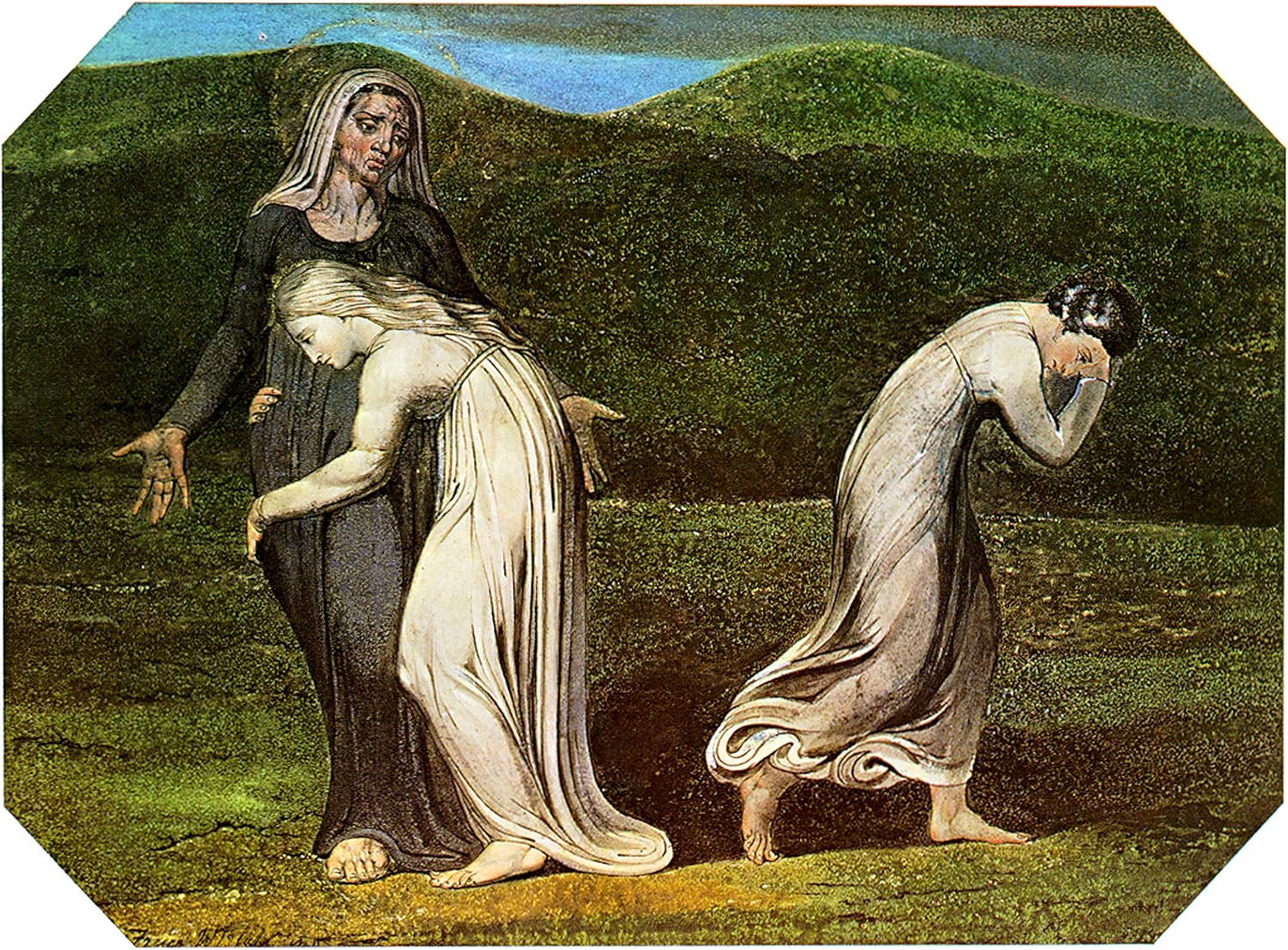 Toi qui as fixé les frontières, dressé les bornes de la terre, tu as créé l’été, l’hiver ! Psaumes 74: 17


 Publié par jcdurbant


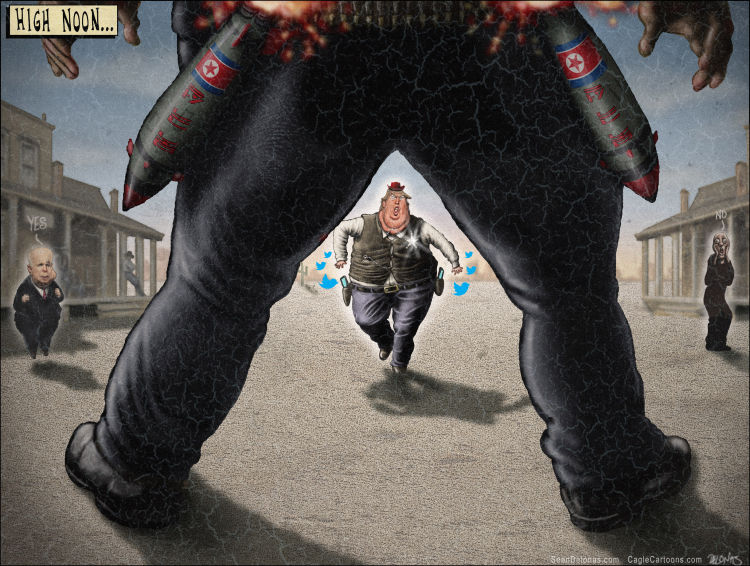


 jcdurbant
