


 Le Pape ! Combien de divisions ? Joseph Staline (1935)
Nous ne tolérerons jamais les relectures de l’histoire qui s’efforcent de justifier les bourreaux et de calomnier les véritables vainqueurs. (…) La Russie a été et sera toujours un rempart indestructible contre le nazisme, la russophobie, l’antisémitisme. Les partisans de ces idéologies assassines et délétères nous trouveront toujours sur leur chemin. La vérité et la justice sont de notre côté. Vladimir Poutine (2025)
Si le progrès technologique ne s’accompagne pas d’une modernisation des institutions politiques, le résultat sera Gengis Khan avec un télégraphe. Alexandre Herzen (au tsar Alexandre II)
Songeons à la carence de ces avant-gardes qui nous prêchaient l’inexistence du réel ! Il nous faut entrer dans une pensée du temps où la bataille de Poitiers et les Croisades sont beaucoup plus proches de nous que la Révolution française et l’industrialisation du Second Empire. (…) L’Europe (…) est redevenue, après le Communisme, cet espace infiniment vulnérable que devait être le village médiéval face aux Vikings. (…) Il y a là une démission de la raison. Elle ressemble par certains côtés aux apories du pacifisme, dont nous avons vu à quel point elles pouvaient encourager le bellicisme. (…) Il faut donc réveiller les consciences endormies. Vouloir rassurer, c’est toujours contribuer au pire. René Girard
Ca crée une sorte de brouillard. Au début, certaines de ces choses semblent naturelles, mais ensuite elles se produisent de plus en plus et vous commencez à vous poser des questions. Dans certains cas, il n’y a pas de preuve, mais nous avons de forts soupçons. Haut responsable européen de la sécurité (2025)
Vous savez en effet que le but de ce complot des plus iniques est de pousser les gens à renverser tout l’ordre des affaires humaines et de les attirer vers les théories malfaisantes de ce socialisme et de ce communisme, en les confondant avec des enseignements pervertis. Pius IX (Nostis et Nobiscum, 1849)
Le principe principal du socialisme, la communauté des biens, doit être totalement rejeté. Léon XIII (Rerum Novarum, 1891)
Le communisme, le socialisme, le nihilisme, hideuses difformités de la société civile des hommes et presque sa ruine. Léon XIII (Diuturnum, 1881)
En effet, si la crainte de Dieu et le respect des lois divines disparaissent, si l’autorité des gouvernants est méprisée, si la sédition est permise et approuvée, si les passions populaires sont poussées à l’anarchie sans autre frein que celui du châtiment, il s’ensuivra nécessairement un changement et un renversement de toutes choses. Oui, ce changement et ce renversement sont délibérément planifiés et mis en avant par de nombreuses associations de communistes et de socialistes. Léon XIII (Humanum Genus, 1884)
Nous parlons de cette secte d’hommes qui, sous des noms divers et presque barbares, s’appellent socialistes, communistes ou nihilistes, et qui, répandus dans le monde entier et unis par les liens les plus étroits dans une méchante confédération, ne cherchent plus l’abri de réunions secrètes, mais, marchant ouvertement et hardiment à la lumière du jour, s’efforcent de mener à terme ce qu’ils préparent depuis longtemps : le renversement de toute société civile quelle qu’elle soit. Ce sont eux, en effet, qui, comme l’attestent les Saintes Écritures, « souillent la chair, méprisent la domination et blasphèment la majesté » (Jude 8). Léon XIII (Quod Apostolici Muneris, 1878)
Les socialistes et les membres d’autres sociétés séditieuses, qui travaillent sans cesse à détruire l’État jusque dans ses fondements. Léon XIII (Libertas Praestantissimum, 1888)
Il faut une union d’esprits courageux avec toutes les ressources qu’ils peuvent commander. La moisson de la misère est sous nos yeux, et les terribles projets des plus désastreux bouleversements nationaux nous menacent du fait de la puissance croissante du mouvement socialiste. Ils se sont insidieusement introduits au coeur même de la communauté et, dans l’obscurité de leurs réunions secrètes et à la lumière du jour, dans leurs écrits et leurs harangues, ils poussent les masses à la sédition ; ils rejettent la discipline religieuse ; ils méprisent les devoirs ; ils ne réclament que des droits ; ils travaillent sans cesse sur les multitudes de nécessiteux qui augmentent chaque jour et qui, en raison de leur pauvreté, sont facilement trompés et entraînés dans l’erreur. C’est l’affaire de l’État et de la religion, et tous les hommes de bien doivent considérer comme un devoir sacré de préserver et de garder l’un et l’autre dans l’honneur qui leur est dû. Léon XIII (Graves de Communi Re, 1901)
Nous avons vu que cette grande question sociale ne peut être résolue qu’en posant comme principe que la propriété privée doit être considérée comme sacrée et inviolable. La loi doit donc favoriser la propriété, et sa politique doit tendre à ce que le plus grand nombre possible de personnes deviennent propriétaires. De nombreux avantages découleront de cette mesure ; tout d’abord, la propriété sera certainement plus équitablement répartie. Car la conséquence des changements et des révolutions civiles a été de diviser la société civile en deux classes très distinctes. D’un côté, il y a le parti qui détient le pouvoir parce qu’il possède la richesse ; qui a entre ses mains tout le travail et le commerce ; qui manipule à son profit et pour ses propres fins toutes les sources d’approvisionnement, et qui n’est pas sans influence même dans l’administration de l’État. De l’autre côté, il y a la multitude nécessiteuse et impuissante, malade et affligée dans son esprit, toujours prête à se soulever. Si les travailleurs peuvent être encouragés à envisager d’acquérir une part de la terre, il en résultera que l’écart entre la richesse immense et la pauvreté extrême sera comblé, et les différentes classes se rapprocheront les unes des autres. Un autre avantage en découlera : la grande abondance des fruits de la terre. Les hommes travaillent toujours plus durement et plus volontiers lorsqu’ils travaillent sur ce qui leur appartient ; bien plus, ils en viennent à aimer la terre même qui, par le travail de leurs mains, produit non seulement de quoi se nourrir, mais aussi une abondance de bonnes choses pour eux-mêmes et pour ceux qui leur sont chers. Il est évident qu’un tel esprit de travail volontaire augmenterait la production de la terre et la richesse de la communauté. Et un troisième avantage en découlerait : les hommes s’attacheraient au pays où ils sont nés, car personne n’échangerait son pays pour une terre étrangère si le sien lui offrait les moyens de vivre une vie décente et heureuse. Mais ces avantages ne peuvent être obtenus que si les moyens d’un homme ne sont pas épuisés et drainés par des impôts excessifs. Le droit de posséder une propriété privée est dérivé de la nature, et non de l’homme ; et l’État a le droit d’en réguler l’usage dans l’intérêt du bien public uniquement, mais en aucun cas de l’absorber entièrement. L’État serait donc injuste et cruel s’il privait le propriétaire privé de plus que ce qui est juste. Quant à ceux qui ne possèdent pas les dons de la fortune, ils peuvent toujours, en s’engageant dans une forme de travail, acquérir des biens de manière légitime ; car le travail est le seul moyen par lequel les hommes peuvent accumuler des biens sans dépouiller autrui. Il s’ensuit que chaque homme a un droit naturel à se procurer ce qui est nécessaire pour vivre ; et les pauvres ne peuvent y parvenir autrement que par ce qu’ils sont capables de gagner par leur travail. Pour résumer : les socialistes, en s’efforçant de transférer les possessions des individus à la communauté dans son ensemble, portent atteinte aux intérêts de chaque salarié, car ils le priveraient de la liberté de disposer de son salaire, et par là de tout espoir et de toute possibilité d’augmenter ses ressources et d’améliorer sa condition de vie. Ce qui est bien plus grave, cependant, c’est que le remède qu’ils proposent est manifestement contraire à la justice. Car tout homme a, par nature, le droit de posséder une propriété comme étant la sienne. Ce droit, de plus, est prééminent sur tous les autres droits en ce sens qu’il est plus fondamental ; il est aussi celui qui est le plus étroitement lié aux devoirs de l’homme envers sa famille. Il faut admettre que les différences entre les hommes en termes de force, de santé et de capacité sont telles qu’une égalité absolue à ces égards est impossible ; et de cette inégalité découle nécessairement une inégalité de fortune. Ce n’est pas un mal dont il faut se lamenter, mais une condition qu’il faut accepter comme inévitable, car elle découle de la nature même des choses. Les socialistes peuvent faire tout leur possible à cet égard ; ils ne parviendront jamais à abolir les inégalités de la condition humaine, ni les inégalités de fortune qui en résultent. Bien au contraire, leurs projets, s’ils étaient mis en œuvre, seraient fatals à la communauté ; car ils détruiraient cet encouragement à l’effort qui est le moteur principal de l’activité humaine, et ils instaureraient un état de choses dans lequel les paresseux et les industrieux seraient traités de la même manière — une condition qui serait désastreuse pour le bien commun. Pape Leo XIII (Rerum Novarum, 15 mai, 1891)
[L’Église s’est engagée à protéger l’individu et la famille contre un courant qui menace de provoquer une socialisation totale et qui, en fin de compte, ferait du spectre du « Léviathan » une réalité choquante. L’Église mènera ce combat jusqu’au bout, car il s’agit de valeurs suprêmes : la dignité de l’homme et le salut des âmes. Pie XII (« Message radiodiffusé au Katholikentag de Vienne », 1952)
Poursuivant notre réflexion, … nous devons ajouter que l’erreur fondamentale du socialisme est de nature anthropologique. Le socialisme considère l’individu comme un simple élément, une molécule de l’organisme social, de sorte que le bien de l’individu est complètement subordonné au fonctionnement du mécanisme socio-économique. Le socialisme soutient également que le bien de l’individu peut être réalisé sans référence à son libre choix, à la responsabilité unique et exclusive qu’il exerce face au bien ou au mal. L’homme est ainsi réduit à une série de relations sociales, et le concept de la personne en tant que sujet autonome de la décision morale disparaît, le sujet même dont les décisions construisent l’ordre social. De cette conception erronée de la personne découlent à la fois une déformation du droit, qui définit la sphère d’exercice de la liberté, et une opposition à la propriété privée. Jean-Paul II (Rerum Novarum, 1991)
L’État qui fournirait tout, qui absorberait tout en lui, deviendrait en fin de compte une simple bureaucratie incapable de garantir ce dont la personne souffrante – toute personne – a besoin : une attention personnelle aimante. Nous n’avons pas besoin d’un État qui réglemente et contrôle tout, mais d’un État qui, conformément au principe de subsidiarité, reconnaisse et soutienne généreusement les initiatives émanant des différentes forces sociales et associe spontanéité et proximité avec les personnes dans le besoin. … En définitive, l’affirmation selon laquelle des structures sociales justes rendraient superflues les œuvres de charité cache une conception matérialiste de l’homme : l’idée erronée que l’homme peut vivre ‘de pain seulement’ (Mt 4,4 ; cf. Dt 8,3) – une conviction qui rabaisse l’homme et méconnaît en fin de compte tout ce qui est spécifiquement humain ». Benoît XVI (Deus Caritas Est, 2005)
La nature antisoviétique des églises et l’incompatibilité de leurs croyances avec l’idéologie marxiste-léniniste ont obligé les organes de sécurité de l’État en URSS à mettre un terme à leurs activités. Le Vatican est l’une des principales cibles de l’observation et de la pénétration des agents du KGB. Vasili Mitrokhin (transfuge du KGB)
Des documents de l’ancienne police secrète est-allemande, la Stasi, récemment mis au jour semblent attribuer au KGB la tentative d’assassinat du pape Jean-Paul II en 1981. (…) De nouveaux documents trouvés dans les dossiers des anciens services de renseignement est-allemands confirment que la tentative d’assassinat du pape Jean-Paul II en 1981 a été ordonnée par le KGB soviétique et confiée à des agents bulgares et est-allemands. Selon le journal italien Corriere della Sera, les documents trouvés par le gouvernement allemand indiquent que le KGB a ordonné à des collègues bulgares de commettre l’assassinat, laissant au service est-allemand connu sous le nom de Stasi le soin de coordonner l’opération et de dissimuler les traces par la suite. La Bulgarie a ensuite confié l’exécution du complot à des extrémistes turcs, dont Mehmet Ali Agca, qui a appuyé sur la gâchette. Ali Agca, qui est aujourd’hui emprisonné en Turquie, a affirmé après son arrestation que l’opération était sous le contrôle de l’ambassade bulgare à Rome. Les Bulgares ont toujours clamé leur innocence et affirmé que l’histoire d’Agca faisait partie d’un complot anticommuniste des services secrets italiens et de la CIA. Les documents consistent principalement en des lettres d’agents de la Stasi à leurs homologues bulgares demandant de l’aide pour dissimuler les traces de l’attentat et nier l’implication de la Bulgarie. (…) Trois Bulgares ont été accusés d’avoir organisé la tentative d’assassinat du 13 mai 1981. L’un des trois, Sergey Antonov, a été arrêté en 1982 et jugé mais acquitté pour manque de preuves. (…) M. Gozzanti a déclaré qu’il était nécessaire de découvrir la vérité avant la mort du pape, qui a déclaré dans ses propres mémoires, « Mémoire et identité : Conversations entre les millénaires », qu’Ali Agca était un instrument des forces extérieures. Lors d’une visite en Bulgarie en mai 2002, le pape a déclaré qu’il n’avait « jamais cru à la soi-disant connexion bulgare ». Deutsche Welle
Consternés par la perspective de voir un Polonais anticommuniste diriger l’Église catholique romaine, les dirigeants du KGB auraient donné l’ordre de détruire Jean-Paul II quelques heures après son élection en 1979. Les opérations – dont les noms de code sont Pagode et Infection – auraient donné pour instruction aux services de renseignement des pays du pacte de Varsovie de « discréditer l’Église et le pape par la désinformation et des provocations qui n’excluent pas son élimination physique ». Ces allégations figurent dans 47 pages de documents communiqués à la commission sur le terrorisme du parlement italien. Les services secrets italiens, le Sisde, auraient obtenu ces documents de la Tchécoslovaquie de l’époque en 1990. Selon des extraits publiés hier dans le journal Il Giorno, les archives ont confirmé les affirmations selon lesquelles l’Union soviétique était à l’origine de la tentative d’assassinat du pape en mars 1981 sur la place Saint-Pierre, à Rome. Il n’a jamais été prouvé que le tireur, Mehmet Ali Agca, membre turc du groupe terroriste des Loups gris, travaillait pour Moscou. Selon les dossiers, des agents du KGB ont comploté pour placer un mouchard dans une statue de la Madone conservée sur une table dans le bureau privé du défunt secrétaire d’État du Vatican, le cardinal Agostino Casaroli. Un plan visant à placer un autre mouchard dans un cadre photo a également été allégué. Le KGB voulait être en mesure d’anticiper et de combattre le Vatican qui attisait le sentiment anticommuniste en Europe de l’Est. Markus Wolf, qui dirigeait les services secrets de la Stasi en Allemagne de l’Est, a affirmé qu’un moine bénédictin qui travaillait au Vatican était une taupe. La commission sur le terrorisme a promis d’enquêter sur toutes les allégations. Les services secrets italiens seraient en possession de 600 pages supplémentaires de documents tchécoslovaques. Ils ont été remis après l’accession de Vaclav Havel à la présidence. Enzo Fragala, membre du parti de droite Alleanza Nazionale, a déclaré qu’il était clair que l’Union soviétique voulait détruire l’une des plus graves menaces pour son empire. « Les Soviétiques ont réussi à organiser une attaque frontale contre le Vatican et le pape », a-t-il déclaré. Le Vatican a refusé de commenter ces allégations. Rory Carroll
Quelle plus grave menace pour l’empire soviétique ?
Au moment où face au dernier « Gengis Kahn avec le télégraphe »…
Et la plus formidable et proprement diabolique campagne depuis 80 ans de mensonges, manipulation et assassinats …
L’Europe redevient comme le rappelait René Girard …
Cet « espace infiniment vulnérable que devait être le village médiéval face aux Vikings » …
Pendant que de l’autre côté de l’Atlantique, l’Amérique se referme à nouveau dans l’isolationnisme …
Devinez qui à Moscou 44 ans après la tentative d’assassinat par le KGB du pape …
Qui avait joué un rôle déterminant dans la chute de son regretté empire soviétique dix ans plus tard …
Pourrait à nouveau poser la fameuse question de son prédécesseur …
Au ministre français des affaires étrangères et plus tard infâme collaborateur nazi Pierre Laval …
L’interrogeant sur les prêtres au goulag pour rendre service au pape qu’il venait de rencontrer …
En tant que premier officiel français en 126 ans depuis l’emprisonnement de Pie VII par Napoléon …
Afin de contrer la menace croissante du nazisme, lors des négociations à Moscou pour le traité d’assistance mutuelle franco-soviétique de 1935 …
Qui devait servir de prétexte pour justifier la remilitarisation de la Rhénanie par l’Allemagne en 1936…
Quand traumatisés par Verdun et paralysés par la perspective d’une nouvelle guerre mondiale la France et la Grande-Bretagne ont laissé passer leur chance d’arrêter Hitler…
Alors que l’élection du premier pape américain de l’histoire portant le nom de l’un des plus féroces critiques du socialisme…
A lieu le jour même où avec son membre cofondateur chinois de l’Axe du mal…
Il proclame la fin de l’hégémonie américaine ?
KGB plotted to kill Pope and bug Vatican
Rory Carroll in Rome
The Guardian
4 Nov 1999
The KGB plotted to kill the Pope and spy on the Vatican by planting a bug inside a statue of the Virgin Mary, according to Czechoslovak secret service documents published in Italy yesterday.
Appalled at the prospect of an anti-communist Pole leading the Roman Catholic church, KGB bosses allegedly gave orders to destroy John Paul II hours after his election in 1979.
Operations – codenamed Pagoda and Infection – allegedly instructed intelligence agencies in the Warsaw pact countries to « discredit the church and the Pope with disinformation and provocations that do not exclude his physical elimination ».
The claims were contained in 47 pages of documents released to the Italian parliament’s terrorism commission.
Italy’s domestic secret service, Sisde, is believed to have obtained the papers from the then Czechoslovakia in 1990.
The archive vindicated claims that the Soviet Union was behind the March 1981 assassination attempt on the Pope in St Peter’s Square, Rome, according to excerpts published in yesterday’s Il Giorno newspaper.
It has never been proved that the gunman, Mehmet Ali Agca, a Turkish member of the Grey Wolves terrorist group, was working for Moscow.
KGB agents plotted to plant a bug in a statue of the Madonna kept on a table in the private study of the late Vatican secretary of state, Cardinal Agostino Casaroli, according to the files. A plan to put another bug in a picture frame was also alleged.
The KGB wanted to be able to anticipate and combat the Vatican’s stoking of anti-communist sentiment in eastern Europe.
Markus Wolf, who headed East Germany’s Stasi secret service, has claimed that a Benedectine monk who worked inside the Vatican was a mole.
The terrorism commission promised to investigate all the allegations. The Italian secret service is believed to possess another 600 pages of Czechoslovak documents. They were handed over after Vaclav Havel became president.
Enzo Fragala, a member of the rightwing Alleanza Nazionale, said it was clear that the Soviet Union wanted to destroy one of the gravest threats to its empire. « The Soviets succeeded in organising a frontal attack on the Vatican and the Pope, » he said.
The Vatican declined to comment on the allegations.
Voir aussi:
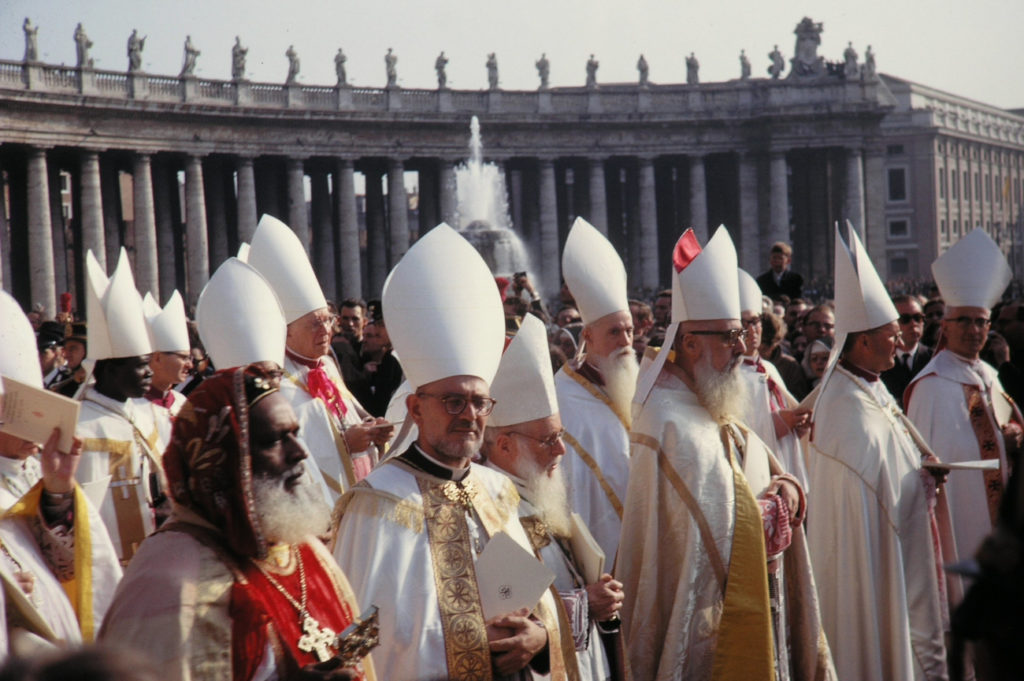
“How many divisions does the pope have?” This was Stalin’s sarcastic response to Churchill’s request not to let internal developments in Poland upset relations with the pope. While Stalin’s dismissive statement suggested that the Catholic Church was an insignificant power in international affairs, he could not have been farther from the truth. The Holy See has played an important but understudied role in intelligence and diplomacy through its diplomatic service, which is one of the oldest in the world. The extensive presence of the Holy See’s diplomats combined with their neutrality provides them access to unique information in the far corners of the globe.
Formerly top-secret KGB (Soviet security service) documents declassified after the end of the Cold War reveal the Kremlin’s obsession with containing the papacy’s influence. The Soviet security services devoted substantial resources to penetrating and undermining the Catholic Church for the entirety of the Cold War. And as international threats have become more sophisticated, so too have the Vatican’s methods for protecting itself. Today, because the papacy maintains diplomatic relations with 183 countries, the Catholic Church is still an influential power in international affairs. While the papacy does not possess a formal intelligence service, it does field a diplomatic corps that provides valuable information to the diplomatic community in the far reaches of the globe, including war zones in the Middle East and Africa.
A Brief History of the Pope’s Diplomatic ServiceThe Holy See’s diplomatic service was established over 500 years ago. In addition to his role as the head of the Catholic Church, the pope is the political leader of Vatican City, the smallest sovereign state in the world. Papal ambassadors, called “nuncios,” are the official representatives of the pope to sovereign states and to foreign bodies, such as the United Nations. Their diplomatic cables to Rome include information about secular political, economic, and social concerns in addition to notes about the local church community, such as which priests might be candidates for elevation to bishop.
Papal diplomats train at the Pontifical Ecclesiastical Academy in Rome. Bishops nominate candidates who are then selected by the Secretariat of State headquartered in Vatican City. The Secretariat of State is the central governing bureaucracy of the Catholic Church and is responsible for the Church’s political and diplomatic affairs. The Secretary for Relations with States is the equivalent of a foreign minister and the Holy See’s most senior diplomatic official.
The course of study for papal diplomats at the Pontifical Ecclesiastical Academy is approximately four years in length; if the entering student already has an advanced degree in canon law, the course is shortened to two years. The curriculum includes diplomatic history, international law, negotiation techniques, economics, canon law, theology, and cultural studies. Students are also expected to become proficient in two languages in addition to their mother tongue. U.S. foreign service officers, by comparison, train for several months up to a year or more, depending on the nature of their first assignment and language requirements. Papal diplomatic training is significantly longer due to the obligation to gain expertise in theology and Church law. In a 2016 interview, Archbishop Timothy Broglio, a former papal nuncio who served in Latin America and Africa, said that as in the U.S. State Department, papal diplomats are moved every few years and often serve in austere locations.
With their extensive training, nuncios serve as an invaluable source of information on political, economic, and social developments in dangerous locations around the globe. Hugh Wilson, who served as U.S. ambassador to Germany before the outbreak of World War II, said that the pope had “the best information service in the world.” More recently, the Holy See was credited with using its diplomatic connections in Cuba to assist Washington and Havana’s normalization of relations in 2014. Today as in the past, when wars break out and other diplomats begin evacuating, papal nuncios remain in their posts even though the Holy See allows them to leave as violence escalates. In 2003, rebels in Burundi believed to be from the National Liberation Forces assassinated Archbishop Michael Courtney for his role in negotiating a peace accord between the Burundian government and the Hutu opposition. Perhaps the best example of the influence of papal diplomacy in international relations is its role in combatting communism during the Cold War.
Espionage and the Holy See during the Cold War
Shortly after the Bolshevik Revolution in 1917 and the founding of the Soviet state, senior leadership in the Holy See recognized the threat that the Soviets posed to organized religion. In 1929, Pope Pius XI established the Pontifical Russian College, the Russicum, to prepare priests for service in territories controlled by the communists. However, the Soviets believed it served as a schoolhouse for spies. The 1972 edition of the KGB’s counter-intelligence encyclopedia described the Russicum as a clandestine intelligence organization engaged in active measures and influence operations. It stated that students at the Russicum received political, theological, and language training, “are taught civilian specialties to establish a cover identity,” and that “their goal is organizing support for subverting the Soviet Union.”
Since such a substantial portion of the population in Soviet-occupied territory was Catholic, the Kremlin was especially concerned with the Holy See using its influence to undermine Soviet authority. KGB defector Vasili Mitrokhin stated that the Soviets viewed the Catholic Church as a serious ideological threat and that “the Vatican was a primary target for KGB penetration operations.” Owing to Soviet anxiety about ideological subversion after the rebellions in Hungary and Czechoslovakia, the KGB’s operations targeting the Holy See expanded significantly in the 1960s and 1970s.
The Soviets were particularly concerned about subversion in Lithuania, as more than 80 percent of its population was Catholic. A primary objective of the KGB was to prevent the Holy See from contacting any Catholic clergy not under Soviet control. In 1956, the KGB launched Operation Students, designed to penetrate Vatican bureaucracies and undermine the Catholic Church’s influence in Lithuania, by sending two KGB agents to study as theology students at the Pontifical Lateran University in Rome.
While these agents did interact with senior members of the Holy See — they even met Pope John XXIII — the operation largely failed. Many of their fellow students, Lithuanian emigres in Rome, and clergy suspected that they were cooperating with Soviet authorities. Certainly, the operation did not result in the degradation of the power and influence of the Church among the Catholic faithful in Lithuania that the Soviets so strongly desired.
In 1962, the Soviets tried again to penetrate the inner sanctum of the Holy See. That same year, the pope officially convened the Second Vatican Council, which considered a broad number of reforms in the Catholic Church. Invitations for participation were sent to the Christian Churches in communist territories. In response, the KGB assembled a delegation of Catholic clerics from Lithuania, among whom were several of its agents. The KGB instructed these agents to directly participate in and shape the discussions taking place at the council. They were to achieve a private audience with the pope, make inroads with the “reform wing” in the Vatican, and work to convince council participants that accounts of persecution of Catholics behind the Iron Curtain were much exaggerated. Because the KGB was not able to cultivate high-level sources in the Holy See, this operation also proved to be of little utility in the Soviet Union’s clandestine war against the Catholic Church.
The Kremlin’s concerns about Catholic influence only increased over time. In 1975, the KGB organized a conference in Warsaw with representatives from the security agencies of East Germany, Czechoslovakia, Hungary, Poland, Bulgaria, and Cuba to devise a strategy for more coordinated intelligence operations targeting the Catholic Church. A formerly top-secret KGB document states that the communist security organs should actively attempt to cultivate several influential Catholic officials, such as Cardinal Agostino Casaroli, a senior Holy See diplomatic official, and Cardinal Franz König, the Archbishop of Vienna. Other stated objectives of the conference included penetrating the academy responsible for training Vatican diplomats and gathering intelligence about future papal elections. The objectives of the Soviets at the conference could be characterized as wishful thinking. The KGB did, however, manage to surreptitiously implant a listening device in a statue that was placed in the dining room of Cardinal Casaroli. Since Casaroli regularly had discussions with papal diplomats focused on the Communist bloc at that location, the electronic bug was likely a good source of information on the Holy See’s policy of Ostpolitik, i.e., rapprochement with the Communist bloc.
Soviet fears about the Holy See turned into hysteria in October 1978, when the College of Cardinals chose Polish Cardinal Karol Wojtyla as pope. When Yuri Andropov, the head of the KGB at the time, learned of Wojtyla’s election, he asked his station chief in Warsaw, “How could you possibly allow the election of someone from a socialist country as pope?” The KGB had been closely following the career of Wojtyla owing to his profound anti-communism before his elevation as Pope John Paul II. A KGB report described him as a dangerous anti-communist. A declassified Central Intelligence Agency report from 1978 presciently stated that a Polish pope would rejuvenate nationalism in Poland and the other Soviet-occupied states, posing a serious challenge to Soviet authority and stability.
The Reagan administration viewed the Catholic Church as a very important ally in the war against communism. Ronald Reagan and Central Intelligence Agency Director William Casey were both elated by the articulate anti-communism of Pope John Paul II, which led to the establishment of diplomatic relations with the Holy See in 1984. Casey traveled to Rome several times to meet personally with the pope and brief him on developments in the communist world. A declassified Central Intelligence Agency report details a January 1986 briefing given by U.S. intelligence representatives to a small number of Holy See officials on Ronald Reagan’s Strategic Defense Initiative, a highly controversial missile defense system. That U.S. intelligence officials provided a classified briefing to a group of papal advisers underlines the importance that the Reagan Administration attributed to the Holy See in world affairs. Additionally, the Central Intelligence Agency used Catholic clergy to funnel money into Poland to support Solidarity, the anti-communist Polish trade union.
The KGB’s fears about the threat to communism posed by the Catholic Church were indeed justified, and the Holy See ranked as one of the top targets of Soviet intelligence services during the Cold War. Nevertheless, the concerted efforts of the Soviet security services to undermine the Catholic Church’s influence in the Eastern bloc were a complete failure. Eminent Cold War historian John Lewis Gaddis identifies Pope John Paul II as an instrumental figure in setting the course for the Soviet Union’s demise. The collapse of communism, however, did not diminish the Holy See’s active role in post-Cold War international relations.
Quietly Influencing International Relations: The Holy See after the Cold War
In the post-Cold War world, the Holy See’s diplomatic efforts are even more apparent in every corner of the globe. Because the Holy See today maintains diplomatic relations with so many countries, it serves as a valued source of information for Western diplomatic services and remains a target of foreign intelligence organizations. In a 2017 interview, one former U.S. diplomat said that many nuncios have in-depth subject matter expertise on foreign governments with whom Western governments have limited or no contact. Because the pope maintains a policy of political nonalignment, his diplomatic corps obtains unique access to foreign powers, especially in the Middle East.
The Holy See has proven a very active force in attempting to prevent the escalation of violence in the Middle East. To achieve this aim, papal diplomats worked diligently to cultivate better relations with Iran in particular, opening a diplomatic mission in Tehran and consecrating a bishop to serve Catholics in Iran. The Holy See’s efforts to engage with Iran have given it greater access to that country’s senior leadership, which now maintains one of the largest diplomatic missions to the Vatican.
Iran and Russia, among others, have acknowledged the Holy See’s weight in international deliberations. In 2013, the Holy See persistently lobbied against military intervention in Syria in response to allegations that Assad used chemical weapons against his own people. Papal diplomats briefed over 70 foreign ambassadors on the pope’s position. When the United States chose not to intervene militarily at the time, it provided evidence that the Holy See remained an influential force in international relations among the great powers. Iran “expressed admiration for the way the pope headed off airstrikes in Syria.”
As the international threat environment has evolved, so too has the Holy See’s approach to security. Given the large number of diplomatic missions accredited to the Holy See, Vatican City remains a center of foreign intelligence activity. Iran maintains a large diplomatic presence in the Vatican. A senior official in Vatican City once said to a journalist, “who knows what other duties they [Iranian diplomats] have,” implying that Iranian intelligence is active in “the world’s great listening post.” Since the Holy See maintains close contact with countries of interest to Tehran, Vatican City is an attractive target for Iran’s intelligence services.
Additionally, the Holy See is ever more concerned about foreign powers using electronic eavesdropping technology, especially during the election of a new pope. When a pope dies or resigns, the College of Cardinals gathers in the Sistine Chapel in Vatican City to elect the new pope. Prior to their meeting, Italian secret services in conjunction with Vatican security officials thoroughly sweep the Sistine Chapel for electronic bugs. Additionally, they employ jamming equipment to prevent radio frequency signals from either entering or emanating from the area. Cardinals are prohibited from bringing cell phones or other electronic devices into the Sistine Chapel during the selection of a new pope.
The Holy See is also concerned about the physical security of its diplomatic missions and the integrity of its communications networks. A former nuncio said during a 2017 interview on diplomacy that papal embassies use modern and sophisticated methods of encryption when transmitting diplomatic cables to Rome. Because the Holy See is neutral and desires to be welcoming, it institutes minimal physical security measures at its overseas diplomatic facilities. In 2009, the residence of Archbishop Paul Gallagher, the nuncio to Burundi who took over after the assassination of Archbishop Courtney, was hit by National Liberation Forces mortars. While Gallagher survived, the incident demonstrated once again that the Holy See’s diplomats are putting their lives on the line in dangerous locations around the world.
Conclusion
Intelligence studies of the Cold War tend to overlook the historical importance of the Holy See, despite the archival material available from the Soviet security services establishing that the Kremlin viewed the Catholic Church as a significant threat to Soviet authority. The persistent efforts of the KGB and its sister services to penetrate and undermine the Holy See proved to be futile. While the Cold War is over, the prominent role of the Catholic Church in international affairs has only expanded. The extensive footprint of papal diplomats around the world has solidified their place as valuable members of the international affairs community. The pope does not have a large military or vast economic resources. Regardless, the Holy See will remain a prime target for espionage due to its influence and possession of one of the most valuable commodities of the present time: accurate and timely information.
Aaron Bateman is pursuing a Ph.D. in history at Johns Hopkins University. Previously, he served for six years as a U.S. Air Force intelligence officer. He has published on a wide variety of subjects including Russian intelligence and Cold War history.
Voir également:
The Last Pope Leo Had Some Great Takes on Socialism

National Review
The new pope is taking the regnal name Leo XIV. The last Pope Leo was in office from 1878 to 1903. Perhaps his most famous written work is Rerum novarum, an 1891 encyclical “on capital and labor” that is often described as charting a third way between capitalism and socialism for Catholic teaching. This description is incomplete, if not entirely wrong, as Rerum novarum is very clear that socialism is evil, and markets and private property are essential to human flourishing. And Leo XIII composed some of the strongest denunciations of socialism ever written. It was a major theme of his papacy from beginning to end.
Rerum novarum
Let’s start, though, with Rerum novarum, since it has been so much more influential than his other works. Writing in 1891, Leo XIII said:
The socialists, working on the poor man’s envy of the rich, are striving to do away with private property, and contend that individual possessions should become the common property of all, to be administered by the State or by municipal bodies. They hold that by thus transferring property from private individuals to the community, the present mischievous state of things will be set to rights, inasmuch as each citizen will then get his fair share of whatever there is to enjoy. But their contentions are so clearly powerless to end the controversy that were they carried into effect the working man himself would be among the first to suffer. They are, moreover, emphatically unjust, for they would rob the lawful possessor, distort the functions of the State, and create utter confusion in the community.
“Socialists, therefore, by endeavoring to transfer the possessions of individuals to the community at large, strike at the interests of every wage-earner, since they would deprive him of the liberty of disposing of his wages, and thereby of all hope and possibility of increasing his resources and of bettering his condition in life,” the encyclical says. “Every man has by nature the right to possess property as his own.”
“The socialists, therefore, in setting aside the parent and setting up a State supervision, act against natural justice, and destroy the structure of the home,” Leo XIII wrote. He goes on:
And in addition to injustice, it is only too evident what an upset and disturbance there would be in all classes, and to how intolerable and hateful a slavery citizens would be subjected. The door would be thrown open to envy, to mutual invective, and to discord; the sources of wealth themselves would run dry, for no one would have any interest in exerting his talents or his industry; and that ideal equality about which they entertain pleasant dreams would be in reality the levelling down of all to a like condition of misery and degradation. Hence, it is clear that the main tenet of socialism, community of goods, must be utterly rejected, since it only injures those whom it would seem meant to benefit, is directly contrary to the natural rights of mankind, and would introduce confusion and disorder into the commonweal. The first and most fundamental principle, therefore, if one would undertake to alleviate the condition of the masses, must be the inviolability of private property.
No wiggle room there. Private property is God-ordained and fundamental to human life. Leo XIII’s criticism of capitalism is much more nuanced and restrained. He saw a greater role for organized labor than the U.S. has typically had, and the working classes in Europe were genuinely in worse shape in the late 1800s than they are today. Part of the solution, he believed, was not greater government control but rather more private ownership, and he wrote that government policy “should be to induce as many as possible of the people to become owners.”
Quod apostolici muneris
Now, back to the start. Leo XIII devoted his entire second encyclical, 1878’s Quod apostolici muneris, to the subject of socialism. In the first paragraph, he wrote, “You understand, venerable brethren, that We speak of that sect of men who, under various and almost barbarous names, are called socialists, communists, or nihilists, and who, spread over all the world, and bound together by the closest ties in a wicked confederacy, no longer seek the shelter of secret meetings, but, openly and boldly marching forth in the light of day, strive to bring to a head what they have long been planning – the overthrow of all civil society whatsoever.”
Of socialists, Leo XIII wrote:
Surely these are they who, as the sacred Scriptures testify, “Defile the flesh, despise dominion and blaspheme majesty.” They leave nothing untouched or whole which by both human and divine laws has been wisely decreed for the health and beauty of life. They refuse obedience to the higher powers, to whom, according to the admonition of the Apostle, every soul ought to be subject, and who derive the right of governing from God; and they proclaim the absolute equality of all men in rights and duties. They debase the natural union of man and woman, which is held sacred even among barbarous peoples; and its bond, by which the family is chiefly held together, they weaken, or even deliver up to lust. Lured, in fine, by the greed of present goods, which is “the root of all evils, which some coveting have erred from the faith,” they assail the right of property sanctioned by natural law; and by a scheme of horrible wickedness, while they seem desirous of caring for the needs and satisfying the desires of all men, they strive to seize and hold in common whatever has been acquired either by title of lawful inheritance, or by labor of brain and hands, or by thrift in one’s mode of life. These are the startling theories they utter in their meetings, set forth in their pamphlets, and scatter abroad in a cloud of journals and tracts. Wherefore, the revered majesty and power of kings has won such fierce hatred from their seditious people that disloyal traitors, impatient of all restraint, have more than once within a short period raised their arms in impious attempt against the lives of their own sovereigns.
“But the boldness of these bad men, which day by day more and more threatens civil society with destruction, and strikes the souls of all with anxiety and fear, finds its cause and origin in those poisonous doctrines which, spread abroad in former times among the people, like evil seed bore in due time such fatal fruit,” Leo XIII continued. He saw the church as a source of “doctrines and precepts whose special object is the safety and peace of society and the uprooting of the evil growth of socialism.”
He accused socialists of “stealing the very Gospel itself” and said they would “strive almost completely to dissolve” the bonds of family. He concluded, “And since they know that the Church of Christ has such power to ward off the plague of socialism as cannot be found in human laws, in the mandates of magistrates, or in the force of armies, let them restore that Church to the condition and liberty in which she may exert her healing force for the benefit of all society.”
Diuturnum
This encyclical is about the “origin of civil power.” It also mentions socialism, in a paragraph that begins by noting that “the doctrines on political power invented by late writers have already produced great ills amongst men, and it is to be feared that they will cause the very greatest disasters to posterity.” Leo wrote, “For an unwillingness to attribute the right of ruling to God, as its Author, is not less than a willingness to blot out the greatest splendor of political power and to destroy its force.”
He continued:
We have reached the limit of horrors, to wit, communism, socialism, nihilism, hideous deformities of the civil society of men and almost its ruin. And yet too many attempt to enlarge the scope of these evils, and under the pretext of helping the multitude, already have fanned no small flames of misery.
He didn’t know how right he would turn out to be. Writing in 1881, he didn’t know anything about the Soviet Union, North Korea, Cuba, China, or any of the other communist horrors of the century to come.
Licet multa
This 1881 encyclical is about Catholics in Belgium, but Leo XIII felt it necessary to mention socialism in contrast with Christian society.
Most assuredly we, more than any one, ought heartily to desire that human society should be governed in a Christian manner, and that the divine influence of Christ should penetrate and completely impregnate all orders of the State. From the commencement of our Pontificate we manifested, without delay, that such was our settled opinion; and that by public documents, and especially by the Encyclical Letters we published against the errors of Socialism, and, quite recently, upon the Civil Power.
Auspicato concessum
Writing about St. Francis of Assisi in 1882, Leo XIII mentioned that focusing on his institutes would develop Christian virtue and defend against socialism. “Than this disposition of mind nothing is more efficacious to extinguish utterly every vice of this kind, whether violence, injuries, desire for revolution, hatred among the different ranks of society, in all which vices the beginnings and the weapons of socialism are found.”
Humanum genus
This encyclical is against Freemasonry. In passing, it mentions the “monstrous doctrines of the socialists and communists.”
Quod multum
Leo XIII wrote this encyclical in 1886, addressed to the bishops of Hungary. He wrote that the church is an “effective means of restraining socialism.” He sees Christianity and socialism as necessarily opposed to one another:
Nevertheless to restrain the danger of socialism there is only one genuinely effective means, in the absence of which the fear of punishment has little weight to discourage offenders. It is that citizens should be thoroughly educated in religion, and restrained by respect for and love of the Church. For the Church as parent and teacher is the holy guardian of religion, moral integrity, and virtue. All who follow the precepts of the Gospel religiously and entirely are, by this very fact, far from the suspicion of socialism. For religion commands us to worship and fear God and to submit to and obey legitimate authority. It forbids anyone to act seditiously and demands for everyone the security of his possessions and rights. It furthermore commands those who have wealth to come graciously to the aid of the poor. Religion aids the needy with all the works of charity and consoles those who suffer loss, enkindling in them the hope of the greatest eternal blessings which will be in proportion to the labor endured and the length of that labor. Therefore those who rule the states will do nothing wiser and more opportune than to recognize that religion influences the people despite all obstacles and recalls them to virtue and uprightness of character through her teachings. To distrust the Church or hold it suspect is, in the first place, unjust, and in the second, profits no one except the enemies of civil discipline and those bent on destruction.
Libertas
As the name suggests, this encyclical from 1888 is about the nature of liberty. Leo XIII mentions socialism as an example of a doctrine that perverts true human liberty, because it is based on revolution and envy:
With ambitious designs on sovereignty, tumult and sedition will be common amongst the people; and when duty and conscience cease to appeal to them, there will be nothing to hold them back but force, which of itself alone is powerless to keep their covetousness in check. Of this we have almost daily evidence in the conflict with socialists and members of other seditious societies, who labor unceasingly to bring about revolution. It is for those, then, who are capable of forming a just estimate of things to decide whether such doctrines promote that true liberty which alone is worthy of man, or rather, pervert and destroy it.
Exeunte iam anno
Written in 1888, this encyclical is about “the right ordering of a Christian life.” Leo XIII mentions socialism in a list of evils that result from ignoring Christian religion:
In this way We daily see the numerous ills which afflict all classes of men. These poisonous doctrines have utterly corrupted both public and private life; rationalism, materialism, atheism, have begotten socialism, communism, nihilism evil principles which it was not only fitting should have sprung from such parentage but were its necessary offspring. In truth, if the Catholic religion is wilfully rejected, whose divine origin is made clear by such unmistakable signs, what reason is there why every form of religion should not be rejected, not upheld, by such criteria of truth? If the soul is one with the body, and if therefore no hope of a happy eternity remains when the body dies, what reason is there for men to undertake toil and suffering here in subjecting the appetites to right reason?
Solzhenitsyn said that the best explanation for the evils of the Soviet Union might best be summed up with the sentence: “Men have forgotten God.” Leo XIII was foreshadowing that here.
Dall’alto dell’Apostolico seggio
Another encyclical about Freemasonry, this one focuses on Italy and was written in 1890. Leo XIII devoted an entire section to the dangers of socialism. It begins thus:
Moreover, one of the greatest and most formidable dangers of society at the present day, is the agitation of the Socialists, who threaten to uplift it from its foundations. From this great danger Italy is not free; and although other nations may be more infested than Italy by this spirit of subversion and disorder, it is not therefore less true that even here this spirit is widely spreading and increasing every day in strength. So criminal is its nature, so great the power of its organisation and the audacity of its designs, that there is need of uniting all conservative forces, if we are to arrest its progress and successfully to prevent its triumph.
Compare those words with these, from the mission statement for National Review:
The century’s most blatant force of satanic utopianism is communism. We consider “coexistence” with communism neither desirable nor possible, nor honorable; we find ourselves irrevocably at war with communism and shall oppose any substitute for victory.
Buckley was a Catholic, after all.
Permoti nos
Another encyclical about Belgium, written in 1895, exhorts Belgian Catholics to stand strong against socialism. Leo XIII specifically references Rerum novarum as one of his greatest efforts to warn against the evils of socialism:
Let them rather act in the closest concert in order to oppose all their plans and strength to the wickedness of Socialism, which very clearly will cause evils and great losses. For it is constantly and in every way exerting itself violently against religion and the state; it is striving every day to throw both divine and human laws into confusion and to destroy the good works of evangelical providence. Our voice has been raised often and vehemently against this great calamity, as the commands and warnings which We gave in the Letter Rerum Novarum sufficiently testify. So to this purpose all good men should direct their minds to the exclusion of factional interests. They should uphold the sacred order of God and of their country without doubt, in their legitimate fight on behalf of Christian truth, justice, and charity. For it is from this order that public safety and happiness spring.
Spesse volte
Leo XIII wrote to address the suppression of Catholic institutions in Italy in 1898. It bemoans the “progress of socialism and anarchy” and “the endless evil to which they expose the nation.” He wrote that the Catholic associations and charities that were being suppressed were a “bulwark against the subversive theories of socialism and anarchy” and that they would help the people of Italy by “shielding them from the perils of socialism and anarchy.”
Graves de communi re
Leo XIII opens this encyclical as follows:
The grave discussions on economical questions which for same time past have disturbed the peace of several countries of the world are growing in frequency and intensity to such a degree that the minds of thoughtful men are filled, and rightly so, with worry and alarm. These discussions take their rise in the bad philosophical and ethical teaching which is now widespread among the people. The changes, also, which the mechanical inventions of the age have introduced, the rapidity of communication between places, and the devices of every kind for diminishing labor and increasing gain, all add bitterness to the strife; and, lastly, matters have been brought to such a pass by the struggle between capital and labor, fomented as it is by professional agitators, that the countries where these disturbances most frequently occur find themselves confronted with ruin and disaster.
That was written 1901, but in many respects it could just as easily have been written in 2025.
Leo XIII wrote that he viewed it as his duty to “warn Catholics, in unmistakable language, how great the error was which was lurking in the utterances of socialism, and how great the danger was that threatened not only their temporal possessions, but also their morality and religion.” He said that was why he wrote Quod apolostici muneris almost immediately upon assuming the papacy, and again referenced Rerum novarum as a warning against socialism.
He then contrasted social democracy with Christian democracy. He saw social democracy as a stepping stone to socialism, because it is based on the same rejection of God and embrace of materialism. He wrote that social democracy,
with due consideration to the greater or less intemperance of its utterance, is carried to such an excess by many as to maintain that there is really nothing existing above the natural order of things, and that the acquirement and enjoyment of corporal and external goods constitute man’s happiness. It aims at putting all government in the hands of the masses, reducing all ranks to the same level, abolishing all distinction of class, and finally introducing community of goods. Hence, the right to own private property is to be abrogated, and whatever property a man possesses, or whatever means of livelihood he has, is to be common to all.
“It is clear, therefore, that there in nothing in common between Social and Christian Democracy,” Leo XIII concluded. “They differ from each other as much as the sect of socialism differs from the profession of Christianity.” He later contrasted “Christian sentiments” with “the contamination of socialism which threatens them.”
Leo XIII again sounds prophetic about the evils of socialism that would be coming. Again, this was written in 1901, 16 years before the Bolshevik Revolution:
The condition of things at present proclaims, and proclaims vehemently, that there is need for a union of brave minds with all the resources they can command. The harvest of misery is before our eyes, and the dreadful projects of the most disastrous national upheavals are threatening us from the growing power of the socialistic movement. They have insidiously worked their way into the very heart of the community, and in the darkness of their secret gatherings, and in the open light of day, in their writings and their harangues, they are urging the masses onward to sedition; they fling aside religious discipline; they scorn duties; they clamor only for rights; they are working incessantly on the multitudes of the needy which daily grow greater, and which, because of their poverty are easily deluded and led into error. It is equally the concern of the State and of religion, and all good men should deem it a sacred duty to preserve and guard both in the honor which is their due.
Fin dal principio
In the penultimate encyclical of his pontificate, Leo XIII wrote about the education of Catholic clergy. He stressed the same message about the dangers of socialism and its opposition to the Christian faith, with emphasis on how priests should be educated to support Christian democracy and stay far away from any socialist causes:
We repeat again, and still more warmly, that the clergy go to a Christian people tempted on every side, and with every kind of fallacious promise offered by Socialism to apostatize from the true faith. They must therefore submit all their actions to the authority of those whom the Holy Spirit has constituted Bishops, to rule the Church of God, without which would follow confusion and the most grave disorders to the detriment even of the cause they have at heart to defend and promote. It is for this end that we desire that the candidates for the priesthood, on the conclusion of their education in the seminary, should be suitably instructed in the pontifical documents relating to the social question, and the Christian democracy, abstaining, however, as we have already said, from taking any part whatever in the external movement.
Conclusion
Leo XIII believed socialism was based on the sin of envy, contrary to God’s justice, bad for the poor, destructive of the family and of communities, and detrimental to the incentives to work, which is part of God’s design for mankind. He said socialists pervert Scripture and reject God’s authority. He used words like “evil,” “wicked,” “plague,” “monstrous,” and “hideous” to describe socialism, words he never used to reference markets or private property. On the contrary, he said private property is a bedrock part of God’s natural order for the world, and it must be protected, not undermined, by the state, and that true Christian teaching is a defense against socialism. If Leo XIV was inspired by Leo XIII’s legacy in choosing his regnal name, it would be great to see a resurgence in Catholic teaching on the evils of socialism.
Voir de même:
Tinker, Tailor, Soldier . . . Priest
A tale of two treacherous clerics and the communist infiltration of the Vatican
Donal O’Sullivan
Hoover
January 23, 2012
Newly available documents shed light on a Cold War struggle for the loyalties of Roman Catholics behind the Iron Curtain, offering this startling information: at least two KGB agents successfully penetrated the Vatican itself—and both were priests.
The two Lithuanian agents infiltrated the Vatican from 1959 onwards and attempted to discredit opponents, sow discord among believers, and block channels of information between Rome and persecuted Christians in the Soviet bloc. The false priests, according to materials in Hoover’s Lithuanian Special Archives collection, met personally with successive popes, among them John XXIII and John Paul II, who were unaware of their true identity. They also went on to become prominent leaders of the Lithuanian church—one of them, Viktoras Butkus, rector of the country’s only theological seminary, in Kaunas, from 1962 to 1989; the second, Romualdas Krikščiūnas, bishop and apostolic administrator of the diocese of Panevėžys from 1969 to 1983.
But at the start of their espionage careers, Butkus and Krikščiūnas were merely agents “Pine” and “Sun,” part of an extensive campaign by the Lithuanian KGB to gain power over Lithuania and its restless, overwhelmingly Catholic population.
STUBBORN CATHOLIC RESISTANCE
Communist governments always regarded churches as potential centers of opposition. After the Soviet takeover in 1944, the Lithuanian Catholic Church suffered tremendously: Josef Stalin had more than 360 Lithuanian priests arrested and sent to labor camps; several were executed. State security organs developed sophisticated methods to infiltrate the church, intimidate believers, and create rival “loyal” groups. From 1950 on, historian Arūnas Streikus estimates, “most of the Catholic Church in Lithuania was run by men controlled by the Soviet security services.” Priests who signed pledges to collaborate with the security services rationalized their actions as the only way to protect the church from destruction. By 1956, 60 priests out of 900 worked for the KGB. The secret police controlled entry into the Kaunas seminary, regularly “inviting” priests there to either persuade or coerce them into working for the state. Refusing to cooperate could mean deportation to Siberia.
After Stalin died in 1953, Nikita Khrushchev continued to fight religious beliefs, only with less open terror and more emphasis on infiltrating and undermining the church. With a population that was 80 percent Catholic, Lithuania posed a special challenge for the USSR: how to control an institution whose main administrative and political center lay outside the country. Earlier attempts to create a “national” church had failed because priests and bishops were reluctant to cut ties with Rome. In 1949, Soviet courts had sentenced one priest to twenty-five years of forced labor because of contacts with supposed agents of the Vatican, in reality the U.S. embassy chaplain. If the Lithuanian clergy could not be isolated from Rome, the KGB entertained hopes of entering the inner sanctum of its fiercest enemy. Officers identified an opportunity in May 1956.
The goals of Operation Students, which filled a total of 1,016 pages in three volumes, included recruiting agents with access to Vatican secrets and exposing the Lithuanian clergy who campaigned against Soviet religious persecution. Under this covert operation, which started in 1956 and lasted seven years, the KGB managed to send the two agents to study at the Lateran University in Rome, posing as theology and law students. There they were to identify anti-Soviet elements, collect compromising information on Lithuanian priests living in Western Europe, and close down secret communication channels between the Vatican and its bishops behind the Iron Curtain.
Top officials in Vilnius and Moscow closely coordinated the operation, taking years to select suitable candidates among already recruited “loyal” priests. The officials carefully monitored all correspondence between Italy and Lithuania to protect their assets once the “students” arrived in Rome in the fall of 1959.
Communist state security documents generally display a clear bias and do not always faithfully record what really happened. Still, the priests/agents appeared to have reported a great deal of information highly valuable to the KGB during their years in Rome.
SABOTAGING AND FRUSTRATING THE CHURCH
Agents Pine, 36, and Sun, 29, immediately aroused suspicion. Lithuanian exiles noticed that they knew little Italian or even Latin. Reporting to their handlers separately, the agents noted the cautionary reception, especially among strongly anti-communist members of the exile community. The KGB, however, soothed suspicions somewhat by ordering up a letter of recommendation from a conservative bishop back home. In letters to the agents, the KGB regularly warned that they should show themselves worthy of being trusted with the “patriotic duty” of infiltrating anti-Soviet organizations. To check their reliability, the KGB surrounded the priests with up to five other agents when they returned to Lithuania on summer vacation.
In Rome, the two priests set to work reporting on the political and private beliefs of the Lithuanian clergy, suggesting ways to exploit personal weaknesses. In letters to relatives they passionately criticized conditions in “capitalist” Italy and inside the “decadent” Catholic Church. Indeed, the KGB bosses explicitly warned them to tone down their critical remarks about capitalism, fearing that Italian or Vatican counter-intelligence, intercepting these letters, would unmask them.
Regular reports by Pine and Sun feature details about activities at Saint Casimir College, the center for Lithuanian priests in exile in Rome. Their information about internal conflicts spurred the KGB to suggest ways of pouring oil onto the fire, frustrating the college’s campaigns against Soviet violations of religious freedoms. They also collected incriminating material about the activities of exiled priests during the German occupation of Lithuania (1941–44), potentially useful for blackmail or prosecution.
In due time they met high Vatican officials and even the pope. In February 1960, Krikščiūnas attended a general audience with Pope John XXIII and was introduced with the words “this one is from Lithuania.” According to the KGB files, the pontiff replied: “Lithuania is a good nation, a small nation, suffering for the faith.”
Both agents derided the Catholic Church in their reports to the KGB. In 1962, Krikščiūnas reported that Italian “magnates,” out of touch with reality, dominated the Catholic Church. He also saw a propaganda opportunity for the KGB in the papal appointment of the recently released primate of Poland, Stefan Wyszinski, to look after Catholics in Eastern Europe. In view of traditional Polish-Lithuanian rivalries, Moscow would be able to portray Rome as dominated by Poles and thereby weaken Vatican influence among Lithuanian clergy. This would “unmask the true face of the Catholic Church and its hierarchy,” Krikščiūnas added.
He even suggested which members of the exile community might be blackmailed into working for the KGB. Krikščiūnas identified a priest working in the Vatican Archives as a possible target because he allegedly had a girlfriend. KGB officers suggested Krikščiūnas should write a series of articles exposing the secrets of the Vatican, which the Soviets would then publish under a false name in East German and West German newspapers.
But while the Soviet government chalked up some successes in infiltrating and stifling organized opposition, Operation Students had mixed results. The sudden dispatch to Rome of two carefully selected priests did not fool many. Fellow priests commented to them before their journey: “Your trip will lead from Rome to Vorkuta,” an infamous Soviet labor camp. Bishop Vincentas Sladkevicius urged Krikščiūnas “to talk in Rome as your conscience dictates,” a recommendation agent Sun promptly reported to the KGB (Sladkevicius subsequently spent nearly twenty years under house arrest).
The two agents in cassocks had to walk a tightrope between being frank about the situation back home—to engender trust among the émigrés—and remaining true “Soviet citizens,” as their handlers regularly reminded them. Eventually, as the Soviets continued to arrest priests, the Rome-based Lithuanians renewed their distrust of Butkus and Krikščiūnas. The head of Saint Casimir College, Ladas Tulaba, would forbid his colleagues to correspond with Butkus after he returned home. Lithuanian Catholics never forgot that the KGB was keeping a close watch on the clergy, and thus many elaborate schemes to turn the church into a tool of the state remained only pipe dreams of the spymasters.
COLLECTING THEIR EARTHLY REWARDS
Butkus, a.k.a. agent Pine, returned to Lithuania after two years. Sun studied a total of four years in Rome, finishing his doctoral dissertation magna cum laude in 1963. KGB handlers also gave their agents good grades, repeatedly congratulating them for their successful work. Krikščiūnas was deemed “ready to leave the clergy and make a statement against the Vatican, but at the moment this is inappropriate because we foresee for him a role in undermining the Church in Lithuania from within.” With the pretext of theological studies at an end, the operation ended in 1963.
The KGB rewarded its “students” with prominent positions: Butkus headed the only theological seminary in the country for two decades, right up to 1989, two years before Lithuania regained its independence. Because he publicly praised Soviet religious policy, Butkus was distrusted by Lithuanian Catholics, and dissident journals often exposed his statements about the condition of religious life in the USSR as lies. Krikščiūnas—who had joined the KGB in 1950 as a young seminarian—still had the KGB’s trust to carry out missions abroad. He attended the Second Vatican Council of 1962–65 and was appointed one of only five bishops in Lithuania in 1969. But eventually, like Butkus, he earned the distrust of his subordinates. He resigned in 1983, formally over health concerns, shortly after visiting Pope John Paul II as a member of a Lithuanian delegation.
After KGB documents were opened for research, historian Streikus wrote: “The case of the priests Butkus and Krikščiūnas constituted only one part of the penetration of the Vatican which the KGB started in the mid-1950s and which continued during the Second Vatican Council and after.” Butkus died in 1993 without being exposed as a KGB agent. When Krikščiūnas died in November 2010, none of the obituaries mentioned his career as a KGB agent either. But in the spirit of forgiveness, a funeral Mass was celebrated by the archbishop of Kaunas, Sigitas Tamkevicˇius, who, as editor of the dissident journal Chronicle of the Catholic Church in Lithuania, had been a leading voice against collaborating with the KGB. For speaking truth to power, he was sentenced to ten years in a labor camp in 1983. Freed in 1988, Tamkevicˇius became the head of the Kaunas Interdiocesan Theological Seminary next year, succeeding, appropriately, Viktoras Butkus, agent Pine.
In 2000, the Conference of Lithuanian Bishops publicly apologized for clergy who had cooperated with the KGB. In a recent letter to this author, Tamkevicˇius reflected on the church’s troubled years under communism, “when some priests and even bishops would fall into the web of KGB. We feel sorrow for their mistakes and give thanks to God for the success of many clergymen who fulfilled their vocation worthily in those hard times. . . . It is to be hoped that we shall be people who are able to have profitable lessons from the past.”
Voir de plus:
Cardinal Robert Prevost Named Pope Leo XIV, First American Pope in History

Brittany Bernstein & James Lynch
National Review
May 8, 2025
Cardinal Robert Francis Prevost was elected by the College of Cardinals to succeed the late Pope Francis on Thursday, taking the papal name Pope Leo XIV.
Prevost, 69, is a native of Chicago. He is the 267th Pope of the Roman Catholic Church and the first American Pope in the Church’s history. A former prefect of the influential Dicastery for Bishops, Pope Leo XIV spent decades as a missionary in Peru. Leading up to the conclave, he was considered a compromise candidate and one of the frontrunners because of his missionary work and Vatican experience.
French Cardinal Dominique Mamberti, another rumored candidate for the Papacy, announced Pope Leo XIV’s election on the balcony of St. Peter’s Basilica to a roaring crowd. The newly elected Pontiff appeared to be emotional during the blessing he delivered from the balcony as he re-introduced himself to the world. Eagle-eyed observers noticed the Pope wore traditional garments for his introductory remarks, but he broke with custom by initially reading his speech from a piece of paper.
Pope Leo XIV paid tribute to Pope Francis in his speech while reiterating the Church’s missionary zeal and charitable heart. He also touched on the Resurrection of Jesus Christ and peace in his address.
“We have to seek together to be a missionary church, a church that builds bridges and dialogue, always ready to accept, like this great piazza, with its arms, we have to show our charity, presence and dialogue with love,” he said.
Pope Francis elevated Prevost to Bishop of Chiclayo in Peru in 2015 and named him a Cardinal in 2023 after the Church played an important role in maintaining stability in Peru amid political crises. He became prefect of the Dicastery for Bishops in January 2023, making him responsible for the appointment of Bishops, an enormously powerful role within the Church.
Ordained in 1982, Prevost received an undergraduate degree from Villanova University in 1977 and then obtained a Master of Divinity from the Catholic Theological Union in Chicago. He went off to Rome for degrees in canon law at the Pontifical College of St. Thomas Aquinas before joining the Augustinian mission in Peru in 1985.
“With today’s election of His Holiness, Pope Leo XIV, I cannot help but reflect on what his Augustinian papacy will mean to our University community and our world. Known for his humility, gentle spirit, prudence and warmth, Pope Leo XIV’s leadership offers an opportunity to reaffirm our commitment to our educational mission,” said Villanova president Rev. Peter Donohue.
He spent a notable portion of his career at the Augustinian seminary in Trujillo until returning to Chicago in 1999 to oversee the Augustinian province. Prevost later led the Augustinian order for two terms from 2001 to 2013 until he went back to Peru.


He is also believed to hold similar views to Pope Francis on outreach to immigrants and the poor, two staples of Francis’s papacy. The freshly elected pontiff has voiced support for synodality within the Church, making him a proponent of Francis’s participatory approach to Church dialogue.
“The episcopal ministry performs an important service, but then we must put all this at the service of the Church in this synodal spirit that simply means walking together, all of us, and seeking together what the Lord is asking of us, in this our time,” he told Vatican news in 2023.
As Bishop of Chiclayo, Prevost opposed a government proposal to introduce gender ideology in schools, keeping in line with Catholic teachings. He previously critiqued western culture and media for promoting beliefs that are not aligned with the Gospel, including homosexuality.
He took a less defined position on LGBT outreach and Pope Francis’s Fiducia Supplicans, a document that allowed non-ritualized blessings for same-sex couples in rare situations, but did not change the Church’s steadfast opposition to gay marriage. Prevost commented that national bishops should be allowed to interpret and apply Francis’s directive based on their own preferences. The document received harsh criticism from African bishops and traditionalists who believe it promoted heresy and intentionally muddied the waters on a vital question of Church doctrine.
Last year, Prevost emphasized the Church’s need for humility and service, telling the Vatican’s news outlet church leaders are “called authentically to be humble, to be close to the people he serves, to walk with them, to suffer with them.”
Questions have been raised over the new pontiff’s handling of sexual abuse cases in Peru and Chicago, however his former diocese in Chiclayo has strongly denied claims of a coverup, noting that he tended to the victims in 2022 and followed Church processes.
The new Pope’s name, Leo, suggests a spiritual connection to Pope Leo XIII, a 19th century Pope known for his combination of supporting workers rights and opposing communism. Pope Leo XIII had one of the longest reigns in Catholic history and urged devotion to the Virgin Mary, Mother of God, in eleven encyclicals on the Rosary.
The new pontiff recently amplified Francis’s denunciation of Catholic U.S. Vice President JD Vance’s use of the Ordo Amoris, or the proper ordering of affections, to defend the Trump administration’s policy of mass deportations. Vance, for his part, congratulated the new Pope in a Thursday tweet.
The new Pope appears to have voted in Republican primaries in Illinois, although his online activity suggests views that fit neatly into Catholic teachings rather than the American political spectrum.
Pope Leo XIV immediately received congratulations from leaders around the world, such as U.S. President Donald Trump.
“Congratulations to Cardinal Robert Francis Prevost, who was just named Pope. It is such an honor to realize that he is the first American Pope. What excitement, and what a Great Honor for our Country. I look forward to meeting Pope Leo XIV. It will be a very meaningful moment!” Trump said.
“A historic moment for the Catholic Church and its millions of faithful. To Pope Leo XIV, and to all Catholics in France and around the world, I extend a message of fraternity. On this May 8th, may this new pontificate be one of peace and hope,” said French President Emmanuel Macron.
The new Pope was selected by a group of 133 cardinals, the highest number ever convened for a papal conclave. In the sacred process, members of the College of Cardinals who are under the age of 80 vote in the Vatican’s Sistine Chapel to select the man who will lead the world’s 1.4 billion Catholics. A two-thirds majority of Cardinals is required to select the new Pope.
The papal conclave convened weeks after Pope’s Francis’s death to quickly select the next head of the Church. An estimated 30,000 people gathered around St. Peter’s Square in an attempt to bear witness to the top-secret process by watching the smoke coming out of the Sistine Chapel’s chimney.
On Wednesday, black smoke came out of the chimney, signifying that a new Pope had not been elected after the first vote. The second and third votes occurred Thursday morning and black smoke came up from the chimney again.
As the White smoke rose from the Sistine Chapel, Catholics came together to announce Habemus Papam, Latin for “we have a Pope,” as they awaited the 267th Pope to address the faithful from the balcony at St. Peter’s Basilica. Lay Catholics watching at St. Peter’s Square could be seen waving flags from countries across the globe, signifying the Church’s significance and universality worldwide.

Pope Francis, who was elected in 2013, died at 88 just one day after Easter Sunday following an extended battle with a complex respiratory infection. He ultimately suffered a cerebral stroke that caused irreversible heart failure on Easter Monday. Pope Francis’s death led to a period of mourning among Catholics, who reflected on the end of the Holy Father’s earthy live and what they believe to be the beginning of his eternal life.
The cardinal electors were tasked with choosing a successor to Francis who would inherit some of the same challenges Francis dealt with throughout his Pontificate. Under Pope Francis, the Church grappled with sexual abuse scandals, financial complications, divisions on doctrine and liturgy, and declining numbers of western faithful as Catholicism spread rapidly throughout Africa.
During his pontificate, Pope Francis often drew the ire of more traditionalist Catholics with his outreach to the LGBT community and his hostility towards the Traditional Latin Mass. Traditionalists also criticized Pope Francis’s perceived ambiguity on matters of Church doctrine, especially LGBT issues. The Latin Mass remains a pressing issue for the Church and a major question for the new Pope, due to the contrasting approaches between the late Popes Benedict XVI and Francis.
Pope Francis led the Church in its response to a number of high-profile sexual misconduct scandals involving clergy, including that of deceased former Cardinal Theodore McCarrick, who sexually abused adult male seminarians and minors for decades.
The late pontiff also called for modern nations to end the use of the death penalty, revising the Catechism of the Catholic Church to reflect his position, and placed an emphasis on helping the poor and immigrants. Reflecting the Pope’s international significance, Francis advocated for diplomatic solutions to geopolitical issues and armed conflict, including the ongoing wars in Ukraine and Gaza.
Voir de plus:

We’ve seen presidents and vice presidents come into office before with pie-in-the-sky ideas about how easy it is to bring about world peace if only the mean old United States would stop being such a warmonger. At some point, however, reality tends to intrude. In no case has this been truer than in our Russia policy. Woodrow Wilson, as late as in January 1918, in his “Fourteen Points,” declared that “the treatment accorded Russia by her sister nations in the months to come will be the acid test of their good will, of their comprehension of her needs as distinguished from their own interests, and of their intelligent and unselfish sympathy.” By July, Wilson was dispatching American troops to Russia to stop the Bolsheviks and revive the Eastern Front. Jimmy Carter came to office pledging to slash the military budget and “signal restraint to Moscow.” After the Soviet invasion of Afghanistan, Carter kicked off a major defense buildup and slapped Moscow with a grain embargo and an Olympic boycott. George W. Bush, no dove, treated Russia as a partner against Islamic radicals and told us that he had looked into Vladimir Putin’s soul, but he was singing a different tune after Putin invaded Georgia in 2008. Barack Obama won the Democratic nomination on the back of an anti–Iraq War speech he had given six years earlier and signaled American retreat in Afghanistan; he ended up staying in Afghanistan and going back into Iraq. On the Russia front, Obama and his team gave us Hillary Clinton’s Russian “reset,” the sneering dismissal of Mitt Romney’s warnings with “the ’80s called,” and Obama’s pledge to Dmitry Medvedev that he’d have “more flexibility after the election.” Obama, too, learned the hard way and pivoted to a harder anti-Kremlin line in his final two years, after the 2014 Russian seizure of Crimea. Donald Trump, of course, spent the 2016 election sounding like Putin’s best buddy, but his first term featured a lot of tough sanctions on Russia and the provision of lethal aid to Ukraine.
Now, it’s JD Vance’s turn to be mugged by reality. Much like Obama, Vance has built his whole political identity so completely around opposing the Iraq War, applying it as a model to everything else — especially to American support for Ukraine’s resistance to a Russian invasion — and personally attacking any Republican who deviates from his view that it is difficult to introduce much realism into his ideological framework. But at a Munich Security Conference meeting in Washington, D.C., Vance acknowledged that the whole mind-set of treating the Ukrainians as the opponents of peace was colliding with the reality of the Russian and Ukrainian negotiating positions. While Vance insisted that “I’m not yet that pessimistic on this,” that “I wouldn’t say that the Russians are uninterested in bringing this thing to a resolution,” and that “we think that if cool heads prevail here we can bring this thing to a durable peace,” he elaborated:
Certainly the first peace offer that the Russians put on the table, our reaction to it was, you’re asking for too much, but this is how negotiations unfold. . . . What I would say is right now the Russians are asking for a certain set of requirements, a certain set of concessions, in order to end the conflict. We think they’re asking for too much, ok? And then obviously the Ukrainians matter a lot. They’re the other . . . party . . . to the direct conflict and we have to ask, . . . what do [the Ukrainians] need in order to bring this conflict to a successful completion? . . . The Ukrainians have . . . said they would agree to . . . a 30-day ceasefire. . . . What the Russians have said is a 30-day ceasefire is not in our strategic interest, so we’ve tried to move beyond the obsession with the 30-day ceasefire and more on the what would the long-term settlement look like. [Emphasis added]
Who could have predicted that Putin’s regime would ask for too much and resist any temporary cessation of hostilities that doesn’t advance its interests, except for everyone who has followed the behavior of the Russian regime over the past two decades? This is quite a different tune from the blame-Zelensky narratives we heard so much of just a few months ago.
Vance added that the administration has come around to the idea that it can’t cut a deal with Moscow without the Ukrainians — another error the Trump team had made previously, which was aimed at reaching a deal too onerous for Ukraine for any elected Ukrainian government to swallow. Now, he admits that direct talks are necessary and that the best the United States can do is mediate them rather than force a harsh peace on Kyiv:
The step that we would like to make right now is we would like both the Russians and the Ukrainians to actually agree on some basic guidelines for sitting down and talking to one another. Obviously, the United States is happy to participate in those conversations, but it’s very important for the Russians and the Ukrainians to start talking to one another. We think that is the next big step that we would like to take. . . . The Russians but also the Ukrainians have . . . put a piece of paper in our hands that says this is what we would need in order to bring this conflict to a successful resolution. . . . There’s a big gulf, predictably, between where the Russians and the Ukrainians are, and we think the next step in the negotiation is to try to close that gulf.
You can watch the whole colloquy here:
COMPLEMENT:
Défilé du 9 mai : le discours intégral de Poutine à Moscou
Devant Xi, al-Sissi, Lula, Vučić et les autres, Poutine voulait une mise en scène éclatante : celle d’un nouveau succès dans une guerre éternelle.
La guerre d’il y a quatre-vingt ans ; celle d’aujourd’hui en Ukraine, celle de demain en Europe — celle qui ne s’arrête jamais.
Parmi les douze batailles de la Seconde Guerre mondiale de son discours, on trouvait trois villes ukrainiennes et une autre, russe, qui fait désormais partie du front — Koursk.
Nous le traduisons.
Guillaume Lancereau
Le Grand continent
9 mai 2025
Chers citoyens russes, chers vétérans,
Honorables invités,
Camarades soldats et matelots, sergents et adjudants, aspirants et sous-officiers,
Camarades officiers, généraux et amiraux,
Recevez tous mes vœux en ce jour où nous fêtons les quatre-vingts ans de la Victoire dans la Grande Guerre patriotique.
Ce qui nous réunit aujourd’hui, c’est d’abord et avant tout un sentiment mêlé, de joie et de tristesse, de fierté et de gratitude. Nous nous inclinons avec respect devant cette génération qui a vaincu le nazisme, qui a arraché la liberté et la paix, au profit de l’humanité tout entière et au prix de millions de vies.
Nous chérissons la mémoire de ces événements historiques, ces événements triomphants. En tant qu’héritiers des vainqueurs, nous célébrons le 9 mai comme une date qui nous appartient en propre, comme la fête la plus essentielle pour le pays, pour l’ensemble de ses habitants, pour chaque famille, pour chacune et chacun d’entre nous.
Nos parents, nos grands-parents et nos arrière-grands-parents ont sauvé la Patrie. Ils nous ont ce faisant légué des devoirs : défendre la Nation, toujours nous montrer soudés, défendre jusqu’au bout les intérêts de notre nation, notre histoire millénaire, notre culture, nos valeurs traditionnelles : en un mot, tout ce qui nous est cher. Tout ce qui, pour nous, est sacré.
Nous nous souvenons des leçons de la Seconde Guerre mondiale et n’admettrons jamais que ces événements soient déformés. Nous ne tolérerons jamais les relectures de l’histoire qui s’efforcent de justifier les bourreaux et de calomnier les véritables vainqueurs.
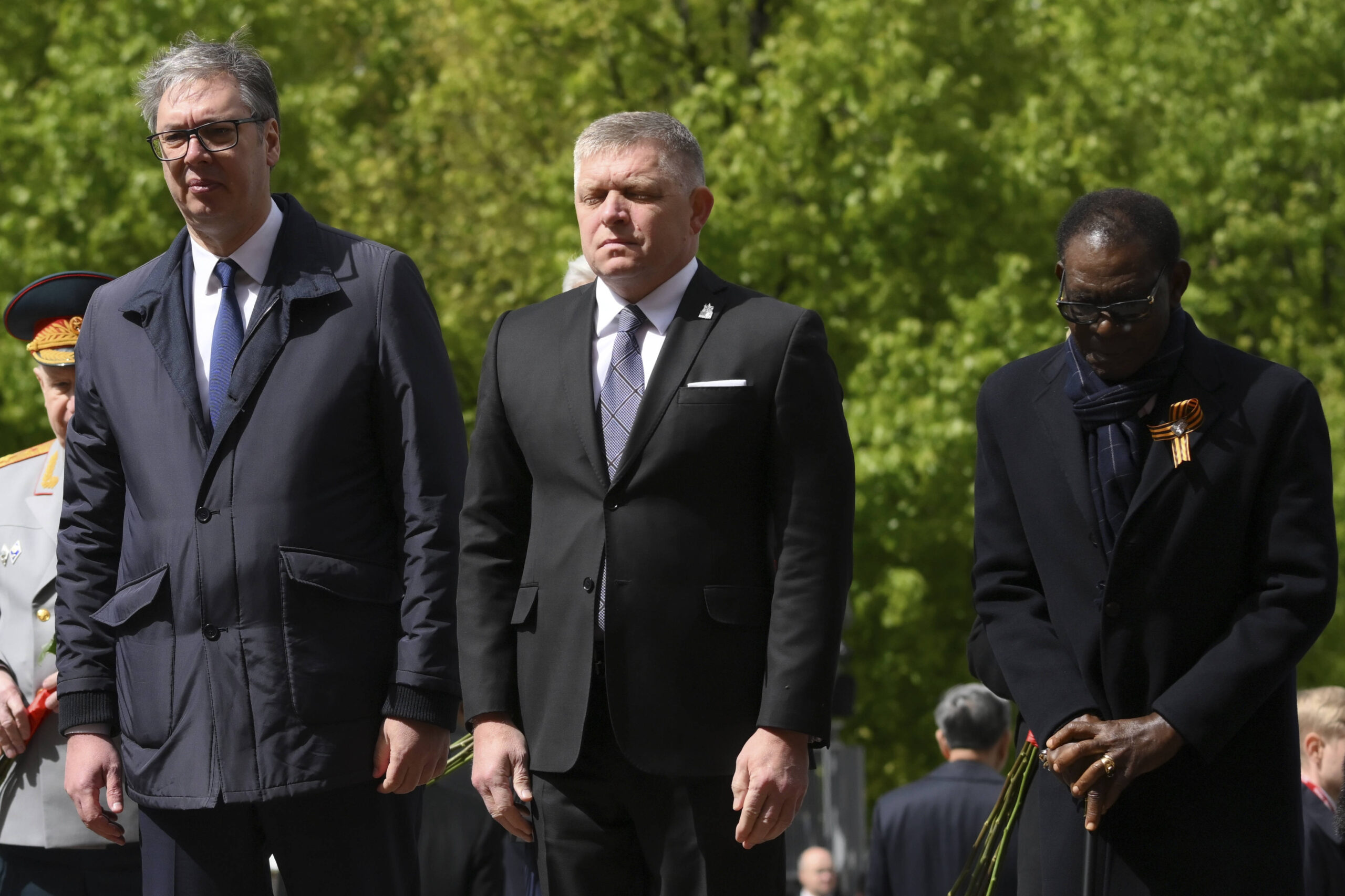
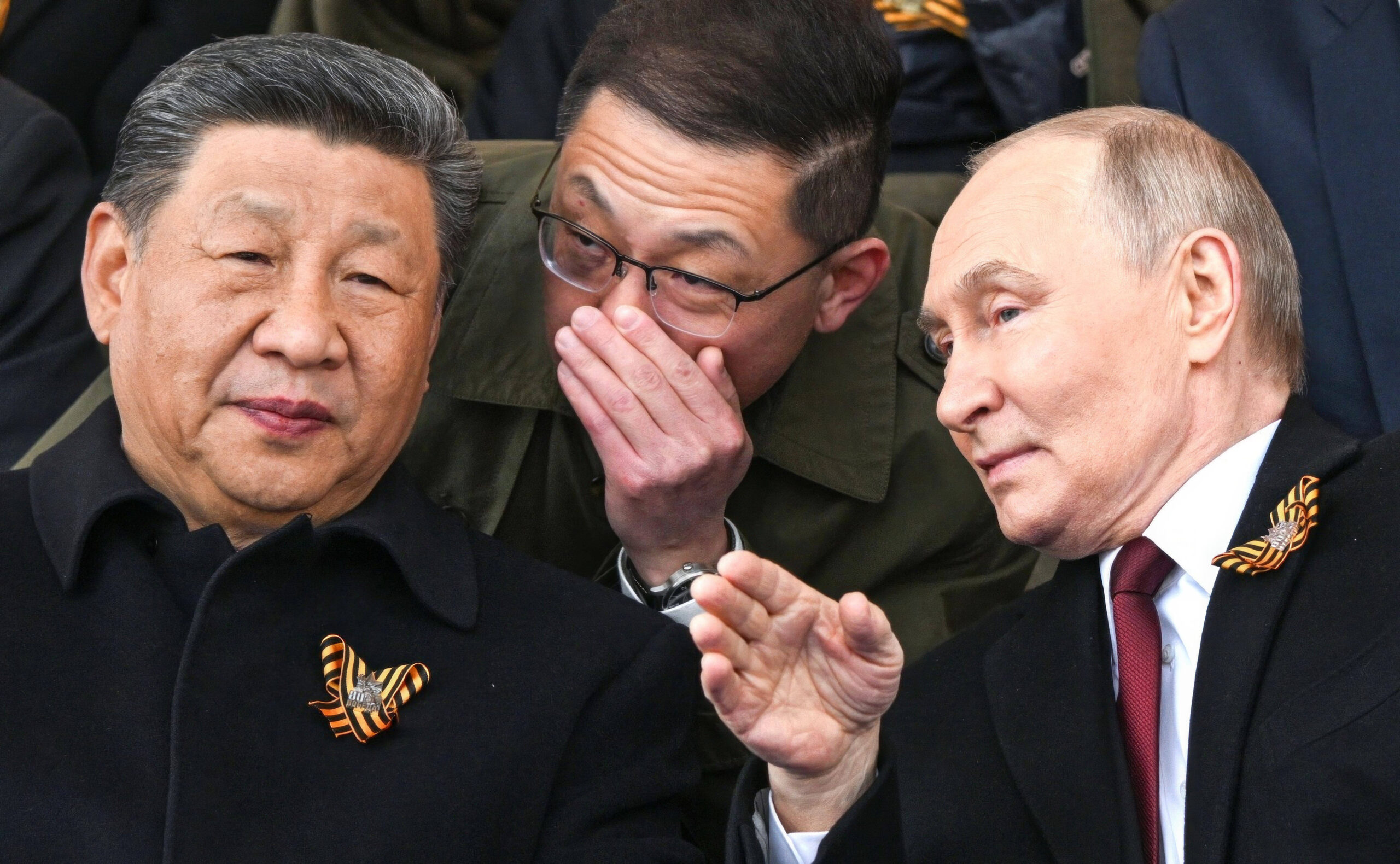
Défendre l’honneur des combattants et des commandants de l’Armée rouge, l’exploit mémorable des soldats de toute nationalité, qui figurent à jamais dans l’histoire mondiale comme des soldats russes — tel est notre devoir.
La Russie a été et sera toujours un rempart indestructible contre le nazisme, la russophobie, l’antisémitisme. Les partisans de ces idéologies assassines et délétères nous trouveront toujours sur leur chemin.
La vérité et la justice sont de notre côté. Notre pays tout entier, notre société, notre peuple — tous ensemble, nous apportons notre soutien aux participants de l’opération militaire spéciale. Nous sommes fiers de leur courage et de leur détermination, de retrouver en eux cette force d’esprit qui nous a toujours offert la victoire.
Chers amis,
L’Union soviétique a subi les assauts les plus féroces, les plus impitoyables de ses ennemis.
Des millions de personnes, qui n’avaient connu qu’un monde en paix, ont du jour au lendemain pris les armes pour se battre jusqu’à la mort sur toutes les hauteurs, tous les terrains, tous les fronts, déterminant ainsi l’issue de la Seconde Guerre mondiale. Et ils ont vaincu, grâce à leurs victoires incontestables lors des grandes batailles de Moscou et de Stalingrad, sur le saillant de Koursk et le Dniepr ; grâce au courage des défenseurs de la Biélorussie, les premiers à faire front à l’ennemi ; grâce à la ténacité des défenseurs de la forteresse de Brest et de Moguilev, d’Odessa et de Sébastopol, de Mourmansk, de Toula, de Smolensk ; grâce à l’héroïsme des habitants de Léningrad assiégée ; grâce encore à la bravoure de celles et ceux qui ont lutté sur tous les front, dans les détachements de partisans et dans la clandestinité ; grâce enfin au dévouement des citoyennes et citoyens qui, sous les bombardements ennemis, ont évacué les usines du pays, travaillé à l’arrière sans jamais rechigner leur tâche, jetant toutes leurs forces dans l’œuvre de la victoire.
Les plans nazis de conquête de l’Union soviétique se sont heurtés à l’unité de fer de notre pays. La grande masse du peuple a fait preuve d’un héroïsme invraisemblable, toutes les républiques ont partagé l’immense fardeau des combats.
La contribution des habitants de l’Asie Centrale et du Caucase a été considérable. Depuis ces régions, un flot continu de convois apportait au front tout le nécessaire ; des hôpitaux y étaient installés partout ; des centaines de milliers de personnes évacuées y trouvaient un second foyer, là où les habitants offraient leur toit, leur pain, la chaleur de leur cœur.
Nous honorons chacun des vétérans de la Grande Guerre patriotique, nous nous inclinons solennellement devant la mémoire de tous ceux qui ont sacrifié leur vie pour la Victoire, devant la mémoire des fils et des filles, des pères et des pères, des grands-parents, des arrière-grands-parents, des maris et des épouses, des frères et des sœurs, des proches, des amis. Nous nous inclinons devant tous nos compagnons d’armes tombés au champ d’honneur dans leur juste lutte pour la Russie. Observons pour eux une minute de silence.
Une minute de silence.
Chers amis,
L’orbite brûlante de la Seconde Guerre mondiale a attiré à elle presque 80 % de la population de la planète. L’anéantissement final de l’Allemagne nazie, du Japon militariste et de leurs satellites dans diverses régions du monde a été accompli grâce aux efforts conjoints des pays alliés.
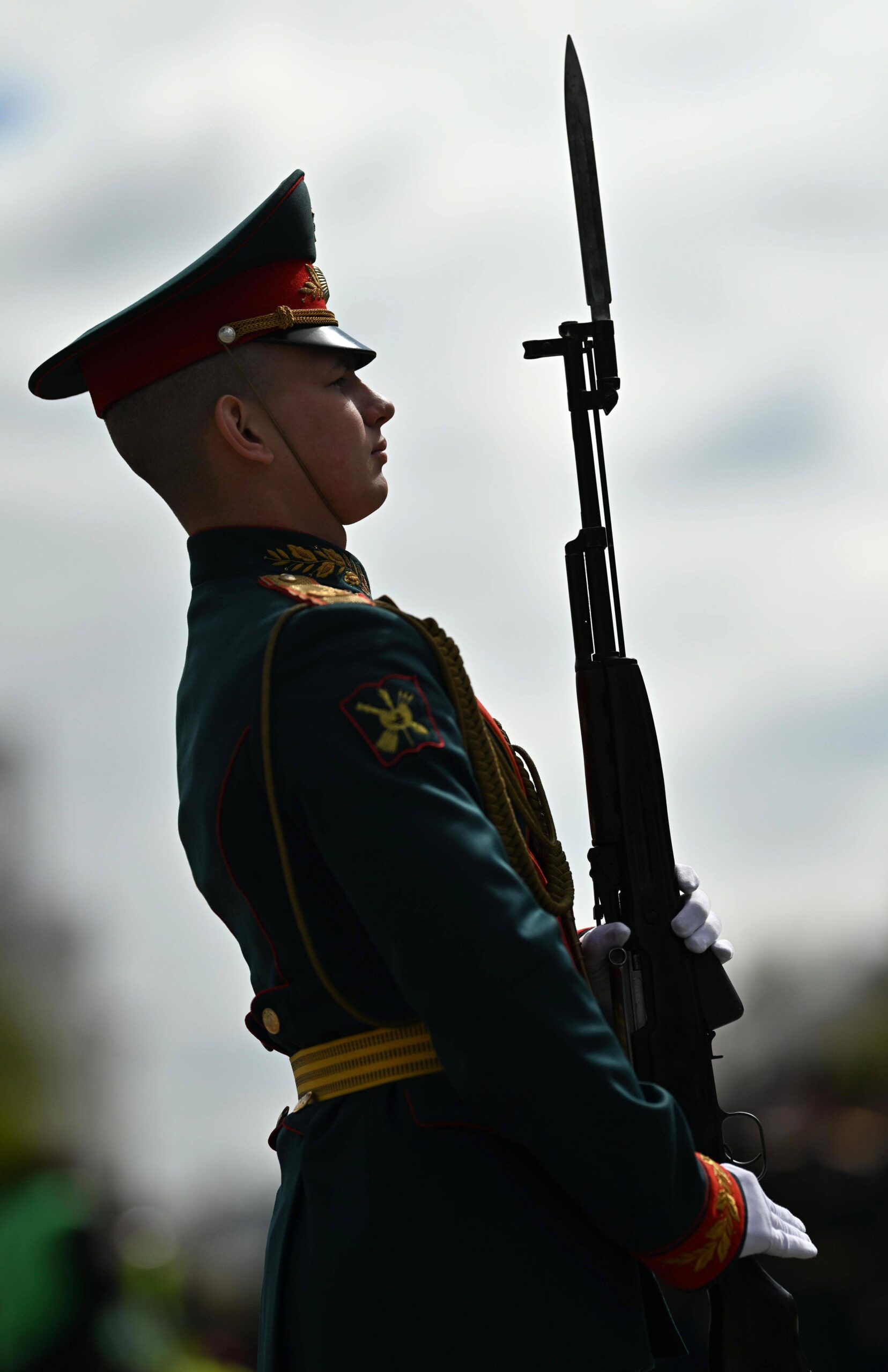
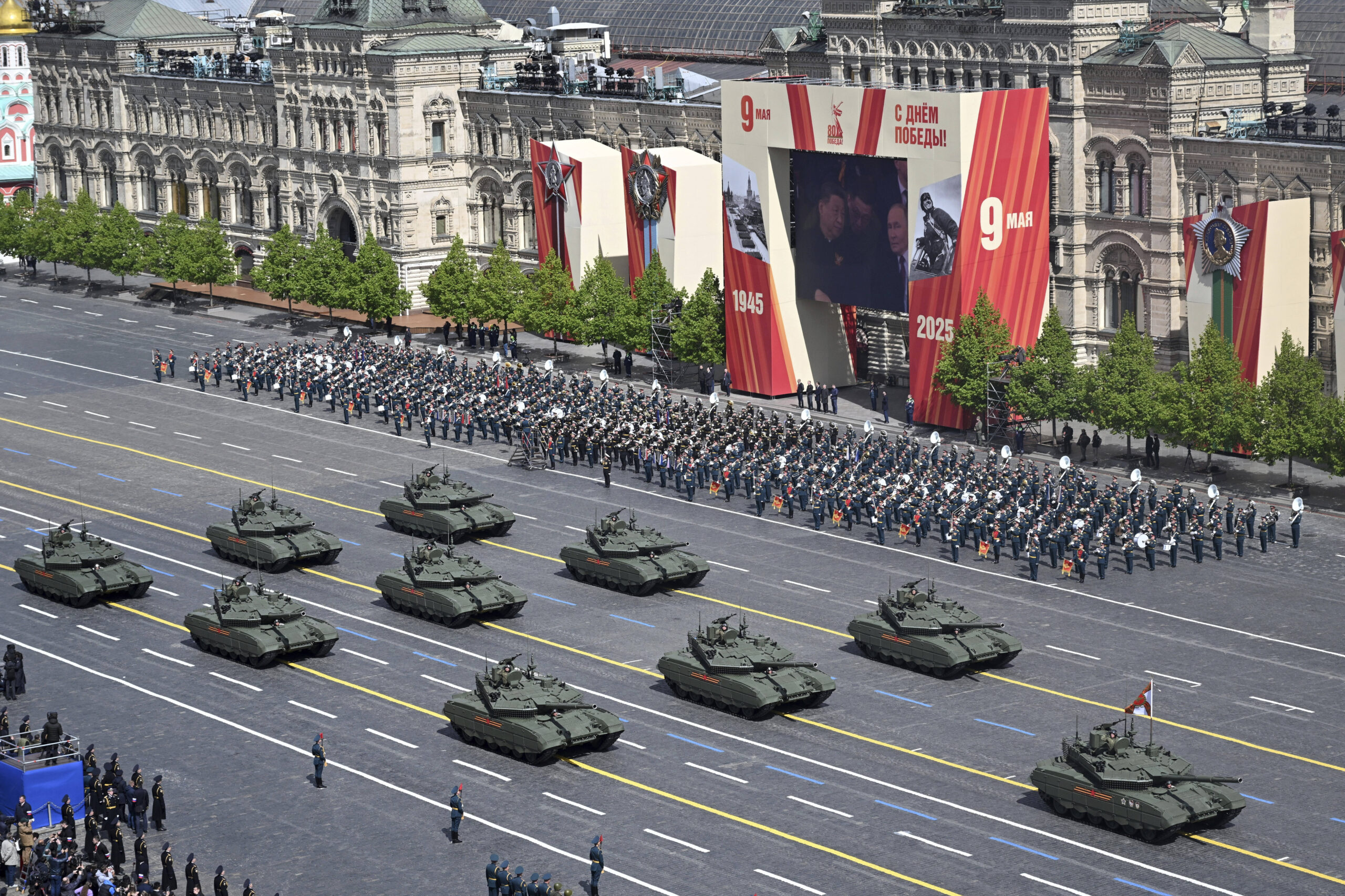
Nous n’oublierons jamais que l’ouverture du second front en Europe, après les combats décisifs sur le territoire de l’Union soviétique, a rapproché l’heure de la Victoire. Nous saluons la contribution des soldats des armées alliées, des combattants de la Résistance, le courage du peuple de Chine, de toutes celles et tous ceux qui ont porté les armes au nom de la paix future.
Chers amis,
Nous ne cesserons jamais de prendre exemple sur nos vétérans, leur amour sincère de la Patrie, leur détermination à défendre leur foyer, les valeurs de l’humanisme et de la justice. Nous associons ces traditions, cet héritage, à ce que nos cœurs ont de plus précieux, et nous les transmettrons aux générations à venir.
En temps de paix comme en temps de guerre, dans la résolution de nos objectifs stratégiques et de toutes les tâches dont dépendent la Russie, sa grandeur et sa prospérité, nous saurons toujours nous appuyer sur notre unité.
Gloire au peuple vainqueur ! Bonne fête ! Bonne journée de la Victoire à tous ! Hourrah !


 Publié par jcdurbant


 On tue un homme : on est un assassin. On en tue des millions : on est un conquérant. On les tue tous : on est un Dieu.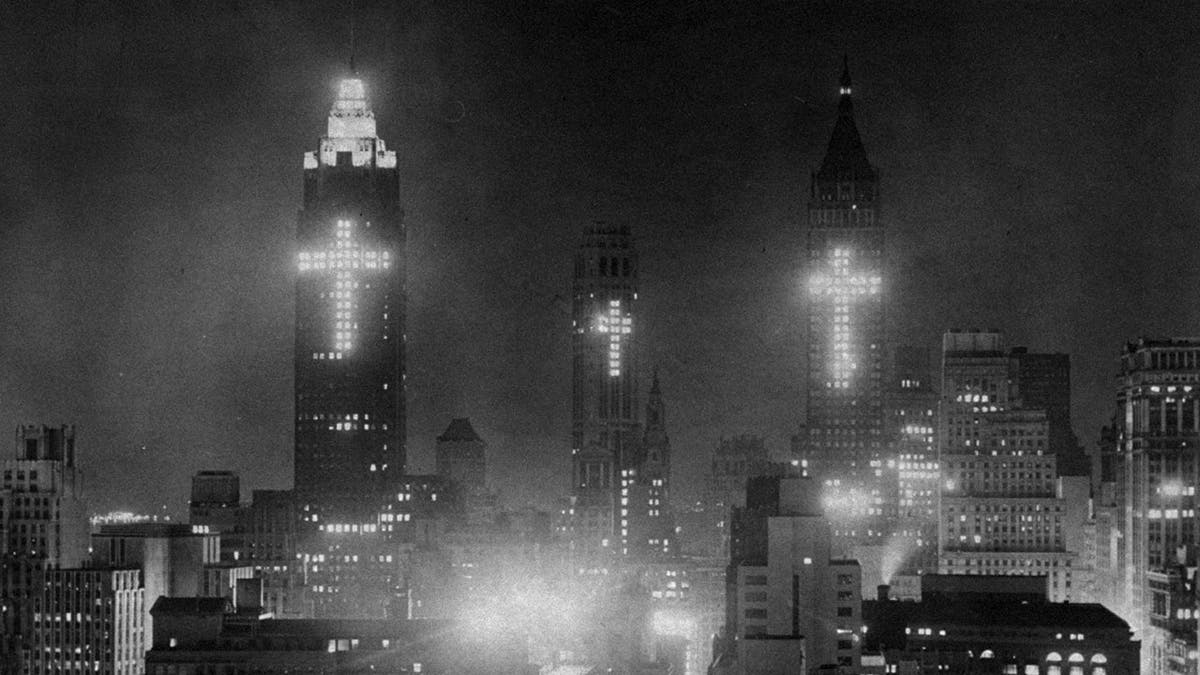
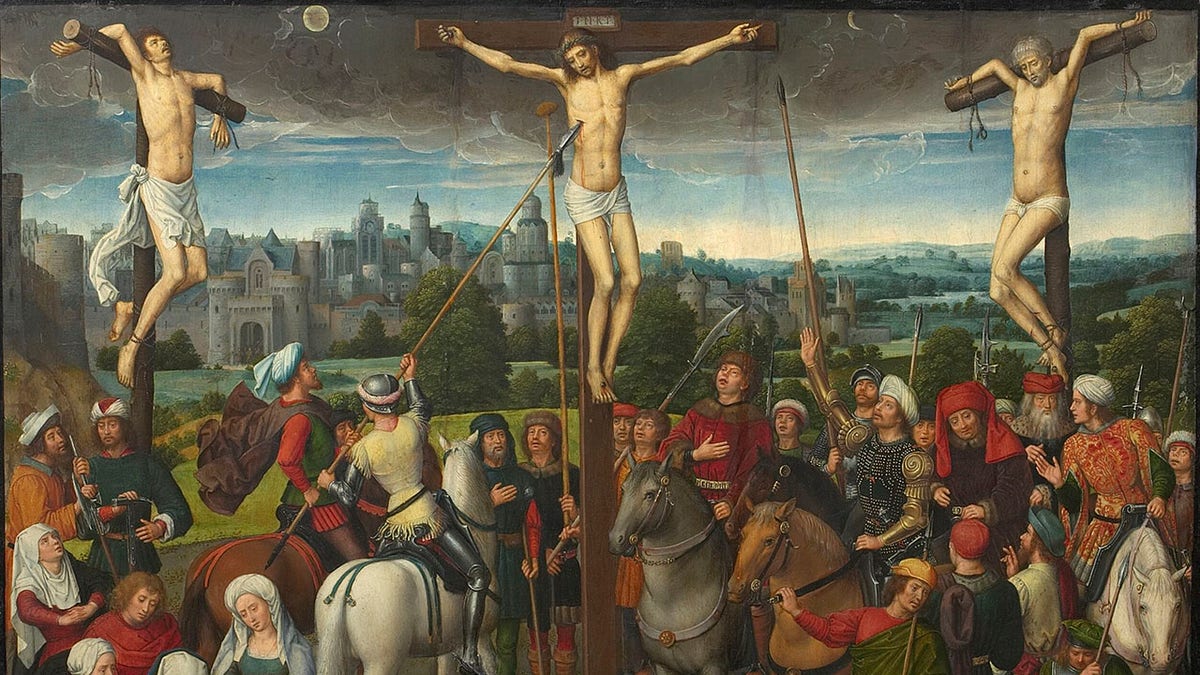
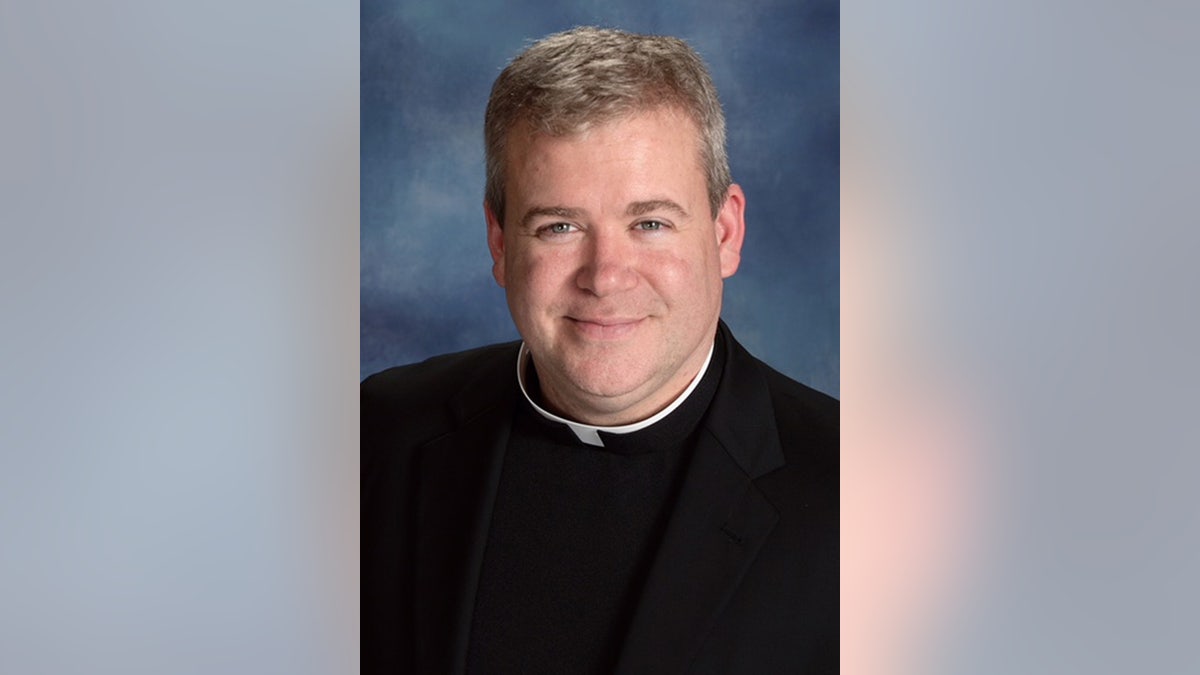
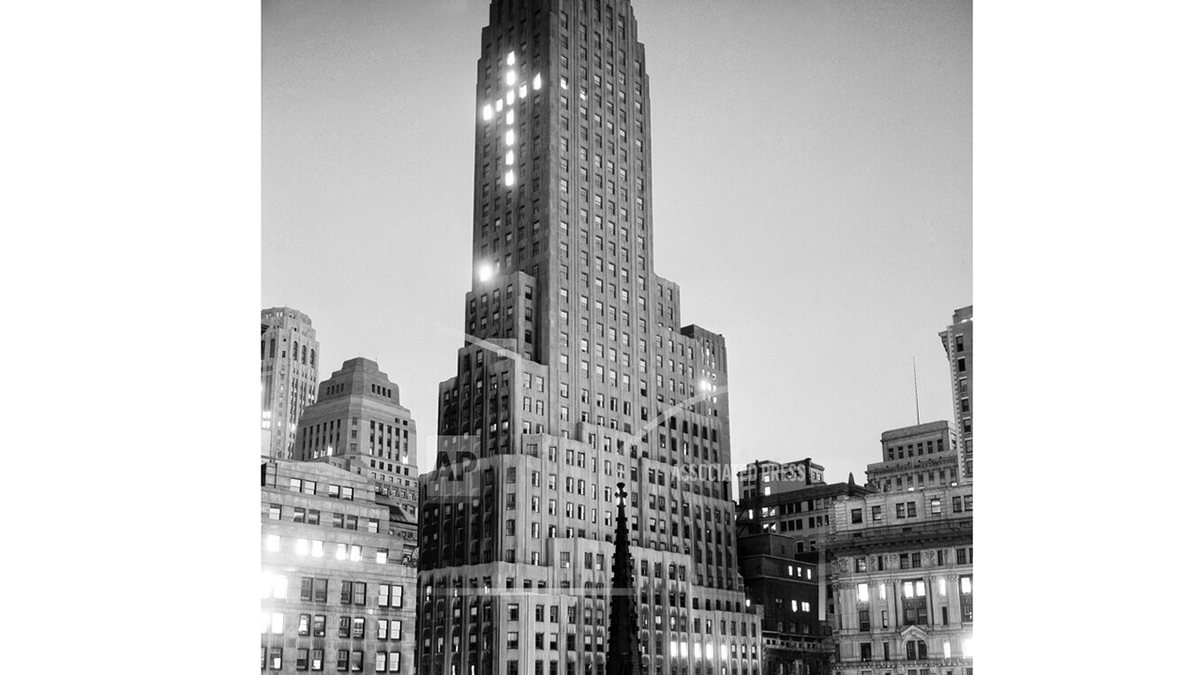


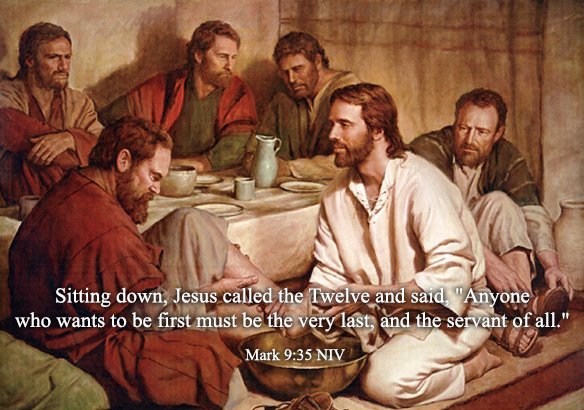




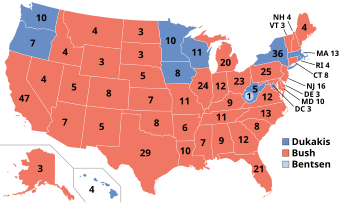
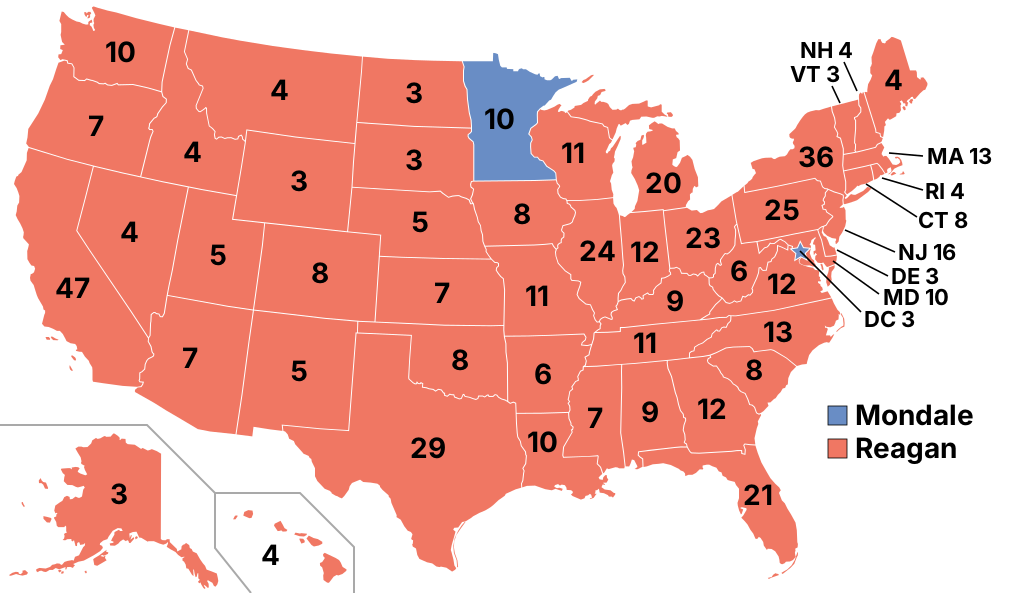


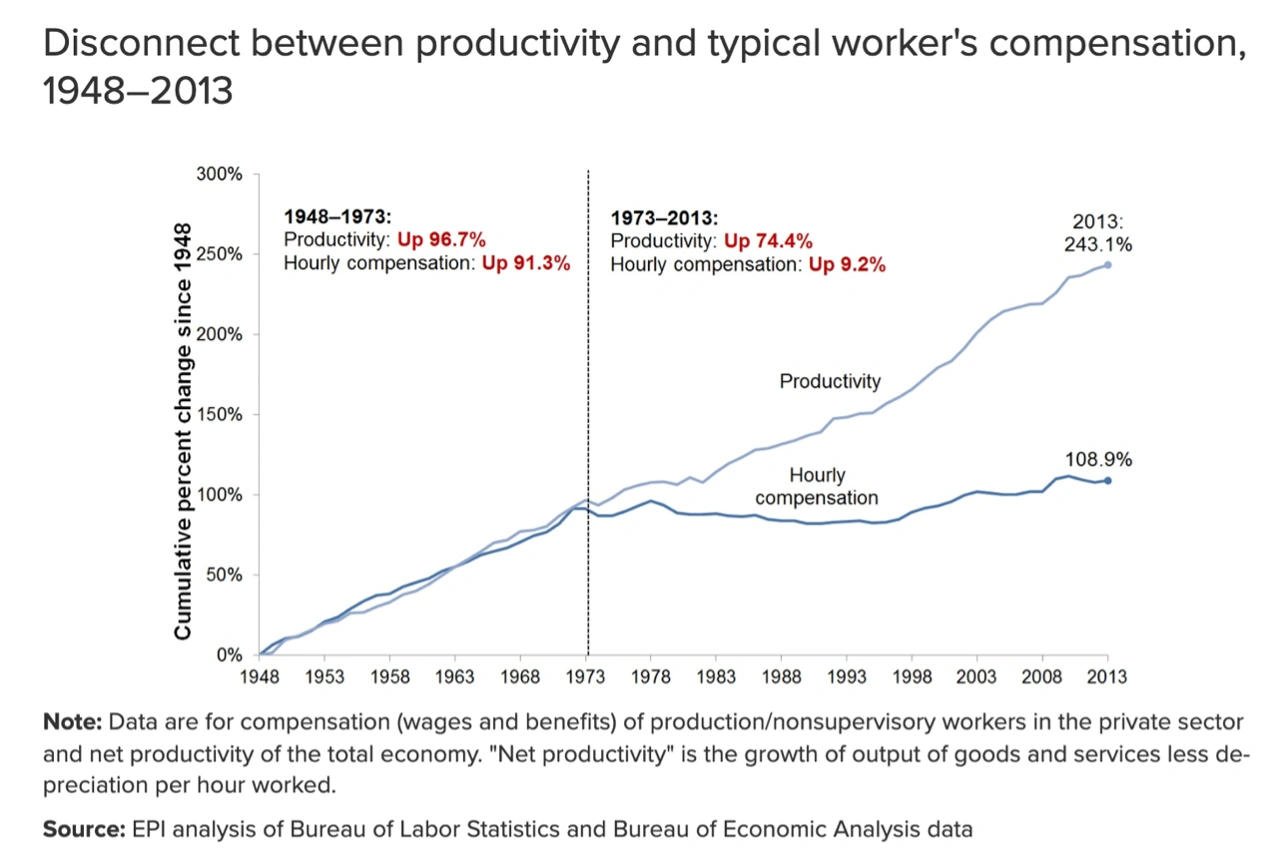


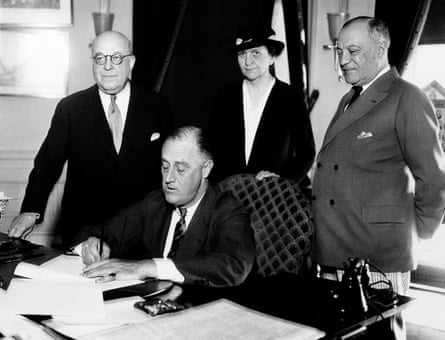
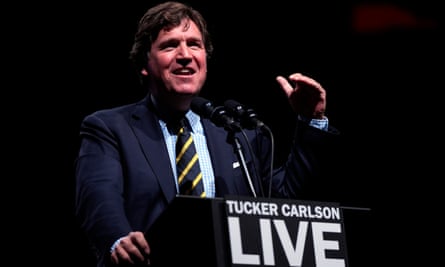
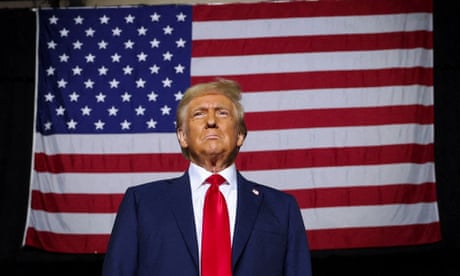
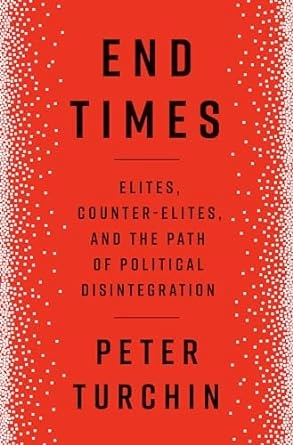
 The American Civil War

 Maximilien Robespierre
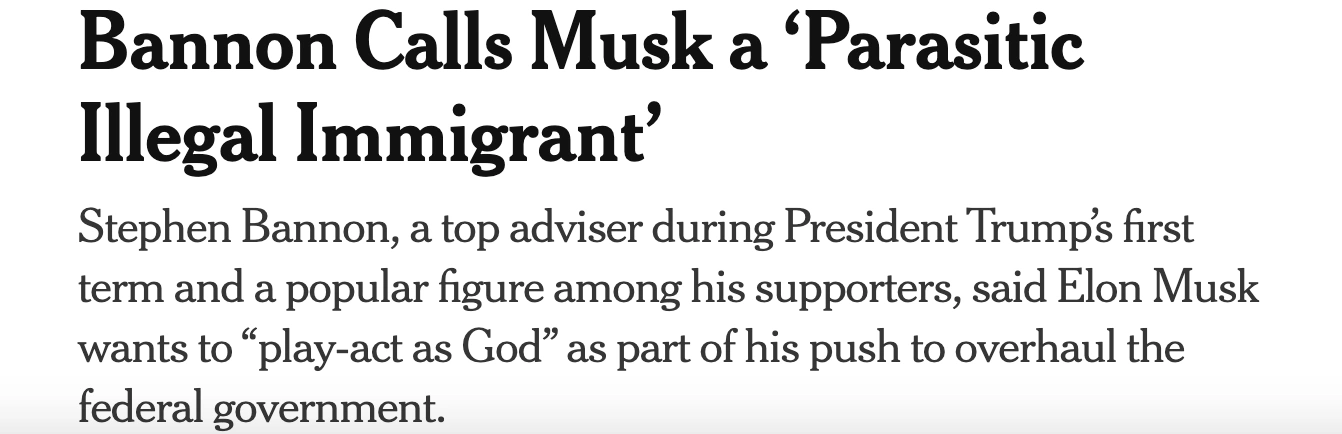



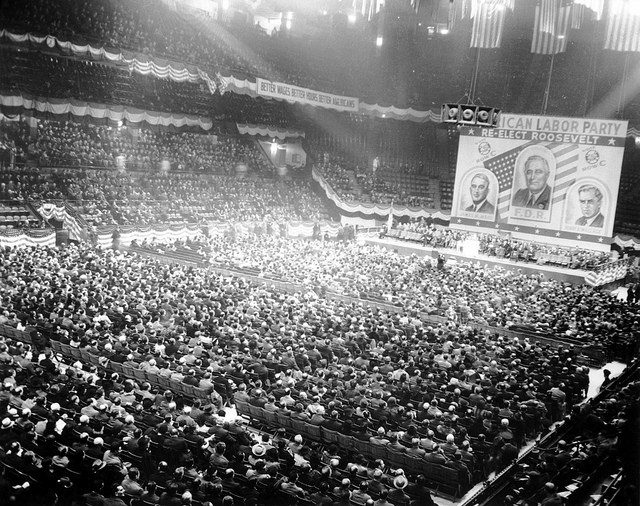
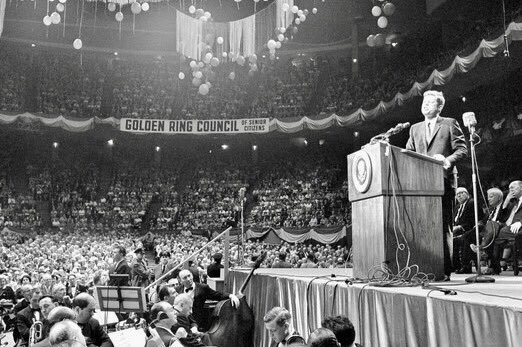







/image%2F0405866%2F20240611%2Fob_2c9967_joe-hunter-biden-2.jpg)
 In August 2022, AFL launched a


 jcdurbant

Tout devait être parfait. Le Kremlin avait méticuleusement préparé sa cérémonie du 9 mai, consacrée à la victoire soviétique dans la Seconde Guerre mondiale, en renforçant notamment son dispositif de sécurité après les annonces de Volodymyr Zelensky, qui menaçait il y a quelques jours : « En ce moment, les Russes s’inquiètent pour leur défilé, et ils ont raison de s’inquiéter ».
Il était clair qu’il ne fallait attendre de l’Ukraine aucune attaque visant le défilé lui-même ; en revanche, les drones ukrainiens qui ont pris pour cible les principaux aéroports de Moscou ont perturbé ou suspendu les vols de 60 000 passagers. L’avion du président serbe Aleksandar Vučić a même été contraint de passer par la Turquie et l’Azerbaïdjan avant de parvenir à Moscou, en raison des risques de sécurité de l’espace aérien russe — le motif invoqué par les autorités serbes et russes étant d’ordre plus politique, puisqu’elles ont attribué cet incident à la fermeture inopinée de l’espace aérien de la Lettonie et de la Lituanie.
Comme chaque année, le régime s’était également appliqué à porter les commémorations au plus près du quotidien des populations.
Si les décorations et les « rubans de saint Georges » orange et noir sont des éléments traditionnels de ce décorum, le Kremlin s’était fendu d’un site internet et d’une application mobile recensant des dizaines d’initiatives nationales ou locales aux intitulés limpides, mais sans grande inspiration : « la dictée de la Victoire », « le train de la Victoire », « le cinéma de la Victoire », « la musique de la Victoire », et d’autres.
Dans ce contexte, aucune parole dissidente, malintentionnée ou malavisée ne pouvait se faire entendre.
L’une des personnalités qui en a fait les frais a été Vitaly Goura. Chef de l’administration de Nova Kakhovka, dans la région de Kherson occupée par la Russie, il a été placé en détention provisoire après la fuite d’une vidéo dans laquelle on l’entendait en « off », avant ses vœux officiels aux habitants de la ville pour le 9 mai, jurer et insulter les autorités.
Manifestement alcoolisé, le dirigeant de l’administration locale, qui a résisté à la police lors de son interpellation, fait désormais l’objet d’une enquête pour « profanation de symboles de la gloire militaire russe » au titre de l’article 354.1, partie 3, du Code pénal de la Fédération de Russie, qui prévoit des peines allant jusqu’à 10 ans d’emprisonnement.
Après avoir, donc, fait place nette, le régime a pu lancer son défilé.
Sous le regard d’une série de dirigeants étrangers signalant la fin de l’isolement russe sur la scène internationale, la place Rouge a vu défiler un échantillon des forces létales engagées en Ukraine, dans un conflit qui a causé plus d’1,3 millions de morts et blessés. Aux côtés des classiques chars T-34, le « char de la Victoire », la procession comprenait plus de 11 500 militaires, des systèmes de missiles Iskander — ceux-là mêmes qui ont fait 34 morts parmi les civils à Soumy lors du dernier dimanche des Rameaux — et, pour la première fois, des drones Orlan et Lancet, de fabrication russe.
Le discours de Vladimir Poutine a été, pour sa part, assez convenu. Pour éviter d’assombrir cette manifestation d’unité, il a soigneusement évité de consacrer à l’Ukraine plus qu’une dizaine de mots. On ne peut cependant s’empêcher de constater que, parmi les douze batailles de la Seconde Guerre mondiale citées dans son discours figuraient trois villes ukrainiennes et une ville russe — celle de Koursk — actuellement disputée par les forces armées ukrainiennes.
Par ailleurs, si Donald Trump n’a finalement pas fait partie des personnalités étrangères présentes à Moscou ce 9 mai, la référence au « deuxième front » ouvert en Europe occidentale par les Alliés peut être lue à la lumière du réchauffement récent des relations entre la Russie et les États-Unis.
On ne devait attendre rien d’autre de l’allocution militariste et familialiste de Vladimir Poutine, dont chacun peut juger si la politique qu’il mène, en Ukraine, en Russie et ailleurs, relève bien, comme il l’affirme dans le discours traduit ci-dessous, d’une lutte « pour la justice et pour la vérité ».