I met James A. Wheeler several times and saw his 1997 exhibition at the Museum of Modern Art in New York.
https://www.moma.org/calendar/exhibitions/246/installation_images/30322
I met James A. Wheeler several times and saw his 1997 exhibition at the Museum of Modern Art in New York.
https://www.moma.org/calendar/exhibitions/246/installation_images/30322
In Summer of 2024, I installed a large exhibit exploring Detroit and the Movies here at the library of the University of Detroit Mercy. In September, I took most of it down but I left one case up, by the exit door. This was entirely a tribute to the Detroit Film Theatre, which celebrated its 50th anniversary last year.

Here are a few more photos that I took of that exhibition.

I’ve spent a few hundred hours there watching movies, over the last 50 years. It was always a pleasure and sometimes an adventure.


The Afternoon Film Theatre at the Detroit Institute of Arts:
I used to go to most of these showings. They were an important part of my cinematic education and I miss them. I got to see some amazing rarely screened stuff as well as some established classics. The films were often, but not always, shown in chronological order i.e. silent films and early talking films first and recent films last. The films were shown in the Lecture Hall, the Holley Room or the South Court Screening Room. Admission was one dollar.
There seem to be no years listed on most of the brochures. I’ll need to do some detective work to put them into their proper order. I believe that this series ran from 1975 to 1990 or so. when I find out the details I’ll add them here.
As of late October 2024, I still have one showcase of my tribute to the Detroit Film Theatre on display. It’s in the case by the exit door of the University of Detroit Mercy Library, McNichols Campus. This post is another part of my tribute to them, Detroit movie memories!

A listing, in alphabetical order:
First, from 1975 to 1977 there were at least three series entitled american film panorama. These series screened 10 American films (from, roughly, 1918 to 1956). The following 19 programs were under the heading of Afternoon Film Theatre.
African American Independent Cinema (1930-1950) 16 films: The Earliest is from 1927. The program included a lecture by the late James E. Wheeler.
L’Age D’or The Golden Age of French Cinema The 20 films shown range from 1931-1939.
The Age of Chivalry The 15 films shown range from 1923 to 1978. This series includes films from England, France, Italy, Germany, Sweden, Spain and the USSR.
The Amazing Films of Tod Browning included 12 Browning films, half of them silent and half of them talkies. Part Two featured 9 silent films from France by Max Linder.
Angels of the Silver Screen The dozen films shown range from 1934 to 1963. They’re mostly from the United States but one from Italy and two from Great Britain are included.
Auto-Americans (shown with “Vintage Car-toons”) 16 films: This was probably 1984-85 as the films shown range from 1915 to 1984.
East European Cinema 16 films: These were made from 1955 to 1970 in such countries as Poland, Czechoslovakia, Hungary and Yugoslavia. Director Milos Forman appeared in person at an evening showing of his 1979 film HAIR on January 26 (in 1980 or 1981?? I was there.)
Family Portraits 22 films, including two trilogies. Thy were released between 1931 and 1980 and came from many countries including France, Italy, Sweden, Canada, Japan and the United States.
Hollywood and the Cold War These 16 films were made from 1944 to 1956. This series was probably in 1982 or 1983. There was a lecture by Nora Sayre in connection with her book Running Time: Films of the Cold War.
Love and Death Before the CodeThese 14 films were made between 1927 and 1933. They’re all from the United States, in the days before Hollywood tool to “radical self-censorship.”
Made in Japan (Post-war Japanese Cinema) These 14 films were made 1945 and 1970. Part Two, in June and July featured four programs of old newsreel films from 1898 to 1959. The schedule is labeled Spring/Summer 1982. Thanks for that.
Medieval Japan This was probably in late 1985 or 1986. The screenings included ten classic films shown with ten documentary shorts. The films shown were released between 1953 and 1980.
The Movies, Mr. Griffith, and Lillian Gish 17 films, mostly starring Lillian Gish. They were made between 1913 and 1928. Except for two films from Italy (directed by Henry King) they were made in the USA.
The Old West (Vintage American Horse Opera) 21 films from 1903 to 1941. This schedule is labeled 1983, thanks. The films were each shown along with animation: “Oh Boy! A cartoon with every movie!” Some of the cartoons had western themes. These films, both shorts and feature films, were screened in chronological order
The Satire and comedy of Ernst Lubitsch and Rene Clair This schedule is labeled Fall/Winter 1981-1982. Thanks for that. There are 22 films: 10 from Lubitsch (1919 to 1946) and 11 from Clair (1924-1944). Part Two, in December, featured 8 films starring Mary Pickford.
Silent Soviet Cinema 1917-1930 (Comedies, Tragedies & Revolutionaries) These 14 films included at least 4 well-known classics and a good group of more obscure works.
Things That Were Once Men! (Transformation in the Horror Film) These 15 films were screened in chronological order spanning the years from 1920 to 1983. The program was connected with a symposium on the horror film on April 8, 1989. Speakers included Andrew Sarris and Bart Testa.
Welcome Strangers! (Science Fiction Films of the 1950’s) These 18 films were mostly from the USA. There were also films from Japan and Great Britain. The schedule is labeled Summer/Fall 1982. Thanks for that.
Women in the Early Cinema (Directors & Heroines) These 16 films, screened in chronological order. From September to early November, there were 9 films directed by women. The rest of the year had 7 films with actresses in strong central roles.
To be continued!
I’ve been going to the Detroit Film Theatre since it first started, in 1974. I was in college then and well on my way to becoming a serious movie nut, perhaps even a true cineaste.
I loved the classic American films from the 1910’s to the 1970’s. As time went on I liked a lot of the new stuff too. I grew to love films from all around the world, especially those from France, Japan and pre-World War Two Germany. Subtitles don’t bother me. From the movies, I get a sense of other countries and of this country’s history. Great stuff from everywhere! I love animation, documentaries and experimental films as well.


The Detroit Film Theatre has been a real education. The silent movie shows were a blast whether accompanied by the Alloy Orchestra, Frank Pahl and band or by others. The Detroit Home Movie Festival was really amazing. I enjoyed the 3-D movies. The Silent Clowns festival had me laughing. They’d have guest speakers and special events.
They’d have sneak previews of movies not yet in theatres, most memorably Martin Scorsese’s Taxi Driver.
In the 1970’s and early 1980’s there was an amazing Afternoon Film Series. Topics included westerns, silent films, avant-garde films, film noir, animation and vintage international cinema.
I was at the showing of Luis Bunuel’s film The Milky Way when there was a loud crash and the screen went black. Someone had attacked the projectionist and tore the film off of the projector because he was upset by the movie and its content! Some of the audience fled. For those who stayed, they eventually finished screening the rest of the movie.
I saw the late Howard Armstrong do a live show there before they screened a film about him called Louie Bluie. I enjoyed hearing talks by filmmakers like Les Blank and Frederick Wiseman.

The Detroit Film Theatre started in January 1974. This year marks their 50th anniversary. Going to a movie there is one of the great things to do in Detroit. They have music as well, including live music accompanying a silent movie. It’s a beautiful room and many of us have spent hundreds of hours there, in the dark, soaking in the cinema.
From
https://dia.org/events/detroit-film-theatre
https://dia.org/support/auxiliary-groups/friends-detroit-film-theatre
Thanks to Lawrence Baranski, Elliot Wilhelm, Matthew Breneau, Cate Lauerman, Ellen Kulie and to the other helpers and volunteers over the years.
Show runs from July 2024 to September 12, 2024
From 2016:
https://www.modeldmedia.com/features/detroit-film-culture-053116.aspx

My Summer 2024 exhibit Detroit and the Movies has a lot of material related to the Detroit Film Theatre.
I’ve installed a Summer exhibition at my place of work, the McNichols campus library of the University of Detroit Mercy. In 2014, I started a Summer series exploring Detroit’s cultural history. Themes have included Detroit’s visual arts scene, poetry, street art and music. There was special attention paid to the Heidelberg Project, the Zeitgeist Gallery and Performance Venue and to my long-running monthly zine/handout the Poetic Express. From 2020 to 2022, we took a few years off for the pandemic, but returned last year, in 2023. with a show on Detroit Music.
This year, we look at Detroit and the movies, with a special focus on the Detroit Film Theatre at the Detroit Institute of Arts. They’ve been open 50 years this year, since 1974. I’ve been going there since the beginning. Various aspects of Detroit and the Cinema are explored. There’s also a small section on Detroit Television.
Around the time that the Detroit Film Theatre started, there were also excellent film series going on at the Cass City Cinema in the Unitarian Church building at Cass and Forest. I loved to see films there and at Wayne State. There was also an very good film series at Detroit’s Main library. They presented double features with free refreshments during the break in between movies. Occasionally, they’d have celebrity guests like actresses Sylvia Sidney and Margaret Hamilton.
This library is open to the public from 1PM to 4PM from Monday to Friday. You need to check in at the front desk. If you know me personally, or if you work at the Detroit Film Theatre, the Redford Theatre, Cinema Detroit etc. just contact me and we can get you into see the show “by arrangement.” It opened on July 6th and will be up through August. It should still be up in early September. There’s a concurrent visual art exhibit here as well, including my work and other’s work (from my collection).

We miss our arthouse neighbors. The Main Art Theatre in Royal Oak closed in 2021 and was demolished in 2022. The Maple Theatre, in Birmingham, closed early in 2024.
The wonderful Cinema Detroit lost its space in 2023 but has been sponsoring screenings at such venues as MOCAD and Planet Ant (in Hamtramck).
We do have two excellent movie venues.
The Detroit Film Theatre has hosted a a mix of new films, revivals, foreign films and documentaries for 50 years.
The Redford Theatre first opened in 1928. It’s one of the few classic-era movie palaces which is still operating.
It’s primarily a revival house, showing films from the past 110 years.
Both of these operate primarily on the weekends and show some of their screenings on actual film as well as through digital projection.
The Redford Theatre has a neighbor, the Motor City Cinema Society which screens films exclusively in the 16 mm format. They’ve sponsored films in 35mm and 70mm at the Redford.
Another Detroit classic movie venue house is the Senate Theatre on Michigan. They have a classic theatre organ and are affiliated with the Detroit Theatre Organ Society. They show talkies aka sound films as well as the occasional silent film.
Detroit has only one mainstream movie theatre left, the Bel Air Luxury Cinema near 8 Mile between Mound and Hoover Roads. In Dearborn, the Ford-Wyoming Drive-In Theatre also shows first run movies. It opened in 1950.

Motion pictures that filmed in Detroit (or partly in Detroit) include Scarecrow (1973), Detroit 9000 (1973), Blue Collar (1978), Beverly Hills Cop (1984), The Rosary Murders (1987), Presumed Innocent (1990), Hoffa (1992), True Romance (1993), Out of Sight (1998), 8 Mile (2002), The Island (2005), Transformers (2007), Gran Torino (2008), Only Lovers Left Alive (2013), It Follows (2014) and Detroit (2017).
Films set in Detroit but filmed elsewhere include Robocop (1987), Detroit Rock City (1999) , Assault on Precinct 13 (2005), Four Brothers (2005), Dreamgirls (2006) and Don’t Breathe (2016) and No Sudden Move (2021).
Show runs from July 2024 to September 12, 2024
These photos should enlarge if you click on them and then hit the back button on the browser to return to the post.

In 1974, the same year that the Detroit Film Theatre started, I was putting together 16mm film programs for the Detroit Public Library. This is one of the flyers. I got to select the films and I learned how to project them. I was in college than and had been bitten by the film bug. Wow: Laurel and Hardy, Gene Deitch and Jules Feiffer, W.C. Fields, Charlie Chaplin and other good choices.
Putting this exhibit together was an incentive for me to get back to writing about the movies again, after taking seven years off. Here goes!
More information:
https://dia.org/support/auxiliary-groups/friends-detroit-film-theatre
https://dia.org/events/detroit-film-theatre
https://www.axios.com/local/detroit/2024/01/18/detroits-only-cinema-new-location

Here’s information on the companion exhibit, a small art show:
Georges Méliès was an extraordinary figure in the early history of the cinema. He’s been a personal favorite for many years and I’ve seen many of his films. He’s somebody that I keep coming back to, when I’m in the mood for a short film, or maybe a few short films.

Further information:
https://en.wikipedia.org/wiki/Georges_M%C3%A9li%C3%A8s
https://en.wikipedia.org/wiki/Georges_M%C3%A9li%C3%A8s_filmography
https://www.melies.eu/English.html
https://www.victorian-cinema.net/melies
https://www.bfi.org.uk/features/georges-melies-autobiography
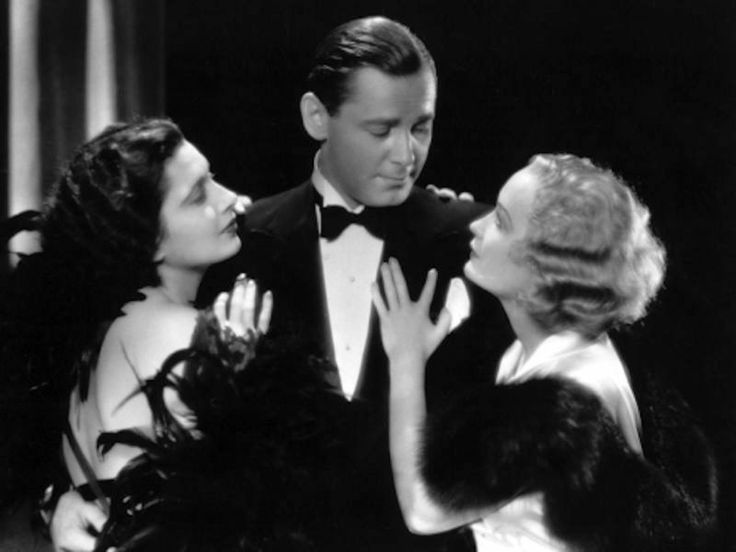
From Trouble in Paradise
Recently seen films, this is the first in an occasional series. These are some of my favorite films that I’ve seen in the last year, in 2017 and late 2016. I watch a lot of movies, on DVD, on VHS, on Blu-ray and at the show.
Number One: The Ernst Lubitsch film “Trouble in Paradise” is a pre-code classic, funny and romantic. I love his work and this is one of my favorites. Pictured above: Kay Francis, Herbert Marshall and Miriam Hopkins.
Number Two: “Deadline U.S.A.” 1952. Richard Brooks directed, it starred Humphrey Bogart and featured Kim Hunter, Paul Stewart, Jim Backus, Ed Begley and more. Over 60 years ago, it predicted the threat to the newspaper industry via the battle over greed/self-interest versus altruism aka “call to public service.”
Number Three: Ernst Lubitsch’s “To Be or Not To Be” starring, in her last role, Carole Lombard, Jack Benny and others. I’ve seen this many times. It’s an old favorite.
Number Four: “Frankenstein” from 1931. Sure “Bride of Frankenstein” was even better, but this was a strong film. Boris Karloff!
Number Five: “The Big Combo” from 1955. Directed by Joseph H. Lewis. Photography by John Alton.
“I know how you feel.”
“Nobody knows how another person feels.”
Number Six: “Gun Crazy” from 1949. Directed by Joseph H. Lewis. This is a great film noir following a crime spree by a young couple who really love their guns.
“Everything in these forty-eight state hurts me.”
Number Seven: “The Invasion of the Body Snatchers” Directed by Don Siegel. 1956, with Kevin McCarthy and Dana Wynter. It all came true! A classic.
Number Seven: “The Manchurian Candidate” from 1962. Directed by John Frankenheimer. With Laurence Harvey, Angela Lansbury, Janet Leigh and Frank Sinatra. Script by George Axelrod. Music by David Amram.
I’ve been wanting to see this again all year! A precursor to real-life political dystopia, with connections to the blacklist/ witch hunts. A unique film
Number Eight: “Yankee Doodle Dandy” from 1942. Directed by Michael Curtiz with James Cagney, Walter Huston, Joan Leslie and others.
Cagney is just amazing in this. It’s too bad that he only made a few “song and dance movies.” In the DVD bonus feature they noted that one reason that he wanted to make a patriotic film was that he was about to be investigated for being too liberal. It was good to be patriotic in those early days of World War Two. For personal reasons, it will be impossible to watch this movie soon, so I wanted to see it while I still could.
Number Nine: “Ingrid Bergman: In Her Own Words” a 2015 Swedish documentary film about Ingrid Bergman, directed by Stig Björkman. It was a well done work including home movies and quotes from her writings. She came pretty close to marrying photographer Robert Capa. She lived a good yet complicated life and she loved acting.
Number Ten: “Chimes at Midnight” from 1965, directed by and starring Orson Welles as Falstaff. A great one! I got to see it onscreen 3 times, once years ago. It’s great to have a restored version available on “home video.’ It includes a great battle scene, Shakespeare!
With John Gielgud, Keith Baxter, Margaret Rutherford, Jeanne Moreau and others.
Number Eleven: “Dr. Strangelove or: How I Learned to Stop Worrying and Love the Bomb” from 1964. Directed by Stanley Kubrick. With Peter Sellers, George C. Scott, Sterling Hayden and Slim Pickens. This was part of my 2017 dystopian film festival. I think that it holds up well with Scott and Sellers especially funny.
Number Twelve: “Playtime” directed by Jacques Tati from 1967, fifty years ago.
This is a big favorite. I wish I could see it in a theatre with a big screen. Meanwhile, I’ll try to see 3 feet from the TV screen and pay close attention.
https://en.wikipedia.org/wiki/Playtime
Number Thirteen: “Duck Soup” directed by Leo McCarey, from 1933. It stars the four Marx Brothers: Groucho, Harpo, Chico and sometimes Zeppo. It’s funny as can be and is all too timely. Harpo’s always snipping things with scissors and pulling a fiery blow torch from beneath his coat. It’s an anti-war musical of sorts, drunk on the absurdity of politics and the politics of the absurd.
Number Fourteen: “The Wobblies” from 1979. In this documentary filmmakers Stewart Bird and Deborah Shaffer profile the International Workers of the World and unionization. There’s a nice use of archival footage (including animation) and interviews with people who were around in the 1910’s.
http://www.uwosh.edu/filmandhist…/documentary/…/wobblies.php
Number Fifteen: “Bayou Maharajah” directed by Lily Keber, from 2013. I watched this last week, on Mardi Gras Day. This is a good documentary about the amazing James Booker who Dr. John called “the best black, gay, one-eyed junkie piano genius New Orleans has ever produced.” I started getting into his music a few years ago and I enjoyed this tribute.
http://www.oxfordamerican.org/item/418-director-interview-lily-keber
http://www.bayoumaharajah.com/
Number Sixteen: “F for Fake” by Orson Welles, from 1972. This was Orson Welles’ last completed feature film. It’s a personal favorite. I’ve seen it many times onscreen and on “home video.” It’s experimental, fun and it captures a lot of Welles’ personality.
“I started at the top and have been working my way down ever since.” Orson Welles
https://www.theguardian.com/film/2012/aug/23/f-for-fake-review
Recently seen films, Number Seventeen: “Vietnam: A Television History” A 13-hour history of the Vietnam War from 1983. I watched it again (on library VHS tapes) in preparation for the new long, long Ken Burns “Vietnam War” film, due in September.
Recently seen films, Number Eighteen: “Monsieur Hulot’s Holiday” from 1953. I usually watch this every year, sometime in the late Summer. Jacques Tati is always wonderful and this is one of his best films.
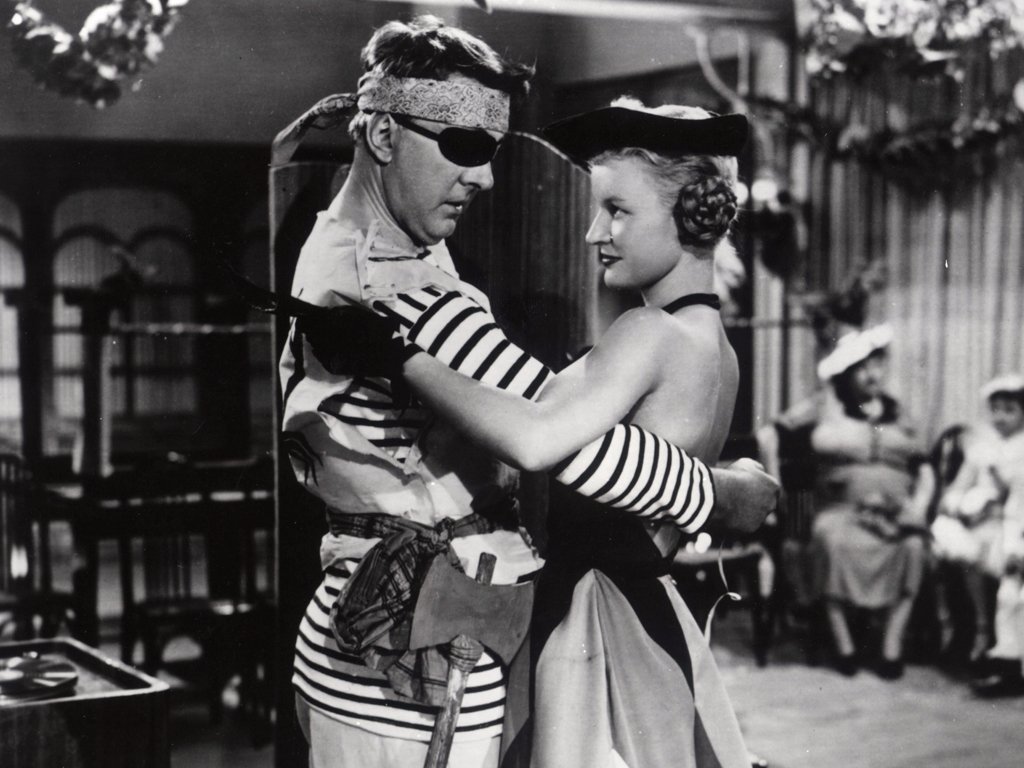
From “Monsieur Hulot’s Holiday”

What should I call this? Movies for a Drowning America? Imagined Hell meets real Hell? When dystopian visions make the newspapers seem less frightening? I struggle to remain less cynical and more active. Still, these films give me some insight, hope and maybe a few laughs. I’ll keep adding to this over the next few years.
I love the Detroit Film Theatre and the Redford Theatre.
But why did they have to schedule the most essential programs on their current schedules on the same weekend?
For the true cineaste or film fanatic, silent films and film noir are both essential viewing.
The Alloy Orchestra are on their 25th anniversary tour! They’ve been performing at the Detroit Film Theatre for many years.
My pick hits are Variety from 1925 and The Man with A Movie Camera from 1929. They’re both films that I’ve seen less often than the other two. Metropolis is always great to see. L’inhumaine is also excellent. I’ve seen it with the Alloy Orchestra score on “home video.” They’re showing it while I’m at work, so that’s out. I’ll get to what I can.

From the 1925 film “Variety”
http://www.alloyorchestra.com/
http://www.dia.org/auxiliaries/event.aspx?id=5868&iid=7117&aux_id=14&cid=100
https://en.wikipedia.org/wiki/Variety_(1925_film)
http://www.rogerebert.com/reviews/great-movie-man-with-a-movie-camera-1929
There’s also the film noir festival at the Redford Theatre. It’s going by the moniker of Noir City. There are three well-known films The Killers, Lady from Shanghai and Double Indemnity. There’s one well-known but hard to see film 99 River Street. Then there are two rescued obscurities, The Prowler and Woman on the Run. Then, as a late night screening, they’re showing Blue Velvet. I’d love to see any or all of these, except perhaps Blue Velvet. This is only because I’ve seen it onscreen recently. I’ll get to what I can.
It’s an embarrassment of riches! It never fails. Things are dead for weeks, then there are a whole group of great things going on at the same time.
This time though, if you love “classic film” get out and check it out.

http://redfordtheatre.com/events/
http://www.detroitnews.com/story/entertainment/arts/2016/09/21/noir-film-dunn/90788332/
I’ve seen a lot of wonderful cinema this Summer, as usual. I watch a lot of animation, documentaries, silent films and avant-garde/ experimental films.
Thanks to the Detroit Film Theatre, Cinema Detroit, the Detroit Public Library, Netflix and too, to the library where I work.
The Summer included the Cinetopia film festival, in early June. I got to 4 or 5 films there, all documentaries I think. I saw Leonard Maltin introduce an animation program at the Redford Theatre.
Special studies included the silent social drama films of Cecil B. Demille.
I saw a lot of films directed by John Cassavetes. Favorites included Shadows, Faces and Love Streams. I also saw Elaine May’s Mikey and Nicky, which is “related material.” I also saw a good group of films by Norman McLaren, and Robert Bresson.
I caught documentary films about Sebastião Salgado, Miles Davis, Harvey Milk, Al Green, Eva Hesse and Ousmane Sembène. I also enjoyed The New Rijksmuseum, a 2014 film about the decade long renovations at Amsterdam’s great art museum.
I also saw some films about the Holocaust including A Film Unfinished and Night and Fog.
I visited the work of Buster Keaton, Charlie Chaplin, Luis Buñuel, Busby Berkeley, James Cagney, Alfred Hitchcock, Douglas Fairbanks, Mack Sennett and others
Then there are the short films of Charles and Ray Eames. Most of these were new to me. Some of them are very interesting and even amazing.
I also caught a good group of early Fritz Lang films. I saw mostly silent works including Spies, Destiny (the restored version was screened at the Detroit Film Theatre) and the Dr. Mabuse films.
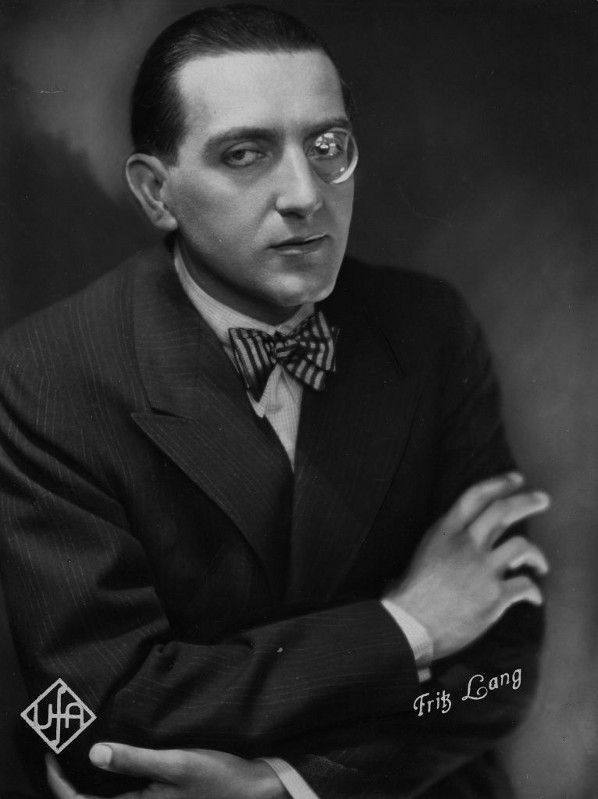

 Cinema, Movies and Motion Pictures