Are you looking for an engaging and educational activity to spice up your upper elementary classroom? Look no further than a board game project! This hands-on project is not only a fun way to reinforce important concepts but also a fantastic tool for keeping your students engaged during those tricky times throughout the school year. (Like right before a school break!)
When To Use a Board Game Project in Your Classroom
A board game project fits perfectly into your teaching toolkit at multiple points throughout the school year:
- To review key concepts before assessments
- As a culminating project after completing a unit
- During those pre-holiday or pre-break days when maintaining focus is challenging
- When you want to integrate multiple subjects in one meaningful activity
- For differentiated learning groups working at their own pace
What makes this project so powerful is its adaptability across math, science, language arts, or social studies. You decide the learning objectives, and your students bring the creativity!
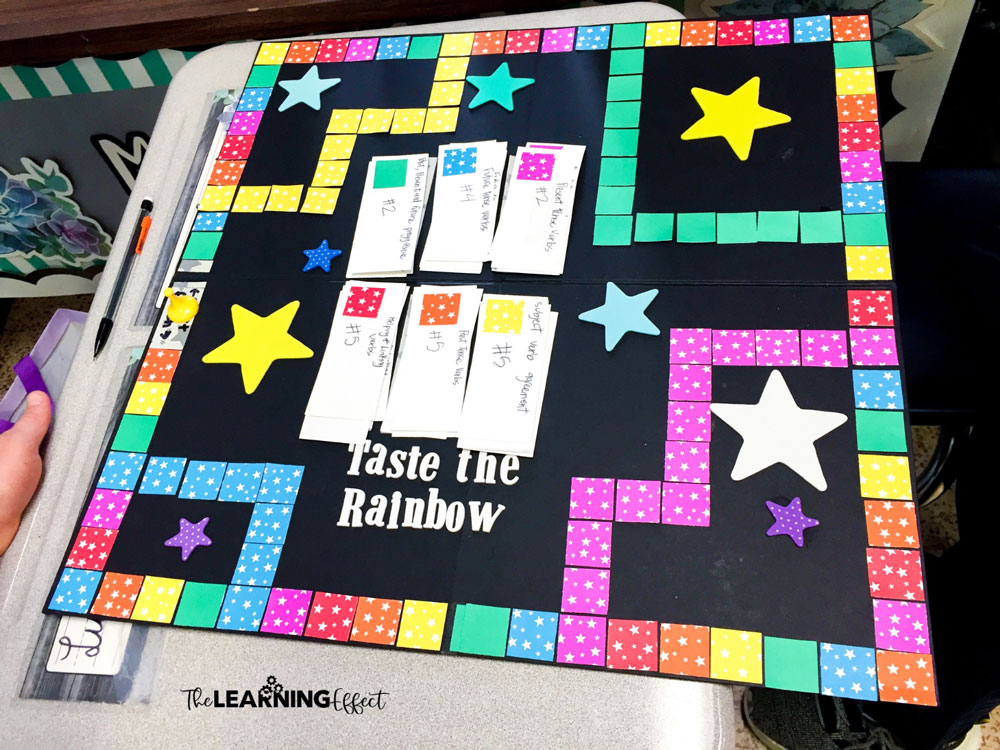
6 Simple Steps for Students Creating Their Own Board Games
While creating a board game might seem challenging for students, breaking it down into manageable steps makes the process accessible and enjoyable. Here’s a streamlined guide you can provide to your 3rd-6th graders:
- Choose a Learning-Focused Theme: Guide students to select themes directly connected to your current curriculum – like multiplication concepts, state history, or science cycles.
- Develop Clear Rules: Have students draft simple rules that balance challenge with playability. Remind them that the best games are easy to learn but take strategy to master.
- Design an Engaging Game Board: Provide sturdy materials like file folders or poster board along with clear examples of effective game paths and spaces.
- Create Simple Game Pieces: Encourage creativity with recycled materials, colored paper, or even themed erasers that connect to the game’s content.
- Write Content-Rich Questions: This is where the real learning happens! Have students develop questions at different difficulty levels based on your curriculum objectives.
- Test and Improve: Schedule time for “play-testing” where students can identify rules that need clarification or game mechanics that should be adjusted.
Save Time with a Ready-to-Use Board Game Project
Want to implement this engaging project without spending hours creating materials from scratch? My Create Your Own Board Game Project resource gives you everything you need to launch this activity successfully:
- A ready-made introduction presentation that explains the project to students
- Visual examples of student-created games to inspire creativity
- Planning templates that guide students through each step of the process
- Editable grading rubrics to simplify assessment
- Implementation tips based on real classroom experience
This time-saving resource helps you bring the benefits of game-based learning to your classroom without the prep work!

3 Inspiring Board Game Project Examples from Real Classrooms
Looking for specific ways to implement a board game project? Here are three classroom-tested examples that produced meaningful learning outcomes:
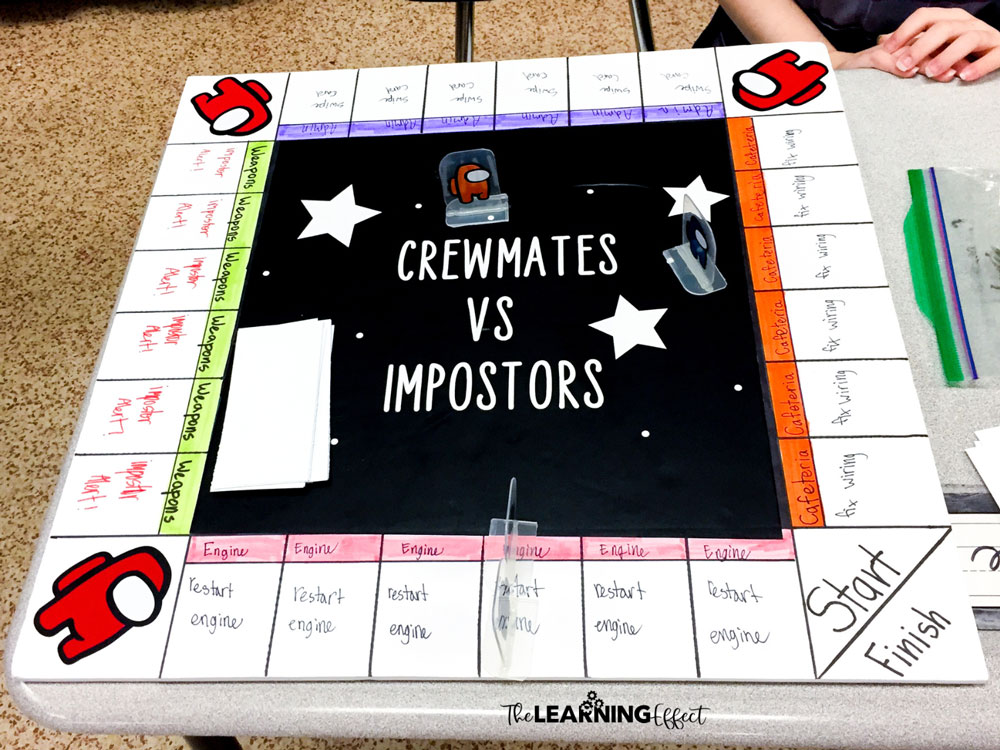
Language Arts: Grammar & Parts of Speech Games
Students worked in pairs to create grammar-focused board games that made reviewing parts of speech engaging rather than tedious. Players answered questions about nouns, verbs, adjectives, and more to progress through the game. Teachers reported higher test scores and greater student confidence after this review activity!

Reading Comprehension: Book-Based Board Games
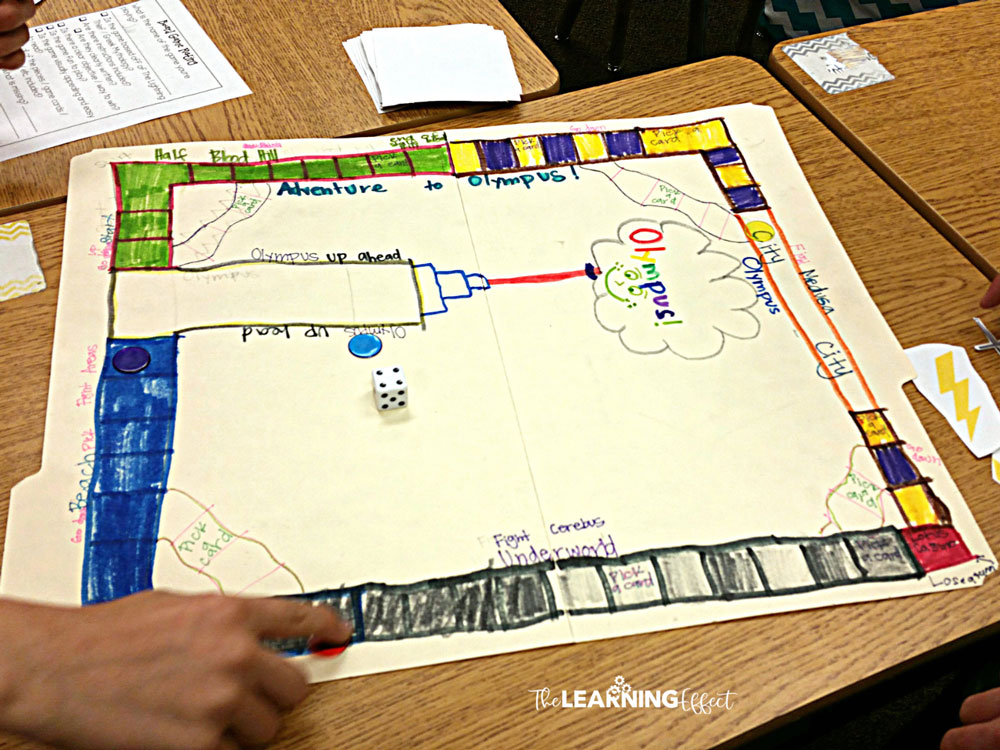
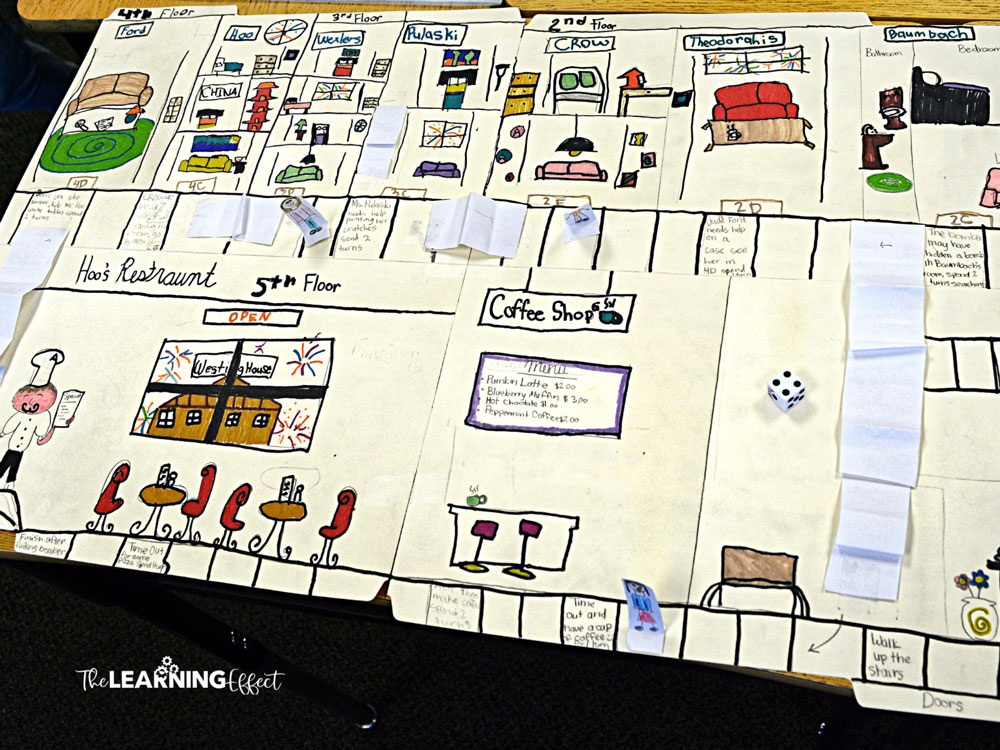
After completing a novel study, students designed games featuring settings, characters, and plot points from their books. These games revealed deep comprehension as students incorporated specific details from the text into their game mechanics. It’s a fresh alternative to traditional book reports that gets students excited about reading!
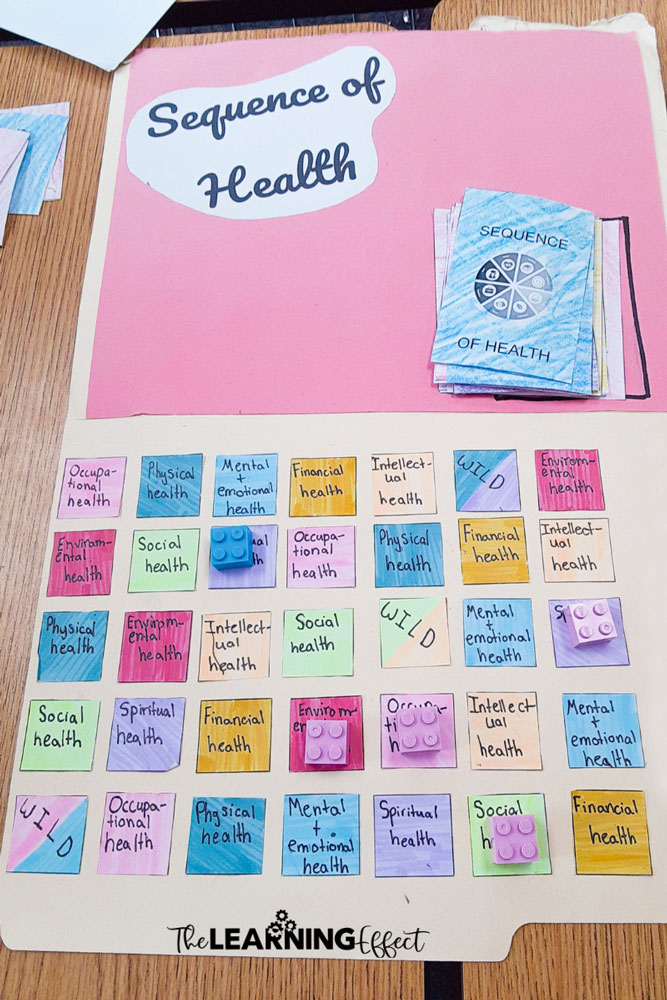
Science & Health: Body Systems Games
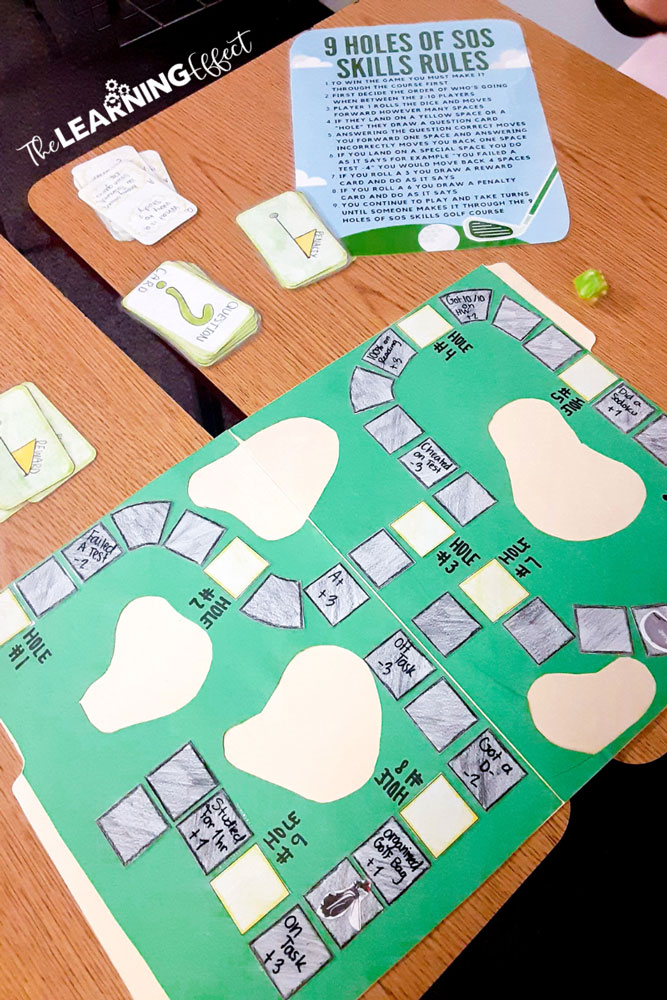
Students created board games featuring the different body systems they studied throughout the year. Their games included paths through organs, challenges related to healthy habits, and questions about body functions. This culminating activity helped solidify interconnections between different health units.
Transform Review into Creative Learning with a Board Game Project
A board game project does what worksheets simply can’t – it transforms review from passive repetition into active application of knowledge. When students create games around curriculum concepts, they’re engaging with content at the highest levels of thinking while having fun in the process.
Ready to see your 3rd-6th graders excited about review time? Introduce a board game project during your next unit. For a complete, ready-to-use resource with templates, examples, and assessment tools, check out my Create Your Own Board Game project package.
The best part? Unlike seasonal activities, this versatile project works any time of year, for any subject, making it a valuable addition to your teaching toolkit!