Minor Detail

Image

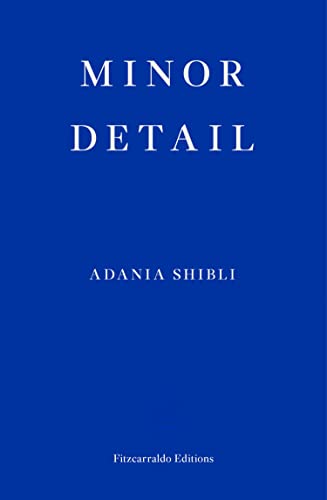
I felt like it was time to read Minor Detail by Adania Shibli. Published in Arabic in 2017 and translated into English by Elisabeth Jaquette in 2020, the book is in two parts. The first deals with a true event in 1949, a year after what Palestinians call the Nakba and Israelis call the War of Independence. Nakba means Catastrophe and symbolises for Palestinians the ethnic cleansing of Palestine through violent displacement and dispossession. For Palestinians, the Nakba is a collective trauma that covers the fracturing of Palestinian society and the ongoing rejection of their right to a homeland. The second part deals with the story of a Palestinian woman born on the same date as the incident, but 25 years later, who reads a newspaper report about it and sets out on her own investigation, with tragic consequences.

I wanted to read Minor Detail because I wanted to hear the perspective of a Palestinian writer about the events three generations ago that have led to the current situation between Israel and Palestine.

Continue reading

Boulder

Image

Eva Baltasar continues her exploration of what it means to be a gay woman in the 21st century in this follow-up to her debut novella Permafrost. Boulder‘s protagonist is older than the main character in Permafrost and more sure of herself. Sure to the extent that she has taken herself to Qellón on the Isle of Chiloé, Chile, in order to work as a mess cook on a freighter.

Continue reading

1983

Image

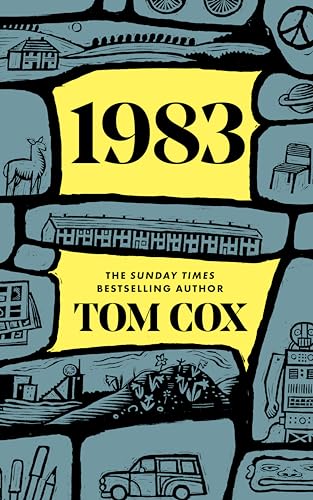
1983. The year of breakfast telly, the afternoon kids’ tv slot being rebranded Children’s ITV, Thatcher’s Tories winning a second general election by a landslide, the Little Miss books, compulsory seatbelt wearing, the pound coin and numerous other things. It’s also the setting for Tom Cox‘s new novel about a year in the life of Nottinghamshire schoolboy Benji Moss, who at the start is 7-going-on-8.

Things start off pretty normal. Benji rides his bike within the mile radius of his home that he is permitted, builds a shelter for the upcoming nuclear war, tries to avoid the local bully, loves school as much as Christmas, and believes he’s from another planet.

Continue reading

The Shortest History of Japan

Image

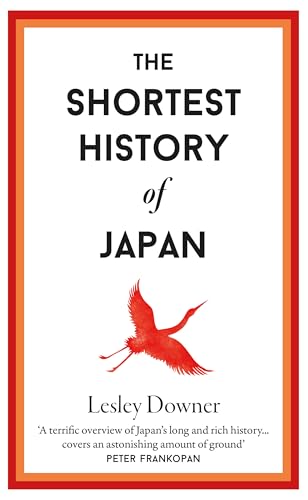
It’s no secret that I love Japan. When an ARC of the forthcoming The Shortest History of Japan arrived from author Lesley Downer, I couldn’t say no.

Downer describes her book as a fun informative read, aimed at everyone who’s ever been interested in Japan and would love to know more about the history but is daunted by thick history books that are all dates and difficult names. The Shortest History of Japan is a very potted history, touching briefly on key points in Japan’s story. For me it was at times a bit too brief; just as I was hooked into an unfamiliar period in Japan’s ancient past, Downer skipped on to the next era. I wanted more, and now I need to find the more that will satisfy me. The book is a success, then, because it has tantalised me. And for anyone who isn’t prone to running down rabbit holes of additional information, it’s an excellent introduction to the complexity of Japan’s history.

Divided into chapters that cover pre- and ancient history, through successive imperial eras leading up to the turmoil that resulted in the Tokugawa Shogunate, then the Edo period, the fall of the Tokugawa and, over five chapters, the story of the restoration and succession of the modern imperial court from Meiji to Reiwa, the book condenses key qualities of and events in Japanese culture and history; a sort of highlights package.

Continue reading