
A reliable operating system built for performance
Windows 7, developed by Microsoft Corporation, remains one of the most dependable operating systems ever released. Launched in 2009 as the successor to Windows Vista, it earned acclaim for combining stability, speed, and user-friendly design. Even years after its release, it continues to serve as a benchmark for simplicity and reliability in desktop computing.
Designed for everyday productivity
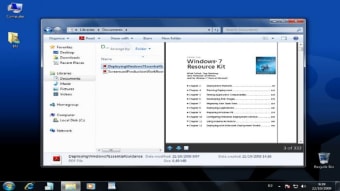
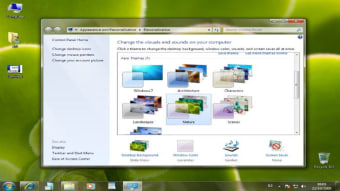
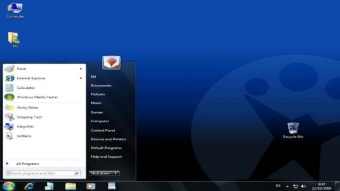
Windows 7 refines the core desktop experience with improvements that prioritize speed and accessibility. Its redesigned Taskbar with Jump Lists allows users to access recent files and pinned applications efficiently, while Aero Snap and the Aero Glass interface enhance multitasking with elegant window management. The inclusion of Libraries further streamlines file organization by grouping content from multiple folders, ensuring that essential documents remain easy to locate.
Security and usability are at the forefront of its design. Features like Windows Defender, User Account Control (UAC), and Windows Search work together to create a safer and more responsive environment. These enhancements make Windows 7 suitable for both home and professional use, balancing protection with convenience. While visual effects can impact lower-end systems, they contribute to the OS’s polished presentation and intuitive feel.
Final thoughts
Windows 7 stands out as a refined, performance-oriented system that elevated Microsoft’s operating platform. Although official support has ended, its blend of efficiency, usability, and reliability still makes it a favorite for users who value a stable computing experience.