Social media in sports: 9 Proven strategies to win engagement and fan loyalty

Written by Sam Kendall
Published on June 22, 2026
Reading time 15 minutes
Table of Contents
The role of social media in sports is quite literally game-changing. Far more than just a marketing channel, social media is now the most important way that fans communicate and interact with their favorite sports brands. According to the Q2 Sprout Social Pulse Survey, 80% of consumers watch live events through social media.
Whether it’s tracking real-time scores, searching for the latest event or getting excited about product launches, fans get all the biggest news from social media. The Q1 Sprout Social Pulse Survey also found that 49% of people use social media to discover breaking news, ahead of TV, podcasts and news apps. It’s more important than ever for brands to capitalize on this by learning how to harness social media in sports marketing.
We’ll outline the critical elements of social media management for social media marketing in sports based on insights from some of the biggest sports teams in the world: the Detroit Tigers and Chicago White Sox.
How social media is impacting sports
Social media is directly tied to every side of sports at a national and global level. According to our Q1 2026 pulse survey, 93% of Gen Z and 85% of Millennials follow live events by tracking social posts (via official event channels, attendee uploads, influencers or news outlets). Teams now use official accounts on socials to feed and grow their passionate fandom before, during and after the game.
Social has also created a fundamental shift in how we interact with sports, athletes and teams. Beyond follower counts, these team accounts build dedicated niche fan communities, fostering collective engagement across channels. This level of connection also extends to individual players and their interactions with fans, with many of the world’s most famous athletes working as social media sports influencers and brand ambassadors.
Brands need to not just acknowledge this new level of connection, but dedicate time and energy to building their own communities across socials.
The influence of social media in sports marketing
The increased influence of social media over all things sports has completely changed the way teams are marketed. It’s also introduced new fan expectations that brands need to be aware of to continue thriving across all networks. These are some of the most important social media marketing shifts in sports happening right now.
Fans expect real-time, always-on engagement
What used to be a one-way broadcast is now a conversation with the masses. To succeed, teams first need to keep up—which is easier said than done.
Today’s sports fans expect real-time updates from teams. Certain updates are particularly important, like breaking news, scorelines or injury updates. Think of each sport as an ecosystem where fans want to feel connected to what’s happening at all times. They want to be in the loop.
Sports brands have to consistently deliver these updates from official channels to please fans and keep control over their communications and narrative. That means social accounts, particularly on key breaking news platforms like X, Reddit and Instagram, need to be managed on and off-season.
Sports content lives beyond game day (videos, memes, interviews, behind the scenes)
Sports content is about so much more than what happens on the field. Just ask Tim Brogdon, Director of Digital Content for the Chicago White Sox. In a recent interview with Sprout, he shared, “While there is fan focus on the games themselves, sports marketing is so much more than those individual events. We strive to authentically grab attention and engage with our audience year-round.”
In the past, sports fans only saw game-day footage captured by professional broadcast crews using high-tech cameras and audio equipment. Today, meeting fans’ growing demand for content requires a small army of contributors. Everyone plays a role, from digital content teams and fan services to the athletes themselves, ensuring a steady stream of engaging content.
Brands need to be creating pre- and post-game content such as interviews, training updates, recaps and commentaries. Your fans want to engage with teams beyond game day, and know how the team is preparing for the future and what they can look forward to. Game days are vital, but an effective sports social channel has several content pillars, with different types of content being published every day.
The shift from passive audiences to active communities
With social, sports fans aren’t passive observers anymore—they’re participating in active communities with evolving opportunities for engagement. According to the 2025 Content Benchmarks Report, organizations in the leisure, sports and recreation sectors typically receive 623% more inbound engagements on their content each day compared to other industries.
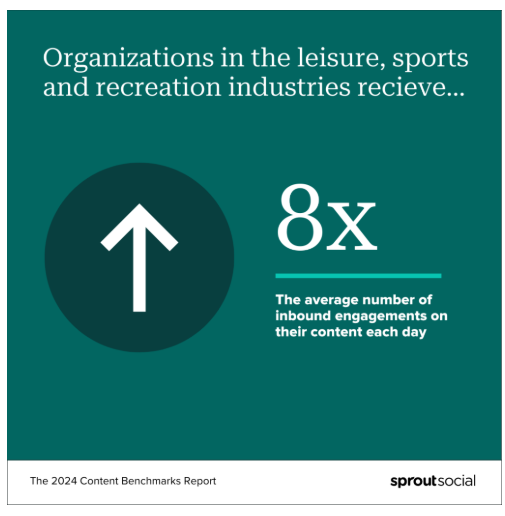
This means all the content you’re creating for a sports brand should target more than just views—it should be made with fan interactions in mind. Whether it’s inviting user-generated content or event sign-ups, sports fans want to feel like they’re a valued part of a much bigger community.
Benefits of social media in sport marketing
Sports marketers who step up to the social media plate can score major rewards for their franchises. Here are three ways social media strategies can benefit the teams they support.
It promotes fan engagement—even during tough seasons
A social-first media strategy allows teams to connect with fans in a less corporate, more relatable way, making teams less reliant on wins for positive engagement.
This is a key way sports marketing accounts foster a strong sense of community among followers. Support becomes a two-way street, where teams can express appreciation to individual followers and encourage them to keep the faith through tough times.
It expands reach into new audiences
Thanks to the rise of the algorithmic feed, a stranger is just a fan who hasn’t come across your content yet.
“Our strategy doesn’t hinge on follower growth,” explains Brogdon. “The algorithms are feeding people content whether they’re following the Chicago White Sox accounts or not. Instead, we want to create content that encourages people to pause, view, like and comment. Shares and sends (DMs) are also important, because that impacts virality.”
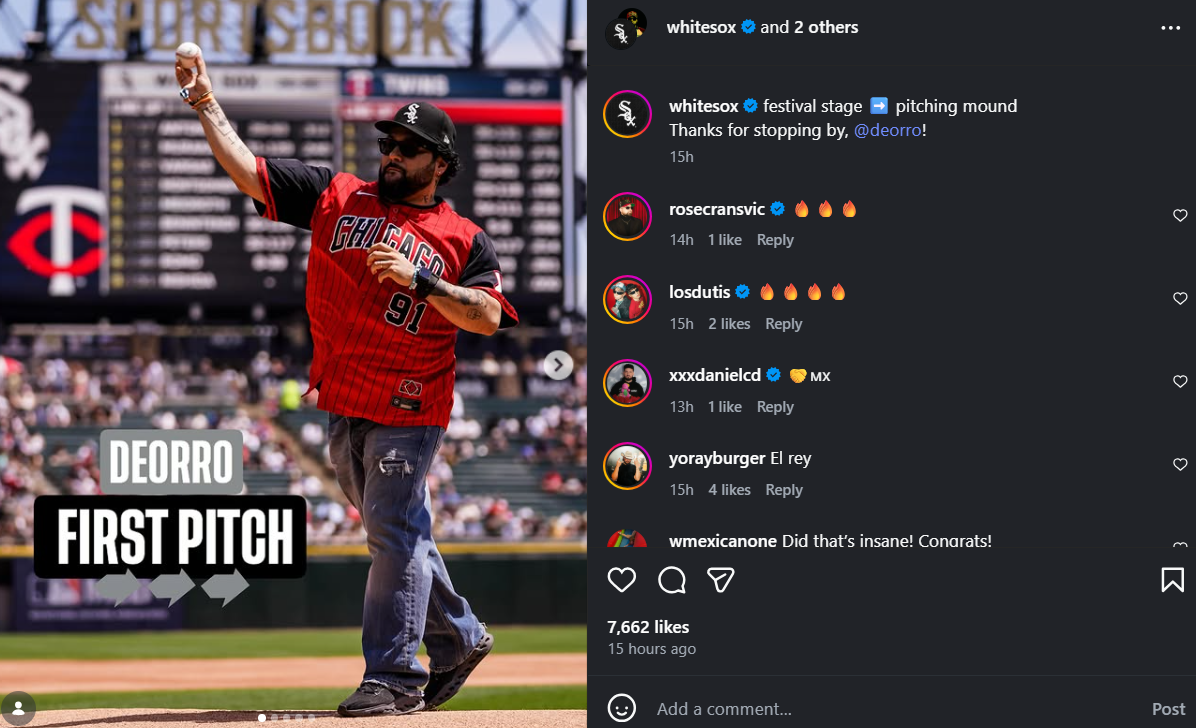
Here’s a recent example of the Chicago White Sox using the celebrity first pitch trend to create Instagram content. By partnering with an influencer, their account is getting in front of highly-engaged followers in addition to their own.
It creates new revenue opportunities
Corporate sponsorships have long been a key revenue stream for professional sports teams, but in the past, opportunities for promotion were mostly limited to stadium signage and jerseys. With social media, however, the potential for lucrative partnerships has expanded dramatically.
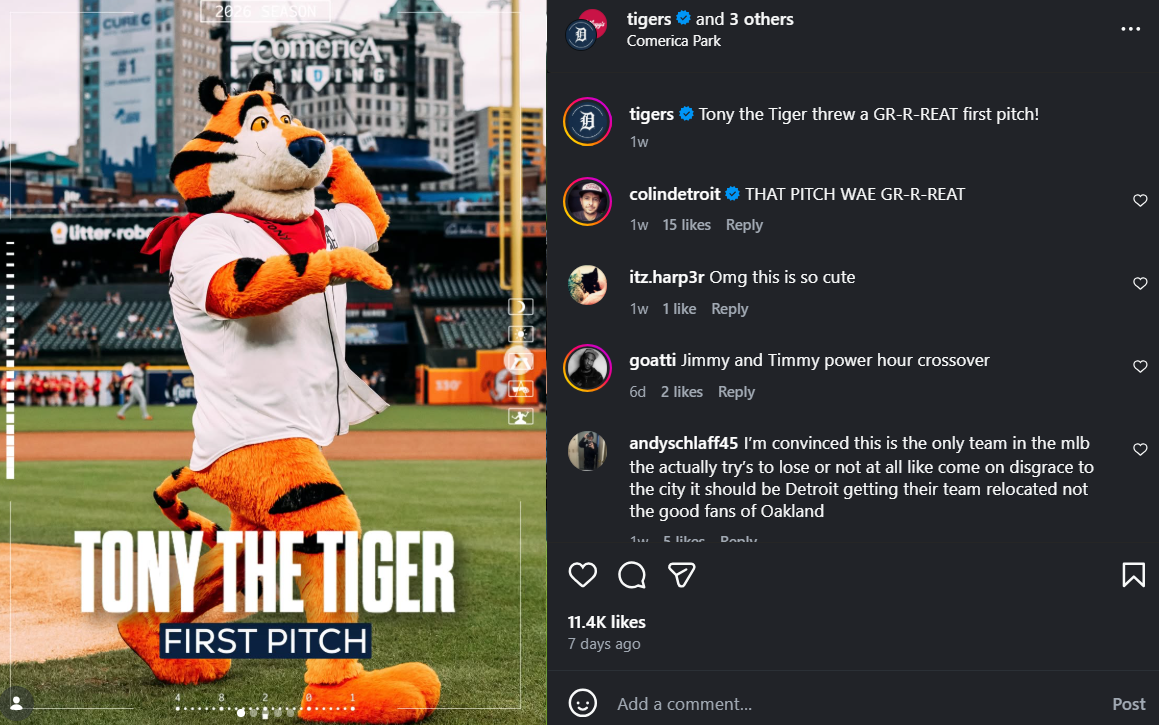
Here’s another first pitch content example, this time from the Detroit Tigers. They partnered with Kellogg’s, having Tony the Tiger throw the first pitch of a recent game to bridge the team with a global brand.
Sports social media trends shaping 2026
Sports social trends are evolving all the time, and teams need to be aware of the latest strategies to stay in the game. These are the most important trends shaping sporting content on social media, including popular format types, partnerships and campaign ideas.
Short-form video is driving discovery and reach
Sports lend themselves well to short-form video content. Clips of games, interviews and recaps and other video content give fans what they’re already wanting to consume most on social. They’re also a smart way to build the reach of your team’s account and bring in more fans.
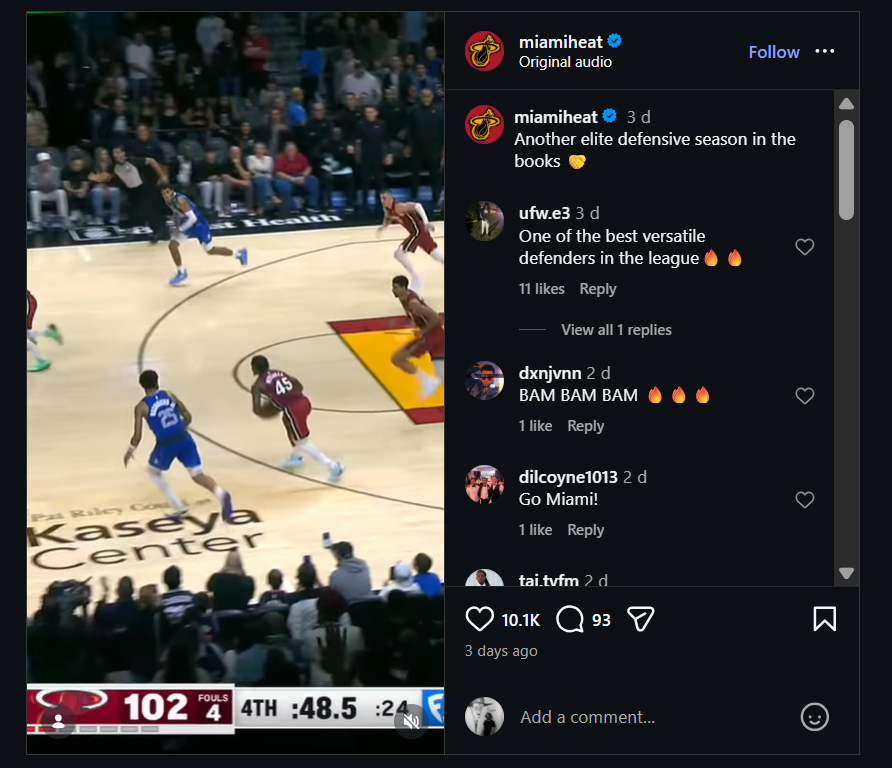
According to Sprout’s Content Benchmarks Report, 32% of all Instagram content from leisure, sports and recreation accounts was in the form of a single video post. Here’s a recent example from the Miami Heat, who posted a short-form highlight of the team’s defensive capabilities in the previous season to keep the momentum going.
Long-form content is building deeper fan loyalty
Long-form content is another ongoing trend and an effective way for teams to engage fans. Where short-form videos are perfect for reach, long-form is better catered to existing fans who are interested in more in-depth insights into your team.
Networks like TikTok and YouTube lend themselves well to long-form videos. They also work effectively as episodic content series, which is a popular entertainment format on social media. Here’s an example from the Toronto Blue Jays and their recurring content series Extra Innings.

Creator partnerships are outperforming celebrity endorsements
Sports have long been associated with celebrities, with many star players becoming globally recognized names. But when it comes to social content, creator partnerships can be a smarter choice than traditional celebrity endorsements.
Creators bring more of a fan-focused, community-driven element to campaigns. It allows teams to continue to build their own communities hand-in-hand with creators, which can be particularly powerful if the creator is already a fan themselves. With Sprout Social Influencer Marketing, you can find influencers who are already fans using our AI-powered search and check for brand alignment with the Brand Fit Score.
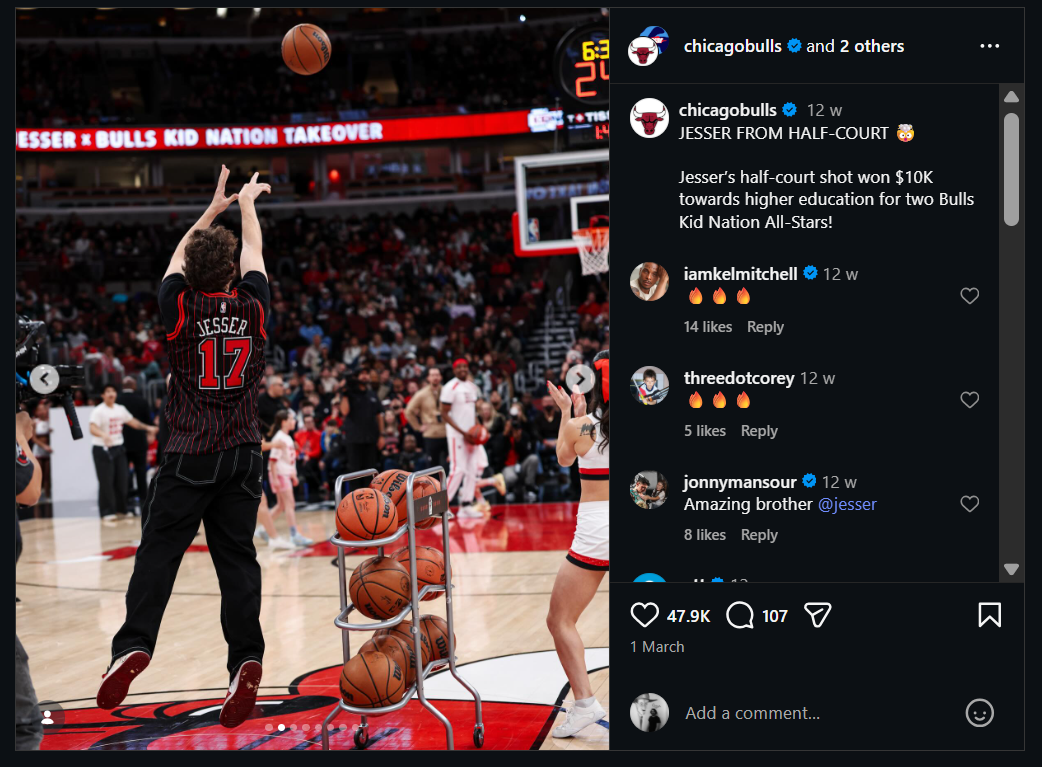
Here’s a recent example of a successful collaboration between Jesser and the Chicago Bulls, which resulted in almost 50k likes.
Women’s sports are creating new growth opportunities
An ongoing positive trend for sports on socials is the growing popularity of women’s sport. Interest continues to build in female teams, as well as individual female athletes who are advancing their sports on a global level.
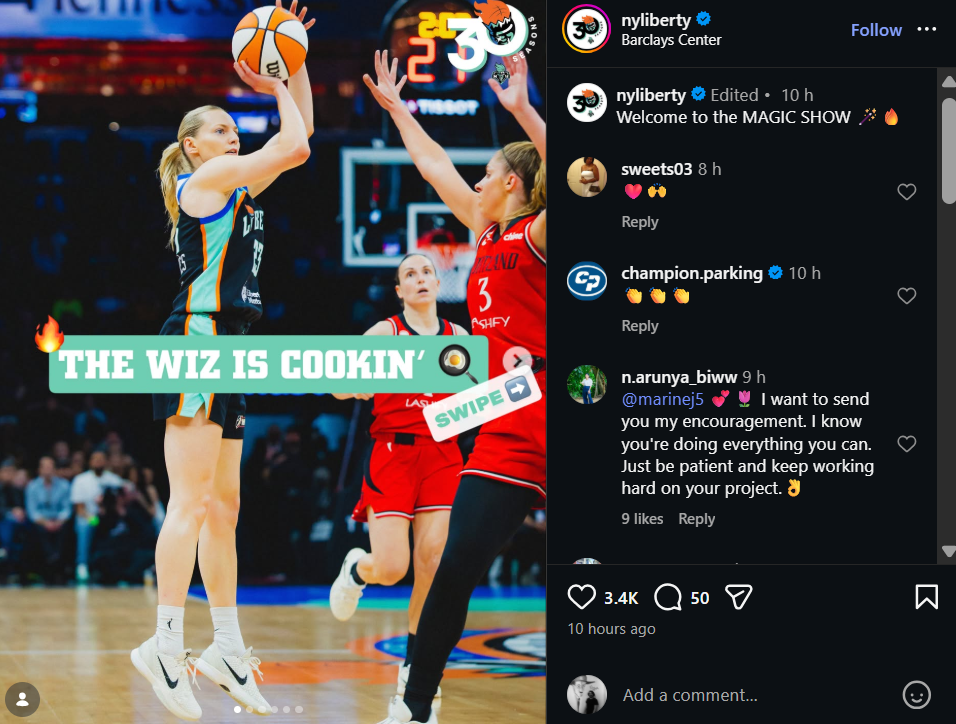
Focusing on the women’s game across your sports brand account helps you tap into this popularity, while also contributing towards an important win for diversity and inclusion. Women’s teams are seeing successes with dedicated accounts. Here’s an example from WNBA Champions New York Liberty, who have over 400k followers on their Instagram.
AI-powered personalization is changing fan engagement
New AI technologies are also offering sports brands greater opportunities to foster more engagement from fans. AI allows brands to offer personalization to individual fans at scale. Exact implementations continue to emerge, but the world’s leading sports brands are already starting to pull away with their own AI solutions.
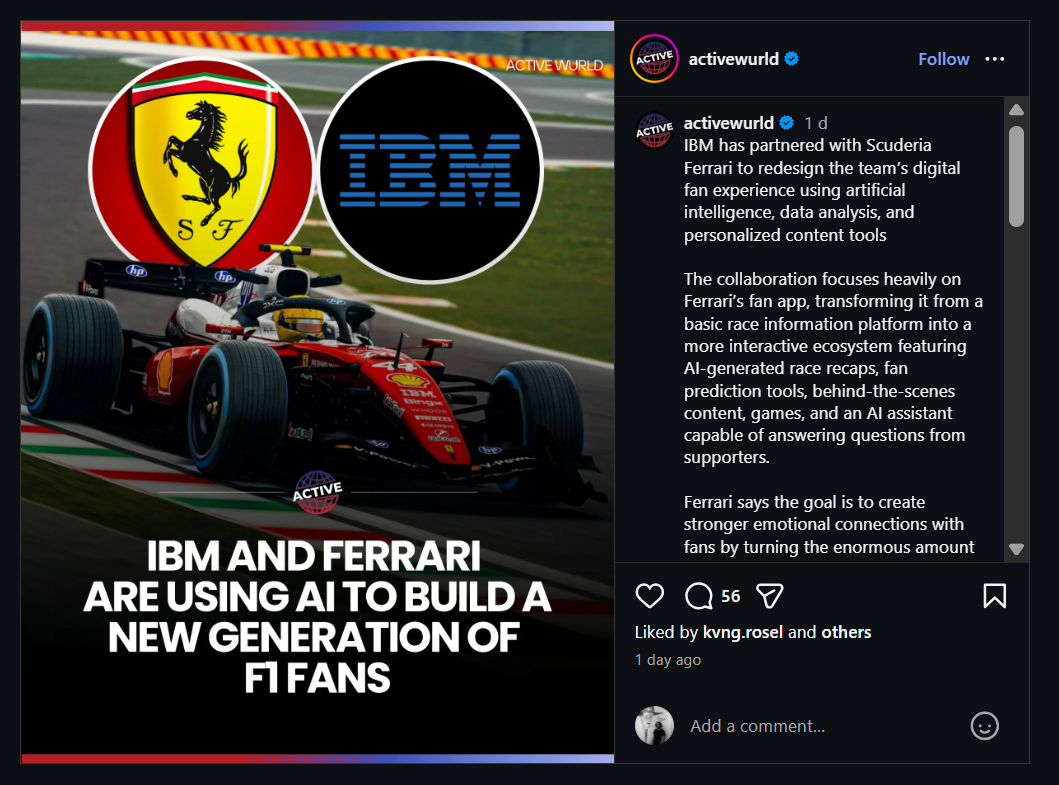
For example, Ferrari recently partnered with IBM on an AI-driven redesign of their fan app. This collaboration aims to offer fans more interactive tools, including an AI assistant and AI-driven race recaps. These AI features and personalization capabilities are likely to become more common across all social platforms as the trend develops.
9 Strategies to win social media in sports: What high-performing sports brands are doing differently
Several of the biggest sports brands in the world are already racing ahead with their social strategies. We’ve listed some of the key things they’re doing to stand out, alongside insight and examples directly from teams like the Chicago White Sox and the Detroit Tigers.
1. Use social insights to understand fan sentiment and drive momentum
Gathering social insights and intelligence is a core way for sports teams to use their social followings to better understand their audience and what they expect from the brand.
The Director of Social at the Detroit Tigers, Emma Nye, couldn’t overstate the importance of listening to a social audience enough in her recent webinar with Sprout: “I’ve learned a lot about what culturally is important to people in Detroit and what matters to them. The voice we’re building on social really plays into all that—really listening to and paying attention to that audience.”
This cultural understanding can drive all other activities on social. By conducting sentiment analysis, you can also gain deeper insight into how commenters feel about your team right now, emotions that can then guide future content strategies.
2. Collaborate with the right athletes and influencers that audiences connect with
After listening to your audience, fan sentiments can be leveraged further for successful social campaigns, which is exactly what the Detroit Tigers did during a recent season.
They jumped onto an existing song created by the musician Gmac Cash, integrating it into social content and eventually inviting him to perform at the end of the season. An opportunity like this was only possible because the brand was listening intently to their audience and what they were already engaging with and creating themselves.
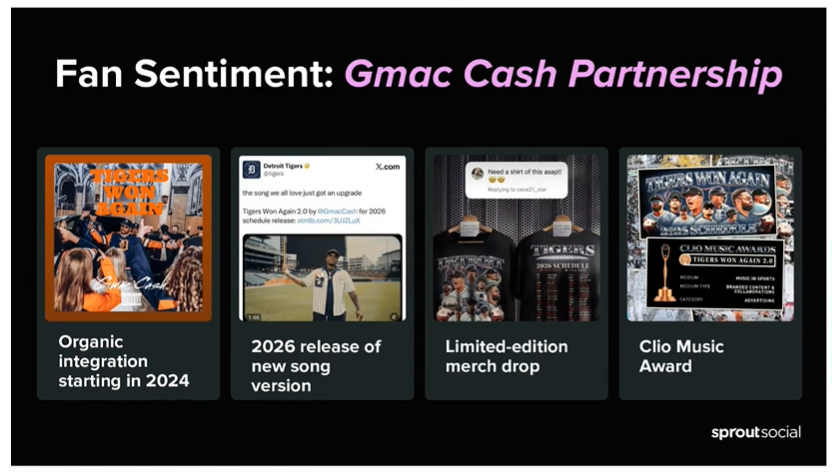
The campaign worked firstly because of existing fan sentiment, but also because it involved the right influencer that people were familiar with. As seen in Sprout’s 2026 Social Media Content Strategy Report, Nike has found similar social successes by partnering with athletes from celebrities to influencers with niche followings.
3. Create social-first campaigns instead of repurposed ads
Most major sports teams also feature heavily in traditional advertising forms like television, radio and billboards. The most successful sporting brands don’t just recycle that content; instead, everything they post is created with social in mind.
Socials are a unique form of marketing because they also exist as a communication channel. Fans can’t engage directly with a TV ad or a billboard; they can with anything you post on social. That engagement potential has to be considered—and encouraged—in social-first campaigns that really speak to the community you’re building.
4. Use memes, trends and culture without feeling forced
Memes are now an inescapable part of a social strategy, but the most successful meme posts are carefully crafted or chosen. “We would literally go into meetings with printed out memes to share as examples during presentations,” shares Brogdon, explaining how memes must pass sense checks before being used. “We had to prove that our ideas were grounded in best practices while breaking our normal cadence. We wanted to move forward with a more relatable version of our existing brand voice, but wrapping that up in a presentation that appeals to executive staff takes some time, effort and energy.”
If a meme passes these tests, it can become incredibly successful content. The Detroit Tigers took this one step further with their Magnum PI campaign, which was built for socials and the home ground. They leveraged the popular meme of Magnum PI watching a game, which their fans had already turned into a community-led annual tradition. It ended up being their best-performing TikTok of 2025.
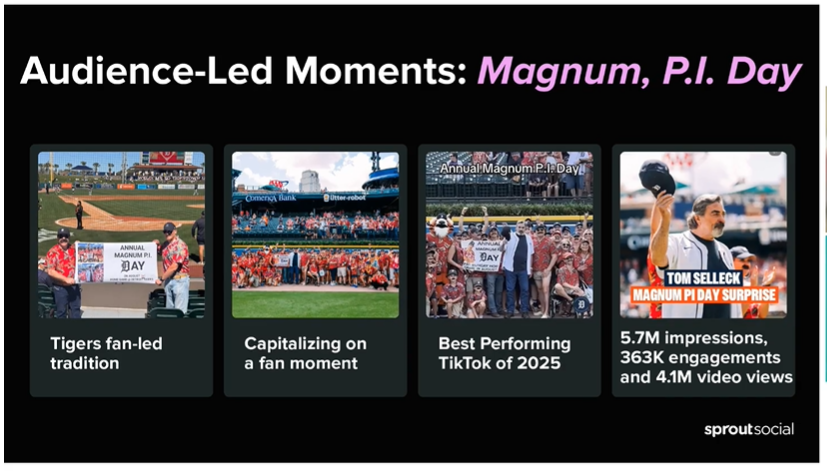
As Nye explains, the campaign succeeded because it used the niche obsession with Magnum PI and how it intersected with the Detroit Tigers. “It made for the perfect social media moment because of listening to our audience and how it was something unique to them.”
5. Match content formats to platform behavior
Social networks are all used in different ways thanks to how they’re set up. X encourages conversations, whereas TikTok values views and shares. Reddit builds deeper conversations and communities, whereas YouTube is where your fans settle in for longer watches.
A lot of this behavior is driven by which content formats are popular on each platform. When creating your strategy, match your content formats to the platforms where they’ll perform most effectively. There might be some overlap; TikTok and Instagram, for example, sometimes share content. But overall, you should plan distinct content approaches for each network you’re active on.
6. Build community through behind-the-scenes content
One of the best ways to make your audience feel included is to bring them behind the curtain. Behind-the-scenes content gives your fans what they want to see; a more personal look at your team. It’s also the perfect type of content for social media, where everyone values more personal stories.
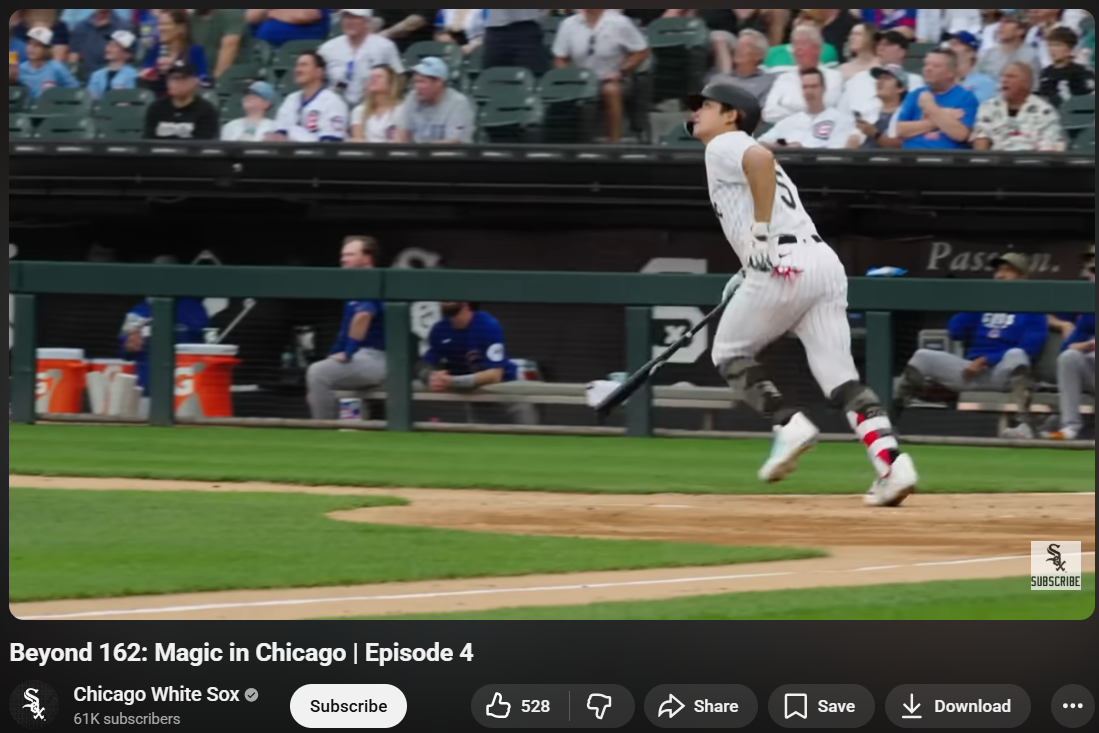
For 2026, the Chicago White Sox partnered with Rate to present an eight-part content series on YouTube called Beyond 162. The series takes fans BTS to see how the team is training and dealing with the many ups and downs of the season.
7. Use live moments to drive conversation and shares
Sports teams are blessed to have many live moments to draw from when managing social accounts. Part of the reason why the Detroit Tiger’s Magnum PI campaign was so successful is because it also involved something happening live in the stadium. This meant the team could share not just recaps, but also live footage of the reveal.
These live moments make fans feel like a greater part of the club. They naturally build conversations and shares around your brand. They also encourage followers to attend more games in person so they don’t miss these experiences, which helps drive ticket sales and can increase the team’s following over time.
8. Build two-way conversations instead of broadcasting
Even though sports games are broadcast traditionally, you shouldn’t take that same approach with social content. The most successful teams recognize that social posts are all two-way conversations that invite collaboration directly from your audience.
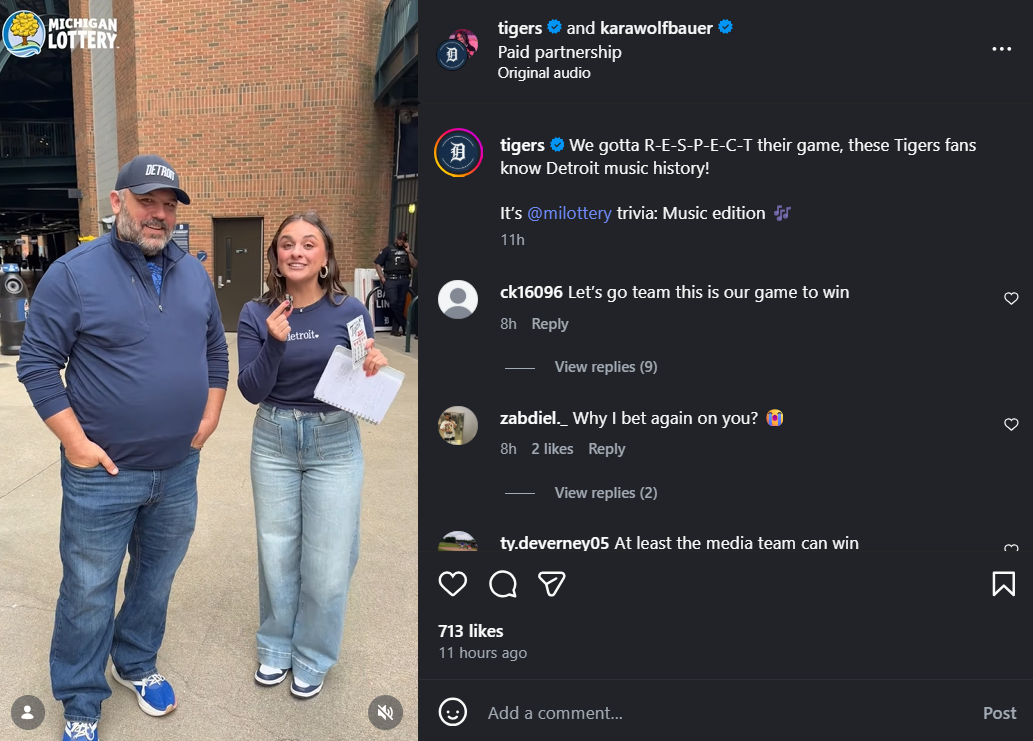
Here’s a recent content example from the Detroit Tigers on Instagram, where fans were given a short music competition outside of the stadium. Not only is the act of content creation itself encouraging conversations, this post also fosters comments and engagement from viewers. It’s one of several strategies the biggest teams are using to make fans feel included on all sides of their social accounts.
9. Adopt sponsorships that feel native to social platforms
Global teams often partner with different companies during a season. Not all of those belong on social media; your social should be promoting the sponsorships that feel native to the platforms you’re on.
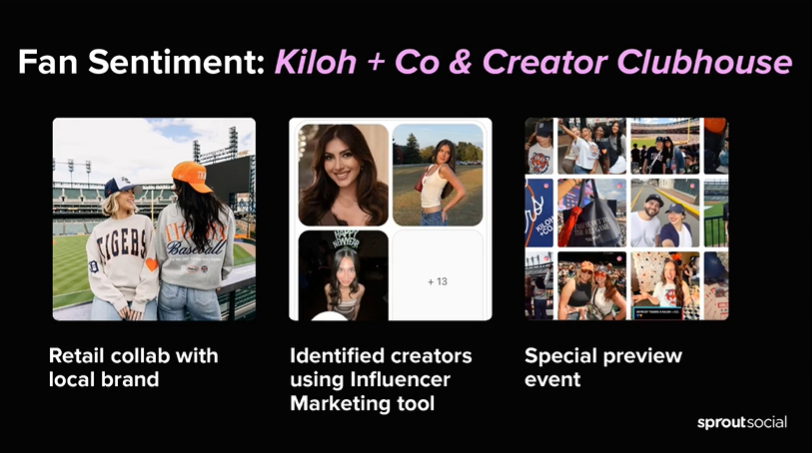
The Detroit Tigers’ Kioh + Co Creator Clubhouse is a great example. They used creators to drive the collaboration, and picked the right influencers using an influencer marketing tool. As Nye explains, they then created a distinct event at their stadium called Girl’s Day Out at Comerica Park and continued “using creators to really drive the conversation,” later sharing everything on socials. As Kioh + Co are a retail brand local to the team, they were a smart choice for a more personal, social-led sponsorship.
Social media best practices sports marketers need to know
When it comes to professional sports, a great strategy can’t be built in a silo. There are countless other teams and individuals that’ll impact and be impacted by your efforts. To create more seamless social-first experiences, you need to work with all of them. Here are five best practices for getting it done.
Use social listening and predictive analytics to never miss an opportunity
Teams often have millions of fans and followers from all over the world. Without the right tools, it’s easy to miss key conversations or sentiments that could’ve been game-changers for social reach. Social listening helps teams hone in on the real feelings behind comments, messages and conversations across all social platforms.
Outside of direct socials, media monitoring tools like NewsWhip can help teams predictively analyze conversations surrounding their league and team. This can help social and comms teams prep upcoming content based on how the season is looking. An AI agent like Trellis can turn this data into actionable social intelligence, turning these conversation spikes into successful social campaigns that speak to your audience.
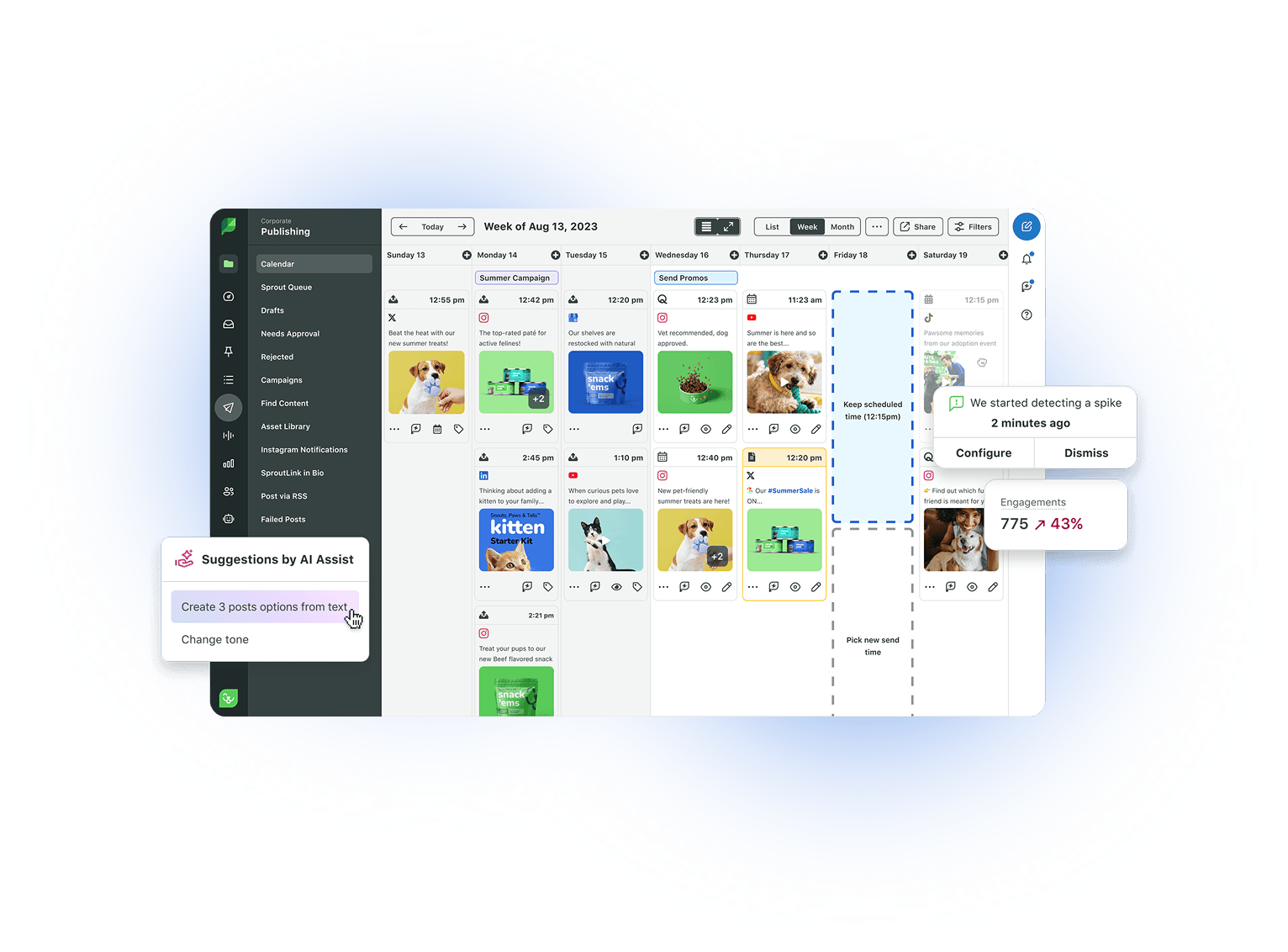
Sports all move quickly, and so does social media. Tools like Sprout help your team stay on top of the conversation. Your social team can continue delivering online, whilst your players continue to deliver on the field.
Take the time to secure internal buy-in
In a perfect world, all of your colleagues would be on board with your strategy after a single presentation. In reality, it’s never that easy, but the time you take to secure internal buy-in plays a critical role in the success of your strategy.
“Communicating and building relationships with other people who have the ability to enhance your strategy can’t happen overnight,” says Brogdon. “It takes time and effort to sell your strategy internally. There are so many stakeholders that need to buy in, including the social and video teams, marketing, sponsorship and supervisors, etc.”
Take the time to talk with individuals across your organization, share the rationale behind your ideas and listen to critiques. This will help you create a stronger business case.
Lean on your network
The role of social media in sports marketing is major, but teams are still smaller than you might expect. If you’re a sports marketer in need of some creative inspiration, try looking beyond your organization for help.
“One of my favorite things about sports marketing is the community,” says Brogdon. “It’s much smaller than people realize. You’re able to see a lot of cool success stories from people you’ve worked with or run into over your career.”
Sharing victories and losses with other social media professionals working in the sports industry can spark big ideas. “Everyone creates content around their core and secondary audiences, all while taking their brand identity and account demographics into consideration. It’s interesting because we all get access to the same data, but everyone does something different with it.”
Make the most out of time with players
Players are your greatest content creators, but their main focus is on performing on the field. So how can you prep them to capture social content without disrupting their game?
The Chicago White Sox social team maximizes their limited time with players by integrating content strategy into existing touchpoints. “We have two major opportunities to educate our players on social media,” explains Brogdon. “We connect with newly acquired players at a social media session in the fall in Glendale and hold a full team session during Spring Training”
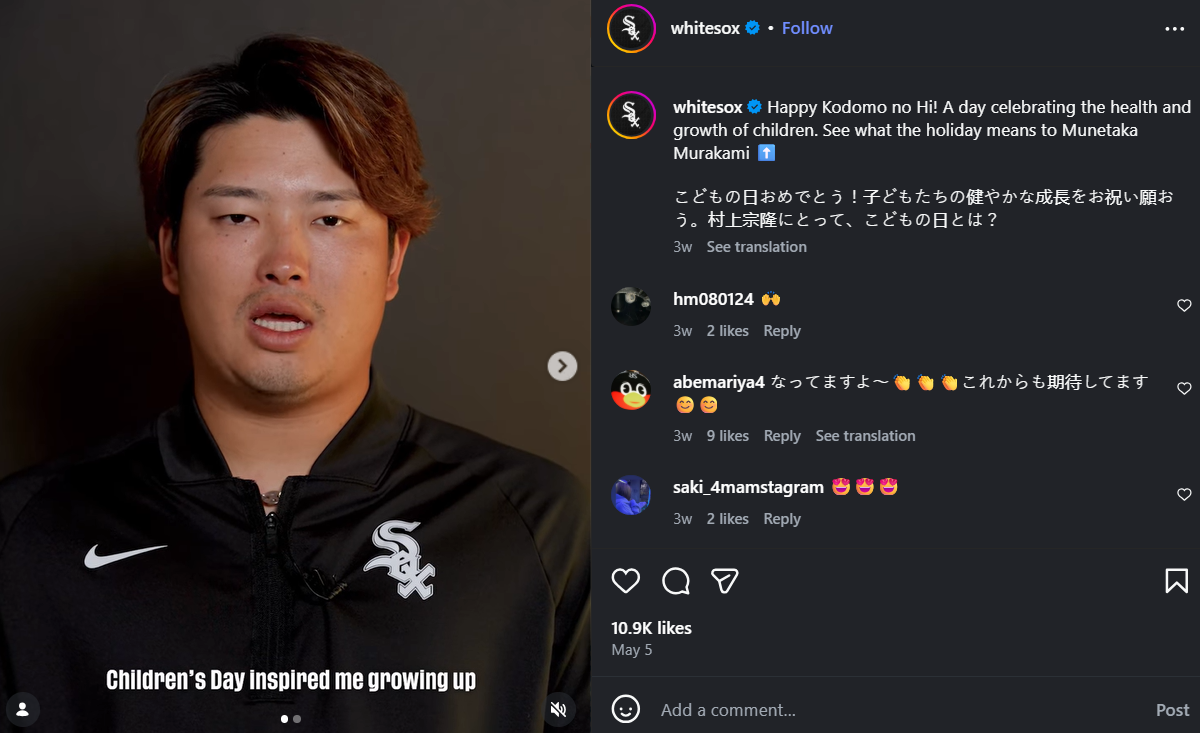
These sessions not only allow the social team to introduce the White Sox digital brand but also give players a glimpse of how the social and video teams will work with them throughout the season. It’s a relationship Brogdon describes as ‘symbiotic’—players learn how to support the social team’s efforts, while the social team helps players amplify their personal brands.
Develop a reporting infrastructure to support corporate partnerships
When the Chicago White Sox sought a new social media management solution, Sprout Social’s Tagging feature stood out as a game-changer.
“The ease and convenience of reporting through custom Tags stood out to us immediately,” says Brogdon. “Being able to provide marketing, PR, corporate partners and senior leadership with precise, channel-level data is huge for us.”
MLB isn’t alone in recognizing the benefits of this feature. The Atlanta Hawks social media team also uses Sprout to implement their sophisticated Tagging strategy.
“Everything we post gets a content pillar tag and a content medium tag, at minimum,” shared Katie DuPre’, Atlanta Hawks’ Social Strategy Manager, in a previous interview. “We also create campaign ID tags for any larger marketing campaigns. For example, when we were at All-Star Weekend, all live content coverage got a specific tag. After the event concluded, we were able to go back and recap the success of our event coverage.”
The future of sports marketing is social-first
Sports marketers across countries, teams and leagues are doing some big things on social. These efforts don’t just impact marketing KPIs, they introduce franchises to the next era of fans.
The most important part of successful social media marketing in sports is always being able to listen to your audience. Find out more about Sprout’s social listening capabilities and how you can use them to gain a new layer of insight into your fans and community.






Share