Building AI Systems That Serve Artists
How I built an AI-powered reporting system for 24 retail stores across 11 countries, and why the first thing it needed to learn was tone, not data.
Director of Creative Operations & Technology at Wilson Sporting Goods. Seventeen years at the intersection of creativity and infrastructure. Author, improviser, and someone who has learned that the best systems disappear into the work.

Support the player in front of you with everything you have, and the room behind them feels it.From The Generous Player
Setting type in the early '90s, I learned something that has held up through every technology shift since: creative work lives or dies on the infrastructure underneath it. Get the infrastructure right and the art takes care of itself. Get it wrong and the most talented team in the world spends their energy on friction instead of ideas.
As Director of Creative Operations & Technology at Wilson Sporting Goods, I architect the systems, workflows, and teams behind a globally recognized brand. That means leading a DAM migration from Adobe to Aprimo across five brands, building an AI-powered reporting system for 24 Amer Sports retail stores across 11 countries, and managing a team of photographers, art directors, and DAM specialists who make great creative possible every day.
Before all of that, I trained at Ringling Bros. Clown College, studied improv with Del Close, and rediscovered weekly performance in my late forties. My forthcoming book, The Generous Player, is about what improv teaches us about showing up for each other.
I occupy a rare intersection — part architect, part artist, part improviser. These three areas define what I bring to every challenge.
Building the systems, workflows, and team structures that power a globally recognized sports brand. DAM migration across five brands. Multi-million-dollar budget management. Career path development for creative professionals who deserve to grow.
From DAM migration to AI-powered reporting systems and Copilot Studio agents, I build technology that serves artists rather than replacing them. Power Automate, AI Builder, Workato, Wrike, and beyond. The goal is always the same: make the tool disappear.
Del Close lineage. Ringling Bros. Clown College. Eleven years of weekly performance. A forthcoming book. What I've learned on stage about generous listening, authentic presence, and supporting the person in front of you applies everywhere else, too.
Sixteen years at one company is a choice. It means you believe in what you're building. Every role I've held has been a version of the same problem: how do you make creative work possible at scale without the scale killing the creativity?
These are the themes I write about, speak on, and wrestle with. If any of these resonate, let's talk.
The industry defines creative ops as people, process, and technology. After sixteen years, I define it differently. It's the practice of making technology invisible to the people who depend on it most.
Read the full essay →DAM architecture decisions. Team structure. Vendor management. Budget strategy. What sixteen years of in-house agency operations actually teaches you about keeping creative work alive inside large organizations.
Hands-on experience building AI systems at Amer Sports. What AI adoption looks like when it's designed to serve artists. What an AI Coach needs to learn before it can be useful to anyone.
How "yes, and" applies to leadership, collaboration, and how creative teams function under pressure. Generosity as a practice. What it means to trust the scene when everything is uncertain.
Reacting to what's happening in DAM, martech, creative ops, and the evolving role of technology in brand production.
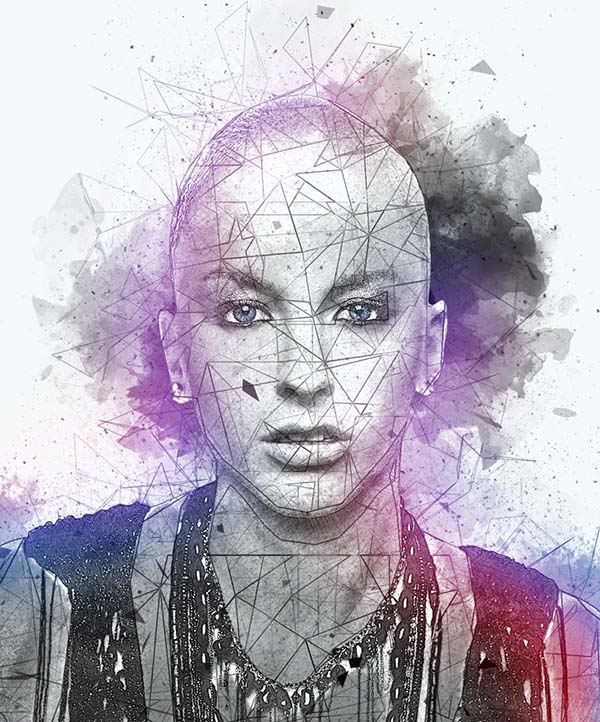
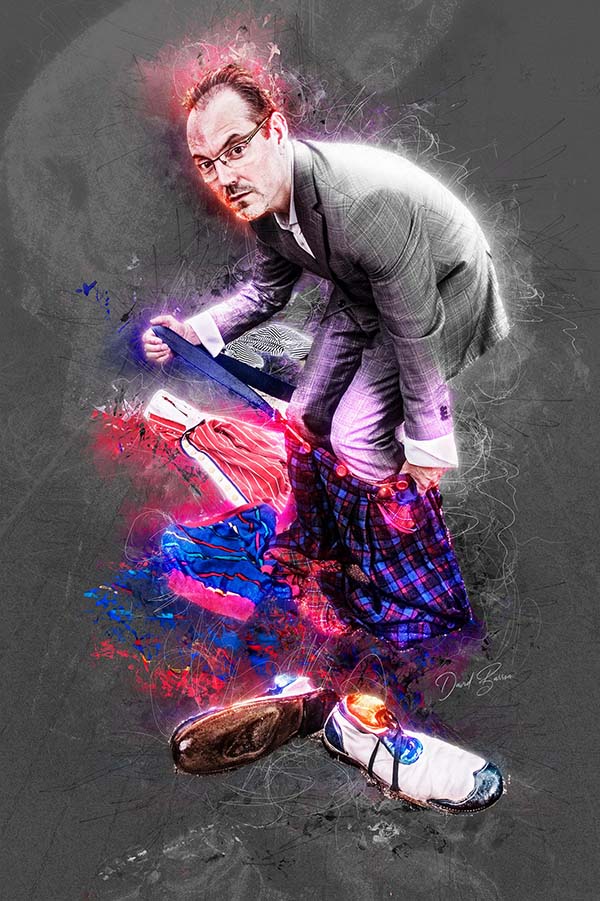
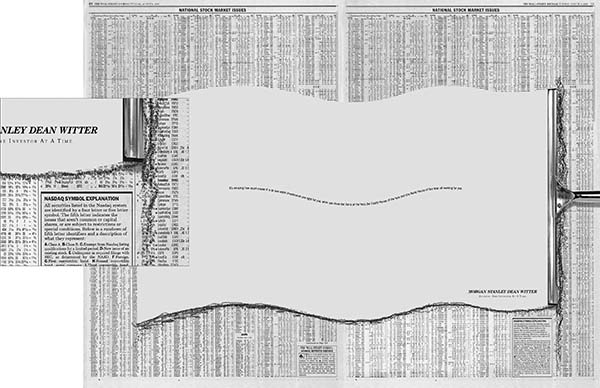
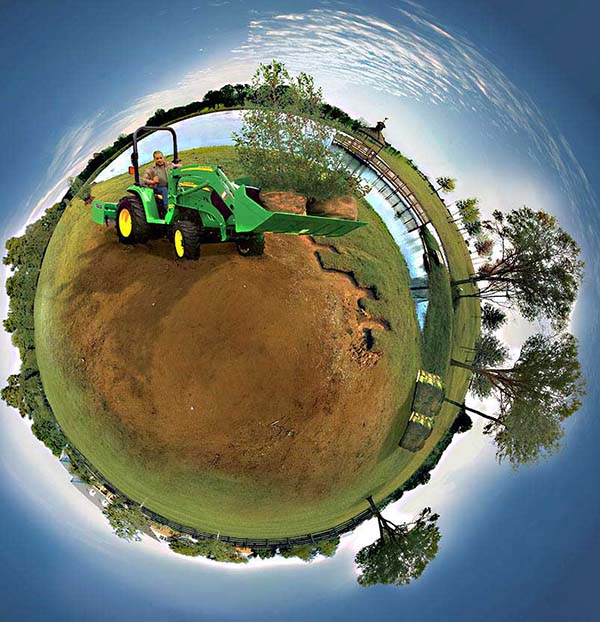
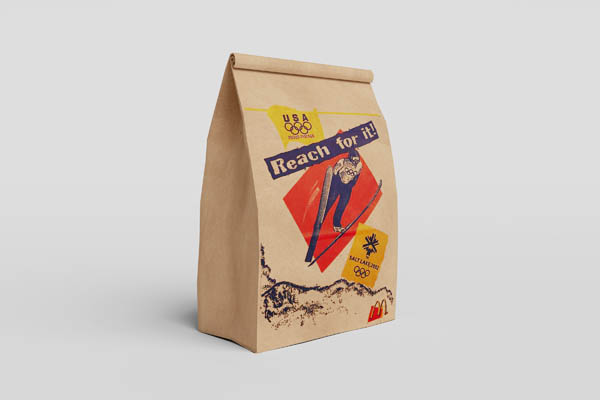
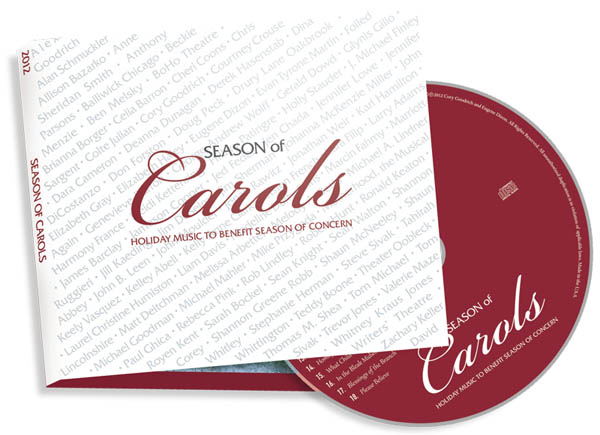
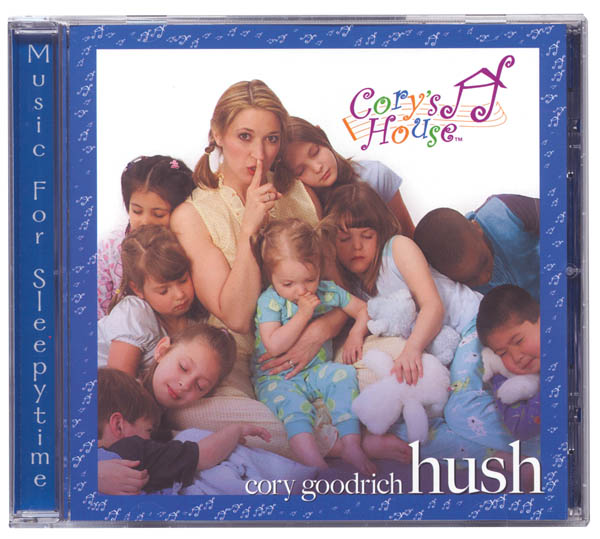
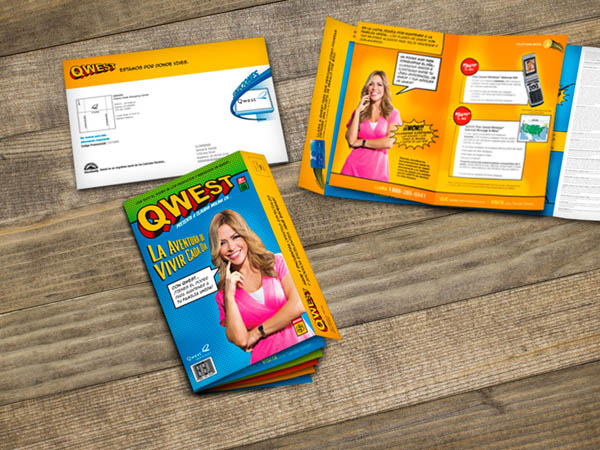
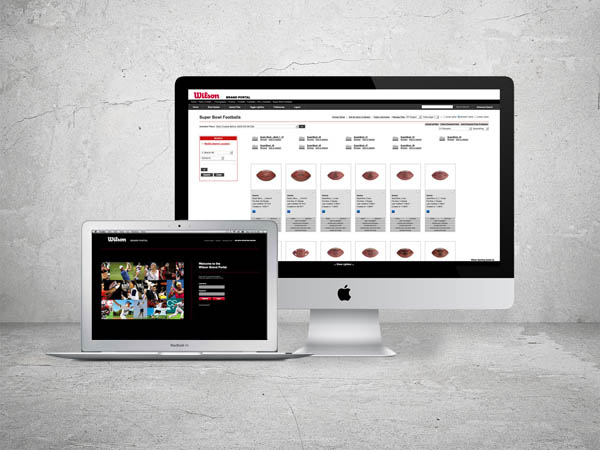
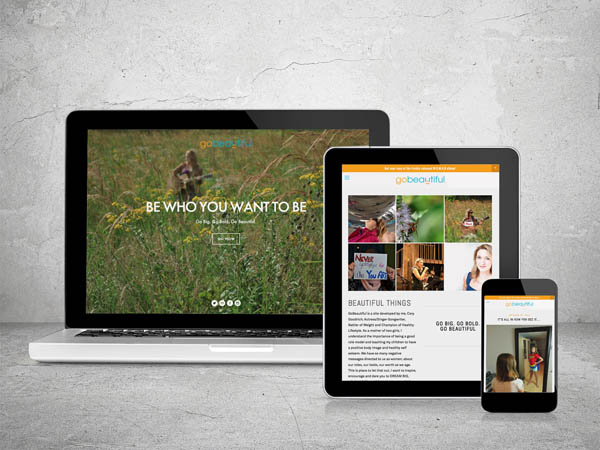
Before I managed systems, I made things. Photo illustration, retouching, packaging, print, logos, web. This is where the instinct for creative operations comes from.



A method for becoming the person who makes everyone around you funnier, braver, and more themselves. Built from eleven years on improv stages, a career spent supporting creative teams, and a lifetime of learning what generosity actually looks like in practice.
The framework at its heart, Love, Gratitude, Play, is not a self-help formula. It's a way of understanding how we connect, create, and trust each other enough to build something together.
I speak about creative operations, AI adoption in creative teams, and what eleven years of improv performance teaches about leadership and connection. I also write The Generous Player newsletter on LinkedIn.


How I built an AI-powered reporting system for 24 retail stores across 11 countries, and why the first thing it needed to learn was tone, not data.
From Ringling Bros. to Wilson Sporting Goods, the unexpected through-line between performance, generosity, and operational leadership.
The core philosophy of the book applied to creative teams. How "yes, and" becomes a practice for collaboration at scale.
Practical lessons from migrating four brands from Adobe to Aprimo, including change management, stakeholder buy-in, and the moments nobody warns you about.
I'm building something meaningful, a book, a newsletter, a community of generous thinkers. I'd love for you to be part of it.
No spam, no selling your info. Just real updates from a real person.
