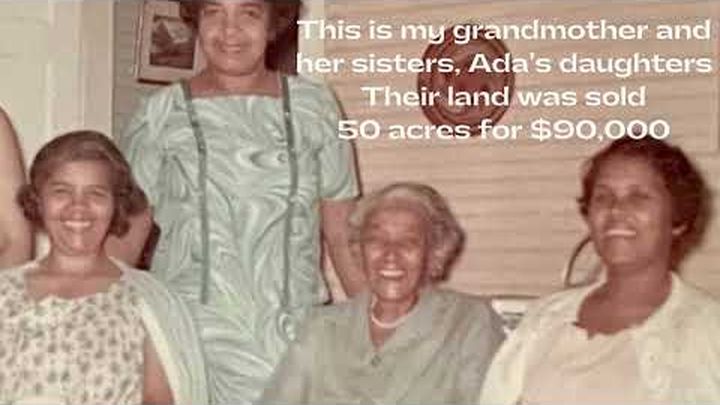
- K
- A
Hi, my name is Damita. I am an urban organic farmer and herbalist trying to save 45 acres of land that has been in my family for over 100 years. Like many Black families, ours had hundreds of acres passed down to the baby boomer generation, a generation that was raised to pursue a life as far away from agriculture as possible. I have watched my family sell land for years and have agreed with them, but not any longer. With no desire to reconnect to the soil, most families have seen their land as little more than a tax burden and have chosen to sell to the highest bidder. I can now see how short-sighted that is and want to preserve the last remaining parcel of ancestral land owned by my family.
Twelve years after the end of the civil war, my great grandfather Thomas Jackson was born to formerly enslaved parents. Twenty-seven years later, he appears on the US Census as the owner of the 45 acres of land he was living on with my great grandmother and their infant son. My grandfather, uncles and aunt were all born and raised on this land. Thomas raised his family, grew food and earned a living there. Great-grandpa Thomas, my great grandmother Rosa, and my uncle Joseph are buried on this land.
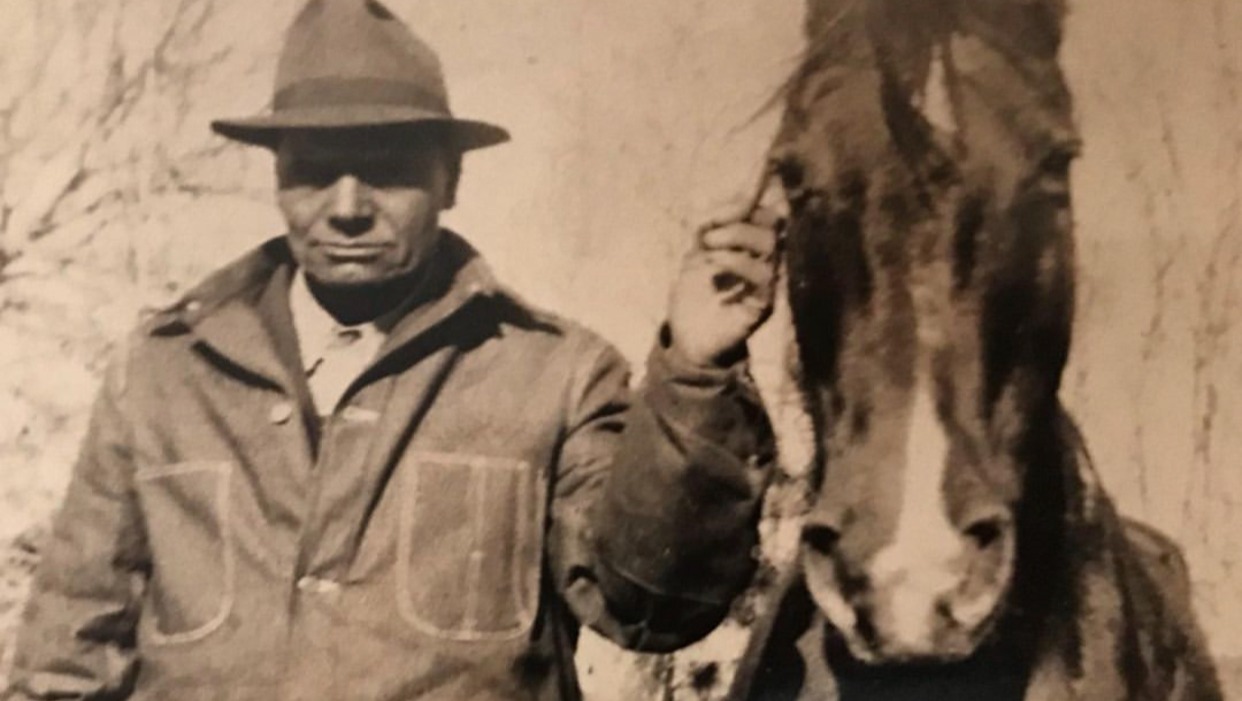
I never met Thomas. He died before I was born, and we only have one picture of him. Growing up, all the stories I heard about him painted him as a stern man. I imagine there was little time to make an affectionate impression on your children as you worked to manage that amount of land, growing food for yourself and your family. But there was something about that one picture that we have. I was always drawn to it, not sure why because my life could not have been more different from the life he lived.
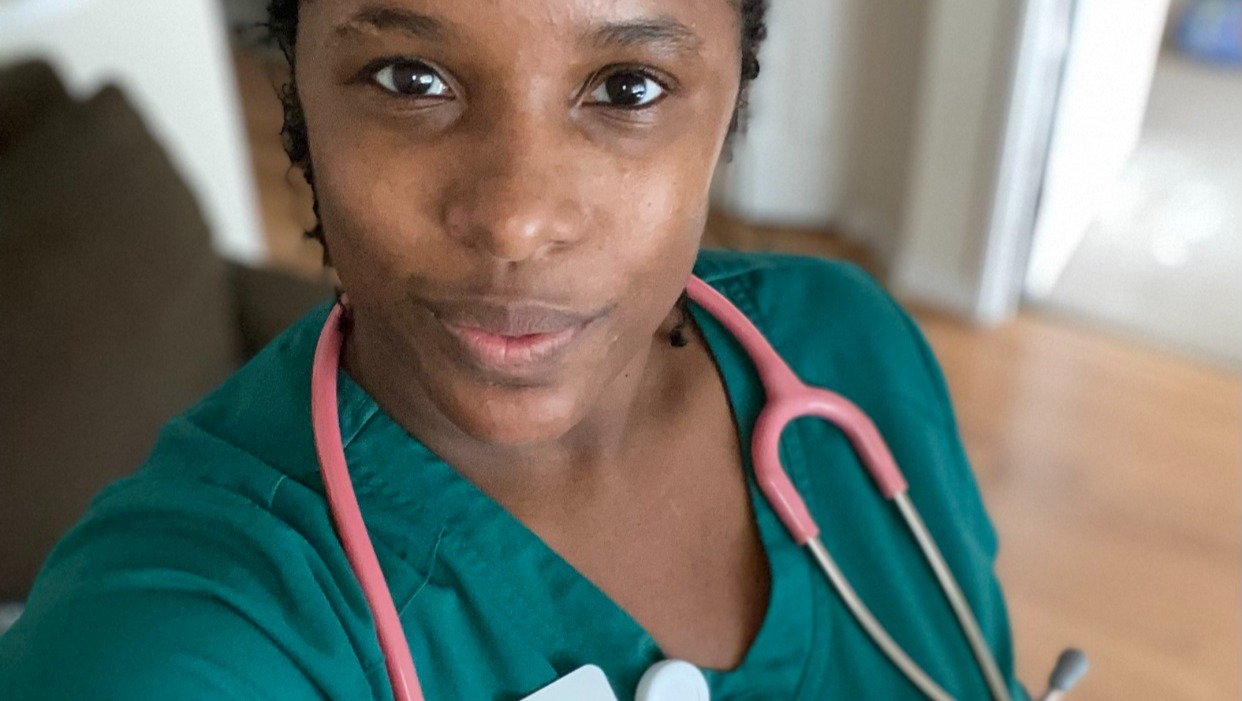
In 2018, a series of events and circumstances turned everything around for my adult children and me. We all walked away from the corporate world and towards work more aligned with reciprocity, symbiotic relationships, community, and our planet. The Human Resources Executive became an Herbalist and Farmer; the HR Generalist became a full spectrum Doula, Farmer and Herbalist, and the Office Manager became a NICU Nurse who is on the path to becoming a Nurse Midwife
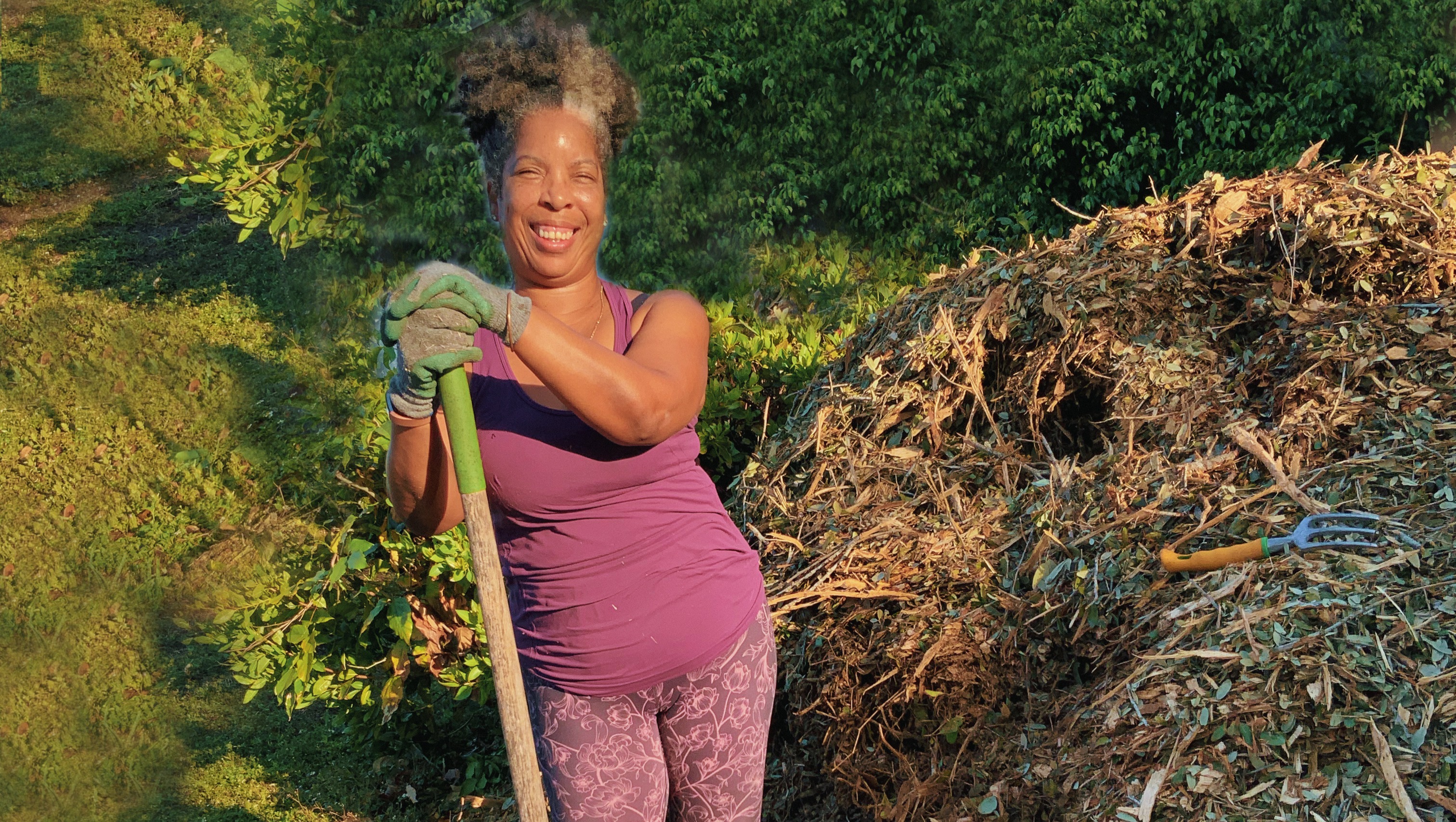
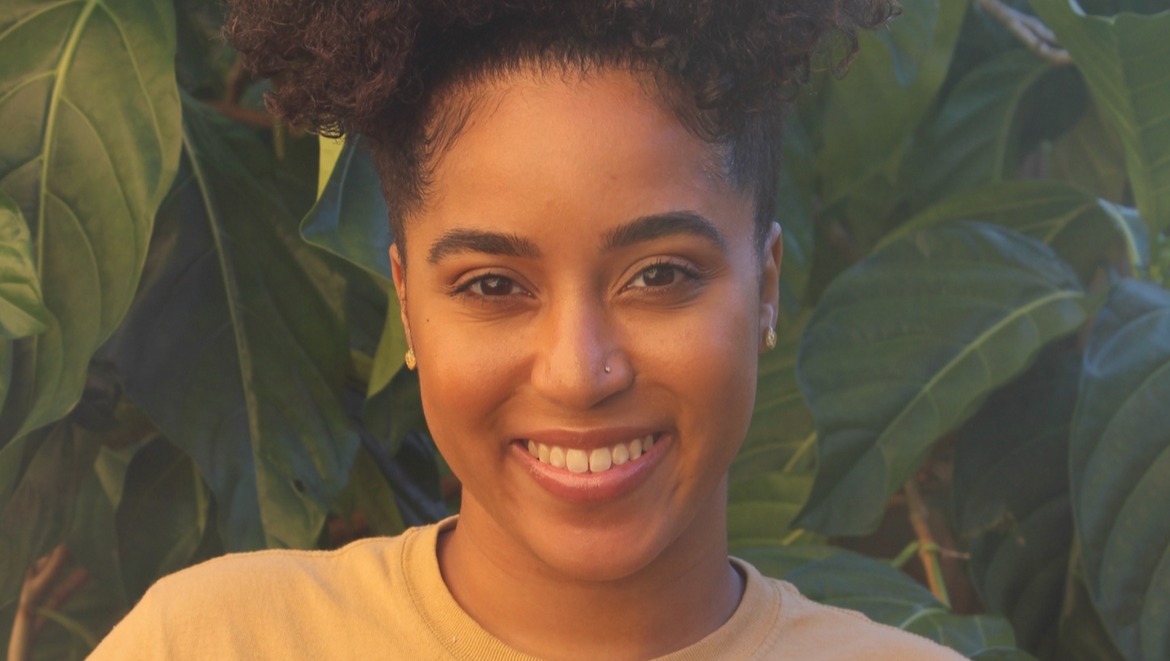
As we moved through our training, the changes, and the sacrifices, we talked to each other every day. We decided to create vision boards. They so eloquently portray the mission, the vision, and the values of how we want to show up in the world. We were so intentional. We probably worked on those boards for a week. Everything on those boards seemed equally tangible and yet so far away.
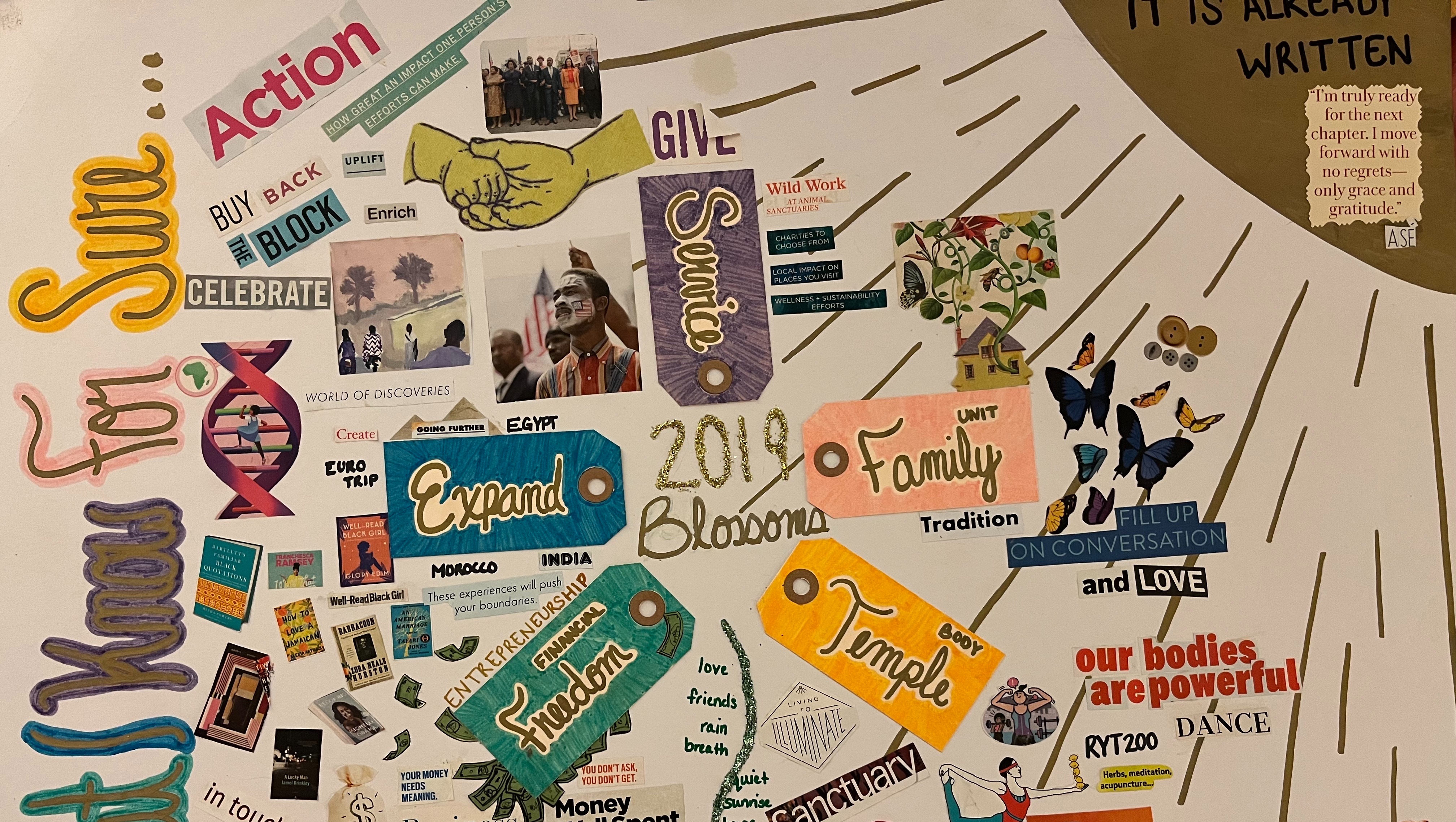
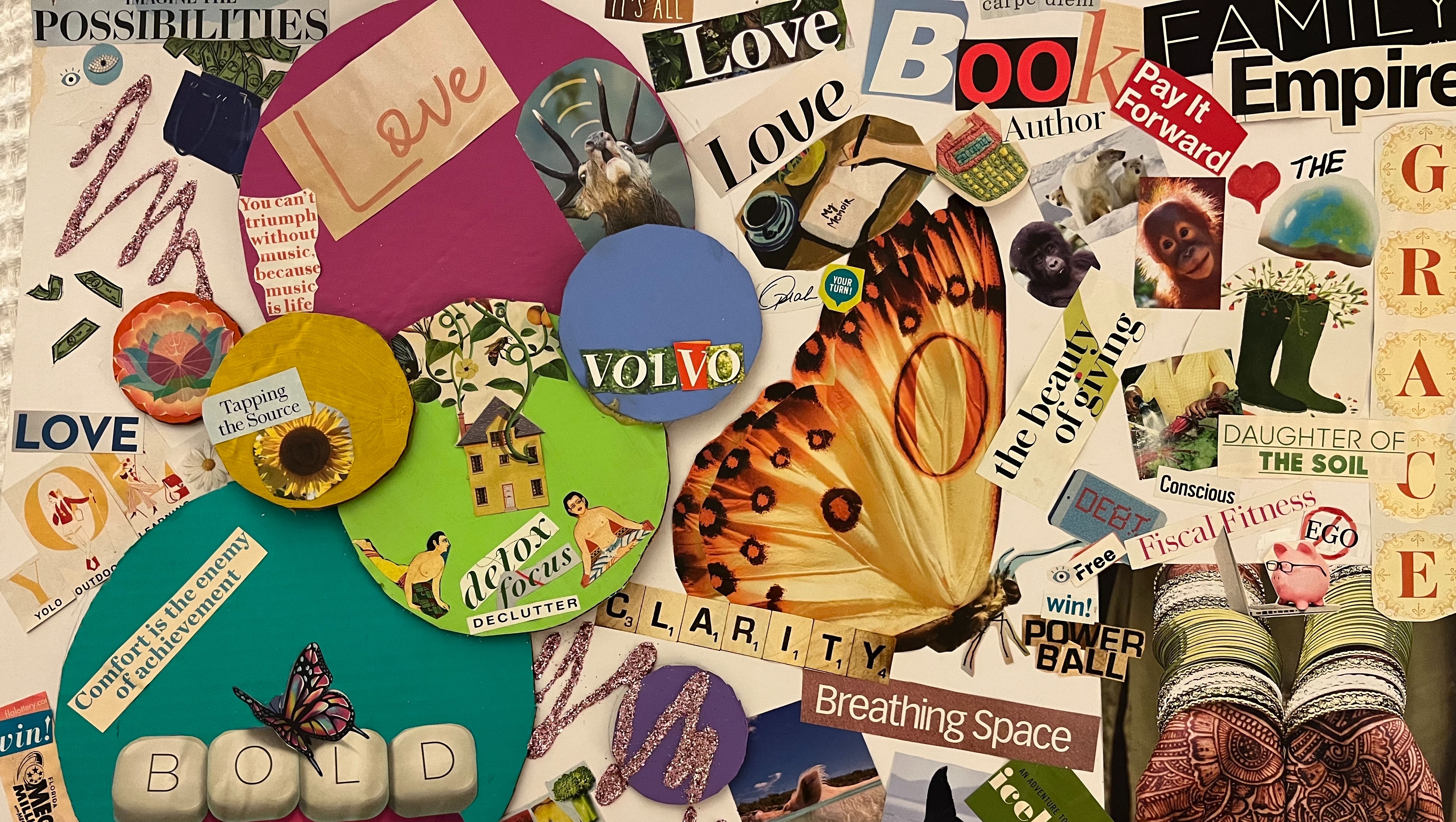
We knew we wanted to buy back the block to uplift, enrich and empower Black, Brown and Indigenous communities. Nutrition and healthcare were our focus. We dreamed of having a community space for gardens, workshops, classes, access to mental health services, an apothecary, and more. We wanted to provide a space for the formerly incarcerated to reconnect with the community, themselves, and the soil. The ideas came fast and strong. We kept learning to grow as we simultaneously sought the training we needed to reach our goals. Everything around us seemed to be in alignment.
In 2021, I received a call from one of my uncles excitedly delivering the news that my great grandfather’s land finally had a viable buyer. My heart sank. I had completely forgotten about the last piece of land until that very moment. My uncle was talking, but I wasn't listening as the epiphany immediately came. All these years, there had been a divine hand in the sequence of events to ensure we were prepared for this moment.
My children and I submitted a proposal to the elders of our family, asking them to walk away from the buyers and allow us to work the land for three years. We would buy the family out at the end of the agreed-upon term. Our proposal was rejected, and my family is threatening to take me to court to force me to sell to the land developer
My cousin and I are the youngest of the heirs. Our aunts, uncles and older cousins are in their 70's and 80's. Their experience and upbringing create a mindset that is challenged to understand why anyone would want to be a farmer. I once felt the same way. I get it. But once you see when the actual effect of colonization and capitalism come into your consciousness, you can't un-see it.
Food and nutrition are significant issues for communities of color. So many communities are saturated with fast-food chains and lack access to healthy and nutritious foods. Whoever feeds you controls you. Everything we eat is grown. The irony in the sought-after progression during the great migration was the surrender of power. In 1910, about 250,000 Black farmers in the United States owned approximately 19 million acres of land. The second wave of the Great Migration began around 1940 and saw millions of Black families leave the rural south and abandon agriculture. A little over 100 years later, 915 million acres of farmland in the US and Black land ownership constitutes only 3 million acres. There are 3.2 million white farmers in the United States, with folks identifying as Black or mixed race making up only 1.5% of this number or 45,000. We lost our land and our ability to feed ourselves.
As herbalists, my daughter and I have had the experience of having to source herbs from white-dominated spaces. Although herbal practices are rooted in Black, Brown and Indigenous cultures, sourcing materials require purchase from White farmers. There are no major Black herbal farms in the US. Holistic practitioners, herbalists, birth workers and retail consumers have no choice but to purchase from white-owned farms, even those that exploit people of color and the plants in the east and southern regions of the world.
We strive to be the first Black-owned large-scale herbal farm in the US, to provide a place for families to come and learn how to heal themselves as they feed themselves, and to offer employment to those the colonized society sees as unemployable. We humbly ask for your help to honor the man who purchased this land over 100 years ago. To help us retain this land and use it as a place for the betterment of the collective.
Black people have a complicated history with agriculture. We understand that. But we also understand that if the trend of Black land loss continues, history will repeat itself and once again, the only Black people on the farm will be hired hands.
Thank you for your help!
