
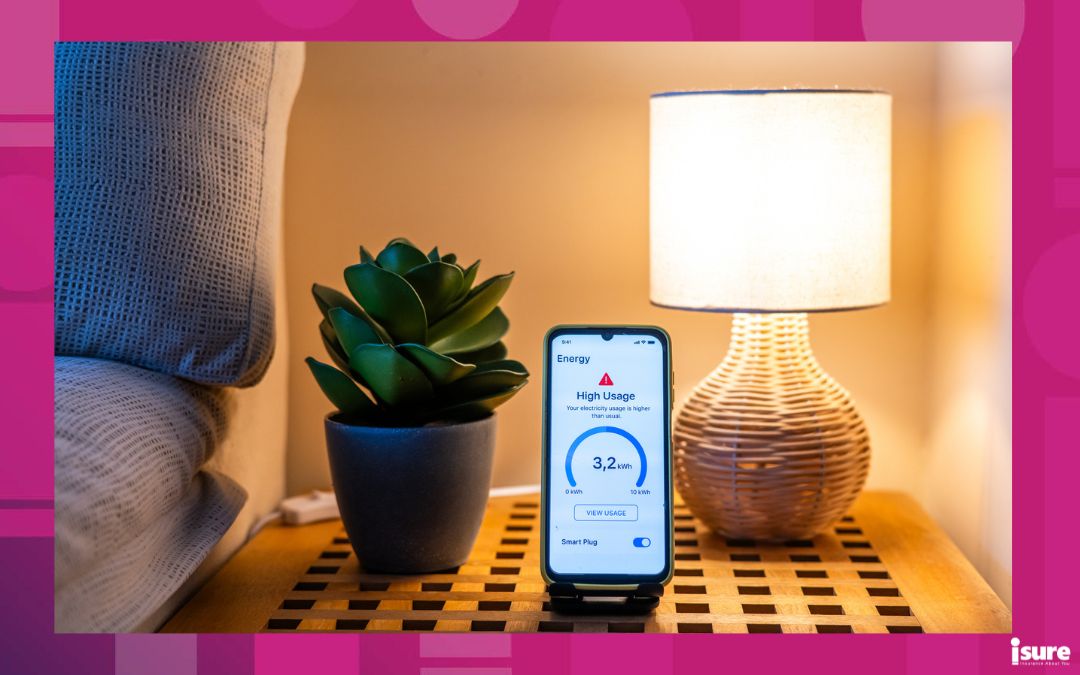
Around your home, various electrical devices are currently not in use, but are still plugged into an outlet. For example, when you turn off a device like your TV, you assume that it will no longer be using energy; how can it? However, this is a common misconception about technology. What results is known as phantom power. Here is a breakdown of everything you need to know about phantom power, also known as standby power, and how to combat it.
What is Phantom Power?
Phantom power is the residual energy that is spent when household items are turned off, but still plugged in. Therefore, whenever something is plugged into an outlet, even if it is turned off, it continues to use energy. Most households in Canada have at least 25 electrical devices emitting phantom power, which takes up 10% of your home’s electricity bill.
What Can You Do to Combat Phantom Power in Your Home?
1. Unplug Any Devices or Appliances Not Being Used
The best way to reduce phantom power in your home is to stay aware of what is plugged in, versus what needs to be plugged in. In most households, devices are often left plugged in 24/7 when not in use. The best thing to do is to unplug anything not in use. For example, people often have phone/laptop chargers plugged into the wall when their devices are not charging. Simply choosing to leave your cords unplugged when they’re not in use is the simplest way to reduce phantom power in your home. Here are some other examples of things that may not need to be plugged in all the time:
- Vacuums
- Power tools
- Kitchen Appliances (toasters, blenders, coffee makers, etc.)
- Cosmetic Appliances (hair dryers, curling irons, electric toothbrushes, etc.)
- TVs
- Cable Boxes
- DVD player/gaming consoles
- Speakers/External Stereo Systems
- Desktop Computers
- Lamps/Additional Lighting
Additionally, if it is too much of a hassle to remember to plug in every appliance when you need to use it, consider investing in devices like power bars with timers. That way, after a certain amount of time, the devices will shut off automatically.
2. Unplug Devices While on Vacation
While you are away on vacation, it is only fair that your devices get a holiday too. To help reduce phantom power, add unplugging all your devices to your routine. Before you leave for vacation, while making all the other checks that the house is secure, go around and unplug any unnecessary devices. Plus, by doing so, it saves you from paying for power when you’re not even at home.
3. Consider Using a Power Bar
As mentioned earlier, using a power bar is an effective way to reduce phantom power. When you are not using the devices attached to the power bar, you can switch it off, and they will not use up any more energy. Additionally, it will help prevent wires from getting crossed by bundling electronics that are used together, as they can be plugged into the same power bar.
Additionally, if you are looking to be even more energy-efficient, consider investing in a “smart power bar.” These power bars automatically cut the power to any secondary device when you turn off the primary device. For example, if you have your TV set as the primary device and turn it off, devices like a DVD player or gaming console will also automatically shut off.
4. Invest in Efficient Electronics
Ultimately, the most effective way to combat phantom power is by purchasing more energy-efficient electronics. The easiest way to determine if a product is energy efficient is to check if it is on the list of eligible products for ENERGY STAR certification in Canada. ENERGY STAR is the symbol for energy efficiency, backed by the Canadian government. Seeing this symbol on a product means that it uses less energy when turned on and also exerts less phantom power while turned off.
Conclusion: What are the Takeaways of Phantom Power?
Overall, the average Canadian household pays approximately $150 annually on wasted electricity. However, you can avoid these costs by adopting a few simple practices in your household. Remembering to unplug devices when they are not in use can save your home’s energy consumption and reduce your expenses in the long run. Read our blog if you want to learn more about how you can make your home more energy-efficient and eco-friendly!
Additionally, if you have any questions about the coverage of your home, do not hesitate to contact us.
Safeguard Your Home
Get a free home insurance quote today and protect what matters most.



Looking to green your home while saving money? Canadians are Read more
Most home insurance policies in Ontario may cover electrical damage, Read more
Between rising energy costs and the changing seasons, insulating your Read more