
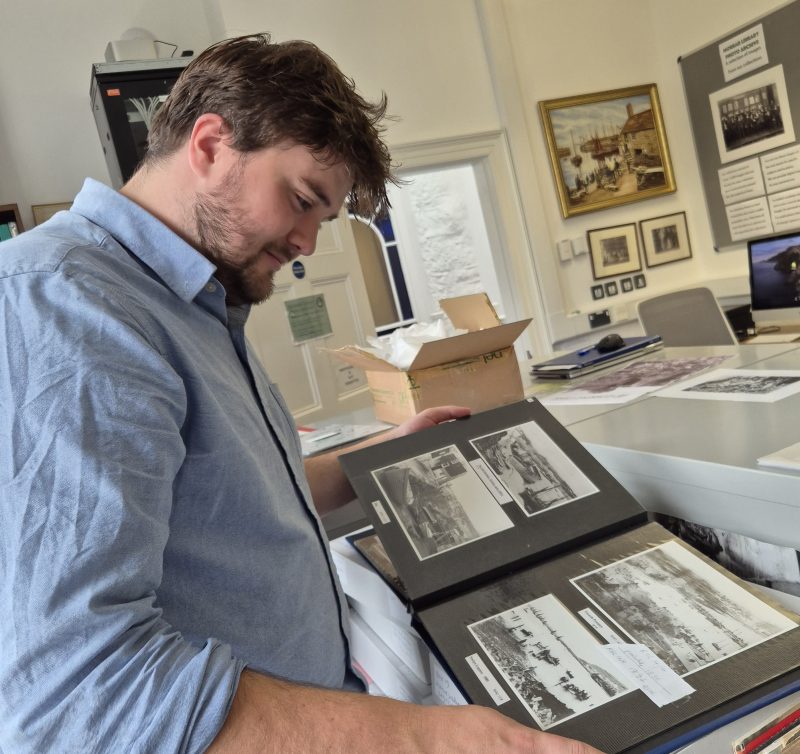
Join our Photo Archive intern, Sam Hill for his latest blog, written during his time with us…
In the second instalment of the “Penzance Then and Now” series, I shall be using the Morrab Photo Archive Collection and some contemporary images for comparison to explore the history of the Promenade and Alexandra Avenue.
During the late 19th and early 20th century, Penzance faced an immense period of change. Enlargements to the harbour in 1825, the building of the new Market House in 1838 and the construction of the Public Buildings in 1867 were notable changes to the town. The seafront underwent the grandest changes, as the arrival of the railway and tourism led to the construction of both the Promenade in 1844 and Alexandra Road in 1865. These changes drastically altered the economic focus and social conditions of the town.
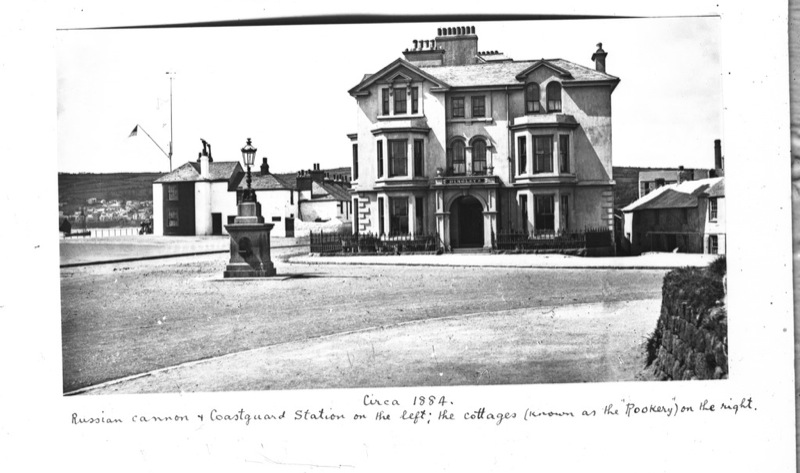
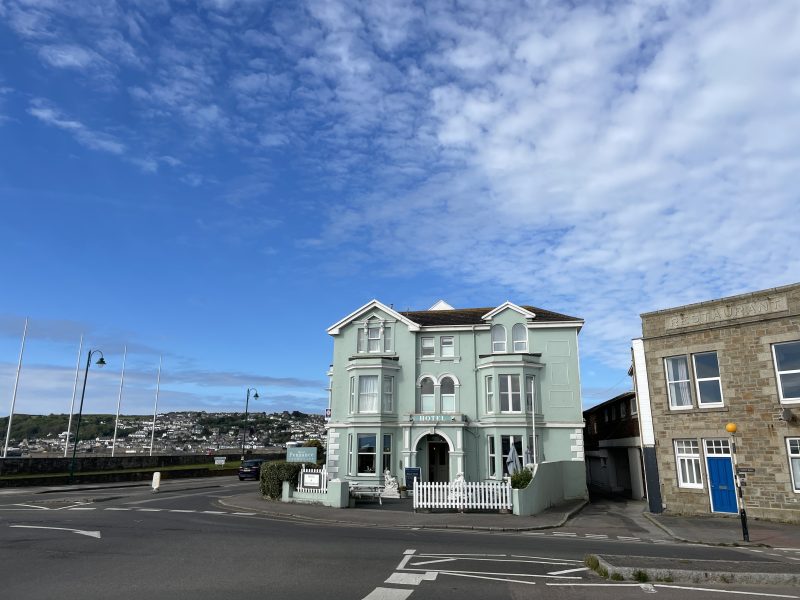
Alexandra Road was designed by 1865 by John Matthews, with the aim that it would connect Alverton to the Sea. It was opened by the Prince of Wales later in the same year. The road opened with a pair of houses, which later became the Beachfield Hotel.
After the destruction of the cottages on the opposite side of the road to the Beachfield hotel, the ornate ‘Bijou house’ was built in 1880 by Sidney Wright and was later demolished in 1950. This is now where Wherrytown car park is.
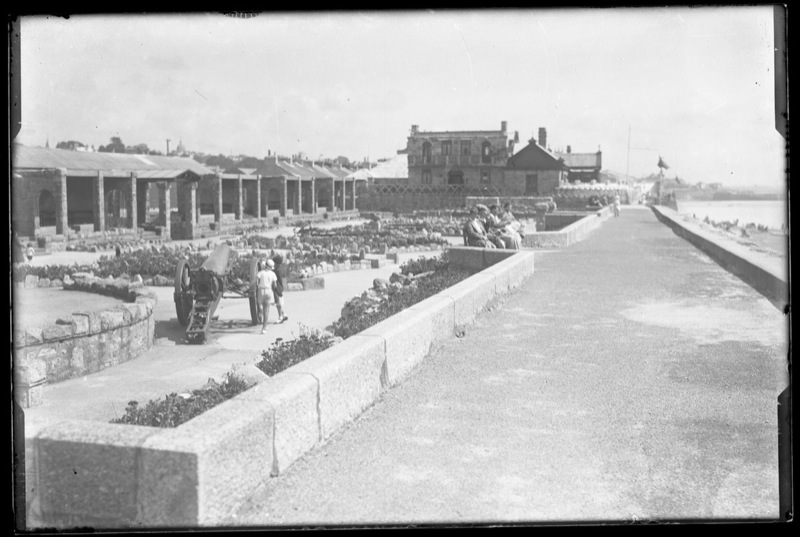
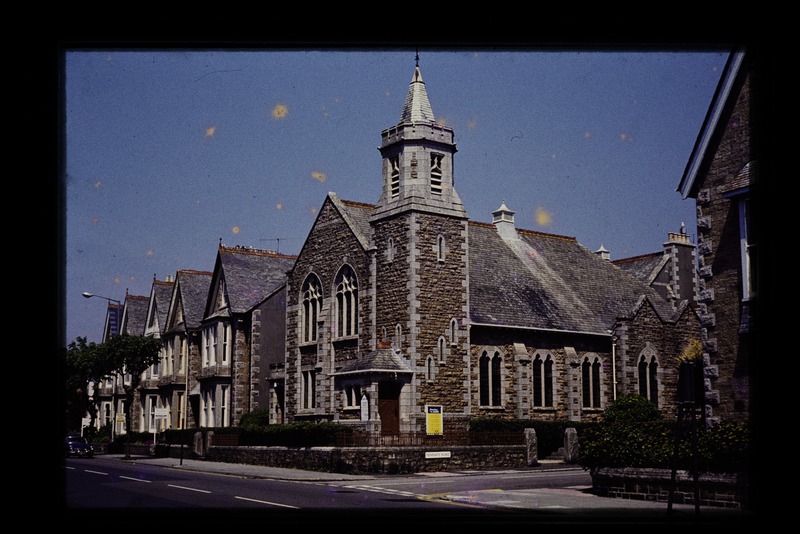
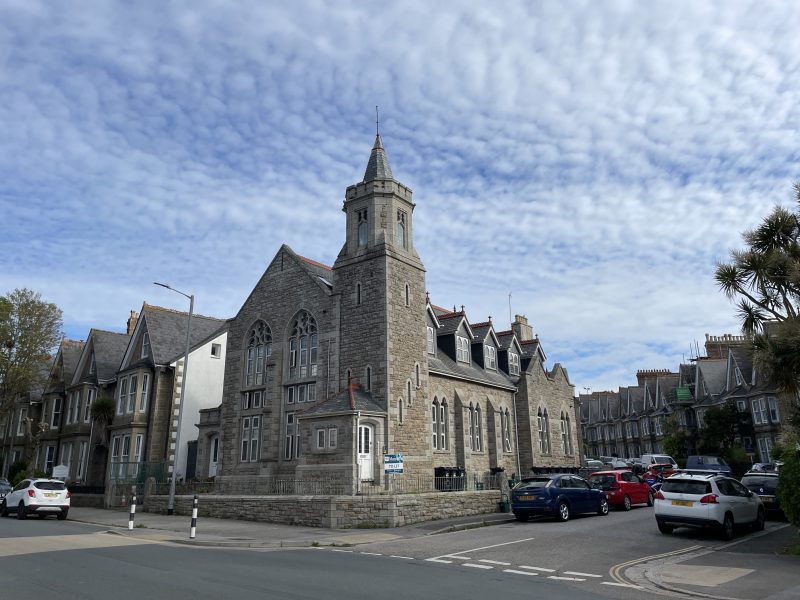
It was later in July of 1903 that the Alexandra Grounds were opened on the promenade, with the area being a designated ‘green space’ for the town. By the 1920s, a bowling green and a tennis court were built next to the St. Mary’s Church of England School. The spaces around the road eventually became the rugby pitch, Mennaye fields in 1934 and the Rotary Boating Lakes in 1955.
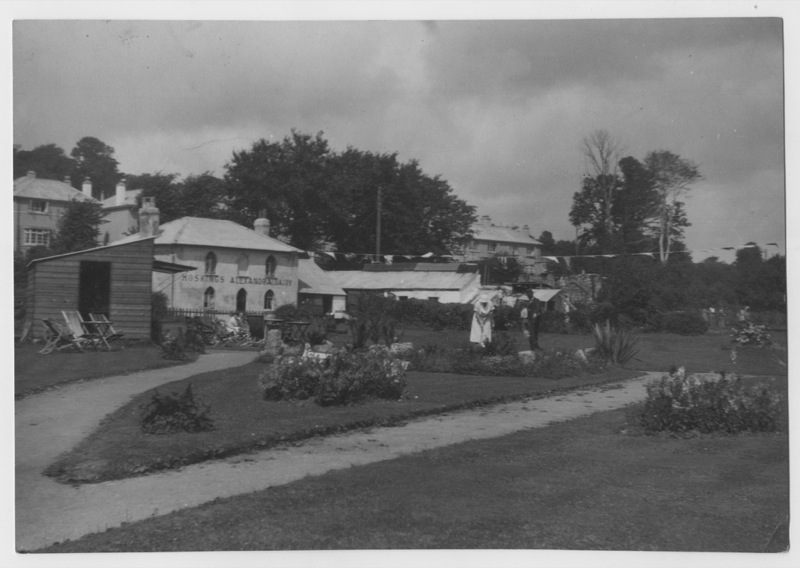
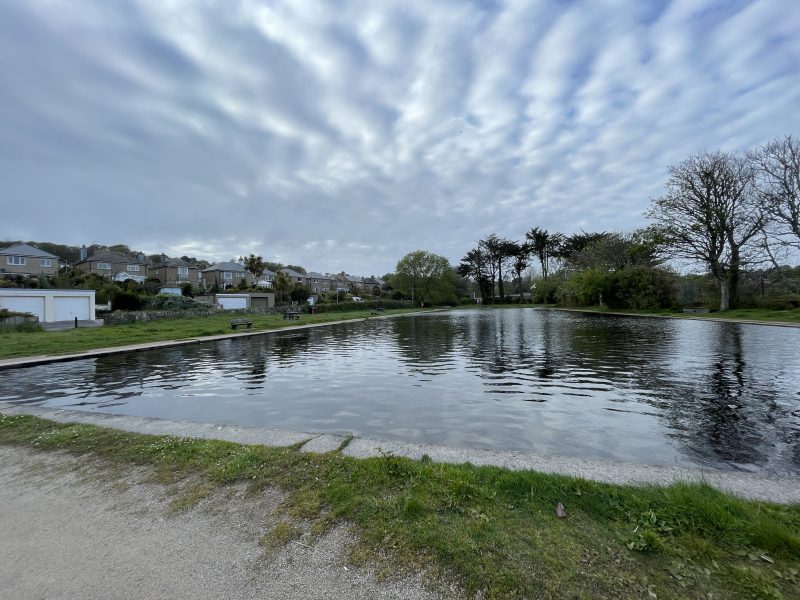
The Pavilion (now the arcade) was built in 1911 to serve the flourishing tourist industry. It held a restaurant, theatre, and ballroom. During the Second World War, concert parties were held within the building to keep wartime morale high.
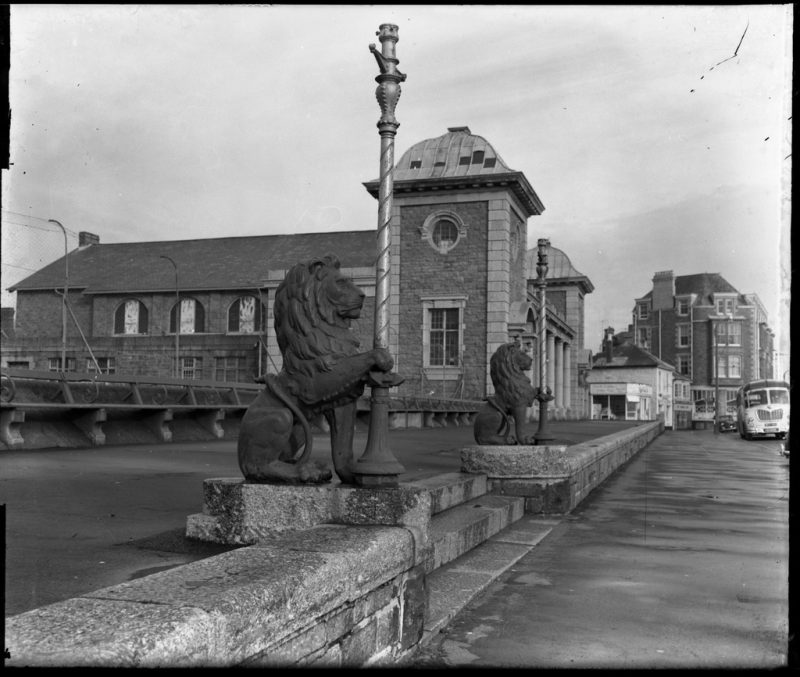
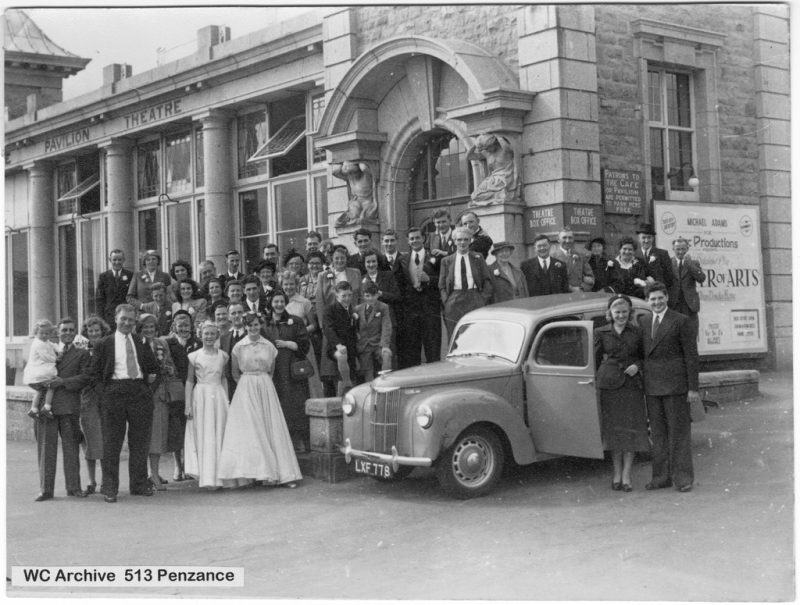
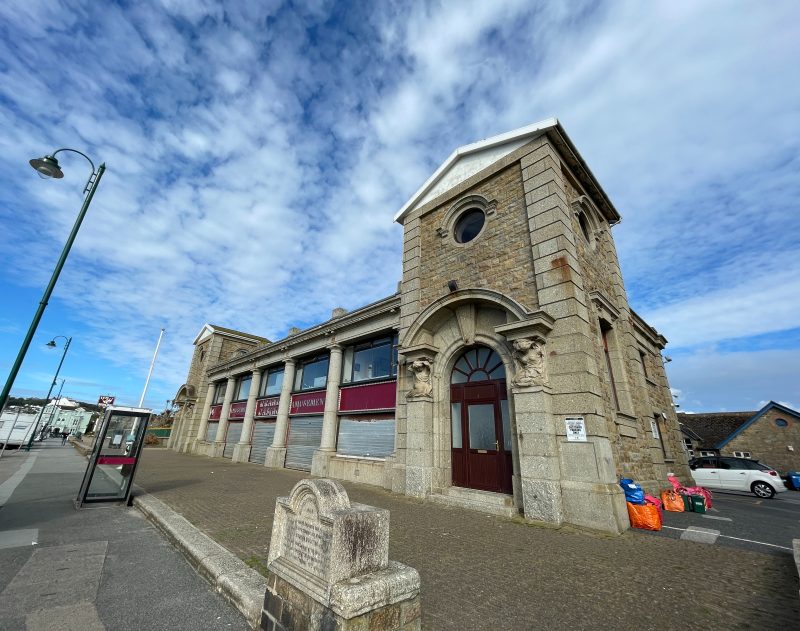
The construction of the promenade or Marine Esplanade in 1844 drastically changed the vision of the town’s industry, as the space now catered for a tourism trade brought about by the Cornish Riviera trainline. The occupation of such space was a facet in the diminishment of the local fishing industry
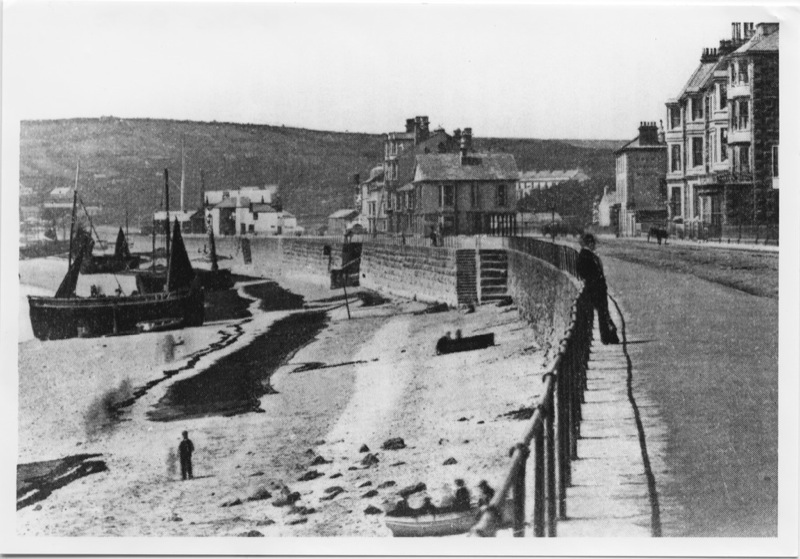
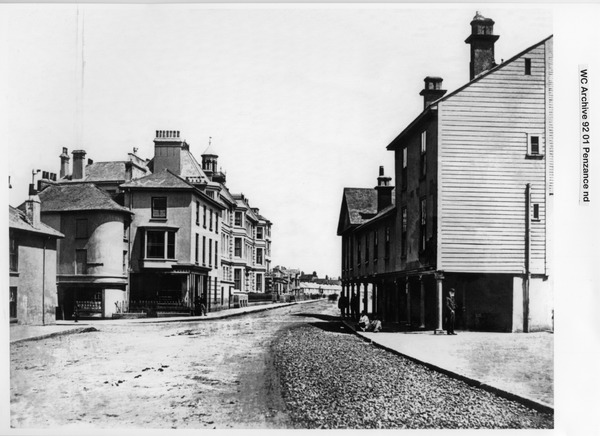
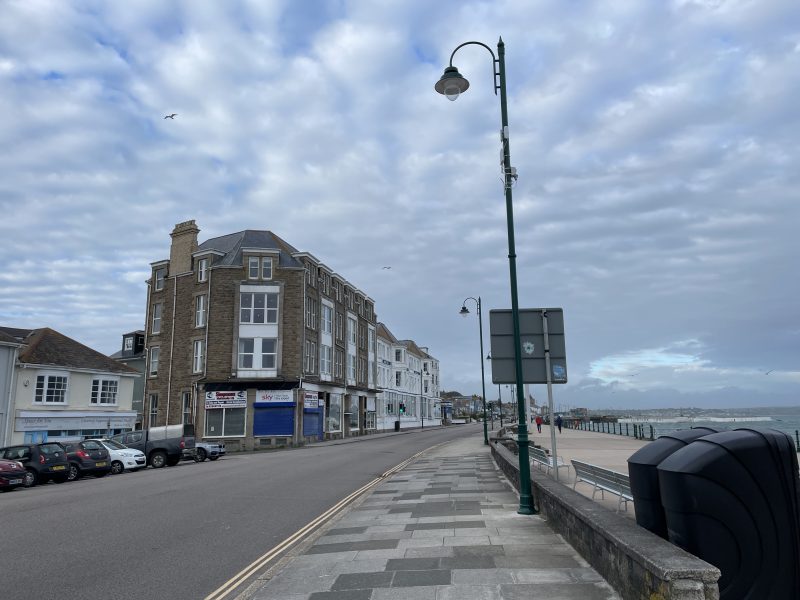
Both the Mounts Bay Hotel and the Queen’s Hotel were built to accommodate the tourist trade brought about by the train line from Penzance to London. The buildings were constructed in the 1860s.
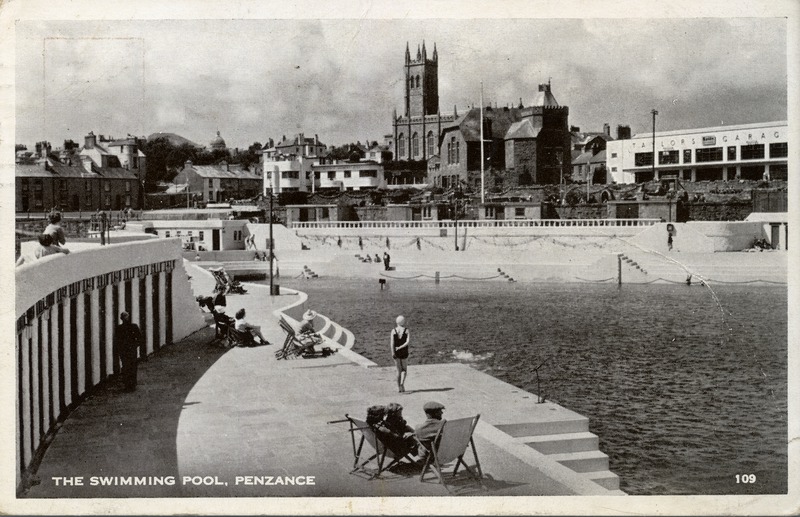
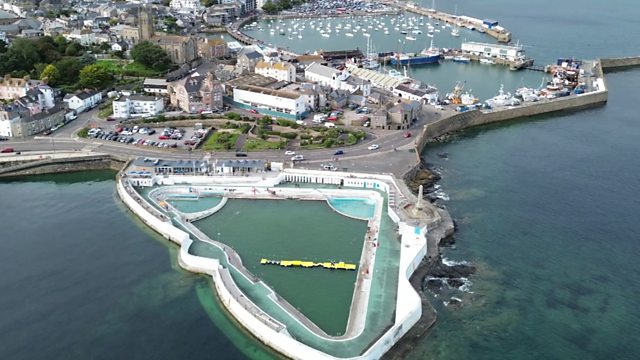
The construction of the Bathing pool, now Jubilee Pool on Battery Rocks in 1935 was one of the first achievements of the reconstructed town council. The pool was built with a distinctive Art Deco style.
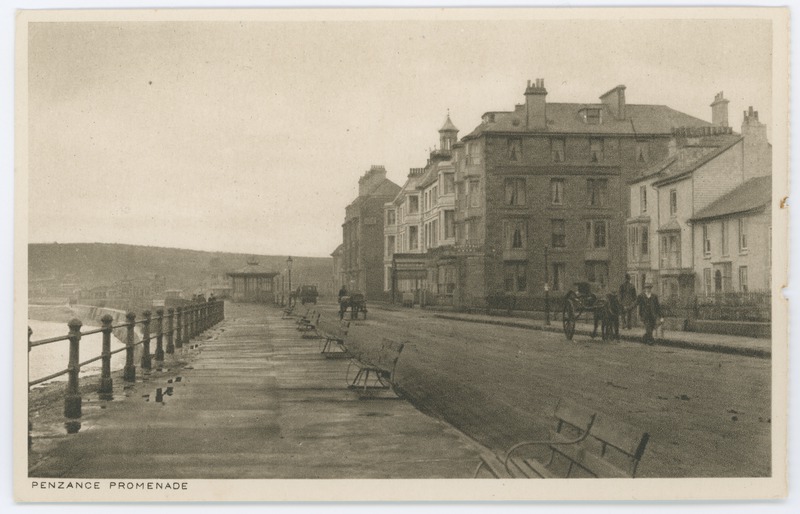
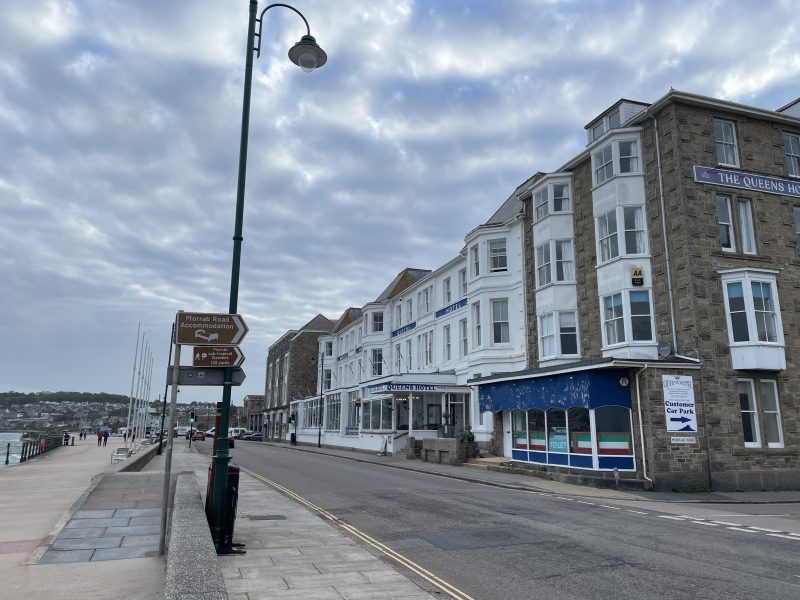
I hope this blog has infused you with a great summer feeling and that it has brought back fond memories of times“promenading” along the seafront. These photos are incredibly useful for understanding how tourism and leisure changed the physical landscape, economic focus, and social conditions within Penzance.
More photos of the promenade, the town centre, the harbour, and everything in between are available on the photo archive online collection, the link to which is here: https://photoarchive.morrablibrary.org.uk/
