



Landscaping Proven To Attract & Sustain Thriving Wildlife Populations
Get the NEW Dr. Deer Live OakShop Now
Free Deer Orchard Primer Guide
Wildlife-Preferred Trees & Shrubs
Landscaping Proven To Attract & Sustain Thriving Wildlife Populations
Shop NowFree Deer Orchard Guide

NEW at Our Wildlife Tree Nursery:
Dr. Deer Live Oak
Early acorns in 3–4 years from a proven Mother Tree line.
Dense, evergreen cover to hold deer on your land.
Perfect for Southern properties (Zones 7–10).
Get yours today!
Add to Cart
Don’t Waste Time & Money on the Wrong Plants
Using everyday plants can prevent you from reaching your land management goals.
Shop Now
Don’t Waste Time & Money on the Wrong Plants
Using everyday plants can prevent you from reaching your land management goals.
Shop Now



WILDTREE TV™
The founders of Wildtree bring their expert advice and proven guidance you need to know to successfully reach your land management goals!
Watch WILDTREE TV™
Landscaping for Successful Wildlife Management
Impressive Herds
Have larger and healthier wildlife on your land.
Make More Memories
Observe and interact with wildlife.
Better Hunts on Your Land
Score bigger and have more productive hunts!

Proven Trees & Shrubs That Attract Deer
We know how discouraging it is to see land’s potential, yet not see it realize that potential. For over 40 years, our team members have helped hundreds of landowners, just like you, overcome the frustration of lackluster wildlife productivity.
We have comprised a team with unmatched expertise in the fields of horticulture, wildlife biology, and land management. We meticulously select and breed plants animals prefer as sources of nutrition and/or shelter year-round. Wildtree’s team of experts includes some of the brightest minds in their respective disciplines, including Dr. James Kroll, aka “Dr. Deer.”
Millions of hunters and landowners are devoted fans of the white-tailed deer. But only one — Dr. James C. Kroll — has earned the widely recognized title of “Dr. Deer.”
Shop Now
Trees & Shrubs Specifically Selected & Bred for Wildlife
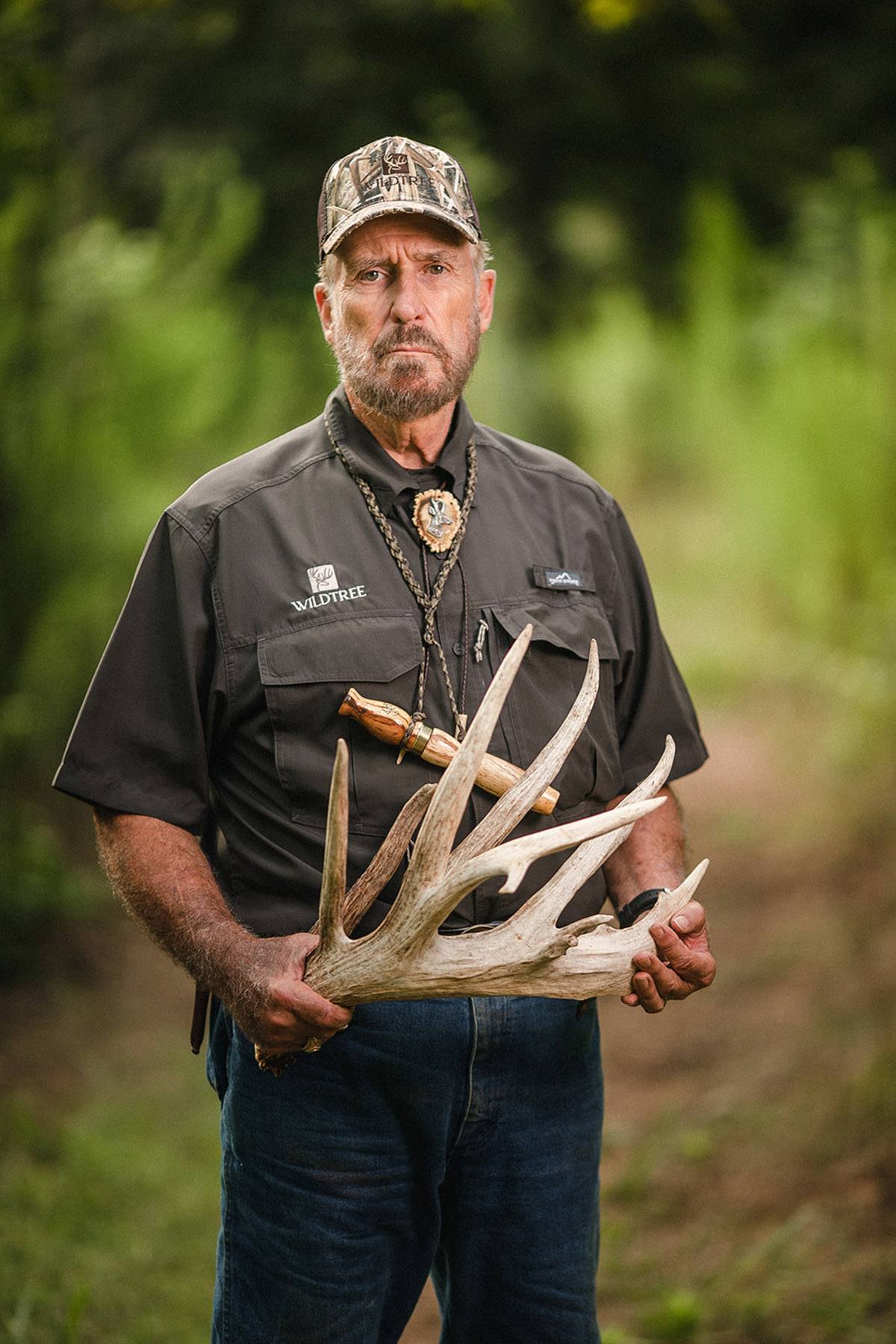
We know how discouraging it is to see land’s potential, yet not see it realize that potential. For over 40 years, our team members have helped hundreds of landowners, just like you, overcome the frustration of lackluster wildlife productivity. Wildtree’s team of experts includes some of the brightest minds in their respective disciplines, including Dr. James Kroll, aka “Dr. Deer.”
Shop Now
It’s easy to get the wildlife landscaping that’s right for you:
1. Shop
Our online catalog helps you to easily select the best wildlife-preferred plants for your land.
2. Plant
Your new trees and shrubs will arrive at your door with instructions on how to plant and maintain them successfully.
3. Grow
Watch as your land quickly transforms into the ideal habitat for thriving wildlife populations.
Wildlife Landscaping From a Wildlife Tree Nursery
The Trees & Shrubs Proven to be Able to Attract Deer to Your Property
At Wildtree, we know whether you’re an avid hunter or simply looking to preserve your heritage, you want to have a sense of pride in your land. To achieve this, the plants on your property must produce the nutrition and cover needed to attract and sustain wildlife. If you have been using everyday landscaping plants, you’ve probably been disappointed with the outcome because the plants you purchased are not intended specifically for wildlife. They may have caused you to waste years by failing to achieve the desired results. The good news is your land can be the wildlife destination you want it to be! After decades of studying which plants do and don’t work, we’re excited to offer plants specifically intended for wildlife. With trees and shrubs from Wildtree, your property can become a paradise where wildlife will live and thrive year after year.
Landscaping for Wildlife™
The Trees & Shrubs Proven to be Able to Attract Deer to Your Property
At Wildtree, we know whether you’re an avid hunter or simply looking to preserve your heritage, you want to have a sense of pride in your land. To achieve this, the plants on your property must produce the nutrition and cover needed to attract and sustain wildlife. If you have been using everyday landscaping plants, you’ve probably been disappointed with the outcome because the plants you purchased are not intended specifically for wildlife. They may have caused you to waste years by failing to achieve the desired results. The good news is your land can be the wildlife destination you want it to be! After decades of studying which plants do and don’t work, we’re excited to offer plants specifically intended for wildlife. With trees and shrubs from Wildtree, your property can become a paradise where wildlife will live and thrive year after year.

Download Ultimate Deer Orchard Primer Guide
By submitting you agree to receive SMS or e-mails for the provided channel. Rates may be applied.


Wildtree FAQs
What makes Wildtree different from a typical tree nursery?
Wildtree is a wildlife tree nursery that focuses specifically on trees that enhance white-tailed deer habitat and overall wildlife management.
Wildtree is a wildlife tree nursery designed for landowners who want trees that provide real habitat benefits rather than ornamental landscaping value. Traditional nurseries typically prioritize appearance or fast-growing decorative species, while Wildtree focuses on trees that improve wildlife nutrition, seasonal food availability, and habitat structure.
The trees offered by Wildtree are selected based on how deer and other wildlife actually use them. This includes species known for reliable mast production, fruiting, and long-term durability in rural environments.
For landowners interested in improving deer habitat, planting trees from a wildlife tree nursery like Wildtree helps create a long-term habitat system that grows more productive every year.
Who typically buys trees from a wildlife tree nursery?
A wildlife tree nursery serves hunters, landowners, habitat managers, and conservation-minded property owners.
Most customers who purchase from a wildlife tree nursery are landowners who want to improve wildlife habitat on their property. This includes hunters looking to hold deer on their land, habitat managers working to improve nutrition and cover, and property owners interested in long-term conservation.
Many customers are managing farms, hunting properties, or rural land where wildlife habitat is an important priority. Planting trees for wildlife helps improve biodiversity, soil stability, and food availability for deer, birds, and other native species.
Wildtree works with customers across a range of property sizes, from small acreage to large hunting properties.
What types of trees are sold at a wildlife tree nursery?
A wildlife tree nursery focuses on trees that produce food, cover, and long-term habitat value for wildlife.
Wildtree offers a carefully selected group of trees for deer and wildlife habitat improvement. Common varieties include oak trees for deer, pear trees for deer, persimmons, chestnuts, plums, mulberries, apples, crabapples and native shrubs.
These species are selected because they produce dependable food sources such as acorns, fruit, or browse that wildlife actively seek out. Some trees provide hard mast, while others produce soft mast that extends food availability later into the season.
By combining multiple species, landowners can build a habitat that provides food and cover throughout the year.
Do I need a large property to benefit from wildlife trees?
Wildlife trees can improve deer habitat on properties of any size when planted strategically.
Even smaller properties can benefit from planting wildlife trees. Strategic placement of trees can improve wildlife movement patterns and provide reliable food sources that attract and hold deer.
Planting a few trees along travel corridors, food plot edges, or bedding areas can dramatically alter how deer use a property. Over time, these trees grow into long-term habitat features that increase the overall value of the land.
Many landowners begin with a small number of trees and expand their plantings over time.
How do I know which trees are best for my property?
The best wildlife trees depend on your climate, soil conditions, and habitat goals.
Choosing the right trees for wildlife depends on several factors, including location, soil type, and how you want wildlife to use your property. Some species perform better in certain regions, while others are better suited for specific habitat objectives.
Many landowners choose a mix of hard mast trees like oaks and soft mast trees such as pears or persimmons to create food sources across multiple seasons.
Starting with a diverse planting plan helps create a resilient habitat that provides food and cover throughout the year.
When is the best time to plant wildlife trees?
Wildlife trees are typically planted during the dormant season to improve survival and root development.
The best time to plant wildlife trees is usually during cooler months when trees are dormant. This allows the roots to begin establishing before temperatures rise, and the tree enters its active growth phase.
Planting during the dormant season helps reduce transplant stress and improves survival rates. Once spring arrives, the tree is already beginning to establish itself in the soil.
Proper planting techniques and early care are important to ensure long-term success.
How long does it take for wildlife trees to benefit deer?
Wildlife trees begin improving habitat quickly, although full food production takes several years.
Wildlife trees start improving habitat as soon as they are planted by adding structure and cover to the landscape. As the trees mature, they begin producing fruit, acorns, or nuts that become reliable food sources.
Soft mast trees such as pears and persimmons may produce earlier, while oak trees take longer to begin heavy acorn production. Over time, these trees become consistent food sources that deer return to year after year.
Planting trees is one of the most effective ways to create long-term habitat improvements.
Why is planting a variety of wildlife trees important?
Diversity helps create habitats that support wildlife throughout the entire year.
Planting a mix of species ensures that food sources are available during different seasons. Hard mast trees like oaks provide fall nutrition, while soft mast trees like pears and persimmons produce fruit at different times.
Shrubs and browse species also provide cover and supplemental nutrition.
This diversity helps prevent overbrowsing and creates a more resilient habitat system that wildlife rely on consistently.
Are wildlife trees only useful for hunters?
Wildlife trees benefit many types of landowners interested in habitat improvement and conservation.
While hunters often plant wildlife trees to improve deer habitat, the benefits extend far beyond hunting. These trees help support birds, pollinators, small mammals and other native wildlife.
Planting trees also improves soil health, reduces erosion, and enhances the long-term value of the property.
Many conservation-minded landowners plant wildlife trees to support healthier ecosystems.
How do wildlife trees improve land over time?
Wildlife trees create permanent habitat improvements that become more valuable each year.
Unlike annual food plots that must be replanted each season, wildlife trees continue to grow and produce food year after year.
As trees mature, they produce larger crops of fruit, nuts, or browse while also creating shade and cover. Over time, this builds a habitat system that becomes increasingly productive for wildlife.
This long-term improvement is one of the biggest advantages of planting trees for wildlife.
