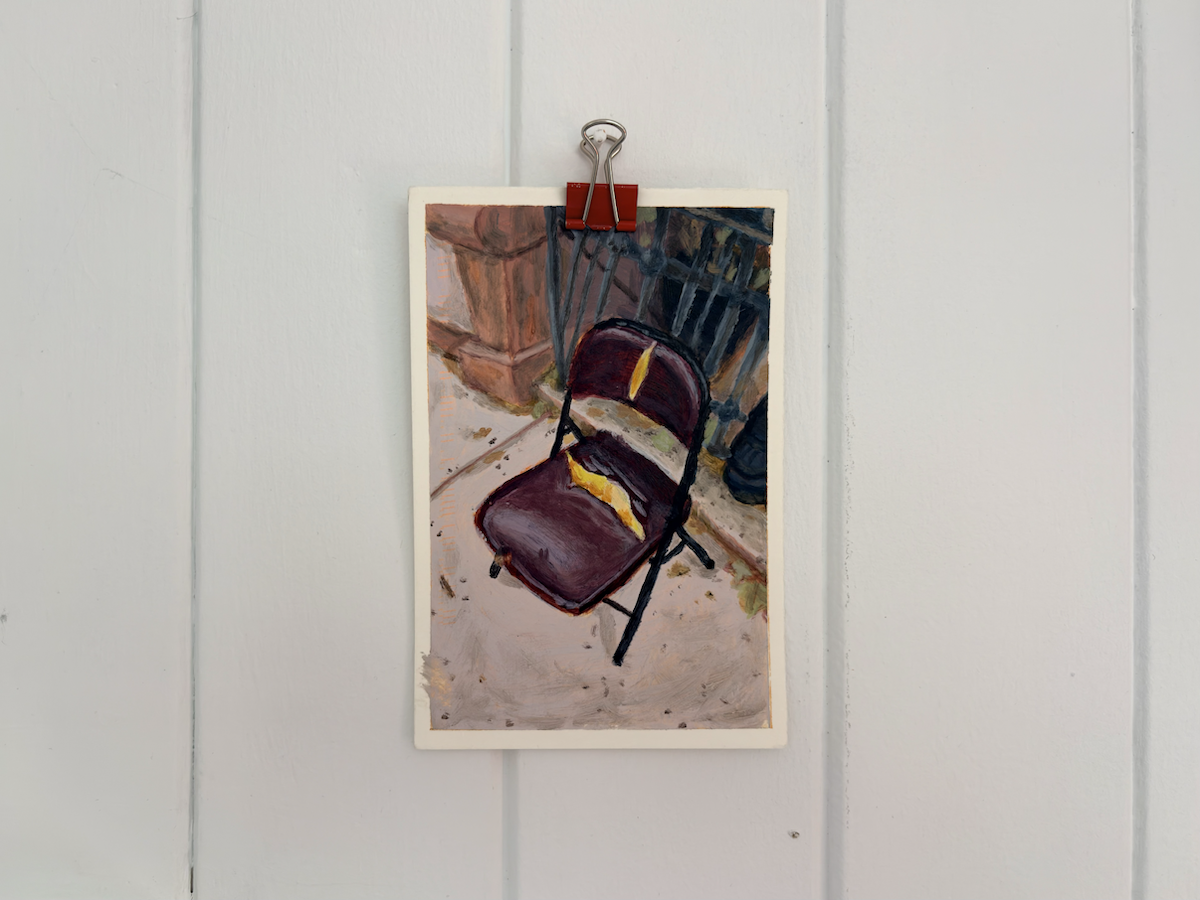
This week I received a card from an acquaintance in Brooklyn, artist Shawn Liu. I don’t get post all that often, and seldom is it so exciting. You see, this is no ordinary postcard, but a postcard-sized painting—one of 100 such studies that Shawn’s making as part of his current project. The intention is to send each of the paintings to people around the world; all that the recipient is asked to do is to email Shawn a photo of the painting in its new home. Eventually he’s going to turn all of those photos into a book.
If you would like to request a postcard painting be sent to you, hop over to the project page at Shawn’s site. At the time of writing, there are still some slots available.
Something I’ve been pondering recently is whether statements of gratitude need always contain subjects as well as objects. Which is to say, when we express ‘I am grateful for x’, does there necessarily need to be an invisible parenthetical: ‘I am grateful (to y) for x’?
I imagine that for people of faith this question is easily answered. If such a person says ‘I am grateful for this sunny day’, it’s implicit that it is to their chosen deity that the gratitude is owed and directed. For those of us who recognise no higher power possessed of its own will, things are trickier. Perhaps the implied parenthetical can still be filled with something like ‘to nature’ in the above example, but there are other cases in which there isn’t a neat fit. When I am mindful enough to think, in a given moment, ‘I am grateful to be experiencing this’, is the gratitude owed to something as impersonal as circumstance? Is my gratitude for my good fortune being directed to the network of causes and effects that has given rise to it?
Asked another way: can one be grateful to something that is not knowingly responsible for the object of one’s gratitude? I believe in karma as an impersonal and incomprehensibly-complex cascade of causation, but that doesn’t seem like something to which gratitude can be appropriately expressed.
Perhaps the distinction here is better drawn between ‘thankfulness’ and ‘appreciation’. Where the object of my gratitude is the result of the actions of another will, it feels appropriate to express thanks. In those other circumstances, where I simply wish to reflect upon my good fortune, perhaps it’s more appropriate to take a moment simply to appreciate it.
We were just in Bristol for a little over 24 hours at the start of this week. The main event was a chance to see Ben Kweller play at The Fleece—the last time I saw him was at least two decades ago, but I’m happy to report that the guy still puts on a great show.
Whilst we were in town, we got great coffee at Society, superb vegetarian burgers at Three Brothers and (the next morning) an exceptional brunch at The Crafty Egg in Stokes Croft.
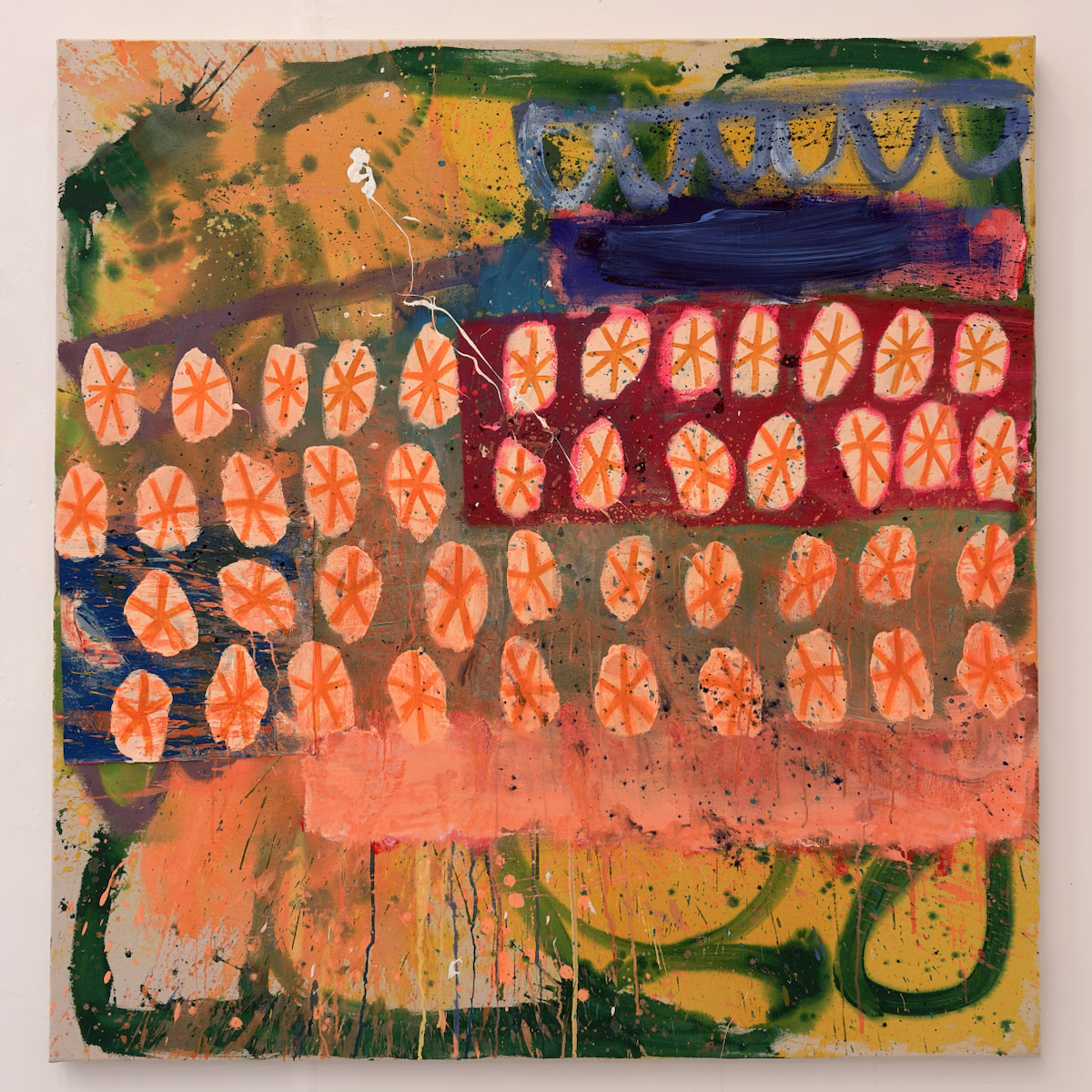
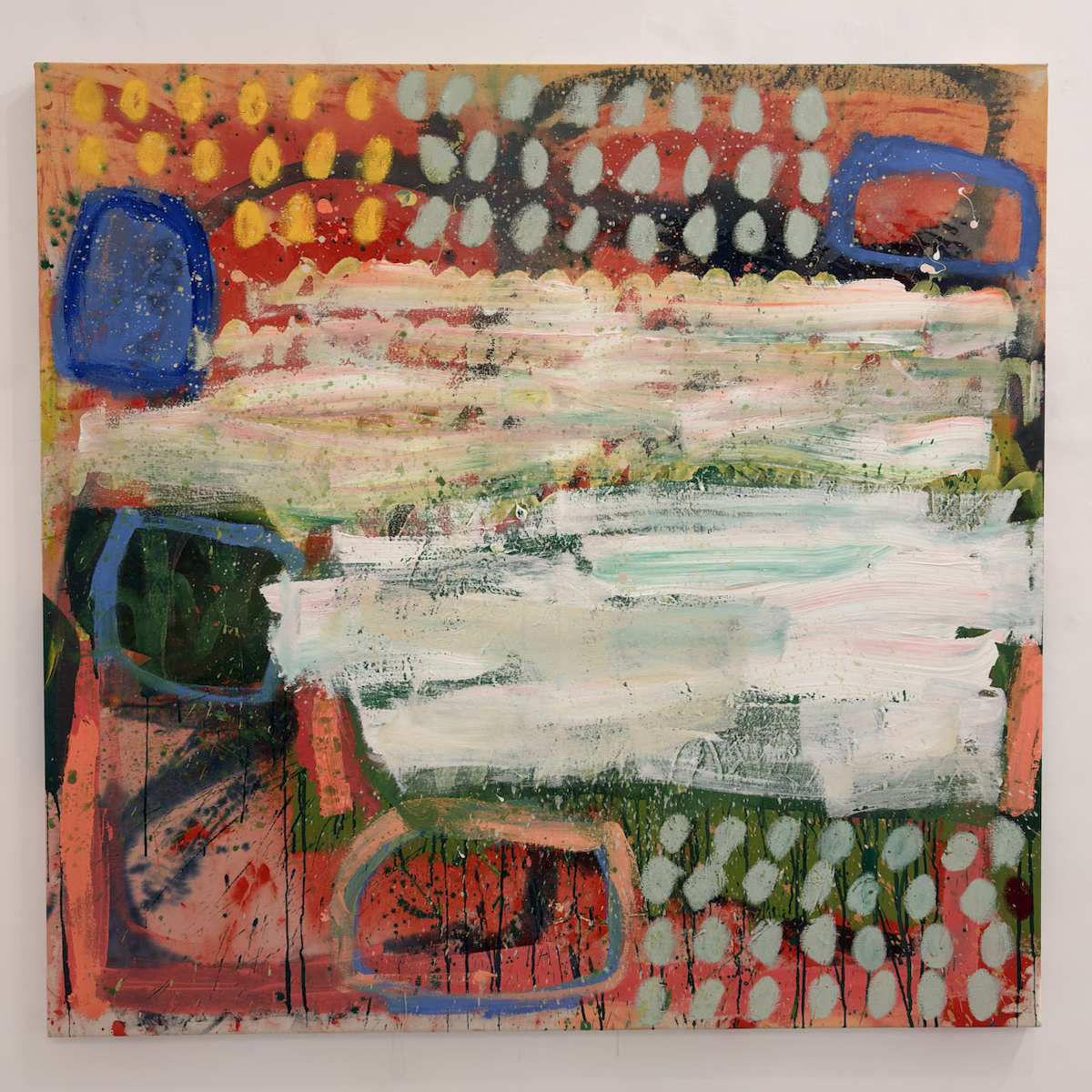
We also popped into Centrespace to check out a joint show by Jessie Woodward, George Henry Rowe and Emma Anne. Of the three, I found Woodward’s pieces, with their vibrant palate and eclectic forms, most arrested my attention.
This week I was back at the Schwarzman Centre, but this time in a work capacity. The Vice-Chancellor’s Awards is an annual celebration of some of the amazing work being done by people all around Oxford University. My team was nominated for a project we delivered last autumn, which meant we got to take part in the showcase event on Tuesday and attend the awards ceremony itself on Thursday. The latter was fun to be part of, but it’s more than a little out of my comfort zone. Far more enjoyable was attending the showcase, wandering between the various stalls set out by other shortlisted teams and chatting with them about their amazing work.
I went to last year’s showcase—at the Weston Library—as a visitor, and found it to be quite a bewildering experience. Where else could one possibly work, I thought to myself, where all of the activities being celebrated could fit under one umbrella? I had the same feeling this year all over again. Oxford University is such a complex, sprawling and diverse thing that it’s almost impossible to keep all of it in mind. Even reading the many internal circulars, seeking out intranet news items, and following various departments’ Bluesky accounts, there’s a lot that I miss.
Here are just a few of the projects nominated for this year’s awards:
Today marks one year since the global release of the Nintendo Switch 2, and I thought I would mark the occasion with a quick rundown of how I thought the console’s first twelve months shook out, at least in terms of the games I’ve played.
Things got started with a bona fide gem, tailor-made to be a launch title: Mario Kart World. Not only one of the Nintendo franchises with the widest appeal, featuring the company's mascot, but also the perfect showpiece for the new console’s faster loading speeds (a huge open world map with no loading screens) and online capabilities: I had some incredible sessions playing with folks across multiple continents, making the most of GameChat whilst we raced or just cruised around the game’s beautiful environments. MKW was a 10/10 for me and I did everything there is to do in that game: every trophy, unlock and collectable.
I also got a huge amount of enjoyment from the other first-party launch title: Nintendo Switch 2 Welcome Tour. A far more niche prospect than the console’s flagship launch game, this (truly) glorified set of tech demos taught me a huge amount about the design and functionality of the console and peripherals. More than a few times I was left dumbfounded by the sheer level of thought and care that went into building the Switch 2. Contrary to what some would have you believe leading up to the machine’s launch, no one who ‘played’ this ‘game’ could come away thinking of the console as a mere underwhelming iteration on its predecessor.
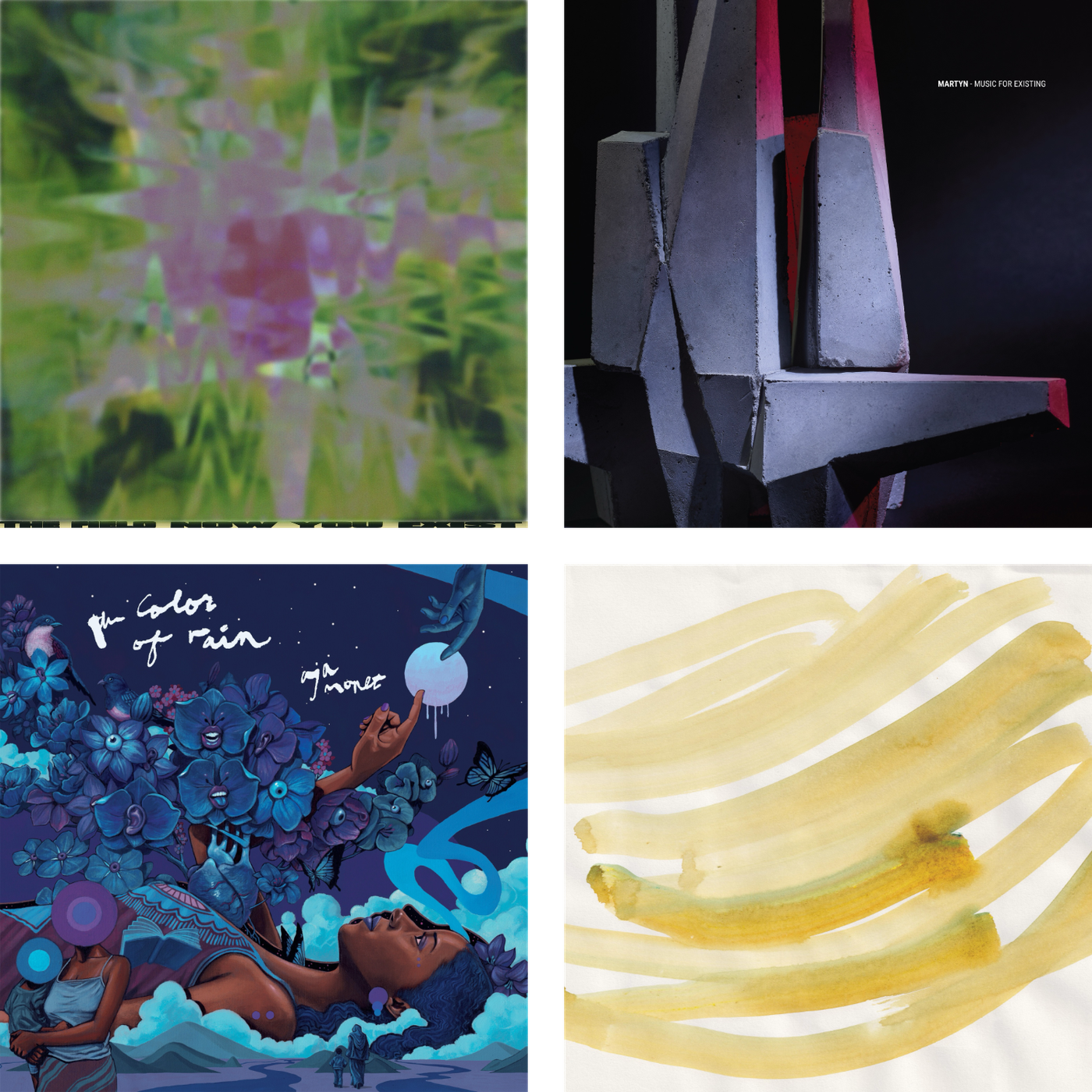
Last week’s #newmusicfriday had a neat diptych: The Field released an album titled Now You Exist and Martyn released one titled Music for Existing. This week has something similar: Aja Monet put out her new record, The Color of Rain, and from Duval Timothy & Carlos Niño we get Rain Music.
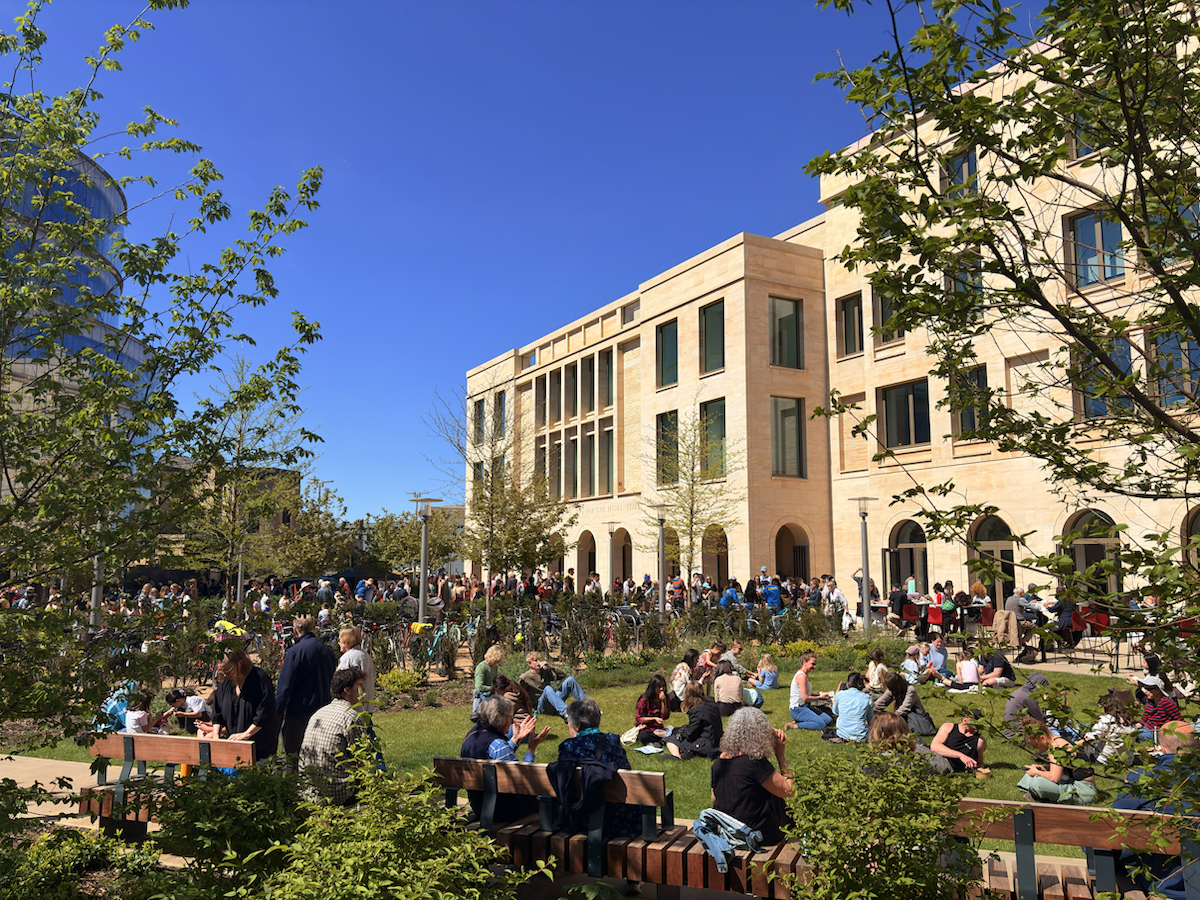
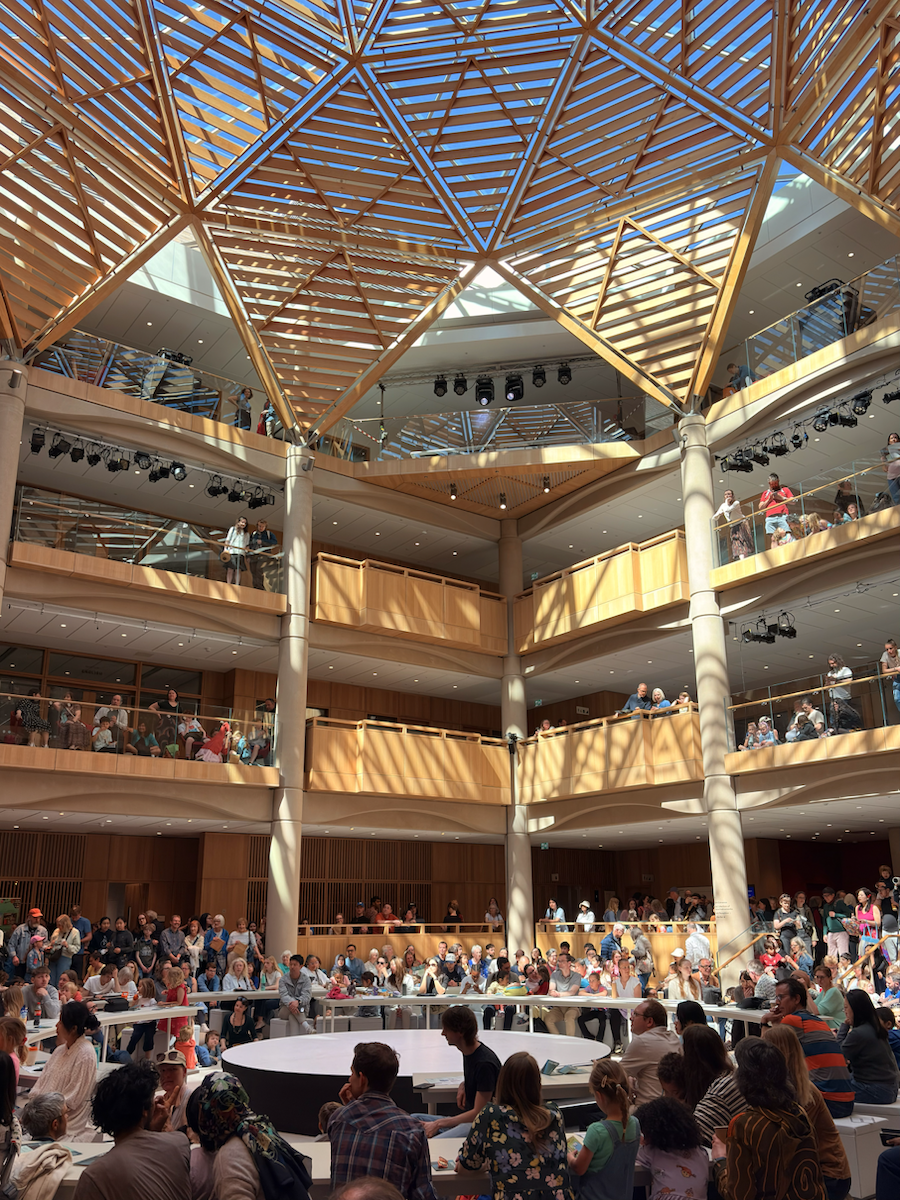
Yesterday was the open-house launch of the cultural programme at the University’s new Schwarzman Centre for the Humanities. I’ve stopped by the building for coffee a couple of times since it opened last year, but it was wonderful to see it so alive with people on this occasion.
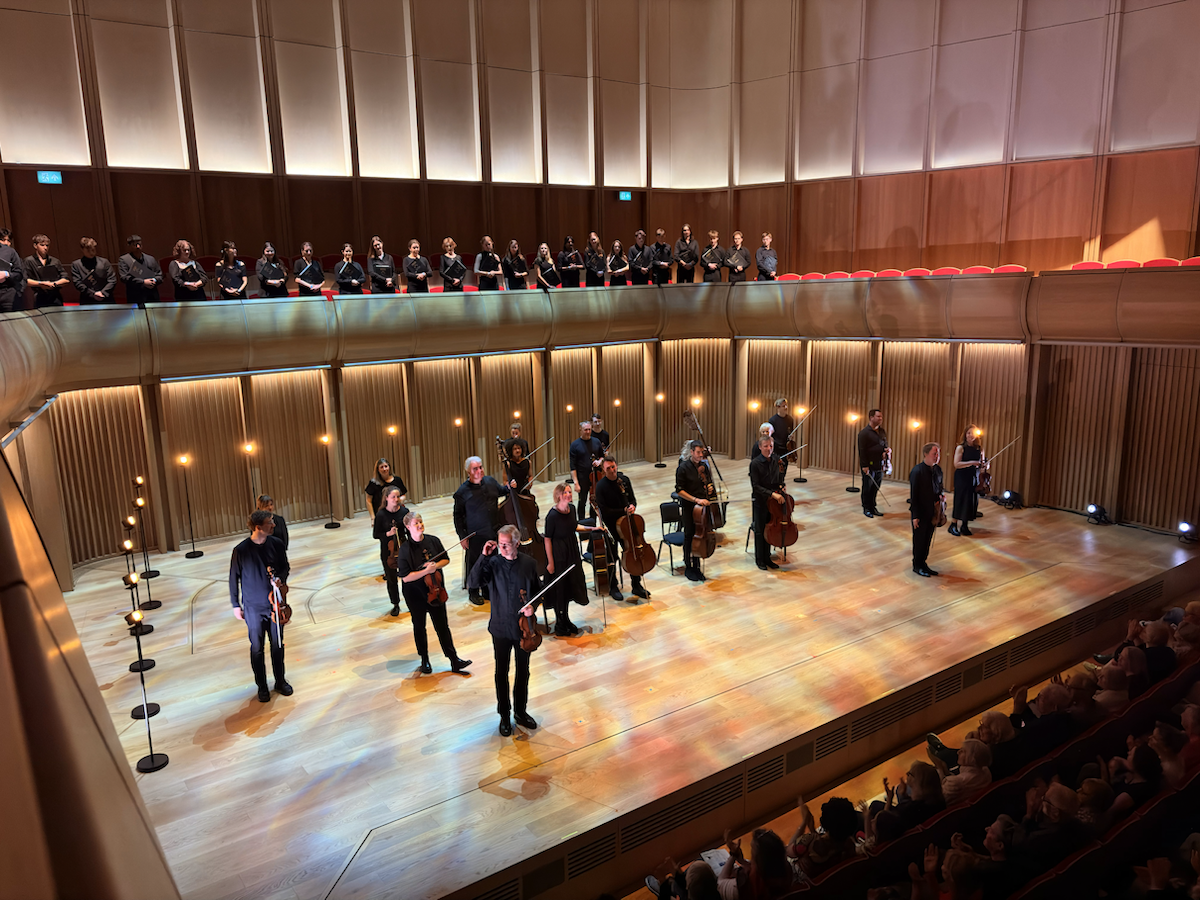
We got to see the Bate Collection of musical instruments in its new home, as installed and mounted by one of our neighbours, who runs Object Workshop. The impressive central atrium was gloriously full of people of all ages, singing along with show tunes played by a Broadway pianist. And we managed to sneak into the balcony of the main auditorium, for a short, breathtaking performance by the Scottish Ensemble.
There is a thesis to be written on the ways in which social media has impacted literary fiction. Perhaps most obviously the way novels are marketed, and to whom they’re marketed, has undergone a shift. But it feels as though there have also been significant changes to both language and structure. With some frequency, I seem to pick up newer novels that are as dedicated to the art of concise, witty sentences as they are disinterested in writing at the level of the paragraph. They are also rarely invested in plot, instead operating under the (often misguided) certainty that their narrator’s inner monologue is sufficiently captivating to sustain the reader’s interest. Novels in this form are easy to read—propelled forward by one arch insight or knowing reference after another—but rarely do I finish them with the sense that it all adds up to something more.
Patricia Lockwood’s superb No One Is Talking About This (2021) remains the finest book I’ve encountered that interrogates the qualities of this kind of fiction—employing the form’s own tools against it, revealing and then surpassing the inherent limitations.
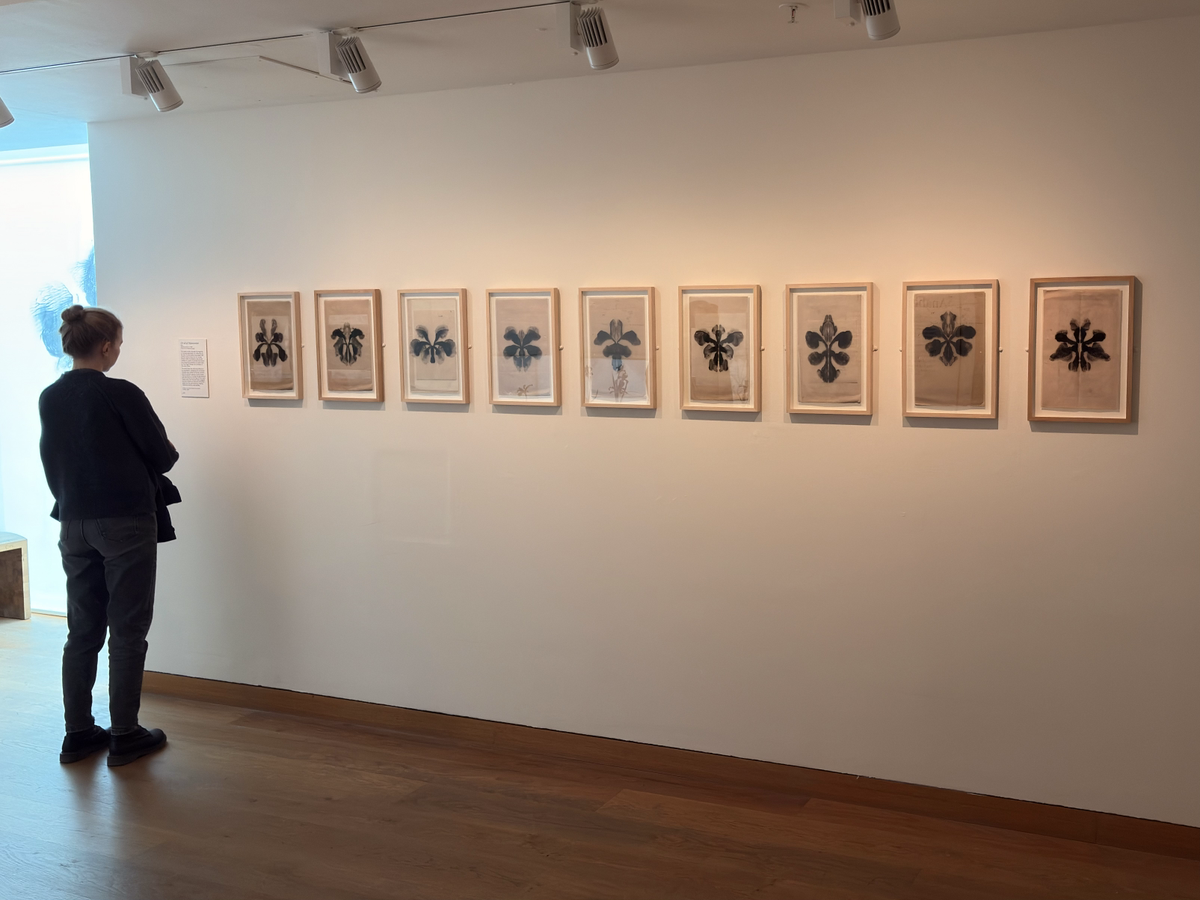
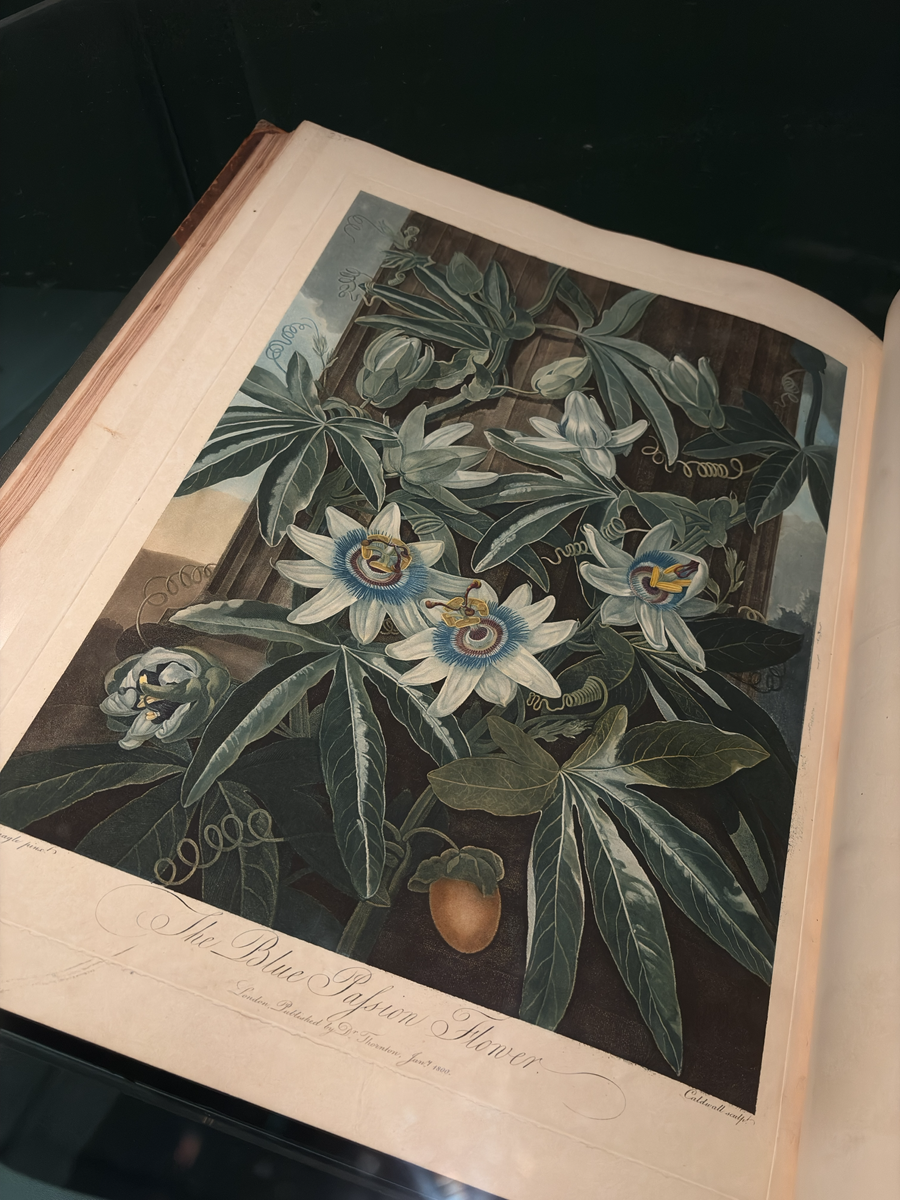
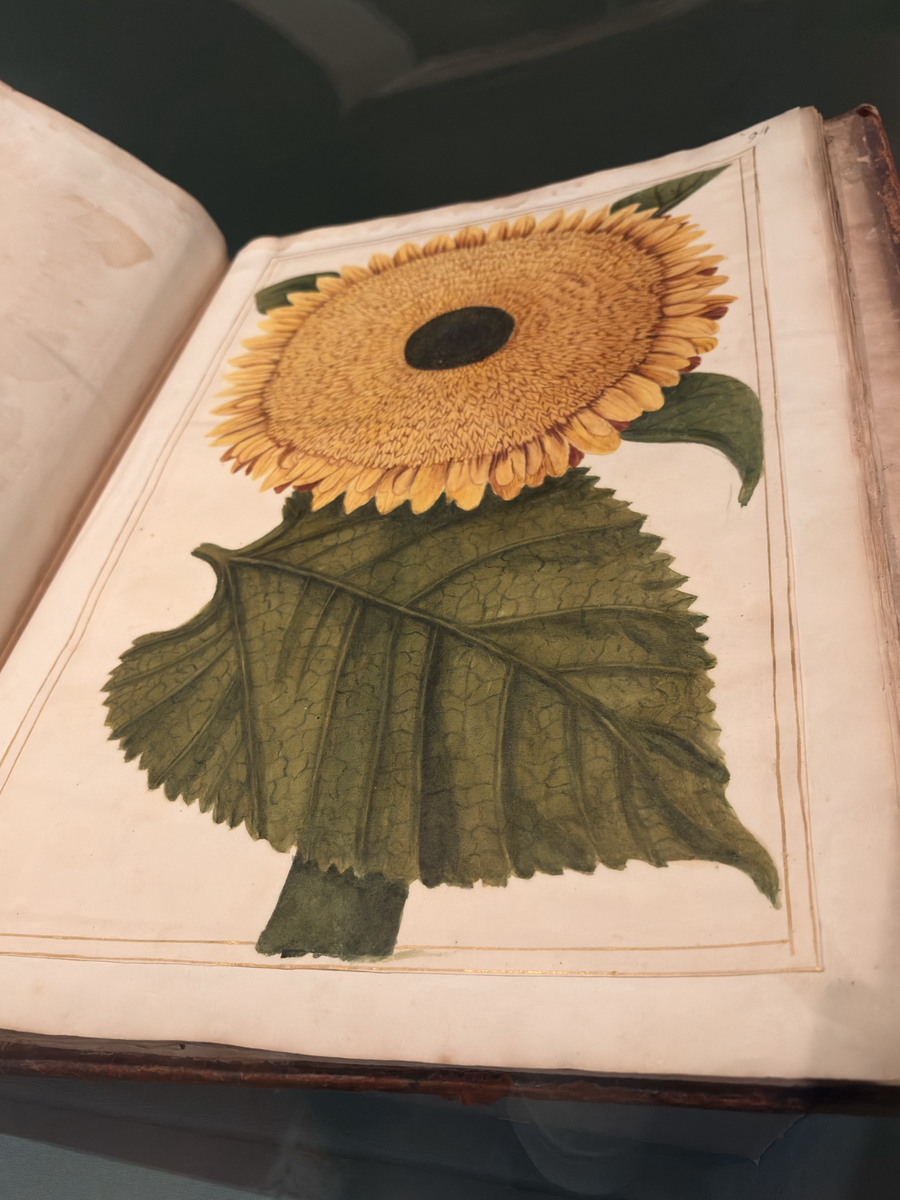
A new major exhibition just opened at the Ashmolean Museum, titled In Bloom: How Plants Changed Our World. I’d not read much about it before visiting, but I think I had been expecting that it would focus upon the ways in which plant biology influences ecologies—a kind of inversion, perhaps, of our predisposition toward thinking of fauna as more impactful than flora. Instead, I found stories about the early days of international horticulture and the ways in which the trade in plants (tea being but one example) impacted all of the people and cultures involved.
Circuit of Dispossession (2022), Anahita Norouzi
Plant circulation is inseparable from the circulation of capital and authority. — Anahita Norouzi
There’s also a section in one of the gallery spaces (explicated by a fairly good, arguably necessary audioguide) focussed on the manner in which latinate taxonomical schemas have disenfranchised botanists across several continents.
It’s not all power imbalances and geopolitics though; I also learned that the pattern on custard creams is inspired by the curling of young ferns!
On reflection, the exhibition is aptly titled, its focus being not on plants’ impact on the world, but specifically on our human world. That’s a very different lens than I had anticipated, and I’m feeling the need to make a return trip at some point to meet the exhibition on its own terms. I’ll also want to revisit several of its exquisite illustrations and paintings of plants and flowers.
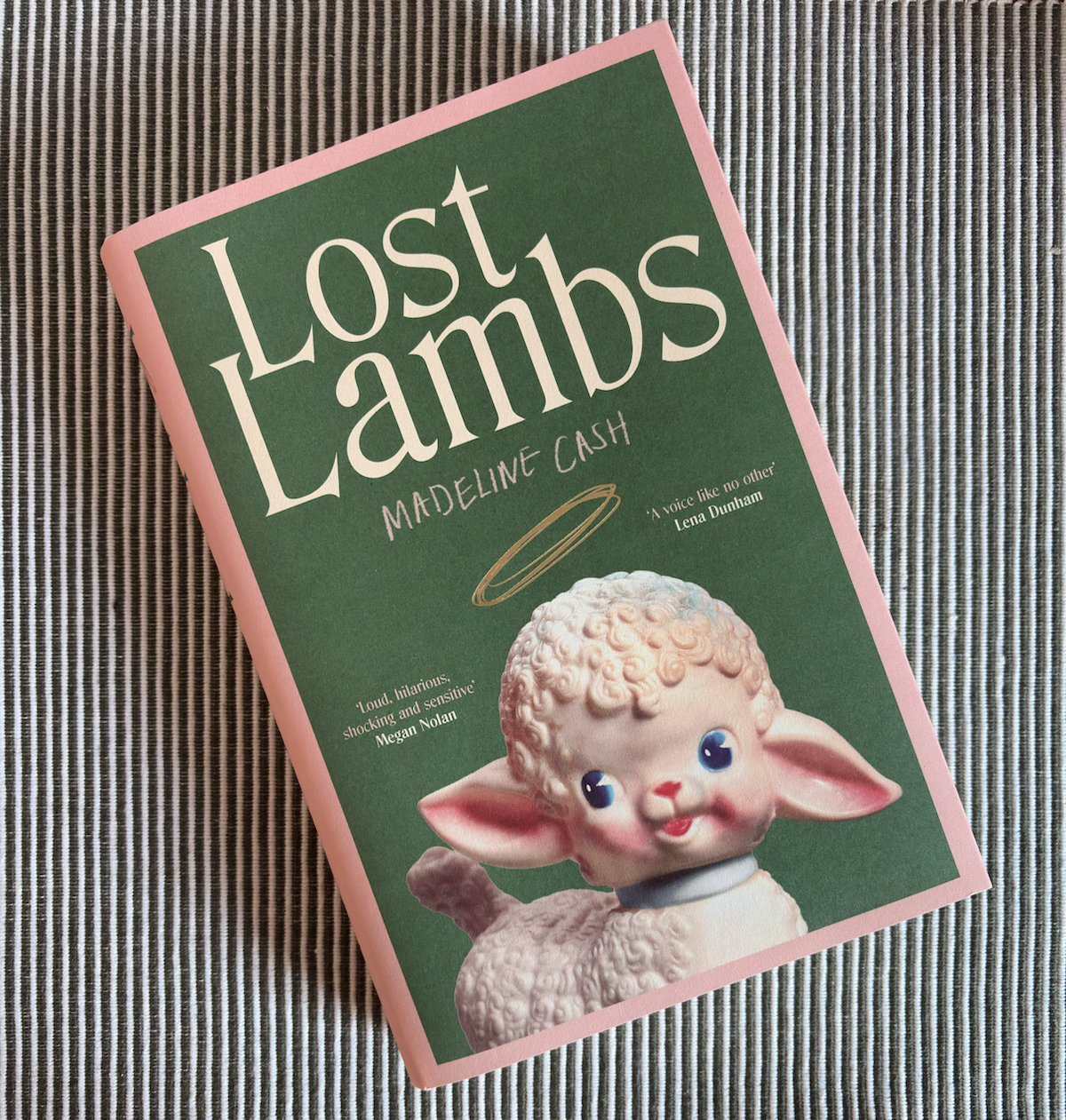
This month I read one of the buzziest books of the year so far: Madeline Cash’s Lost Lambs (2026). I didn’t know quite what to expect going in, but this proved to be one of the most genuinely funny novels I’ve read in quite some time. The writing is whip smart, and each of the novel’s characters is a pleasure to spend time with as you move from one to the next across chapters. My personal favourite was Harper, precocious youngest daughter of the central Flynn family, fun because she’s consistently two steps ahead of pretty much everyone else in the book.
Too often I pick up a novel with a reputation similar to this, and it tips too far into sardonic detachment. Cash actually likes here characters, and it shows. If you enjoyed Ottessa Moshfegh’s My Year of Rest and Relaxation (2018), Megan Nolan’s Acts of Desperation (2021) or Lauren Oyler’s Fake Accounts (2021) this one’s for you.
I’ve now moved on to another recent release: Flat Earth (2026) by Anika Jade Levy. If you can tell me the link between this one and Lost Lambs, I will award you 100 points.
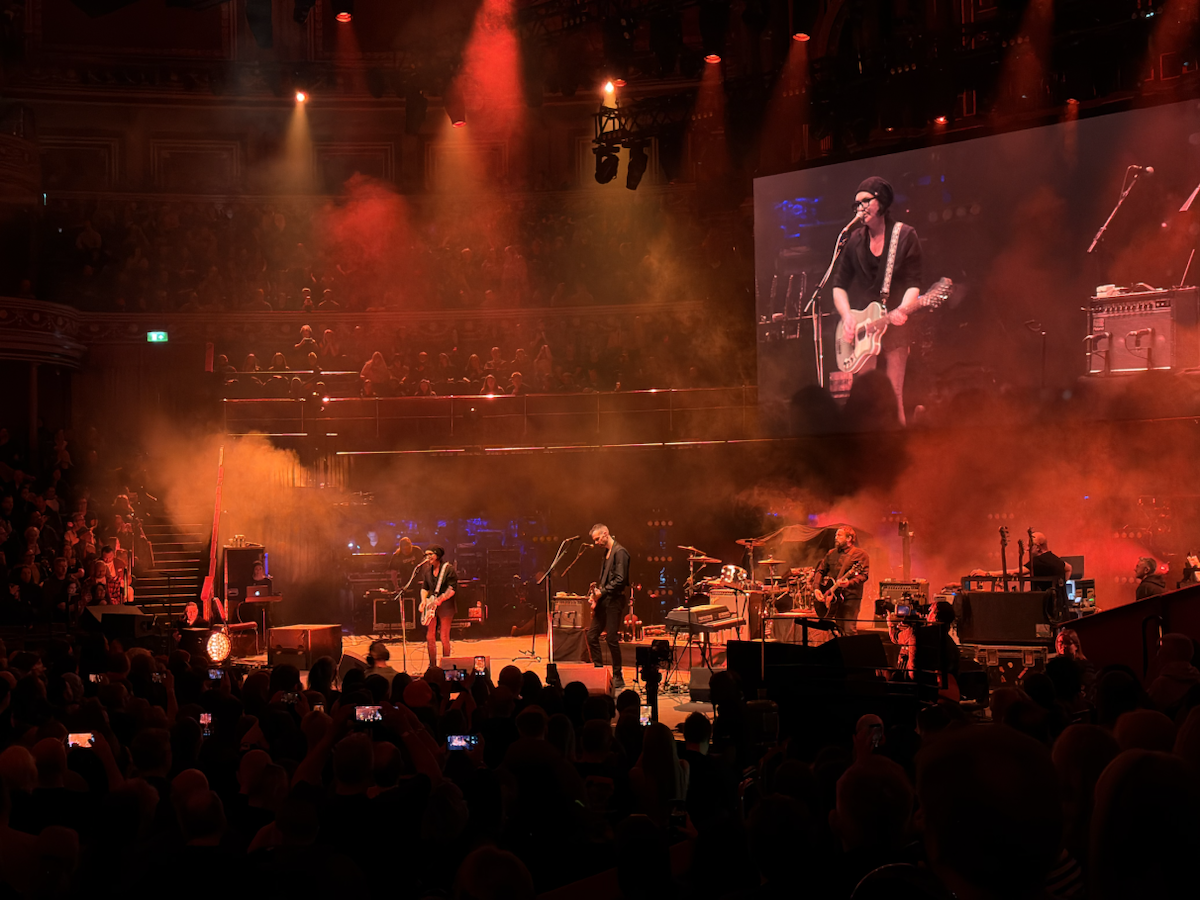
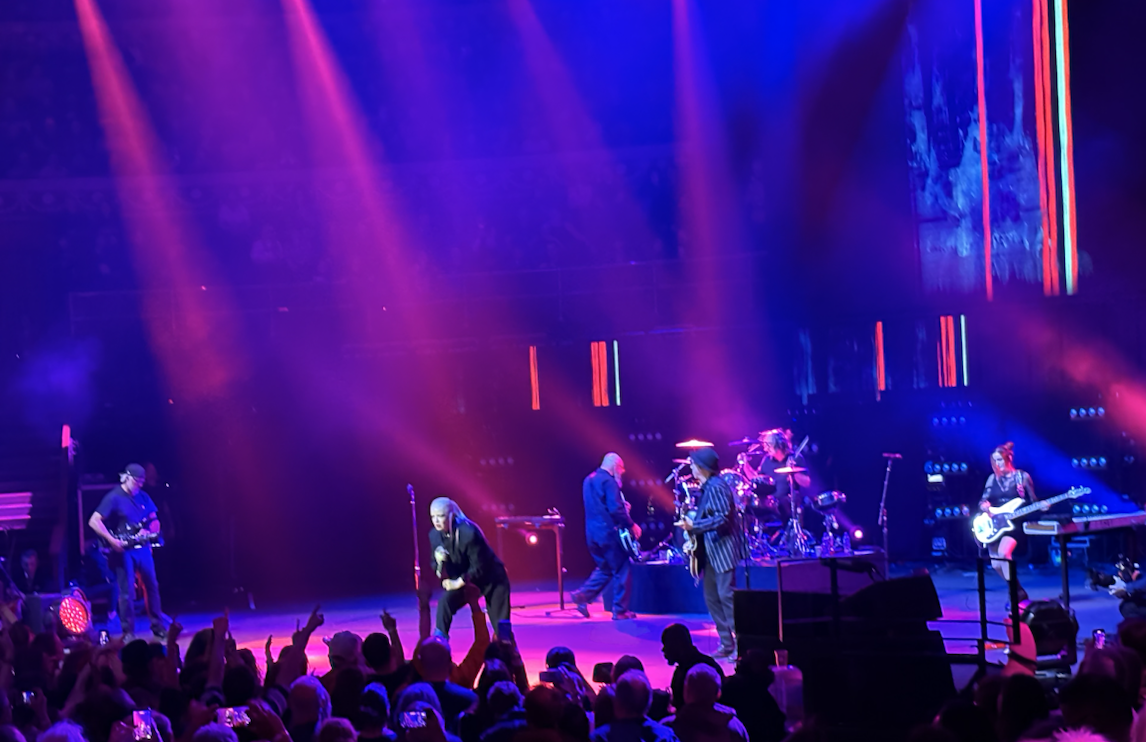
With thanks to my friend JG, I was fortunate enough to be offered the chance to attend a show at the Royal Albert Hall last night. It was part of a series of gigs curated by Robert Smith, in aid of Teenage Cancer Trust; this particular evening featuring sets by two bands I’ve been into since the ‘90s: Placebo and Garbage. It was, all told, a pretty great time.
Placebo’s set had been advertised as ‘stripped down’, so I’d been expecting something akin to an acoustic affair, perhaps just Brian Molko and Stefan Olsdal. Instead the whole band ran through a set list comprising all sorts of surprises. They opened with a cover of Sinéad O’Connor’s ‘Jackie’, and closed with ‘Centrefolds’, which some sources suggest they haven’t played live in more than two decades. Given the option ahead of time, I would have chosen a setlist heavier on the first two records: Placebo (1996) and Without You I’m Nothing (1998), the latter of which in particular I still consider one of the best rock albums of the late ‘90s. Instead we were treated to something unique.
Garbage also understood the assignment. The RAH is a weird venue—large, but also multi-tiered, mostly seating—and it must also be strange taking the stage directly after a fifteen minute showcase of the (wonderful) work of Teenage Cancer Trust. But this band has been doing their thing for more than 30 years, and (even at a median age of 68.5) they still know how to command a stage and work a crowd. Highlights, of a set heavy on the self-titled debut (1995) and Version 2.0 (1998), included the colossal-sounding ‘I Think I’m Paranoid’ and a rousing rendition of ‘Wolves’ dedicated to the (in attendance) family member for whom it was written. Just like the last time I saw them 28 years ago however, stone cold classic (and here, final song) ‘I’m Only Happy When It Rains’ was the defining moment. Being one of nearly 6,000 people singing every word of that chorus was something special that I’ll probably remember for another three decades.
For the first time in a long time (and possibly ever) I’ve seen all 10 of the Best Picture nominees for tonight’s 98th Academy Awards before the ceremony takes place. So, here are my brief thoughts on each of the films, followed by my picks for some of the other categories. I’m going to do this in my own personal order of preference:
F1 (2025) dir Joseph Kosinski
A really well-made popcorn movie. Great fun, but in all honesty does not deserve to be nominated for Best Picture over some of the notable omissions: eg Lynne Ramsay’s Die, My Love (2025), Ari Aster’s Eddington (2025) or Eva Victor’s Sorry, Baby (2025).1
Sinners (2025) dir Ryan Coogler
Another superbly-executed movie, but one that I failed to find the depth in that others seemed to enjoy. The huge number of nominations leads me to believe that I should probably re-watch it at some point soon, to see what I missed.
Hamnet (2025) dir Chloé Zhao
The direction is good, the performances are great (not just Buckley as Agnes, but particularly Jacobi Jupe as Hamnet). I was irked by the ‘greatest hits of Shakespeare’ elements of the script, but the closing scene is a triumph. Oddly, the choice to end on a performance of Hamlet had a similar feeling for me to the way Bohemian Rhapsody (2018) built up to Queen’s appearance at Live Aid. Probably not what Zhao had in mind, but it works superbly.
A couple of weeks ago, I finished reading W David Marx’s latest: Blank Space — A Cultural History of the Twenty-First Century (2025). It’s a tough read, presenting both a recap of the last quarter-century’s relatively dire cultural landscape and a reasoned argument for how this came to be. Marx is cogent on the prevailing winds (social media, rampant egoism etc) that have eroded culture down to little more than attention seeking. As he formulates it towards the beginning of the book:
Where there is no value other than money, honor is meaningless; and where there is no honor there can be no shame. And without shame, infamy and esteem become indistinguishable. This state of affairs rewarded sociopaths who were willing to weaponize their own disinhibition and amorality to dominate public discourse. The most controversial people swung the era’s narratives so far towards themselves that the twenty-first century’s artistic masterpieces often feel like outliers rather than exemplars of our times. (p7)
I took a bunch of notes as I went, and riddled my copy of the book with sticky tabs, with the full intention of writing about it at length. Ultimately, however, I concluded that no one benefits from me agreeing with a distilled version of Marx’s argument. So, let me just recommend the book if you’re interested in the subject matter. Having the last 25 years laid out in a few hundred pages really puts a weird new lens on what we’ve all lived through.
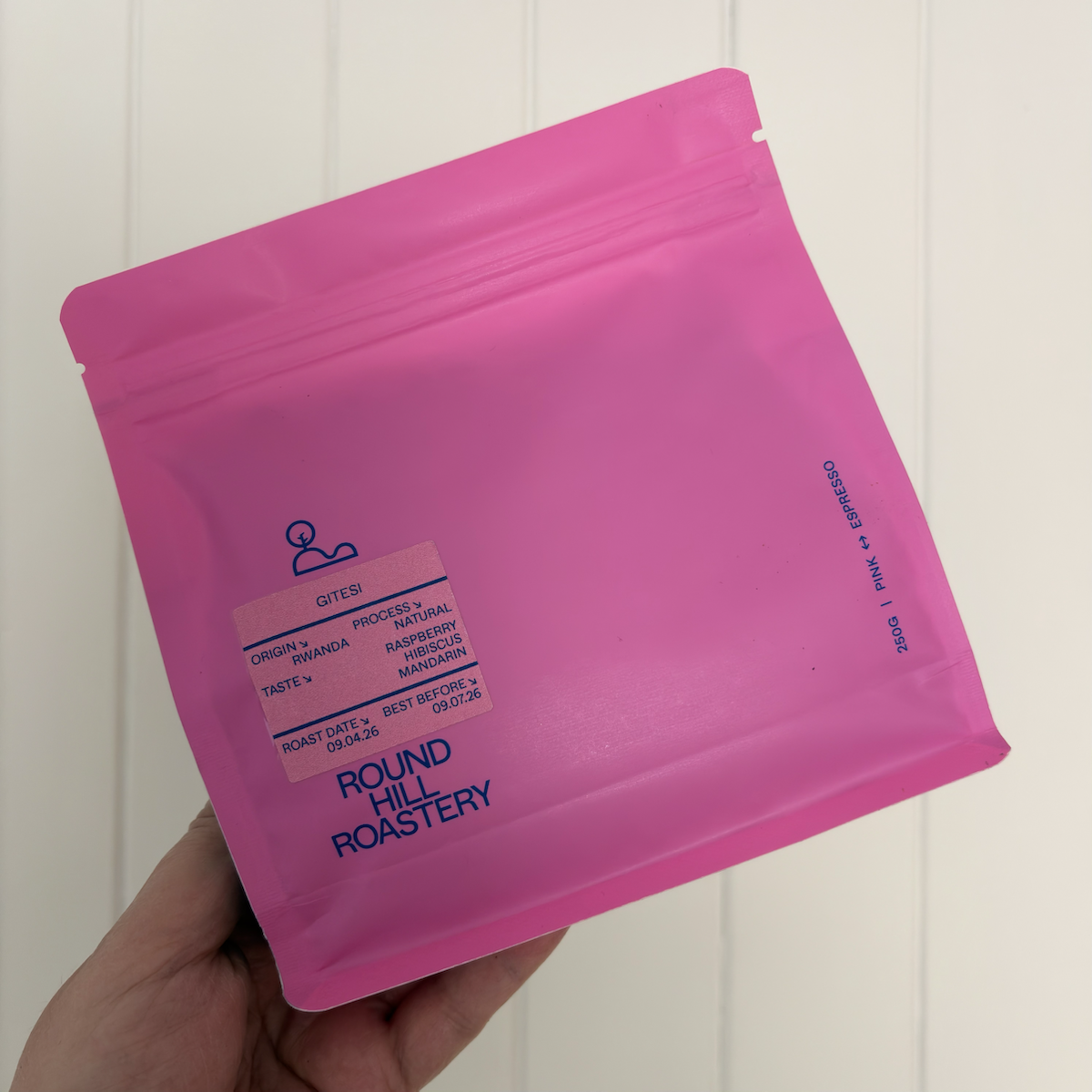
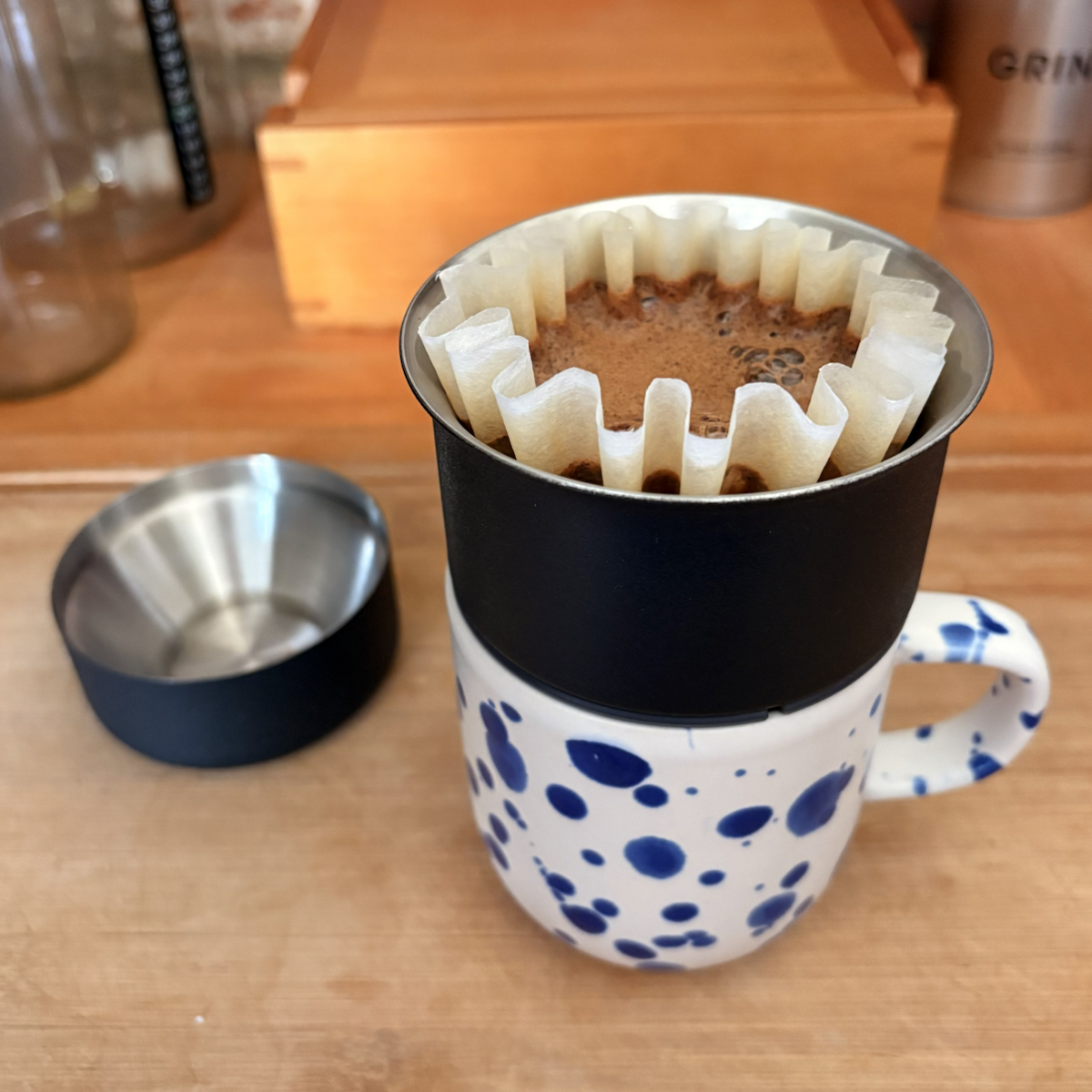
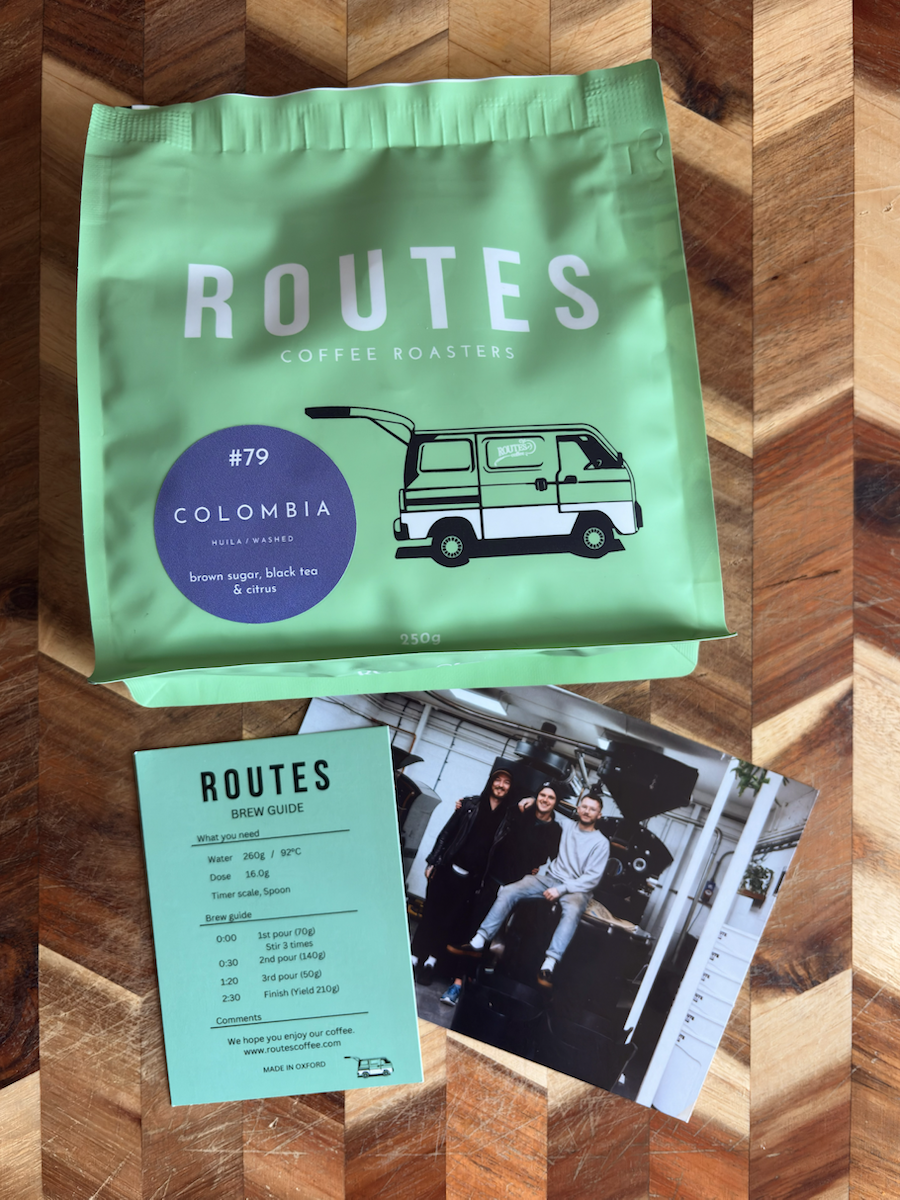
Back once again with another offering from Routes, because the east Oxford lot know what they’re doing. I think the Ethiopian that I had from them last year still tops my personal chart, but this is also delicate and nice.
This week I attended a lecture at the Ashmolean Museum, on early Egyptian statuettes. Actually—to be precise—it was focussed primarily on the topic of one piece, of contested origin. Liam McNamara, Keeper of the Department of Antiquities, led the audience through a mystery that has perpetuated for more than 125 years, surrounding the item bearing the acquisition number 1922.70 in the museum’s collection and known as ‘MacGregor Man’.
If you follow that link, you’ll see a series of images of the dark stone statuette, which measures 39.5cm in height and has been in the Ashmolean’s possession since it was purchased at auction in 1922. You will also note that the artefact is listed with a ‘date of creation’ of ‘Predynastic Period (Egypt) (c. 5300 — c. 3300 BCE)’. But it’s this fact that has been in dispute pretty much since the statue was first acquired by collector Rev William MacGregor, vicar of Tamworth, in 1899.
Last week I attended a guided mindfulness session at which the guy leading the class started by admitting that he once left his home before realising he was wearing watches on both wrists. It was an excellent ice-breaker and a masterful bit of expectation setting for what proved to be a really great experience. In between grounding exercises, the teacher led us through small techniques designed to showcase how quickly the mind makes (often incorrect) assumptions as a result of sub-conscious, evolutionary traits we’ve all inherited.
It has rained a lot in the south of England recently, and tomorrow is forecast to bring another 12mm of precipitation, including snow. Today though, we’re enjoying a brief spell of sunshine. It’s still only 5ºC, but folks on my lane are sat out in their back gardens. The neighbour a few doors down is playing the new Puma Blue record—a perfect-seeming soundtrack as it drifts out in the cold, bright air.
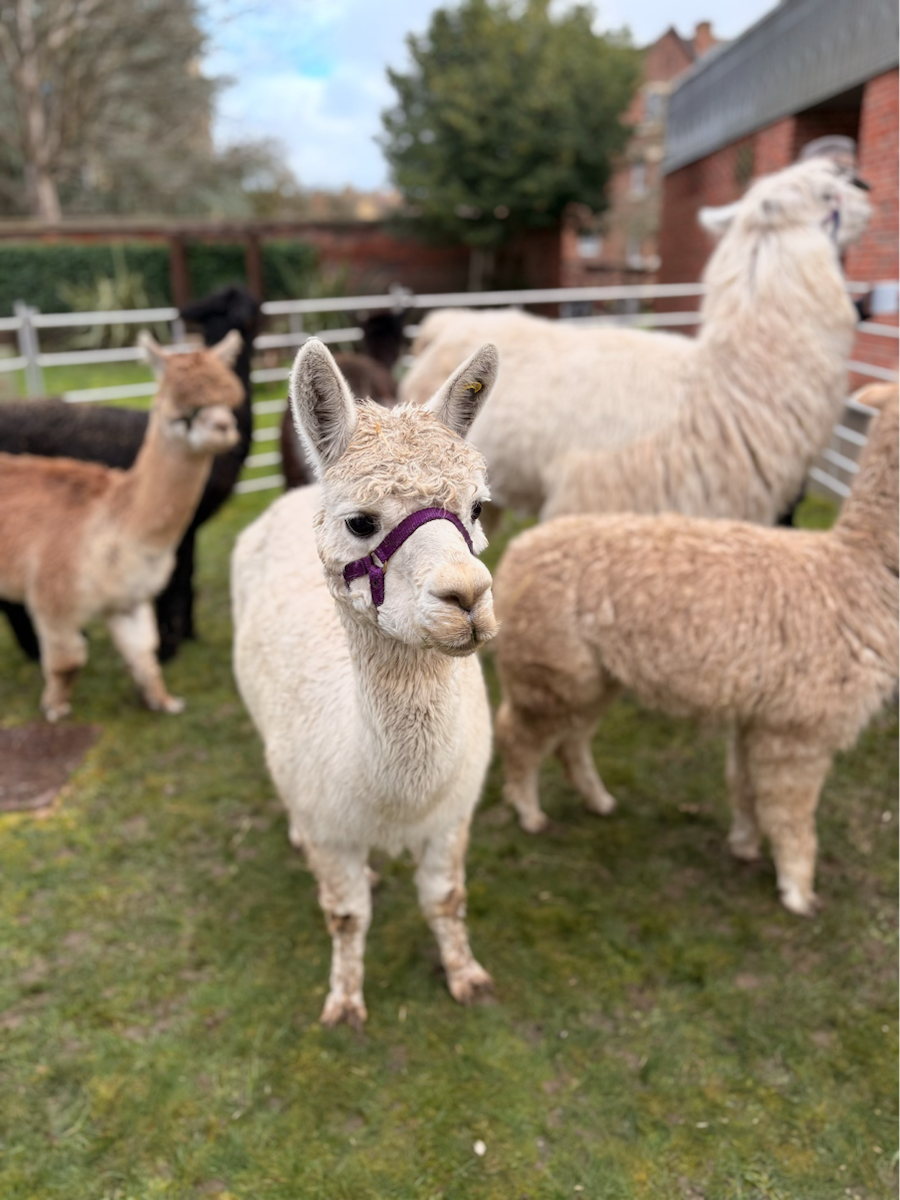
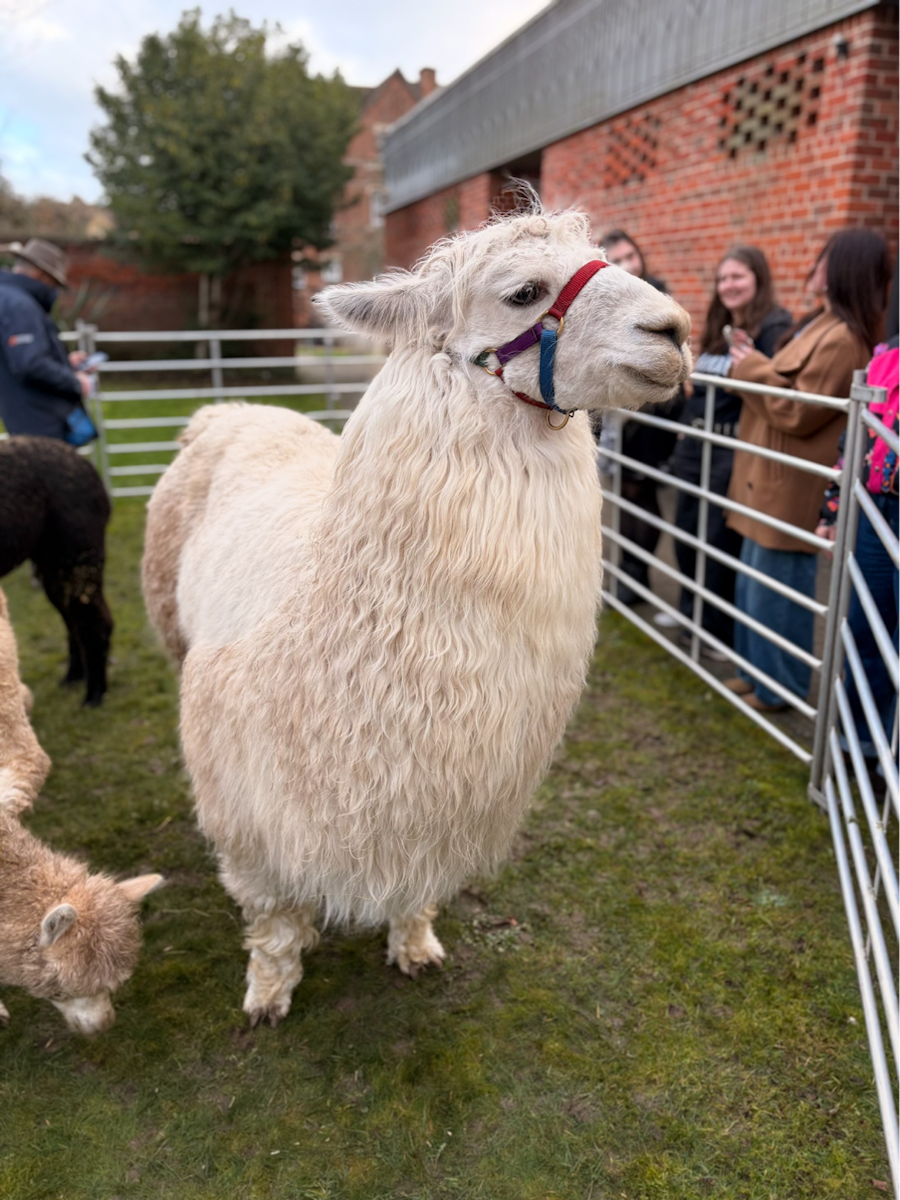
Oxford University can be a strange place to work. This morning I attended the Academic Registrar’s Briefing, then walked to St Anne’s College for a symposium on AI in Education, and then across the road to Kellogg College, where a friend had organised a visit from some alpacas (and a llama) for wellbeing week.
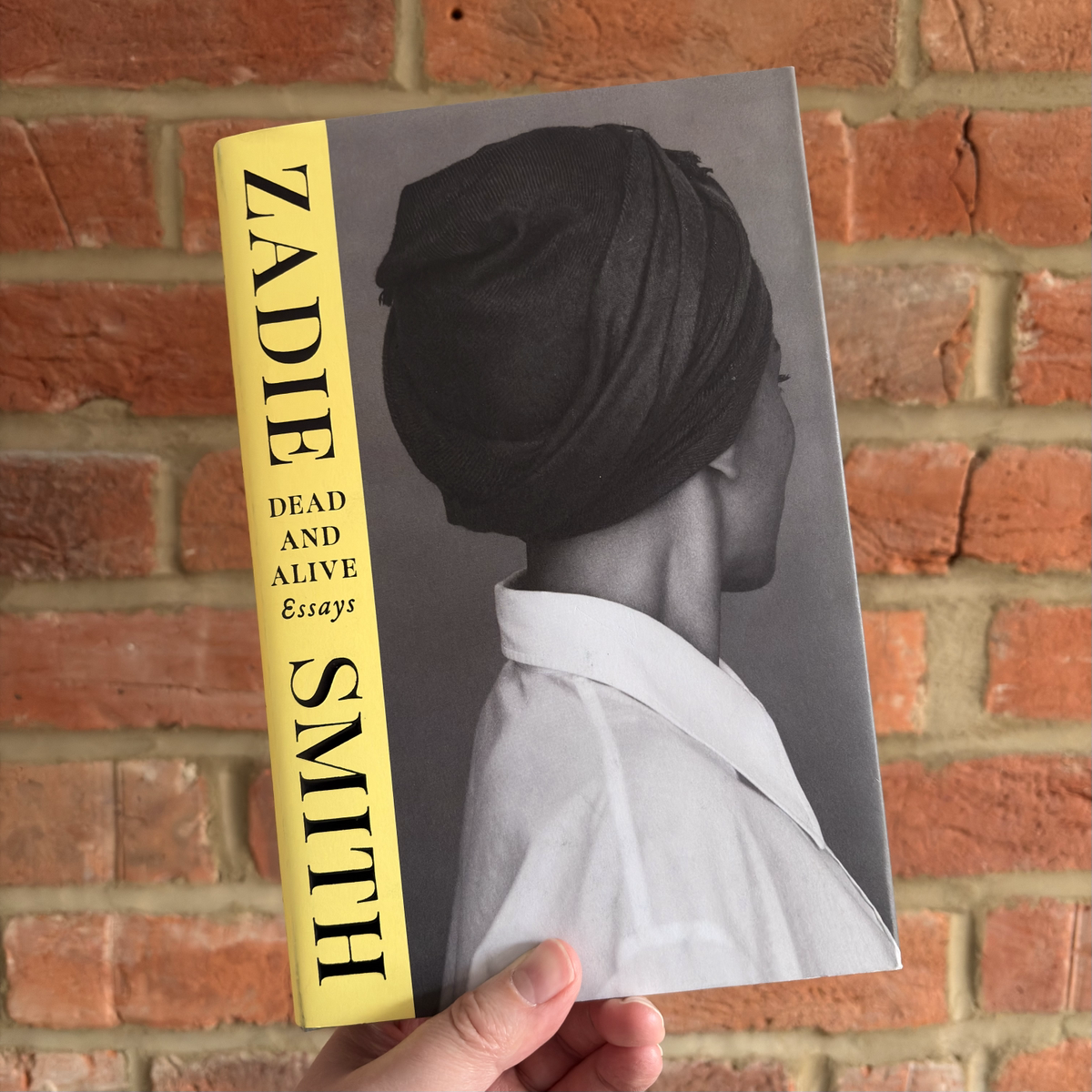
Last night we went to see Zadie Smith at the Sheldonian. Some readers may recall that a couple of years ago I saw Ali Smith receive the Bodley Medal at the same venue, so I enjoyed the symmetry of taking my seat to see Z Smith this time around.
Only when she walked out did I realise that, despite having read her for some time and listened to her on podcasts, I’d not updated my idea of Zadie Smith much in the last 25 years. She appeared impossibly cool behind dark-tinted glasses, and spoke with effortless thoughtfulness, answering her interlocutor’s questions in an entirely unguarded way. She is no longer the wise-beyond-her-years 20-something that I first encountered in issue 81 of Granta back in 2003. Then she was a member of a loose set of young British writers who were reinvigorating the novel: see also Monica Ali, Rachel Cusk, Hari Kunzru, David Mitchell and Adam Thirlwell. A few of those have lasted for me over the decades, but Smith now seems to occupy a particular echelon of (not just) British literature. Alongside half a dozen novels and more than a decade as a tenured professor at NYU, she’s kept up an impressive cadence of non-fiction, such that one gets the sense she can now write on whatever she’d like.
Ostensibly, Smith was there to talk about her new non-fiction book, Dead and Alive (2025), but the conversation was wide-ranging, as befits a collection of essays on topics as diverse as the art of Kara Walker, Joan Didion, the movie Tár (2022) and a love letter to her native NW6. She read this last piece, ‘Kilburn, My Love’, for us, and must have been gratified to have a couple hundred people rapt, laughing in all the right places.