Wes Anderson: The Archives
This weekend we took a trip into London to visit the Design Museum for Wes Anderson: The Archives. If you had asked me to draw up a shortlist of directors whose works I’d like to have the chance to step into, Anderson would be right towards the top. It was a delightful—if occasionally surreal—experience to come face-to-face with so many of the building blocks of his meticulously-designed worlds.
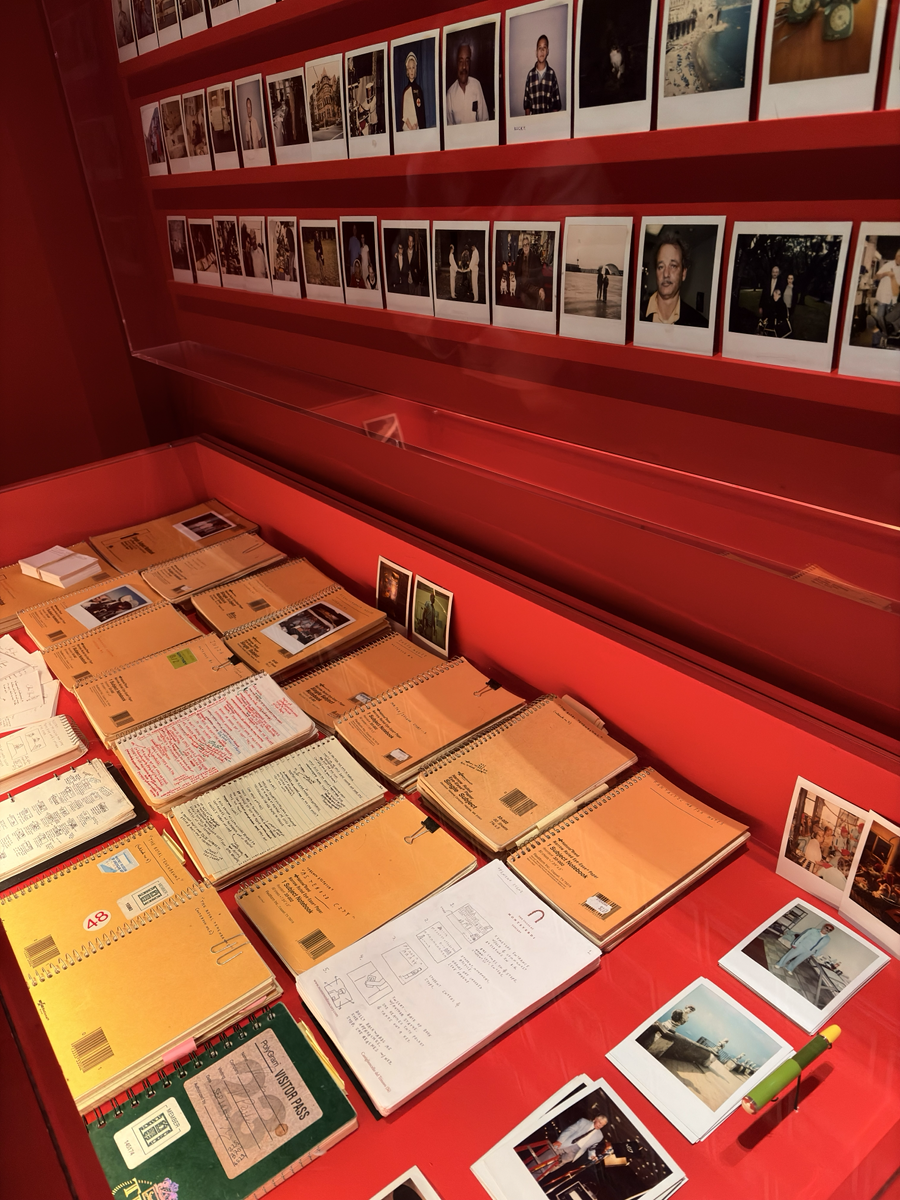
Upon entering the exhibition—through a door marked ‘NO CRYING’—you’re greeted with a display case in which Anderson’s hand-written spiral bound notebooks are piled below a gallery of candid Polaroids taken on set throughout his career. It’s a fitting introduction to Anderson the archivist, as well as the filmmaker.
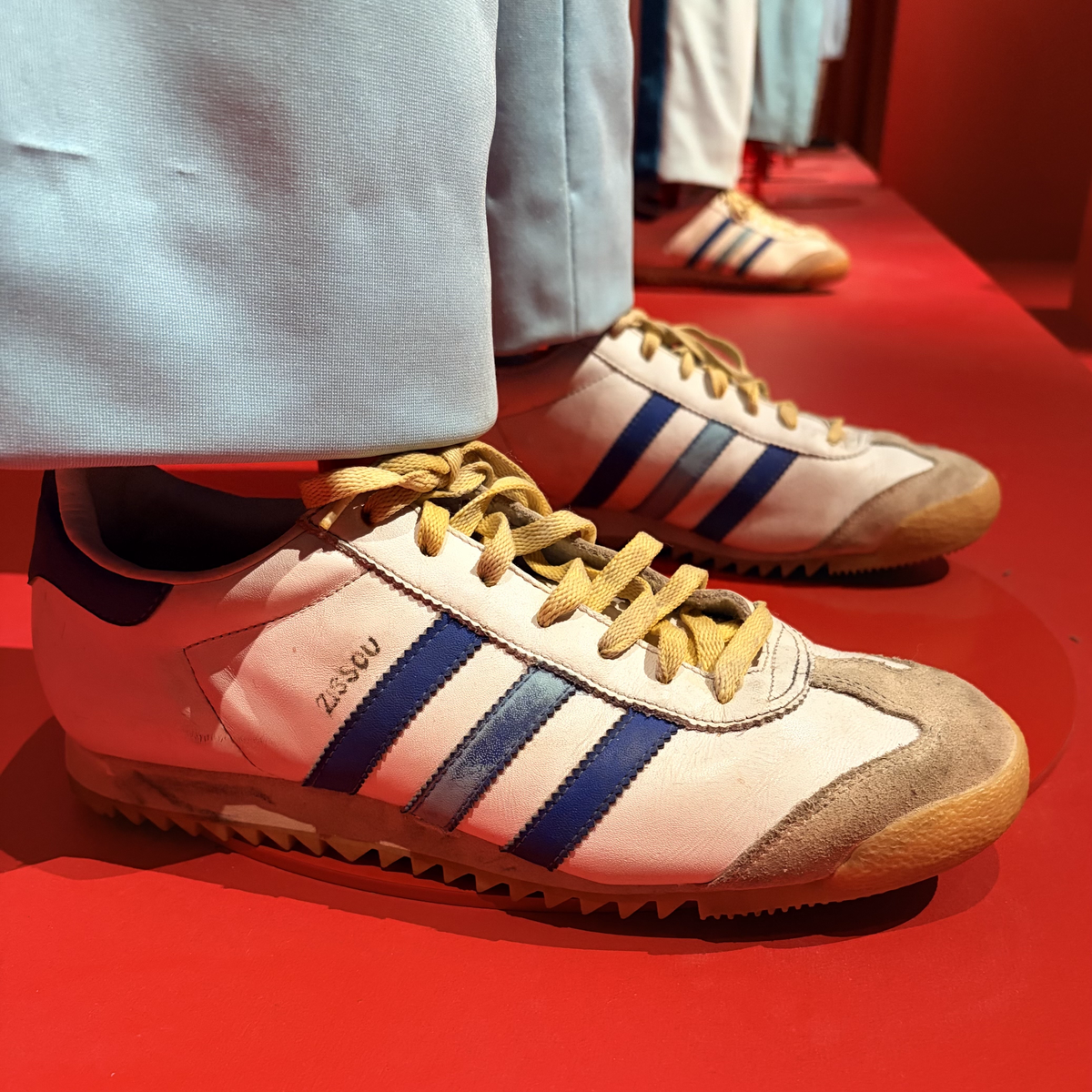
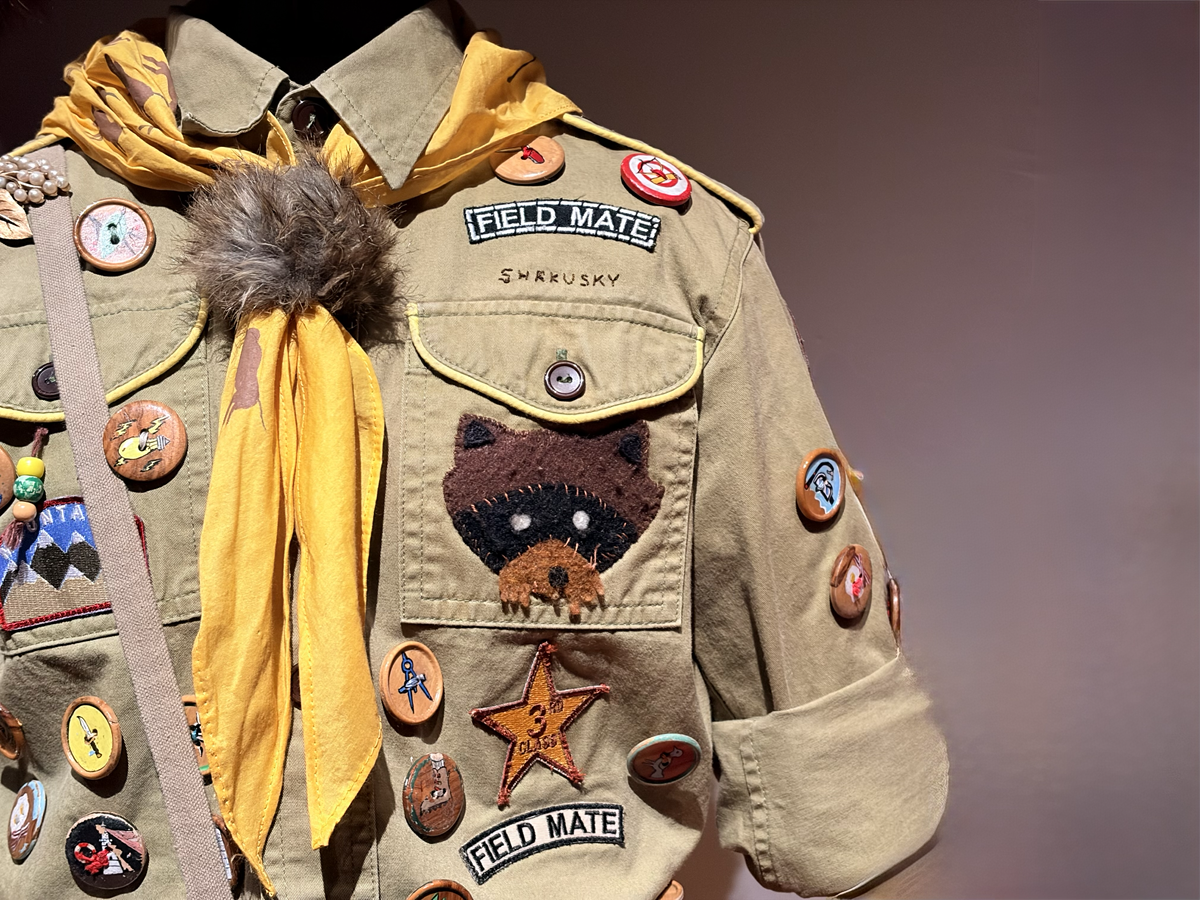
The exhibition proceeds (mostly) chronologically through Anderson’s oeuvre, starting with Bottle Rocket (1996), through to 2025’s The Phoenician Scheme. Centrepiece to each room are the costumes used during filming. It brings home just how many iconic looks have featured in Anderson’s movies: from Jason Schwartzman’s beret in Rushmore (1998), to Ben Stiller’s tracksuit and Gwyneth Paltrow’s fur coat in The Royal Tenenbaums (2001) and of course the blue and red ensemble worn by the crew of the Belafonte in 2004’s The Life Aquatic with Steve Zissou.
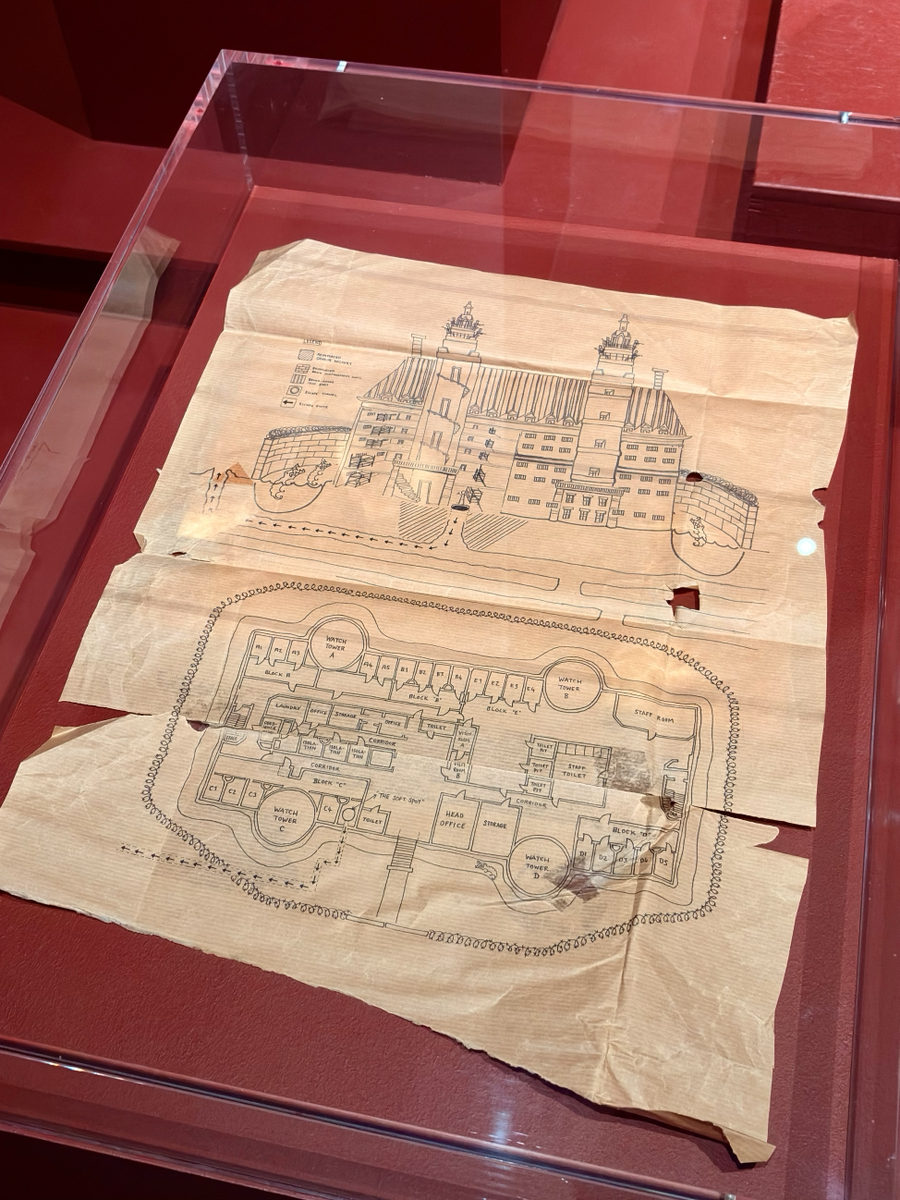
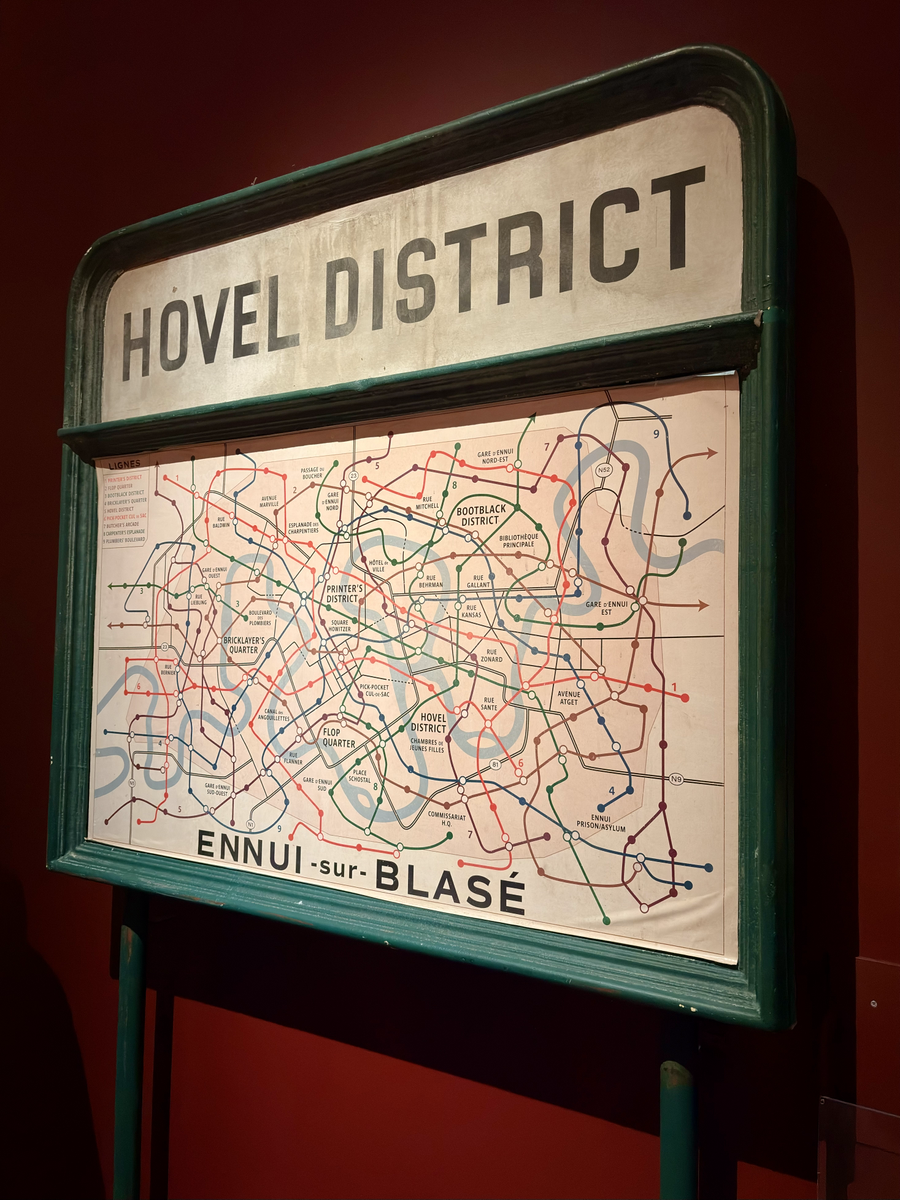
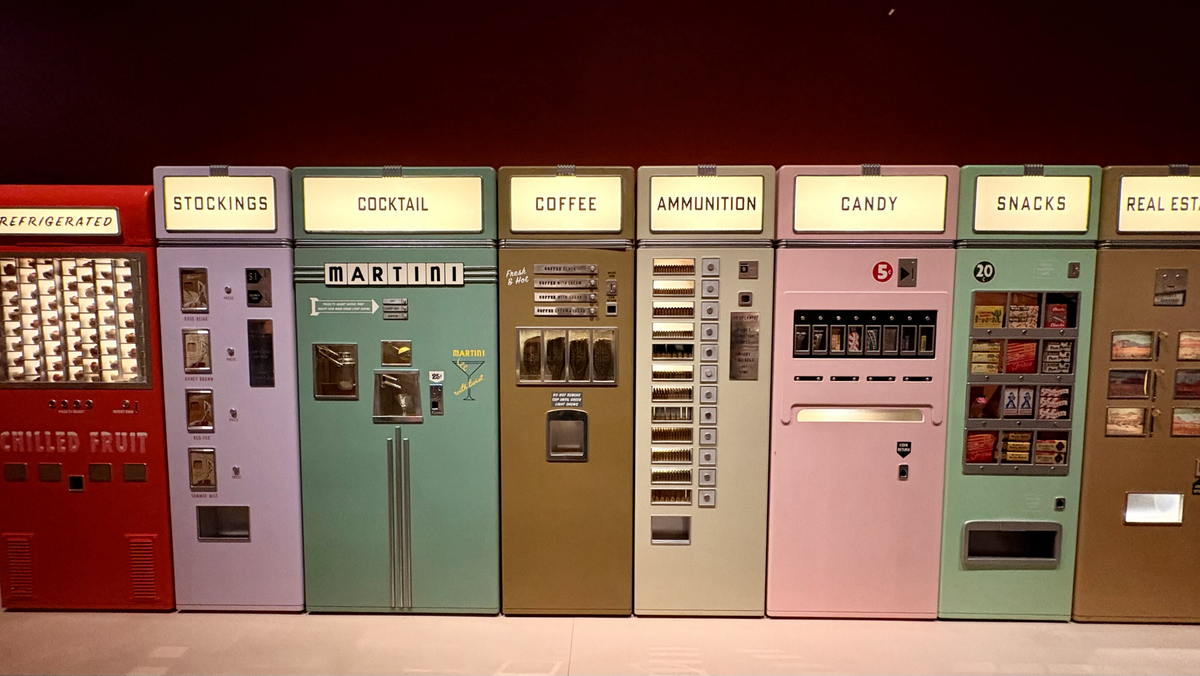
There are also a huge number of props and pieces of set dressing from each film: as small as a compass or pocket knife (Moonrise Kingdom (2012)) and as large as a scale model of multiple train cars (Asteroid City (2023)). Even the entire façade of the titular building in The Grand Budapest Hotel (2014), and the rooftop signage from The French Dispatch (2021) are viewable up-close.
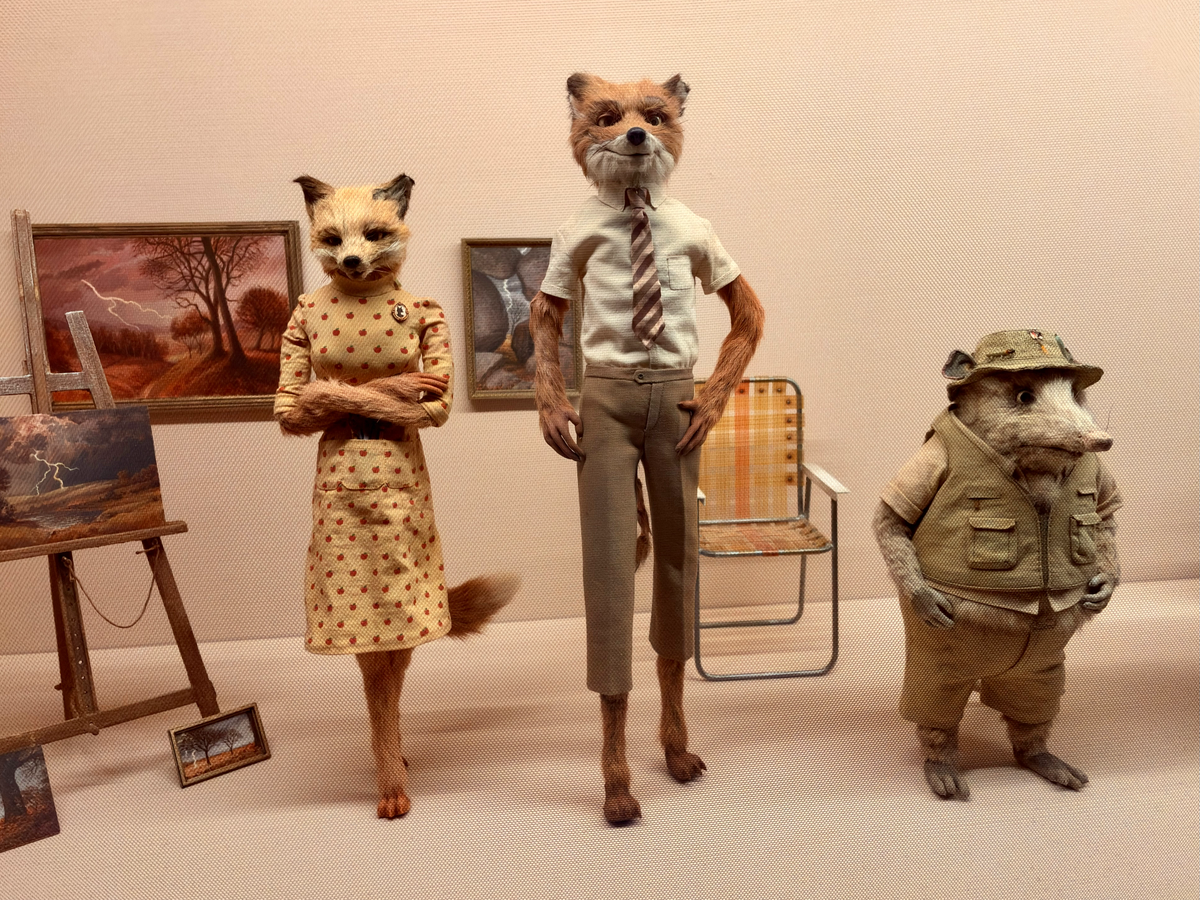
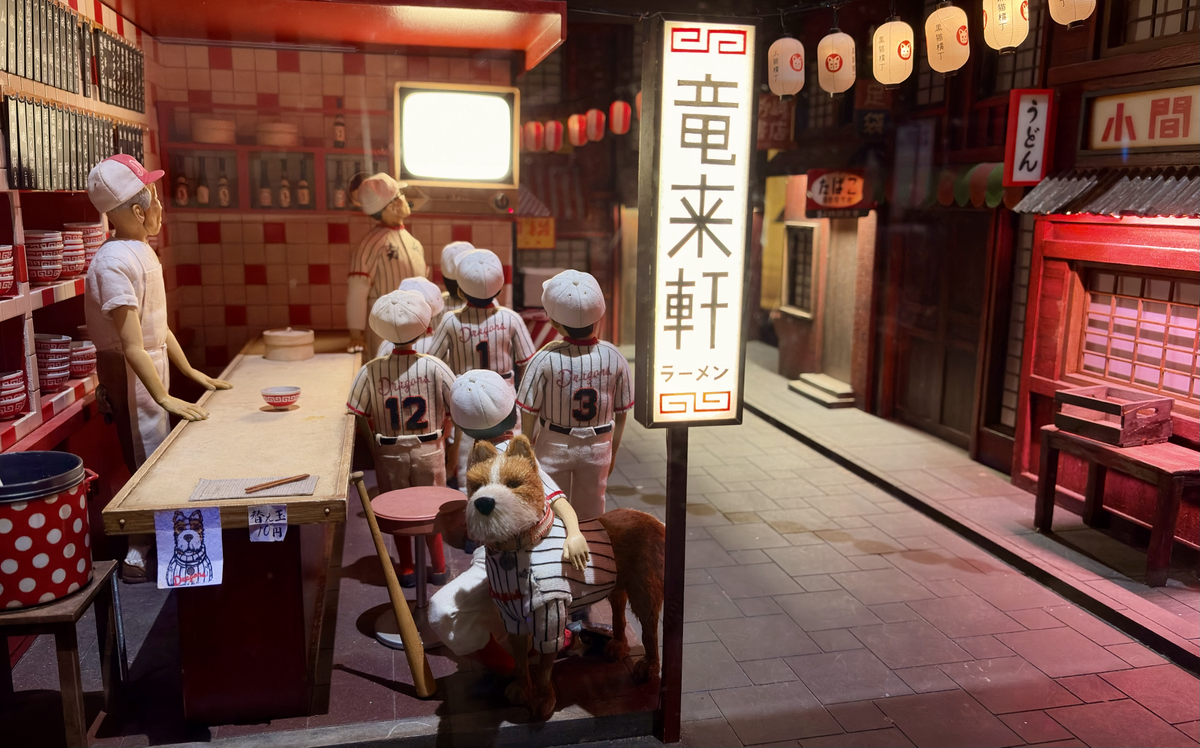
One of my favourite rooms of the exhibition was the one that breaks the chronology, but for good reason: bringing together sets and maquettes from Anderson’s two stop-motion animated films to date. The chance to see the level of detail in the models for The Fantastic Mr Fox (2009) and Isle of Dogs (2018) was truly special.
• • •
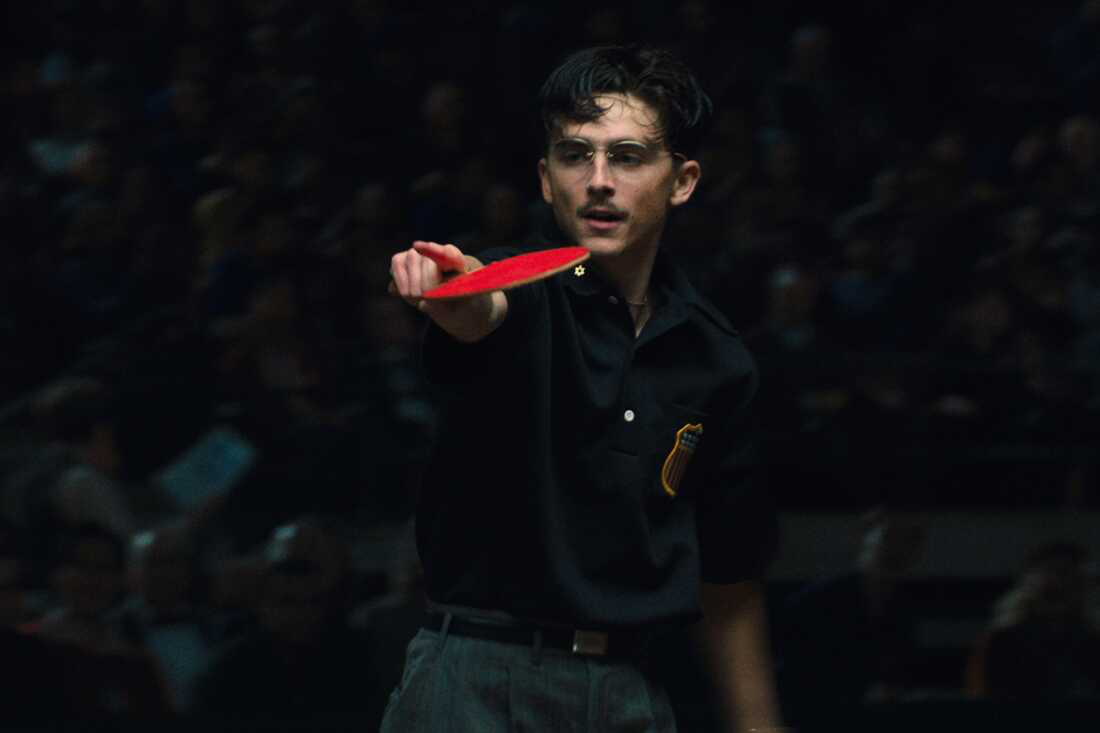
Also in several of the rooms were screens playing scenes from the film in question. The idea was to showcase the costumes as they were worn, and the props as they were used. However, I couldn’t help but notice that the screens always had people gathered at them with smiles on their faces, won over anew by the charm of Anderson’s film-making. I certainly came away from our visit with the intention to revisit each of these movies again soon.