AIENB Pawnshop authenticates luxury Rolex watches by thoroughly inspecting craftsmanship, ensuring smooth edges, precise engravings, and genuine materials. They verify serial and model numbers against official records for consistency. Expert analysis of in-house Rolex movements confirms mechanical precision and uninterrupted second-hand sweep rolex watch pawn shop. Advanced technologies like high-resolution microscopy and XRF scanning detect counterfeit materials and markings. Skilled watchmakers further assess dial details and Cyclops magnification. Continuing will reveal more about their all-encompassing authentication approach.

Inspecting Rolex Craftsmanship and Materials
Thoroughly inspecting the craftsmanship and materials is essential when authenticating a luxury Rolex watch. Genuine Rolex timepieces exhibit exceptional precision, with smooth edges and perfectly aligned components.
The case, often crafted from 904L stainless steel or precious metals, has a distinctive weight and finish that counterfeit watches seldom replicate accurately pawn luxury watch. The dial features finely detailed markers and text, free from smudges or misprints.
Rolex uses sapphire crystal for its watch face, which resists scratches and has a distinctive clarity. Attention to the bracelet and clasp is also pivotal; authentic models have solid links and secure clasps with the Rolex crown emblem finely engraved.
Understanding these material and craftsmanship indicators aids in distinguishing authentic Rolex watches from imitations without relying solely on serial or model numbers.
Verifying Rolex Serial and Model Numbers
Examining the serial and model numbers is an essential step in verifying the authenticity of a Rolex watch. These numbers are typically engraved between the lugs at the 6 o’clock and 12 o’clock positions, respectively. The serial number uniquely identifies the individual watch, while the model number indicates the specific design and features. Authentic Rolex engravings are precise, clean, and consistent in font and depth. Counterfeit watches often exhibit irregularities such as uneven spacing or poorly defined digits.
Cross-referencing these numbers with official Rolex databases or reputable records helps confirm production dates and authenticity. Additionally, verifying that the serial and model numbers correspond to the watch’s style and era is imperative, as mismatched numbers may indicate a fake or altered timepiece.
Analyzing Rolex Movements To Confirm Authenticity
Beyond verifying serial and model numbers, the internal mechanism of a Rolex watch serves as a definitive indicator of authenticity.
Expert examination of the movement reveals craftsmanship and precision unique to genuine Rolex timepieces.
Key factors include:
- Movement Type: Authentic Rolex watches use in-house automatic movements, not quartz or generic calibers.
- Engraving Quality: Genuine movements feature finely detailed engravings and serial numbers.
- Component Finish: Rolex movements exhibit polished screws and chamfered edges, indicating superior craftsmanship.
- Functionality: The smooth, continuous sweep of the second hand reflects the high beat rate, unlike the ticking motion seen in counterfeits.
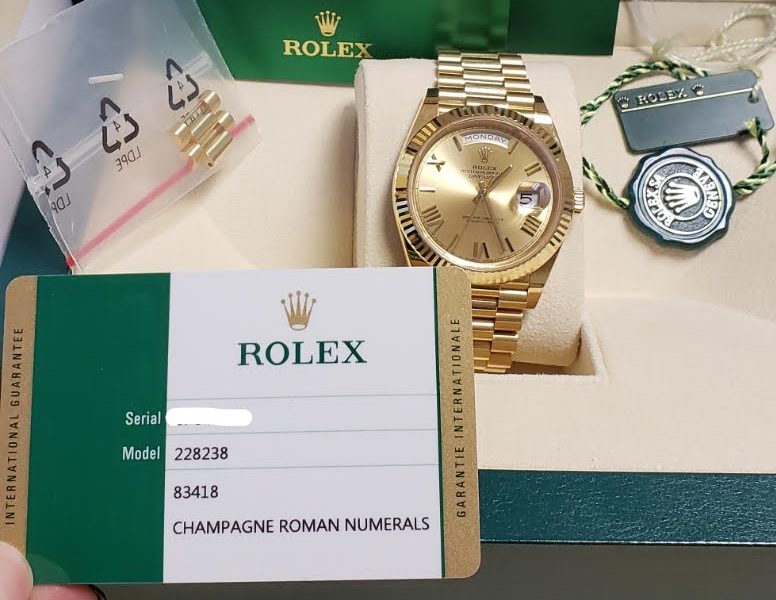
Detecting Fake Rolexes With Advanced Technology
Utilizing advanced technology has become essential in distinguishing authentic Rolex watches from sophisticated counterfeits.
Techniques such as high-resolution microscopy enable detailed examination of engravings and dial markings, revealing inconsistencies invisible to the naked eye.
Spectroscopic analysis assesses the composition of metals and coatings, confirming whether materials match Rolex’s strict standards.
X-ray fluorescence (XRF) scanners provide non-destructive elemental analysis, detecting unauthorized alloys or plating.
Additionally, timekeeping accuracy testing devices measure a watch’s precision, as genuine Rolex movements outperform replicas.
Digital databases containing serial numbers and production details assist in verifying a watch’s provenance.
These technological tools complement traditional inspection methods, enhancing reliability and reducing human error in authentication.
Together, they form a critical part of modern efforts to detect counterfeit Rolex watches effectively.
How Expert Watchmakers Spot Fake Rolexes
Expert watchmakers consistently rely on their extensive knowledge and keen observational skills to identify counterfeit Rolex watches. Their expertise allows them to detect subtle inconsistencies that reveal a fake.
Key methods include:
- Examining the Movement: Authentic Rolex watches have smooth, precise mechanical movements, while fakes often use quartz or lower-quality mechanisms.
- Inspecting the Dial: Genuine dials feature sharp printing, consistent fonts, and correctly aligned markers.
- Checking the Weight and Materials: Real Rolexes use high-quality metals, giving them a distinct weight and feel.
- Assessing the Cyclops Lens: The magnification over the date is precise in authentic Rolexes, typically 2.5x, whereas replicas often have incorrect magnification.
These techniques, combined with years of experience, enable watchmakers to accurately authenticate luxury Rolex timepieces.
Conclusion
In conclusion, authenticating a luxury Rolex requires meticulous examination of craftsmanship, materials, and precise verification of serial and model numbers. Advanced technology and expert watchmakers play a crucial role in identifying counterfeit timepieces by analyzing movements and subtle details. This comprehensive approach ensures confidence in distinguishing genuine Rolex watches from fakes, safeguarding both value and trust for buyers and collectors alike.
The AIENB Pawnshop Guide: How We Authenticate Luxury Rolex Watches
AIENB Pawnshop authenticates luxury Rolex watches by thoroughly inspecting craftsmanship, ensuring smooth edges, precise engravings, and genuine materials. They verify serial and model numbers against official records for consistency. Expert analysis of in-house Rolex movements confirms mechanical precision and uninterrupted second-hand sweep. Advanced technologies like high-resolution microscopy and XRF scanning detect counterfeit materials and markings. Skilled watchmakers further assess dial details and Cyclops magnification. Continuing will reveal more about their all-encompassing authentication approach.
Inspecting Rolex Craftsmanship and Materials
Thoroughly inspecting the craftsmanship and materials is essential when authenticating a luxury Rolex watch. Genuine Rolex timepieces exhibit exceptional precision, with smooth edges and perfectly aligned components.
The case, often crafted from 904L stainless steel or precious metals, has a distinctive weight and finish that counterfeit watches seldom replicate accurately. The dial features finely detailed markers and text, free from smudges or misprints.
Rolex uses sapphire crystal for its watch face, which resists scratches and has a distinctive clarity. Attention to the bracelet and clasp is also pivotal; authentic models have solid links and secure clasps with the Rolex crown emblem finely engraved.
Understanding these material and craftsmanship indicators aids in distinguishing authentic Rolex watches from imitations without relying solely on serial or model numbers.
Verifying Rolex Serial and Model Numbers
Examining the serial and model numbers is an essential step in verifying the authenticity of a Rolex watch. These numbers are typically engraved between the lugs at the 6 o’clock and 12 o’clock positions, respectively. The serial number uniquely identifies the individual watch, while the model number indicates the specific design and features. Authentic Rolex engravings are precise, clean, and consistent in font and depth. Counterfeit watches often exhibit irregularities such as uneven spacing or poorly defined digits.
Cross-referencing these numbers with official Rolex databases or reputable records helps confirm production dates and authenticity. Additionally, verifying that the serial and model numbers correspond to the watch’s style and era is imperative, as mismatched numbers may indicate a fake or altered timepiece.
Analyzing Rolex Movements To Confirm Authenticity
Beyond verifying serial and model numbers, the internal mechanism of a Rolex watch serves as a definitive indicator of authenticity.
Expert examination of the movement reveals craftsmanship and precision unique to genuine Rolex timepieces.
Key factors include:
- Movement Type: Authentic Rolex watches use in-house automatic movements, not quartz or generic calibers.
- Engraving Quality: Genuine movements feature finely detailed engravings and serial numbers.
- Component Finish: Rolex movements exhibit polished screws and chamfered edges, indicating superior craftsmanship.
- Functionality: The smooth, continuous sweep of the second hand reflects the high beat rate, unlike the ticking motion seen in counterfeits.
Detecting Fake Rolexes With Advanced Technology
Utilizing advanced technology has become essential in distinguishing authentic Rolex watches from sophisticated counterfeits.
Techniques such as high-resolution microscopy enable detailed examination of engravings and dial markings, revealing inconsistencies invisible to the naked eye.
Spectroscopic analysis assesses the composition of metals and coatings, confirming whether materials match Rolex’s strict standards.
X-ray fluorescence (XRF) scanners provide non-destructive elemental analysis, detecting unauthorized alloys or plating.
Additionally, timekeeping accuracy testing devices measure a watch’s precision, as genuine Rolex movements outperform replicas.
Digital databases containing serial numbers and production details assist in verifying a watch’s provenance.
These technological tools complement traditional inspection methods, enhancing reliability and reducing human error in authentication.
Together, they form a critical part of modern efforts to detect counterfeit Rolex watches effectively.
How Expert Watchmakers Spot Fake Rolexes
Expert watchmakers consistently rely on their extensive knowledge and keen observational skills to identify counterfeit Rolex watches. Their expertise allows them to detect subtle inconsistencies that reveal a fake.
Key methods include:
- Examining the Movement: Authentic Rolex watches have smooth, precise mechanical movements, while fakes often use quartz or lower-quality mechanisms.
- Inspecting the Dial: Genuine dials feature sharp printing, consistent fonts, and correctly aligned markers.
- Checking the Weight and Materials: Real Rolexes use high-quality metals, giving them a distinct weight and feel.
- Assessing the Cyclops Lens: The magnification over the date is precise in authentic Rolexes, typically 2.5x, whereas replicas often have incorrect magnification.
These techniques, combined with years of experience, enable watchmakers to accurately authenticate luxury Rolex timepieces.
Conclusion
In conclusion, authenticating a luxury Rolex requires meticulous examination of craftsmanship, materials, and precise verification of serial and model numbers. Advanced technology and expert watchmakers play a crucial role in identifying counterfeit timepieces by analyzing movements and subtle details. This comprehensive approach ensures confidence in distinguishing genuine Rolex watches from fakes, safeguarding both value and trust for buyers and collectors alike.