In a recent post on Fante-Anne, I hinted that my search for Norwegian silents had led to something else of interest. This week, I can happily report that this something was a stunning new Blu-ray of Laila, which I watched over the weekend. If aspects of Fante-Anne underwhelmed me, this new presentation of Laila overwhelmed me entirely. I had seen the film many years ago on the old Flicker Alley DVD (with a piano score by Robert Israel), but I was not prepared for how much of a leap forward seeing the film on Blu-ray would be. This new edition was released in 2025 by Norske filmklassikere, a crowdfunded project by Filmskatten AS, Platekompaniet, and the Nasjonalbiblioteket to release Norwegian films on Blu-ray. This is a wonderful project, and I was overjoyed at the quality of this edition of Laila, which comes with English subtitles – and an absolutely superb soundtrack…
But first, the plot… The Norwegian trader Lind and his wife are taking their daughter through the snowy wilderness to be baptized at a church. En route, the sled with the infant is attacked by wolves and overturned. The baby falls down a bank and is lost by the family. Later, it is discovered by Jåmpa, a Sámi man, who takes her to his Sámi boss, the rich Aslag Laagje. Laagje and his wife Mor adopt the infant as their daughter and baptize her Laila. A year later, Laagje encounters the bereaved Lind and his wife and realizes that Laila is their daughter. Jåmpa is ordered to return Laila to her real parents, but some months later he must rescue her when plague strikes the village and kills the Linds. Jåmpa finds Laila in the care of an elderly couple and takes her back to Laagje. Nineteen years pass. Laila has grown up alongside Laagje’s adopted son, Mellet, who hopes to marry her. This is also the hope of Laagje. However, Laila meets Anders Lind – whom she does not know is her cousin – and the pair fall in love. Though Jåmpa realizes Laila’s desire for independence, Laagje decides to move their camp far away to separate the lovers Hurrying to meet Anders before she is forced to move, Laila is nearly drowned – but Anders rescues her and they arrange to rendezvous at midnight. That night, Anders’ father dies and he cannot make the rendezvous. Thinking Anders has betrayed her, Laila relents to her marriage with Mellet. Jåmpa goes to take revenge on Anders for his betrayal of Laila, but when he hears the truth, he urges Anders to interrupt the wedding. Battling a pack of wolves en route, Jåmpa and Anders race to the church just in time…
Laila is quite overwhelmingly beautiful to look it. Shot on location in Finnmark, northern Norway, this film has some of the most beautiful landscape photography of the silent era. Every exterior scene is grounded in a palpable reality. There are astonishing views across lakes and mountains, immense stretches of terrain stretching out to the horizon. But some of the most impressive landscapes are the snow-covered scenes when the figures and animals on screen are traversing huge swathes of white ground under white skies. Schnéevoigt handles this potentially tricky blankness with consummate skill. He uses high or low horizon lines to emphasize the scale of the land and sky, and to create striking compositions from the otherwise sparse frame. Later in the film, especially around the romance between Leila and Anders, we get to see the landscape freed from its blanketing snow. Here, when the camera takes in the huge landscapes, you can tell just how much detail there is. I love the grainy, distant mountainsides, the scratchy swathes of pine, the almost smoky, far-off haze where the world disappears into the sky. And in the scenes around the rapids and waterfall, there is a gorgeously tangible sense of the branches, scrub, and even the moss on the rocks. The monochrome image is alive with texture. These qualities are emphasized by the film’s dramatic structure, which is broken into seasons more than “acts”. The seasons on screen are visible, tangible – and the movement across time through the landscape’s shift in tone makes you really feel the lived reality of this world.
I was also struck by Schnéevoigt’s way of framing and composing his various combinations of characters. Very often, he will hold a longer mid-shot of two characters talking and – without cutting – make it clear they are being overheard/overseen by others in the background. There are often people or faces lurking in the background, and this seemed to me to enhance the sense of intimacy between the various parties in the film. This is, after all, a film that deals with overlapping communities and overlapping families. (The ending interrupts a marriage between two foster siblings to assert the rights of one cousin to marry another!) In these huge landscapes, there is a real sense of close-knit groups having stakes in one another’s lives and decisions – even in their conversations.
There are also striking travelling shots that cut through this world with startling dramatic effect. The sleigh rides are often chase sequences (the wolves attacking the convey, the reindeer ski race), and the camera races before the characters. The whole world is in motion, held in check by the frame, and you can feel the speed and danger and joy of moving over snow. It’s a way of making us move within the landscape with the characters, of feeling the extent of the space in which they live. Later in the film, there are also some remarkable shots where we track alongside the riverbank as Jåmpa hurries to catch up with Laila’s canoe. There is no other shot quite like it in the film, so the intervention of this way of seeing feels all the more startling and unnerving. (You can really sense Jåmpa’s fear as he races along, above the camera, through the trees.) And the canoe-mounted shots allow us a proximity to Laila to see her determination in reaching Anders, but also the danger – the instability – of her boat when this determination leads her to take risks and nearly perish.
If the world of the film is a pleasure to behold, so too the cast and their performances. The star of the film is Mona Mårtenson, who is a captivating adult Laila. Though she is absent from the first hour of the film (all of which is set in Laila’s childhood), when she appears on screen – laughing, boisterous, joyful – the whole drama comes to life. Her Laila is headstrong, determined, independent – she quite literally wears the trousers in many scenes. In these qualities she is both childishly carefree and possessed of adult will. Mårtenson’s is a wonderfully physical performance, just as hands-on as the men with the wrangling of animals or the physical stunts of the drama. Yet she also portrays Laila’s falling in love with great sensitivity. I believed in everything she did on screen and was totally swept up in her emotional life.
As Anders, Harald Schwenzen is very handsome – and (after appearing in dashing, outdoorsy attire) has great tenderness in his intimate scenes with Mårtenson. When he bursts into the church at the end, I was cheering him on. (The film executes this moment of melodramatic cliché superbly – the result of really, really earning the audience’s heart by this point.)
But among the male members of the cast, it is Tryggve Larssen who (for me) steals his every scene as Jåmpa. Described at the outset as half man, half animal, he is wonderful on screen. He manages to be both ferocious and tender in the same moment, his eyes shining vividly – filled with determination, with fury, with love. Messy, sweaty, teary, hairy, this is a real human being whom you can’t help but love.
Peter Malberg has great gravitas as Laagje, and he broods wonderfully on screen. If he doesn’t get to have as much fun as Larssen, Malberg carries much of the weight of the film’s dramatic arc. You sense how much he and his wife want to adopt Laila at the start of the film and how much he loves her across the years. The ending is not merely a happy couple reunited, but a whole family reconciling themselves to each other’s decisions. The narrative of adoption (familial and cultural) would not be as successful were it not for the sensitivity of the performers throughout.
As I said at the start, I had seen Laila before, but this new Blu-ray edition made a far greater impression on me. As much as the superb image quality, the greatest revelation of this presentation was the orchestral score arranged by Halldor Krogh. This is based on the music from Ole Olsen’s opera Lajla (1893), which was itself an adaptation of the same Jens Andreas Friis novel (1881) that inspired the film. Readers may recall that I did not get on with Krogh’s original (i.e. new) music for Fante-Anne, finding it too out of touch with the film. But his work adapting Olsen’s music for Laila is one of the finest silent film scores I have heard in years. The music is grand, lush, romantic. It is in perfect keeping with the scale, mood, and rhythm of the film. What’s more, the soundworld is in perfect keeping with the period of the film’s making – and in touch with the period of the film’s setting in the nineteenth century. It sounds exactly as one might imagine a score of this period would sound. It helps that the recording is exceptionally good. Ingar Bergby conducts the Kringkastingsorkestret in a performance that has palpable dash and precision, and the sound quality is exemplary. This is a faultless musical accompaniment. It is very rare that silent film music of this quality and scale gets funded and released on home media, so I am immeasurably pleased to find it here with such a beautiful film.
From the outset, the score fits the scale and sweep of the film, and avoids crudely underlining tone or action. Listening to the whole thing again, I am struck by the organic way individual motifs emerge from the whole. There is the lumbering, brass-driven theme for the wolves – the music’s theme perfectly matching the lolloping run of the animals through the deep snow. Then there is the delicious, tripping, folksy melody that accompanies the Sámi and the reindeer at various points. It’s marvellously orchestrated, sounding at once wheezy and bright – as though it were imitating a specific combination of folk/traditional instruments. Then there are slower, long-drawn-out melodies that spell out the creeping dread of the plague or the guilty conscience of Laagje when he meets the Linds. There are also scenes of individual mood that stand out, such as the evocation of the Northern Lights (dizzying high strings) or the sequence of Laila’s descent through the rapids and waterfall (pealing brass, tremolo strings). It’s a wonderful, rich soundworld – filled with mood and feeling. The music made me long to hear the original opera and understand how the score has been adapted. Alas, Olsen’s Laila is unrecorded – like much of Scandinavia’s operatic repertoire of the late nineteenth/early twentieth century. (Off the beaten track, the only vaguely similar opera I know is Hakon Børresen’s Kaddara (1921), set in Greenland and thus also filled with musical evocations of similar landscapes – and the Northern Lights.) But I do so love this purely orchestral arrangement that I’m happy to listen to it on its own. And for all that there are recognizable motifs and sounds, the whole score is never a stop-start-stop-start patchwork of themes. The whole thing sounds like a giant tone poem, organically knitting everything together. An advantage of compiling a score from a single composer, and a single work, is that it has a natural cohesion that a more diverse range of material might not.
Yet there are also individual scenes that stand out for being distinct – and distinctly wonderful. I’m thinking especially of the scene when Laila visits Anders and hears him play the piano. The revelation-through-sound that is to occur is signalled by Laila’s surprise and delight at the sound of the cuckoo clock, and in the score Krogh subtly brings out a gentle woodwind theme to match it. But he doesn’t stop the scene to foreground this sound; rather, he integrates it into the gorgeous hum of melody unfolding across the sequence. After this, Laila turns and approaches the piano. At first, she marvels at the mere existence of the instrument – she’s clearly never seen one in her life. Then she marvels at Anders’ playing of it, his bringing it to life. Finally, she marvels at his voice, the way he accompanies himself in the song. Across a series of breathtaking close-ups, you watch Laila succumb to her feelings. She is sat on the floor, leaning against the rightmost side of the piano, looking up – partly at Anders, partly at the camera. Mårtenson is superb here. Through her face, we see Laila falling in love. But it isn’t just her falling in love, it’s her slow realization of what this might mean. It’s not just joy: it’s wonder, it’s fear. You sense this young woman shift from childish delight to adult reflection, from security (in herself, her identity) to vulnerability (to others, to the unknown). The whole drama is lived through in this moment of performance, and the music – a lovely, rising-then-falling, romantic melody – is spelt out on the piano and then (in lieu of Anders’ voice) with cello and the whisper of strings. The melody is then taken over by the whole orchestra in the next scenes, as Laila wanders alone and basks in a kind of sad, wondrous solitude at her new feelings. It’s the most perfect scene with the most perfect music to match.
I should also comment on the visual restoration of Laila on this edition. The Blu-ray of Laila runs a little longer than the old DVD. I don’t believe any extra footage has been added (it is described as the same Norsk filminstitutt restoration from 2006, itself derived from an earlier restoration of 1974). However, the new edition states that it has been transferred at 16fps, which seems quite slow for a film of 1929. It also looks visibly slower-than-life in many scenes. (The one exception I could see was the scene in which Laila is alone at the mountain cross, convinced Anders has betrayed her: this extended shot looks visibly faster-than-life, as though the scene was shot/cranked at a very slow rate for some reason – perhaps for the sake of added exposure in the low-level dusk light?) However, I can’t say this bothered me, since I was totally sucked in by the drama, the photography, and (especially) the music. Overall, the rhythm of the drama functions perfectly well. It looks so beautiful that I don’t mind lingering a little longer than natural in places.
Furthermore, the image quality is superb. The monochrome photography is rich, textured, and detailed – and I love that we get to see the rounded edges of the frame. Indeed, the latter aspect is part of several qualities that made me feel I was watching a print rather than a careful digital preparation. (Or even a digital preparation that goes to outlandish lengths to mimic a projected print.) There are several moments when a sliver of the lowermost edge appears at the top of the frame. This would normally be corrected in digital transfers, but it gave me the unintended impression of watching a print being projected live – and the projectionist only correcting the wobble after a few seconds. I know many might complain about this as an error, but it reminded me so strongly of live projection on actual film that I was oddly charmed. So too the very subtle shifts in monochrome tone (a barely perceptible modulation in warmth that you can detect in the highlights) seemed to hint at different prints sources, or at least different print histories being conjoined across reels. This, too, spoke of the history of Laila on film – as film. Even watching this film digitally on Blu-ray, you can sense its physical history and the journeys this material might have made to be reunited here on the screen.
In summary, this is one of the most surprising and delightful silent Blu-rays I have encountered for a while. I hope I have conveyed something of my pleasure in watching this beautiful film in such a beautiful presentation. I long for the day when it is performed live with this score. I would gladly travel great distances to see it. In the meantime, I will treasure this edition at home. If you have a chance to pick up a copy, don’t hesitate. Bravo to everyone involved in this release. May there be more Norwegian silents in the future – please!!
That’s right, today I offer news of a forthcoming publication from the good folk at McFarland – and written by me… Rediscovering Brigitte Helm: Film Performance and Stardom, 1925–1935. There is no release date yet, but it should be available to pre-order later this year. I am also working on a new page for this blog to showcase a plethora of Helm memorabilia from my own collection, together with a playlist of tie-in songs from her films. In the next few weeks, I will also offer some reflections on visiting archives and the discoveries I made therein. In the meantime, here is a sneak preview of the cover and the blurb…
In 1927, Brigitte Helm’s sensational debut in Metropolis made her an instant star. Hailed as “fascinating, vigorous, dangerous” on screen, she consolidated her international reputation with a series of hugely popular films. Helm successfully navigated the transition from silent to sound cinema and fought for greater creative influence over her work. Forever battling producers, she was ultimately unwilling to be controlled. Aged just 27, she quit film forever in 1935. This book re-evaluates Helm’s extraordinary career. The product of groundbreaking archival research, this is the first monograph on Helm in English – and the only study to explore all her surviving work. Designed to appeal to general readers as well as specialists, this book broadens our understanding of Helm’s historical significance and deepens our appreciation of her artistic achievements. It affirms that Helm is worth studying, not simply as a creation of her era – but by virtue of her own creation.
This week, I was planning to attend HippFest at Home, per my previous visits. However, I had neglected to absorb the crucial information that “booking for all HippFest at Home events and passes will close at midnight on Sunday 29 March.” So when, on Monday 30 March, I looked to book my pass and watch the first film, I was correspondingly disappointed and self-recriminating. Advance booking rather neatly aligns the online and in-person audiences of HippFest, but I find myself among neither group. So I will not be seeing any of their online features this year: April Fool (1926), Captain January (1924), Fante-Anne (1920), Saxophon-Susi (1928), The Bat (1926), The White Heather (1919).
I suppose I was already in two minds about how much of this fare I would watch. Two of HippFest’s films – Saxophon-Susi and The White Heather – have already been presented in no less than two online festivals, and I have written about both. But I was looking forward to a different musical ensemble, certainly for Saxophon-Susi. (I can hardly be courting controversy to state openly my belief that the use of a saxophone in combination with other instruments might improve the viewing experience of Saxophon-Susi. Readers may recall that I enjoyed, but had slight reservations about, both the Pordenone and Bonn musical offerings in 2024 and 2025.) And two of the remaining HippFest films – Fante-Anne and The Bat – are already available on Blu-ray. I have yet to pick up The Bat, released quite recently in the US, but will surely get round to it. However, I do own Fante-Anne. Realizing that I had never actually sat down and watched it, and being in something of a funk at missing HippFest, I headed to my shelves and unwrapped my Norwegian Blu-ray…
First, the plot. In rural Norway, the orphan Anne has been raised by the Storlein family on their large farm. Though the boisterous Anne has always got on well with the family son, Haldor, she has never been truly accepted by his widowed mother. Her only adult friend is Jon, a farmhand on the Storlein farm. Years later, Anne hopes to marry Haldor, but Haldor’s mother arranges a marriage for him with Margit Moen, the daughter of a rich local farmer. Haldor abandons Anne for Margit, leaving her distraught. Jon offers Anne his hand in marriage, but she had always hoped to marry Haldor. Consumed by anger, Anne burns down the new home of Haldor and his wife – only for Jon to take the responsibility and serve a jail sentence. When Jon is eventually released, Anne is waiting for him. She, Jon, and Jon’s mother set sail for America and a new life. THE END.
This was Breistein’s first film, and (so the literature tells me) the first film made in Norway wholly by a Norwegian cast and crew. It was also based on a piece of Norwegian fiction by Kristofer Janson, so there is a national literary heritage at work too. As such, Fante-Anne is very significant in the history of Norway’s national cinema – a foundational text for a whole slew of later films to draw upon and be inspired by. But taken on its own merits, I was a bit disappointed. Though the story has enough to occupy the short running time (c.74 minutes), I was never gripped by the characters or moved by the drama. Too much work is done by the intertitles to explain what’s happening, and not enough weight is carried by the images or performances. Too often, it feels like a heavily illustrated story rather than a piece of cinema.
This is surprising, given how rooted everything is in the amazing landscapes of Norway. Everywhere around the remote village, there are sublime swathes of forest, immense hills, gleaming rivers, distant valleys. Yet I never felt that Breistein takes full advantage of this to make the landscape part of the drama. It’s always there to show the reality of the location, but too often we merely glimpse these astonishing vistas in the background of shots in which characters are walking between buildings, in which much of the main (adult) action takes place. Even the scene of the (long-awaited) embrace between Anne and Haldor high above the valley is hardly framed to its full potential. (I hope I can be forgiven for thinking of the equivalent scene in Sången om den eldröda blomman (1919), and how much more of the lovers’ isolated spot Stiller makes: the light, the trees, the composition, the performances…) The landscape is always there in Fante-Anne, but despite its incredible beauty it somehow never feels lyrical – or lyricized. The film’s photography is crisp and luminous, and the image quality stunning, but I wanted the film to linger on these locations – to explore them, to use them to heighten the drama and to deepen the psychology of the characters. I was duly convinced of the reality of this place, but the location never seemed to be used for expressive depth. Why spend so much of the film inside log cabins and provincial courtrooms when the world outside is the most beautiful setting you could hope to find?
That said, the film does have skilful touches. As an outsider, Anne is several times seen on the margins of the frame – by doorways, in the shadows, observing from the side of the scenes. But there is so little mood, so little atmosphere to really offer depth to this sense of her otherness, her rejection. Compared to contemporary Swedish films set in similar locations with similar plots, Fante-Anne seems quite a simplistic piece of cinema.
So too with the performances. Though Aasta Nielsen (no, not that Asta Nielsen) is good, the film does her no favours – she is never given time to have meaningfully extended close-ups, to show the range or subtly of emotion her character surely feels. Anne never felt more than a sketched-in figure on screen. Though I could follow her motives, I never felt I knew her, or that her inner life was rendered more than fleetingly on screen. As Haldor, Lars Tvinde was a strong and convincingly charming presence on screen – but, again, the film simply didn’t give him the chance for any depth, or even a chance to understand his apparent lack of depth. Of all the cast, Einar Tveito as Jon was given the lengthiest close-ups – but even here, there was something opaque about his character. As with the others, I don’t blame the performer so much as the director. Jon’s sadness is very one-note. He ends virtually every scene looking slowly down and then to the right, as though this repeated gesture were enough to show what he’s feeling on each occasion. Certainly, I got that he was unhappy – but nothing more than this. As a simple farmhand, perhaps we are not meant to feel that he has great depths, but I wanted more in order to feel sympathy for him – or to understand his motives, his hopes, the development of his love. Again, I felt that he was just a kind of living illustration rather than a fully-developed character.
This all helps explain why I found the ending so dissatisfying. We are told that Anne, Jon, and Jon’s mother emigrate to America – where they hope to live in a society without class barriers. Though the issue of class and prejudice was implied throughout, to have this spelt out so clearly – and essentially at the bidding of the otherwise rather meek character of Jon – seemed quite surprising. I felt the film needed to have offered more extended and explicit comment on the rural world on screen to justify such an overtly political note at the end.
I should also note that the awkwardness of many intertitles was not helped by their placement in the montage. It was difficult to tell who was speaking in some scenes (especially in the extended encounter between Haldor and Jon in Anne’s house), while other scenes seemed to lack explanatory text to indicate what was being said at all. (I noticed numerous little skips in shots that often indicate the (lost) presence of titles. This was particularly evident in the last scene in which Jon and his family discuss going to America. This hardly helped me understand their motivation or ambitions.) The restoration notes cite a Swedish print being the basis of this restoration, which may mean the titles are not always in accord with the original Norwegian version. Whatever the case, the text was not successfully integrated into the rhythm of the scenes. I am also under the impression that the film was playing a frame or two too slow. I know that rural life is slow, but should it be this slow? There was a slight jerkiness to the motion of the images, which may have been the film’s original (celluloid) framerate fighting with its encoded (digital) framerate – but it gave the impression of a film running almost too slow for the eye to be convinced. (At least, for my eye to be convinced.)
Having said all this, it may well be that I would have been more engaged by Fante-Anne if I had enjoyed the music presented on this Blu-ray edition. This orchestral score was written by Halldor Krogh for the 2011 restoration by the Norsk Filminstitutt. Krogh had already reconstructed the original score for another Breistein film, Brudeferden i Hardanger (1926), for its 2007 rerelease. I was therefore expecting something informed by period practice, or at least sounding in keeping with the film’s rural setting. What I got was – to my ears – neither. Its soundworld – both in rhythm and harmony – is distinctly modern, divorced both from the traditional setting of the film and the period of its making. This wouldn’t be a problem if the music worked with the images, but all too often it overwhelmed them with clamorous volume or boisterous energy, or else it sucked the life out of them with passages of melodically turgid angst. Sometimes the music changed gear in-between shots, while elsewhere whole sequences passed without anything on screen seeming to register in the score. By turns vague and over-emphatic, the music made me squirm with impatience throughout. Even the one passage of period folk-inspired music, a violin-led dance, went on unmodified for a whole scene – much of which takes place before we even see the dance on screen. When the dance ends and the villagers begin a difference dance, Krogh repeats exactly the same music as before – as though the poor violinist on screen knows only one tune! It was one of many incidents which I felt oddly mishandled by the score. Another would be the courtroom scene, in which Anne mischievously implies she was dreaming of the courtroom official gambling on the night of the arson – a remark made (I can only assume) in jest, but the score takes it deadly seriously, not amending its brooding, meandering tone one bit towards humour. The moment is utterly lost. (Not that the film handles this moment very deftly, either – but this would be all the more reason for the score to clarify the tone and deliver the point.) I am curious to see how Krogh adapted original music for Brudeferden i Hardanger, but the DVDs of that film are now virtually impossible to find outside Norway, and even there it looks obscure enough. So Fante-Anne is all I have of his work, and it disheartens me to have so little positive to say about it.
In summary, a dissatisfying experience. In a funk about missing HippFest, I am now in a funk about the one film from the line-up that I felt I could rewardingly watch on my own. I’m glad I’ve seen it, but I suspect it will be a while before I revisit. On the plus side, trying to track down other Norwegian silents has led me to find something else that may be of more interest in the future… I suppose the lesson of the above is that I should have read the HippFest description more attentively. Then I would have seen Fante-Anne with different music, and I might have liked it more. Oh well. More fool me.
Some years ago, in my teaching days, I grew conscious that screening material in the classroom was exclusively digital. We watched DVDs, Blu-rays, or even bits and bobs via youtube. I wondered if any of my student had experienced – or would ever in their lives experience – film on film. At that time (10+ years ago), a few prints from the BFI still circulated in the classroom, some of them the very same prints I had seen when I was a student several years before this. But the days of 16mm or 35mm were numbered, and these formats had never been (in my adult life) a feature of studying silent cinema in the classroom. Though I might incorporate discussion of the physical history of film in the module, I wanted students to sense something of the material itself. So I headed to eBay.
Here, I bought a chunk of inexpensive filmic and proto-filmic paraphernalia from the late nineteenth and early twentieth centuries. Sets of stereoscopic cards and matching “viewer” from the 1880s; a weird, cardboard-mounted strip of tinted frames from an unknown German film of the 1910s; and several boxes of Pathéorama films. Before purchasing the latter, I don’t think I had ever heard about this format. It was launched by Pathé in 1922 as another way of extending its market into home viewing. Cheaper and less cumbersome than narrow-gauge celluloid designed for home projection (17.5mm, 9.5mm etc.), the Pathéorama format is simple and easy to handle. Put simply, it consists of a small reel of 35mm containing single-frame “scenes” that are interspersed with intertitles. This strip of film is loaded into a Pathéorama viewer, a small handheld box which you hold up to the light: you then wind the film past the little peephole window and see the images. (I have included some photos of this process below.)
Thanks to a Pathéorama catalogue that came with the set I bought, I could browse the various categories of film the format offered. I say “categories”, but “genre” might be more applicable. Most of these genres are travel-oriented, providing touristic sequences of various kinds of location. Like the cinematic genre of the travel film, the Pathéorama format allowed the viewer to glimpse the wider world. Thus we can see the numerous catalogue entries (and the item codes for convenient ordering): “Paris et ses environs”, “Les beaux paysages”, “Les grandes villes”, “Les montagnes”, “Les plages et les ports”, “Colonies françaises”. Others were more focused on the art culture in these various locations, such as “Les series artistiques” (visits to museums, galleries, historical ruins like Pompeii), or specifically on sites of spiritual significance (“Les films religieux”). Many of these various genres of travel film were also tinted, allowing their little worlds to glow with colour.
If these genres were implicitly narrative, others were explicitly so. For example, Pathéorama offered “Documentaires” (exhibition walk-throughs; guides to manufacturing, industry, and sport) and “Les Voyages” (guides around regions or nations). But it also made series devoted to children’s stories: “Les contes de Perrault”, “Imageries enfantines”. A genre that combined both touristic travel and child-centred narrative was “Les film d’aventures”. Here, “Le Tour du monde d’un gamin de Paris” was a multi-reel series in which the Pathéorama viewer followed a waif through the streets of Paris – and beyond. (The follow-up series was called “Les Bandits de la Mer (Suite du Tour du monde d’un gamin de Paris).”)
But what really caught my eye among the Pathéorama catalogue were the titles classed under “Les grands succès de l’écran”. This has its own sub-genres: “Ciné-Romans Historiques”, “Ciné-Romans”, and “Ciné-Romans pour la Jeunesse”. All the titles in these various categories were derived from films released in the cinema. It is striking that Pathé deemed the films in the Pathéorama format “ciné-romans”, i.e. film-novels. The film novel was its own literary genre, one which I’ve written about here before. Tying the Pathéorama films to this genre denotes a kinship of form. Whereas a ciné-roman might be a well-illustrated book, a Pathéorama ciné-roman was a heavily-titled film.
Among the many titles in this genre, my interest was immediately roused by the reels labelled “Napoléon”. Yes, indeed, Pathéorama released Abel Gance’s vast, multi-hour drama as a “ciné-roman” slideshow in several tiny reels. As you will see below, the 35mm frames used by Pathéorama are extracted from rather worn-looking prints from Gance’s film. There are scratches and dirt, as though these were copied from off-cuts – or simply printed with very economic means. Still, they are 35mm frames from Napoléon, and I rejoiced in my miniaturized exploration of yet another version of this endlessly morphing text. I was also especially intrigued by at least one frame from a scene (or at least a single shot) that was not in the cinematic film itself – or at least not in any version that I knew. Here, some cadets and priests stand before a gate behind which mingle a group of adults. Who are these people, and where in Brienne college are they gathered?
These are not the only questions this Pathéorama version raises. What kind of licensing deal did Pathé have in producing Napoléon in this format? Who decided to include Gance’s film in this series? Who decided on its contents, and how were the images harvested from the original film? Who edited the text of the titles? And how many copies were made of this little Napoleonic series? How many of them were sold? Who bought them, and what experience – if any – had they had of this film in the cinema? If nothing else, these reels demonstrate that Pathé did have commercial hopes and ambitions for Gance’s troublesome film. Pathé also released Napoléon on 9.5mm, another format for home cinematic viewing – though more closely related to the public exhibition format.
If viewing Napoléon on a tiny screen, squinting into the light, might seem a strange, even detrimental way of watching this film, fear not – Pathéorama reels could be projected! Thanks to the “Cocorico” lantern produced specifically for this format, viewers could project their Pathéorama films at home. A successor to the much older magic lantern format, the Cocorico offered the user a proto-cinematic experience – or perhaps a way of reliving a memory of a film experienced in the cinema. Given the difficulty of seeing Napoléon adequately even in 1927, it’s rather touching that Gance’s film had this kind of domestic afterlife. Indeed, the appeal of this format was still relevant in my own life, nearly a century later. When I bought my little Pathéorama reels, Napoléon was not available on home media. If I wanted to see any version of this film, I had to go to an archive – or wait for one of the infrequent public screenings with orchestra. (In my adulthood, the latter was not exactly a regular possibility.) So I was delighted by these reels, which allowed me a kind of vicarious ownership of a print – actual 35mm film, no less – of Napoléon. Though I could never get my Cocorico projector to function, I took pleasure in winding the reels through my “viewer”. And I could share this pleasure with my students at university, allowing them to glimpse the only fragments of Napoléon available in the classroom.
There is a tragi-comic coda to this little history. As I said at the outset, much of my collection had been bought for the sake of the classroom, where I let students have a play with the materials of film history that my otherwise entirely digital course lacked. Outside this context, I rarely used my collection at home. Time passed, and I eventually drifted away from academia (or vice versa). So I packed away my film history ephemera in a box and slid it under the bed. One night I knocked over my glass of water and this box was spattered. In what remained of the night, I went without sleep fretting over the fate of my collection – and wondering what the point of keeping it was without anyone who might share it or have an educational play with it. The idea snowballed until I considered getting rid of just about everything that I had accumulated for a now defunct career: not just the Pathéorama and other curiosities, but all my Gance collection, all my cinematic paraphernalia, all my DVDs, all my everything. In the end, the sheer volume of this material put me off selling it. But I sold a huge chunk of my DVD library, and I sold all the material I used for my teaching: the Pathéorama material, the stereoscope material, and sundry other bits and bobs. The Cocorico projector went to the United States, while the films went to Italy. The projector at least made it to its destination, whereas the films got stuck in customs. As far as I know, five years later, they’re still there.
I suppose this is what happens to the material media of film history. Someone builds a collection, grows weary, grows old, disappears, and the collection is sold piecemeal; some of the material becomes the basis of other collections, while other material gets lost, mislaid, destroyed. How many collections have been dispersed for reasons as trivial as the spilling of a glass of water? And how much of film history sits in customs warehouses, basement boxes, storage facilities, bank vaults, awaiting due process – or simply the end of the world?
There are some silent films better known for their music than for their images. This is one of them. Produced by Ufa in August-December 1924 and premiered in Berlin in February 1925, Zur Chronik von Grieshuus was originally accompanied by a lavish orchestral score composed by Gottfried Huppertz. Though Huppertz died aged only 49 in 1937, he produced two of the most famous original scores of the silent era. These were both for Fritz Lang productions, the epics Die Nibelungen (1924) and Metropolis (1927). For these alone, Huppertz is rightfully well known – but they have rather eclipsed his music for Zur Chronik von Grieshuus. This film was a major Ufa production and boasted an impressive roster of talents: a major screenwriter (Thea von Harbou), big stars (Paul Hartmann, Lil Dagover), and important set designers (Robert Herlth, Walter Röhrig, Hans Poelzig). Perhaps the least known of all the figures who produced the film is its director. Arthur von Gerlach was primarily a theatre director and made just one other film in his entire career, Vanina (1922). A century after its release, we are now more likely to watch Zur Chronik von Grieshuus for its writer, stars, designers, or (perhaps especially) for its music. But what of the experience as a whole? What is the balance of music and images in Zur Chronik von Grieshuus? Does Huppertz outshine Gerlach?
First, the plot. The film is a romantic historical drama, adapted for the screen by Thea von Harbou from a novel by Theodor Storm (1884). In seventeenth-century Germany, the lord of the castle and estate of Greihuus (played by Arthur Kraußneck) has two sons: his favourite and heir, Hinrich (Paul Hartmann) and the embittered Detlev (Rudolf Forster). However, when Hinrich falls in love with Bärbe (Lil Dagover), the daughter of a commoner, he is disinherited – and Hinrich’s father destroys his old will. Meanwhile, Detlev is wooing the wealthy Gesine (Gertrud Welcker), widow of Count Orlamünde. Detlev argues with his father over the making of a new will that would guarantee his rights to the estate and thus aid his claim for Gesine. There is a violent confrontation between father and son, and the father dies. Without a will, a bitter struggle for the inheritance ensues between the two brothers. Detlev marries Gesine and Hinrich marries Bärbe, who is soon pregnant. However, after a heated argument, Hinrich kills Detlev and flees in panic – and Bärbe dies giving birth to a son, Rolf. After several years, Gesine returns to try and seize Grieshuus in the name of her murdered husband. She kidnaps Rolf, but the ghost of Bärbe guides Hinrich to the child’s rescue. Mortally wounded by Gesine’s henchman, Hinrich returns his son to Greishuus before dying. ENDE.
If the novel and its author were associated with realism, and there is a kind of balance between expressionist and realist tendencies in Gerlach’s film. There are marvellously sturdy sets designed by the experienced team of Herlth, Röhrig, and Poelzig. The castle and its walls, the farms beyond, and the shadowy spaces within – all these are rendered with tremendous care. The texture of the on-screen world is palpable. The thickness of the walls, as evidenced in the deep recesses of doors and windows, creates a real sense both of a past stretching beyond the time of the drama – and of a world that is rooted in solidity and tradition. This is a drama of lineages being broken and rebuilt, and it takes place within a world that seems rooted in the ground. The castle tower is like an ancient tree trunk, gnarled and pockmarked with age – but holding out (just) against time. The massive gates and doors almost grow out of the earth, their gothic archways and entrances evoking organic (not to say, bodily) shapes. All these spaces are wonderfully lit, emphasizing with subtle light and shade the texture of the rooms, the walls, the floors, the drapes.
Our expectations of a prestige Ufa production of the mid-1920s may well make us think of studio-bound spaces and carefully designed recreations of the outside world. But Zur Chronik von Grieshuus is a very outdoorsy film. The exterior spaces are superb. I’d love to visit the open landscape of Lüneburger heath, in northern Germany, where many of these scenes were filmed. The moors are both forbiddingly empty but also filled with hidden details: little pockets of marsh and outcrops of rock, peppered with stunted trees and bushes battling against the wind. Gerlach films plenty of scenes in the landscape where characters are silhouetted against the eternally cloudy sky. Zur Chronik von Grieshuus has a marvellous atmosphere that is sustained throughout.
The landscape of the moor is also the site of the film’s most impressive sequence: the final ride-to-the-rescue in which Hinrich finds and saves his son. Gesine has previously been frightened by the ghost of Bärbe, whose spectral form now appears at intervals to guide Hinrich across the gloomy nighttime expanse of moor. When she appears for the first time outside, we see her form, uncannily bright, on the dark, distant horizon. It’s an image of stunning power, instantly gripping and memorable. The death-pale figure, arms aloft; the silhouetted trees; the blank sky; the empty landscape: these elements are like an Arnold Böcklin painting come to life. But the difference between this moving image and Böcklin’s paintings lies precisely in the sense of movement Gerlach’s film provides. The wind whips the white shroud of the ghost: she is all at once a human figure, a wraith, and a pale flame flickering on the dark horizon. Marvellously, when Henrik enters the frame in the foreground, the flank of his horse flashes white, caught in the beam of an off-camera lamp somewhere to the left. It’s a superb touch, visually linking the (living) Hinrich with the ghost of his wife who guides him to his destination. And throughout the shot, the dark trees are caught between stillness and movement: rooted to the ground, their canted bodies have clearly grown and bent permanently in the wind, which still bustles their branches. It really is a stunning shot. It’s the best shot in the film, and I wished some more images were this striking.
The image – and its unique visual power – is at the heart of my reservation about the film, a reservation that makes me think it a very good but not a truly great film. Everything in Zur Chronik von Grieshuus is visually impeccable and, in its own way, perfect – but neatness, everything-being-as-it-should-be, is sometimes not enough. The film builds up a great momentum in its final two acts, but of all the impeccable images on screen, the shot of the ghost on the moor is the only one that took my breath away. This film’s closest kin, Lang’s Die Nibelungen or F.W. Murnau’s Faust (1926), are filled with images that immediately sear themselves into your brain. Of course, those films are more overtly expressionist and fantastical than Zur Chronik von Grieshuus. But the visual language of Die Nibelungen and Faust is, in just about every aspect, more sophisticated, more complex, and more emotionally engaging, than that of Zur Chronik von Grieshuus.
I feel much the same about Gerlach’s cast. Paul Hartmann is engaging enough, handsome enough, and heroic enough as Hinrich – but the character’s struggles are impeccably rendered without ever being moving. Ditto Lil Dagover as Bärbe. The image of her as the ghost is far more emotionally effective than any of her gestures when she was living. As the slightly foppish Detlev (the man his father calls a “pen-pusher”), Rudolf Forster is pleasingly scowling – but never a caricature. This both saves his performance from being unrealistic or comic, but it also limits him to being effective rather than affective. His wife Gesine, however, is the closest the film gets to a stand-out performance. Gertrud Welcker looks utterly fabulous at every turn – and she gets the best chances to pose in her costumes: looking pissed-off in her dark, fur-trimmed dress and big hat; looking pissed-off in a huge ruff; looking pissed-off in a huge cloak. But the film is reticent to exploit her or her character to the full. (It is reticent with her, or with anyone else, to offer a proper close-up to maximalize drama and emotion.) Only in the final act does Gesine take action, and even here she is soon scared off and gets her henchman to do the kidnapping.
I said at the outset that one of my prime reasons for watching Zur Chronik von Grieshuus was its score by Gottfried Huppertz. This had been written during the film’s production in 1924, so it enabled a precise collaboration between composer and director – and thus between music and image. The score was performed at the premiere at the Ufa-Palast-am-Zoo and again at select presentations elsewhere. The music was then published in versions for full orchestra, for cinema/salon orchestra (c.13 players), and for piano. While cinemas therefore had the option to model Huppertz’s music for their respective forces, the score was not performed again until its reconstruction and recording by ZDF/ARTE in 2014. The film itself had already been restored by the Friedrich-Wilhelm-Murnau-Stiftung in 2004-05, so it was a case of editing the surviving musical material to fit the completed version of the film. Indeed, as the accompanying notes to the film admit, it was the importance of Huppertz as a film composer that motivated the full audio-visual restoration of Zur Chronik von Grieshuus in 2014 – and the release of the film on DVD (in 2015), together with a recording of the complete score on CD (in 2016).
So, does this music outshine the film? Well, no, I don’t think it does. Huppertz’s music for Zur Chronik von Grieshuus is much in the same vein as his more famous scores for Die Nibelungen and Metropolis, carefully matching the action with a rich soundworld – together with swift and regular changes of tone and tempo to fit each scene or character. Hinrich’s music is bold and sometimes boisterous, as when he rescues Bärbe from marauding soldiers (who likewise get their own rather fun, lumbering brassy theme). Bärbe’s theme is slow, sweet, and bright, a kind of balm in the midst of the drama. Detlev gets a rather sinister, sloping theme – like someone moodily pacing back and forth. Though we hear them throughout the film, these motifs never sound quite the same twice – everything is subtly modulated, shifted, combined, contrasted. The occasional use of the organ, bells, anvil, and wind-machine also blends something of the world on screen into the music. It’s all very pleasing, a warm, rich texture of sound.
However, just as the film is often too well behaved to be striking, so too Huppertz’s score. In this sense, it is perfectly suited to the images: well-planned and well-executed without every really grabbing your attention. Whereas I can immediately summon the main musical motifs of Huppertz’s score for Metropolis, and certain orchestral effects in his score for Die Nibelungen, I find it difficult to summon too many themes from his Zur Chronik von Grieshuus. Of course, I have not watched the film with the music as many times as I have the other films; but I have listened to the score on its own, and I can only restate that it feels less distinctive than its two cinematic/musical peers. I suppose the naturalistic edge of Gerlach’s film keeps the score from too many flights of fancy. As I have said throughout this piece, both images and music are (for the most part) too well arranged and co-ordinated to leap out from their own world and impose themselves in our imaginations.
More generally, my sense is that Huppertz’s score almost seems to be waiting for the drama to pick up speed before it becomes more interesting. When it does, as at the start of Act IV (about an hour in), there is a noticeable upping of urgency. This fourth act begins with Detlev and Gesine plotting to contest Hinrich’s legal right to the inheritance and ends with the deaths of Detlev and Bärbe. In the space of a few bars of music, Huppertz not merely sets the scene (i.e. conjures music to match the opening images) but suggests the entire mood of the act. There is no storm visible on screen, but the orchestra booms and the wind-machine roars. Something is looming on the horizon, something that we cannot see but we certainly feel thanks to the score. It’s perhaps the first instance in the film where Huppertz’s score creates a kind of counterpoint to the image. Indeed, I am tempted to say that it is the first scene when the music attains a kind of independence from the images on screen. I might even say that the music here assumes a kind of agency: it is thinking ahead of the images before it (and us), pointing to the drama to come. This is music that predicts the drama.
If my overall impression of the film is one of balance and accommodation, this is not true of its cultural afterlife. As I said at the outset of this piece, Huppertz remains far better known than Gerlach. You can easily buy either the complete or the abridged modern recordings of his scores for Die Nibelungen and Metropolis. (Indeed, you can even listen to the small selection of motifs from Metropolis that were recorded with orchestra by Huppertz in 1927, preceded by a short address spoken by Lang, and released on disc(s) by Vox.) You can also buy the complete modern recording of his music for Zur Chronik von Grieshuus, which was released on a 2xCD set in 2016. However, the DVD of the film itself (released in Germany in October 2015) is now utterly, utterly unavailable anywhere in the world. (Even an ISBN search yields a slim parade of extinct product listings.) I am clearly several years too late to find a copy. Gerlach is gone, but Huppertz remains.
This is a salutary lesson. The DVD of Zur Chronik von Grieshuus is (or was) part of a longstanding series of restorations by the Friedrich-Wilhelm-Murnau-Stiftung that were released on home media through Universum Film. Many remain safely in-print. Others are not. After trying to find the Zur Chronik von Grieshuus DVD, I searched for the similar DVD edition of Arnold Fanck’s Im Kampf mit dem Berge (1921). I wrote about that film some time ago. I own the CD edition of the original orchestral score by Paul Hindemith (released by RCA in 1996) but hesitated over the DVD. Surely, I thought, a Blu-ray edition would be released? Nope, nope, and nope again. Now the only home media edition on DVD is long, long gone. Just as Huppertz outshines Gerlach, so Hindemith outshines Fanck. Both these respective restorations have been broadcast in HD on the Franco-German channel ARTE, and it is through off-air recordings that I have watched them. But I resent sifting through impermanent online sources to find these things. I’d really rather have the DVD.
My roundabout way of discussing Zur Chronik von Grieshuus shouldn’t put anyone off seeing it. As a film, it’s very nice to look at – and to listen to. The pleasures it offers may be (as I have said) lacking in emotional depth, but they are nevertheless reasons to watch. A well-made, well-presented, well-acted film should be celebrated. (There are plenty of films which fall short in any/all these facets.) Regardless of its more famous rival Ufa productions of the mid-1920s, Zur Chronik von Grieshuus deserves to be seen and heard for its many merits. Will someone please (re)release it on home media?
This week, I can report on my first film concert of 2026! After a couple of days of archival rummaging in Berlin (of which, more anon), I took the train south to Nuremberg. My goal was the Kongresshalle, where the Nürnberger Symphoniker have their rehearsal space and one of their main performance venues. The composer and conductor Robert Israel had invited me to attend one of the rehearsals before the performance of The Black Pirate, then the first of two concerts being performed at the end of the week. Though I had listened to any number of the scores Israel has played, arranged, and/or composed for silent films, I had never actually had the chance to experience his music live – nor to see him conduct an orchestra.
I was excited by this prospect, but also to see The Black Pirate again. I knew the film only from the old 1995 restoration, which has been released on various home media releases – the latest version being on Blu-ray by Cohen. However, the version of The Black Pirate that I was seeing in Nuremberg was an entirely new restoration undertaken by the Museum of Modern Art (MoMA) and The Film Foundation, completed in 2023. For this version, restorers examined and scanned multiple negatives of the two-strip Technicolor, discovering supposedly “lost” prints in the process. After realigning the original green and red elements to make the image as stable as possible, they also checked the resulting colours against a surviving test reel and production records to match as closely as possible the look of the original film. Missing intertitles were restored, and – a century after its initial release – The Black Pirate is back to something very close to its former self.
MoMA also commissioned an original orchestral score from Robert Israel. The Black Pirate was originally shown with music by Mortimer Wilson, though the result displeased Fairbanks and he never worked with this composer again. Though I am a fan of Wilson’s score for The Thief of Bagdad (1924), I was somewhat underwhelmed with his music for The Black Pirate. You can hear it, as arranged and recorded by Israel himself, on previous media releases of the 1995 restoration. (I note that the recent Cohen release has cut all information about the soundtrack and its context. Thus, there is no credit to the composer of the music – only to Israel’s role as conductor. One must glance back at Kino’s previous release to see the details.) As I was to glean during the next two days, Israel’s 1996 recording of the Wilson score was a rushed affair that hadn’t been given the time (i.e. budget) to do much with the music. Israel’s new, original score for the 2023 restoration is thus a return to his work for The Black Pirate – and a chance to do the film justice.
Thursday, 29 January 2026: Kongresshalle, Nuremberg
It is snowing heavily, and the streets of Nuremberg are a slippery mass of ice and sludge. Robert Israel has warned me that “time will not be an ally” today. I meet him at his hotel, and he guides our taxi driver to the back entrance of the Kongresshalle. Though this hall is part of a much larger structure (a vast arena built by the Nazis for future rallies), I barely glimpse the building before we enter. From the bustle of the city and the traffic, inside it is remarkably calm and spacious. Israel greets various members of the Symphoniker team, and we negotiate various doors to his room. There, we talk about our journeys through the wintry landscapes to get to Nuremberg (I from Berlin, he from the Czech Republic). In the wake of multiple delays en route, in Nuremberg Israel has only three rehearsals and a final run-through with the orchestra. Ideally, there would be more, but the musicians of the Nürnberger Symphoniker (as I will witness) are quick learners. And Israel has as much experience of this kind of work as anyone alive today (and more than most). This is a man who has spent over forty years performing and writing music for silent cinema. To illustrate a point about his score, he opens his laptop and navigates through dozens of clips and recordings, assembled for work and for teaching. Israel shows me the opening of The Black Pirate, accompanied by a recording of his music, to set the scene. The seeds of the entire score are laid out: characters and ideas are introduced through a series of motifs, while the very mood and spirit of the drama is apparent in the sheer fun and drive of the music. He talks about his previous experience of the film, of Wilson’s score, and the pressures of time. Just then, a head pops round the door and a man informs Israel that some schoolchildren have been invited to watch the orchestra rehearse this morning. (This wonderful scheme with local schools seems to be a fixture of early life in Nuremberg. I’d love to have had this kind of experience when I was young.)
Soon, it’s time to go. With time so limited, there isn’t a moment to waste. I hurry after Israel, who leads me downs some steps, through large double doors, and up onto the back of the stage. (For someone always in the wings, it’s a sneaky thrill for me to tread, however briefly, on stage.) The orchestra has started to assemble, and I find myself negotiating the little forest of music stands and precious instruments. Israel wends his way to the podium, puts down his bag, and motions me to take a seat in the auditorium. I clamber down the front steps and find a space a couple of rows behind the two ranks of schoolchildren and their teachers. There is a hushed curiosity among these eager kids, who watch – as I do – the players take their seats on stage. The musicians have their own gentle hubbub of voices, soon augmented by the hubbub of instruments warming up. Suspended in the space above the stage, a large screen bears the promise of images. As ever, the players don’t get to see the film in rehearsal and will scarcely have a chance to do so at any point in their two performances. What’s more, these musicians are sight reading Israel’s score as they go. Not seeing the film, and not knowing the score, their performance will be a remarkable feat of skill and discipline. Only Israel, as conductor, will be able to face the screen and keep them in time with the film.
It’s time to begin. Israel turns to the auditorium and (in German) introduces The Black Pirate to the children. This morning’s session will cover the last third of the drama. In a few words, Israel promises us pirates – and adventure. Then he turns to the orchestra, raises his baton, and the floor shakes with the roar of brass. Drums rattle, strings stride… Then, silence. Israel’s baton keeps time amid the pause. The music resumes, but not in time: “Stop! Stop,” he says. “Let’s not lose count. Takt nummer eintausenddreihundertund…”. Watching him mark the silent bar, my attention is drawn to Israel’s arms and shoulders. He’s wearing a black T-shirt to conduct at the rehearsal, and I can see why. It’s a tremendously energetic occupation, a performance in advance of the performance. The clothes – both of conductor and orchestra – are casual, but only in the sense that a tracksuit might be for an athlete. This rehearsal is a workout in more ways than one, and you can sense the physical energy being exuded by these musicians. It’s an odd contrast, this hall and stage, and the few ranks of observers, with the outside world. Through the windows, I can glimpse the snowbound city, entirely white. Inside, we might be watching a sports team practice their routines, such is the energy and bustle on this cold day. (Something about the pale wooden fittings in here reminds me of a sports hall, too.)
On stage, the music is warming up. Here is a swagger in sound, invisible figures strutting on deck. You can hear the gestures. Israel stops. “Molto espressivo, here”. They go again, and the players respond. Phrases that a moment ago were stiff, unstretched are now mellower, have a glow about them. Menacing steps, a sweep of snare drums. […] “Snare and tam-tam. Can you start at mezzo forte, but…” […] A pause. Israel takes on water. A solo violin tries out a phrase, stretches it, smooths it. The sounds cease. Israel speaks again, introducing the next scene: “Fairbanks is walking the plank into the ocean – but he escapes!” The music growls. The waves tremble beneath a funeral march, a march that’s noble, sad, moving – and menacing. Suddenly Israel’s arms reach up, react. Tension – drums… “OK, let’s stop. Let’s do some work on this.”
The work proceeds. Israel addresses a player: “Tam-tam…”. He explains what’s happening on screen, to get the right effect from the instrument. “He goes into the ocean. That’s you!” There is more work, then another note. “First horn. I know it says ‘mezzo forte’, but considering how it sounds here, you’ve coming through so well, you can lower it a bit.” “Oh, I’m sorry”, the player replies. “No, no, it’s perfect”, Israel explains, “It’s just for the acoustics of the hall.” […] Brass and woodwind are taken through their steps separately, then the strings. The sound is by turns nasal, chesty, sensuous, shimmering. Then they go all together, and it’s steady. […] “At this bar, think Scheherazade!” Israel calls out to a player. “That’s you, above the orchestra.” The take proceeds. “Ja!! Super! Dankeschön!” the conductor cries to the timpani, after a grand moment. […] From the combined body of sound, there is a ravishing violin solo. Between takes, Israel calls for a subtler balance of sound: “Think violin concerto. Those dynamics.” Another take. It sounds gorgeous.
(As the musicians continue, the rows of schoolchildren in front of me are gathered up by their teachers and, with gentle pleas for hush, are quietly trouped from the hall. Suddenly, I feel a little conspicuous, sat alone in the audience as the orchestra continues.)
We go again, but – “First horn, from C natural to B natural…”, and Israel sings the right way to shape the phrase. The first violin soars again. […] “Careful after zweitausendvierhundertundsechzig… At the oboe solo… for two bars, we need to be a little more quiet…”, and they go again. “Ja, das ist gut!” […] “So Douglas Fairbanks gets out of the ocean…”. There is some shifting around, a snatch of conversation. A comment I cannot hear earns the response: “If you’re going to steal, steal from the best, right?” […] The orchestra climbs out of the ocean – “Careful, that’s a major chord there. Ja, G-major.” […] “Violins and the bass, let’s not go for mezzo forte, let’s go with mezzo piano, it’s a bit too much.” They go through it again. As this passage ends, Israel’s arms are aloft. It sounded great, and everyone on stage knows it. “Ja!” he cries, and everyone smiles.
The next section. “Fairbanks is riding on horseback…”. There are quick interchanges between this image, and the other half of the scene – which the orchestra cannot see, only feel by the alternation of themes in the music. The swift changes of tempo and tone catch some out. “You need to be very careful here with your count”, Israel reminds them. […] The orchestra goes through once, twice, each time better. The players are learning the score, not just with their intelligence but with their bodies. Music is kinetic, and you can hear the experience of playing being taken on physically. Music is muscle memory, after all. Israel admires their efforts. “Very good reading, this is very tricky…”. They go again. Muscle and flair on stage, like Fairbanks himself on screen. The music roars and shakes itself, and the floor trembles. There are questions, and Israel reassures. “No, that rubato bar is good. I will go to it.”
We move on. “Takt nummer zweitausendsiebenhundertundzwanzig, bitte…”. The orchestra trips a little, then picks itself up, and skips along. […] “Mitternacht…”. Bass clarinet emerges from the cymbal, harp, strings. It sounds beautiful, and it’s being read on sight. Solo violin for a moment. It all sounds gorgeous.
Bar 2777. The solo violin is not so solo. A mistake. “It’s zweitausendsiebenhundertseibenundsiebzig…”. They go again. Menacing rumbling, a gathering swarm in the strings. […] The musicians follow the conductor, who is the intermediary with the unseen film. Since Israel is also the composer, he can explain the rationale for his choices, his rhythms. “Does anyone know morse code?” he asks. Here, Israel stamps out “SOS” on the padded podium floor. It’s the rhythm behind a phrase, and he describes the Princess being in danger of defilement from a pirate. “Let’s hope Douglas Fairbanks arrives in time…!” There is muttering, perhaps a little titter of laughter, but Israel speaks up. “No, this is really a great film. Because in our time, we need to see justice being served. We all deserve that.” The scene in sound plays again. A big climax, and Israel swipes across to bring a halt, then immediately resumes. (I will fully understand this gesture only in the live concert.) […] A long section, everyone in tune, in their groove. A swig of water. It’s hard work, good work. […] Israel talks through the rhythm, taps the floor, sings – bops, rather – a beat. […] “I understand it’s difficult because it’s in your lower register, but it’s very important to get the pulse right.” A long section. “OK, very nice.” And it is!
Israel introduces the next section. “I think you’ll be able to guess who’s showing up with a galley full of soldiers.” It’s vivace, but the going might be tricky. “I think to get used to this, let’s do this in 4, for the notes, then we can go through again in two beats.” They go through, picking up cohesion, swagger even, as they proceed. […] “OK timpani, forte, bitte, nicht fortissimo.” More directions. “Very, uh, militärisch, OK?” – he hums and stamps the rhythm. Fairbanks’s theme emerges, and orchestra is familiar with it by now, and they leap into it, body it forth. I can see the energy on stage.
Another run-through, this time in two. Sections pulling together, sounds knotting together – the result is a superb effort, tangibly effortful, athletic – it’s a joyful passage of performance. After the take, there is a buzz of accomplishment. Smiles, hums, instrumental scrapes and warbles. “Yes, eroica, let’s do that again please. Eroica, eroica. Sechs, acht. Douglas Fairbanks starts firing cannon at their main mast…”. […] There are more comments. “Clarinet… flute…”, Israel begins. But suddenly his alarm goes off. There is a chuckle, and a murmur. It is the signal for a break. Such is the tight timeframe for rehearsal that these breaks are as exact (and exacting) as a performance. There is thus an immediate dispersal of most players, but a few remain and fill the hall with incredibly rapid flights of sounds. Like birds have suddenly escaped their cage and fly about the room, singing. Last of all, a piccolo continues to flutter on her own. (Even as I write this down, Israel waves at me to follow. I grab my bag, dash from my seat and up onto the stage, and wend carefully through the low forest of music stands.)
[Later]
After another dash back to the stage, and over it, I find myself a seat in the middle of the auditorium. A dense hum of tuning masks my scramble for pen and paper. It begins anew. […] “We’ll do it a bit slowly as it’s very tricky.” The woodwind warble through an awkward passage, a dense thicket of sound. Then the whole orchestra goes together, and suddenly the hero occupies the soundscape – taking centre stage in the score. Soon, a sunbeam seems to spread through the music, a beautiful intimation of rightness – of justice. I glance at the empty screen, floating above the orchestra. Without the film projected, this score is a tone poem, conjuring images from sound. […] “Timpani, just for those two bars: hard hammers please. I wanted a kind of Beethoven scherzo sound.” They go through, but Israel calls out “Stop! Someone’s coming in early here. Please be very careful with counting…”.
[…] They move on. Israel flicks through his score. “OK. Dreitausendfünfundneunzig. This one’s more difficult for me than for you, as the timing with the film needs to be absolutely precise.” They go through, a little slowly. “Stop… A point of information…”. Here, Israel sings and gestures a sudden halt that must match the action on screen. […] The passage is tough. “I’m sorry, but this is the only way to do it. We have to match the film.” They persevere. When they get through it again, Israel complements their efforts. “After Sunday, you’ll feel like you’ve run a marathon.” Another take. High drama, difficulties. “OK, we’ll need to go through this. Bitte, just woodwinds and brass.” They do a run-through. At the end, Israel purrs, and the other sections tap their stands or stamp their feet in appreciation. “OK, strings, now it’s your turn…”. They go through, matching their colleagues in their own time.
“OK, let’s put this all together.” Israel crouches and sets up his laptop on a small stand beside the podium. He presses play with the tip of his baton, then turns to the orchestra. They play. […] “OK, please just follow me, I’ll need to go a little faster here, I’ll try to make it as clear as I can.” I keep an eye on the tiny monitor as Fairbanks cavorts in miniature. […] “I’m sorry but someone is getting ahead.” A tactful investigation is undertaken. First, the brass play their section to iron out the tempo. Then the woodwind play on their own. The error is found herein and easily fixed. Now all together, then once again – this time with the film. […] “Ja! We’re in time with the film now. Congratulations, it’s less tricky from here on. Not that this is easy, I know”, he adds. Indeed, it’s very hard work, and they press on.
[…] Directions of dynamics relayed from the podium, then through section leaders. The first violin relays it to her colleague three rows back. […] “Horn, yes, it’s a D-flat.” […] “Cymbal, I would ask you something here: it needs to be a real POW! It’s a specific effect for something on the screen.” They go again, and the percussionist – a young man at the very back of the stage, behind the level of the floating screen – gives it some welly. […] Israel explains the forte/piano to the strings as the moment when Fairbanks breaks the sword. “Justice is served!” They continue, until the horns squeak at a natural. Israel pauses, clarifies, just as the horns mock their own mistake in sound, then they all go again – and it’s perfect. It continues perfect until the woodwind go awry. Everyone chuckles tolerantly. “I guess we know what they think of my writing”, Israel jokes. “And don’t worry that here the bar numbers go all the way back to 0. It’s the same in everyone’s score, even my own. It’s just a printing error.” Another start, another false step. “Once more, please. We’re coming to the end of this thing, and it’s a lot of hard work.” Another run through, and it’s beautiful.
I watch the percussionist move across to the glockenspiel for his phrase, a droll intervention, placed before the sweetness of the lead violin solo. Then the great leap to “The End”, and it’s hugely satisfying. But “The End” must be reached again. Israel says how wonderful the basses sound. “People don’t realize how high the basses can go. It’s such a beautiful sound, so sweet.” […] They reach “The End” again, and a flutter of appreciative mutterings. “OK, we still have seven minutes. I don’t want to exhaust us, so achtundvierzig, bitte, and not to the end.” So they run through another passage, and then time runs out. There is a winding down, and Israel finishes with a few words. At this evening’s full run-through, Israel will be at stage level: the podium makes him too high for the audience. He promises to make his gestures as clear as possible, to keep them all together. “General rehearsal is for all of us, and if during the film I make a mistake or there’s a problem, I’ll just indicate to go to the next number. So don’t worry. It might happen; it might not.” […] A rapping of stands as orchestra salutes Israel. It is “The End” – for now.
Friday, 30 January 2026: Kongresshalle, Nuremberg
The night of the concert, I approached the hall from the front of house. The space that I had sat the day before was the same yet transformed. The darkness outside, the warmth inside, and the bustle of a crowd finding its way in – these factors made it more enticing. The seats filled out, and as the orchestra appeared – this time in formal black – the audience greeted them with warm applause. The players tuned up, and then Israel appeared from the back of the stage, clutching his score. After bowing, he took his place – without the raised podium. From my seat, a few rows from the front, his raised arms were just below the lowest part of the screen. I always enjoy this tension between the physical bodies of the performers and the projected bodies of those on screen, the way their two spaces are placed side-by-side, their two times placed in synchronicity. The lights fell, leaving the glow of lamps among the players, and the faint glow from small spotlights above the stage. (I break my continuity here to observe that these spotlights were turned off after the interval. I wonder who requested this? I’ve never been to a rehearsal of a film concert without seeing a protracted debate about lighting, where the respective concerns of musicians, projectionists, and venue managers are hotly contested.)
The introductory restoration credits were so numerous that they soon drew a few titters. Israel handled this moment perfectly. Turning to the audience with a smile, he said: “Don’t worry, we’re next!” It was a nice way to win us over (he got a good laugh) but also increased the drama of anticipation – for he had to be quick to turn around and make himself ready for the first cue. The last credit faded away; Israel raised his arms; the film’s first title card appeared, and the orchestra burst into life…
Seen at last on the big screen, The Black Pirate looked stunning. Since this MoMA restoration is not yet available on home media, I can’t offer visual samples. But even the single frame that I can find (from the MoMA page for this project) reveals the astonishing difference in image quality with the previous restoration. (See the images below, with the MoMA frame on the right.) Anyone used to the washed-out colours of old will be astounded (as I was in Nuremberg) at the richness and warmth of the new restoration. Suddenly, the tones of the wood on the ships, the fabric of clothing, the burnished skin tones, the deep blue-green waves, the golden sands – suddenly, all these inhabitants of the screen made sense. It was as if some magical elixir had given them back to their true selves, like they had reinhabited their former bodies. Damn, this film looks good!
The two-trip Technicolor palette is never showy, in the sense of throwing garish colours on screen. In fact, you might say it looks purposefully withheld. The dominant colours are rich, but muted. The film often resembles the canvases of seventeenth-century masters, especially the way the Princess is dressed and lit. Billie Dove might not have a character of great psychological depth to portray, but every shot of her looks fabulous. The way her velvet dress is captured by the colour, you can feel its fabric, sense the sheen of its soft material. And when she turns to one side, gripped with suppressed emotion, the light shapes her profile and haloes her hair – and suddenly it’s like a centuries-old painting come to life.
If the film’s palette is subtle, this also allows it to make certain moments stand out through colour. There is a superb scene early in the film, when the pirates are pillaging a merchant ship. When one of their prisoners hides a valuable ring in his mouth, the Pirate Leader (Anders Randolf) orders one of his men to retrieve it. He mimes a cutting gesture, so we know what’s coming. But we don’t see it. The camera stays put before the Leader as the other pirate gets out his knife, rolls up his sleeve, and stomps out of shot. The Leader stands, chews, spits. A few seconds later, the pirate reappears and gives the ring to the Leader. As he does so, we glimpse his bloody hand and bloodied knife. Seeing this moment on screen in Nuremberg, I nearly gasped at the sight of the blood: amid the browns and greens of the composition, the Technicolor blood is a slick shock of red, gleaming gruesomely on hand and knife. It’s the most vivid patch of red in the entire film, and so perfectly utilized. The murder is all the more shocking for taking place off-screen, its casual brutality brilliantly captured – felt – in that slick of red. (Later, there is another moment when the Pirate Lieutenant (Sam De Grasse) is comparing captured swords. To test the weight of one, he runs through its former owner – the moment of death again happening just off screen. The moment is chilling enough, but the grimly pleasing punchline is when the Lieutenant then wipes the blood from his blade on the victim’s trousers.)
As with its use of colour, the film reserves its camera movement for one or two special moments. Having remained virtually static throughout the film, there is a remarkable instance of movement in the climactic scene when the Pirate Lieutenant approaches the cabin in which the Princess is guarded by MacTavish (Donald Crisp). We know that he is about to claim his “right” to her body, and the one-armed MacTavish is her only protection. As the Lieutenant reaches the bottom of the small staircase, MacTavish comes forward – but the camera slowly retreats, and the Lieutenant firmly pushes the old man backwards. MacTavish retreats, too, then tries again to stop the Lieutenant. The camera pauses, only for the Lieutenant to push MacTavish back – and the camera withdraws before him once more. MacTavish makes one last effort to stop the Lieutenant, and the camera halts. But in a fraction of a second, the Lieutenant raises his pistol and clubs MacTavish to the floor. The Lieutenant looks ahead, past us, with dreadful calm. He walks on, the camera moving back before him. It’s such a striking scene, wonderfully played and directed.
Then there is the most astonishing shot in the film, when Fairbanks is carried from the depths of the ship to the top of the deck. The camera stays with him – centre frame, perfectly steady – as he rises, miraculously, joyfully, laughingly, via the arms of his men, through deck after deck, space after space. The way his arms reach up to catch hold of each new hand is so wonderful. It’s like he’s swimming upwards from the depths, just as his men earlier (equally miraculously) swam underwater towards the ship. It’s the triumphant, magical ascendency of our hero, our star – but also a kind of bodily metaphor for the narrative itself, with this final shedding of obstacles, of tension, almost of gravity, as rightness and justice are restored. It shows you how you might fly, but it’s a flight sustained by a whole team working together to make it so. It’s a perfect shot, but perfect in a way that takes you by surprise. Though we have seen plenty of stunts on screen, this last stunt is one performed by the film itself. Having reserved its movement for one or two brief moments beforehand, here the camera is miraculously unchained. God, what a shot this is – and what a star Fairbanks is.
And at every point in the film, Israel’s music knows just what to do. His score fits The Black Pirate like a glove. In the concert, all the hard work of the rehearsal makes sense – becomes fully realized. What had been a pleasingly abstract tone poem in the rehearsal was now a fully-fledged co-ordination of sound and image. The pleasure of this aesthetic marriage was not just in the deft movement between motifs for individual characters, for ideas, for actions, for situations, but in the individual moments that the music recognized and reacted to. Israel orchestrates specific visual cues for sound: gunshots, explosions, trumpets. One of the added pleasures of watching a rehearsal is the way you carry a tension with you into the concert hall or cinema. You have seen the musicians try (and sometimes fail) to time their sounds with those actions on screen. Once, twice, thrice they go through the cues – but now, in the hall, before hundreds of spectators, it suddenly counts. There’s no second chance, and there is a part of me that always worries on their behalf. (I suppose it’s my very English sense of embarrassment, waiting and dreading to be exercised.) But this evening, every single visual cue is carried off perfectly. It’s so, so satisfying to see a silent film live like this – because of this. The possibility of error makes live performance thrilling in a way the exact same music can never be on a recorded soundtrack. Here are real musicians, relying on their individual and collective skills to traverse an extraordinary obstacle course of co-ordination and timing. The endless action of The Black Pirate makes for a perfect, and perfectly challenging, marathon for performance – and for viewers, watching both film and performers.
It’s not just the continual progress of sound, it’s the sudden leaps and transitions that make it all so impressive. Israel’s command of the orchestra was marvellous. I loved watching the sideways swipe of his left arm at the end of a cue: it’s such an arresting gesture, controlled and dramatic. The concert answered the questions I had from rehearsal, for with the film in place these sudden gestures made sense. I had wondered about the cue from bar 2777, which was revealed in concert as the sequence for “The noonday of the tomorrow.” Here, the Pirate Lieutenant and the anxious crew watch the shadow of the sundial creep towards midday, when the “agreement” will expire – and the Princess is no longer to be kept “spotless and unharmed”. The score is heavy with tension, building to the moment when we see the shadow past the point of noon. Here, Israel’s dramatic sweeping gesture suddenly halts the orchestra. It as if, while they played, there was still some protection for the Princess. Now the film is briefly stripped of sound, and the awfulness of what the Lieutenant plans is laid bare. The music stilled, there is reaction on screen. The Lieutenant’s mouth curls into a wicked smile. He tosses aside his pewter mug, then throws out his arm to signal the crew to set sail. As if in answer to this gesture, the music resumes – spelling out Lieutenant’s three-note motif in heavy, sinister chords.
Here, then, was the answer to my question in rehearsal, the dramatic realization of Israel’s sweeping gesture. It is quite literally for show: to show the players what to do; but it’s entirely practical: the gesture is part of the mechanics of performance. Indeed, Israel’s movement on stage was part of the tension of watching The Black Pirate live. When the film cuts between Fairbanks coming to the rescue and the events on ship, the sudden switches between musical motifs are matched by the physical changes in Israel’s posture (the way his body tenses, his arms tracing new tempi, the downward swish of the baton), and by the collective reorienting of the musicians’ bodies (the strings swooping into a new phrase, the percussionist stepping across to another instrument, the glint of brass preparing for an entry).
And it’s superb music, equal to the images – respecting them, admiring them, trying (and succeeding) to do them justice. (Israel spoke of the pleasure of watching justice being served on screen. I think the same applies to the music: it’s a pleasure to hear justice being served by the score.) It’s an original score, but it sounds entirely in keeping with the period of the film’s production. Israel also cites a couple of pieces from the period of the film’s setting (c.1700). There is a (bawdy) sea shanty as the pirates have their feast, and there is a delicious baroque piece that accompanies the minor nobility who are captured. The latter piece, in particular, is perfectly utilized. This music has a wonderfully old-fashioned, dignified air to it – perfect for the way these characters are dressed (in conspicuous velvet and lace) and the way they behave (their refined bearing, their gentile gestures). Just as these nobles are surrounded by rumbunctious pirates, so their music is a little oasis, surrounded by the boisterous swagger of the score. (And surely just as liable to be overpowered.) The contrast is not overemphasized, but the flourishes of this period music are a sudden relief – a sense of somewhere, and somewhen, else.
So too with the music for the Princess, the most conspicuously well-dressed figure in the film – and also the most vulnerable. Her theme, often highlighted by solo violin, is another oasis of mood and feeling – delicate, light, beautiful – in the midst of the score. Yet it also stands as a kind of musical defiance against the dangerous, brooding theme of the Pirate Lieutenant (so perfectly played by De Grasse). And when, near the end, the rescue party appears on the sea, the delicate love theme associated with the Princess is suddenly reinforced by the full orchestra just as the film cuts to the “Black Pirate” standing at the head of the boat. The reappearance of this theme makes it clear why he is coming back, but it’s also a kind of union – or promise of union – between him and the Princess. Reorchestrated, the music is the same yet transformed. Not just her theme, it is now their theme.
What was brought home to me in the concert, again and again, is how well Israel’s score understands the film. It finds the right rhythm, the right mood, and knows how and when to change gear and register. Aside from anything else, it’s also great fun. The music acknowledges – and articulates – the sheer pleasure of watching Fairbanks on screen. His musical theme – bold and bright – is as winning as his visual appearance. Few stars can make you smile just by the way they walk, by the way they hold themselves, by the way they smile, or withhold a smile. Fairbanks might impress with his extraordinary stunts (slicing through sails while falling, leaping up chains, clambering rigging), but he can also communicate with the simplest and clearest of gestures. I love his pose on the island at the start of the film, where he spells out grief and isolation with the way he sits alone on the sand, head bowed between his legs. Fairbanks’s character has just buried his father, and his pose here is like that of a lonely child, the contrast between the vulnerable posture and the athletic bulk of his body beautifully touching. Later, there is another moment where a simple gesture says so much. When he forces the “Black Pirate” to walk the plank, the Lieutenant tells him that “at the bottom of the sea you’ll find the ransom ship”. Fairbanks twists his head a little to one side, so we see him in profile: and we know that his character realizes that he has been betrayed. Though he is blindfolded and is seen only in long shot, this little beat in Fairbanks’s performance sends us a signal we can understand.
All these moments make the climactic scenes so pleasing to watch, when Fairbanks and his rescue party arrive and overpower the pirates. The wonderful unfolding of these final minutes, with Fairbanks’s seemingly infinite supply of men who can swim and leap and overcome with their collective bodies all obstacles, is accompanied by a bustling torrent of sound, the strings restlessly muscling their way forward, wave after wave, like the figures on screen. When “The End” was reached, and the orchestra wound up to its sign off, there was a great cheer of enthusiasm in the hall, and a rousing ovation, peppered with bravos. After taking the applause, Israel motioned that he wanted to say a few words. In German, he praised this hundred-year-old film for its technical achievements – but also for speaking about the necessity of justice, and the triumph of good over evil. Apologizing that his German was failing him, he continued in English to say how touched he was seeing the local schoolchildren attend the rehearsal: he hoped that they offered us a bright future. He also paid tributed to the Nürnberger Symphoniker, praising their hard work and skill. “You have a wonderful orchestra”, he finished. “Treasure it. Support it. Thank you – now go have a beer!” With a final round of applause, the evening ended.
In summary, this was an excellent way to start my filmgoing for the year! I fervently hope that the MoMA restoration of The Black Pirate is released on Blu-ray. But nothing can beat seeing this film live with orchestra. In Nuremberg, I had an absolutely wonderful time in the company of Fairbanks’s images and Israel’s music. Bravo to all involved!
Paul Cuff
My great thanks to Robert Israel and to the Nürnberger Symphoniker for allowing me to attend rehearsal.
I often find myself searching on the FIAF database for the location of archive film prints. The database isn’t definitive, but it is often a helpful indicator. Anyone searching for archive copies of Abel Gance films would likely have spotted an entry for Le nègre blanc (1912). Click further and you would have seen that the Filmmuseum Düsseldorf was listed as holding a 16mm print of this film. I think I’ve known, vaguely, of this FIAF listing for many years. It had never occurred to me to investigate it further. Why? Well, I supposed that something so rare would have long since been checked and confirmed by another researcher. I also suspected that the copy might be so fragile that it was unavailable for viewing. The fact that the recent Gance retrospective at the Cinémathèque française did not include this film in its “complete” screening schedule seemed to confirm this (see my four posts from September 2024). But the question remained, lodged in my brain.
In the last few years, I have felt more willing and able to venture onto the continent in order to pursue various strands of my research. With a prospective trip to Germany planned for December 2025, I decided in advance that I should investigate this mysterious print in Düsseldorf. Over the autumn, there followed a long exchange of emails with various archivists, and the team at Düsseldorf kindly agreed to check their print in advance of my visit. I received the startling information that they had two prints of this title: one on 16mm and another, shorter, copy on 9.5mm. The former was approximately the length one would expect for an early two-reel film; the latter was clearly an abbreviated version of a single reel. My curiosity grew (as did my doubts), but I knew I must hold my excitement until someone had checked the prints to confirm their identity. Before I reach the inevitable (and I’m sure not surprising) conclusion of this search, I should say why the very idea of this film’s existence is so interesting. Interesting to me, anyway…
For a start, this print of Le nègre blanc would be the earliest surviving film directed by Gance. Some of his earlier appearances as an actor are preserved in films by others, but La Folie de Docteur Tube (1915) is his earliest known work as a director to exist. That this is so is something of a miracle, as the film was never commercially released. It is also frustrating, since all of Gance’s two- or three-reel films that did get released in 1912-15 are considered lost. These are the films that earned him enough success to make the more substantial features of 1916-18, films which anticipate so much of the dramatic and aesthetic qualities of his masterpieces of the next decade. What was Gance like as a filmmaker before 1916? We simply don’t know. So to find a print of any Gance film from 1912 would be of enormous interest.
Secondly, Le nègre blanc is of interest for its subject and stars. The earliest synopsis I have to hand is in Sophie Daria’s Abel Gance, hier et demain (1959), which was based on a number of conversations with Gance. As a result, it is often inaccurate and evasive – but certain details are found nowhere else. The book offers a brief sketch of Le nègre blanc, adding that “it was never projected” (44). Having searched the major film journals and major newspapers of the period, I can indeed find no evidence of a public screening. But that the film was actually made is indicated by the survival of a document from 16 April 1912, citing payment for Gance’s performance from Le Film français, the company which produced Le nègre blanc. (They paid him 500F. You can see below an image of this document, taken from the auction catalogue of 1993, at which Nelly Kaplan sold her huge collection of Gance’s personal papers. Happily, the highest bidders were two French state archives.) And before you ask, yes, Gance did play the lead role of the titular black character, so presumably would appear on screen in blackface. To what end? Well, a little more information on Le nègre blanc is given in Roger Icart’s biography of Gance from 1983:
A black boy goes to school with white children. Cold-shouldered and ridiculed by his classmates, he decides to make himself look like them by painting his face and body white. His appearance thus disguised provokes a redoubled dose of mockery, while he dies, his body slowly poisoned by his naive stratagem. (49)
As I discovered when I searched for the phrase, “le nègre blanc” (which I hope you don’t need me to translate) had a remarkably wide circulation in the early twentieth century. It appeared in any number of cultural and political contexts, as a derogatory term, a term of entreaty, of warning, of classification. In using it for the title of his film, Gance was clearly tapping into a phrase that was common enough on people’s lips. Sophie Daria cites the film as “anti-racist”, while Roger Icart cites it as “anti-racist(?)”. I like the hesitancy of Icart’s parenthetical question mark. Clearly, the film can be read both as a parable about the poison of racism – but might also hint at something less palatable about the insurmountable nature of race. Added to these murky cultural waters is the fact that, in the 1930s, Gance was identified by some as Jewish and vilified as such. (The right-wing press in France mounted numerous vile attacks on his films and him. The label “Jew”, for them, could be applied to anyone they didn’t like. Chaplin, too, was called a “Jew” by like-minded fascists in this period.) That Gance was adopted seemed to hint at family secrets, and the figure of a fatherless male seeking to rebuild (or adopt) a family is a recurrent theme throughout his films. However crude, Le nègre blanc is surely an important marker of this interest in lone men seeking identity and belonging – a kind of destiny – and being destroyed by it.
But Gance was not the first to use this title for a film. Le nègre blanc was the title of one of the numerous “Rigadin” comedies starring Charles Prince, this one being produced by Pathé in 1910 (some sources say 1912). This film (viewable online) follows much the same plot as Gance’s, though its comedy is less touched by tragedy. In the Pathé version, a black man is mocked at a high society party when he proposes to a white woman. Rejected because of his colour, he finds a potion to turn himself white. In this form, he returns to the woman – but she is now engaged to another man. In revenge, he slips her some of his potion and she turns black. Rejected by her fiancé because of her colour, she tries to seek solace with Rigadin. But now he has the last laugh and rejects her because she is “black” and he is “white”. Like Gance’s synopsis, the Pathé film is an awkward satire on the idea of race – and (in its casting and use of blackface) a perpetuation of racial stereotypes. Perhaps the very existence of this contemporary film discouraged Gance’s producers from releasing his version.
Whatever the reason, the theme of Le nègre blanc reappeared in one of the few Gance films of this period about which we have a fuller description: Le masque d’horreur (1912), starring Édouard de Max. In this film, an artist has spent years trying to create a lifelike mask expressing the greatest fear imaginable. Driven almost to the point of madness, he decides at last to become his own model. He sits before a mirror, takes poison and cuts his wrist. (As the artist smears his blood over the lamp that lights his face, so Gance tinted his film red to mimic the gruesome aesthetic.) As the artist dies, so the mask becomes more and more lifelike. He embraces his creation, and dies. Like Le nègre blanc, therefore, Le masque d’horreur portrayed a figure seeking self-transformation through the creation of a mask – and the adoption of this mask caused his death. Unlike Le nègre blanc, however, Le masque d’horreur was actually shown. After a processing error botched the first print struck of the film, it was seemingly reprinted and projected in May 1912. This brief foray into the public realm did not stop the film’s disappearance. Like everything else from this period of Gance’s directorial work, it remains lost.
Returning to Le nègre blanc, another major interest is the fact that it was made in the year Gance married his co-star in this film, Mathilde Thizeau. About Thizeau, I know frustratingly little. Though she was his first wife and starred in at least two of Gance’s films in 1912, she is a virtual non-entity in most accounts of the filmmaker. Sophie Daria cites the existence of this woman in a carelessly off-hand way: “the young cineaste had married a journalist older than himself: Mathilde, a good and simple girl with whom he lived in harmony for a few years” (65). Ouch. Given that Daria certainly got her information from Gance himself, this is quite an insult. (Of course, by 1959 he was married to Sylvie (née Marie Odette Vérité), his third wife.) The truth is that Mathilde Thizeau was only five months older than “the young cineaste”: they were both 23 when they married in 1912. Furthermore, Gance’s biographer Roger Icart offers a far fairer (though no less brief) account of Mathilde as “a young journalist of great spirituality, like [Gance] enamoured by art and philosophy, who would participate in all his endeavours and inspire him to write numerous poems, dedicated ‘to my Thilde’. Above all, she would reinforce his ambitions as an author” (23).
But who was Mathilde Thizeau? Where did she come from? What was her background? Who were her family? All I know is drawn from the scant evidence of her name in some contemporary journals. Thus on 28 October 1912, the Journal des débats announces the marriage of Abel Gance, “dramatist”, to Mathilde Thizeau, “journalist”. I am re-reading Proust at the moment, and today reached the last part of Swann’s Way (1913), in which the narrator recalls his childhood love for Gilberte. They often play together on the Champs-Élysées, and while the narrator waits in hope of Gilberte’s arrival, he makes friends with an old woman who comes loyally to sit on a bench. Here, she passes the time – come rain or shine – by reading what she calls “my old débats”. To this scene, set one imagines sometime in the early 1880s, an old woman expresses her fondness for her old journal. Proust’s novel was first published the year after the announcement of Gance’s marriage. What a strange world this is, and how charmingly old-fashioned, even then, to announce one’s marriage in the Journal des débats.
Searching for anything written by Thizeau, I eventually found my way to the issue of Le Gaulois du Dimanche published on 31 August 1912, two months before her marriage. There – among the pretty pictures, the silly adverts, the coverage of Massenet’s death and the latest crisis in the Balkans, the photos of cats and dogs, the latest women’s fashions, and a sentimental song – is Mathilde Thizeau’s piece: “La Rose qui a vu jouer ‘Héliogabale’”. A curious title, and it took me a little while to identity the “Héliogabale” it cites. It seems that Héliogabale (the Roman emperor Elagabalus) was the subject of a small number of artistic works in France around the turn of the century – there were a few plays, plus Louis Feuillade’s film Héliogabale (1911). Thizeau quotes a line from act I, scene ix of her particular source: “…et les plafonds ouverts / Sur eux laissent tomber les roses une à une…” (“…and over them the open ceilings / Let fall the roses one by one…”). I eventually found these enigmatic lines in the libretto of Déodat de Séverac’s eponymous opera of 1910. I knew Séverac by his lovely piano music, as well as by his charming opera Le Cœur du moulin (1908). He was from Languedoc in southern France and portrayed the landscapes and people of this region in his music, so it’s no surprise to learn that Héliogabale was first performed in Béziers. This took place in August 1910 in a huge arena populated by 15,000 spectators. Despite its place in a festival in high summer, the opera was a financial disaster and swiftly disappeared. But it was revived for a small number of performances at the Salle Gaveau in Paris in February and April 1911. It was here, one presumes, that Mathilde Thizeau experienced it.
Thizeau’s short prose poem takes inspiration from the scene in which Héliogabale arranges that his enemies, whom he has invited to dine, be smothered by thousands of rosebuds and petals emptied from the rafters. In Thizeau’s text, a rose watches the performance of this scene in the opera as the blossoms smother the banqueters below. She marvels at what she imagines to be the revenge of the roses against the men who have cut them from their stalks. At night, she decides to take her own revenge on the beetle which seeks to steal the nectar from her heart. When the beetle finally crawls into the flower, she “bleeds” herself to death: emptying her nectar into a delicious pool that the beetle drinks until it is insensible. Then the rose lets herself die, her petals falling over the beetle and entombing it in blossom. Thus ends the only piece of writing I have ever read by Mathilde Thizeau. What to make of it? Well, it’s very fin-de-siècle, and the imagery of male predator entombed inside a female flower is very… well, familiar. But it’s charming for how particular it is, and the fact that the story is taken from the perspective of a flower is curious. It’s a sidelong glance at a tiny corner of the world of 1912, and it’s an animistic close-up of nature.
I suppose it interests and charms me because it makes me want to know more. Did Thizeau see this opera with Gance? What was his reaction? And did they write together? Gance was performing in the theatre as well as being involved in the cinema. In the 1910s, he appeared in some important productions of D’Annunzio’s exotic, multimedia French plays – including Le Martyre de saint Sébastien (1911) and La Pisanelle ou La Mort Parfumée (1913). The latter ends with the protagonist being suffocated while inhaling the heady scent of roses, so not so far away from the world of Héliogabale. (And I have written about the links between D’Annunzio and Gance elsewhere.) So here we have this newly married couple, thinking and living theatre and music, within touching distance of the heady world of late romantic art. Such a world must have seemed far in advance of some of the films they were able to make in 1912-13, and Gance abandoned cinema for a year or more in 1913-14 in order to complete his own epic, multimedia stage drama La Victoire de Samothrace. How much of Mathilde lies in this piece, and what kind of life did they lead in these years? Sometime in 1914, Gance met Ida Danis, a secretary working for his new production company, Le Film d’Art. He fell in love with her and divorced Mathilde in 1919. Of course, Ida died in 1921 during the production of La Roue, leaving the filmmaker with a lifelong sense of loss. (Never having married Ida, he married her sister Marguerite in 1922. The marriage ended in turmoil in 1930, by which point Gance had met Sylvie…)
All of which is to say that Gance’s choice of film over theatre was echoed in his choice of Ida over Mathilde. Film history knows all about Ida as Gance’s “great love”, which only makes Mathilde’s fate the more poignant to me. Here are the limits of history. I know when Mathilde was born and died, and when she married and divorced Gance. But I don’t know her: her interests, her ambitions, what animated her soul, what drew her to Gance, or how they fell in love. I don’t even know what Mathilde looked like. Perhaps there is a photo somewhere in the archives, but when I did my research in Paris many years ago, I didn’t think to inquire. She died in 1966, but of her life after her divorce from Gance I know nothing. Did she know or care what happened to him – or see his films? Did he know or care what happened to her? And what did she do with her life?
For all these reasons, therefore, I was keen to know if the Filmmuseum Düsseldorf did indeed hold one or even two prints of Le nègre blanc. Eventually, the prints were located and examined. I received my answer… As I’m sure you’ve guessed, neither print was of Gance’s 1912 film. Instead, they were reduced versions of a film by the same name from 1925. This was made by Serge Nadejdine, Nicolas Rimsky, and Henry Wulschleger for Films Albatros. (I told you that title had surprising circulation in the early twentieth century.) At some point in the past, decades ago perhaps, the wrong iteration of this particular title was selected and recorded on a database. So no lost oddity for me, and no lost oddity for you.
But this wild goose chase offers another valuable lesson in the problems of film history. Evidently, we rely on a lot of unverifiable data. Scholars (including myself) copy and paste much of our information on a film’s cast, crew, length, date etc. without being able to check it against primary sources. (I discussed this same issue in my frustrated search for Der Evangelimann (1923).) And many films like Le nègre blanc do not survive for us to test our information or assumptions. But my experience chasing after a false entry on the FIAF database demonstrates that it’s always worth asking archives directly about what they possess. Material from this period is often sketchily catalogued on archival databases, let alone centralized platforms like FIAF. And the archivists themselves are a necessary and inspiring set of guides through the unique material they hold. If I did not get to see Le nègre blanc, I’m sure there are plenty of other surprises out there, waiting to be discovered.
Paul Cuff
My thanks to Andreas Thein and Thomas Ochs of the Filmmuseum Düsseldorf, and to Oliver Hanley for oiling the wheels of communication.
References
Sophie Daria, Abel Gance, hier et demain (Paris: La Palatine, 1959).
Roger Icart, Abel Gance, ou Le Prométhée foudroyé (Lausanne: l’Age d’homme, 1983).
It’s the last night of 2025, so what better moment to talk about the passing of time, about loss, and about transcendence. (Such is the mood of looking back here that in my first attempt at the above sentence I wrote “…the last night of 1925”.) I’m also going to indulge in something a little self-indulgent in writing primarily about recorded sound. But I hope to do so in a way which both springs from silent cinema and returns to the notion of early film history. Yes, this week I want to write about the Hungarian pianist Ervin Nyiregyházi (1903-1987).
I came across the name of this obscure artist while searching for a piece of music that I will later discuss here. So transfixed was I by various snippets on youtube that I bought Kevin Bazzana’s wonderful book Lost Genius: The Story of a Forgotten Musical Maverick (2007). Bazzana (who also wrote the classic biography of Glenn Gould, a much more famous eccentric pianist) traces the quite astonishing journey of Nyiregyházi from imperial Budapest at the dawn of the century to old age in America in the era of digital recording.
Nyiregyházi was a child prodigy whose gifts prompted distinguished teachers to develop his talent. These mentors were young enough to have been taught by the legendary composer-pianist Franz Liszt – or by those who were themselves taught by his pupils. To a child that could sightread anything, and was already composing prodigiously, they enhanced Nyiregyházi’s technical ability and expanded his knowledge of the piano repertoire. Not yet a teenager, Nyiregyházi was performing concerts with the most famous conductors and orchestras of his day, touring within and beyond Europe. By the 1920s, he was trying to make his name in America – but was already falling out with the managers and promoters who were shaping his career. Addictive traits – especially in the form of sex and alcohol – were also eroding his personal reliability. In concert, Nyiregyházi became known as a “second Liszt” not just for his astonishing technical virtuosity, but for the perceived radicalness of his interpretations – and the sense of something faintly mad in his whole persona. There was something ungovernable and perverse about the way he played music, about his whole way of living. One witness to Nyiregyházi in America was Arnold Schoenberg, who sought out Nyiregyházi with a great degree of scepticism, but found himself transfixed by “a pianist who appears to be something really quite extraordinary”:
I have never heard such a pianist before… First, he does not play at all in the style you and I strive for. And just as I did not judge him on that basis, I imagine that when you hear him, you too will be compelled to ignore all matters of principle, and probably will end up doing just as I did. For your principles would not be the proper standard to apply. What he plays is expression in the older sense of the word, nothing else; but such power of expression I have never heard before. You will disagree with his tempi as much as I did. You will also note that he often seems to give primacy to sharp contrasts at the expense of form, the latter appearing to get lost. I say appearing to; for then, in its own way, his music surprisingly regains its form, makes sense, establishes its own boundaries. The sound he brings out of the piano is unheard of, or at least I have never heard anything like it. He himself seems not to know how he produces these novel and quite incredible sounds – although he appears to be a man of intelligence and not just some flaccid dreamer. And such fullness of tone, achieved without ever becoming rough, I have never before encountered. For me, and probably for you too, it’s really too much fullness, but as a whole it displays incredible novelty and persuasiveness. […] [I]t is amazing what he plays and how he plays it. One never senses that it is difficult, that it is technique – no, it is simply a power of the will, capable of soaring over all imaginable difficulties in the realization of an idea. – You see, I’m waxing almost poetic. (qtd in Lost Genius, 9-10)
I too will wax poetic a little later, but I must reassert the connection between all of this and silent cinema. For in 1928, Nyiregyházi moved to Los Angeles and became involved in film music after contacting the prolific composer and arranger Hugo Riesenfeld. Riesenfeld was a major figure in the silent era, and he continued his work for film into the sound era. Alongside Riesenfeld, Nyiregyházi was involved in creating the music for the synchronized productions Coquette (1929) and Lummox (1930). Alas, I cannot find either of these films, so their tantalizing glimpse of Nyiregyházi’s work at this time remains obscure to me. Equally invisible is his work playing music on set and in sound studios to aid the work of various arrangers and technicians during production.
Nyiregyházi was also exploited as a performer for early sound films. His involvement with Fashions in Love (1929) is precariously preserved. The film itself is seemingly lost, but the Vitaphone soundtrack survives. (The first half can be found online here, and the second half here.) Nyiregyházi’s playing can be heard in the opening of the first part, presumably over the credits; then from six minutes for about ninety breathtaking seconds. (There is a song performed later, which may or may not be him playing beneath the rather warbly voice of Fay Compton.) You can also see The Lost Zeppelin (1929) and witness his performance of Liszt. In these instances, he is quite literally pushed into the background, a pertinent metaphor for his subsequent oblivion from music (and film) history across the central decades of his life. Curiously, by 1932 Nyiregyházi found himself playing to audiences in the cinema itself. Film journalist Louella Parsons encountered his playing at the Paramount Theater in June 1932, a live musical act now divorced from the films themselves.
Nyiregyházi’s own taste in film is curious. He himself professed a love for lowbrow cinema: “the worse the better”. His favourite characters in film were Sherlock Holmes and Zigomar (Lost Genius, 149n). Bazzana makes little of this anecdote, but the mention of Zigomar takes us back to the extraordinary crime serials of the 1910s. I love the idea of the young Nyiregyházi taking in the bloodthirsty Zigomar films in some dingy Austro-Hungarian cinema in the 1910s, and the fact that he might recall such an encounter with film so fondly. (I also wonder what Nyiregyházi’s sense was of the music being performed at such screenings. And did he ever find himself accompanying a silent film?)
This is not the only evidence of his taste in film. Around 1935, Nyiregyházi began compiling a book of essays he called The Truth at Last: An Exposé of Life. This bizarre assemblage of reminiscence and opinion included an essay devoted to Charlie Chaplin – or rather, as Bazzana notes, on “Charles Chaplin”. This was the distinction Chaplin himself variously made between “Charlie” the performer, the clown, the character, and “Charles” the artist, the writer, the director. Nyiregyházi clearly understood the difference, for it was as a social critic that he admired Chaplin. He described Chaplin’s comedies as “tragic as hell, as tragic as anything Dostoevsky ever wrote” (Lost Genius, 170). Noteworthy also is the fate of this essay, and the whole collection of The Truth at Last. In 1957, Nyiregyházi’s seventh wife, Mara, stole the manuscript (along with some of his compositions) when she was deported to Switzerland after facing various criminal charges. By then, Nyiregyházi himself was approaching a personal low point. His career had ceased to exist, and he battled with alcoholism and homelessness. Sleeping on park benches, he became the very kind of tramp Chaplin played on screen.
What I want to draw from the above is the fragility not merely of musical artistry, but of the media that might sustain that artistry. In the case of Nyiregyházi, an entire lifetime of work is essentially lost. When he was able to perform and record his work in the last years of his life, he was both the same man and a ruin of his former self. The survival of the artist is no guarantee that their art survives. What remains of Nyiregyházi’s work when he was in his prime is fragmentary in the extreme. The scraps of music-making that survive in films of the late 1920s and early 1930s are meagre clues as to the body of work that preceded them. A wider point might be made that the synchronized soundtracks of late silents and early sound films are both marvellous documents of earlier film music traditions and a radical distortion of what that music was.
In the 1920s, Nyiregyházi made a dozen piano roll recordings (i.e. mechanical transcriptions of his playing) for The Ampico Corp. Piano rolls were a fascinating example of early media technology being used to distribute the work of contemporary performers, including many important composers at the turn of the century. Happily, some of Nyiregyházi’s work for this medium survives. A CD release of this material from 1921-24 is (I believe) scheduled for February 2026. In the meantime, a few sample numbers can be found online. Again, mechanical reproduction is not the same as live performance, and these documents cannot offer us Nyiregyházi as he was as a performer in the 1920s. But what all such recordings offer us is a glimpse into the past – or at least, a way to imagine that past.
This whole preamble is really an excuse for talking about one recording by Nyiregyházi that encapsulates everything I’ve been talking about so far. To me, it embodies the transience of music, the memory of lost art, the humanity – and the fallibility – of performers and performances. In the late 1970s, the ageing Nyiregyházi was given the chance to record an album of pieces by Liszt. Liszt was perhaps the composer with whom Nyiregyházi had the closest interpretive relationship. His recordings from 1978 are astonishing for the personal way they handle the music. Sometimes he seems to be trying to physically destroy the piano with the force and rapidity of his fortissimo, while at other times he is so quiet and so slow that the music itself seems on the point of disintegration into silence.
In his programme for the LP release, Nyiregyházi included two extracts from Liszt’s Weihnachtsbaum (“Christmas Tree”) suite, which was written in the mid-1870s and first performed on Christmas Day 1881. The music arranges a multitude of hymns and other traditional music alongside original material by Liszt. It is designed to be relatively easy to play, but – as with so much of Liszt’s later work – it has some amazing emotional depths. The movement I want to talk about is “Abendglocken”: “Evening Bells”. To get a sense of the sheer strangeness of Nyiregyházi’s performance of this piece, I should offer you something more like a “normal” performance. Before I heard Nyiregyházi, my favourite recording was by Alfred Brendel – the pianist through whom I discovered Liszt, and one of my favourite pianists of all time. Brendel’s 1986 performance of “Abendglocken” is slower than the few other modern recordings that exist, and he brings out the emotional resonance of this deceptively simple music better than most. (Brendel was also the first to record the entire Weihnachtsbaum suite in 1951. It is amazing how similar his two performances of “Abendglocken” are, thirty-five years apart. Talk about continuity across time.)
Brendel’s performance runs to four minutes and twenty-two seconds. Nyiregyházi’s 1978 performance runs to ten minutes and twenty-two seconds. This is partly due to the slowness of his tempi, but also because he repeats the entire first section of the piece. This doubles the sense of concentration, and the affirmation of importance on this simple, delicately chiming melody. Indeed, the slowness of it starts to gently pull the music apart, as though trying to work out quite what it is – or as though marvelling at something so beautiful, wanting to handle it with a kind of awe. Just listen to how Nyiregyházi brings out the irregularity of Liszt’s regular chords, how in slowing them, stretching them, deforming them, he makes them sound more like bells – bells that must be rung by hand, by physical exertion, by bodies prone to error. Indeed, the repeat of this first section of the movement features more slurs (i.e. fudged notes) than the first run-through. These are moments when Nyiregyházi’s left and right hands seem to trip over one another, or else to smudge distinct phrases. Yet even these moments seem to make sense, to re-emphasize this performance as an act of wonderment at the music. They also suggest what is to come in the movement’s final section, played just once by Nyiregyházi, where the overlapping of hands, of tempo and time itself, is most strong.
I really do struggle to describe the final two minutes of this performance. On the recording, there is a few seconds’ caesura when you can hear the creak of Nyiregyházi at the piano, preparing his body for this last section. When his hands again rejoin the keyboard, the tempo of the music seems, if anything, even slower than what has come before. The music is a chiming of hours, a ringing of sound that carries between the delicate higher and sonorous lower tones of the piano. In some performances, the “evening bells” of Liszt’s title can sound like a domestic clock, so quickly do the chords ring. One has an impression of the music being both designed for domestic performance and a kind of encapsulation of this domesticity – a memorial to it. The music is intimate, delicate, but it is also about the passage of time – about a place and an occasion. In its place within this seasonal suite, it speaks of a night waiting for specific hours to arrive – to find oneself encountering these hours in the quiet of a winter, whether sounded by a mantelpiece clock or a nearby church. But in Nyiregyházi’s hands, the bass chord has the immense resonance of a cathedral bell, a tolling from outside one’s own world, a distant, booming, solemn tocsin from somewhere entirely elsewhere. It’s so slow that it cannot be a real bell in a real location. It must instead be a memory, an imagining, of such a bell. The higher, lighter chords of the right hand are not in synch with those of the left. There is a disjunction between two tempi, two imagined sets of bells. It is like a scene in a silent film where multiple bells are magically superimposed over one another. These are sounds from two separate spaces, two separate times. It is as though Nyiregyházi’s hands are caught between two centuries. There is hardly any other piano recording – any other single sequence of recorded sound – that I find so profoundly, uncannily beautiful.
Here, I think of two moments from Dickens’s A Christmas Carol. The first is Scrooge’s encounter with the spirit of the past, who motions for him to follow them out of the bedroom window. “‘I am a mortal,’ Scrooge remonstrated, ‘and liable to fall.’” It’s a beautiful line. And yes, here in Nyiregyházi’s performance is the liability of humans to fall, and their skill to fail – another kind of encounter with temporality. This recording captures a performance, but also a performer in time. Here there is surely a tangible, physical reminder in sound of those ageing hands struggling with the discipline of artistic form. But I also think of the very next moment of Dickens’s scene, as adapted in The Muppet Christmas Carol (1992), when Scrooge is flying towards the horizon: “Spirit? What is that light? It cannot be dawn.” “It is the past”, the spirit replies. Indeed, it is the past. It lies behind us, without us; but it is also within us, and might appear again in a form mediated by art. Nyiregyházi’s performance is an encapsulation of time, a mediation of time, and a meditation on time. It is the past, and we miraculously encounter it in our present. It reminds me of a central reason for my love of silent cinema: here we may contemplate the past, enter into a relationship with it. This is a distant world, one that lives again with us while remaining loyal to its own silence, to this absolute separation from our world.
I listen to Nyiregyházi’s recording religiously on Christmas Eve, close to midnight. Invariably I am alone in the room in my mother’s house where I spent all my holidays away from university, and where I still spend the ten or so days around Christmas. It is in the middle of the Wiltshire countryside, and in the afternoons I always spend a couple of hours walking. I leave the house shortly before the sun sets, so that I might enjoy the sense of isolation more – away from other walkers, who are usually put off by the encroaching dark. On the heights of either side of the valley, there are prehistoric burials and ancient earthworks – the work of the distant past. And there am I, in this same space, a space that is both as it was and irreversibly different. My own past lies here, in the invisible network of routes I have taken in years gone by; but this is a past that I take with me, that lives – if it can be said to live – only in my mortal form, so liable to fall. And as I return home in the dark, walking through this landscape that I have walked countless times, I sometimes find Nyiregyházi’s irregular chords sounding, silently, in my head. It is a tolling not merely for the past of others, but for my own.
This week, a glamorous production overseen by Erich Pommer for Ufa in 1925. A young, starry cast, glorious sets, fabulous locations – and music. What more can one ask for? Ein Walzertraum was adapted from the eponymous operetta from 1907 by Oscar Straus (1870-1954) and was originally accompanied by a score compiled from this (and other existing music) by Ernö Rapée. Sadly, like many scores of its era, this no longer survives – a fact that may even have been the result of the difficulty retaining copyright on Straus’s music beyond the premiere performances. (Nina Goslar very helpfully details various aspects of the film’s history, music, and restoration in Stummfilm-Magazin.) For this centenary restoration, a new orchestral score has been commissioned from Diego Ramos Rodríguez. Rodríguez worked as assistant to Bernd Thewes on the reconstruction of the original Fosse/Honegger score for La Roue (1923) in 2019, and has more recently composed a rip-roaringly splendid new score for Lubitsch’s Kohlhiesels Töchter (1920). The music for Ein Walzertraum was recorded by the Philharmonisches Staatsorchester Mainz, conducted by Gabriel Venzago in the Staatstheater Mainz.
This film – and the prospect of this superb new restoration – thus has many things that appeal to me. I know a few of Straus’s operettas, especially Die lustigen Nibelungen (1904) and Der tapfere Soldat (1908), as well as some of his orchestral music – and, of course, his later scores for Max Ophüls (De Mayerling à Sarajevo (1940), La Ronde (1950), Madame de… (1953)). I had also seen and been utterly charmed by another Berger film, Walzerkrieg (1933), and am interested in the “operetta film” more generally. (Willi Forst is a favourite director of the 1930s-40s.) All in all, then, I was so hooked by the idea of this film that I thought I would go to Germany to see it – and work out some other research to do around the concert, thus justifying the trip. Alas, everything I had planned apart from the concert fell through, so I no longer felt it justified the expense of going. (I received the final blow to my plan two days before I would have to leave, by which point the price of everything had also gone up considerably.) Ironically, the one thing I had booked and had to sacrifice was my non-refundable film concert ticket. It was a good seat, too. (I would have it no other way.) Thankfully, ARTE has since put the film on their mediathek page, and one may watch for free. I have watched, and – inevitably – I loved it…
The Archduke of Austria (Karl Beckersachs) is engaged to Princess Alix (Mady Christians), daughter of Eberhard XXIII von Flausenthurn (Jakob Tiedtke). But the match is not a happy one, and when the Archduke’s adjutant Nikolaus Preyn, known as “Nux” (Willi Fritsch) is substituted to take Alix on a tour of Vienna, the pair soon fall for each other. Eberhard swiftly re-arranges matters and has Alix marry Nux – and move to Flausenthurn. But the hastiness of it all gives Nux cold feet, and he abandons his bride on their wedding night. In the Piesecke biergarten he meets Franzi (Xenia Desni), the leader of a women’s orchestra. Franzi doesn’t realize that Nux is married, so a romance ensues. Meanwhile, Alix wants to make herself more appealing for Nux, who clearly misses Vienna and all things Viennese. She engages Franzi, her official Kapellmeister, to teach her the waltz – and modern fashion. With his bride and his new home transformed into a more Viennese environment, Nux’s desire for Alix is reignited. But he must break things off with Franzi, who finally realizes the truth about her lover. The last image is not of the embracing couple but of the lone Franzi, walking into the darkness. ENDE.
This is a fabulous film. As one might expect from a mid-1920s Ufa production managed by Pommer, Ein Walzertraum looks gorgeous. The sets are superb, the lighting and camerawork superb, and the location shooting in Vienna superb. There are also some lovely passages of multiple superimpositions (often in combination with models/matte painting) and delirious kaleidoscopic lens effects. But despite all this, it doesn’t feel weighed down by its artifice. It has enough (real) fresh air to give it the breath of life, and of a sense of past and place that infuses its setting and characters. It is, per the cliché of numerous such films (and operettas), set in Vienna c.1900 – and then in the Ruritanian principality of Flausenthurn. (In the original operetta, this was in the state of “Rurislavenstein”.) Thanks to the use of real locations, one has a little more belief in this world – and can wander around the parks and streets of Vienna. It has the budget and the technical prowess to give us a world that feels rich and peopled.
The cast is also very good, with some of Ufa’s youngest stars taking the lead. Willy Fritsch’s Nux has all the boyish charm you could wish for, but also has moments of emotional depth – or at least, moments when he senses that his boyishness comes at a price for others. As Franzi, Xenia Desni is very sweet – and you can see why, with her backlit halo of hair, her sentimental music, and her earnest happiness, Nux falls for her. I admit that I was not as moved by her as a performer, as a presence on screen, as I was by her female co-star…
Indeed, the real highlight of this film’s cast is Mady Christians. This is the earliest film in which I’ve seen her. Even by the end of the 1920s, I’m used to her being a very adult, very sophisticated screen presence, one radiating intelligence and a kind of tolerant, patient superiority. It was something of a surprise to see her looking so much younger here in Ein Walzertraum. Younger not just in terms of her looking more girlish, but younger also in the sense of character. (One might also say in terms of star persona.) She still has amazing flashes of intelligence and insight, but she’s also far more emotional – and vulnerable. She’s also playful in a much more fun, childish way. In one early scene, she loses patience with her father and wrinkles her nose at him like a naughty schoolgirl. It’s a lovely moment where her frustration breaks out into comic exaggeration.
Christians also plays drunk fabulously well. When Nux takes her to the biergarten, her surprise and delight in tasting beer, then in becoming embroiled in the rowdiness of her surroundings, is such a pleasure to watch. Her kiss with Nux seems at once inevitable (in the way you see it coming) and sudden (in the way it happens so brusquely on screen). Alix watches the schmooziness of other dancers, then places her head drowsily on Nux’s chest, slowly angling herself (and her mouth) closer to him (and his mouth). He finally steals a kiss, and the slow play of anticipation is suddenly ended. “What was that?” Alix demands. “That was Viennese!” Nux replies. It’s funny and touching all at once.
But it’s the aftermath of this scene, when Alix goes back to her room at the palace, that shows Christians at her most playful. At home with her chaperone Fraulein von Köckeritz (Mathilde Sussin), she is lounging on the bed, dreamily, gigglingly reliving all the thrills of her evening. Christians is very funny here, but she’s also (if I may say so) very sexy: her glance, her smile, her slightly giddy enthusiasm. She is not just a schoolgirl but an adult, with adult desires. She even makes rather more than a pass at Köckeritz – first kicking her (by accident), then crawling over to her, kissing her, dancing with her, and kissing her again. Christians is wonderful here, but also in the alter scenes, when her hurt at being rejected by Nux is palpable: she’s an adult again, with adult depths.
Among the remaining cast, I would also praise Julius Falkenstein, who plays the servant Rockhoff von Hoffrock with comic exaggeration (per his comic romance with the bassist Steffi (Lydia Potechina)) and with surprising emotion later on, per his finding the note from Nux that he thinks is destined for Alix. In the latter scene, he is hurt that Alix will be hurt – a fact that adds depth (and personal history and loyalty) to the consequences of Nux’s affair.
But what make the whole thing work so well as a viewing experience is the way image and music work together in this restoration. It makes all the reasons why the film might work into an experience that does work. Rodríguez’s score is for a symphony orchestra, including a piano and harpsichord (and various other percussion). His score uses much Viennese music of the period, as well as some actual musical samples from historic recordings, and one or two subtle sound effects. Rodríguez has an interest in electronic music in his other work as a composer, but I feel that he has bent his style to this film rather than vice versa. I found myself rather won over by the way he incorporates unusual elements into the soundscape of Ein Walzertraum. He’s also a great orchestrator, able not only to cite repertory music with great skill, but to play with its mood, texture, and rhythms. There are many moments when the sweetness and neatness of the music frays at the edges, threatening to dissolve into something harsher. Rodríguez knows how to maintain control of uncontrol, and to switch between registers and tones.
This balance between old and new, the expected and the unexpected, is evident early on. After their comically protracted scene together, Alix and the Archduke walk away, disappointed and awkward, through a path flanked by huge hedges. The wind rustles the branches, and the score magically rustles with energy. The sound of the harpsichord, almost discordant, crackles beneath the woodwind, and a subtle sound effect – only just discernible – flutters through the instruments. It’s somewhere between the rustle of wind-blown leaves and the crackle and hiss of a needle on vinyl. It catches you unawares, and I found it weirdly effective.
After the Archduke excuses himself, Nux is ordered to take Alix on the tour of Vienna. This is an utterly enchanting sequence. The camera tracks alternative before, alongside, and behind the carriage. It cranes up at the theatres and spires, drifting through the Vienna of – not 1900, but of 1925. The people on the street are clearly staring at the camera, at the stars, at the people in imperial costume. Reality bubbles at the edge of the fiction. And so too in the score. Beneath the gorgeously slow waltz there seems to be a gentle, only just audible, patter of hooves. The sound is so subtle it might be an extra instrument, a softened rattle over a drum. When Nux shows Alix the statue of Johann Strauss II (“Your Highness, the Waltz King!”, he says; “We have a dance violinist in Flausenthurn too!”, she replies), we get a refrain from that composer’s “Wiener Blut”. But it’s not just the choice of music here that works, it’s the way the score – as a soundscape – adds to this moment. As the pair approach the statue, the music is underlined by the faint crackle and hiss of (what sounds like) ancient vinyl. It’s a very subtle effect, as though something is burbling in the background of the orchestral music. Suddenly, the scene draws on another level of cultural memory. It’s not just the memory of Strauss, but the memory of the memory. It is 2025 remembering 1925 remembering the nineteenth century. Beautiful.
Later, Rodríguez brings in a delightfully jazz-inflected rendition of various traditional tunes for the wine tavern scene. Decorum starts to unbutton here, as the princess and lieutenant encounter working-class revellers, soldiers, and fortune-tellers. Rodríguez also incorporates the clapping of the orchestra into the soundscape, timed perfectly with the clapping-along on screen. (It’s utterly infectious, and I would love to know if anyone at the Mainz performances tried to join in.) Later, when the servant turns up and interrupts their dance, exclaiming: “Your Highness!” the score matches the unease of the working-class crowd, who suddenly stop dancing and stare, then awkwardly begin to hail royalty. The music brings in a brief burst of (Johann Strauss I’s) “Radetzky March”, like a splash of cold water to sober up the revelry.
If there is fun and wit here, I also love the choices enhance the emotional depth. As Alix prepares for her wedding, Rodríguez cites a few bars of the second movement of Schubert’s SymphonyNo. 8 for the wedding preparations. It creates an immediate sense of solemnity that is brief but deeply moving. It’s suddenly very serious and meaningful. During the wedding itself, I also noticed a familiar Monteverdi fanfare (the opening toccata from L’Orfeo (1607)). I recalled Günter A. Buchwald’s recent use of this piece in his score for Casanova (1927); there, I didn’t like the way it was used for the harsh irony of its orchestration and employment, in absolute contrast to the tone of the film. See the difference to how it’s used here by Rodríguez inEin Walzertraum, which is delightfully pompous and in accord with the elaborate ceremonies that the servant relays via increasingly lengthy (and absurd) intertitles. The music is taken seriously, which is the point of the sequence – the pomp of the past, the pomposity of the court and its king. But it doesn’t stop the sequence being funny, indeed it enables it to be both funny and moving.
Rodríguez also knows when to step back, as when here he keeps the music rumbling at a low level through the elaborate “elevation” of Nux to noble status to marry the princess. It lets the film do the talking. We are told that this is “the wedding ceremony according to the House of Flausenthurn Regulations of the year 1611”. The list of ceremonial steps is so madly long that the scroll bearing this text soon whizzes past on screen. It’s very funny, and the score here incorporates part of a 1926/27 recording of tunes from Straus’s Ein Walzertraum. The sense not only of pastness but of ceremony is perfect: it’s an old, old celebration reliving itself, the recording both lively and ancient.
But then the Schubert is used again at the end of the ceremony, and the solemnity of it – and what Alix dreams it to be – sinks in. It’s a brilliant, beautiful choice. The wedding is also going to be “unfinished” in its unconsummated aftermath. The management of tone here, and throughout, is simply superb. Listen how Rodríguez adds the snare drum beneath Schubert’s haunting theme for woodwind, then suddenly switches to a Straus(s)ian melody on the glockenspiel, and then – for the “tearing of the bridal veil”, per the house regulations – weird percussive sounds and drums as Nux tears and tears and tears. There’s so much going on here: the solemnity, the air of childishness (and of inexperience), the expectation, the nervousness, the frustration, the pent-up energy… all incorporated into the music with great sensitivity and intelligence.
Nux’s romance with Franzi is also felt through the music. In the biergarten, the synchronization of Franzi’s female string group to “Wiener Blut” is perfect. (The programme for the concert on screen is even revealed in the notes Nux finds on his table, so the new score can clearly take its cue from this.) Franzi then takes her cue from Nux, who requests a Viennese waltz. Here, the score includes a historic recording of Strauss II’s “G’schichten aus dem Wienerwald” sung by Maria Ivoguen in 1923. The film dissolves to Nux’s daydream of the self-same Viennese woods, and dancing maidens, and the distant violinist. The song becomes a kind of dreamed sound, emerging from the film – even from the mind of Nux. (The film builds up the visual reverie with multiple superimpositions, kaleidoscopic effects of blossoms falling, piling up, and swirling like an abstract waltz.)
Meanwhile, Alix is learning the piano. She has chosen something marvellously assertive, a piece whose acoustic effect is surely beyond that of a piano reduction. There follows a brilliantly reorchestrated version of this very piece, “The Ride of the Valkyries”, with a manic piano accompaniment. It’s an amazing moment, funny and sad and furious (and sexual) all at once. It’s a woman expressing her rage and longing, the music and her emotions quite literally making the furniture quake with power. Rodríguez again shows great skill in keeping (musical) control of this outburst of uncontrol. Wagner’s music is being produced through sheer willpower, with only just enough skill to make it recognizable. The orchestra battles with the piano, which battles with the score; it’s a mess of fury and melody in sound.
When Nux and Franzi dance in her apartment, her friend Steffi plays the piano. On the soundtrack, a real piano accompanies a historic recording of “Leise, ganz leise” from Straus’s Ein Walzertraum, sung by Max Rohr in 1907. I love how complex this moment is: a real piano on screen being echoed by a real piano in the orchestra but accompanying a historic recording from the era of the film’s production. The idea of different eras, different styles, talking to one another is nicely echoed in the subsequent scene when Franzi teaches Alix a waltz on the piano. The princess’s rendition of “The Ride of the Valkyries” marvellously morphs into this waltzing melody.
Franzi then refashions the princess to make her more appealing to her husband. This activity begins with Alix openly admiring Franzi’s legs as she bends over the piano. As in the earlier scene, the princess is rather curious about another woman – and aroused. Wanting to be more like Franzi, she puts herself in her (unwitting rival’s) hands. The two women undress each other, in order to then try on each other’s clothes. At first this extends just to the outer dress, then (as Franzi realizes how many underlayers Alix is wearing) to the underwear. As they do so, Nux’s biergarten note falls from Franzi’s garment to the floor. Alix picks it up and reads it and the pair exchange smiles. With its blend of role-play, sexual suggestion, and dramatic irony, this is an amazingly complex sequence. (It becomes more complex, and funny, as Franzi then returns to the biergarten to find Nux leading her band in a waltz.) Indeed, Nux later interrupts the two women dancing – a male intrusion into what might otherwise be an all-female romance. The fact that Alix is given a short, “Bubikopf” bob haircut (the very definition of 1920s’ women’s fashion) signals her liberation from an older, more traditional form of femininity. “Ich glaube, jetzt bin ich modern!” (“I think I’m fashionable [literally: modern] now!”) she says after Franzi has finished with her. It’s an intriguing scene of possibility, of alternatives for her desire – beyond her desire for Nux.
The outcome of the above scene is also intriguingly played. Alix has made herself attractive to Nux by mimicking Franzi’s appearance, and the way she reveals her new self – by half-hiding behind a chair, by leading Nux on, allows Christians another chance to show the sophistication of her performance. The film also plays on the fact that Alix is unwittingly recreating the very facets of her rival that drew her husband to Franzi. Alix’s gesture of retrieving her lighter from inside her top echoes Franzi’s retrieving of the note inside hers. (Meanwhile, Franzi echoes Nux’s gesture of tearing the bridal veil as she tears and refashions more of Alix’s clothes in the next room.) But instead of Alix consummating the marriage with Nux at the end of this scene, Alix ends up kissing Franzi in thanks for transforming her life. Across much of the flirtatious reconciliation of Alix/Nux, we hear the “Couplet der Ninon” from Straus’s Eine Frau, die Weiss, was sie will, sung by Fritzi Massary in 1932. But Rodríguez’s musicians in 2025 provide the orchestral force behind (and to some extent over) this historic recording. Indeed, the rumbunctious orchestra threatens to overwhelm the (female) voice, as Nux’s blood is up and he chases Alix around the room. There is comedy here, but also a faint air of threat. (Here, as so often, you have to admire the orchestration, which seems on the brink of disintegration into some far wilder, less tonally coherent.) It’s another incredibly suggestive way of using modern and historic music together, producing not just a pleasing sound but a sonic (and thus dramatic) tension. It also nicely echoes the film’s introduction of Nux, when he was chasing a woman around his office. Over this early scene, the orchestra accompanies another historic recording of “O-La-La” from Straus’s operetta Der lezte Walzer, sung by Fritzi Massary in 1920. Rodríguez’s score thus repeats the pattern of movement (a kind of barely-controlled waltz as man and woman chase each other round and round) and the pattern of musical citation.
In sum, I loved Ein Walzertraum. I admit I’m an absolute sucker for this kind of thing, when it’s done well. And it’s certainly done well here. This is a fantastic film, and a fantastic score. I normally don’t like music that uses pre-recorded material, i.e. sounds/sound effects, but here it is sensitively done – and often adds to the complexity of the viewing experience. These sections also nod forward to the many operetta films of the 1930s, of which Ein Walzertraum was a major predecessor. How I wish I’d been able to experience this film on the big screen in Mainz, with the orchestra and the crowd. I’d like to know how the pre-recorded sections of the score interacted with the orchestra (and the live acoustic), and how the audience reacted to these moments. Even if I didn’t get to sit in the seat I bought, I’m glad to have offered some token of support to the restoration and those who brought it about. Bravo to all involved.
This week, I return to the new restoration of Abel Gance’s Napoléon (1927) by the Cinémathèque française. I saw the premiere of this version with live orchestra in Paris in July 2024, but now I have the opportunity to pore over it on the small screen. Yes, the restoration has finally been released on UHD, Blu-ray, and DVD formats in France by Potemkine. What follows is not so much a technical review, especially since I do not have the wherewithal to play – let alone analyse – the UHD discs of this edition. Instead, I want to comment on how the Blu-rays reveal some of the choices made during the restoration process. Though it was broadcast on French television in November last year, this is the first time I have been able to see it in detail. At home, I can pause, replay, and capture. While the sense of live drama so palpable in the Paris concert cannot be replicated at home, other aspects are perhaps more evident through analysis on the small screen…
Presentation. As befits the ballyhoo around this restoration, the box is pleasingly hefty. Indeed, it rather resembles a Kubrickian obelisk. And, like our prehistoric ancestors, it took me several minutes of examination and careful fondling to work out how to open the damn thing. But I can’t deny that it’s a lovely object to observe and to handle. Inside are 1) a fold-out box of the UHD and Blu-ray versions of the film, 2) a small booklet discussing the music and listing Gance’s cast/crew, and 3) the Table Ronde book from 2024 that contains a series of essays by various people involved in the restoration, as well as historians analysing the film. The booklet contains very little material that hasn’t been included elsewhere before, and the Table Ronde book was released in exactly the same format as a separate publication last year. (On this, see my earlier review.)
On the discs themselves, I immediately flag an issue that may concern non-French speaking readers of this blog. The Potemkine edition has no subtitles of any kind on any of its presentations. This is despite press releases promising (at the very least) English options for any/all formats of this edition (DVD, Blu-ray, UHD). Furthermore, the restoration end credits include a list of translators for six foreign subtitle tracks. None of these are listed on the packaging, and I checked on the Potemkine website and various other retail outlets in France to confirm: there is no mention of subtitles. I can only assume that this was due to copyright reasons, as it is commercial folly to reduce your potential foreign sales by not offering more language options. I’ve not yet heard about any plans for the film’s international release, either via Netflix or any other means. I can only imagine that one or more interested parties don’t like the idea of an English-language home media edition of this film preceding a future release. Though the Table Ronde publication makes the claim for the Cinémathèque française possessing worldwide copyright for Napoléon, there are clearly limits as to how and when it is being sold to international territories. Since I began writing this review, news has emerged that Potemkine (and other retailers) have begun cancelling orders to anyone outside France. Merry Christmas, everyone!
Image. Something I had not properly appreciated at the film concert in Paris was the Cinémathèque française sought to digitally simulate the look of Napoléon as it might have been projected on screen in 1927. This involves simulating the relative brightness of the projection lamp, as well as the framing of the image as projected on the screen itself. Watching the Blu-ray, these choices are much more striking.
In terms of the relative brightness, projector lamps of 1927 were not only powered by different means but ultimately less luminous than a modern equivalent. A simulation of this difference involves filtering the restored video to make it look warmer than it would otherwise appear. Restorers are always conscious about digitally recreating the “look” of a silent film that was shot on celluloid, but the issue of projected brightness is less discussed. However, the effort to adjust the look of Napoléon this way has at least one recent precedent. The 2019 restoration of Gance’s La Roue (1923) by François Ede and the Cinémathèque française made a conscious effort to reproduce the look of the film as projected in 1923. (You can see images from this restoration on my post from last year.) Apparent to anyone who saw previous editions of La Roue, either projected on 35mm (on modern projectors!) or digitally reproduced on DVD, Ede’s choice gave the extensive black-and-white photography of this film a much warmer look than before. This results in black-and-white no longer being… well, black-and-white. For monochrome scenes (the majority of the film), it’s like an ochre wash has permeated the frame. It will also influence tinted/toned sequences, though the interaction of this filtered brightness with colour elements is more difficult to unpick.
All of which is to say that the black-and-white sequences of Napoléon also look less black-and-white than in previous editions. This is most obvious (and, to my eyes, most aesthetically counter-intuitive) in the prologue, where the snow in the snow-covered landscape now looks decidedly less clean. On the big screen in 2024, I think my eyes adjusted to this – though there was so much light spill from the orchestra that the contrast was hardly the best anyway. On the small screen, I notice the aesthetics of this simulated warmth (I can’t quite call it “dimness”, but that it surely part of it) on the Blu-ray much more. Ede explained his reasoning for this choice about brightness in the liner notes for the Blu-ray of La Roue in 2019, by far the best and most transparent set of notes for a restoration I have ever read in this format. There are no such explanatory notes on the Cinémathèque française release of Napoléon, so it’s worth saying again: these scenes are not tinted or toned; they are monochrome black-and-white, purposefully rendered less so.
In terms of framing, the Cinémathèque française went one step further with Napoléon than with La Roue. According to their analysis, the aperture of contemporary projectors would slightly crop the film image on all four sides of the frame. As the below captures illustrate, there is less information within the frame in the 2024 restoration than in the BFI’s 2016 restoration. This is very noticeable as soon as you compare identical frames from identical shots between versions. I don’t have the time or energy to offer dozens of examples. (It is complicated by the fact that different restorations have utilized material from different versions of the film, so finding identical shots is rather time consuming!) But the final triptych is a clear example of how images deriving from the same negative (originally included in the Opéra version and subsequently added to some presentations of the (shortened) Apollo version) look different due to choices of the restorers. First is an image from the BFI’s 2016 restoration, second one from the new Cinémathèque française restoration:
I simply don’t know what to think about either of these choices. I understand and respect absolutely the desire to be historically informed, though it is ultimately impossible to ensure absolute fidelity to lost practices. Accuracy is also difficult to guarantee in a realm where there was enormous diversity across cinemas and equipment. Even this “fixed” digital image will look different on every screen that it is seen – projected or otherwise – in 2025. This is not to say that any desire to emulate the aesthetic of projection in 1927 is wrongheaded; it isn’t. But it is an irony that this restoration, which seeks to reveal Gance’s masterpiece in its ideal form, also takes steps to restrict the boundaries of its images.
It is also curious that Napoléon has been chosen to be presented in this way, but not other contemporary films produced by the same company, the Société Générale de Films (SGF). Gaumont’s recent restorations of La Passion de Jeanne d’Arc (1928) and Finis terrae (1929) do not feature the cropping or dimming undertaken on Napoléon. You can see the edges of the frames in these other films, and the black-and-white is… well, black-and-white. Does Napoléon particularly benefit from extra treatment? If so, why? Or are we to take it that Gaumont’s restorations are somehow inaccurate, or at least ahistoric? I would perhaps have fewer qualms if the choices made during this restoration of Napoléon were in any way detailed, clarified, or explained in the accompanying booklet. But they are not.
The extras. To better illustrate the above issues, I can do no better than turn to one of the extras on the Blu-ray edition. Autour de Napoléon (1928) is a documentary made by Jean Arroy during the filming of Napoléon in 1925-26. It boasts some extraordinary behind-the-scenes footage of the production, both during and in-between shooting, as well as extracts of Napoléon itself. Extracts from Arroy’s remarkable film have previously featured in various modern documentaries on Gance and/or Napoléon, but this is the first time the surviving material has been assembled into a coherent whole. Alas, this restoration of Autour de Napoléon does not state how long it is, nor how this compares to the film’s original length in 1928. (Nor does it state what framerate(s) it uses.) However, information from 1928 does survive in the archives, so I can report that the film was originally shown in a version of 1605m, which would be approximately 70 minutes at 20fps (or 78 minutes at 18fps). At just less than one hour, this 2025 reconstruction at least presents most of the film. And, unlike the opening credits of Napoléon, it admits that the original montage is lost and cannot be definitively recreated with existing material.
Autour de Napoléon was restored by Eric Lange, with the assistance of Joël Daire, Serge Bromberg, and Kevin Brownlow. The restoration was produced by FPA France (the successor company to Lobster), though in association with the Cinémathèque française. What is immediately striking about this presentation of Autour de Napoléon is that it does not feature either the re-adjusted monochrome or frame cropping of Napoléon. This is most obvious when Autour de Napoléon includes extracts from Gance’s film. Though the footage used by Arroy seemingly derives from both the Opéra and Apollo versions of the film, certain shots are identical to those found in the Cinémathèque française restoration of Napoléon. In these examples, the full frame is visible, and the monochrome is more obviously black-and-white. (The tinted scenes are also far less saturated.) Though the original material (derived from several sources) for Autour de Napoléon is clearly less well preserved than for Napoléon, the difference in what is seen on screen is significant. In the below image captures, those from (the FPA France) Autour de Napoléon are on the left and those from (the Cinémathèque française) Napoléon on the right:
But these aesthetic issues are secondary to the sheer joy of watching Autour de Napoléon. The footage of Gance and his crew filming Napoléon is astonishing. You can see the unbelievable lengths they went to in order to achieve visual mobility: we see the camera mounted on a sledge-propelled guillotine, strapped to an operator’s chest, run on cables from the ceiling, mounted on the back of trucks and of horses. What’s more, the camera so often had to be specially mechanized to turn without being cranked by hand. Witness the amazing sight of Gance and his crew standing to admire the camera turning 360 degrees on its tripod, as if it were a living thing.
None of this would be so impressive if it weren’t for the evident energy of the entire cast and crew at work. Quite simply, Autour de Napoléon is one of the most joyful records of filmmaking you’ll ever see. Immediately striking is the sheer fun these people are having making this film. Gance – as Bonaparte is described in the prologue of Napoléon – is everywhere. Here he is in the snow, urging on the children in their snowball fight, and urging on his cameraman Jules Kruger to capture the action. Here he is demonstrating a gesture to his young Bonaparte, a gesture we will see exactly reproduced by the actor in the film itself. Here he is with an enormous megaphone, poised to direct the huge crowd that fills the set of the Convention. Here he is with a revolver, firing in the air to create the shock and fear he wants from his performers…
What’s so striking is how playful Gance is on camera. At a distance, we see him intensely concentrating on the activity on set. But when he’s close by, he’s always got an eye for the camera – for us – and he plays up to it wonderfully. Here he is in a huddle with Annabella and Gina Manès, playing with Josephine’s dog, making everyone laugh. I love these in-between moments of silliness. You get such a sense of the mood on set, such wonderful glimpses of these long-dead artists caught in the midst of life. By contrast, I think of the forbidding Marcel L’Herbier on set in Jean Dréville’s later making-of documentary Autour de l’Argent (1929). Here, L’Herbier never takes off his impenetrable sunglasses that shield him from the studio lights – and from our gaze. He’s a faintly sinister presence, always at work and never at play. (Kevin Brownlow once told me that meeting L’Herbier was like encountering an aristocrat from before the Revolution.) Dréville’s film is far more polished than Arroy’s, but it entirely lacks the fascinating odds and ends of Autour de Napoléon. See how much in-between time there is on screen. We see cast and crew relaxing on Corsica, meeting the locals; we see them waiting for the action to resume, or killing time when things ground to a halt. Arroy has an eye for the comic and incongruous. Here is a troupe of cavalry led by Bonaparte, who happens to be driving a car down the street. Here is Bonaparte, pistol in hand, sat on the back of another car. Simon Feldman, Gance’s Russian technical director, leans over the side, smoking a small cigar. They are waiting for a train to pass before they can resume filming. In the background stands a group of Pozzo’s frustrated cavalry. Gance is there too with Jules Kruger, who holds his huge handheld camera on his shoulder. The train slowly trundles past. As it does so, Gance sees that Arroy is filming and stalks towards the camera. He comes up to the back of the car and goes “Boo!”, throwing forward his arm. Arroy cuts to the next scene. It’s such a lovely moment, one of many rendered incredibly human by their incidental nature. That this film exists is miraculous, and I’m incredibly pleased and moved to finally be able to see so much of it. On this edition, Neil Brand provides a lively and fitting accompaniment on the piano. A superb extra.
Next up is Abel Gance et son Napoléon (1984), an hour-long documentary by Nelly Kaplan. This includes fragments of Autour de Napoléon, together with narration by Michel Drucker, who also appears at intervals in the former Billancourt studios where Gance filmed in 1925-26. Kaplan was Gance’s artistic (and personal) collaborator in the 1950s and early 1960s, as well as a much respected filmmaker in her own right in later years. It’s a shame, therefore, that she herself does not feature as a subject in this film. I recall seeing Kaplan for the last time in 2015, when she made an appearance at the Cinémathèque française during a presentation by Mourier about Napoléon. This included an extract from Abel Gance et son Napoléon, and when Michel Drucker appeared on screen much of the auditorium started laughing. Such is Drucker’s reputation as a cheesy host from French television in the 1980s. I felt very sorry for Kaplan, who was otherwise largely ignored at this event. One suspects that the inclusion of her Abel Gance et son Napoléon on this new Blu-ray is a mark of respect more than a measure of the documentary’s importance. Next to Autour de Napoléon, it is unfortunately rather thin.
Elsewhere, we get La Saga du Napoléon d’Abel Gance (2025) an hour-long documentary by Georges Mourier. It covers the story of the restoration, as well as the memories of some of Gance’s surviving friends and relatives. It’s lovely how Mourier plays with the age of his interviewees, showing them juxtaposed, young and old in a variety of archive (and new) footage – demonstrating the years that have passed, the time taken for this project to be envisioned and realized. I also found it very endearing to see Mourier and his colleague Laure Marchaut at work, and to see them age across the film. It’s a testament to their decades-long devotion that this documentary captures the effects of time on its human subjects as well as the film itself.
Of course, I was also longing to hear more information on the choices of the restoration, but that is not provided here. It’s very much geared to the story of the search across the globe for every last copy of Napoléon, and of the discovery of the “Rosetta Stone” in the archives: the document that details the scene-by-scene breakdown of the original Apollo version of 12,961m. But the history of how and when the Cinémathèque française decided to reconstruct the later, shorter edition of the Apollo version – “la Grande Version” – is not discussed. Nor is when and why this version was deemed “la Grande Version”, nor how its contents were determined, nor if other material survives that was excluded from the restoration, nor how closely the restoration resembles the original “Grande Version” in length or structure. As I outlined in detail in my previous posts on the new restoration, these questions remain unanswered. And since neither the credits, book, nor indeed any source mentions it, I did a quick time check. Excluding the lengthy restoration credits, this version of Napoléon runs to 6hrs, 59min, 37sec. At 18fps, this indicates a projected length of approx. 8633m – another figure not mentioned anywhere in the literature.
(I must also record my amusement at some of Mourier’s musical choices on the soundtrack of his documentary. He uses Beethoven’s Symphony No. 6 to accompany a clip of the “Double Tempest”, just as he uses sections of the same composer’s Symphony No. 7 and Coriolan Overture to show other scenes of the Revolution being reassembled. These are the exact pieces used by Carl Davis in his score for the film, per the BFI edition. It’s interesting that Mourier seems to prefer Davis’s choices than Cloquet-Lafollye’s choices, which form the soundtrack of the Cinémathèque française restoration but do not feature in this documentary. Hmm.)
There are also three videos from film historians. In “Napoléon au cinema”, David Chanteranne talks about Gance’s film in relation to other cinematic Bonapartes, and to Napoleonic iconography more generally. The other two videos are by Elodie Tamayo. I have sung her praises in earlier posts, as her work editing Gance’s correspondence and resurrecting the fragments of his Ecce Homo (1918) is of enormous value. For this release of Napoléon, there is an interview with her and a video essay featuring clips from Gance’s film itself. Both are extremely engaging, interesting, and – especially the video essay (“Napoléon à contre-jour”) – beautifully thought-through presentations. She discusses the film’s relationship with history, with Gance’s ideology, and with the medium of cinema itself. Her analysis manages to get to the heart of this enormously long film in an impressively brief space of time. (And I speak as someone who spent 332 minutes commentating on the BFI Blu-ray and still worries I didn’t do enough!) I earnestly hope that we hear more from Tamayo on Gance in the future…
Those are the sum of the extras, but I can’t help feeling that there are many more than might have been included. Most obviously, the Opéra version of Napoléon would have made a fascinating comparison piece. For all Mourier has emphasized that this was inferior to the Apollo version, it would be nice to see the difference for ourselves. If nothing else, it is of tremendous historical significance as the first version of the film shown in public. But I can also understand why this version might not have been included, aside from its four-hour length – and the expense of producing it. Its inclusion would inevitably signal that other versions of Napoléon might be interesting, valid, and valuable iterations of Gance’s project. This would rather jar against the label “definitive” that has been appended to the marketing for the restoration. Releasing the Opéra version would also demonstrate the fact that the triptych version of the “Double Tempest” it once boasted remains missing, and this fact might also raise awkward questions about the restoration process, its decisions, motives, and outcomes.
Another absence is the single-screen ending of Napoléon, as included in the original Apollo version – and in subsequent screenings at cinemas that lacked the capacity to project the triptychs (i.e. most cinemas). (Thankfully, this alternate ending is included on the BFI release as an extra.) Also absent are the triptych “studies” that Gance produced in 1927 using footage from Napoléon, short films which were subsequently projected at Studio 28. Two of these, Danses and Galops, have been restored and were shown at the Gance retrospective at the Cinémathèque française last year. (Sadly, this was a screening I couldn’t attend.) The third of Gance’s studies, Marine, is seemingly lost – a great shame, as it was purportedly the most visually beautiful of the three. Any material from or relating to these short films would have been a great bonus. Will they ever get a home media release?
Finally, I must admit my chagrin at the only book included in this set being the Table Ronde publication. I had thought that Mourier might have contributed a more substantial written account of the restoration. He announced some time ago that he would be publishing a book on his work on Napoléon, and I hoped that it would be included with the Blu-ray edition. Sadly, I must wait to give the Cinémathèque française yet more of my money. I do hope the book includes more evidence of the choices made during the restoration. (Rest assured, if/when it’s published, I will write a review.)
Conclusion. Nothing I’ve said should prevent you from buying the new edition of Napoléon. Indeed, purely on the basis of supporting this film, its makers, its legacy, its restoration, and its overall cultural importance, I strongly urge you to buy it. Several years overdue, and goodness knows how much overbudget, this is the longest version of the film we’re likely to see. The Cinémathèque française is not going to be funding any further work on Napoléon. Aside from anything else, the word “definitive” in all their marketing signals that they’re done with this film. The only question is whether you will be able to buy the Potemkine edition, and whether any alternate edition will be released on Blu-ray outside France. It would be a sad fate for this most cinematic of films to be limited to streaming via Netflix.
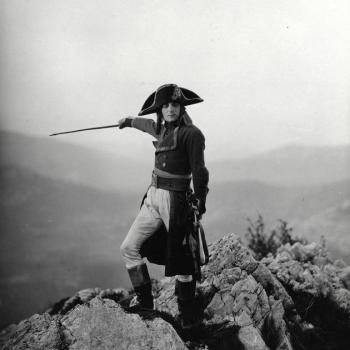
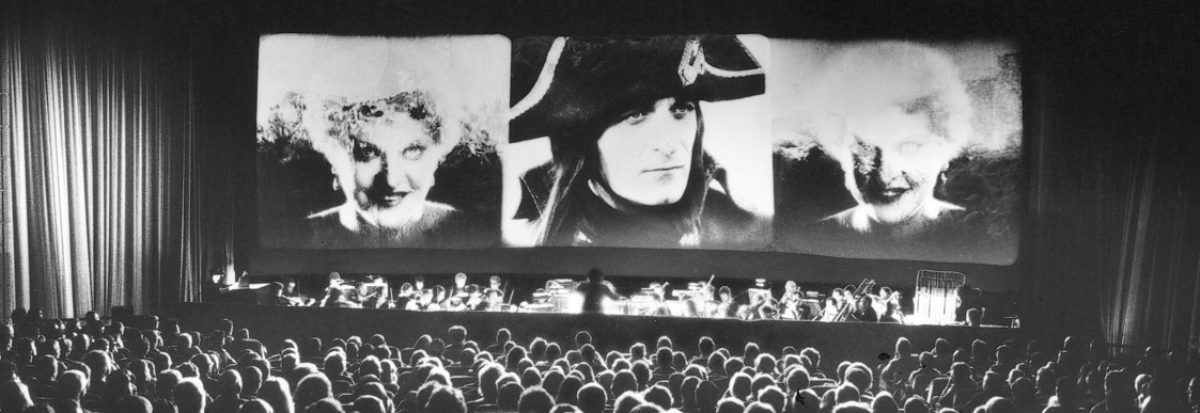


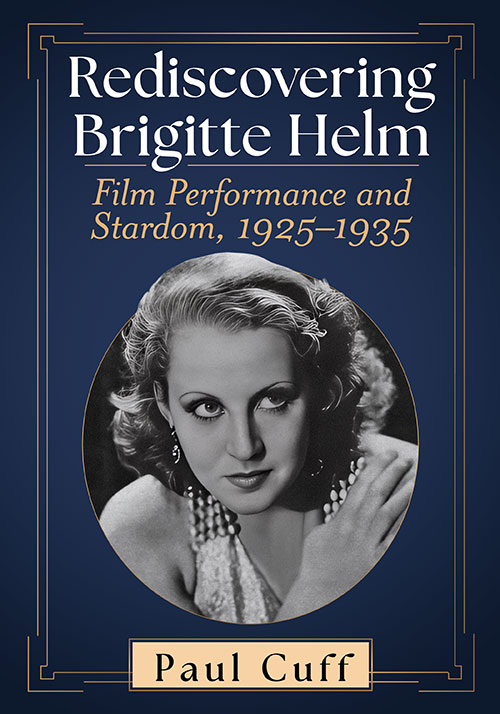
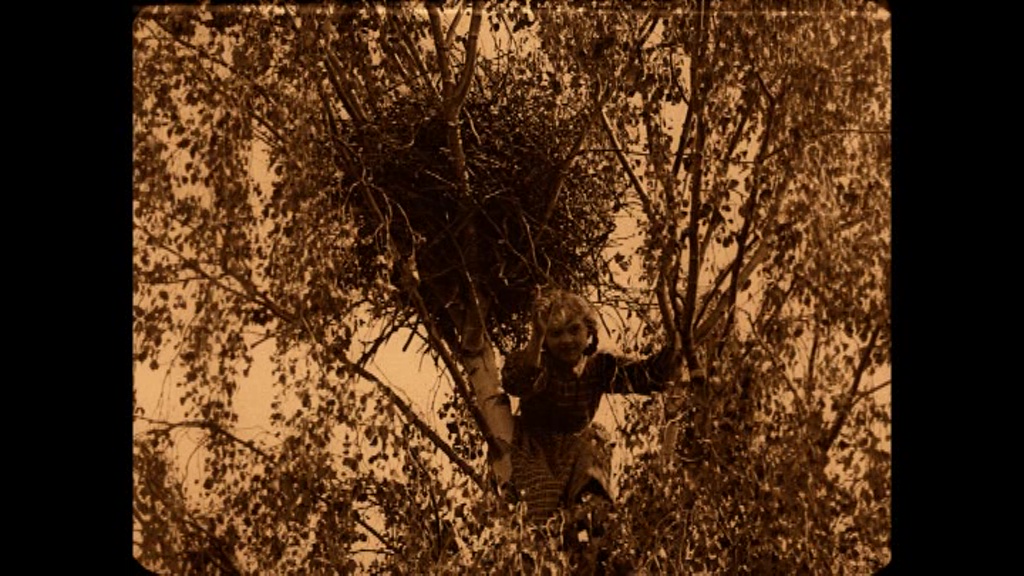
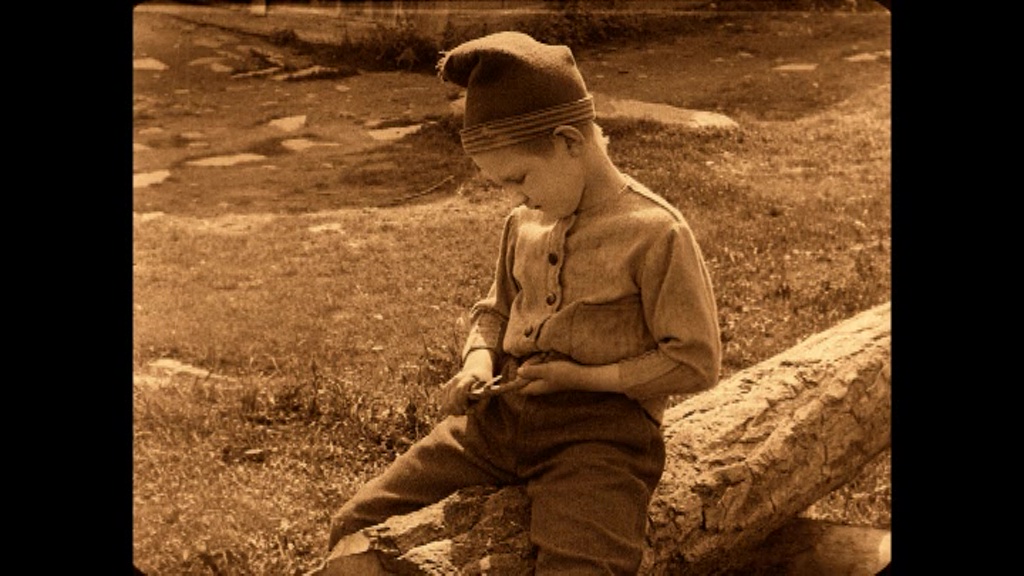
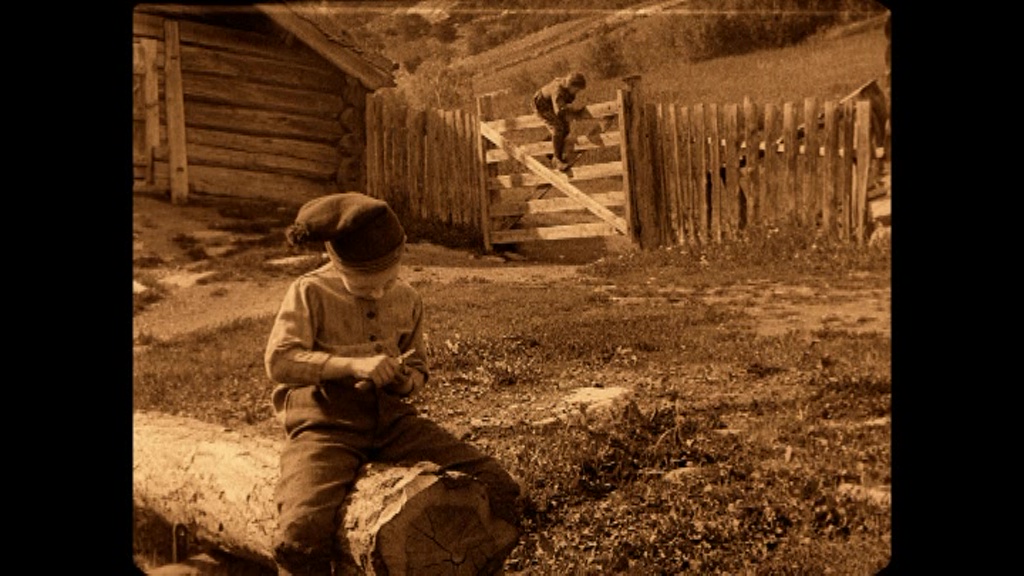
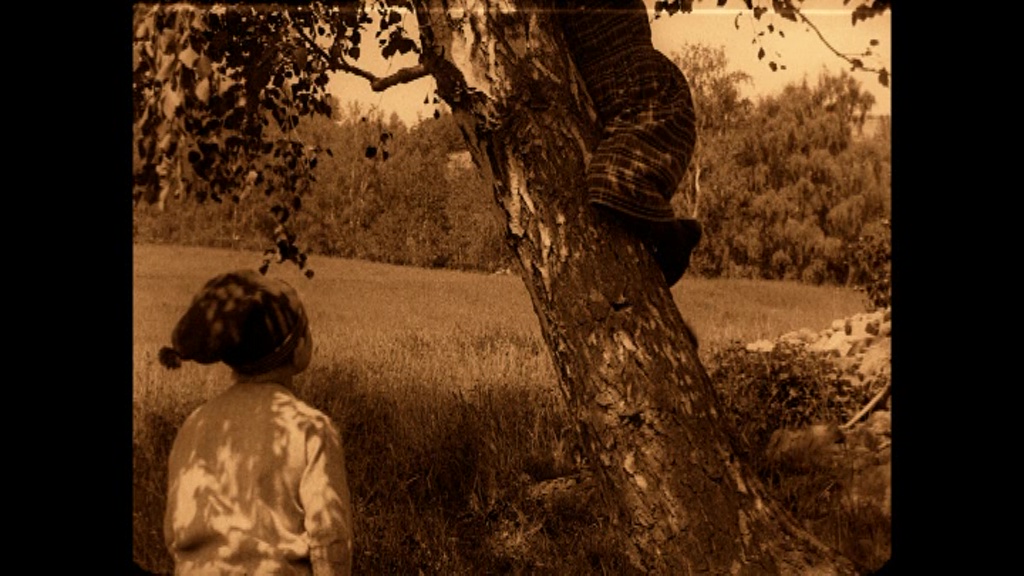
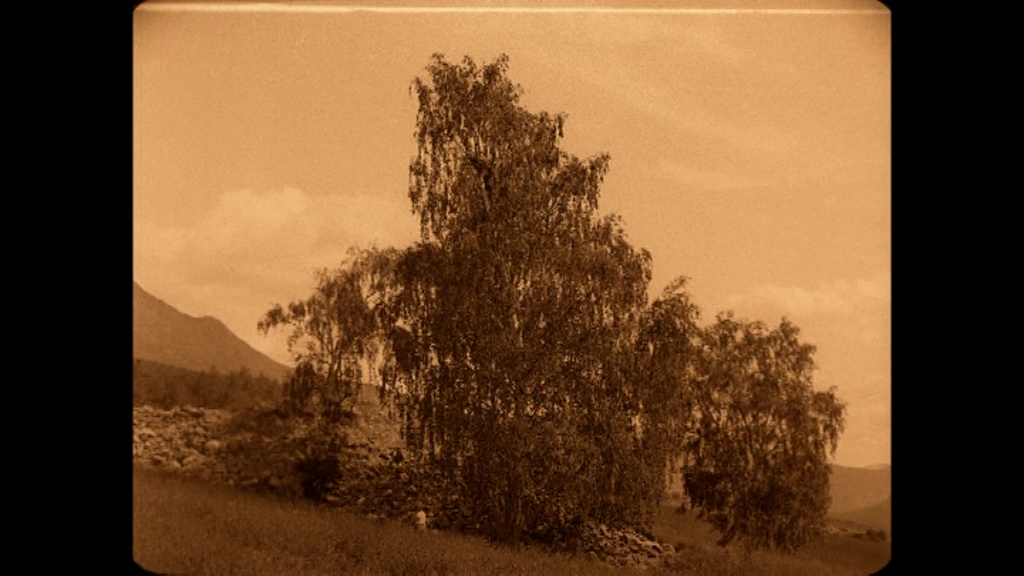
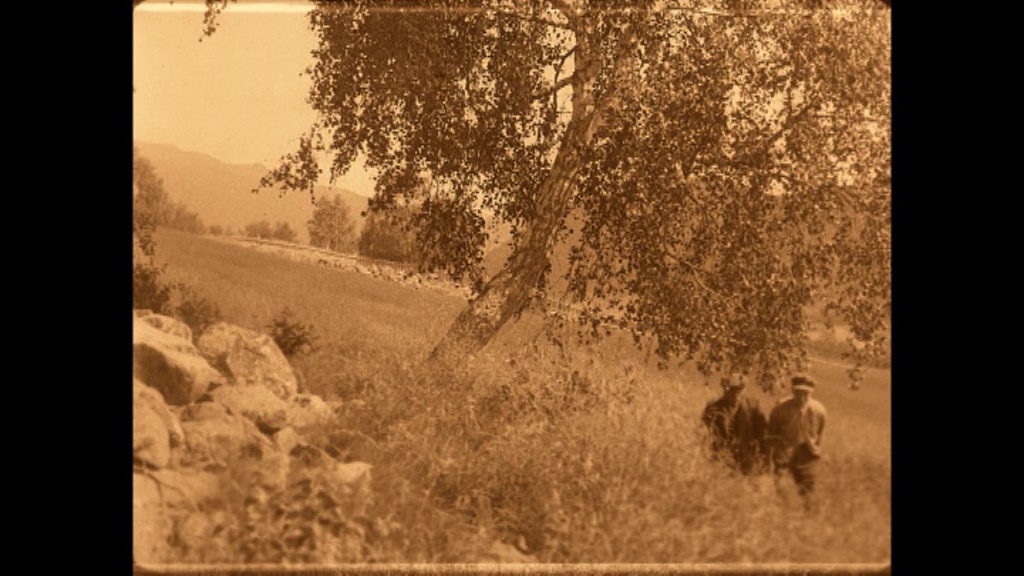
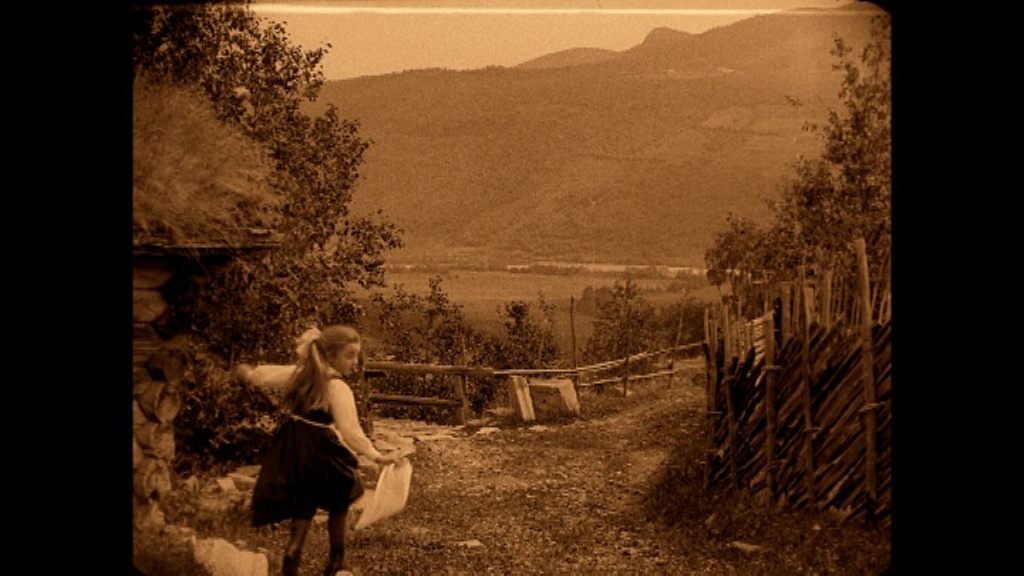
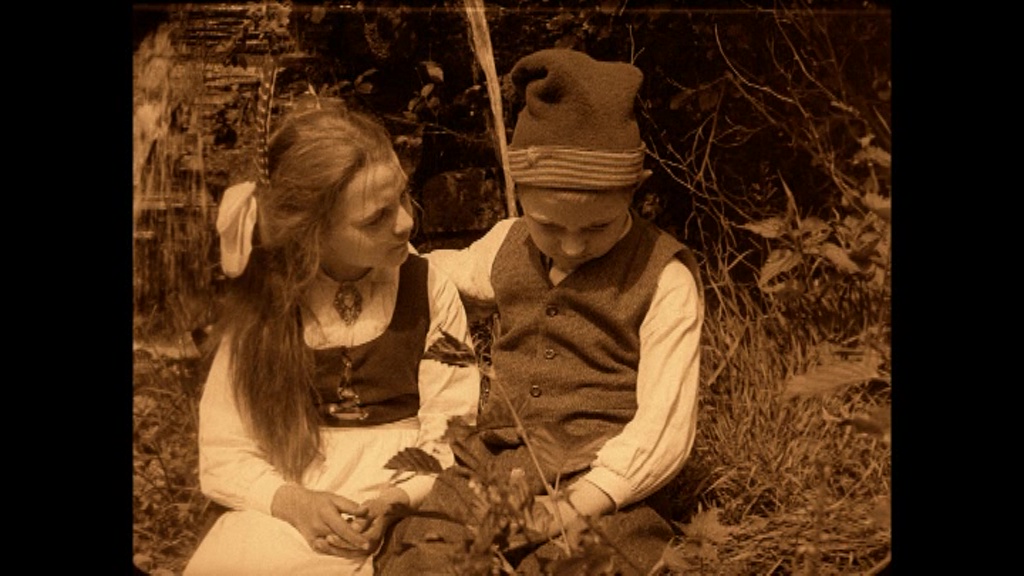
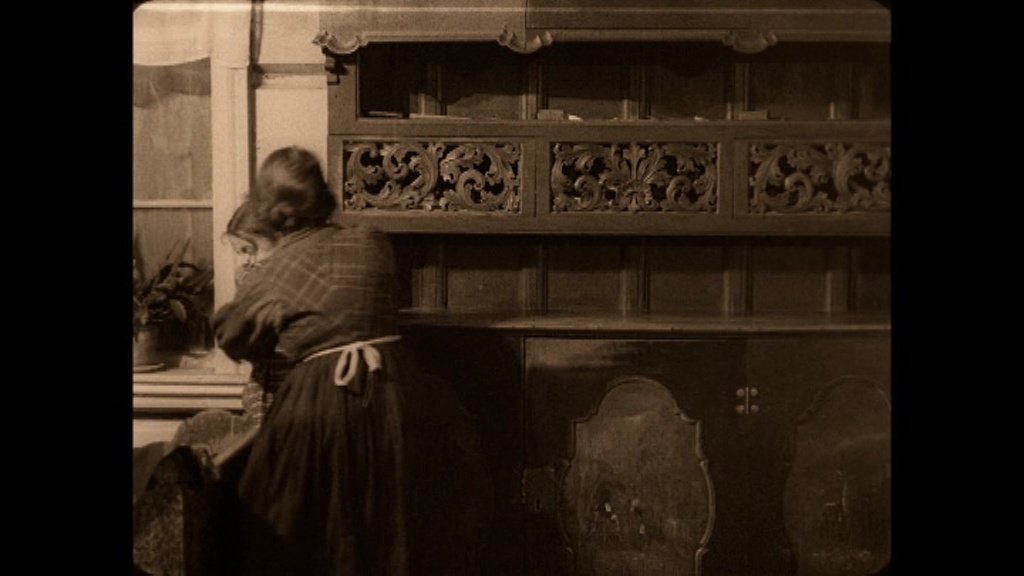
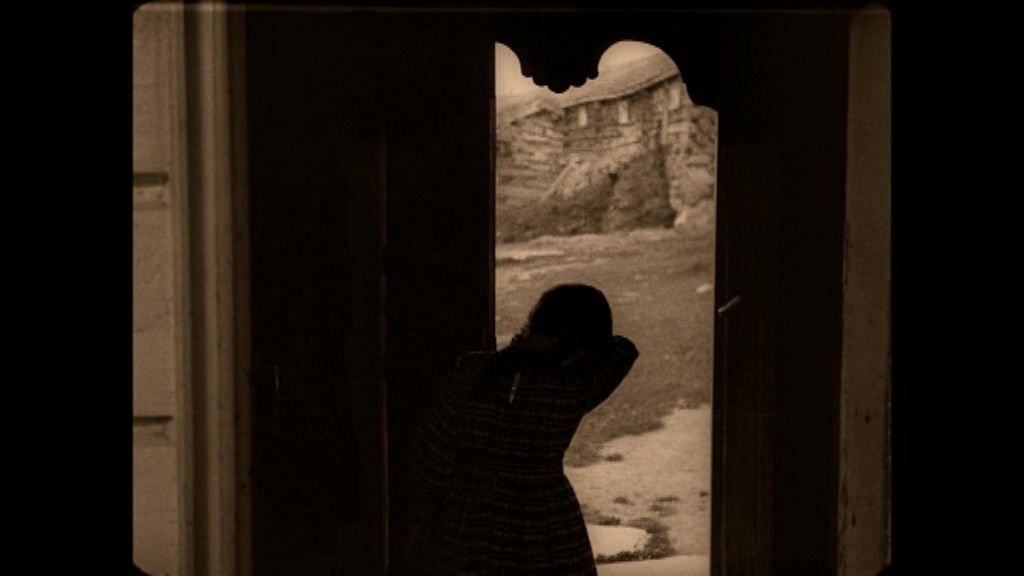
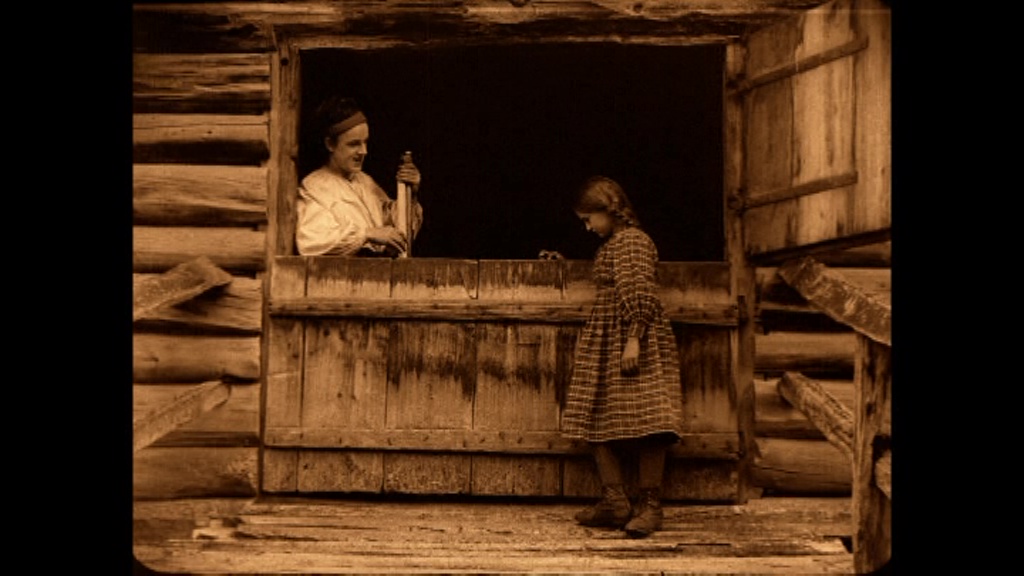
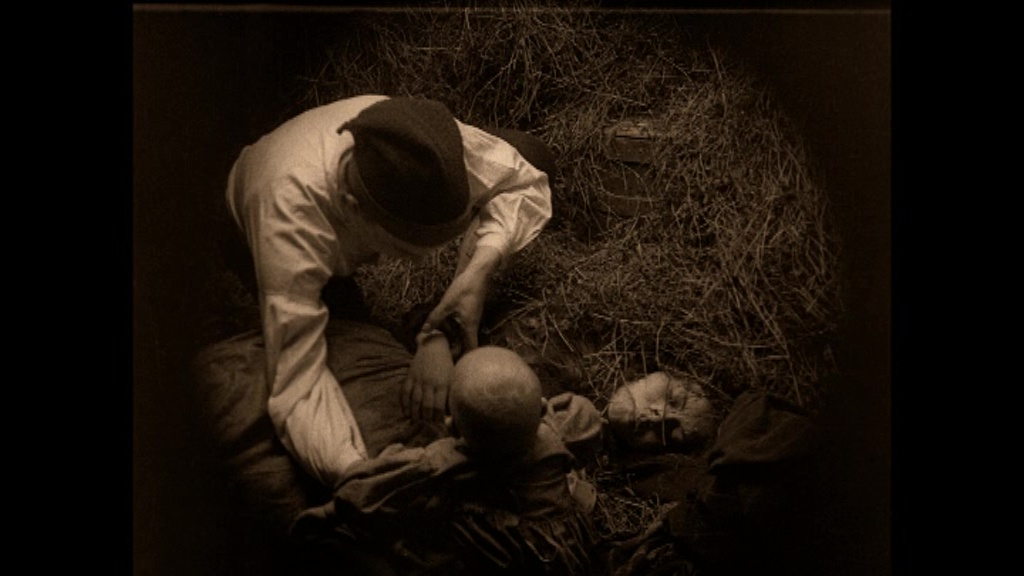
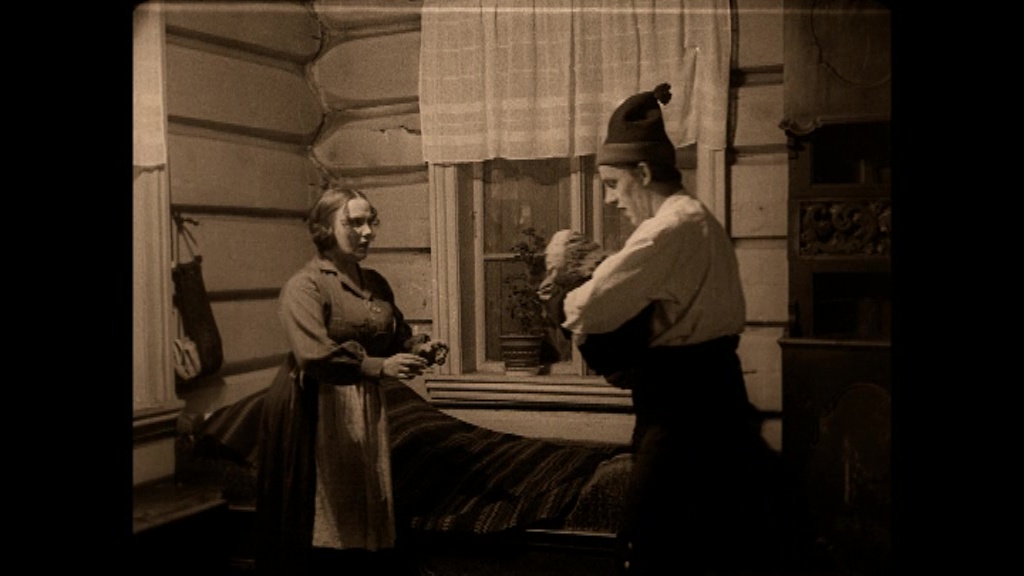
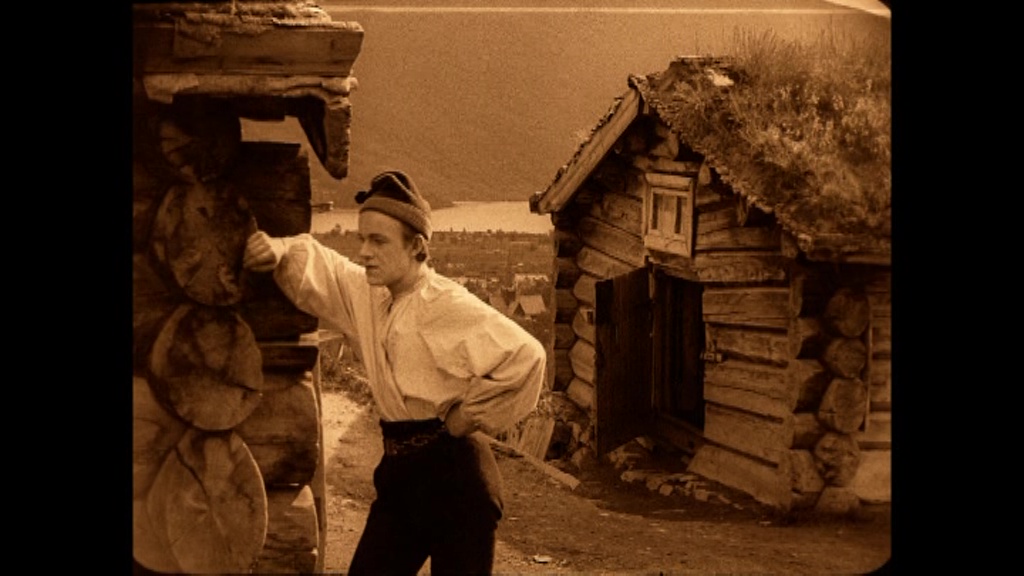
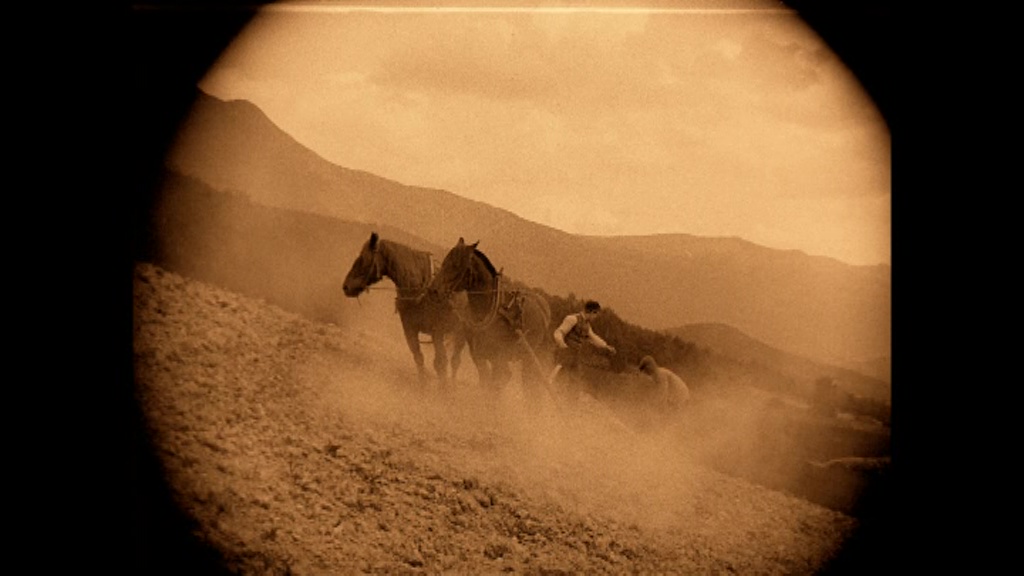
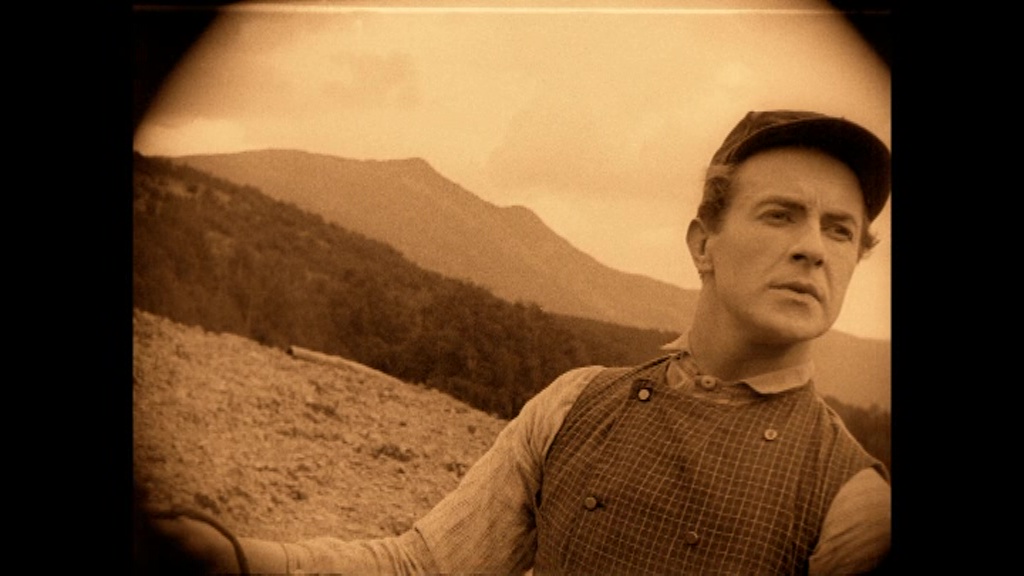
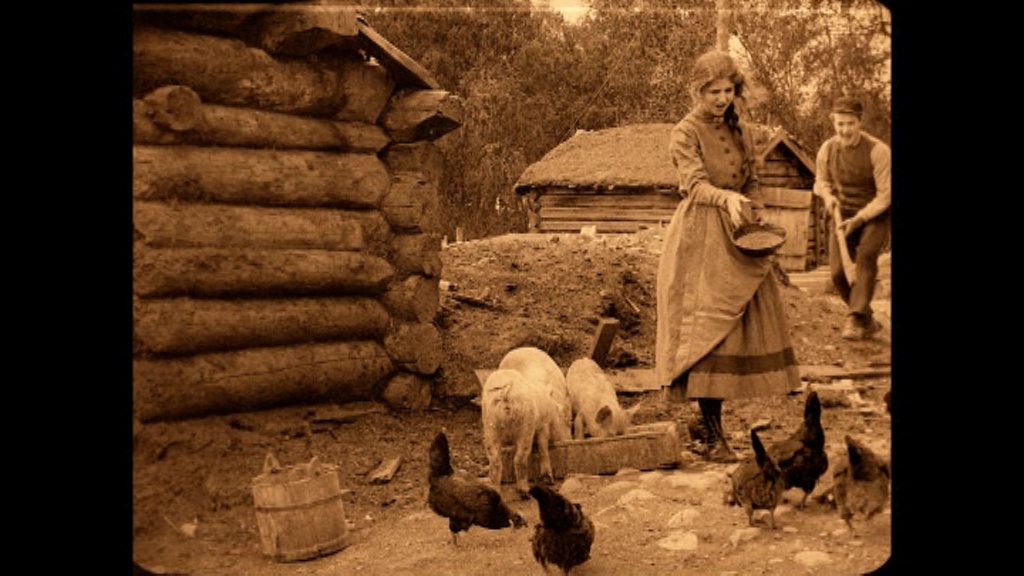
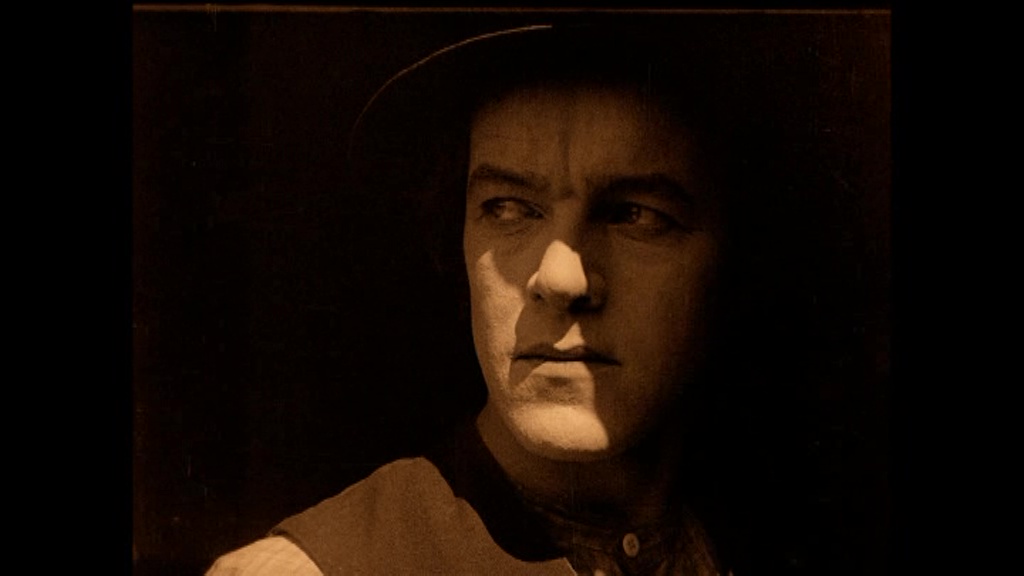
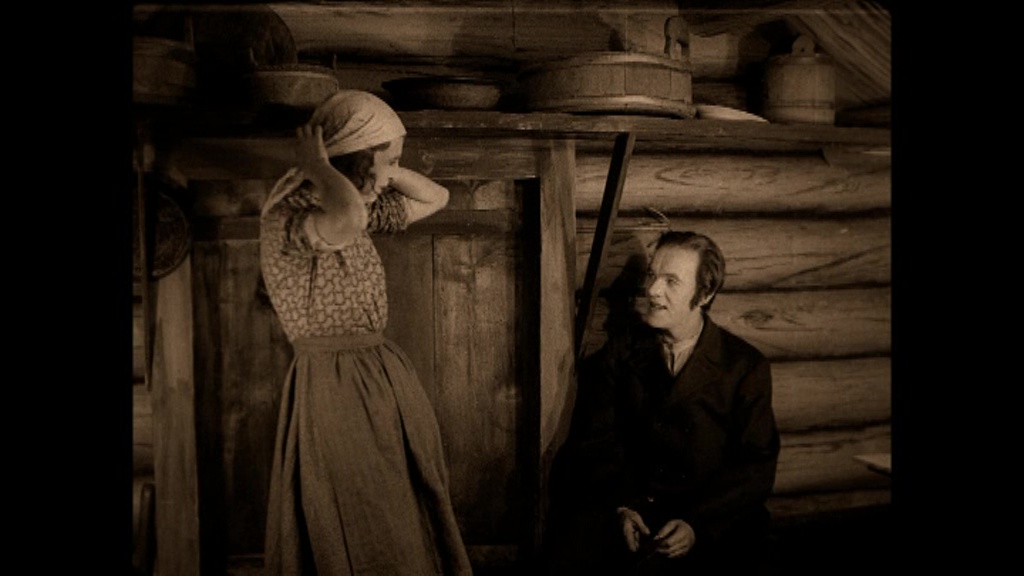
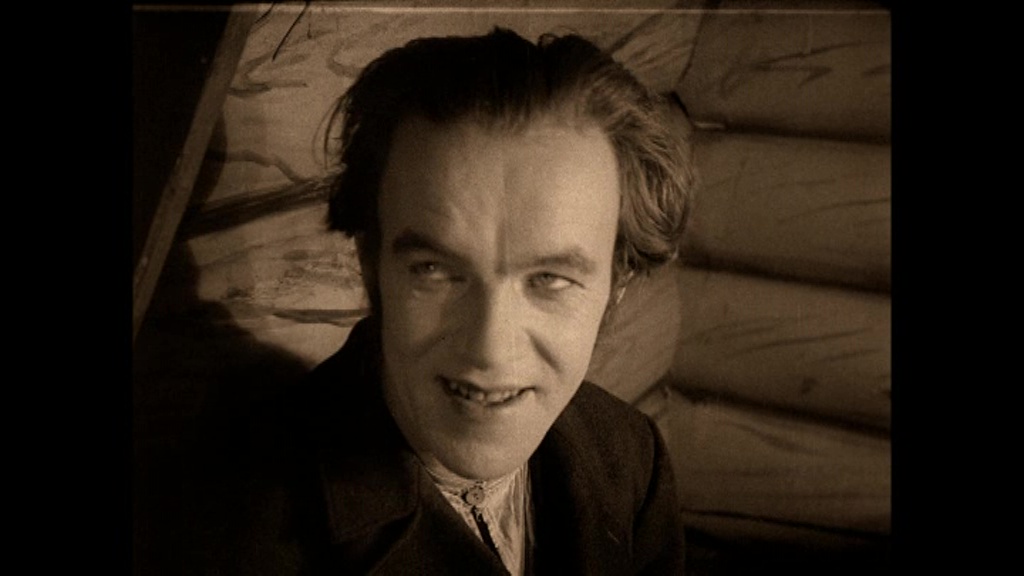
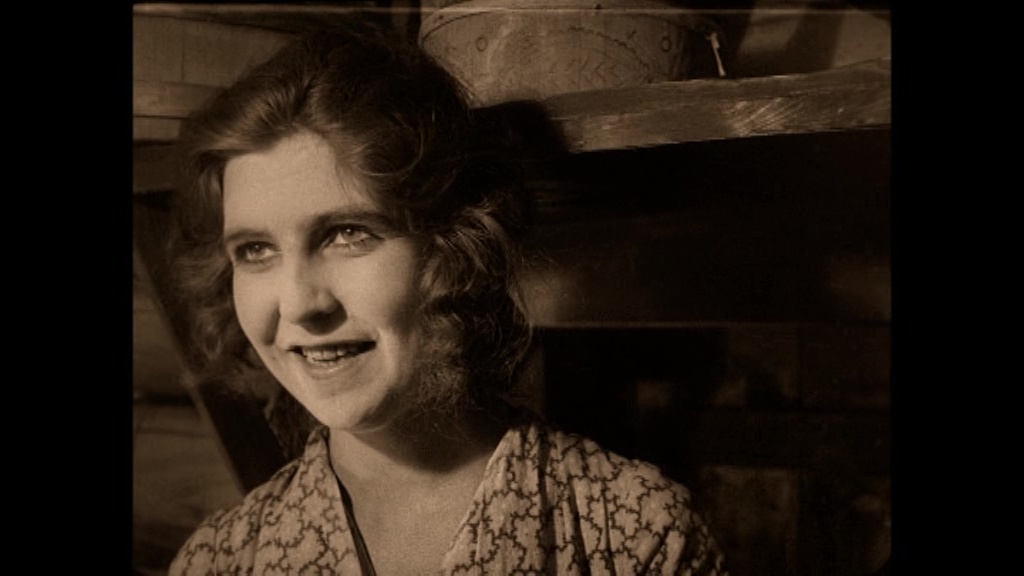
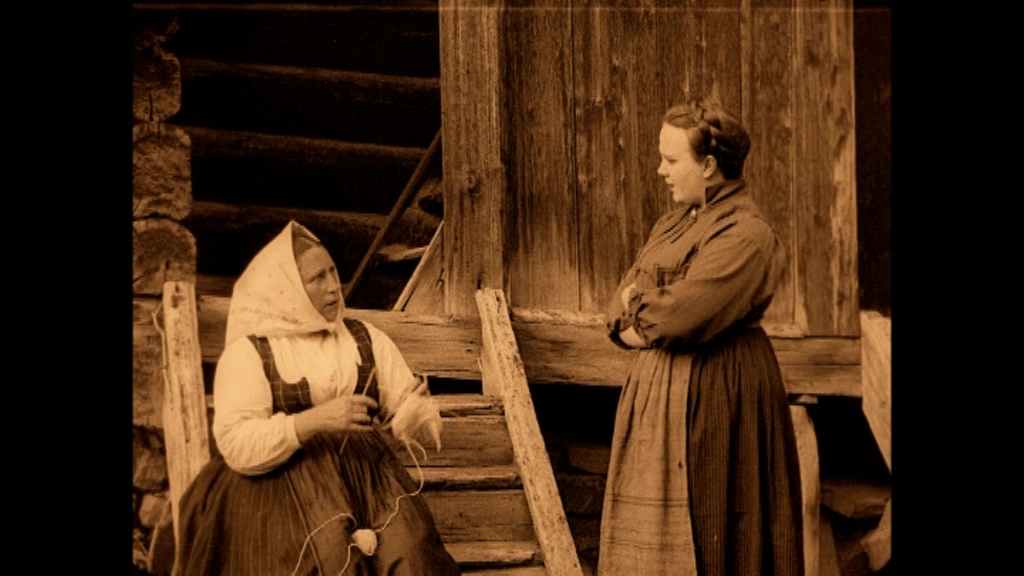
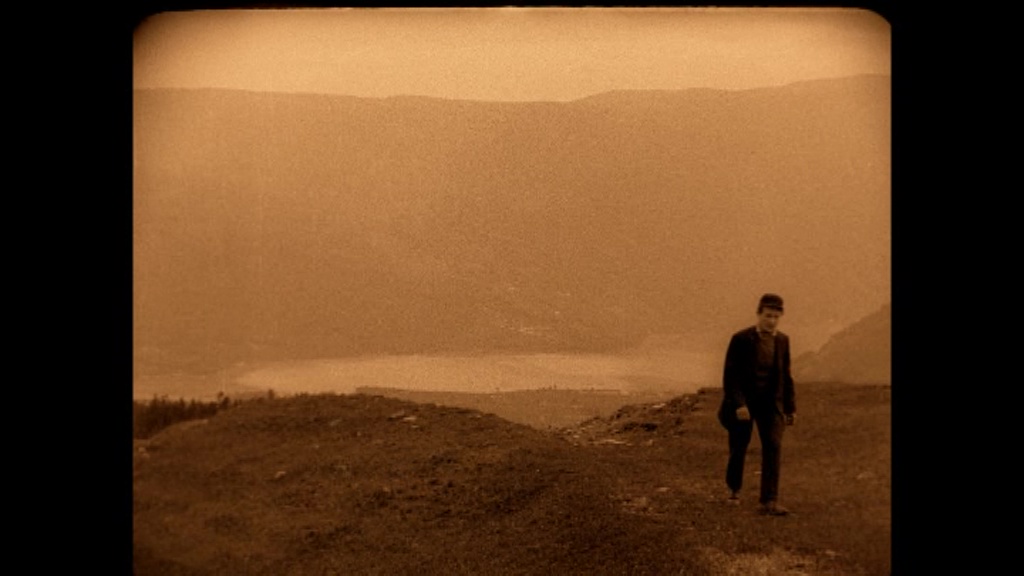
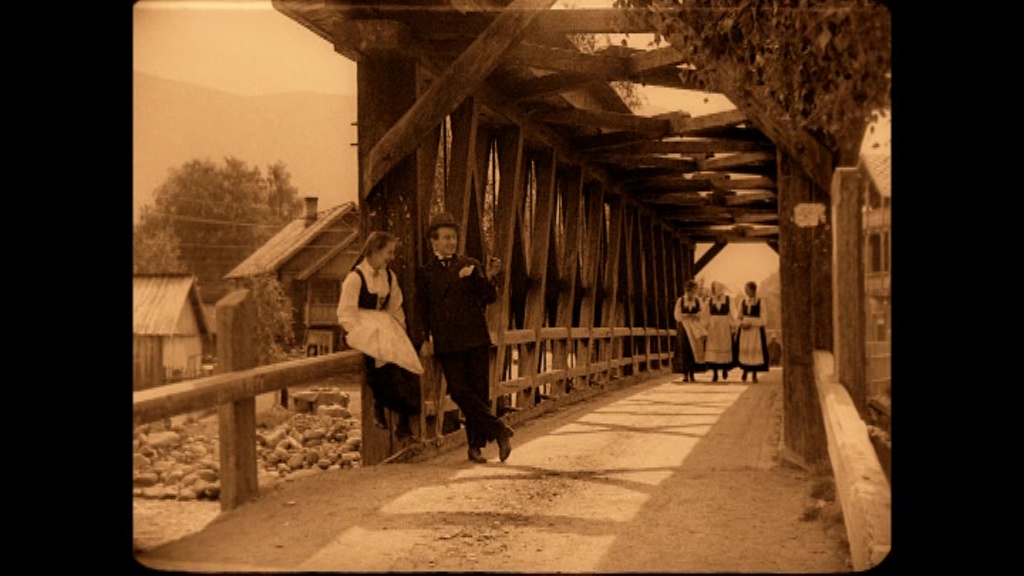
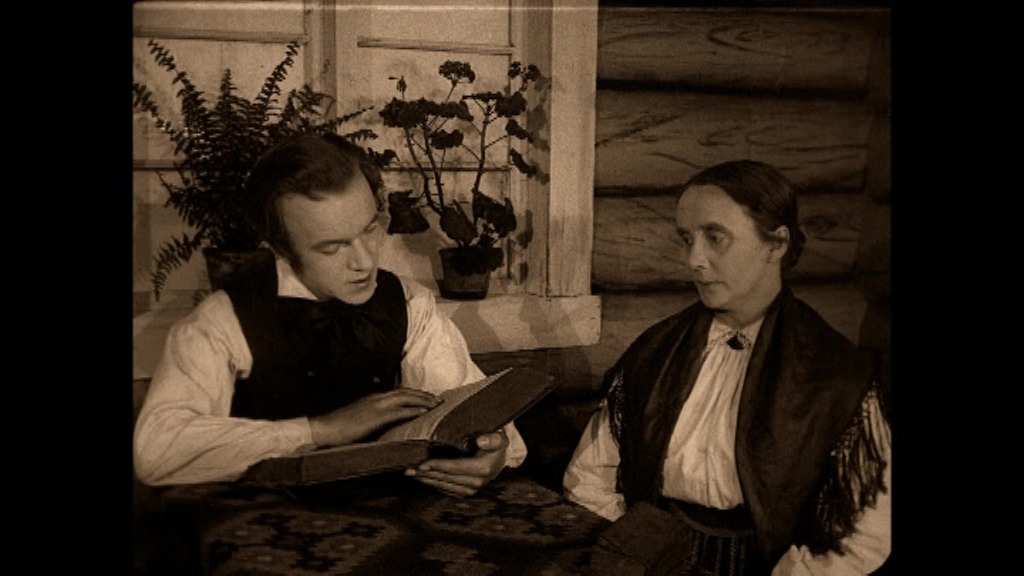
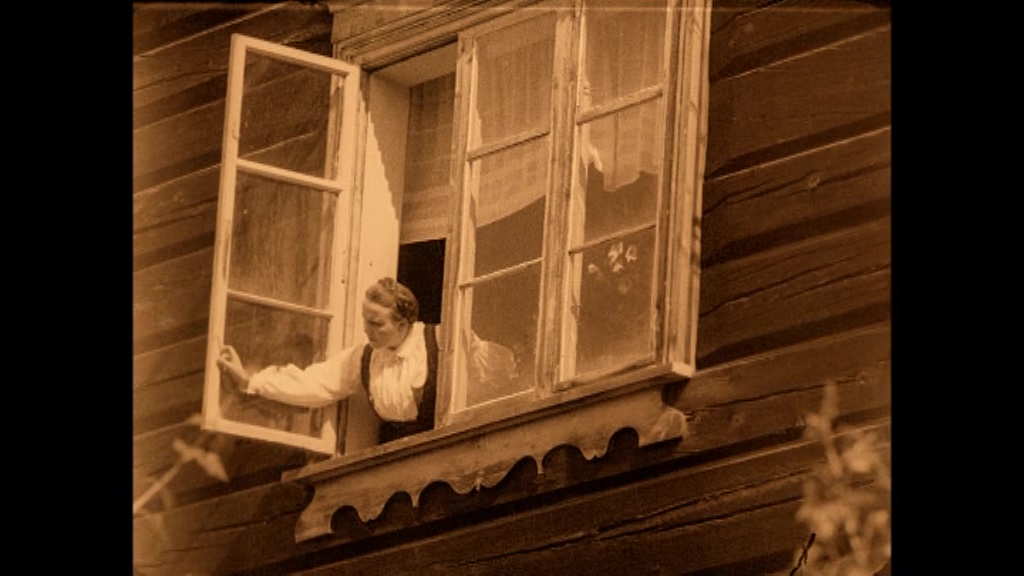
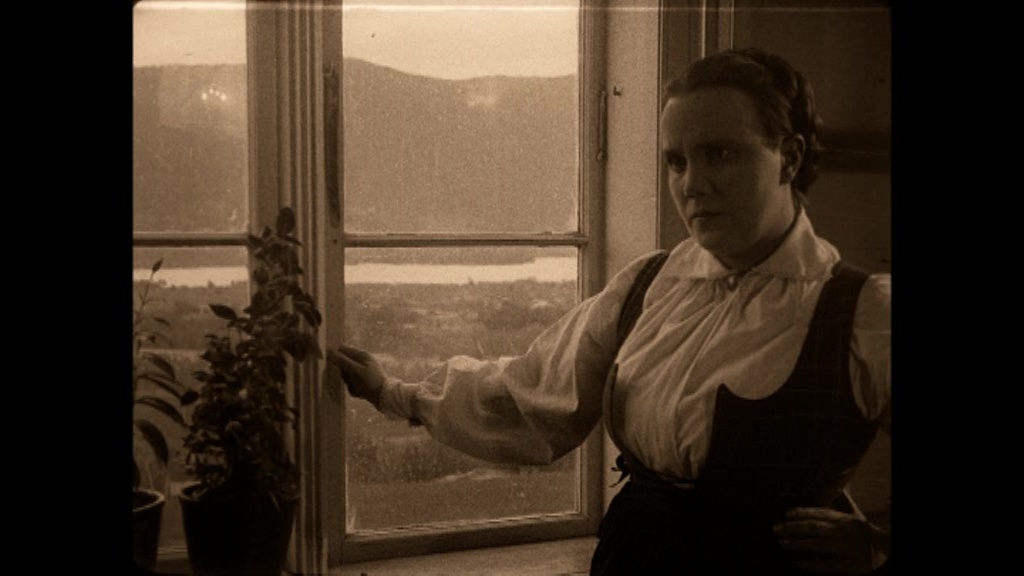
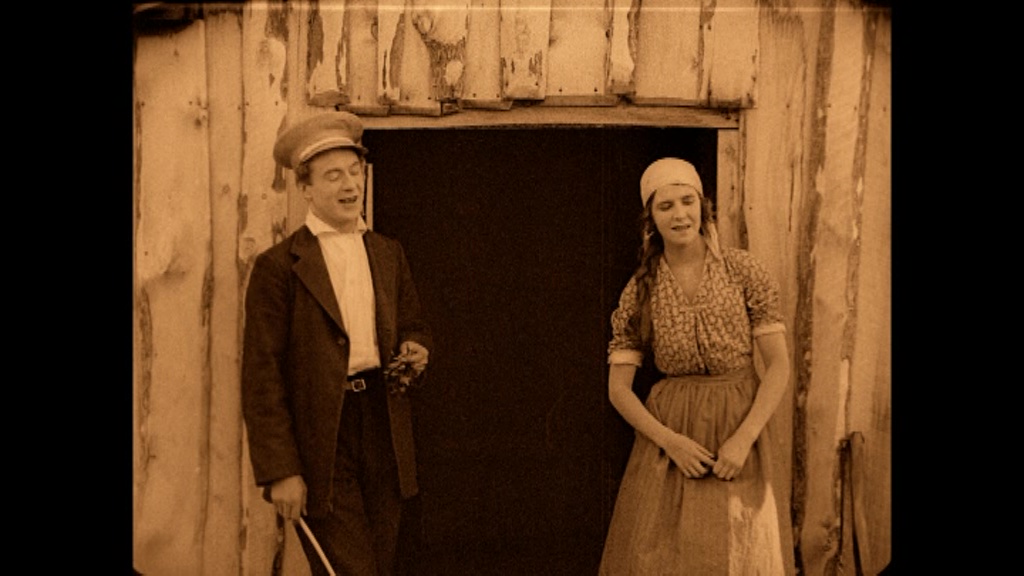
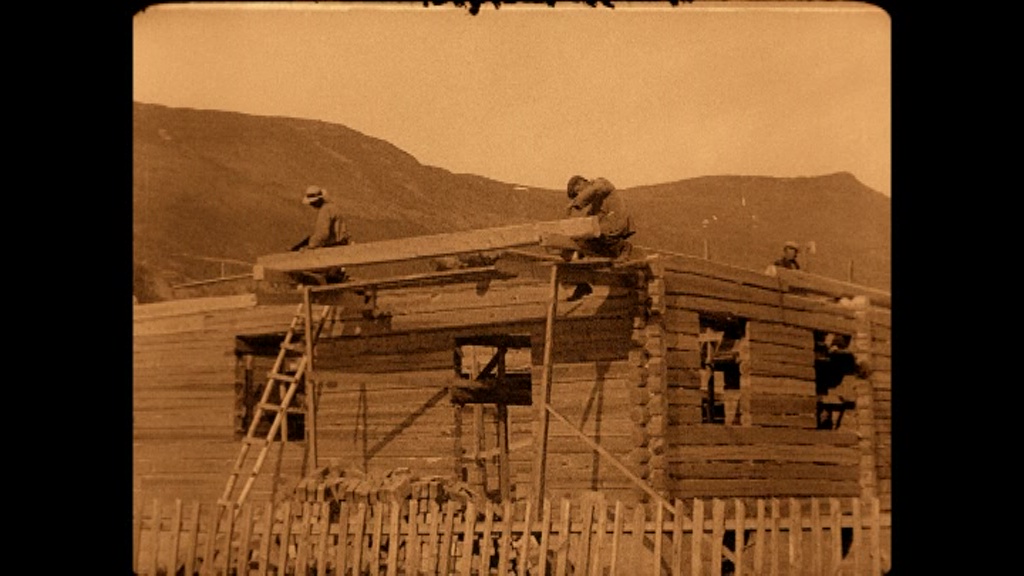
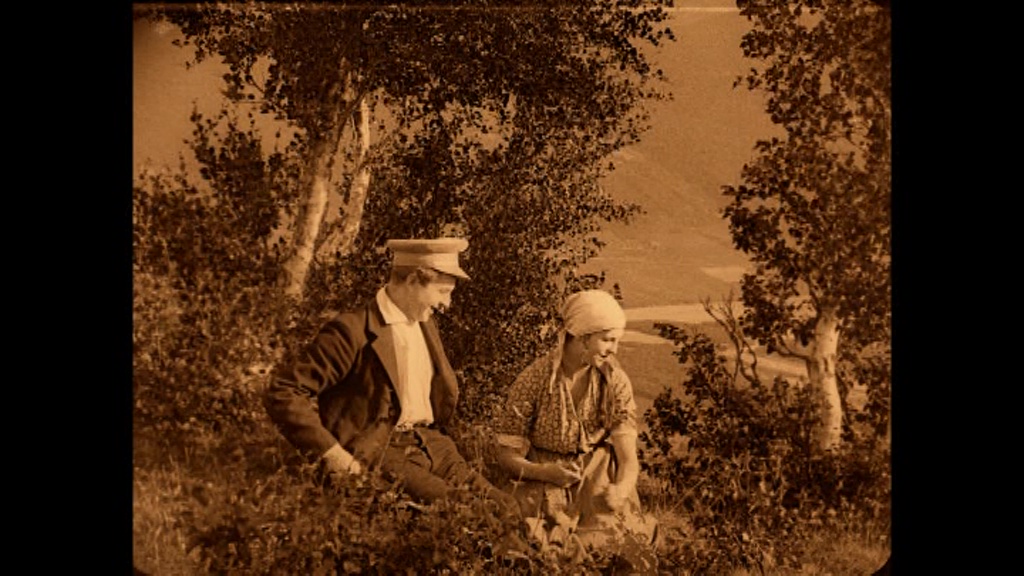
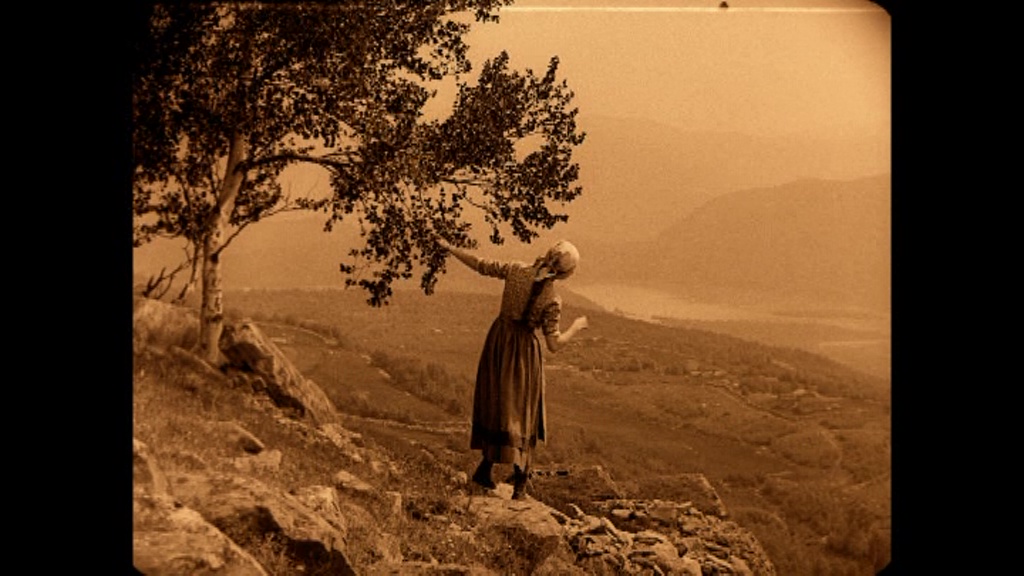
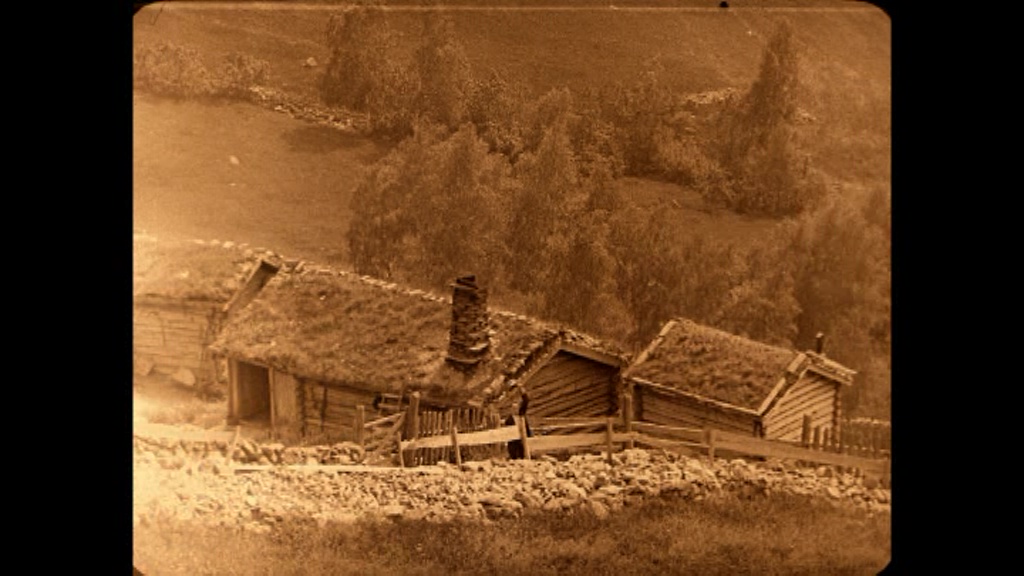
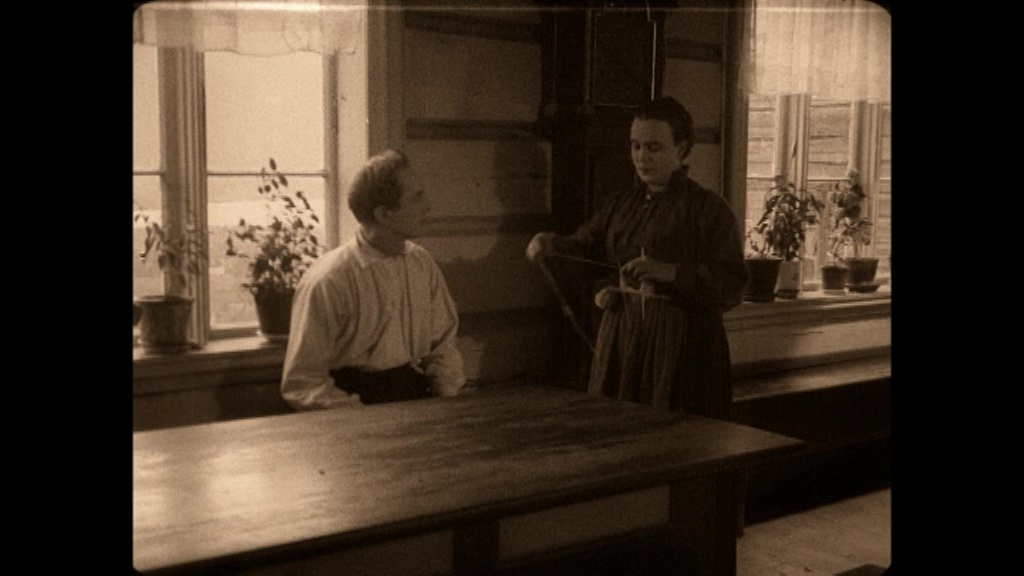
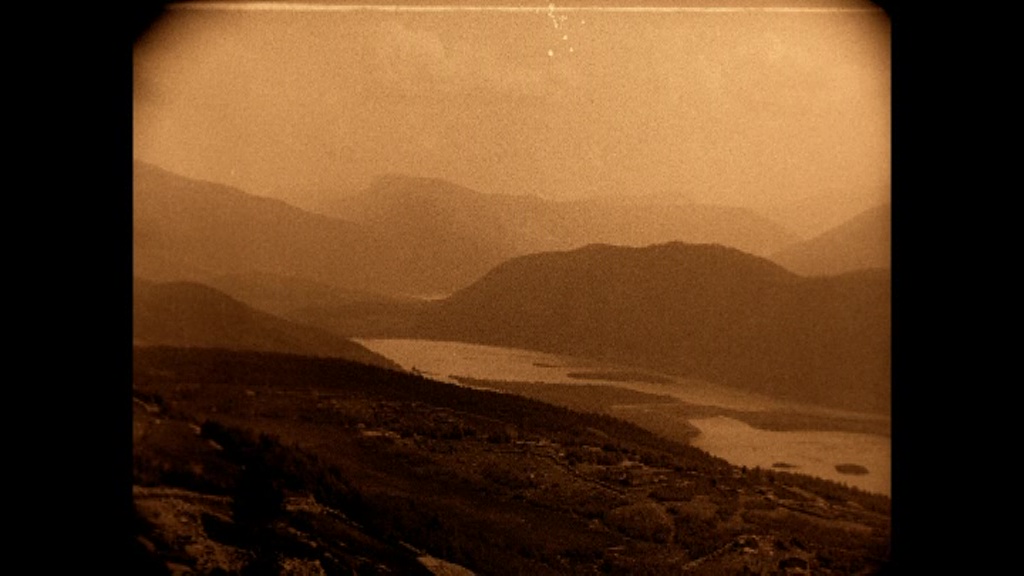
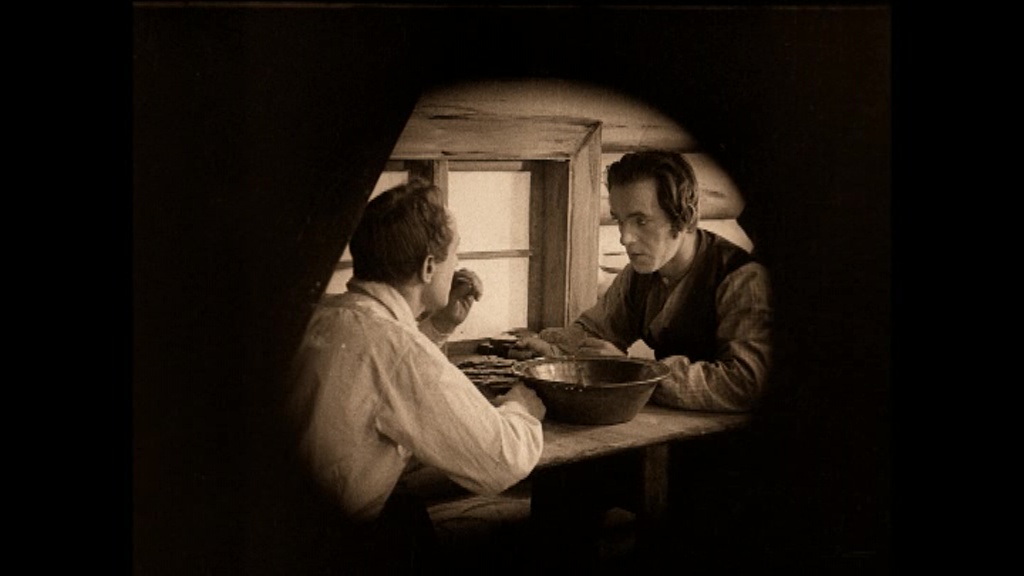
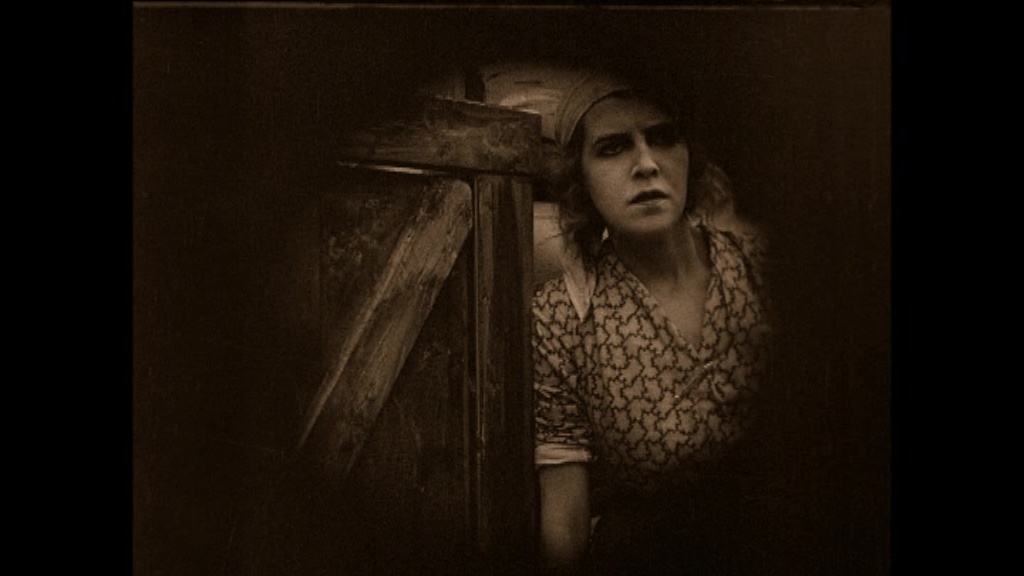
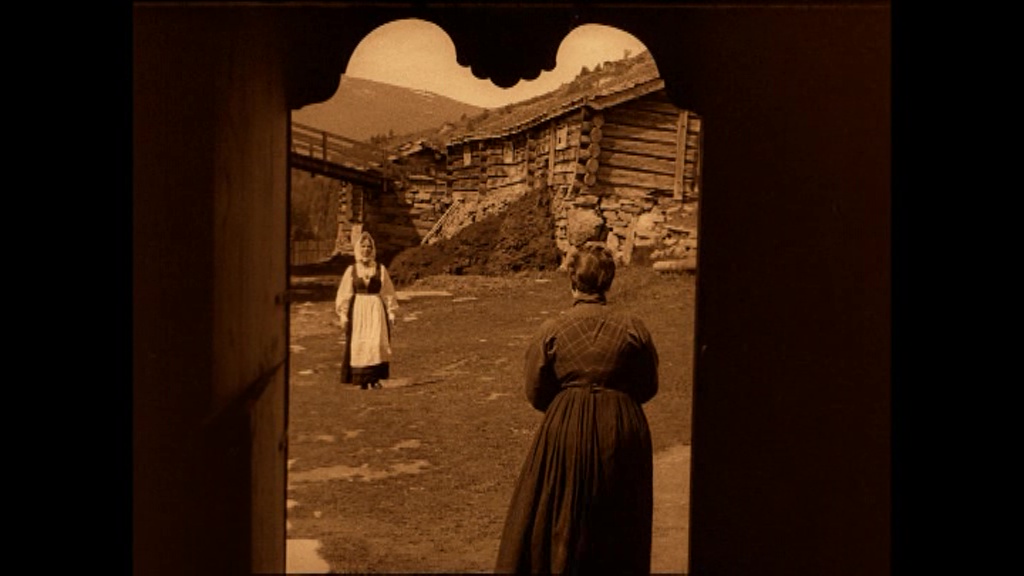
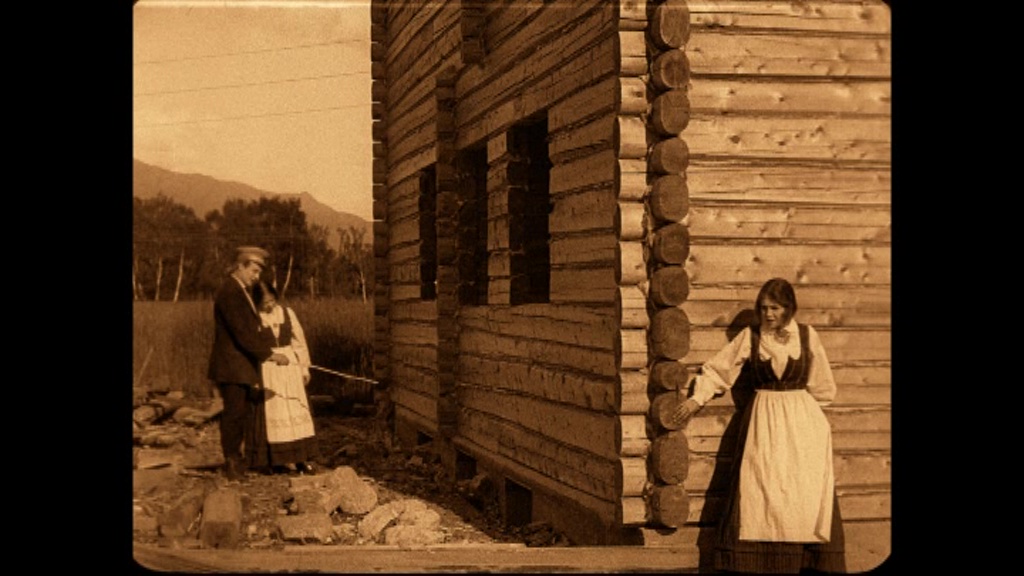
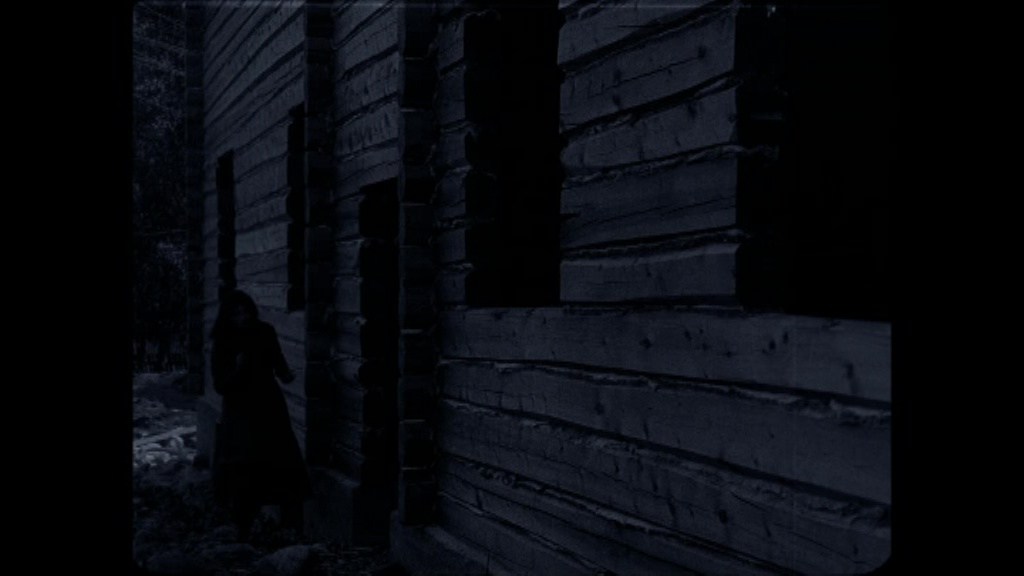
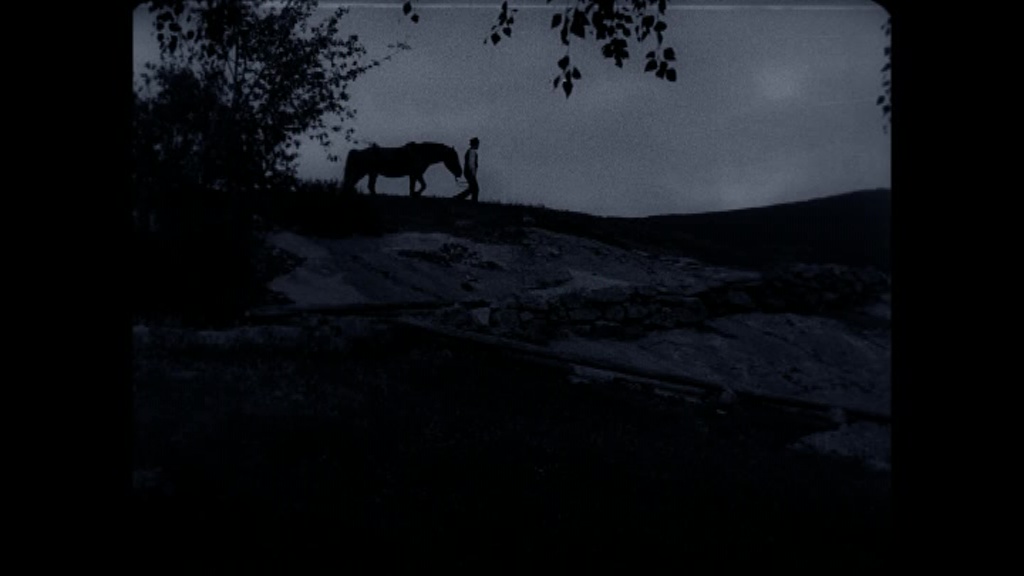
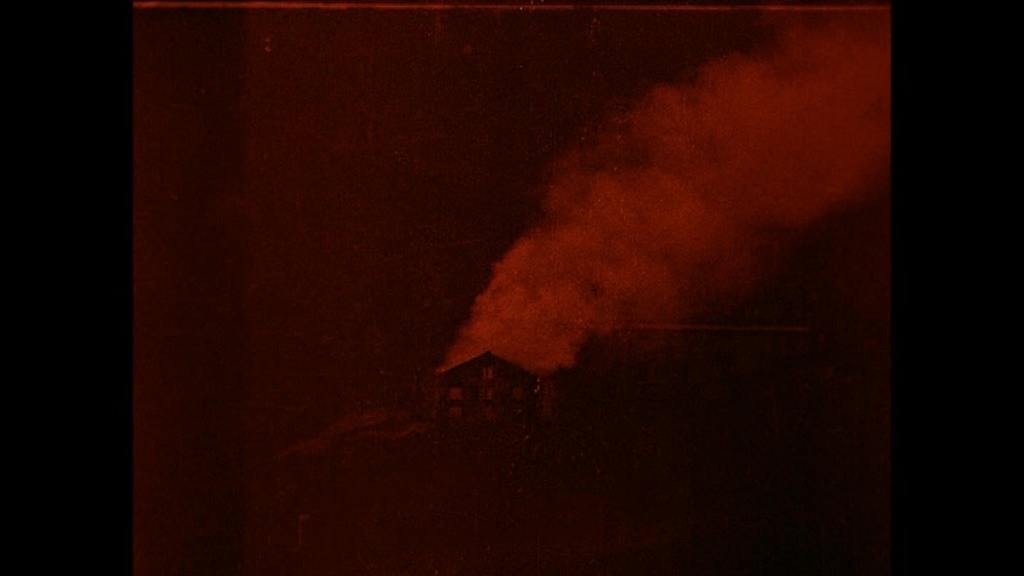
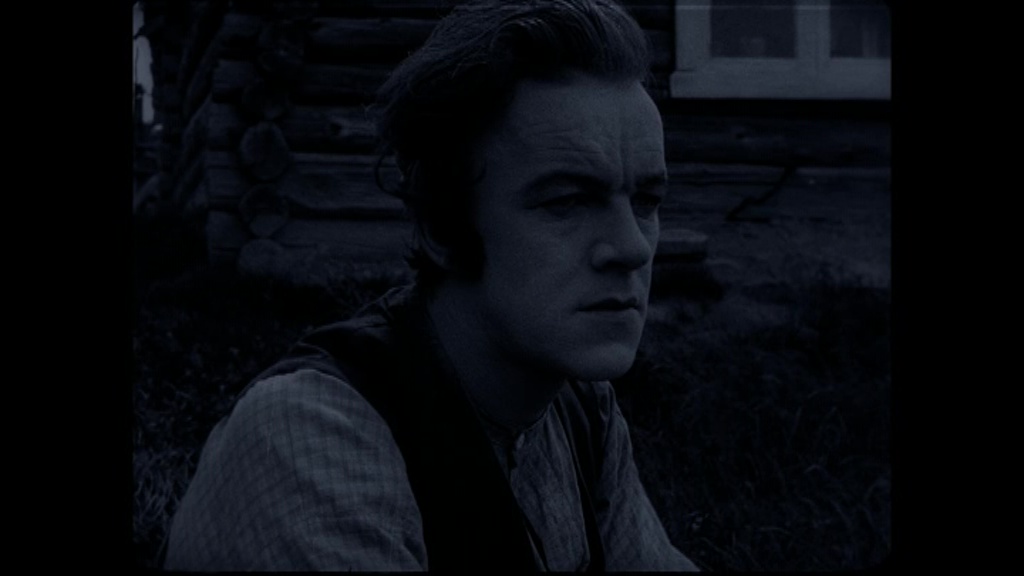
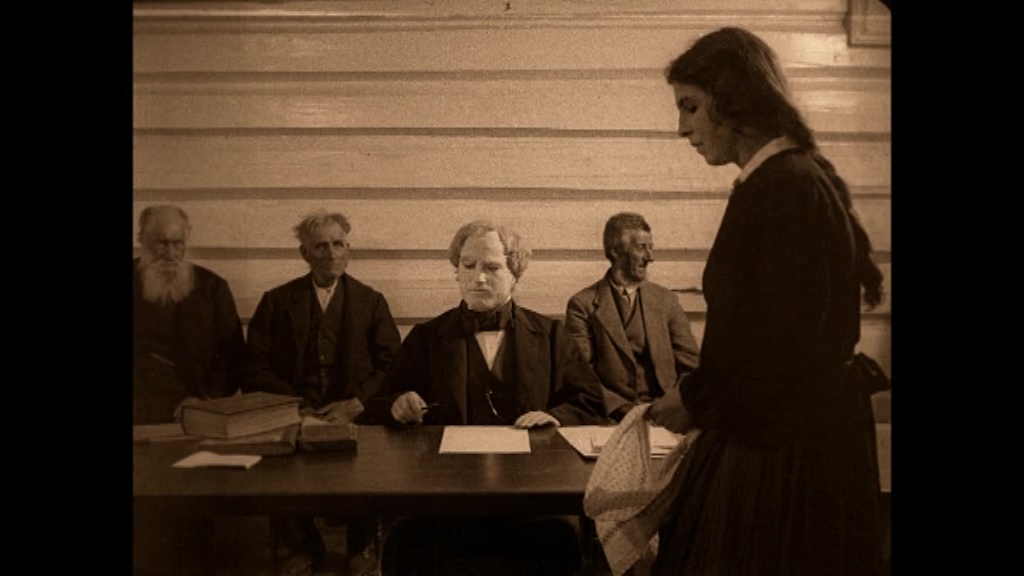
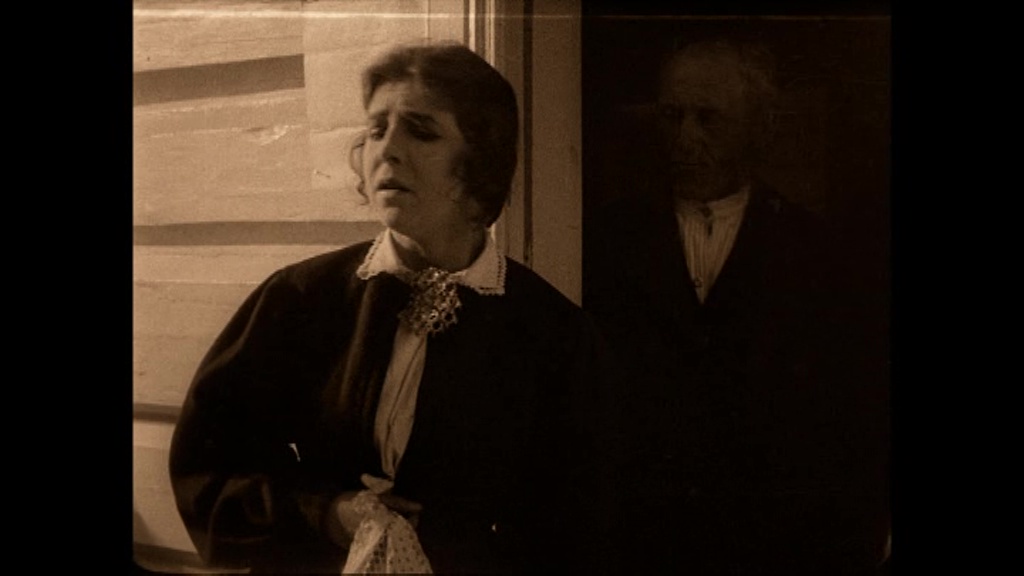
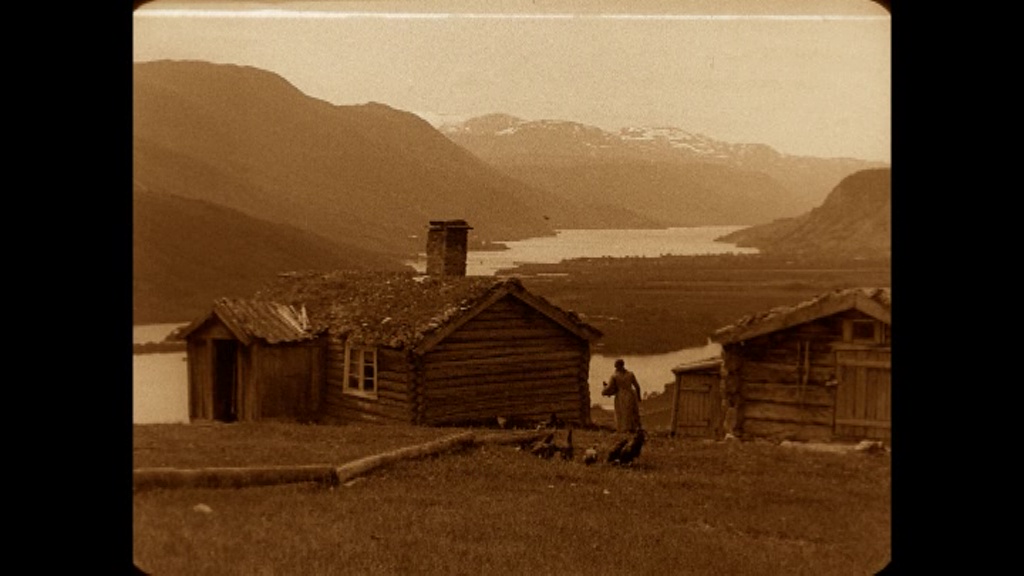
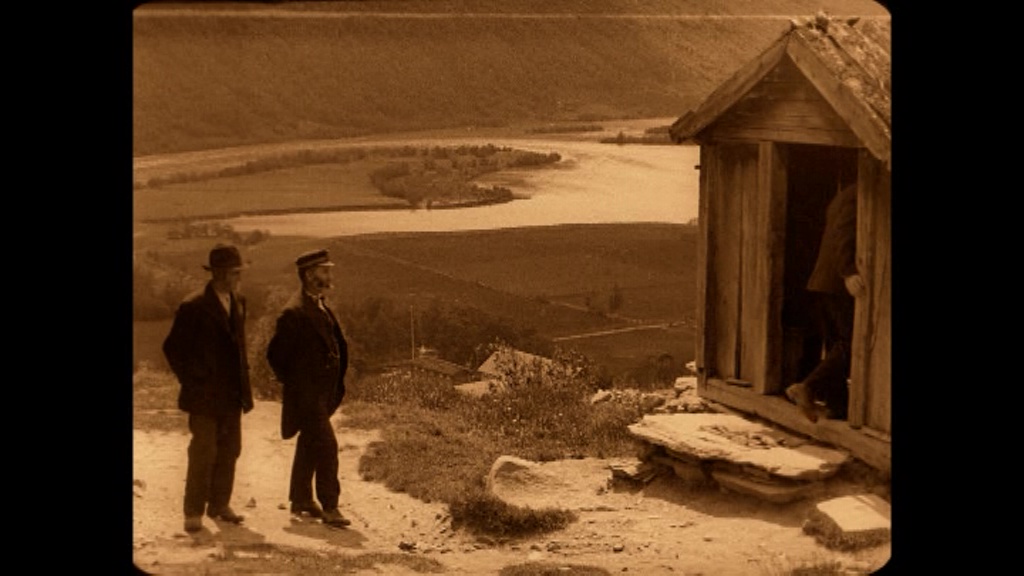
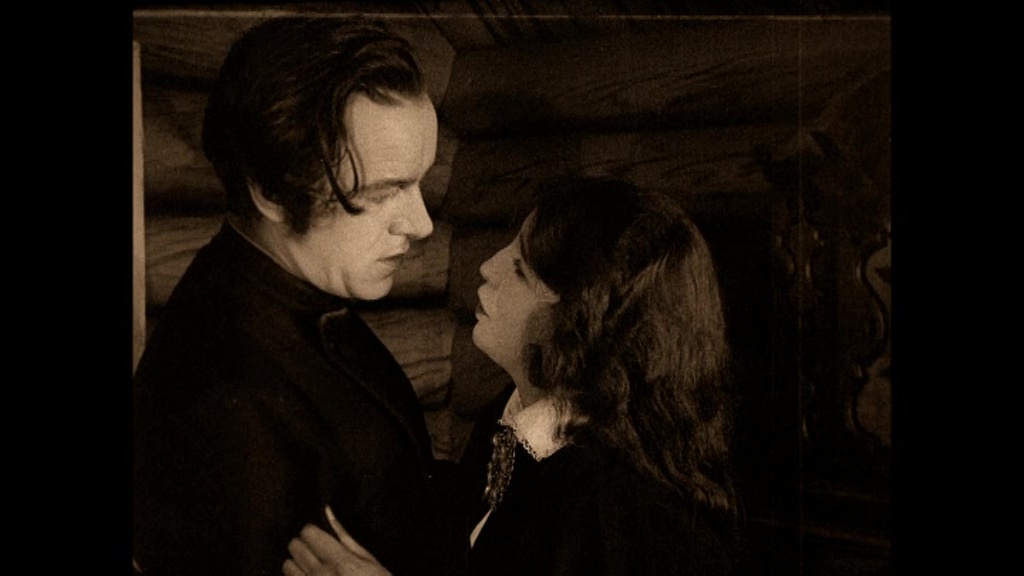
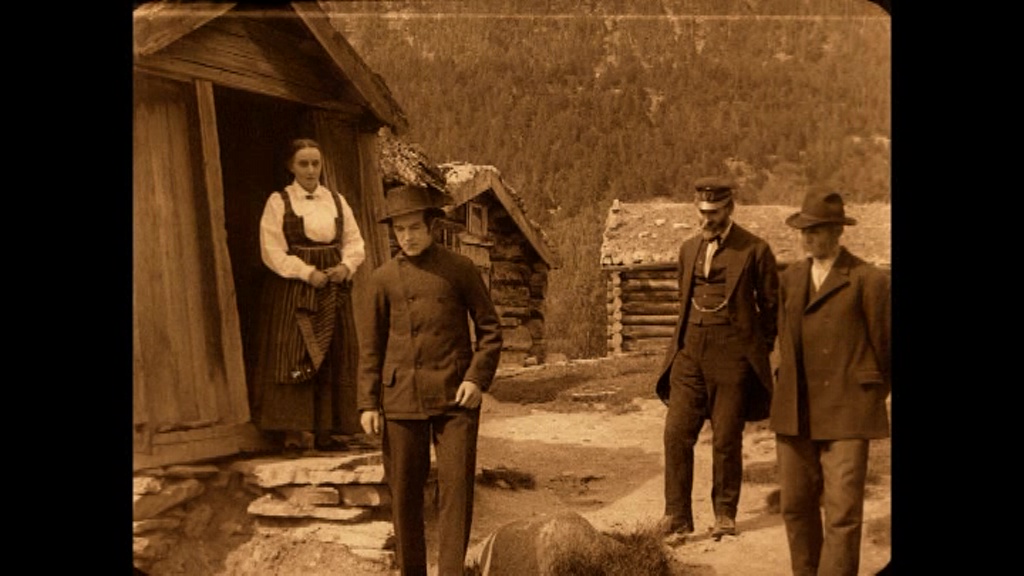
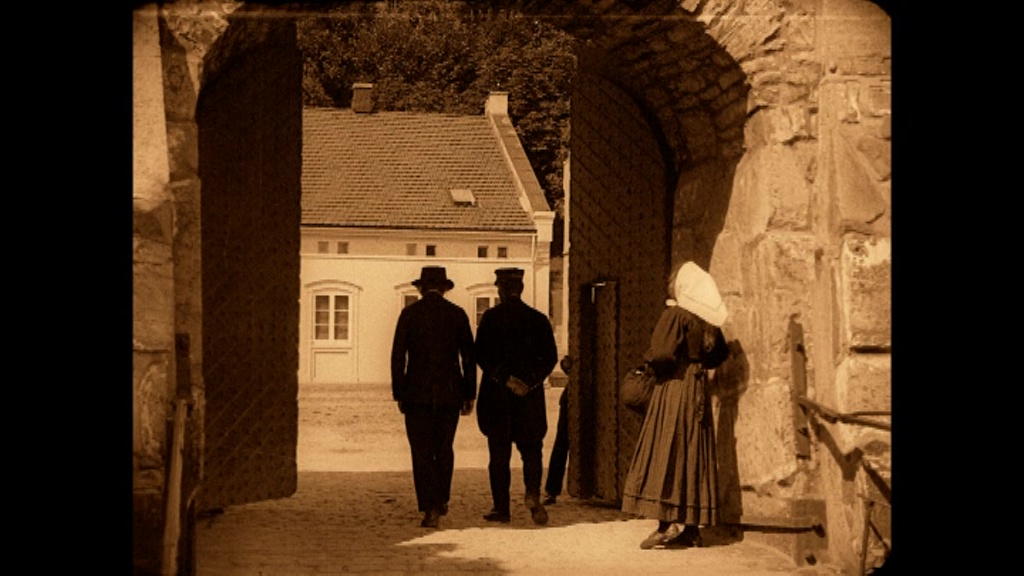
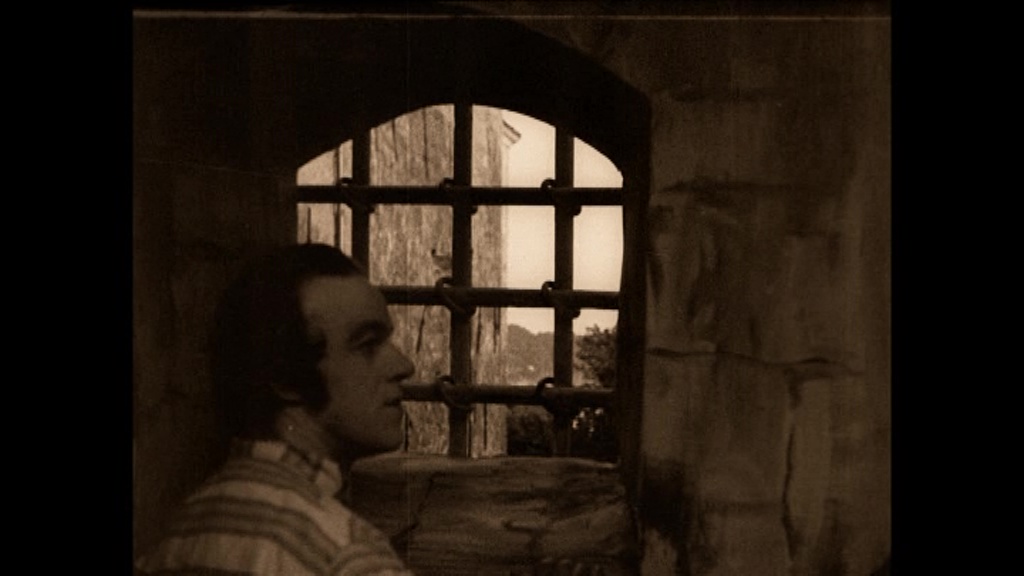
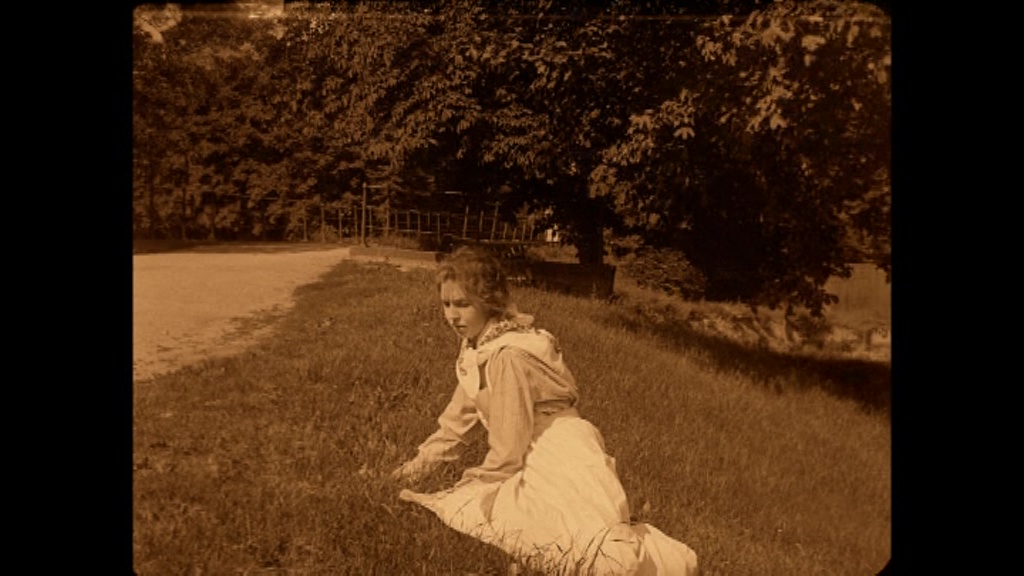
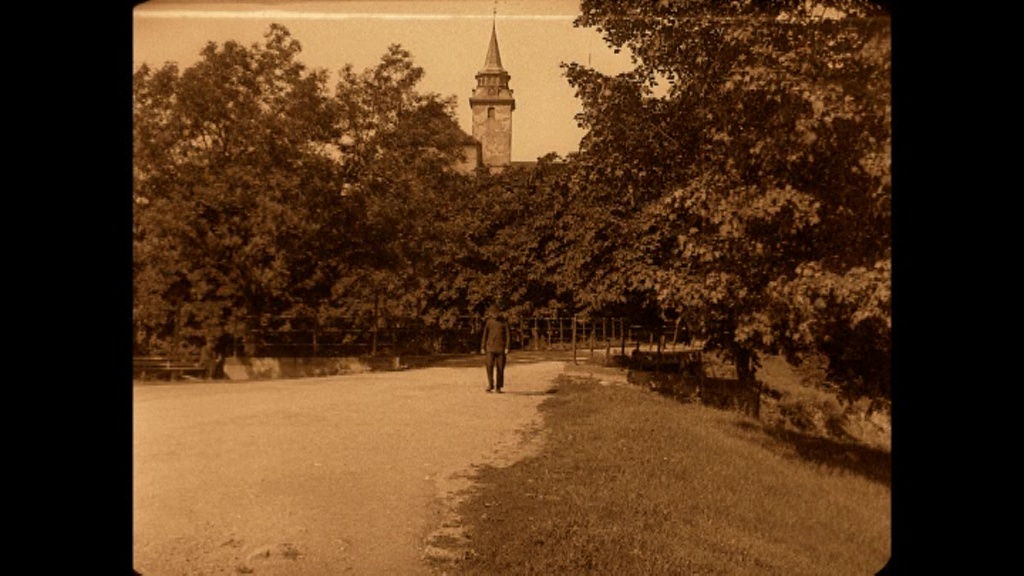
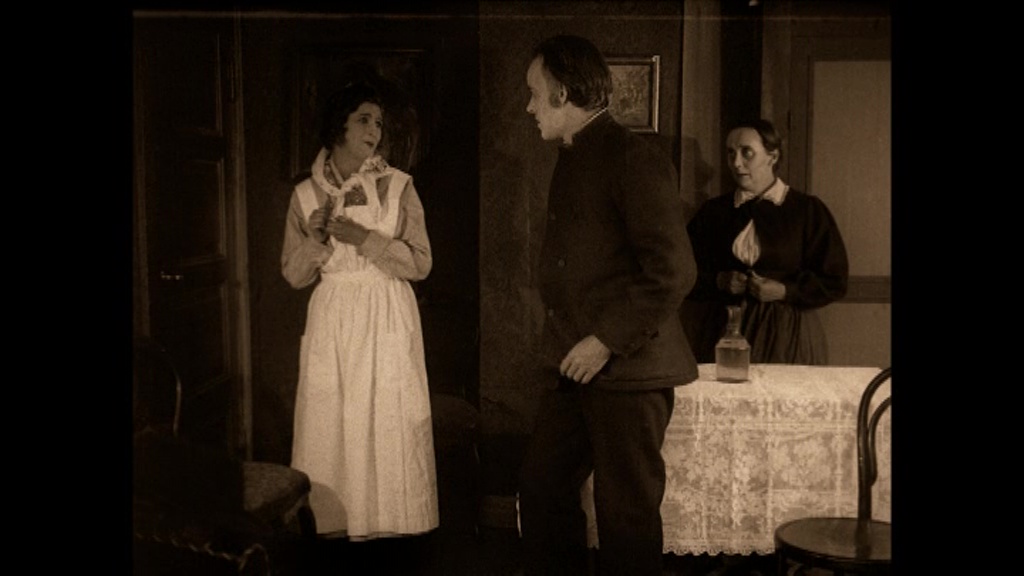
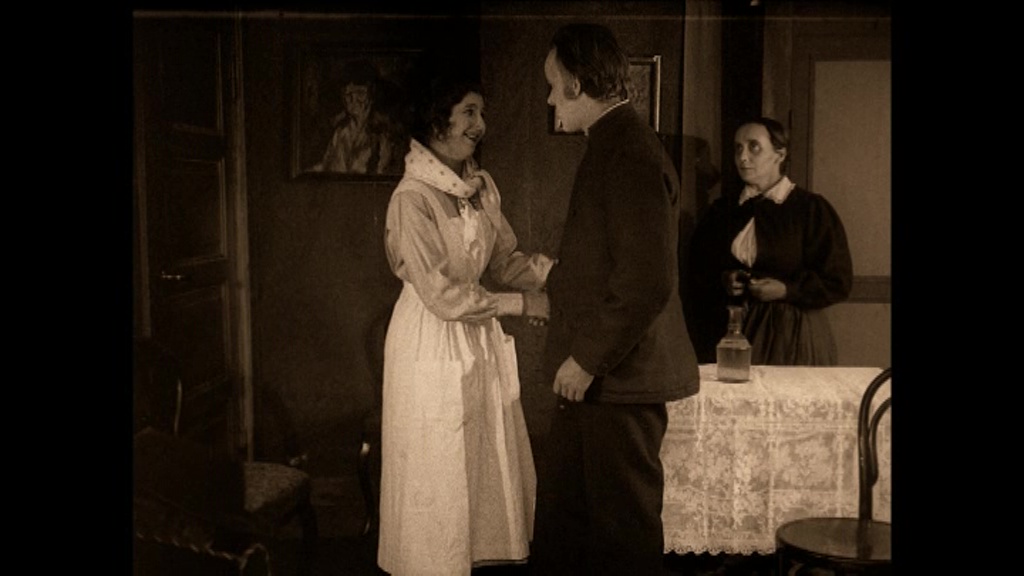
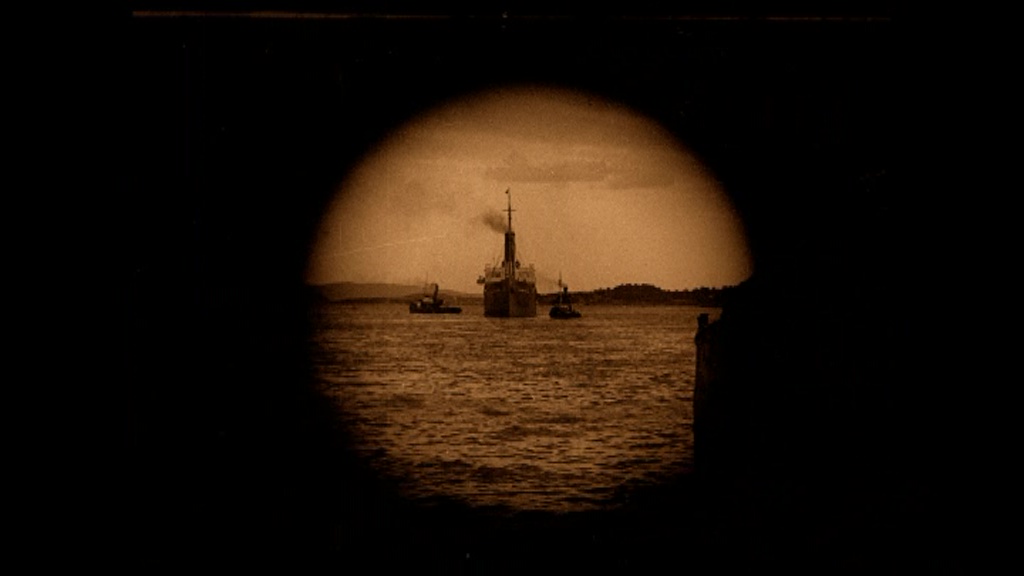
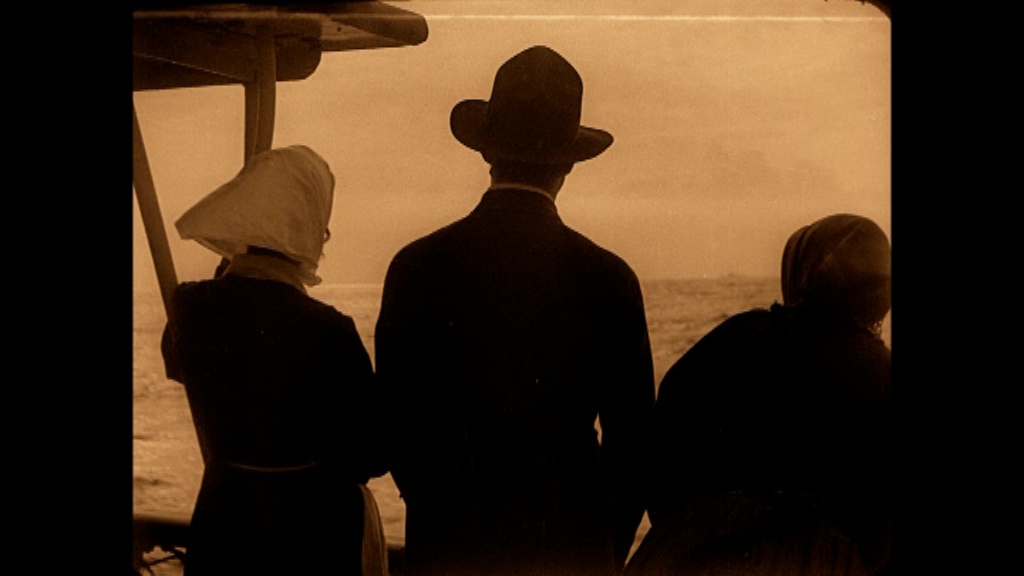
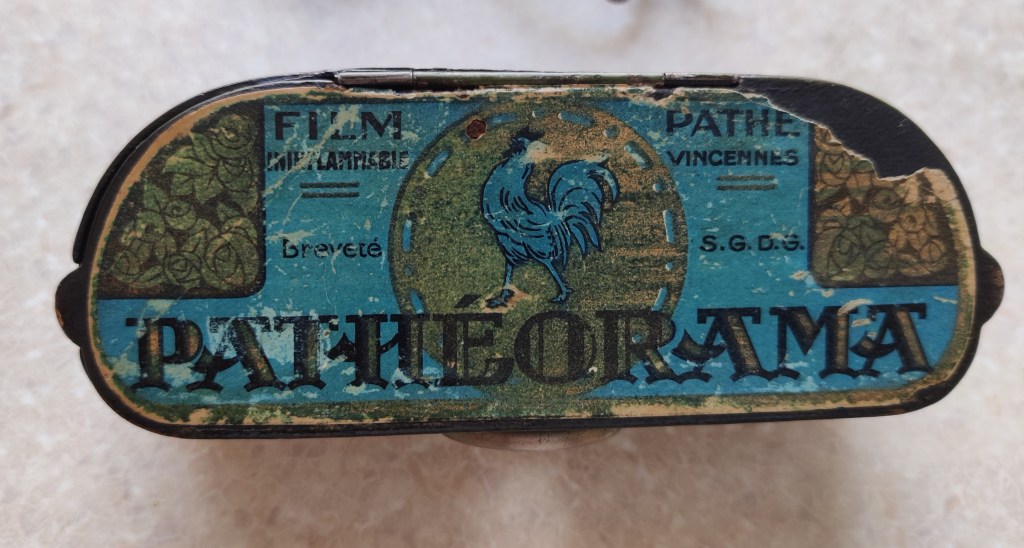
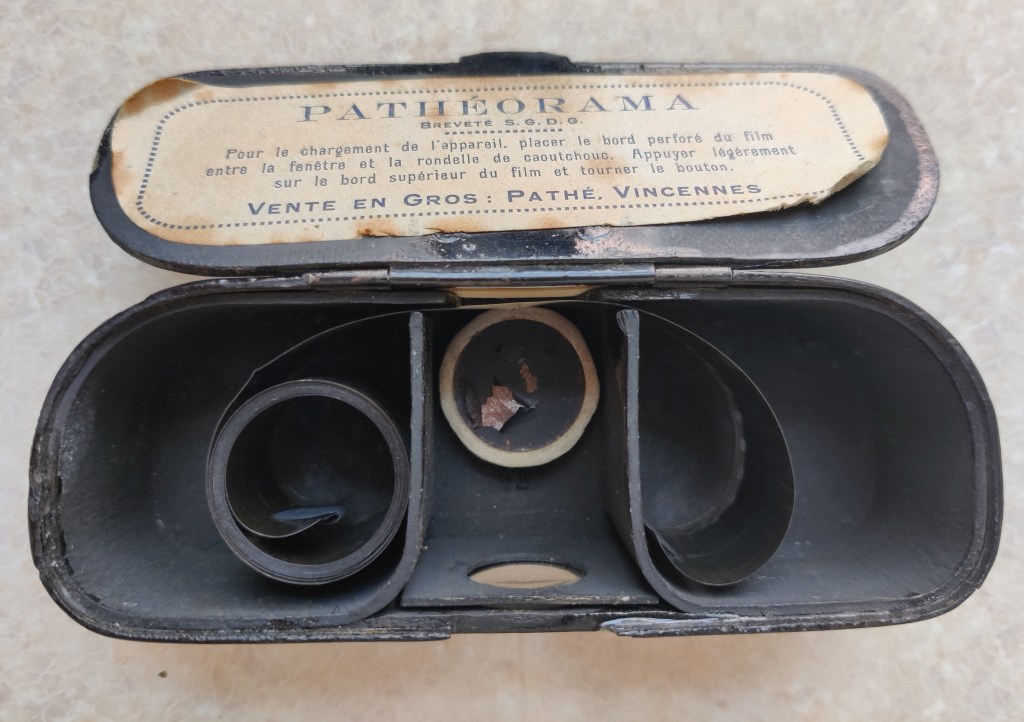
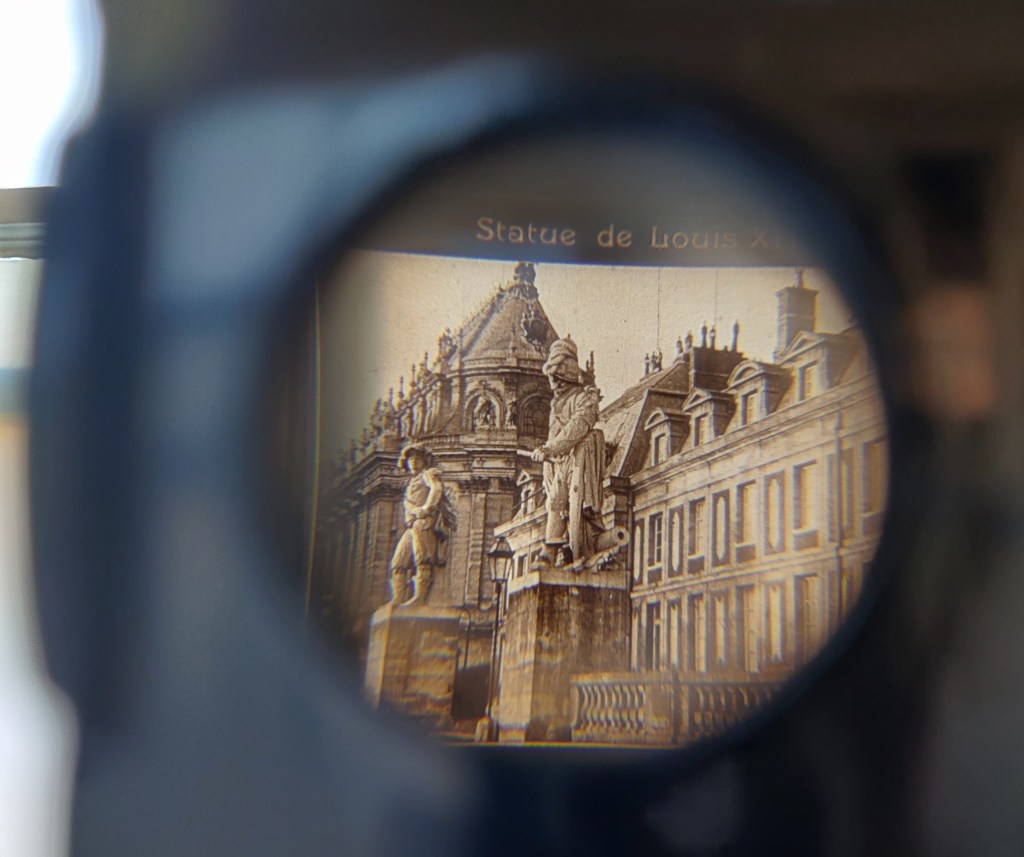
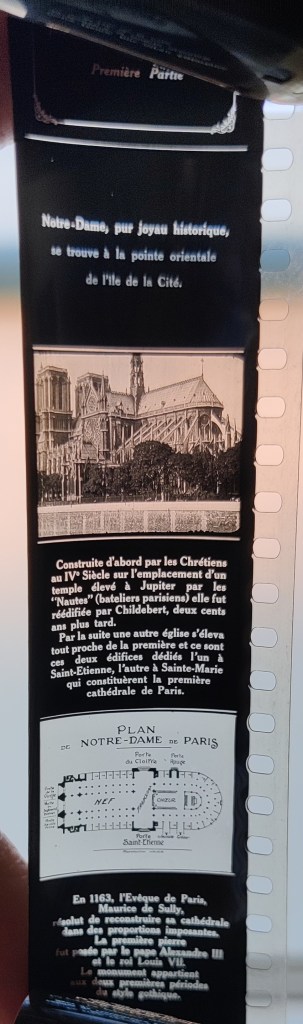
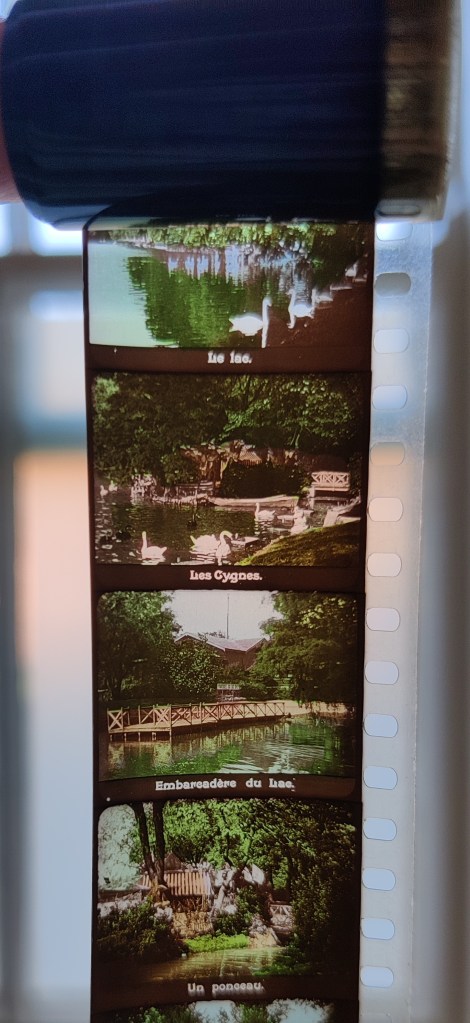
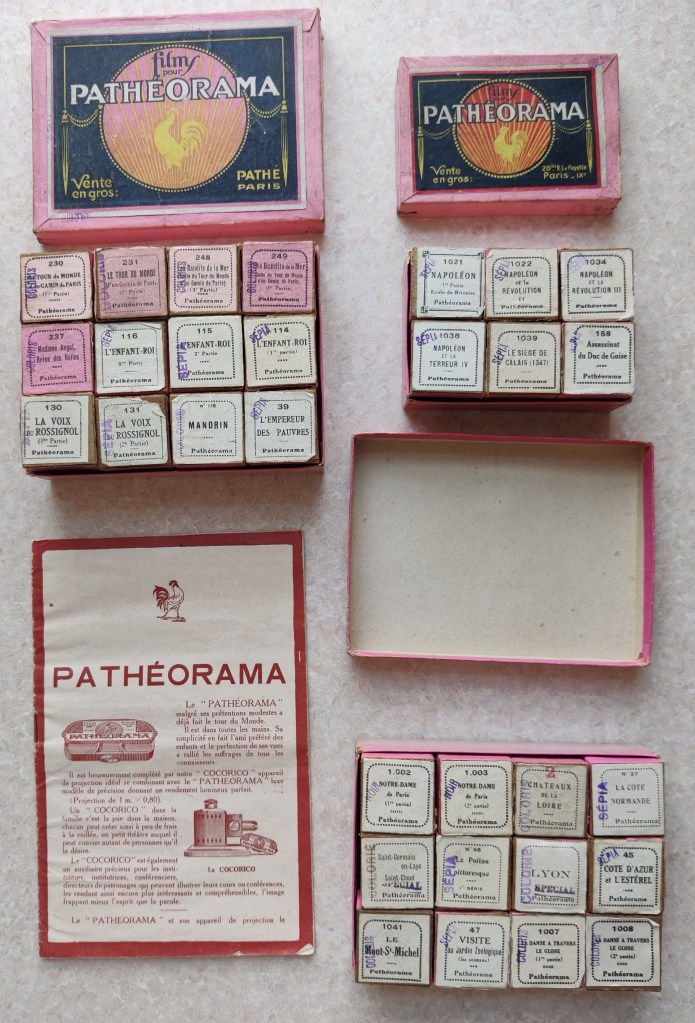
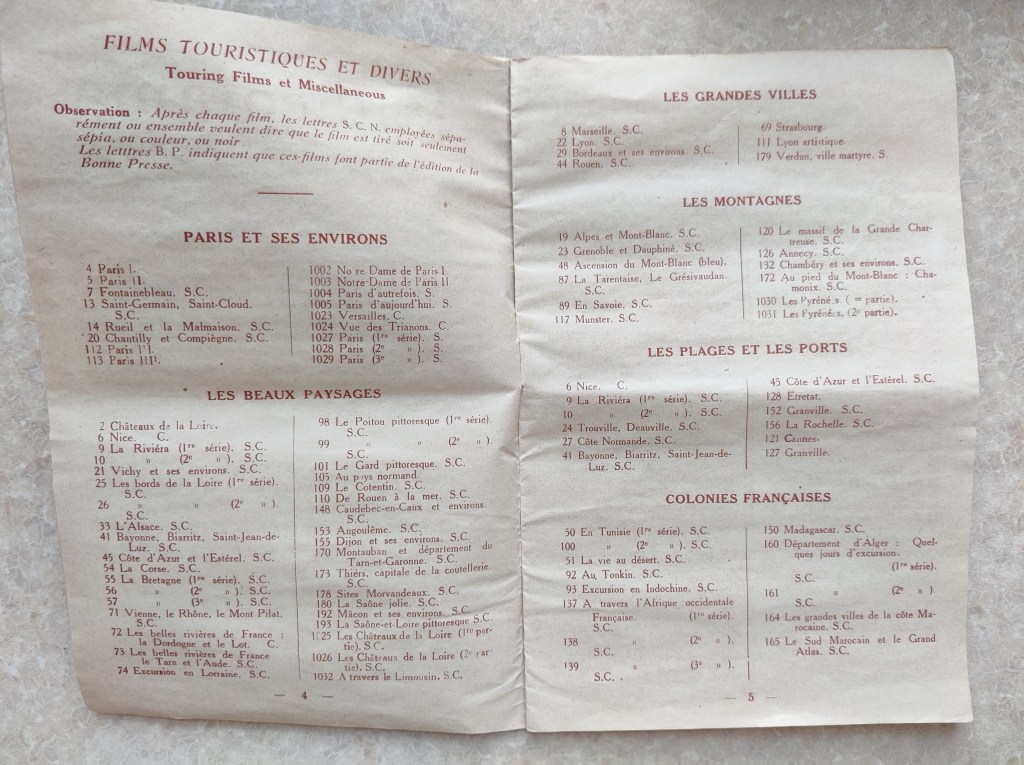
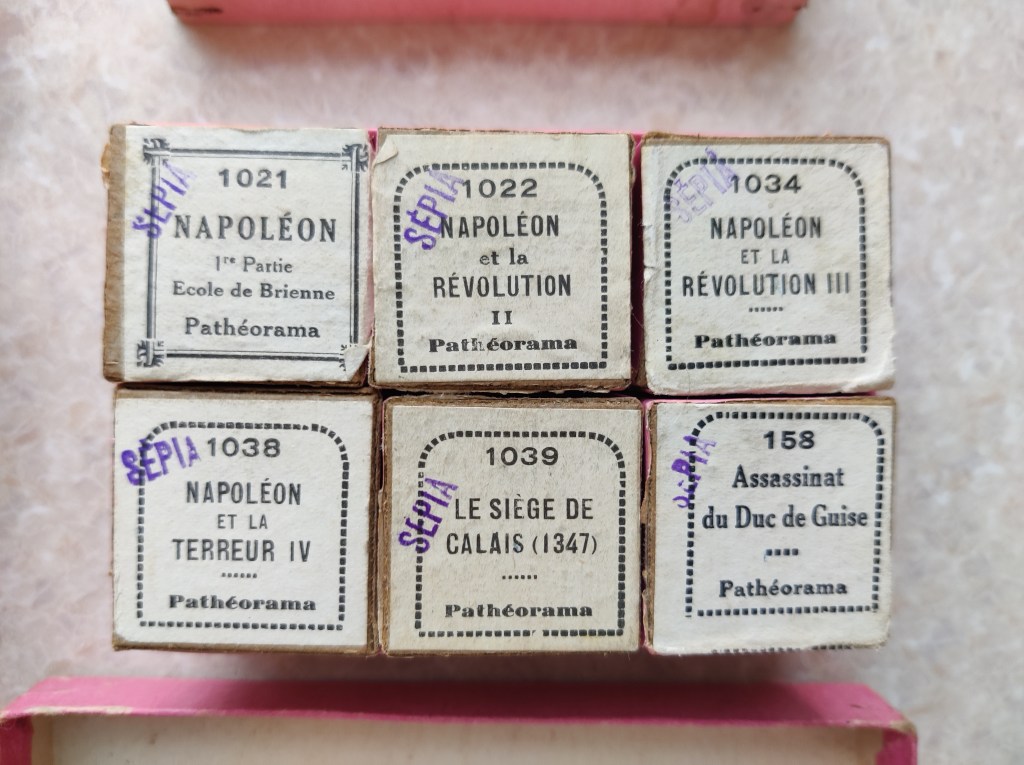
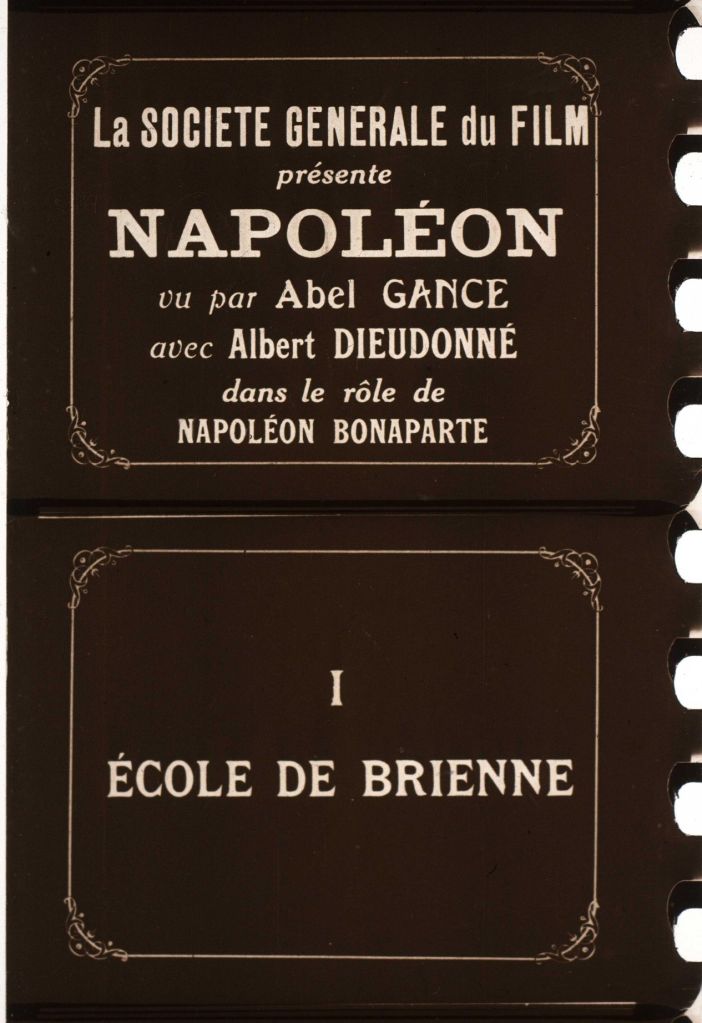
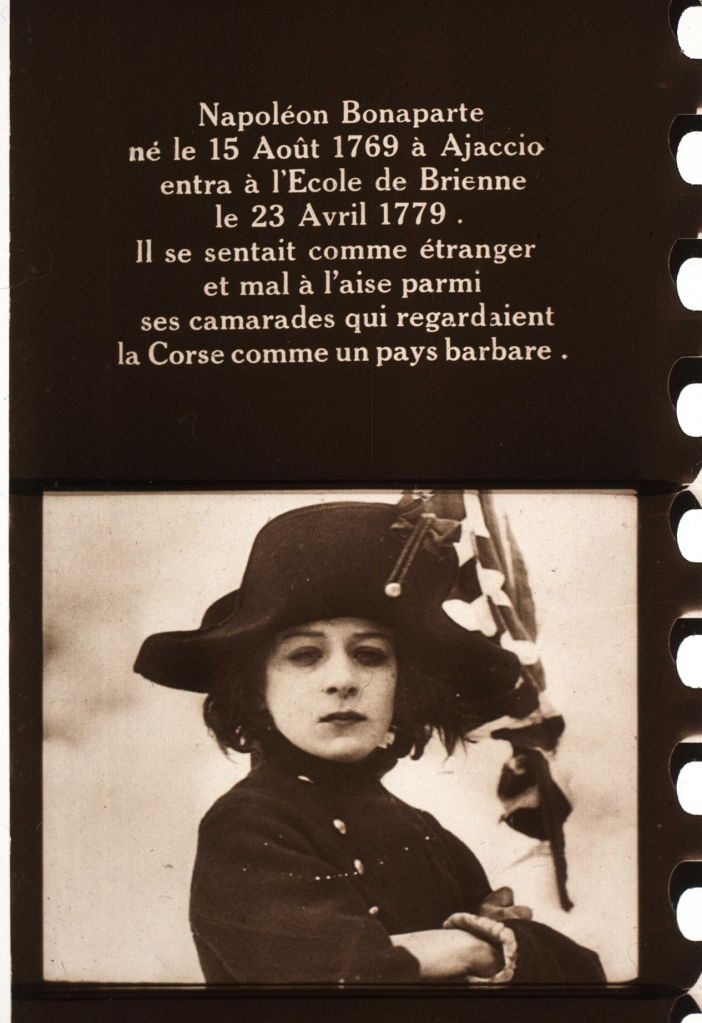
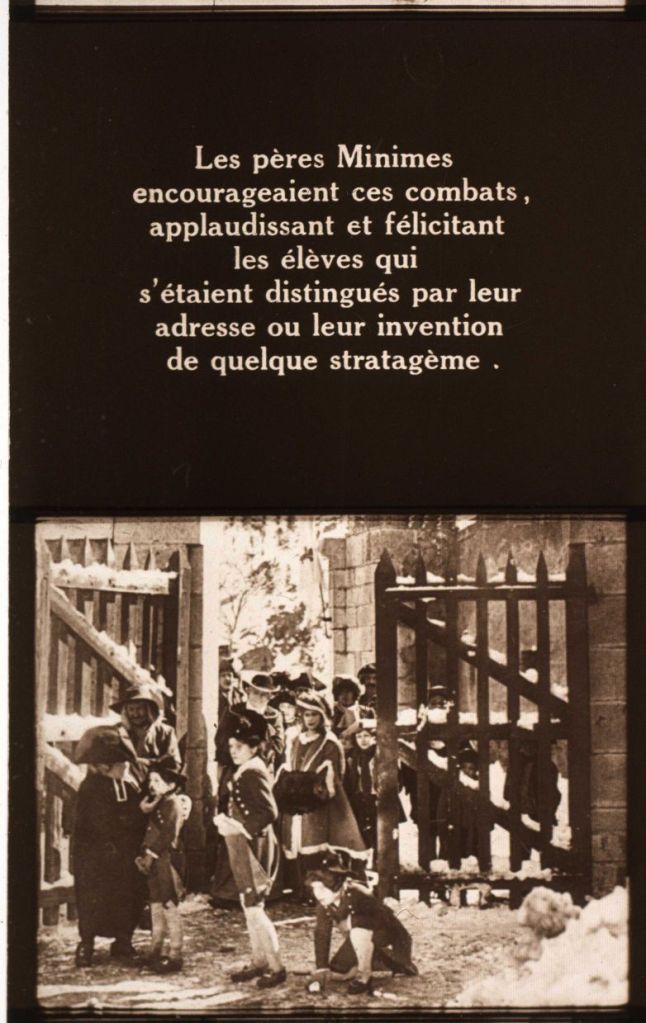
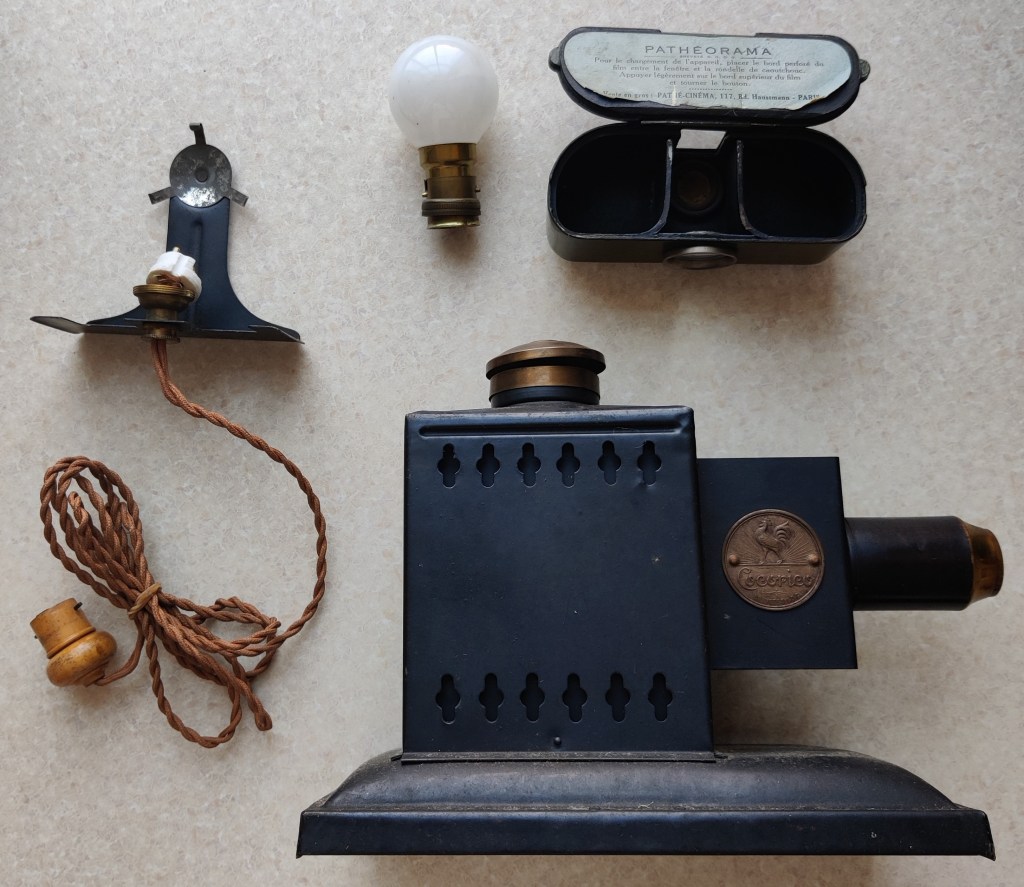

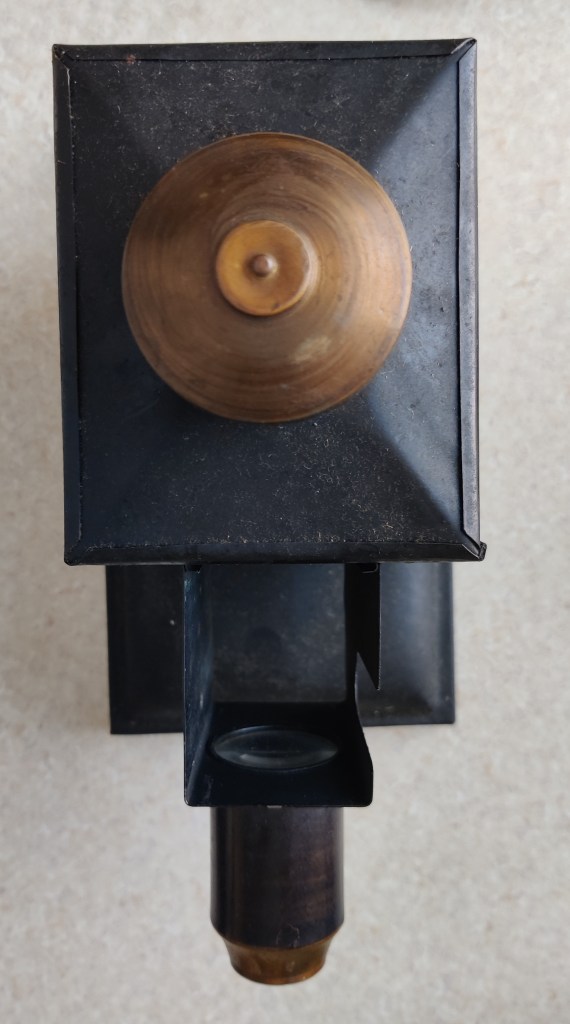
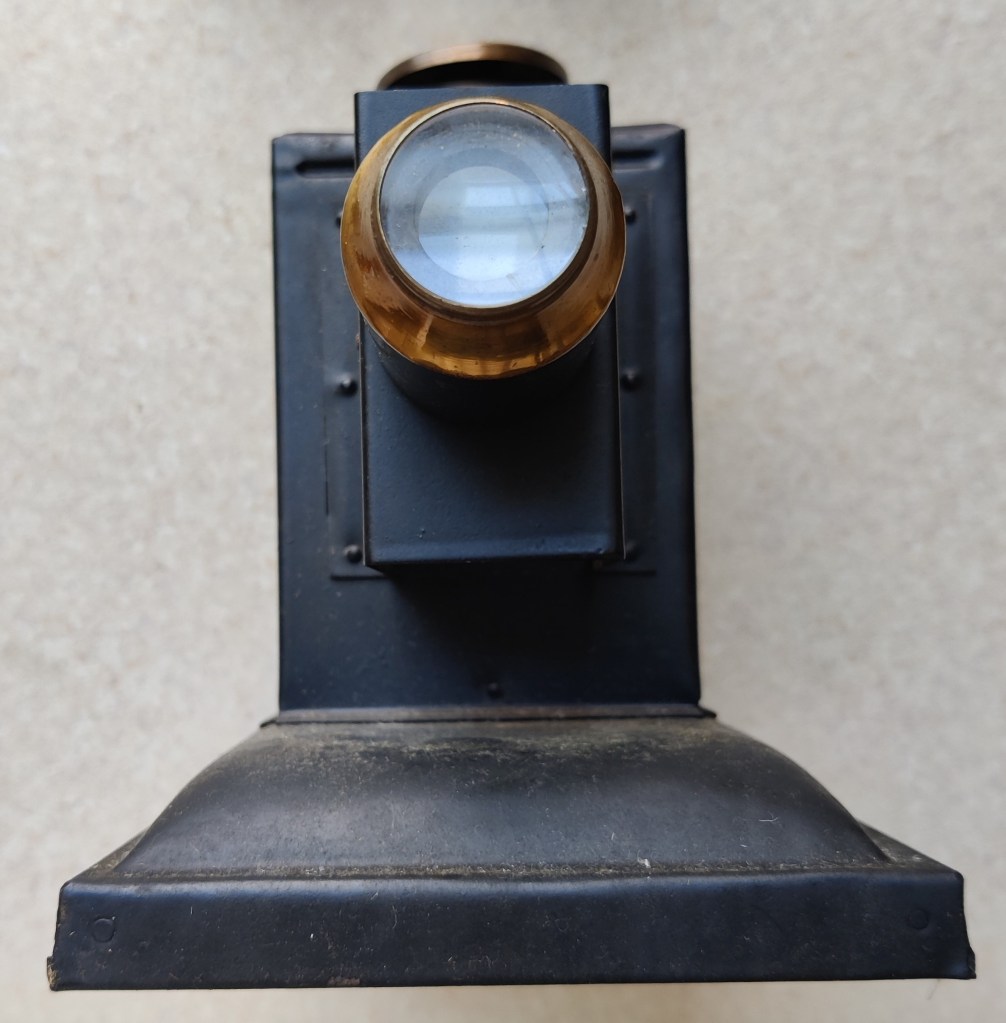
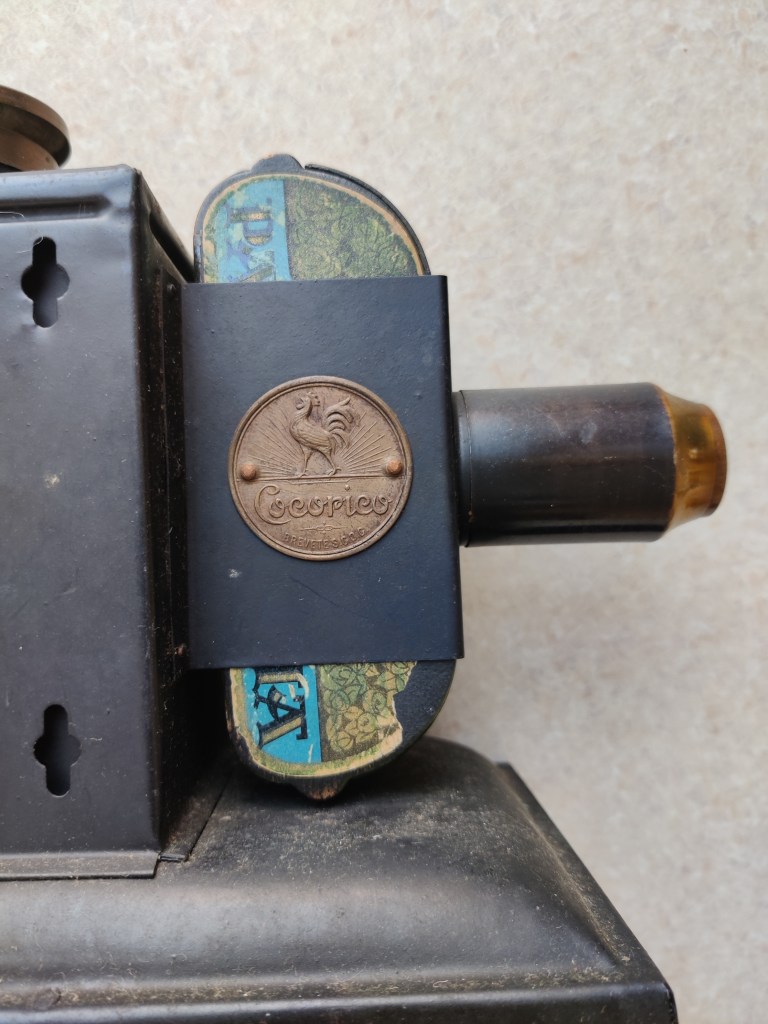
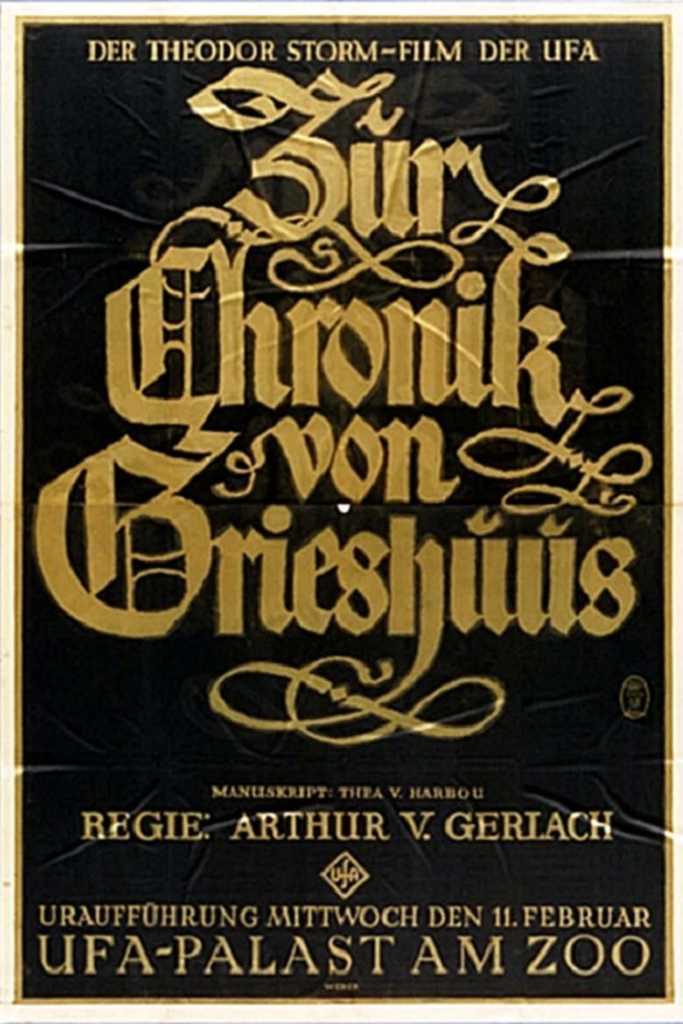
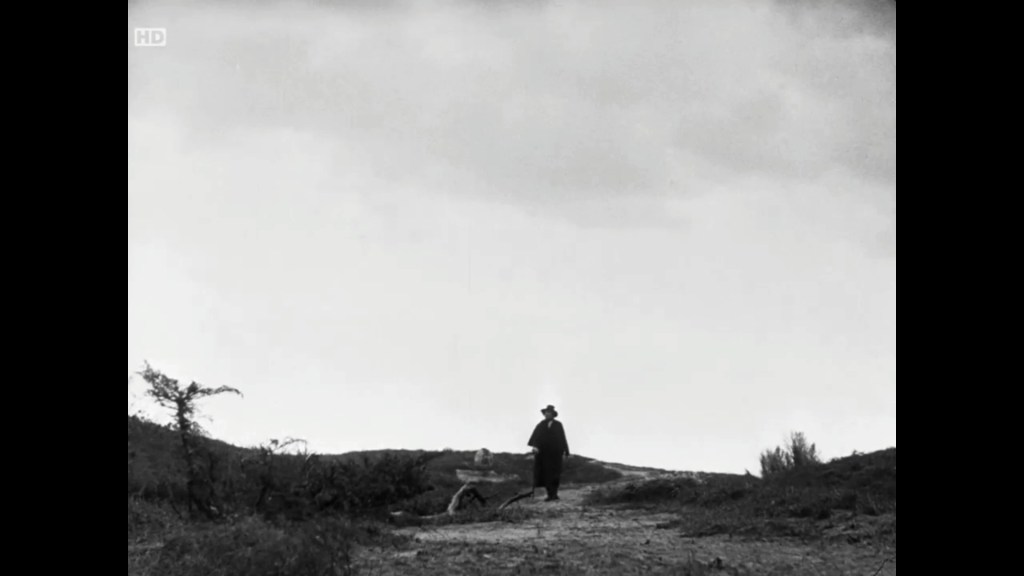
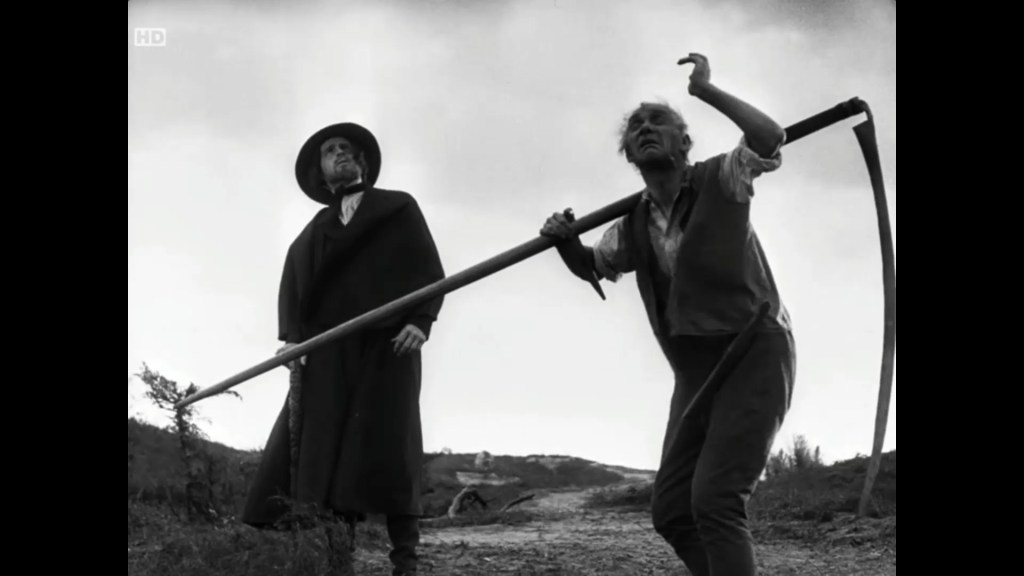
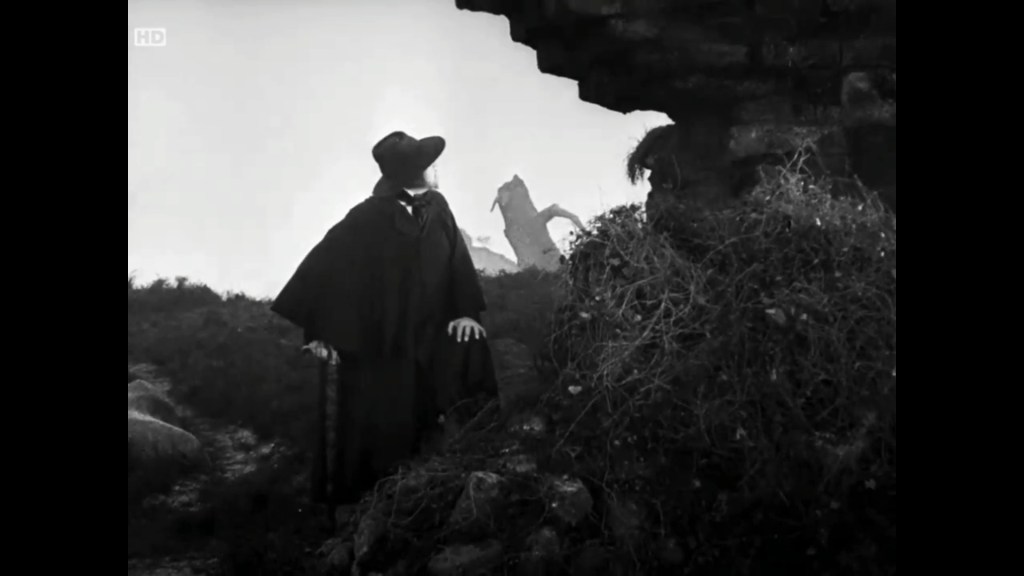
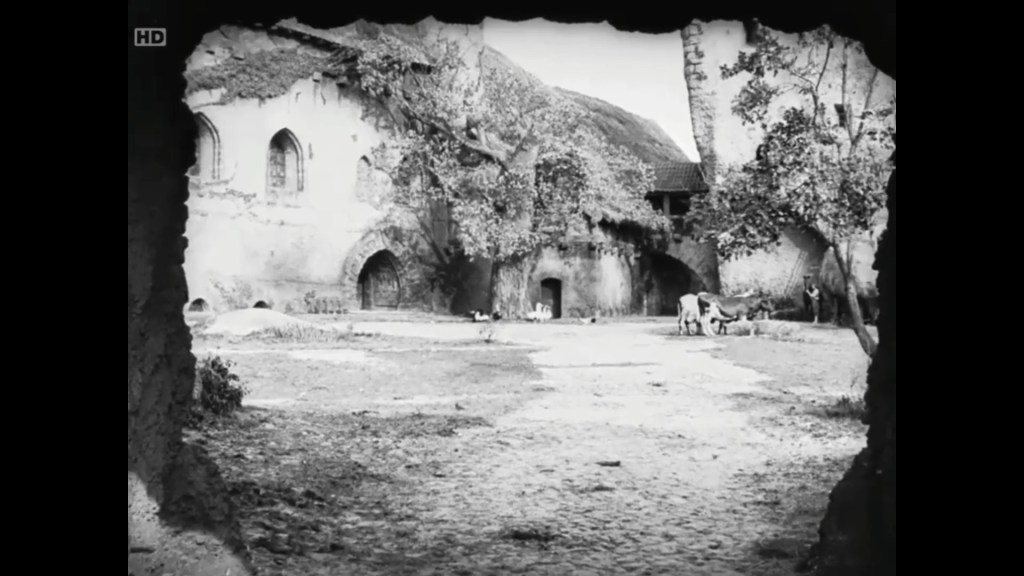
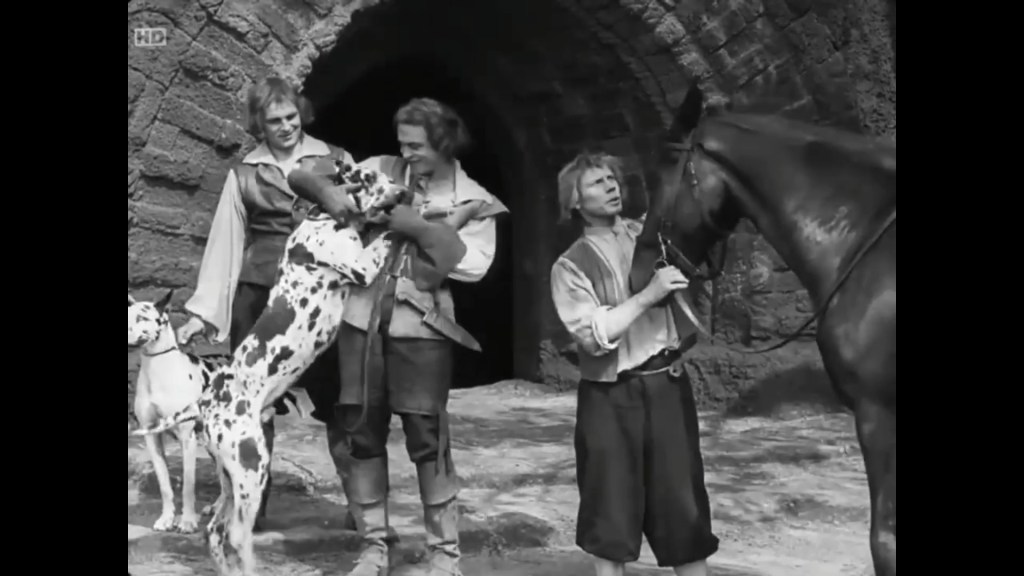
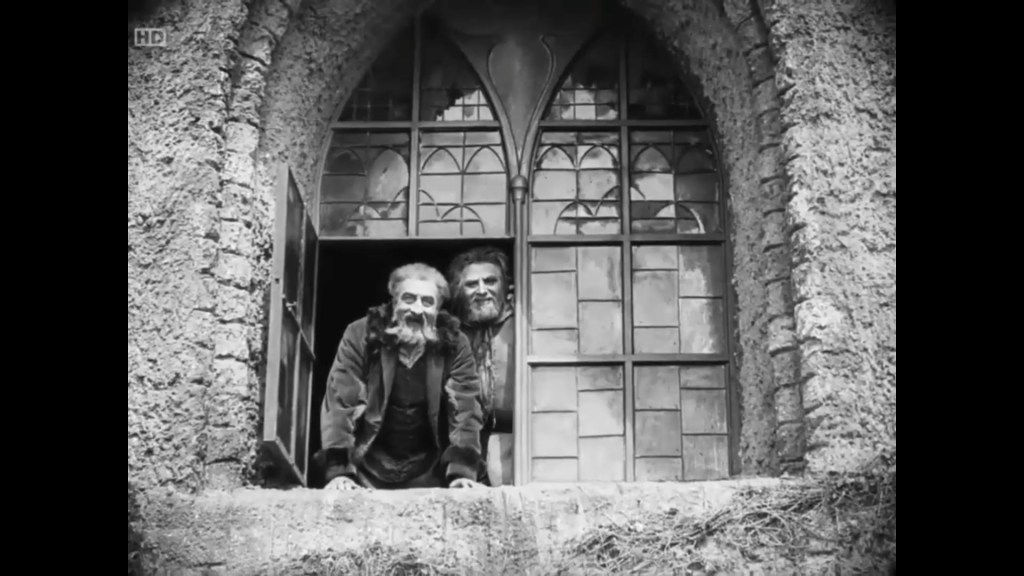
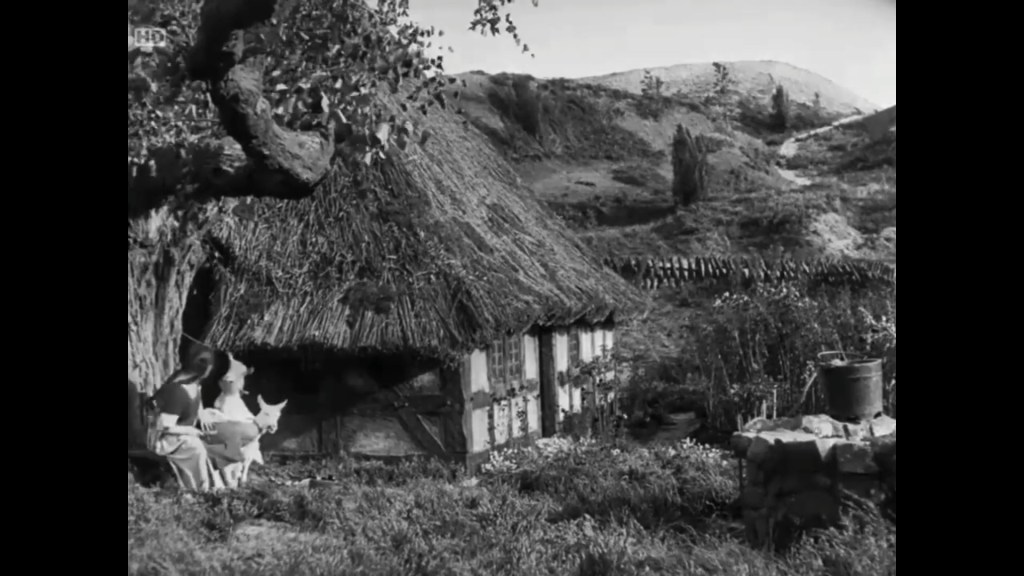
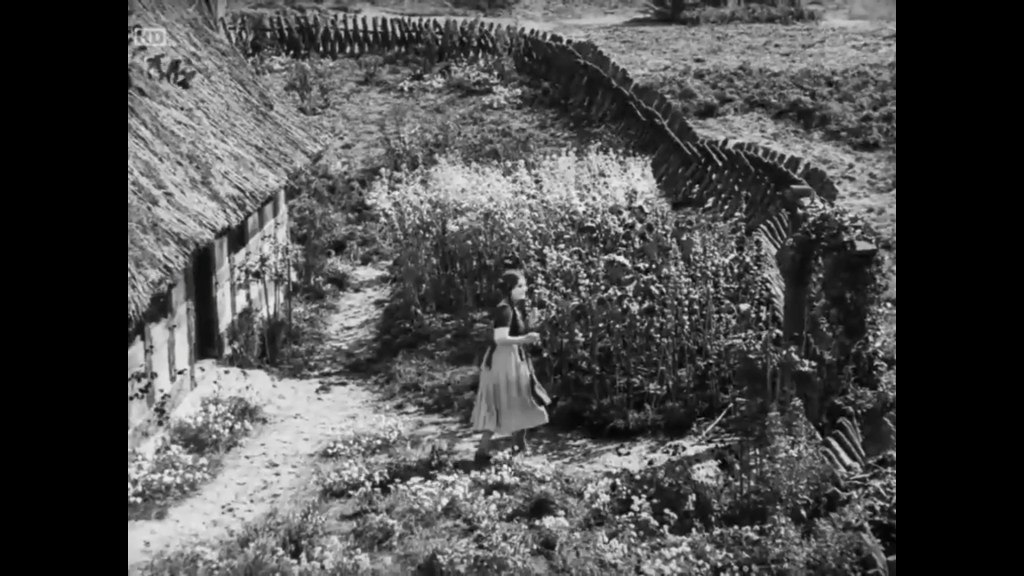
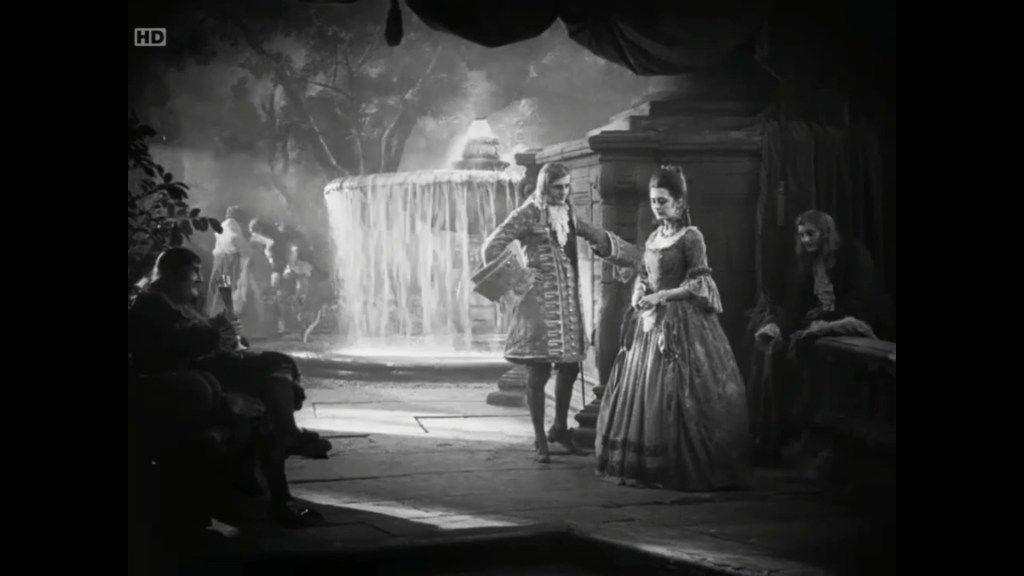
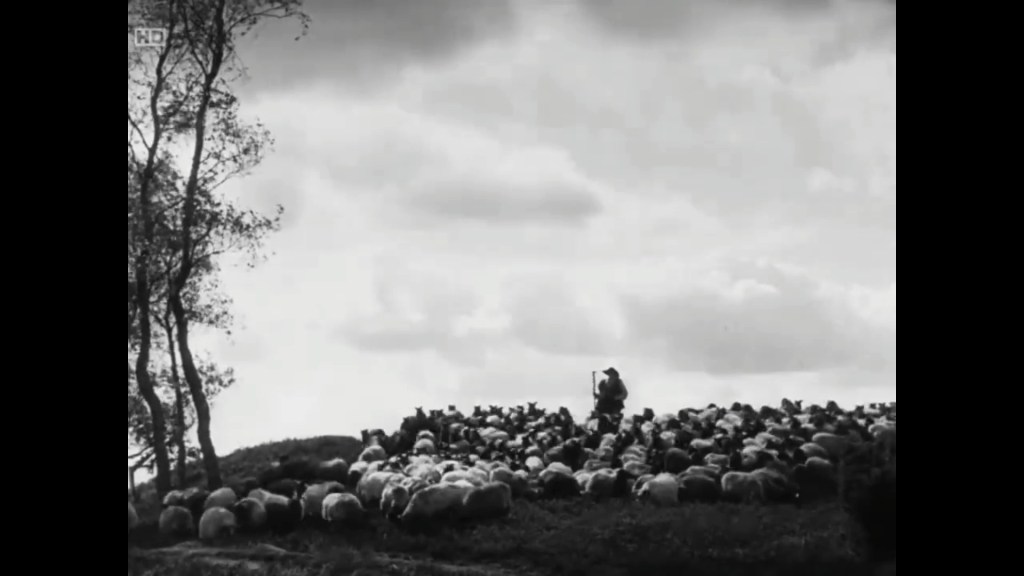
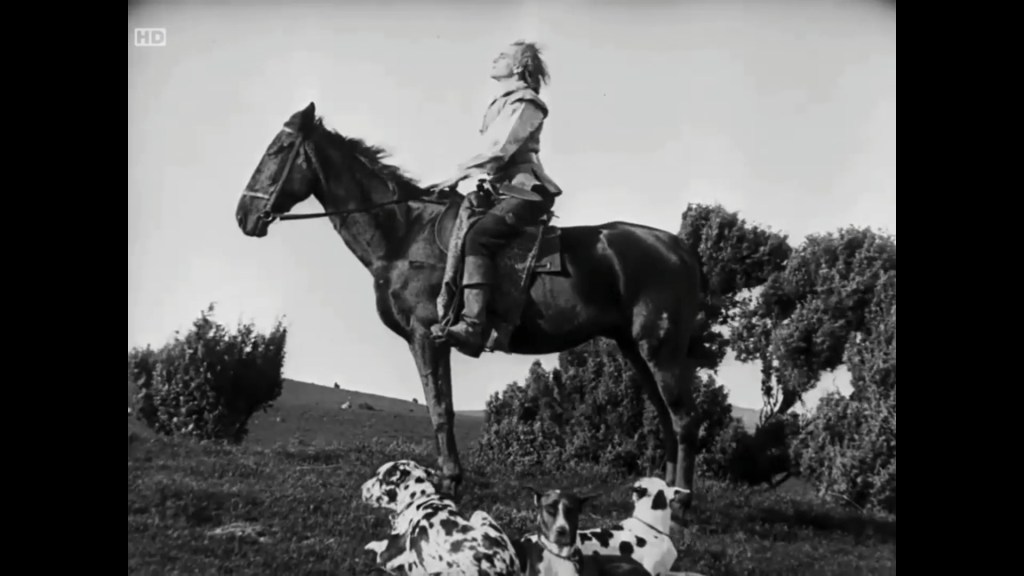
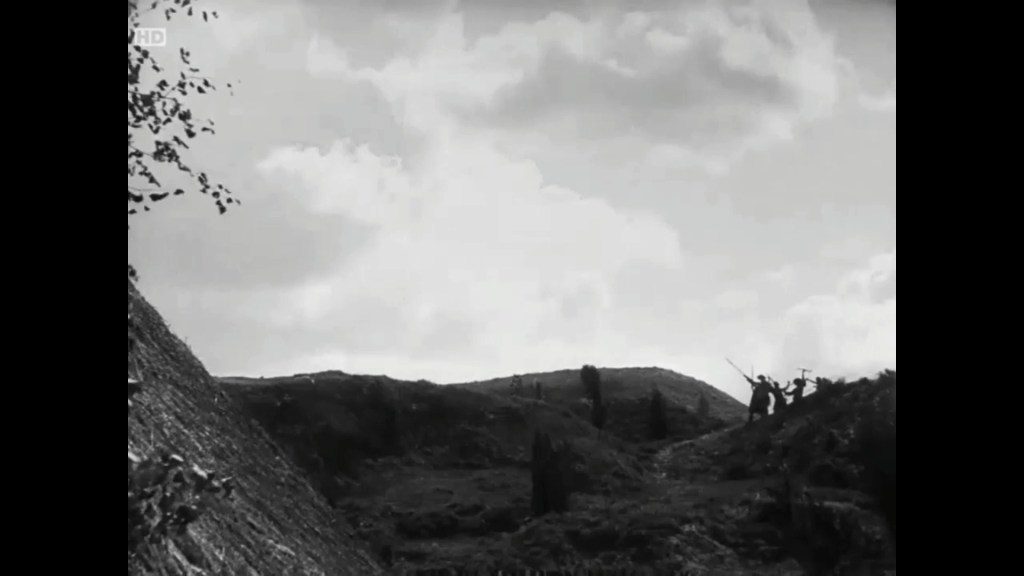
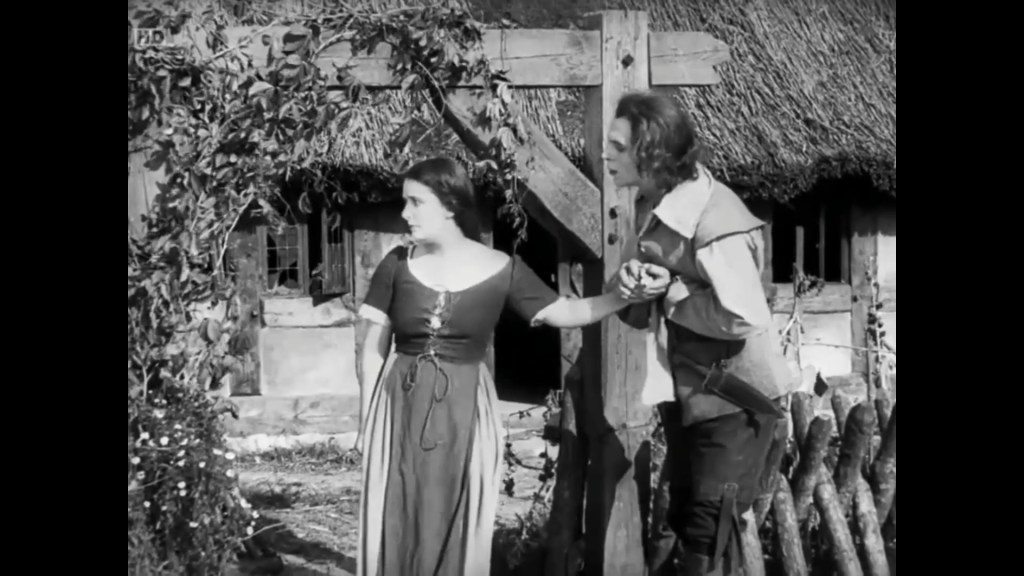
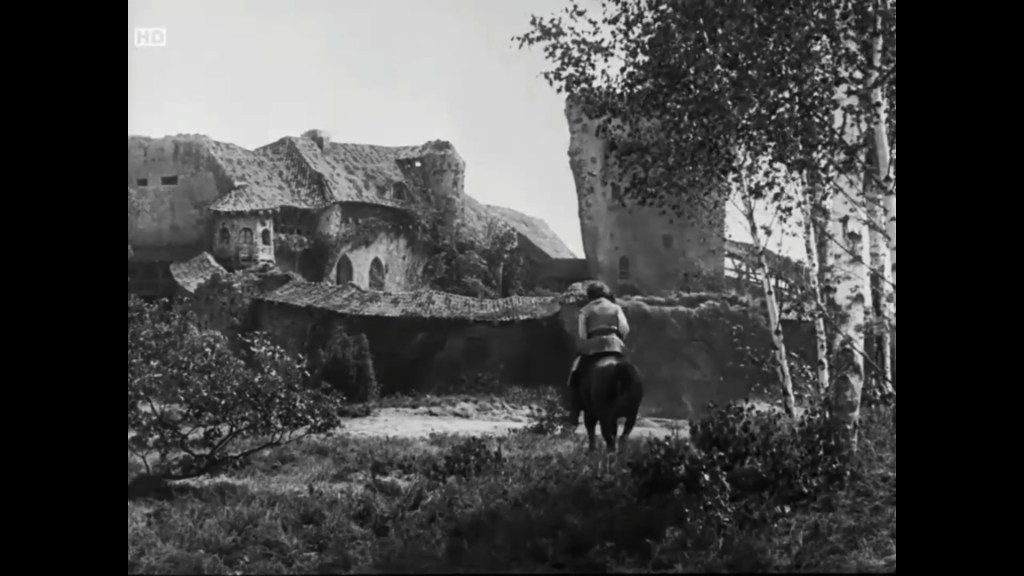
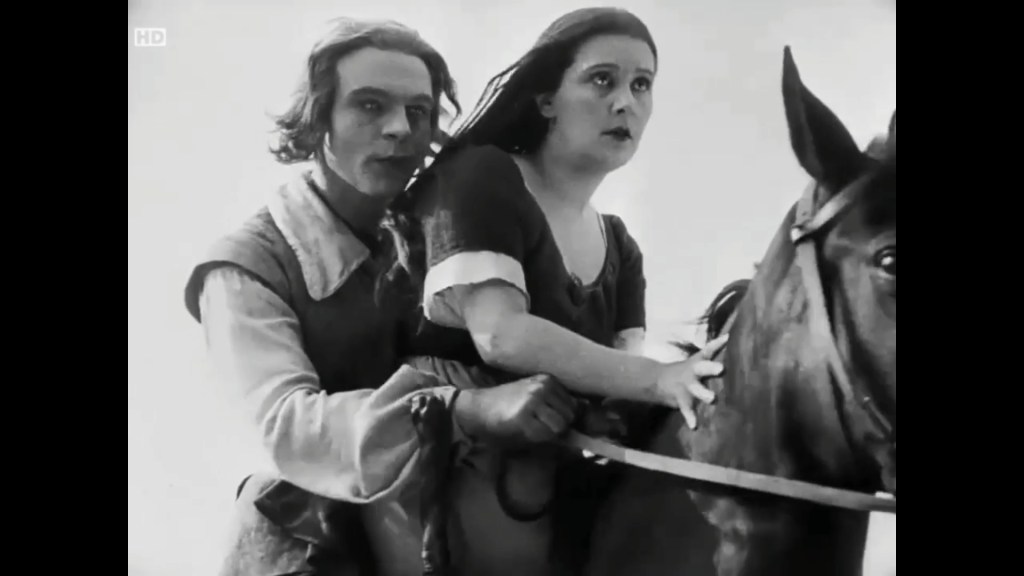
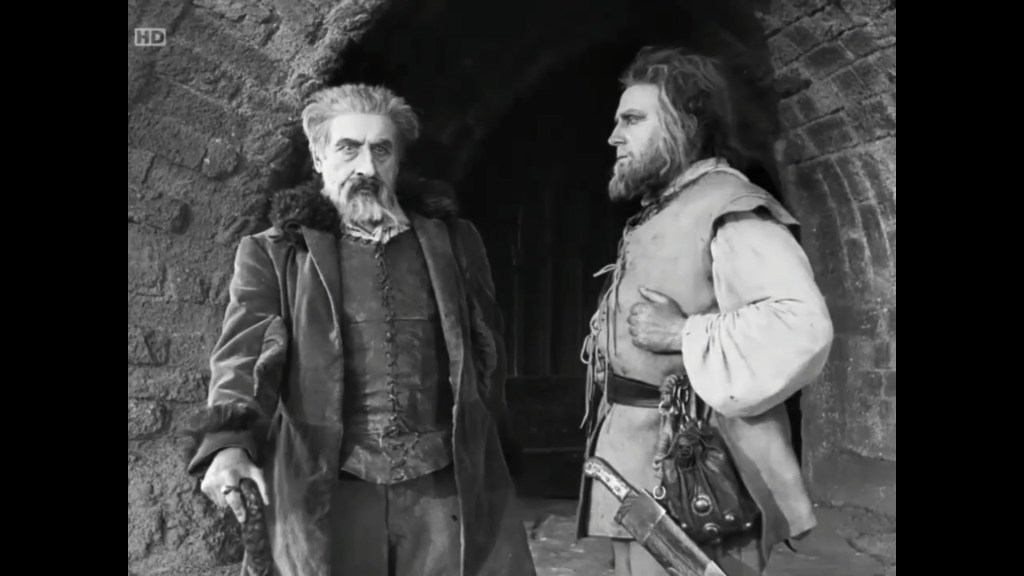
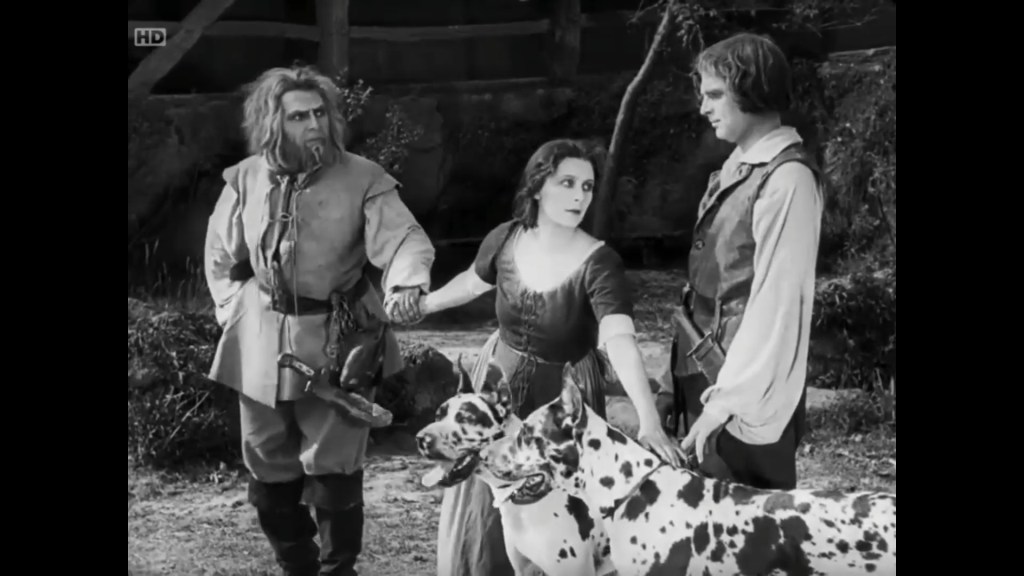
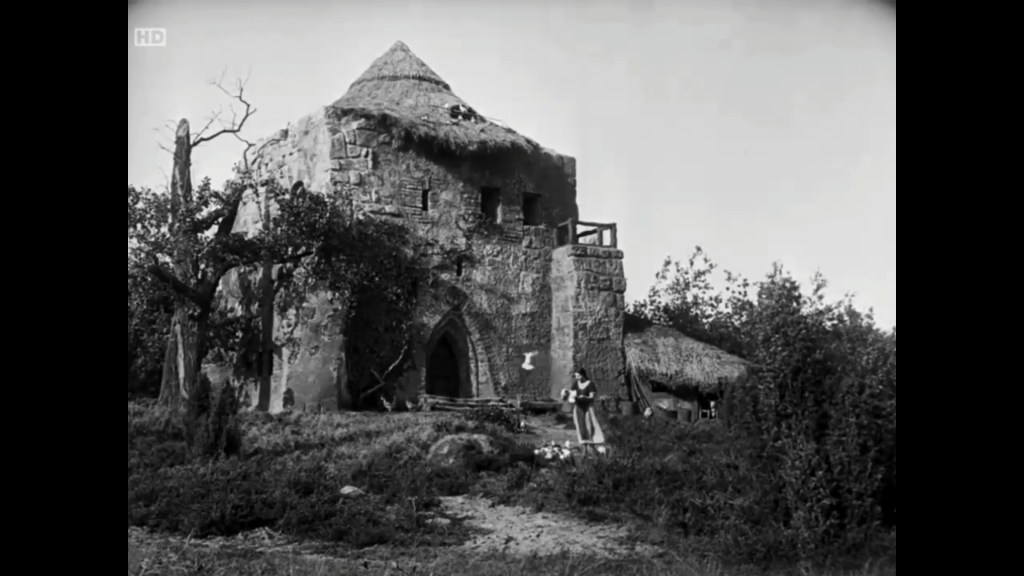
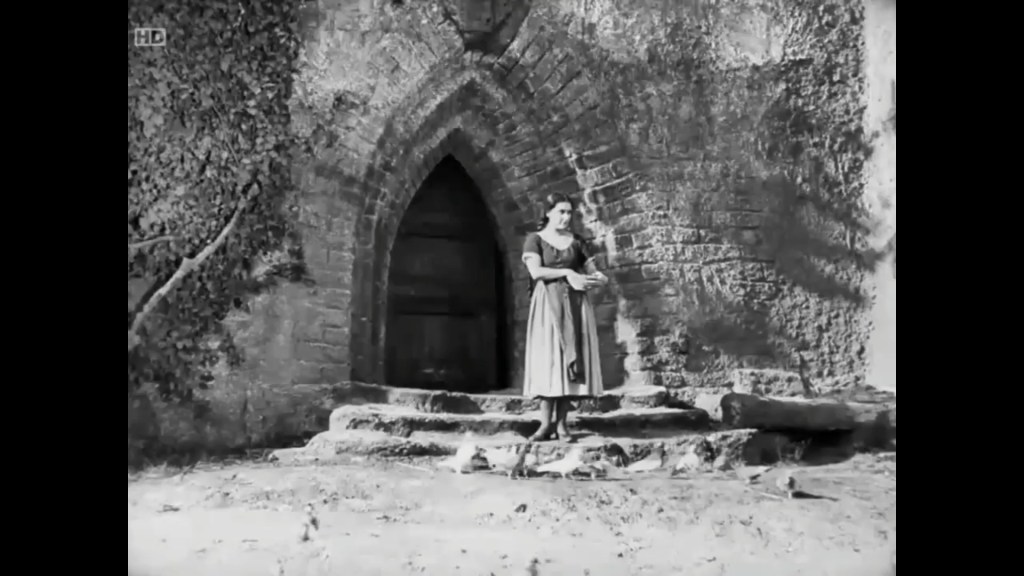
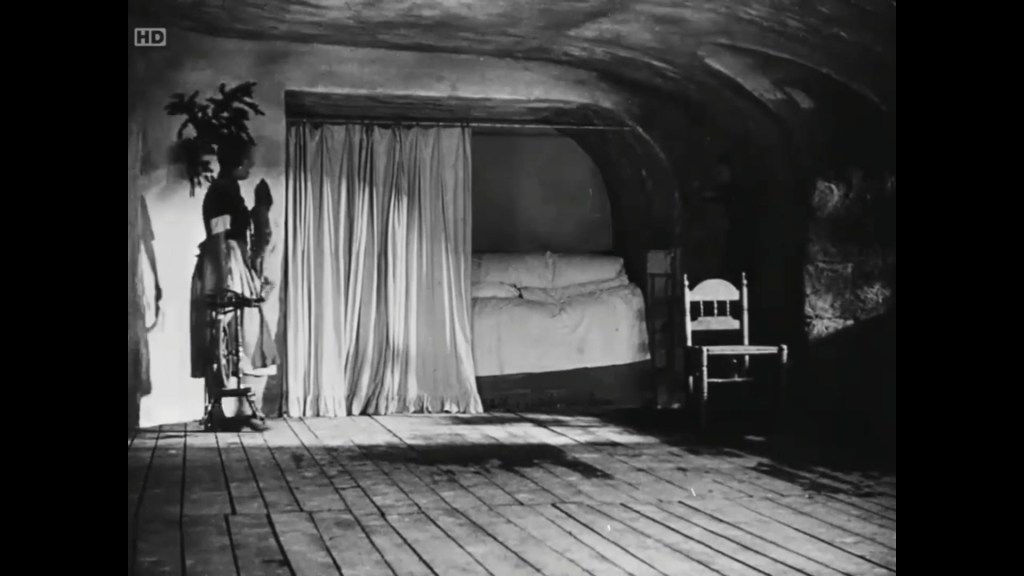
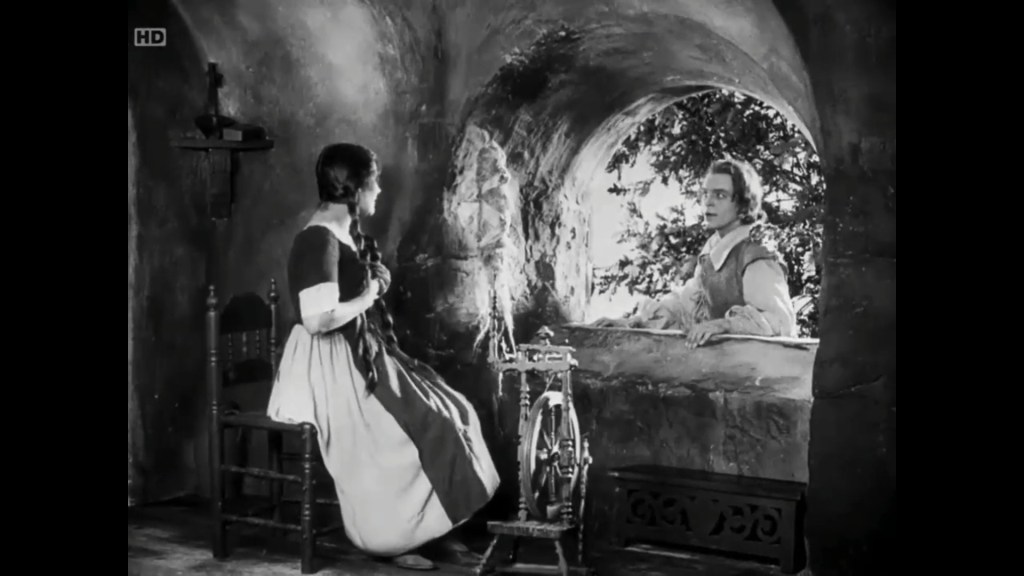
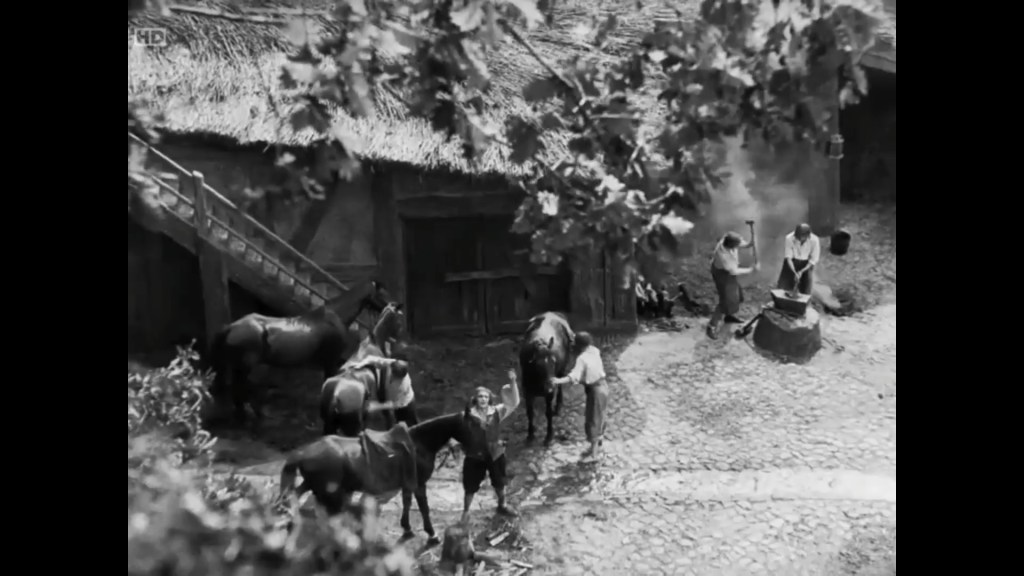
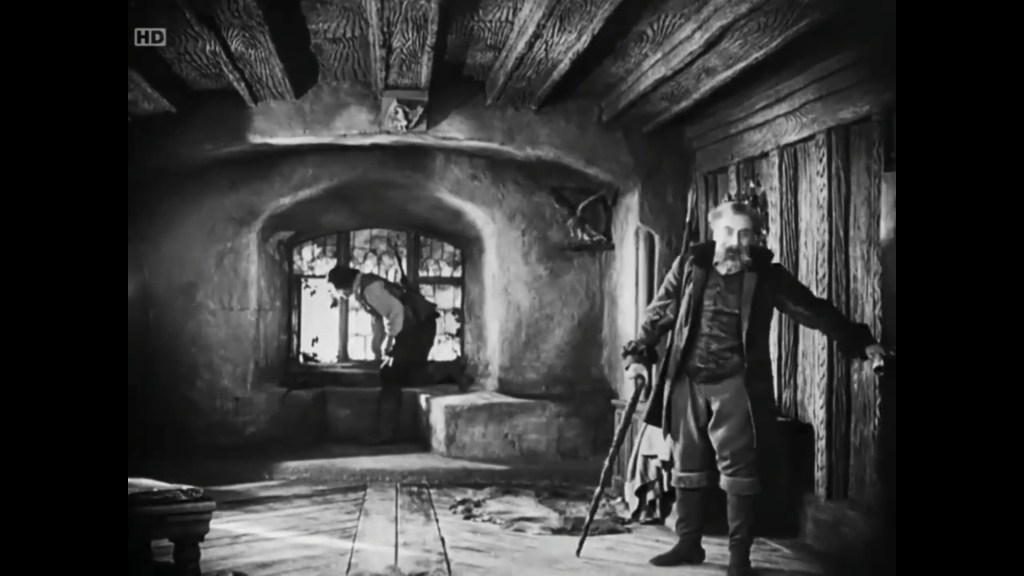
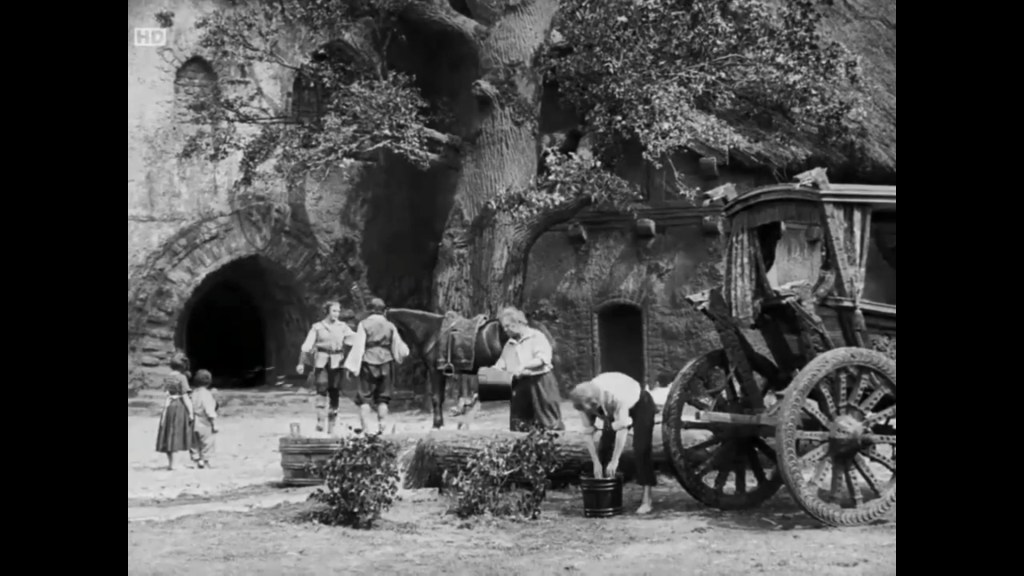
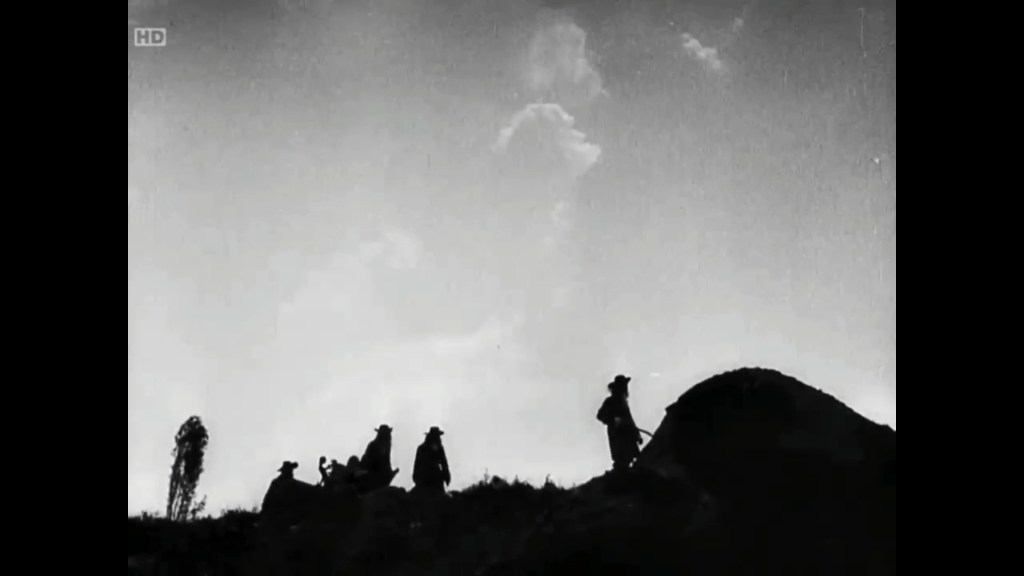
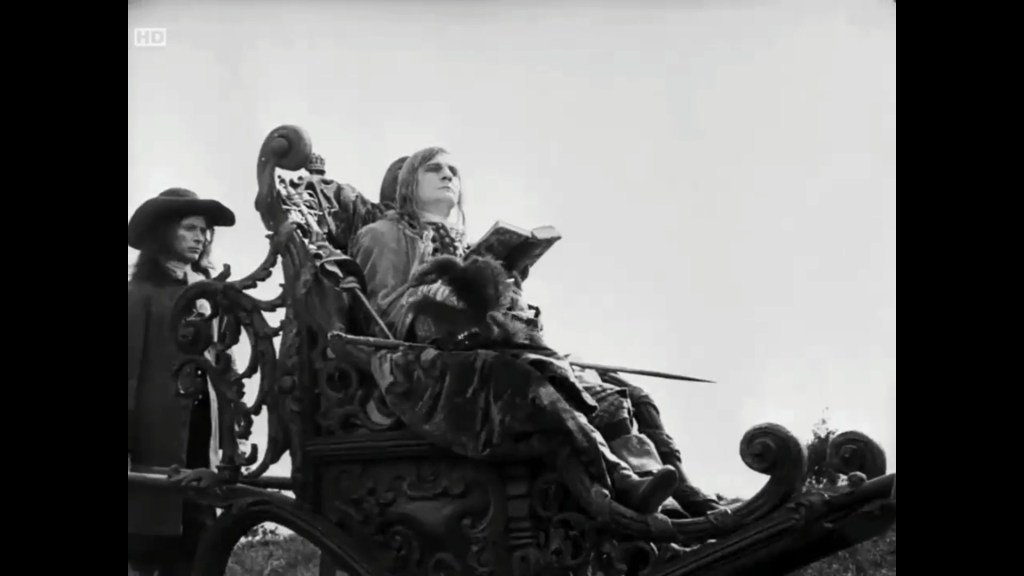
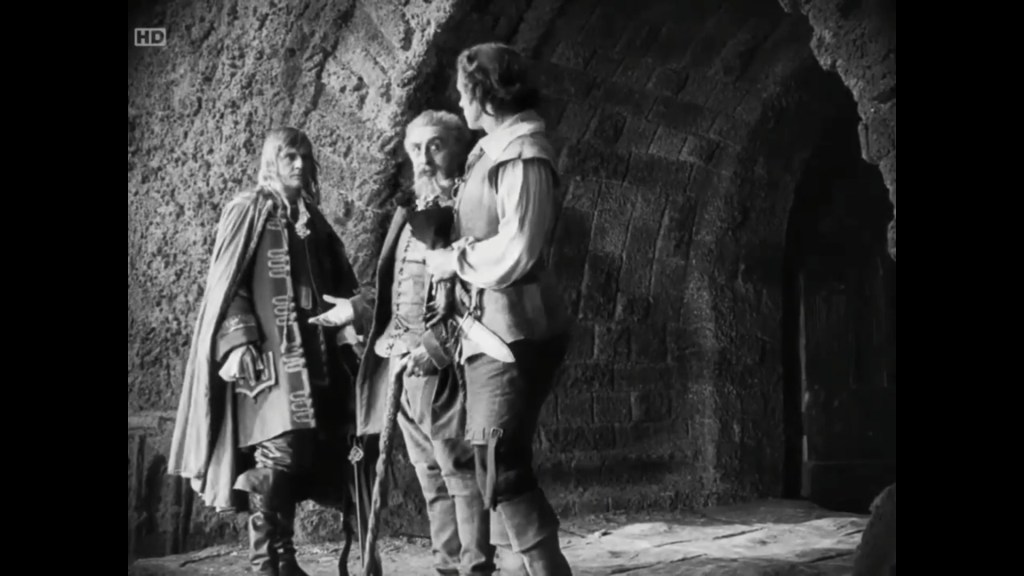
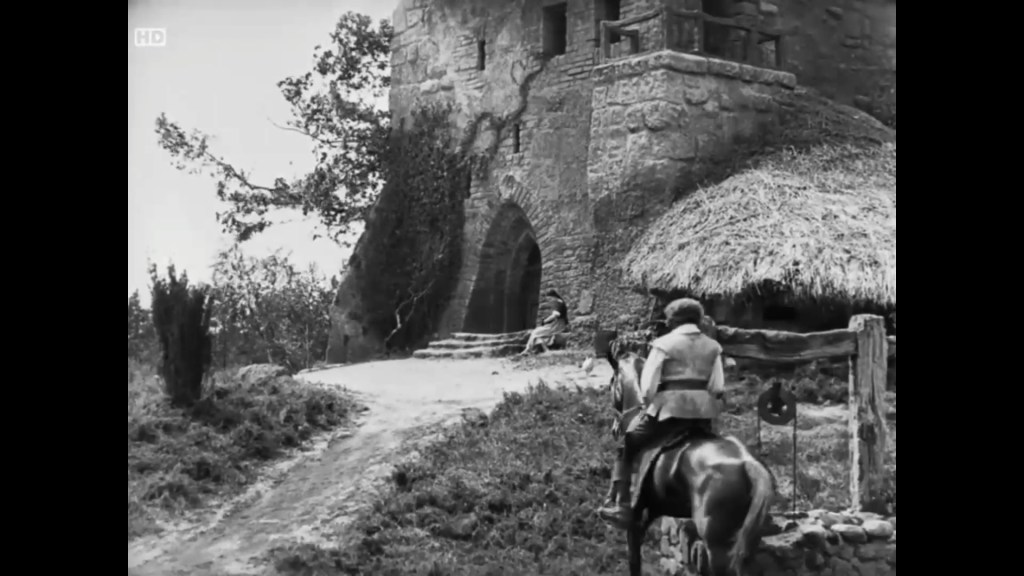
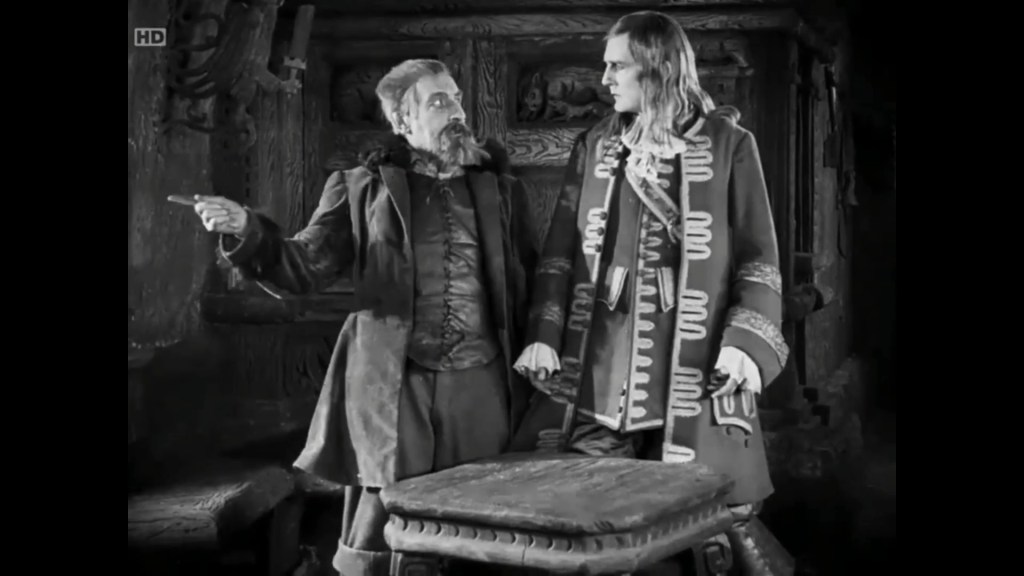
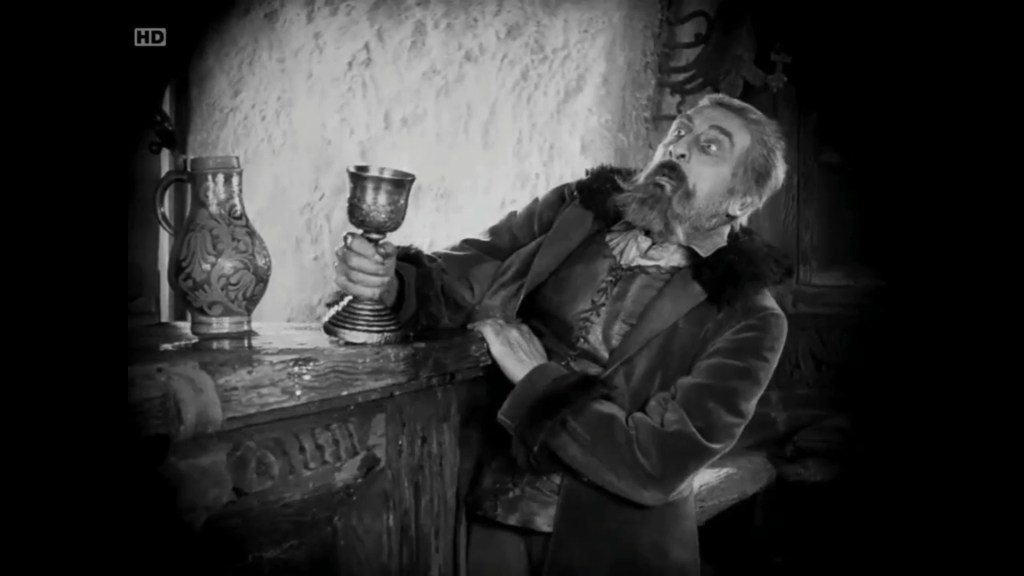
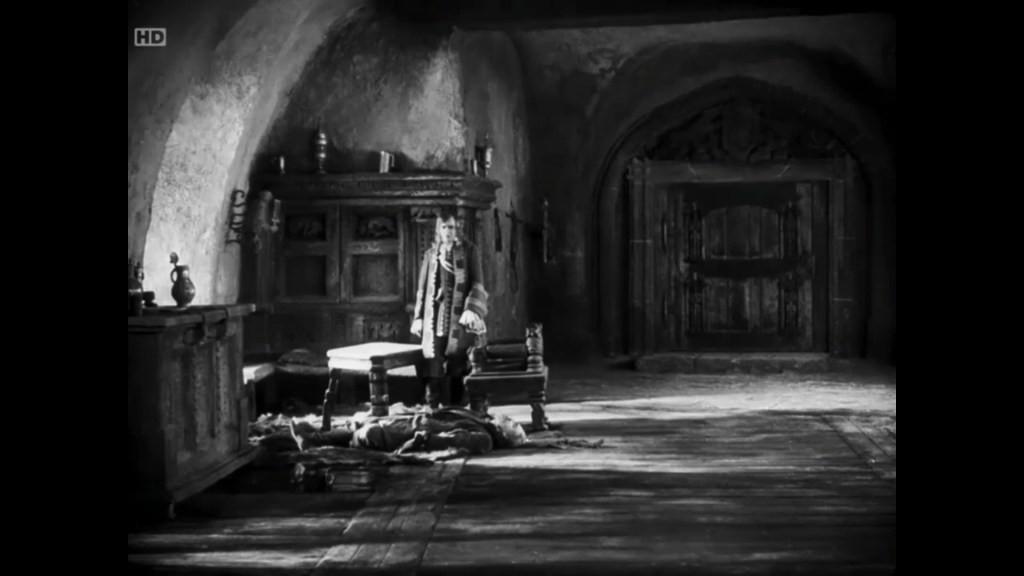
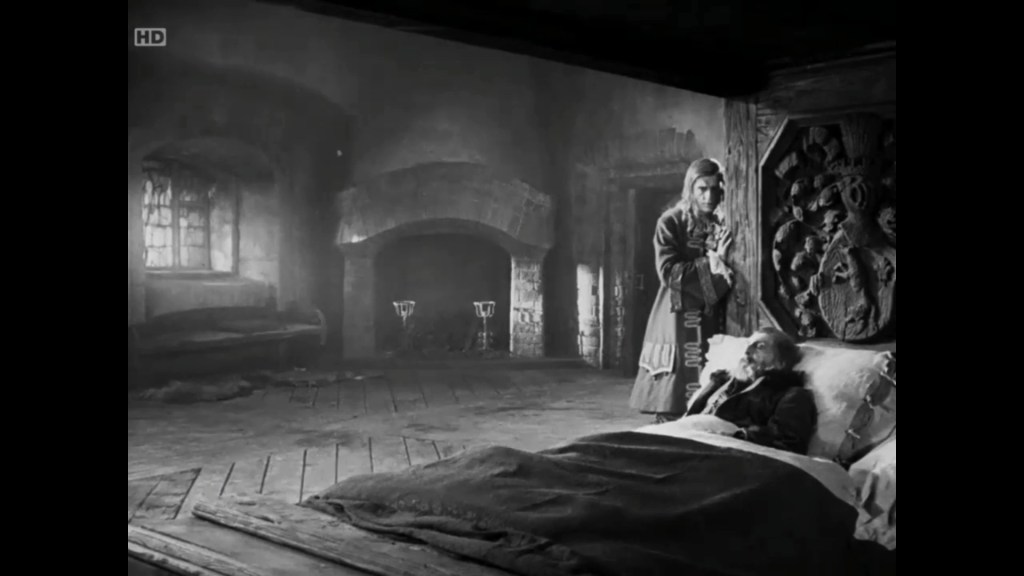
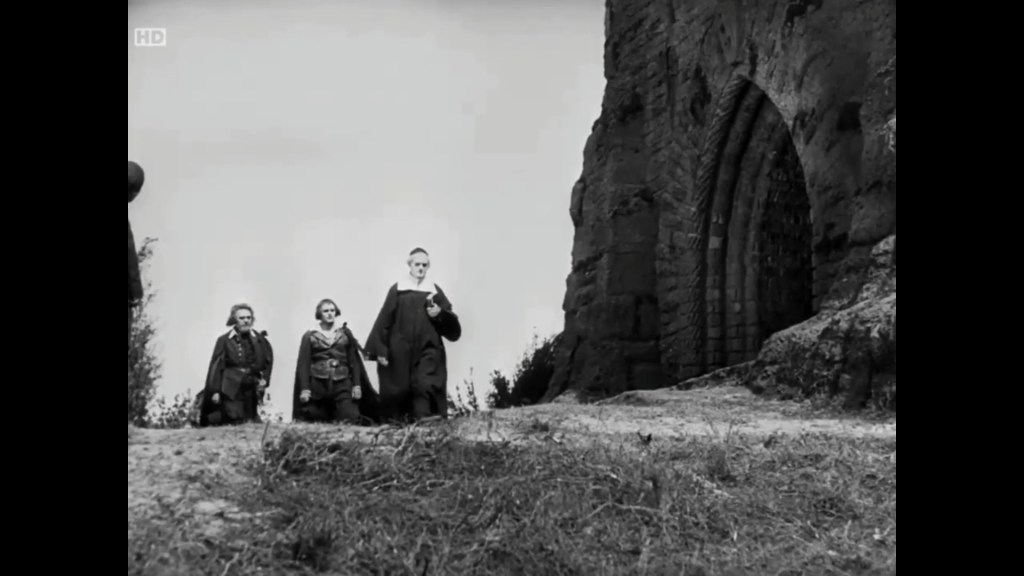
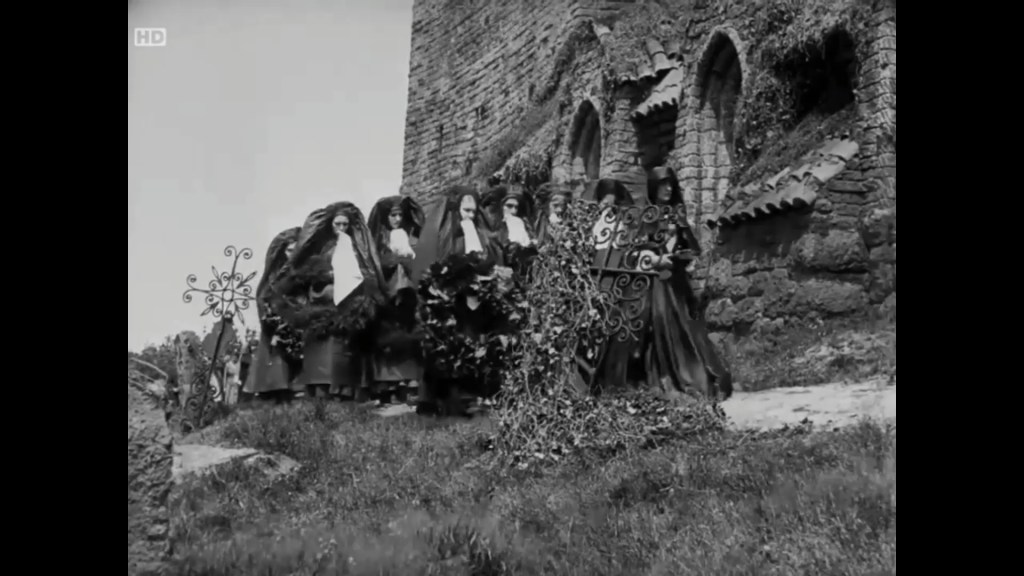
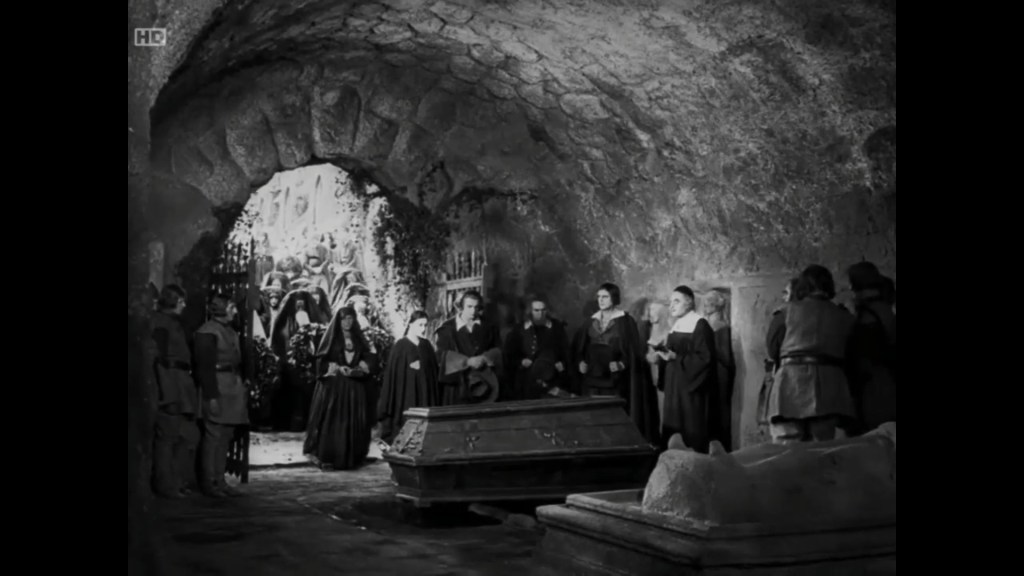
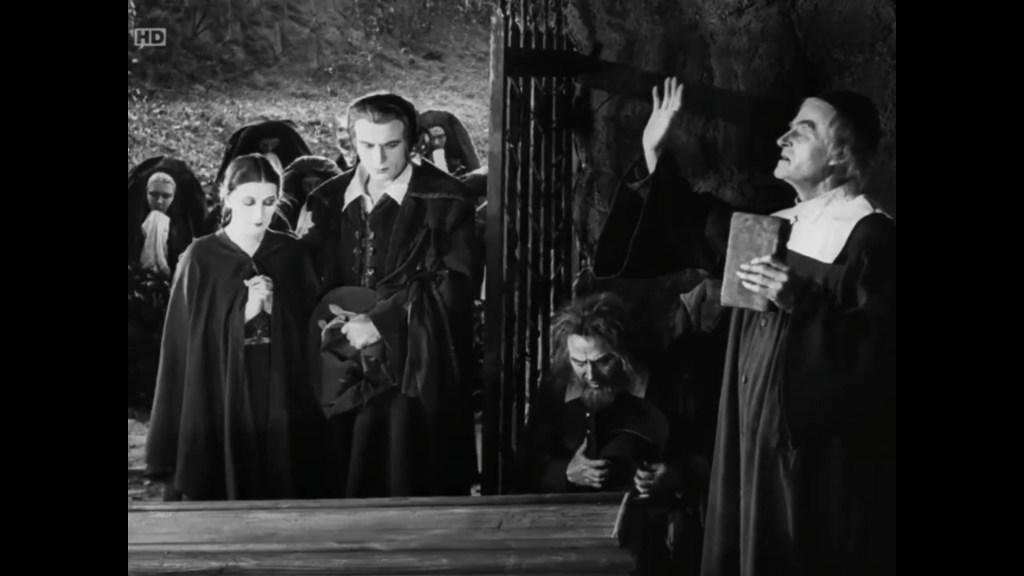
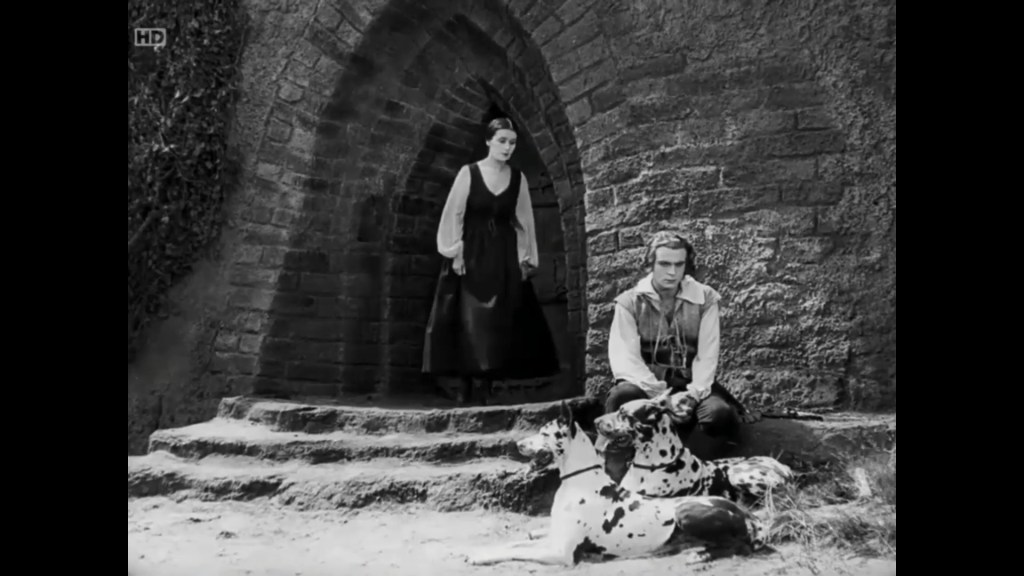
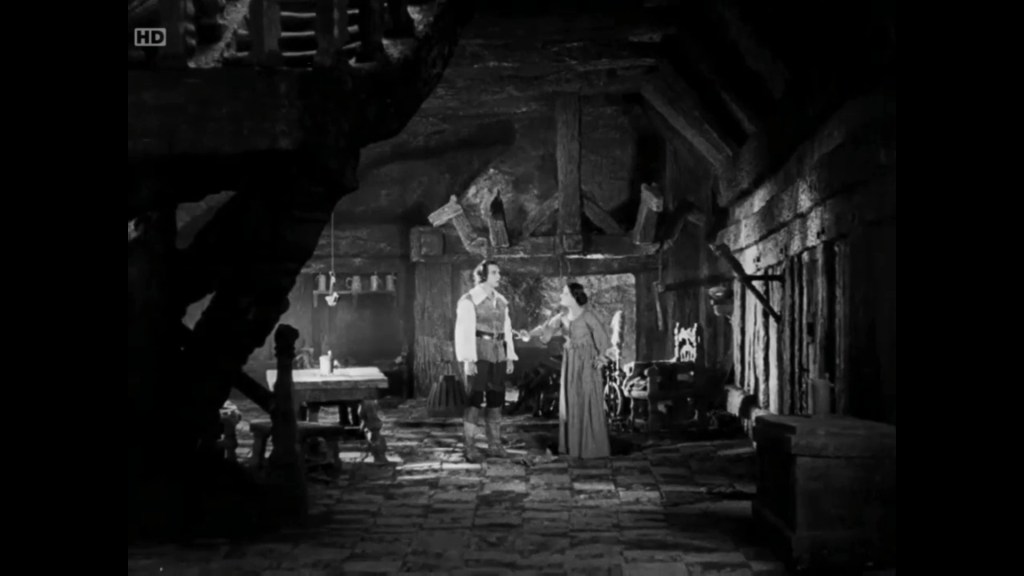
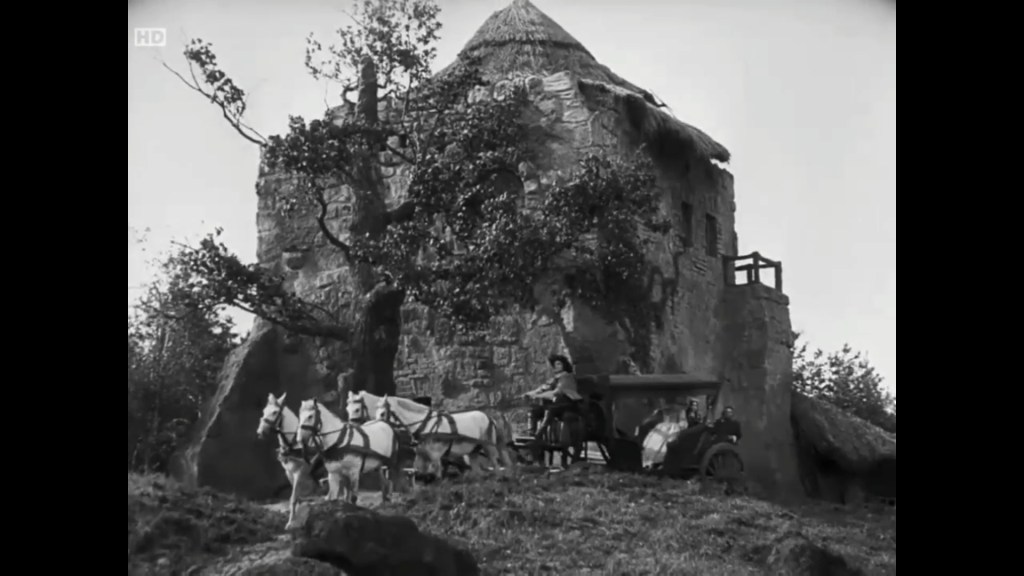
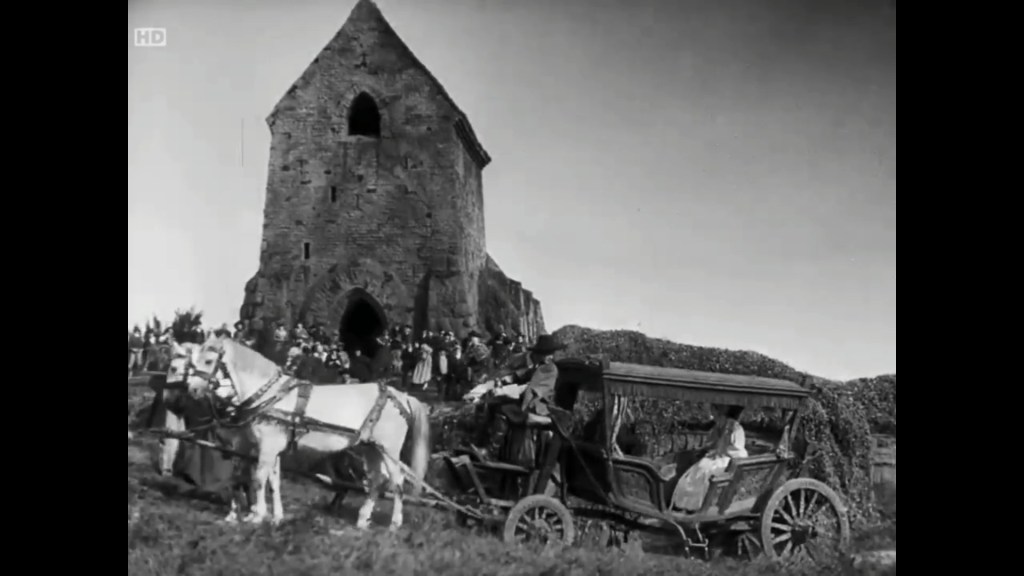
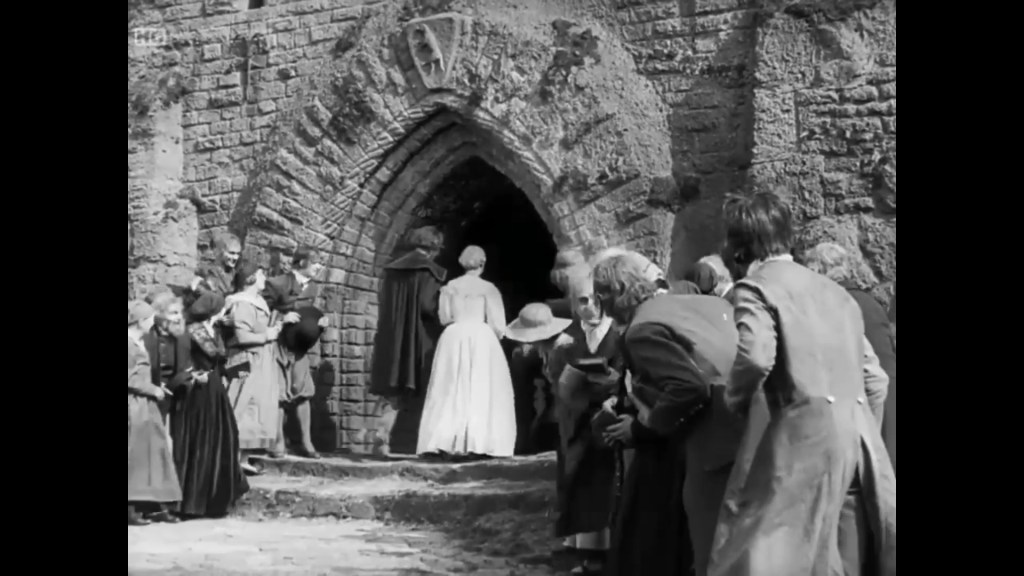
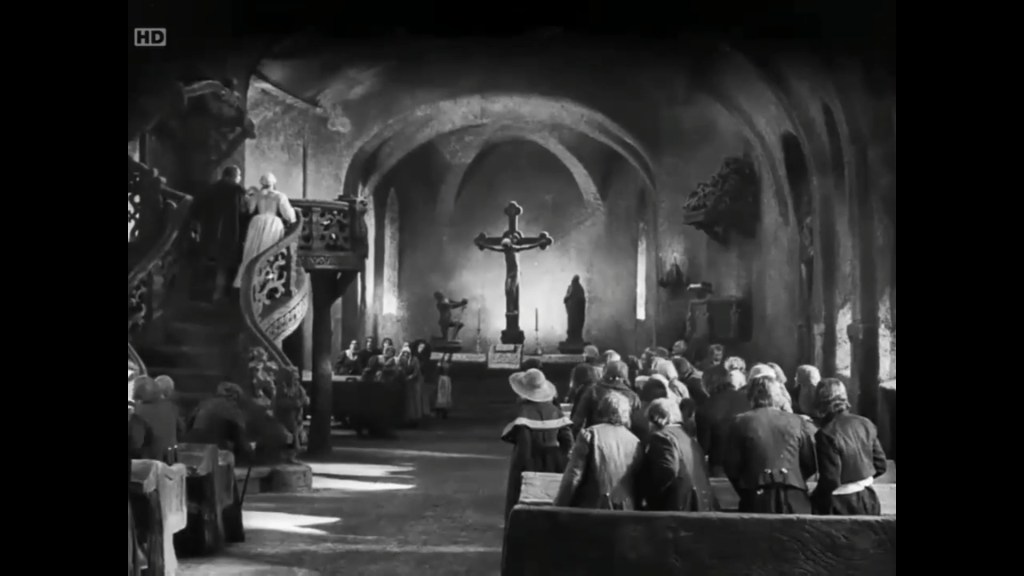
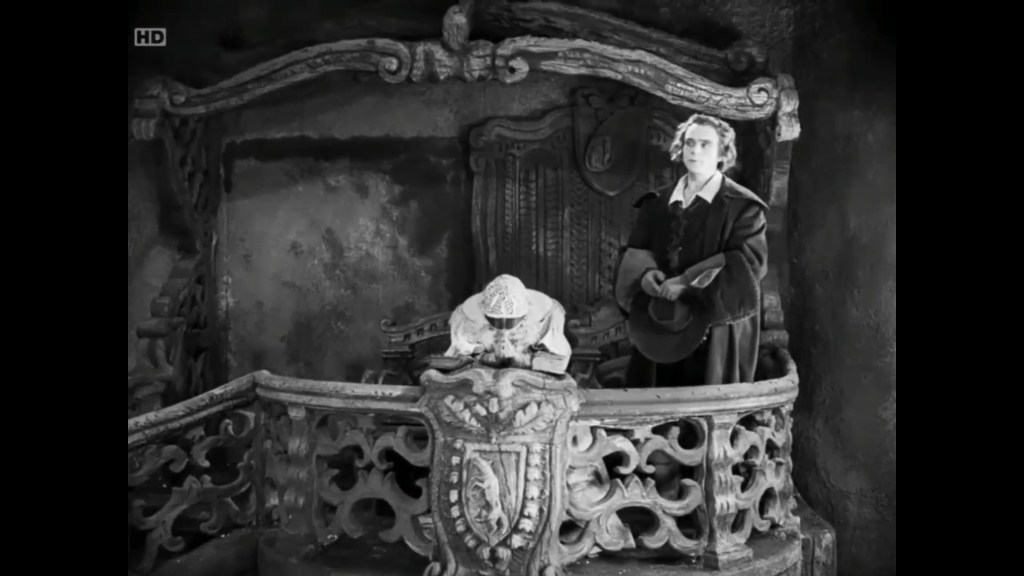
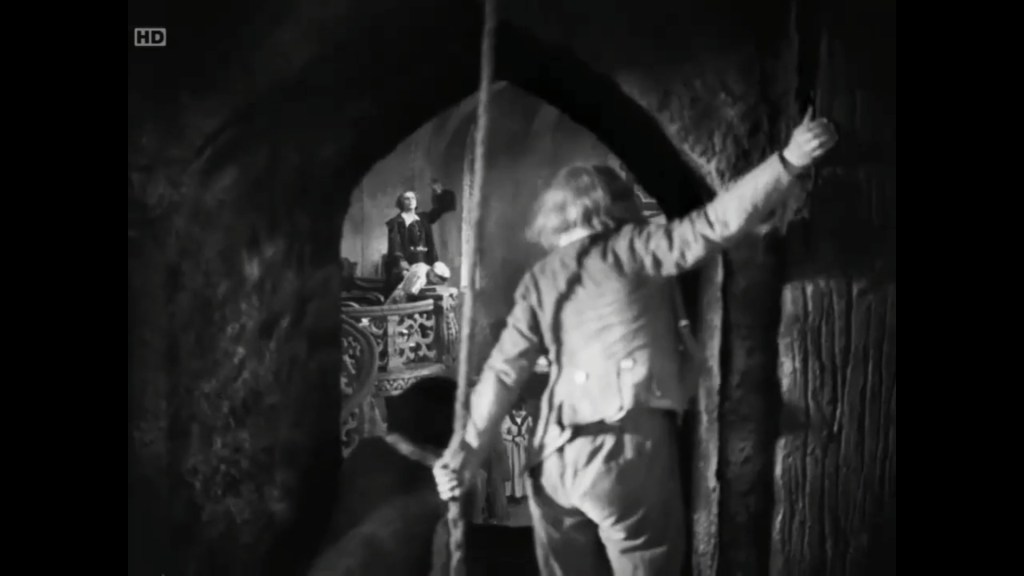
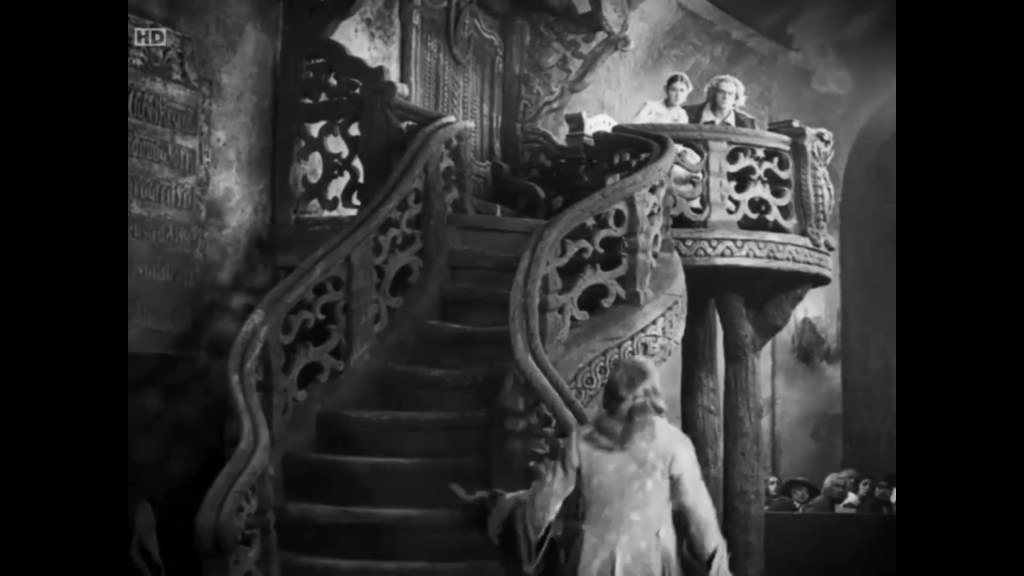
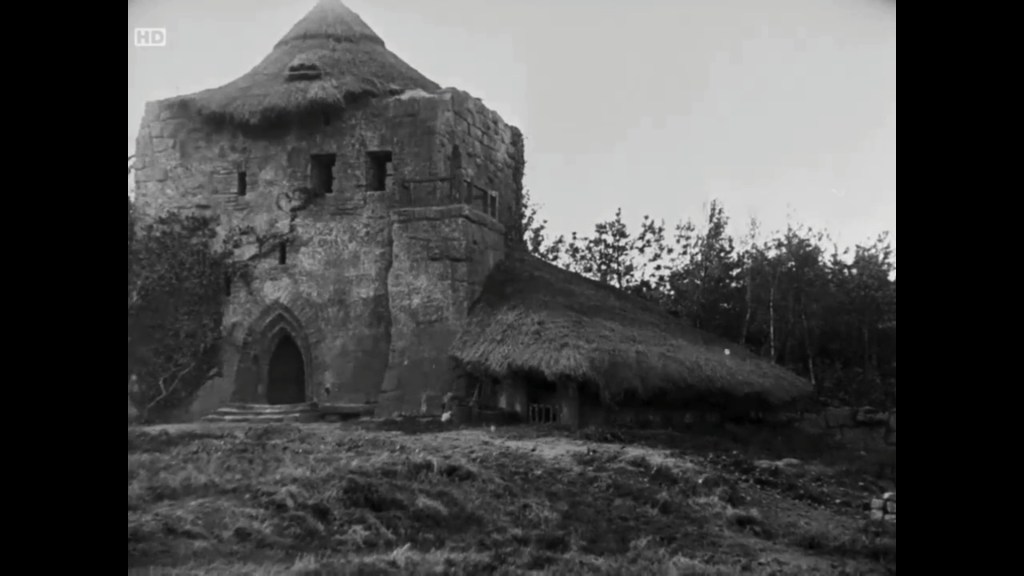
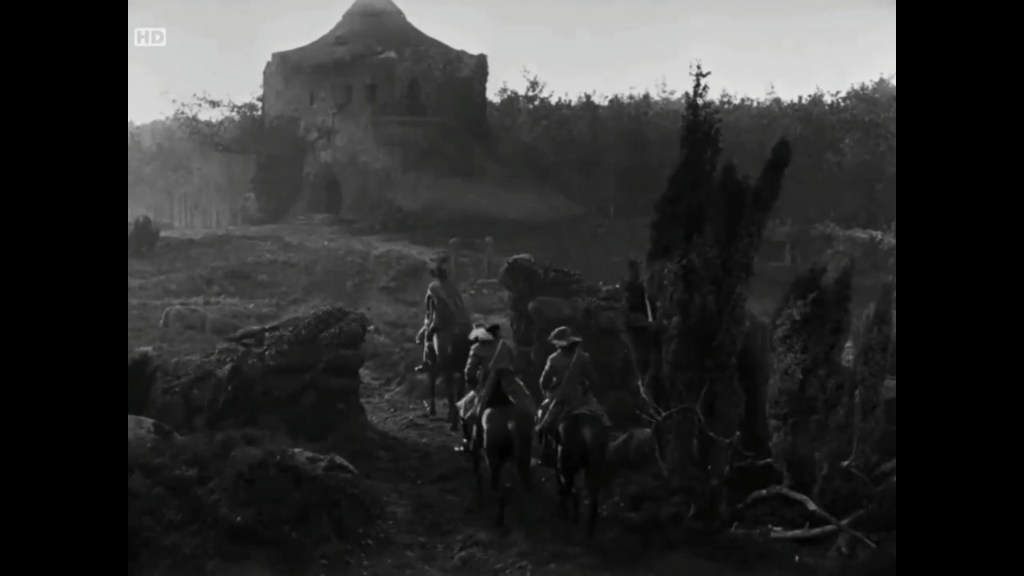
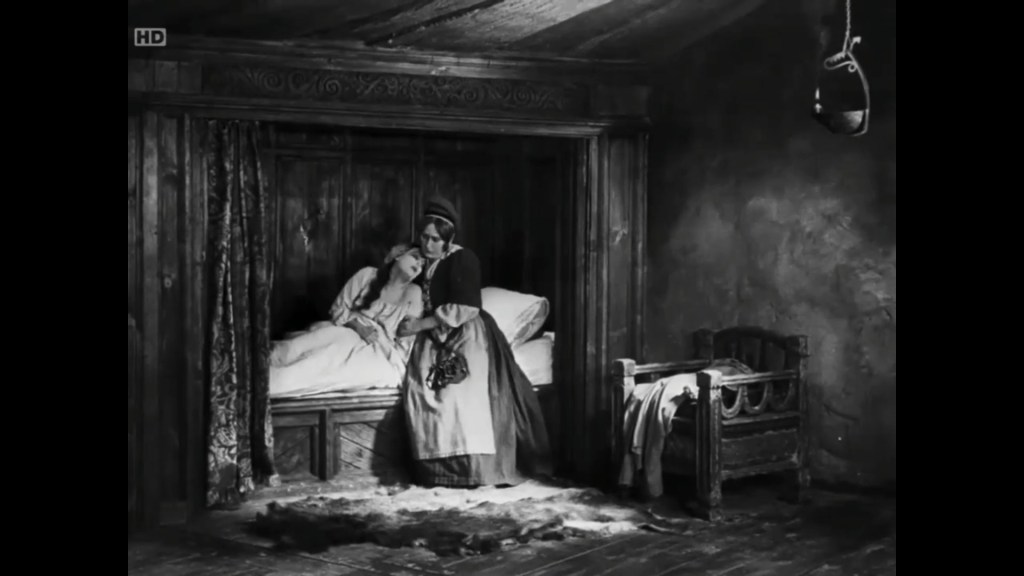
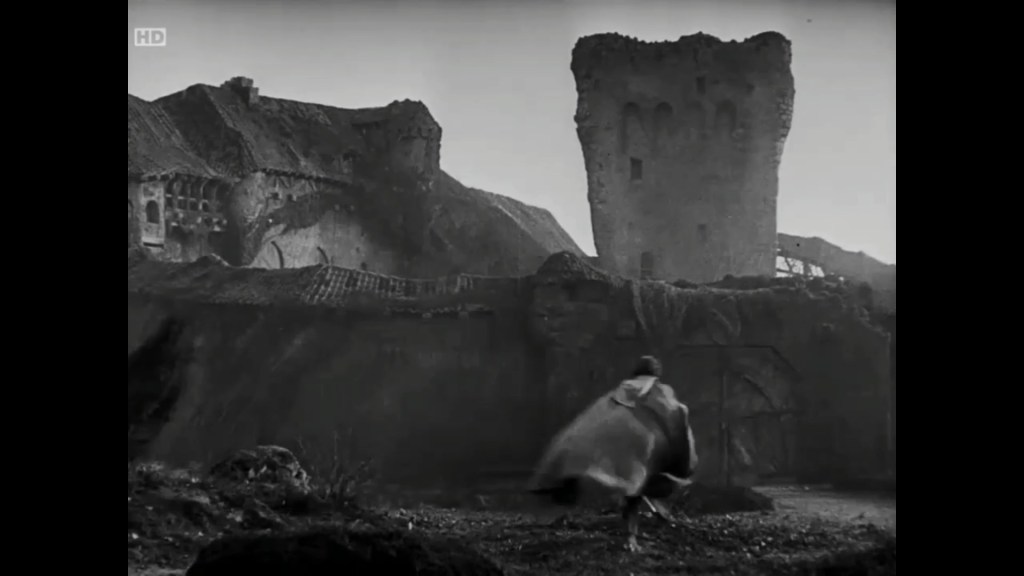
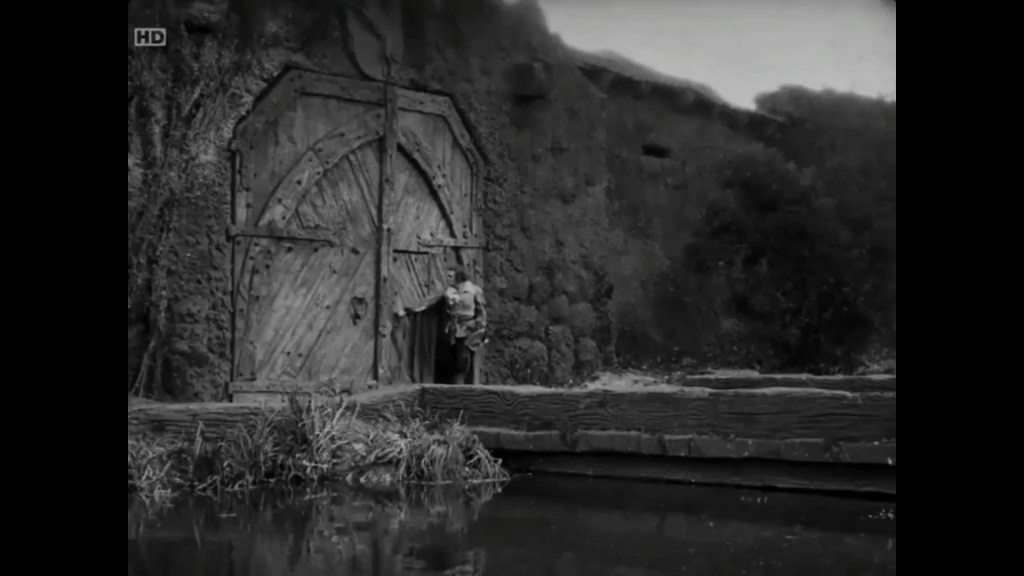
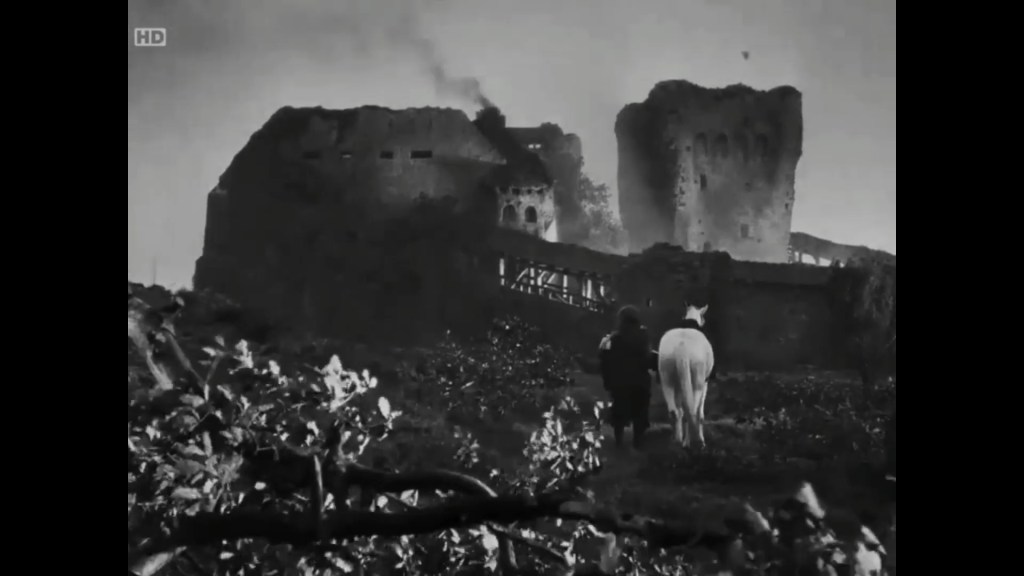
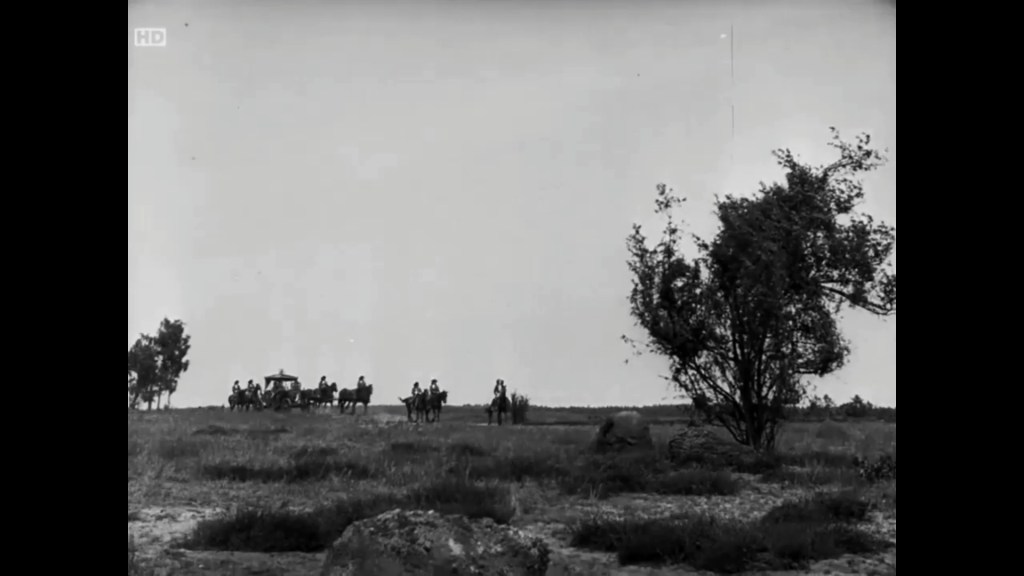
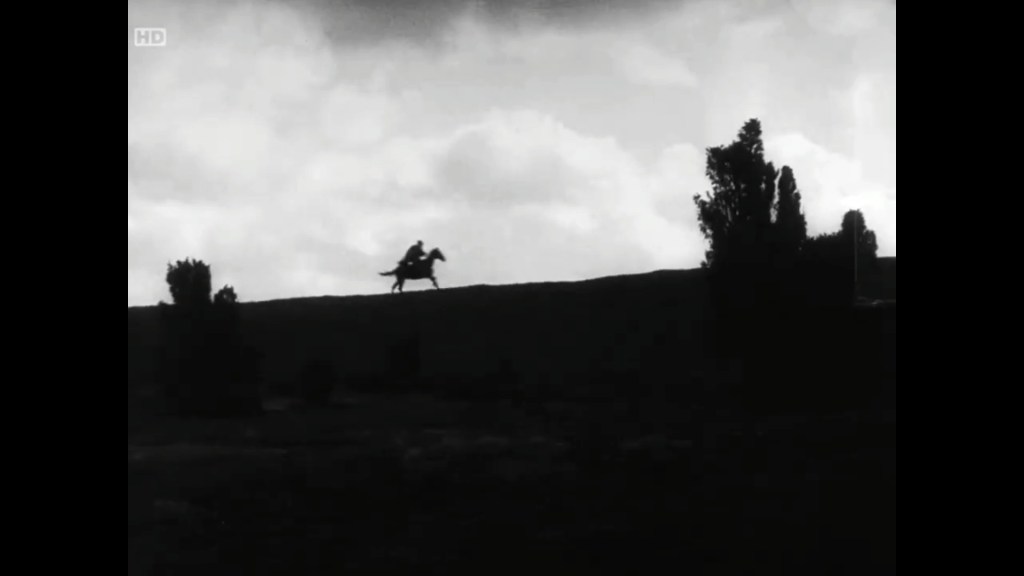
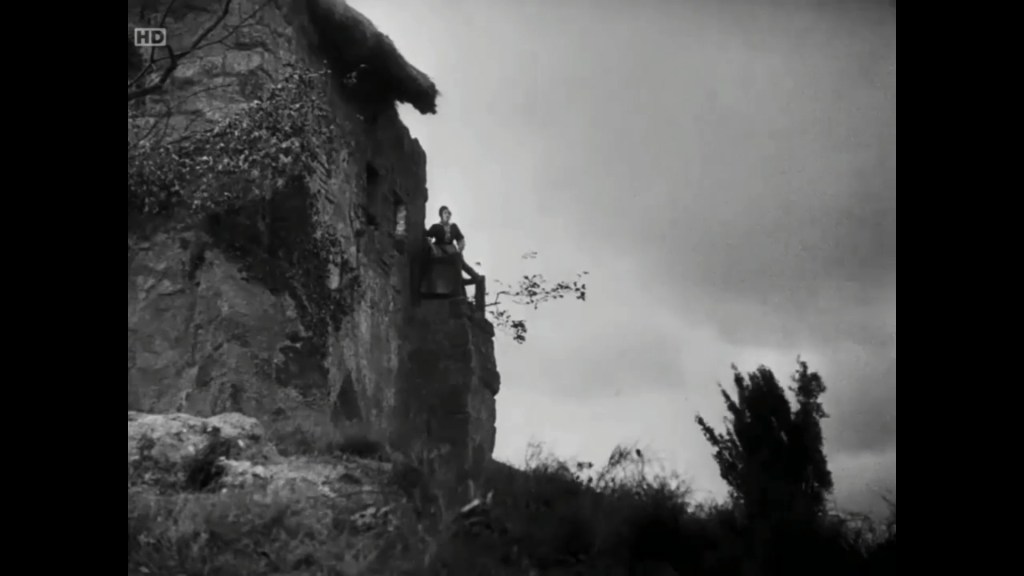
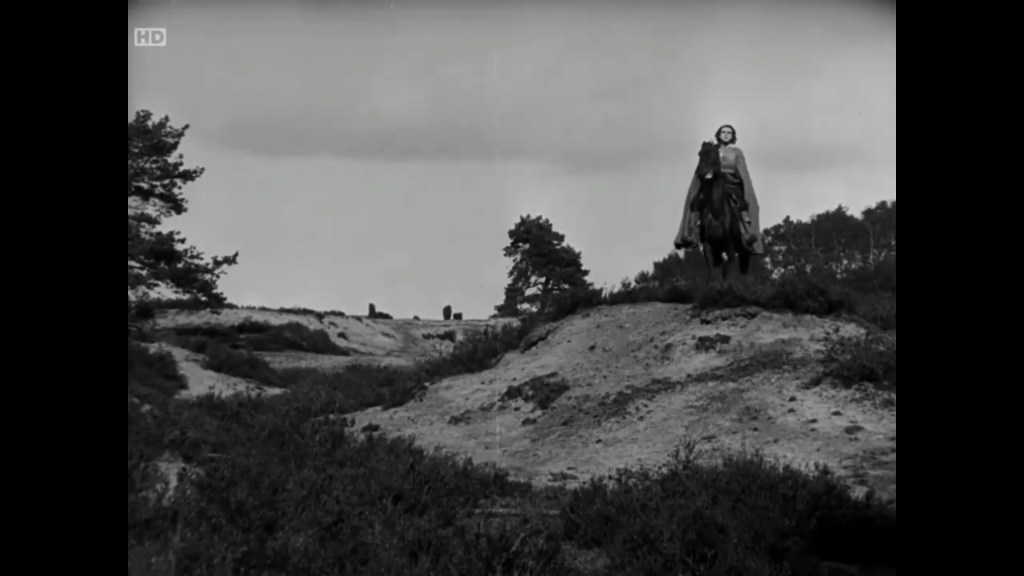
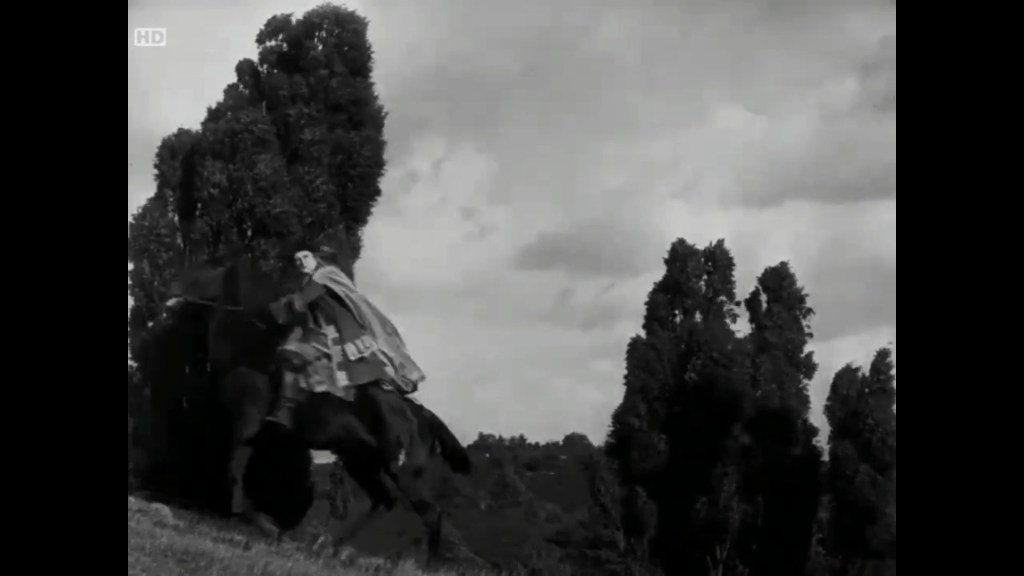
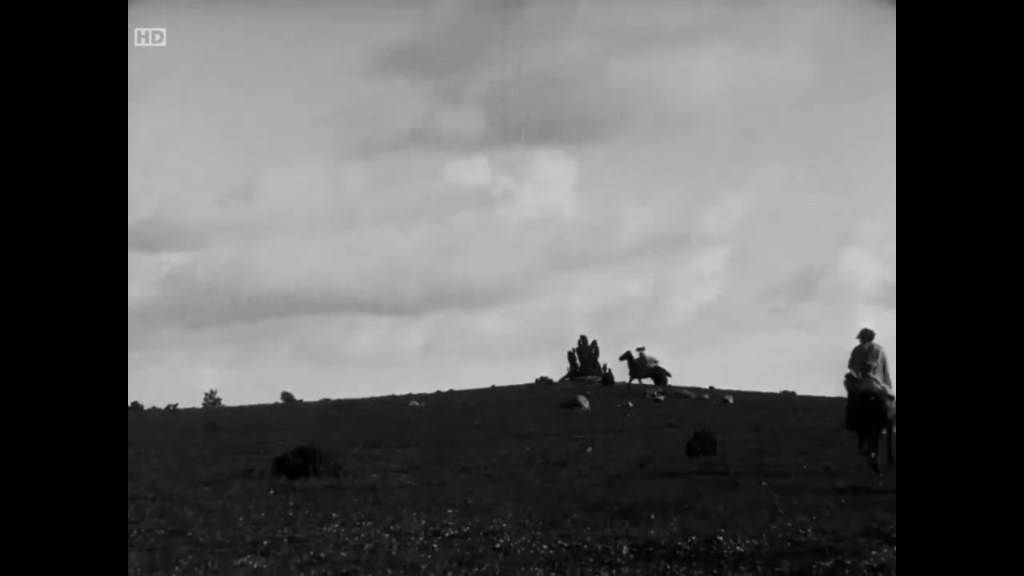
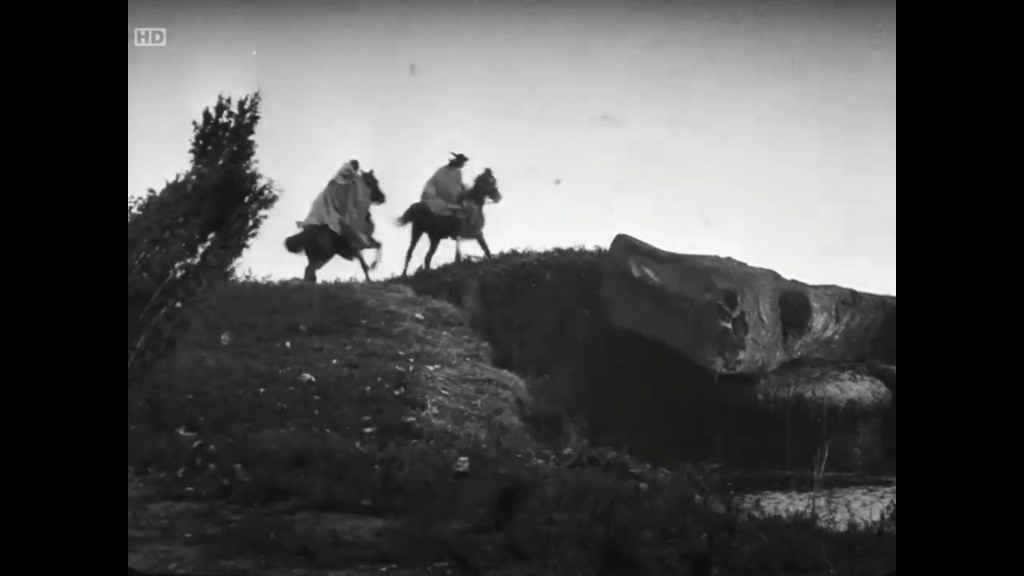
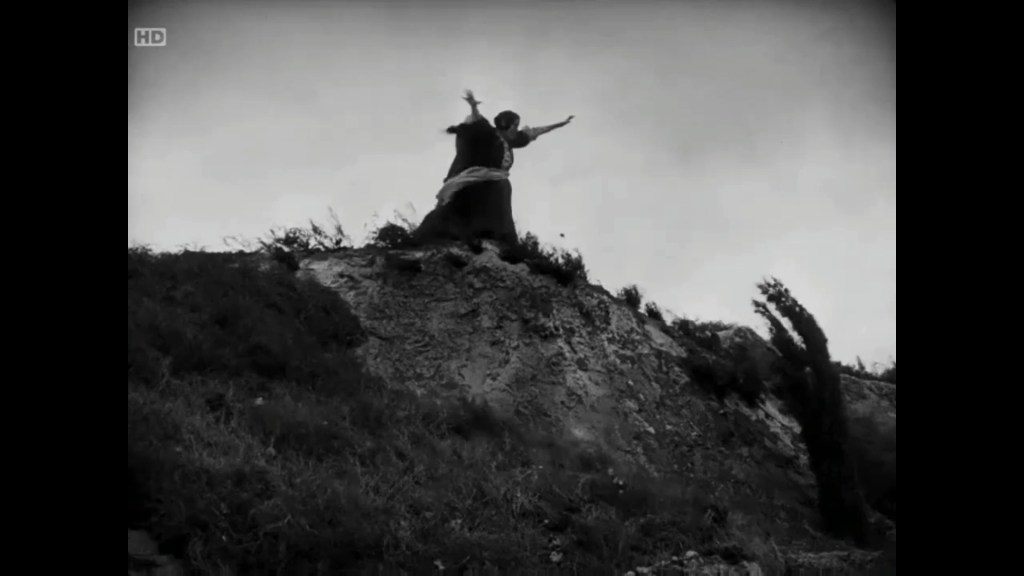
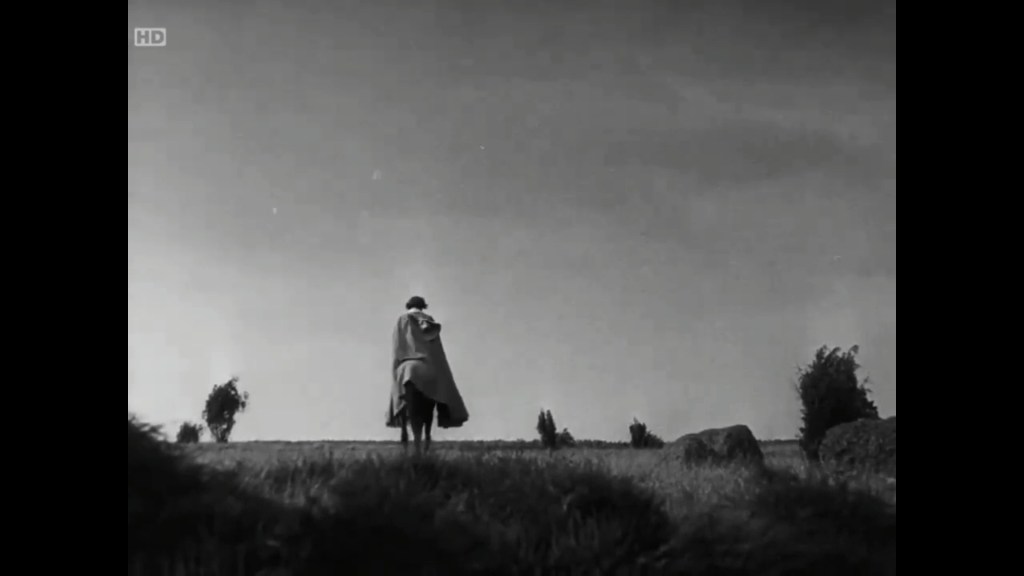
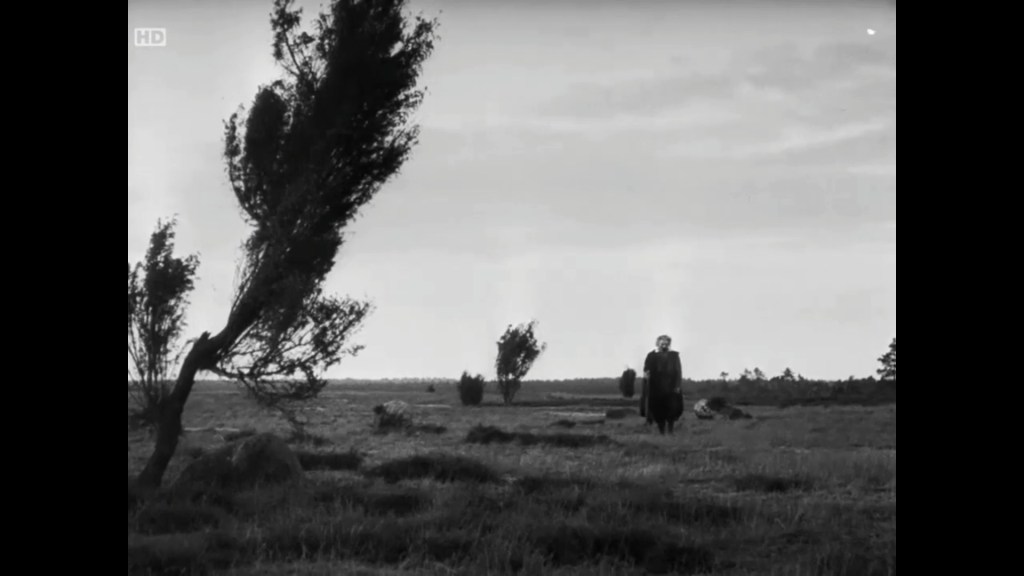
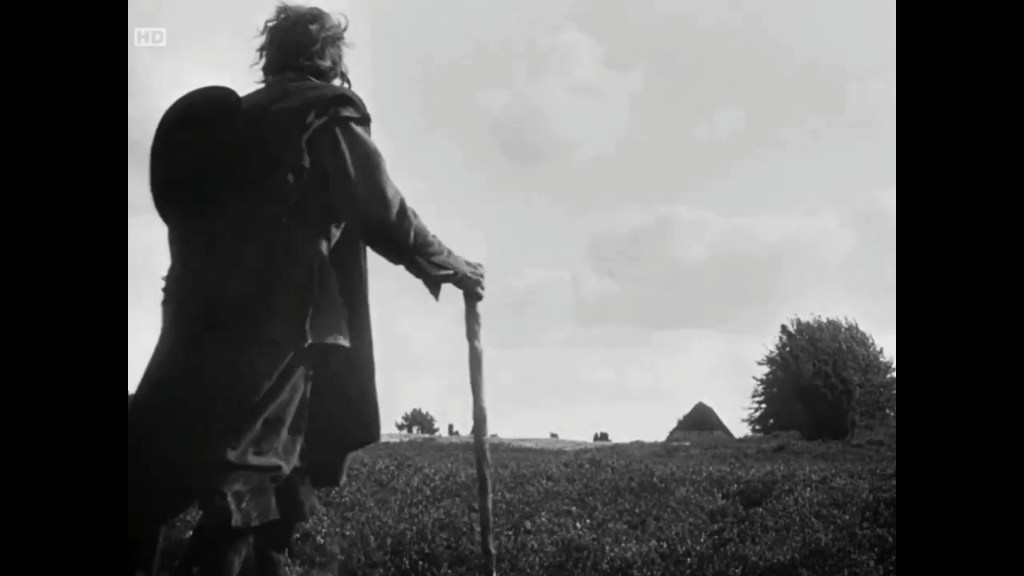
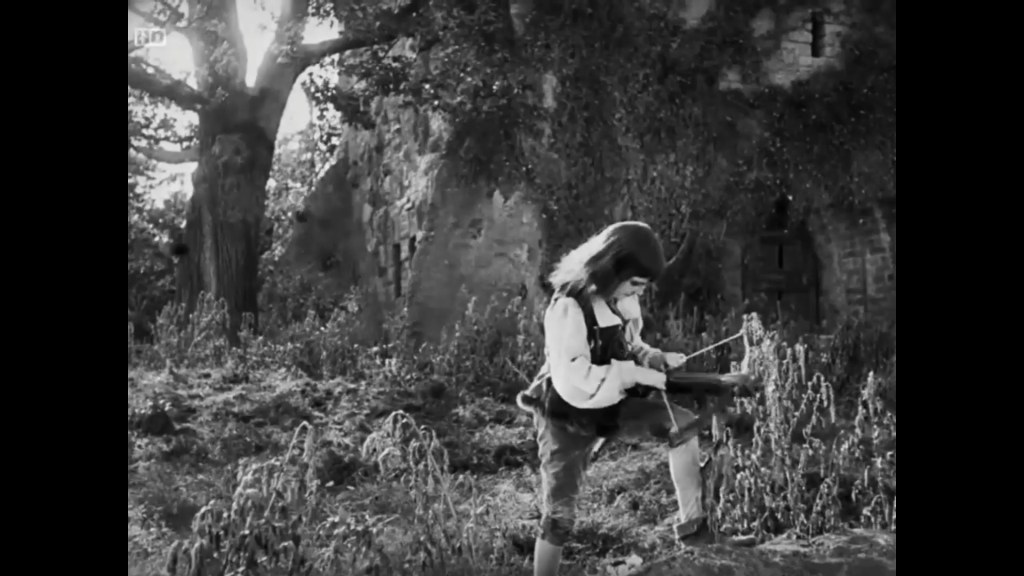
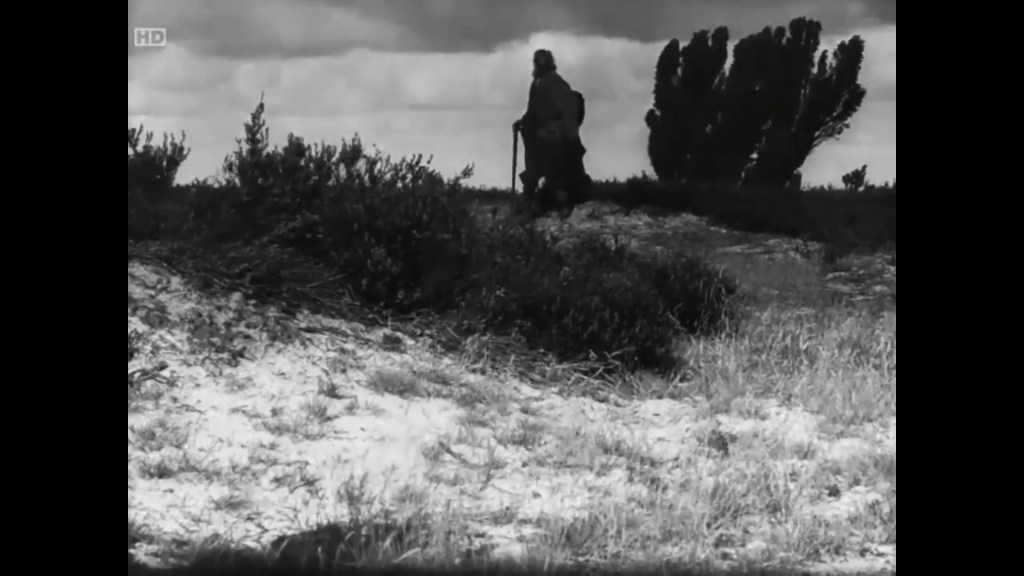
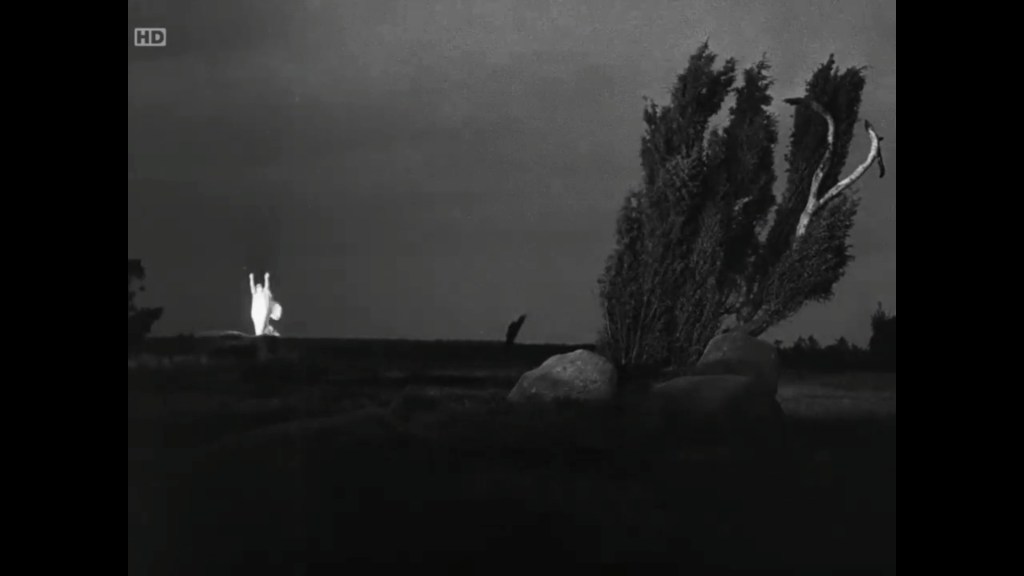
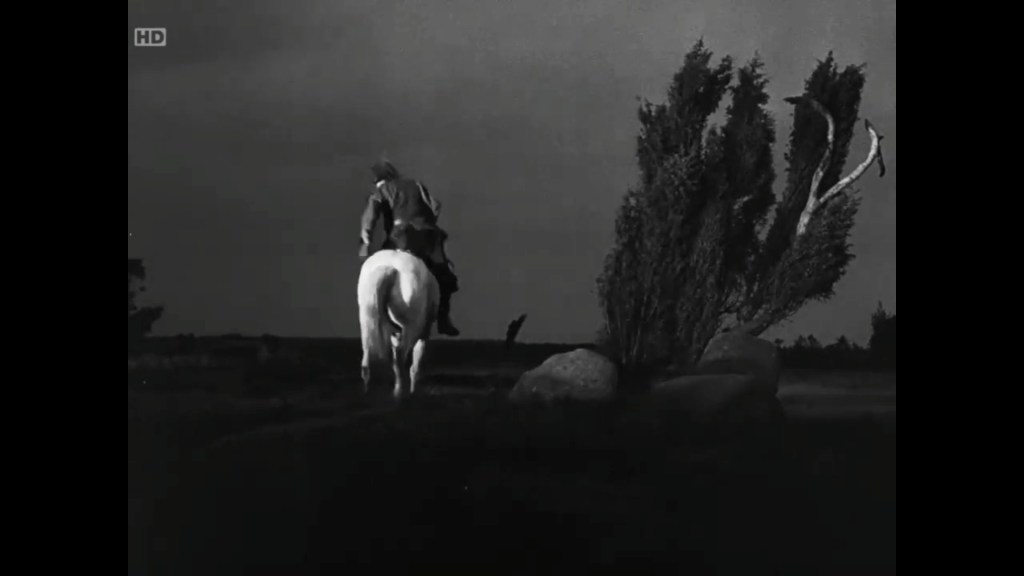
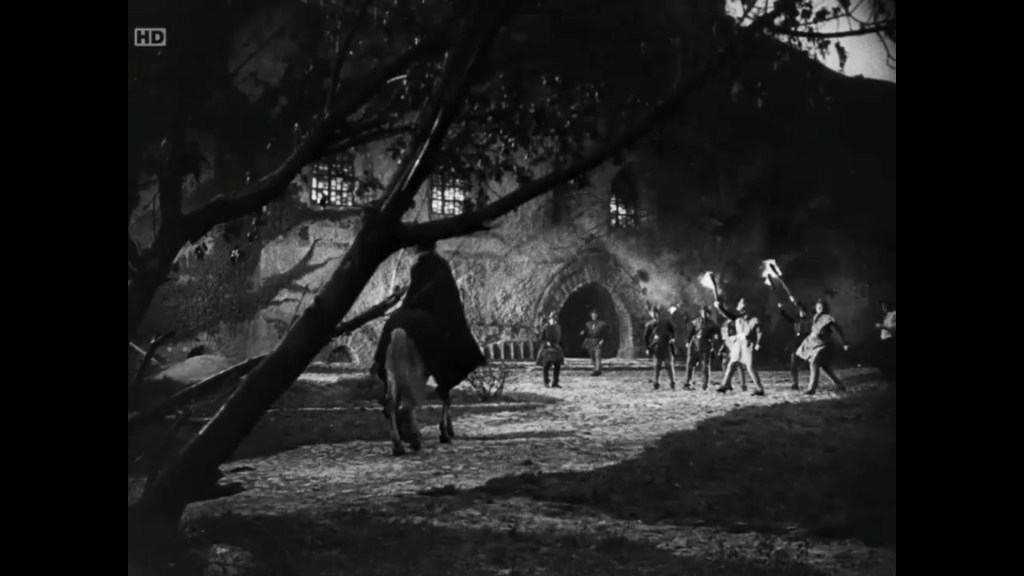
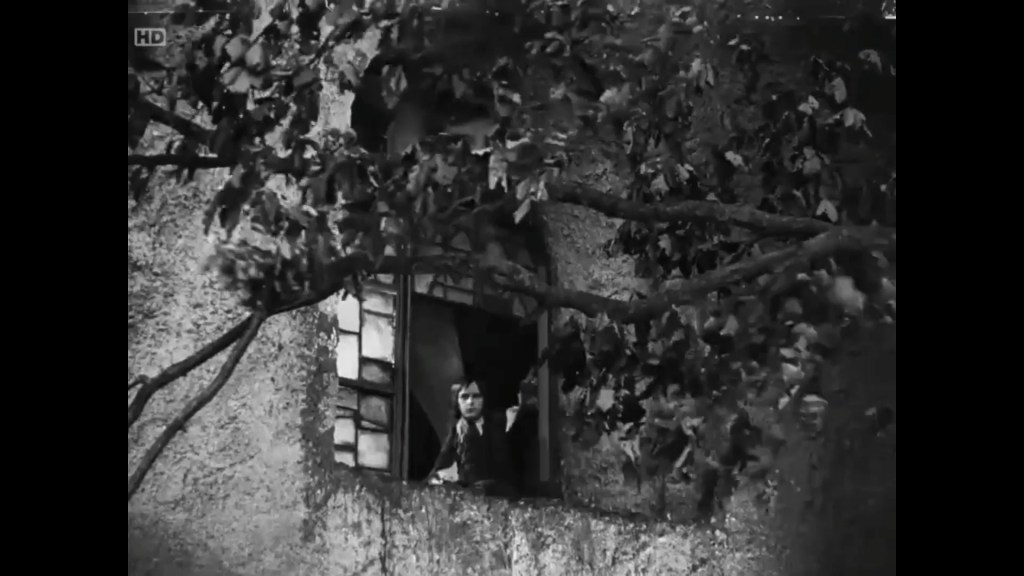
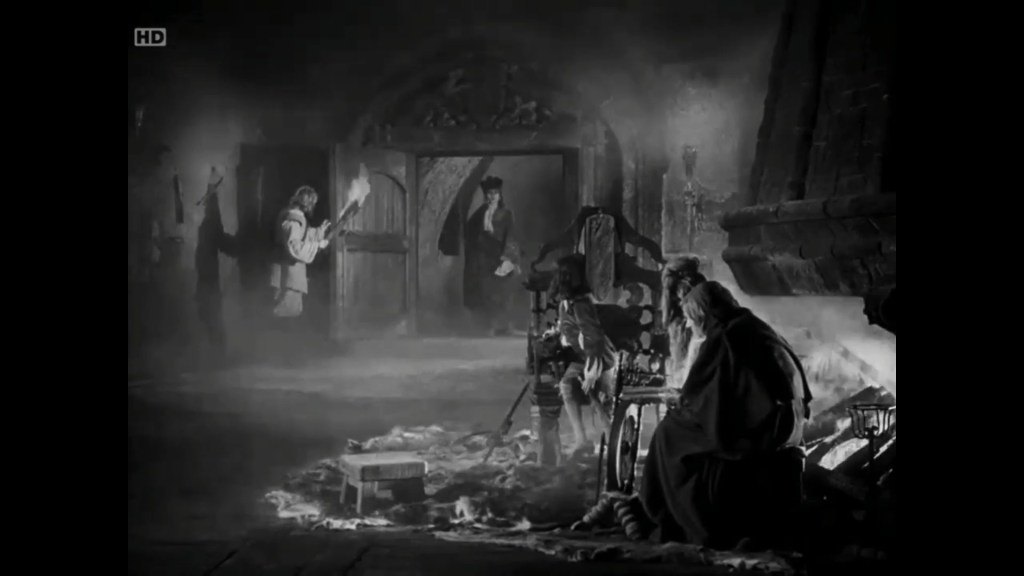
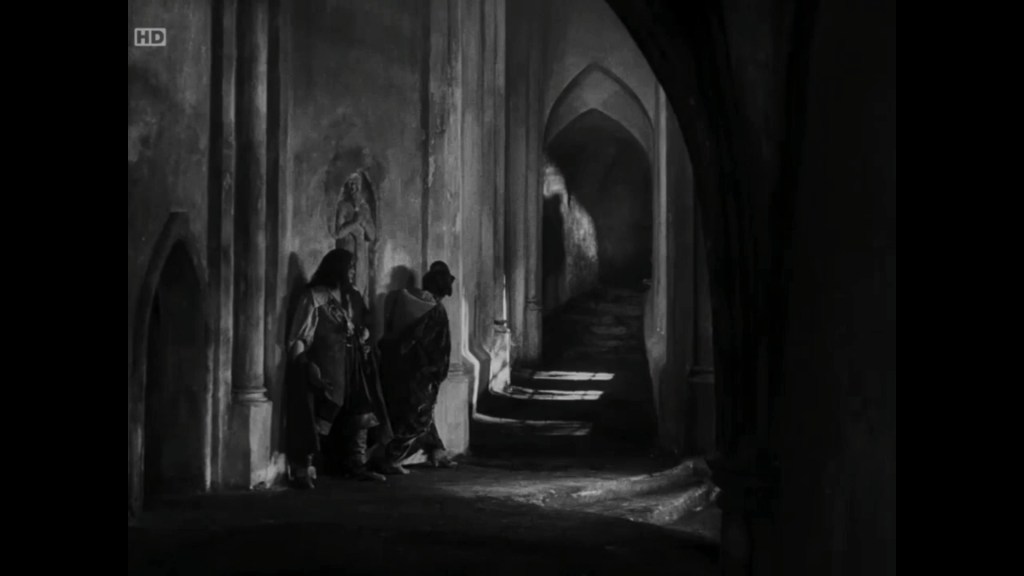
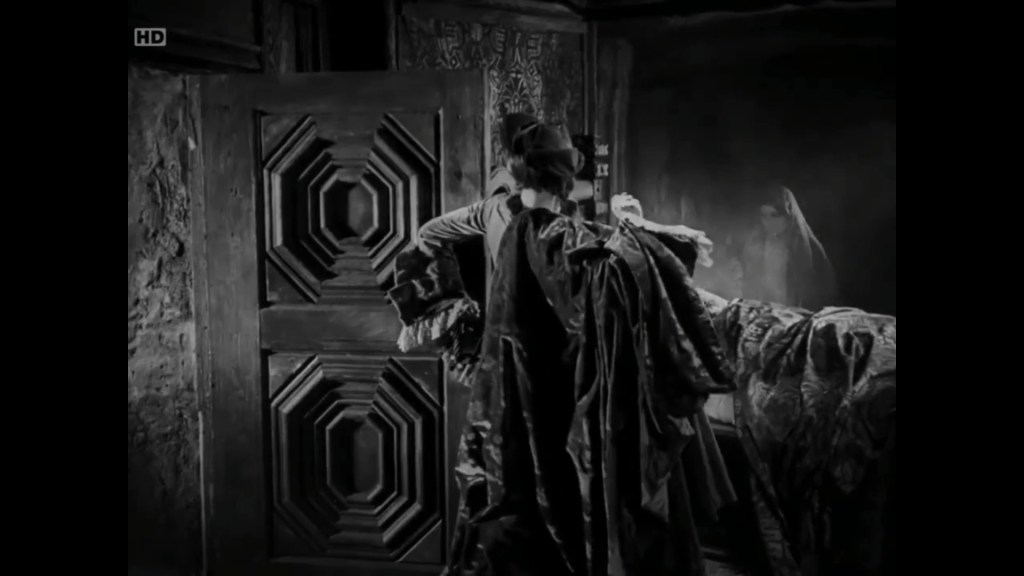
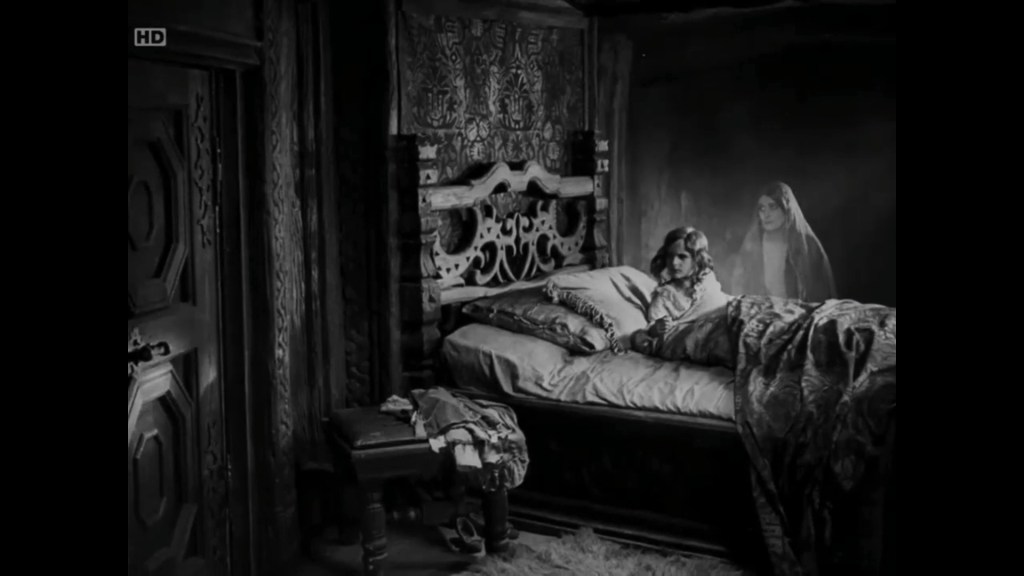
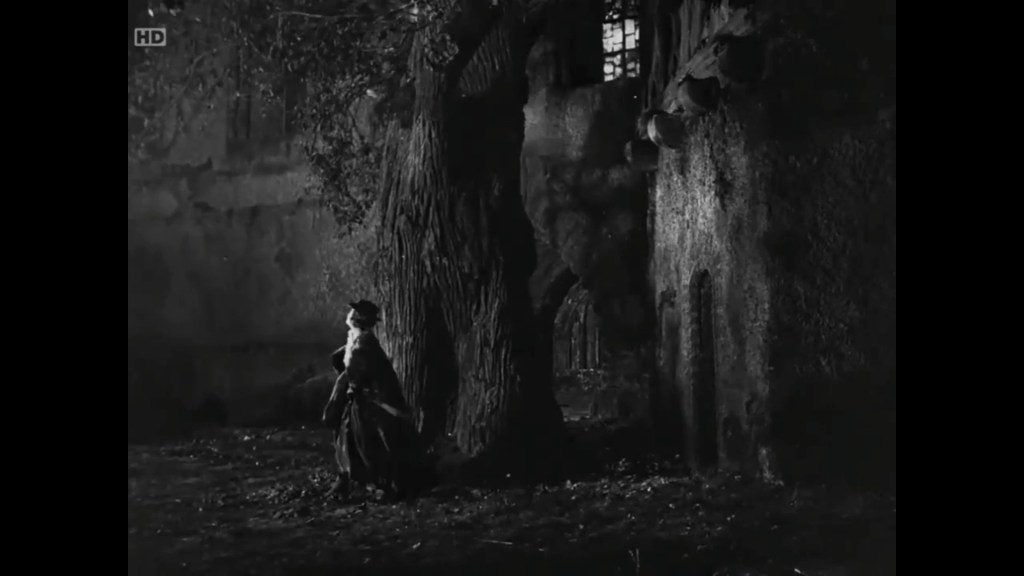
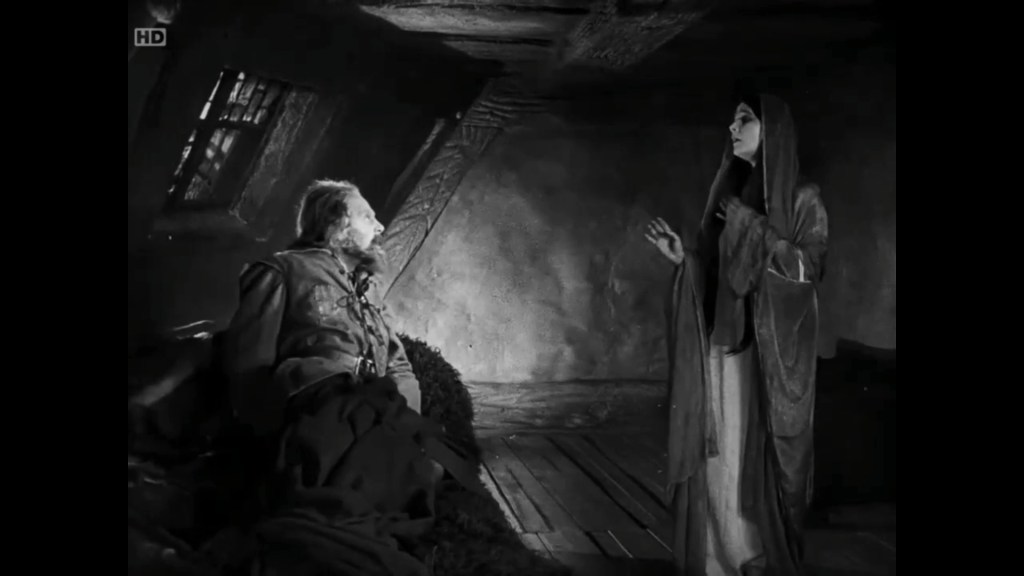
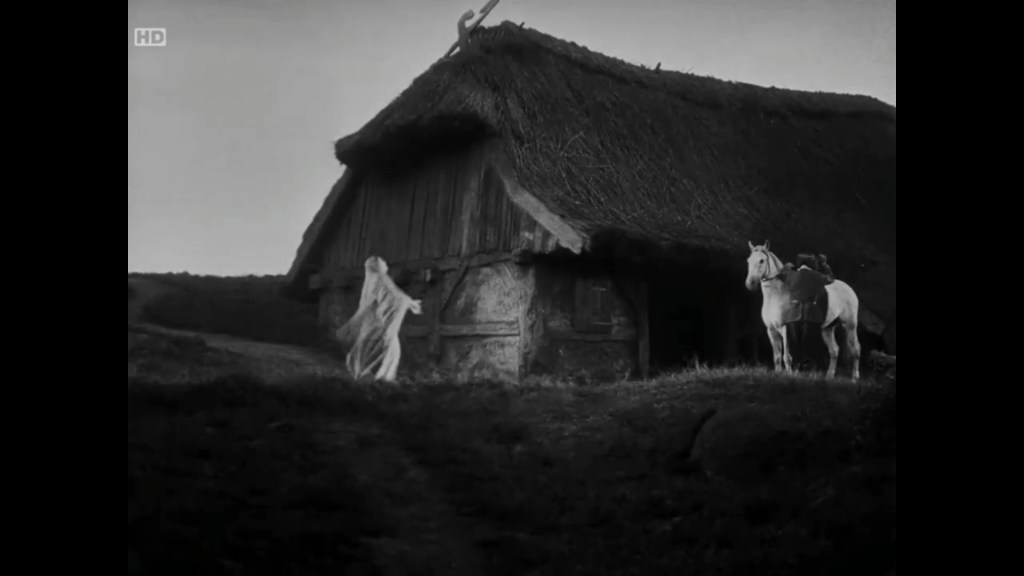
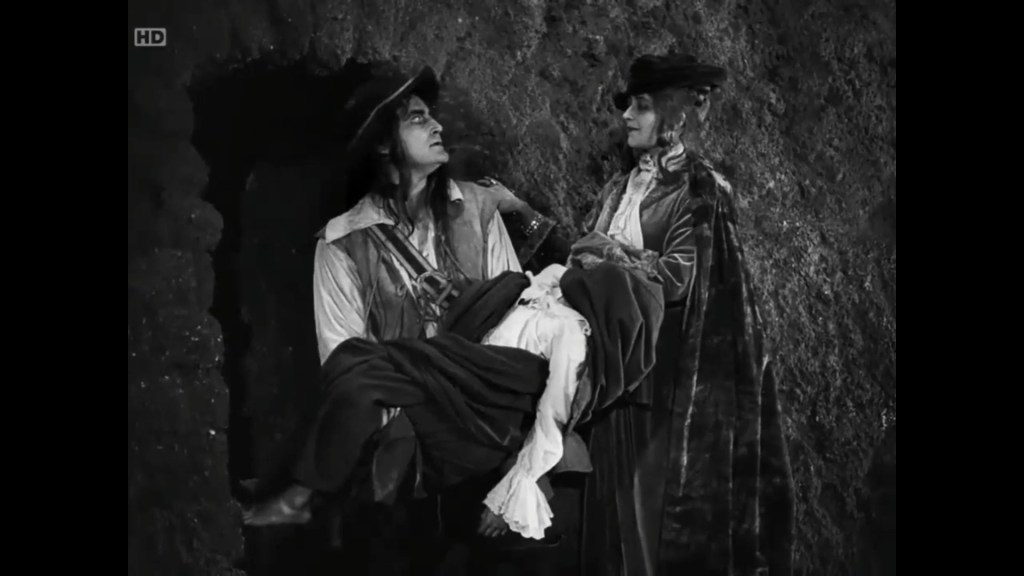
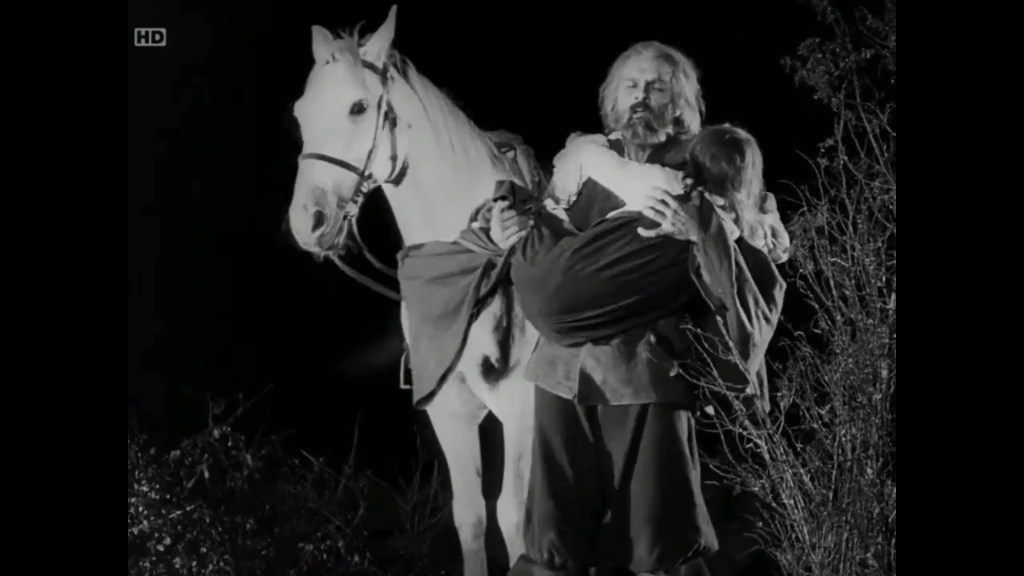
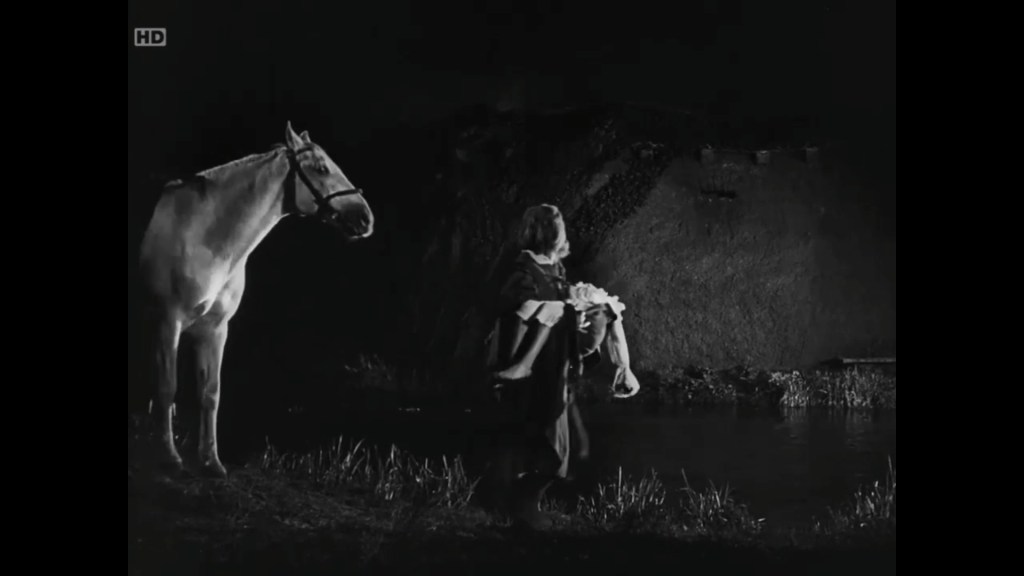
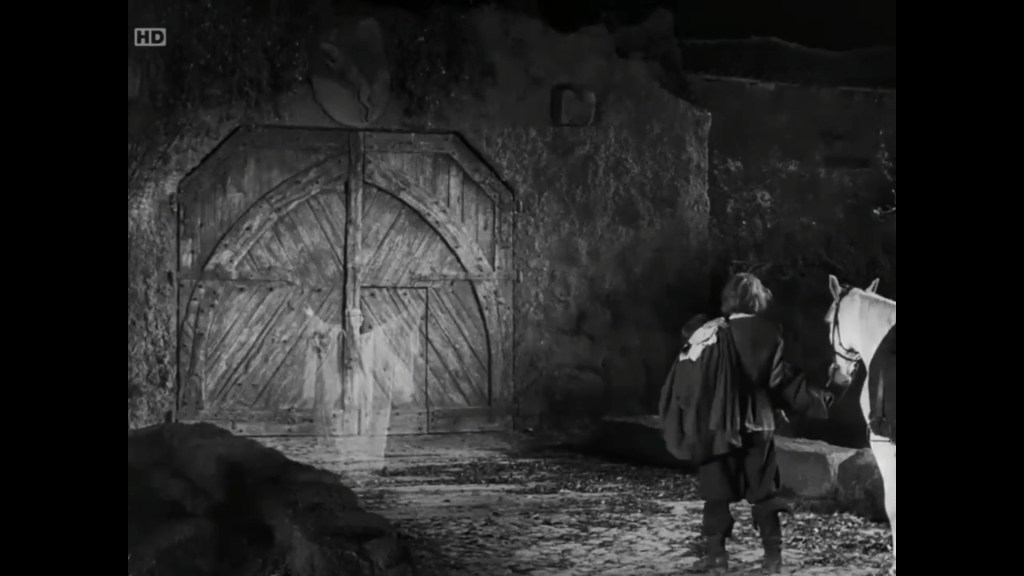
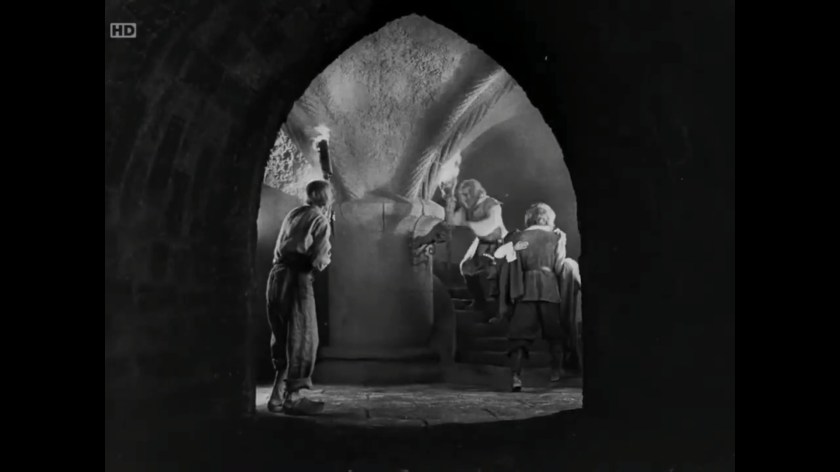
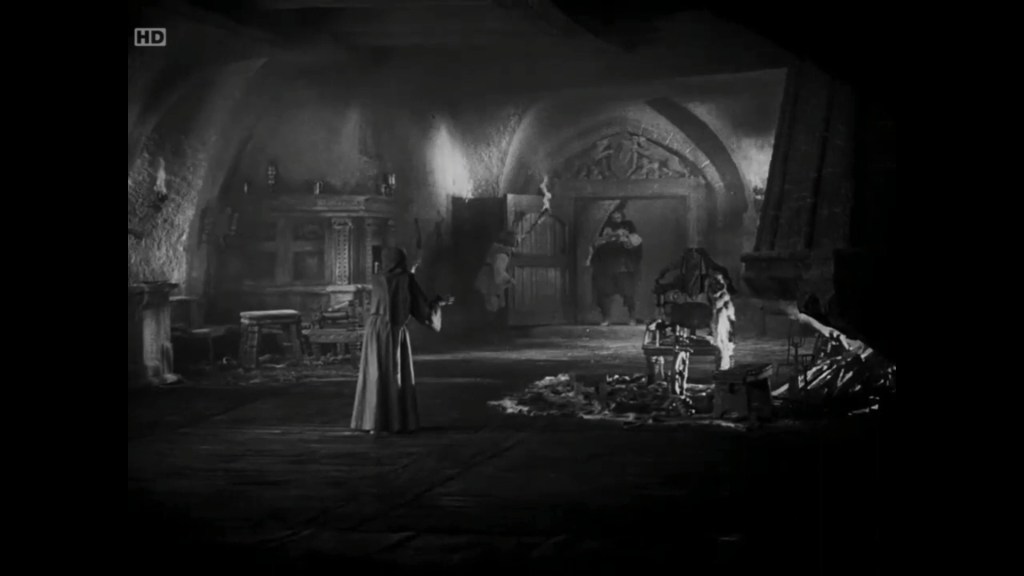
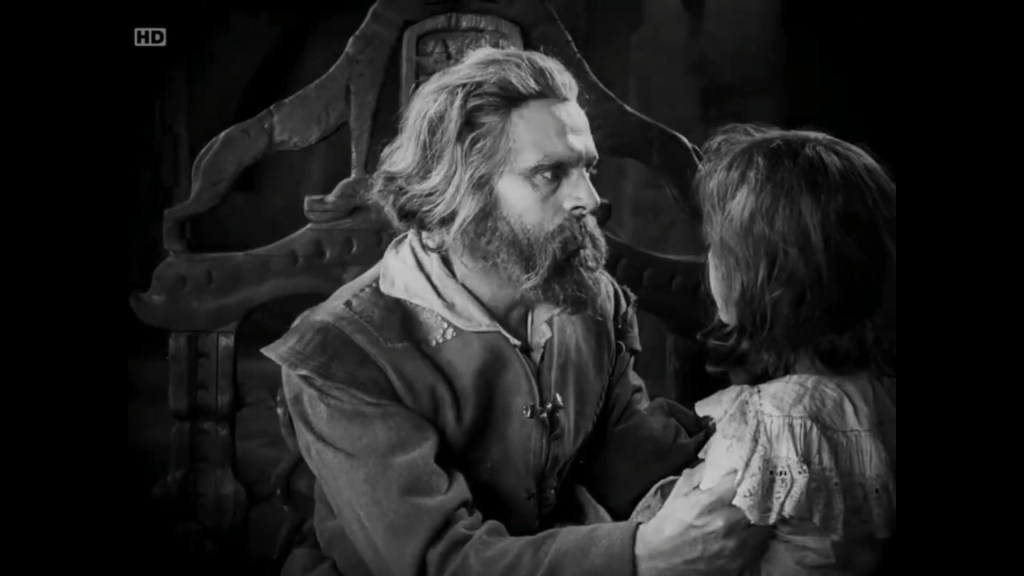
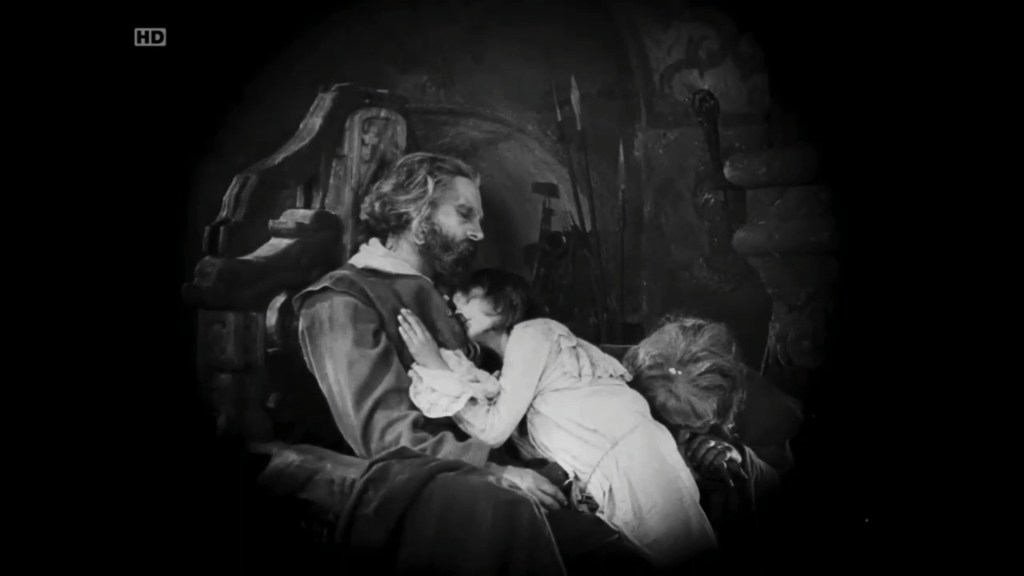
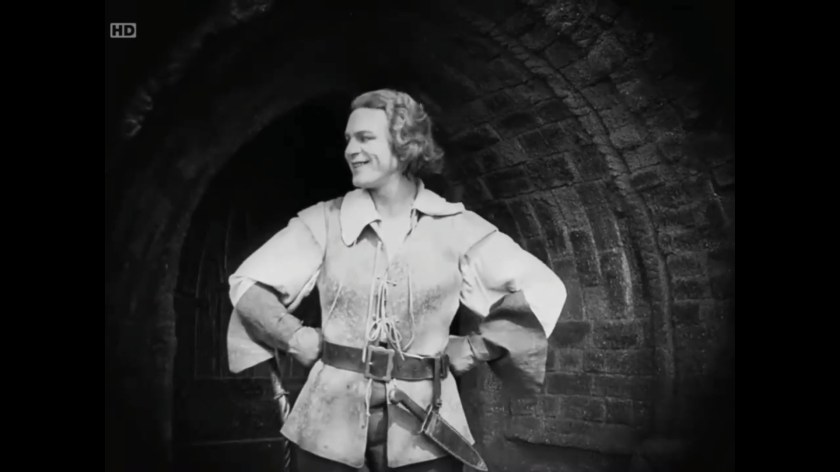
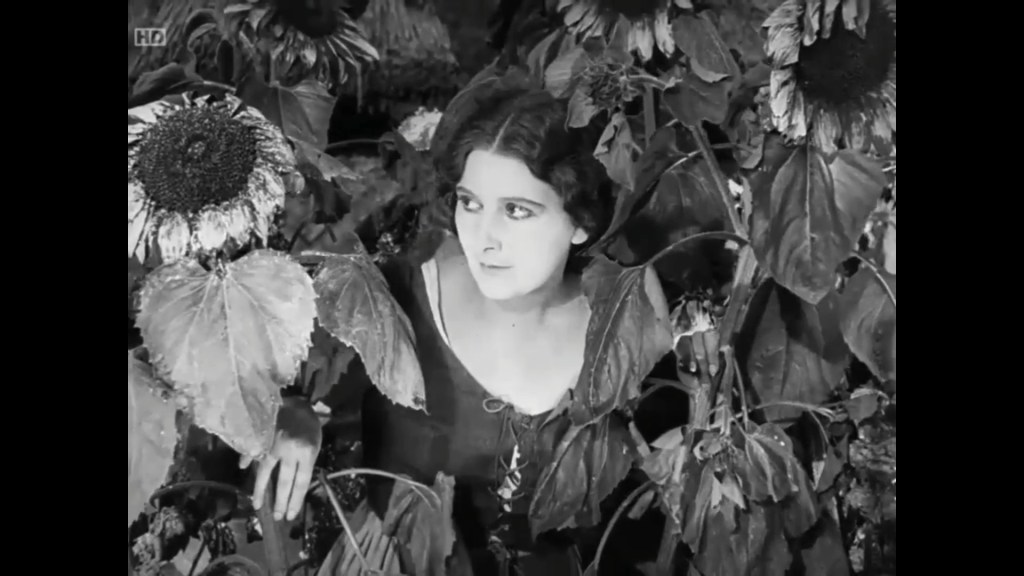
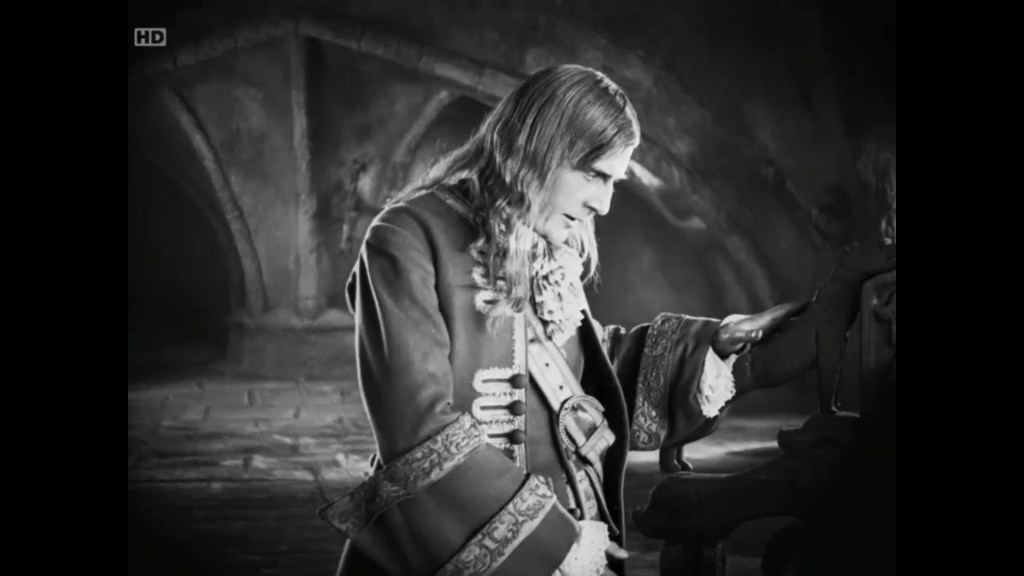
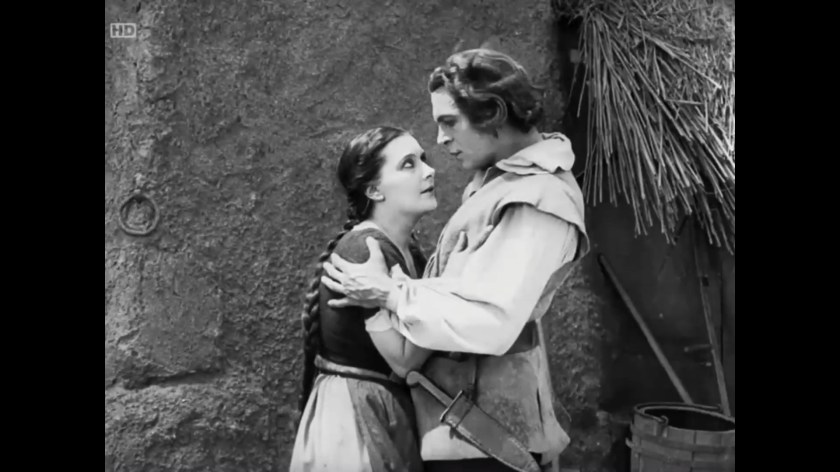
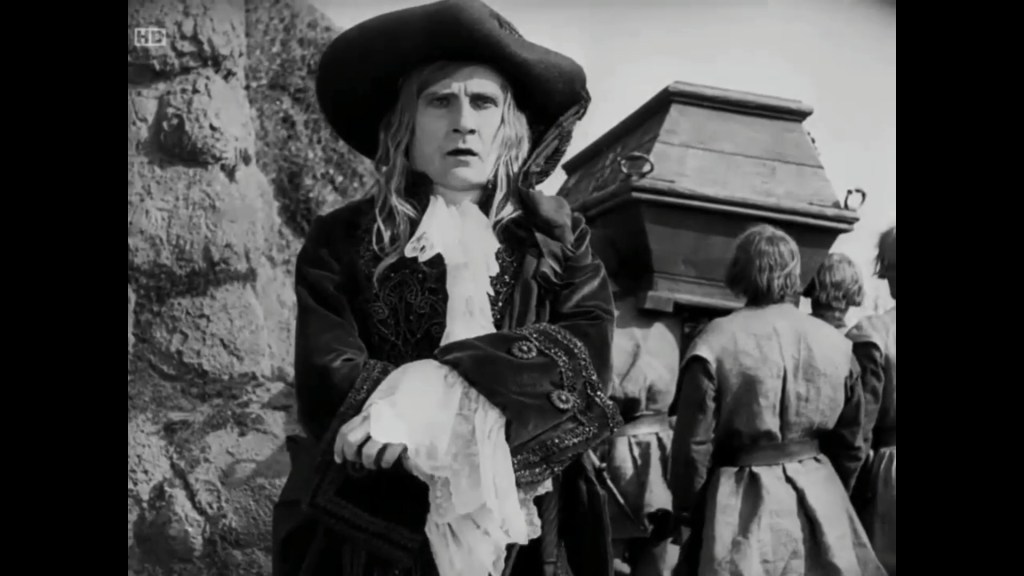
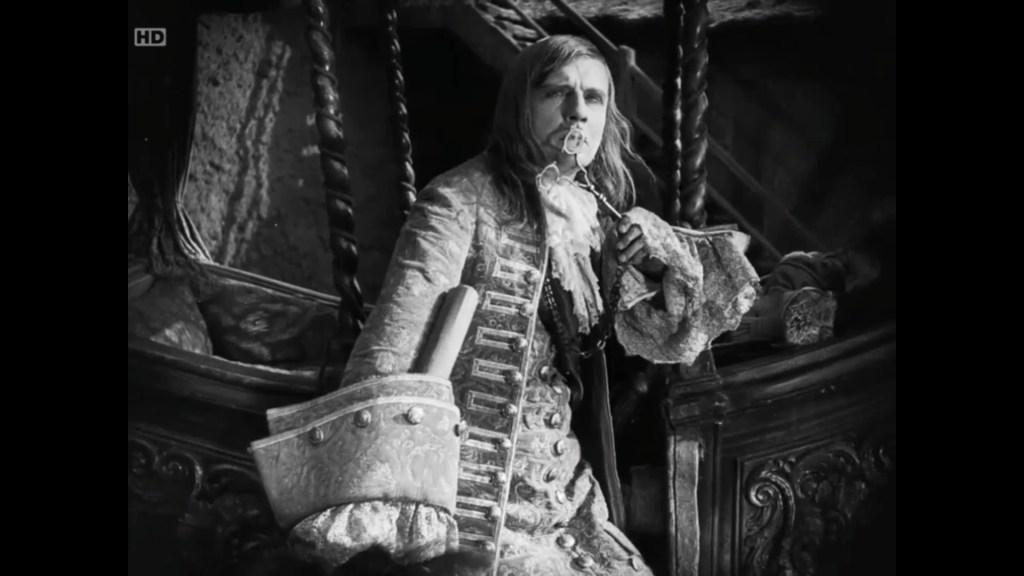
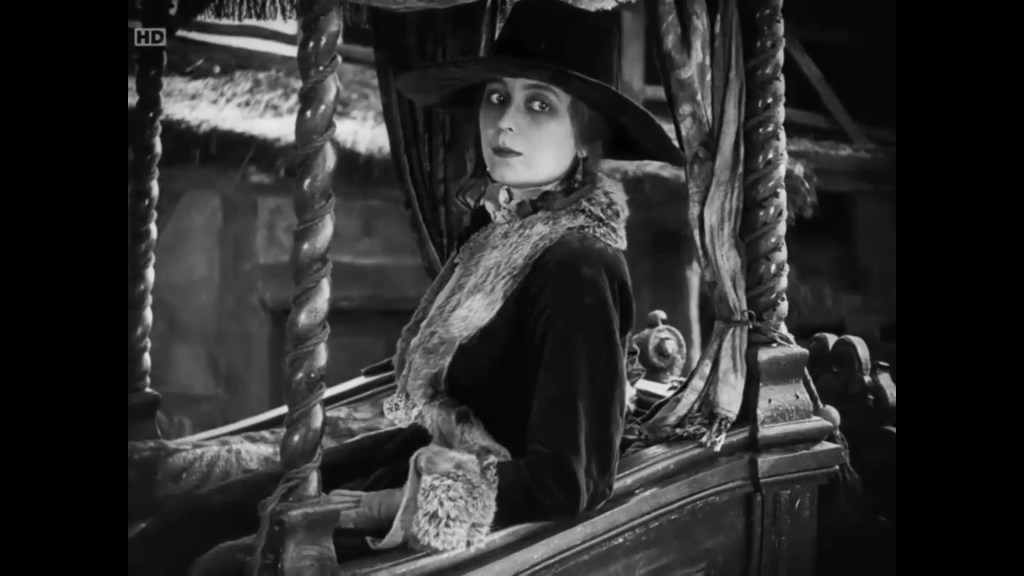
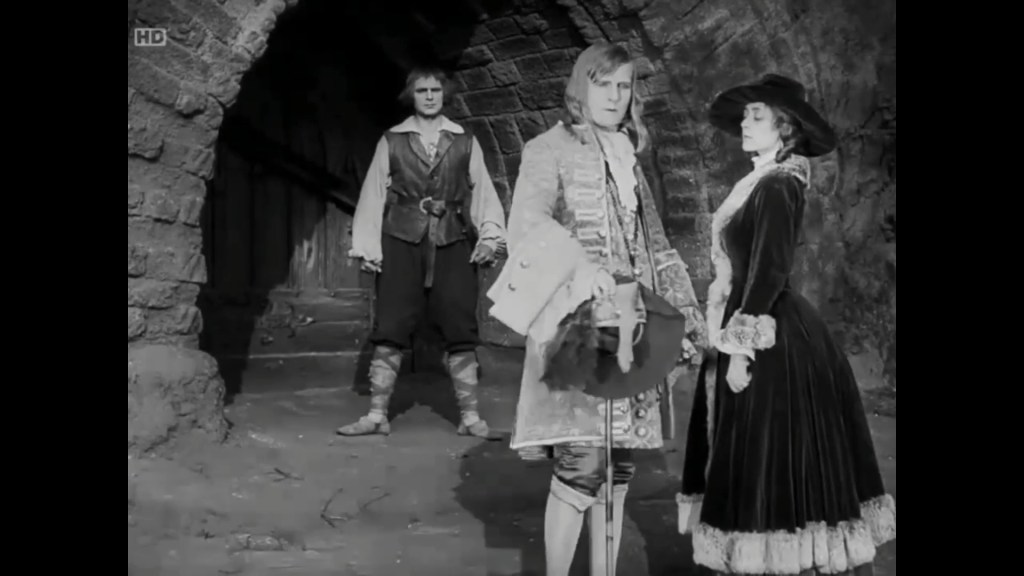
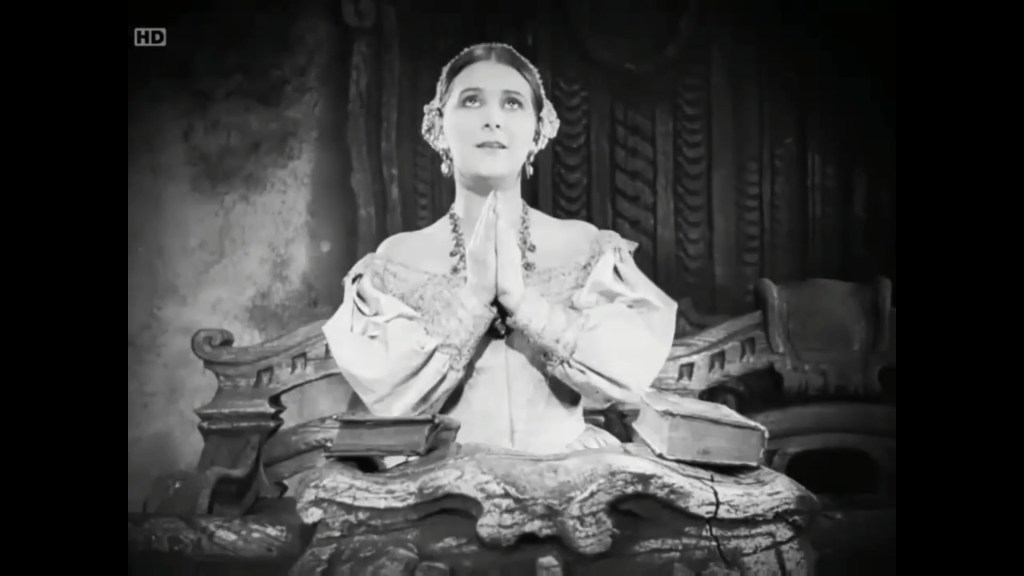
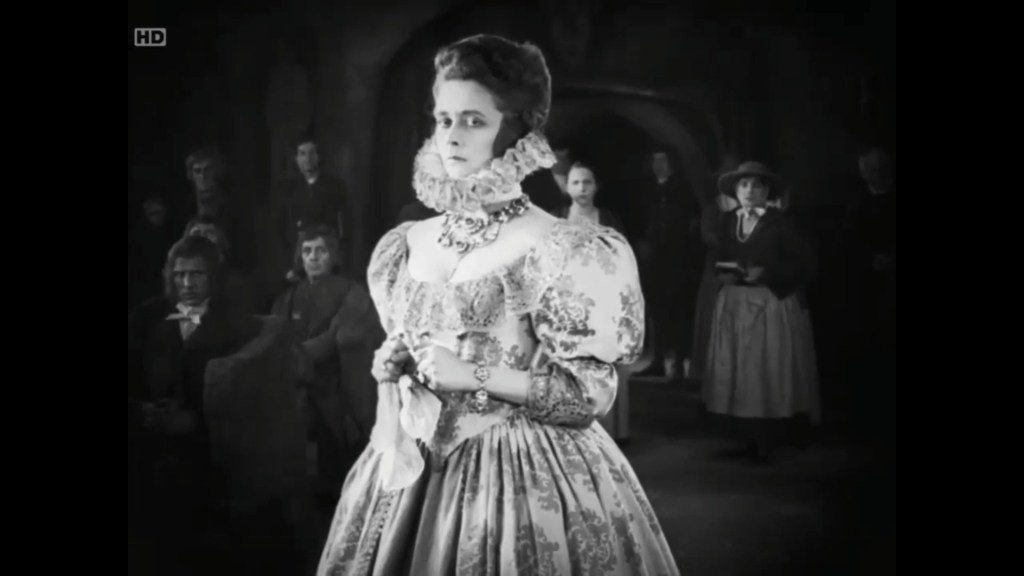
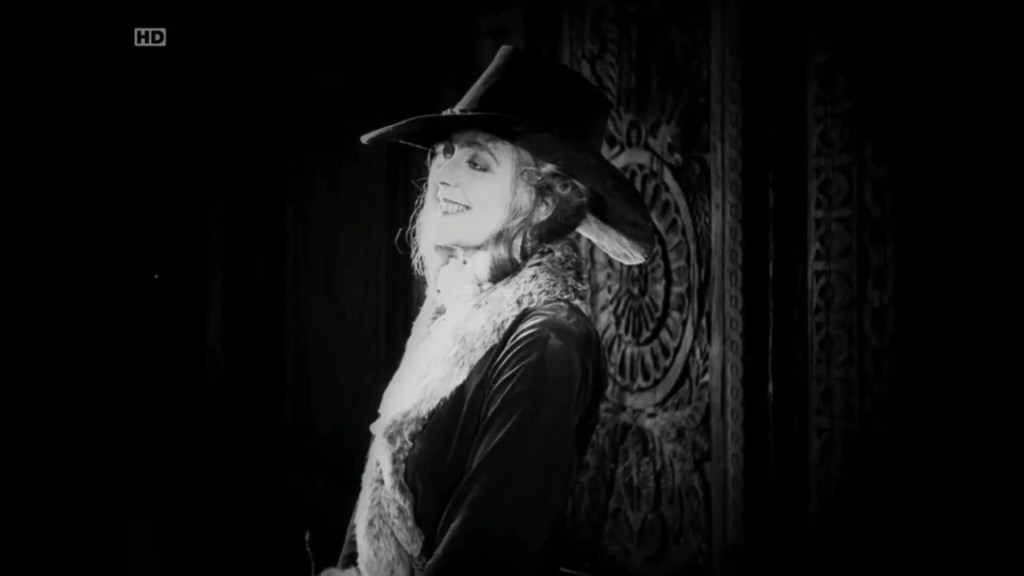
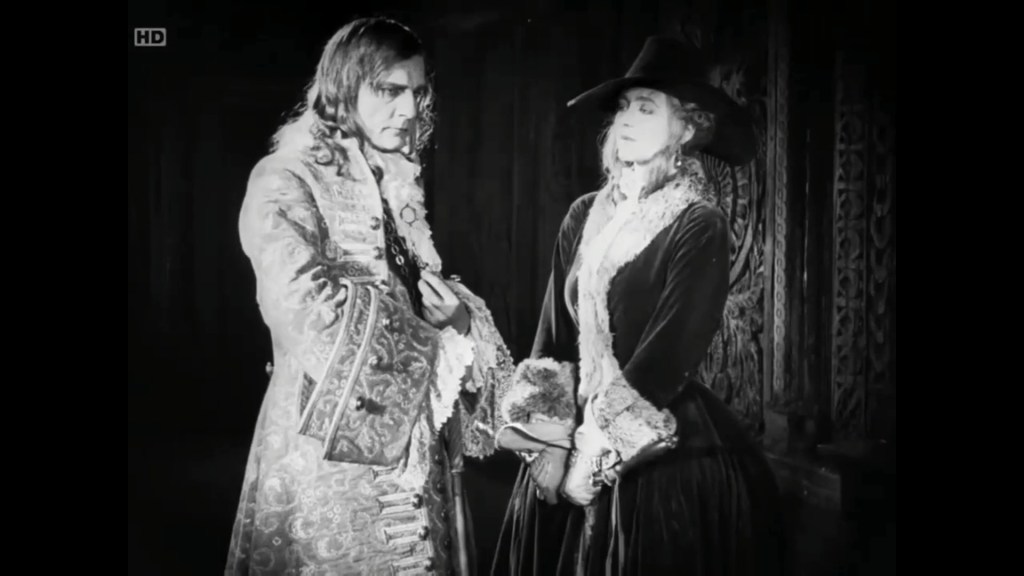
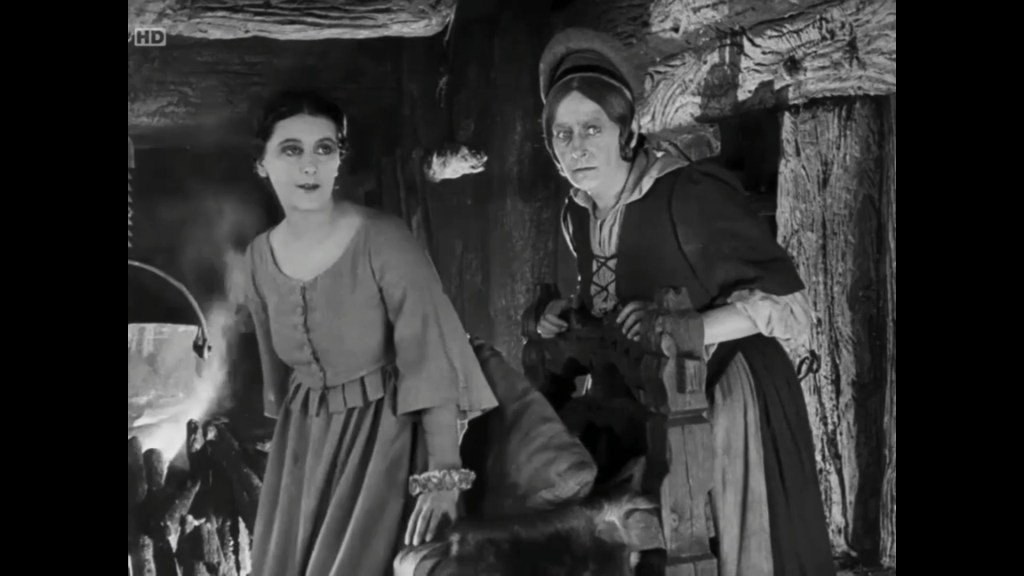
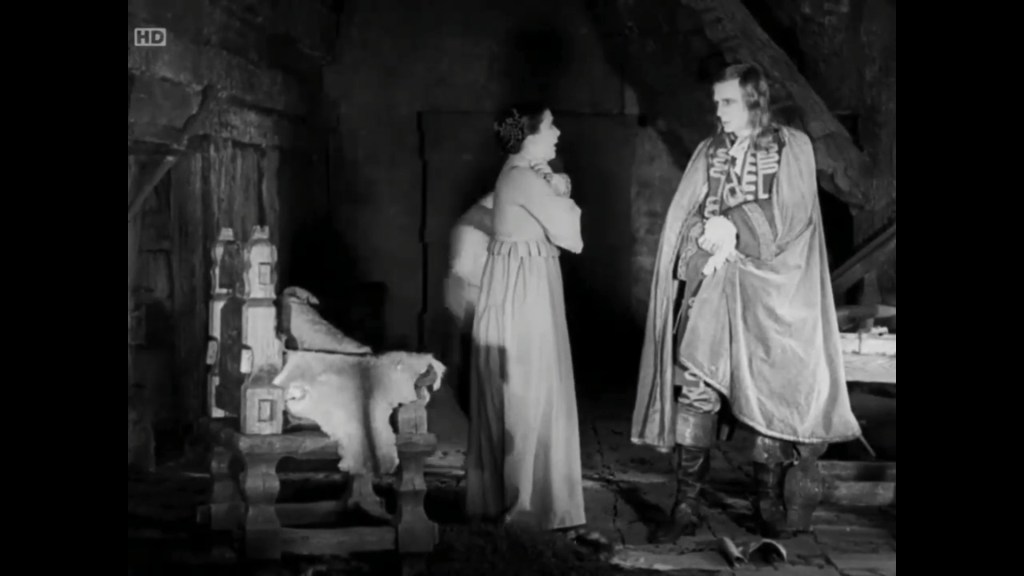
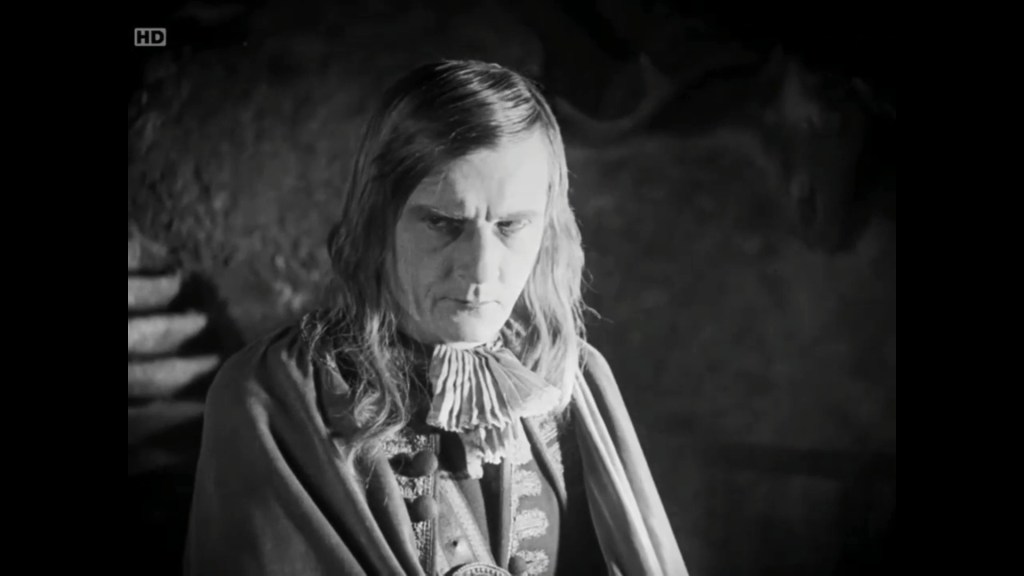
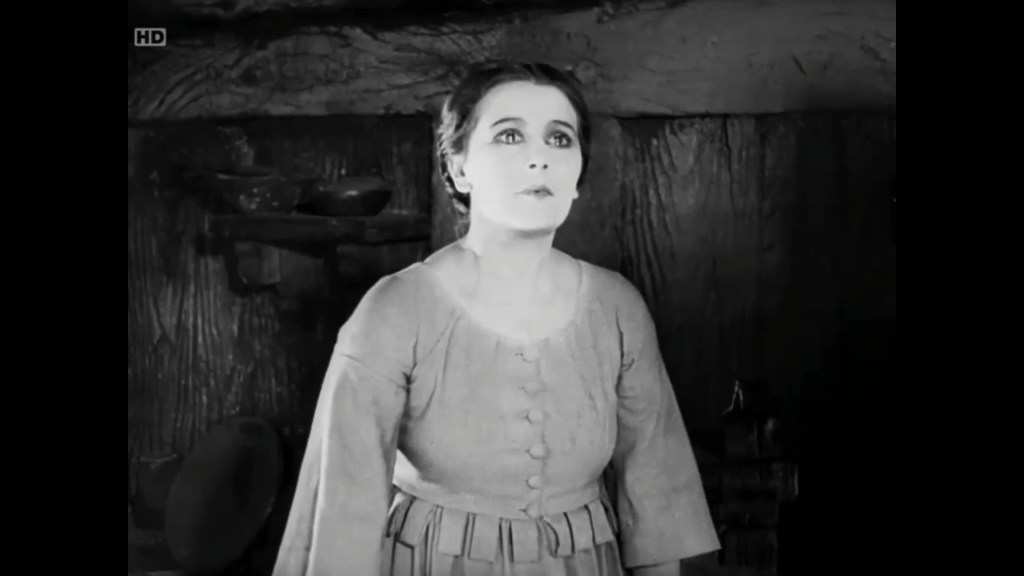
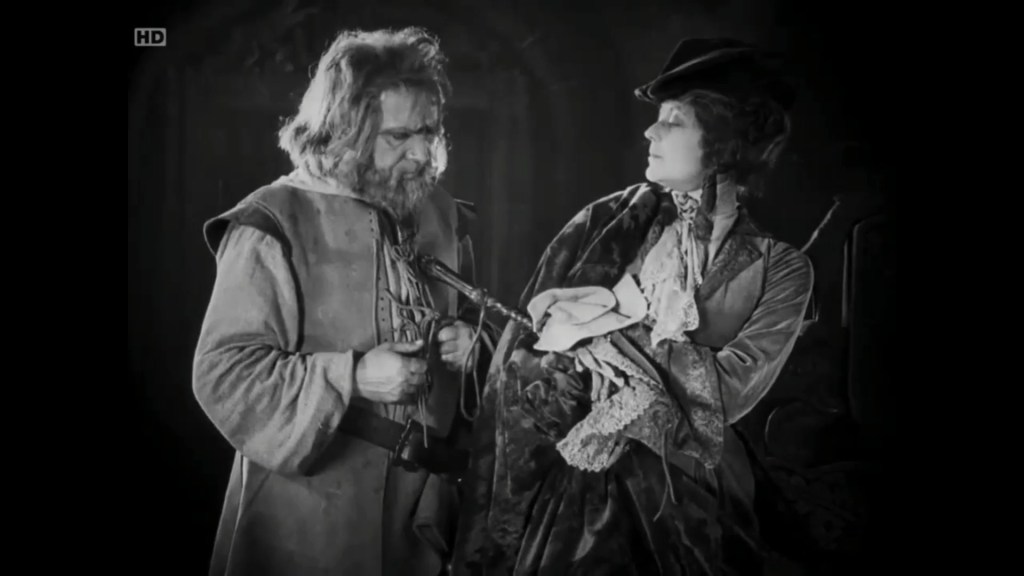
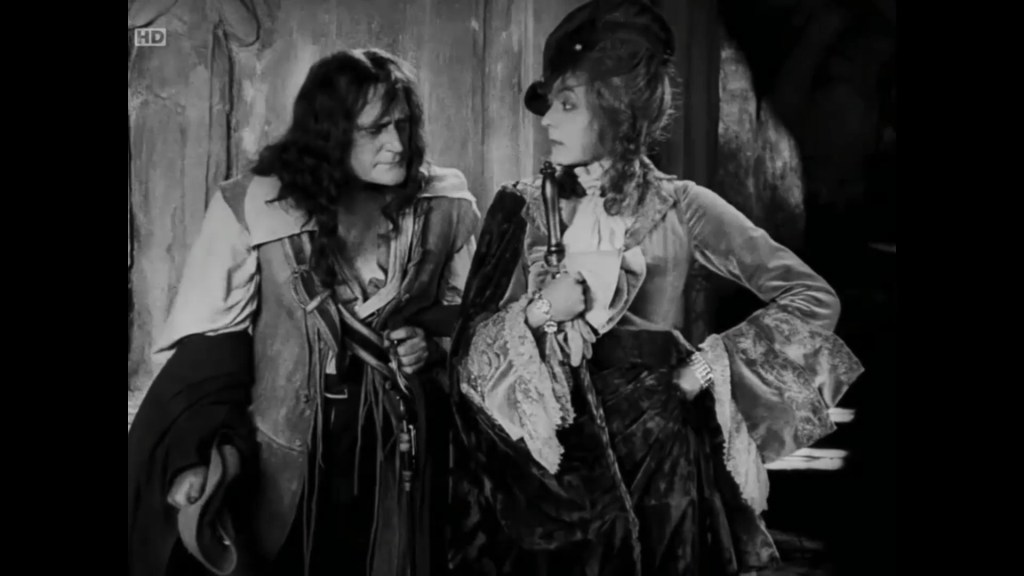
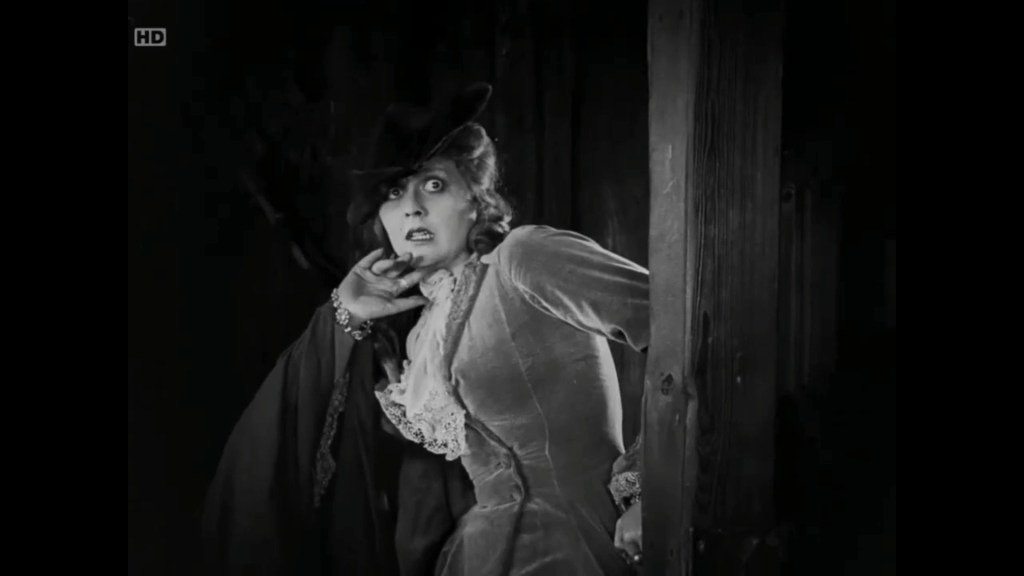
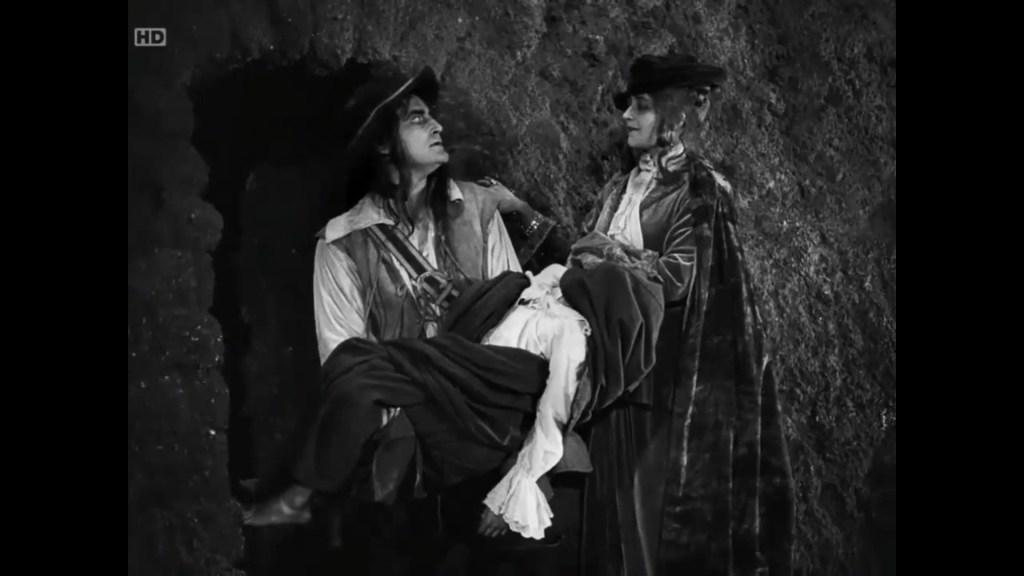
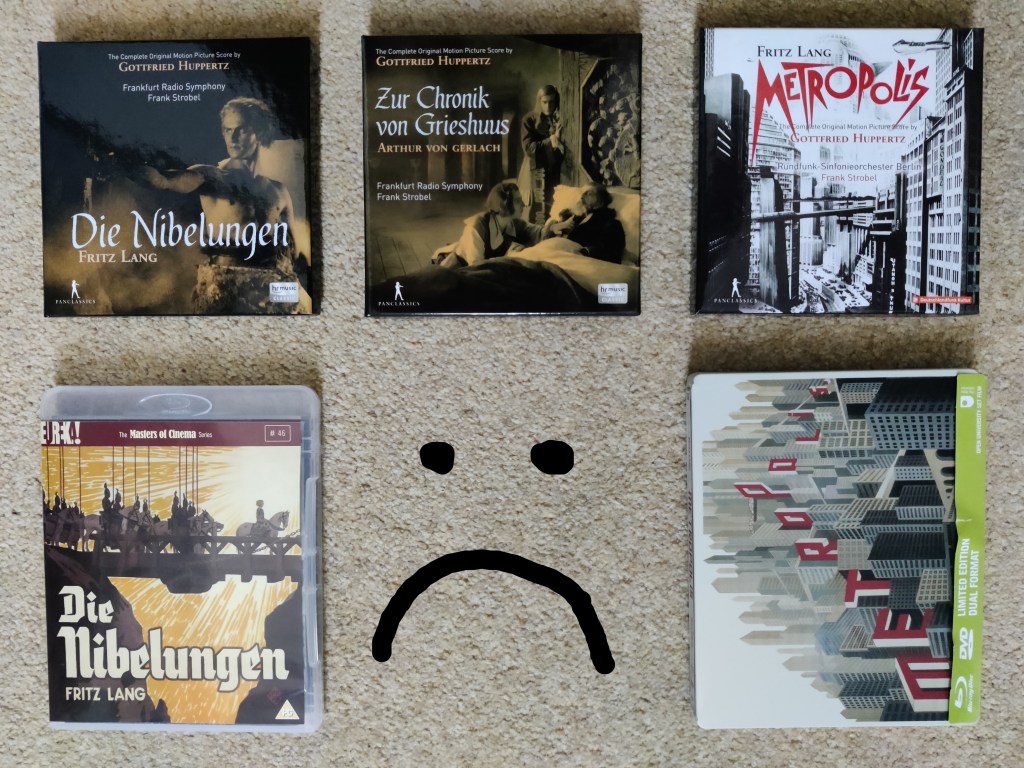
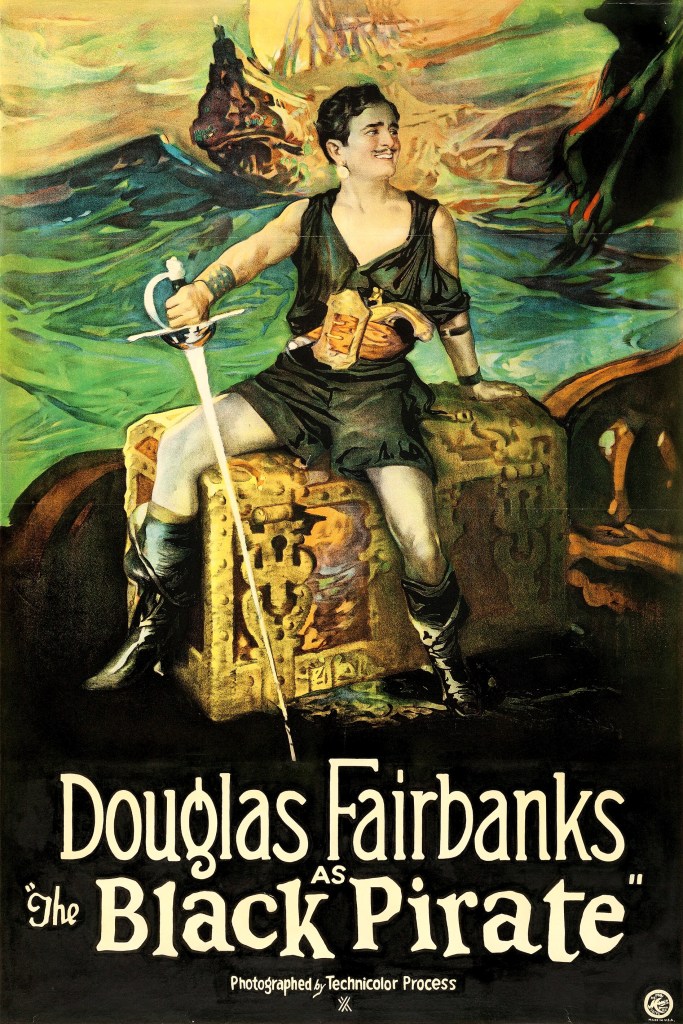
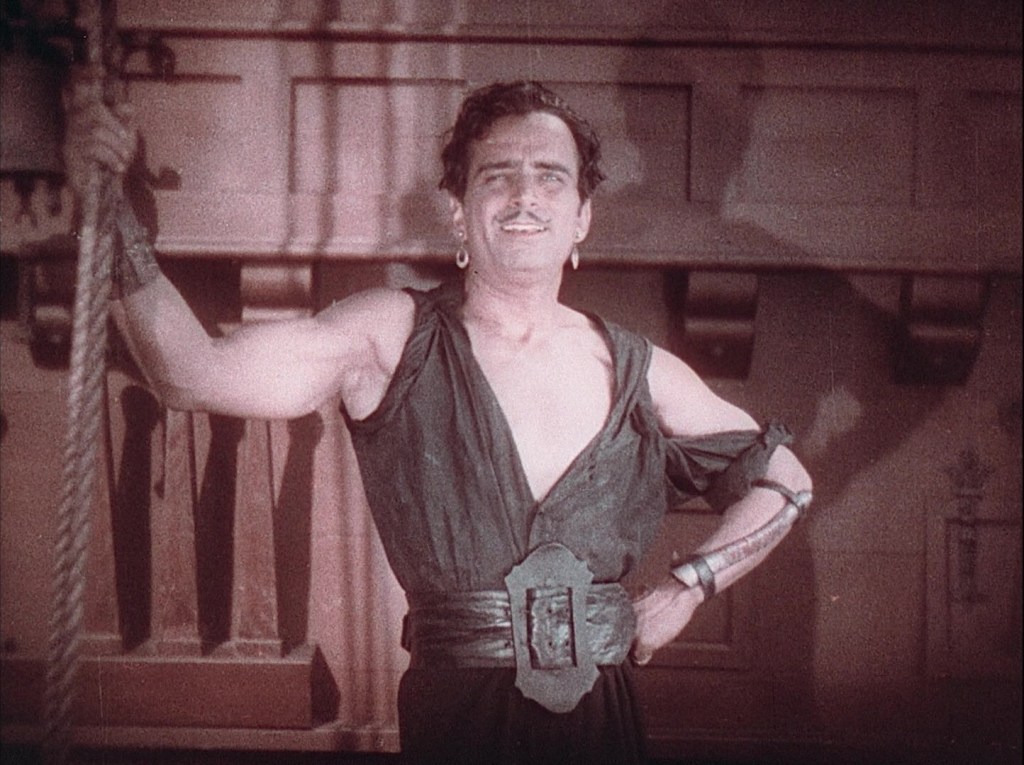
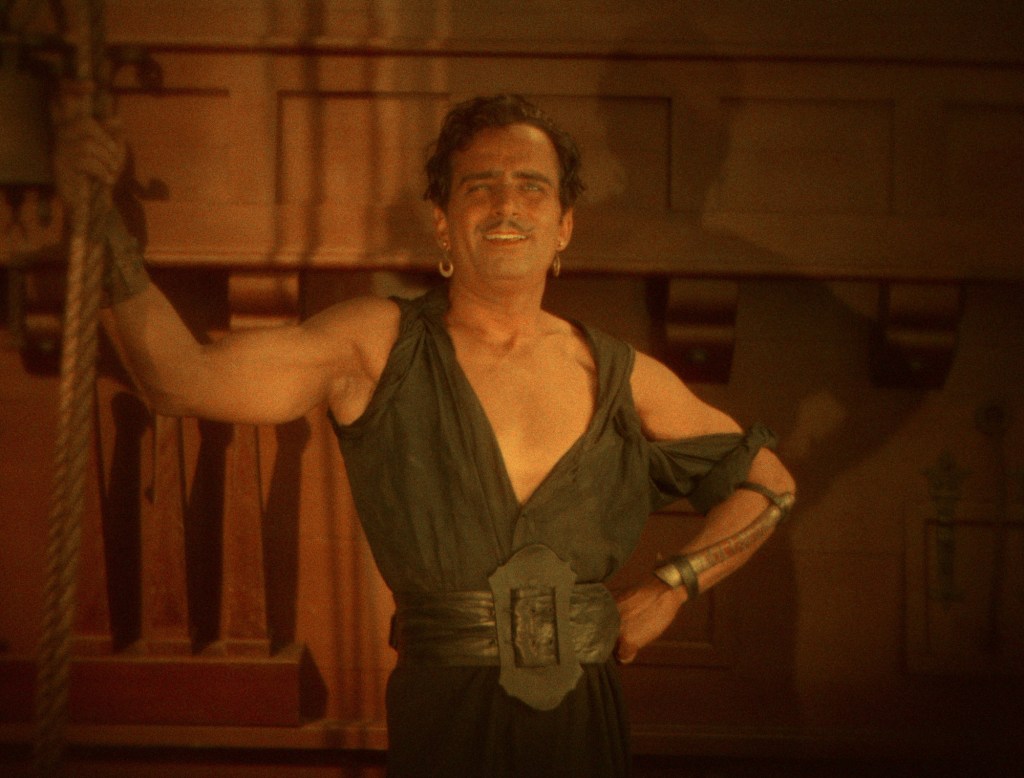
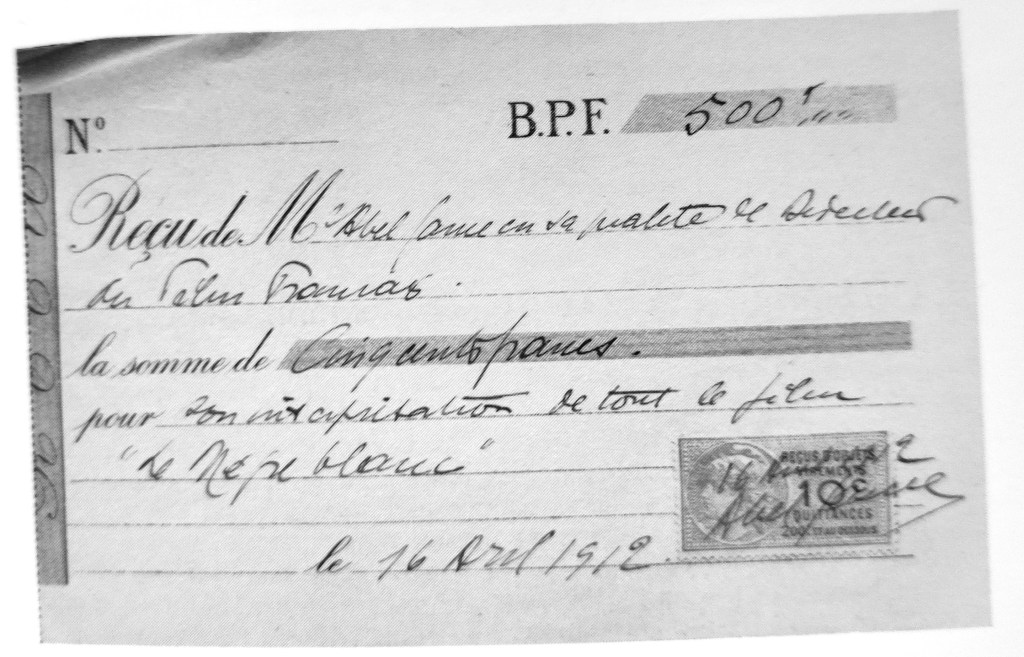
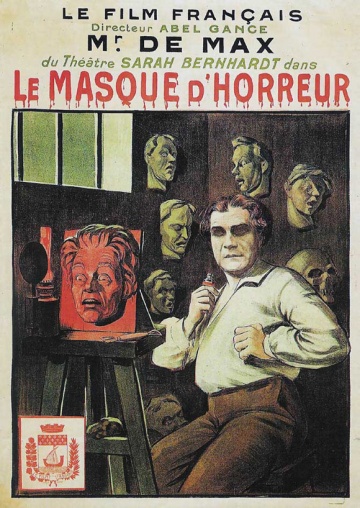
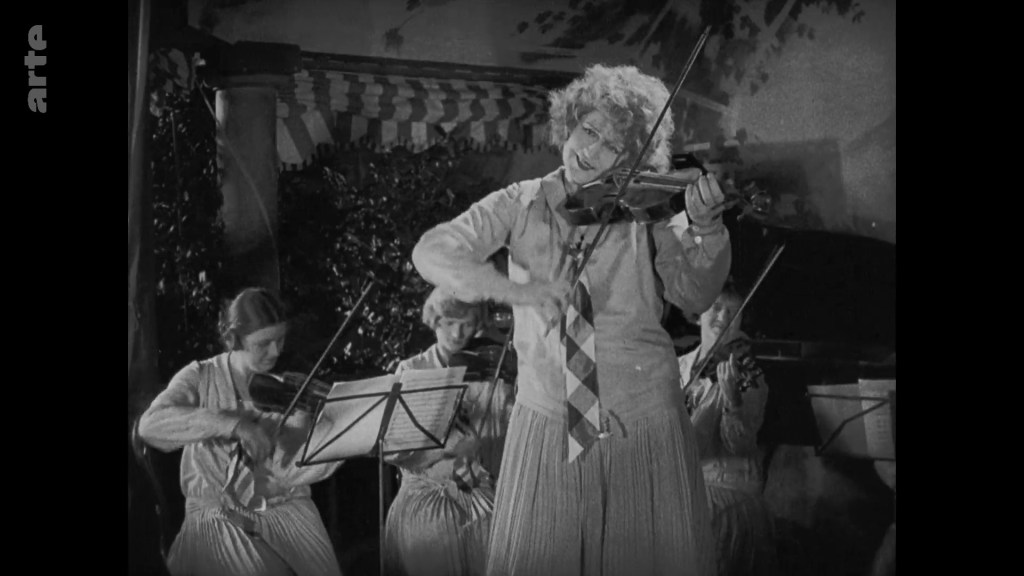
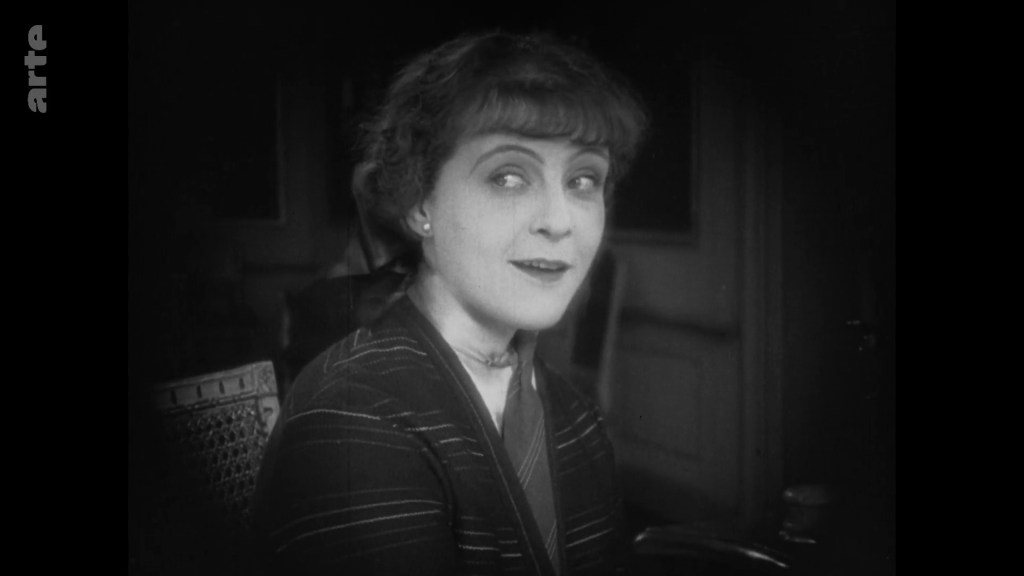
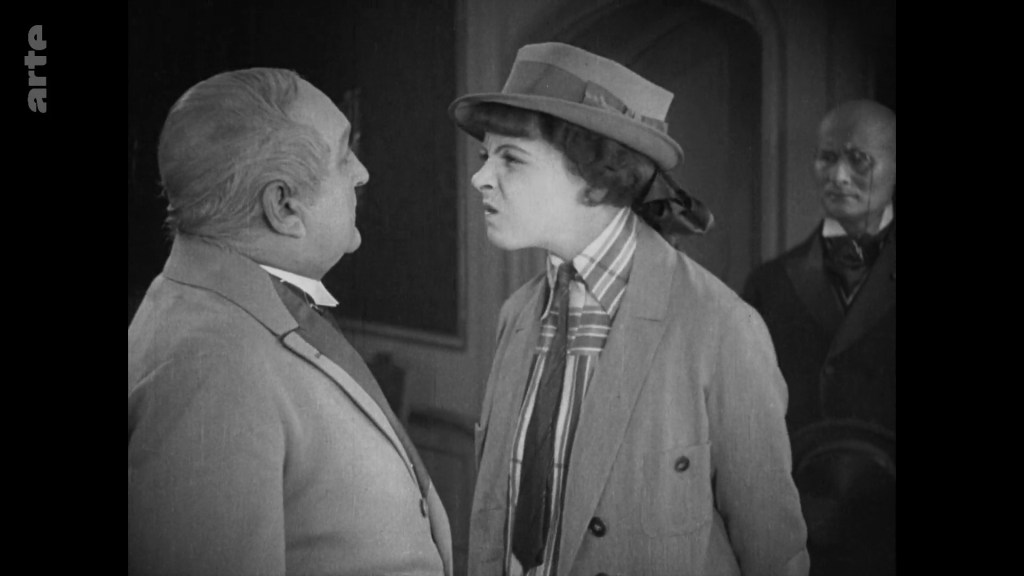
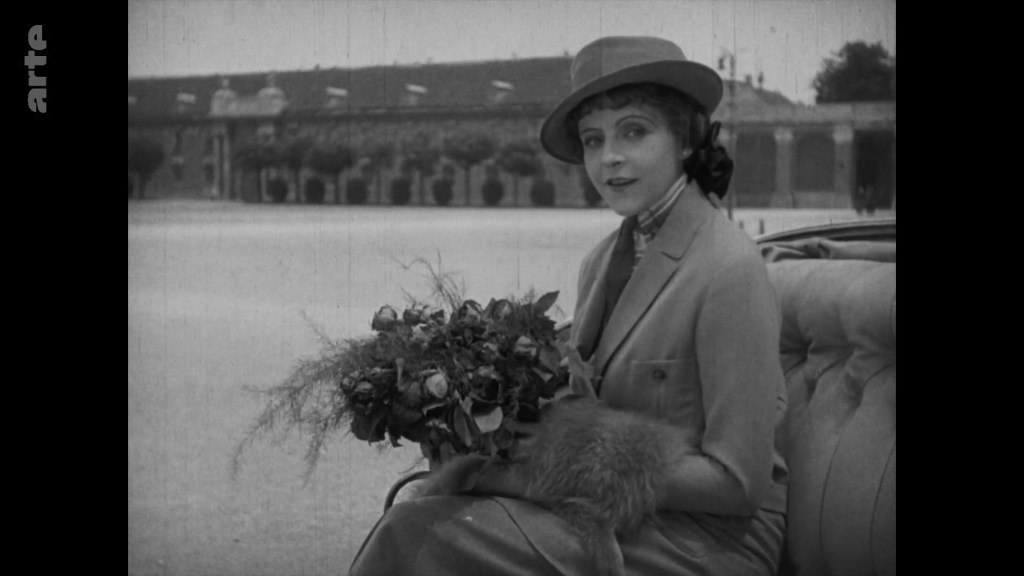
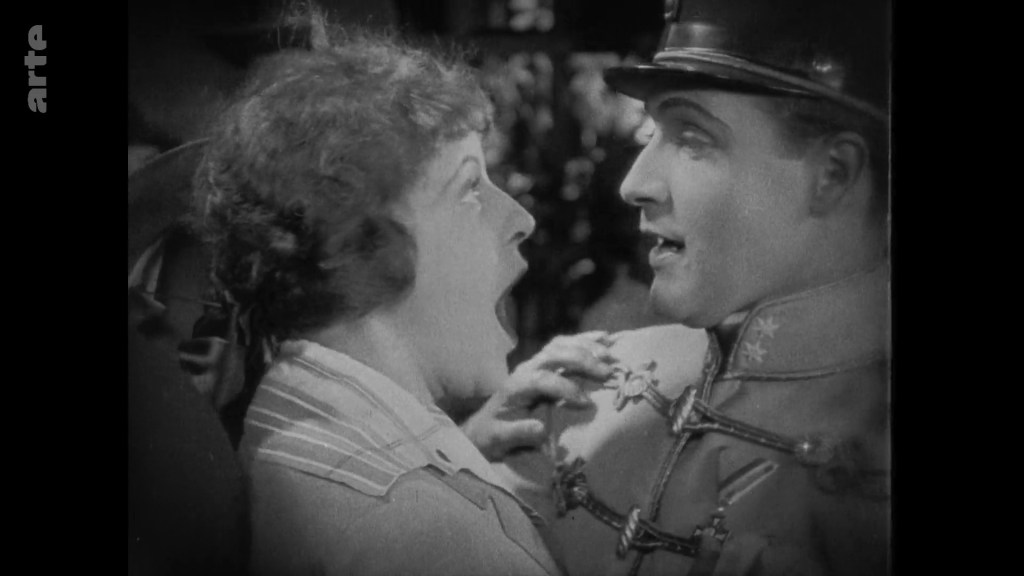
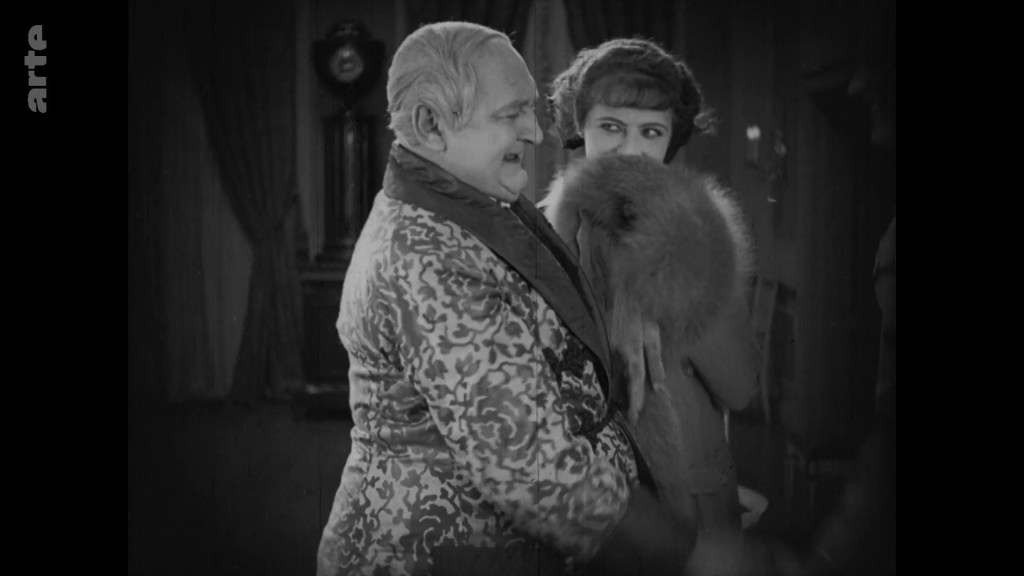
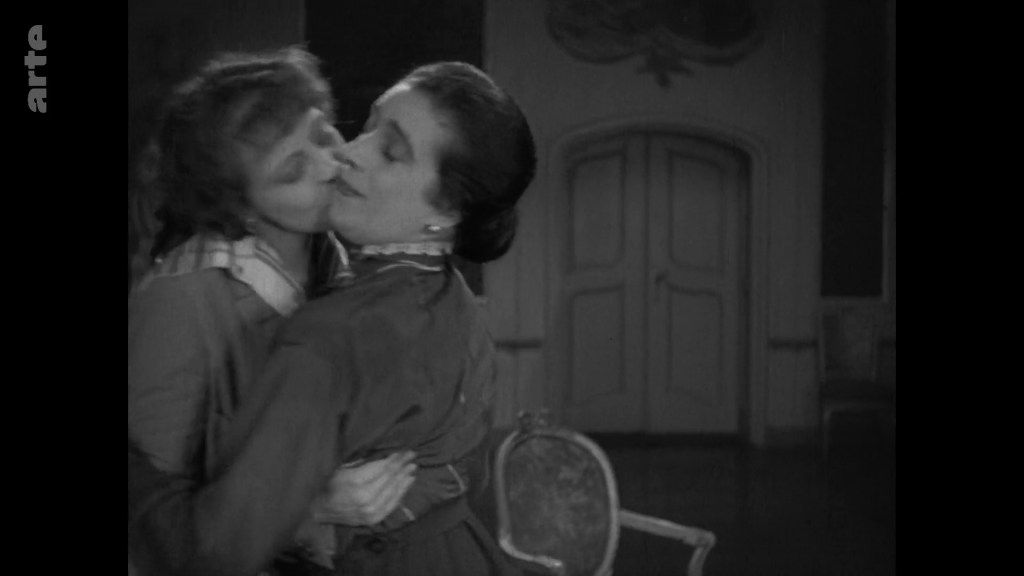
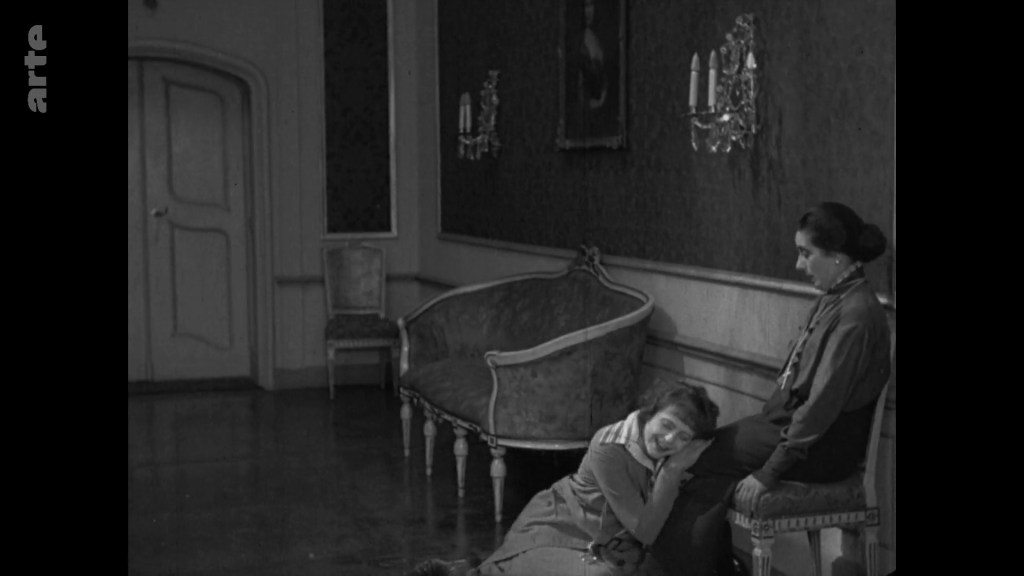
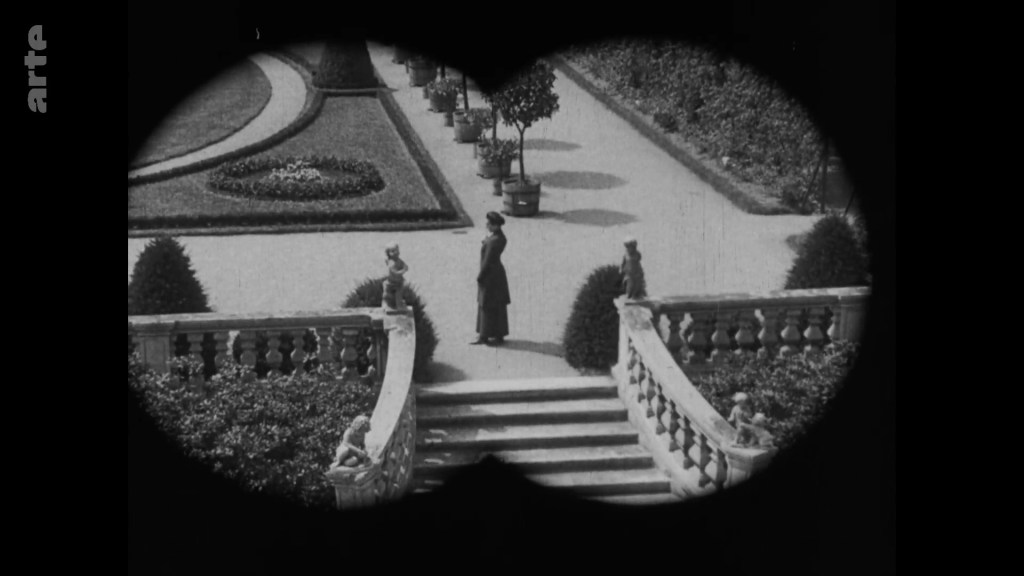
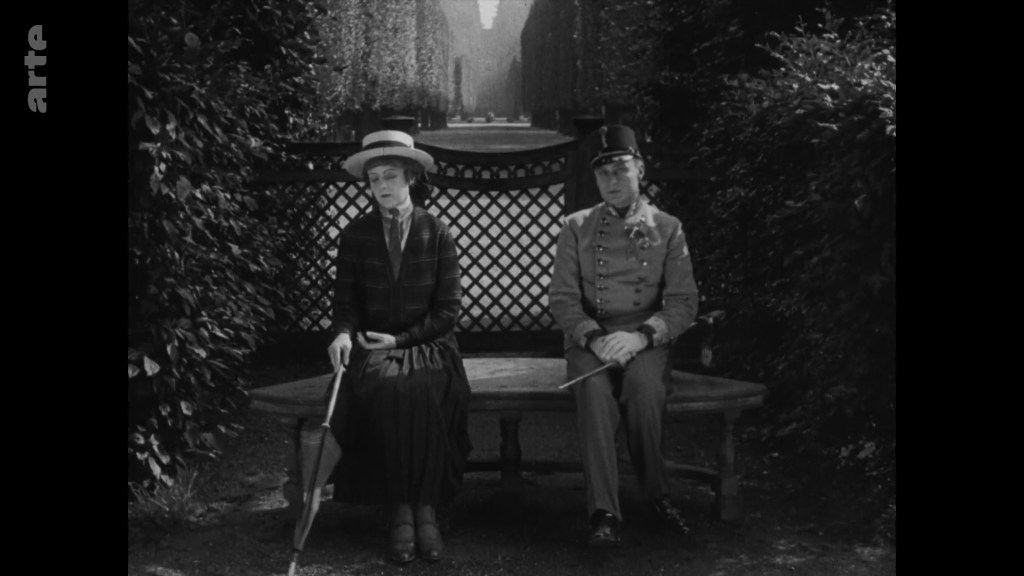
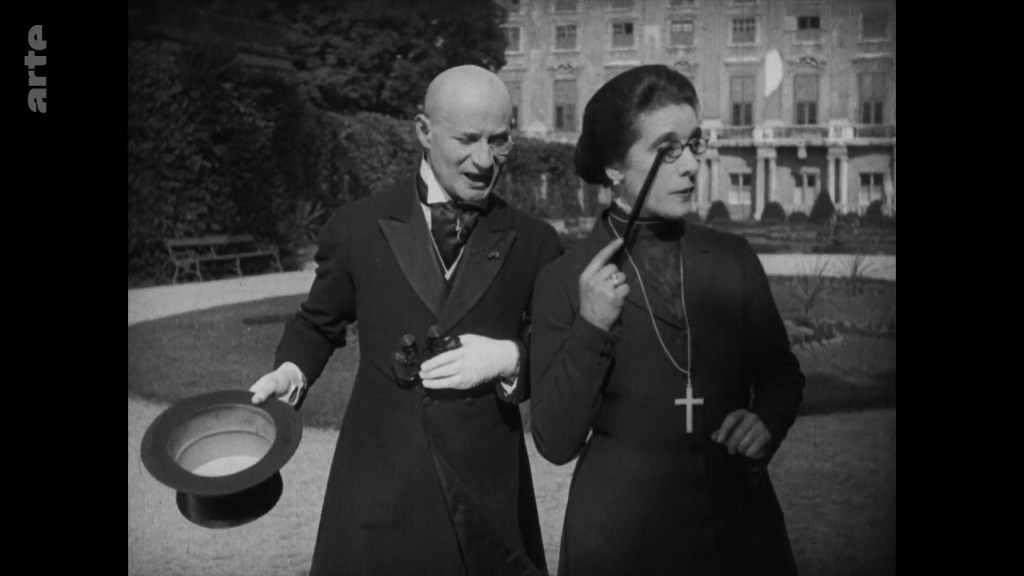
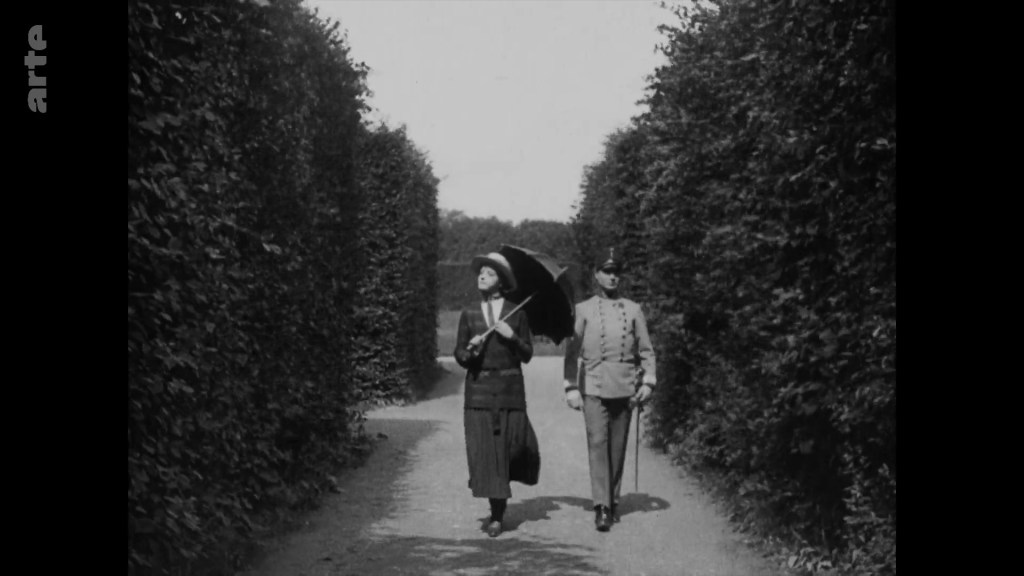
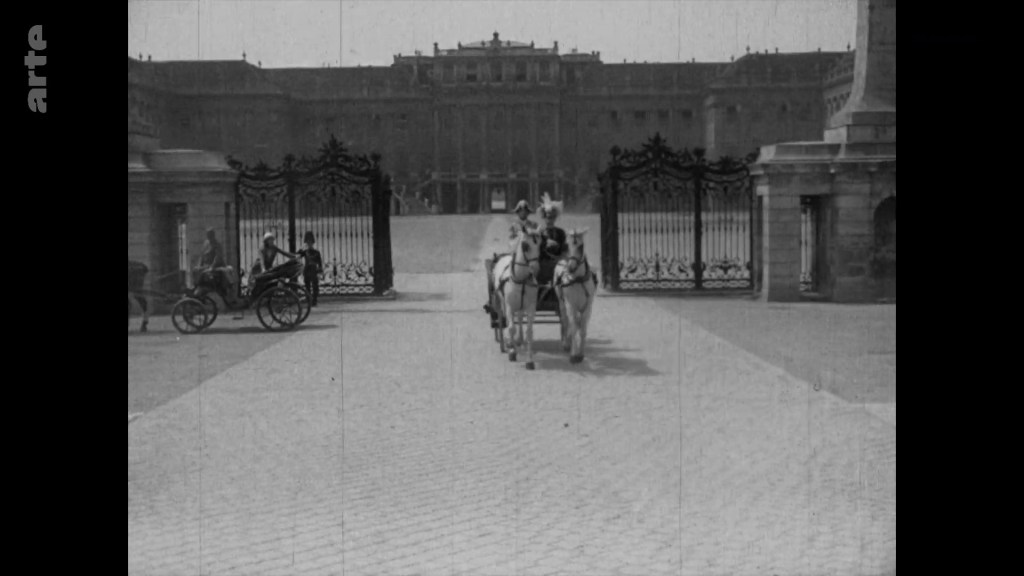
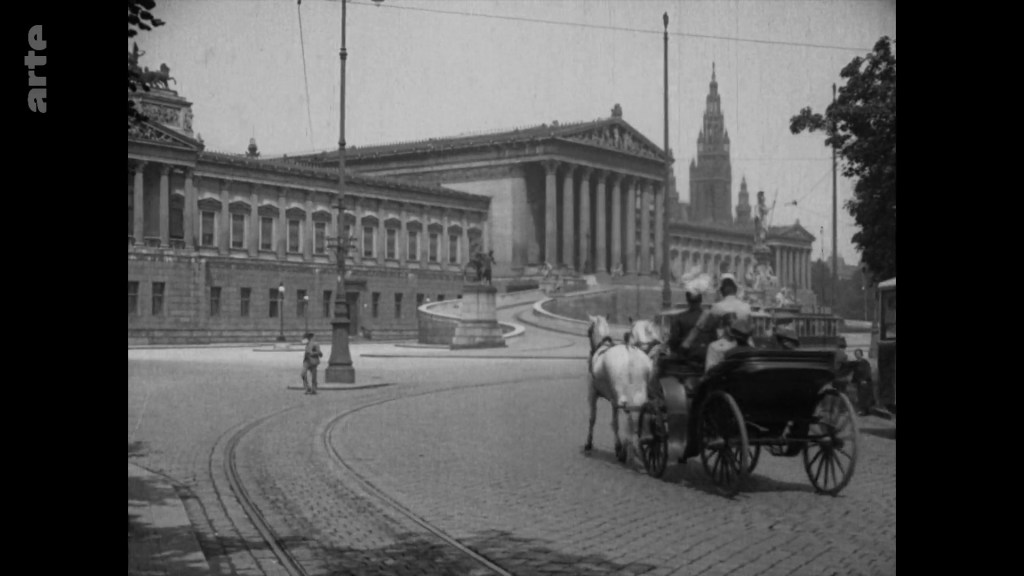
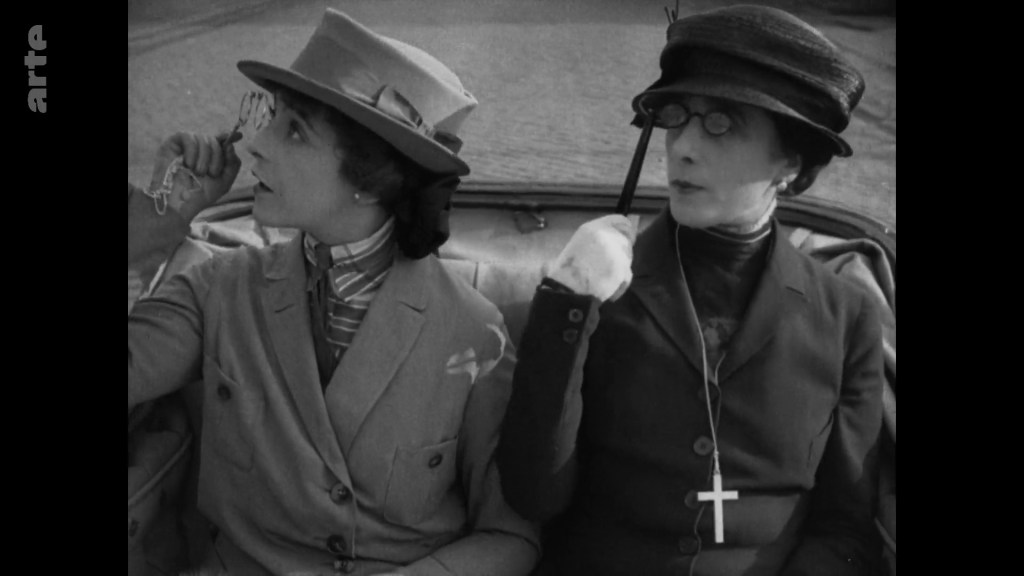
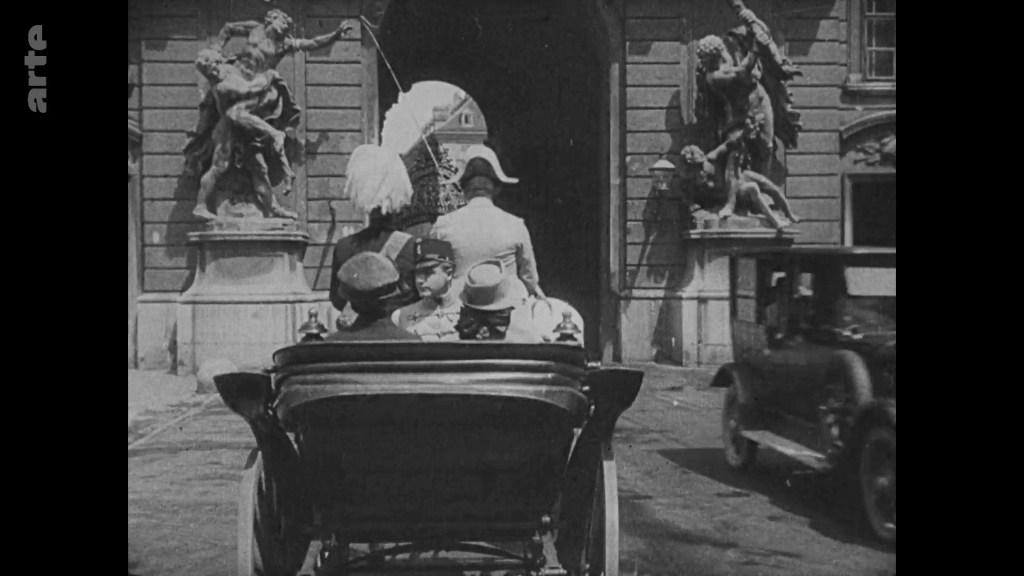
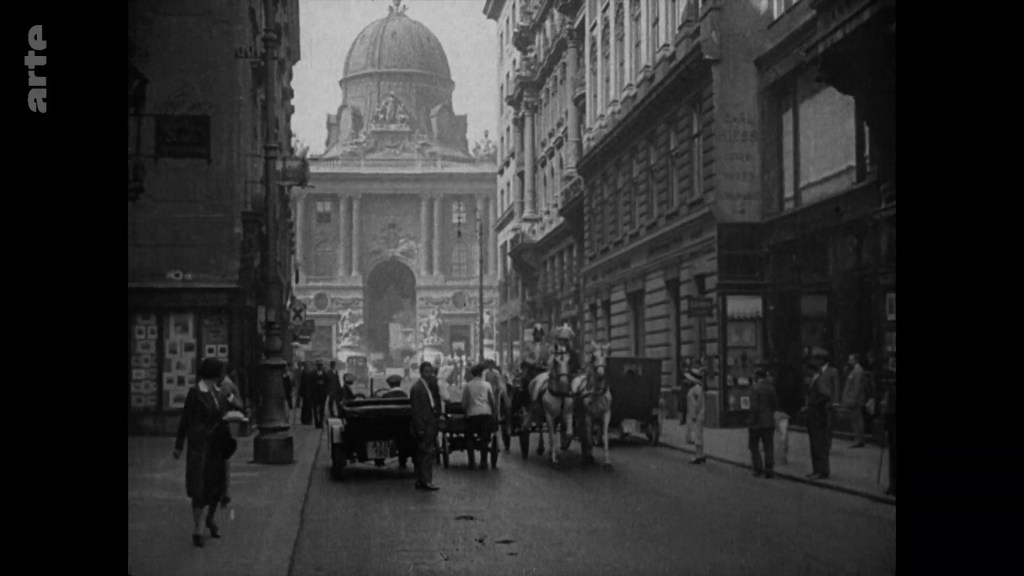
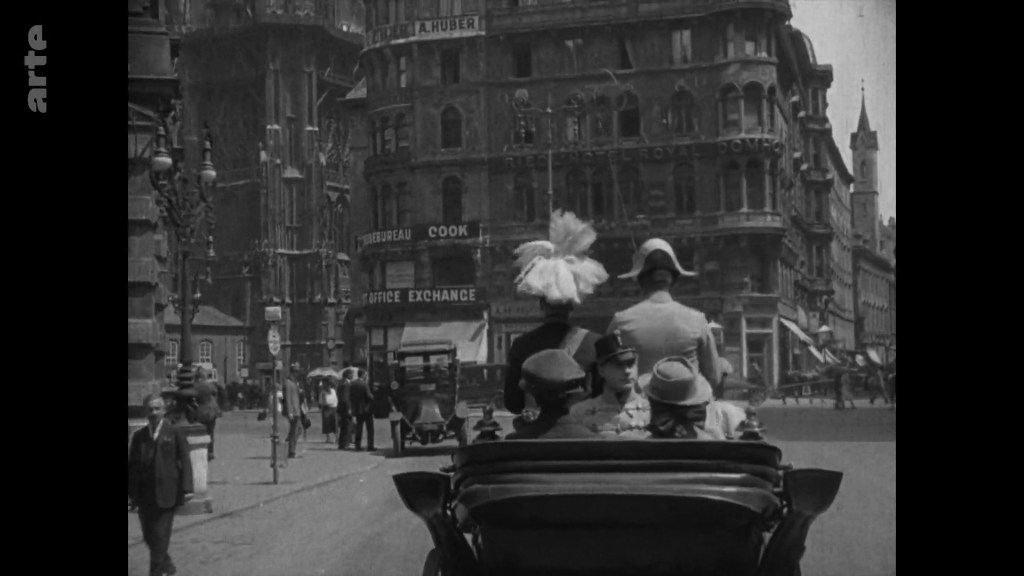
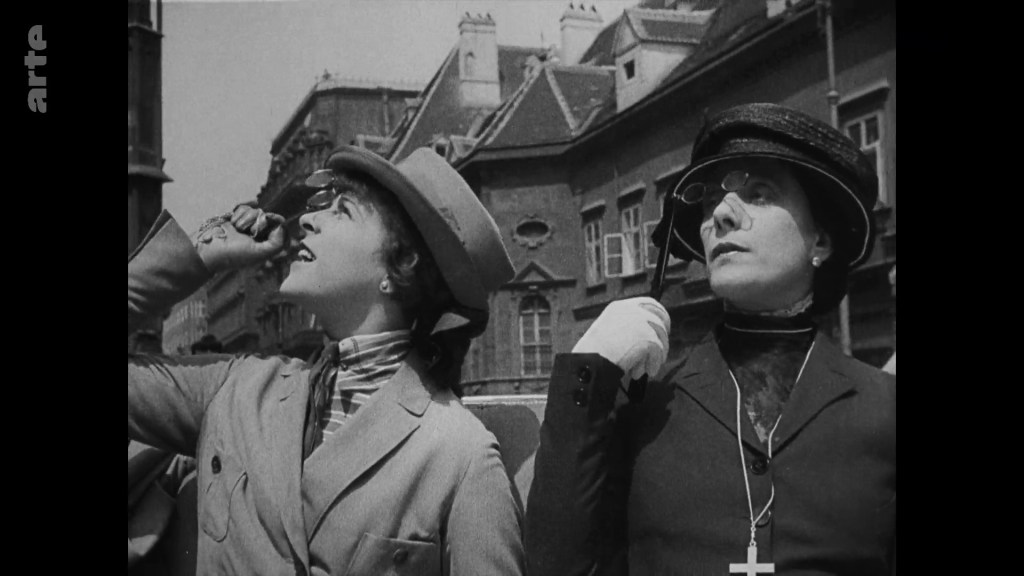
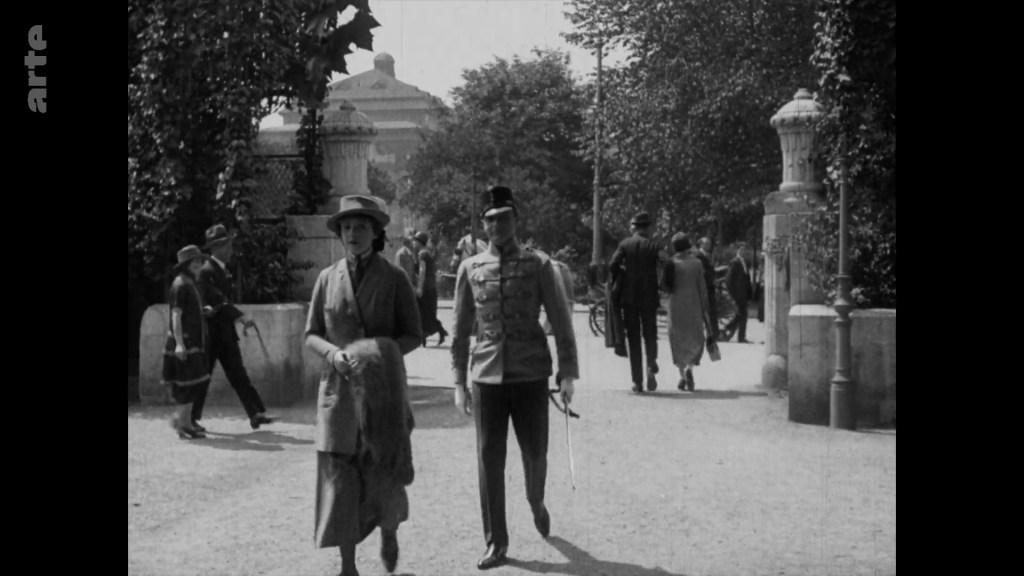
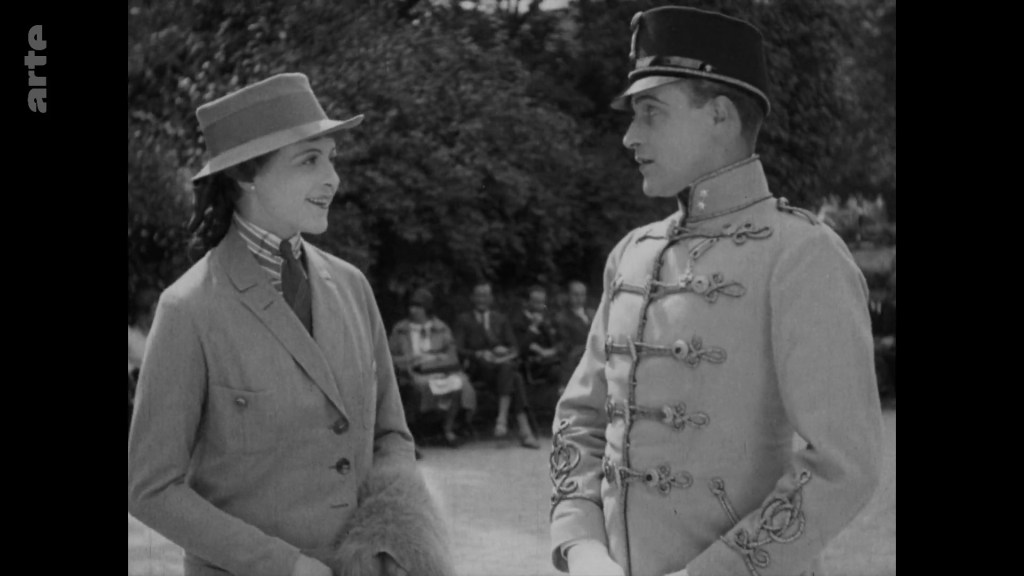
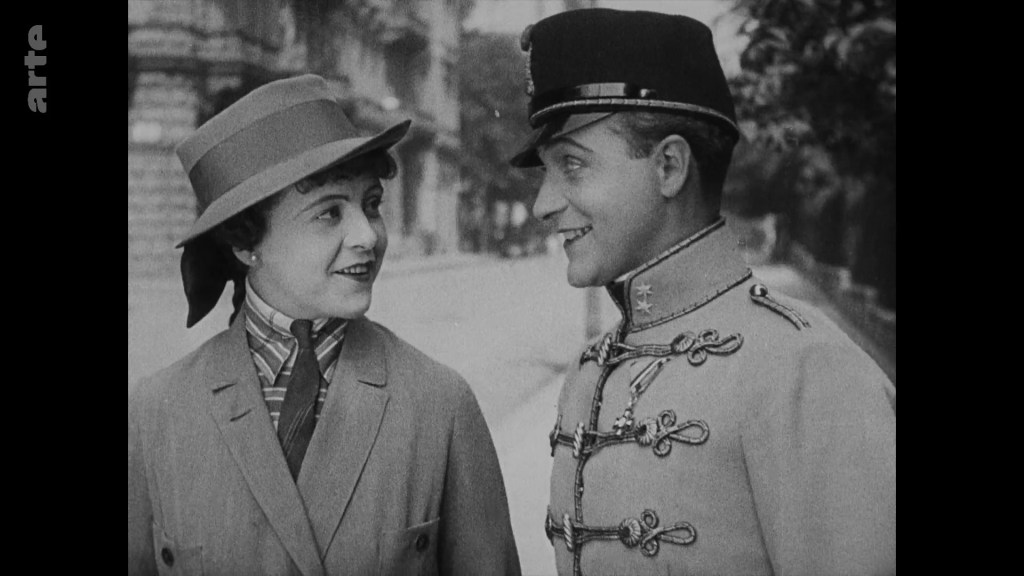
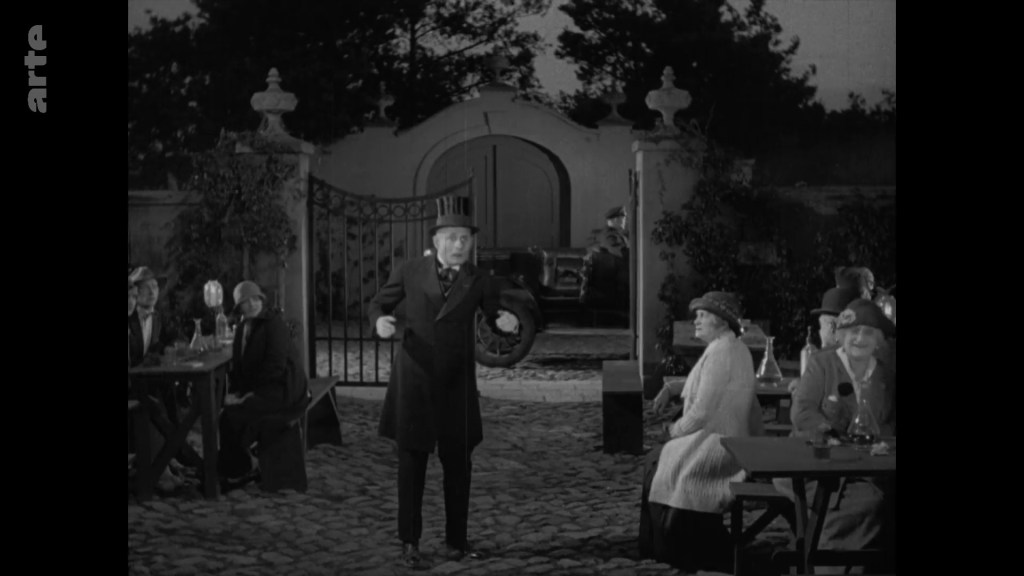
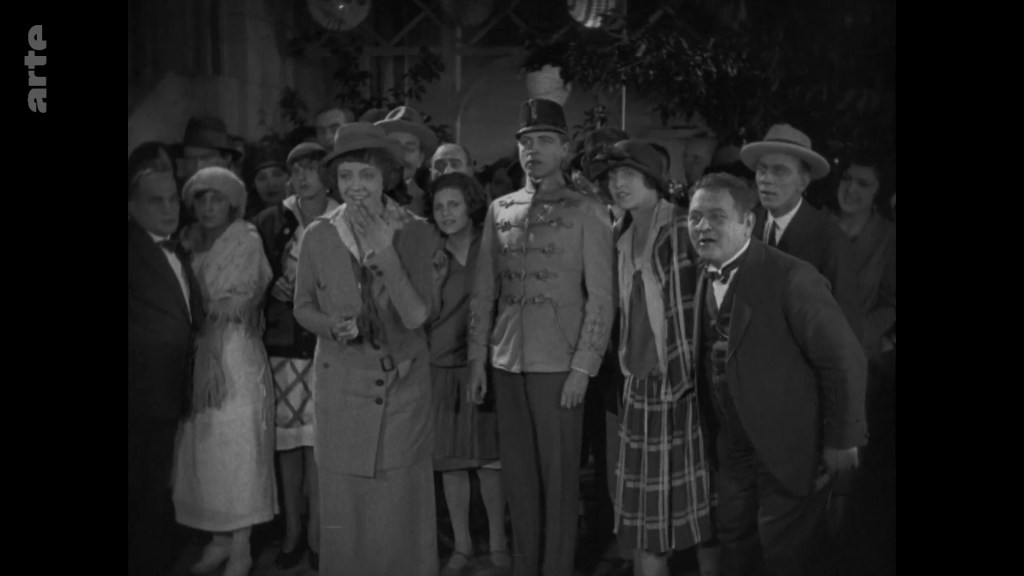
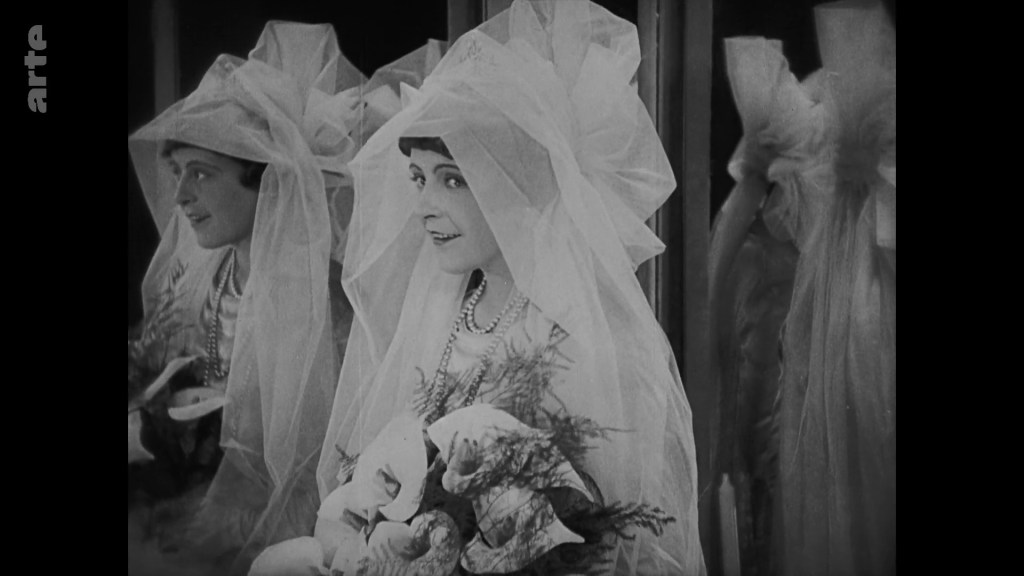
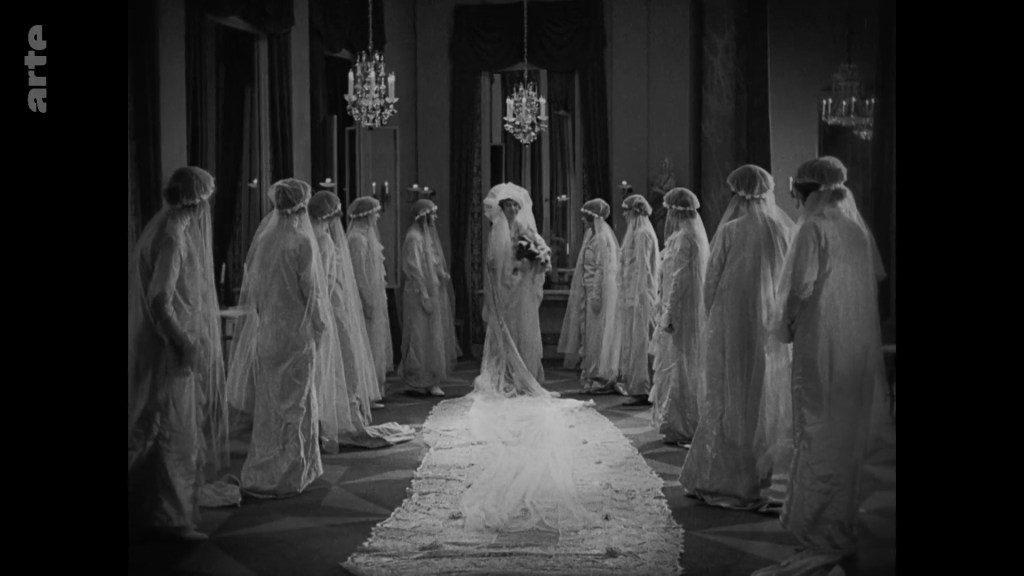
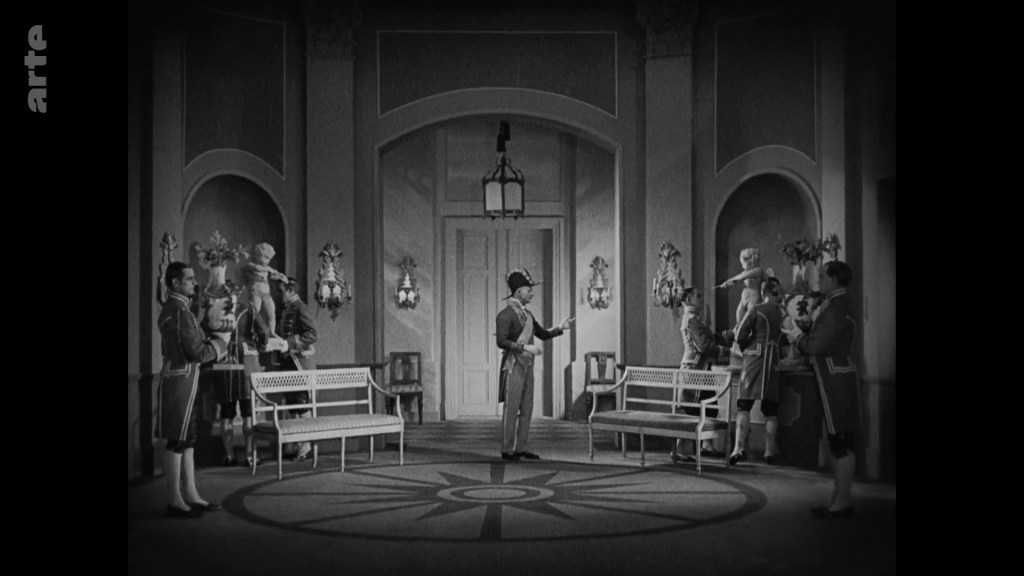
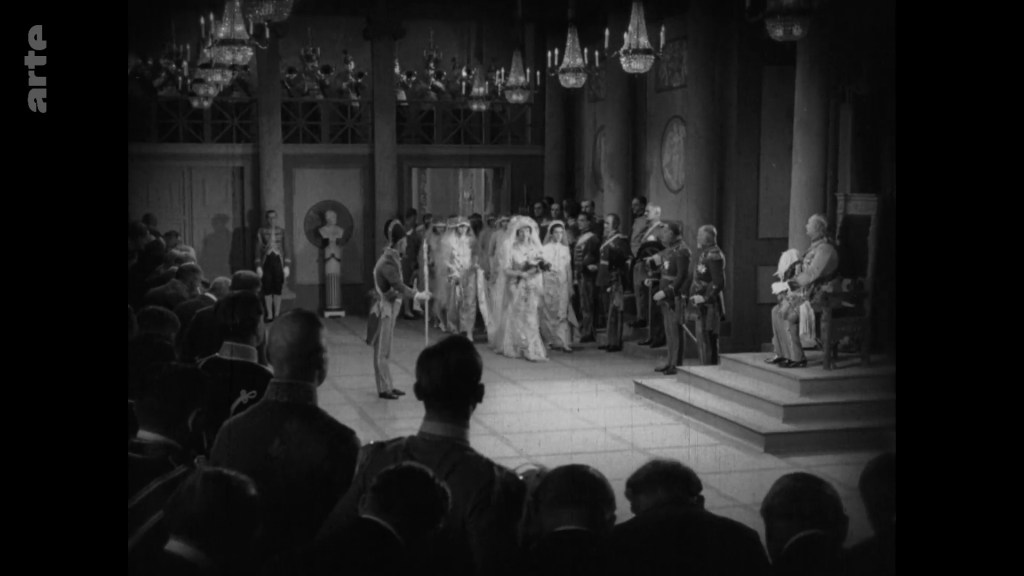
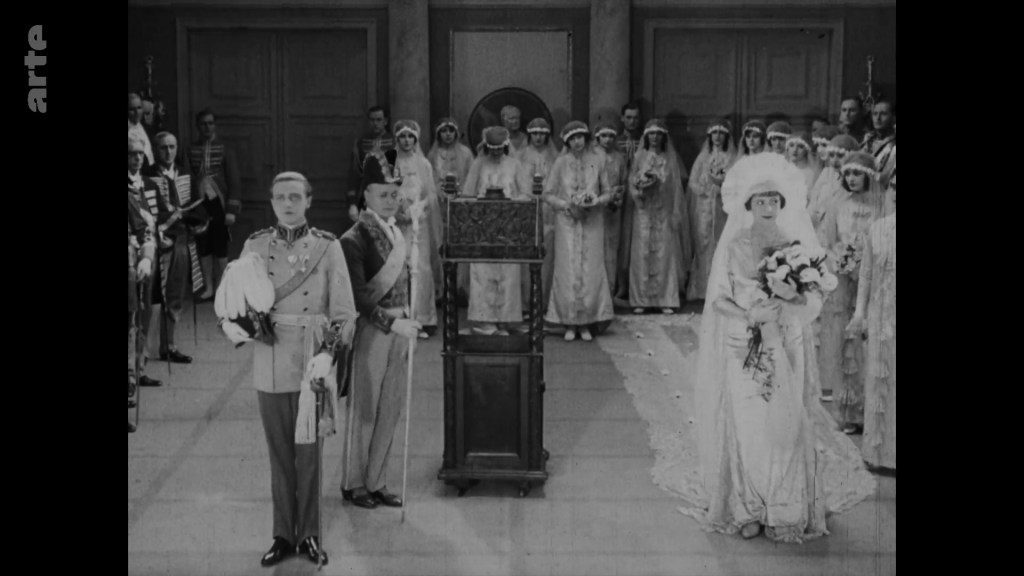
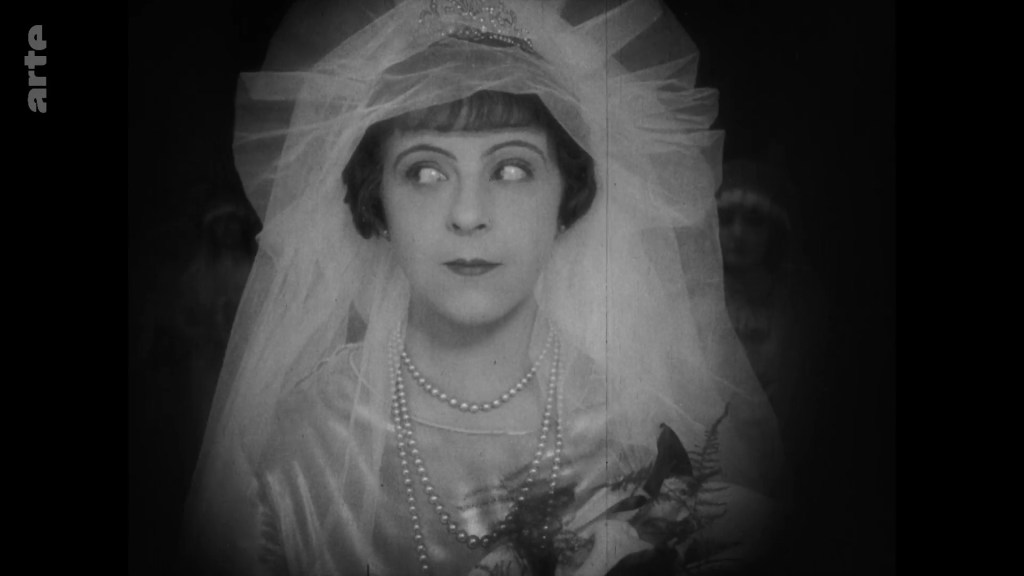
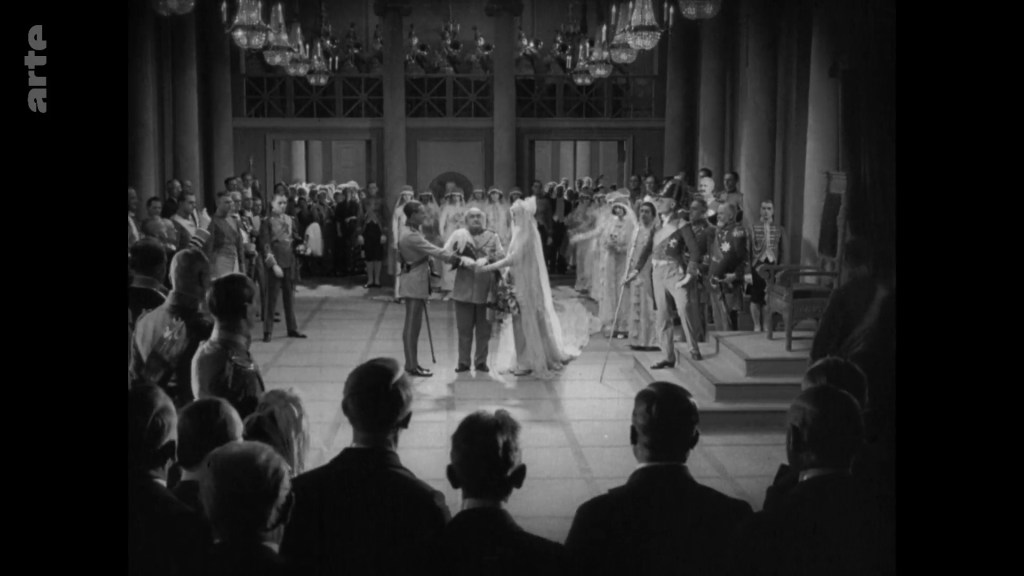
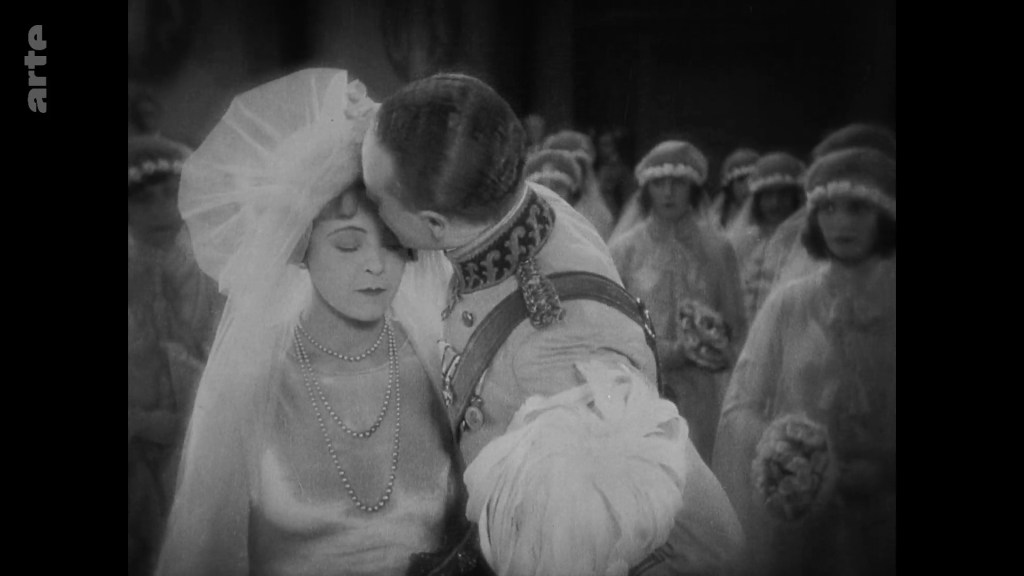
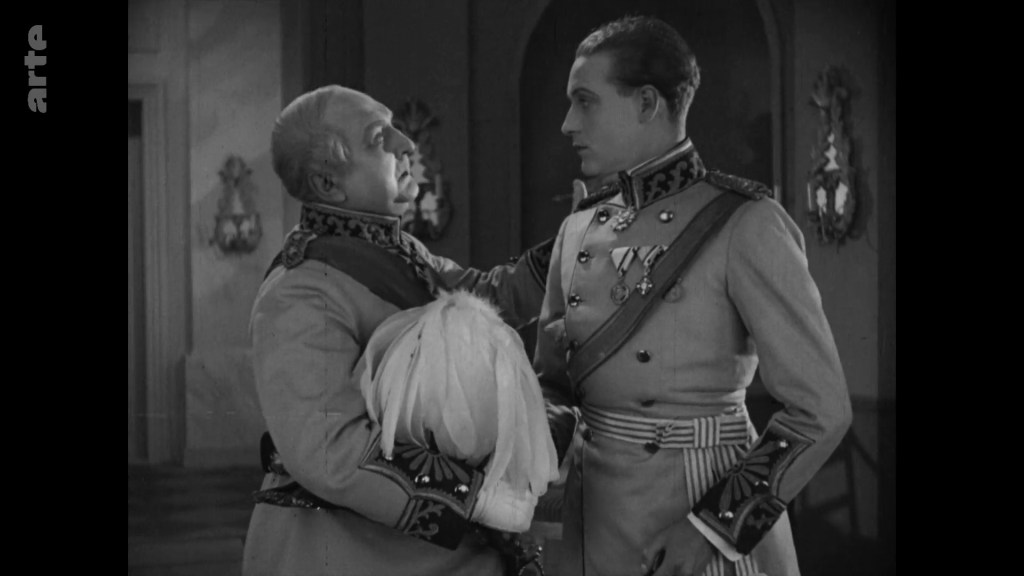

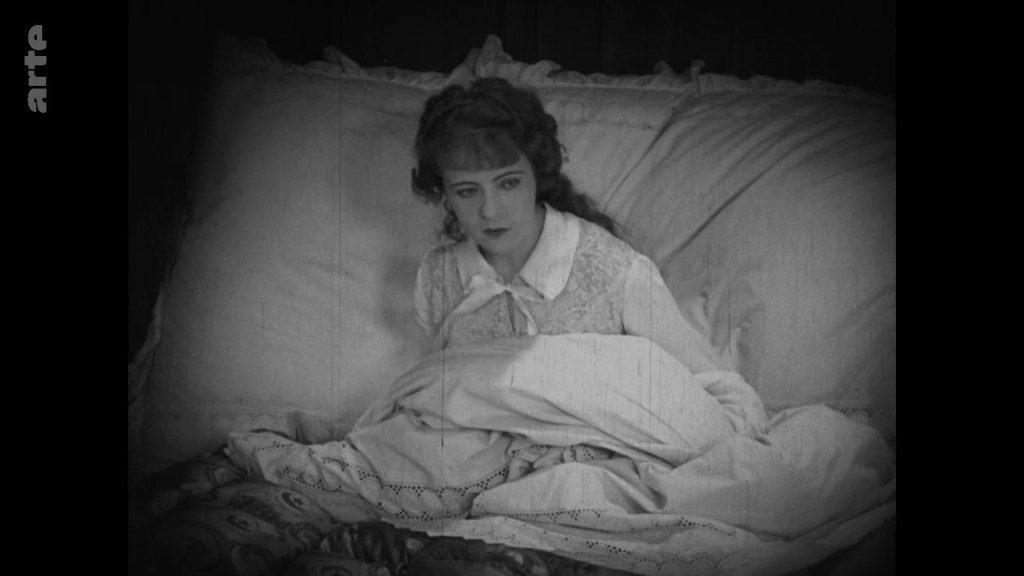

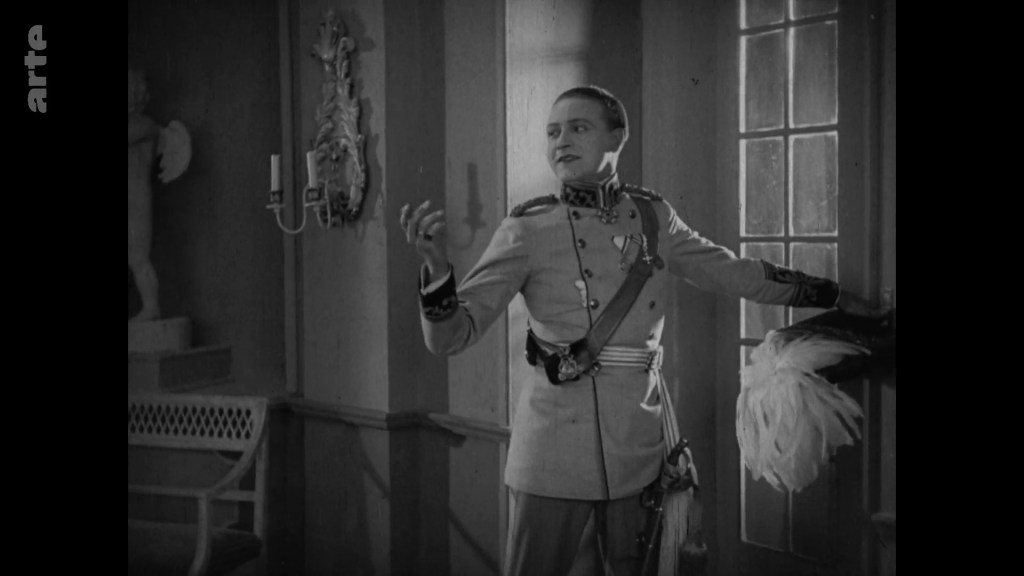
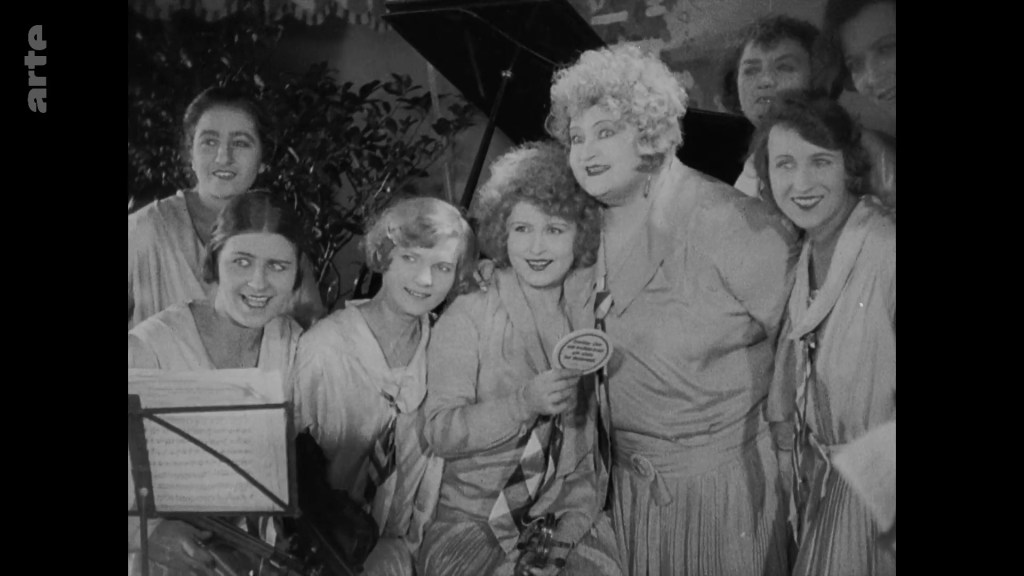
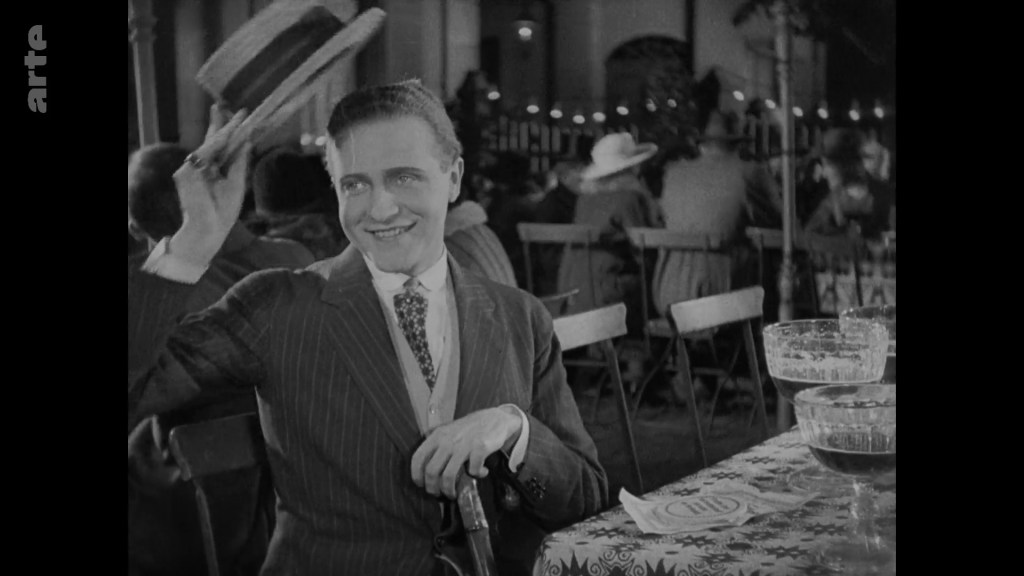
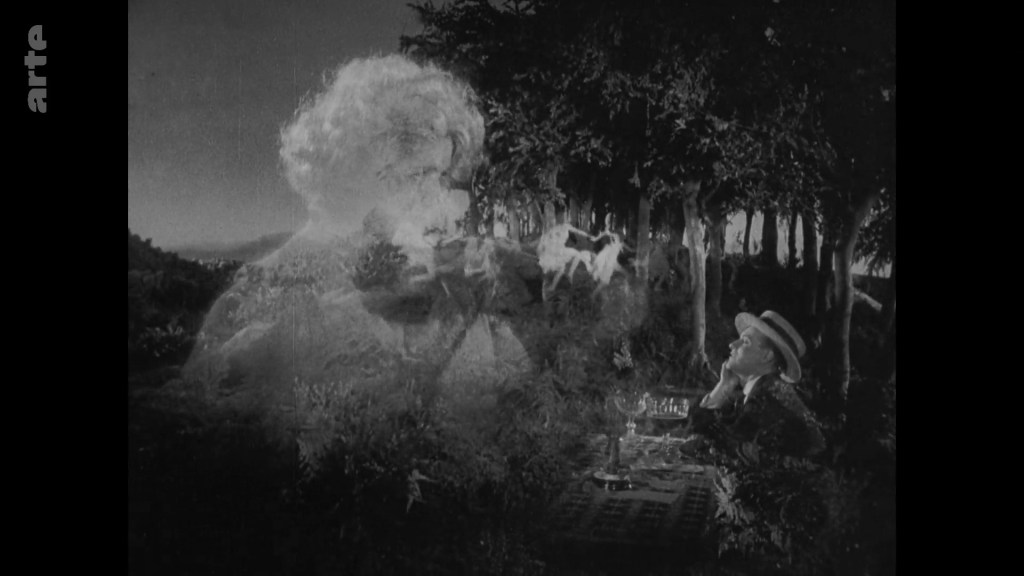
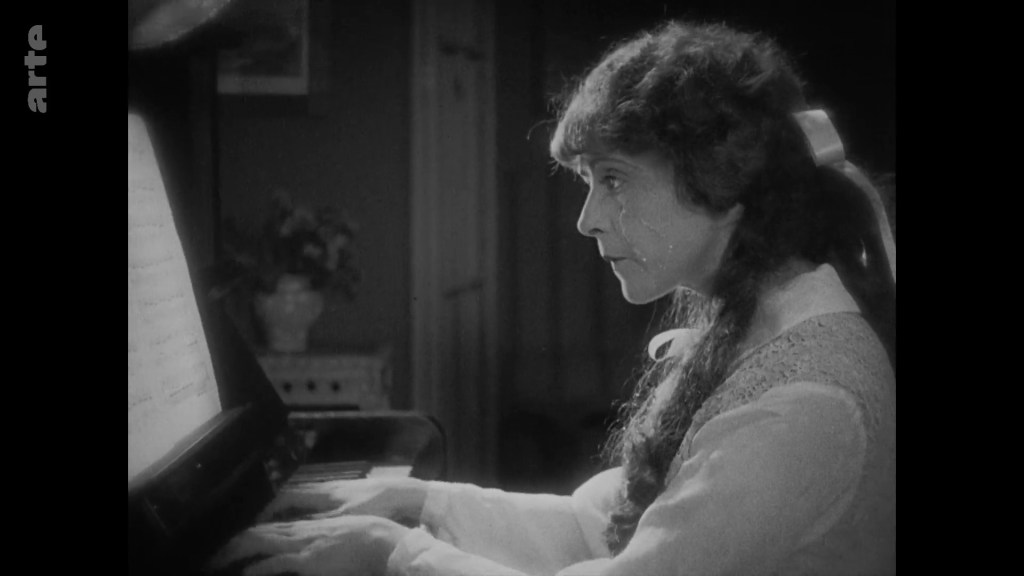
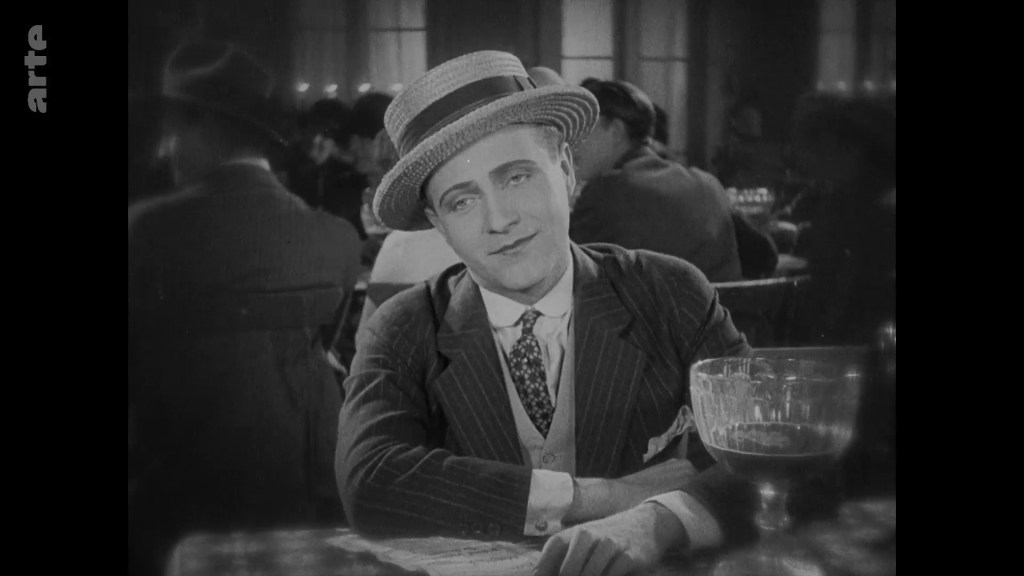
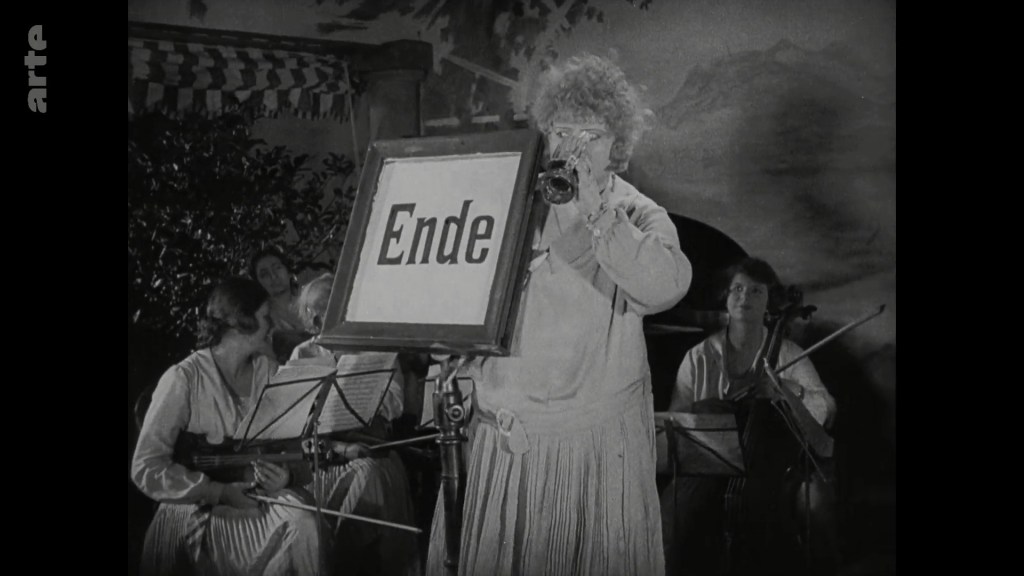
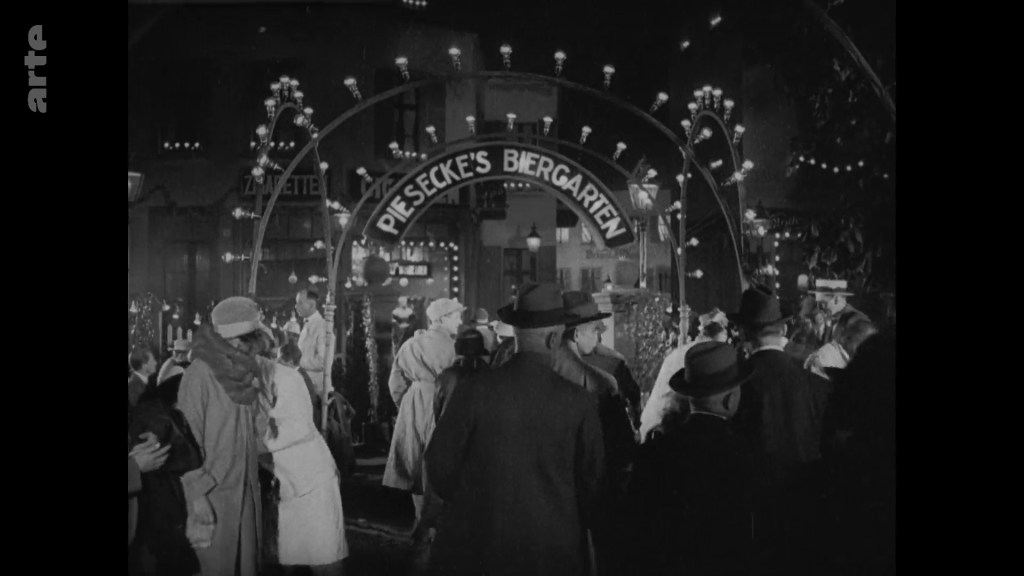
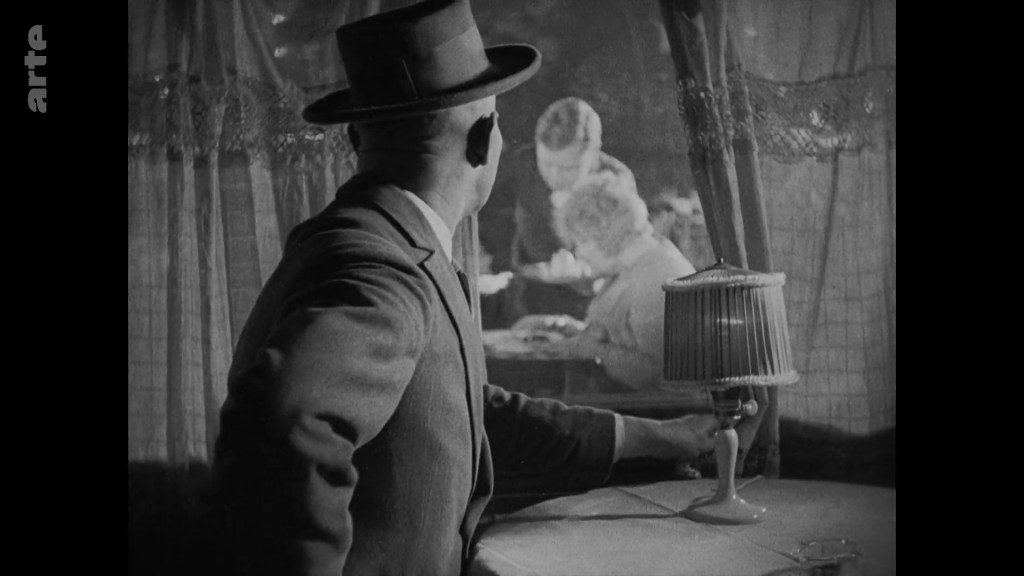
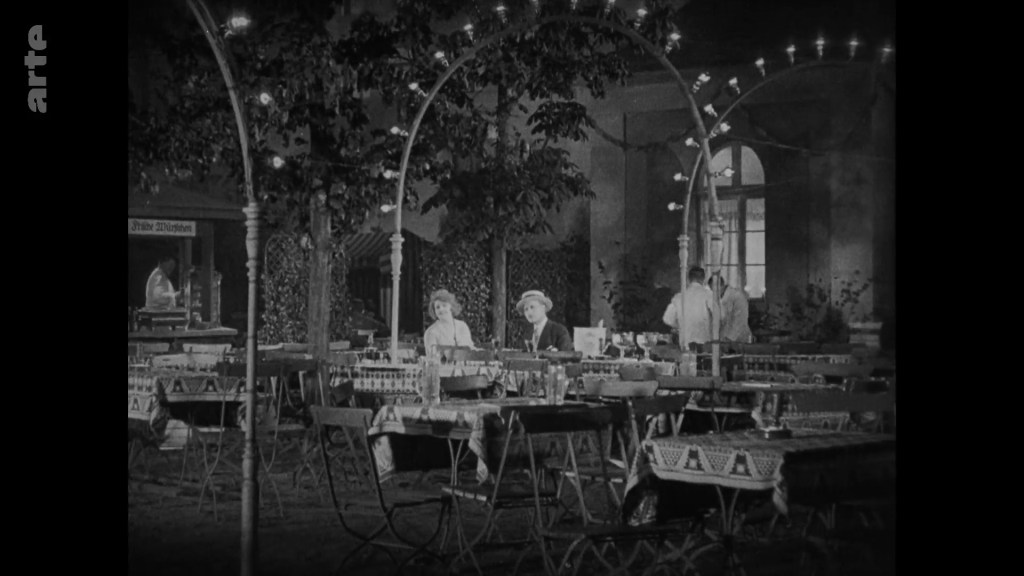
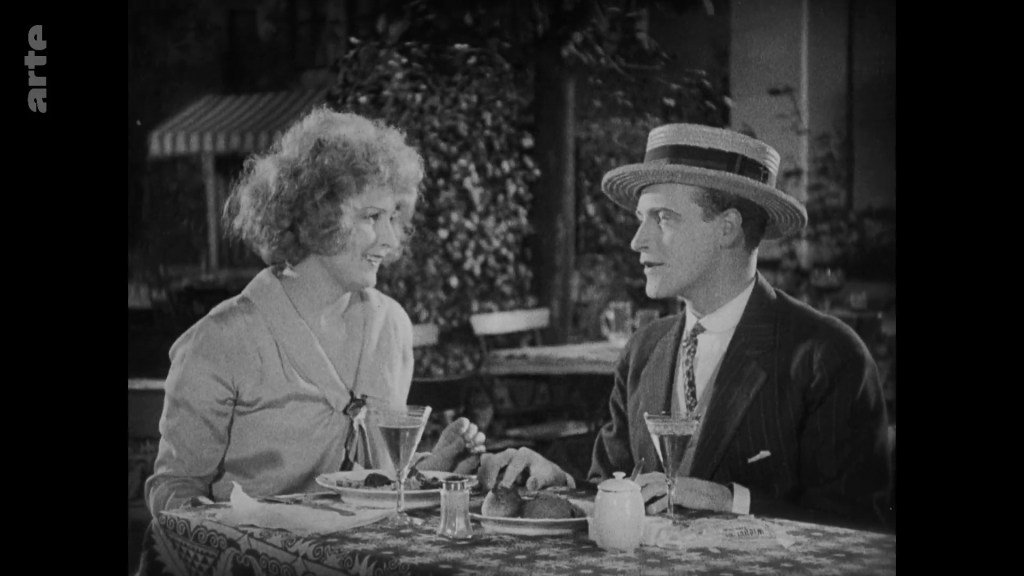
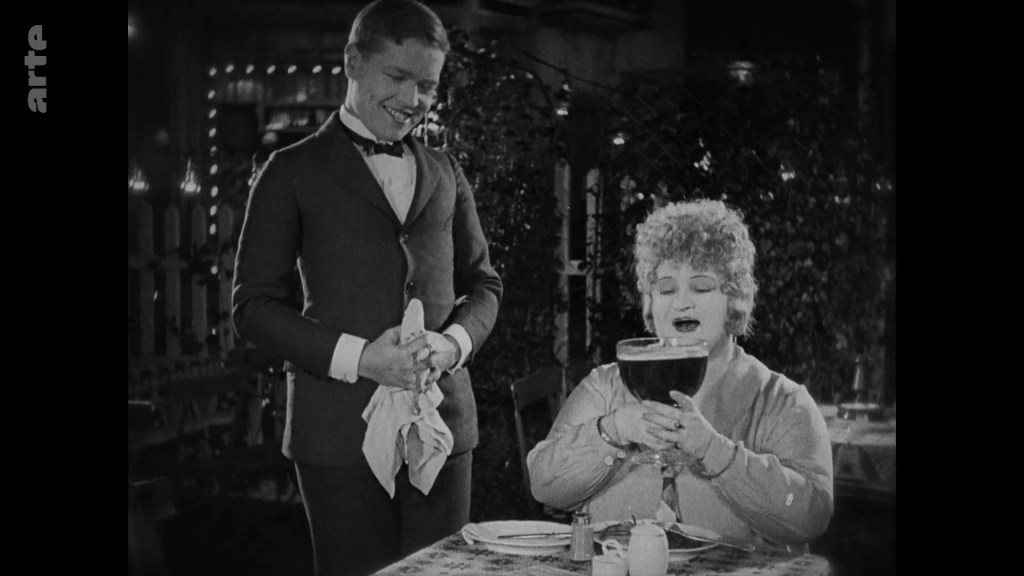
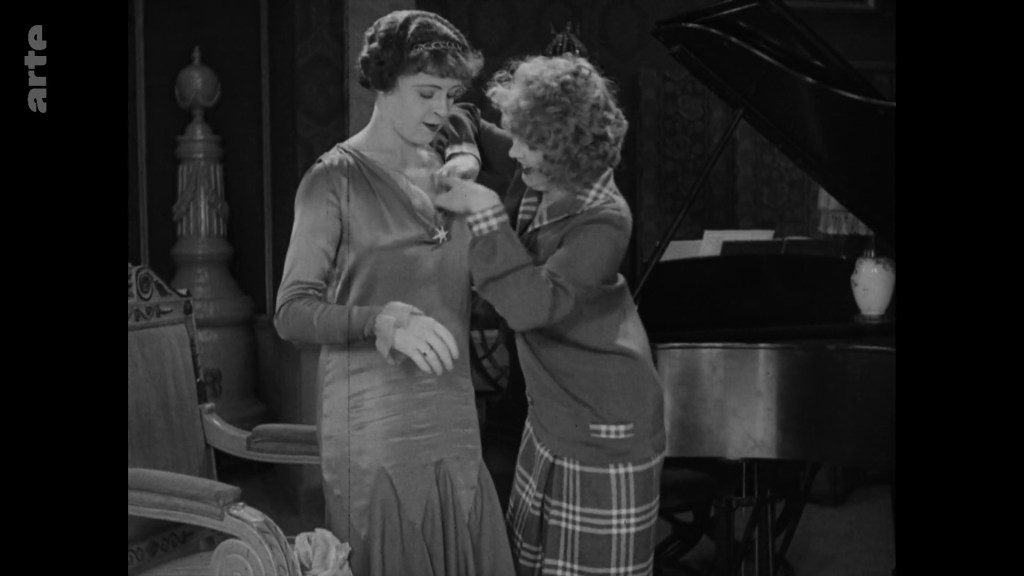
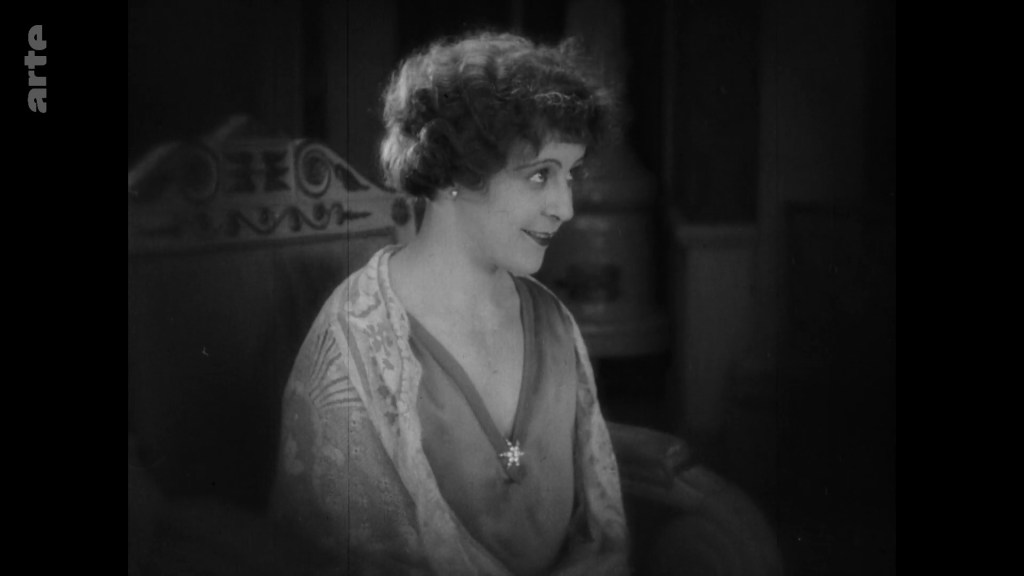
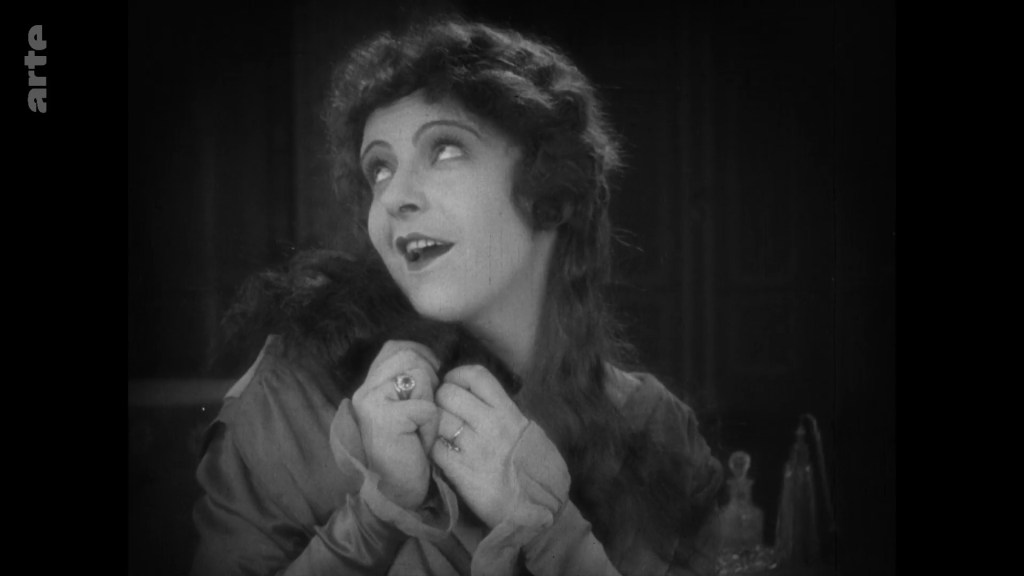
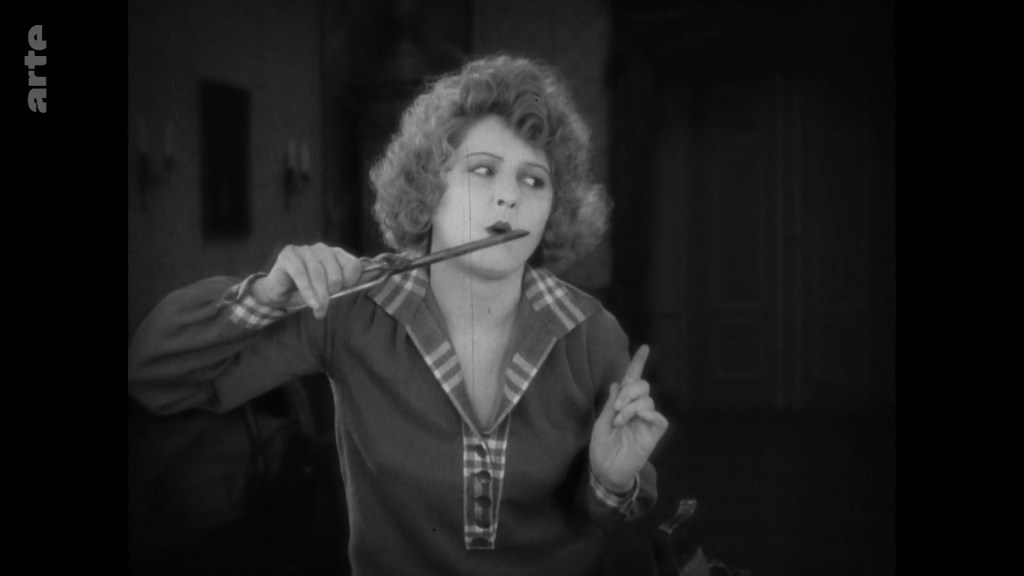
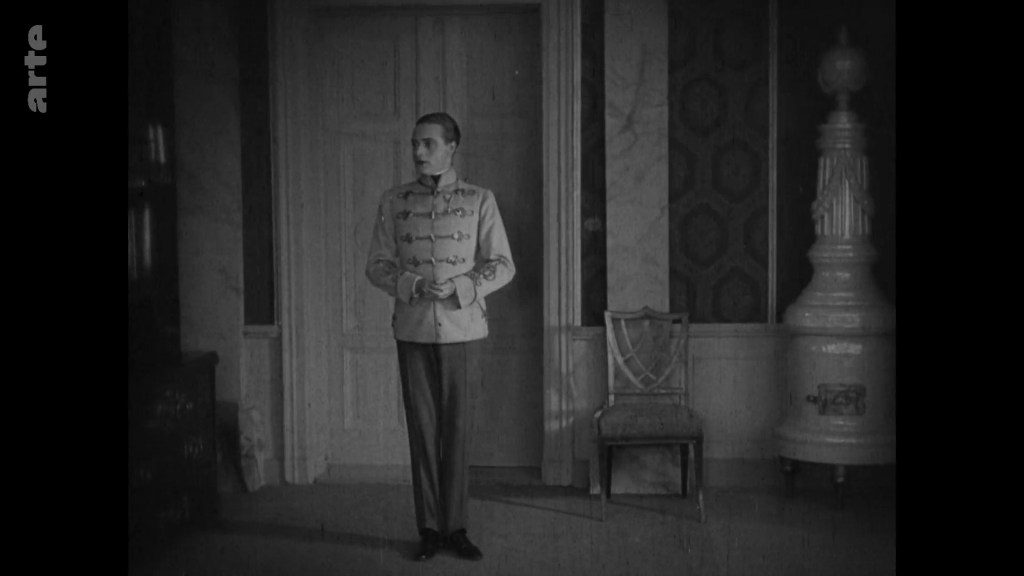
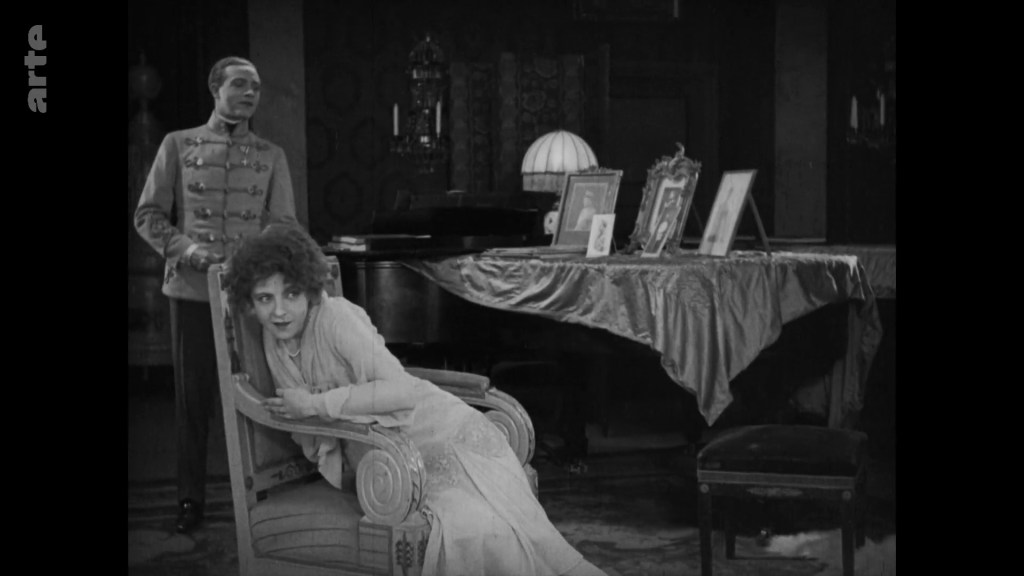
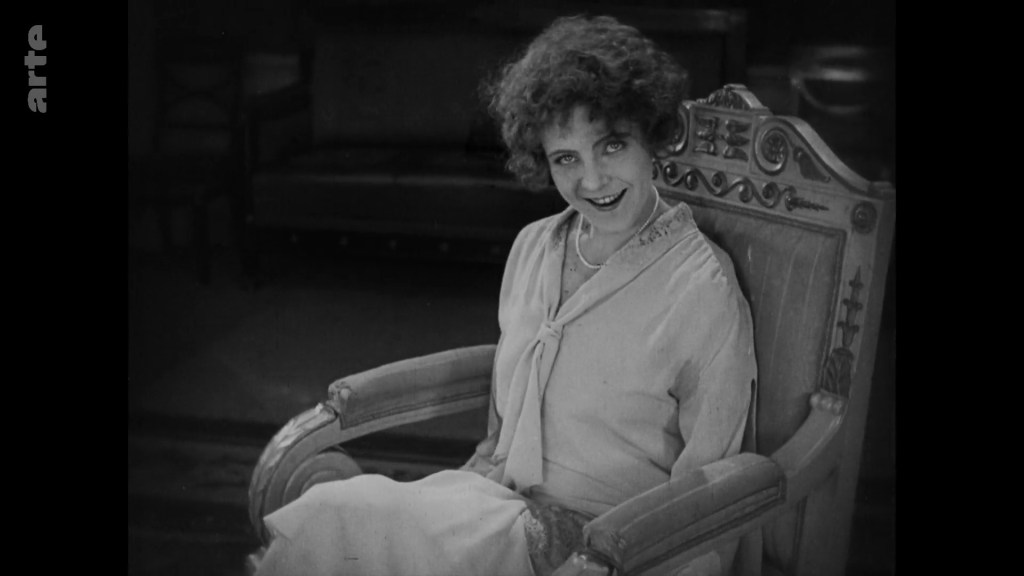
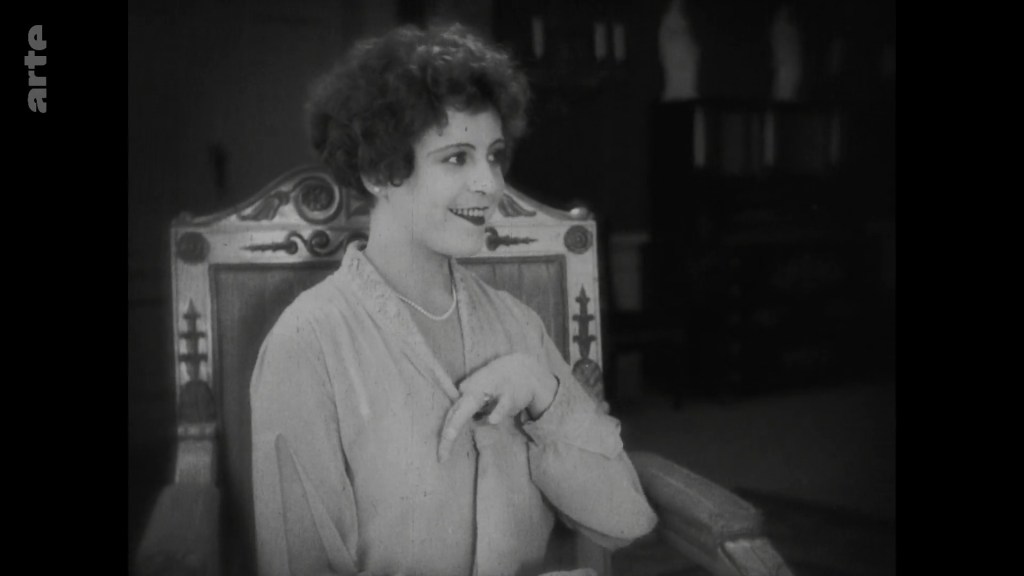
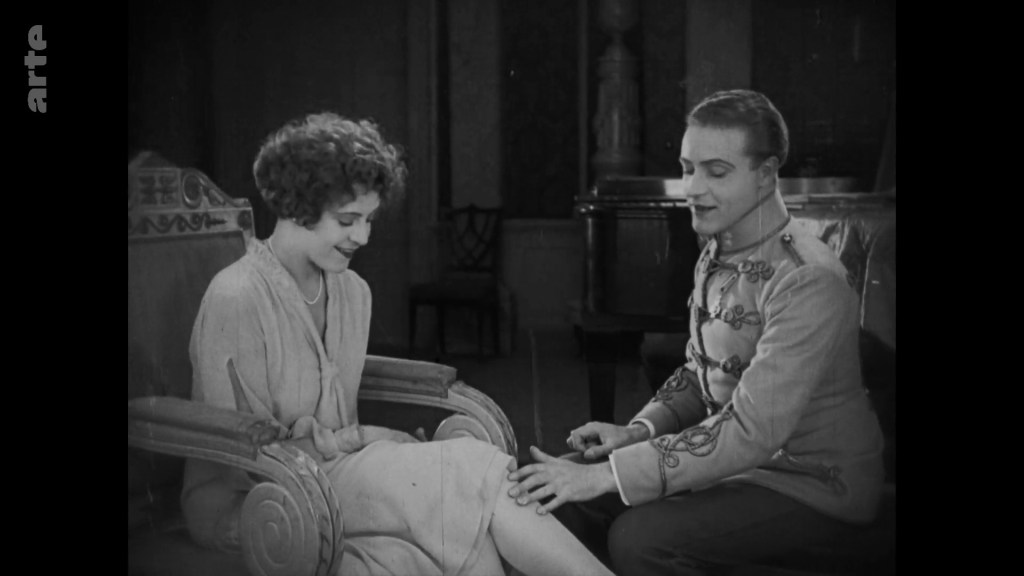
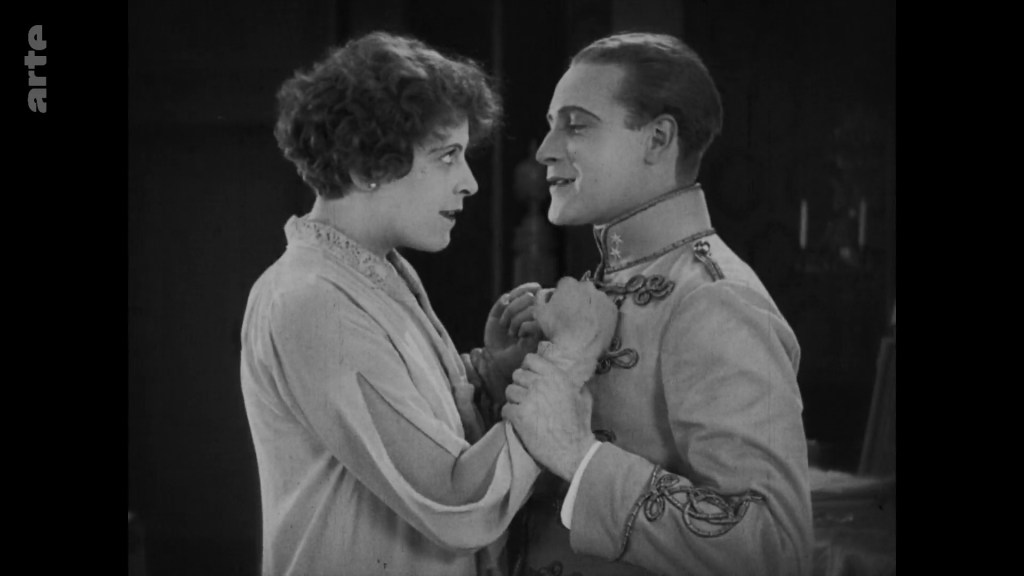
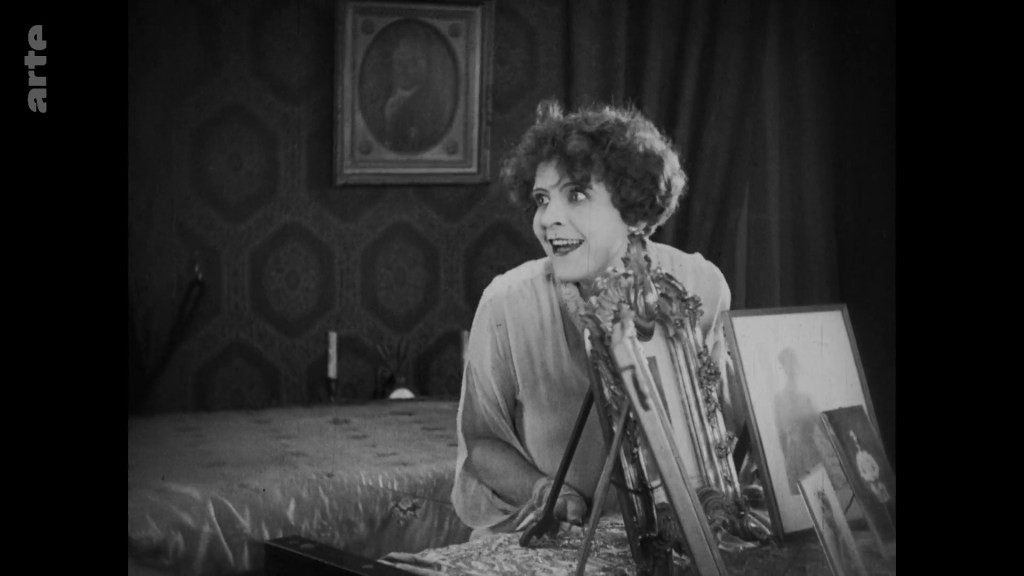
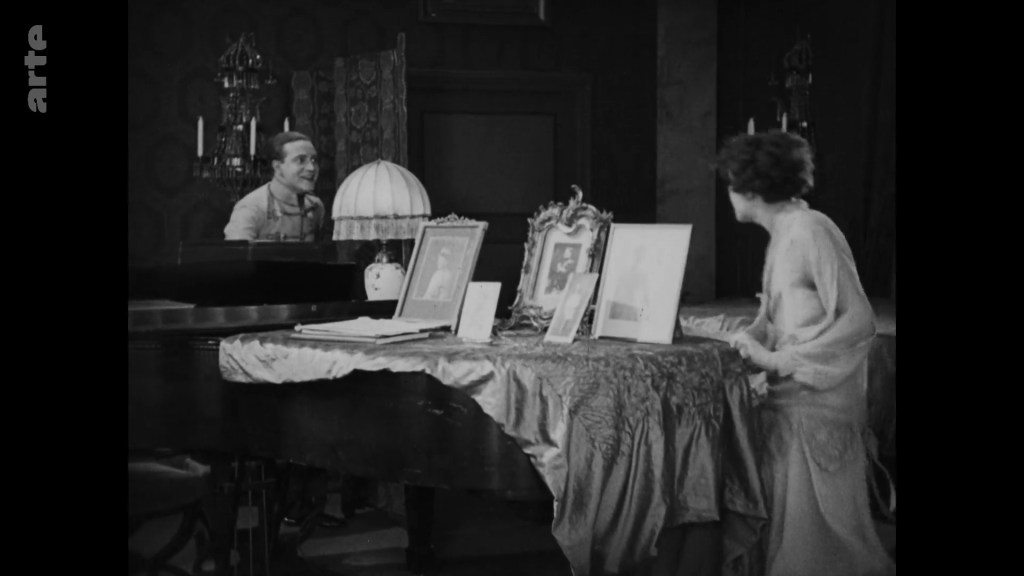
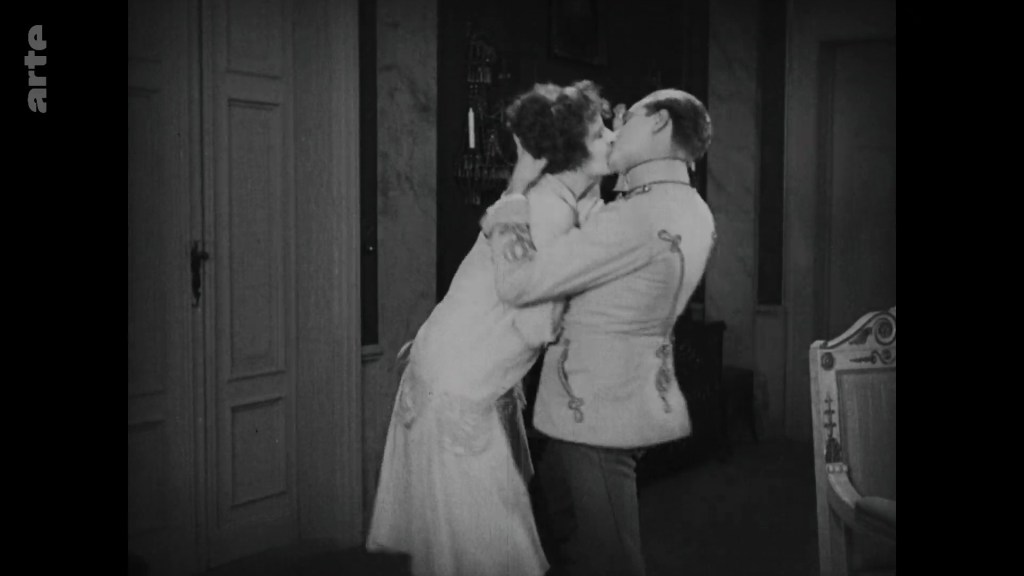
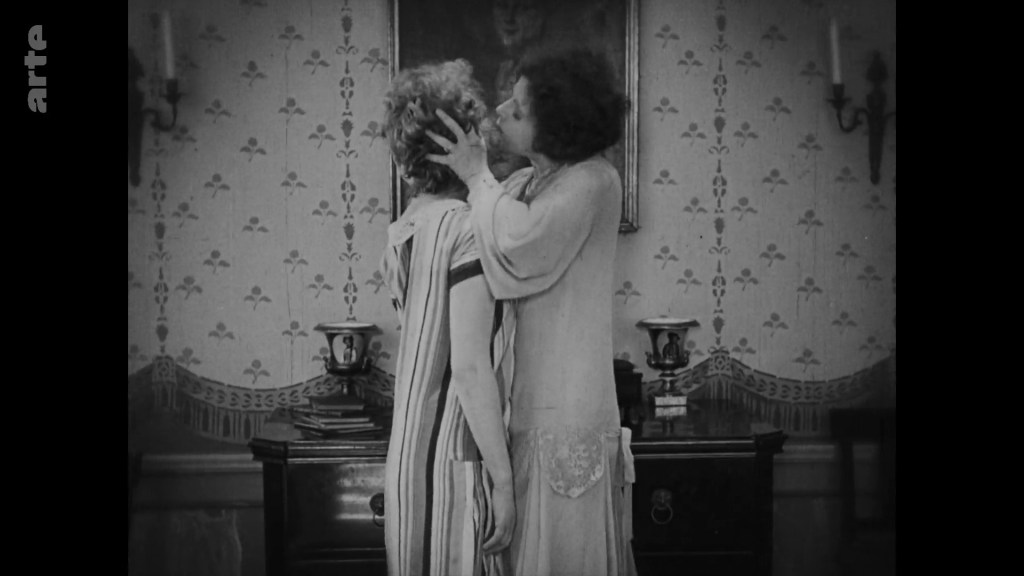
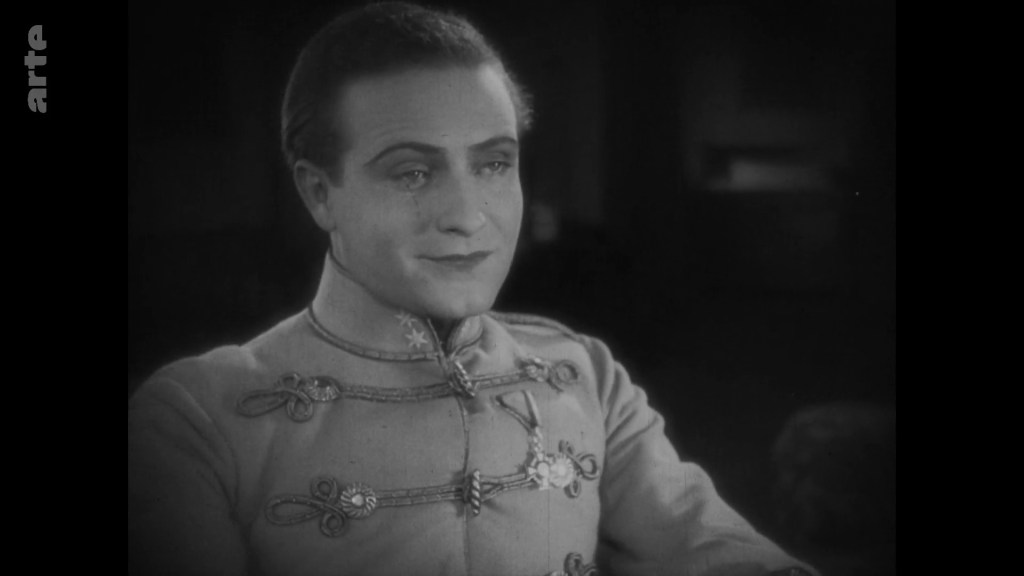
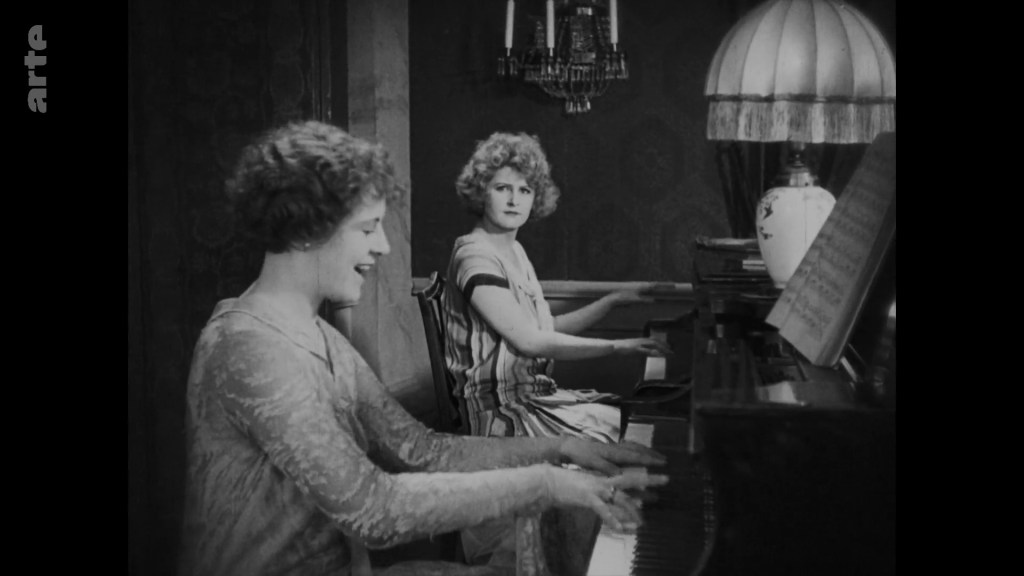
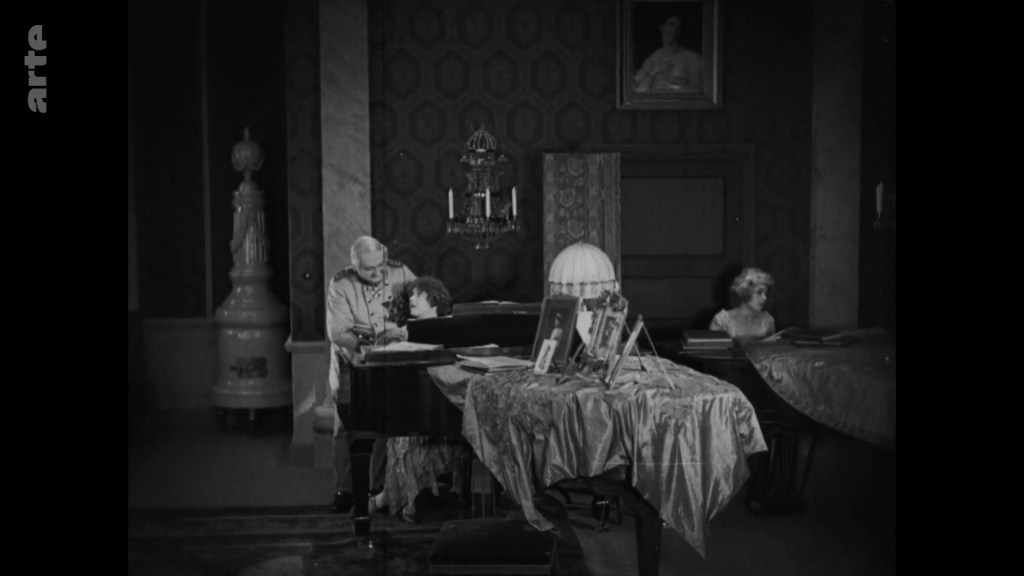
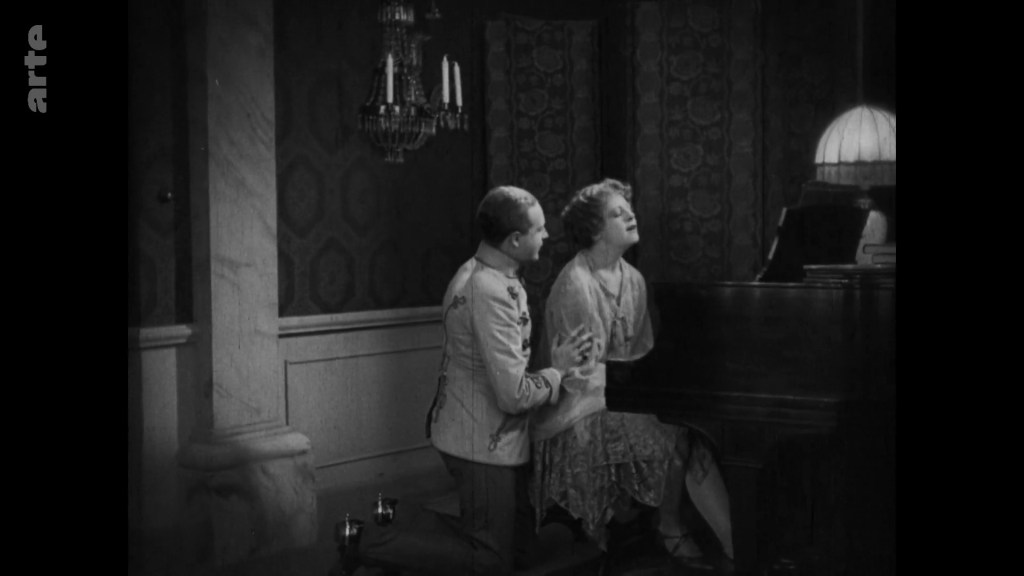
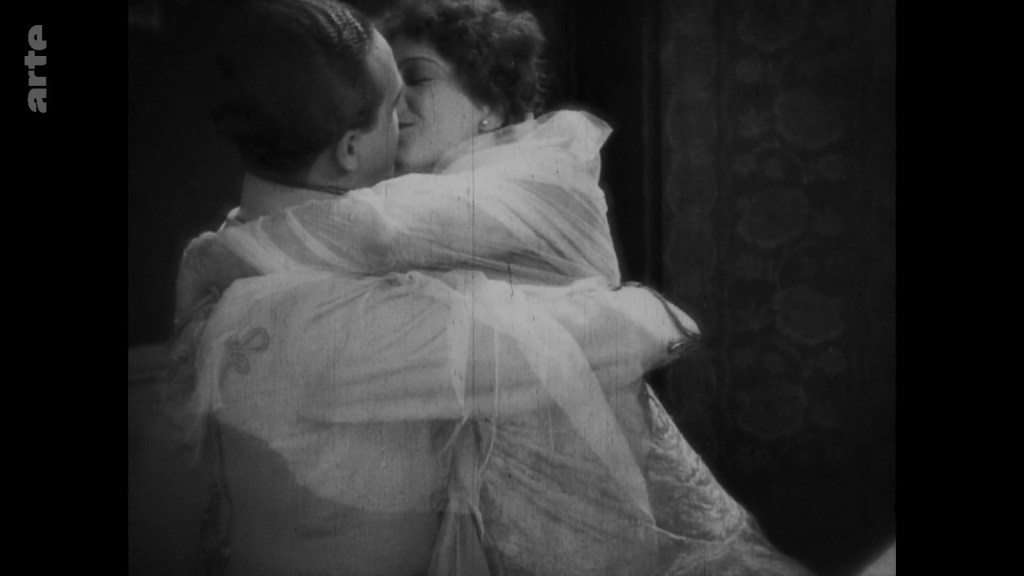
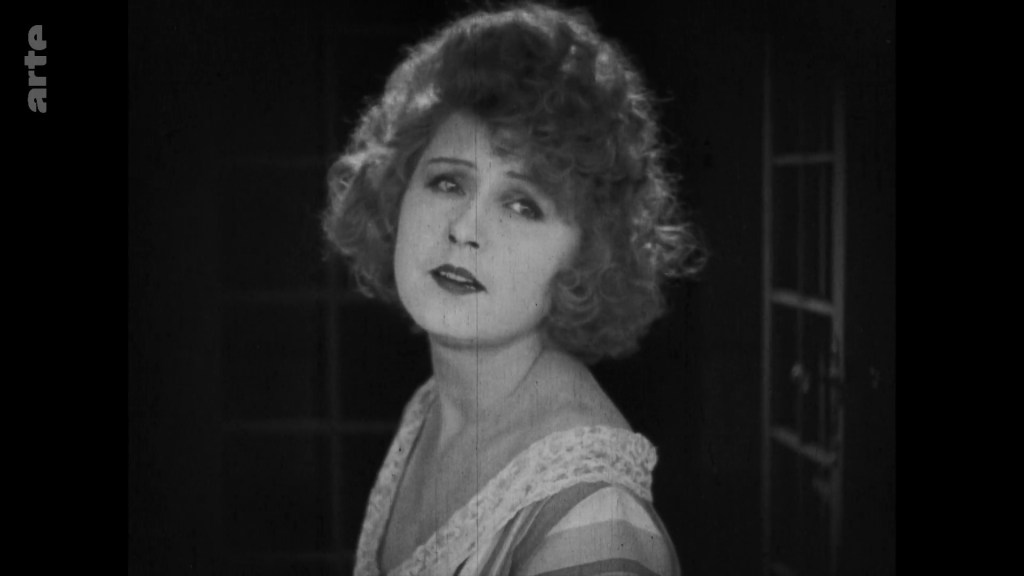


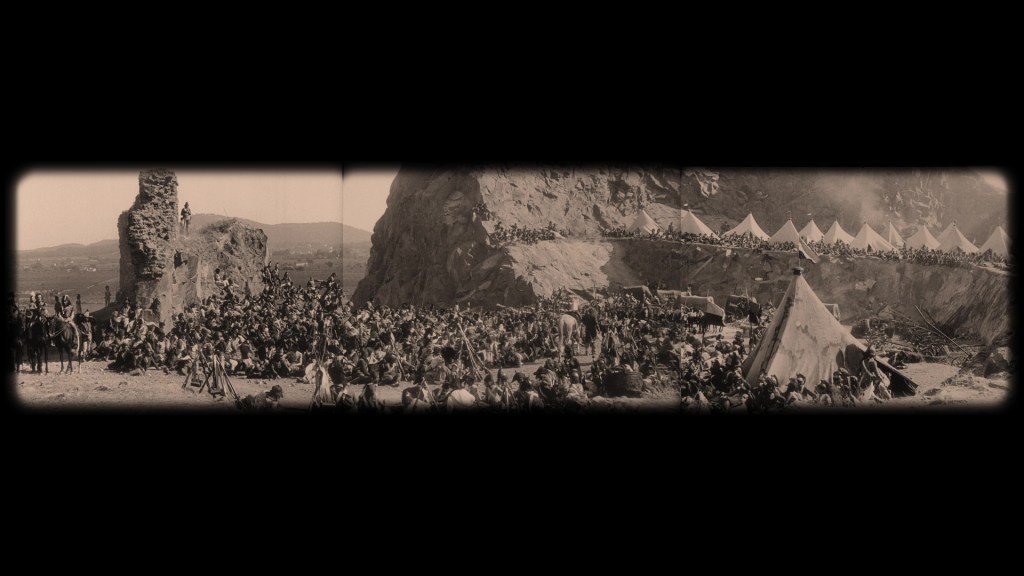


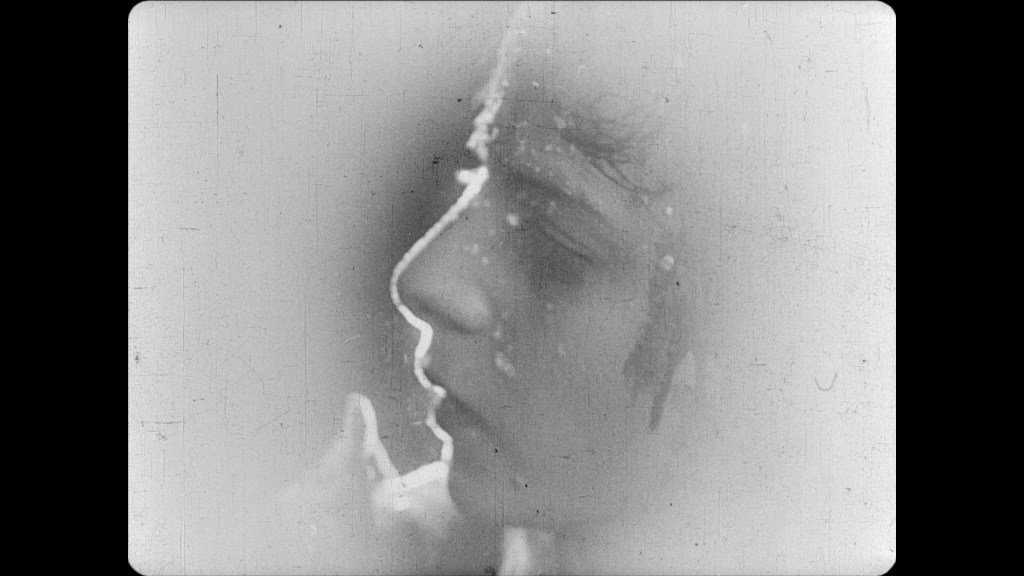


 The Realm of Silence
