Rules Engine
Unlike traditional rules engines that require heavy coding or operate in silos, Decisions unifies business logic, workflows, and integrations in one powerful automation platform. Build, test, and deploy complex logic—fast, visually, and without long dev queues.
Launch complex logic in minutes, and update it in real time without breaking workflows. Empower business users while giving IT authority and oversight.
See a quick rules engine walkthrough live.
Decisions stands apart from traditional process automation tools. Where others treat rules as isolated or code-heavy components, Decisions puts rule management at the center—making it the engine behind every action.
Decisions isn’t just built for speed—it’s engineered for volume, complexity, and reliability at the highest levels. Our rules engine is proven to process billions of rules per hour, supporting real-time decisioning across mission-critical processes like loan approvals, claims automation, fraud detection, and customer routing.
Whether you’re handling thousands of transactions per second or adapting logic across global operations, Decisions delivers the throughput, consistency, and auditability today’s enterprises require.
Choose a time that suits you, and we’ll model one rule together. Come, see the platform, and get your questions answered.
Model logic the way your organization thinks. Decisions supports multiple rule types with graphical editors, so you can build from simple validations to deeply layered decisioning.

Readable, natural-language logic built from visual components. Reads like a sentence, and it’s just as easy to edit.

Condensed logic that evaluates multiple conditions in a structured grid.

Two-dimensional rule logic that maps intersecting criteria—ideal for scenarios where decisions depend on multiple structured criteria.

Standards-based decision modeling with traceable logic paths.

Modular groups of related rules that work together or conditionally. Complex processes require groups of related rules.

Lightweight logic using formulas or calculations.

Step-by-step logic flows where each rule informs the next.

Customizable enhancements that support advanced scenarios.
Integrate AI directly into your processes to power smarter, faster decision-making while maintaining full oversight and auditability. The Decisions platform lets you embed AI-driven insights into your rule logic, helping teams automate complex processes without sacrificing governance.
Generate draft content or text suggestions that can accelerate rule design.
Analyze unstructured inputs like documents, forms, or messages to inform routing and decisions.
Trigger AI models to classify, score, or recommend actions as part of larger workflows.

Decisions is engineered for high-volume, complex decisioning in mission-critical environments. Effortlessly handle billions of rules, batch edits, and high-availability setups. Automate processes or revamp your entire workflow – you’ll never outgrow us.
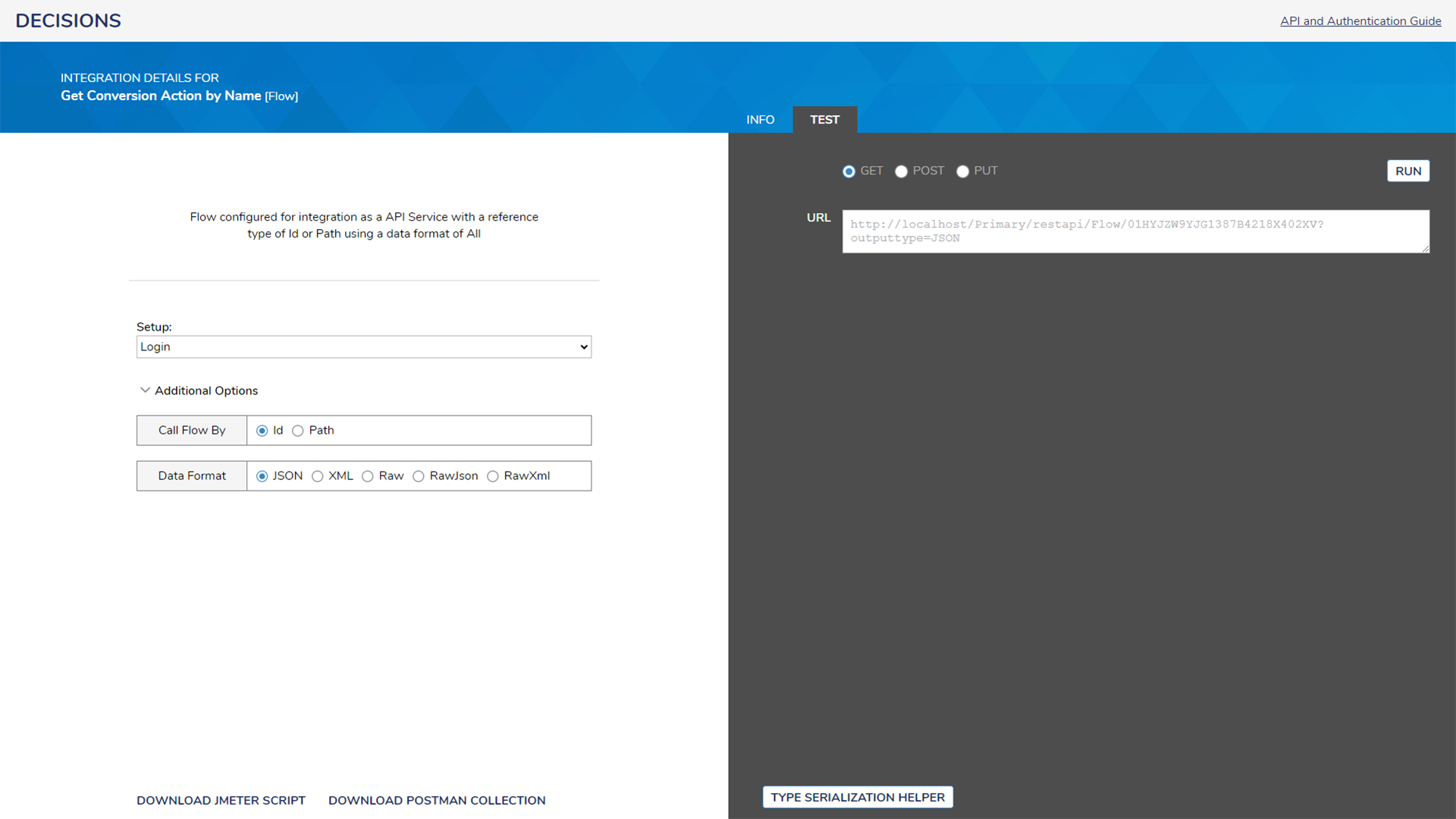
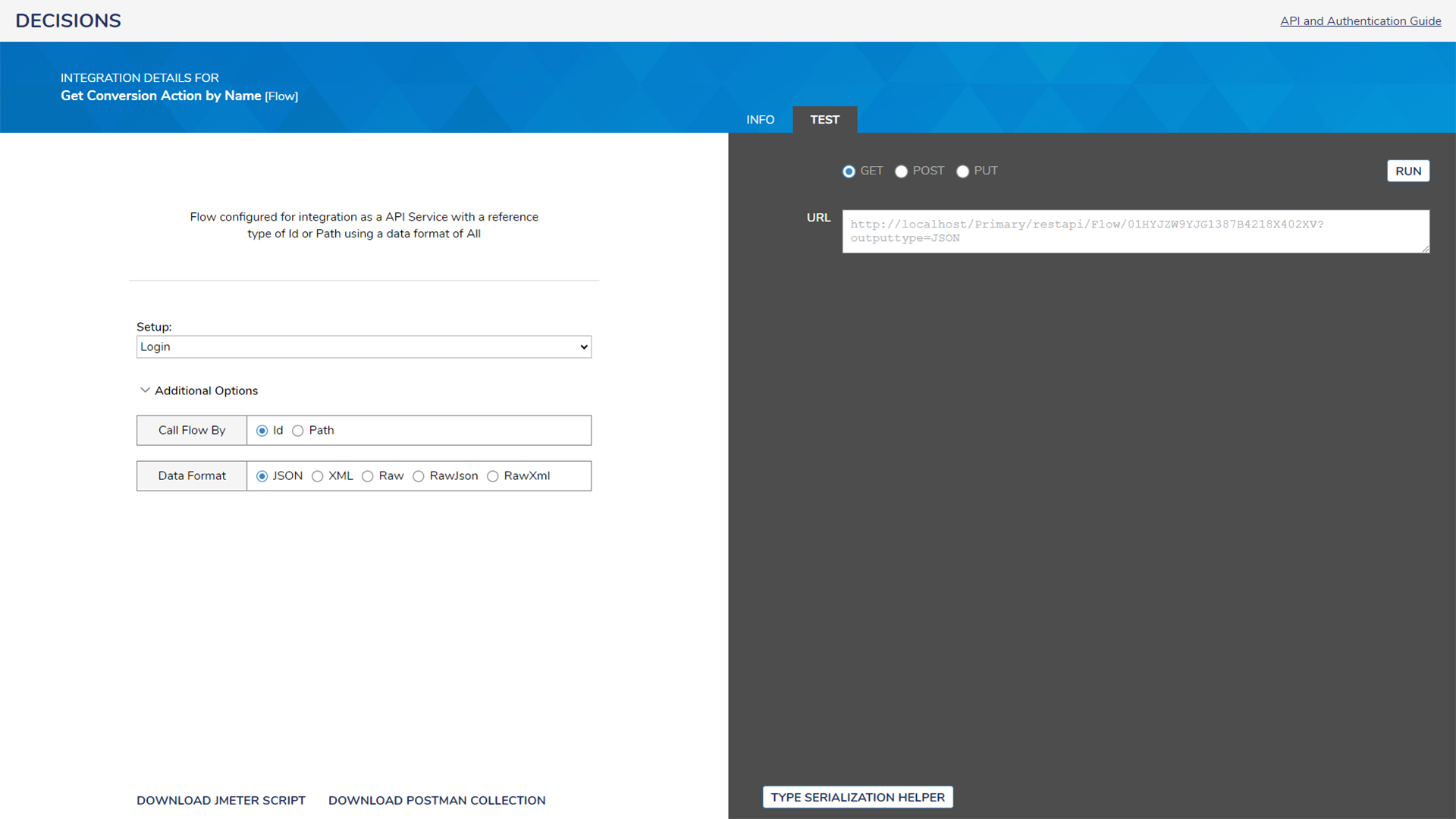
Rules are only powerful if they can reach across systems—and with Decisions, they can. The platform supports seamless integration through REST APIs, SOAP services, .NET assemblies, and message queues—so your business logic can connect to virtually any system, in real time.
Whether you’re embedding decisions into Salesforce, orchestrating actions across SAP or Oracle, or triggering logic through external services, Decisions acts as the intelligent layer between your systems—ensuring your rules run exactly where they’re needed.
Run decisions in real time across large datasets, batch files, and APIs. Whether it’s a single rule or a deeply layered rule set, Decisions executes with speed and consistency—supporting enterprise business rules at scale.
With support for message queues, clustering, and horizontal scaling, it delivers the rule engine you need for mission-critical logic—fast, reliable, and audit-ready.
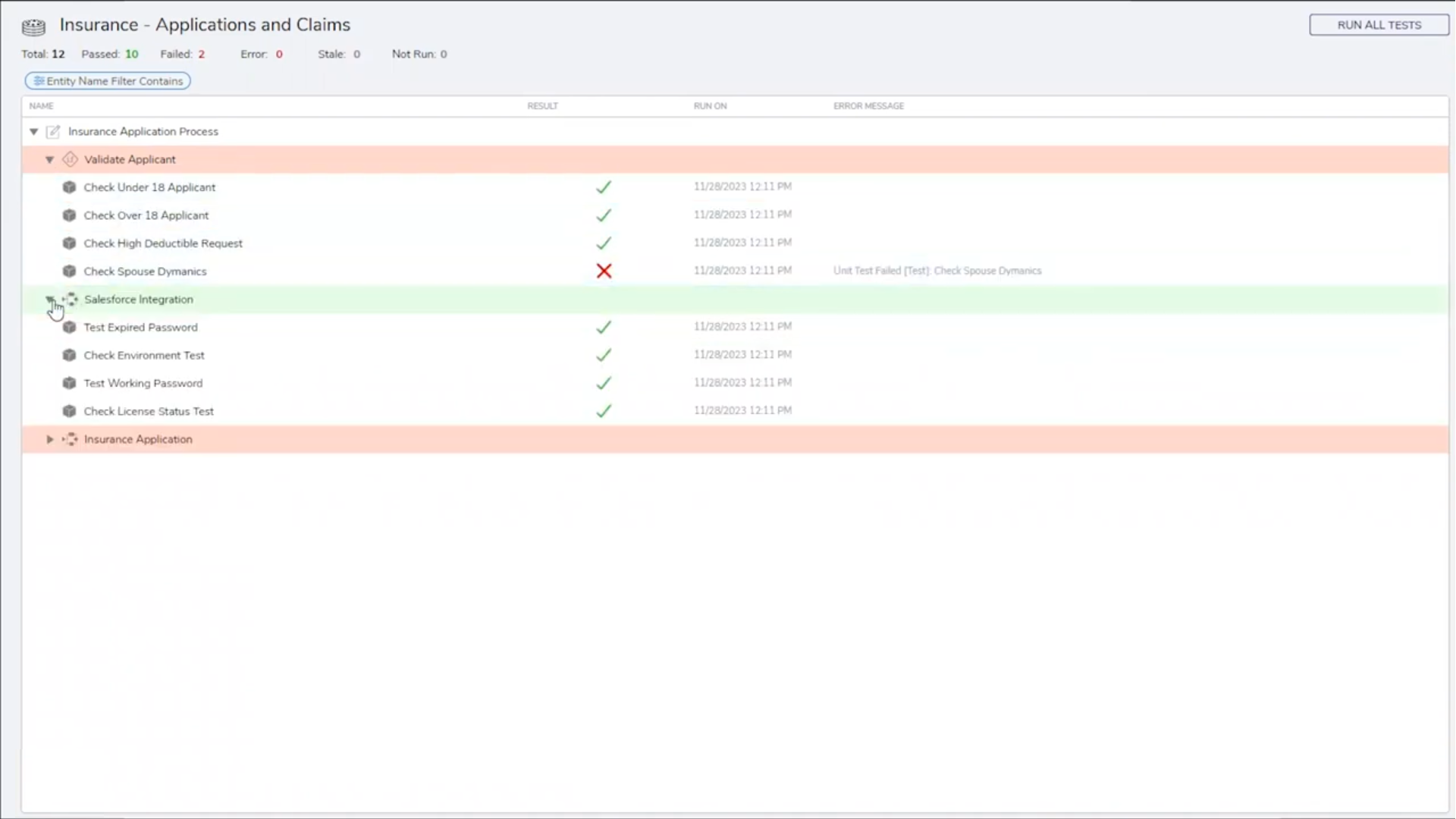
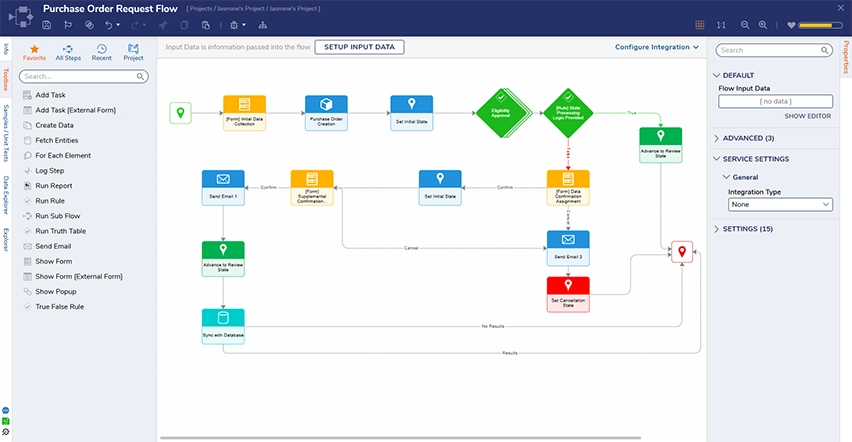
Build, test, and deploy—all in one view. Decisions lets teams design business logic visually, simulate outcomes with real data, and debug without leaving the interface—so you can ship changes faster with less risk. Business users can model and refine business rules without code, while IT can handle advanced configuration and deployment in a shared environment.

Designing rules is just the start—understanding how they perform is what makes them better. Decisions provides dashboards that help you monitor and optimize your rule executions.
Get a real-time visibility into your rules engine:
Join some of the world’s most respected companies who trust Decisions to automate their most important work. From insurance to healthcare to financial services and more, they’re streamlining operations, reducing risk, and delivering results faster—thanks to rules-driven automation that works behind the scenes at scale. Decisions is the backbone of efficient, intelligent operations.


Explore how the Decisions Rule Engine is helping enterprises rethink what’s possible. Get a short walkthrough of how teams model, test, and safely update rules in production.
Yes. Decisions’ rules engine is highly flexible. You can create nested, chained, and conditional rules; build rule sets that call other rules; and structure logic in a way that mirrors real-world decision-making.
Rules can be configured to respond dynamically to changing inputs, policies, or data conditions—whether you’re building simple validations or complex, multi-layered logic. Everything is version-controlled, testable, and designed to scale with your needs.
Fast. Decisions supports sub-100 ms execution times for rules. Our customers handle hundreds of thousands of transactions a day without compromise.


Decisions supports several different types of rules so you can pick the best one depending on the scenario. Some of them include:
Statement Rules: simple IF/THEN logic, good for basic conditions.
Matrix Rules: rules that use a grid with rows & columns to evaluate multiple dimensions of input. Useful when you have intersecting criteria.
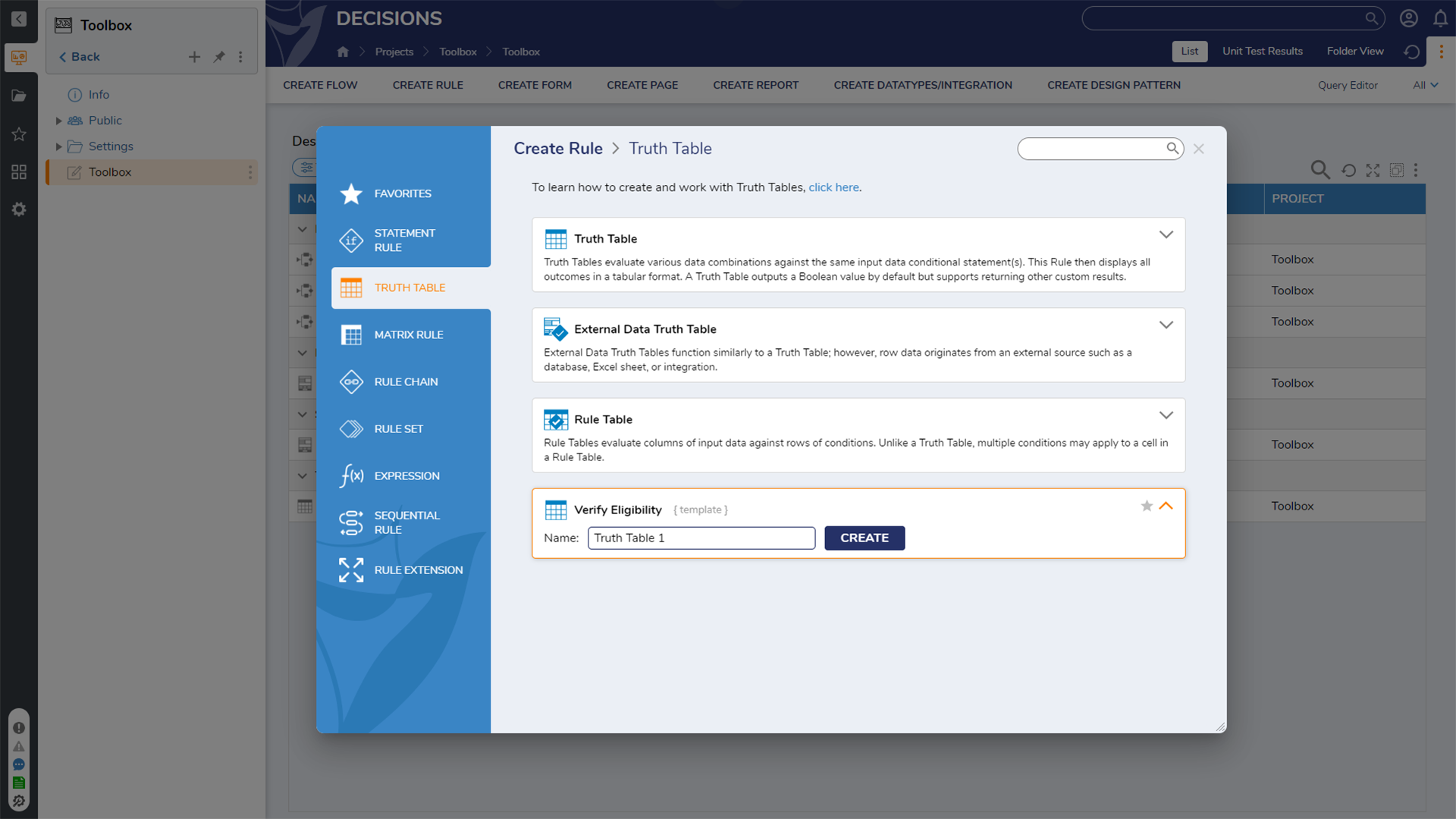
Truth Tables: structured sets of conditions and outcomes arranged in table form.
Rule Sets: a collection of multiple related rules that work together, enabling more complex logic.
Here’s how rules make life easier for people who aren’t coders:
Visual editing: decisions shows rules in a friendly interface, often with natural-language or graphical components so that IF/THEN logic is easier to understand.
Reusable logic: once you define a rule, you can use it across different parts of your system (in flows, forms, API) without rewriting it.
Built-in debugging and testing: simulate inputs, see outcomes so you can try out the rule before it affects anything.
Governance: settings like “enabled date,” default behavior, API exposure, etc., allow oversight and safe change management.