-
Aravision Logo
-
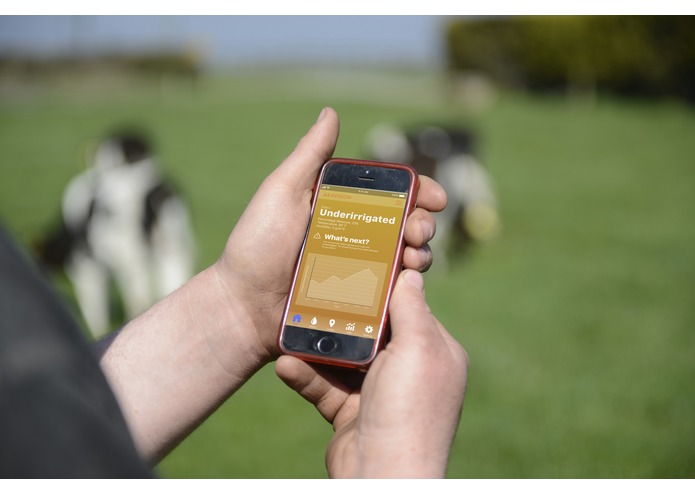
Aravision In Action
-
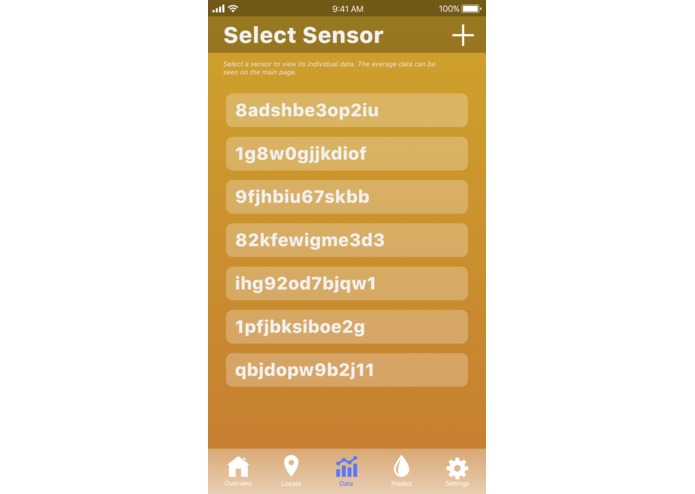
Sensor Selection
-
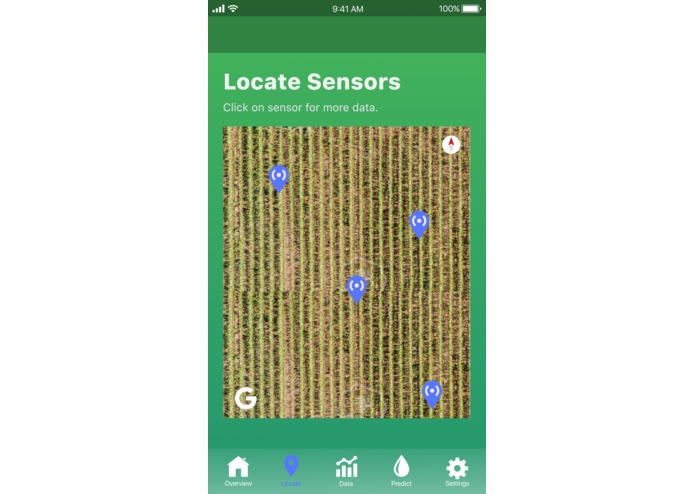
Sensor Location
-
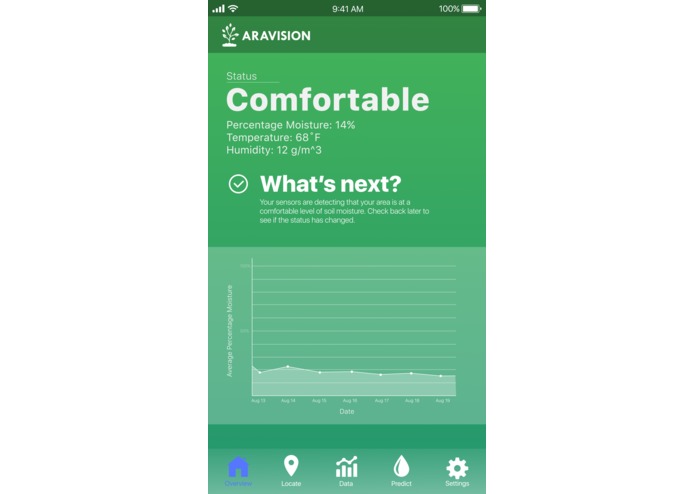
Sample Comfortable Report
-
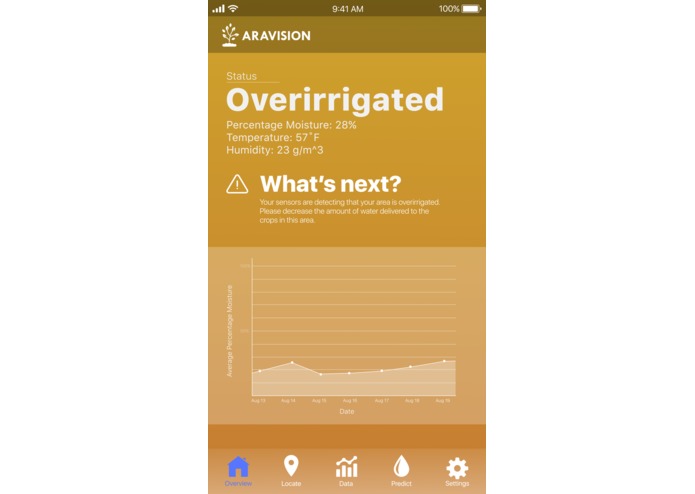
Sample Overirrigated Report
-
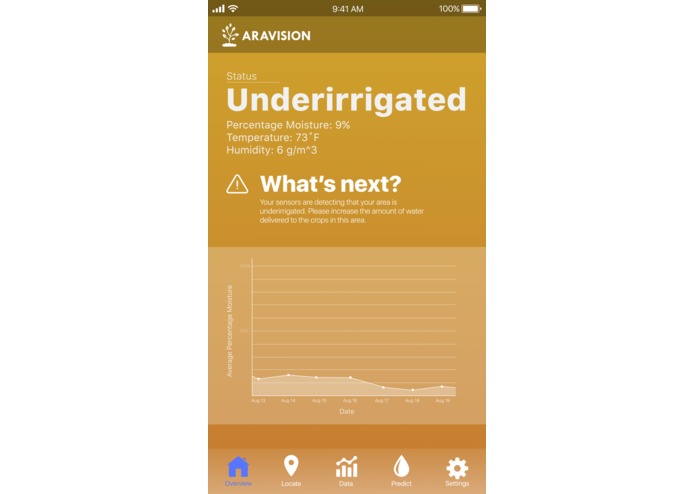
Sample Underirrigated Report
-
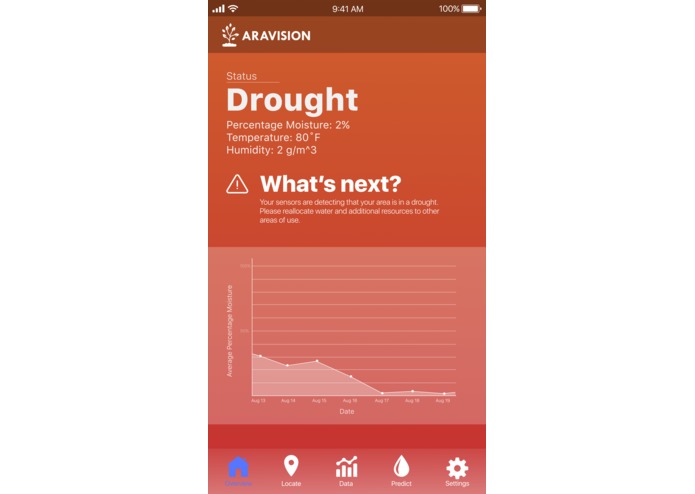
Sample Drought Report
-
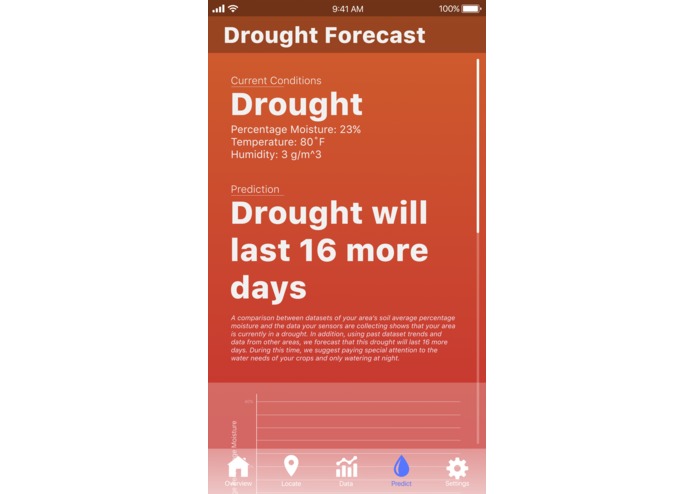
Sample Drought Forecast pt. 1
-
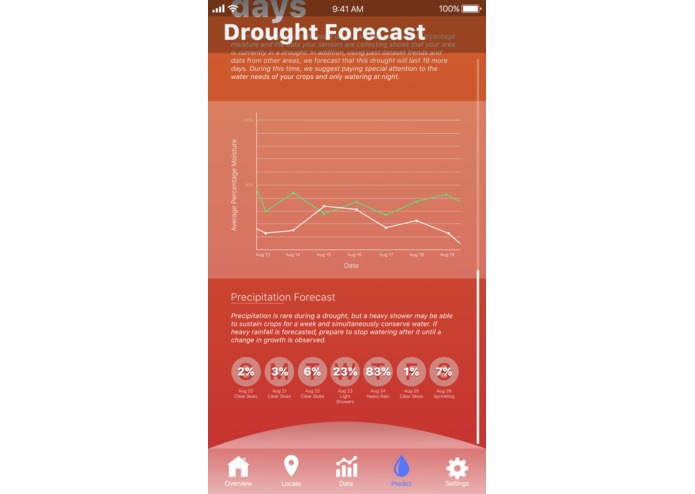
Sample Drought Forecast pt. 2
-
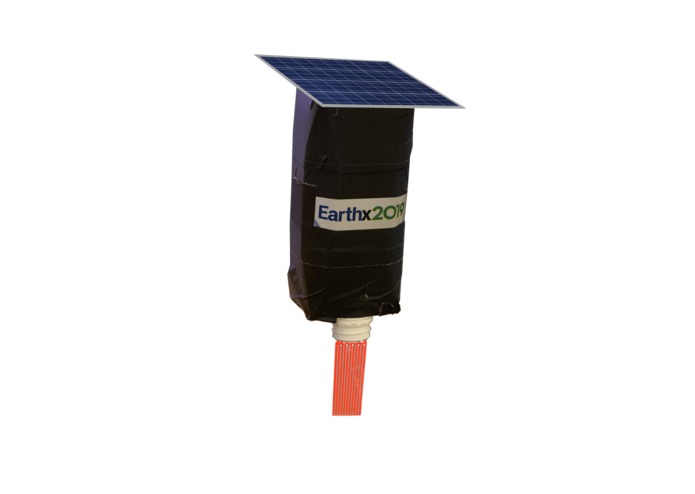
Prototype Module (Individual)


Inspiration:
Reading devastating stories of farmers in the United States who lost money, resources, and jobs during the record-breaking 2012-13 North American Drought, we learned that poor irrigation methods and lack of preparedness compounded the issue that farms—a vital sector of the American economy—faced when trying to produce goods. During droughts, farms often engaged in practices that wasted water and energy to compensate for poor farming conditions. Moreover, the absence of a scalable, flexible, and insightful tool enabling farmers to conserve resources, optimize production through proper irrigation, and prepare for droughts makes future efforts to mitigate droughts inadequate.
What it Does:
Overview: Aravision is a flexible, scalable, and insightful AgTech system enabling farmers to conserve water, effectively irrigate, and prepare for droughts. The Aravision system can be divided into three parts—sensor modules, network, and mobile application.
Modules: Modules are portable and cost-effective installments utilizing a variety of tools like rainwater/moisture sensors, temperature analyzers, and humidity detectors. When arranged in an enclosure, these modules collect analysis-pertinent data through a mesh network and transmit this information to the Aravision network.
Network: Enabled by the use of a mesh network, the greater Aravision network is facilitated through cloud technology. Specifically, we use Firestore from Google for real-time data aggregation and analysis, which allows for scalability and reliable statistic collection.
Mobile Application: The Aravision mobile application features data collection in real time, trends of aggregate data for groups of sensors, GPS-locating system, and in the future, extensive drought/crop forecasting and community data sharing. Based on current data, the app compares aggregate data to optimal soil moisture and geographical conditions. After analysis, it generates an easily-read report on the irrigation conditions, provides advice based on the specific state of the soil, and identifies if a certain section of the land is overirrigated, underirrigated, in drought, or comfortable.
How We Built it:
The backend uses Firestore and the Google Cloud Platform. The mobile application was developed in a language called Dart in the Flutter framework for cross-platform support. The modules were assembled using Arduino-compatible microcontrollers and sensors, as well as a bit of ingenuity, and programmed in C++.
Challenges We Ran Into:
Faulty hardware, inconsistent data collection, and effective integration all three critical areas were early challenges we faced and surmounted.
Accomplishments that We're Proud of:
Taking an idea we thought would be impossible to develop in under 24 hours but creating a product that met and exceeded all our initial functionality and performance expectations.


Log in or sign up for Devpost to join the conversation.