-
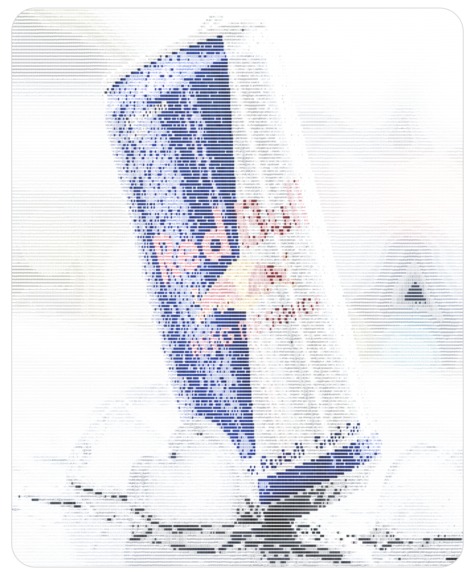
Redbull Can
-
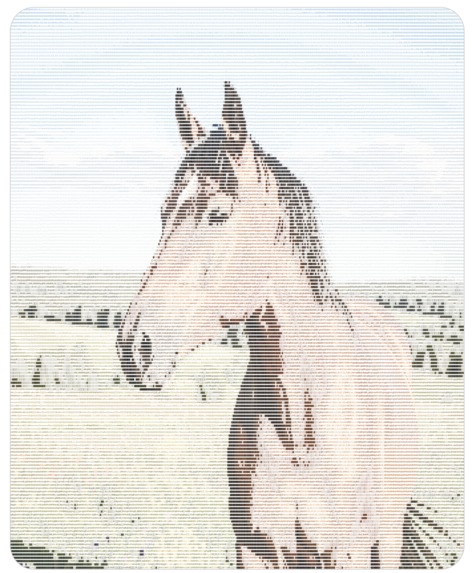
Horse
-
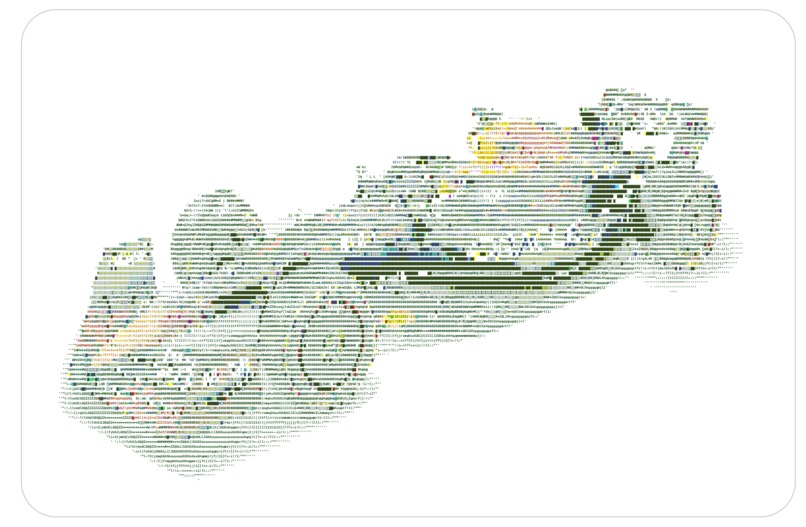
Technicolor/RGB F1 car
-
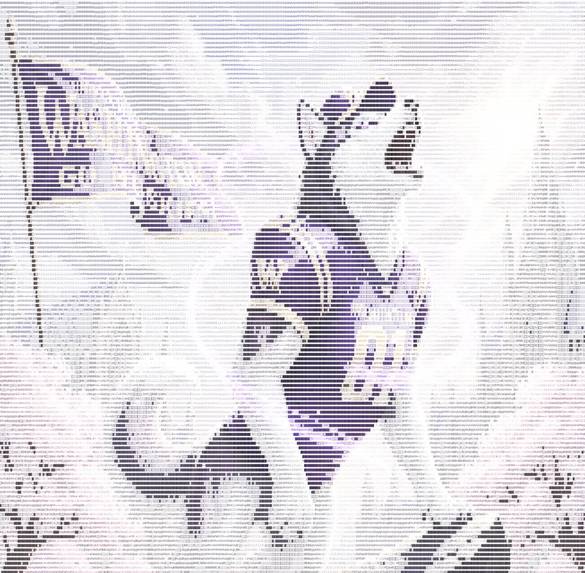
UW Husky!
-
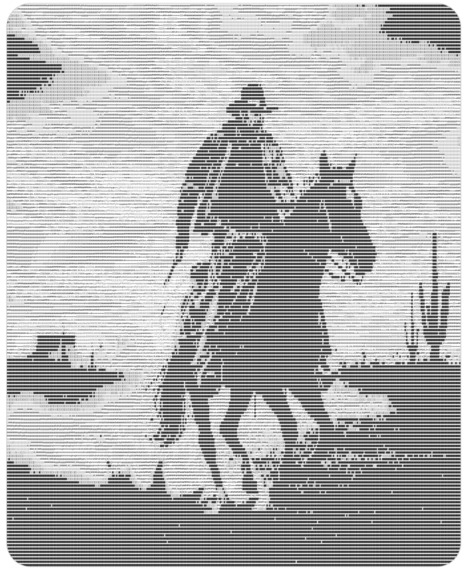
Black & White cowboy
-
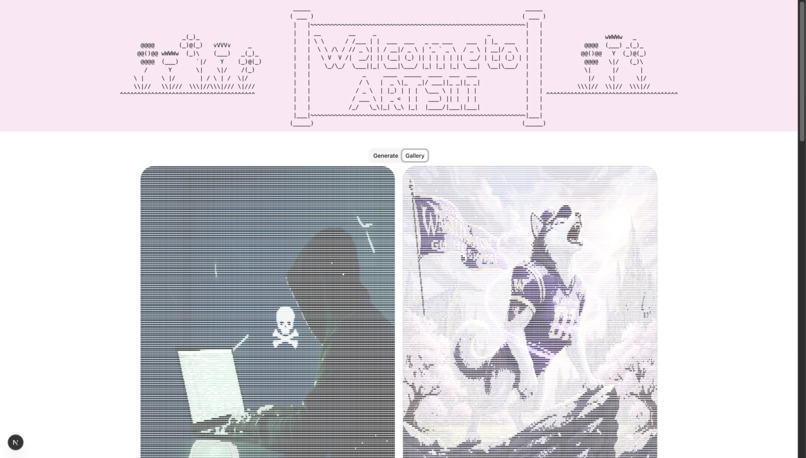
(Zoomed out) view of gallery on webpage


Inspiration
We were inspired by the Dubhacks 2025 theme of childhood nostalgia and creativity. We also liked the idea of fostering connection through the Grow track, which led us to create a communal gallery feature on our website so people can contribute and see other visitors' artwork. Our hope for this project was to combine childhood imagination and modern day technology to create something new.
What it does
Our program allows a user to think of anything they can imagine, generating an AI image based on their prompt before converting it into a retro-style ASCII graphic. Users can also contribute to a gallery of site visitors' artwork.
How we built it
We used python libraries to analyze various multiple-pixel-sized patches from an image array in order to computer their luminance and saturation values. Once we had set up the image analysis program, we added the API call to Gemini before expanding further into a front end implementation to allow users to interact outside of the terminal.
Challenges we ran into
We had trouble with formatting our webpage output, and spent a lot of time adjusting minor details such as contrast levels to get the truest representation of the image possible. We also had to figure out how to scope our project to be doable with 2 people in 24 hours, including putting aside some of the things we had hoped to implement (to hopefully return to in the future).
Accomplishments that we're proud of
We were excited to meet many of our stretch goals (including colored and multilayered art) and are proud of our communication as a team.
What we learned
We learned more about how color values work and combine to form an image, as well as how to make a product or idea more communicable to users.
What's next for Artsii
In order to get a more accurate interpretation of an image's brightness and/or saturation value, we would like to use machine learning to train an AI to predict what a character should be based on a given patch. This was our initial plan, but we found that an algorithmic approach was more efficient and elegant for the time frame we had.
Built With
- gemini-api
- google-cloud
- next.js
- python


Log in or sign up for Devpost to join the conversation.