-
-
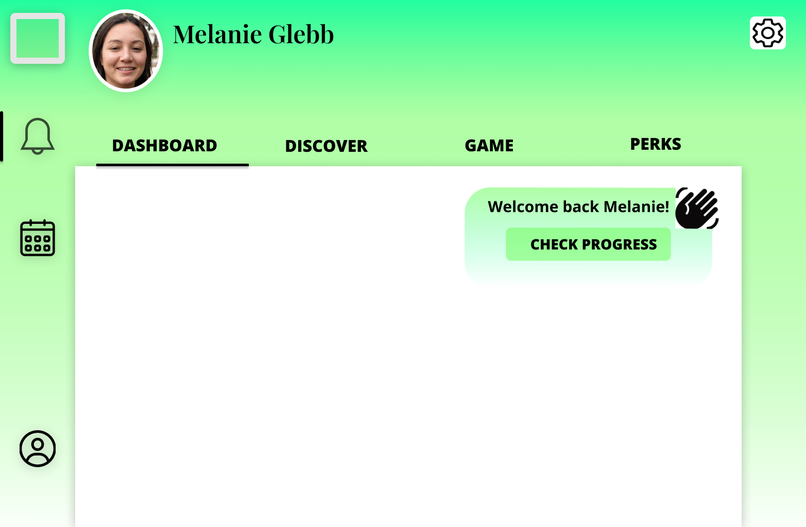
MAIN Dashboard
-
logo

Inspiration 🧠


According to a report by Global News, Canadian consumers carry $2.1 trillion in debt!! And that is only from data collected in June 2021. (The driving force behind this debt can be attributed to mortgage debt and new mortgages filed during the pandemic. Based on the story, the largest increases were from British Columbia and Ontario.) As we all know, any type of debt can be a source of stress for a family—instead of being able to save for retirement and pay for their children’s education, families are left struggling to survive paycheque to paycheque. Furthermore, having a bad credit score can not only prevent you from being hired, (to pay off that debt), it can also limit you from lending money, or making essential purchases such as buying a house or a car.
“Results from the 2019 survey indicate that nearly three quarters of Canadians (73.2%) have some type of outstanding debt or used a payday loan at some point over the past 12 months (see also Statistics Canada, 2017). Almost one third (31%) believe they have too much debt”
“About 13% of Canadians have an outstanding balance on a home equity line of credit (HELOC) attached to their primary residence. For those with an outstanding balance on their HELOC, the median amount outstanding is $30,000”
”Common types of debt include balances owing on credit cards (held by 29% of Canadians), vehicle loans or leases (28%), personal lines of credit (20%) and student loans (11%)”
Add to this; lone parents, individuals who are separated/divorced, seniors over 65, and immigrants who may find dealing with finances “daunting”, are all the more likely to report falling behind and remain in debt, compared to the rest of the population. PHEW. These statistics are scary! It highlights why financial literacy in Canada is important and necessary. Without financial knowledge and skills to navigate mortgages, loans, understanding of credit score etc, it’s all too easy to fall into debt. For the benefit of ourselves and our future generations, it is vital for everyone to make financial literacy and related educational content and outreach efforts a priority., and this is where THINKMONEY comes in!
What it does💻
ThinkMoney is a gamified educational financial literacy app that will help increase awareness and further expand financial literacy efforts in Canada. With a specific focus on teaching basic financial tools, (with the mindset of this being accessible to everybody), to address the stigma that investing, saving, and budgeting is only for privileged populations, Valve is a financial product that makes it easier for folks in marginalized communities (such as newcomers to Canada, Indigenous peoples, and modest income families) to unlock the benefits that come from financial literacy and access to traditional financial tools.
Its features include:
Interactive User Interface through the help of bots and customizable chat background.
Wide range of options to connect various bank accounts, create a login/account on app on the landing page and save progress on google play.
”Dashboard”: includes an AI bot that will welcome you, show you your financial progress at each stage, and display the leaderboard for the in app game(s).
“Games” tab: Financial Knowledge diagnostic quiz (with links to definition of words and articles explaining the answer)
-5. “Discover”:Financial (Dreamboard, Planner, Timeline with targeted goals) builder, basic budget wheel, in app mortgage/loan/lease/bills calculator
- “Perks”: Find out how you can earn points for cashback based on your progress, points for your SPC/MYdoh card, as well as points for scholarships for students!
How we built it 🔧
Used Express and Mongoose for the backend of the app (including user authentication, leaderboard, and quiz questions)
Worked with React Native for the frontend (login, signup, dashboard, game) and React Native Paper for the UI components.
MongoDB was used as our database to store the users, their points, and the quiz questions.
We utilized Google Docs/Discord for brainstorming, and Trello for distributing and keeping track of time and tasks assigned.
Utilized Figma for designing and prototyping.
Challenges we ran into 🔥
With most of us being relatively new to Express and creating APIs, we had trouble creating an API that performed the specific tasks of the project.
We were not able to figure out how to querying databases using properties from separate databases, as a result of which, we couldn’t implement hiding the questions the user had already answered correctly.
We collectively also had a hard time trying to understand the technologies offered to us by the sponsors. We did explore some of them, such as Cohere’s NLP, Twilio APIs and ProtocolBuf, and a few others, but we felt that we couldn’t grasp them quick enough to apply them to the project.
We also faced challenges creating a navigation layout that incorporates all of the views in the React Native app, initially using BottomNavigation from React Native paper then refactoring the existing code to import React Navigator and making use of both the Stack Navigator and the Material Bottom Tabs Navigator.
Additionally, we found that many of the libraries that we might have been comfortable with in the past were no longer of use for this project; including React Router and cookies managers, both of which are not typically used for creating Expo apps as of this hackathon. These challenges with React Native originate from the fact that we had very limited React web development experience in the past and had no use for the framework.
Accomplishments that we're proud of 💪
-We were able to manipulate multiple databases at once. Because of this, we were able to achieve tasks such as adding new users to the leaderboard database after registration and changing the score of the user based on questions from a separate database that holds the score.
-For most of us, this was our first time utilising multiple Mongoose models in one file which made it possible to manipulate multiple databases in one function. This took some trial and testing, but we were able to successfully achieve the result.
-Being relatively new to React Native - in fact - this is our first time utilizing it!
-Having a working/realistic prototype!
What we learned ✍️
Melhem: During Hack the 6ix, I took advantage of some of the events to expand my knowledge. Some things I learned from the events were small but important tips like giving a wrong answer during a tech interview isn’t the end of the world and that tech resumes actually stand out when they have a summary section. For more specific details, I took down notes during the lectures so I would be able to apply the knowledge when the time comes to apply to internships/co-ops.As my first hackathon and software development group project, I also learned how to share a codebase with other users. I am a lot more comfortable working alone, but I learned that breaking down the project and sharing it with other developers can actually speed up the process.
Mustafa: This was the first hackathon I was able to complete, considering that my previous hackathon started on the day of an exam. In addition, this is also my first software development group project and hackathon, so I learned the value of shortening our team’s communication feedback loop and engaging in constant updates over Discord.
Fahim: This was my first time building a project that involved a front end and back end and so throughout the project, I learned the basic idea of how it works from my teammates and youtube videos. In addition, I attended the in person workshops, where I learned many good tips from Madi and Tyler. I also got the chance to connect with Madi on linkedin for future opportunities at wealthsimple.
Maham: Despite being a Figma user, it took me a surprising amount of time to fix and create our most important page of the web app. We intended to build anywhere from 8-12 pages, with zoomed in shots of what certain menu options would look like, as well as our different tabs displaying various tools etc, made available within the app in a polished version, but ended up fixated on one to use as our thumbnail. I also had the chance to chat, network, and connect with all of the sponsors, campus recruiters and a few of the attendees with amazing skill sets (for future project collaborations). I also attended a very useful technical interview workshop and was able to learn ways to make the best out of an interview, whether it was a failed or a successful one.
What's next for ThinkMoney
-Improved landing page with about, contact, faq, copyright sign, and Sign In window, with the option to connect your budgeting/bank/google account syncing.
-Dashboard: working progress bar, add nlp for the AI bot, active leadership board
-Discover tab: link / (database and help tool for quiz/game) mcgill financial course, ai bot displaying resources/services offered by a user’s bank that can be applied in the app like cashback on certain items,
-Game tab: animations on quiz questions, and assistance bot, test your financial knowledge quiz in addition to diagnostics quiz. Fun, realistic games financial games with rewards
-Perks: add stores to partner with
-Other: custom chat background, book appt option connects users to agents within the app using faqs/live chat option when they need help.


Log in or sign up for Devpost to join the conversation.