-
-
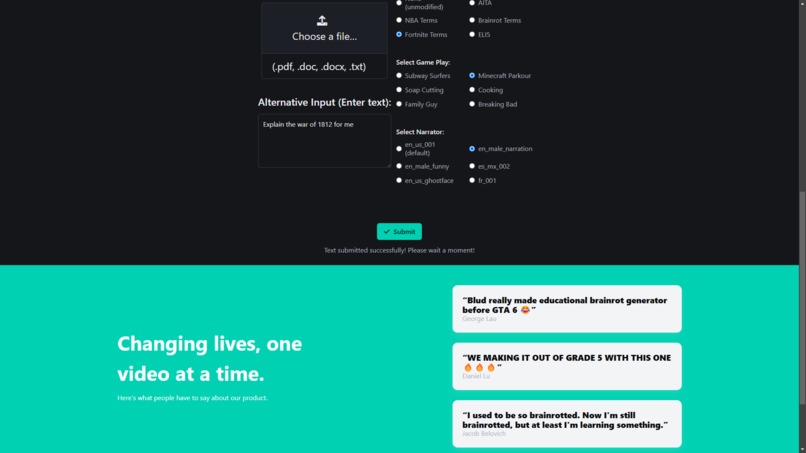
Options to choose what style of video you want, including narrator and background options
-
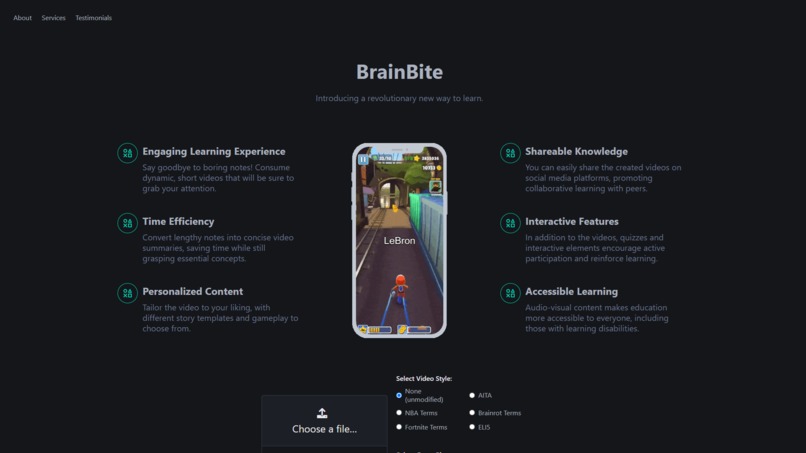
The landing page of our website
-
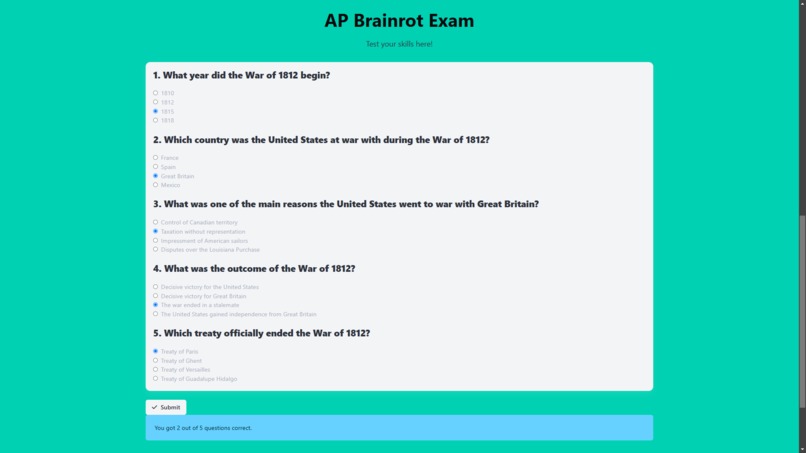
The generated quiz based on the user prompt
-
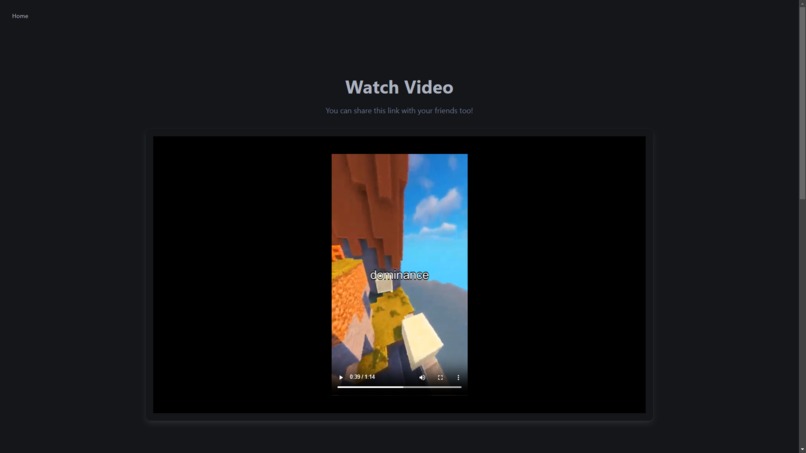
Video output based on the user prompt


Inspiration
Two of our teammates, Vu and Joel, learned about the Flynn effect in their psychology class. The Flynn Effect is an effect that was first noticed by James Flynn in 1984, about the average generational increase in IQ among the world’s population. IQ tests are made to be standardized to the current population so that an IQ of 100 will always reflect the average intelligence of the world. James Flynn first noticed that each time the test had to be re-standardized, the threshold of what it meant to have an average IQ of 100 got higher. This effect was continually observed to be true until the standardizations of the test in 2018, when they discovered that, for the first time, the Flynn effect is no longer observed, and the opposite can now be observed. Many people attribute this reversal of the Flynn effect to the reduction of attention span across the average person due to short-form content such as TikTok and all the platforms that followed in its footsteps. The common modern phenomenon of nonsensical videos going viral on short-form content, which we refer to as “brain rot”, is likely contributing to this. With every big company having an algorithm to keep their users' attention, we figured “Hey, why not do the same, but replace the content at its base”. And so, BrainBite was born, allowing for educational, short-form content, keeping the engagement of users, and revolutionizing the way we learn!
What it does
Our product replaces the time previously spent on scrolling useless content, using the same techniques that maintain attention on social media applications! The user can choose from a variety of gameplay backgrounds and narrators, and can listen to their notes in various formats, including Reddit stories, explain like I’m 5, and many more!
How we built it
The app was built with a Flask backend running on one of our PCs as a server, that receives the form data from the HTML on the frontend, and makes calls to Gemini API to get the JSON output that contains the explanation of the text in the category chosen by the user along as well as a quiz with 5 multiple choice questions, then calls the TikTok API to get the generated text converted to a TTS audio file. Using Gentle and FFMPEG the audio, captions and pre-saved gameplay clips are combined and timed into one video output. The returned quiz information is formatted into a multiple-choice quiz and outputted alongside the video into one output HTML page.
Challenges we ran into
A big challenge that we had was getting our AI model to output the correct data in the correct format. This problem arose as a result of needing two different outputs for each input- the explanation according to specifications, as well as the quiz. We decided to convert the text output to a JSON format, one dictionary representing the explanation, and the other having a quiz mapped to a 2d array (with each index being a question, and each inner array having options and answers). Another challenge we faced was related to the interactions between the frontend and backend. Since we have a lot of customizability, getting all the functionality to make the correct calls to our backend was difficult. However, through the abstraction of tasks to a variety of functions within each file, this became much easier to accomplish, leading to our finished product!
What we learned
This project taught us a lot of valuable skills, that we can use in the future! In terms of technical abilities, we learned how to use several new libraries and APIs, which allowed us to complete the project to an adequate degree. Additionally, developing a full website that was multi-platform (as it can be used on both a phone and a laptop) allowed us to better understand the principles of full-stack development. In terms of soft skills, this project taught us a lot about working on a tight schedule, with unfamiliar tools. Developing this project from an idea to reality took a lot of time management and coordination from our team, and taught us how building fully-complete projects would look in a team environment. All-in-all, building BrainBite was an incredibly valuable experience that we will cherish in the future!
What's next for BrainBite
We would like to fully recreate the short-form content environment in an educational setting, future features that we want to implement include a feed of posts that can be scrolled in that allows for the same experience of scrolling brainrot on TikTok or reels, without being limited to generating 1 video for 1 set of notes each time. This allows for multiple topics to be covered and learned simultaneously and allows for all different selected options to be generated and shown across a scrolling session. Additionally, a feed and scrolling system would allow for a better recommendation and generation algorithm that can check which types of videos result in better average quiz scores for the user and which ones grab the user’s attention more so their notes can be formatted to fit the ideal scrolling and learning habits of the user. We would also like to develop an OCR system to understand and scan handwriting, and integrate this into our application, to allow users the utmost flexibility in terms of what notes they can input and be tested on.


Log in or sign up for Devpost to join the conversation.