-
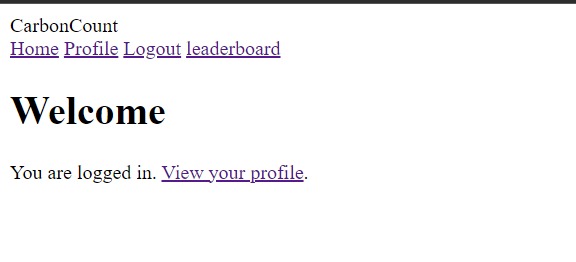
Landing Page
-
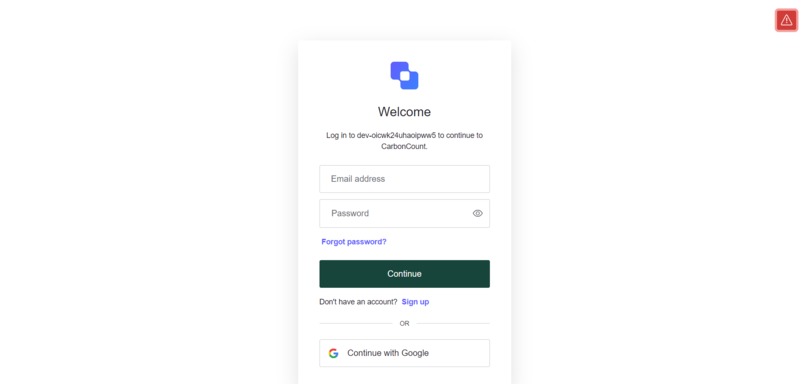
Auth0 Verification
-
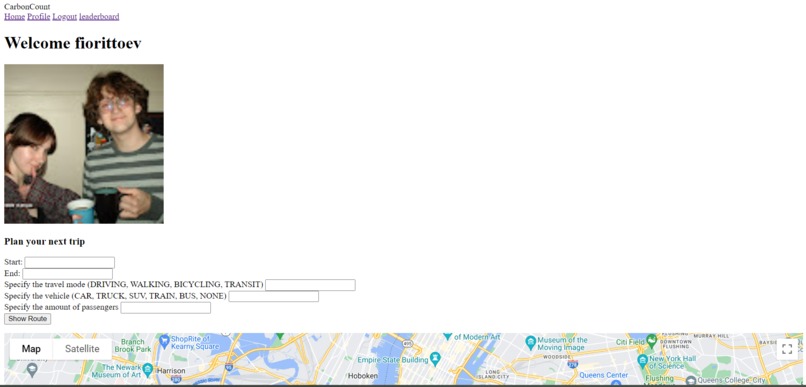
Profile/Map page
-
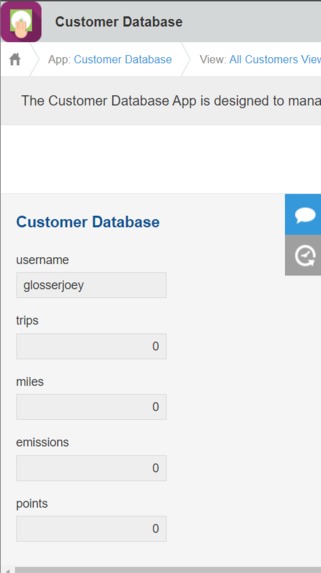
Kintone Entry
-
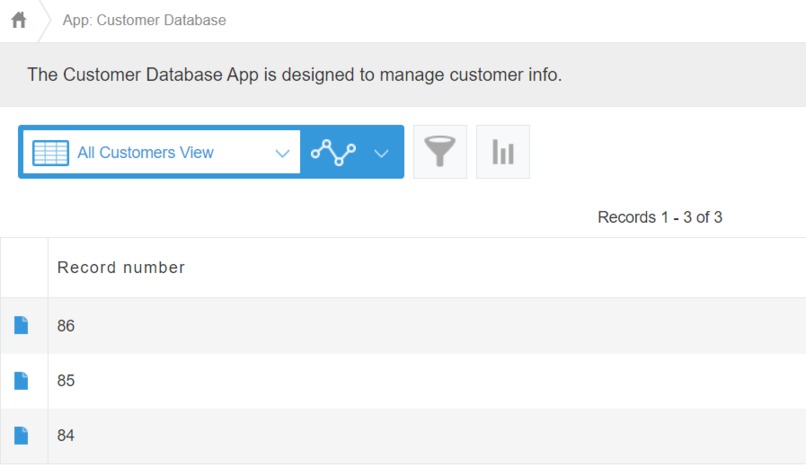
Kintone User Database
-
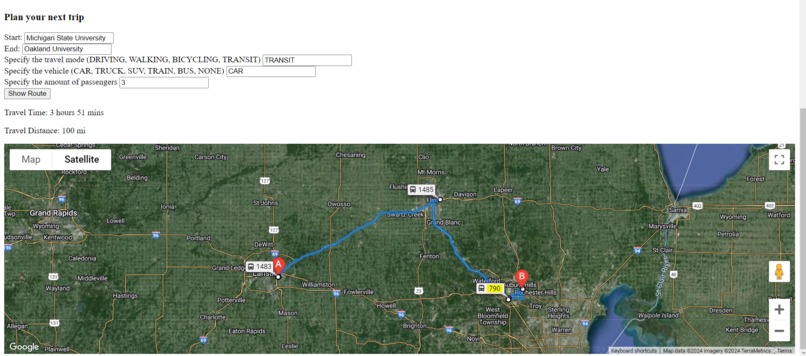
Maps API for transit
-

Peer Leaderboard


Inspiration
We were inspired by apps such as Pokemon Go and Monster Hunter Now, which utilize map APIS to create an engaging and competitive user experience. Within a car-centric nation and a car-centric region like Detroit, we often overlook the impact of our emissions as the world around us was designed for cars. However, if there is one thing that motivates people to change for the better, it is competition.
What it does
CarbonCount allows users to create an account and see how they stack against the rest of the world when it comes to carbon emissions from personal transportation. We allow users to input their mode of transport and award- or penalize- them based on their choices. These scores are reflected in a public leaderboard and updated in real time.
How we built it
To begin, we decided to use Node.js for the backend. We believed it would be the easiest considering the other APIs we needed. We allowed users to sign in with their Google accounts using Auth0, these accounts with their respective statistics are stored within a Kintone server to be referenced from and compared against. Users map out and track transits using a Google Maps API, which allows for specific and catered rides, especially when it comes to transit.
Challenges we ran into
We are first-time users of Node, Google API, Kintone, and Auth0, so this was a massive learning curve for us, we went from tutorial to tutorial and gradually built up our scope of understanding of these incredibly powerful tools. Kintone was by far the most difficult simply because there was not much documentation, however with a great mentee's help, we gained a solid understanding of the database.
Accomplishments that we're proud of
Overcoming our errors for these new tools. Understanding a software stack that was foreign to us at the time, and gaining experience in APIS and user interactivity. Overcoming this setback in time due to us having to learn these concepts was our largest accomplishment.
What we learned
Implementations of APIS was a major portion of this project and we gained experience with user-focused software design and social media-like architecture. This was the reason we decided to choose a type of software design that was foreign to us, maximizing the amount we could learn from this event.
What's next for CarbonCount
This app can be widely improved and expanded upon in a way that allows the public to engage with their impact on the environment more tangibly. For example, higher gamification such as in-game currency or rewards for reaching certain scores could improve user experience. This so far, can be seen as a proof-of-concept. Due to the resources we have and the time we were given, we wanted to show a smaller scale of what we envision could be a massive community-driven application. Improving the environment feels a lot more like a group effort, rather than focusing on only ourselves. In the fully realized version, we hoped to include more user stats and incentives to compete with friends for better emission scores. Overall, this game fills a niche that will reconnect internet users with the real world a little more.
Built With
- auth0
- css
- google-maps
- html
- javascript
- kintone
- node.js



Log in or sign up for Devpost to join the conversation.