-
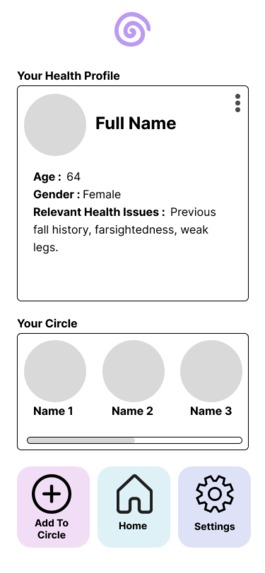
Home Page - Wearer
-
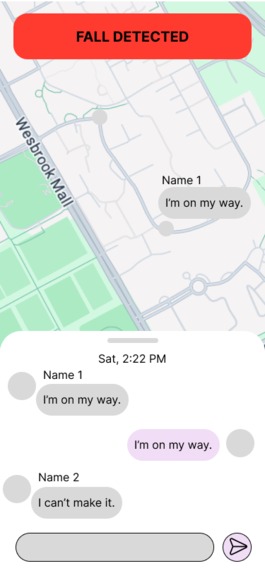
Home Page - Family (Fall Detected)
-
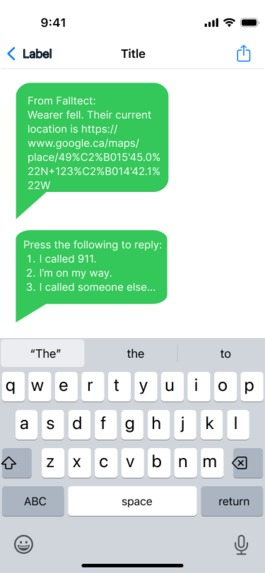
SMS (Fall Detected)
-
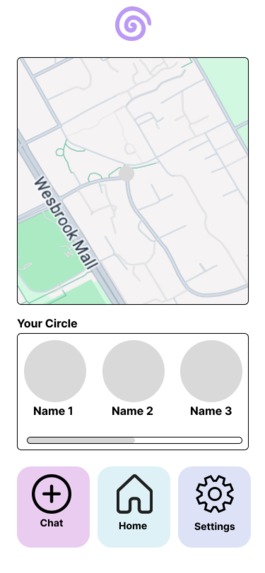
Home Page - Family
-
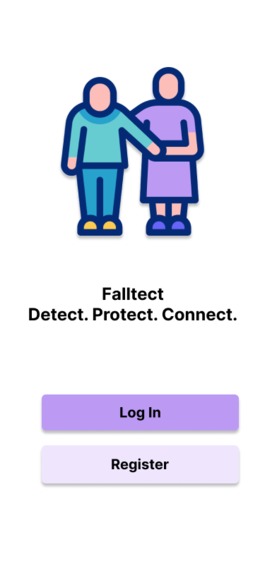
Log In
-
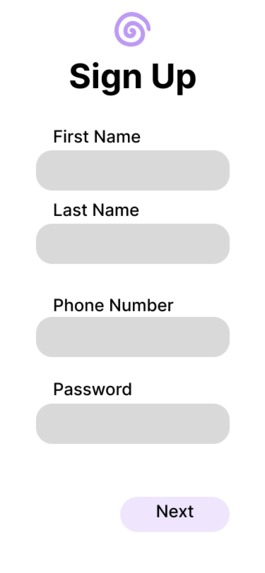
Sign Up
-
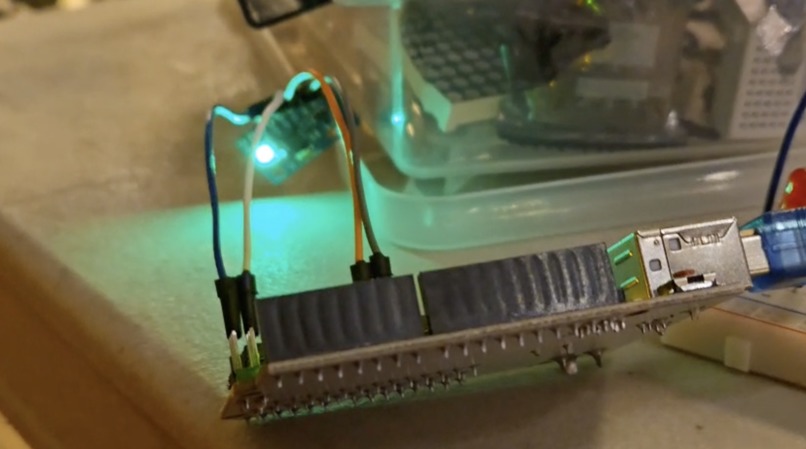
Arduino - Accelerometer


Inspiration
Members of our team have family members who are prone to falling, and sometimes, when they fall, nobody is with them, making it take a lot of time to discover the incident. We wanted to create a device that could immediately notify emergency contacts with the location of the fall. Our device is ideally designed to be Bluetooth-connected to the user's phone, ensuring it works regardless of whether the user has a phone or not, since the primary goal is to alert emergency contacts as soon as a fall is detected. This device will enhance safety and provide peace of mind by ensuring timely assistance is on the way when it's needed most.
About our Project
FallTech integrates hardware and software to provide two key features:
Fall Detection: Using accelerometers connected to an Arduino or Raspberry Pi, the app detects abnormal motion patterns associated with falls. Emergency Alert System: Upon detecting a fall, FallTect sends a preconfigured SMS alert to loved ones via the Twilio API. The alert includes the user's real-time location, captured from the GPS module. How we built it Hardware:
Arduino/Raspberry Pi: Used to collect accelerometer data for motion analysis. Accelerometer (e.g., MPU6050): Monitored real-time movement to detect sudden impacts or abnormal motion patterns. GPS Module: Captured the user’s location to include in emergency alerts. Software:
Thonny: Prototyped fall-detection algorithms in Python. React Native: Built a cross-platform mobile app for users to view fall status and configure emergency contacts. Twilio API: Sent SMS alerts to emergency contacts upon fall detection. Google Maps API: Included location details in SMS messages for quick assistance. Communication:
Arduino or Raspberry Pi communicated with the mobile app via Bluetooth or Wi-Fi. GPS data and fall detection were processed locally and sent to the app in real time.
Challenges we ran into
Hardware Integration: Synchronizing data between the accelerometer, GPS module, and the Raspberry Pi was complex due to different protocols and data formats. Fall Detection Algorithm: Setting an optimal threshold for fall detection required extensive testing with real-world simulations to avoid false positives. Power Management: Ensuring efficient power usage for the hardware setup, especially for portable use cases. API Integration: Combining hardware-based fall detection with APIs like Twilio and Google Maps in a cohesive way was challenging.
Built With
- accelerometer
- arduino
- expo.io
- figma
- git
- google-maps
- gps
- raspberry-pi
- react-native
- thonny
- twillio-api


Log in or sign up for Devpost to join the conversation.