-
-
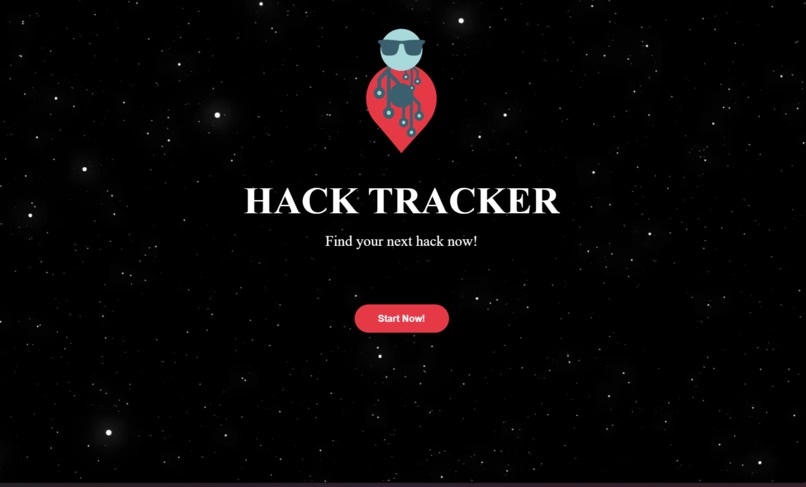
Landing Page
-
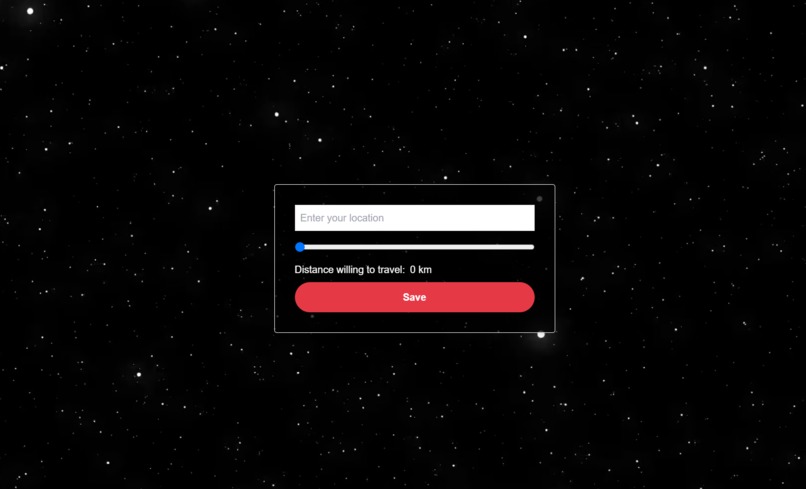
User Input, which then gives hackathons based on input
-
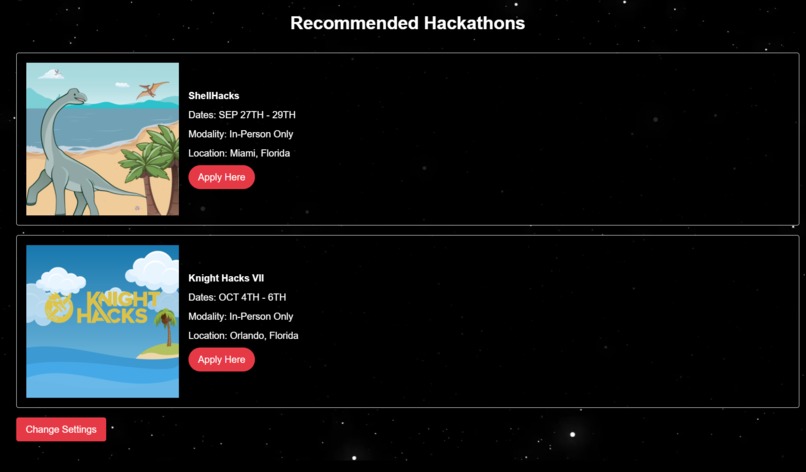
Displays hackathons!!


Inspiration
The inspiration for our project stemmed from a shared experience between our team members—Daniel and Fernando—who are second and third-year university students. We realized that despite our interest in hackathons, there wasn’t much information available on where to find them, especially for students like us who were new to this kind of event. As a result, this hackathon became our first, and it motivated us to solve the very problem we faced: the lack of accessible resources to find and learn about hackathons.
What it does
Our project, HackTracker, aims to gather user locations and want to go to hackathons. After gathering this information, our back-end system uses web scraping to compile relevant hackathons. Afterward, it evaluates the user's choices and suggests the best hackathons, including specifics like the venue, dates, and application materials. To put it briefly, it offers a simplified, customized experience to assist users in finding hackathons that match their requirements and passions.
How we built it
We developed HackTracker using the T3 stack, which includes a variety of technologies that were new to us. To divide the workload efficiently, our team split up responsibilities:
- Daniel focused on the front end, handling everything from the design to user experience using React, TypeScript, and Tailwind CSS.
- Fernando was responsible for web scraping, and gathering up-to-date hackathon data from various sources.
- Carlos took charge of back-end development, ensuring smooth data handling and integrating our web scraping results with the recommendation engine.
Collaboration and clear communication were key to ensuring the project came together as we worked in tandem with unfamiliar tools and frameworks.
Challenges we ran into
We faced numerous challenges, particularly because none of us had prior experience with the T3 stack. One of the biggest hurdles was connecting the web-scraped data to our recommendation engine and then ensuring that this information was displayed correctly on the front end.
Additionally, we encountered difficulties when implementing features like a sidebar, which we initially had to scrap and completely redesign. There were also issues with animations, such as getting the background to function as we envisioned. All of these obstacles tested our problem-solving skills and required us to adapt quickly, but in the end, overcoming them made us more confident developers.
Accomplishments that we're proud of
One of our proudest achievements is getting everything to work together seamlessly. From front-end to back-end, we successfully implemented a fully functional web app that recommends hackathons based on personalized criteria. We’re especially proud of how the front end turned out, as it provides an intuitive, user-friendly interface that enhances the overall experience. Additionally, successfully connecting our web-scraped data to the recommendations engine felt like a major victory, given the challenges we faced.
What we learned
Throughout this project, we learned a great deal:
- The T3 stack: Gaining proficiency with tools like React, TypeScript, and Tailwind CSS, along with managing a full-stack project.
- Working as a team: We improved our ability to collaborate effectively through Git, ensuring version control and smooth integration of our work.
- Web scraping and APIs: Fernando’s work on web scraping allowed us to pull data from external sources, and we learned how to integrate APIs to enhance functionality.
What's next for Hack Tracker
Although we made great progress, there are still several features we’d love to implement post-hackathon. For instance, we want to add a feature that recommends different travel methods—like flights or train tickets—to help users get to their chosen hackathons. We also plan to refine the hackathon sorting system, allowing users to filter recommendations by additional criteria such as event dates or application deadlines. Finally, we plan to deploy HackTracker on a cloud platform like Vercel for broader access and scalability.
In the weeks following ShellHacks, we’re excited to continue building on HackTracker’s foundation and turn it into a fully-featured, go-to resource for hackathon enthusiasts everywhere.
Built With
- css
- html
- node.js
- prisma
- react
- tailwind
- trpc
- typescript


Log in or sign up for Devpost to join the conversation.