-
-

Studyous Logo
-
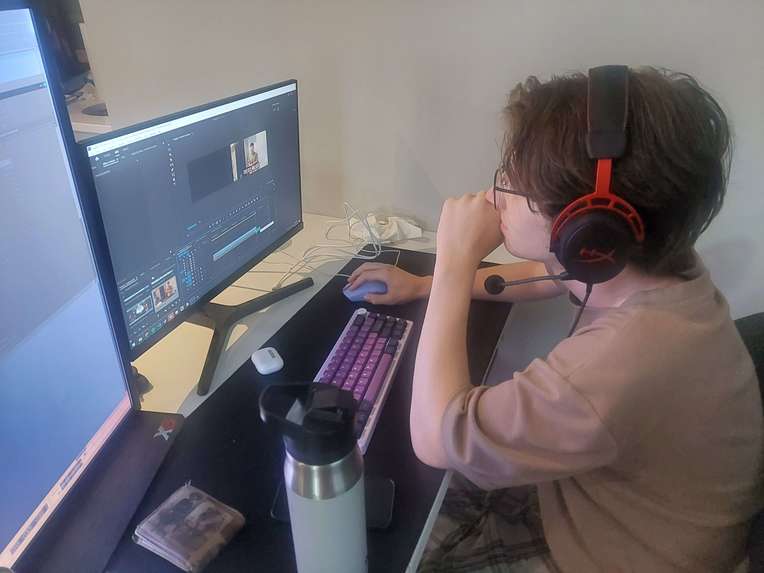
Jake working hard editing the video, completing the project amazingly
-
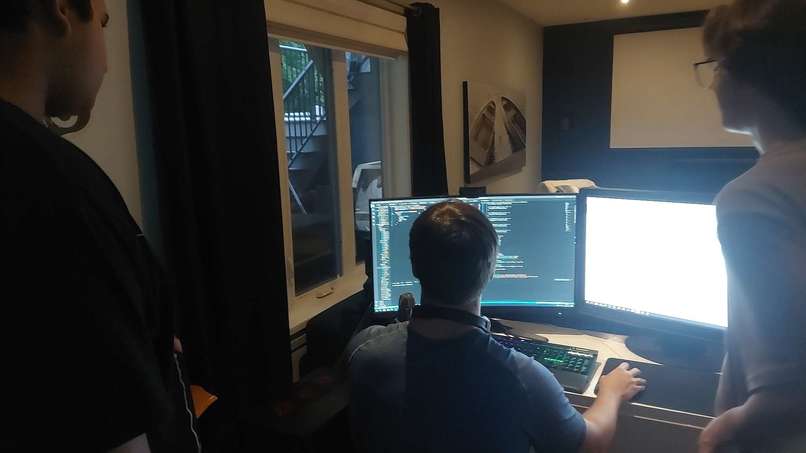
Jack showing the others important concepts for his design and functionality work
-
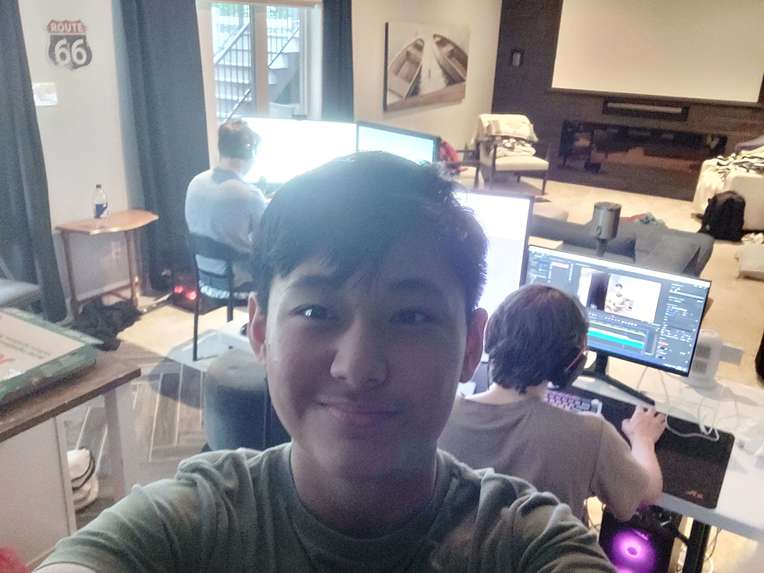
Jaden and the group's setup, the final hours of putting together the project after a long night
-
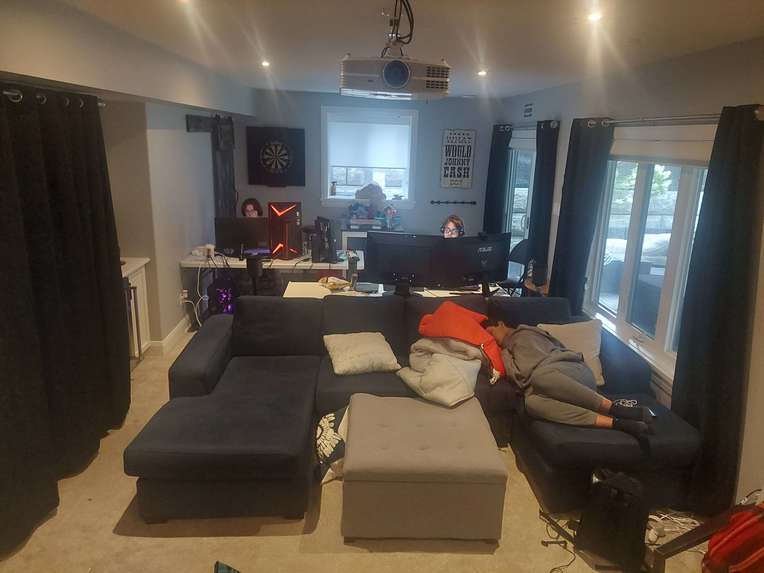
The group's room tour, Harnake sleeping soundly after a tiring night of pitch deck and business planning, Jake and Jack still working hard

Inspiration
In our high school, we knew a few students who excelled in studying, while others received lower marks on the same subject. The notion of our struggling peers faring well in school was the primary catalyst for our hard work. Our idea was, therefore, to render them less stressed, more content, and smarter students.
What it does
Our software helps students study for subjects in a more effective manner. We divided it into three sections: first, there is the note organizer. The problem with the habits of many students is simply the efficacy of which they write their notes rather than a lack of them. Difficulty presents itself in allowing notes to be read effectively by the reader, even if they wrote the notes. Fortunately, our note generator will take note inputs and spew them out in a visually appealing, easily digestible style of the user’s choice. Second, Studyous generously provides a timer-based program, modeled off things like the Pomodoro method. These will help them study by enabling them to set custom timers for both breaks and work periods. Studies have proven that taking breaks while studying helps students work more efficiently. In addition, a flashcard-like program comes included, where the user can input questions and answers. Afterward, the program will randomly display questions to them, whereupon they may use the cards to help them memorize various answers.
How we built it
We had built the website involving a few programming languages, such as JavaScript, HTML, and CSS. However, there was the implementation of Tailwind, which enables us to write CSS within the actual HTML files in a “className” parameter. The React framework was used to combine all three languages into a single file. We also used TypeScript and Node.JS in various capacities to enable our files to function in unison. Last, our team decided upon the implantation of component-based programming. This resulted in us dividing our pieces into simpler atoms before combining them in more massive files out of simplicity.
Challenges we ran into
Several of the encountered challenges presented themselves with React. This was because of an exorbitant amount of unfamiliarity with the language. When starting the competition, all our members were familiar with HTML, CSS, and JavaScript. This principle did not apply in React, resulting in us researching solutions continually to solve problems. New software was a challenge as it was unfamiliar territory, however, it was predominantly simple to figure out how it worked. Working with component-based programming also presented additional issues. Some members of our team were unfamiliar with its functionality and thus had to educate themselves about its usage on the spot.
Accomplishments that we’re proud of
One thing we are proud of was the ability to persevere throughout the competition. We finished the project because our members continually persevered and overcame adversity. We made significant progress across several domains of the project simultaneously. This enabled us to accomplish significantly more within the timeframe than we had expected to finish. Last, our members could test software and ideas they had been unfamiliar with prior to the competition. This included creating presentations on Canva or designing logos via Adobe Illustrator. Rather than hinder the experience, these certainly added elements of enjoyment and surprise to the competition.
What we learned
During this project, we learned a lot about coding and working as a team, but predominantly about the React framework. Our approach has shifted from experimenting with the code to selectively focusing on more important elements. The design elements are also extremely important on a website as it improves the user participation enormously. Therefore, it becomes much easier to plan for websites if the user designs individual pages of the website before coding.
What’s next for Studyous
For Studyous (Don’t worry, we spelt it that way intentionally), we would like to add on to the software by including more studying options for users. Notably, we would like to expand the software to account for several courses with entire lesson plans, practice sheets, unit reviews, and a lot of uptime. This project inspired us to keep working on universal education. We hope our software will encourage others to learn more effectively.
Built With
- css3
- html
- javascript
- node.js
- react
- t3
- tailwind
- typescript




Log in or sign up for Devpost to join the conversation.