-

Self-expression
-
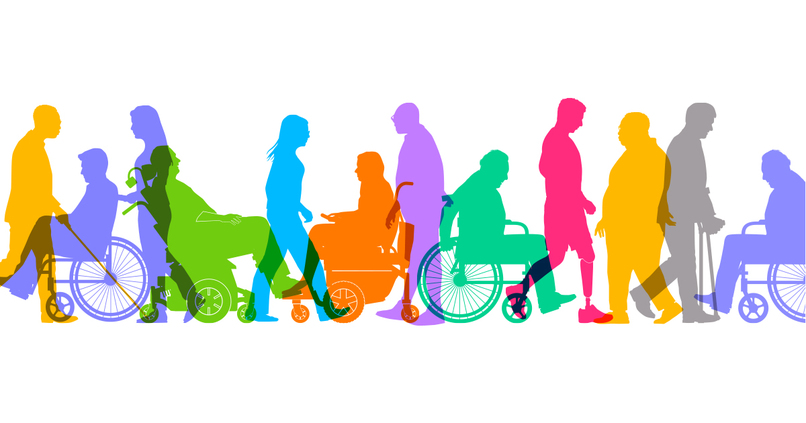
Inclusivity


Inspiration
The inspiration for Unity Style stemmed from the desire to bridge the gap between the fashion industry and individuals with disabilities. Witnessing the challenges faced by people like Alex, who live with disabilities, and realizing the lack of inclusivity in fashion, sparked the idea to create a platform that empowers them to embrace their unique style without limitations.
What it does
Unity Style is a revolutionary platform that brings inclusivity to the forefront of fashion. It provides adaptive clothing, wheel-chair-friendly fashion, sensory-friendly attire, a user-friendly online platform, detailed product information, and a vibrant community, for individuals with disabilities to engage with fashion. By offering accessible options, detailed product information, and supportive space, Unity Style enables users to express themselves authentically through their clothing choices.
How we built it
Leveraging Node.js, we crafted the server-side application that forms the core of our platform's functionality. PostgreSQL was the backbone of our data management, enabling us to store and retrieve structured data seamlessly. React, the front-end JavaScript library, empowered us to develop dynamic user interfaces using reusable UI components. Combining React with GraphQL, we constructed a responsive and tailored front-end experience that efficiently fetched data based on component-specific requirements. The integration of these technologies was a strategic choice that allowed us to create a versatile, scalable, and feature-rich platform.
Challenges we ran into
Integrating the different technologies seamlessly required careful coordination and understanding of their nuances. Adapting to the event-driven and asynchronous nature of Node.js demanded a shift in our approach to server-side development. Navigating the intricacies of database interactions in PostgreSQL and optimizing data retrieval was a learning curve. Additionally, while React facilitated dynamic UI development, fine-tuning server-side rendering for performance optimization was a complex task. Addressing these challenges was a collaborative effort that allowed us to deepen our expertise in these technologies.
Accomplishments that we're proud of
Building a modular platform with Node.js affirmed its scalability. Utilizing PostgreSQL for data integrity marked a significant milestone. Creating a feature-rich admin panel with React highlighted UI prowess. Merging React and GraphQL for responsive experiences underscored our expertise.
What we learned
Exploring Node.js's event-driven nature revealed the significance of collaborative problem-solving. PostgreSQL's data management intricacies deepened our shared understanding of structured databases. We honed our skills in React by building UI components together. Mastering GraphQL for precise data retrieval was a collective effort that enhanced our technical abilities.
What's next for Unity Style
Our sights are set on expanding adaptive designs to embrace an even wider range of disabilities, fostering inclusivity. Innovations like integrating augmented reality (AR) for virtual try-ons and AI-guided personalized recommendations are on our horizon. Nurturing partnerships with fashion brands, accessibility champions, and influencers will amplify our impact.
Built With
- graphql
- node.js
- postgresql
- react
- scss


Log in or sign up for Devpost to join the conversation.