ImageImage
  • Features
  • Videos
  • Podcasts
  • Specials
  • Articles
  • Shorts
Subscribe
  • English
  • Español (Spanish)
  • Français (French)
  • Bahasa Indonesia (Indonesian)
  • Brasil (Portuguese)
  • India (English)
  • हिंदी (Hindi)
  • বাংলা (Bengali)
  • Swahili
  • Videos
  • Podcasts
  • Articles
  • Short News
  • Feature Stories
  • The Latest
  • Explore All
  • About
  • Team
  • Contact
  • Subscribe page
  • Submissions
  • Privacy Policy
  • Terms of Use
  • Advertising
  • Wild Madagascar
  • For Kids
  • Mongabay.org
  • Reforestation App
  • Planetary Health Check
  • Conservation Effectiveness
  • Mongabay Data Studio

Latest

A woman is airlifted from a flood-affected area in Himachal Pradesh in August 2023. (Indian Air Force via AP)

July rainfall worsened August floods in Punjab in 2023, says study

Simrin Sirur 30 Jan 2026

Understanding the economics of India’s climate action [Book Review]

Kundan Pandey 30 Jan 2026
Feature story

A combined agroforestry model shows sustainable ways to mitigate climate change

Tarini Manchanda 29 Jan 2026
Feature story

Buckwheat draws renewed interest for its health benefits and resilience

Hirra Azmat 29 Jan 2026
Feature story

Government opens up forest plantation to private sector, critics question its conservation value

Simrin Sirur 28 Jan 2026
Feature story

What India risks by dismantling its rural safety net [Commentary]

S. Gopikrishna Warrier 28 Jan 2026
All news

Top stories

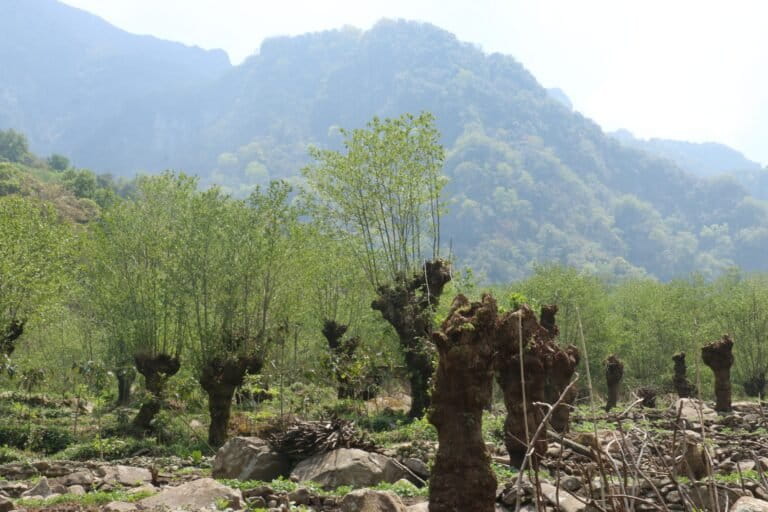
New shoots emerging from pruned alder trees. Image by Tarini Manchanda.

A combined agroforestry model shows sustainable ways to mitigate climate change

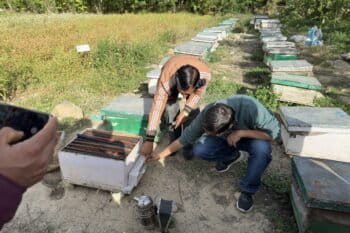
Bee colonies are being installed alongside buckwheat fields in Ladakh, where scientists are testing how the crop can support beekeeping and provide farmers with an additional income. Image by Faizan Ahmed.

Buckwheat draws renewed interest for its health benefits and resilience

Hirra Azmat 29 Jan 2026
A commercial plantation for plywood production. Image by James Anderson, World Resources Institute via Flickr (CC BY-NC-SA 2.0).

Government opens up forest plantation to private sector, critics question its conservation value

Simrin Sirur 28 Jan 2026
A village head gazes into a dry well near sugarcane fields damaged by a drought in Beed district, Maharashtra. (AP Photo/Rafiq Maqbool)

What India risks by dismantling its rural safety net [Commentary]

S. Gopikrishna Warrier 28 Jan 2026
A catch of squaretail groupers (Plectropomus areolatus). Image by Rucha Karkarey.

A Lakshadweep island’s strategic value worries conservationists and fishers

Max Martin 27 Jan 2026

Subscribe

Stay informed with news and inspiration from nature’s frontline.
Newsletter

Free and Open

Help us tell impactful stories of biodiversity loss, climate change, and more
Learn more

News and Inspiration from Nature's Frontline.

Image
Videos
A woman is airlifted from a flood-affected area in Himachal Pradesh in August 2023. (Indian Air Force via AP)
Articles
Image
Podcasts

Special issues connect the dots between stories

Climate Innovations

Image

India is well positioned to advance biobased climate tech, says Sara Trærup [Interview]

Manish Chandra Mishra 28 Oct 2025
Image

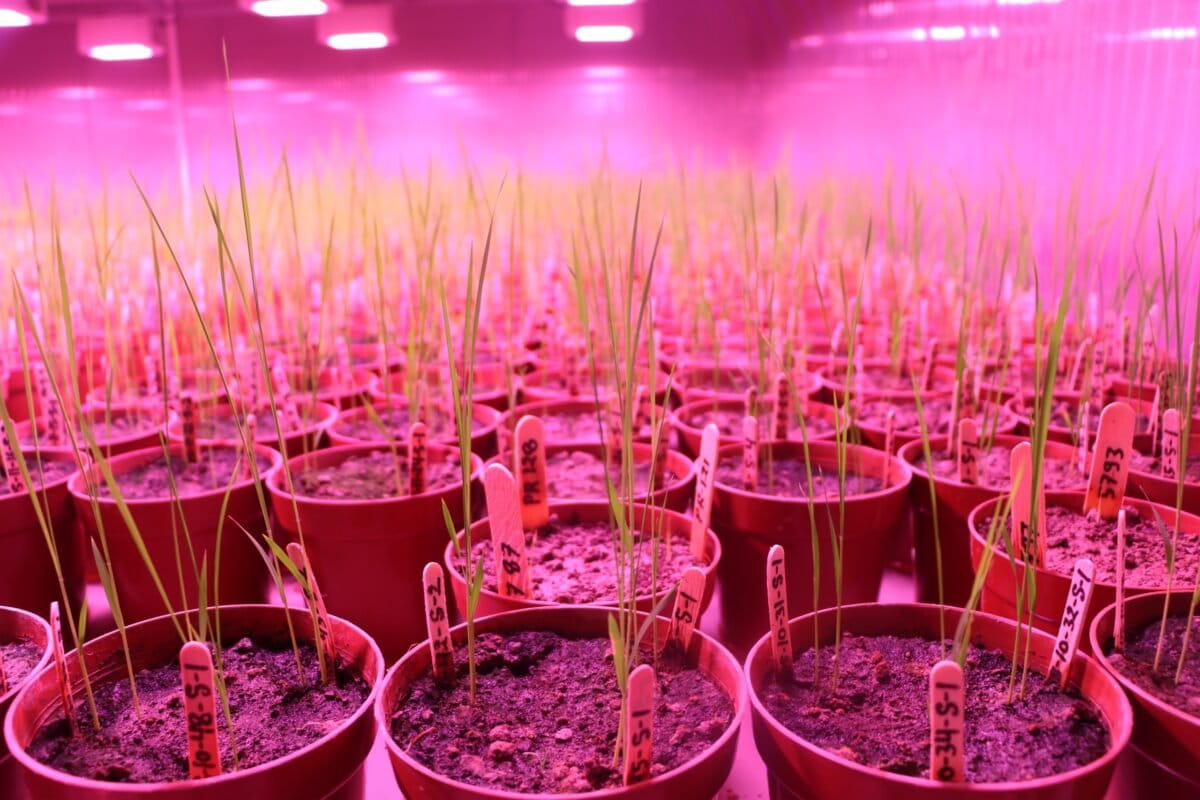
Scientists turn to speed breeding to develop resilient, high yield crops

Hirra Azmat 2 Sep 2025
Image

[Commentary] Climate considerations drive innovation in India’s agriculture and MSME sectors

Kundan Pandey 18 Oct 2024
Bottle gourds from Mahto’s farm being prepared for market dispatch. Image by Vishal Kumar Jain.

A Jharkhand farmer uses AI and technology to modernise farming

Vishal Kumar Jain 16 Sep 2024

If the Green Revolution rode on the strength of chemicals derived mainly from fossil fuels, now there is a shift in the thinking on how agriculture is being done in India, with a thrust on growing indigenous crop varieties and following natural farming practices. In the industrial sector, with initiatives such as ‘Make in India’, […]

Climate Innovations series

More specials

Image
178 stories

Environomy

Image
489 stories

Beyond Protected Areas

Image
stories

Conserving Agro-biodiversity

Free and open access to credible information

Learn more

Listen to Nature with thought-provoking podcasts

Image

Wild Frequencies: Us and Them

Shreya Dasgupta, Kartik Chandramouli 1 Aug 2024

Watch unique videos that cut through the noise

Image

How are Kerala’s ‘rainkeepers’ measuring rainfall to save themselves from floods?

Image

Celebrating the life and work of Madhav Gadgil

S. Gopikrishna Warrier 13 Jan 2026
Image

Tainted waters: A community’s long battle against coastal pollution in Maharashtra

Amitha Balachandra 18 Dec 2025
Image

When the body can’t cool: How heat magnifies disability

Aishwarya Tripathi 16 Dec 2025
Image

Walking against the heat: How rising temperatures affect the nomadic Raikas

Aishwarya Mohanty, Divya Vilvaraj 15 Dec 2025

Free and Open

Help us tell impactful stories of biodiversity loss, climate change, and more
Learn more

In-depth feature stories reveal context and insight

A satellite image shows cyclone Tauktae approaching India's western coast. (NASA Worldview, Earth Observing System Data and Information System (EOSDIS) via AP)
Feature story

Study identifies a previously unknown climate rhythm shaping the tropics

Debdutta Paul 27 Jan 2026
An aerial view of North Sentinel island. (AP Photo/Gautam Singh, File)
Feature story

Tribal leaders allege pressure to surrender land for the Great Nicobar project

Simrin Sirur 23 Jan 2026
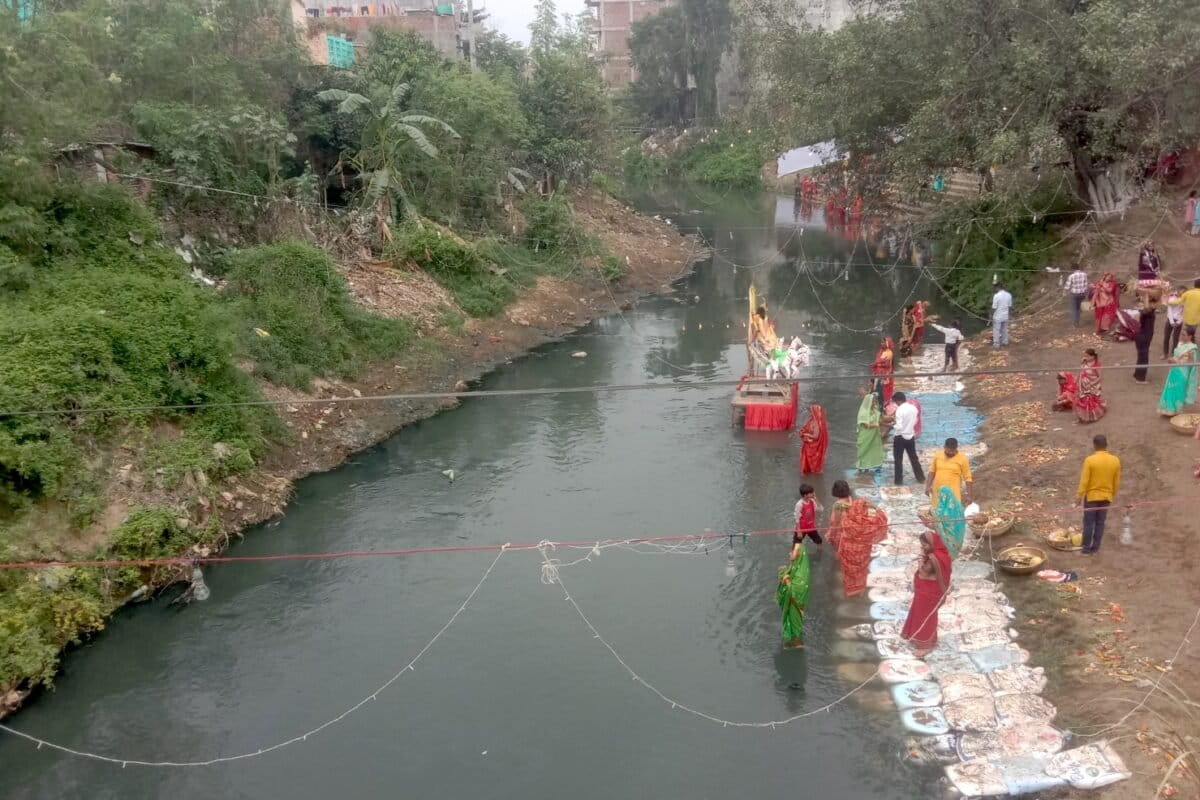
Pilgrims observe the Chhath festival on the banks of the Sirsiya. Image by Suresh Bidari.
Feature story

A river carries industrial waste and sewage from Nepal to India

Suresh Bidari 23 Jan 2026
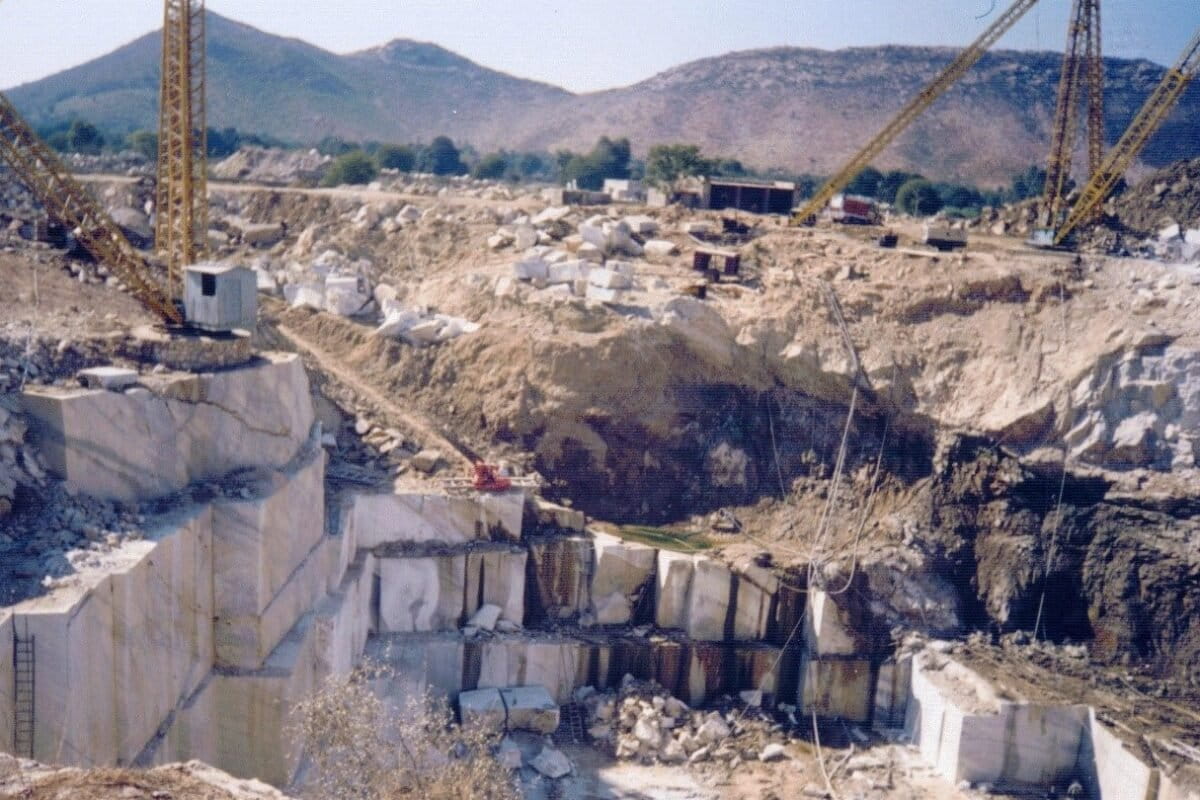
A marble mine in the Aravallis located adjacent to Sariska Tiger Reserve in Alwar district, Rajasthan. Image by Ghazala Shahabuddin.
Feature story

Shrinking Aravallis, rising dust pollution

Lekha Bandopadhyay 21 Jan 2026

Quickly stay updated with our news shorts

Four more industries face emissions reduction targets

Simrin Sirur 22 Jan 2026

The Indian government has set emissions reductions targets for four more high-emitting industries as part of its upcoming compliance-based carbon market. These are the secondary aluminium, petroleum refinery, petrochemical and textile industries. Secondary aluminium refers to aluminium produced from recycled scrap.

The additions were made as an amendment to the Greenhouse Gases Emission Intensity Target Rules on January 16, which were officially notified in October 2025. The additions take the total number of industries covered by the scheme to eight, three months after it initially covered the aluminium, cement, chor-alkali, and paper and pulp industries.

The targets make it legally binding for industries listed to reduce their emissions. If industries perform better than their targets, they can generate carbon credits for trade on the compliance carbon market. However, failing to meet the target results will result in the payment of environmental compensation equal to twice the amount of the average carbon credit in the evaluation year. Industries are obligated to meet targets over two compliance years, 2025-2026 and 2026-2027.

According to an analysis by the CEEW, delays in operationalising the carbon market have led to less stringent targets and a missed opportunity in reducing an additional 2.8 metric tonnes of carbon dioxide or its equivalent (CO2e) by 2027. The government also planned to include the iron and fertiliser industries in the carbon market, but has failed to set targets for them so far. “Lower stringency could reduce the overall mitigation achieved under the scheme and lead to a potential oversupply of carbon credits, especially since the targets look achievable for sectors such as aluminium, iron and steel, and cement,” the analysis says.

The carbon market has the potential to reduce 47.84 metric tonnes of CO2e by 2027 if it covers all the sectors planned, as per the CEEW’s calculations. The targets have been calculated as emissions reductions per unit of output, to correspond with India’s goal of reducing its emissions intensity by 45% by 2030, compared to 2005 levels. The industries covered by the scheme are responsible for approximately 20% of India’s total emissions. The cement, iron, and steel sectors account for the largest shares.

Critics have also pointed out the exclusion of the power sector in the carbon trading scheme – India’s biggest emitter, responsible for 39% of emissions. “Excluding the power sector, significantly reduces the covered emissions and the possible reductions from them would be marginal,” the Centre for Science and Environment had said.


Banner image: An aluminium factory. Representative image by uc_rusal_photo_gallery via Wikimedia Commons (CC BY-SA 2.0).

An aluminium factory. Representative image by uc_rusal_photo_gallery via Wikimedia Commons (CC BY-SA 2.0).

New-to-science gecko sheds light on Eastern Ghats’ biodiversity

Arathi Menon 22 Jan 2026

A newly described gecko species from Odisha’s Eastern Ghats is adding to growing evidence that the region’s biodiversity remains far from fully documented. The species, Hemidactylus kalinga sp. nov., formally described in the journal Herpetozoa is endemic to the northern Eastern Ghats. The gecko species is also the second endemic Hemidactylus species from Odisha, after H. paucifasciatus, and only the fourth endemic reptile recorded from the state.

Research about the Eastern Ghats is limited compared to the extensive scientific literature and decades of research focussed on the Western Ghats. However, these hill ranges are increasingly being recognised as important centres of reptile endemism. They harbour a diverse assemblage of lizards, including geckos from the family Gekkonidae, skinks from Scincidae, and a leopard gecko from Eublepharidae.

Within the genus Hemidactylus, the H. prashadi clade — of which H. kalinga is a part — is the most species-rich, currently comprising 23 species across India. Several lineages within this clade – a group of evolutionary descendants of a common ancestor – remain poorly understood, pointing to the likelihood of additional cryptic species.

“The significance of this discovery lies in the fact that we are still uncovering a remarkable number of new reptile species in India,” says lead author Pratyush P. Mohapatra of the Zoological Survey of India. “In regions such as the Eastern Ghats, systematic sampling has been largely absent, and researchers estimate that at least 10 to 15 new gecko species are still awaiting discovery.” Advances in molecular taxonomy over the past two decades, he adds, have been crucial in clarifying species boundaries and identifying cryptic diversity that was previously overlooked.

H. kalinga itself was known to scientists earlier but had never been formally described. “This discovery provided an opportunity to address that gap and give the species a scientific identity,” Mohapatra says.

The Kalinga rock gecko is a large-bodied, rock-dwelling species, reaching a snout–vent length of about 105 mm. It has an olive-brown body marked by four pale transverse bands. The species is found among rocky outcrops and forested hill slopes in moist and dry deciduous forests at elevations between 156 and 746 metres and has been recorded from several districts in Odisha. It takes its name from the Kalinga region of Odisha where it was found.

Beyond taxonomy, the discovery also highlights conservation concerns. Mohapatra points to the example of Hemiphyllodactylus minimus, a tiny gecko found in a sacred grove in Maharashtra, whose habitat was degraded after temple renovations introduced artificial lighting. “Even small, seemingly protected landscapes can be highly vulnerable,” he notes.

Understanding new species and their ecological roles, researchers argue, is essential for designing effective conservation strategies — especially in fragile and understudied landscapes such as the Eastern Ghats.


Banner image: Hemidactylus kalinga sp. nov. Image by Pratyush P. Mohapatra.

Hemidactylus kalinga sp. nov. Image by Pratyush P. Mohapatra.

Older diabetics at risk of developing cardiovascular disease from air pollution

Simrin Sirur 13 Jan 2026

Elderly and middle aged populations with diabetes are at a higher risk of developing cardiovascular diseases due to long-term air pollution exposure, a Chinese study has found.

Researchers from a hospital affiliated with the Northwest University in Shanxi Province used data from the China Health and Retirement Longitudinal Study (CHARLS) to track the effects of air pollution exposure in older diabetics. The CHARLS is a nationally representative survey of adults aged 45 years and older.

The study followed the progress of 5,430 eligible participants over four years using 2011 as a base line, dividing them into four groups: participants with no diabetes and no new cardiovascular disease at baseline and during follow-up; participants with no diabetes but with new cardiovascular disease at baseline and during follow-up; participants with diabetes but no new cardiovascular disease at baseline and during follow-up; and participants with diabetes and new cardiovascular disease at baseline and during follow-up.

New cardiovascular disease occurrence was determined via self-reports by participants, while diabetes was diagnosed per American Diabetes Association criteria. Cardiovascular disease included incidence of myocardial infarction, coronary artery disease, angina pectoris, congestive heart failure, stroke, and other heart diseases.

The prevalence of cardiovascular disease was found to be 13.8% among participants with a history of diabetes, compared to 8.5% of those without. For each interquartile range increase in pollutant concentration, cardiovascular disease risk increased by 19 to 28%, with PM10 showing the strongest association. Other pollutants included in the study were PM1, PM2.5, and ozone.

The researchers used Inflammatory Lipid Ratio, a biomarker, to capture vulnerability to cardiovascular disease. Air pollution, when entering the blood stream, can cause widespread inflammatory responses in the body which cause tissue damage. “ILR may exacerbate the inflammatory response and lipid metabolism disorders, which in turn increase the risk of cardiovascular disease in diabetic patients,” says the study, adding, “Given the heightened inflammatory state and lipid metabolic imbalance in diabetic patients under chronic air pollution exposure, tailored therapies may be needed.”

Though the data is from China, the study has implications for India, where high levels of air pollution are chronic during peak winter months. India also has one of world’s highest disease burdens for diabetes, with approximately 90 million adults diagnosed with the disease.

A landmark study from Delhi and Chennai found exposure to PM2.5 pollution to raise blood sugar levels and increase the risk of developing Type 2 diabetes.


Banner image: A blood sample is collected from a diabetic patient a health camp in Kolkata, West Bengal. (AP Photo/Bikas Das, File)

A blood sample is collected from a diabetic patient a health camp in Kolkata, West Bengal. (AP Photo/Bikas Das, File)

Supreme Court stays order on Aravalli definition

Simrin Sirur 30 Dec 2025

On December 29, the Supreme Court put in abeyance a contentious definition of the Aravalli hills which it had adopted just weeks ago.

Last month, the Supreme Court had accepted a government-led committee’s suggestion to define the Aravalli hills as landforms with elevations above 100 metres from ground level. A range would constitute two such hills falling within 500 metres of each other. The Court had taken up the issue to define the Aravalli hills on its own, to avoid “conflicting judgements” in two ongoing cases related to mining in the hill range.

The definition was widely criticised for being exclusionary and inconsistent with the range’s geological and ecological characteristics. Following a public outcry, on December 29, a bench led by newly appointed Chief Justice Surya Kant decided to revisit the matter and stay the contentious definition till “a fair, impartial, independent expert opinion” on the matter is sought.

The Court noted that the new definition left room for ambiguity, especially about whether the new definition broadens “non-Aravalli” areas and reduces the scope of protected areas. It also sought clarification about whether the “the widely publicized criticism” that the new definition would only protect 1,048 hills out of 12,081 in Rajasthan, was correct.

“Such an inquiry would involve the precise measurement of all hill and hillock elevations to facilitate a more nuanced and ‘measured’ assessment of the criteria required to maintain the structural and ecological integrity of the entire range,” the Court said, adding, “There is a dire need to further probe and clarify to prevent any regulatory gaps that might undermine the ecological integrity of the Aravalli region.”

The Court has tasked a new High Powered Committee “comprising domain experts” to critically assess the government-led committee’s proposed definition, and investigate five areas in particular: a specific enumeration of the specific regions covered by the new definition, the territories that would be excluded by it, an analysis of whether “sustainable mining” within the covered areas “would result in any adverse ecological consequences,” and an evaluation of the short and long term environmental impacts of the suggested definition.

Apart from experts, the Court has also instructed the Amicus Curae K. Parameshwar and the Supreme Court’s Central Empowered Committee to aid the assessment.

“This stay shall remain in effect until the present proceedings reach a state of logical finality,” reads the order, adding that in the interim, the Forest Survey of India’s suggested definition from 2010 should be adopted.

The Forest Survey of India recommends defining the Aravallis as hills with gentle slopes of three degrees or more, with a buffer of 100 metres around the slope’s downside.


Banner image: Aravalli hills in Pushkar, Rajasthan. Image by Vyacheslav Argenberg via Wikimedia Commons (CC BY 4.0).

Image

A new study highlights neglected state of snakebite threats

Arathi Menon 24 Dec 2025

Snakebite envenoming continues to pose a serious yet under-recognised public health challenge in rural India, according to a recent retrospective study from Raichur district in Karnataka. Analysing snakebite case records from a secondary healthcare facility from January 2020 to April 2023, the study sheds light on who is most at risk, how bites occur, and the gaps that exist in medical care.

Out of the 366 snakebite cases examined, one-third were found to be venomous bites, with young adults disproportionately affected. The average age of patients was just under 30, and nearly 60% were men, reflecting occupational exposure linked to agriculture and outdoor work. Most bites occurred during morning hours, when people were active in fields or around their homes.

The common krait (Bungarus caeruleus), a highly neurotoxic snake and recognised as one of the “Big Four” medically important snake species, emerged as the leading cause of envenoming. Neurotoxic bites are particularly dangerous as early symptoms may be subtle, yet can rapidly progress to respiratory failure if untreated.

According to one of the authors, Dr. Chandan N. of ICMR- National Institute of Traditional Medicine, one of the key highlights of the study is that some of the secondary medical facilities like Hutti Gold Mines Hospital where the study was conducted, keeps a robust record of snakebite envenoming which can be used to study gaps in dealing with snakebites. “It’s only in 2024 that the Karnataka government declared snakebite as a notifiable disease. Most envenoming data comes from medical colleges. The study, however, shows that some of the secondary medical facilities can also provide useful data to further medical research into snakebite envenoming,” he says.

Another critical finding of the study is the delay in accessing medical care. About one-third of patients first sought help from traditional healers, losing valuable time before reaching hospital. Such delays significantly increase the risk of complications and death, despite the availability of effective treatment in health facilities. “Almost 70%-80% snakebites are non-venomous which gets better through traditional healing which, in turn, boosts people’s faith in non-medical interventions,” he points out.

The study observed that while around 78% of patients improved with hospital management, nearly 17% required referral to higher centres. Mortality stood at 1.6%, underscoring both the lethality of snakebite and the life-saving potential of timely intervention.

The authors stress that snakebite should be treated as a public health priority rather than an isolated medical emergency. They call for strengthening awareness, timely administration of antisnake venom, and improved documentation to reduce morbidity and mortality from snakebites.


Banner image: Common krait. Image by Manoj Karingamadathil via Wikimedia Commons (CC BY-SA 4.0).

Common krait. Image by Manoj Karingamadathil via Wikimedia Commons (CC BY-SA 4.0).

Over 5,000 cases pending in India’s green tribunal, shows data

Simrin Sirur 22 Dec 2025

Data revealed in Parliament shows a high number of pending cases in the National Green Tribunal, a specialised statutory body dedicated to resolving environmental disputes. Together, all five benches of the NGT have over 5,000 cases pending in the courts, Kirthi Vardhan Singh, Minister of State for Environment, Forests, and Climate Change told Parliament on December 15.

The NGT was set up in 2010 under the NGT Act for the speedy disposal of environmental legal disputes, to reduce the burden of cases in higher courts. It specialises in disputes related to environmental rights and protections, damages, and compensation, and has a presence across each region of the country.

The Principal Bench, based in New Delhi, reported the highest pendency from 2020 to 2025, with 1939 pending cases as of November, the data showed. The Western bench in Pune had the second highest pendency, at 1933 cases over the same time period, followed by the Southern bench in Chennai (846 pending cases), the Eastern bench in Kolkata (411 pending cases) and Central zonal bench in Bhopal (320 pending cases).

“In order to increase the disposal rate of cases, the Government has supported NGT to upgrade the digital infrastructure at their all Benches by facilitating the virtual court proceedings and e-filing of cases through a dedicated portal,” Singh told the Parliament in response to a question.

The Tribunal is led by a Chairperson who sits at the Principal Bench and includes at least ten and up to 20 judicial and expert members each, who play an equal part when it comes to making decisions to resolve disputes. However, the NGT currently has six vacancies for judicial member posts and four vacancies for expert members.

“In the absence of full strength of judicial and expert members in regional benches of the Tribunal situated in Chennai, Pune, Bhopal and Kolkata, the Principal Bench in New Delhi is hearing applications from other jurisdictions remotely by video conferencing to meet the needs of the litigants,” the FAQ page of the NGT says.


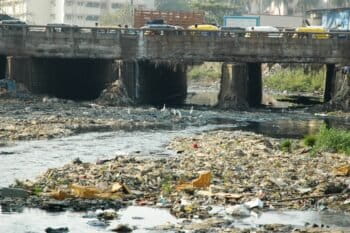
Banner image: A polluted river in an Indian city. Image by Jan jörg via Wikimedia Commons (Public Domain).

Polluted river in an Indian city. Image by Jan jörg via Wikimedia Commons (Public Domain).

Share Short Read Full Article

Share this short

If you liked this story, share it with other people.

Facebook Linkedin Threads Whatsapp Reddit Email

Subscribe

Stay informed with news and inspiration from nature’s frontline.
Newsletter
ImageImage

News formats

  • Videos
  • Podcasts
  • Articles
  • Specials
  • Shorts
  • Features
  • The Latest

About

  • About
  • Contact
  • Impacts
  • Newsletters
  • Submissions
  • Terms of Use

External links

  • Wild Madagascar
  • For Kids
  • Mongabay.org
  • Reforestation App
  • Planetary Health Check
  • Conservation Effectiveness
  • Mongabay Data Studio

Social media

  • LinkedIn
  • Instagram
  • Youtube
  • X
  • Facebook
  • Telegram
  • Android App
  • Apple News
  • RSS / XML

© 2026 Copyright Conservation news. Mongabay is a U.S.-based non-profit conservation and environmental science news platform. Our EIN or tax ID is 45-3714703.

Advertisement