Table of contents
- Tackling appetite management
- What increases satiety?
- The satiety of macronutrients
- More than macronutrients, it’s usually the combination or textures and rate of eating
- Do your targets need to be as high as they are in the first place?
- A lot of self-experimenting and other considerations
- Tips for increasing overall macro intake
- Do you need to change your macronutrient targets within the app?
- Take-home cheat sheet for hitting macro targets
In our last article, I discussed strategies for adjusting your overall Calorie targets and intake. If you haven’t checked that out yet, it might be worth a look to ensure your intake aligns with your goals of increasing macro-specific or overall intake.
This article tackles how to navigate higher individual macro targets. So, for example, let’s say you’re struggling with hitting your higher protein targets or you’re finding it difficult to get all your carbohydrates. Some might wonder, “Is that really a problem?” It is, especially for those trying to increase muscle mass while being mindful of Calories. Additionally, addressing problems with hitting macro targets when Calorie targets are high can be particularly important for bulking phases or for “hardgainers” who’ve gained weight and are now trying to maintain it. These challenges usually boil down to appetite management and finding strategies that ensure you’re meeting your macro demands but not feeling too stuffed.
Therefore, this article offers practical tips to simplify the process of distributing your macros effectively.
Let’s dig in.
Tackling appetite management
The first thing to tackle is decreasing the friction you might have with eating more, whether during a meal or between meals. In other words, we need to decrease the satiation you feel during meals, and/or the satiety you feel following meals.
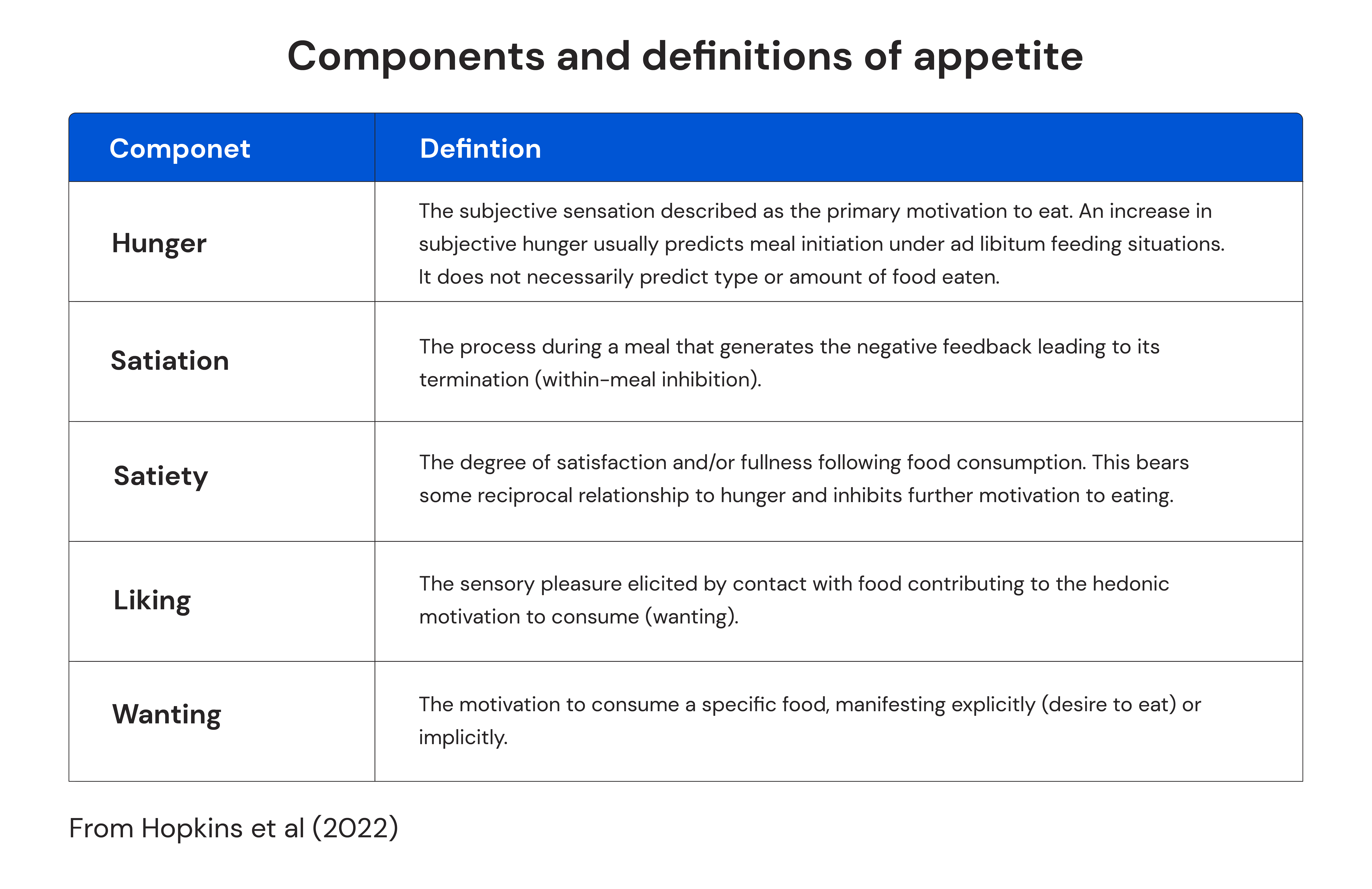
To differentiate these terms, satiation is the feeling of fullness you experience during a meal, prompting you to stop eating. This can manifest as a sense of pressure or expansion in your stomach, or a natural slowing of your eating pace. These cues collectively signal that it’s time to stop eating.
On the other hand, satiety is the feeling of being nourished and not interested in eating again for a while after a meal. Your energy levels should feel stable, and even if you experience post-meal fatigue, there is a physical sensation of being fed. Think of satiety as the absence of hunger signals. As satiety decreases, the signs that it’s time to eat again become more noticeable, starting the cycle anew.
What increases satiety?
This recent MacroFactor article goes into great detail about satiety and satiation and how to increase them when you’re in deficits or if you frequently find yourself unsatisfied by meals.
This is a general overview of what increases satiety:
| Strategies for increasing fullness and decreasing caloric intake | |
|---|---|
| Incorporate low-energy foods | Include vegetables, lean proteins, and legumes in as many meals and snacks as possible to boost satiation and satiety. These foods are nutrient-dense, low in Calories, and high in volume, helping you feel full without consuming too many Calories. |
| Balance macronutrients | Avoid focusing on a single macronutrient. Combine fiber, protein, and fat, especially from whole foods that are low in energy but high in volume, to enhance satiation and satiety. A balanced mix of these nutrients helps stabilize blood sugar levels and provides sustained energy. |
| Limit processed foods | Processed or ultra-processed foods are often high in Calories but low in essential nutrients and volume, leading to overeating and reduced satiety. |
| Mindful eating and harder textures | The texture of harder foods requires more chewing, which can increase feelings of fullness and satisfaction. Mindful eating helps you recognize hunger and fullness cues, preventing overeating and enhancing digestion. |
This article does not discuss improving or increasing satiety or satiation. Instead, we are working on factors that may do the opposite to help those who are having trouble reaching their Calorie or macro targets.
The satiety of macronutrients
As a reminder, this is an article focused on strategies for folks who are aiming to increase their calories, so the assumption here is that you’re likely already getting your base needs for each of your macronutrients, and you’re covering your micronutrient and fiber intake recommendations. For a general look at standard needs for each macronutrient, you can check out these articles on protein, on carbohydrates, and on fat. To read more about micronutrients you should consider monitoring, read here.
Protein
As discussed in this satiety article, protein’s overall effect on satiety is nuanced. Various hormones play a role in protein’s satiating effects, mostly via CCK, a hormone released in the gut in response to protein digestion. This hormone release can slow gastric emptying and enhance the overall feeling of fullness.
That said, there seems to be a leveling out between each phase of protein feeding. If you go from getting too little protein in your diet to incorporating more, you’re likely to be more satiated.
However, once you’ve already eaten an adequate amount of protein, the feeling of fullness may not be so extreme until you move into much higher levels of overfeeding protein.
Therefore, an important factor to consider for protein satiety is the texture and form of the protein you’re eating. For instance, a solid chewy protein like steak is typically more filling and harder to consume than more easily digestible options like protein shakes or Greek yogurts. Understanding these nuances can help you manage your protein intake effectively, particularly if high protein targets are challenging.
Carbohydrates
Carbohydrates regulate appetite through several mechanisms, one of which is their impact on insulin and its anorexigenic effects. When you consume carbohydrates, insulin is released to clear glucose from the bloodstream. This signals that you’re in a fed state, reducing appetite.
High-fiber carbohydrates contribute to satiety by slowing digestion and adding bulk to meals. Like protein, the harder textures and low energy density of many vegetables and fruits mean they take longer to chew and digest, increasing fullness during and after meals.
Fats
When considering fats, the first angle is their effect on slowing gastric emptying and digestion. Fats stimulate the release of hormones like cholecystokinin (CCK) and peptide YY (PYY), which slow food movement through the digestive tract and signal fullness.
Additionally, different types of fats have varied effects on satiety. For instance, longer-chain fatty acids and fat sources with greater fiber content, such as avocados and seeds, can enhance feelings of fullness. Like carbohydrates, these harder and more fibrous foods contribute to slower eating times and prolonged satiety.
More than macronutrients, it’s usually the combination or textures and rate of eating
While each macronutrient plays a unique role in satiety and satiation, the overall picture involves managing appetite or, conversely, finding ways to decrease these effects when higher Calorie intake is needed.
In a vacuum, all macronutrients can contribute to satiation or satiety in their own way. While there are some personal factors, satiety is most heavily affected by the combination of protein, fiber, and heavy starches, as well as the texture and type of foods we eat.
This is where we examine not just the macronutrient you’re eating but also its form. For instance, it may seem counterintuitive to traditional diet advice, but incorporating liquid Calories can be beneficial when trying to increase caloric intake. Liquid Calories can lead to excess intake, which could be advantageous in this scenario. Ideally, these liquids should still contain quality nutrients, but they can help you consume more Calories efficiently.
High eating rates can also lead to higher energy intake, which is beneficial for those trying to increase their caloric intake. Incorporating foods that are quick to consume can help increase total caloric intake. Softer foods or combinations of savory and fatty foods, unlike harder foods, are easier to consume faster.
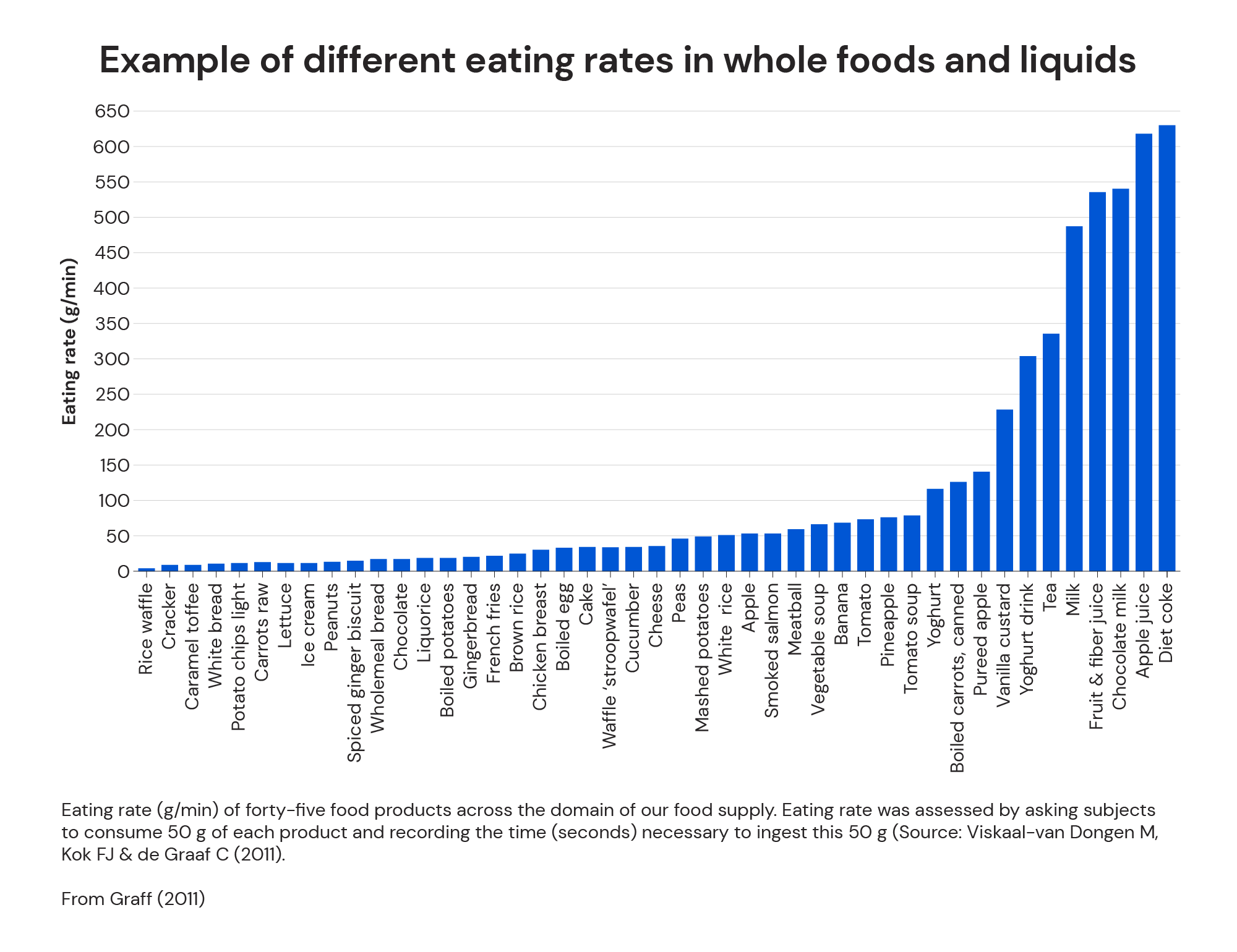
Lastly, certain processed or ultra-processed foods can be helpful in this context, particularly protein supplements, higher-fat Greek yogurts, and nut butters. Note that increases in processed or ultra-processed food consumption should remain relatively small, though; for example, these foods might make up 5% of intake or just a small dessert addition. The addition of these foods shouldn’t offset the importance of overall nutrient variety.
| Strategies for decreasing satiety and increasing Calorie intake | |
|---|---|
| Focus on liquid Calories | Incorporating liquid Calories, such as nutrient-rich shakes or smoothies, can help increase caloric intake efficiently. These are easier to consume in larger quantities without the same level of fullness as solid foods. |
| Optimize protein texture and form | Choosing protein sources that are easier to digest, like protein shakes or softer proteins, can help you consume more without feeling overly full. Solid, chewy proteins like steak are more filling and harder to eat in large amounts. |
| Increase eating rates | Eating at a faster pace can lead to higher energy intake. Softer foods or combinations of savory and fatty foods are easier to consume quickly, helping you increase your total caloric intake. |
| Include some processed foods | Including small amounts of processed or ultra-processed foods, such as protein supplements, higher-fat Greek yogurts, and nut butters, can help increase caloric intake. However, these foods should still be part of a varied and balanced diet. |
| Strategic macronutrient allocation | Instead of combining protein, fiber, and heavy starches that increase satiation, allocate these components more strategically to reduce their satiety impact. For instance, you could eat a large snack of just carbs, or just carbs and fats. |
Do your targets need to be as high as they are in the first place?
So, now that you have a better understanding of appetite management, let’s say you’ve made adjustments, but you’re still struggling. One thing you can analyze is if your macronutrient targets themselves are a little too high.
For instance, protein intake is often the logical focus because a significant amount of protein is required to build muscle, and it is also believed that protein is less likely to be stored as fat. Because of this, it’s easy to understand how, even for recomping, we see suggestions to consume 2.6-3.5 g/kg of fat-free mass per day of protein. And it’s not that these levels are wrong, but they can discourage some people from trying the acceptable but lower optimal ranges. So, when people sign up for the app, some may opt for the “extra high” protein selection, even though they might not need that much.
With carbohydrates, this will be more relevant depending on your goals and training needs. Carbohydrates do play a role in muscle building and are a pretty relevant source of energy for endurance athletes seeking improvements in training performance. However, if you’re just doing resistance training, or you do a smaller amount of cardio training and just don’t like the presence of a lot of carbohydrates in your life, then a lower target can make more sense.
Basically, the goal with carbohydrates is to assess whether you need a high-carb target. If you’re not an endurance athlete and aren’t struggling to add muscle mass, a lower-carb program might be more suitable. Otherwise, slightly increasing your carbohydrate intake might make more sense.
And when we look at fat, it is pretty commonplace for bodybuilders in the off-season to allocate more Calories toward carbohydrates versus fats due to a) the probability of carbohydrates helping give a slight muscle-building advantage and b) excess fat being easier from a metabolic demand to store as fat.
| Question | Considerations |
| Do I need to consume as much protein as I currently do? | If altering textures and type hasn’t done the job, consider trying the lower optimal ranges if higher targets feel discouraging or excessive. |
| Am I consuming carbohydrates based on my specific goals and training needs? | Evaluate if your carbohydrate intake aligns with your goals. Higher intake may be necessary for endurance athletes or muscle building, while lower intake might be sufficient for trainees doing a lower volume of exercise. |
| Is my current fat intake optimal for my goals? | Fat does offer more Calorie-dense options that could help with consumption, so consider whether increasing fat could help with your overall Calorie increase. |
A lot of self-experimenting and other considerations
As you can see, this can all boil down to a lot of self-experimentation and testing what works for you, your goals, and what allows you to eat more. What works for one person may not work for another. Anecdotally, I’ve never found any level of protein intake very satisfying, but carbs will fill me pretty quickly. For some, it’s fat.
Since all macronutrients can contribute to satiety and satiation through slightly different mechanisms, it may be the case that you’re more sensitive to one mechanism over another. So, if you struggle to consume enough Calories, you might want to try a different macronutrient split. You may find that high fat intake keeps you feeling uncomfortably satiated throughout the day, but you can tolerate higher carb intake much more easily. Conversely, you might find the food volume associated with a high-carb diet to be uncomfortable, but higher fat intakes agree with you.
Meal frequency is also something to experiment with. For some, getting bigger chunks of Calories helps them not stay in a place consumed by having to eat food; whereas for others, it might be worth having more eating windows so that each meal doesn’t need to be quite as large. Lastly, keep in mind that what might work best for you during a deficit or maintenance may not be the same during bulking.
Tips for increasing overall macro intake
Here are some tips that you can experiment with throughout your eating day.
- Incorporate less lean protein sources: This can make it easier to increase your overall Calorie intake. Examples include slightly fattier cuts of meat or higher-fat dairy and Greek yogurts. That said, still ensure as much dietary fat as possible comes from unsaturated fats.
- Include more Calorie-dense options: Many foods are offered with low-Calorie alternatives. If you’re struggling to eat enough, opt for the full-Calorie versions when selecting snack items, beverages, sauces, and spreads.
- Switch to higher starch sources: For example, instead of always opting for high-protein, high-fiber pasta, switch to regular pasta. This can also apply to other dishes like stir-fries or starch portions in mixed meals.
- Decrease high-fiber sources from carbs when not necessary: Instead of an extra serving of high-fiber veggies, have a little more starch-based carbohydrates.
- Focus on fats that are lower in fiber: Nutrient-dense, high-fiber fats like avocados, flaxseeds, and chia seeds might not be the best choice if you’re already meeting your fiber goals. Instead, incorporate fats that provide little to no fiber, such as oils, or look for slightly higher fat content in meats or dairy items.
- Use more oils in cooking: Try adding oils to your stir-fries, meals, or even your coffee or smoothies. Oils can increase your fat intake without adding significant volume to your meals.
- Incorporate nut butter: Nut butter is a great way to boost your fat intake without significantly increasing the volume of your food. They can be added to snacks and smoothies or used as a spread.
- Embrace creamy dressings and condiments: Often, during a caloric deficit, creamy dressings and condiments are removed. This is a great time to add them back into your meals to increase your fat intake and enhance flavor.
- Don’t be afraid of a little dessert or a fun treat: Since you’re likely covering a lot of nutrient-dense bases, allowing room for dessert can improve diet sustainability and Calorie increases.
Note that this doesn’t mean abandoning vegetables and subsisting on ultra-processed foods. Instead, it’s about finding a balance where you can still get the nutritional benefits you need while making it easier to meet your Calorie goals. Small shifts can help create a surplus just as easily as they can help create a deficit when used in reverse.
Do you need to change your macronutrient targets within the app?
If you’ve determined that you need to change your targets or want to examine your program again, I wanted to give you a reminder of how you can use the app to do it. This article won’t dive deep into why these specific targets were chosen. For a general look at standard needs for each macronutrient, you can check out these articles on protein, on carbohydrates, and on fat. The MacroFactor algorithm uses special formulas and adjustments to optimize your gains. One unique aspect of MacroFactor is its customization within those parameters, allowing you to adjust your macronutrient allotment to fit your goals.
You can choose from coached, collaborative, or manual programs and make more personalized selections within those. However, due to this customization, your current MacroFactor setup might not be ideal for increasing Calories for maintenance or even bulking. If you’re struggling to consume more Calories, the key question to ask is whether your macronutrient targets are set too high.
When creating your new program, you have several options for the program style and amount of each macronutrient in your diet. For example, the balanced plan will distribute non-protein Calories evenly between carbohydrates and fat.

I generally recommend starting with a balanced macronutrient intake, especially if you’re struggling to meet your overall intake and you don’t have an idea of your optimized system yet. However, as previously discussed, it may be worth experimenting with low-fat (and therefore high-carb) or low-carb (and therefore high-fat) plans if you struggle to eat enough with a balanced macronutrient split. You may find that one of these options makes it a bit easier for you to consume the amount of Calories you need
For selecting a protein target, remember that the “low” protein selection will still give you a protein target within the optimal range. So, if you find protein to be particularly satiating, it may be worth selecting a “moderate” target if you previously selected “high,” or a “low” target if you previously selected “moderate.” Don’t be afraid to adjust your macro program to find a macronutrient split that makes it a bit easier to achieve your overall Calorie targets.

Take-home cheat sheet for hitting macro targets
- Manage satiety: Play with combining softer foods and more hyper-palatable items with nutrient-dense choices to find a balance that works better for you.
- Decrease unnecessary fiber: If you’re hitting your fiber needs, consider lowering your intake. Excess fiber can fill you up quickly and limit overall intake
- Experiment with meal timing: Adjust meal timing and frequency to find what allows you to consume more food comfortably.
- Experiment with meal frequency. You might find that fewer larger meals make it easier to consume enough Calories, or you may find that smaller, more frequent meals help you handle high-Calorie targets.
- Liquid Calories: Incorporate liquid Calories (nutrient-rich, when possible) to help meet your targets efficiently.
- Increase eating rates: Find foods that make it easier to get down a larger quantity in a short amount of time. These are usually softer foods, liquids, and foods that are easier to chew versus harder or chewier food items.
- Include processed foods strategically: Small amounts of processed or ultra-processed foods, like protein supplements or higher-fat Greek yogurts, can help increase intake while maintaining a balanced diet.
- Stay flexible: Be open to adjusting your strategy based on changes in your body and app suggestions. Sometimes, what works for one phase or period is different for another.
- Allow room for treats: Include desserts or fun treats in moderation to improve the sustainability of your diet.