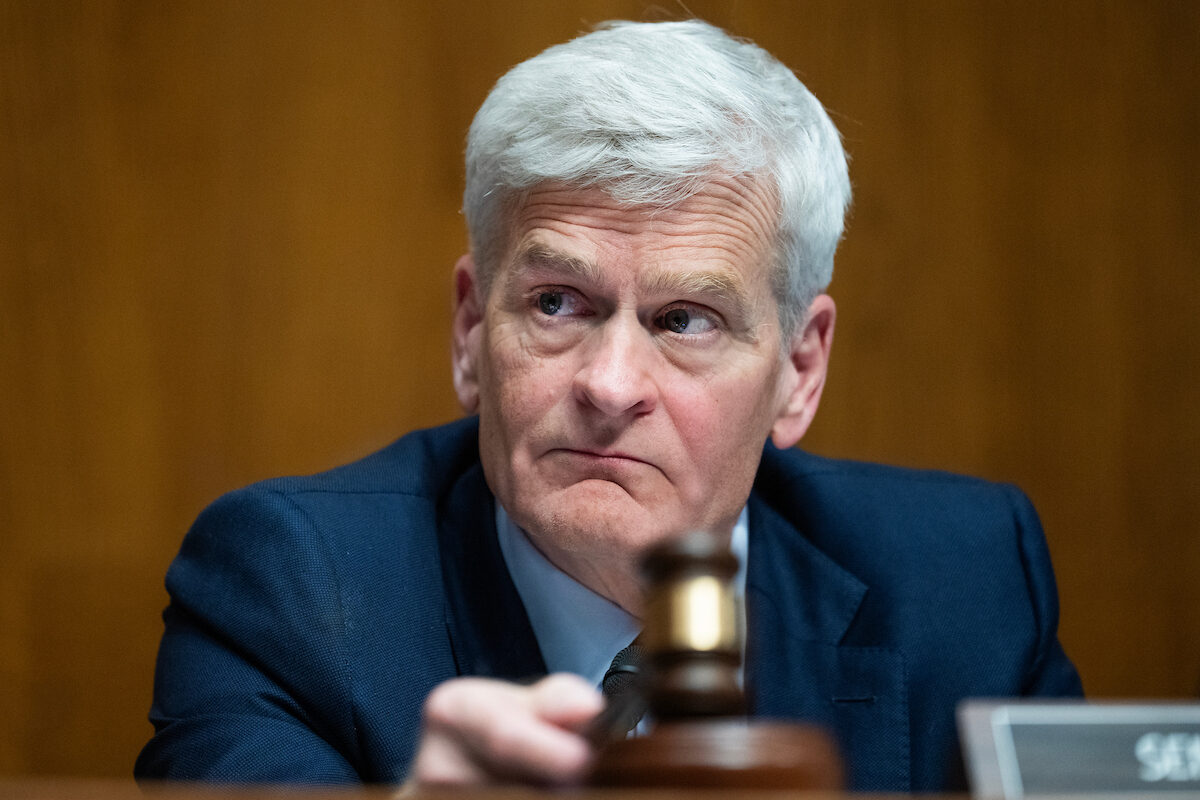
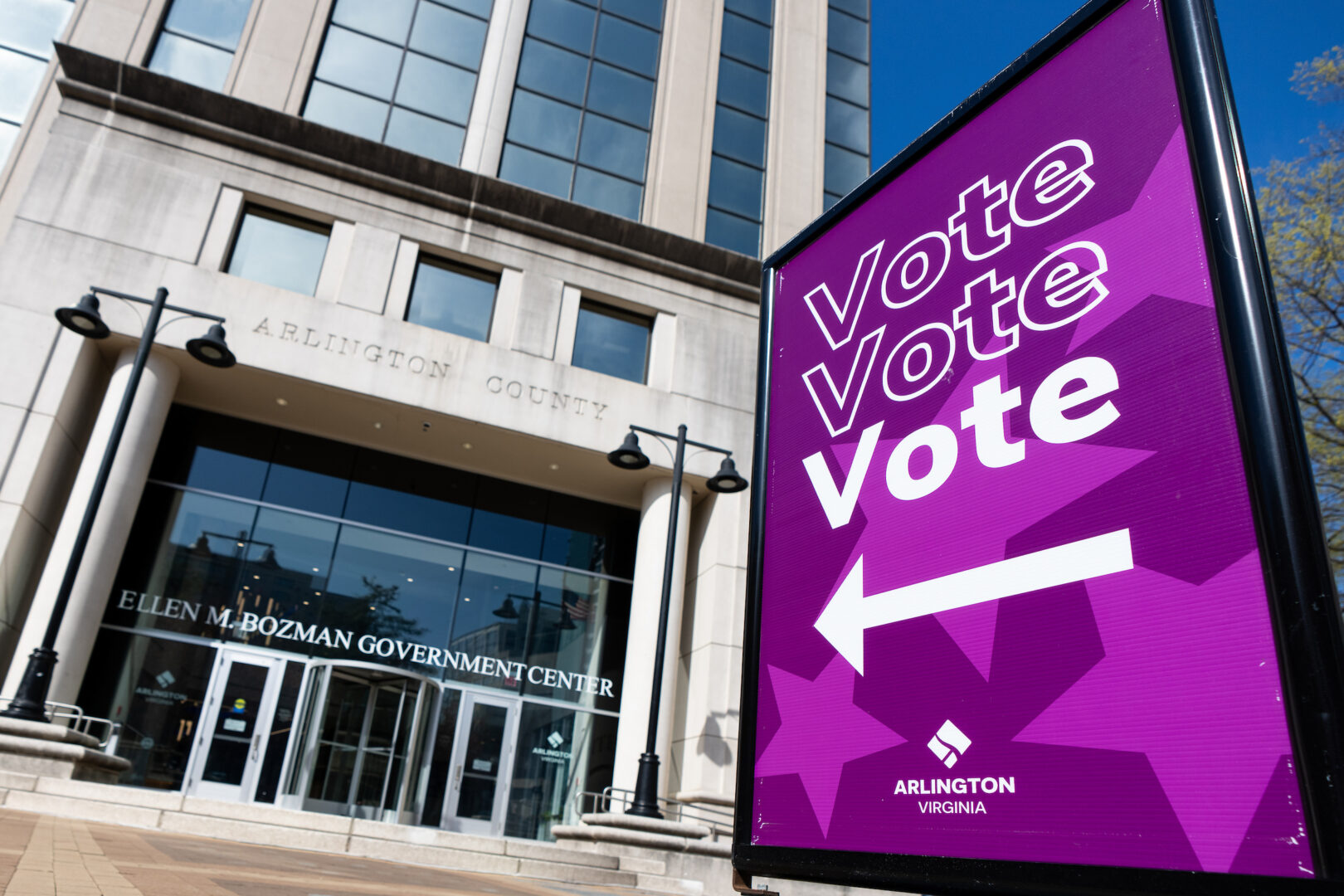
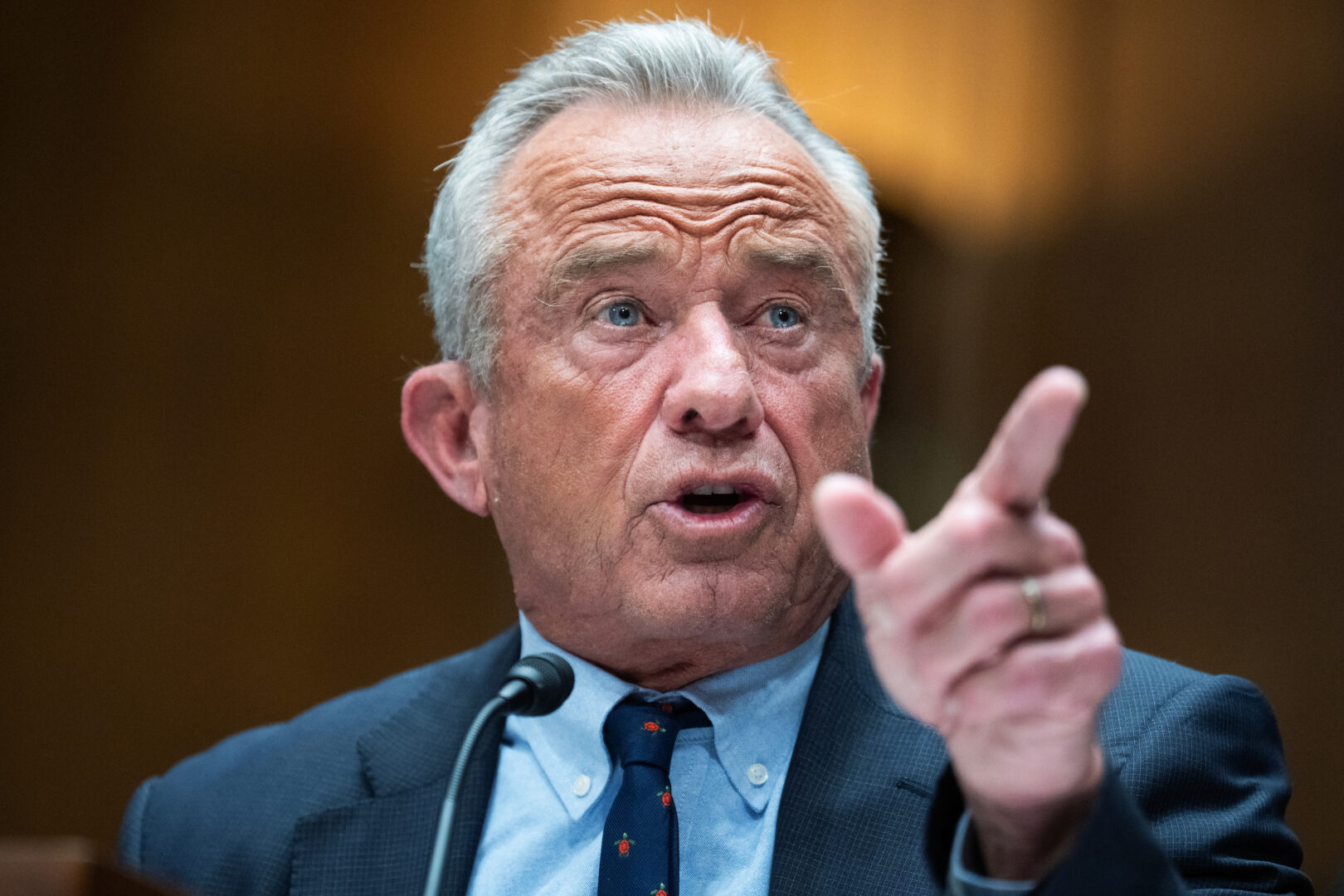
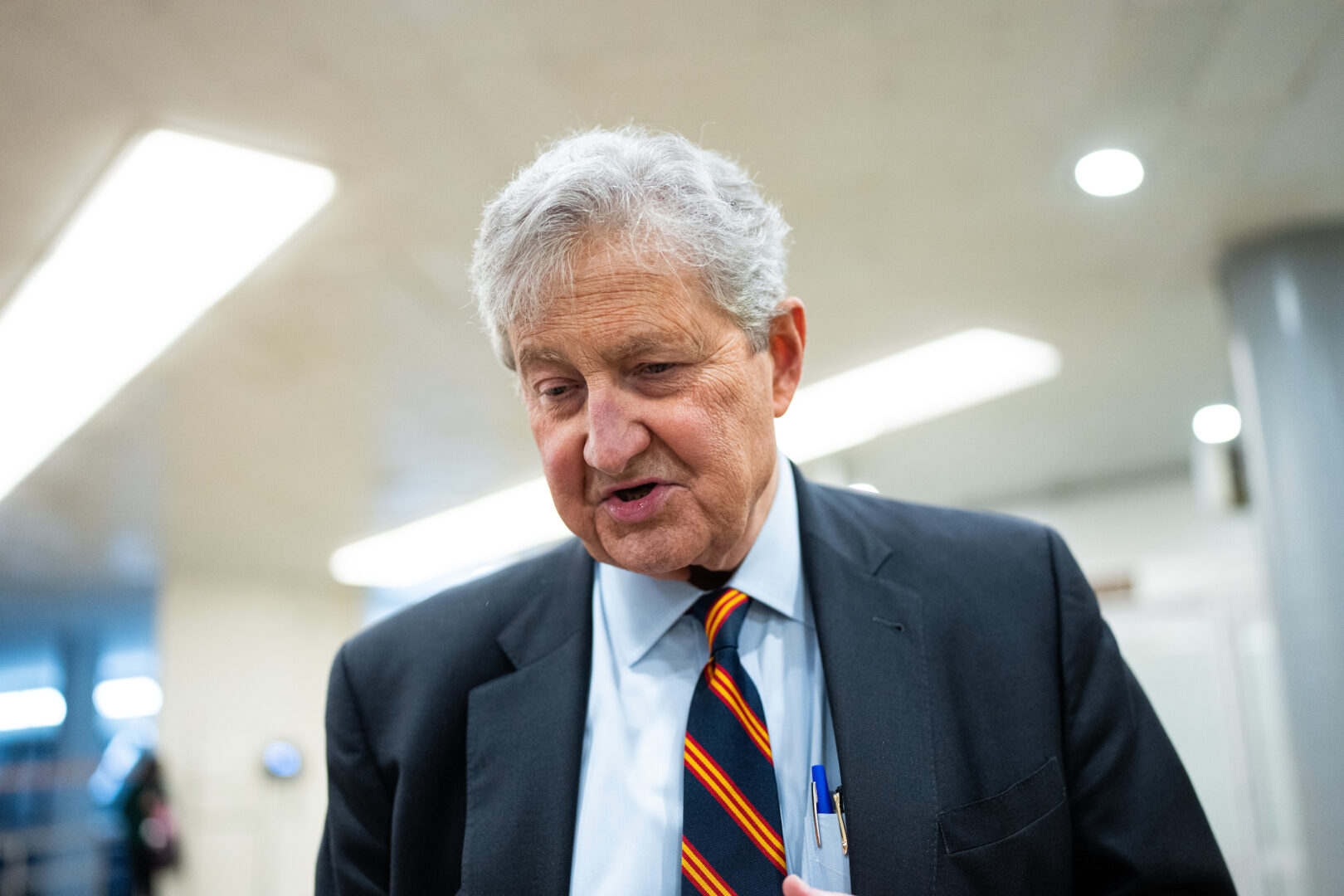
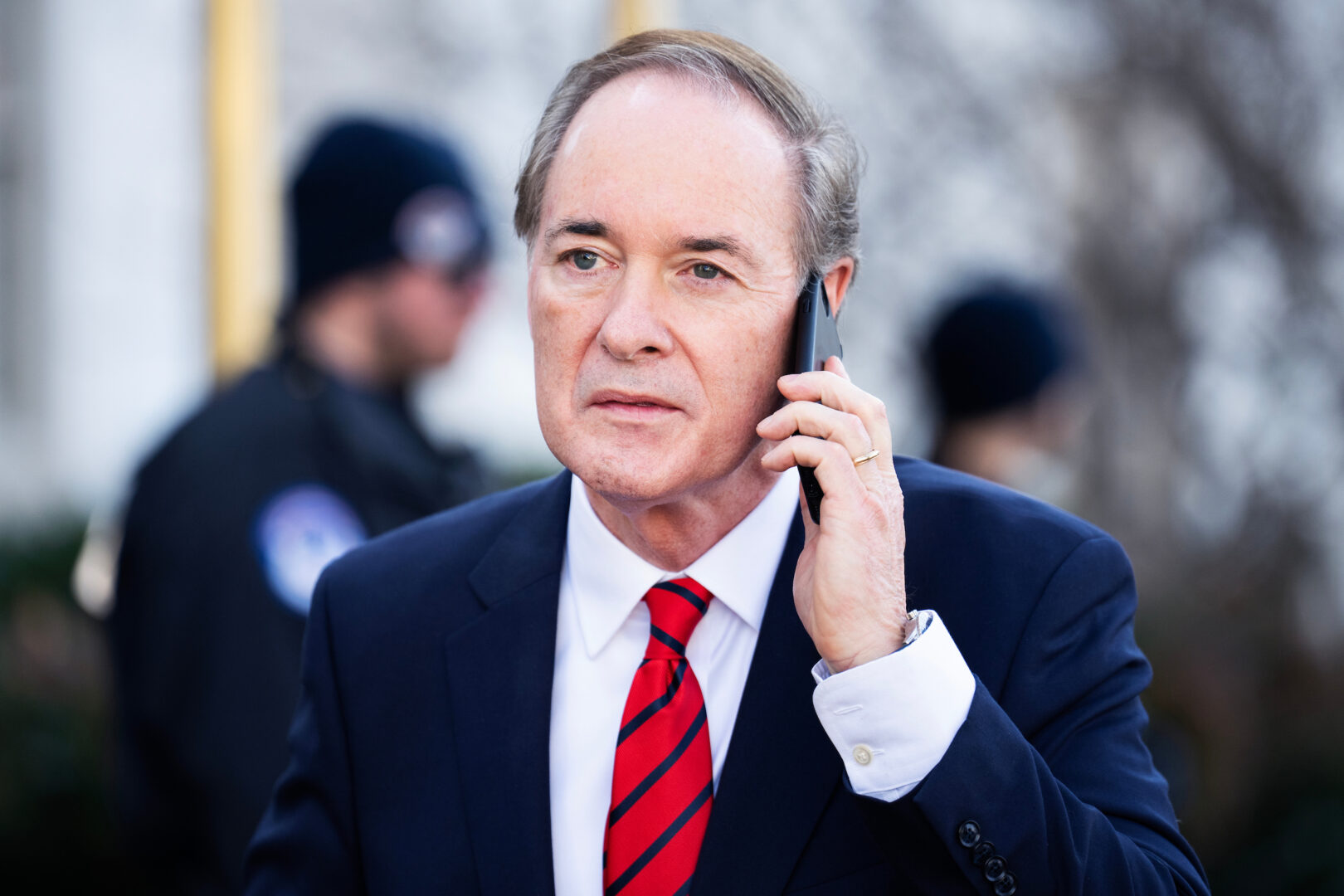
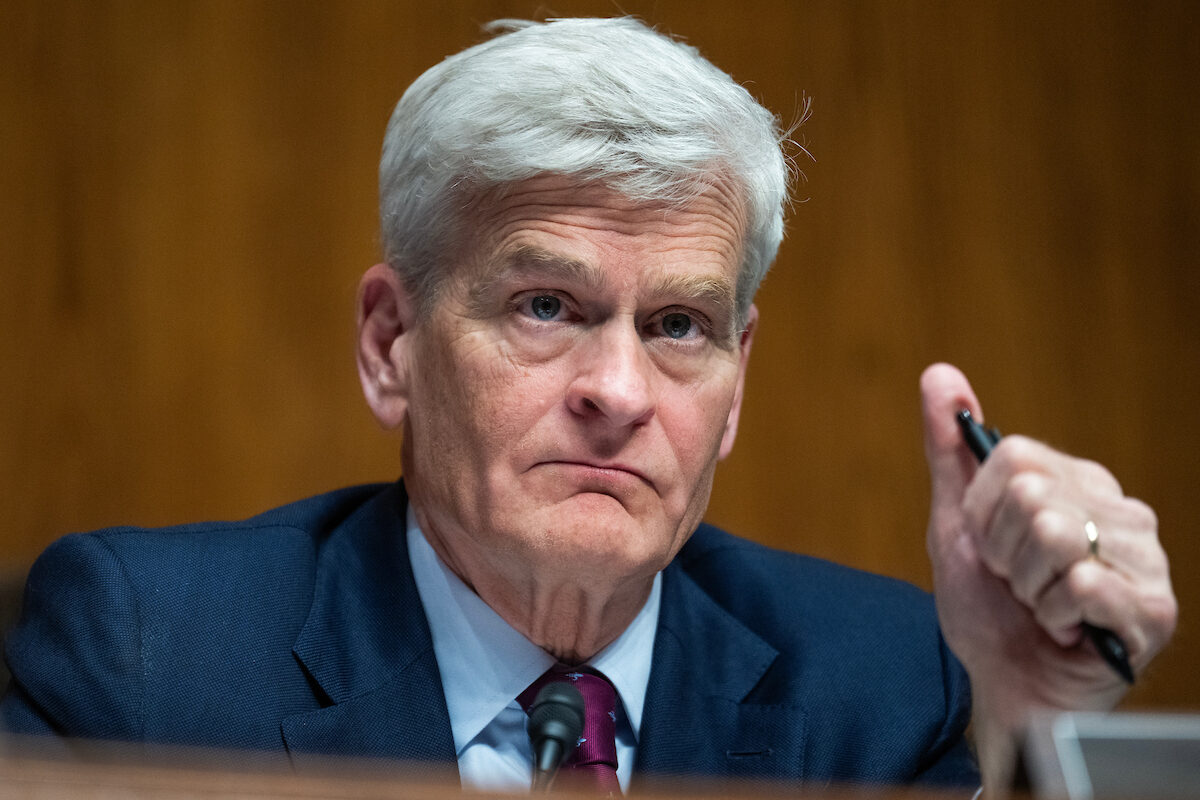
Republican Sen. Bill Cassidy, who voted to convict Donald Trump at his 2021 impeachment trial, lost his bid for reelection Saturday after failing to make a primary runoff in Louisiana. Cassidy, a physician turned politician, was trailing in third place with about 25 percent of the vote when The Associated Press called the race at 10:49 p.m. Eastern time. Rep. Julia Letlow, who had the president’s endorsement, was in first place in the GOP primary with around 45 percent while state Treasurer John Fleming was at 28 percent. With no one getting a majority of the vote, Letlow and Fleming will advance to a June 27 runoff. Cassidy is the first incumbent senator to lose a regularly scheduled primary election since Indiana Republican Richard G. Lugar fell short against a tea party-backed challenger in 2012. "When you participate in democracy, sometimes it doesn't turn out the way you want it to," Cassidy said in a pointed election night speech after noting that he had spoken with Letlow and Fleming to congratulate them. "But you don't pout, you don't whine, you don't claim that election was stolen.” Trump brought up the senator’s impeachment vote as he celebrated the primary outcome on his Truth Social platform. “His disloyalty to the man who got him elected is now a part of legend, and it’s nice to see that his political career is OVER!” the president wrote. Cassidy, in his remarks Saturday, pushed back on the accusations of disloyalty, saying he was unbothered by the attacks. “Our country is not about one individual. It is about the welfare of all Americans and it is about our Constitution,” the senator said. “It is the welfare of my people and my state and my country and our Constitution to which I am loyal.” “If someone doesn’t understand that and attempts to control others through using the levels of power, they are about serving themselves. They’re not about serving us. And that person is not qualified to be a leader,” he added. Letlow, meanwhile, thanked Louisiana voters in a social media post that included a photo of her and Trump.“Louisiana made it clear tonight: we are ready for strong conservative leadership that will stand with President Trump and never waver,” she said. Tuesday’s election was held under the state’s new closed primary system. Unlike the previous nonpartisan primaries, which saw candidates of all parties run on the same ballot, this year’s Senate primary was open to registered Republicans and voters not affiliated with a party who chose the GOP ballot. The new system reportedly caused some confusion at the polls Saturday, as Cassidy made appeals reminding unaffiliated voters how to participate in the Republican primary. On the Democratic side, farmer Jamie Davis, who had the state party’s endorsement, advanced to a primary runoff, according to the AP, with the second-place finisher yet to be called. The Democratic nominee, though, will be the heavy underdog in the general election in a state that Trump carried by 22 points in 2024. A complicated relationship A low-profile pragmatist with a reputation as a policy wonk, Cassidy was first elected to the Senate in 2014, unseating Democrat Mary L. Landrieu, after stints in the Louisiana legislature and the House. He won his 2020 race with almost 60 percent of the vote. But Cassidy has since had a complicated relationship with Trump, and his current reelection bid turned into a test of MAGA fealty. Cassidy was one of seven Republicans who voted to convict Trump at his post-Jan. 6 impeachment trial. In early 2024, after it became clear Trump would be the GOP’s presidential nominee, Cassidy declined to say if he would vote for Trump. But the senator’s tone shifted after Trump returned to the White House in 2025. He took steps toward rebuilding his relationship with the president: His campaign noted that he had been invited to the White House more than a dozen times that year. Cassidy also nominated Trump for the Nobel Peace Prize, and Trump sent him a birthday note thanking him for his “continued friendship and enduring commitment to our cherished American values.” But in January, Trump heaped praise on Letlow, offering her his “Complete and Total endorsement” and declaring her “a TOTAL WINNER.” Several days later, she officially launched her campaign. Throughout the campaign, Cassidy largely ignored Fleming and focused his attacks on Letlow, who also has the support of Gov. Jeff Landry. Cassidy’s campaign dubbed her “Liberal Letlow” following the release of a video from 2020 in which she’s heard championing diversity efforts while interviewing to be the president of the University of Louisiana Monroe. As an incumbent, Cassidy had the backing of Senate Republican leaders. Senate Majority Leader John Thune joined Cassidy at an event in Baton Rouge in January. Cassidy, an outspoken opponent of abortion rights, was also backed by the political arm of Susan B. Anthony Pro-Life America. But as chairman of the Senate Health, Education, Labor and Pensions Committee, Cassidy could not escape new tensions with the White House. His medical background and longtime advocacy for vaccines made him a target of the Make America Healthy Again movement. While Cassidy provided key support for Robert F. Kennedy Jr.’s nomination to be Health and Human Services secretary last year, he publicly clashed with the vaccine skeptic over the administration’s vaccine policy. Trump also lashed out at Cassidy last month just before the president dropped Casey Means’ nomination to be surgeon general, accusing the senator of "intransigence and political games." Cassidy had pressed Means on her stance on the measles vaccine during her February confirmation hearing, and her nomination later languished in the face of opposition, including from some Republicans. Lia DeGroot contributed to this report. This report has been corrected to reflect that the Democratic Senate primary in Louisiana is heading to a runoff.