(HELD ONLINE ON MARCH 18-20, 2026)
Since 2021, this FREE event has brought together a wide range of speakers to discuss the many challenges and opportunities in Embodied Intelligence research! The workshop is structured with a morning session and afternoon session each day to accommodate different time zones. Each session includes plenary talks, panel discussions (including flash talks by leading researchers), and breakout sessions as shown in the tentative programme here. While plenary and panel speakers are invitation-only, we solicit wider contributions in breakout sessions to facilitate more focused and technical discussions.
This year’s program features masterclasses and breakout sessions across three global time zones. Full details are in the EI2026 registration link.
We want to use this conference to answer some of the key open questions relating to EI, this includes, but is not limited to:
- What is (embodied) intelligence?
- How does computation come about from embodiment?
- How does language emerge?
- How do we understand intelligence and what theories do we have to represent it?
- What are the common curriencies?
- How can we measure complexity?
- What can not be done by computation intelligence?
- What ethical questions arise from EI?
Master classes are a newly introduced feature at the EI conference since 2025, designed to facilitate focused group discussions with experts, offering participants an opportunity to engage deeply and learn from leaders in the field.
Are you a student or an early career researcher and interested in speaking at one of the master classes? Register your 10-minute talk here.
Confirmed Invited Speakers (More to be Announced)
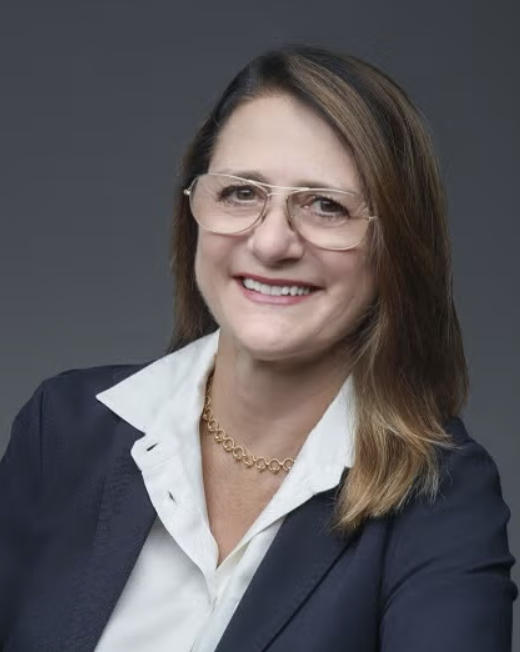
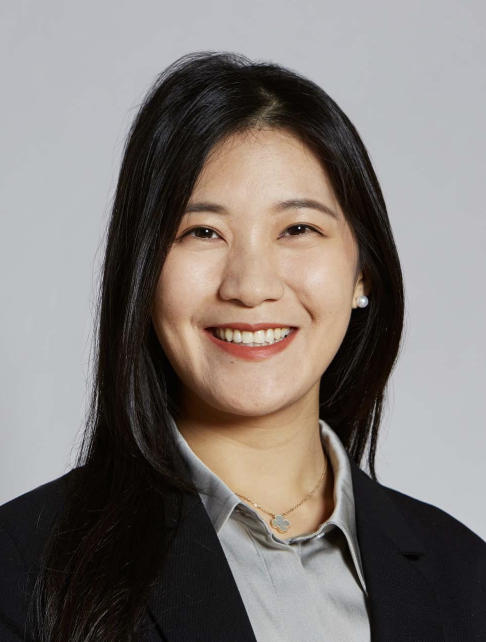
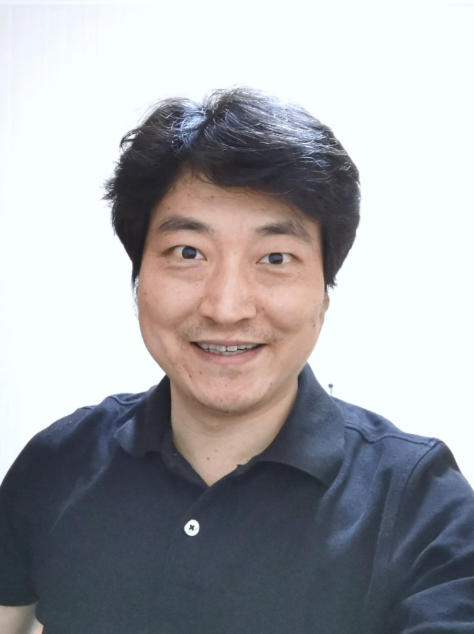



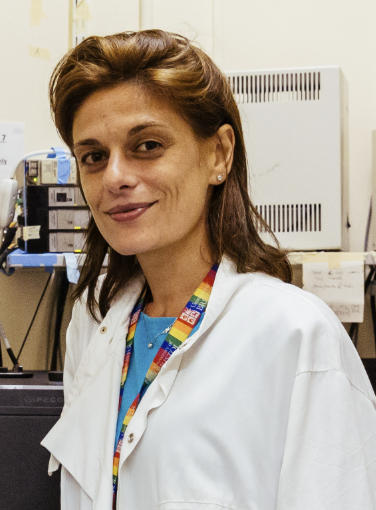

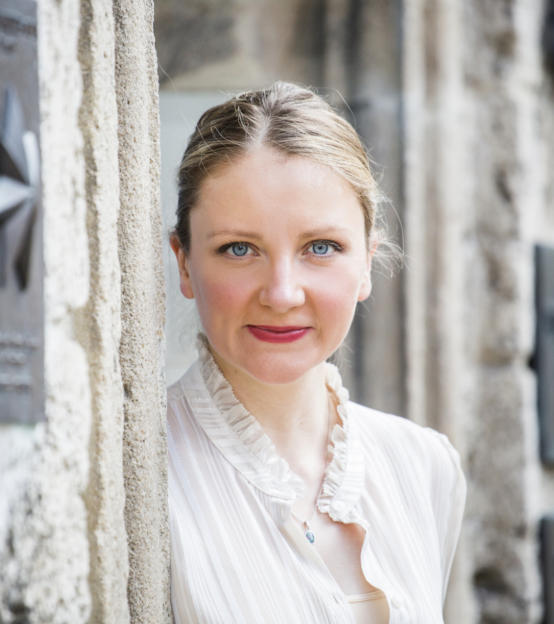
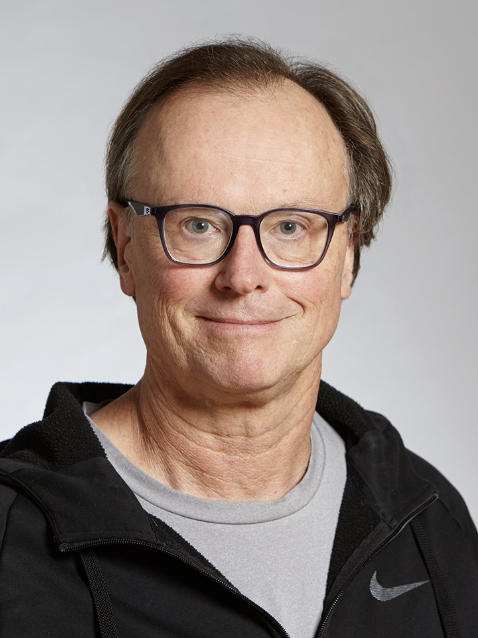

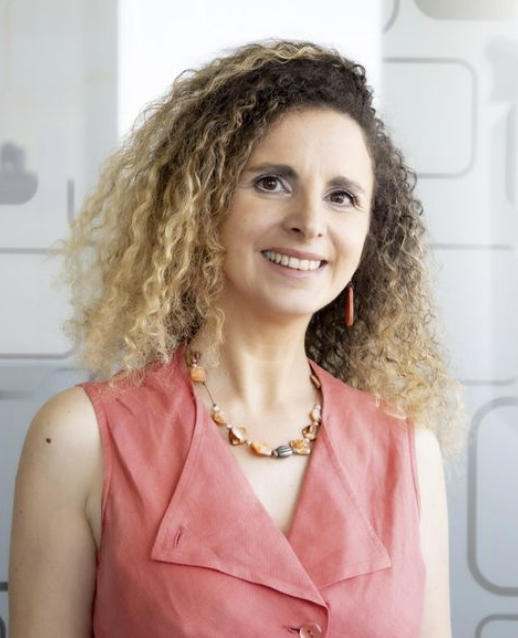
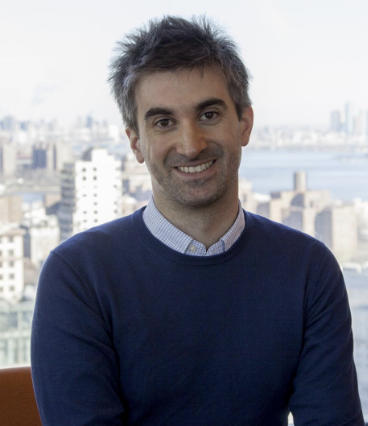
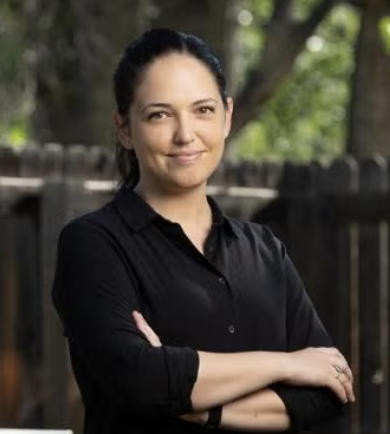
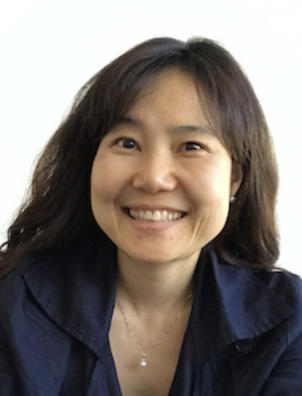
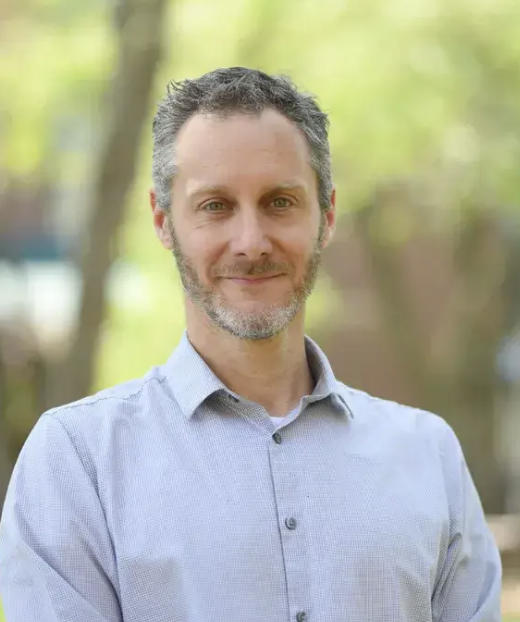
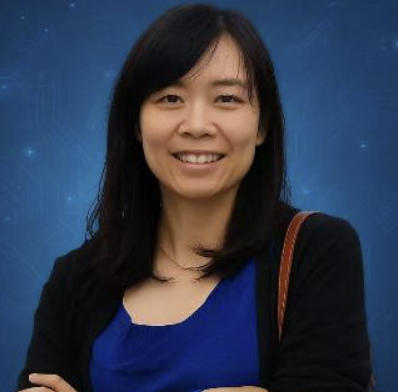

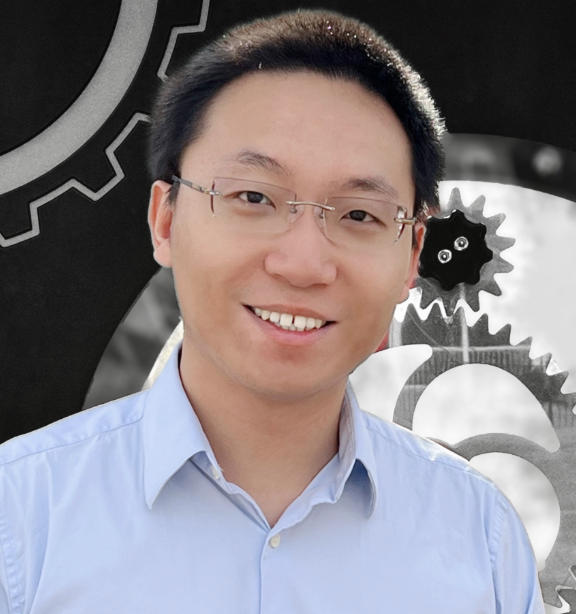
| Cecilia Laschi (NUS) | Hedan Bai (ETHZ) |
| Shuguang Li (Tsinghua Univ.) | Hitoshi Aonuma (Kobe Univ.) |
| Anzhu Gao (Shanghai JiaoTong Univ.) | Lars Chittka (QMUL) |
| Amy Winters (Eindhoven Uni. of Tech.) | Pierre-Thomas Brun (Princeton Univ.) |
| Pablo Valdivia Alvarado (Singapore Univ. Tech. Design) | Valentina Di Santo (UC San Diego) |
| Xinyu Liu (Dalian Univ. of Tech./Univ. Toronto) | Tatsuya Daikoku (Univ. Tokyo) |
| Jerry Xu (Huazhong Univ of Sci Tech) | Matej Hoffmann (Czech Tech. Univ. Prague) |
| Lucia Marucci (University of Bristol) | Antonia Georgopoulou (Max Planck Institute) |
| Barbara Mazzolai (Italian Institute of Technology) | Miriam Klopotek (Univ. Stuttgart) |
| Tobias Delbrück (ETHZ) | Federico Renda (Khalifa University) |
| Alessandra Sciutti (Italian Institute of Technology) | Ludovic Righetti (New York University) |
| Orit Peleg (University of Colorado Boulder) | Jean Hyaejin Oh (Carnegie Mellon University) |
| Josh Bongard (University of Vermont) | Guo Di (Beijing Post-Communication Univ.) |
| Ryan Truby (Northwestern Univ.) | Boyuan Chen (Duke University) |
| Cosimo Della Santina (TU Delft) |
ORGANISING COMMITTEE
| General chair: Fumiya Iida, University of Cambridge/University of Tokyo | |
| Chapa Sirithunge, University of Cambridge | Nana Obayashi, New York University |
| Josie Hughes, EPFL | Perla Maiolino, University of Oxford |
| Huijiang Wang, EPFL | Xiang Wang, University of Cambridge |
| Yue Xie, Loughborough University | Kai-Fung Chu, University of Cambridge |
| Sareum Kim, EPFL | Benhui Dai, EPFL |
 Embodied Intelligence
