
asperger syndrome
Asperger Syndrome Diagnosis and Treatment in Thailand …
Asperger’s syndrome is a former diagnosis now included under the umbrella of Autism Spectrum Disorder (ASD) and is characterized by difficulties with social interaction, along with restricted and repetitive patterns of behavior, interests, or activities. Key symptoms include trouble with social cues and communication, intense interests in specific topics, a preference for routines, and potential sensory sensitivities or motor skill challenges.
Symptoms and characteristics
Social and communication difficulties: Challenges in understanding non-verbal cues like facial expressions, body language, and tone of voice. This can lead to difficulties making or maintaining friendships, or appearing tactless or rude.
Restricted and repetitive interests and behaviors: An intense focus on a narrow topic, sometimes to the point of having encyclopedic knowledge about it. There can also be a strong preference for routines and distress when they are disrupted, and repetitive movements or actions.
Other characteristics:
Difficulty with eye contact.
Speaking in a monotone or formal way.
Literal interpretation of language, making it hard to understand sarcasm or jokes.
Motor clumsiness or coordination issues.
Sensory sensitivities to things like light, sound, or touch.
Diagnosis and current understanding
The term “Asperger’s syndrome” was used in previous versions of the Diagnostic and Statistical Manual of Mental Disorders (DSM) to describe a high-functioning form of autism without a co-occurring intellectual disability.
In the current version (DSM-5), Asperger’s is no longer a separate diagnosis but is now considered a part of Autism Spectrum Disorder (ASD).
People who would have previously been diagnosed with Asperger’s are now diagnosed with ASD, with the severity of the condition specified.
Potential causes
The exact causes are not fully understood, but it is believed to have a strong genetic basis and can run in families.
Risk factors may include older parental age, exposure to the drug valproate in utero, and low birth weight.
Dive deeper in AI Mode
This is for informational purposes only. For medical advice or diagnosis, consult a professional. AI responses may include mistakes. Learn more
Wikipedia
https://en.wikipedia.org
Asperger syndrome
a neurodevelopmental disorder characterized by significant difficulties in social interaction and nonverbal communication, along with restricted, repetitive …
History of Asperger syndromeHans AspergerProsody (linguistics)VerbosityObsessive–compulsive spectrumHigh-functioning autismDouble empathy problem
People also ask
What are the 12 signs of Asperger’s?
How to deal with people with Asperger’s syndrome?
Can someone with Asperger’s live a normal life?
What is a person with Asperger’s like?
Feedback
Autism Speaks
https://www.autismspeaks.org
Asperger syndrome
Asperger syndrome, or Asperger’s, is a previously used diagnosis on the autism spectrum. It was one of five forms of autism defined by the DSM-IV.
WebMD
https://www.webmd.com
Asperger’s Syndrome: Symptoms, Causes, and Treatment
Aug 5, 2025 — Asperger’s syndrome is a term sometimes used to describe a developmental disorder that’s part of the autism spectrum disorder. It can affect …
Images
Asperger’s Syndrome Treatment | Dr. David Husted
Asperger’s Syndrome Treatment | Dr. David Husted
Psychiatry of the Palm Beaches
Asperger Sydrome (Autism Spectrum Disorder) – Symptoms …
Asperger Sydrome (Autism Spectrum Disorder) – Symptoms …
Scientific Animations
Asperger Syndrome Diagnosis and Treatment in Thailand …
Asperger Syndrome Diagnosis and Treatment in Thailand …
Almurshidi Medical Tourism
Asperger’s Syndrome: Symptoms, Causes, and Support Strategies
Asperger’s Syndrome: Symptoms, Causes, and Support Strategies
AutismCOE
Cleveland Clinic
https://my.clevelandclinic.org
Asperger Syndrome: What It Is, Symptoms & Treatment
Asperger’s syndrome is a diagnosis that healthcare providers no longer use. Prior to 2013, it described a brain difference that affects social interactions and …
Nationwide Children’s Hospital
https://www.nationwidechildrens.org
Asperger’s Syndrome
Asperger’s Syndrome is a form of Autism Spectrum Disorder. It is a developmental disorder. Young people with Asperger’s Syndrome may have a hard time relating …
National Autistic Society
https://www.autism.org.uk
Asperger syndrome (Asperger’s)
Asperger syndrome (often shortened to Asperger’s) is no longer used as a diagnostic term for autism and is considered controversial due to the history of Hans …
National Institutes of Health (.gov)
https://www.ncbi.nlm.nih.gov
Asperger Syndrome – StatPearls – NCBI Bookshelf – NIH
by SA Hosseini · 2024 · Cited by 90 — Asperger syndrome is a neurodevelopmental disorder within the family of autism spectrum disorder. It is characterized by impaired social communication and …
People also search for
Association for Marriage and Family Therapy
https://www.aamft.org
Aspergers Syndrome
Asperger’s Syndrome is a neurologically-based developmental disorder. The exact cause is unknown, but experts believe it is a complex condition.
FamilyDoctor.org
https://familydoctor.org
Asperger’s Syndrome | Family Doctor
Nov 6, 2025 — Asperger’s is no longer an official diagnosis. However, doctors can diagnose autism spectrum disorder in children as young as 18 months old.
Mayo Clinic
https://www.mayoclinic.org
Autism spectrum disorder – Symptoms and causes
May 22, 2025 — Autism spectrum disorder is a condition related to brain development that affects how people see others and socialize with them.
Coping with Asperger’s
Understanding your partner with Asperger’s syndrome can be difficult or seemingly impossible at times. Making better connections can lead to a happier, healthier relationship.
It takes a lot of work to make a marriage or other long-term relationship a success. And when one partner has Asperger’s syndrome, the relationship can be even more of a challenge. Given that Asperger’s makes emotional connections and social communication extremely difficult, it’s no wonder that a partnership between a person with Asperger’s syndrome and someone without it can be filled with stress, misunderstandings, and frustration.
To understand how Asperger’s can create such angst in a relationship, it’s important to know how people with it are affected. Asperger’s syndrome is a developmental disorder that is part of the autism spectrum. It is considered a high-functioning autism spectrum disorder. Recent statistics from the (CDC) show that one in 68 American children born today has some sort of autism spectrum disorder (ASD). Another study published on CDC also shows that ASD is over four times more likely to be diagnosed in males than females.
People with classic autism can have severe impairments in language development and the ability to relate to others. Those with Asperger’s syndrome are affected to a lesser degree, but often have difficulties connecting on a social and emotional level. They have a hard time reading verbal and nonverbal cues like body language and facial expressions, and may have trouble making eye contact. They sometimes don’t pick up on “how” something was said, only on “what” was said. People with Asperger’s may also lack empathy, the ability to understand the feelings of others. They may unwittingly say or do inappropriate things that offend or hurt others’ feelings.
Though each person with Asperger’s syndrome is unique, some common characteristics include:
Above-average intelligence
A keen interest in or obsession with a particular subject — an unusual interest in trains, for example — and being a master on that subject
Having strict routines or rituals and having a hard time with change or transitions
Sensory issues
Because of these eccentricities and their lack of social skills, people with Asperger’s may make few friends and are often considered loners.
How Asperger’s Syndrome Impacts Relationships
Lack of empathy is one of the most challenging problems for someone with Asperger’s who is in a relationship, says Kathy Marshack, PhD, a psychologist in Vancouver, Wash., who works with couples affected by Asperger’s syndrome and the author of Life With a Partner or Spouse With Asperger Syndrome: Going Over the Edge? The non-Asperger’s member of the relationship gets angry and hurt by the partner’s lack of emotion and understanding, often saying things like, “You just don’t get it!” Because the person with Asperger’s does indeed “not get it,” he or she pulls away and gets angry and defensive, Marshack explains. Over time, the emotional disconnect can chip away at the relationship. The non-Asperger’s partner often feels unloved, worn down, and depressed, she says.
Asperger’s/non-Asperger’s couples also face a number of other challenges, including:
Sexual problems. Marshack says sex is one of the first things to fall apart in these relationships. Half of the problem arises from sensory issues, but the other half is the lack of empathy. People with Asperger’s can’t gauge what their partner enjoys (or does not enjoy) by reading their body language. Says Marshack, “Who wants to constantly talk their way through sex, saying things like, ‘Please put your hand here’?”
Strain during social settings. Because a person with Asperger’s syndrome has difficulty with social skills, Marshack says, the non-Asperger’s partner is always ready to swoop in and “save” his or her partner from embarrassment. Socializing can become simply too much work, and the couple stops doing it or the partners start living separate lives. Sometimes the Asperger’s partner abuses alcohol to lower inhibitions and feel more “normal” in social situations.
Parenting problems. “When children enter the picture, it’s often the demise of the relationship,” says Marshack. The non-Asperger’s partner is often devastated by the lack of empathy shown to the child: The Asperger’s parent may ignore the child, make caustic comments, and not recognize when the child needs comforting. Sometimes the Asperger’s parent is overly strict or way too lenient, leaving much of the real parenting up to the non-Asperger’s partner. This sets up a parenting battlefield, even though both parents love the child.
Tim Bennett, a painter living in Great Britain, is in a long-term relationship with Tray, a woman with Asperger’s syndrome. Tray refuses to move out of her small one-bedroom apartment or share it with Tim even though the couple have a son together. Francis, age 6, also has Asperger’s and related behavioral issues. Bennett says that since he and Tray have vastly different parenting styles, they find it better to parent Francis separately to avoid conflict. Tray has a particularly hard time dealing with Francis’s behavior and runs the risk of having a public meltdown if the child is difficult. On the upside, “she can enter into play with him in ways that I cannot, imaginatively creating worlds together,” Bennett says. “So we complement each other in many ways as parents.”
Asperger’s Syndrome: A Delayed Diagnosis
Jurintha Fallon also knows the difficulties of living with an Asperger’s partner. The stay-at-home mom of two teen boys in Connecticut says life with her husband, Rob, a successful computer engineer with Asperger’s syndrome, is “like riding a roller coaster 24/7 without being strapped in.”
Jurintha and Rob have been married for 20 years, but he was formally diagnosed just two years ago. She had long suspected something was different about Rob. Jurintha’s lightbulb moment came 11 years ago when her younger son was diagnosed with Asperger’s. “Our son’s behaviors and diagnosis are what quickly led me to believe my husband also had Asperger’s,” she says.
Jurintha describes Rob as functioning as an adult on an intellectual level but as a child on an emotional one. The couple has experienced many relationship pitfalls because of Asperger’s, but perhaps the most significant issue has been Rob’s lack of empathy, she says. This issue came to a head a few years ago when their older son had a life-threatening bicycle accident while staying with grandparents in Maine. Jurintha and Rob were at a business event in Boston, but Rob didn’t want to leave to be at his son’s bedside. Rob believed his parents had the situation under control so it was unnecessary to make 2.5-hour drive.
Jurintha finally convinced Rob that they had to go. “The first question my son asked was ‘Did you leave work right away to come up?’” Jurintha says. “I had to lie. Rob didn’t see how upset my younger son was and how exhausted his parents were either. He started working the next day.”
After that incident, Jurintha demanded that Rob see a psychologist to get an Asperger’s assessment. After the diagnosis, Rob started therapy, and he has made big strides in understanding how his Asperger’s affects the marriage. “I am very proud of him,” Jurintha says.
4 Ways to Cope When Your Partner Has Asperger’s Syndrome
For the most part, people with Asperger’s want to be loving partners and parents, but they need help learning how to do it, says Jurintha. Here’s how to make life a little easier for everyone:
Communicate your needs directly. Do this either verbally or in writing and without emotion. Don’t hint — they just won’t get it, Jurintha says.
Set clear rules about parenting. Marshack says that the Asperger’s partner needs to agree to stop talking to or disciplining the child in certain situations if the non-Asperger’s parent says to. The Asperger’s partner might be missing something the other parent can pick up on. Discuss the situation as a couple and work out a solution.
Consider therapy. Marshack suggests starting with individual therapy for both partners and then doing couples therapy. Realize you can’t “fix” your partner, but education is the first step. “Read everything you can about Asperger’s, and become an expert about the dynamics of your own relationship,” Marshack says. Jurintha adds that therapy can help you learn to cope and do more than just survive the relationship.
Seek support. Consider joining a support group. One online option is Aspergers and Other Half, a support group for women whose partners have Asperger’s. Asperger Syndrome: Partners & Family of Adults With ASD is another community for men and women who love an adult with Asperger’s.Both Jurintha and Tim stress how much they love their partners and are committed to their relationships. “In the end, we love each other, we both know this, and are learning to cope with each other,” Jurintha says. A little humor doesn’t hurt either. “We have a funny thing we say to each other: ‘You drive me crazy!’ ‘Ditto!’ It’s just as challenging for him to cope with me as it is to cope with him.”
Symptoms of Asperger’s Syndrome: Know the Signs
Asperger’s syndrome is part of the autism spectrum disorder, also known as ASD. According to medical experts, it is a mild form of autism and generally manifests without extreme mental disabilities. The main outward characteristics of a person with Asperger’s syndrome are poor social skills, lacking nonverbal communication, and being clumsy.
Unlike other forms of autism, brain imaging has not shown a common pathology between sufferers. Scientists believe that there may be a genetic cause of the syndrome, as many times multiple people in one household can have the illness. So far, no genes have been identified in relation to the syndrome.
In a small percentage of cases, exposure to certain chemicals and medications while in utero are believed to have contributed to Asperger’s. There are many theories of how an individual may develop Asperger’s syndrome, but none have been conclusively proven yet. Currently, there are hundreds of studies from scientists around the world trying to understand the cause and treatment of this syndrome.
Here are 15 classic symptoms of Asperger’s syndrome. If you are worried about yourself or a loved one having this syndrome, talk to your doctor about screening options.
1. Failure to Develop Friendships
Children who have Asperger’s syndrome may have difficulty cultivating friendships. They may not connect with their peers due to a lack of social skills. They may find it hard to talk to other children and adults or to participate in group activities.
This can be difficult for a child with Asperger’s as they may want very deeply to connect with their peers. Oppositely, some children with Asperger’s have no desire to make friendships and will prefer to be by themselves.
2. Selective Mutism
Young children with Asperger’s may demonstrate selective mutism as a symptom. This occurs when they will only speak freely with people they are comfortable with, and may not speak at all to strangers. Extreme cases last for years. Immediate family members are typically unaffected, as the child often feels comfortable speaking to them.
Selective mutism more often occurs at school and in public and some children may refuse to speak to anyone starting from a very young age. This condition can go away on its own, or your child may benefit from therapy.
3. Inability to Empathize
Individuals with Asperger’s syndrome may find difficulty empathizing with others. As they age, the affected person will learn the accepted social response for interacting with others. While they may react appropriately and say the “right” things, they may not understand why the other person is truly upset. In some cases knowing what they wish to say however the word come out wrong.
This can be an issue in childhood as the individual with Asperger’s may play too roughly with their peers or say harsh things, unknowingly hurting the other person. When confronted for this behaviour, the child may respond that what they said was true and that they do not understand the issue.
4. Unable to Make Eye Contact or Forcing Eye Contact
People who suffer from Asperger’s syndrome may find it difficult to make and hold eye contact with people they are speaking to. Some believe this condition is brought about from a lack of confidence. Others recount how making eye contact can make them very uncomfortable, almost painful.
There is also the theory that people with Asperger’s syndrome do not realize how important eye contact is for social communication. This may lead to the opposite problem of forcing eye contact. This can make people even more uncomfortable, while the individual with Asperger’s believes they are being more approachable.
5. Social Awkwardness
The idea that people with Asperger’s syndrome are not passionate is completely wrong. One common term professionals use to describe people who suffer from this illness is “active but odd.” They may become very socially active, forming close friendships.
Others may try to surround themselves with people, making lots of close acquaintances, but no deep friendships. This can be related to how well the individual empathizes with others. People with Asperger’s syndrome may not show many outward signs of this illness.
6. Narrowed Interests
Individuals with Asperger’s syndrome may do poorly in school, while others fair well, but that is not to say they don’t have specific interests. Instead, their interests are likely very narrowed and focused. It could be playing video games, making models, music or drawing. In some cases they may Excel in theracter.
These activities focus their minds and provide a sense of comfort for them. If they are forced to leave their projects, they may become distressed. Likewise, if their projects are failing. Fostering these narrowed interests is important for emotional and mental support.
7. Sticking to Routine
Sticking to a routine can be very important for people with Asperger’s syndrome. They may become greatly distressed and anxious when their schedule changes. New situations can be frightening.
A routine can help manage the anxiety of people with Asperger’s syndrome. Thankfully, much of our world runs on tight schedules. If you suspect your child may have Asperger’s syndrome, putting them on a tight schedule may be an effective way to help manage some of their symptoms.
8. Literal Interpretations
One of the symptoms of Asperger’s syndrome is literally interpreting what people say. The affected individual may not understand sarcasm, instead taking what the person has said as truth. The idea that people with Asperger’s syndrome do not understand humor is wrong.
These individuals may be the funniest people you have ever met. When they realize the fault of their literal interpretations, they are able to understand the true meaning behind what is being said, perhaps with some explanation.
9. Excellent Pattern Recognition
Another symptom of Asperger’s syndrome is the amazing ability to recognize patterns. Often these individuals’ brains are trying to make sense of their surroundings, so a break in pattern may show itself quite clearly.
This ability may be evident in childhood, as early schooling develops the neural pathways of pattern recognition. While children with Asperger’s syndrome may find the school setting difficult and struggle with their grades, pattern problems like math and in art may be very enriching. Fostering this natural talent is a great idea.
10. Poor Motor Skills
Some people with Asperger’s syndrome may find it difficult to control their gross and fine motor skills. The motor issues may manifest through poor handwriting thought to be caused by poor hand-eye coordination.
If you or someone you know experiences any of the symptoms indicated, it’s best to seek medical attention. While these symptoms do not necessarily mean the individual has Asperger’s, it’s always best to seek the advice of a medical professional.
11. Trouble Understanding Social Cues
As mentioned earlier, people with Asperger’s syndrome can be socially awkward, often due to their difficulty in empathizing with others. But another reason they may struggle in these situations is because they have trouble picking up on or understanding others’ nonverbal social cues.
These social cues include things like body language, gestures, and facial expressions. For example, WebMD says the individual “may not realize that when somebody crosses his arms and scowls, he’s angry.”
12. Repetitive Motor Mannerisms
Along with having a very narrow set of interests and need for routine, individuals with Asperger’s may demonstrate restricted and repetitive patterns of behavior in physical form. Most noticeably, they may make repetitive motor mannerisms.
These can include “arm or hand-flapping, finger-flicking, rocking, jumping, spinning or twirling, head-banging and complex body movements,” says The National Autistic Society. The source adds that these repetitive movements may also involve an object, “such as flicking a rubber band or twirling a piece of string,” or the senses, “such as repeatedly feeling a particular texture.”
13. Abnormal Language and Speech Patterns
There are a variety of different communication symptoms associated with Asperger’s syndrome. Taking what people say literally, as already discussed, is just one of them. Another one is having an usual style of speaking, which can sound formal and scripted, almost robot-like.
People with the condition may also use complex words or phrases, even if they don’t fully understand what they mean. eMedicineHealth.com adds that they may have trouble moderating “volume, intonation, inflection, rate, and rhythm of speech” as well. And, when engaging in conversations, they may not know when it is their turn to speak, resulting in them frequently interrupting others.
14. Heightened Sensitivity
Some individuals with Asperger’s may also exhibit sensory sensitivities. Autism-Help.org explains that this is because “the nervous system has difficulty receiving, filtering, organizing and making use of sensory information.”
As a result, they may experience sensitivity or overstimulation when exposed to things like loud noises, bright lights, and certain textures or tastes. Additionally, the source says a child with Asperger’s “may also be unresponsive to sensations that their parents find unpleasant, such as extreme heat, cold or pain.” For a parent that doesn’t have Asperger’s, such sensitivities can be hard to understand and may be misunderstood as misbehavior.
15. Difficulty Judging Personal Space
Gauging personal space is another challenge that people with Asperger’s commonly face. For example, the Interactive Autism Network says, “They may stand too close to others and walk between people who are talking.”
They may also be very sensitive about their own personal space. For example, they tend to need more of it than the average person, and can be intolerant if others invade it—like if people sit too close to them, bump into them, or try to give them hugs.
Definition:Autism spectrum disorder (ASD) is a complex developmental disability; signs typically appear during early childhood and affect a person’s ability to communicate, and interact with others. ASD is defined by a certain set of behaviors and is a “spectrum condition” that affects individuals differently and to varying degrees.
No one deserves to be forgotten
Guys like you and me we’re just the losers
Who keep waiting to be seen, right?
I mean no one seems to care or stops to notice that we’re there
So we get lost in the in-between
But
If you can somehow keep them thinking of me
And make me more than an abandoned memory
That means we matter too
It means someone will see that you are there
No one deserves to be forgotten
No one deserves to fade away
No one should come and go
And have no one know he was ever even here
No one deserves to disappear
To disappear
Disappear
It’s true
Even if you’ve always been that barely-in-the-background kind of guy
You still matter
And even if you’re somebody who can’t escape the feeling
That the world’s passed you by
You still matter
If you never get around to doing some remarkable thing
That doesn’t mean that you’re not worth remembering
Think of the people who need to know
They need to know
So you need to show them (I need to show them)
That no one deserves to be forgotten
No one deserves to be forgotten
No one deserves to fade away
To fade away
No one should flicker out or have any doubt
That it matters that they are here
No one deserves (no one deserves)
To disappear to disappear
Disappear
When you’re falling in a forest
And there’s nobody around
All you want is for somebody to find you
When you’re falling in a forest
And when you hit the ground
All you need is for somebody to find you
I’m calling it the Connor project
The Connor project?
A student group dedicated to keeping Connor’s memory alive
To showing that everybody should matter
We have to do this. Not just for Connor, for everyone
‘Cause no one deserves to be forgotten
No one deserves To fade away
We’re calling it the Connor project
The Connor project?
Imagine a major online presence
A massive fundraising drive
And for the kickoff event: an all-school memorial assembly
I didn’t realize Connor meant this much to people
Oh Evan, this is wonderful!
No one deserves to be forgotten
No one deserves to fade away
No one deserves to disappear
No one deserves to disappear
No one should flicker out or have any doubt
That it matters that they are here
No one deserves (no one deserves)
No one deserves to disappear
To disappear
Disappear
No one deserves (to be forgotten)
Disappear
To disappear, disappear
To disappear, disappear
Disappear
To disappear
Disappear (disappear)
To disappear
Disappear
Songwriters: Benj Pasek / Justin Paul
Disappear lyrics © Kobalt Music Publishing
Ten signs of Asperger’s syndrome

Asperger’s syndrome is a mild form of high-functioning autism more common in males than in females. Though, by definition, people with Asperger’s have no significant delay in language or cognitive development, people with the condition often experience difficulty with social interaction and sensory reception. With early diagnosis and therapy, most people with Asperger’s syndrome live regular lives.
1. . Underdeveloped Social Skills
Those with Asperger’s syndrome have underdeveloped social skills. They are sometimes unable to form friendships, especially with their peers, and may find it difficult to act in a socially appropriate manner. Many instead befriend people who are younger or older. People with Asperger’s find it especially challenging to have conversations with people they don’t know.
2. . Difficulty with Nonverbal Behavior
Individuals with Asperger’s syndrome are often slower to grow comfortable with non-verbal behaviors such as eye contact, hand gestures, and facial expressions. It can be difficult for other people to understand how to speak with them, as conversations can lack clarity and they may be disinterested in explaining themselves. Often they can misread a facial expression.
3. . Trouble Expressing Emotions
People with Asperger’s syndrome often do not seem emotionally accessible. They can come across as insensitive and uncaring to the needs and troubles of others. Often, this is because they find it hard to give socially appropriate responses when interacting with others. An unemotional style of speech may fail to convey their true feelings. In some cases they will develop a crush on someone and be hurt by disappointment.
4.
Lack of Coordination
Another common sign of Asperger’s is an apparent lack of coordination in movement. Many people with Asperger’s walk with a stilted gait or are awkward and clumsy. They may trip, fall, and drop things frequently, actions often mistaken for ordinary carelessness or inefficiency. Hit their heads while getting into a vehicle or on open cupboard doors.
5.
Fixation on Rituals and Routines
Individuals with Asperger’s syndrome often have a preoccupation with rituals, routines and set patterns of living. They often wake up, eat, indulge in various activities, and sleep according to a fixed schedule, and these individual actions may be even more minutely organized, such as always eating the same thing first. They may get agitated if these rituals and routines are disrupted.
6. Limited Range of Interests
Those with Asperger’s sometimes have a genuine interest in only a very few things and may appear obsessively invested in pursuing these interests. Sometimes they commit to memory a huge amount of information and knowledge about that select interest, which can seem bizarre to others. Though these obsessions vary hugely, examples include preoccupations with weather reports or sports scores.
7.
Erratic Behavior
People with Asperger’s syndrome sometimes behave erratically. They may speak or perform actions repetitively and be unpredictable. Often impulsive. People who have lower-functioning levels of the condition can be prone to mental breakdowns and self-injurious actions. People observing these behaviors in children sometimes ignore them under the assumption that the child is merely acting out.
8. Self-Absorption
People with Asperger’s may come across as extremely self-absorbed. They often seem uninterested in the conversations and thoughts of other people and have problems showing empathy for others. They can appear concerned only about the few things that fascinate them and may “zone out” when someone else is speaking and ignore attempts to include them.
9. Unusual Communication Styles
People with Asperger’s syndrome sometimes speak in a flat, monotonous voice without intonation. Some make very literal use of language and can struggle to distinguish humorous statements, sarcastic remarks, and similar nuances of speech and ton
10.Extraordinary Cognitive or Creative Ability
Most people with Asperger’s have normal or above normal intelligence, and a significant percentage exhibit extraordinary abilities. These individuals excel at creative pursuits such as painting or music or have extremely sharp memories or instinctually grasp difficult concepts. Some demonstrate natural talent at games requiring mental acuity, such as puzzles or crosswords
Observations
Having spent over 14 year’s with someone who has Asperger’s, I understand their difficulties communicating with people. The ideas are there but it is finding the words to get their point across that is the problem.
Coping with social anxiety
Sensitivity to sound

SOUND SENSITIVITY IN ADULTS WITH ASPERGER’S SYNDROME
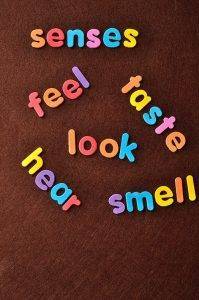
Sound sensitivity is one of the most important, but least understood, characteristics of Asperger’s in adults
One of the characteristics of Asperger’s syndrome in adults is hyper- and hyposensitivity to sound. Some people consider sound sensitivity to be more of a problem for them than other difficulties common to Asperger’s, such as socializing, communicating with others, and managing work. Unfortunately, sound sensitivity is often treated as a minor aggravation by those without Asperger’s rather than the intensely difficult and sometimes acutely distressing hardship it can be for someone with Asperger’s.
The most common auditory sensitivity is to very specific sounds. These sounds are grouped into three categories. The first category is sudden, unexpected, and unwelcomed noises, such as a crying baby, a car with screechy brakes, a dog barking, or a telephone ringing. The second category is high-pitched, continuous noises such those produced by a vacuum cleaner, electric motor, airplane engine or even fluorescent lighting. The third category is confusing, complex or multiple sounds like those experienced in a department store, a crowded room, airport terminal, or busy city street.
Temple Grandin, a college professor and researcher who is herself on the autism spectrum, suffers from auditory sensitivity. She describes this disorder from a uniquely personal perspective, noting:
My hearing is like having a hearing aid with the volume control stuck on “super loud.” It is like an open microphone that picks up everything. I have two choices: turn the mike on and get deluged with sound, or shut it off…
I am unable to talk on the phone in a noisy office or airport. Everybody else can use the phones in a noisy environment, but I can’t. If I try to screen out the background noise, I also screen out the phone. A friend of mine, a high-functioning autistic, was unable to hear a conversation in a relatively quiet hotel lobby. She has the same problem I have, except worse.
Research shows that adults with Asperger’s can:
- Fluctuate between hyper- and hyposensitivity to the same noise. On some days, for example, the same sound can feel unbearably intense and the next day be annoying but tolerable.
- Suddenly tune out a sound and then hear the same sound the next moment.
- Have difficulty hearing sounds when another sensory channel, e.g. touch or smell, is active at the same time.
- Suddenly see certain colors or experience certain tastes immediately upon hearing certain noises.
- Have trouble determining where a certain sound is coming from.
What Causes Sound Sensitivity in Adults With Asperger’s?
Surprisingly, research shows that the hearing of adults with Asperger’s is physiologically the same as their typical peers. There are no known differences in the peripheral or central auditory systems of individuals with Asperger’s that would result in hypo- or hypersensitivity to sound.
One explanation for sound sensitivity is that what appears to be an auditory or hearing-based disorder is actually a problem of association. A specific sound occurred early in one’s life at the same time as a negative emotional reaction, like anger, sadness, or fear.
That same sound later in life then provokes the corresponding emotional reaction.
An alternative theory is that Asperger’s interferes with the proper function of the nervous system, causing one’s brain to misinterpret auditory information even though one’s hearing is normal. The loudness, tone, pitch and/or duration of a sound is changed in the brain causing the person to experience that sound much more, or much less, intensely than is actually the case.
Strategies to Cope With Sound Sensitivity
A simple, although sometimes impractical, solution to sound sensitivity is to avoid those noises that lead to painful auditory experiences. Another is to understand the specific emotions certain sounds produce and by doing so gain control over automatic auditory responses.
Studies have shown that certain food additives and household chemicals can trigger or exacerbate neurological conditions. Many adults with Asperger’s have found great relief from removing these chemicals from their diet and immediate surroundings.
Some people have found that hypnotherapy with a certified hypnotherapist can help ease the symptoms of sound sensitivity, through the proven power of suggestion. Others find noise-canceling headphones helpful. Distracting oneself by directing attention away from the problematic noise is another useful technique. Auditory Integration Therapy (AIT) is sometimes suggested to people with noise sensitivity.
Whatever strategies one might use to cope with sound sensitivity, it is almost always the case that people with Asperger’s appreciate being treated with respect and understanding, as they cope with the difficulties of this particular challenge.
DOES ASPERGER’S SYNDROME GET WORSE AS YOU GET OLDER?
The symptoms of Asperger’s may change over time but the underlying condition doesn’t worsen.
The simple answer to this question is, no. Asperger’s is not like heart disease or diabetes or similar physical conditions that can deteriorate over time. People are born with Asperger’s, and while the condition itself can change with time and often does, the underlying causes of Asperger’s do not worsen.
Tony Attwood, the internationally recognized expert on Asperger’s, notes that the symptoms of Asperger’s are usually obvious when the child starts school and is exposed to greater social interaction. Later, as the adolescent and adult develops more coping skills and is better able to manage the demands of being around people, the same symptoms become less noticeable. In later years, those symptoms often are more prominent, not because the underlying condition has declined but because the person cares less about how his or her behavior affects others.
In short, the symptoms of Asperger’s can get worse but the condition itself doesn’t.
Here are various considerations that help explain how and why changes, both positive and negative, in one’s symptoms occur as aging continues.
Often, adults with Asperger’s develop one or more comorbid conditions, a term for mental and emotional disorders that tend to occur along with Asperger’s. Depression and anxiety are the most common, and both intensify the negative symptoms of Asperger’s. An adult with Asperger’s who is significantly depressed is likely to become more irritable and prone to meltdowns, for example. Anxiety interferes with concentration and thus one’s ability to engage socially or converse in a meaningful way.
Life circumstances have a significant impact on the symptoms of an adult with Asperger’s. A work promotion, geographic relocation, marriage, even less noticeable changes in one’s environment and situation might exceed the person’s ability to cope. What are seen as “normal” Asperger’s symptoms become intensified and more visible. Referred to as “Asperger’s regression” the loss of typical skills and abilities appears as a worsening of one’s Asperger’s.
A little-known fact of Asperger’s are the natural changes in this condition that happen over time. Studies show that restrictive, repetitive behavior, a hallmark of Asperger’s prevalent during childhood, is less noticeable in adulthood. The same is true of repetitive body movements, such as the hand flapping in classical autism. Clearly, the symptoms of Asperger’s can change, and while in these cases the changes are in a positive direction other symptoms can get worse.
Studies have also found a direct association between the prevalence of certain symptoms in childhood and changes in different symptoms during adulthood. Children with Asperger’s who have strong executive functioning skills (the ability to plan and carry out complex tasks) tend to also have a more developed theory of mind (the ability to understand others’ thoughts and beliefs). These children typically develop better coping skills later in life. The converse is also true. The coping skills of children with poor executive functioning and theory of mind tend to diminish through their adult years.
Finally, there are the natural effects of aging. Cognitive flexibility diminishes. Attention and memory decline. Emotional well-being is tested by the physical demands of growing old. Social connections are often harder to sustain as one’s mobility decreases and care for one’s physical health and safety takes priority. All this tends to amplify the existing challenges of Asperger’s. It does not mean, however, the Asperger’s itself is worsening.
You might wonder what the argument about worsening of symptoms is really about. After all, if one’s behavior deteriorates and it’s harder to be around the person, what does it matter whether the actual condition has changed. My answer is that attributing changes in behavior to a worsening of the condition deflects attention away from the real causes of this change and makes it harder to successfully address these negative behaviors. Understanding the real reason why someone’s Asperger’s is more difficult and harder to deal with makes reversing those changes much easier.
Dr. Kenneth Roberson is an Asperger’s psychologist in San Francisco with over 30 years of experience. To ask a question or schedule an appointment, please call 415-922-1122.
 Asperger's syndrome
