The 2026 long-distanc traffic timetable in Germany is dominated by systematisation. The trains show fewer differences regarding the routes and stops. As I only show connections occurring at least three times a day, this systematisation leads to more lines on my diagram: some single trains that haven’t been shown before, are now grouped together, as […]
Those traveling by train this summer should pay attention to both the long-distance railway schedules as well as the Night Rail services in Germany and beyond. A look at both in the link.
Glücksbringer are good luck charms, and Germany has plenty of them: the lucky penny, horseshoe, toadstool, ladybug, chimney sweep, clover, and of course the Glücksschwein, a lucky pig.
A popular spring song in Germany is “Alle Vögel sind schon da” (All the birds are already here). It was written by Hoffmann von Fallersleben in 1835 and is sung to a melody by an unkown composer.
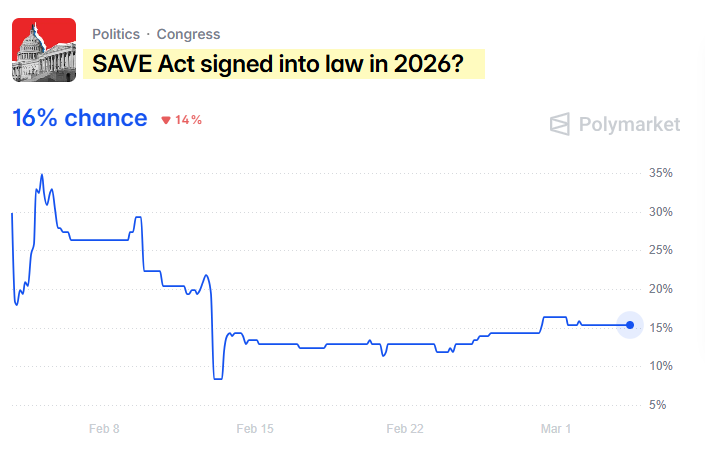
Now that the House of Representatives has passed this new bill to make it muchmuchmuch harder to vote, we must depend upon Senate Majority Leader John Thune (R-SD) to hold fast to his refusal to bypass the filibuster: the bill would require sixty votes for passage. Thune knows that if he heeds Trump’s hysterically escalating […]
There are many reasons why foreigners, even tourists, should avoid visiting the US as long as Trump’s “Jesus Cult” is in office. In this guest post by Jill Dennison, she added another reason. This story involves not only facial recognition, but also the use of AI. And from my perspective, AI is not the Holy Grail. It can support you with ideas, but it cannot recognize faces, period.
Article is above….
*******************
Enjoy the current events and cultural themes from the author and others? Especially as we look at Trump 2.0 and ways to stop him? Interested in some tourist themes and languages? Especially American and German/European themes? Subscribe to the Files on the following pages, where you can get daily posts and the like:
The superstition surrounding Friday the 13th is one of the most pervasive and enduring beliefs in Western folklore. Although widely regarded as ancient, its origins are neither singular nor straightforward. Instead, the fear of Friday the 13th emerges from the convergence of two distinct streams of symbolic anxiety: the cultural suspicion of the number thirteen […]
Dirk deKlein has a unique set of tales behind today that is a matter of luck and Panne. Today is Friday the 13th and one should take care to avoid any bad luck. Enjoy his article.
When voting in the Mid-Term Elections in 2026, get your ballot as early as possible and send it the day you receive it. According to Tony Pentimalli, if Save Act fails to pass, Trump will find ways to delay your ballot by mail. A look at his column below 👇
********
The Supreme Court of the United States ruled, by a 5–4 conservative majority, that the United States Postal Service cannot be sued for money damages even if postal employees deliberately refuse to deliver someone’s mail. The case began when a Texas woman alleged that her mail was intentionally withheld for an extended period and that racial bias was involved. Lower courts allowed her claim to move forward, but the Supreme Court said a federal statute protects the Postal Service from these kinds of lawsuits. The majority concluded that the law is written broadly enough to cover intentional nondelivery and said that any change must come from Congress. Four justices dissented and argued that Congress never meant to shield deliberate misconduct.
If someone inside the Postal Service intentionally withholds your mail, you cannot sue the agency for damages. You cannot use civil discovery to force internal emails into court or require sworn testimony in a damages case. The civil courtroom is closed to you on this issue.
Mail carries ballots, voter registration forms, court notices, tax documents, medications, and benefit checks. Millions of Americans vote by mail, including seniors, service members, rural voters, and working people who cannot spend hours standing in line. Close elections often depend on mail-in ballots.
The political setting makes this ruling more serious. Donald Trump has repeatedly attacked mail-in voting and claimed it is riddled with fraud. Republican officials in several states have worked to reduce drop boxes, shorten deadlines, and tighten absentee ballot rules since 2020. Mail voting has been treated by much of the Republican Party not as a neutral option but as a threat when it increases turnout among Democrats.
Removing civil accountability from the federal agency that delivers ballots gives any administration hostile to mail-in voting more room to maneuver and fewer legal obstacles if it chooses to test the limits. If ballots are delayed or withheld in areas that lean Democratic, voters will not be able to file civil suits to force the Postal Service to open its records.
Criminal law still applies to mail tampering and election interference, but criminal cases are controlled by the executive branch. Federal prosecutors decide what to investigate, whether to bring charges, and how quickly to move. Those prosecutors answer to the same administration that oversees postal leadership. If ballots disappear in Republican-leaning areas, the political incentive to investigate quickly will be strong. If ballots disappear in Democratic-leaning areas, that incentive may not look the same.
Consider a close House race in 2026 decided by a few hundred votes. Thousands of mail ballots from one district never arrive. The election is certified while any investigation unfolds. Committee control changes hands and policy decisions follow. Even if charges are filed months later, the election is not rerun and the missing votes are not restored.
Authoritarian politics often works through control of the machinery around elections rather than by canceling them outright. It uses choke points, administrative discretion, and delay to shape outcomes while claiming the system is complex and mistakes happen. Ballot delivery is one of those choke points because states run elections but depend on a federal system to move the ballots.
This ruling does not order abuse, but it changes the incentive structure. It reduces deterrence and concentrates enforcement authority inside the same political branch that has shown sustained hostility toward mail-in voting. In a polarized country heading into the 2026 midterms with narrow margins in many districts, that shift matters.
If your ballot disappears in a close race and the administration in power has little reason to move aggressively, you will have no civil legal tool to force the government to explain what happened.
********
*Tony Pentimalli is a political analyst and commentator fighting for democracy, economic justice, and social equity. Follow him for sharp analysis and hard-hitting critiques on Facebook and BlueSky @tonywriteshere.bsky.social
The battle has been won, but the war is still ongoing. After weeks of siege and counter protests, agents of ICE have decided to move on from Minnesota, although a small amount still exists terrorizing smaller communities in the southern parts of the state. This was photographed a week ago in Northfield, located a hour south of Minneapolis along Interstate 35.
Occupy Democrats has this story about another way Trump is cracking down on foreigners and dissent – forcing banks to shut down accounts for not providing real identification, namely the US passport. A look at the story that has been largely ripped out of the pages of Margaret Atwood’s novel, A Handmaid’s Tale….
***********
Trump’s latest immigration crackdown — show your passport to keep your bank account.
Donald Trump’s immigration crackdown may be heading straight into your bank account.
According to The Wall Street Journal, the Trump administration is weighing a sweeping executive order that would require banks to collect citizenship information from customers — potentially demanding passports or other documentation not just from new clients, but from people who already have accounts.
Banks are already required to follow “know your customer” rules to prevent money laundering and crime. But those rules have never required citizenship status. There’s no law prohibiting banks from serving noncitizens. That hasn’t stopped Trump’s team from reportedly exploring a new mandate that would enlist private banks as immigration gatekeepers.
Financial institutions are said to be alarmed. And for good reason.
For millions of immigrants — including those with mixed-status families, green cards, visas, or pending asylum cases — access to banking is a lifeline. It’s how people get paid, pay rent, run small businesses, and build credit. Forcing banks to demand proof of citizenship could push vulnerable communities out of the financial system and into the shadows.
A White House official insisted nothing has been finalized, and spokesperson Kush Desai dismissed reporting on internal discussions as “baseless speculation.” But insiders say the idea is being discussed within the Treasury Department.
This wouldn’t just be another border policy tweak. It would expand immigration enforcement into everyday economic life — turning tellers into document checkers and financial institutions into de facto extensions of ICE.
Civil rights advocates are already warning that such a move could trigger discrimination, profiling, and chaos in communities across the country.
The question now isn’t just who gets to cross the border. It’s who gets to keep a bank account. And if this proposal moves forward, Trump won’t just be policing the border — he’ll be policing your wallet.




 THE FLENSBURG FILES
