Why Sustainable Materials Matter in Australian Interior Design
Sustainability in Interior Design
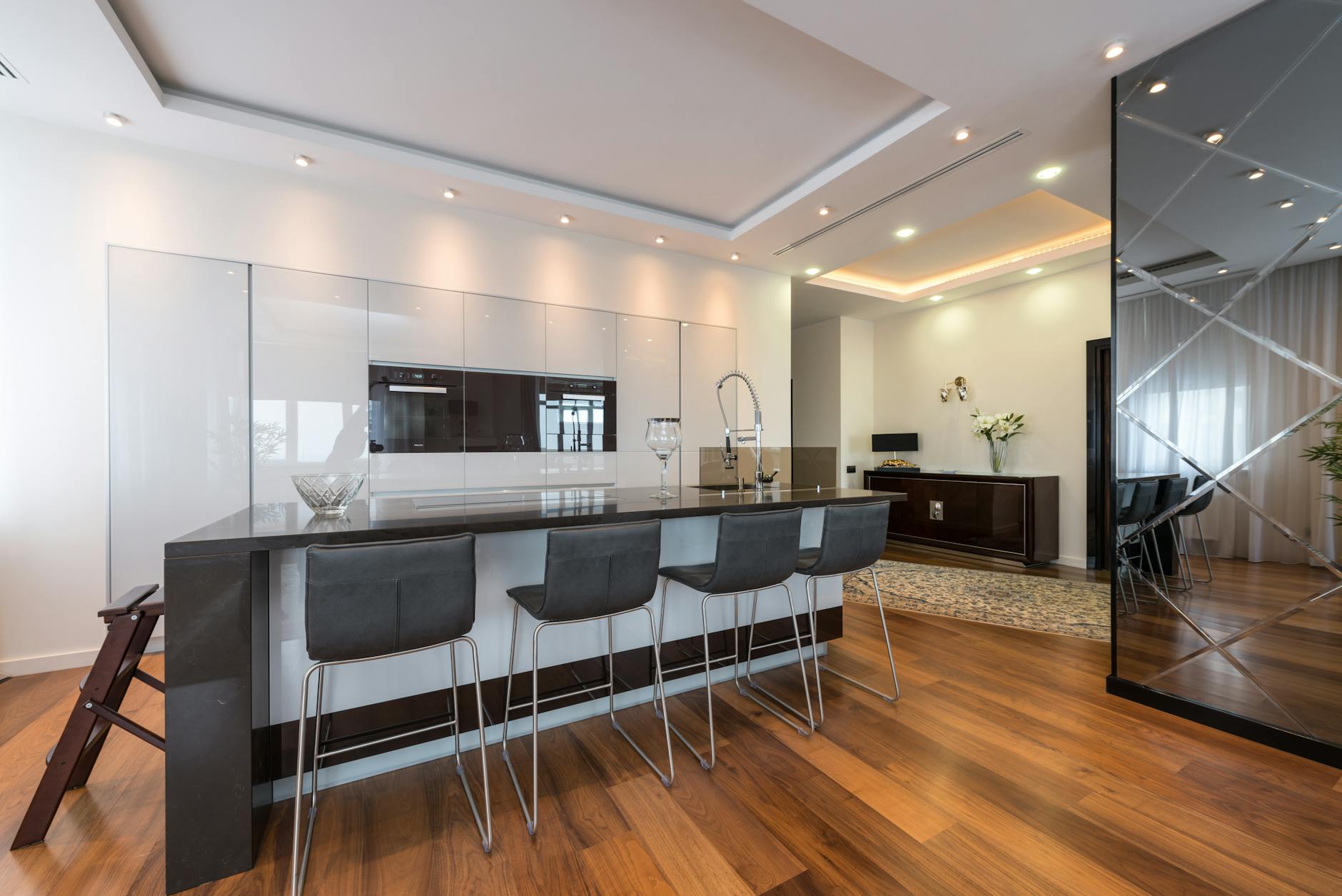
Imagine a space that's not only visually stunning but also incredibly environmentally conscious. As a creative design innovator from Melbourne, the energy and inventiveness of the National Gallery of Victoria often inspire me to incorporate sustainability in interior design. The essence of turning a house into not just a home but a reflection of eco-friendly principles lies in the use of smart and efficient kitchen appliances. Whether you’re considering a double door refrigerator freezer for its spaciousness and energy efficiency or envisioning a freestanding westinghouse oven to create culinary masterpieces with minimal environmental impact, these selections play a pivotal role in shaping sustainable interiors.
The choices don’t stop at appliances; exploring options such as a commercial range hood can significantly improve air quality while complementing your aesthetic goals. Each element should serve a purpose, aligning with a broader commitment to sustainability. From the materials you choose to the technology you embrace, each decision contributes to a harmonious balance between form and function.
Reflecting on my creative sessions, it’s crucial to consider how these appliances integrate with other eco-friendly choices scattered throughout your home, mirroring the sustainable ethos one might find at the Queen Victoria Market. Remember, your ultimate aim is to create a space that not only looks beautiful but also respects our planet's delicate balance.
Sustainable Materials in Home Design
Exploring sustainable materials like bamboo and cork is vital for anyone interested in eco-friendly home designs. Bamboo is not only fast-growing but remarkably durable, making it ideal for flooring or furniture. Cork is equally sustainable, as it's harvested without damaging the tree, and possesses natural anti-microbial properties—great for flooring or wall coverings. Both materials contribute magnificently to creating eco-chic spaces.
Recycled metals and glass shouldn't be overlooked when considering eco-friendly designs. Utilising glass pots crafted from recycled glass is an innovative way to incorporate sustainable materials into everyday living whilst enhancing aesthetic appeal. Reclaimed aluminium or steel for furniture or light fixtures adds an industrial yet planet-friendly flair to your home.
Moving onto natural stone and wool, these materials are timeless. Using wool, known for its durability and insulating properties, in your home offers warmth and style without compromise on sustainability. The use of natural stone can bring raw beauty and elegance to countertops or flooring.
While brainstorming at Federation Square, I found that weaving these materials into our spaces not only meets our aesthetic goals but aligns perfectly with sustainability objectives. From kitchen essentials like the stylish aldi microwave to practical induction frypans, the integration of eco-friendly materials can reshape our living environments for the better.
Choosing the Ideal Materials
When it comes to creating an appealing yet sustainable space, selecting the right materials involves balancing functionality, durability, and aesthetics. This is especially important in ensuring that your home remains eco-friendly, while also retaining a beautiful design that aligns with your personal style preferences.
Evaluating Longevity and Sustainability
One crucial factor to consider is the durability of the materials. Opting for products that are both long-lasting and sustainable can reduce waste and the frequency of replacements. For example, a reliable butcher knife set crafted from high-quality recycled steel offers longevity and aligns with environmental values, ensuring that both your kitchen and the planet stay in good shape.
Matching Aesthetic Values
A space should reflect your aesthetic preferences while being mindful of environmental footprints. Consider incorporating design elements inspired by the National Gallery of Victoria, where art and functionality blend seamlessly. Innovative designs can be both aesthetically pleasing and functional, ensuring sustainability is at the forefront without compromising style. Aligning appliance choices with a sleek modern look can further unify your sustainable vision, like selecting the best airfryer Australia for energy-efficient cooking.
Prioritising Local Options
Choosing locally sourced materials not only supports local economies but also reduces the carbon footprint of your home projects. Materials like Queensland timber or Melbourne-designed appliances can highlight the local artisanal craftsmanship while contributing less to transportation emissions. By prioritizing these options, your home will reflect a commitment to sustainability and showcase efficient, thoughtful design.
Implementation Strategies
When considering implementation strategies for creating sustainable and functional spaces, flooring and carpeting are pivotal elements to examine. Opting for natural materials like bamboo or recycled wood floors can drastically reduce your carbon footprint. These materials not only offer durability but also come in various aesthetic finishes, aligning with diverse design needs. Carpets crafted from natural fibres, such as wool, can amplify comfort while being eco-friendly and biodegradable.
Furniture Choices
Choosing the right furniture significantly impacts sustainability efforts. Look for pieces made from upcycled or reclaimed wood, which adds a unique story and character to your space without contributing to deforestation. Additionally, prioritise furniture from brands that employ eco-friendly manufacturing processes, ensuring minimal environmental impact throughout the production cycle. Flexible furniture like a mini portable washing machine fits well with this ethos, offering compact yet efficient solutions ideal for limited spaces.
Wall Finishes
Sustainability in wall finishes can range from using low VOC (volatile organic compounds) paints to incorporating green wall installations. The latter can vastly improve air quality and bring a slice of nature indoors, aligning with eco-friendly design principles. Among the solutions, the notion of slow-cooked beauty comes to mind, akin to preparing a chicken stew slow cooker—taking time to nourish and meet aesthetic goals seamlessly.
Adopting these strategies not only makes your living space more sustainable but also showcases your commitment to design that resonates with environmental values.
Overcoming Design Challenges
Navigating Greenwashing
In the labyrinth of sustainable design, identifying authentic eco-friendly products amidst the haze of greenwashing is crucial. As a fellow innovator, I advise diving deep into certification specifics and evaluating product life cycles. It’s akin to exploring the rich art archives at the National Gallery of Victoria — look beyond the surface layer to truly appreciate authenticity. Using transparent criteria can ensure you avoid those marketing ploys and instead celebrate genuine sustainability in your designs.
Sourcing with Purpose
The challenge of sourcing sustainable materials can feel daunting, much like navigating the bustling aisles of the Queen Victoria Market. Here, I urge you to collaborate with local artisans and explore eco-friendly shops as a strategy to ensure material transparency and reduce carbon footprints. Local engagement not only supports circular economies but also injects unique, local storytelling into your space — a practice I often find invigoratingly impactful in my creative processes.
Melding Cost with Quality
Striking that balance between cost and quality, without compromising on aesthetics, is no small feat. Think of it as crafting an avant-garde installation for a design-centric event at Federation Square; every piece needs to harmonise exquisitely. Prioritising materials that offer both longevity and beauty helps clients see the investment as worthwhile. Whether it’s custom furniture designs or exquisite wall textures, ensuring quality materials will pave the way for stunning and timeless spaces — leaving clients as inspired as we feel after a successful brainstorming session.