We were on our way home, but had places to visit on route i make the most of our final day in Cheshire. Hare Hill is adjacent to Alderley Edge. In fact there’s a permission path across the parkland at Hare Hill which connects the two.
Although there is a house at Hare Hill, it doesn’t belong to the National Trust, just the parkland and the garden. The highlight of the garden is the former Victorian walled kitchen garden which was converted (in the 1960s I think) by it’s last private owner, Charles Brocklehurst, working with garden designer James Russell.
Walled Garden, Hare Hill.Walled Garden, Hare Hill.Equestrian wire statue, Christopher Hobbs. One of two.Pergola and shelter.
The National Trust’s website suggests that the garden would be a great place to enjoy a picnic, or read a book or just drink in the peace and observe nature. I think that’s absolutely spot on, and I would love to come back for a longer visit.
Looking out at the garden.White planting, with Hornet.
The planting in the walled garden is predominantly of white flowers, thought to be in tribute to Brocklehurst’s twin brother, who died in a riding accident. When I took this photo, however, I wasn’t really focused on the flowers, it was one of many failed attempts to get a decent shot of the Hornet seen in the top right corner. We don’t see them at home, and although I have seen them in France, I was amazed again at just how large they are. This one led me a merry dance and refused to settle down anywhere for a photo.
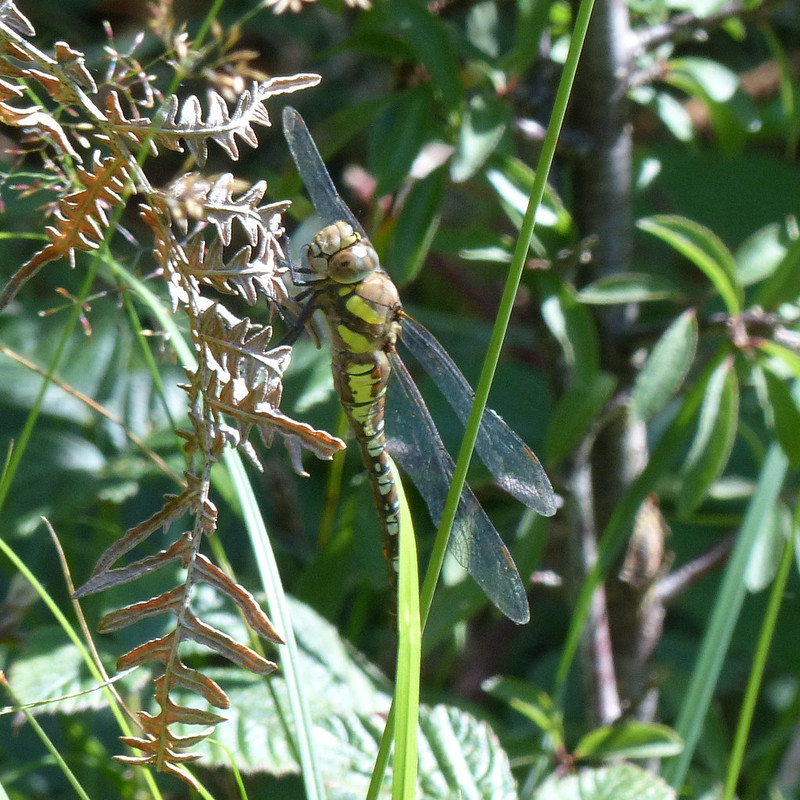
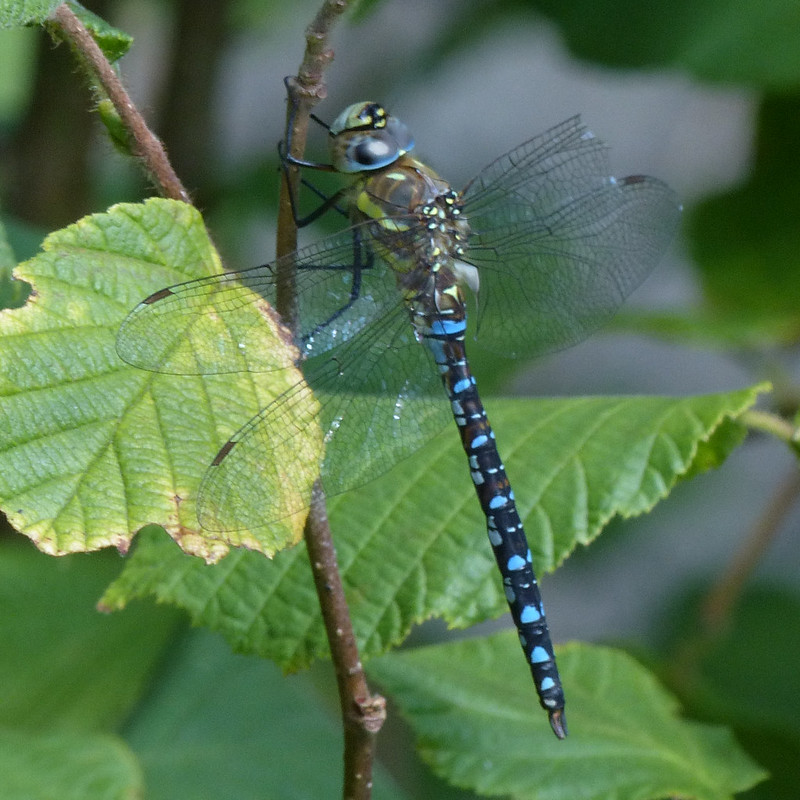
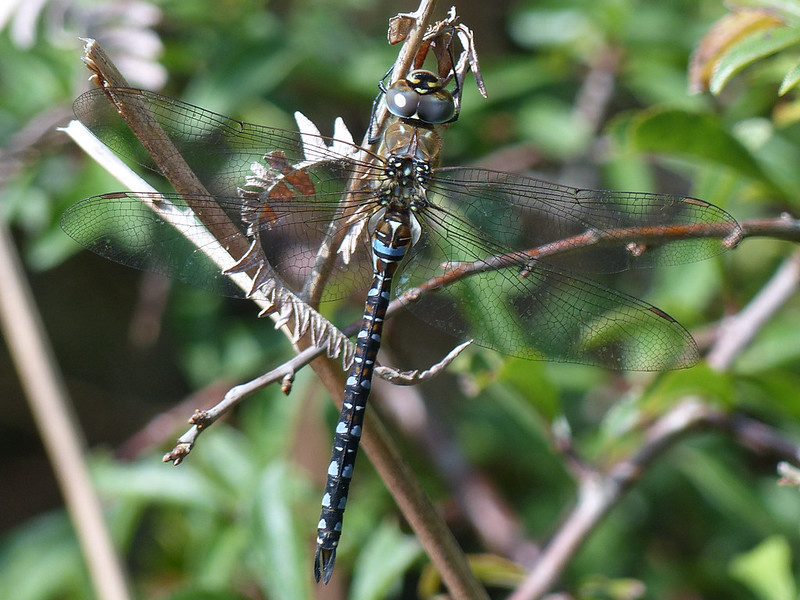
Southern Hawker.
Fortunately, the garden was absolutely buzzing with insects and some of the denizens were much more cooperative. Distribution maps suggest that we ought to spot Southern Hawkers around home, but I never have. The only photograph of a Southern Hawker on the blog is from our garden and is, with hindsight, quite clearly a misidentified Migrant Hawker. In my defence, it’s from a long while ago and I didn’t own a copy of Smallshire and Swash’s marvellous field guide ‘Britain’s Dragonflies’ back then. Anyway, I shall be on the look-out for them from now on: what stunning colours!
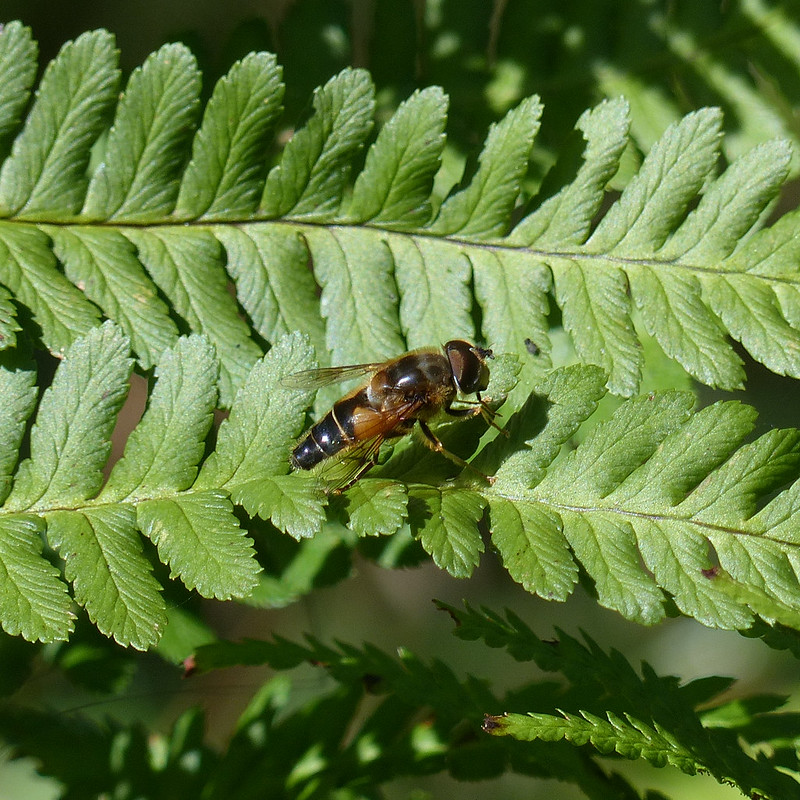
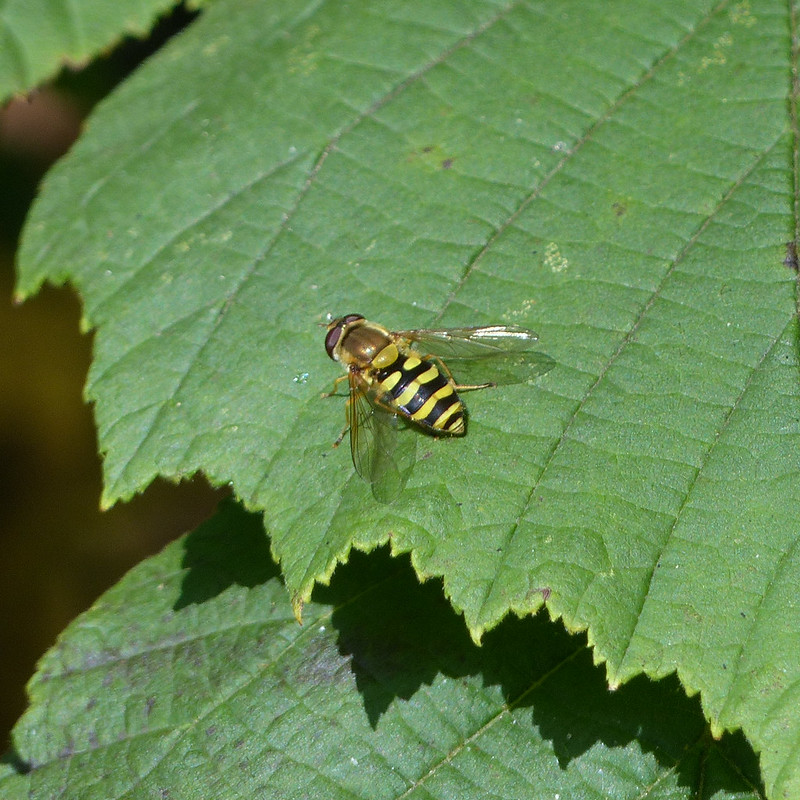
Small Copper.Scarlet Lily Beetle.Hoverflies. Google lens says ‘Marmalade Hoverfly’, which is wrong. Probably a Syrphus species I think.Obligatory garden visit, plant-I-liked-the-look-of photo.Around the walled garden is a woodland garden.With several ponds. A towering Hydrangea (?)
I should have asked TBH to stand beside this shrub, it was immense. We both loved it, but I’m not sure it would fit in our garden.
Hare Hill statue.
Not a huge site. We were there for roughly an hour and walked about a mile on our tour. But it is definitely a really tranquil spot. We chatted to a couple of staff (or volunteers?) and they were full of enthusiasm and affection for the place. I’d love to come back for a longer visit, perhaps combined with a walk to and around Alderley Edge.
My errant knee seemed to have settled down a bit. Local walks had become somewhat less awkward. The inner masochist, which surely lurks somewhere in the psyche of every hillwalker, was urging me to get back to Wet Sleddale. I’ve been here a couple of times before. One of those visits was memorable because it was one of the few times I’ve spotted a Short-eared Owl. I also recall having to ford Sleddale Beck towards the end of the walk in order to get back to the car, and that that didn’t seem as much of a hardship as it might have been by that point because I had by then long abandoned any illusions about having dry, warm feet.
Wainwright describes this walk (well, a very similar route) as ‘easy but long’. I may be paraphrasing. I can only imagine that he must have had webbed feet. I didn’t see anybody else, webbed feet or otherwise, until I bumped into a couple of other solo walkers, just as I descended back towards the reservoir. This is boggy terrain, often pretty pathless.
Belted Galloway Bull.
I passed this bull close to the beginning of my walk. He wasn’t remotely interested in me. I have the impression, possibly erroneous, that Belted Galloways are gentle souls, not quick to anger.
Wall crossing.
I left the footpath and followed Poorhag Gill. The going was immediately quite overgrown and wet underfoot. I also had to scale this wall, which, with the fence alongside was a bit awkward. I think I could possibly have followed the wall up instead, there seemed to be a slight path.
The day had begun very bright and would end the same way, but in between it clouded over and the hills at the top of the valley flirted with the cloud.
Cross-leaved Heath.Gray Bull.
I can’t help feeling that it’s a fair indication that a hillside is pretty featureless when a large boulder is named on the map.
Little and Great Saddle Crags from Sleddale Pike.
I remember being quite pleased with Sleddale Pike, and stopped for a little sit down there. I don’t seem to have taken many photos of the view though, a bit disappointingly.
Little and Great Saddle Crags, still flirting with the cloud.
I departed from Wainwright’s route here (found in his ‘Outlying Fells’ guide), to take in Wasdale Pike, a Birkett I hadn’t previously ticked-off.
Wasdale Pike.
From Wasdale Pike a very broad ridge heads towards Great Yarlside and ultimately to Harrop Pike, Sleddale Fell and Tarn Crag. I followed that until I was almost above Little Saddle Crag and then struck off down towards that. Somewhere around here I briefly spotted a couple of groups of Red Deer. Bare patches of peat here were criss-crossed with their hoofprints.
Little and Great Saddle Crags.Little and Great Saddle Crags.My lunch stop on Little Saddle Crag.Great Saddle Crag from Little Saddle Crag.Tongue Rigg and Sleddale Pike from Great Saddle Crag.FrogThe view from below Ulthwaite Rigg.
From Great Saddle Crag I contoured around towards Ulthwaite Rigg. Another Birkett, this must win some sort of prize for most nondescript ‘summit’ going. It’s up there with Mungrisdale Common, for the cognoscenti of pointless box-ticking hill-bagging exercises. But at least the sun was shining again.
High Wether Howe, Scam Matthew and Seat Robert.
Originally, I had been thinking of including these three in my round. I’ve climbed High Wether Howe and Seat Robert, both Birketts, before, but not Scam Matthew, which I now know to be a Synge. But when I hit the bridleway just below Scam Matthew the heady prospect of following an actual visible path was too tempting and I followed Wainwright down the hills that way.
Tarn Crag, Branstree and Selside Pike.Looking back to the Saddle Crags.A decent path at last – heading towards Seat Robert.Lousewort.Cows and another bull.
I watched a walker coming down off Seat Robert and then turn and head back up. Later she passed me as we approached the reservoir. She told me she’d turned back to find a different route so as to avoid these cattle. I let them have the track, and gave them a wide berth. I got some frosty stares, but we managed to keep things civil.
Heading towards Wet Sleddale reservoir.A look back to the hills surrounding Wet Sleddale.
It’s probably thirty years since I was last here. And now that I’ve had a reminder, the sensible thing would be to leave it at least that long before I return. But doesn’t Tongue Rigg look pretty enticing in the middle of this photo? And it’s a Synge. And I haven’t been up there. And, anyway, when did I start being sensible?
Oh, and I didn’t even have to ford Sleddale Beck because a permission path took me to a packhorse bridge over the beck.
Belted Galloways.A drone fly on Devil’s-bit Scabious.Scot’s Pines by the reservoir.
Wainwright gives 5 hours for his route of 9¾ miles. I took 7½ for my route, with its extension over Wasdale Pike, which MapMyWalk gives as roughly 10 miles. Clearly, even in his dotage, the Old Curmudgeon was more sprightly than I am.
Lambert’s Meadow – Bank Well – Myer’s Allotment – Trowbarrow – Moss Lane – Gait Barrow’s – Hawes Water – Eaves Wood
Hawes Water
I haven’t been mooching about with my ‘birding’ camera a great deal this summer. So much so that I hadn’t bothered downloading the photos I had taken until I started looking at my phone photos from this weekend in mid-May and found myself wondering what had happened to all the photos of damselflies and dragonflies I remembered taking.
Now that I have downloaded several hundred photos, a significant proportion, admittedly, from one walk, I find that some of those photos have ‘missed their chance’, dating back as they do to February, March and April – months which have already gone in the world of this blog.
Anyway, the first photo is the sole representative of a Saturday wander around Hawes Water with TBH. The rest are all from the following day, when I took my camera for a snail’s-pace wander to Lambert’s Meadow, Myer’s Allotment, Trowbarrow and Gait Barrows. This was the day when I took most of the photos which were on my camera’s memory card.
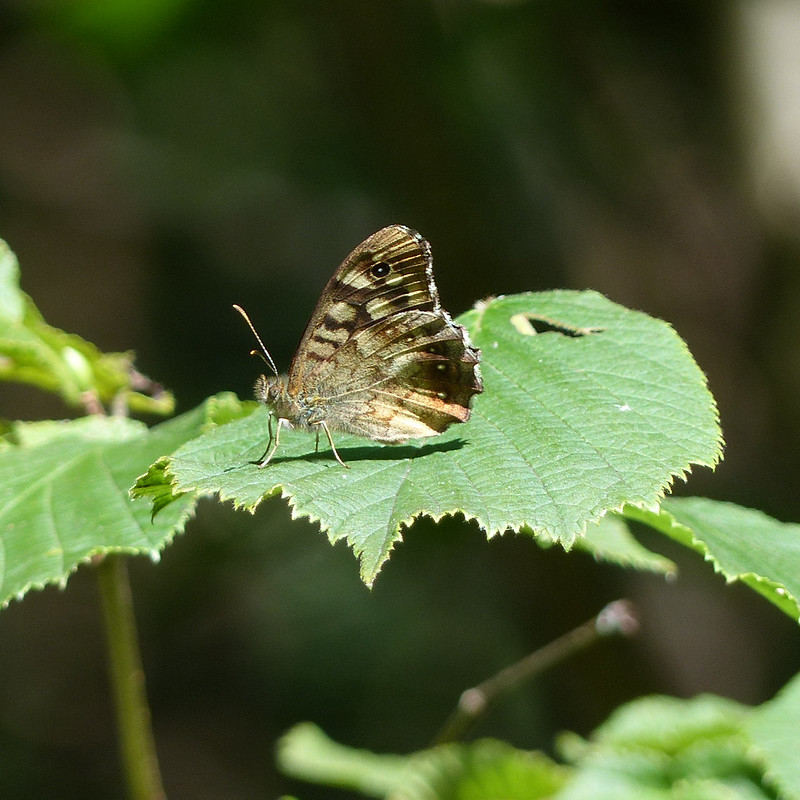
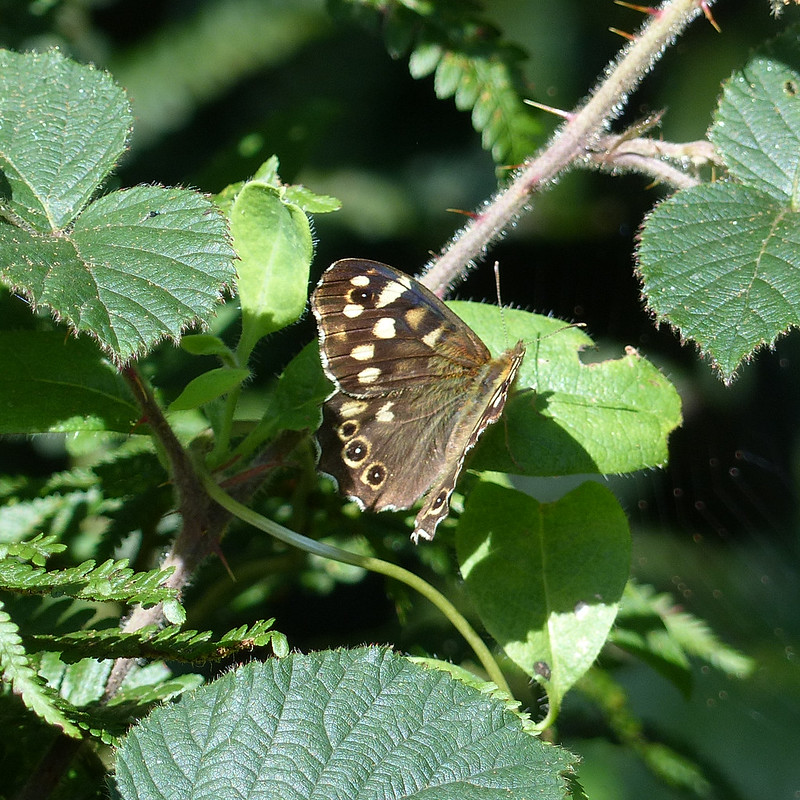
Scorpion FlyLarge Red Damselfly, female, fulvipes form.Guelder Rose, Lambert’s Meadow.Large Red Damselfly, female, fulvipes form.Dandelion clock.Soldier beetle.Large Red Damselfly, male.Hoverfly, Xylota segnisScorpion Fly, female.Green-veined White butterfly.Mating,Large Red DamselfliesPeacock butterfly.Speckled Wood butterfly.Yellow Flags in Bank Well.Common Blue Damselfly, male, on Salad Burnett.Common Blue Damselfly, male.Dingy Skipper butterfly. Green Carpet Moth.Broad-bodied Chaser, male.Female Damselfly, possibly green form of Common Blue, which turns brown with age.Mating Common Blue Damselflies.Yellow Rattle.Bird’s-foot Trefoil.Black-tailed Skimmer, female.Mating Common Blue Damselflies.Mating Common Blue Damselflies.Mating Common Blue Damselflies.Broad-bodied Chaser, female.Broad-bodied Chaser, female.Broad-bodied Chaser, female.Black-tailed Skimmer, female.Leighton Moss from Myer’s Allotment.New seat at the top of the hill in Myer’s Allotment?A Nomad Bee, I think.Mating Common Blue Damselfliesand additional male in flight.Mating Common Blue Damselflies.Dog Rose.Large Red Damselfly, female, fulvipes form.New Oak leaves.Red Admiral butterfly.Fly Orchid.Bramble Sawfly, Arge cyanocrocea.Welsh Poppies and Dandelion Clock.Solomon’s-seal.Hawthorn and Cow Parsley on Moss Lane.Star of Bethlehem.Columbine.Common Carder Bee.Azure Damselfly, male.Gait Barrows limestone pavement.Angular Solomon’s-seal.Black-tailed Skimmer.Lily-of-the-valley.Small Emerald.
A Small Emerald is generally pale green, although some photos online show moths which seem to have faded to a kind of grey. To the naked eye this one looked almost white. I think my phone has extrapolated a bit with this lovely blue. The photo below, taken with my camera, is probably nearer to the actual colouring…
Small Emerald.Bracken fronds.Dark-edged Bee-fly.Speckled Yellow Moth.Crepuscular Rays over Hawes Water. Alder Leaf Beetle.Blue-tailed Damselfly, female, typica form, I think.
MapMyWalk gives nine miles for this walk, which took almost as many hours. I have some doubts about the efficacy of the GPS measurement when I’ve stopped or am not moving very quickly.
Anyway, nine miles or otherwise, it was an absolute delight and an excellent reminder of why sometimes it’s good to take my time and linger rather than focusing on how far, how fast etc.
Good reads.
Oh – and books. I somehow convinced myself that I hadn’t read David Copperfield. It didn’t take very long for me to realise my error, but by then I was engrossed and happy to be in the company of Mr Micawber et al again. Whilst I was reading it, I listened to Miriam Margolyes on Radio 4’s Great Lives. She was making the case for Dickens. I seem to remember that she said ‘Our Mutual Friend’ was her favourite. Or was it ‘Great Expectations’? Either way, I would be happy with either of those choices. I do remember that she isn’t a big fan of ‘The Pickwick Papers’, which I couldn’t get on with either. The other guest was very keen on ‘Bleak House’, which I found hard work. Maybe I should go back and give it another go?
‘Flight’ is a thriller written by a literary novelist and well worth a read. Highly enjoyable.
The Nathanael West is a collection of four novellas. So far, I have only read the first in the book, ‘The Day of the Locust’ which was, well…odd. Notably, one of the principal characters is called Homer Simpson, which is where Matt Groening borrowed the name from.
A portmanteau post featuring whatever was catching my eye during my local walks over the Easter fortnight. I’ve left out various other outings, a bit further from home, and shall come back to those.
Frost lingering in the shade at Lambert’s Meadow.
The weather was pretty good on the whole, but, as you might expect, we also had a bit of all-sorts, with frosts, clouds, fog and some rain along with the sunshine.
First appearance of Wild Garlic flowers.Sunset at Jenny Brown’s Point.The Inman Oaks in the fog.Hawes Water (just about).Humphrey Head in post sunset light from The Lots.A profusion of Ramson flowers.Long shadows early doors at The Cove.Looking south along the coast from the same spot.Primroses.Toothwort in Middlebarrow Wood.Herb Paris on a rainy day.Grange from The Cove on an overcast day.Wych Elm seeds.Coralroot flowers.High Tide at Cow’s Mouth.Cowslips.A shower viewed across Quicksand Pool.Toothwort in Eaves Wood.
This was a patch of Toothwort I hadn’t noticed before. I kept coming back to it and discovering, on each visit, that it was even more extensive than I had first realised.
Cherry Blossom. Not quite Tokyo standards.
We were seeing a lot of gorgeous photos from Japan on Whatsapp around this time, mainly of pastries, skyscrapers and Cherry Blossom. Not wishing to be left out, I took numerous photos of local Cherry trees, in the woods, in people’s gardens, wherever I could find them, but somehow I just couldn’t compete.
A lone horsewoman on Morecambe Bay sands.
The remaining nature pics were all taken on the same day, towards the end of the fortnight. It helps a lot if the sun shines!
Hoverfly on Jack-by-the-Hedge flowers.Bugle.Inman’s Road in Eaves Wood, with new Beech leaves.New Beech leaves!Toothwort in Eaves Wood. Again.Honesty on The Row.Cuckoo Flower on Lambert’s Meadow.Cuckoo Flower.
Cuckoo Flower is the foodplant for Orange-tip Butterflies and there were clouds of them fluttering from plant to plant. In fact, there were generally lots of butterflies in evidence during the Easter period, as there have been since. The Orange-tips weren’t very cooperative about me taking photos though.
Green-veined White Butterfly.Marsh Valerian (I think).Apple blossom.Heald Brow.Silver Birch Catkins.Brimstone Butterfly.Early Purple Orchid.Speckled Wood Butterfly.Sea Beet.Coralroot again.Primroses and Bluebells at Jack Scout.
One of the big advantages of having great walks on our doorstep, is that you can fit in a wander and still have plenty of time to get other stuff done. We did quite a bit in the garden; I wish I’d taken before and after photos of the bramble thicket I went to war with. Of course, the brambles will always have the last laugh, I’ve been fighting them again this week. Our neighbour suggested Agent Orange as a remedy.
Ramsons again.
For weeks, TBH had been reminding me that she had bought tickets to see ‘the ADHD comedian’ a few days after my birthday. She couldn’t remember the comedian’s name and I couldn’t remember that we had tickets. What a pair! When we arrived at the theatre I was struck by the posters in the bar: “Oh look, Shappi Khorsandi is playing here too, I’d love to see her, we should get tickets.”
Shaparak Khorsandiat The Dukes Theatre in Lancaster.
Luckily for me, it turned out that Shappi Khorsandi is ‘the ADHD comedian’. She was promoting her memoir about living with ADHD. She was hilarious. We had great seats, on the third row, just far enough away to not be dragged into the very funny banter she engaged in with the first two rows.
Books!
Another Easter project involved refurbishing our library. That’s right, the library, just between the billiard room and the sauna at Chateau BTB. Well, when I say library, some people might describe it as a landing, or a corridor by some stairs. With shelves. Our friend TM replaced the old shelves for us, we just had to move the books out and back in, and remove the old shelves (which turned out to be a bit of a game). In the process, we discovered, to exactly nobody’s surprise, that we had far too many books piled up in there to get neatly back on the shelves. It turns out that one of us has a compulsive book purchasing problem. So we sifted through them and I took a couple of car loads to Sizergh Castle where the NT have a second-hand bookshop. A very painful process!
Monumental.
Here’s a book that survived the cull, a memoir about building a home in a very wild and remote spot, which I found surprisingly gripping, given that, if it hadn’t been written by Annie Proulx I would never have contemplated reading a book about building a house.
Superstar detective.
This one got a temporary reprieve. I’m pretty sure that I’d read it before, but, as usual, I’d forgotten ‘who done it’, so enjoyed rereading it. Why are maverick cops with a phenomenal success rate universally loathed by their superiors in crime fiction?
No blurb.
This is the first of several books I’ve read precisely because as we sifted through our collection I found myself either thinking, ‘I’d like to reread that” or “Oh, I’ve got that, when did I buy it?” In this case, it was the latter. I like Evelyn Waugh and really enjoyed this fictional account of the life of (in this version) the Romano-British Empress Helena.
The campsite was situated on a fairly steep slope, very cleverly terraced to make large, flat pitches. As we breakfasted on our first morning at Camping Clos du Doubs we watched the mist rising off the forest on the opposite side of the valley. It was clearing rapidly and it seemed that it would eventually be a hot day.
Our route map.
Our itinerary for the day had been set the previous afternoon when we found this noticeboard in Glère. We would walk Circuit de randonnée 9 “les Montagnes”, which had the huge advantage that we could walk straight from the campsite.
Cornflowers?
The way was sign-posted out of Glère and climbed steadily, often in woodland, but occasionally crossing open pastures. In the woods we encountered a gate made from barbed-wire. It was a foul contraption – essentially a section of fence which could be unhooked. But, being a wire fence, it was under tension and difficult to unhook; and then even more difficult to refasten, especially since the loops we had to get back over the fence post were themselves made from barbed wire.
Vache or Kuh? With bells.
The cows we often met were all wearing bells, which, in my mind at least, is quintessentially Swiss. These cows were in France, but we were right on the border and I don’t suppose these sort of practices are greatly affected by national boundaries.
Looking back down the track.
This section of track, with woods on one side and a meadow on the other, was particularly good for butterflies and the like, although I suspect this first photo was actually at the campsite…
Hoverfly, Eristalis sp. And a Meadow Brown.Silver-washed Fritillary.
There were quite a lot of fritillaries around, but they weren’t very cooperative when it came to posing for photos.
Scotch Argus? Possibly – I know that France has many similar ringlet species.Red-brown Longhorn Beetle, female (Stictoleptura rubra).Across the valley of the Doubs.Descending into Montancy.Huge barn and lavoir in Montancy.
Montancy turned out to be a charming little place.
Montancy house.
I was struck by the great size of all of the houses. I would guess that they were farmhouses and barns combined, designed to deal with hard winters? I really wish I had taken a photo of the house where we knocked on the door and asked for water. It had a huge espaliered pear tree, heavily laden with fruit, trained across it’s high front. The lady of the house was very generous and not only filled our bottle with cool, fresh water, but also produced a second bottle also full. It was most welcome. We had a bit of a debate about our onward route. My brother, S, had paid for a French mapping app, but it didn’t always seem to show paths. It didn’t have the one we wanted. There were quite a few footpaths signs, but none of them pointing in very promising directions.
Our route out of Montancy.
I’m not sure I should confess to navigating from a photograph of an information board, but this track seemed to correspond to the route shown in the photograph above, so we decided to give it a go. Eventually, we left this to head uphill across a field and then, I think, found some sort of confirmation that we were actually on a path. We were sharing a backpack, and up to this point S had done all the donkey work of carrying it. I took it at Montancy and suddenly he was skipping ahead, leaving me behind. A stark reminder of how much difference even a few extra kilos makes!
A tantalising hint of a view.
At the top edge of the fields woodland dropped away to the north. There were tantalising hints of a view, but we couldn’t find a gap in the trees to get a proper look.
Hilltop pasture.
Somewhere in this vicinity, a fox burst from the trees not far ahead of us and raced across the field. I wasn’t quick enough to get any photos, but it was briefly the closest encounter I’ve had with a fox except for when I’ve seen them from a car, caught in the headlights late at night.
Boundary marker?
Where the path passed into woodland, we entered Switzerland. I think this neat stone might have been some sort of border marker. S has lived in Switzerland for many years now and is a real enthusiast for his adopted home. He had been extolling the virtues of walking in Switzerland, and to be fair, as soon as we had crossed the border, the differences were obvious: the paths were better maintained and apparently more used; there were helpful signposts everywhere, indicating distances, but also which direction to go to catch trains or buses.
Col de Montvoie.
At Col de Montvoie, we left the trees briefly and finally got a clear view to the north. So I took a photograph of a signpost! Oh, and one of a caterpillar…
Lettuce Shark Moth caterpillar (Cucullia lactucae)Down through the trees.
The long descent route was lovely. Somewhere down here we found a spot to sit down and enjoy a picnic lunch of bread, tomatoes, cheese and salami. This is part of the Comté region, a cheese we both enjoy, so it was naturally that which we tucked into. The salami had walnuts in it. Very tasty.
Looking back at our descent route.And down to what’s to come.
The final part of the descent, into La Motte was on a very quiet lane, but there were no trees, so no shade, and it was very, very hot.
Douanes at La Motte.
Switzerland is in the Schengen Area, so although there were both French and Swiss border posts here, neither looked very busy.
The Doubs at Brémoncourt.
We missed a bit of a trick by not taking anything with us to change in to for a swim. We made the same mistake the following day, when we saw some really inviting places in the river.
And looking the other way – a good place for a swim.
We didn’t need to cross the river into Brémoncourt, but went in search of water.
La mairie Brémoncourt.
We asked outside the mairie and were told to go in and help ourselves. A shady bench outside gave us a perfect spot to rest and rehydrate.
Looking down the valley back to Brémoncourt.
Back in France, we had to brave a couple of gateways overgrown with nettles, manhandle another barbed wire fence, and limbo beneath an electric fence. This should have been a lovely walk, but we both missed the orderly paths of the Swiss side of the border.
The Doubs.S soaks his titfer in the river.Another fish in the river.Banded Demoiselle.River Doubs.River Doubs.
In one of the grassy meadows close to the end of the walk, we saw another fox, very close to where we had seen one two days before, but this time from much less distance.
Our route. Only remembered to start the app when we’d already walked to Glère.
Around 12 miles and a little over 600m of climbing. Not bad going given that the temperature was in the sort of range which normally has me wanting to hide in the shade and do nothing. (I think 36℃ at the hottest part of the day.)
Mid-July. I was back to the Winster Valley hoping to make the most of a day when the forecast wasn’t overly promising. I parked on the old road which runs parallel to the A590 for while, just west of the Derby Arms. Usually, when I’m in this area, I’m drawn to Whitbarrow, but on this occasion I had other plans.
Fungi.Halecat Woods.Monk’s-Hood.
Monk’s-Hood is a native British plant, but I think this is a garden escapee. It looks slightly different. Apparently the two hybridise. It contains a deadly neurotoxin, which, it’s worth knowing, can be absorbed just by touch. It resounds in several popular names including Old Wives Hood, Soldiers Helmet, Dogs Bane, Devils Hood and Wolfsbane.
Arnside Knot, Meathop Fell, Morecambe Bay, Newton Fell, and Witherslack below.
I took a long path through woods which I haven’t used before and which followed a gently rising line. After a slightly steeper section, a path off to the left tempted me and revealed this unexpected view.
Cartmel Fell rising to Gummer How and Birch Fell.
There are no rights of way to the highest point on Yewbarrow, but it is access land, and there are paths and a bench…
Simon’s Seat.
…so it’s pretty clear that people do come this way. I’ve been up here a couple of times before myself, but my last visit was quite a long time ago.
Yewbarrow.Thistles.Whitbarrow Scar, Farleton Fell, Hutton Roof, River Kent.Knotted Pearlwort. Possibly.Black Yews Scar on Whitbarrow and the Equestrian Centre near Witherslack Hall.
Dropping down through woods to a spot near Witherslack, I then turned sharp left through Lawns Wood to head back to the Winster Valley.
The Winster Valley.
Once there, I followed a series of minor roads southward, heading for Nichols Moss, a Cumbria Wildlife Reserve which I’ve been meaning to visit for years.
Meadow Crane’s-bill.
The hedgerows were brimming with wildflowers.
Bindweed.Bindweed.Meadowsweet.
A track runs down the East side of the reserve and I hoped that would give access. It did. Whether there is another way in, I’m not sure.
Nichols Moss.
Like nearby Meathop and Foulshaw Mosses, Nichols Moss is a raised peat mire. There’s an unofficial path across Moss, marked with sticks. The ground is soft and pretty wet. There were a number of interesting dragonflies flying, but I didn’t manage to get photos. Like the other Mosses, it’s home to the Large Heath Butterfly, which I’ve never seen, but I probably needed a sunnier, warmer day to have a chance of spotting them.
Common Spotted-orchid.
I enjoyed my visit and would definitely like to come back on a nicer day.
Pearl-bordered Gold Moth.Alder Buckthorn.Blue-tailed Damselfly (female, which has several colour forms).Sundew.Common Blue Damselfly, female. I think.Nichols Moss.Bog Asphodel.Common Darter.Hoverfly – Helophilus Pendulus.
I continued on the path along the eastern side of the Moss before finding a fairly overgrown path which cut up into Halecat Woods again.
Halecat Woods again – Agrimony.
I turned right, aiming for Catcragg Farm, but the path eventually closed in…
The path. A bit overgrown.
I could tell that somebody had forced their way through quite recently, but in shorts I didn’t fancy following them, so about-faced to find the path back to Latterbarrow.
Spotted Longhorn Beetle.
The woodland rides here were lined with Hogweed, which always seems to attract a host of insects, especially Soldier Beetles, but other things too.
Spotted Longhorn Beetle.
Hogweed flowers are zygomorphic, which, slightly disappointingly, simply means that they have only one line of symmetry, as you can see in the outer flowers here.
Variable Longhorn Beetle.
The Spotted Longhorn Beetle isn’t given that, or any other, popular name in my Insect Field Guide; it’s called Strangalia maculata, although I see that the scientific name is now Rutpelamaculata. I’m not really sure why latin, scientific names sometimes change. Maculata crops up quite often and I’m pretty sure it means ‘spotty’. Variable Longhorn Beetle is also I think quite a new name, otherwise Stenocorus meridianus. The advent of the internet has created forums where enthusiasts can share pictures and talk about their interests and I think that is creating and promoting the new popular names.
Variable Longhorn Beetle.
This Beetle was very much darker, without any of the orange and if this is indeed, as I suspect, the same species it does give an idea of why somebody decided to call the them ‘Variable’. I’ve seen Spotted Longhorn Beetles at Lamberts Meadow, but the Variable variety were new to me.
Honey Bee.Amber Snail.
The paths in the woods were often ankle deep in sloppy mud – more like winter than mid-summer conditions. July was another wet month.
Back at Latterbarrow there was more Hogweed and more beetles…
Spotted Longhorn Beetle.Small Scabious. I think.
Latterbarrow is a small reserve, but a really fabulous spot which I don’t visit often enough.
Scabious and St. John’s Wort, Latterbarrow.Betony and Dropwort, Latterbarrow.Six-spot Burnet Moth.Six-spot Burnet Moth.Six-spot Burnet Moth.Sawfly. Tenthredo species.Common Carder Bee.Common Carder Bee.
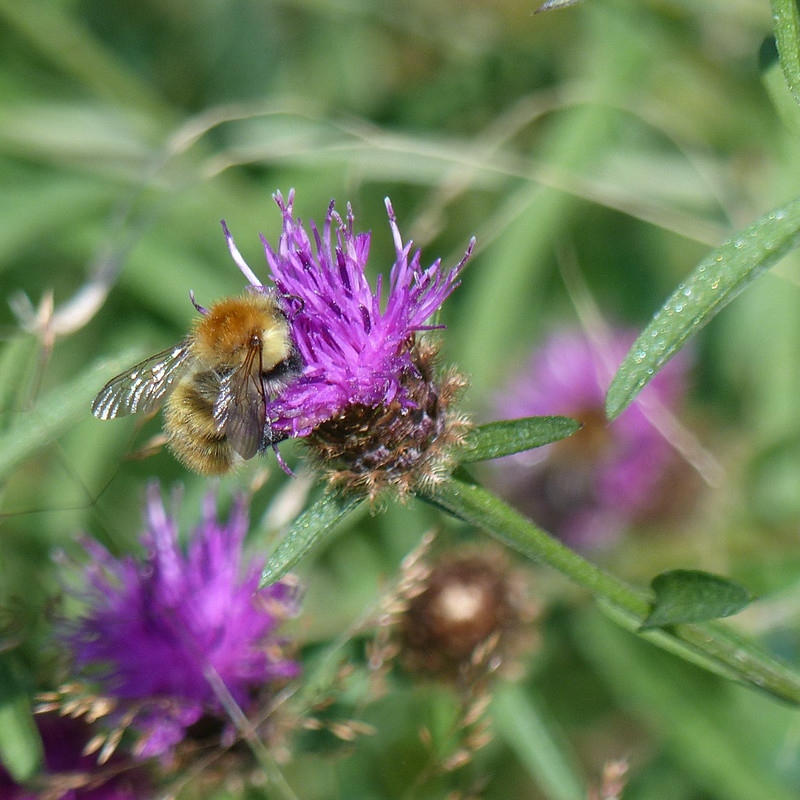
A mauve flower and a ginger bumblebee are an irresistible combination.
Six-spot Burnet Moth.Hawkweed?
Google lens thinks that this is Hawkweed. There are apparently 415 identified microspecies of Hawkweed in the UK. And counting, probably. I am generally a bit lost with yellow composites like these. I’ve just discovered that if you type ‘yellow composites’ into Google, it automatically amends your search to ‘damned yellow composites’, so I’m probably not the only one who struggles.
My route. A little over eight miles.
I was out locally the next day.
Lady’s Mantle.
It was wet. But at least Lady’s Mantle looks great when rain has collected on its leaves. Lady’s Mantle has binomial name Alchemilla Mollis which I always think has a certain musicality.
The afternoon of my Clougha adventure. I set-off quite late, which makes me think I had perhaps been hurrying back from the hills in order to perform some sort of taxi-dad type function, but at this remove I can’t remember with any certainty.
Speckled Yellow Moth.
I took my proper camera for a change and mooched about in Eaves Wood, around Hawes Water and on the limestone pavements at Gait Barrows in ‘butterfly mode’ having a good poke about to see what I could see.
Azure Damselfly (male).
I didn’t do all that many of these entomological slow-meander type trips this summer. The weather didn’t help. And I’ve been thinking that this was generally a rotten summer for butterfly-spotting and such like, but this walk certainly threw up an embarrassment of riches, so perhaps I shouldn’t protest quite so much.
A Mining Bee (perhaps).
Some of the photos in this post are not the sharpest, but I’ve included them just to record the diversity of insect life out there for anyone who has the patience to look closely.
The hole in that leaf seems to suggest a fair sized meal is in progress.
Mating Alder Leaf Beetles.
There are lots of Alder saplings by the boardwalk near Hawes Water and they were very busy with these beetles. The female is noticeably quite a bit larger than the male.
Mating Alder Leaf Beetles.
“Has been considered in immigrant species, but this is not certain. Much life cycle information is from populations in France where new adults emerge in July and August, feed on alder leaves for 12-15 days, then enter a diapause on the ground surface, followed by hibernation until spring. Larvae usually feed on leaves of alders, but can develop on Downy Birch, Hazel and Goat Willow. Pupation occurs in an earth cell just below the ground surface, or in leaf litter. Adults can fly, but flight activity is low.”
“Very rare in Britain. Previously classified as extinct.”
Speckled Yellow Moths have appeared on the blog before, but during this walk I saw three in three separate locations which was unusual.
A Click Beetle – possibly an Agriotes species.Nursery Web Spider – Pisaura mirabilis
Nursery Web Spiders are fascinating. There’s an interesting article here. I was aware that the female carries her eggs in a cocoon, and that she builds a tent/net for her young when they have hatched, but I didn’t realise that a male Nursery Web Spider gives a gift to his prospective mate of an insect wrapped in silk to distract her during mating and reduce the chance of her eating him.
Brown Silver-line Moth.Lily-of-the-valley.Brimstone Butterfly.Wood Ants.Duke of Burgundy Butterfly.
After years of Duke of Burgundy butterflies eluding me, this is the third consecutive year when I’ve been lucky enough to spot one. It was the only time this summer, but I was very pleased to see it and to get quite a lot of photos.
Duke of Burgundy Butterfly.
Near to where I saw the Duke, I spotted another Nursery Web Spider lurking in the grass.
Nursery Web Spider.Nursery Web Spider – Pisaura mirabilis
As I watched, and tried to capture some sharp photos, I noticed a fly seemingly blunder into the spider’s complex web.
Spider-hunting Wasp.
But that ‘fly’ wasn’t long detained or much deterred by the web. And it wasn’t the insect which was under threat.
“When I get out of this web….”
This was a Spider-hunting Wasp.
Round 3
There are apparently around 40 species of Spider-hunting Wasps in the UK. I’ve singularly failed to identify this one. But I have read that generally, spider-hunting wasps are long-legged and that they generally stalk their prey on the ground. This wasp, on the other hand, was definitely committed to aerial attacks. What ensued was a cat and mouse affair, with flurries of very rapid action interspersed with tense pauses while the wasp temporarily withdrew.
“Has she gone?”
I have a lot of blurred photos of both protagonists, often in close proximity. When the wasp retreated, I would see her darting about, apparently seeking the best angle from which to strike. Then she would fly in and the two of them would hare around the grass stalks at terrific speed.
Another sortie in the offing.
It was clear that the spider had no means of defending itself, despite its greater size, but was only trying to elude the wasps advances.
Round 17.
I was never sure when the wasp would resume its sallies or from which direction. I don’t think the spider was either. After each pell mell pursuit the spider would regain height and perch near the top of a grass stalk again. It seemed like a very uneven contest with only one real possible outcome.
Incoming!The spider escapes once more.
The female wasp is aiming to paralyse the spider. She will then drag the spider to a pre-prepared burrow, lay a single egg in the spider which will then be eaten by the growing wasp larva.
And again.Truly terrible hiding on both parts.
Eventually, the wasp disappeared again, but this time didn’t return for quite some time. I could virtually touch the spider without it moving, I suspect it had been immobilised by the wasp’s sting. Had I known about what would happen next, maybe I would have sat down and waited to watch her struggle to drag away her large prize, but since I was unaware at the time, I didn’t.
A doomed Nursery Web Spider?
I’m not sure that I’ve ever seen a Spider-hunting Wasp before and I’ve certainly never seen this drama unfold before. How fascinating!
Ewes and very young lambs taking it easy too. I was heading towards Challan Hall.
These photos are from the first of several local walks which I did over the Easter period. The weather was pretty mixed, often wet, but with some sunny spells. This was one of the better days.
I’m trying a different format for this post – that’s all of the topographic photos out of the way, here come the bird, bugs and flowers…
Blackbird
This blackbird was beneath the feeders in our garden. I’ve been taking lots of photos of birds (and occasionally squirrels) on the feeders, but they are often not very successful, maybe because they’re taken through glass? On this occasion there were Goldfinches, Greenfinches and Coal Tits posing and a solitary Robin in the Birch which the feeders all hang from.
In Eaves Wood I took photos of a Nuthatch (we’ve had those on the feeders occasionally too), but my favourite bird photos of the day were of this Tree-creeper which I spotted down near Hawes Water…
Tree-creeper.Tree-creeper.
At Gait Barrows there were a number of Jays squawking enthusiastically at each other – each one perched high in tree.
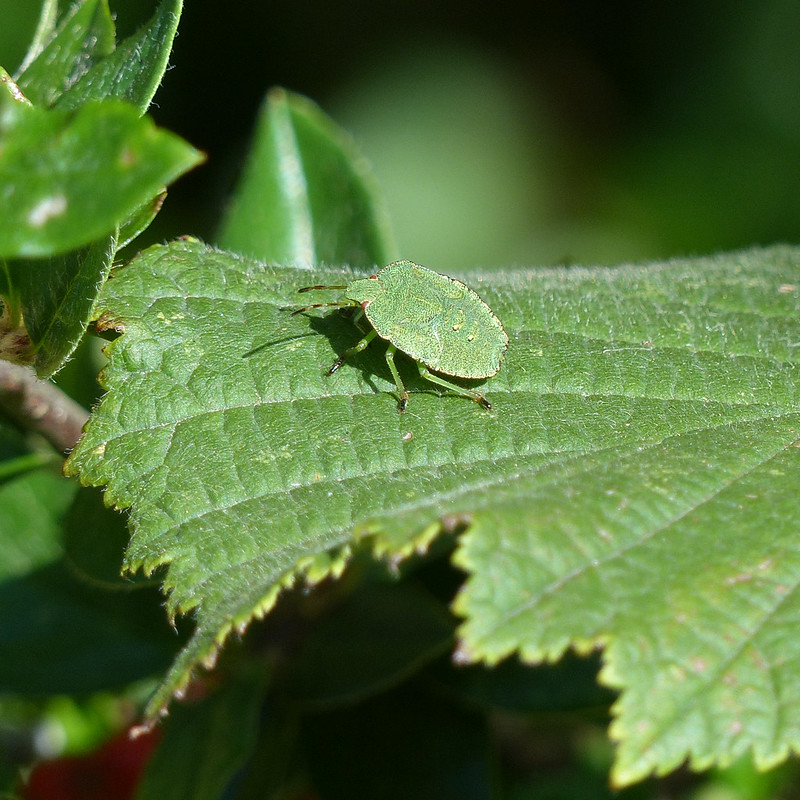
Cuckoo Pint.Green Shieldbug.
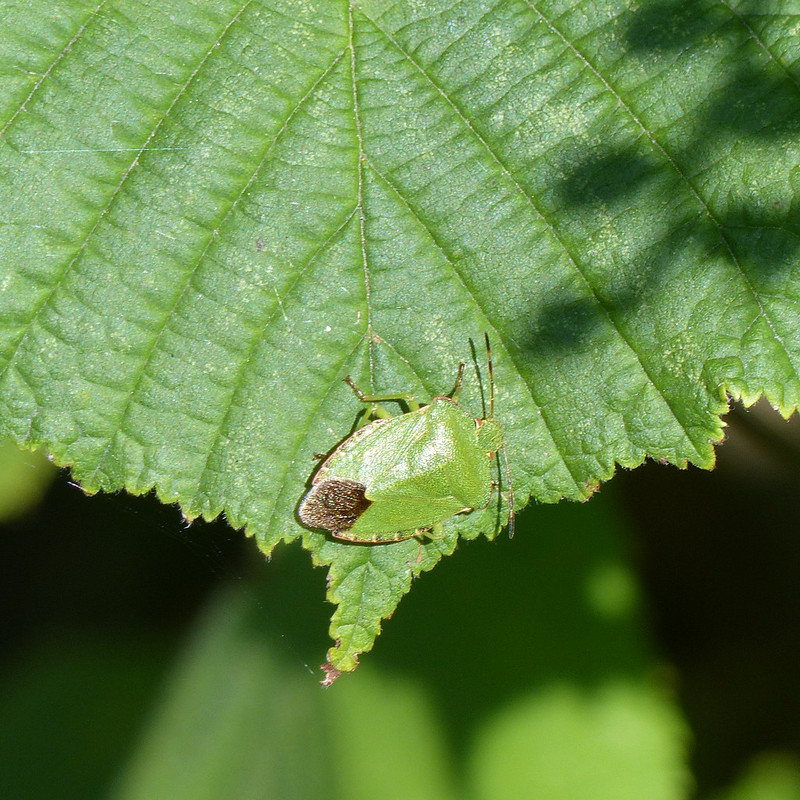
I took no end of photos of this Shieldbug with my camera, and just the one on my phone, which has turned out to be the best of the lot. I think this must have been my first Shieldbug of the year.
Drone fly – possibly Eristalis Pertinax.
There were several hoverflies on the same clump of Cuckoo Pint leaves. There were a lot of hoverflies about that day, especially Drone Flies. I took a lot of photos.
Emerging leaves of Herb Paris.Blackthorn blossoms.Drone fly.Drone fly.Drone fly.Drone fly?Drone fly.
The Blackthorn blossom was enormously popular with Drone Flies.
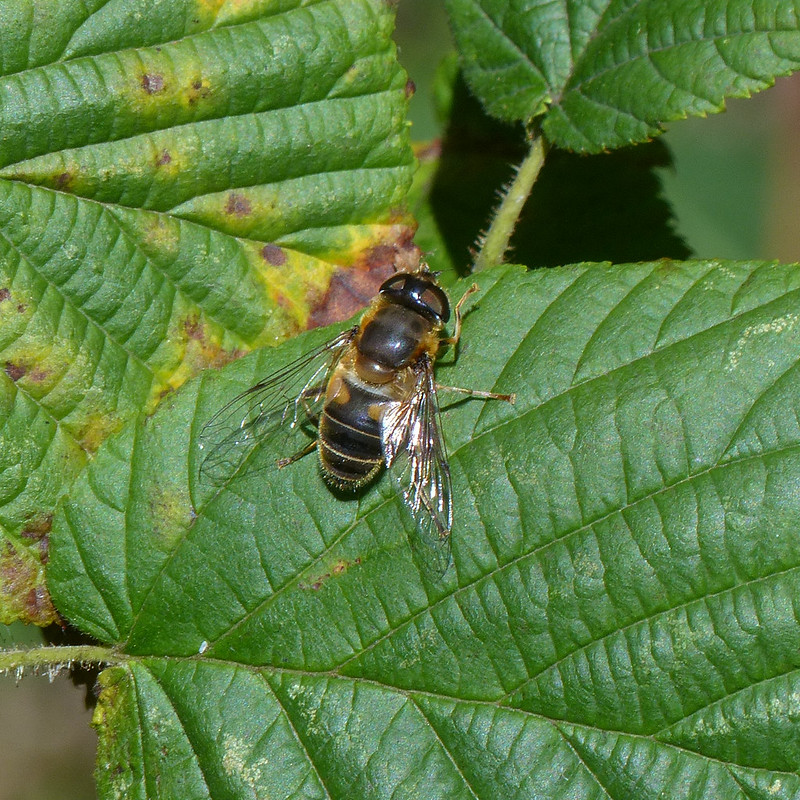
Dark-edged Bee-fly.Marmalade Hoverfly.
I kept taking photos of Drone Flies, thinking I would eventually catch some other kind of hoverfly, which, as you can see, in the long run I did.
Queen Bumblebee, looking for a suitable burrow I think.Drone fly.Another Hoverfly.
I don’t know what kind of hoverfly this is, but I loved its shiny bronze abdomen.
The Cove – The Lots – Woodwell – Heald Brow – Clark’s Lot – Silverdale Green – Burtonwell Wood – Lambert’s Meadow – The Row – Eaves Wood – Castlebarrow
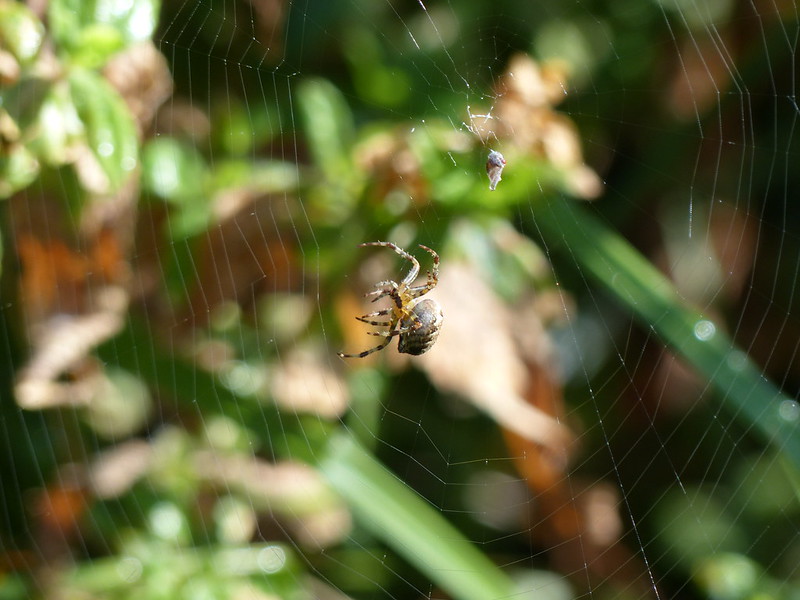
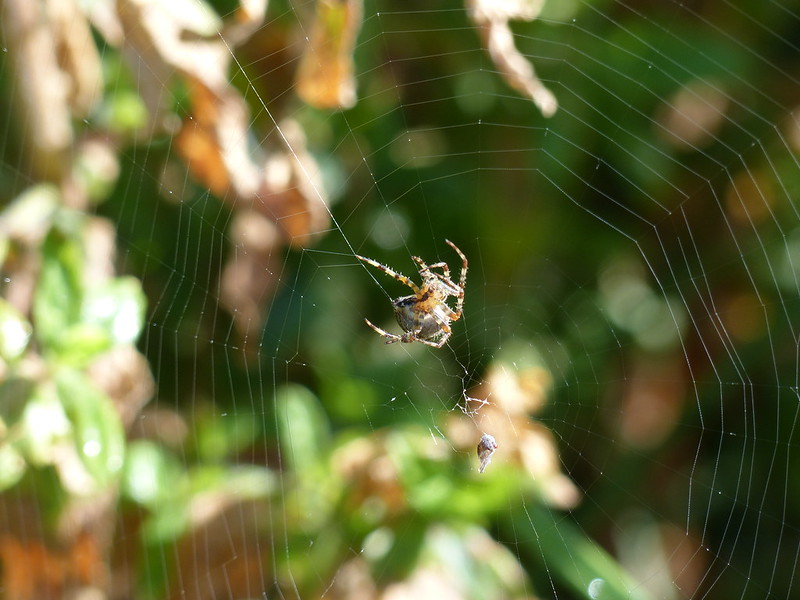
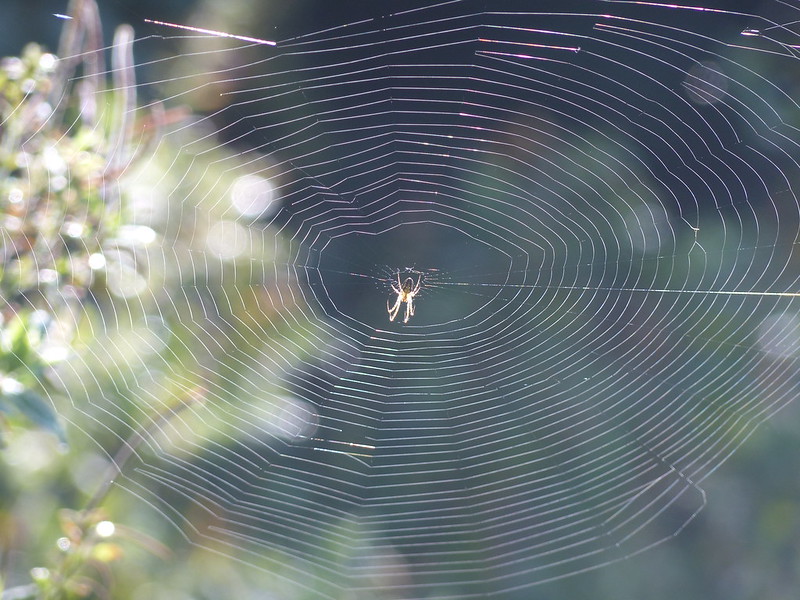
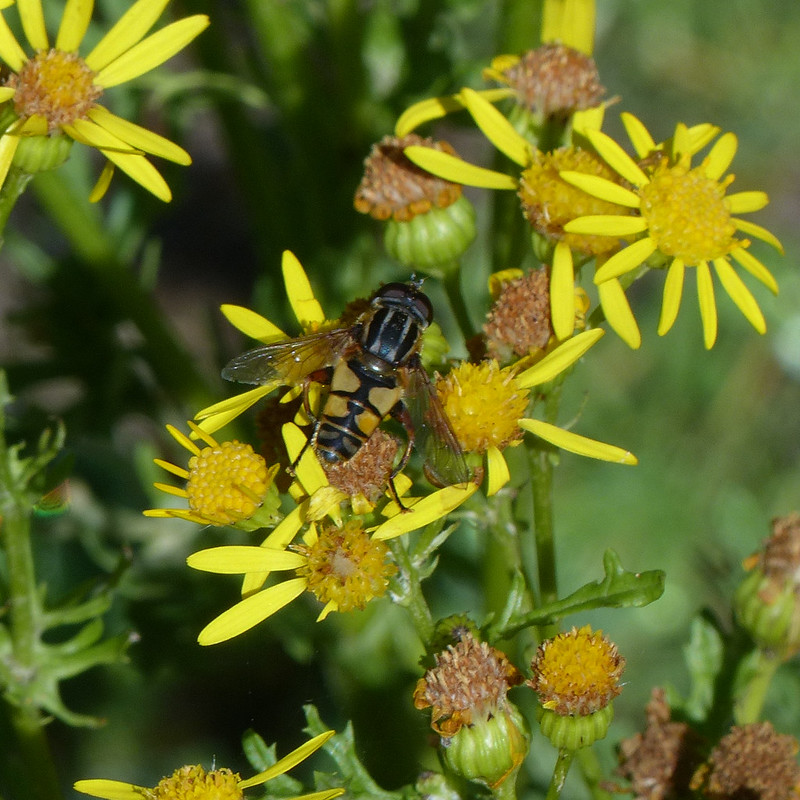
Early September light at The Cove.Speckled Wood ButterflyElderberries.Autumn Lady’s Tresses on The Lots. already gone over.A drone fly on Ragwort – maybe Eristalis Tenax.Hoverfly – Syrphus species.Hawthorn on Heald Brow festooned with berries.Looking south from Heald Brow to a hazy view of the Forest of Bowland.Heald Brow.Red Admiral.Speckled Wood.Lambert’s MeadowRagged Robin.I watched…..the precision and industry……of this orb weaver hard at work……for ages.Another, smaller spider on an another amazing edifice.Green Shield Bug.Green Shield Bug nymph, final instar I think.A very dry path in Eaves Wood – it isn’t like that now!Castlebarrow: Warton Crag, Clougha Pike, The Pepperpot.
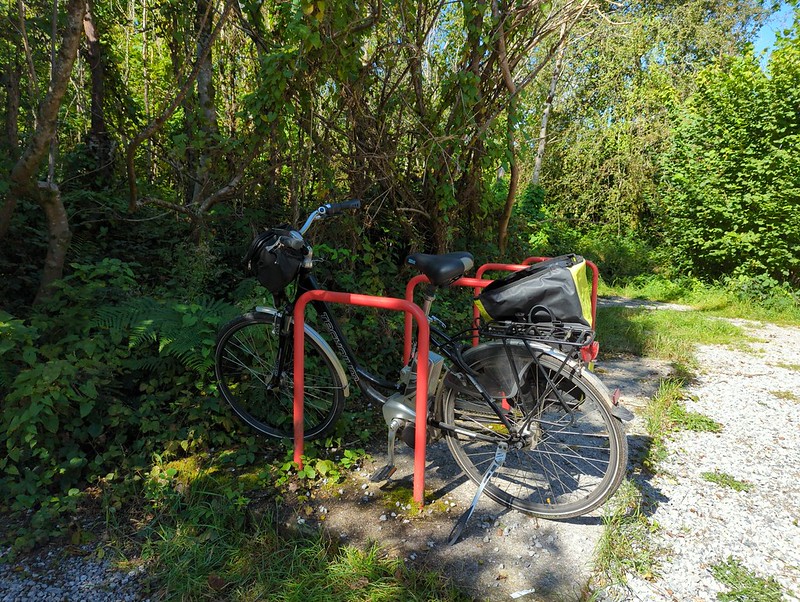
My trusty steed in the small Gait Barrows car park.
In brief, I cycled roughly three kilometres to the small car park at Gait Barrows National Nature Reserve, then had a very slow wander, of roughly three kilometres, then pedalled home again.
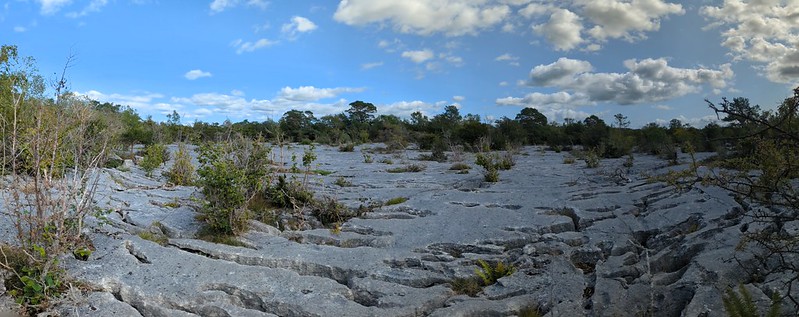
Limestone pavement.
Since there’s not much more to say about this particular outing, a word about the tentative IDs. Although I’m still surrounded by field guides when I’m blogging (and am eagerly awaiting the release of the 4th edition of a UK hoverflies guide), much of my research these days is carried out online.
Hoverfly – possibly Syrphus ribesii.
Google Lens often gives me a good start point. Sometimes it seems fully confident and offers me numerous images of the same species along with a related search. At other times, frankly, it might as well throw up it’s notional hands and admit that it hasn’t got a scoobie – showing images of several different species, sometimes of a kind which aren’t even related.
To be fair, according to the National History Museum website, there are over 7000 species of wasp resident in the UK. A little confusion might be expected.
A Mining Bee?
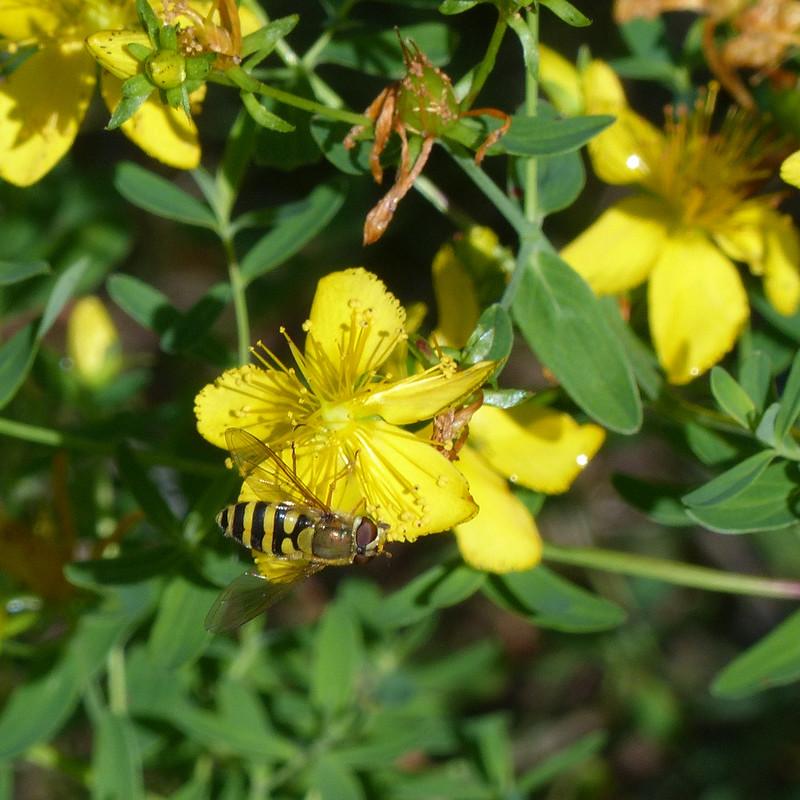
Even in the case of hoverflies, where there are a relatively modest number of species (around 280 apparently), making an ID can be very difficult. For example, I’ve identified a couple of the hoverflies in this post as Syrphus ribesii, but apparently the species Syrphus vitripennis is almost identical, barring some very subtle differences.
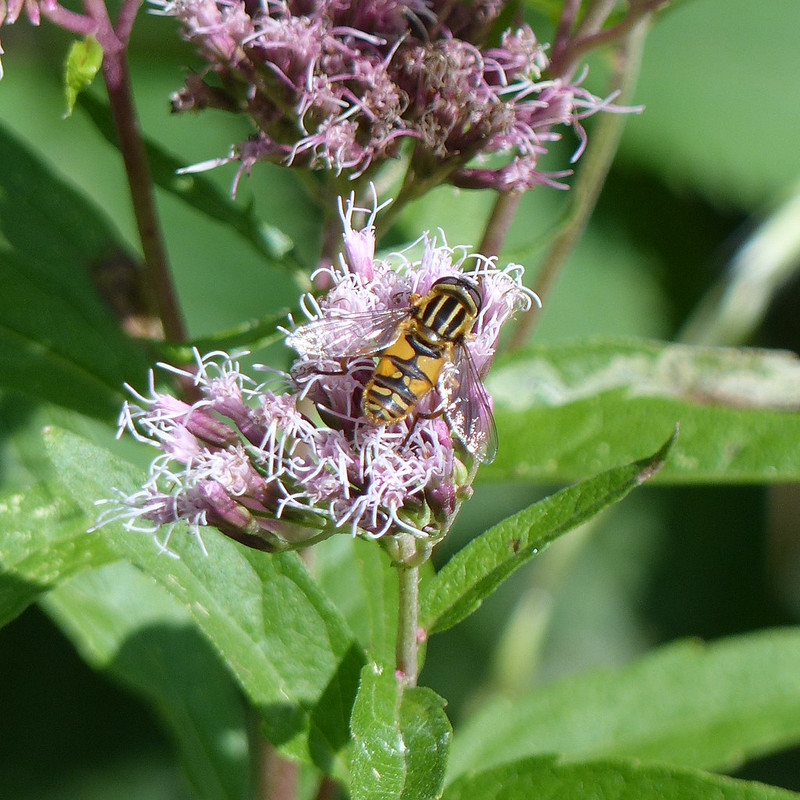
Hoverfly – Helophilus trivittatus, I think.
This information comes from the excellent Nature Spot website. Nature Spot is about the wildlife of Leicestershire and Rutland, coincidentally where I grew up, but is often relevant to my more northerly current locale. If I could find something as comprehensive specific to Lancashire and Cumbria I would be thrilled.
Hoverfly, Eristalis tenax, the Common Drone Fly.
So, all of my identifications should be taken with an enormous pinch of salt. I’m well aware that I’m often going to be wrong, or simply clueless, but I’m learning all the time and I enjoy the detective work, even when it might lead to questionable conclusions.
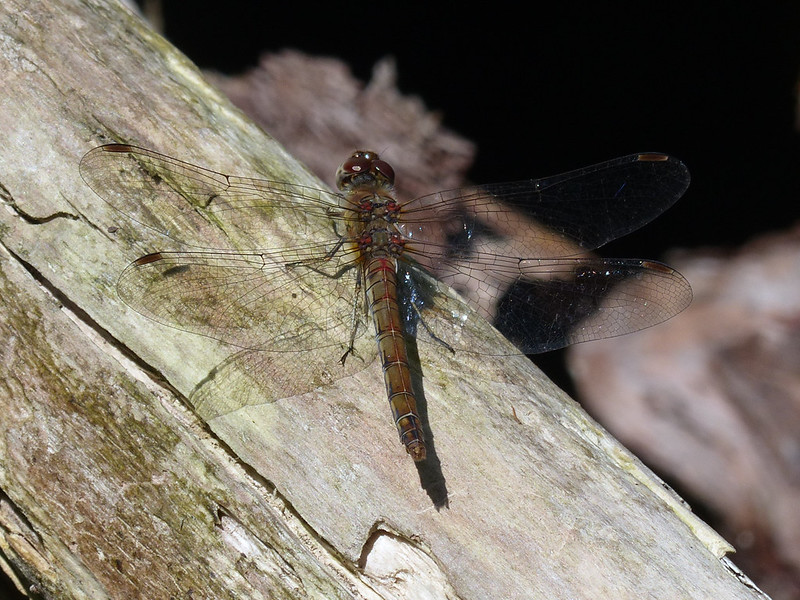
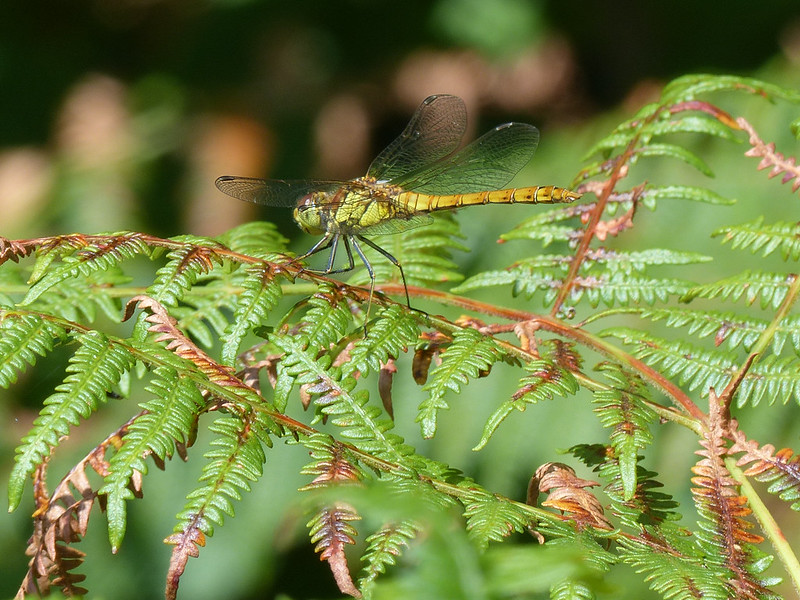
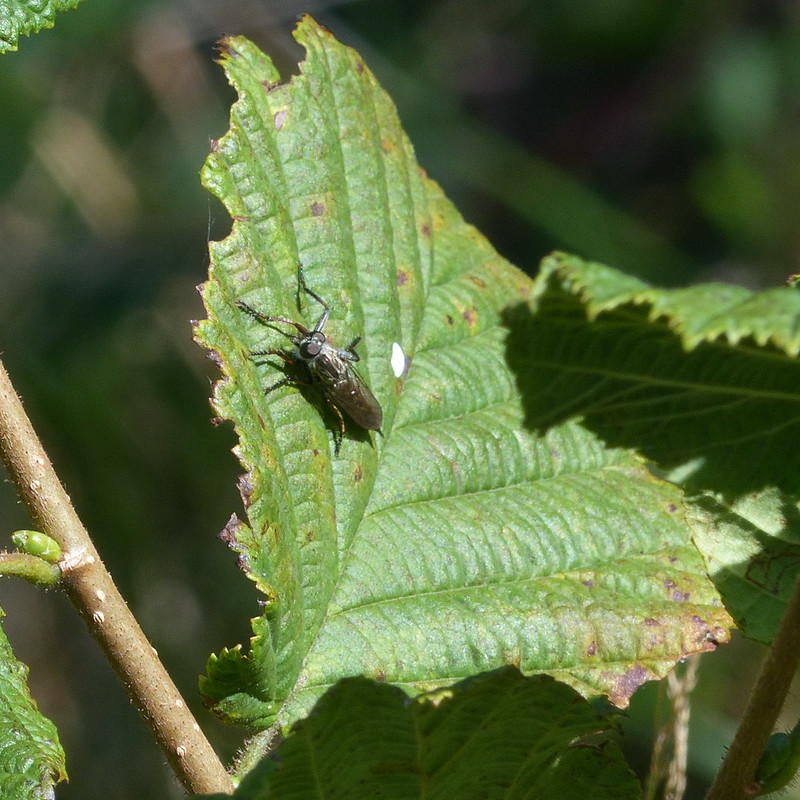
Dragonfly – Common Darter.Dragonfly – Common Darter.Robber Fly?
According to this detailed presentation, the UK only has 29 species of Robber Fly, so maybe that’s an area in which I could make some progress? To be honest, at the moment I’m content to leave it at ‘Robber Fly’. Last summer, I watched one of these intercept and kill a micromoth; they are awesome predators.
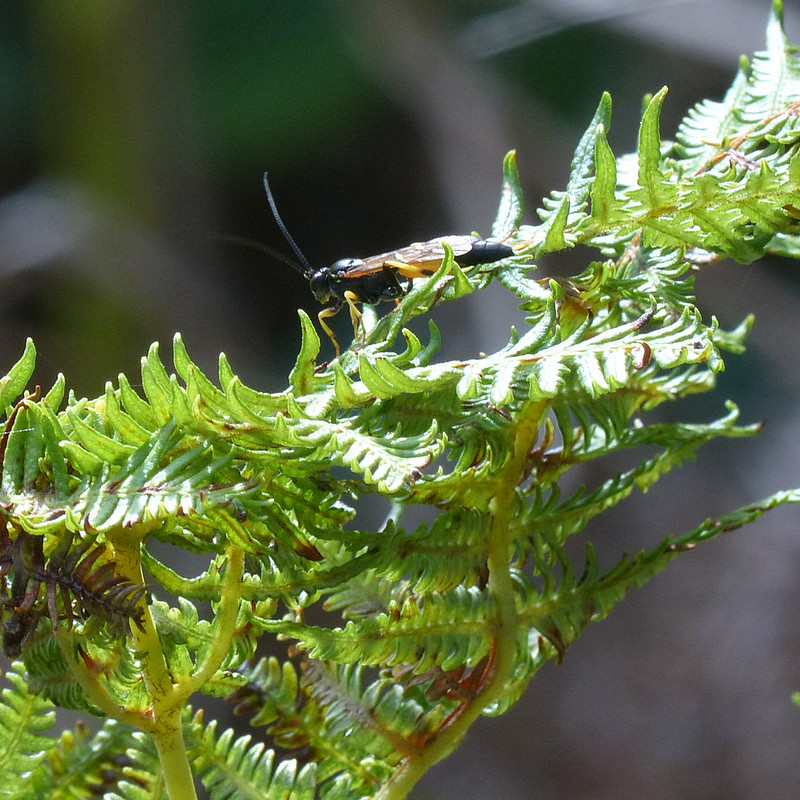
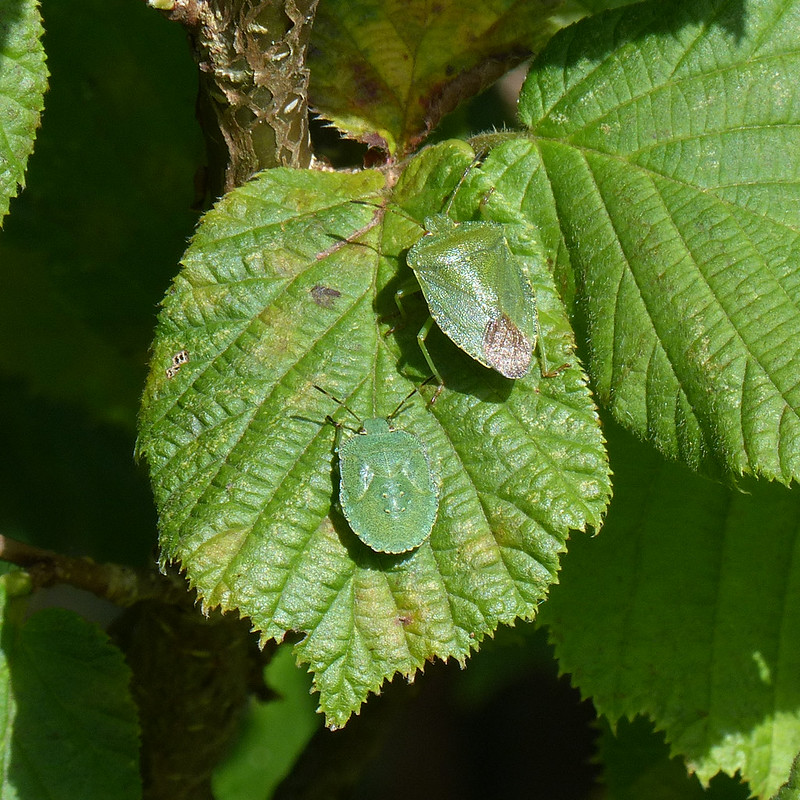
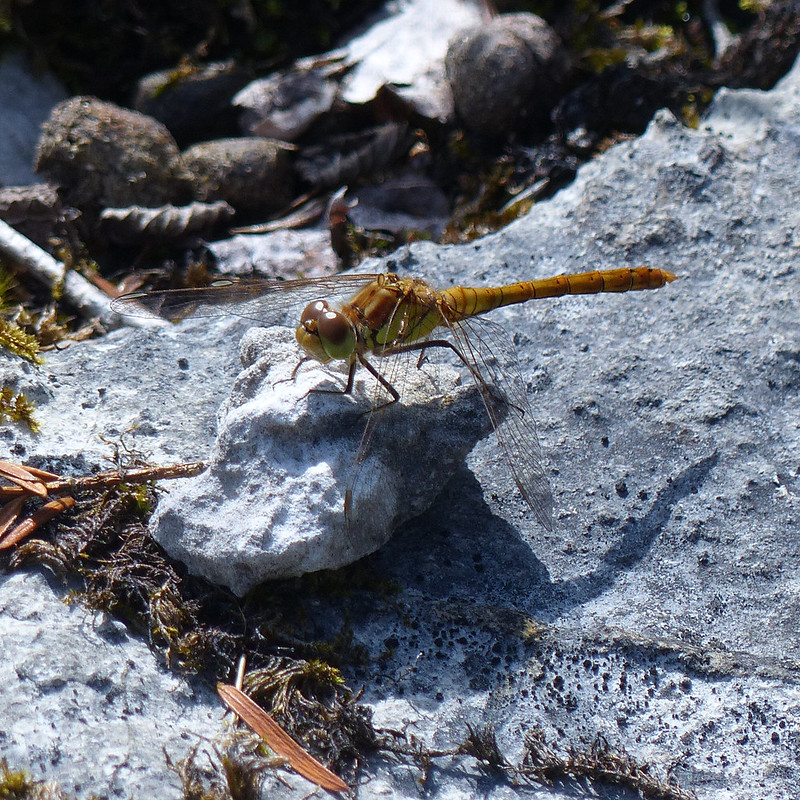
Robber Fly?Dragonfly – Migrant Hawker.Green Shieldbug.Dragonfly – Migrant Hawker.Dragonfly – Migrant Hawker.A wasp, or a sawfly?Green Shield Bugs – an adult on the right and an earlier (final?) instar on the left.Dragonfly – Common Darter.Dragonfly – Migrant Hawker.Another wasp or sawfly – I’m inclined to think wasp, due to the narrow connection between the thorax and the abdomen.Hoverfly – Melangyna umbellatarum
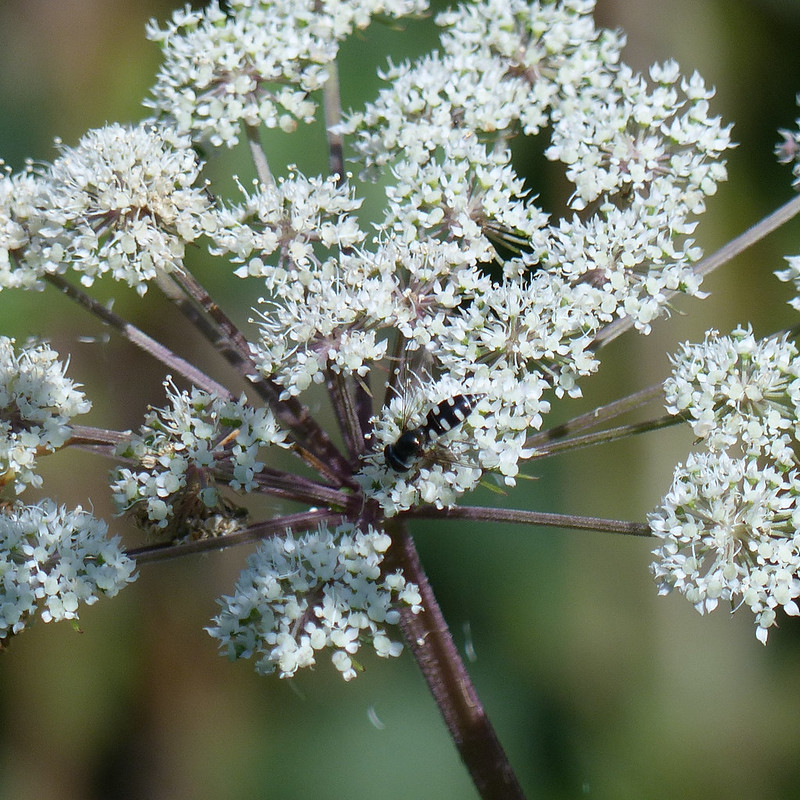
Many hoverflies are mostly black and yellow, but I do often see these small black and white hoverflies. I’m less successful and capturing them in photos though, so was happy to get this one.
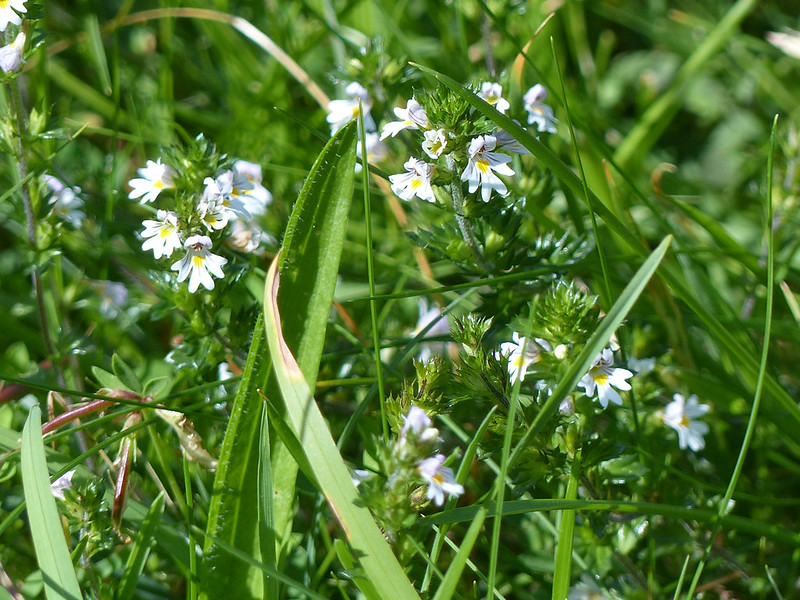
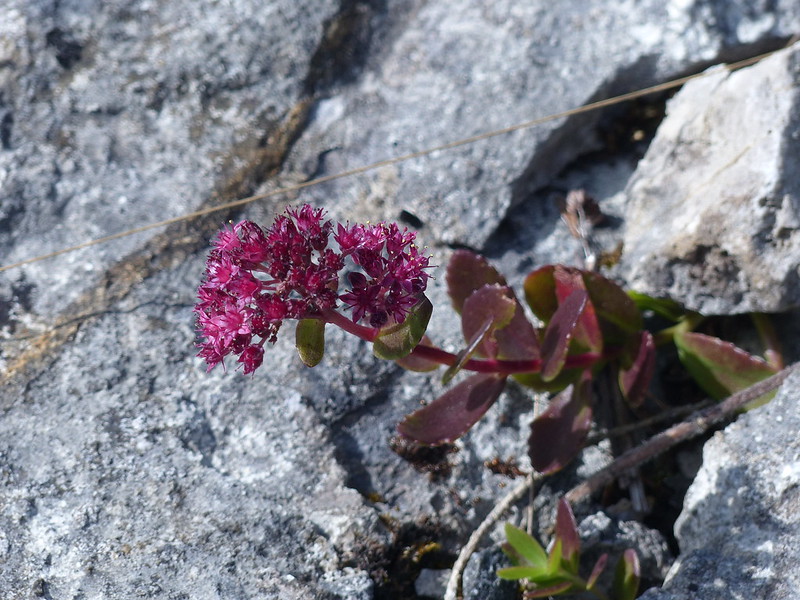
A 14-spot Ladybird and a Drone Fly.Hoverfly – Helophilus pendulus.Butterfly – Red Admiral.Another Green Shieldbug.Common Carder Bee on Knapweed.A Crane Fly.Shieldbug – Troilus luridus, the Bronze Shieldbug.Robber Fly.Hoverfly – Eristalis Pertinax – The Tapered Drone Fly.Butterfly – Speckled Wood.Butterfly – Speckled Wood.Hoverfly – Helophilus pendulus.Eyebright.Late summer fungus.Butterfly – Red Admiral.Butterfly – Red Admiral.Hoverfly – Syrphus ribesii, potentially.Dark Red Helleborine leaves – no flowers, something had been munching on the plant.Dragonfly, Common Darter.Sedum.Butterfly, Speckled Wood.
Whilst these photos are all from the tail end of last summer, I’m happy to report that on Tuesday afternoon, the rain paused briefly in its recent onslaughts, and I was back at Gait Barrows, in glorious spring sunshine snapping photos of shieldbugs, butterflies and particularly abundant hoverflies. Marvellous.


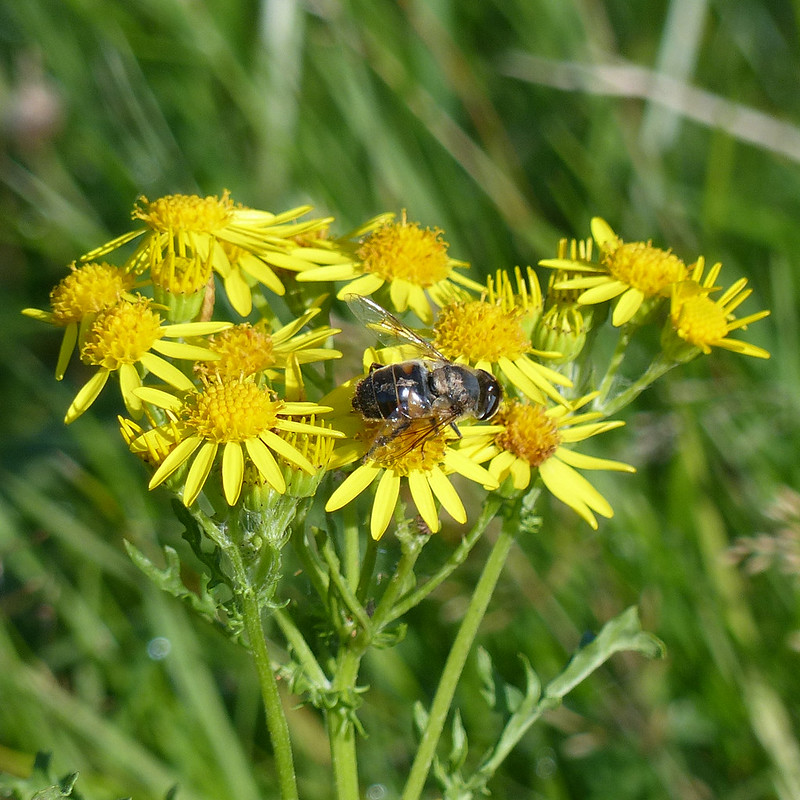
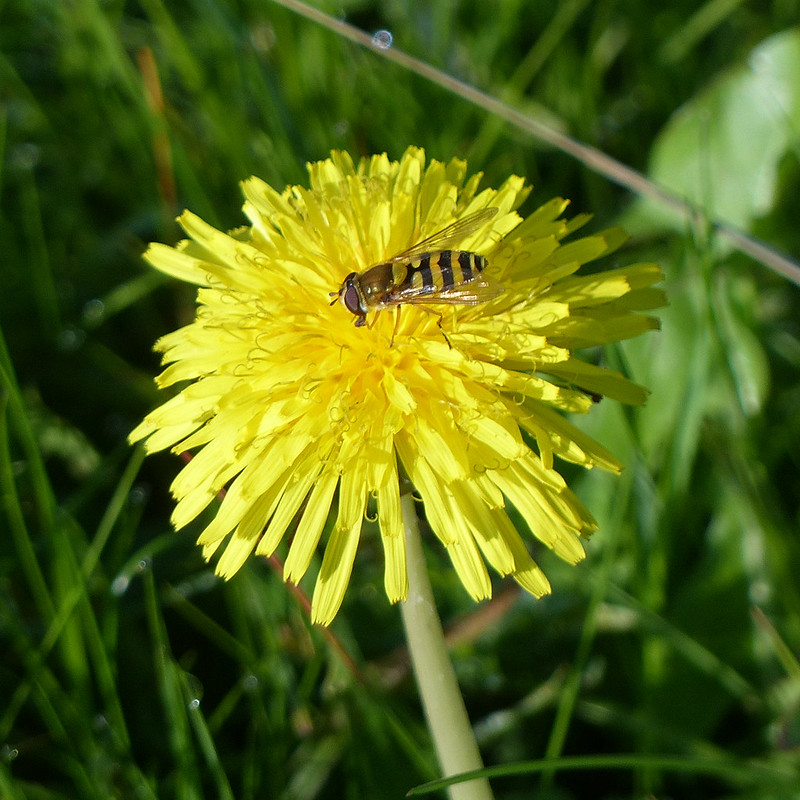
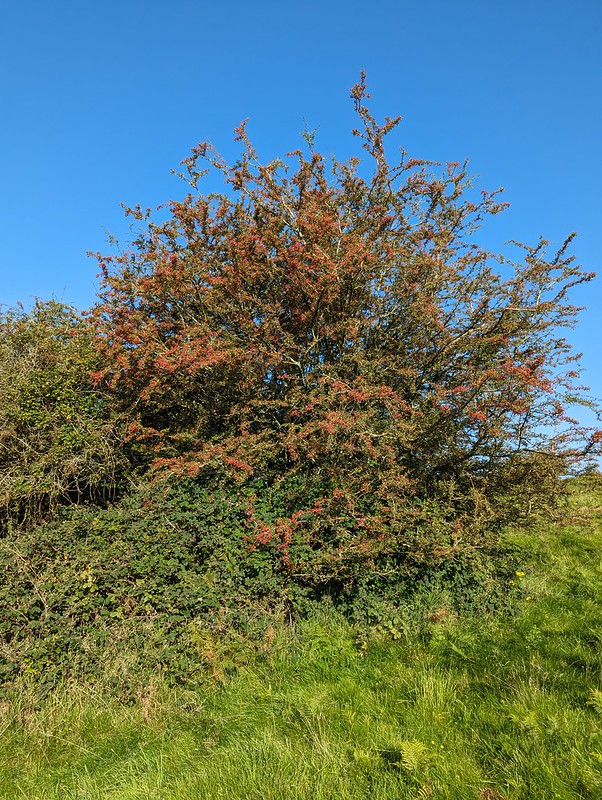
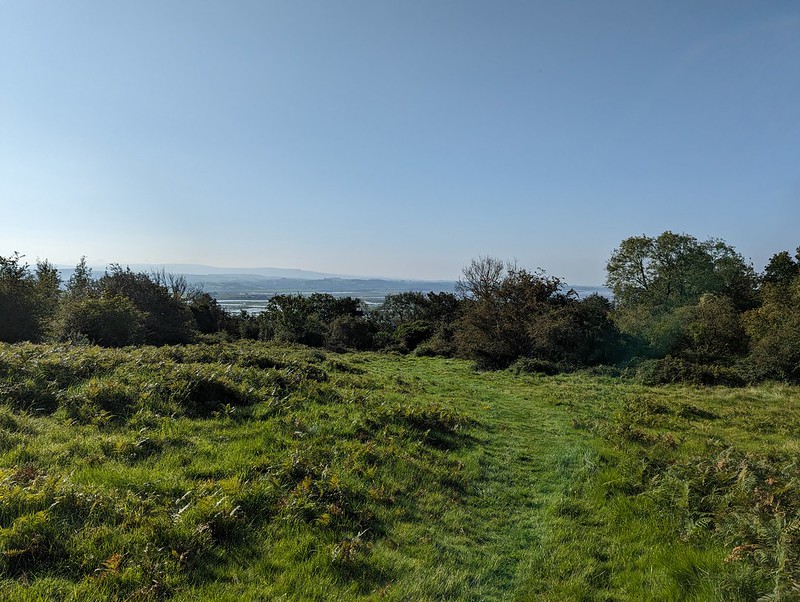


















 Beating The Bounds
