We had several shortish trips away during our summer holiday, but that still left quite some time at home. After our trip to Northumberland we had a fortnight in Silverdale. This post deals with most of that, although I’ve skipped a couple of longer days out, which I shall come back to. All three kids were at home for at least some of that time, although they were busy too, with work or just doing their own things.
A view along Ullswater.
For her birthday, A wanted a day of swimming and boating so we took a canoe and a paddle board to Glencoyne Bay on Ullswater. It was a lazy day, more sunny than the photos suggest.
Place Fell from Norfolk Island.
The most strenuous thing we did was a short paddle to Norfolk Island.
Sunrise and Warton Crag.
On the day we were at home I found a rhythm; interspersing a walk or two each day with some pottering in the garden, tidying up and doing some very simple DIY tasks – fitting a few shelves in the tool shed, refelting the summer house roof, repairing our compost bins; exciting stuff like that. To be honest, I enjoyed every minute. I was often thinking that if this was a foretaste of retirement, then I’ll happily give up the rat race tomorrow.
Quicksand Pool and Warton Crag.
There’s a few photos here from a day when I was out very early, before sunrise – I don’t remember what prompted such an early start. The light was lovely; I should do it more often.
Bryony berries.Harebells on The Lots.Red Clover and Black Knapweed.Grange-over-Sands from The Cove.International Food Festival on Morecambe Promenade.
I took Mum and Dad to Morecambe – I think we were shopping. Anyway, we found an international food festival with lots of street food stalls.
Mum and Dad with Crêpes.Pigs in mud. Morecambe Bay from Arnside Knot.Gummer How and Whitbarrow Scar from Arnside Knot.Small Scabious.Speckled Wood butterfly on bracken.Arnside Knot and Warton Crag from Morecambe Prom.
The food fair was so good, I was back a couple of days later with TBH and the DBs – I thought they would enjoy the wide variety on offer.
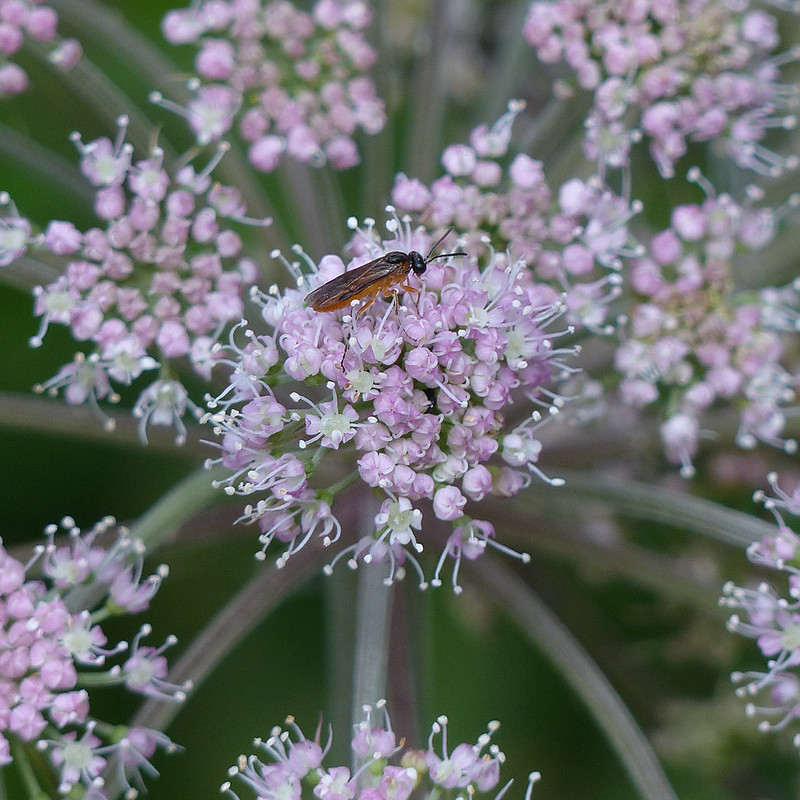
Post sunset view from The Cove.Green-veined White butterfly.Sawfly, Tenthredo species.Common Green Grasshopper.Haws.Another Sawfly, I think.Rose-of-Sharon flowers.Rose-of-Sharon fruit.A and TBH at Jenny Brown’s Point.Path between The Cove and The Beach.Video of a bore in a channel close to the shore at Silverdale. Click on the image to view it on flickr.Those who walk away.
I’ve been meaning to read some Patricia Highsmith for a while. And now I have.
Lambert’s Meadow – Bank Well – Myer’s Allotment – Trowbarrow – Moss Lane – Gait Barrow’s – Hawes Water – Eaves Wood
Hawes Water
I haven’t been mooching about with my ‘birding’ camera a great deal this summer. So much so that I hadn’t bothered downloading the photos I had taken until I started looking at my phone photos from this weekend in mid-May and found myself wondering what had happened to all the photos of damselflies and dragonflies I remembered taking.
Now that I have downloaded several hundred photos, a significant proportion, admittedly, from one walk, I find that some of those photos have ‘missed their chance’, dating back as they do to February, March and April – months which have already gone in the world of this blog.
Anyway, the first photo is the sole representative of a Saturday wander around Hawes Water with TBH. The rest are all from the following day, when I took my camera for a snail’s-pace wander to Lambert’s Meadow, Myer’s Allotment, Trowbarrow and Gait Barrows. This was the day when I took most of the photos which were on my camera’s memory card.
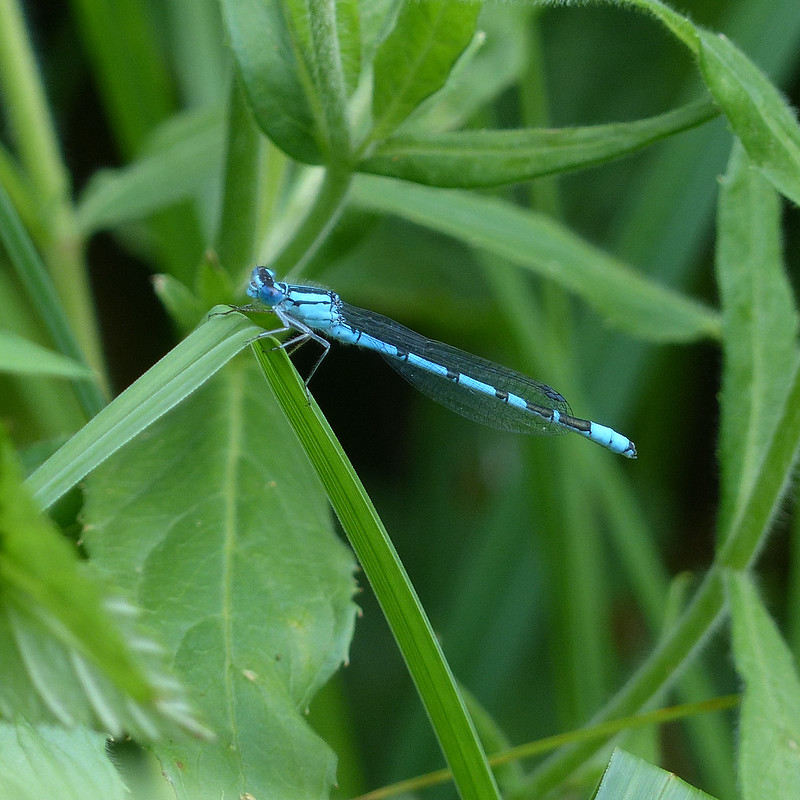
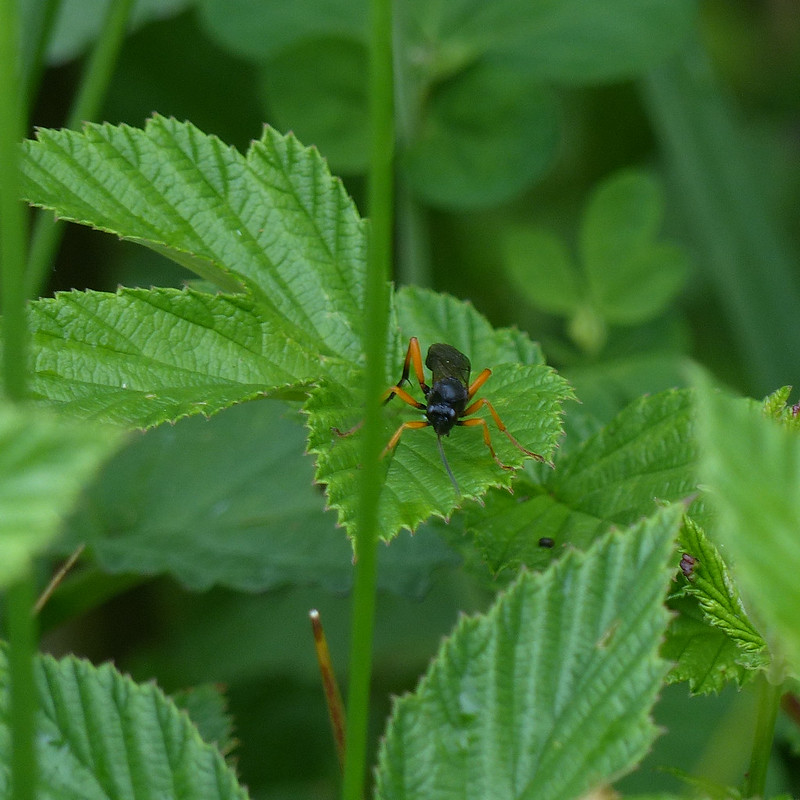
Scorpion FlyLarge Red Damselfly, female, fulvipes form.Guelder Rose, Lambert’s Meadow.Large Red Damselfly, female, fulvipes form.Dandelion clock.Soldier beetle.Large Red Damselfly, male.Hoverfly, Xylota segnisScorpion Fly, female.Green-veined White butterfly.Mating,Large Red DamselfliesPeacock butterfly.Speckled Wood butterfly.Yellow Flags in Bank Well.Common Blue Damselfly, male, on Salad Burnett.Common Blue Damselfly, male.Dingy Skipper butterfly. Green Carpet Moth.Broad-bodied Chaser, male.Female Damselfly, possibly green form of Common Blue, which turns brown with age.Mating Common Blue Damselflies.Yellow Rattle.Bird’s-foot Trefoil.Black-tailed Skimmer, female.Mating Common Blue Damselflies.Mating Common Blue Damselflies.Mating Common Blue Damselflies.Broad-bodied Chaser, female.Broad-bodied Chaser, female.Broad-bodied Chaser, female.Black-tailed Skimmer, female.Leighton Moss from Myer’s Allotment.New seat at the top of the hill in Myer’s Allotment?A Nomad Bee, I think.Mating Common Blue Damselfliesand additional male in flight.Mating Common Blue Damselflies.Dog Rose.Large Red Damselfly, female, fulvipes form.New Oak leaves.Red Admiral butterfly.Fly Orchid.Bramble Sawfly, Arge cyanocrocea.Welsh Poppies and Dandelion Clock.Solomon’s-seal.Hawthorn and Cow Parsley on Moss Lane.Star of Bethlehem.Columbine.Common Carder Bee.Azure Damselfly, male.Gait Barrows limestone pavement.Angular Solomon’s-seal.Black-tailed Skimmer.Lily-of-the-valley.Small Emerald.
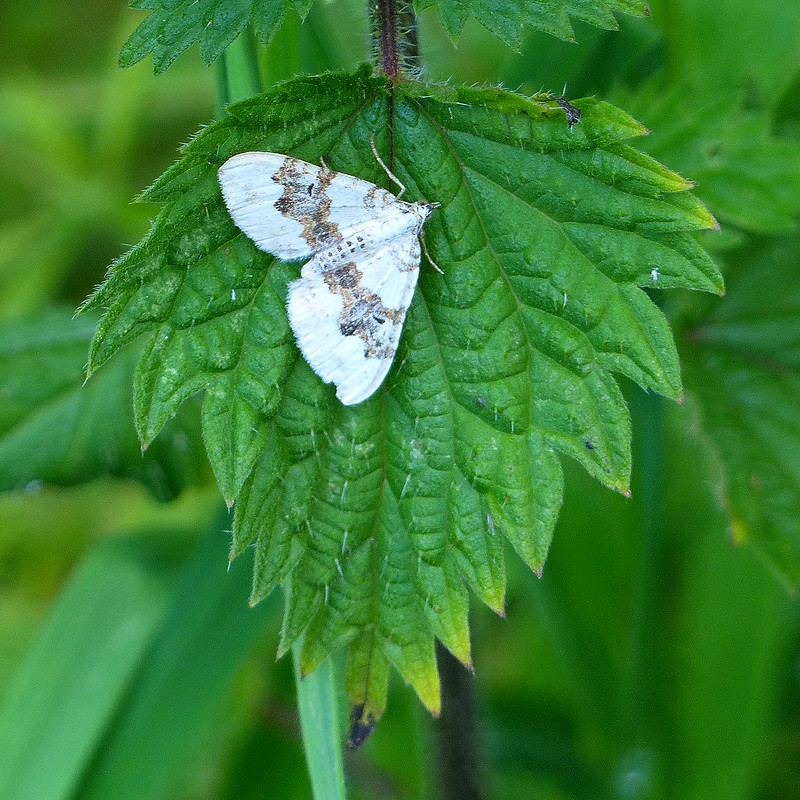
A Small Emerald is generally pale green, although some photos online show moths which seem to have faded to a kind of grey. To the naked eye this one looked almost white. I think my phone has extrapolated a bit with this lovely blue. The photo below, taken with my camera, is probably nearer to the actual colouring…
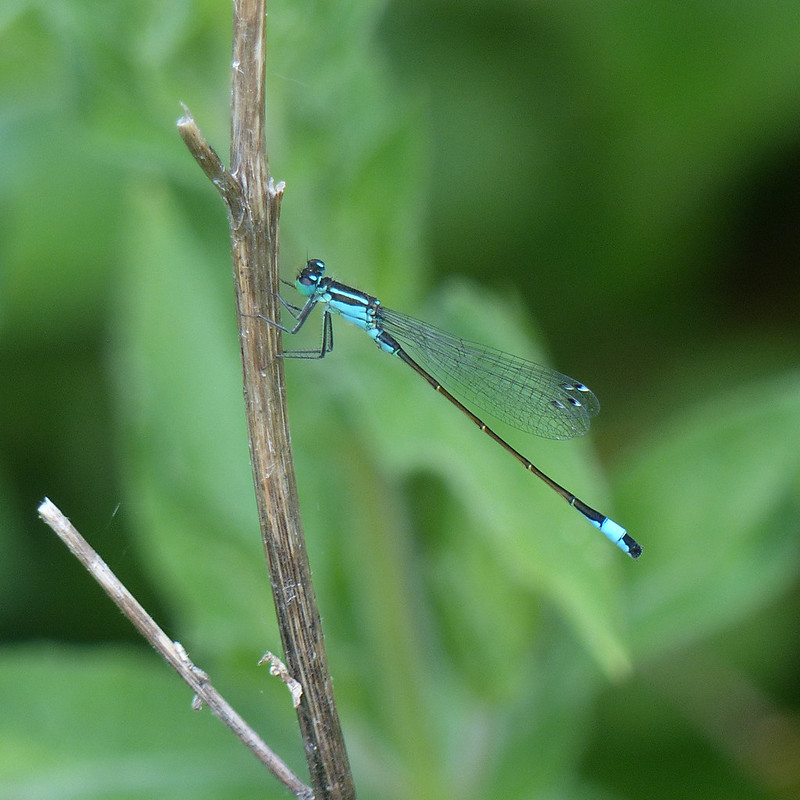
Small Emerald.Bracken fronds.Dark-edged Bee-fly.Speckled Yellow Moth.Crepuscular Rays over Hawes Water. Alder Leaf Beetle.Blue-tailed Damselfly, female, typica form, I think.
MapMyWalk gives nine miles for this walk, which took almost as many hours. I have some doubts about the efficacy of the GPS measurement when I’ve stopped or am not moving very quickly.
Anyway, nine miles or otherwise, it was an absolute delight and an excellent reminder of why sometimes it’s good to take my time and linger rather than focusing on how far, how fast etc.
Good reads.
Oh – and books. I somehow convinced myself that I hadn’t read David Copperfield. It didn’t take very long for me to realise my error, but by then I was engrossed and happy to be in the company of Mr Micawber et al again. Whilst I was reading it, I listened to Miriam Margolyes on Radio 4’s Great Lives. She was making the case for Dickens. I seem to remember that she said ‘Our Mutual Friend’ was her favourite. Or was it ‘Great Expectations’? Either way, I would be happy with either of those choices. I do remember that she isn’t a big fan of ‘The Pickwick Papers’, which I couldn’t get on with either. The other guest was very keen on ‘Bleak House’, which I found hard work. Maybe I should go back and give it another go?
‘Flight’ is a thriller written by a literary novelist and well worth a read. Highly enjoyable.
The Nathanael West is a collection of four novellas. So far, I have only read the first in the book, ‘The Day of the Locust’ which was, well…odd. Notably, one of the principal characters is called Homer Simpson, which is where Matt Groening borrowed the name from.
Mid-July. I was back to the Winster Valley hoping to make the most of a day when the forecast wasn’t overly promising. I parked on the old road which runs parallel to the A590 for while, just west of the Derby Arms. Usually, when I’m in this area, I’m drawn to Whitbarrow, but on this occasion I had other plans.
Fungi.Halecat Woods.Monk’s-Hood.
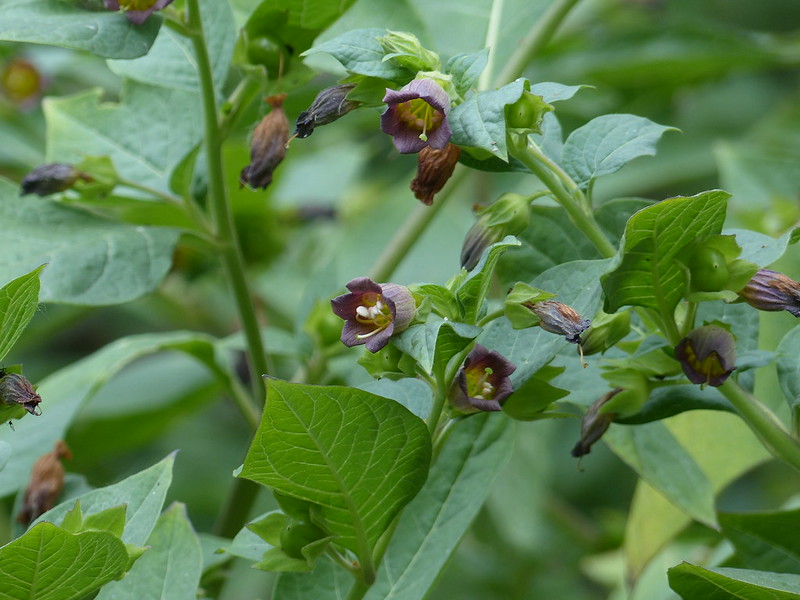
Monk’s-Hood is a native British plant, but I think this is a garden escapee. It looks slightly different. Apparently the two hybridise. It contains a deadly neurotoxin, which, it’s worth knowing, can be absorbed just by touch. It resounds in several popular names including Old Wives Hood, Soldiers Helmet, Dogs Bane, Devils Hood and Wolfsbane.
Arnside Knot, Meathop Fell, Morecambe Bay, Newton Fell, and Witherslack below.
I took a long path through woods which I haven’t used before and which followed a gently rising line. After a slightly steeper section, a path off to the left tempted me and revealed this unexpected view.
Cartmel Fell rising to Gummer How and Birch Fell.
There are no rights of way to the highest point on Yewbarrow, but it is access land, and there are paths and a bench…
Simon’s Seat.
…so it’s pretty clear that people do come this way. I’ve been up here a couple of times before myself, but my last visit was quite a long time ago.
Yewbarrow.Thistles.Whitbarrow Scar, Farleton Fell, Hutton Roof, River Kent.Knotted Pearlwort. Possibly.Black Yews Scar on Whitbarrow and the Equestrian Centre near Witherslack Hall.
Dropping down through woods to a spot near Witherslack, I then turned sharp left through Lawns Wood to head back to the Winster Valley.
The Winster Valley.
Once there, I followed a series of minor roads southward, heading for Nichols Moss, a Cumbria Wildlife Reserve which I’ve been meaning to visit for years.
Meadow Crane’s-bill.
The hedgerows were brimming with wildflowers.
Bindweed.Bindweed.Meadowsweet.
A track runs down the East side of the reserve and I hoped that would give access. It did. Whether there is another way in, I’m not sure.
Nichols Moss.
Like nearby Meathop and Foulshaw Mosses, Nichols Moss is a raised peat mire. There’s an unofficial path across Moss, marked with sticks. The ground is soft and pretty wet. There were a number of interesting dragonflies flying, but I didn’t manage to get photos. Like the other Mosses, it’s home to the Large Heath Butterfly, which I’ve never seen, but I probably needed a sunnier, warmer day to have a chance of spotting them.
Common Spotted-orchid.
I enjoyed my visit and would definitely like to come back on a nicer day.
Pearl-bordered Gold Moth.Alder Buckthorn.Blue-tailed Damselfly (female, which has several colour forms).Sundew.Common Blue Damselfly, female. I think.Nichols Moss.Bog Asphodel.Common Darter.Hoverfly – Helophilus Pendulus.
I continued on the path along the eastern side of the Moss before finding a fairly overgrown path which cut up into Halecat Woods again.
Halecat Woods again – Agrimony.
I turned right, aiming for Catcragg Farm, but the path eventually closed in…
The path. A bit overgrown.
I could tell that somebody had forced their way through quite recently, but in shorts I didn’t fancy following them, so about-faced to find the path back to Latterbarrow.
Spotted Longhorn Beetle.
The woodland rides here were lined with Hogweed, which always seems to attract a host of insects, especially Soldier Beetles, but other things too.
Spotted Longhorn Beetle.
Hogweed flowers are zygomorphic, which, slightly disappointingly, simply means that they have only one line of symmetry, as you can see in the outer flowers here.
Variable Longhorn Beetle.
The Spotted Longhorn Beetle isn’t given that, or any other, popular name in my Insect Field Guide; it’s called Strangalia maculata, although I see that the scientific name is now Rutpelamaculata. I’m not really sure why latin, scientific names sometimes change. Maculata crops up quite often and I’m pretty sure it means ‘spotty’. Variable Longhorn Beetle is also I think quite a new name, otherwise Stenocorus meridianus. The advent of the internet has created forums where enthusiasts can share pictures and talk about their interests and I think that is creating and promoting the new popular names.
Variable Longhorn Beetle.
This Beetle was very much darker, without any of the orange and if this is indeed, as I suspect, the same species it does give an idea of why somebody decided to call the them ‘Variable’. I’ve seen Spotted Longhorn Beetles at Lamberts Meadow, but the Variable variety were new to me.
Honey Bee.Amber Snail.
The paths in the woods were often ankle deep in sloppy mud – more like winter than mid-summer conditions. July was another wet month.
Back at Latterbarrow there was more Hogweed and more beetles…
Spotted Longhorn Beetle.Small Scabious. I think.
Latterbarrow is a small reserve, but a really fabulous spot which I don’t visit often enough.
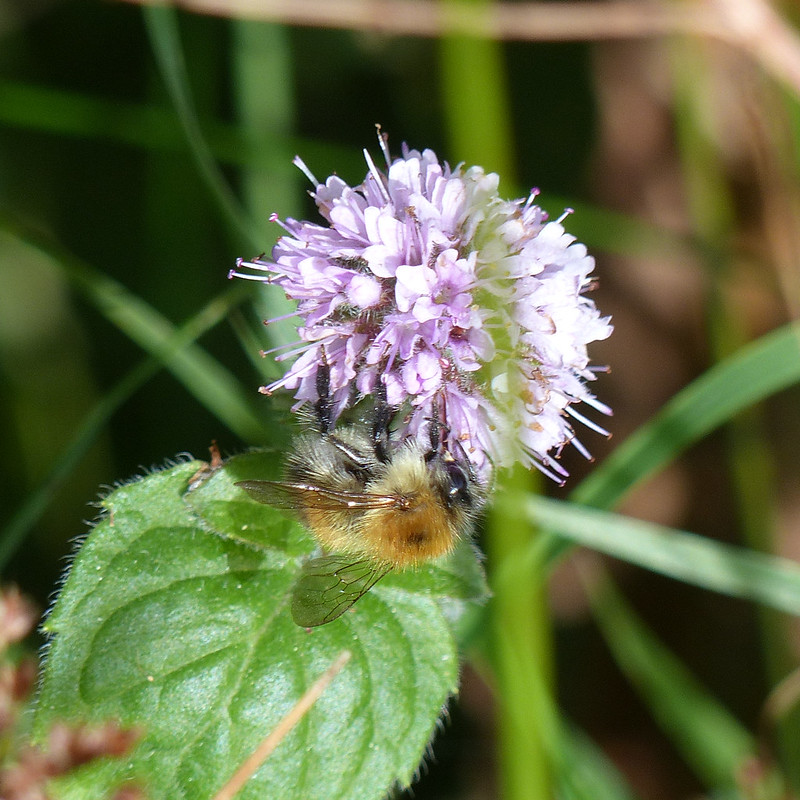
Scabious and St. John’s Wort, Latterbarrow.Betony and Dropwort, Latterbarrow.Six-spot Burnet Moth.Six-spot Burnet Moth.Six-spot Burnet Moth.Sawfly. Tenthredo species.Common Carder Bee.Common Carder Bee.
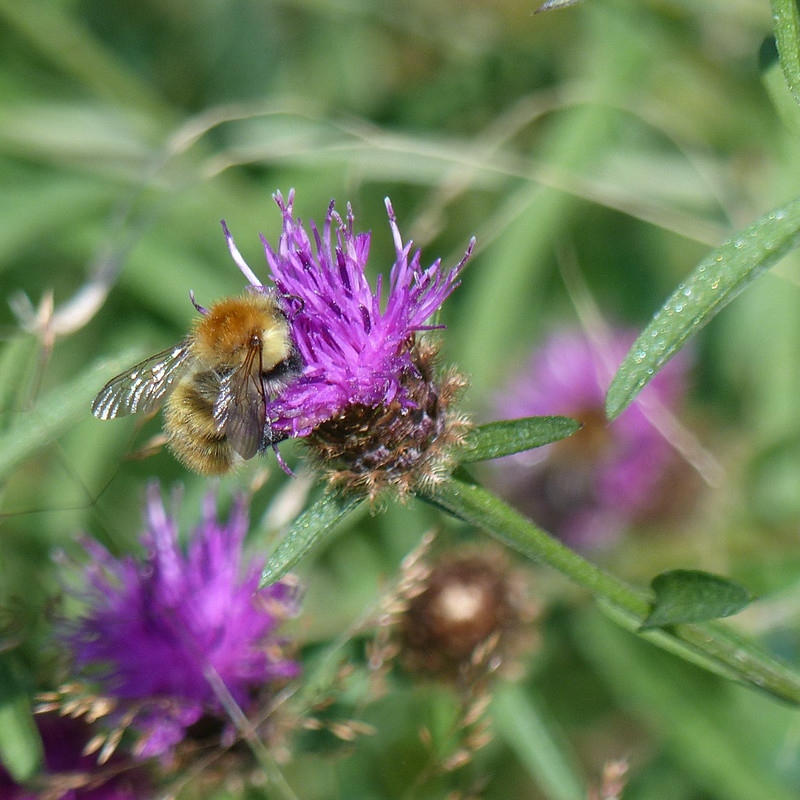
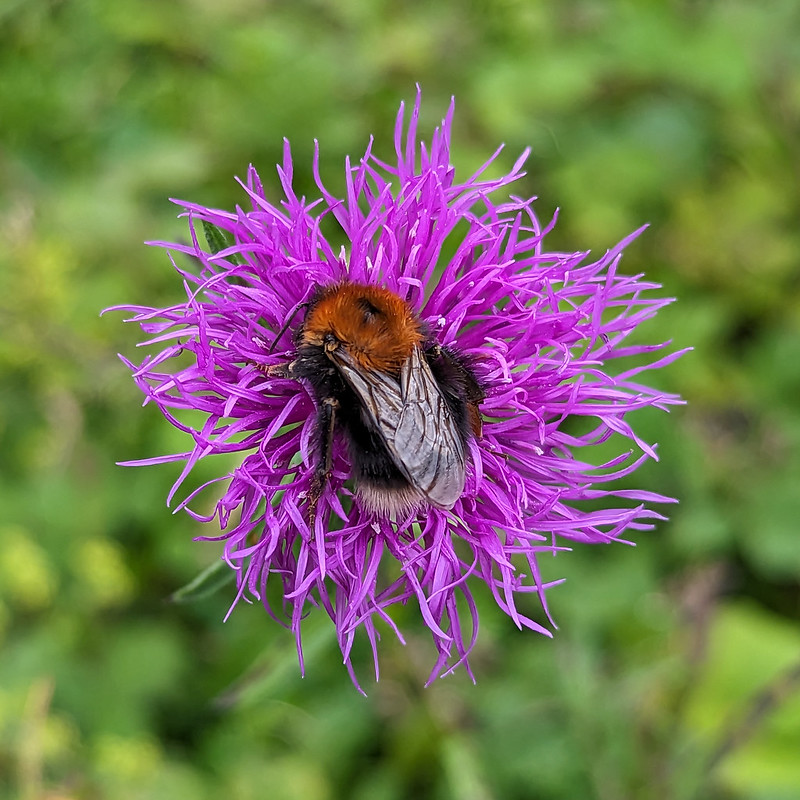
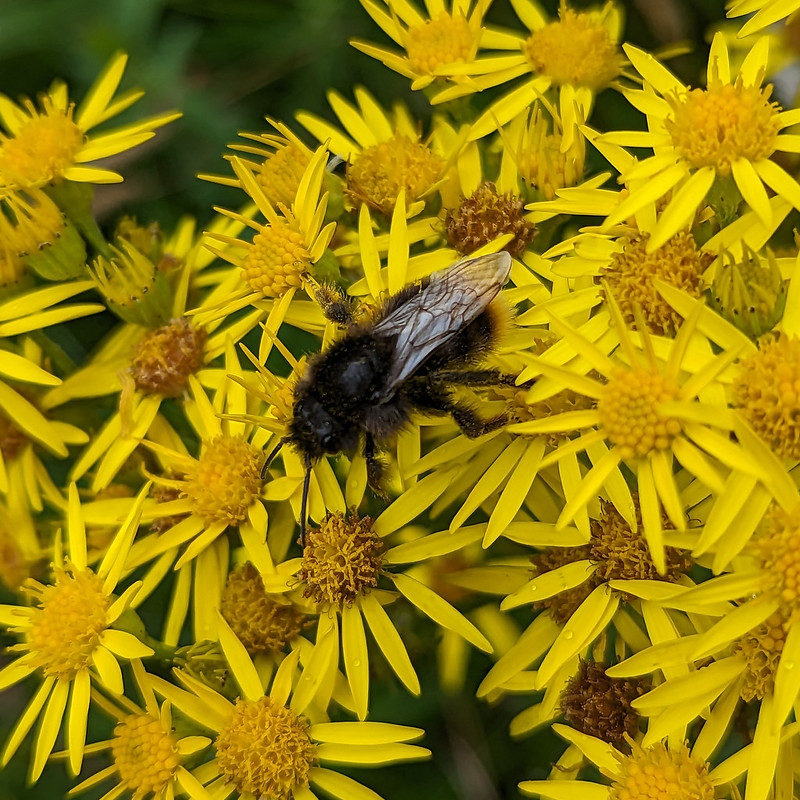
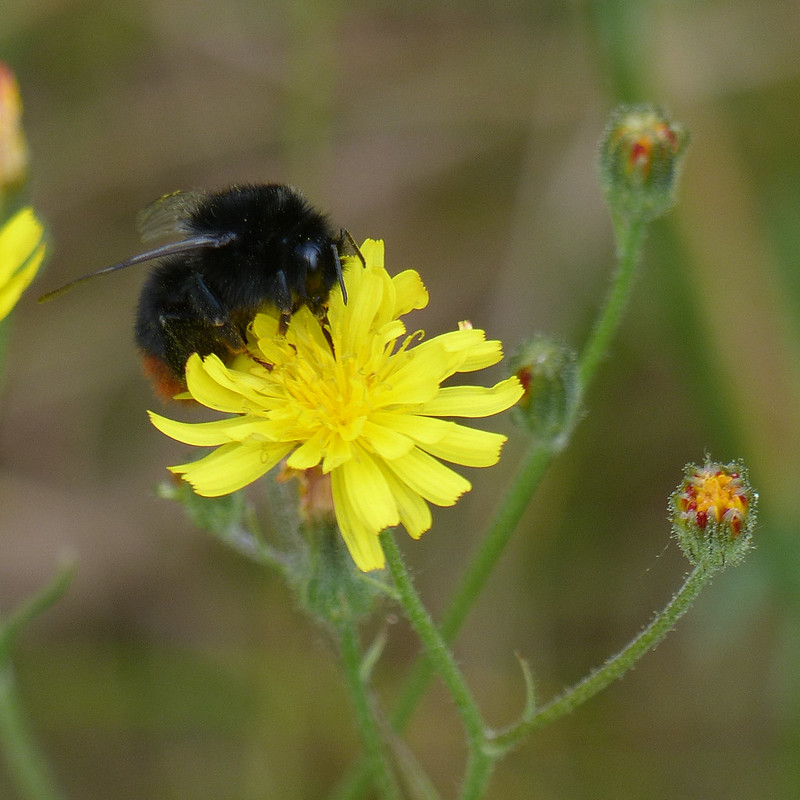
A mauve flower and a ginger bumblebee are an irresistible combination.
Six-spot Burnet Moth.Hawkweed?
Google lens thinks that this is Hawkweed. There are apparently 415 identified microspecies of Hawkweed in the UK. And counting, probably. I am generally a bit lost with yellow composites like these. I’ve just discovered that if you type ‘yellow composites’ into Google, it automatically amends your search to ‘damned yellow composites’, so I’m probably not the only one who struggles.
My route. A little over eight miles.
I was out locally the next day.
Lady’s Mantle.
It was wet. But at least Lady’s Mantle looks great when rain has collected on its leaves. Lady’s Mantle has binomial name Alchemilla Mollis which I always think has a certain musicality.
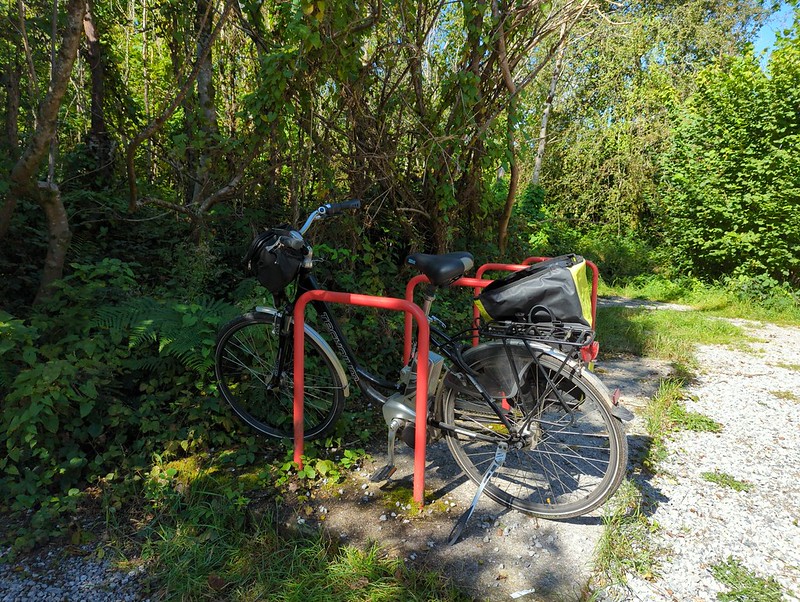
My trusty steed in the small Gait Barrows car park.
In brief, I cycled roughly three kilometres to the small car park at Gait Barrows National Nature Reserve, then had a very slow wander, of roughly three kilometres, then pedalled home again.
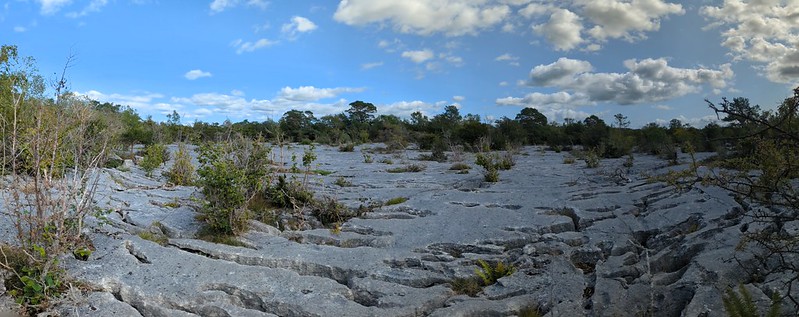
Limestone pavement.
Since there’s not much more to say about this particular outing, a word about the tentative IDs. Although I’m still surrounded by field guides when I’m blogging (and am eagerly awaiting the release of the 4th edition of a UK hoverflies guide), much of my research these days is carried out online.
Hoverfly – possibly Syrphus ribesii.
Google Lens often gives me a good start point. Sometimes it seems fully confident and offers me numerous images of the same species along with a related search. At other times, frankly, it might as well throw up it’s notional hands and admit that it hasn’t got a scoobie – showing images of several different species, sometimes of a kind which aren’t even related.
To be fair, according to the National History Museum website, there are over 7000 species of wasp resident in the UK. A little confusion might be expected.
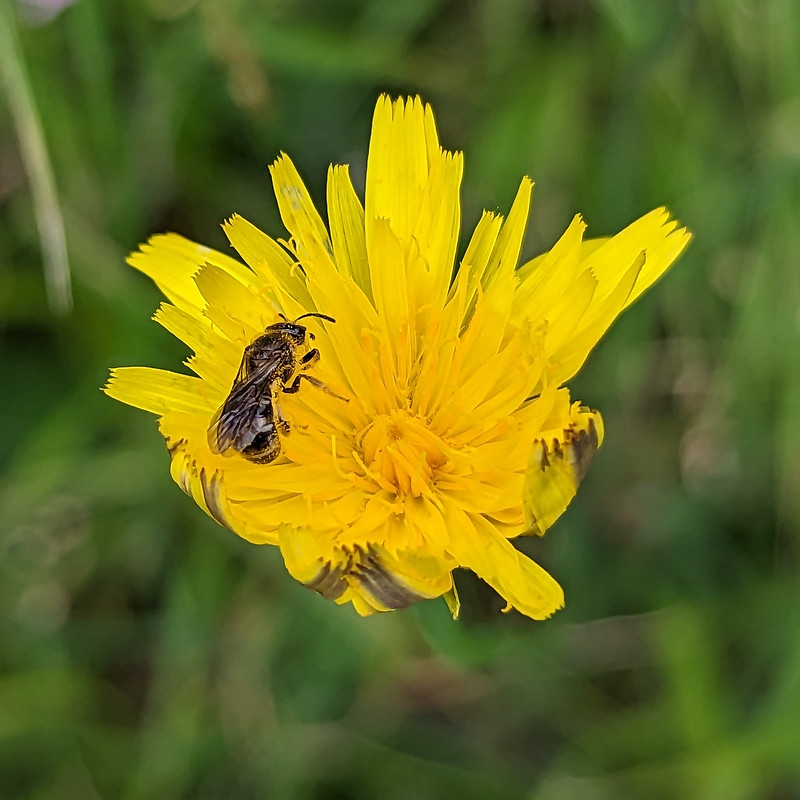
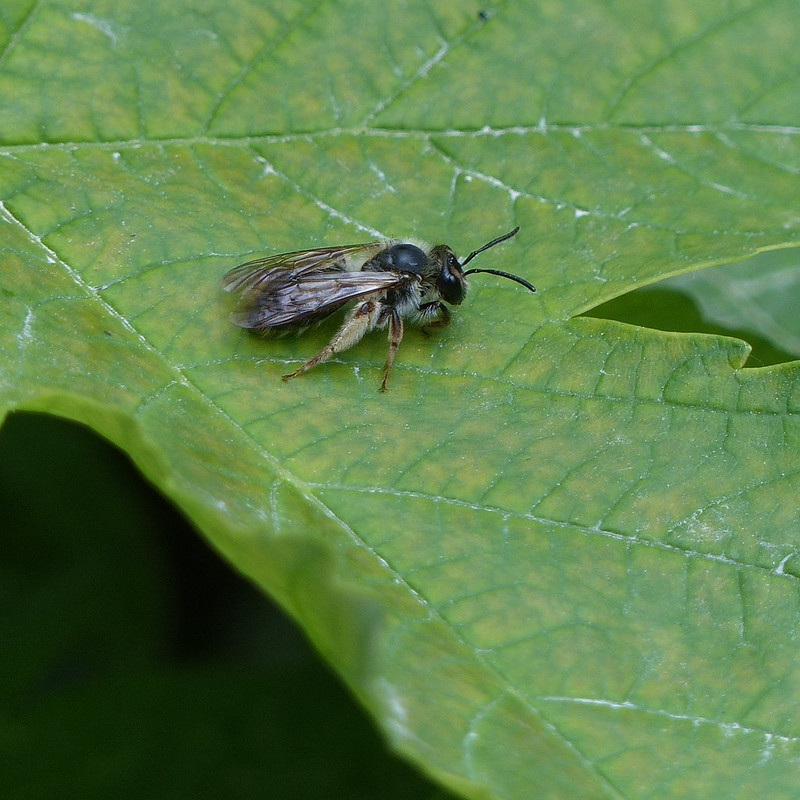
A Mining Bee?
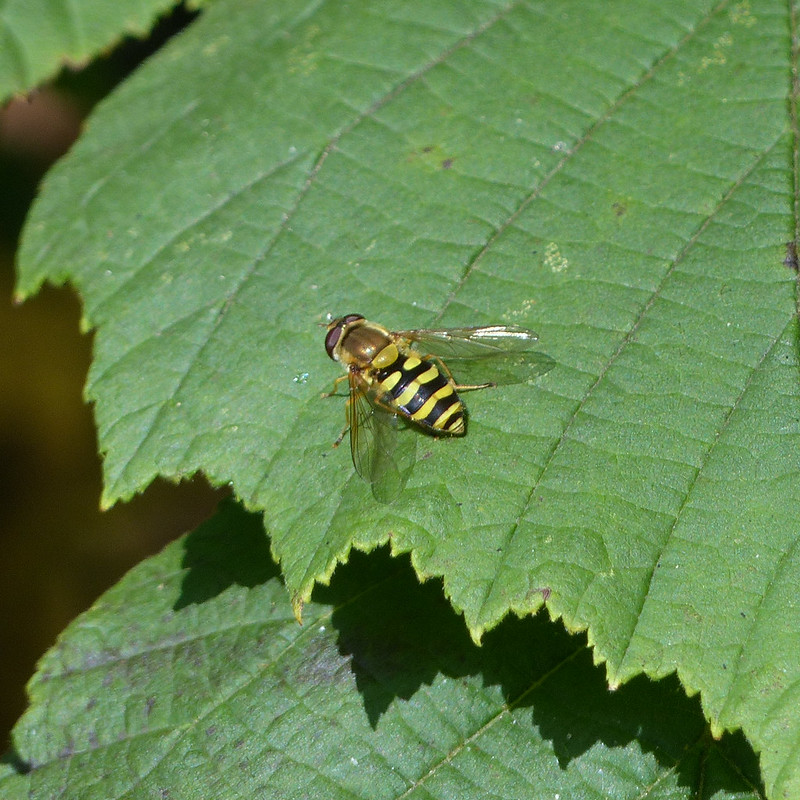
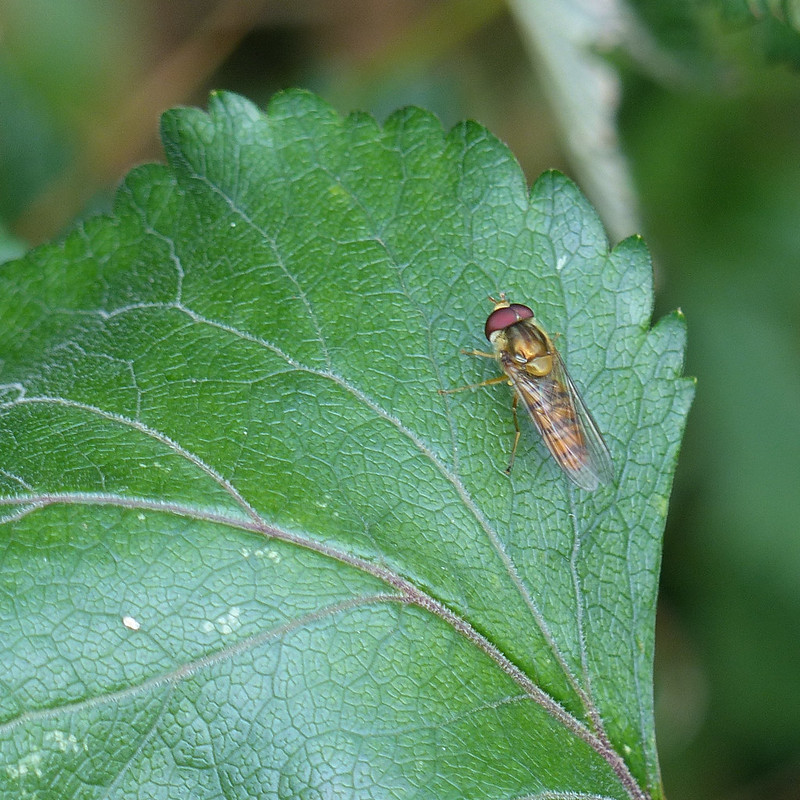
Even in the case of hoverflies, where there are a relatively modest number of species (around 280 apparently), making an ID can be very difficult. For example, I’ve identified a couple of the hoverflies in this post as Syrphus ribesii, but apparently the species Syrphus vitripennis is almost identical, barring some very subtle differences.
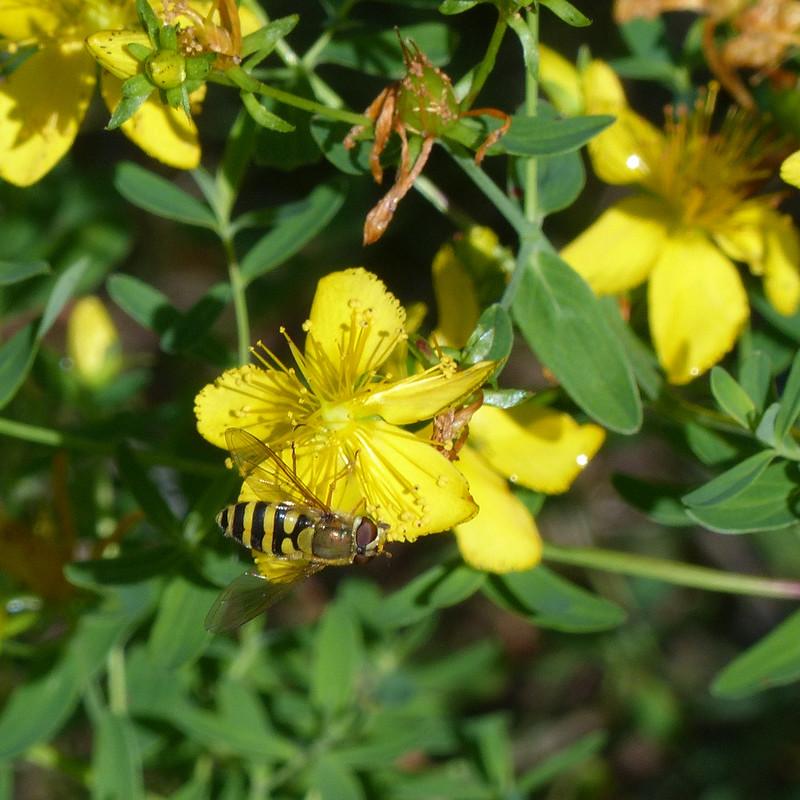
Hoverfly – Helophilus trivittatus, I think.
This information comes from the excellent Nature Spot website. Nature Spot is about the wildlife of Leicestershire and Rutland, coincidentally where I grew up, but is often relevant to my more northerly current locale. If I could find something as comprehensive specific to Lancashire and Cumbria I would be thrilled.
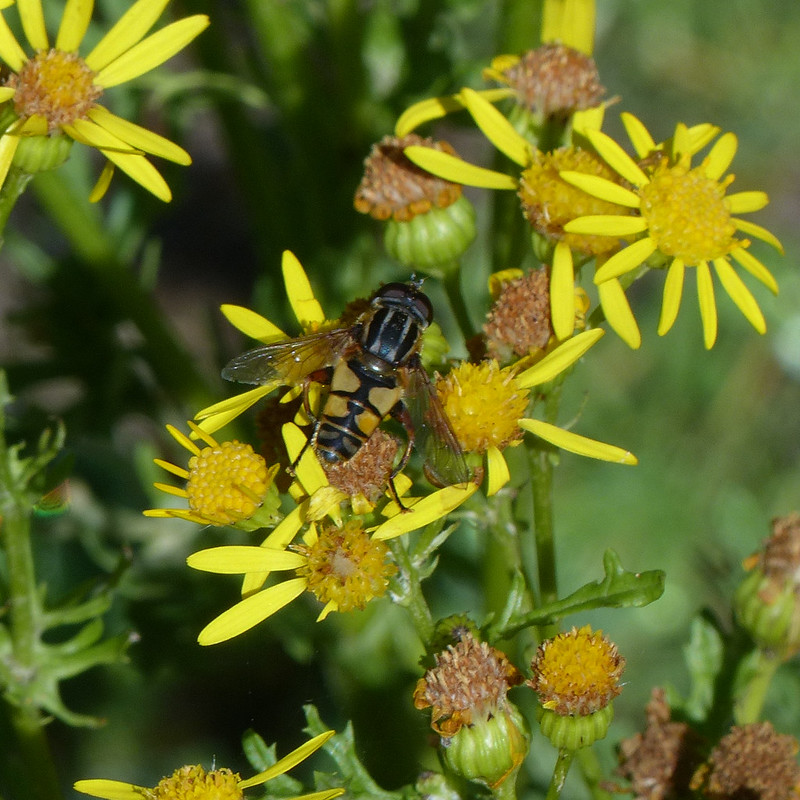
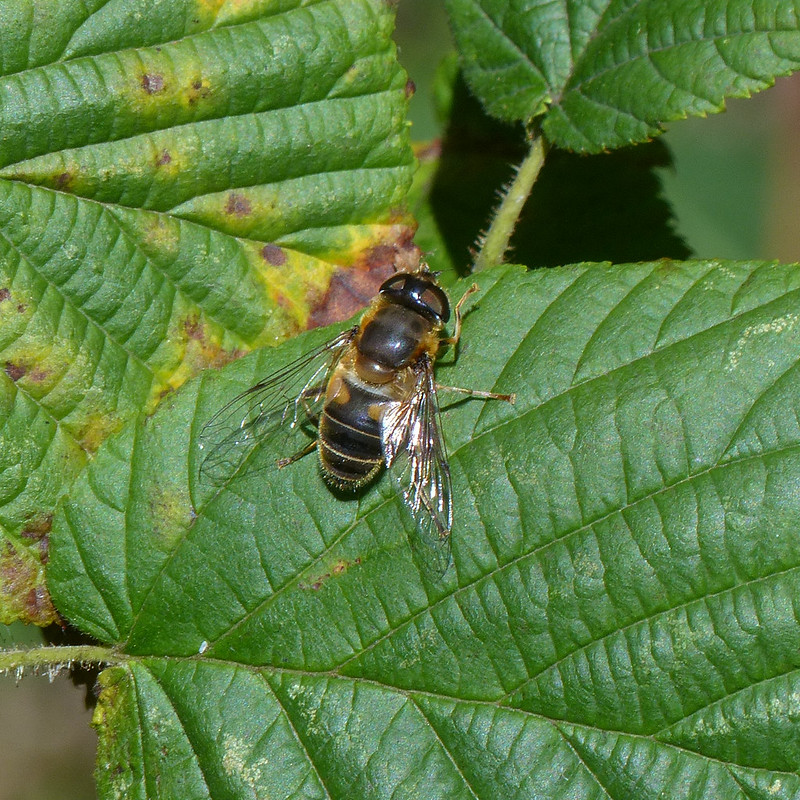
Hoverfly, Eristalis tenax, the Common Drone Fly.
So, all of my identifications should be taken with an enormous pinch of salt. I’m well aware that I’m often going to be wrong, or simply clueless, but I’m learning all the time and I enjoy the detective work, even when it might lead to questionable conclusions.
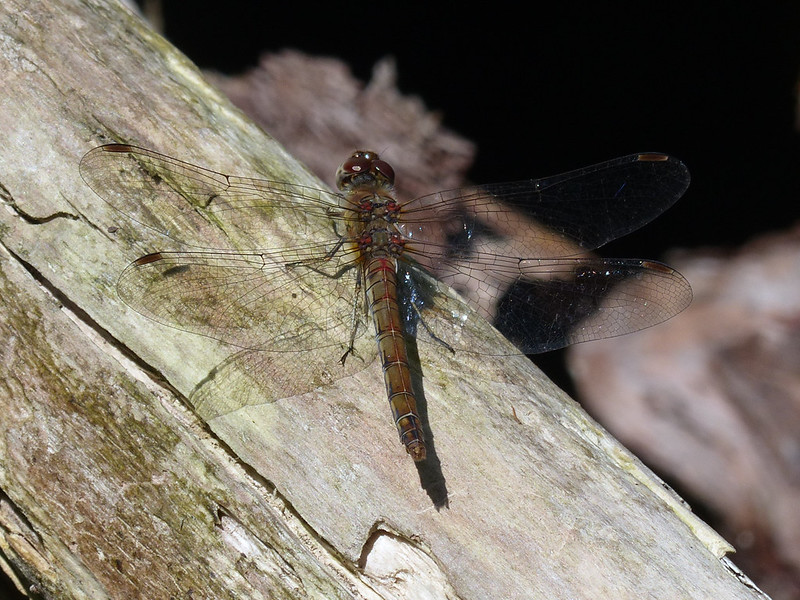
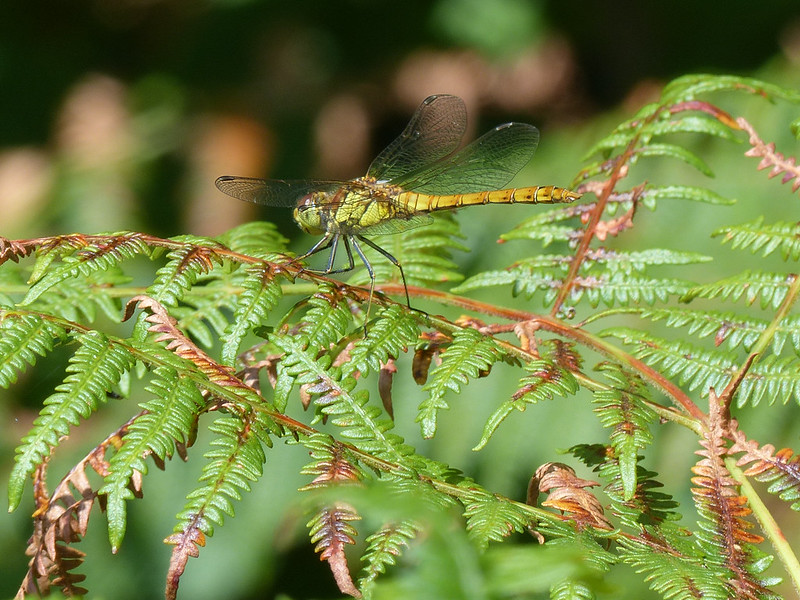
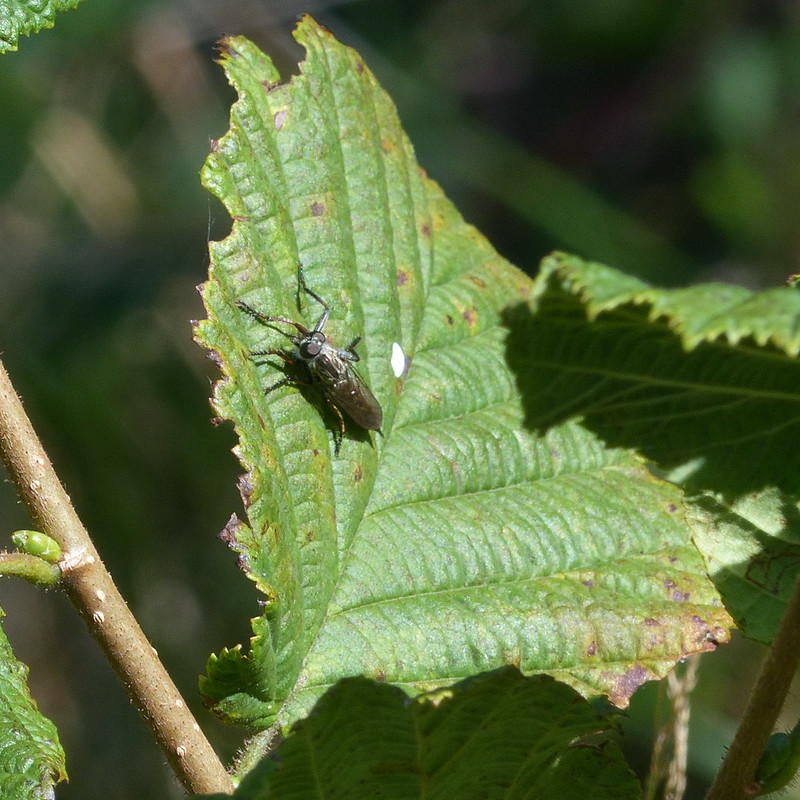
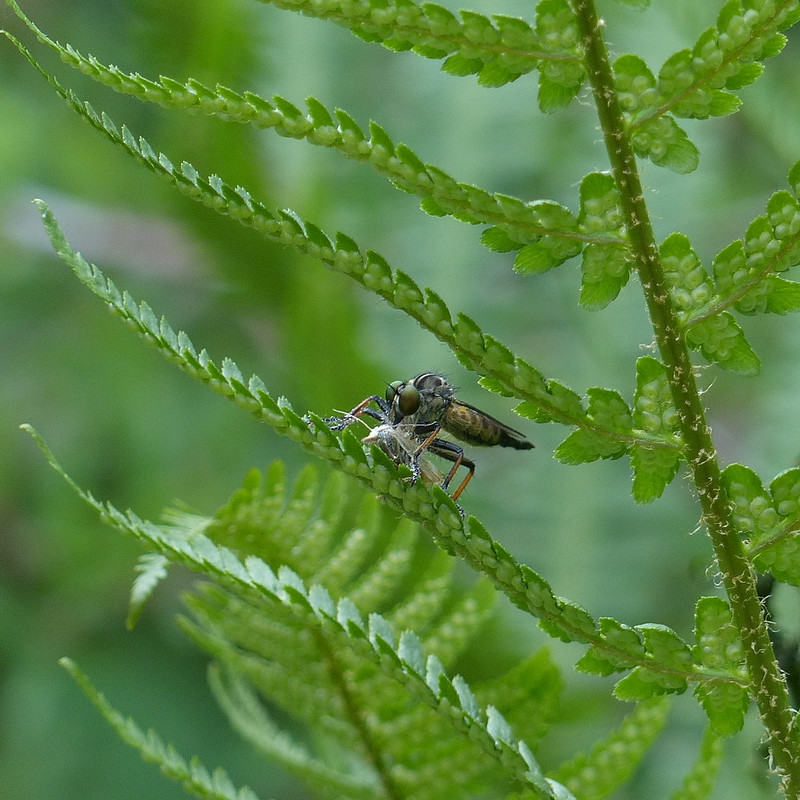
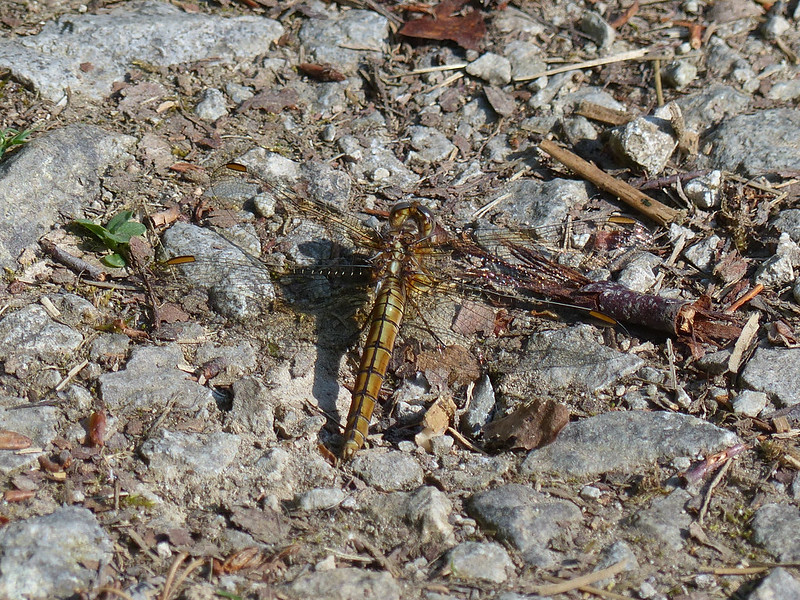
Dragonfly – Common Darter.Dragonfly – Common Darter.Robber Fly?
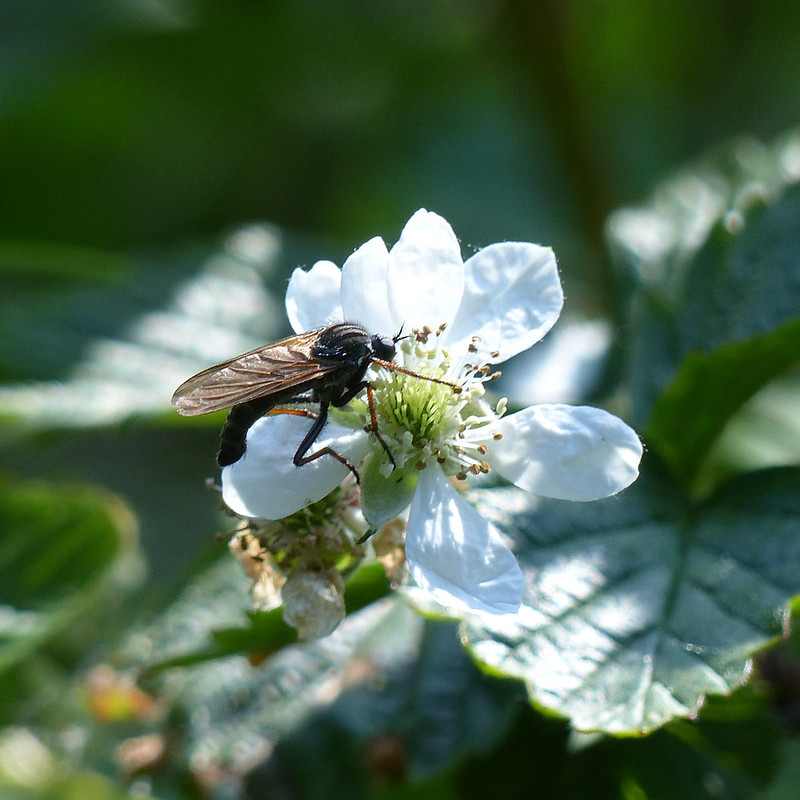
According to this detailed presentation, the UK only has 29 species of Robber Fly, so maybe that’s an area in which I could make some progress? To be honest, at the moment I’m content to leave it at ‘Robber Fly’. Last summer, I watched one of these intercept and kill a micromoth; they are awesome predators.
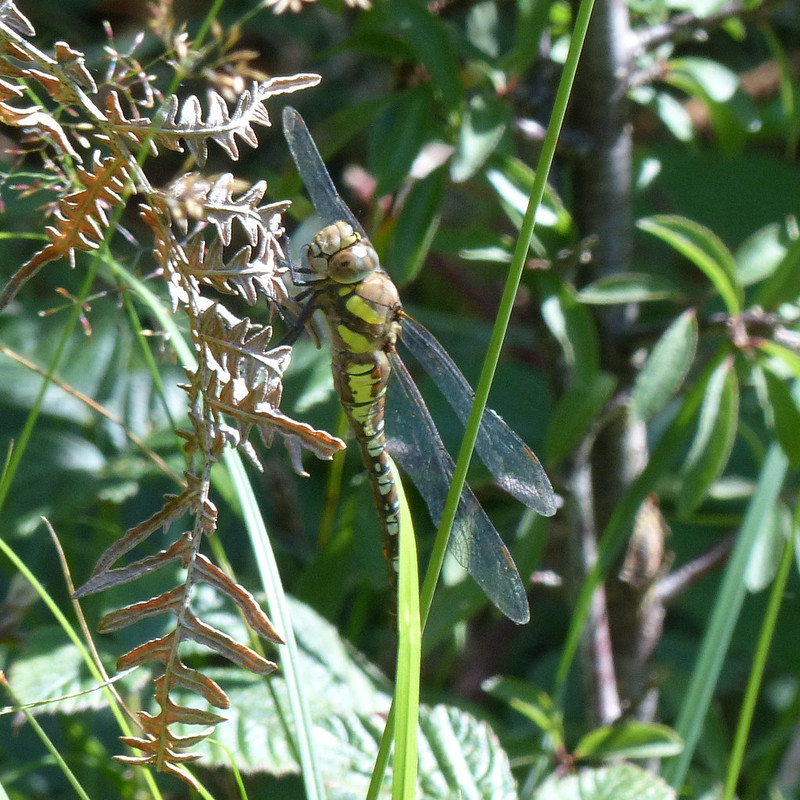
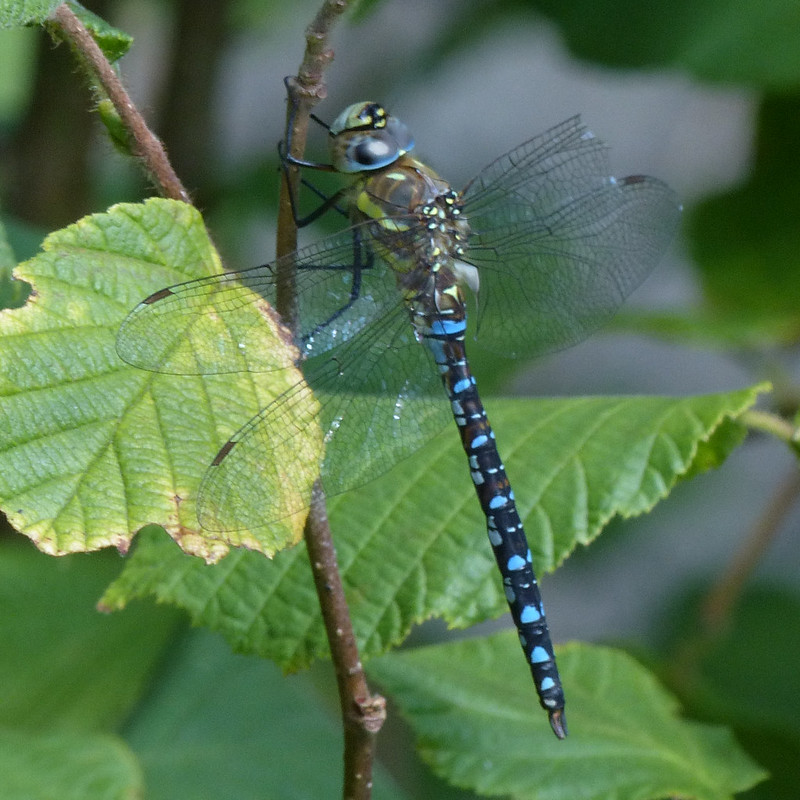
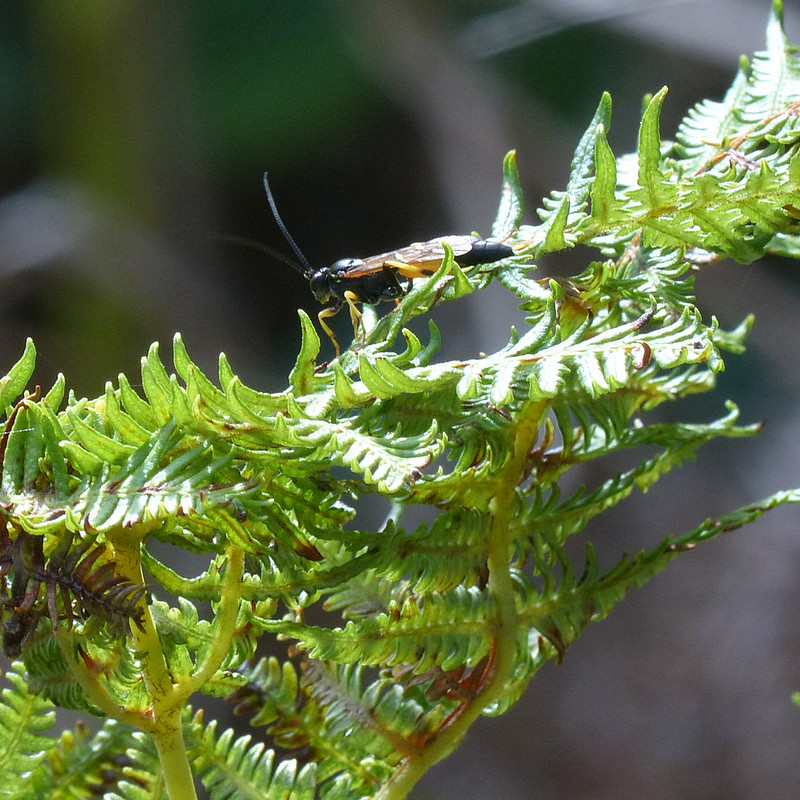
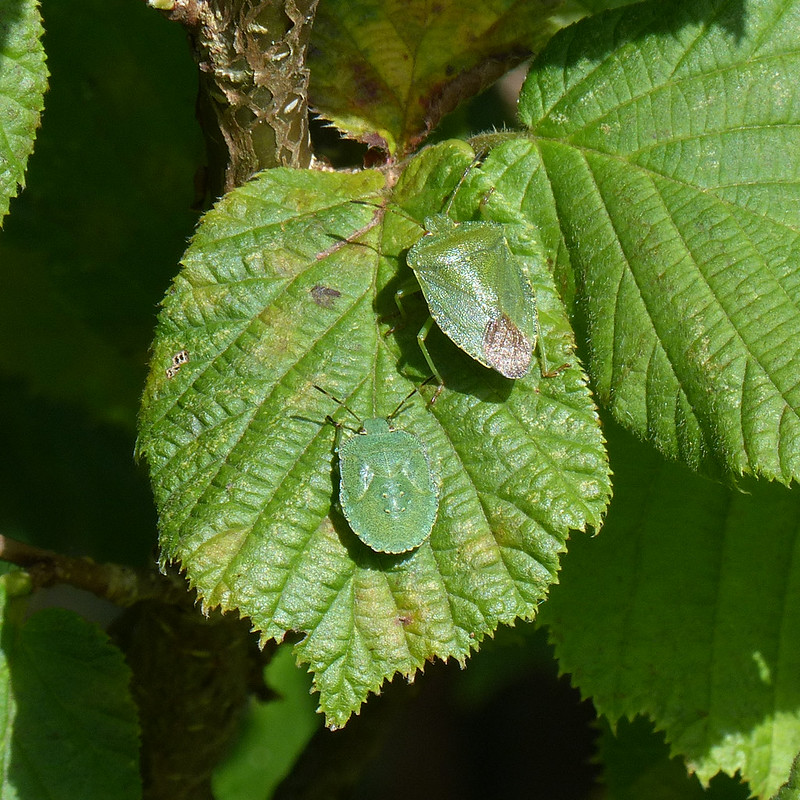
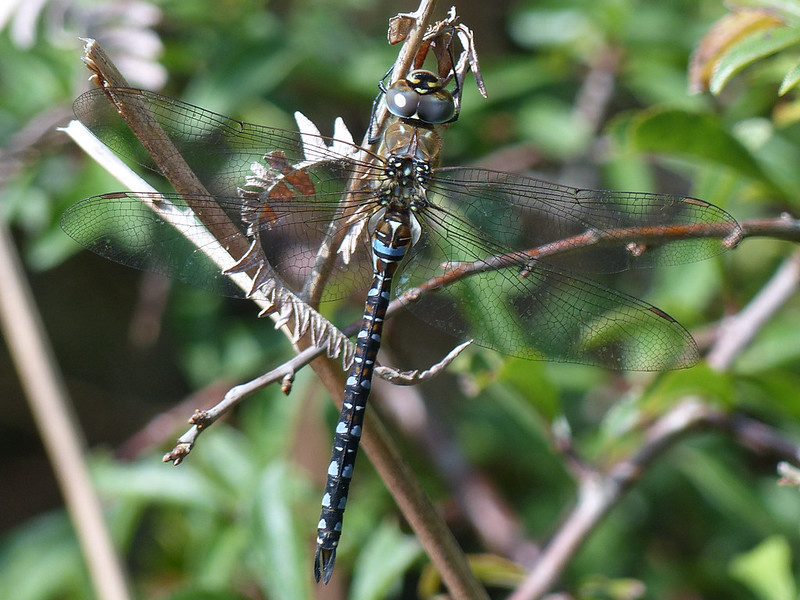
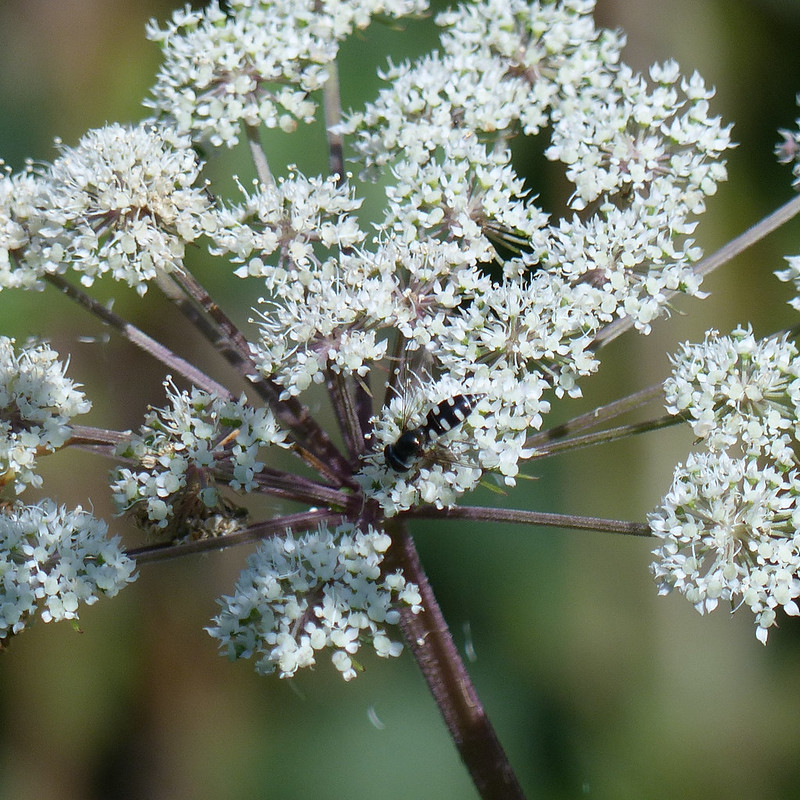
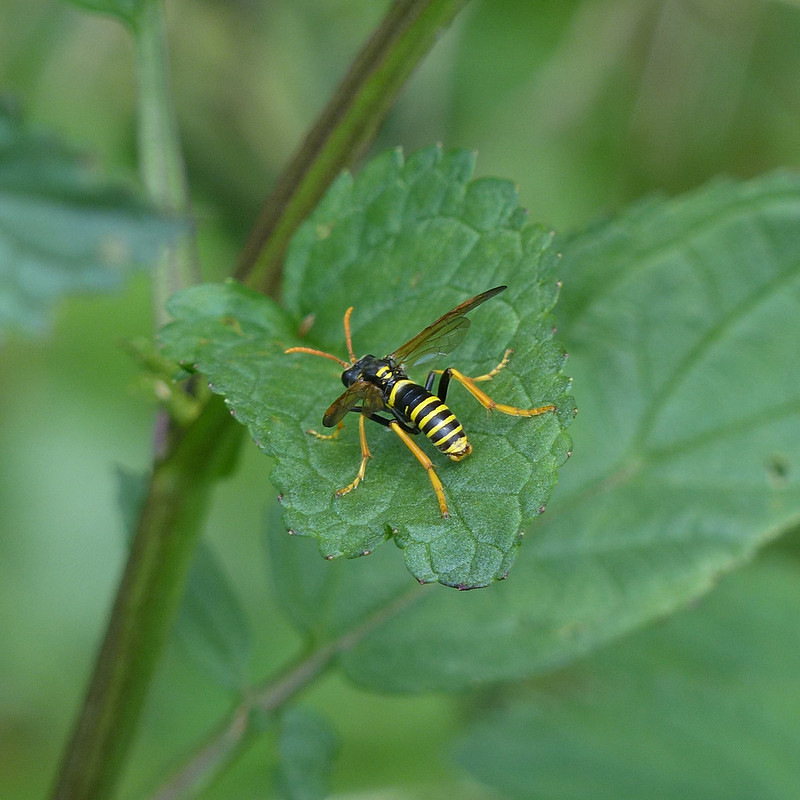
Robber Fly?Dragonfly – Migrant Hawker.Green Shieldbug.Dragonfly – Migrant Hawker.Dragonfly – Migrant Hawker.A wasp, or a sawfly?Green Shield Bugs – an adult on the right and an earlier (final?) instar on the left.Dragonfly – Common Darter.Dragonfly – Migrant Hawker.Another wasp or sawfly – I’m inclined to think wasp, due to the narrow connection between the thorax and the abdomen.Hoverfly – Melangyna umbellatarum
Many hoverflies are mostly black and yellow, but I do often see these small black and white hoverflies. I’m less successful and capturing them in photos though, so was happy to get this one.
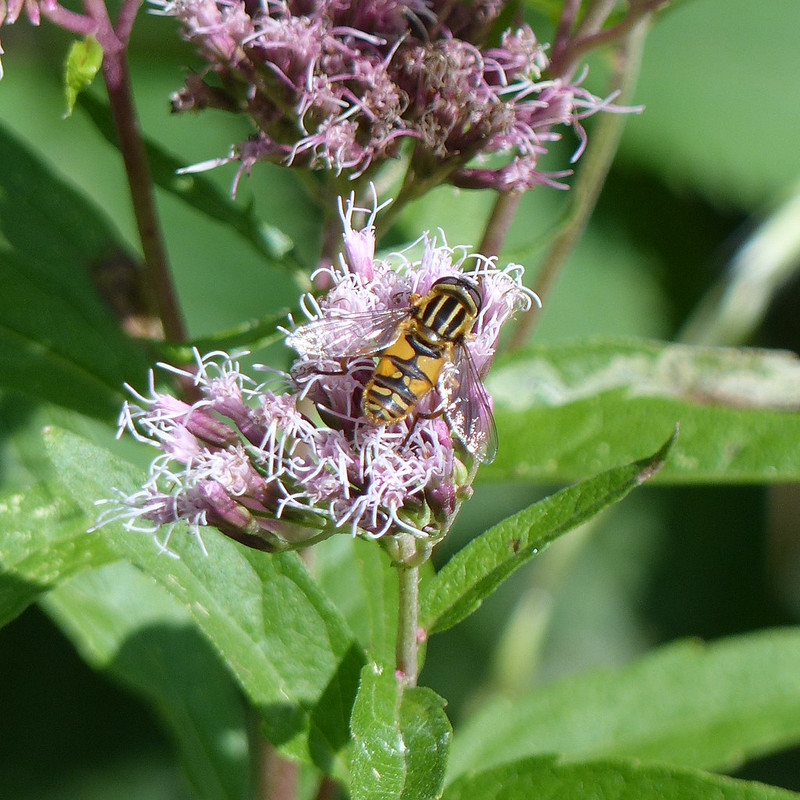
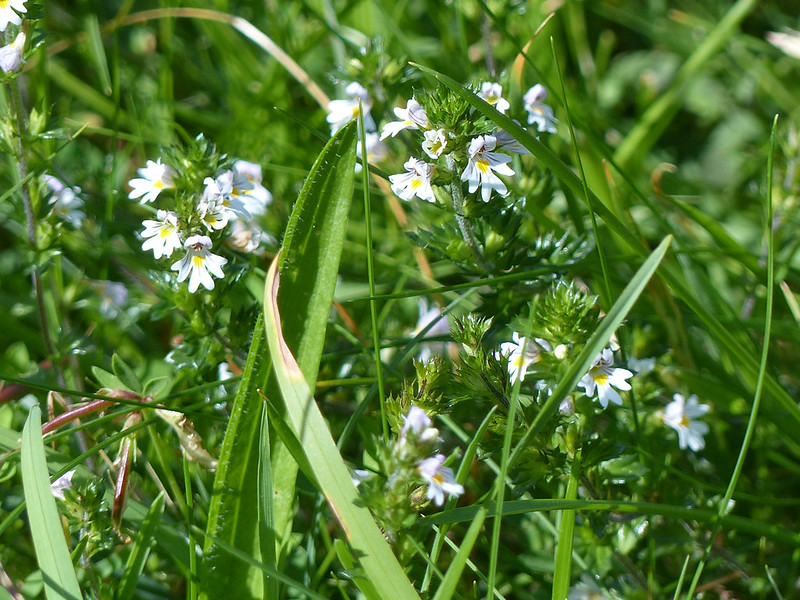
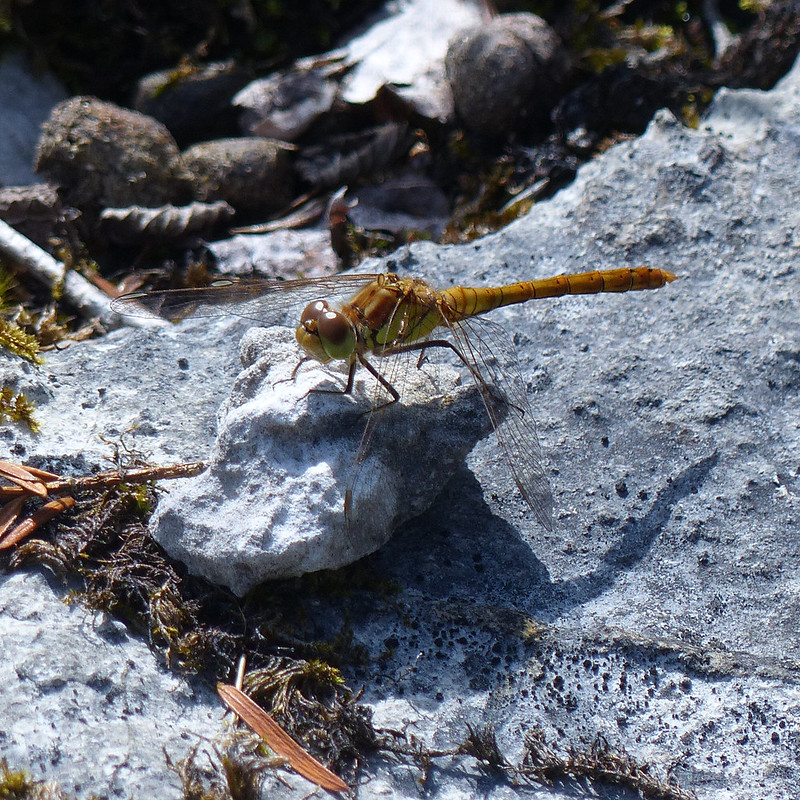
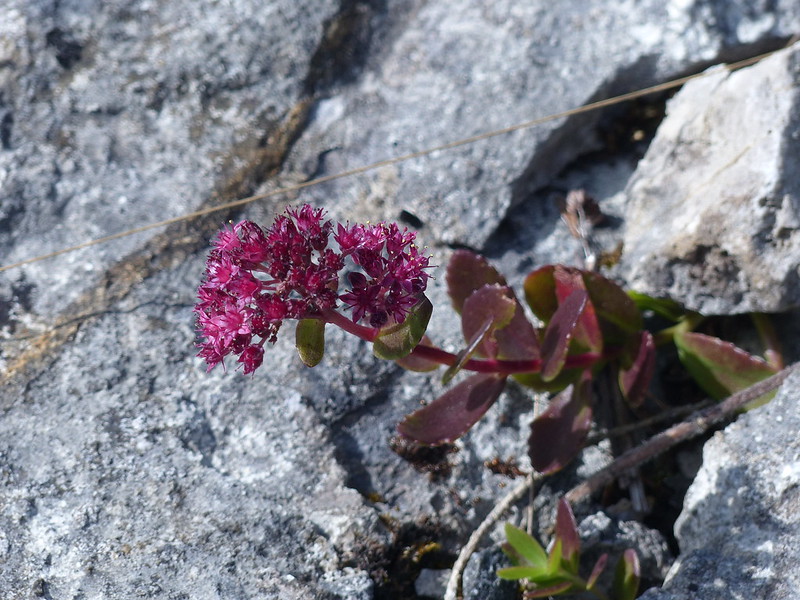
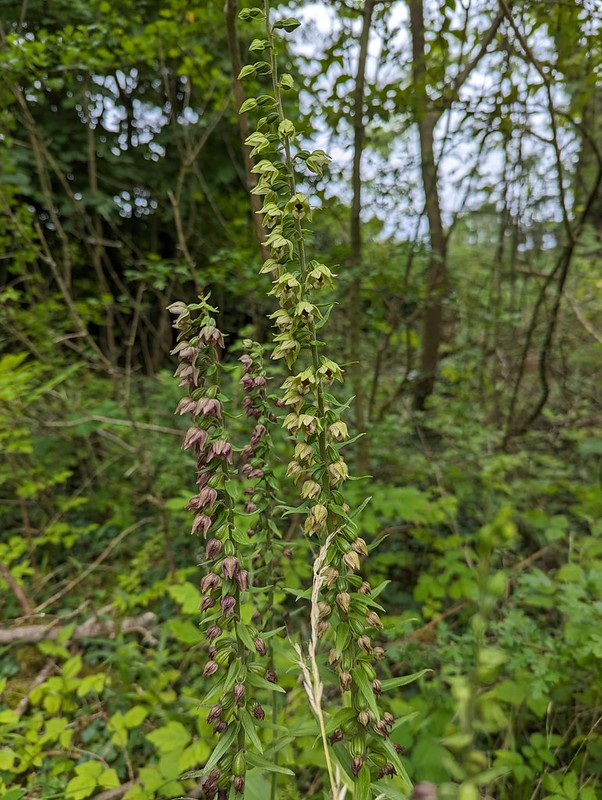
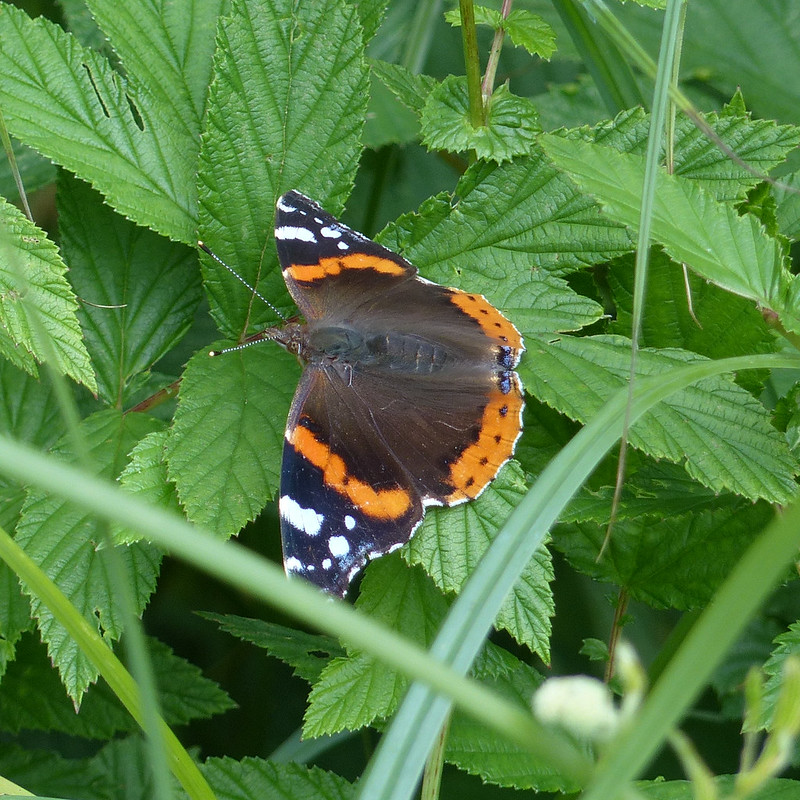
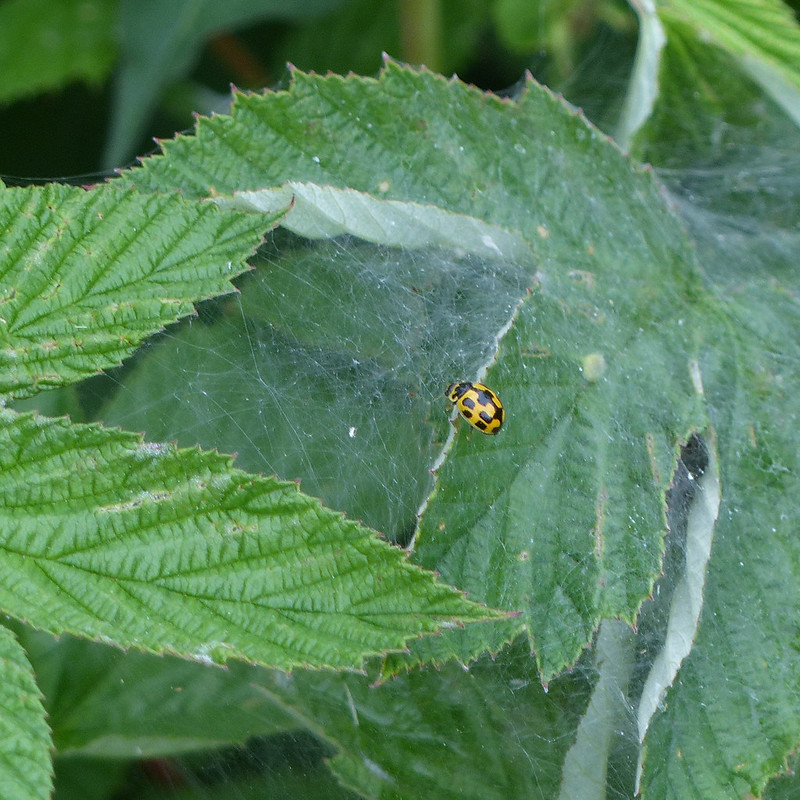
A 14-spot Ladybird and a Drone Fly.Hoverfly – Helophilus pendulus.Butterfly – Red Admiral.Another Green Shieldbug.Common Carder Bee on Knapweed.A Crane Fly.Shieldbug – Troilus luridus, the Bronze Shieldbug.Robber Fly.Hoverfly – Eristalis Pertinax – The Tapered Drone Fly.Butterfly – Speckled Wood.Butterfly – Speckled Wood.Hoverfly – Helophilus pendulus.Eyebright.Late summer fungus.Butterfly – Red Admiral.Butterfly – Red Admiral.Hoverfly – Syrphus ribesii, potentially.Dark Red Helleborine leaves – no flowers, something had been munching on the plant.Dragonfly, Common Darter.Sedum.Butterfly, Speckled Wood.
Whilst these photos are all from the tail end of last summer, I’m happy to report that on Tuesday afternoon, the rain paused briefly in its recent onslaughts, and I was back at Gait Barrows, in glorious spring sunshine snapping photos of shieldbugs, butterflies and particularly abundant hoverflies. Marvellous.
After a fairly wet drive home and unpacking etc, I had a late mooch around home. Where to go? Lambert’s Meadow of course, via The Row and Bank Well before strolling back through the village.
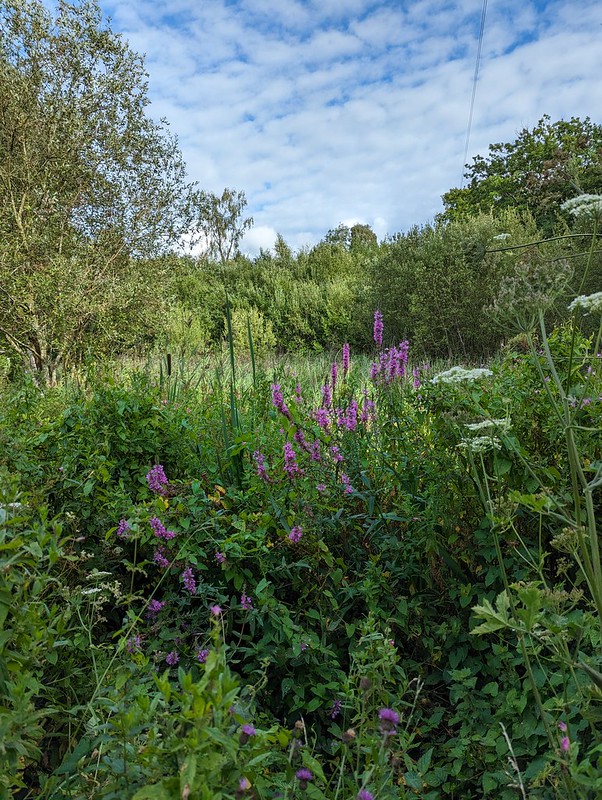
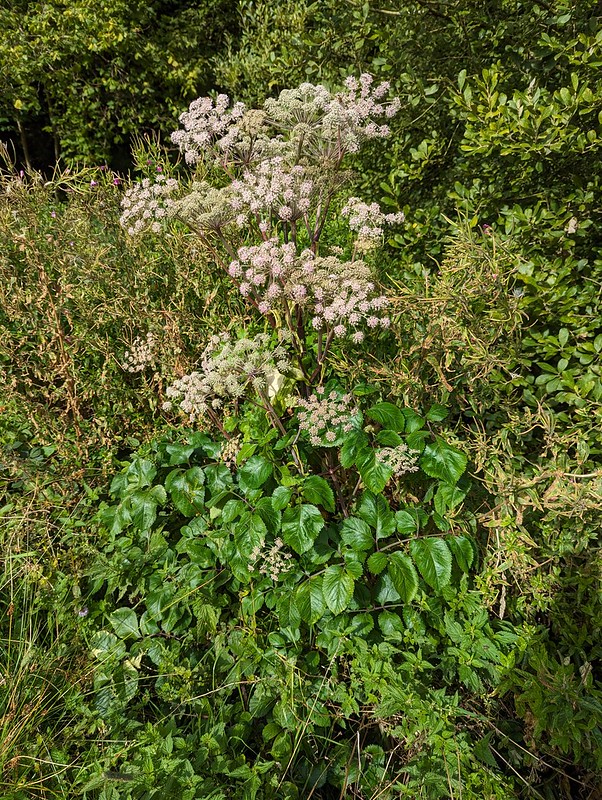
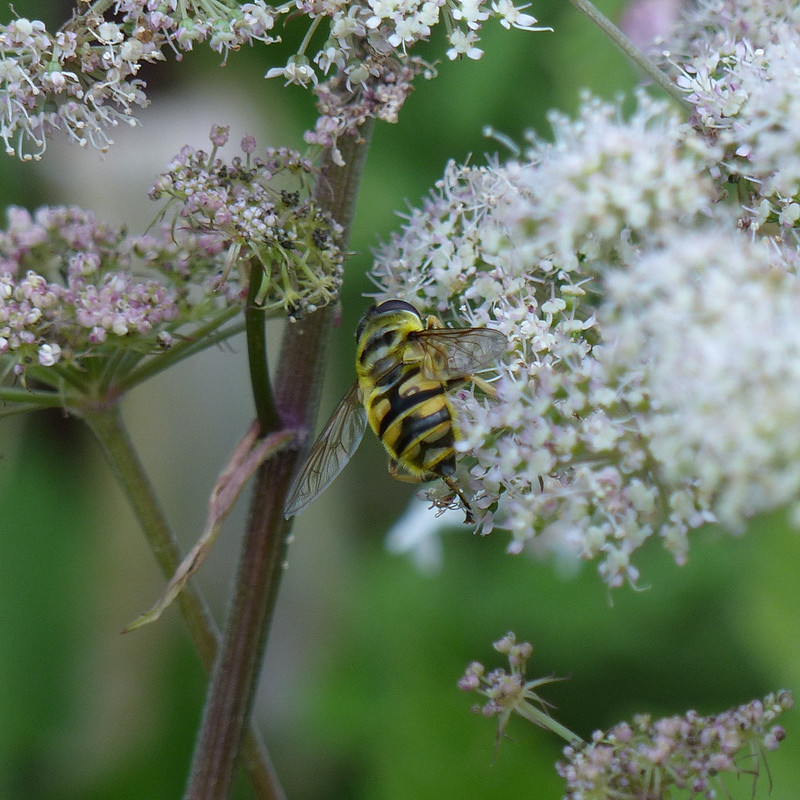
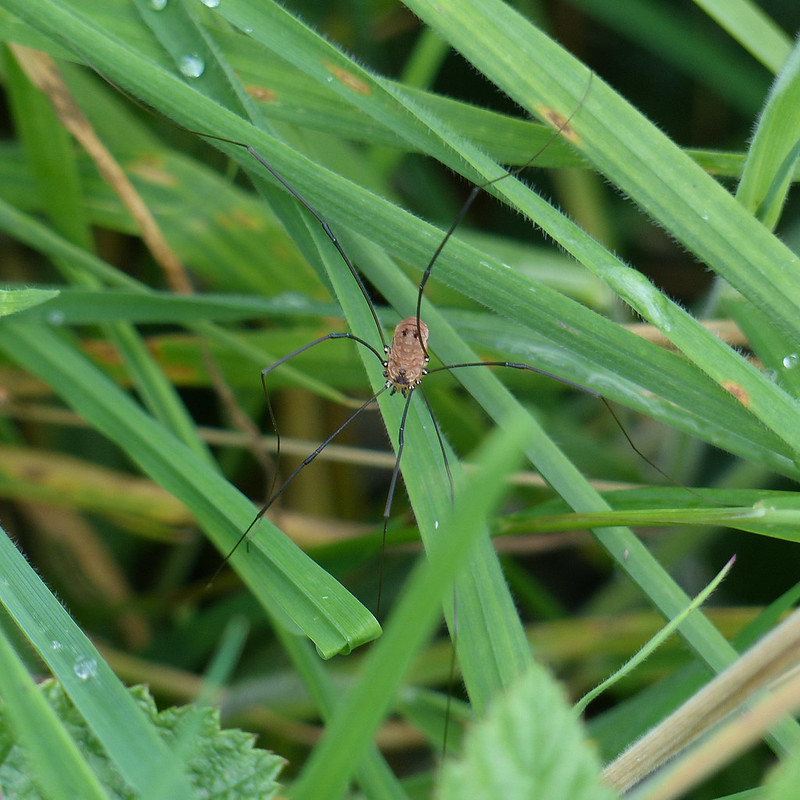
Purple Loosestrife by Bank Well.Lambert’s Meadow.Wild Angelica.Drone Fly.Honey Bee.Turnip Sawfly, I think – note the orange thorax, abdomen and legs contrasted with black head and ‘shoulder pads’. It also has an obvious black front edge to its wings. Common Carder Bee.Marmalade Hoverfly.Hoverfly – possibly Helophilus trivittatus.Drone Fly.Social wasp and hoverfly – possibly Leucozona glaucia, a new species for me.Hoverfly – possibly Myathropa florea, the ‘Batman’ fly.Chrysolina polita.Chrysolina politaA very dark Drone Fly……possibly Eristalis Pertinax.Mamalade Hoverfly.Hoverfly, possibly Meliscaeva cinctella.Harvestman.Twirly seeds.
The light was very variable, but that didn’t stop me taking a huge glut of photos. The best was saved for last however, after I’d left the meadow and was walking around Silverdale Green…
Elmslack Lane – Castlebarrow – Eaves Wood – Hawes Water – Moss Lane – Trowbarrow Quarry – The Trough – Storrs Lane – Myer’s Allotment – The Row – Hagg Wood.
Flowering Nutmeg.
The light and shadow in this picture suggest sunshine, but this was taken late afternoon, after another day of mixed weather.
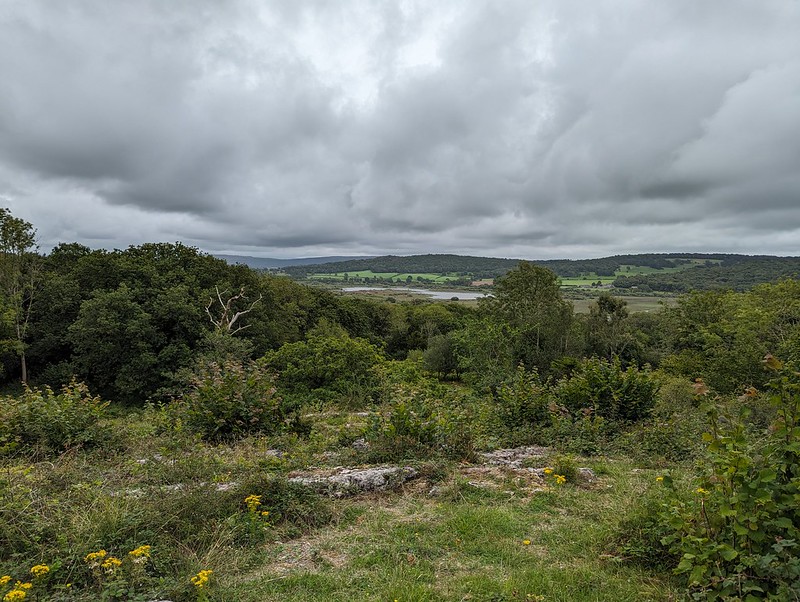
The Dale from by the Pepper Pot on Castlebarrow.
I was doing what I generally doing in those circumstances: making the most of a break in the weather, without straying too far from home in case it turned wet again.
Fungi in Eaves Wood.Fungi in Eaves Wood, possibly Amanita rubescens.Ruin in Eaves Wood.Hawes Water.The Old Summerhouse by Hawes Water.
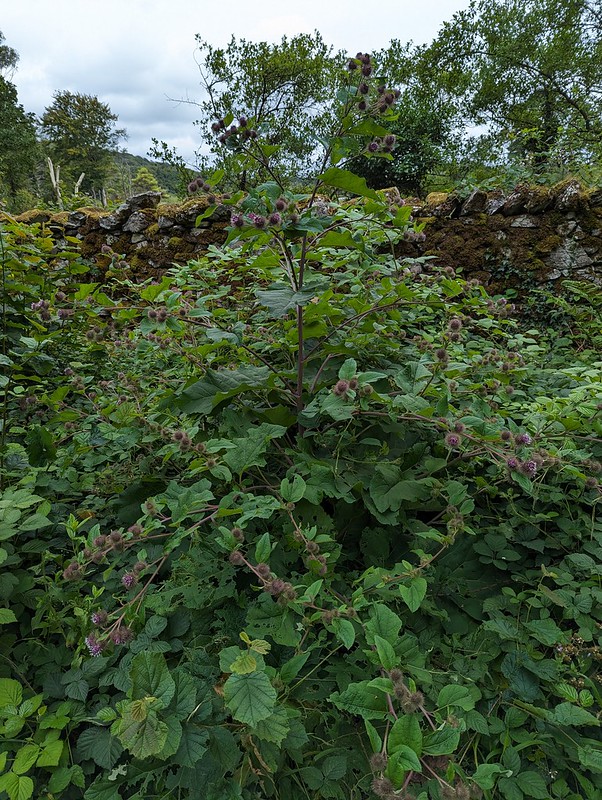
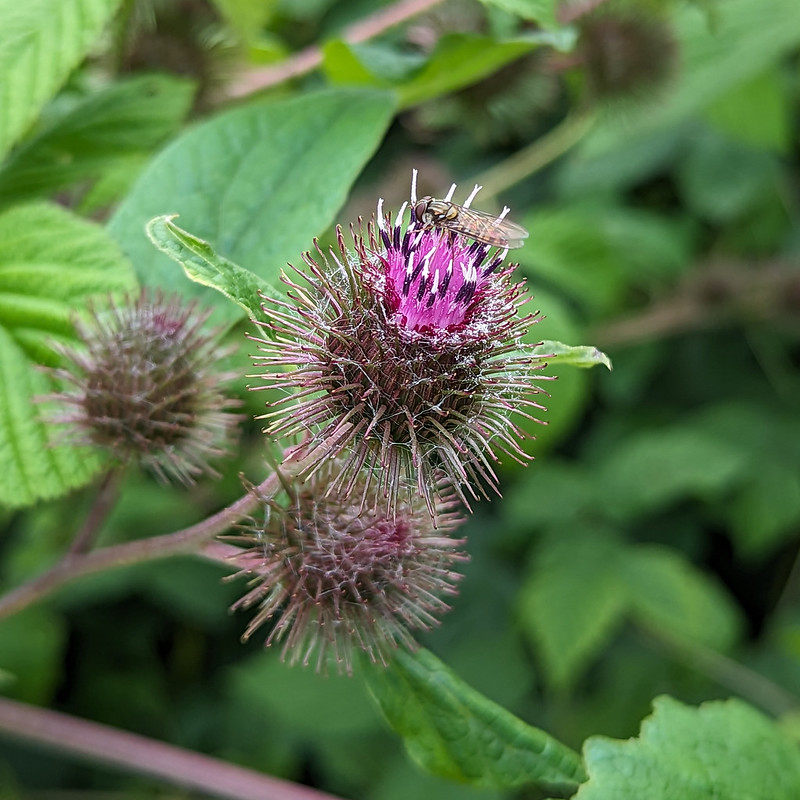
I took lots of pictures of insects during the walk. Once again, I was only using my phone camera, I don’t remember why. In the poor light, the depth of field was low and I have a lot of sharp photos of flowers with blurred bees resting on them. Until I reached this Burdock plant near Hawes Water anyway.
Burdock.
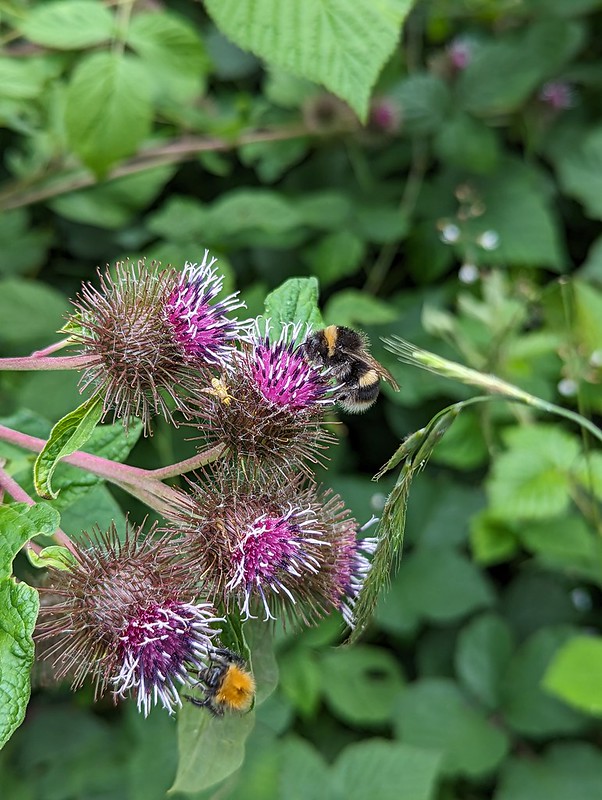
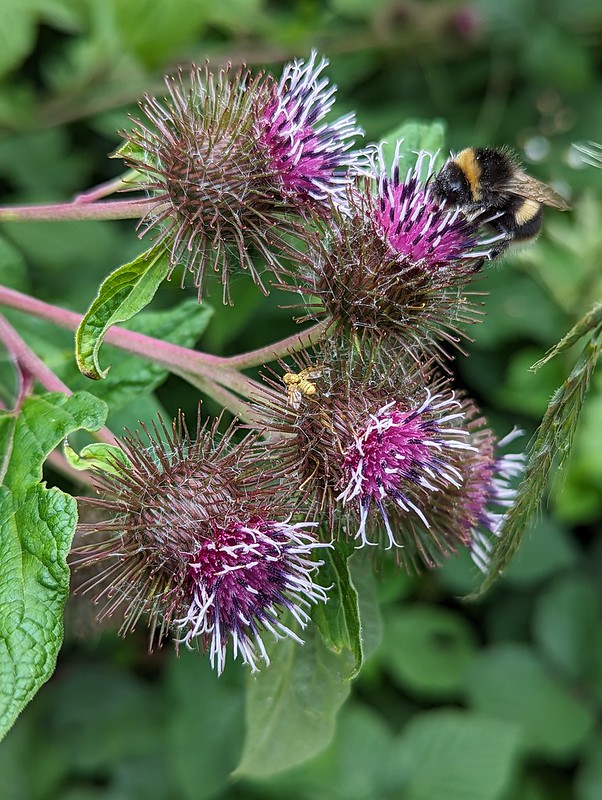
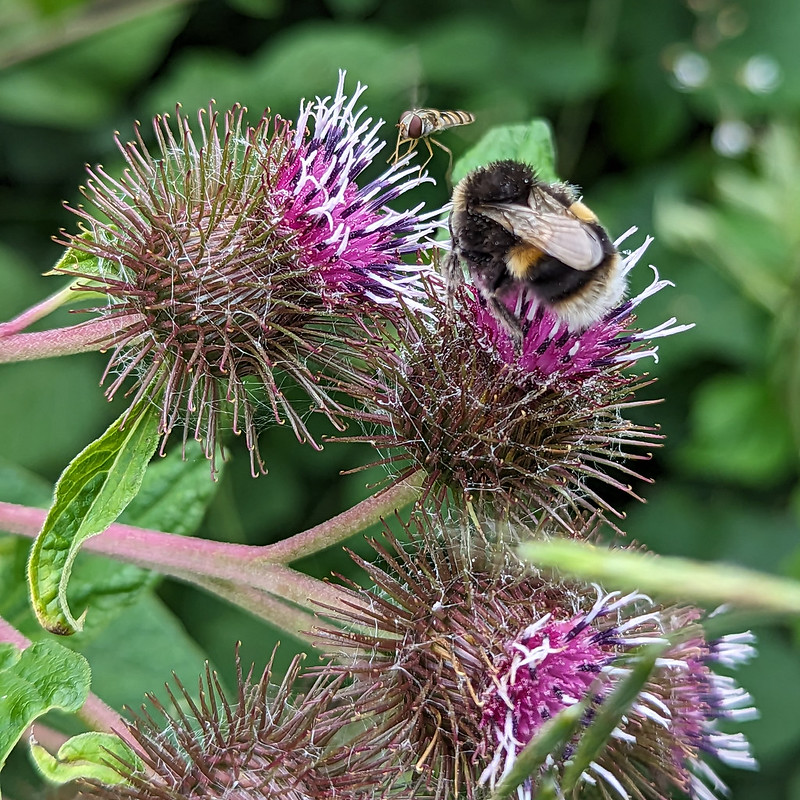
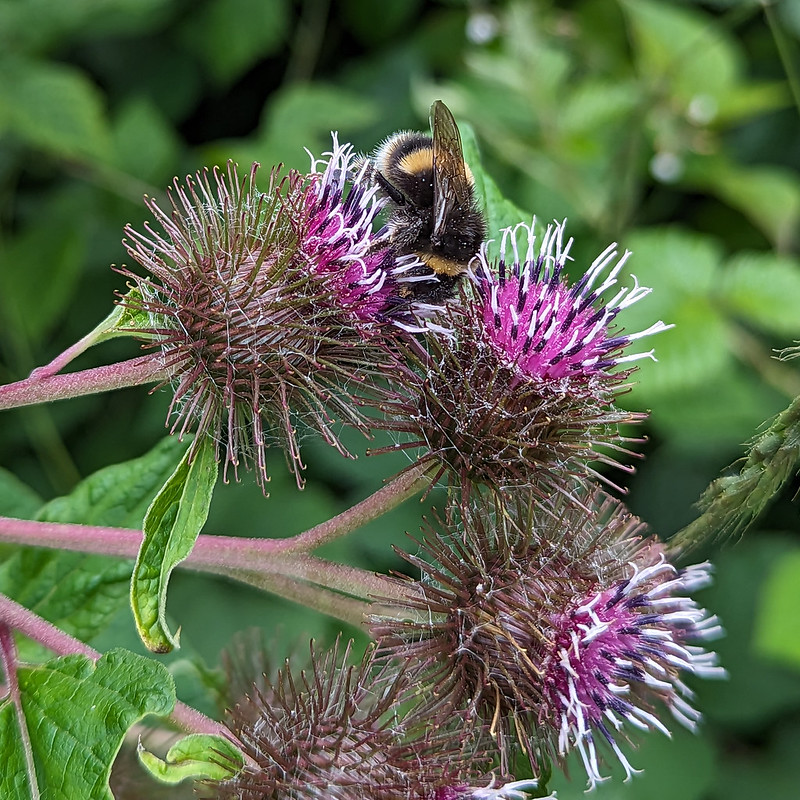
I love Burdock for its great vigour and it’s punky purple flowers, but this one was thronged with pollinators, making it even more to my liking.
Busy Burdock.
It was the ginger bee here which I first tried to photograph, but, for some reason, none of the shots were sharp again.
Burdock fly and one or other species of White-tailed Bumblebee.Marmalade Hoverfly and White-tailed Bumblebee. Marmalade Hoverfly.White-tailed Bumblebee.Burdock Fly – Terellia tussilaginis.
The nymphs of these tiny, colourful flies live in galls on Burdock plants.
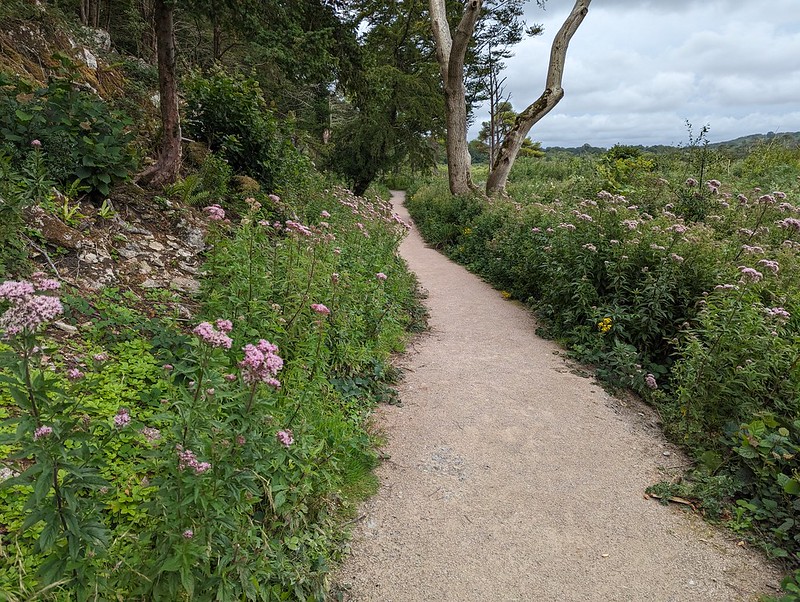
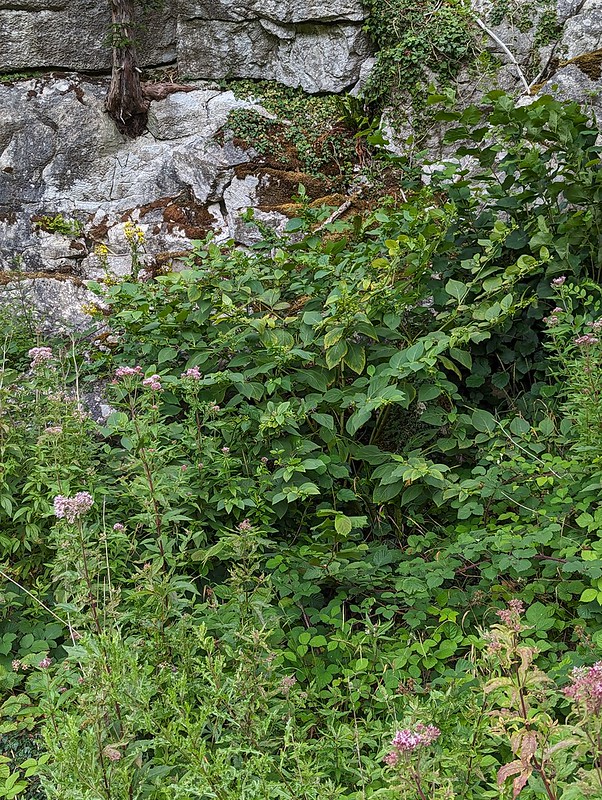
Path by Hawes Water.Hemp Agrimony.Deadly Nightshade bush.
Zooming in on this photo reveals that the belladonnas flowers have now been superseded by the highly poisonous shiny black berries.
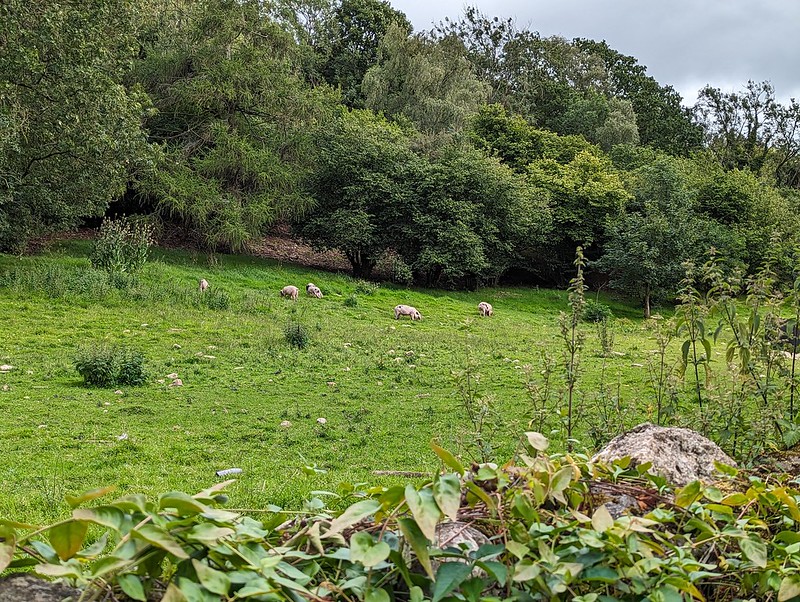
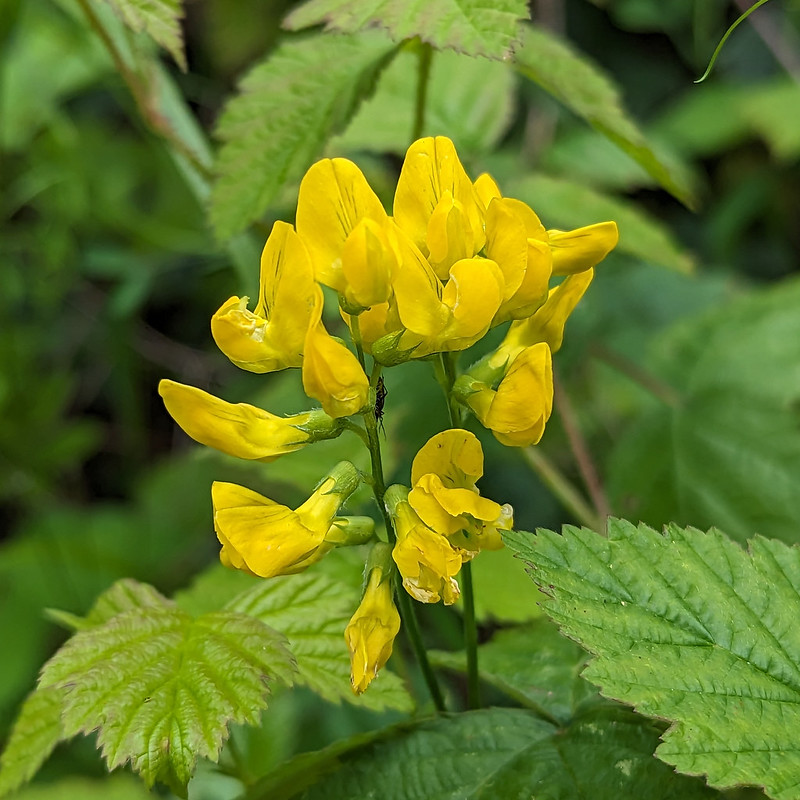
Hawes Water.Gloucester Old Spot pigs at Hawes Villa.Meadow Vetchling.14 Spot Ladybird – Propylea quattuordecimpunctata.Broad-leaved Helleborines.
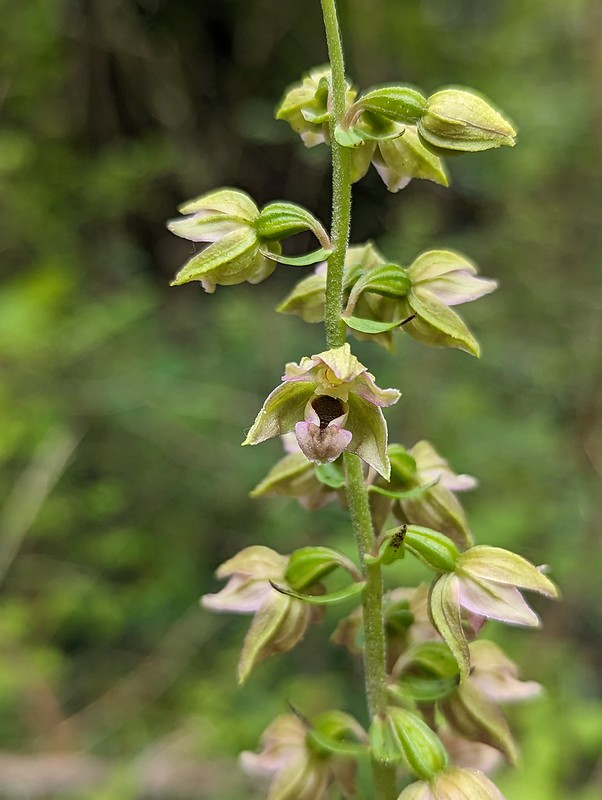
At this time of year I always try to fit in a visit to this spot on the track which leads into Trowbarrow Quarry where there are always a few flowering Broad-leaved Helleborines.
I kind of orchid, the flowers have muted colours, but I’m always pleased to see them.
Tree Bumblebee.Large Rose Sawfly.Trowbarrow Quarry.Carabiner Gate.The Trough.Narrow-leaved Hogweed.
This Hogweed, growing on the verge almost opposite the Leighton Moss visitor centre, seemed a little odd to me. I couldn’t put my finger on what it was, but wondered whether it was Giant Hogweed. It’s actually all wrong for that, but I now thinks it’s from a sub-species, Narrow-leaved Hogweed.
Dark-winged Fungus Gnats.
I was intrigued to read that the outer flowers in a spray of Hogweed blooms are zygomorphic, but have discovered that it just means, rather prosaically, that they have only one axis of bilateral symmetry. I think that might make me almost zygomorphic myself.
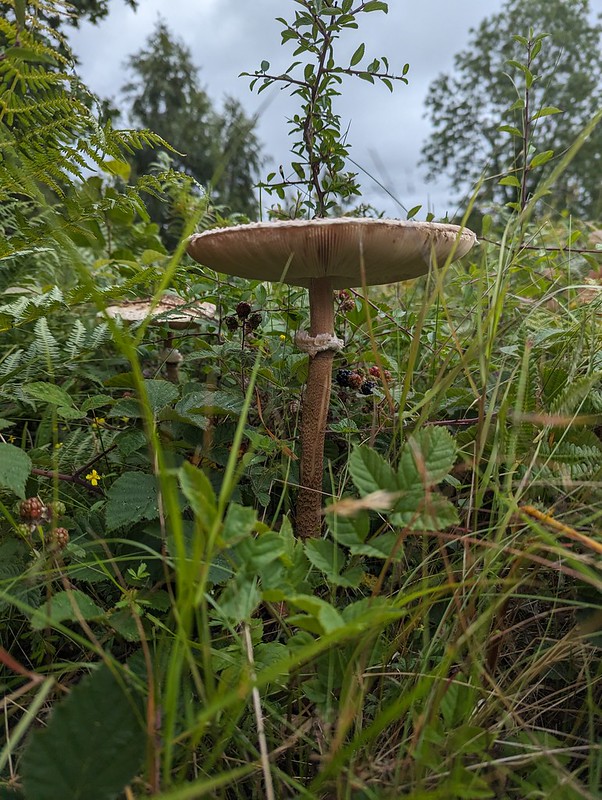
Narrow-leaved Hogweed.Narrow-leaved Hogweed. The narrow leaves. Tufted Vetch.Robin’s Pincushion Gall. Bistort. Common Carder Bee.Agrimony.Leighton Moss from Myer’s Allotment.Red-tailed Bumblebee.Parasol Mushrooms.
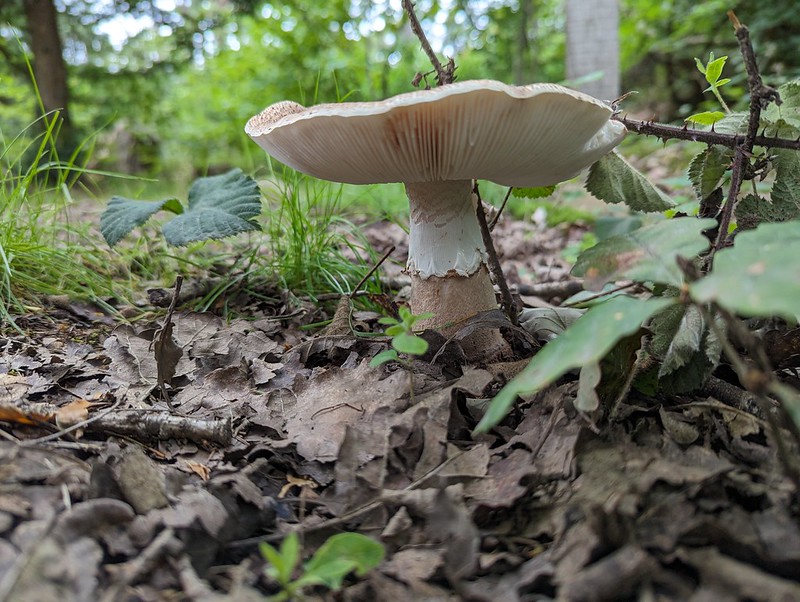
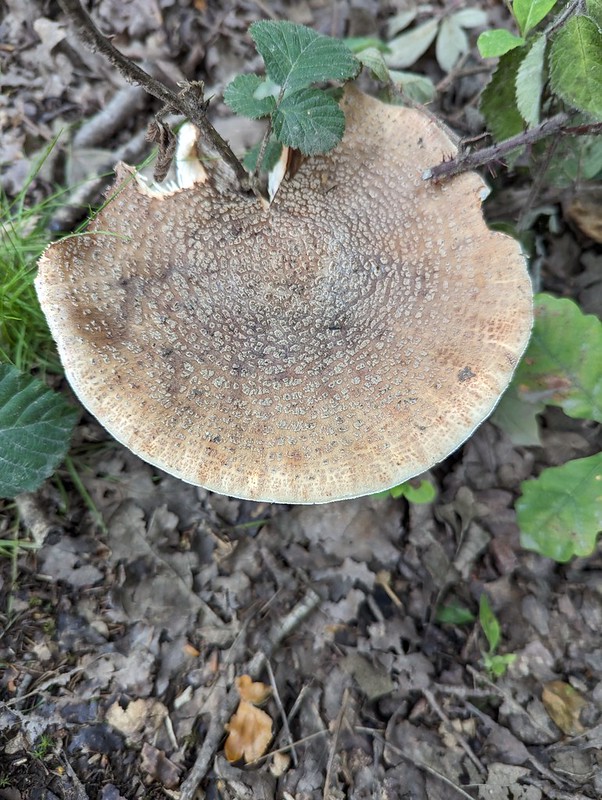
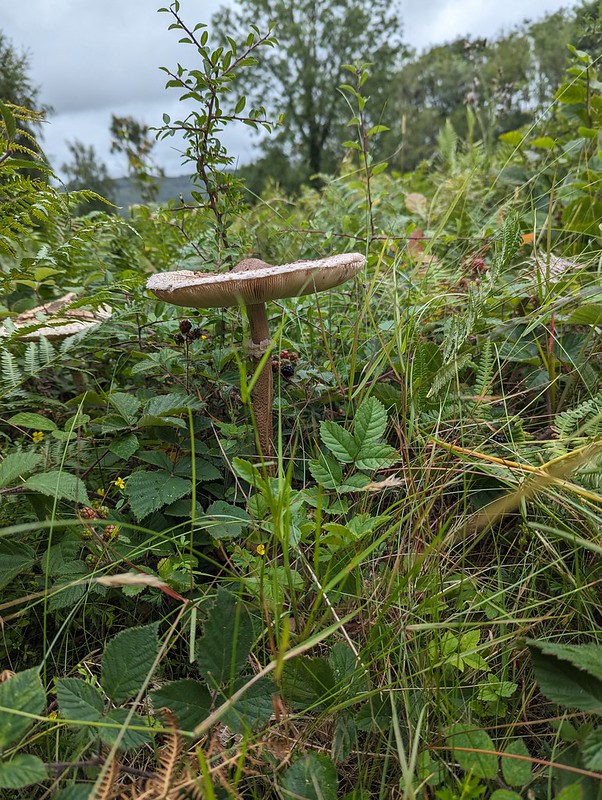
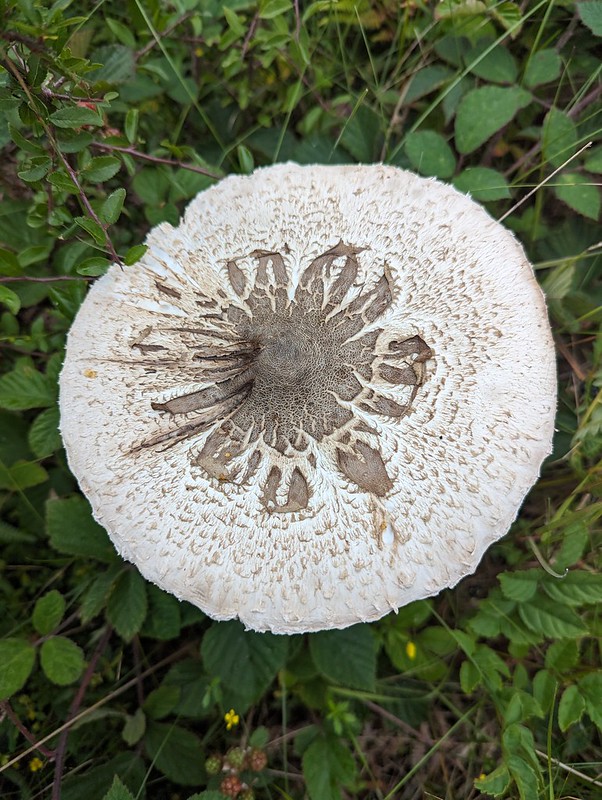
These mushrooms, growing in a group of perhaps a dozen in one of the clearings at Myer’s Allotment, qualify as the best find of the day.
Parasol Mushroomcap.
They were huge. At least a foot tall and almost as wide.
Parasol Mushrooms – notice the snakeskin stem.
Apparently they’re really good to eat, but I didn’t know that at the time, and anyway I’m a bit suspicious of large mushrooms – I’ve been unpleasantly surprised before.
The photos in this post are all from two walks around home from the first Saturday in July. The random musings are more recent.
Lambert’s Meadow.
I remember there was a bit of a fuss about a Slow Food movement a few years ago, wasn’t there? Started in Italy, apparently. I was thinking about this, because I was idly contemplating the concept of a Slow Walking movement. Although movement sounds a bit energetic in this context.
Lambert’s Meadow.
Apparently, there’s already a Slow Living campaign: “Slow living is a lifestyle which encourages a slower approach to aspects of everyday life, involving completing tasks at a leisurely pace.”
Spear Thistles.
Leisurely pace. Yup.
Monotasking.
If that.
Silver Y Moth.
I read somewhere that this year was a good one for butterflies. I can’t say it seemed that way particularly, from my perspective. I did see a lot of Silver Y moths though. They migrate here from the continent apparently. Overachievers.
A very faded Meadow Brown.
For various reasons, TBH has put a lot of effort into researching ADHD recently. Now and again, she gives me articles to read, or listen to. They usually make me chuckle with recognition.
Another very faded, and very hairy, Meadow Brown.
Whilst not a recognised symptom, apparently people with ADHD often display hyperfocus. “Hyperfocus is highly focused attention that lasts a long time. You concentrate on something so hard that you lose track of everything else going on around you.”
A faded bee – an Early Bumblebee?
The example given in the article TBH showed me yesterday was of a child continuing to read a book under a desk, which is me all over. I imagine slowly plodding around a field taking hundreds of photos of bugs, bees, flies, fleas and creepy-crawlies probably qualifies too.
Hoverfly – female Syrphus ribesii.
I realise that it can seem like half-the-world is busy self-diagnosing ADHD these days, but that’s okay isn’t it? We can all be neuro-diverse, we all have our little, or not so little, idiosyncrasies.
Fourteen-spot ladybird.Fourteen-spot ladybird.
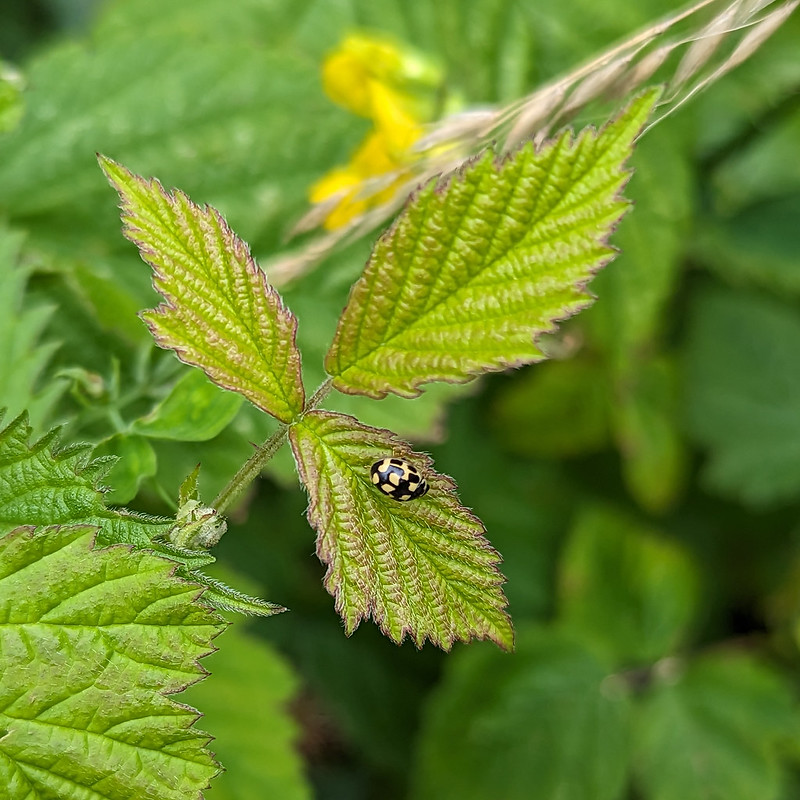
Similar colouring to a Twenty-two-spot ladybird, but much bigger, and the spots are more rectangular and less round, and can merge together.
Common Spotted-orchid.Rutpela maculata – the Harlequin or Spotted Longhorn Beetle.
Apparently these longhorn beetles, in their larval stage, live on dead wood for three years – then they get a fortnight in the sun to mate. They’re certainly very striking. The black and yellow markings seem to be very variable. I’m fairly confident that I saw beetles of this species several times this summer at Lambert’s Meadow, but this was the only time that I managed to get clear photos.
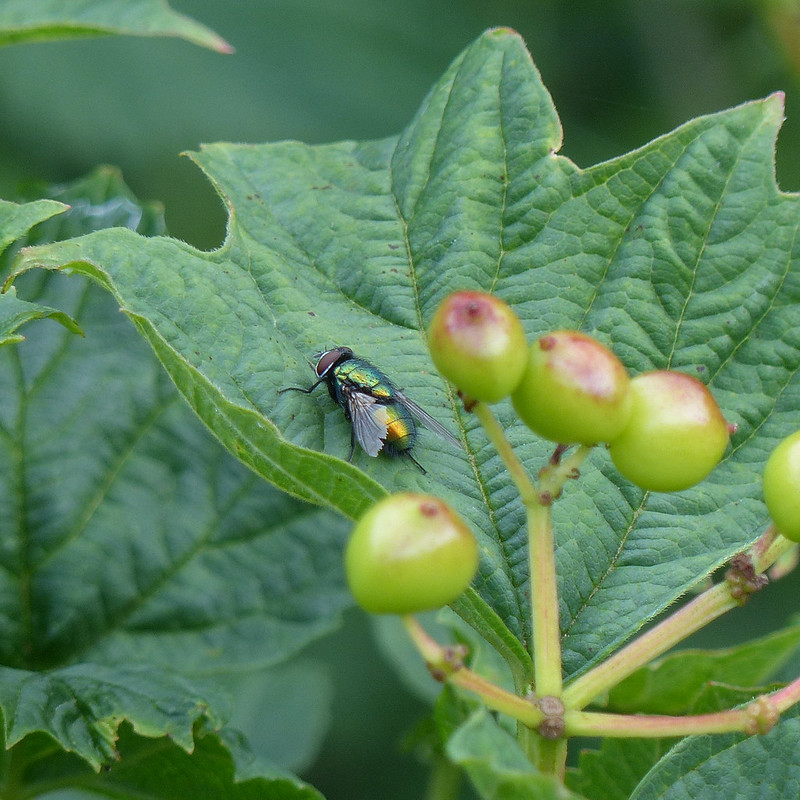
One of the white-tailed species of Bumblebee.Silver-ground Carpet Moth.Seven-spot ladybird.I think that this is an Ichneumon wasp, very tentatively a male Ichneumon xanthorius, but since there are around 2500 species of these parasitoids in Britain, and I am the exact opposite of an expert, you should probably take that identification with a lorryload of salt.Bee on Marsh Thistles. Common Carder Bee?Hoverfly – male Xylota segnis. A new species to me.Green bottle fly.Figwort Sawfly.Figwort Sawfly.
I’m hoping that the weevils and sawflies which live on Figwort, about which I was completely ignorant before this year, will become familiar sights now that I know where to look and what to expect. That has certainly happened with a wide variety of other species that I’ve become aware of over the years.
The little green bug here has hind legs reminiscent of a grasshopper or cricket – but it’s so small, no bigger than the tiny weevil, that it can’t be one of those can it? Except, I’ve discovered, that grasshoppers and crickets undergo five moults, becoming more like an adult at each stage, so maybe this is a small hopper.
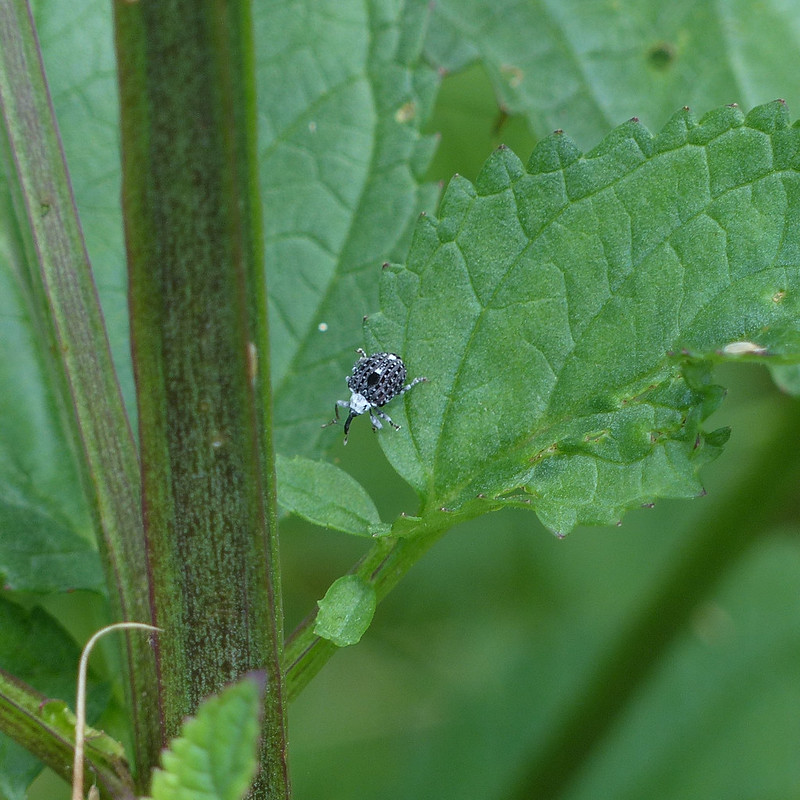
Swirls of white, milk and dark…oh, no, it’s a White-lipped Snail.A wasp on unopened Figwort flowers.Figwort Weevil – very dapper markings.Figwort Weevil.Figwort Sawfly.Figwort Sawfly.
There were lots of Figwort Sawflies about. Plenty of Weevils too. Lots of damselflies also, but, for some reason, not many of my damselfly photos were very sharp.
Small White Butterfly.Mating Figwort Weevils.Great Willowherb flowers.Comma Butterfly.Red Admiral.Common Blue Damselfly – male.Yellow Flag Iris seed pods.A solitary bee – possibly a Mining Bee of some description.Hawes Water – wide angle.
I had five cameras with me on my walk. My Panasonic and the four in my phone. I didn’t use the selfie camera on this occasion. The other three are labelled as -7, x1 and x2. How come a zoom is a multiplication, which makes sense I suppose, but a wide angle is a subtraction? I’ve found myself using the -7 camera as lot. It’s not as powerful, in terms of the huge numbers of megapixels on offer – but I like the perspective it often gives.
Hagg Wood – Bottom’s Lane – Burtonwell Wood – Lambert’s Meadow – Bank Well – The Row – Gait Barrows – Hawes Water – Limestone Pavement – Hawes Water Summer House – Sixteen Buoys Field – Waterslack – Eaves Wood – Elmslack.
Common Spotted-orchid.
Mid-June and a rambling route which criss-crossed itself several times, and which, despite being a mere seven miles, took me over five hours to walk, probably because of the constant distractions – I took almost five hundred photos, almost all of insects of one sort or another.
Possibly an ichneumon wasp.
It felt at times as if the creepy-crawlies were putting on a show for my benefit. Having said that, I’m not sure that I’ve become more observant, but I’ve certainly become more aware that insects can have a close relationship with particular plants and that it’s often worth pausing to take a closer look.
Figwort Sawfly.
These Figwort Sawflies are a case in point. There were quite a few about at Lambert’s Meadow, always on or near to the Figworts which grow there and which is the food plant of the larvae of this species.
Figwort Sawfly.
I thought they were pretty striking and their bold colours seem to have lent themselves to photography on what was quite a dull day when some of my photographs, particularly of damselflies and hoverflies, for example, didn’t come out too well.
Figwort Sawfly.MatingFigwort Sawflies.
There were a few mating pairs about.
Mating Figwort Sawflies.
What struck me about the mating pairs was the extent to which they were constantly on the move, twisting and turning, occasionally flying short distances, all whilst still coupled together.
This pair…
Mating Figwort Sawflies.
…circled around this Figwort leaf before briefly taking to the wing and hopping over to an adjacent Meadowsweet flower…
Mating Figwort Sawflies.Mating Figwort Sawflies.
Then briefly touring that before heading back to the Figwort.
I’d been seeing photographs online of Figwort Weevils, tiny creatures (3mm long) which have a very striking grey pattern on them. Now that I was on the lookout, I realised that there were loads of them on our local Figworts. They’re a bit tiny for my camera…
Mating Figwort Weevils.Scorpion Fly, male.
I first encountered Scorpion Flies a few years ago, and I’m still always pleased to see them. There seemed to be plenty about on this day.
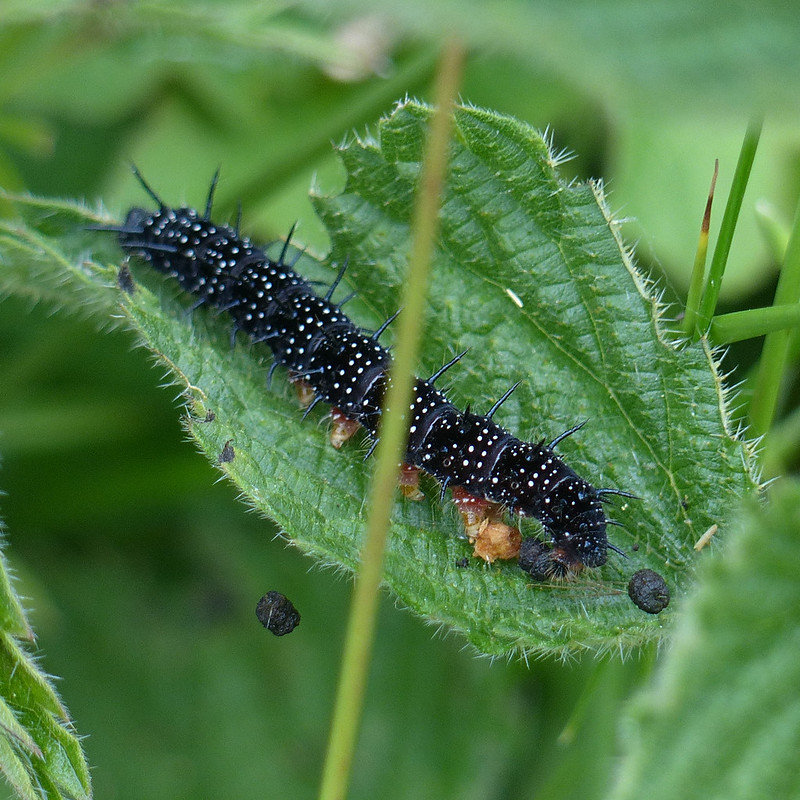
Peacock butterfly caterpillar.
There were far fewer Peacock caterpillars on the nettles by the Guelder Rose thicket. Whether they’d been eaten or had dispersed to pupate I don’t know. Perhaps a bit of both – I think this was the last time I saw them.
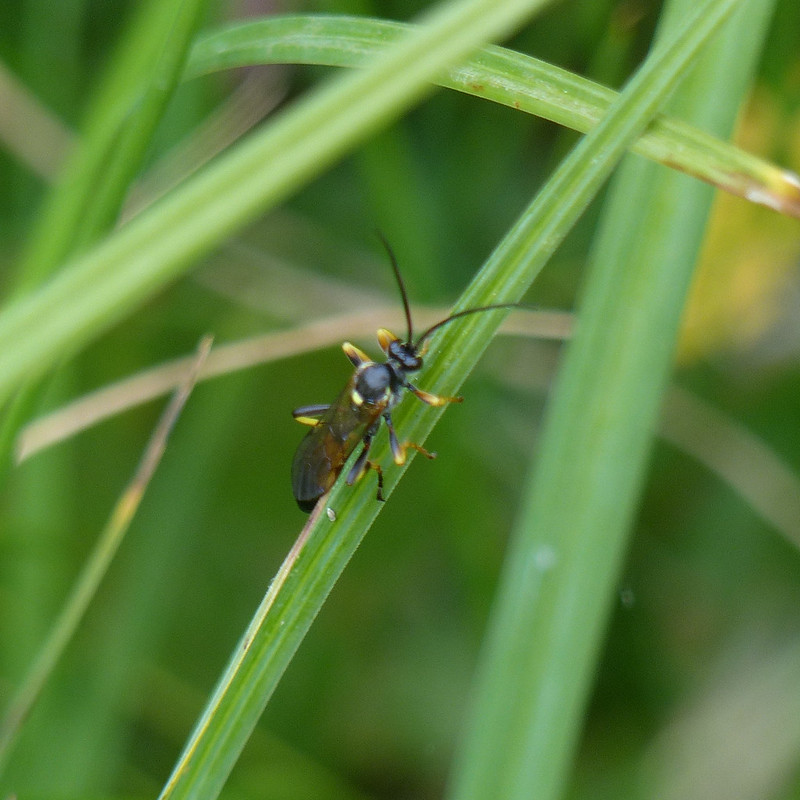
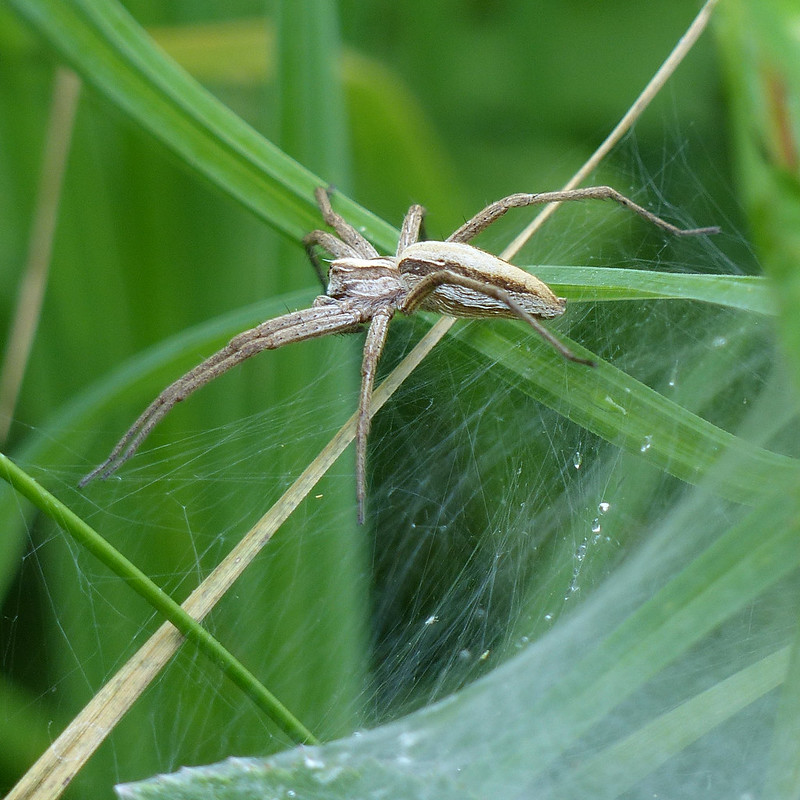
Peacock butterfly caterpillar.Peacock butterfly caterpillar.A sawfly or a wasp?Early Bumblebee.Common Carder Bee.Blue-tailled Damselfly.Nursery Web Spider.
The Nursery Web Spider carries her eggs around in a silken sac before weaving a nest for her babies. Hopeful males woo females by presenting them with a wrapped body of captured prey.
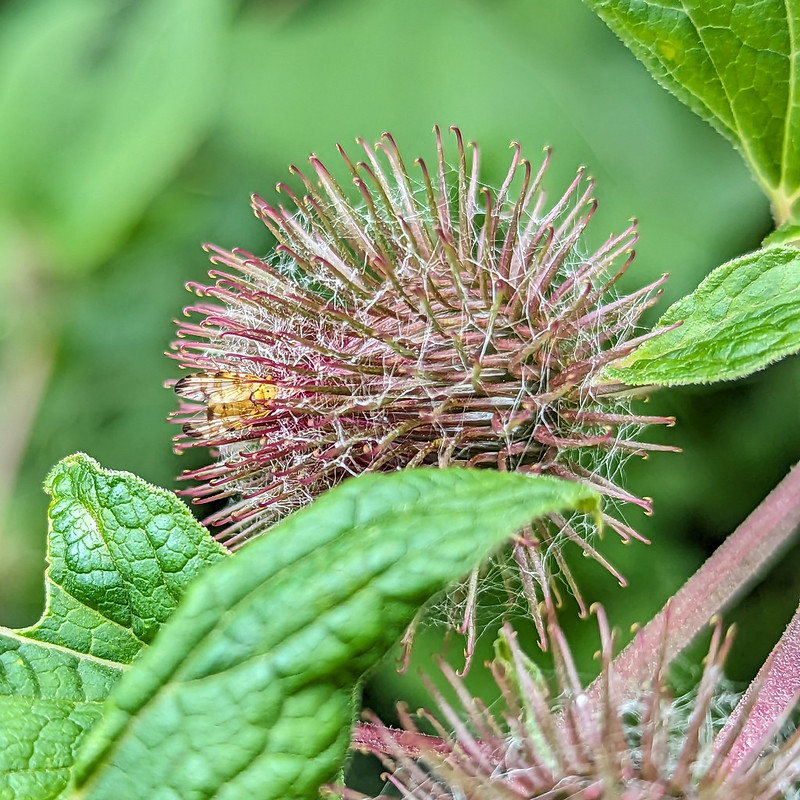
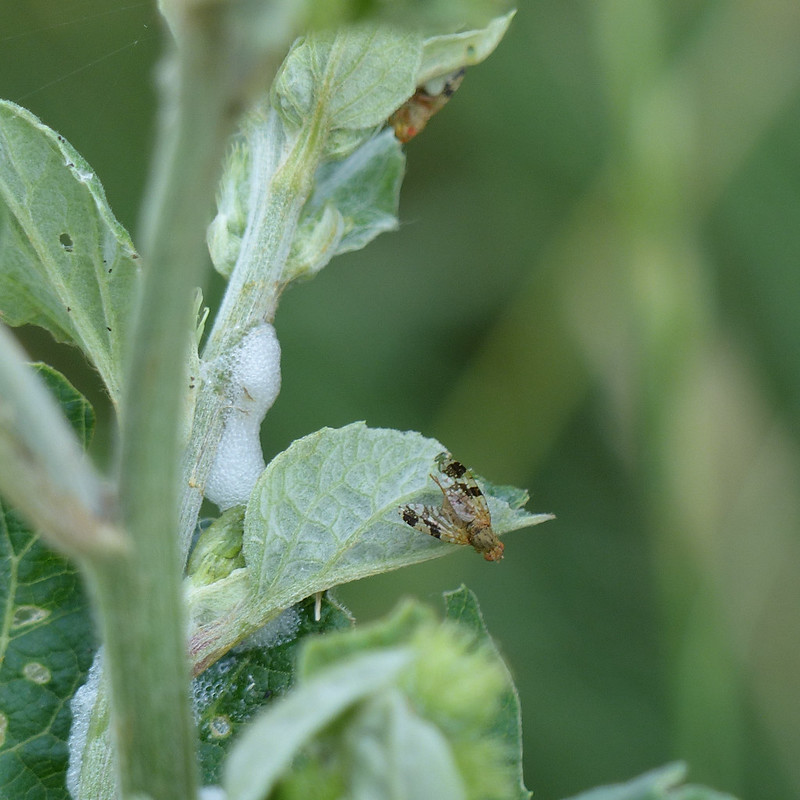
Gait Barrows – fields by Hawes Water Moss.Small Skipper Butterfly.Large Skipper Butterfly and an unidentified bee.Soldier Beetle and Meadow Brown Butterfly.Another unidentified insect.Ringlet Butterfly.A Leaf-cutter Bee I think.Red-tailed Bumblebee.Tephritis bardanae – a fruit fly whose larvae live in galls on Burdocks
I passed several large Burdock plants which were generally very busy with Aphids and attendant Ants, and also with these tiny flies. Trying to identify these lead me down an interesting wormhole: there are numerous species of small fruit flies which have elaborate and often very pretty patterns on their wings. Fascinating.
Large Skipper Butterfly.Large Skipper Butterfly.Common Carder Bee, I think.Oedemera lurida.Meadow Brown Butterfly.Hoverfly, possibly Syrphus ribesii.Ants on Burdock, farming Aphids.A mining bee.Deadly Nightshade.
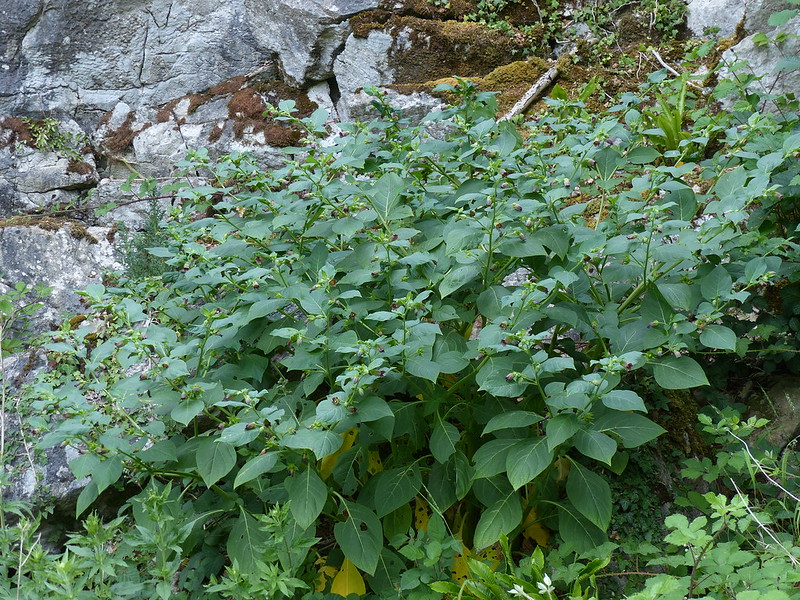
Close to Hawes Water there were two large Belladonna shrubs. They were up a bank behind lots of other vegetation and so, perhaps fortunately, rather inaccesable.
Deadly Nightshade.
Needless to say, every part of the plant is extremely poisonous.
Deadly Nightshade.
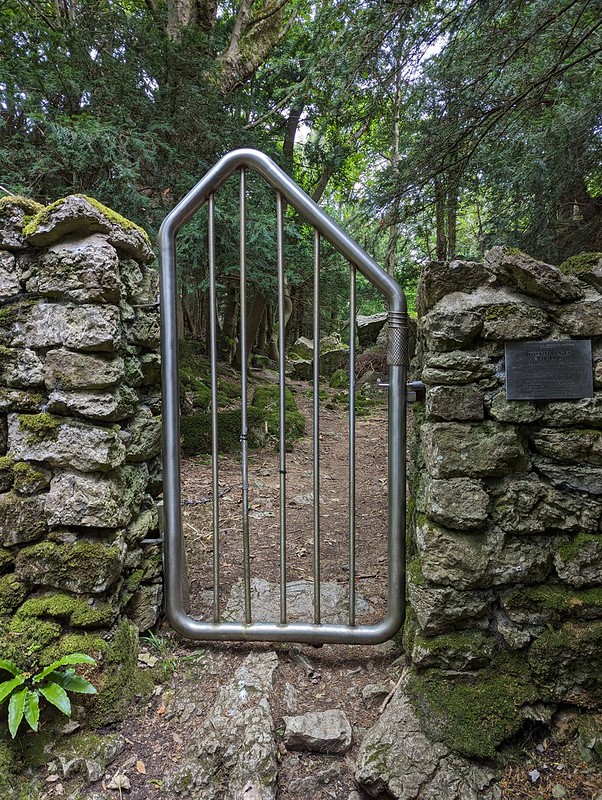
Years ago, bushes grew, for a couple of summers, by the River Kent between White Creek and New Barns, but I haven’t seen any since.
I liked ‘quattordecimpunctata‘ which seems like much more of a name to conjure with than ‘fourteen spot’.
Scorpion Fly.Female.Scorpion Fly.Female.Angular Solomon’s-seal.Grayling.A Robber Fly with prey. Possibly an Awl Robber Fly.
There always seem to be lots of tiny day-flying moths about. Usually, they’re briefly visible as they flit from one plant to another, then disappear as they land. This unfortunate moth was intercepted mid-flight however, but this small but ruthless predator.
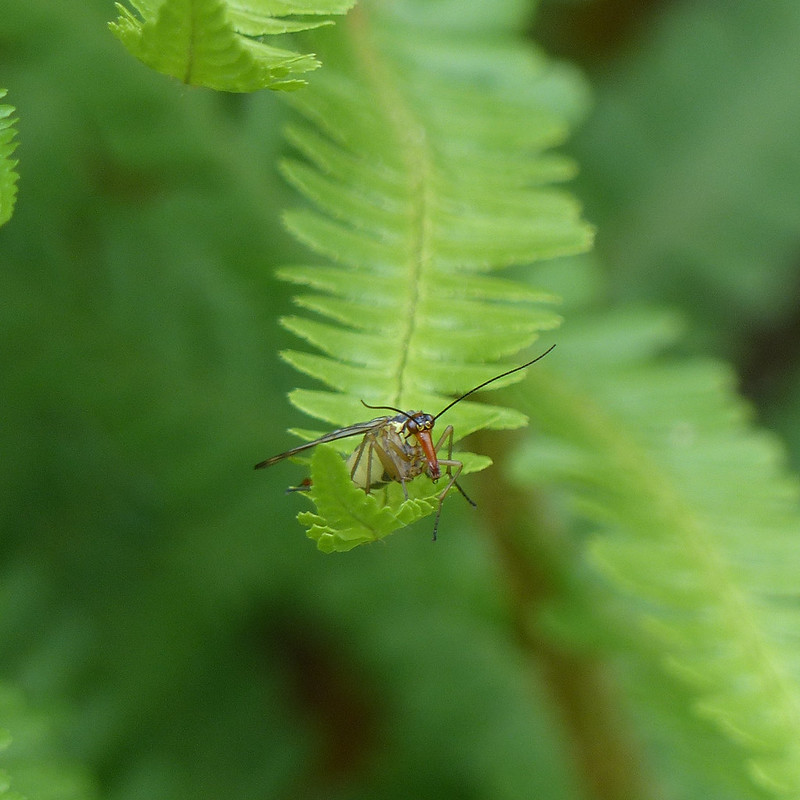
Scorpion Fly.Male.Scorpion Fly.Speckled Wood Butterfly.An Orb Weaver with a very large damselfly meal.Oedemera lurida again?Another Leafcutter Bee, I think.Live music on the Institute Field to round off the day.
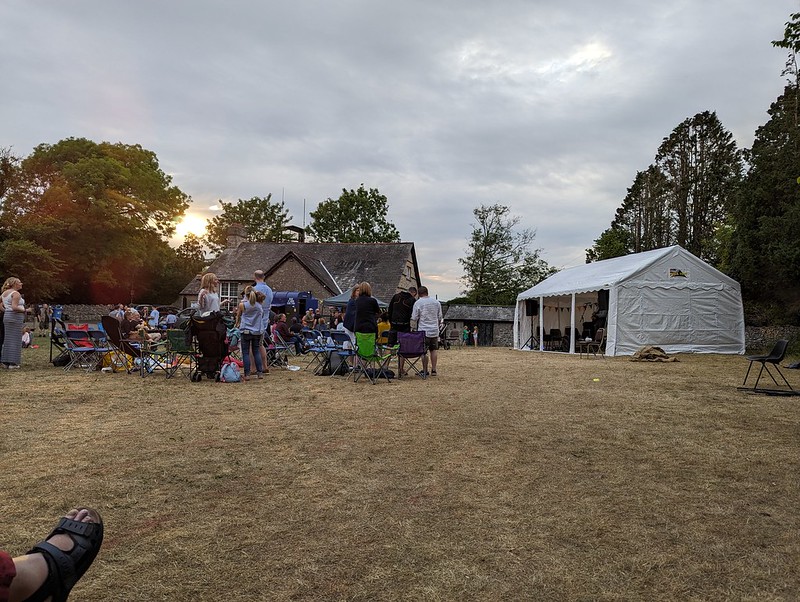
After a couple of years absence, the village Field Day was revived this summer. After years of helping to organise it, I’m no longer involved, but the new team seem to have done a superb job. In the evening, there was music on the field, with three singers, all of whom were very, very good – much better than you might expect at a village fete. All in all, a very enjoyable day.
The weekend after Whit week, and I was back at Thirlmere. This time I’d parked at Steel End where, despite road signs to the contrary, the road is still open, although it is closed beyond that. The reason I’d chosen to come this way, was that last summer, when I’d been gleefully ticking off Wainwrights with abandon, I walked the boggy central spine of the Lakes, from High Raise to Bleaberry Fell, but I’d missed Armboth Fell, which lies to the east of the central ridge. (I use the term ‘ridge’ very loosely here!). After a lengthy spell of very dry weather, this seemed like the perfect opportunity to make that good. Ideally, I’d have been starting the walk from the next car park north, at Dobgill Bridge, but, as I say, the road was closed. So instead I needed to use the permission path along the lakeshore to get to my intended starting point.
Wythburn and Steel Fell.
What a happy accident that was, since this path was lovely, and absolutely stuffed with wildlife, so that the walk (and, by extension, this post too) became a bit of a hybrid between my hill walking and my slow, local walks where I stop every few steps to snap away with my camera. By the lake there were loads of birds: a Heron, Greylag and Canada Geese and lots of gulls. If I’d had a pair of binoculars with me, I’m might have been there for hours.
Common Sandpiper.
I think this might have been a juvenile sandpiper; it kept flying short distances ahead of me, so that I gradually gained on it, which strikes me as typical behaviour of a young bird. This sandpiper…
Common Sandpiper.
…was nearby and making quite a racket, so I took it to be a concerned parent. Of course, I could be completely wrong.
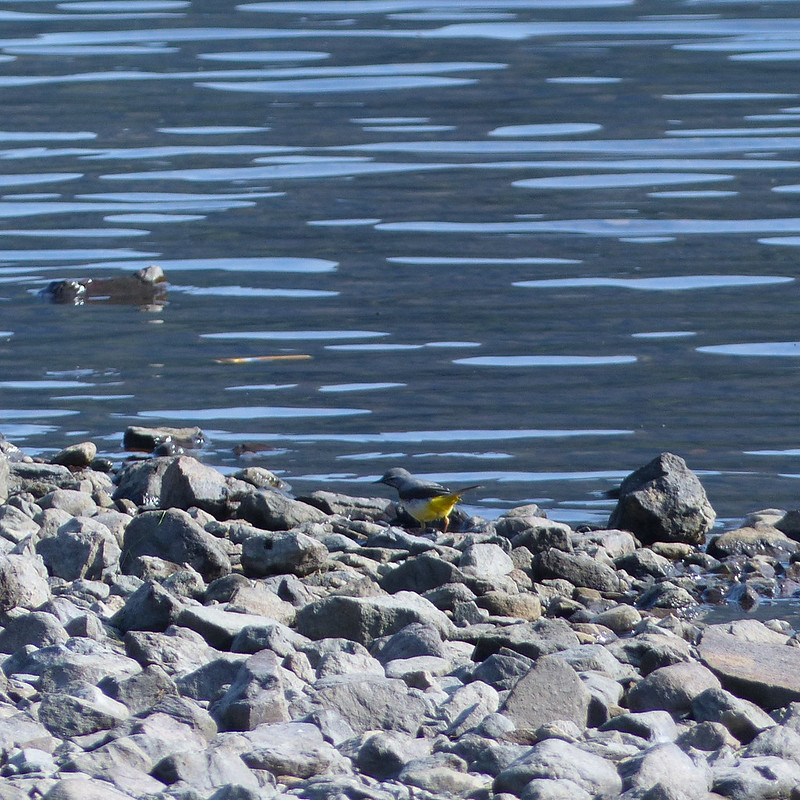
Grey Wagtail.Thirlmere.Foxgloves.Keeled Skimmer, female. My first.
The path was soon away from the reservoir shore and in the trees and I was chasing after moths and butterflies, not always with success. In particular, there were some fritillaries about which I did eventually manage to photograph, but only from a considerable distance, so that the photos are not sufficient for identification purposes. Fortunately, I would get better chances later in the day.
The brambles were flowering in profusion, and that seemed to attract a host of insects of various forms.
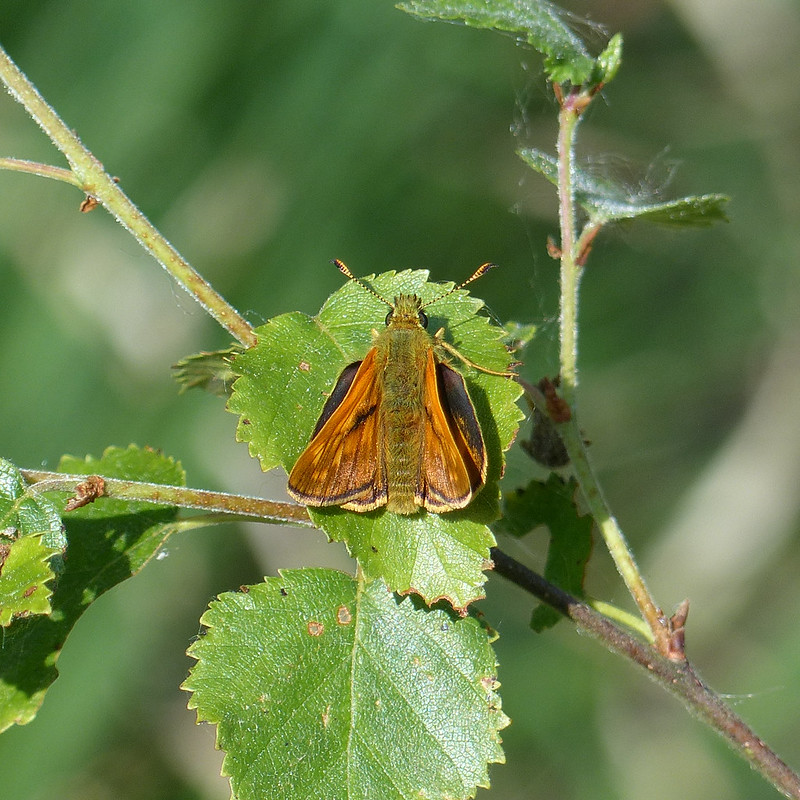
Large Skipper Butterfly.Hoverfly, Eristalis intricaria, male.
There were hosts of hoverflies and bees about, but they were extremely elusive, so whilst I have a lot of photographs, there’s only really this one which is up to scratch.
There were lots and lots of these about. They were constantly on the move, so I took loads of photographs, hoping that I would have at least one which was reasonably clear and sharp.
These flies with orange at the base of their wings were also quite ubiquitous, always on flowers.
Green-veined White Butterfly.Speckled Wood Butterfly.Felled forestry by Dob Gill.
Once I reached Dobgill Bridge, I turned uphill, away from Thirlmere, on a very familiar path which had changed beyond all recognition, since the forestry through which the path used to rise had largely been clear-felled.
Small Heath Butterfly.
Once the path entered the trees, it seemed clear that it isn’t used as heavily as it used to be (before the road was closed) and the trees were encroaching on the path.
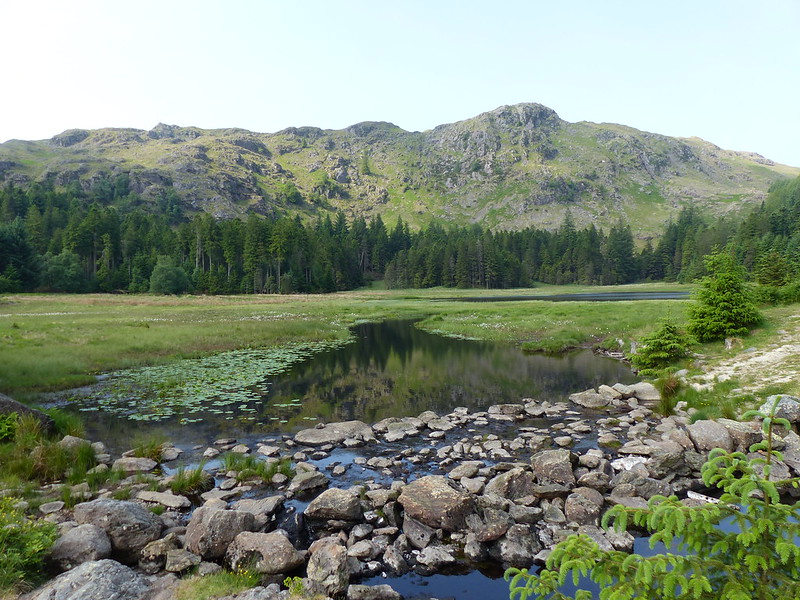
Dob Gill.Dob Gill flowing out of Harrop Tarn.
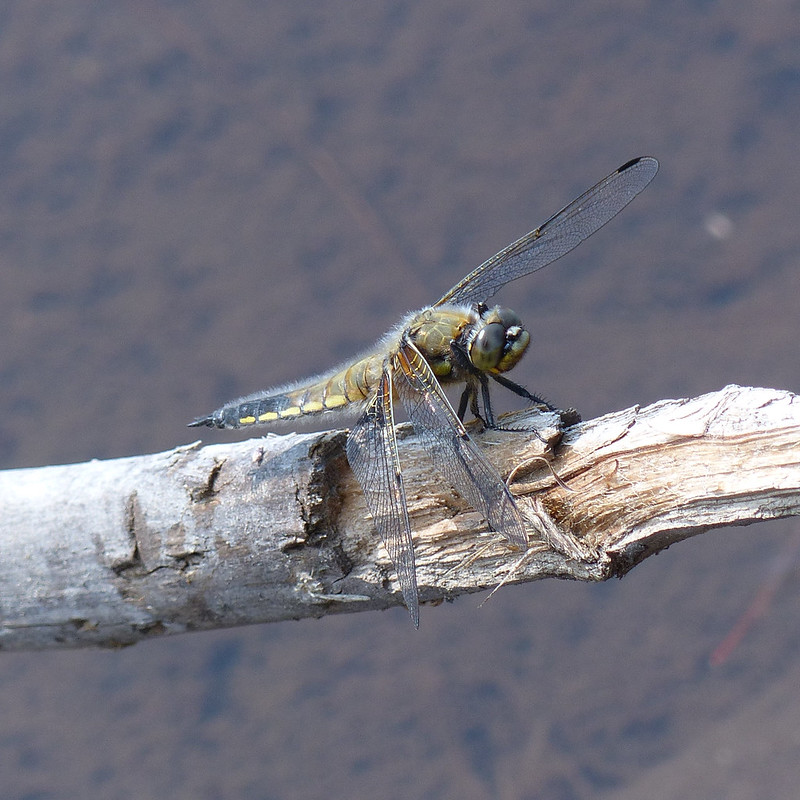
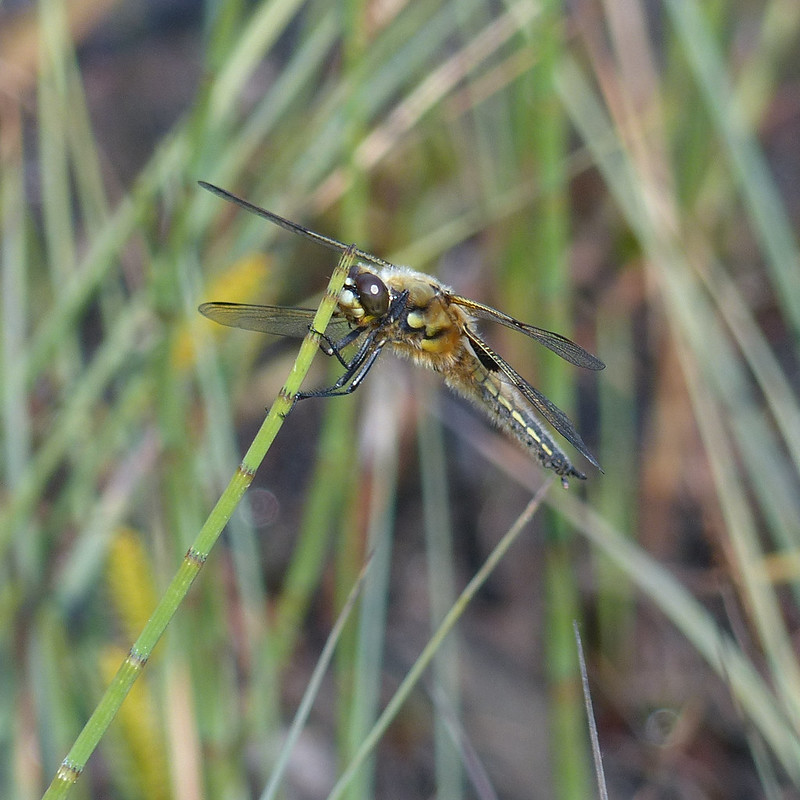
Where Dob Gill leaves Harrop Tarn there were once again lots of fritillary butterflies about, which I chased to no avail, but there were also, without exaggeration, hundreds of Four-spotted Chaser Dragonflies about, with which I had a bit more success…
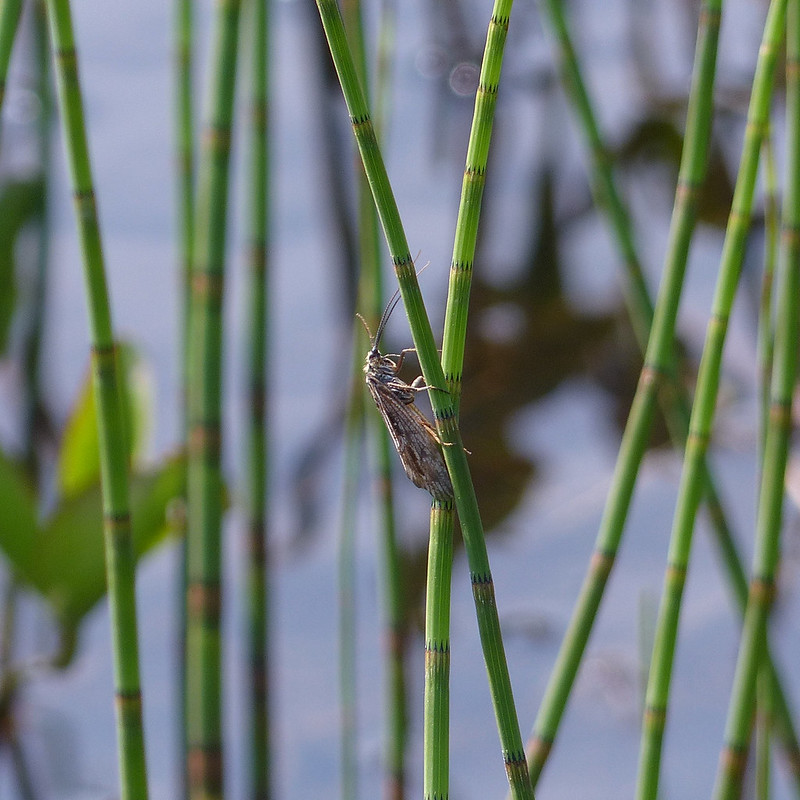
I think that this is a Caddis Fly. Closed related to lepidoptera, apparently, there are 196 species in the UK and Google Lens is not giving me much help in pinning this one down.
Bog Bean.
The Bog Bean had mostly finished flowering, so I had to content myself with a photo of this one, which was quite far out into the water.
Yellow Water-lily.Harrop Tarn.
I continued around the tarn a little way and then found a small path making a beeline for the shingle beach you can just about see on the extreme right of this photo.
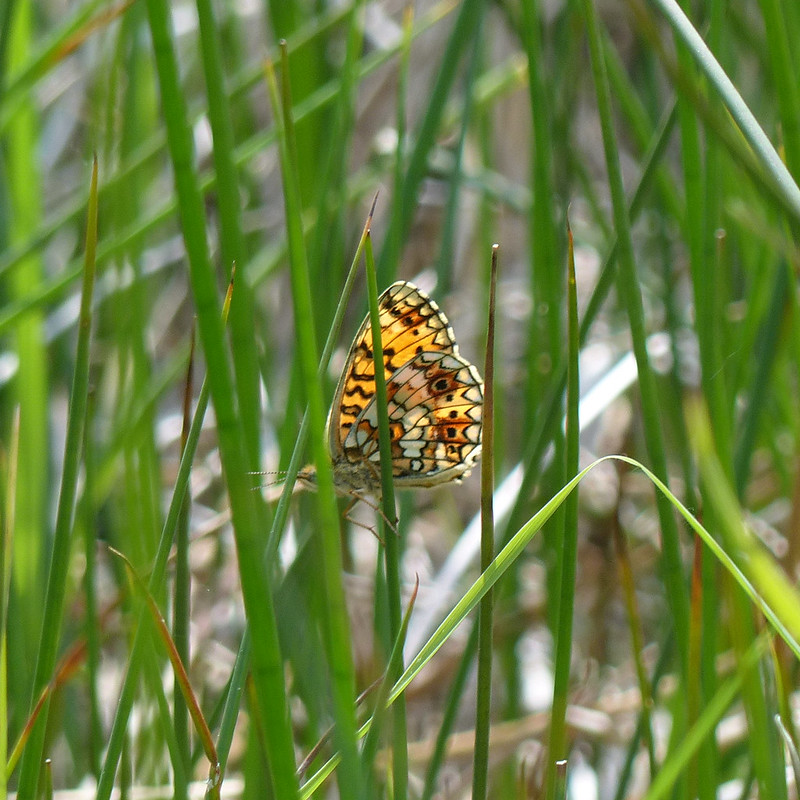
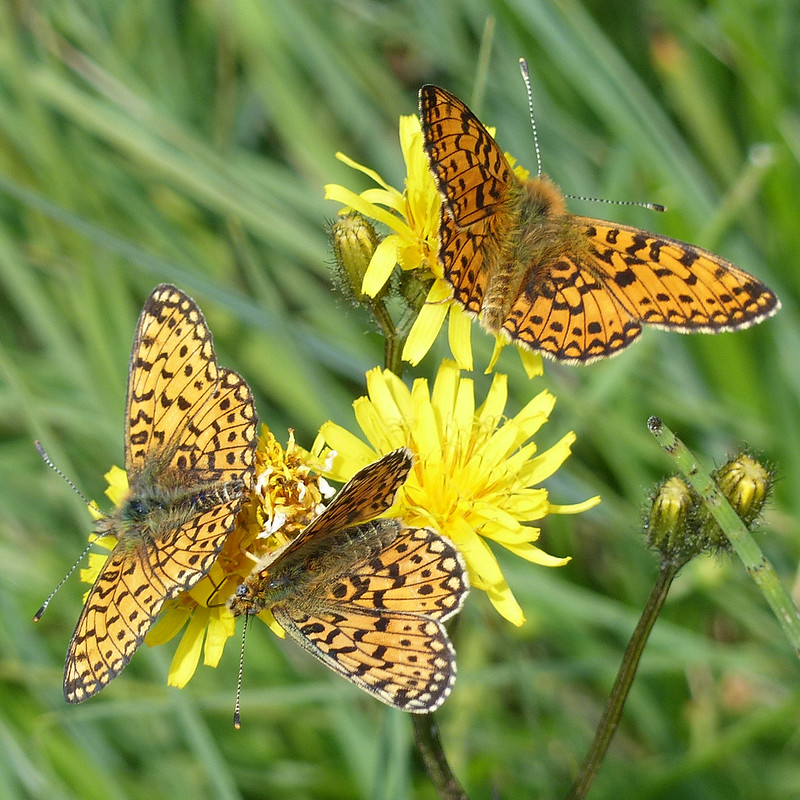
Small Pearl-bordered Fritillary Butterfly.
As I approached the tarn, I finally managed to get a photo of one of the butterflies which had been eluding me: a Small Pearl-bordered Fritillary. Down by the tarn, there were lots more…
Small Pearl-bordered Fritillaries.
I was intending to swim, but first I was distracted by a profusion of butterflies, dragonflies and damselflies which were about.
Large Red Damselfly.
When I eventually dragged myself away, the beach was perfect: it shelves steeply so that two strides and I was in. The sun shone; the water was cool, but not cold; there were constant splashes around me as fish (brown trout?) leapt from the water to take flies; dragonflies and damselflies skittered about just above the surface of the tarn. In short, it was idyllic, and I took a leisurely tour widdershins around the tarn.
Once out of the water, I was busy again taking no end of photos.
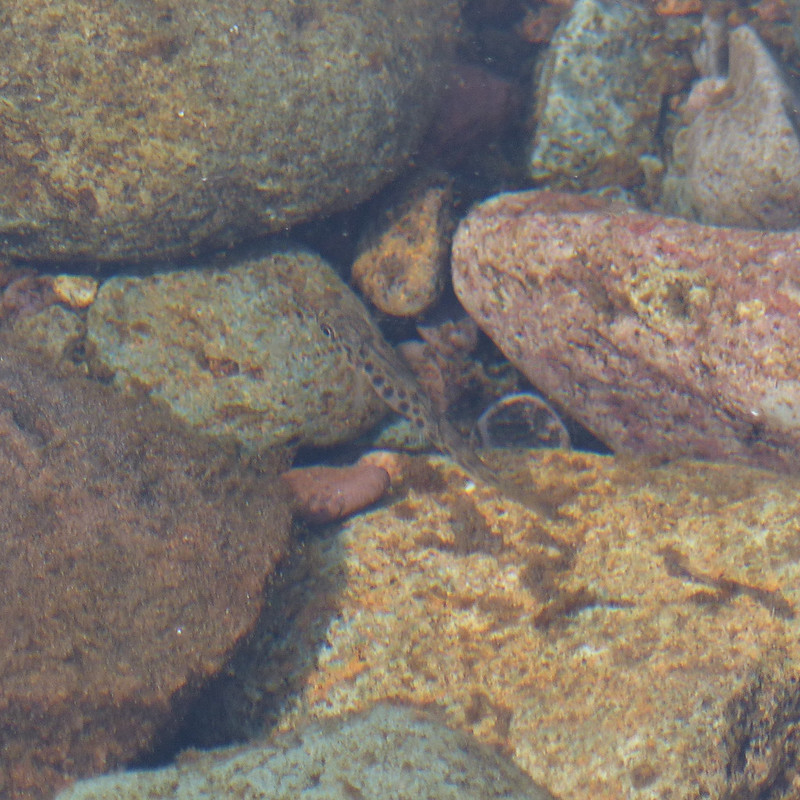
Brown trout fry?Brown trout fry?Four-spotted Chaser.Four-spotted Chaser, male.
There were both blue and red damselflies about, but predominantly red. It was hard to get photos, because they were constantly on the move, perhaps because they didn’t want to fall prey to the Four-spotted Chasers which were also abundant.
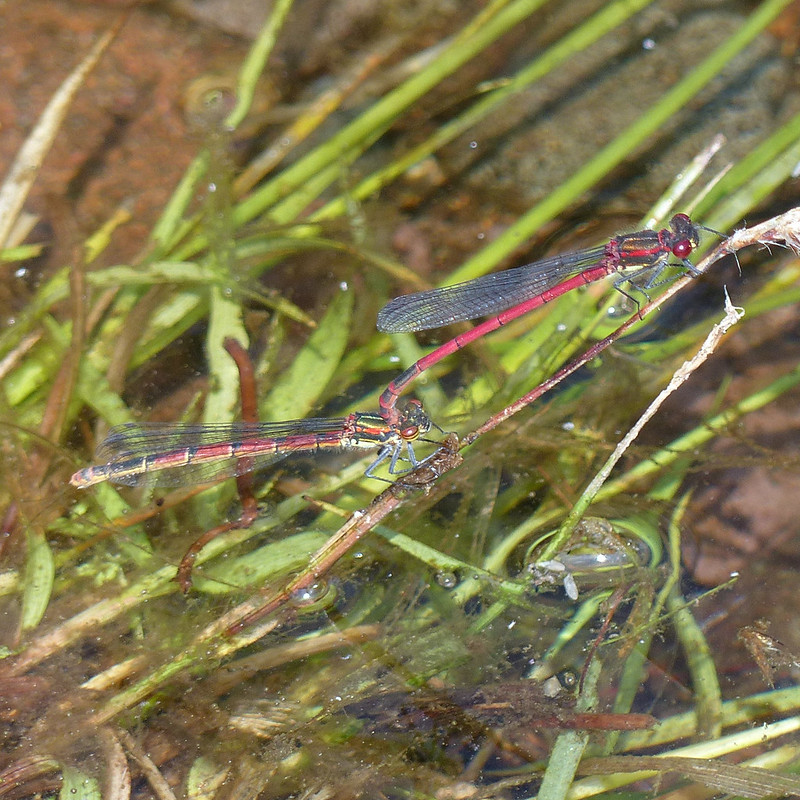
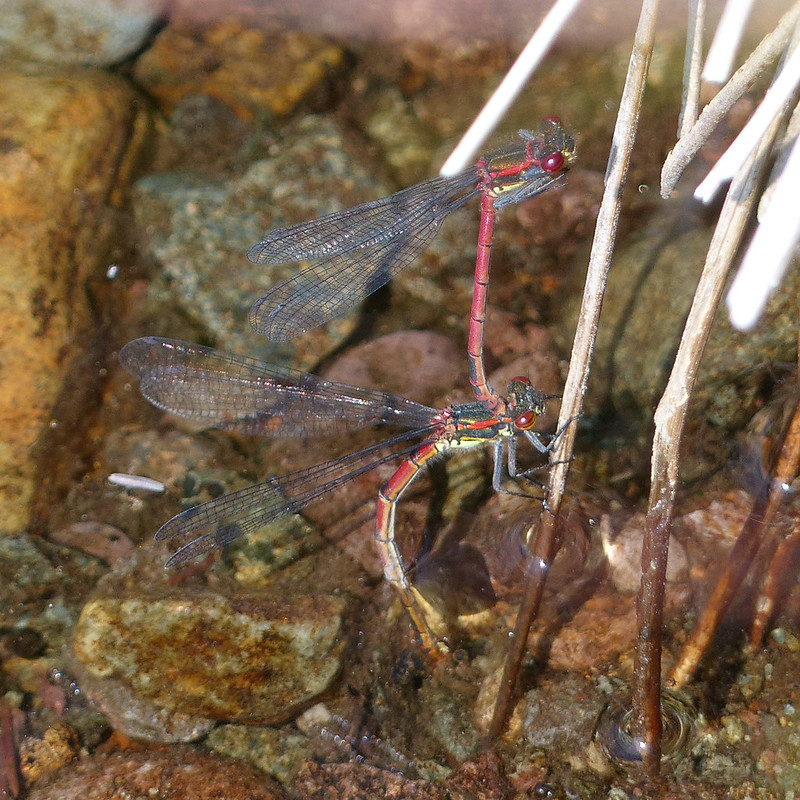
Mating pair of Large Red Damselflies.
Even the mating Large Red Damselflies, of which there were many, many pairs, kept flying about, with the male still grasping the female by the neck.
Mating pair of Large Red Damselflies.
On the right here, she is laying eggs, whilst he is still in flight, hovering, hence the blurred wings.
Mating pair of Large Red Damselflies.Mating pair of Large Red Damselflies.
I have several more photos of mating pairs, so there is obviously a healthy population here.
Wolf spiders, female and male.Golden Ringed Dragonfly flying above Mosshause Gill.
There was one, or possibly two, Golden Ringed Dragonflies flying very quickly along Mosshause Gill, which flows into the tarn near to the shingle beach. It’s a large and spectacular dragonfly, but was moving to quickly for me to manage any photographs. Since the flights along the stream were regular and predictable, I decided to stand in the stream bed to try to capture an image of the dragonflies, and you can sort of see one in the photo above. I have better photos, here from a few years ago.
Tadpoles.
The path through the forest was hot work. When I reached open country, I turned sharp right, along the edge of the trees to head for Brown Rigg…
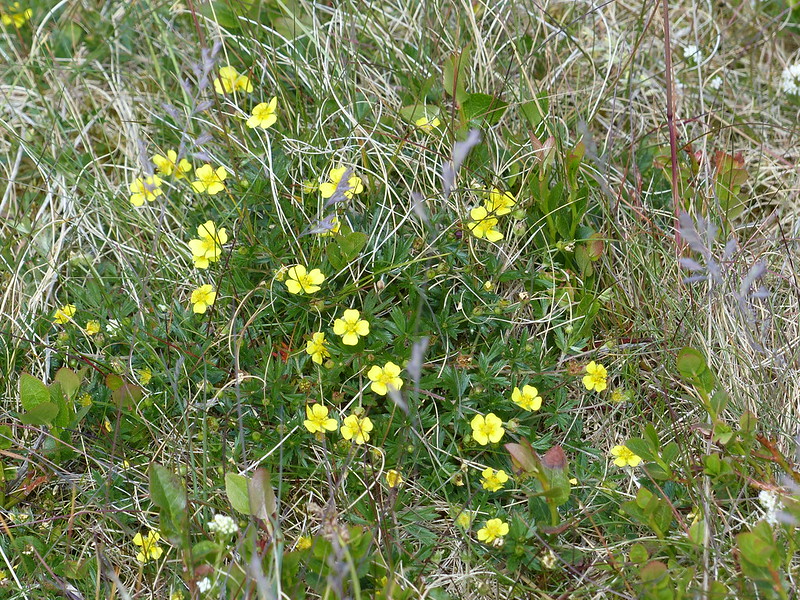
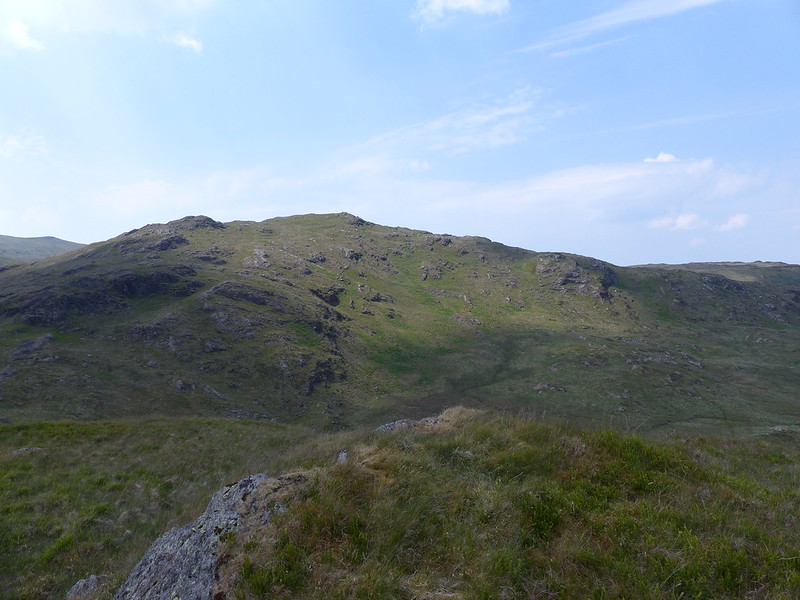
Brown Rigg.Tormentil.Blea Tarn Fell/Bell Crags.
Brown Rigg is one of those Birketts which take you off the beaten path and make Birkett bagging well worth while. From Brown Rigg there’s a fine view of a rocky little top called either Blea Tarn Fell according to Birkett, or Bell Crags in the Fellranger books by my name-sake Mark Richards.
Blea Tarn Fell from Brown Rigg.
Whatever the name, it’s a really handsome fell and another which it would be a shame to miss. First though, I had unfinished business…
Armboth Fell (in the shade).
Ordinarily, I think this route would be madness, but I was able to head down to Launchy Tarn and then climb from there on to Armboth Fell. I won’t say it was dry, but it was dry enough.
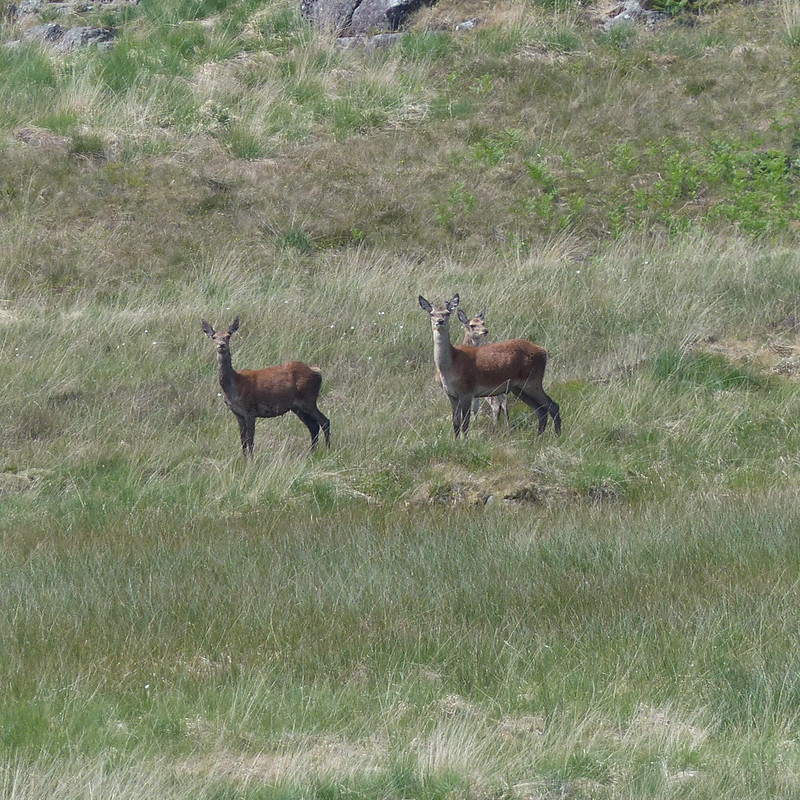
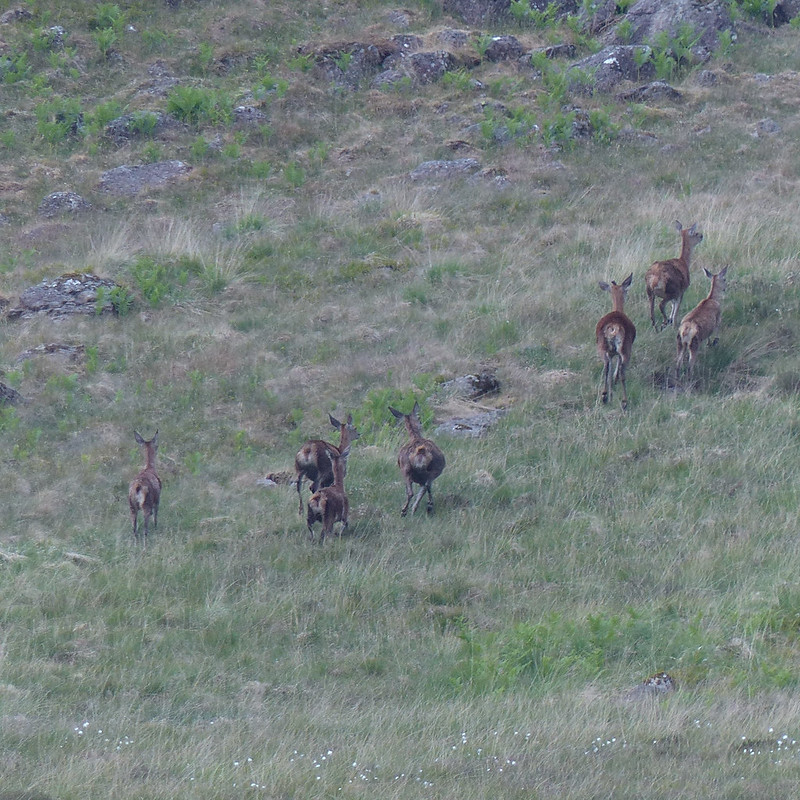
Small Heath Butterfly.Looking back to Brown Rigg.Red Deer hinds.Run away!
Years ago, I used to bivvy with friends in this area, above Harrop Tarn, and then explore the rather complex, boggy and empty terrain between there, Ullscarf and High Seat. I have a real soft-spot for this area, partly because it a great place to see Red Deer.
Another Four-spotted Chaser.
I was still seeing Four-spotted Chasers, wherever there was a bit of open water.
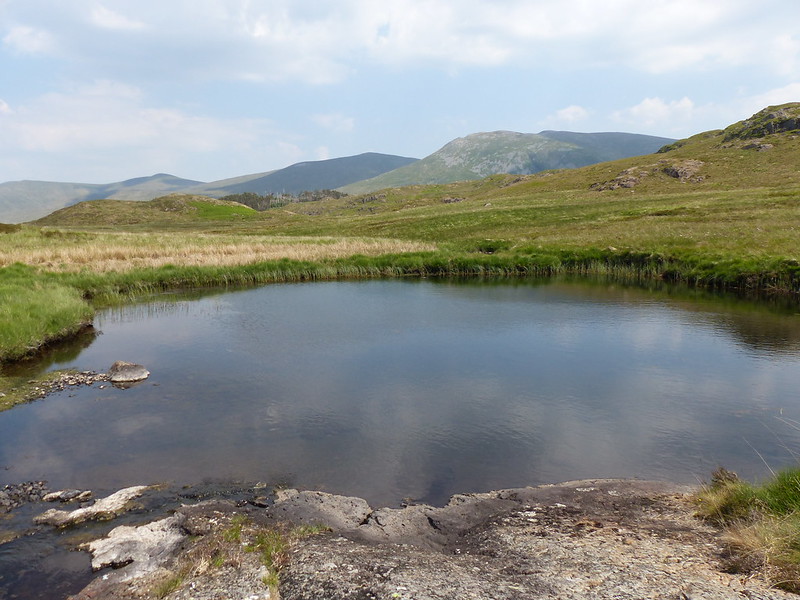
I had wondered about another dip, in Launchy Tarn, but it didn’t look deep enough, or particularly inviting.
Launchy Tarn.Wild Thyme.Armboth Fell.
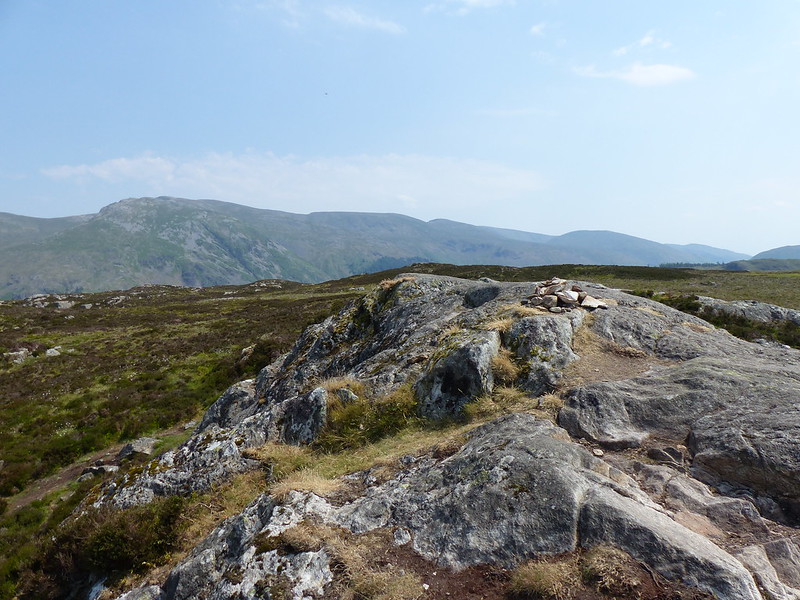
This rocky little rib gives Armboth Fell a quite dramatic top, not at all in keeping with the rest of the hill. I did visit a couple of other nearby knolls, just in case they were higher!
High Tove.
From Armboth Fell, it’s a fairly short walk to High Tove. I think that’s about the most that can be said for High Tove.
Looking back to Armboth Fell, Helvellyn behind.High Seat.
The walk southward along the ridge was actually pleasant with little sign of the extreme boginess which usually presides here. I made sure to summit every little outcrop, since there are numerous Birketts this way.
Standing Crag, Ullscarf, Low Saddle, Blea Tarn.
I had been planning to include a swim in Blea Tarn, but it had clouded up, and I suspected that time was marching on. (My new phone arrived while I was out, so without a phone, I didn’t know the time. Quite odd – but in a pleasant way, since I had all the hours that June daylight affords to complete my walk.)
Blea Tarn Fell.From Blea Tarn Fell, looking down to Armboth Fell, Launchy Tarn and Brown Rigg.
Blea Tarn Fell and/or Bell Crags really is a cracker, with superb views, I can definitely recommend it.
High Seat and Armboth Fell.Very neat sheepfold.
From there I returned to Harrop tarn and then took the footpath down the edge of the forestry back to Dobgill Bridge, then back along the shore to my car. The path turned out to be very rocky and a bit awkward – I think I prefer the path I used on the way up. I did see these Butterwort by going that way…
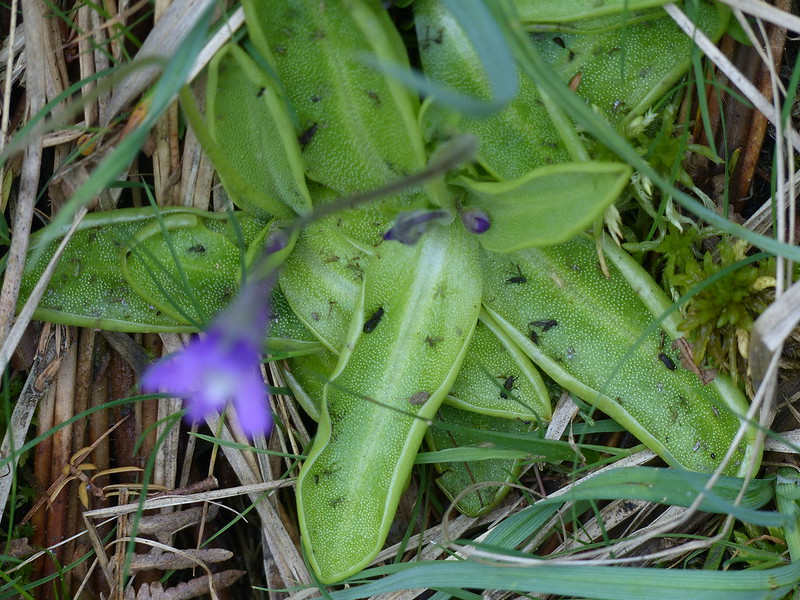
Common Butterwort.Fly trap!
“Common butterwort is an insectivorous plant. Its bright yellow-green leaves excrete a sticky fluid that attracts unsuspecting insects; once trapped, the leaves slowly curl around their prey and digest it. The acidic bogs, fens and damp heaths that common butterwort lives in do not provide it with enough nutrients, so it has evolved this carnivorous way of life to supplement its diet.”
A terrific day, with lots of interest. Harrop tarn has shot to the top of my list of favourite places to swim and Blea Tarn Fell has firmly cemented its place in my affections. I can definitely see myself coming back this way in June next year: I fancy a wild camp in this neck of the woods.
No MapMyWalk stats or map, for obvious reasons, but here’s a map so that you can trace my route for yourself:
The Sunday after my Howgills walk, time for an easy day. Well, yes, up to a point.
It’s mine!
It began with a leisurely breakfast, whilst watching the birds enjoying their own morning repast on our feeders.
House Sparrow, male.
Then TBH and I walked a slightly modified version of our frequent Jenny Brown’s Point circuit, during which, for some reason, I took barely any photos at all.
Later, I strolled to Lambert’s Meadow…
Lambert’s Meadow.
For some entomological therapy. By the little stream which runs from Burton Well through the field, I spotted this bizarre creature…
Backswimmer – Notonecta maculata.
Usually we see them in the water, silvered by trapped air and upside down, so we never see them clearly. Those ungainly looking back legs are adapted for swimming, rather like the rear set of legs which some crabs have.
Ribwort Plantain.Sawfly – one of the Dolerus species, apparently.
I’m enjoying trying to get to grips with sawflies. They are so numerous and so varied. Poor photo this, but it was tiny. Rather dapper, I thought.
Hoverfly – Tropidia Scita, female. Something shiny photobombing at the top of the Meadowsweet leaf.
Much the same can be said for Hoverflies, although I suppose they are a bit more uniform. The distinguishing feature of this species, well the female of the species anyway, are the thickened hind tibia which also have a little triangular spur, not visible here.
Another tattered Peacock Butterfly.Guelder Rose.
The Guelder Rose was just about coming into flower.
Common Carder Bee.Crane Fly, male.Common Blue Damselfly, male.
There were damselflies everywhere and I took lots of pictures. I think that they were all, or at least mostly, Common Blue Damselflies.
Common Blue Damselfly, female, blue form.Kentish snail?
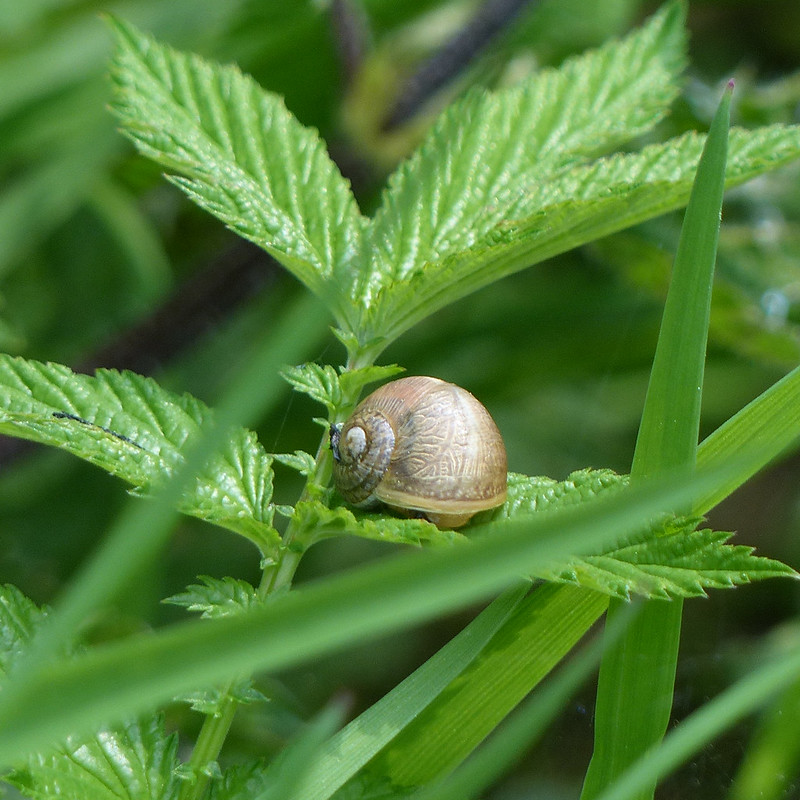
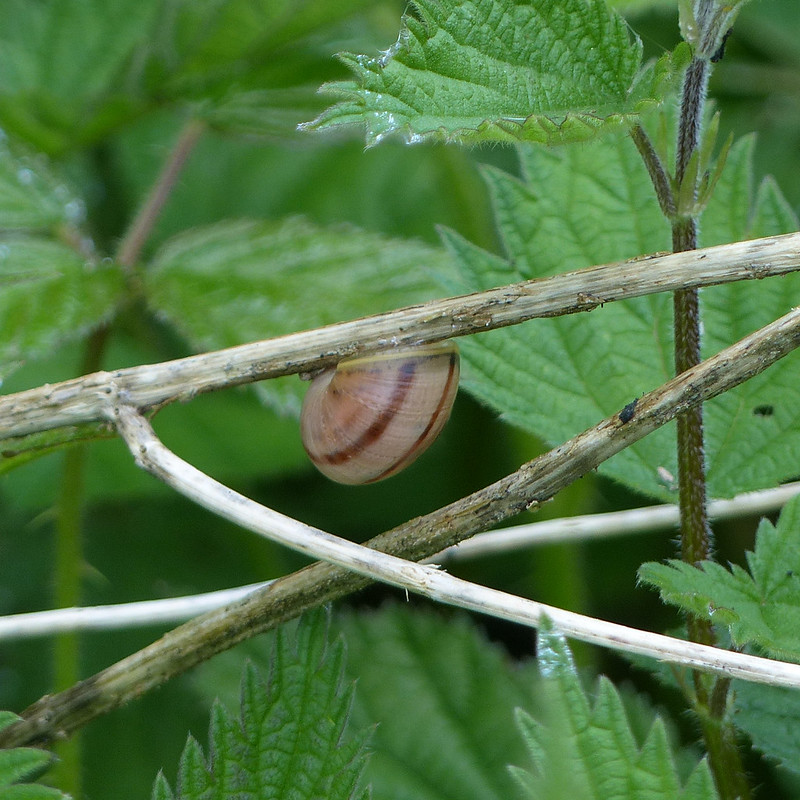
There were even more snails about than usual too. I’ve been identifying these brown snails, which I only ever see at Lambert’s Meadow, as Copse Snails, but I’m concerned that I’ve been getting that (and probably lots of other things too) completely wrong. The Copse Snail has a dark spiral line, whereas these have a pale, often white spiral line. That’s a feature of the Kentish Snail, which, confusingly, is not from Kent, but is an introduced species, and can be found in this area.
Kentish snail?Kentish snail?White-lipped Snail?
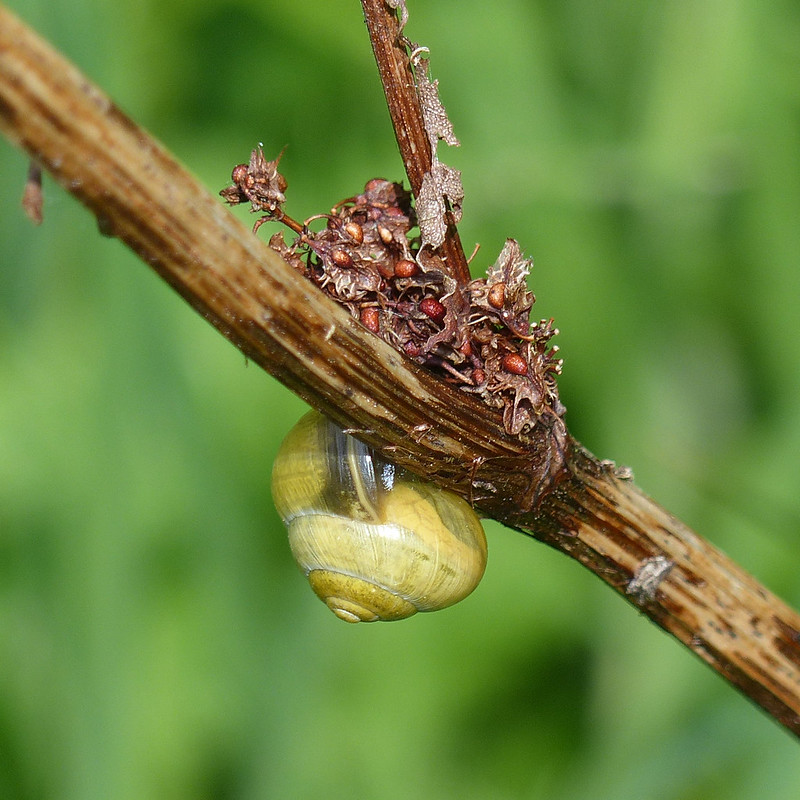
White-lipped and Brown-lipped snails can be confusing too. I tend to assume that the very yellow ones are White-lipped.
White-lipped Snail.
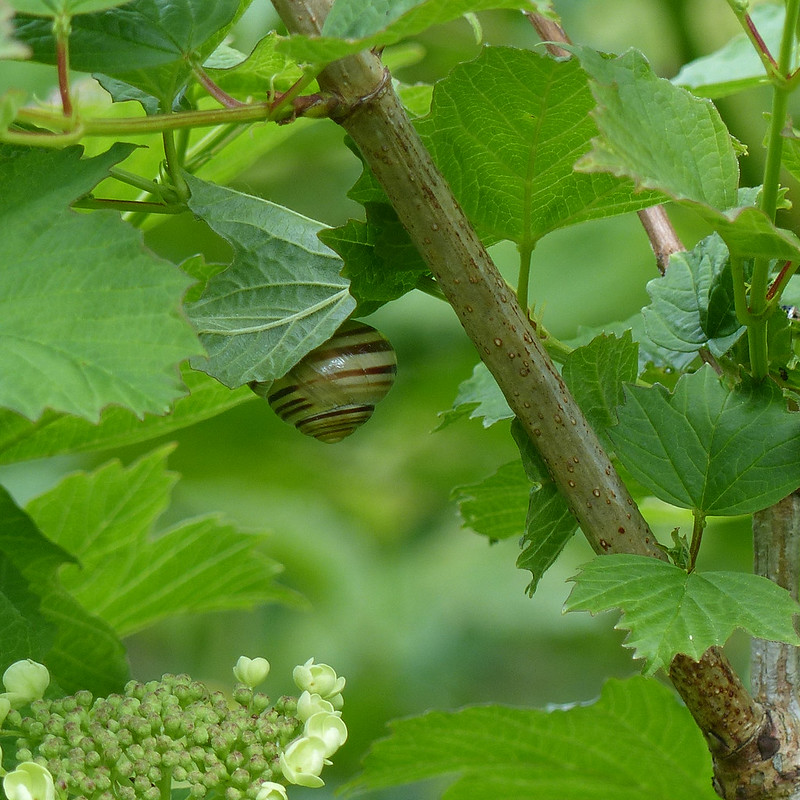
But then, I also assume that the more banded snails are Brown-lipped, but this one is banded, but White-lipped.
Banded snail.
On which basis, this could be either.
Brown-lipped snail.Roe Deer doe.Juvenile Robins.
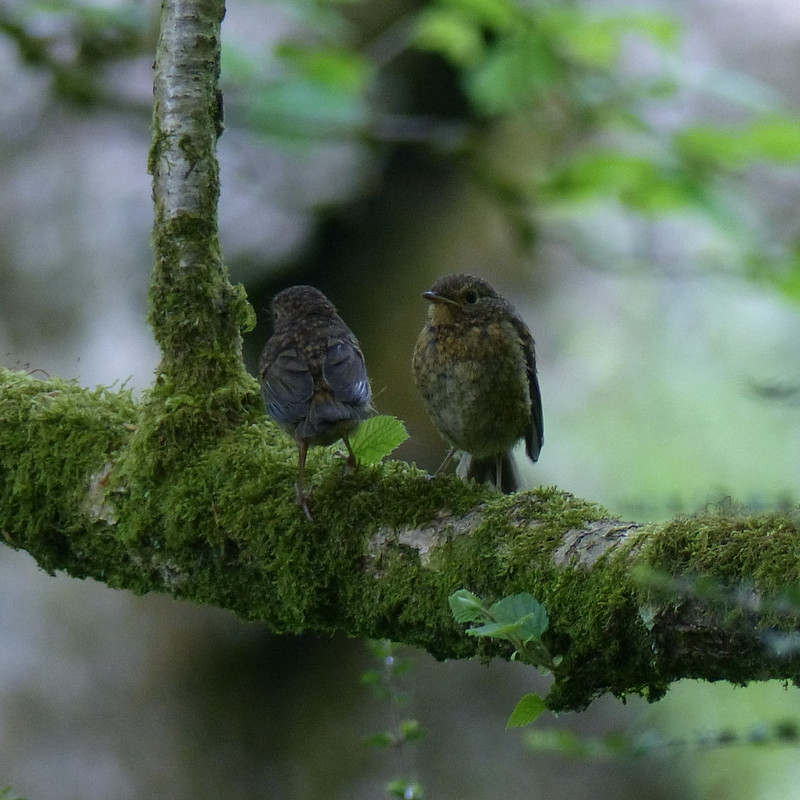
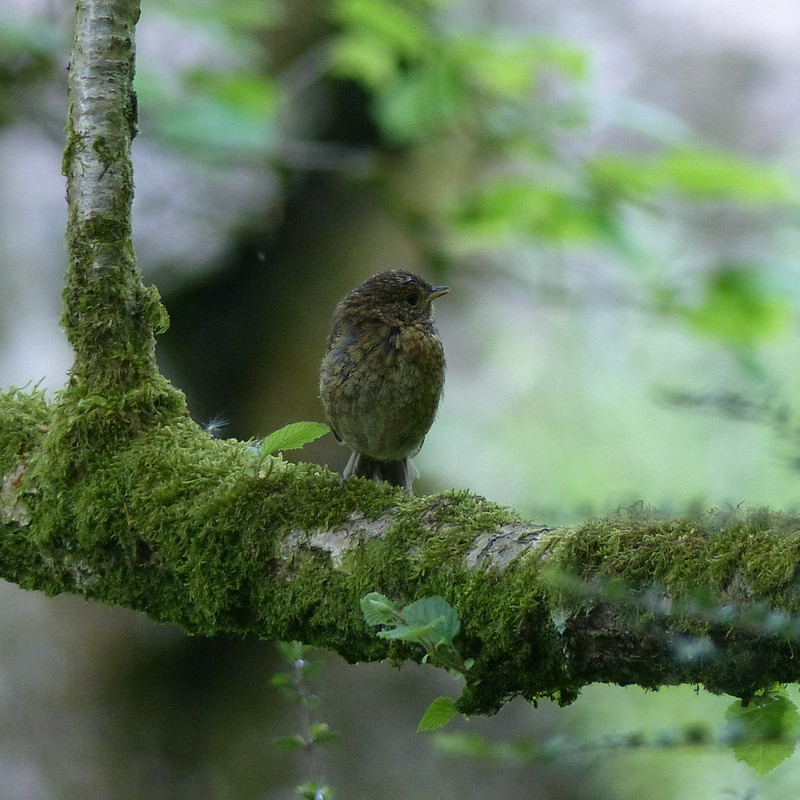
When I finally dragged myself away from mooching around the meadow, I took the steep steps up to Bank Well, which is actually a pond. In the trees behind the pond I was delighted to encounter a family of Robins. The adult birds chirped furiously from distant branches, but the young weren’t very alert to the danger they were being warned about.
Juvenile Robin.Yellow Flag Iris.Plateumaris sericea.
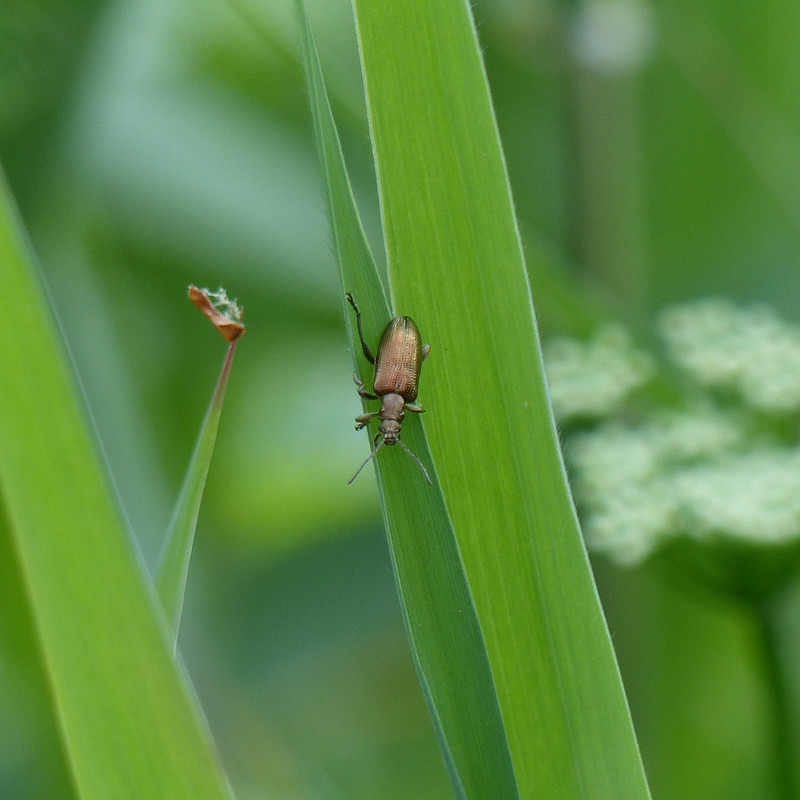
This stunning beetle has larvae which feed on Bur-reeds, which I’ve seen growing in Bank Well.
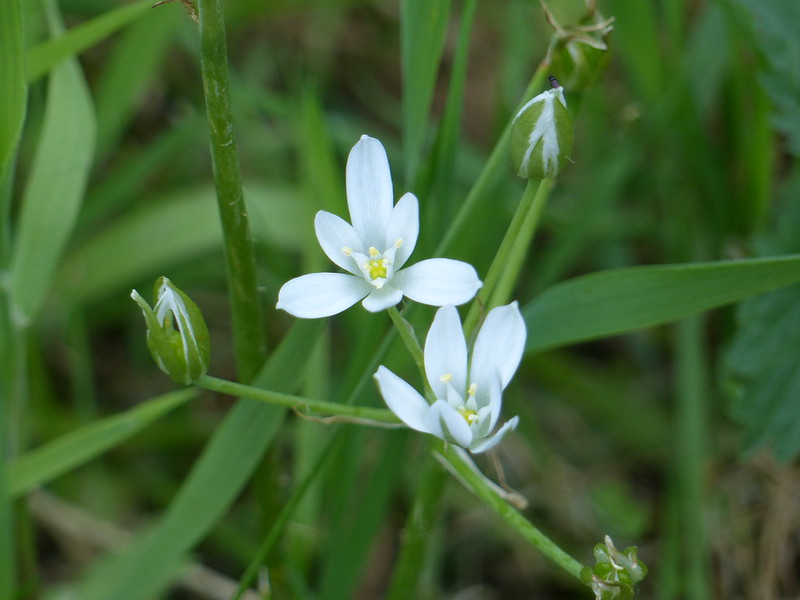
Star of Bethlehem.
A little way along the Row I was taking a turn back towards home, when I bumped into TBH and A who were on their way to Hawes Water. A was home from Uni for a couple of days before heading off for summer adventures.










































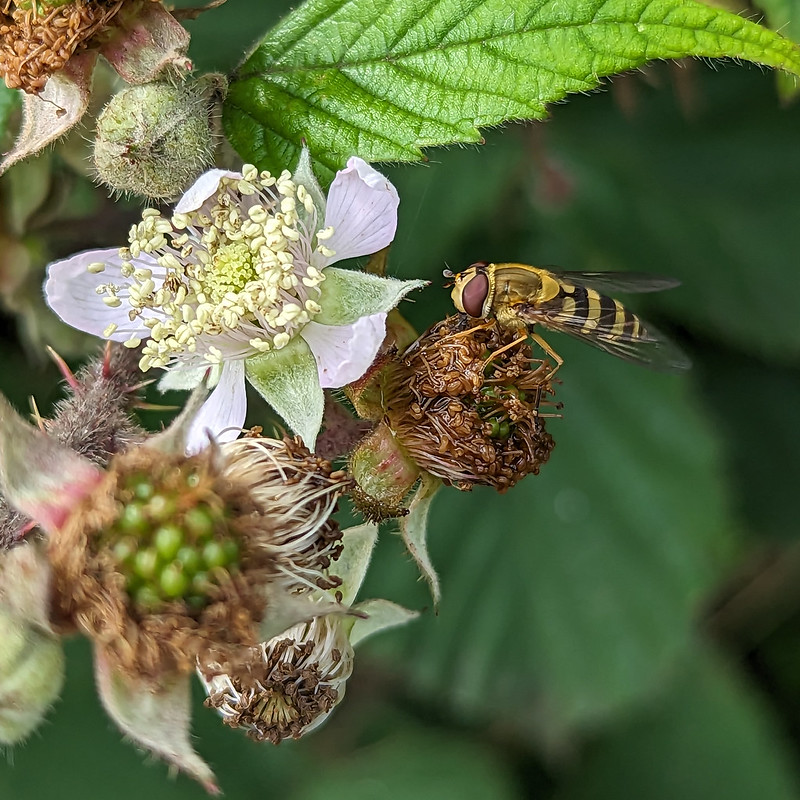
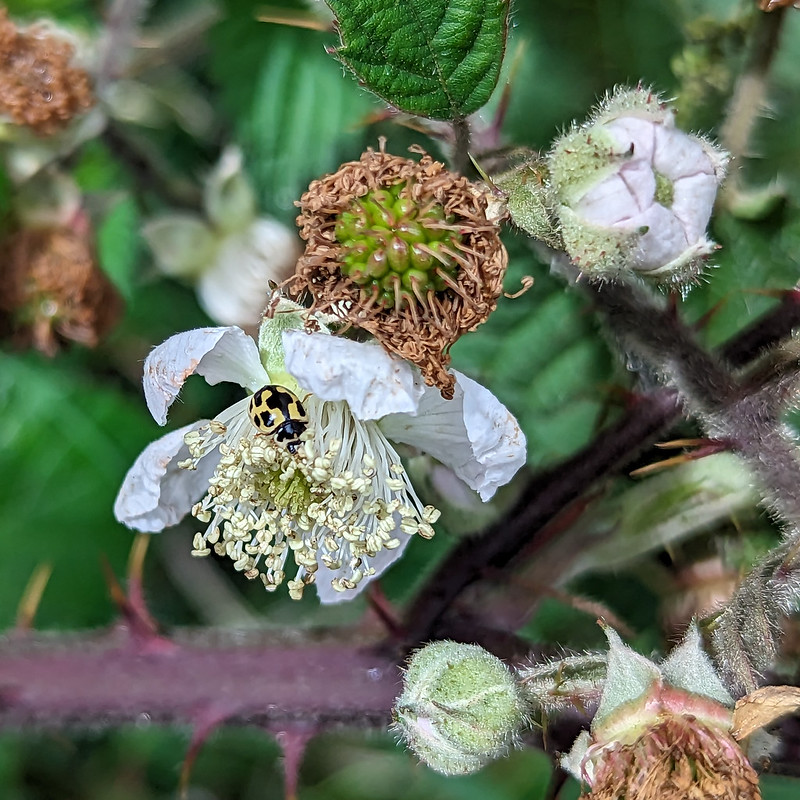

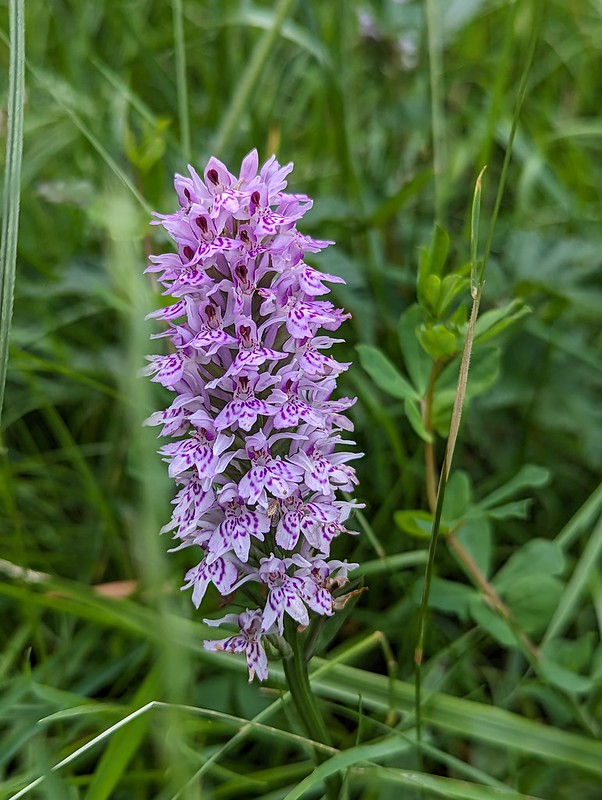
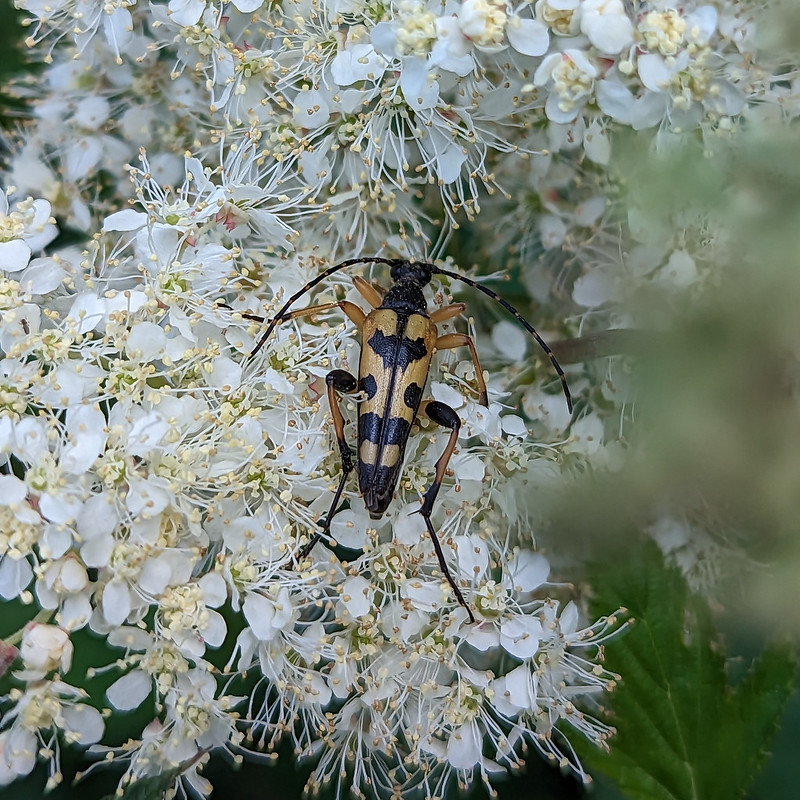








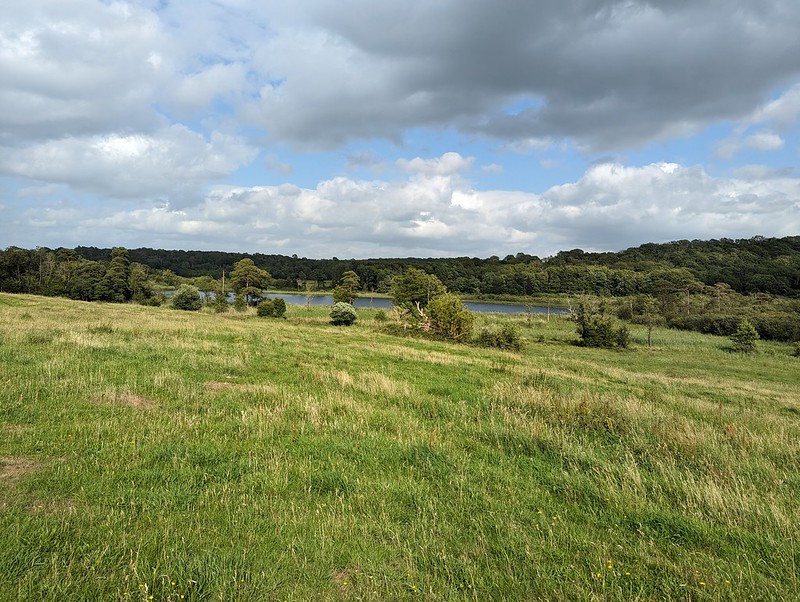


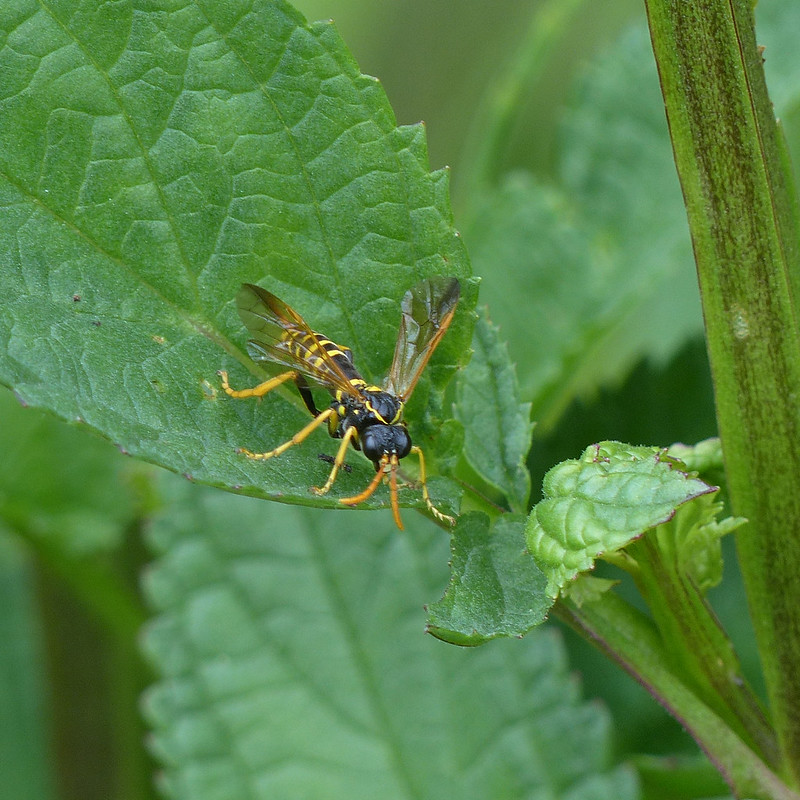
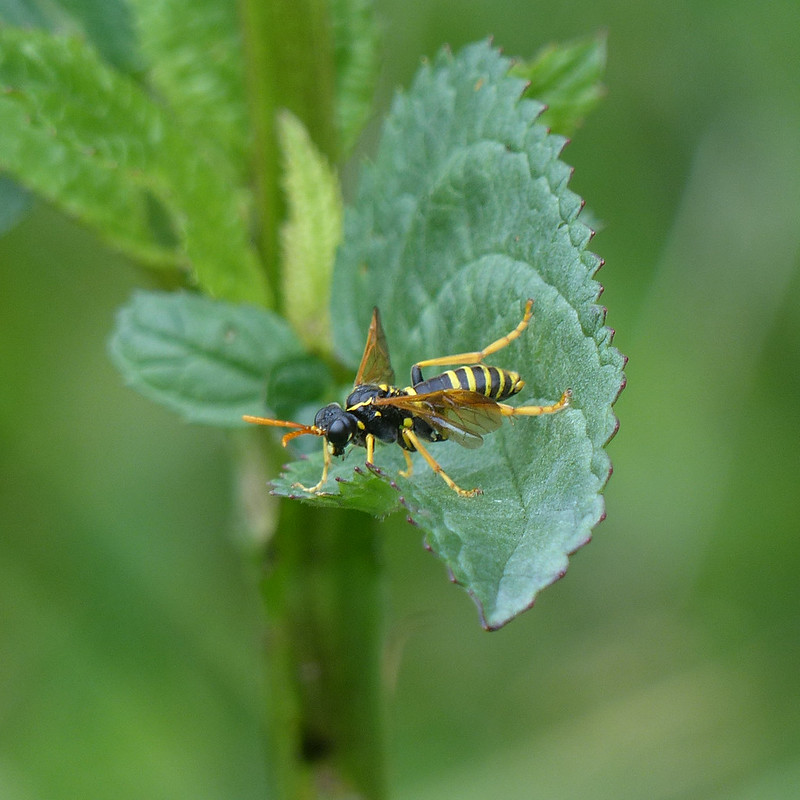
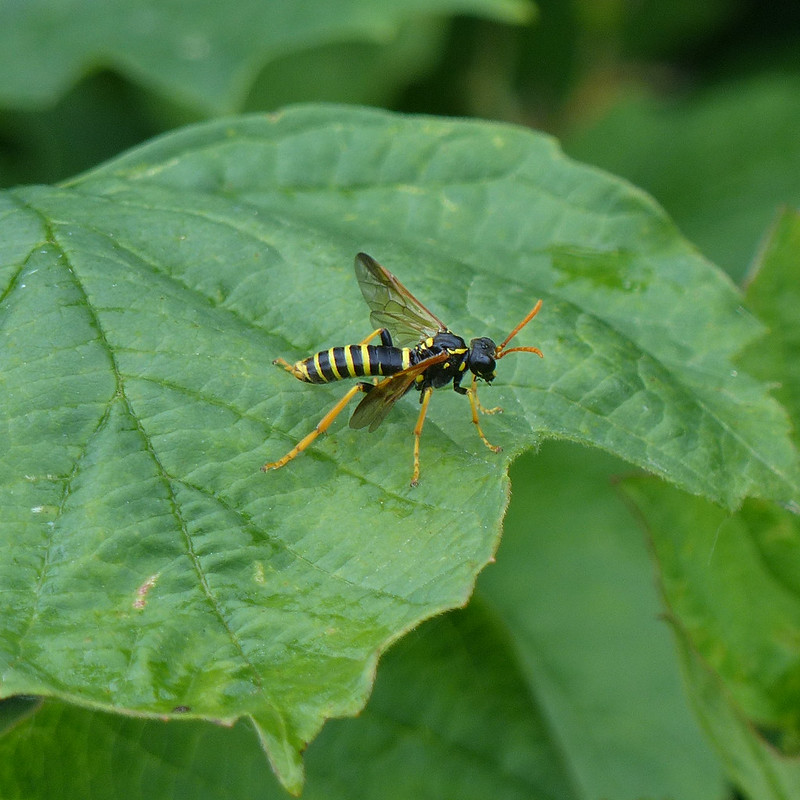

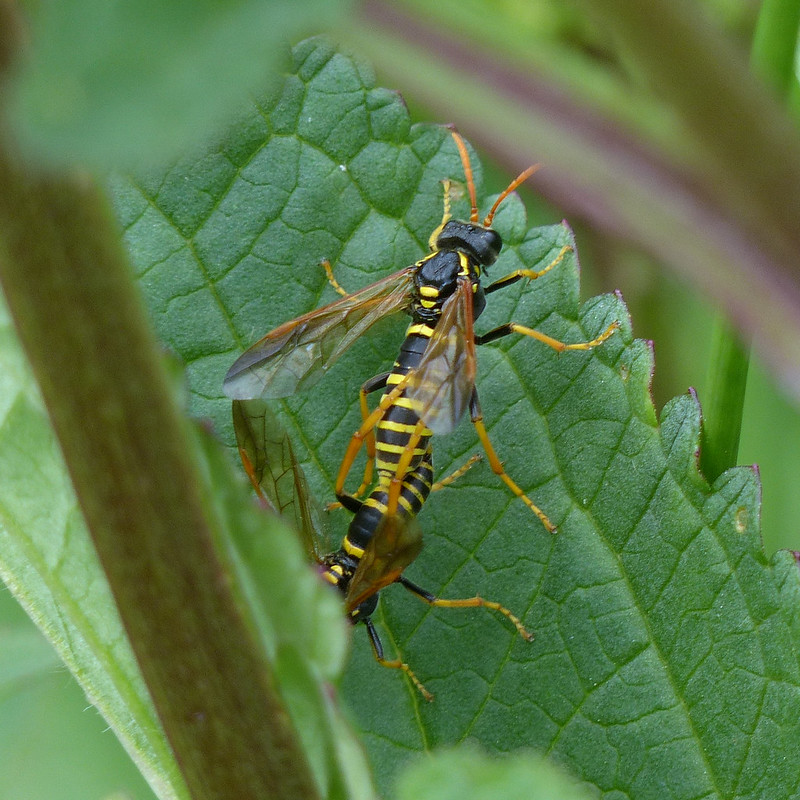
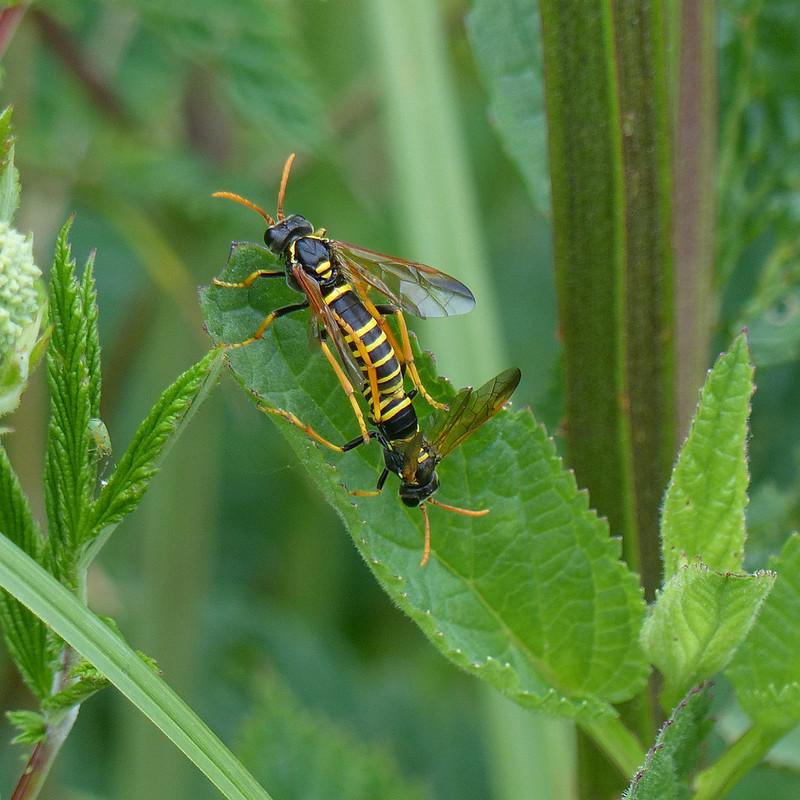

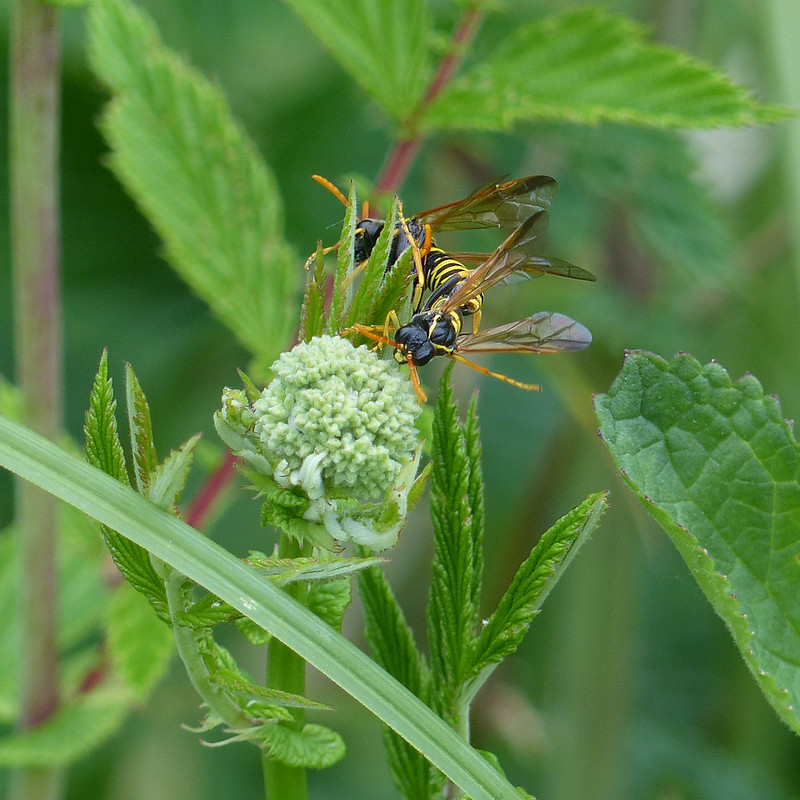

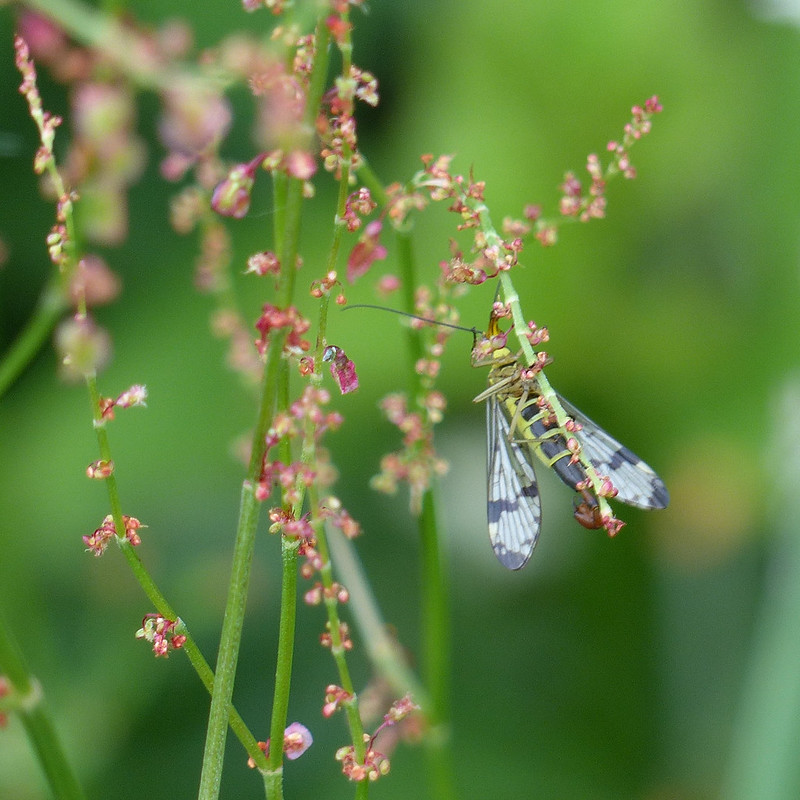
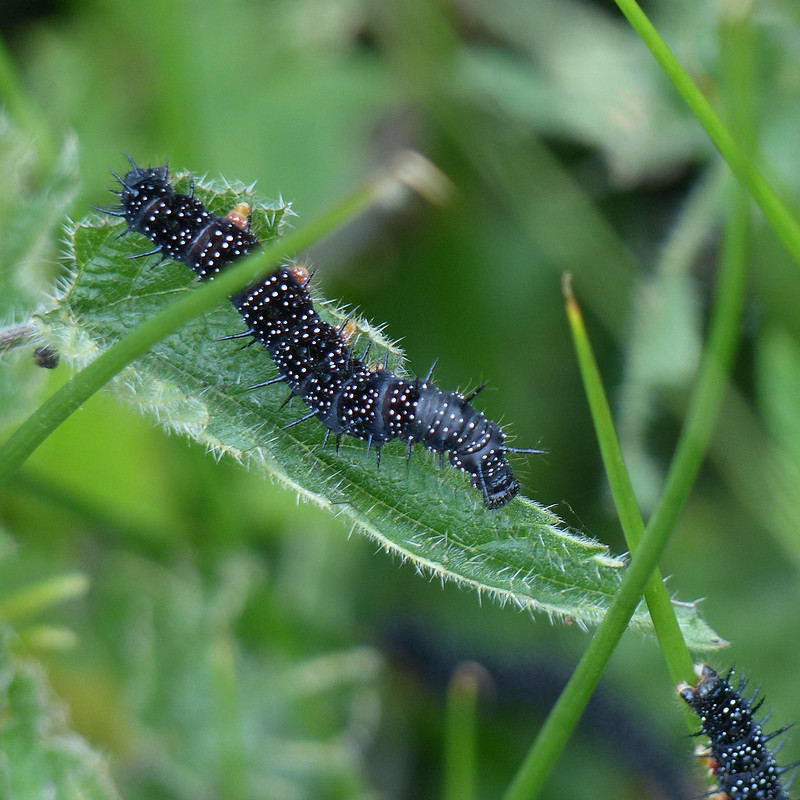



















































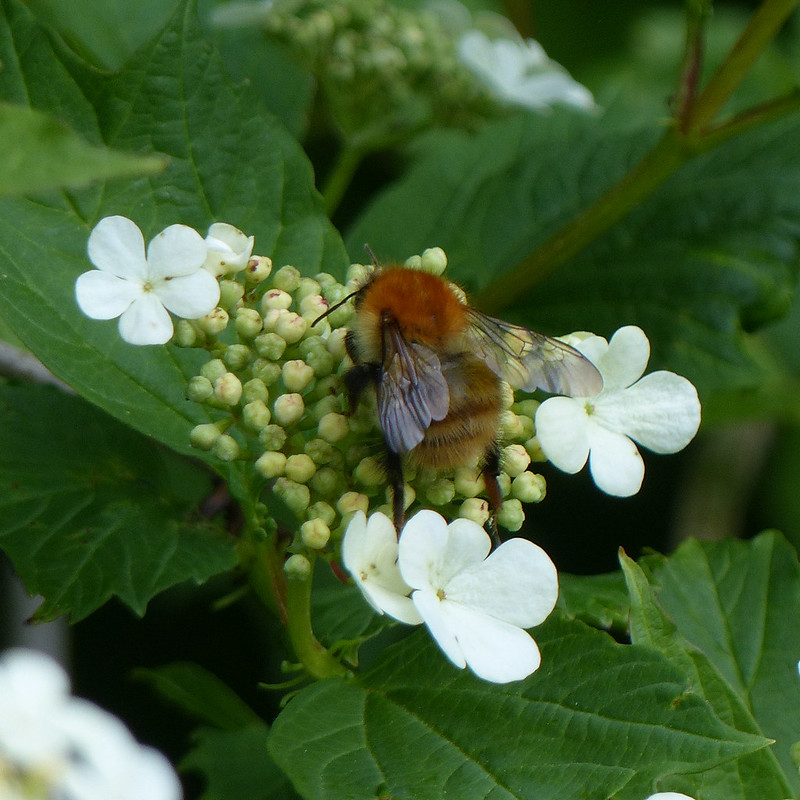
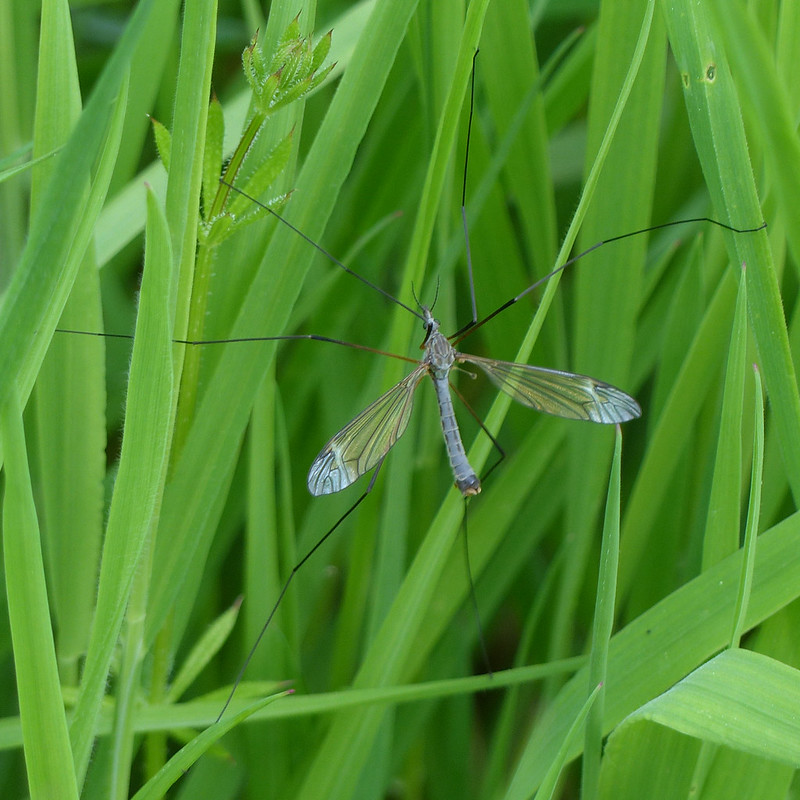
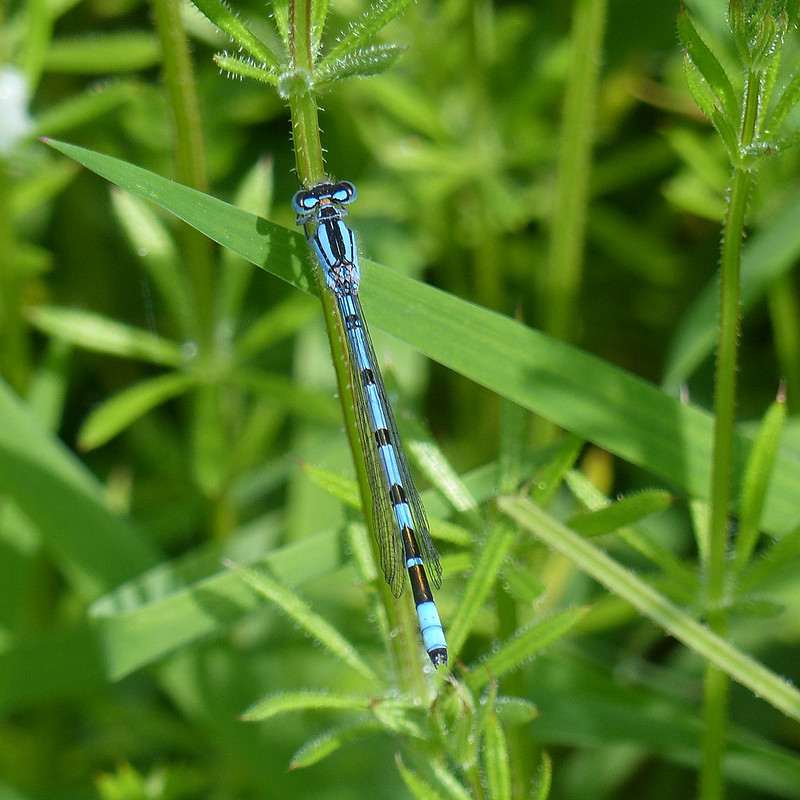

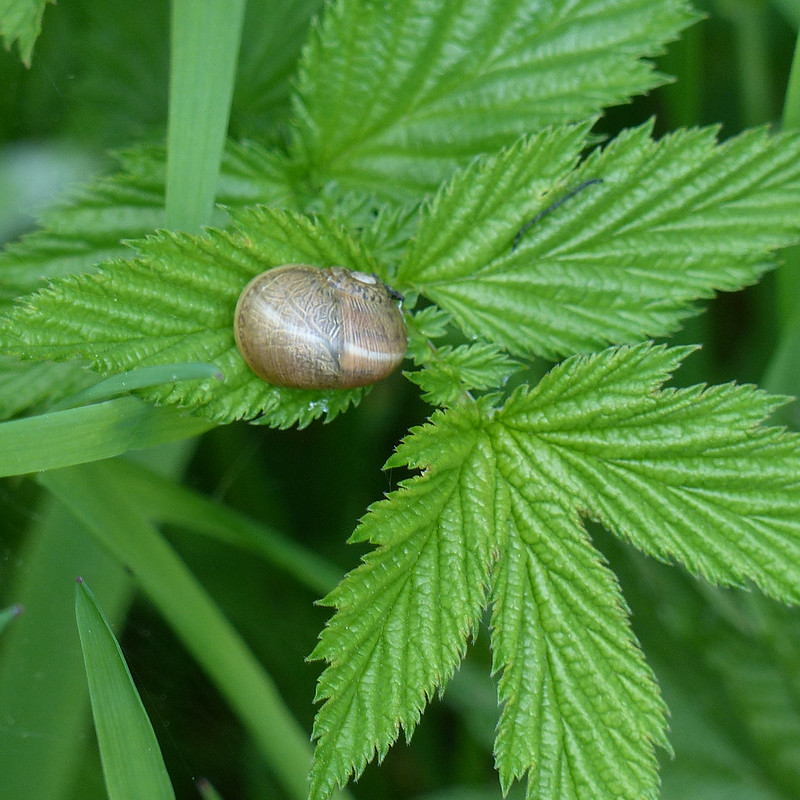






 Beating The Bounds
