 Wed, Mar 11, 2026
The Future is Actually Very Human
In 2016, we started Replit with a simple but radical belief that anyone should be able to build an app without ever learning to code. Our vision was for software to expand human imagination. Instead of requiring people to master software as it existed, we believed software could evolve to meet people where they are, translating their imagination into reality. At the time, this idea felt almost impossible. Software development was for engineers, not students, teachers, designers, or small business owners. The tools were complex, required specialized training, and thus inaccessible to most of the world. The terms vibe coding and AI agents were still nearly a decade away. Fundamentally, we believe the future of technology is deeply human. As software adapts to people, billions will be able to turn their ideas into reality without needing to understand or be restricted by the machinery underneath. AI will unlock human creativity, kicking open a world where far more people can build, experiment, and create than ever before. This vision is fast becoming reality – and we are about to accelerate faster than ever. Replit has raised $400 million, valuing the company at $9 billion, a 3x increase in just six months, reflecting the strength of our business and growth still to come.
 Fri, Mar 6, 2026
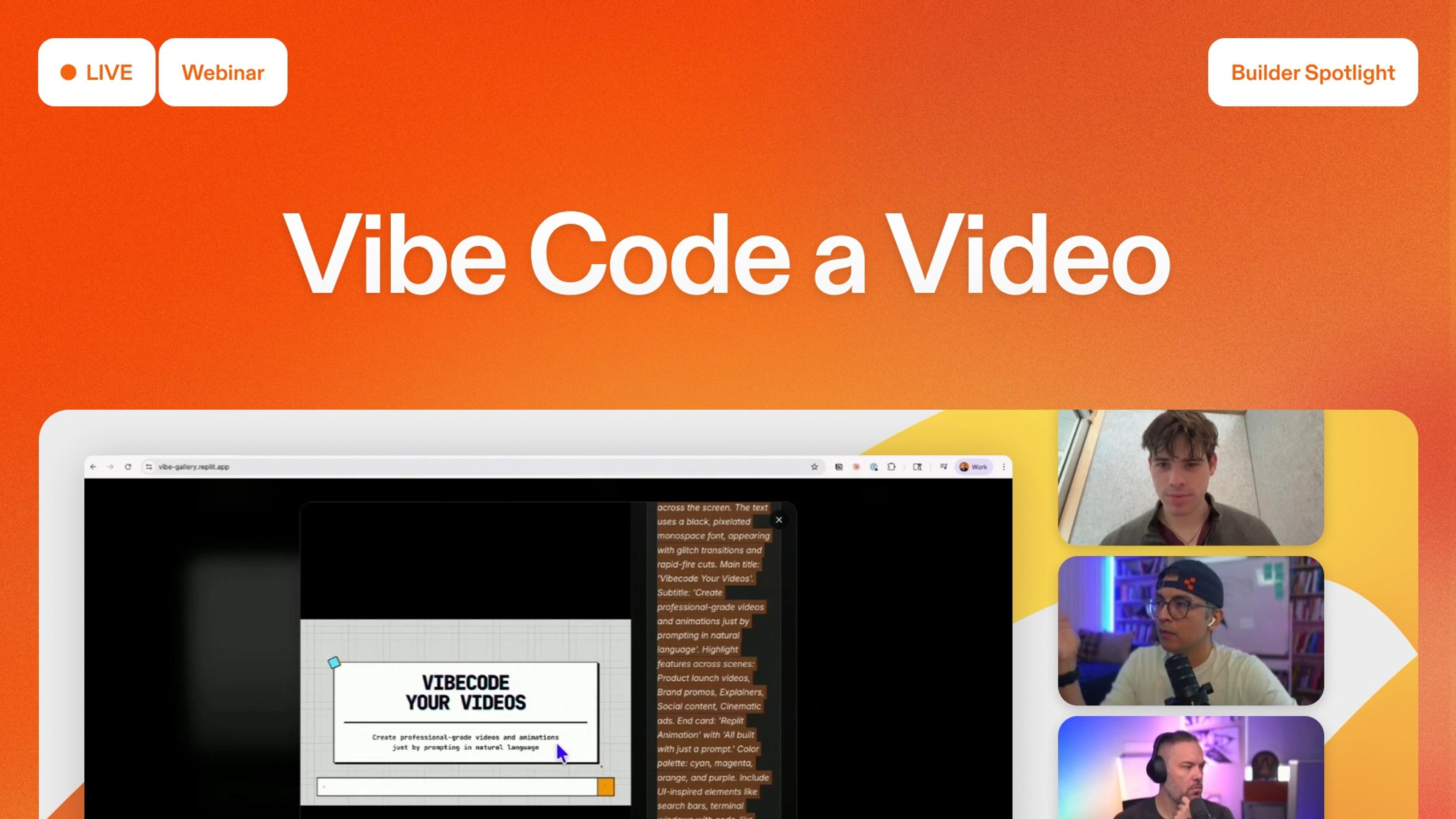
Vibe Code Videos in Replit
Summary Build and launch in one place with Replit Animation, bringing motion-style videos into the same workspace where you ship your app. See how an internal design hack became a product, as Samuel's design experiment turned into a Fast Mode launch video that went viral. Join a growing mobile-first community, with more than 1,800 builders from the mobile buildathon feeding into a new server and ambassador program. Watch launch videos come together live, as Manny builds a Snap Circuits promo using prompts, assets, and the animation build type in Replit.
 Fri, Feb 27, 2026
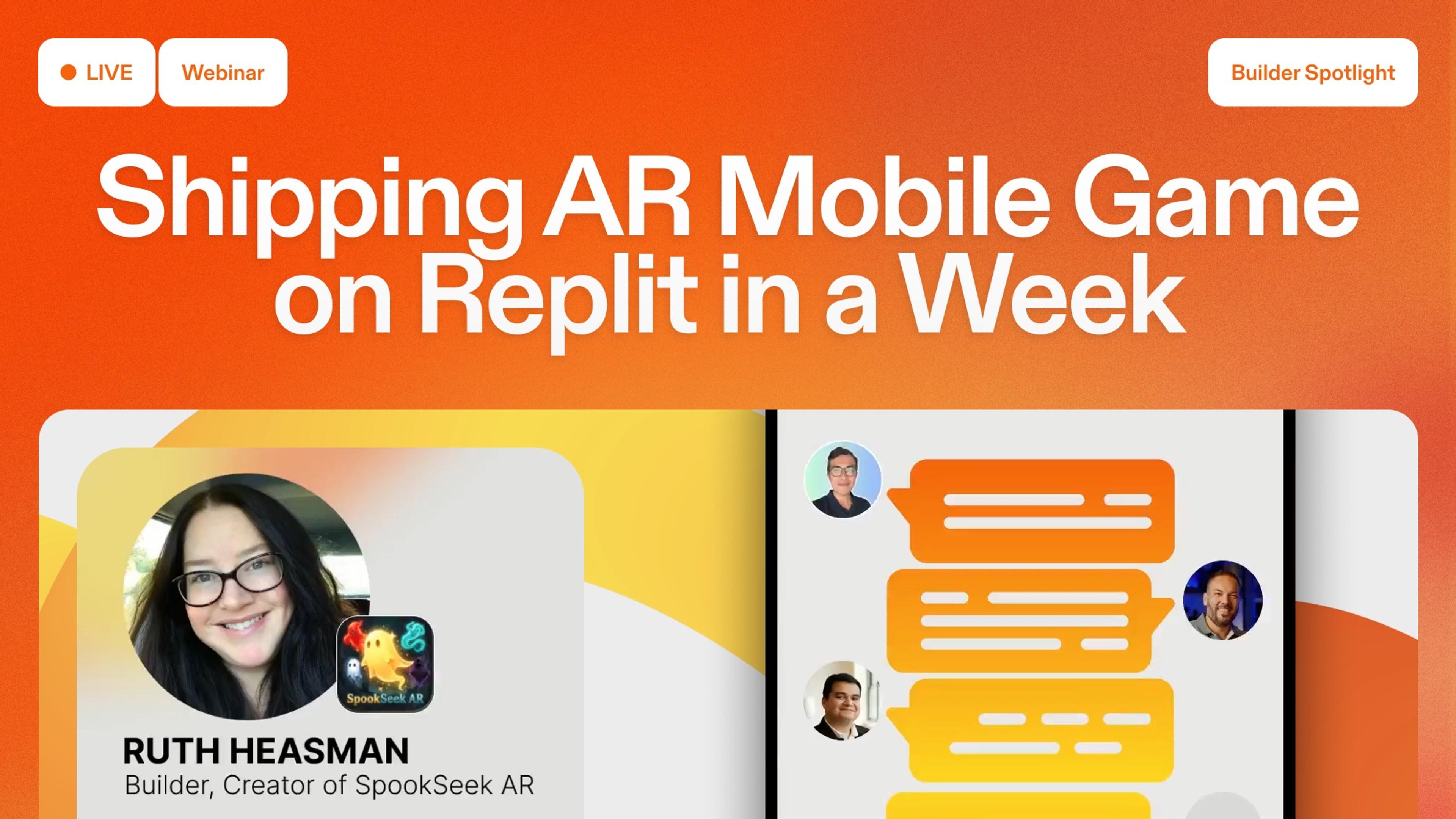
Building Spookseek AR on Replit: How a Designer Shipped an AR Ghost Hunting Game in a Week
Summary Designer turned builder Ruth Heasman ships Spookseek AR for Replit’s mobile Buildathon, turning a Halloween AR idea into a real iOS game. She builds for mobile first, leaning on camera, motion sensors, haptics, sound, and AR visuals so ghost hunting feels grounded in the real room. Replit Agent helped her co-create a bespoke 3D system, even though she started “really clueless” about 3D math and AR stacks. Together they worked around Expo’s lack of ARKit, projecting ghosts on a virtual sphere and tuning targeting through a lot of iteration. The hardest work lands in the last twenty percent, when dev and production builds behave differently and performance problems fail silently.
 Thu, Feb 26, 2026
We Built a Video Rendering Engine by Lying to the Browser About What Time It Is
The Problem: Browsers Don't Want to Be Cameras Here's a deceptively simple product requirement: take a web page with animations, and turn it into a video file. Sounds easy, right? Open a browser. Record the screen. Export MP4. Ship it. We tried that. It doesn't work. The core issue is that browsers are real-time systems. They render frames when they can, skip frames under load, and tie animations to wall-clock time. If your screenshot takes 200ms but your animation expects 16ms frames, you get a stuttery, unwatchable mess. The browser kept rendering at its pace while we captured at ours, and the two never agreed.
 Tue, Feb 24, 2026
Replit Pro Is Here — and Core Now Offers Even Better Value
We’ve heard from builders that it hasn’t always been obvious which plan is right for them. The truth is, we’re seeing more distinct kinds of builders on Replit than ever before — from people just getting started, to teams shipping serious production projects. That’s why we’re making our plans clearer and more purpose-built. Replit Pro is our most powerful plan yet, built for serious builders who want to push their projects further with the best Agent experience and premium benefits. At the same time, we’re making it easier to get started with Replit Core — with better collaboration features, a lower price, and new controls that help you manage costs. If you’re getting started or building casually, Core is for you. Summary New Pro plan ($100/month). Access to powerful Agent modes, tiered credits with discounts, priority support, up to 15 builders, credit rollover.
 Fri, Feb 20, 2026
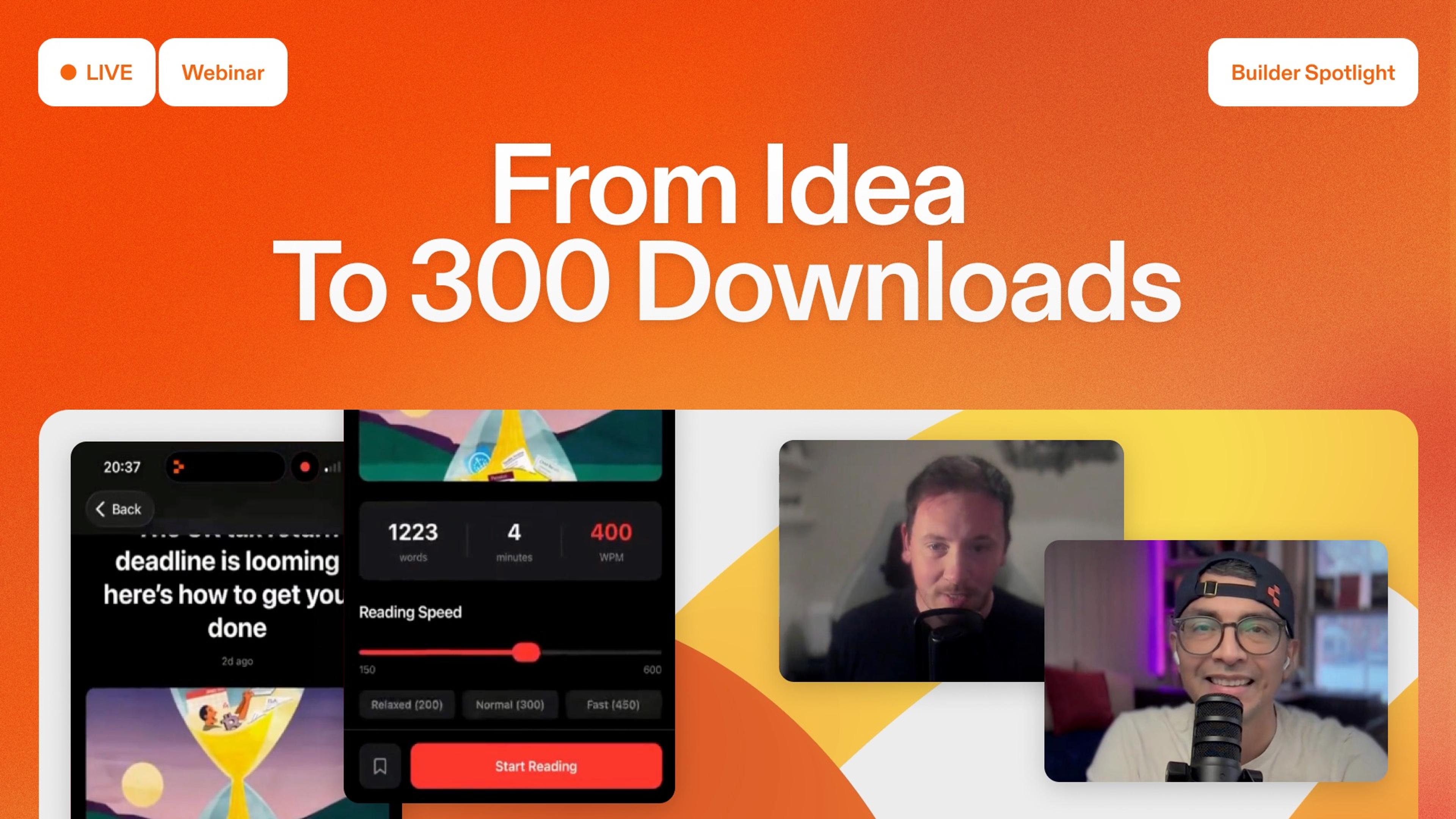
Building Mobile Apps on Replit: Case Study + Inside Look From Product Team
Summary Host Manny talks with builder Dan Kempe and Replit designer Victoria Kim about shipping real iOS apps without a dev team. Kempe explains how he built Flash News, a speed‑reading news app, for Replit’s mobile Buildathon. They walk through how Replit Agent, Expo, and the new mobile tools make App Store deployment far less painful. Victoria shares design advice for mobile: small‑screen constraints, haptics, and learning directly from Apple’s guidelines. The group digs into mobile app marketing: using existing audiences, social platforms, and strong visuals to get early downloads.
 Wed, Feb 18, 2026
Ship Enterprise Data Apps Faster with Replit and Databricks
Summary How Replit and Databricks Apps shorten the path from idea to production data app What Databricks AppKit provides under the hood, and how Replit makes it easier to work with A high-level look at building in Replit and deploying into Databricks Apps Introduction
 Fri, Feb 13, 2026
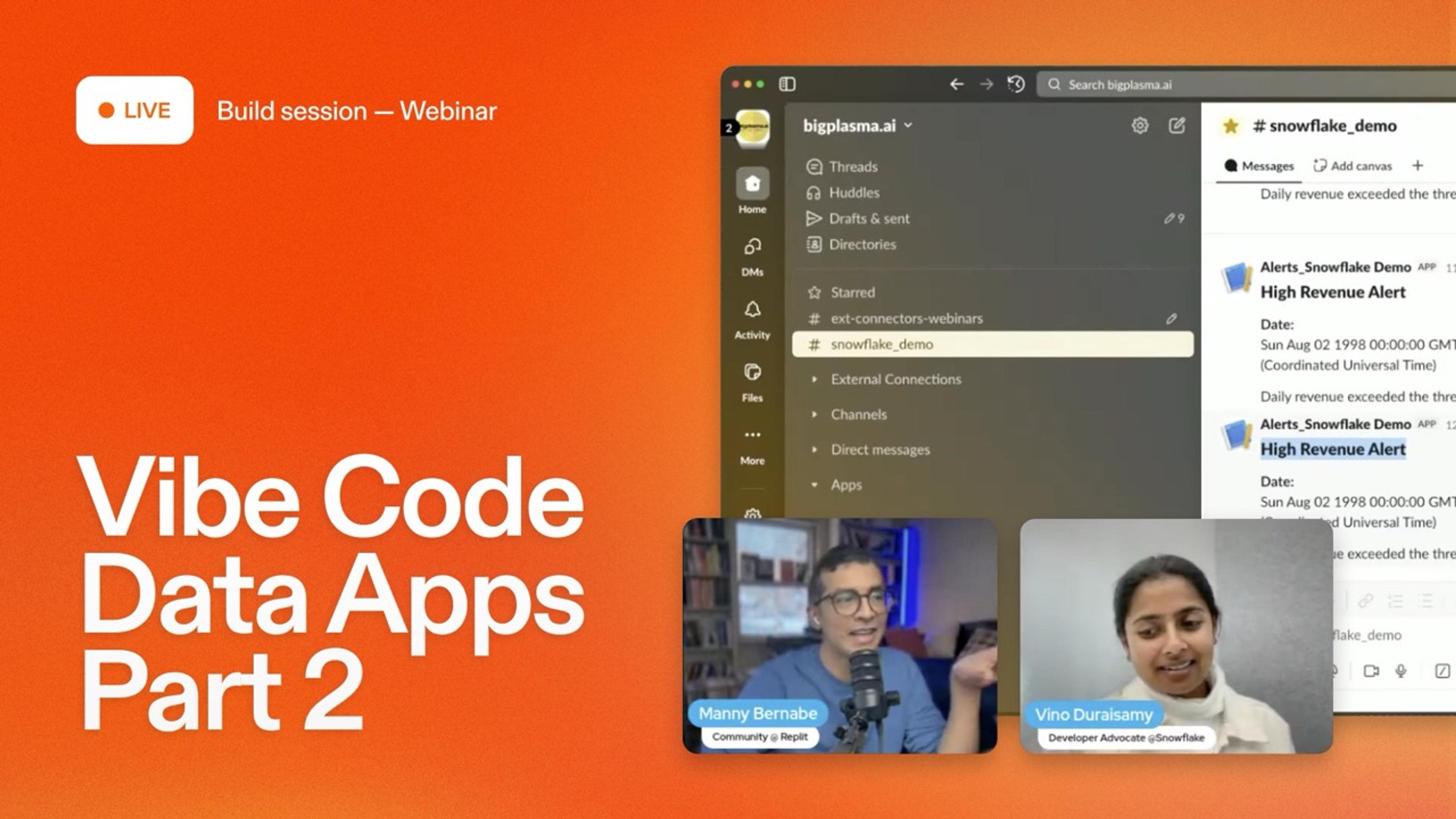
Vibe Coding Data Apps with Replit + Snowflake - Part 2 [webinar]
Summary Snowflake’s Vino Duraisamy and Replit’s Manny Bernabe return to turn simple dashboards into working data tools. Live forecasting and drilldowns explain why metrics move, not just what changed on your Snowflake dashboard. Custom Slack alerts fire when revenue crosses key thresholds so teams catch spikes, drops, and odd days quickly. An embedded AI data assistant answers plain-English questions and shows the exact SQL it ran for every query. Replit handles security scanning, auth, and hosting so you can ship Snowflake-powered data apps in minutes.
 Fri, Jan 30, 2026
Vibe Coding Data Apps with Replit + Snowflake [webinar]
Summary Snowflake developer advocate Vino Duraisamy joins Replit Community Manager Manny Bernabe for another informative live webinar. Replit's Snowflake connector enables builders to vibe code custom data applications without writing code manually. The connector provides secure, read-only access to Snowflake databases, eliminating complex authentication and setup processes. Builders can iterate on dashboards and reports using natural language prompts in plan and build modes. Publishing production-ready apps takes minutes with built-in security scanning, authentication, and deployment features all included.
 Fri, Jan 23, 2026
Building a Private Bookmark Manager and Browser Extension in Replit [webinar]
Summary Replit hosted a livestream build session showing how to create a private bookmark manager with a Chrome extension from scratch using Replit Agent in under two hours. The team demonstrated how to write effective prompts, troubleshoot issues, and add AI-powered features like content summarization using OpenAI integration with minimal manual coding. Building the initial functional app and extension cost around five dollars using Replit Agent, with additional costs for feature iterations and enhancements throughout the session. The livestream showcased real-world debugging and problem-solving, including handling database migrations, security vulnerabilities, and browser extension authentication flows as they occurred. The start of 2026 is proving to be an exciting time for builders on Replit. In a recent livestream, community managers Manny Bernable and Raymmnar walked over 1,000 viewers through building a complete bookmark management application with a Chrome extension—live and unscripted—using Replit Agent.
 Tue, Jan 20, 2026
Decision-Time Guidance: Keeping Replit Agent Reliable
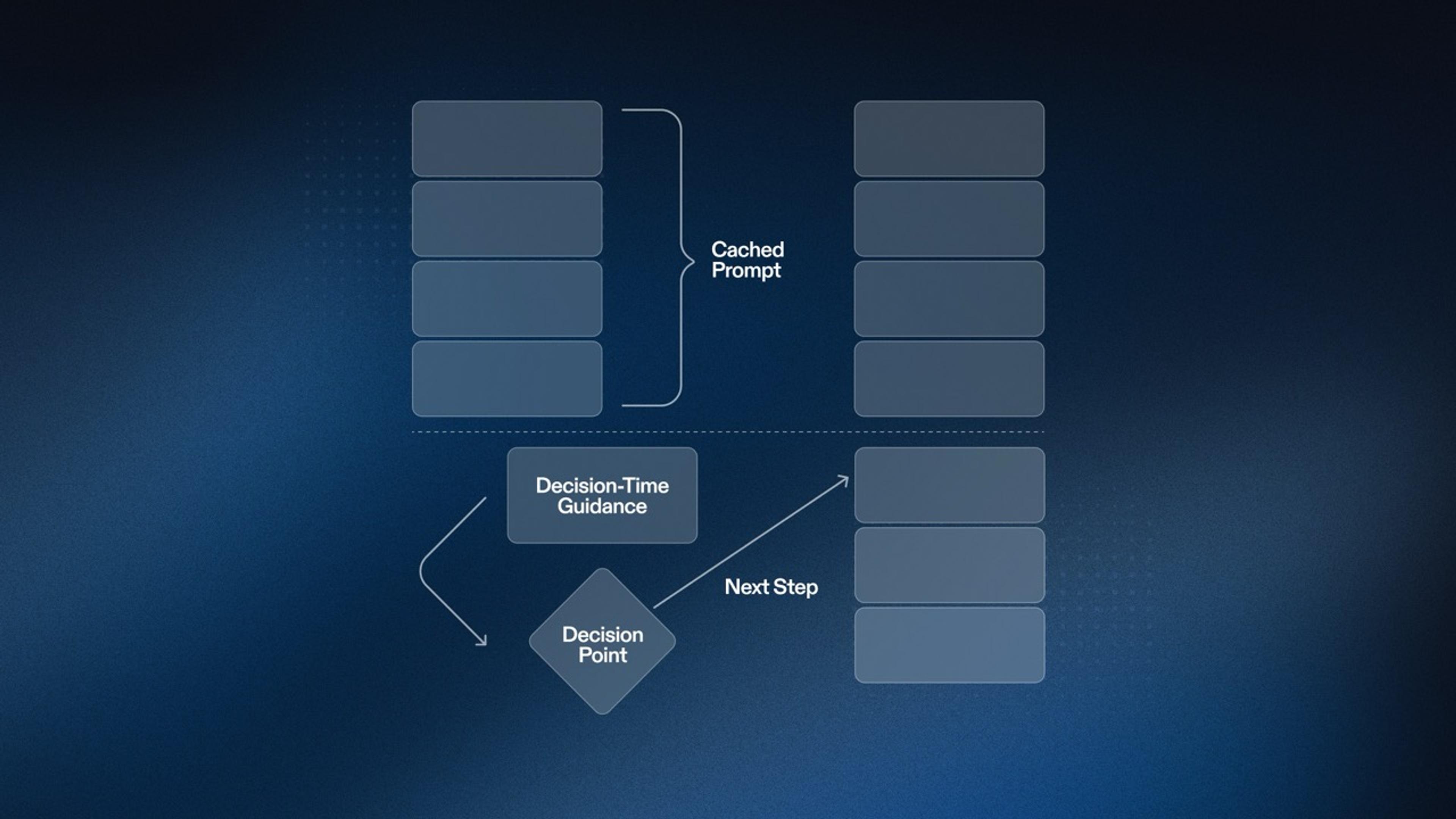
At Replit, we want to give our users access to the most powerful agentic coding system in the world—one that amplifies their productivity and minimizes the time from idea to product. Today, Replit Agent tackles more complex tasks than ever before. As a result, average session durations have increased and trajectories have grown longer, with the agent completing more work autonomously. But longer trajectories introduce a novel challenge: model-based failures can compound, and unexpected behaviors can surface. Every trajectory is unique, so static prompt-based rules often fail to generalize—or worse, pollute the context as they scale. This demands a new approach to guiding the agent when failures are detected. Our insight: the execution environment itself can be that guide. The environment already plays a critical role in any agentic system—but what if it could do more than just execute? What if it could provide intelligent feedback that helps the agent course-correct, all while keeping a human in the loop? In this post, we discuss a set of techniques that have proven effective on long trajectories, significantly improving Replit Agent across building, planning, deployment, and overall code quality—while keeping costs and context in check. The Problem with Static Prompts on Long Trajectories System prompts and few-shot examples are the classic way to steer an agent by specifying intent and constraints up front. In practice, many production agents also rely on execution-time scaffolding—task lists, reminders, and other lightweight control signals—that are updated as the agent observes tool output and responds to user input.
 Thu, Jan 15, 2026
Mobile Apps on Replit: Idea to App Store in Minutes
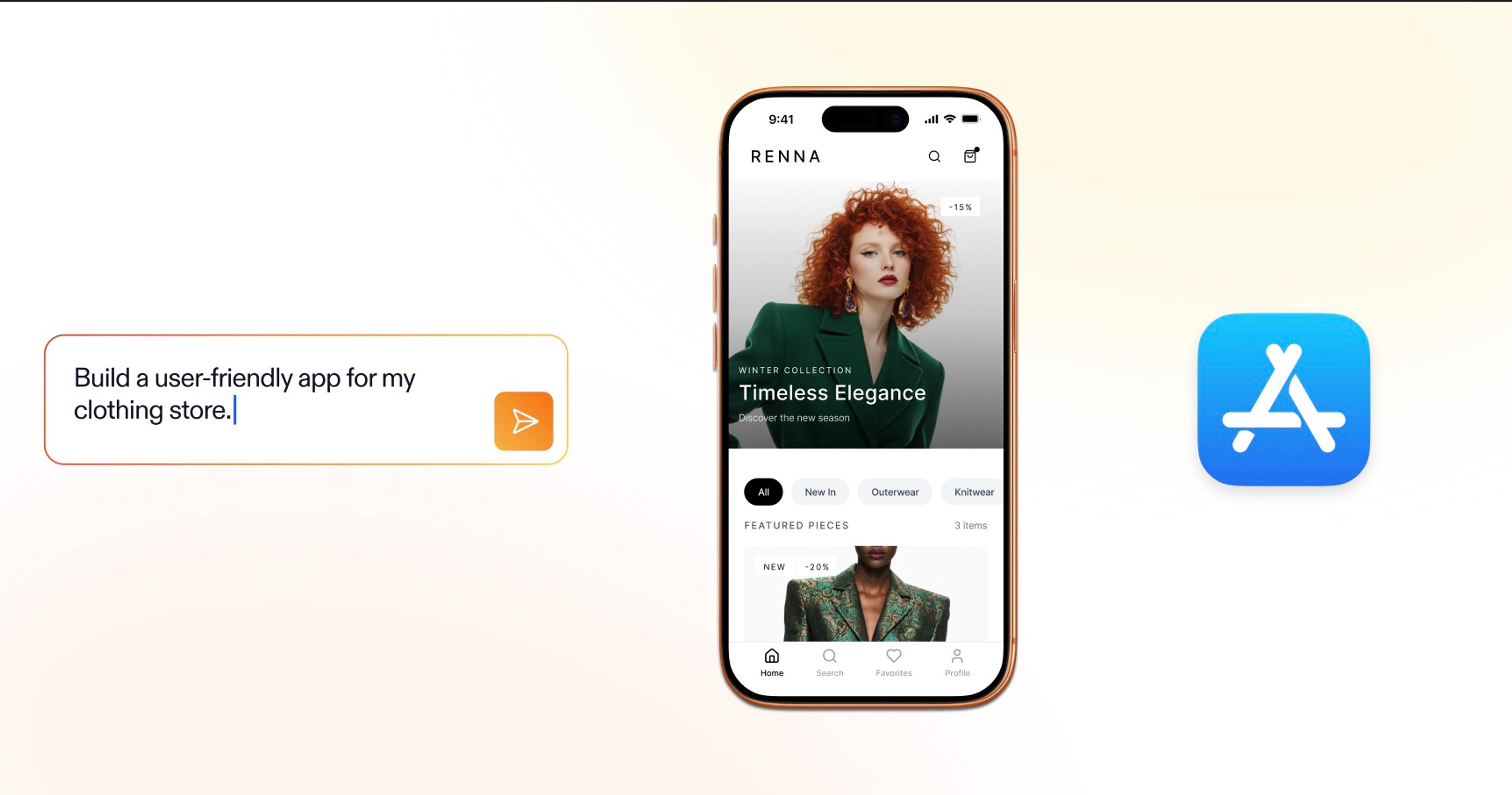
For years, building a mobile app has required specialized knowledge, complex toolchains, and expensive hardware. If you weren’t a seasoned mobile developer—or didn’t have one on your team—getting from idea to App Store could feel impossible. Today, that changes. We’re excited to introduce Mobile Apps on Replit: a new way to go from idea to fully published app using nothing more than natural language. No native development experience required. No complex setup.
 Wed, Jan 14, 2026
How Replit Secures AI-Generated Code [white paper]
AI-generated code is changing how software is built, but securing that code raises new challenges. This research explores whether AI-driven security scans are sufficient for vibe coding platforms, or whether they risk asking models to audit their own output. Through controlled experiments on React applications with realistic vulnerability variants, we compare AI-only security scans with Replit’s hybrid approaches that combine deterministic static analysis and dependency scanning with LLM-based reasoning. Along the way, we examine how prompt sensitivity, nondeterminism, and ecosystem awareness affect real-world security outcomes. We show that functionally equivalent code can receive different security assessments depending on syntactic form or prompt phrasing. Issues like hardcoded secrets may be detected in one representation and missed in another. More critically, dependency-level vulnerabilities and supply-chain risks remain largely invisible without traditional scanning infrastructure. The takeaway is not that LLMs are ineffective, but that they are best used alongside deterministic tools. While LLMs can reason about business logic and intent-level issues, static analysis and dependency scanning are essential for establishing a reliable security baseline. Key Findings: AI-only security scans are nondeterministic: Identical vulnerabilities receive different classifications based on minor syntactic changes or variable naming
 Wed, Jan 14, 2026
How RevOps Teams Are Building Their Own Tools with Vibe Coding
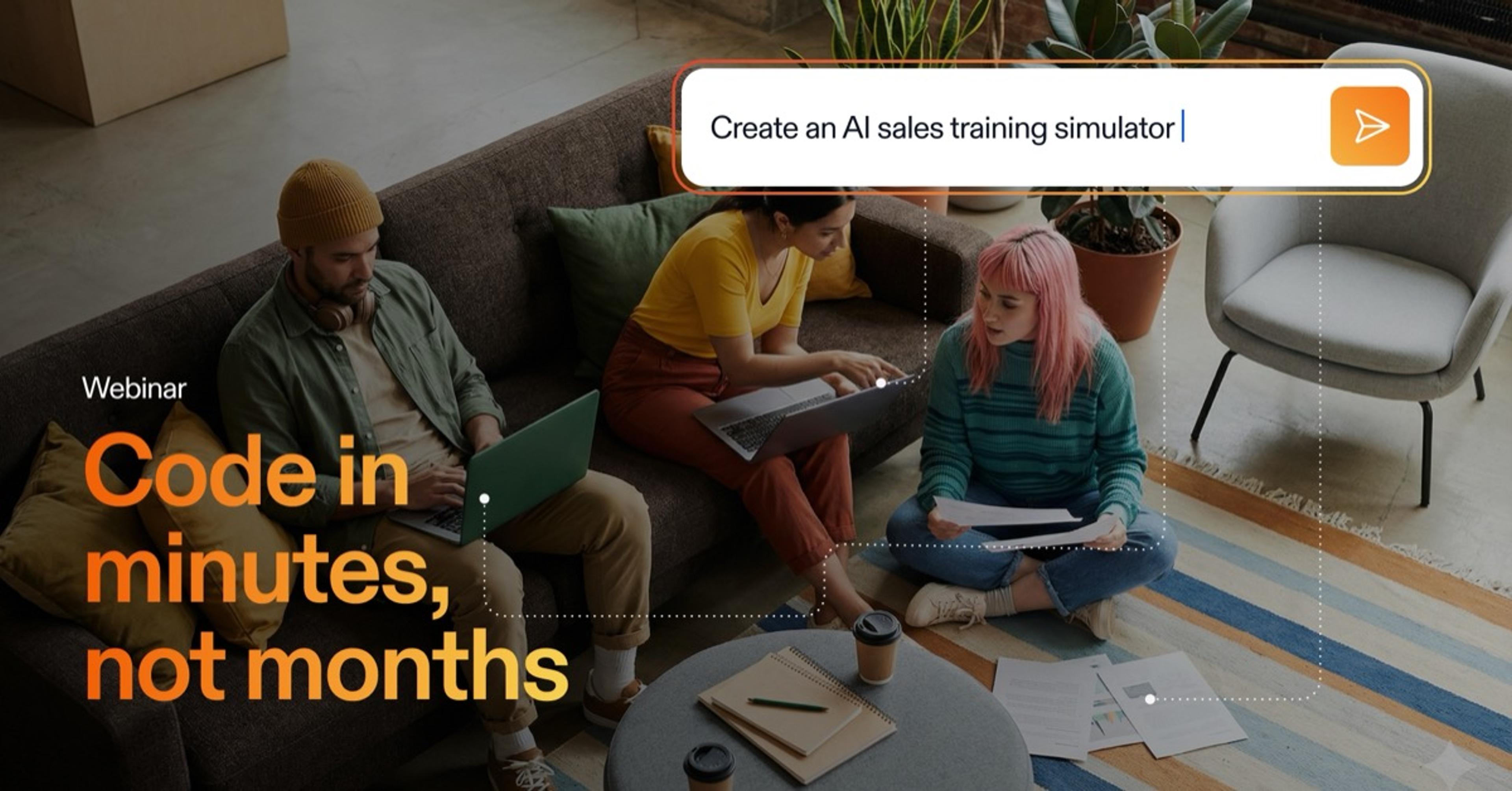
Summary RevOps professionals are using Replit to build custom micro tools that solve niche workflow problems without technical backgrounds. Teams save 90% of their time by automating tedious processes like mock data generation, CSV enrichment, and HubSpot syncing. Sales teams use AI-powered training simulators to practice cold calls and discovery calls, reducing ramp time from months to weeks. Vibe coding eliminates dependency on engineering resources, allowing go-to-market teams to iterate on solutions in hours instead of months. Building custom tools is becoming a core competency across sales, marketing, and operations—not just for developers anymore.
