-
-
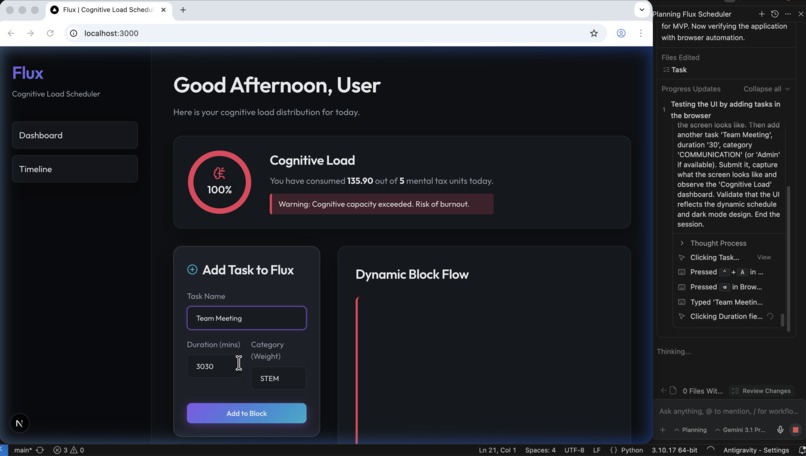
Antigravity Testing Demo
-
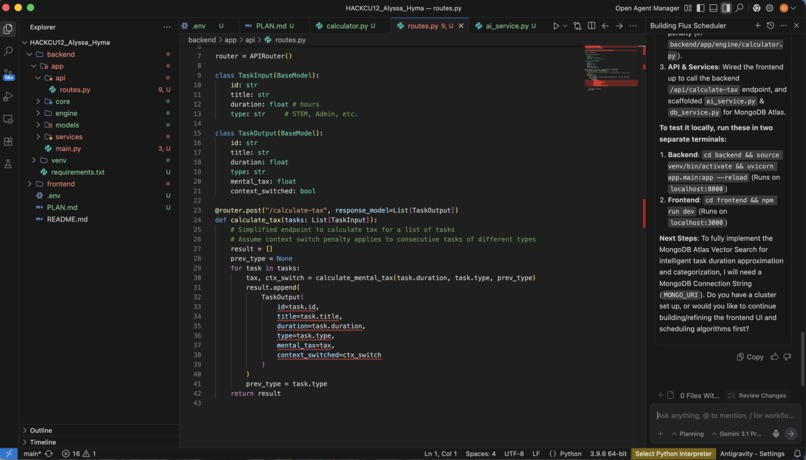
Antigravity
-
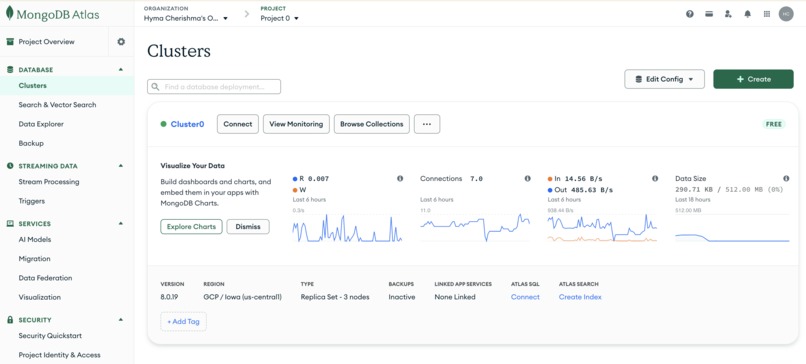
MongoDB Atlas
-
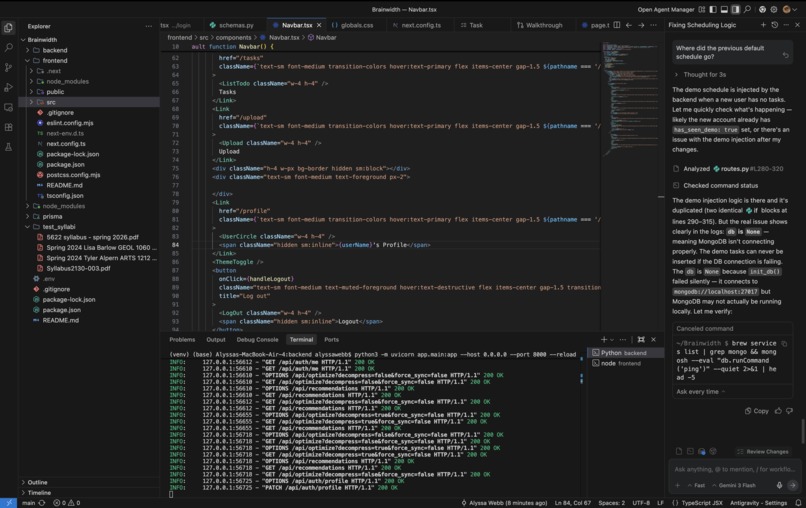
Prompt Engineering Results
-
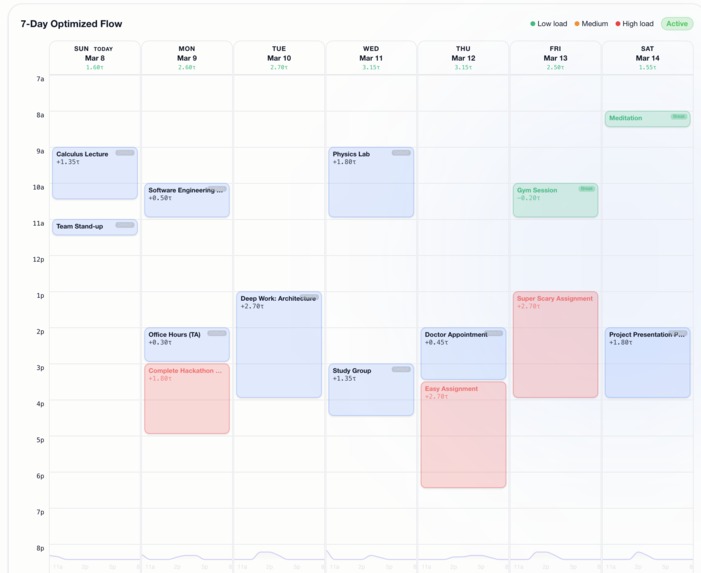
Beautiful UI produced by Antigravity
-
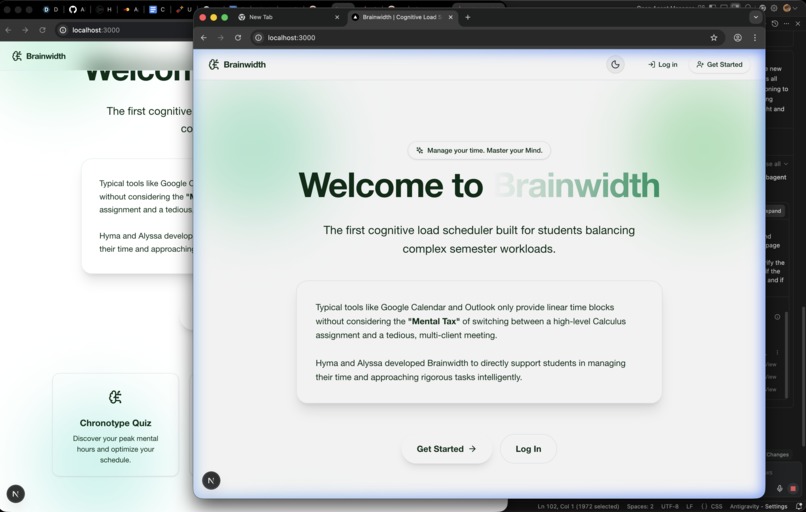
Antigravity taking over my computer, showing me a Demo, mostly against my will, but it was a great show of the application's features.


Inspiration
We (Hyma and Alyssa) were inspired to develop an application that directly supports students in managing their time while balancing semester workloads. Typical tools like Google Calendar and Outlook only provide linear time blocks without considering the "Mental Tax" of switching between a high-level Calculus assignment and a tedious work meeting. Because of this, we were inspired to bridge this gap. Powered by Google Gemini, our web application Brainwidth*transforms time management into Energy Management, treating cognitive bandwidth as the leading decider in scheduling.
What it does
With Brainwidth, users create a unique profile centered around a Chronotype Quiz. This assessment maps their natural sleep patterns, energy levels, and productivity habits. Once their chronotype is evaluated, users can upload their course syllabi, which will be parsed and evaluated by our Gemini Agent to determine the cognative load required for the course. From here, the schedule is for the user to discover, continue to upload Syllabi, schedule out tasks for the week, or take another chronotype quiz-- Brainwidth will schedule the best times of day to get your work done, without burnout.
How we built Brainwidth
We utilized a high-performance modern tech stack to handle complex data parsing and real-time scheduling:
Google Gemini API: The core engine for unstructured data extraction and RAG-based syllabus analysis.
Next.js & Tailwind CSS: For a sleek, responsive frontend that visualizes cognitive load.
Python (Flask/FastAPI): Handling the "Mental Tax" algorithmic logic and data processing.
MongoDB Atlas: To store complex, nested user profiles and evolving "Chronotype" data.
Antigravity IDE: Necessary for prompt-engineering and collaboration.
Github Version Control: Working in a team, GitHub was vital for collaboration.
Challenges we ran into
Navigating Prompt-Driven Development: Learning to build a full-stack application within the Antigravity IDE required a massive shift in our workflow. We had to adapt to "prompt-driven" programming, putting us in a position where we had to coordinate the work we'd get done using our respective agents.
Managing Gemini API Limits: As we fed complex, multi-page syllabus PDFs into the Google Gemini API, we quickly ran into rate-limiting bottlenecks. We had to learn how to optimize our prompt payloads, structure our asynchronous requests, and handle API constraints gracefully to ensure the app didn't crash during heavy extraction.
Local Google Calendar Integration: Linking a user's real Google Calendar to our application locally proved very tricky. We had to navigate the strict intricacies of Google's OAuth 2.0 flow, securely manage access tokens, and ensure our local environment (localhost) could successfully authenticate and fetch live events without exposing credentials.
Accomplishments that we're proud of
It's Functional!: Being the first Hackathon we have participated in, it was a blast coming up with ideas, and determining which track we wanted to take head-on. More than anything we are grateful to have had the time to attend, and actually make something real.
New Technologies: Being introduced to modern technologies such as Google's Antrigravity was a huge shift in the project, having this exposure we may not have otherwise had made a significant impact on our understanding of current technologies, and how to speedup workflow in the future.
What we learned
As a team, we learned how to navigate prompt-engineering and to solve a problem we saw in our community. Hyma's experience as a Residential Advisor (RA) allows her to see the stress of incoming students first hand, and it can be difficult for any to figure out how to manage their schedule admist stress. As for Alyssa, this project opened avenues to how our team can develop projects that continue to be geared for social impact.
What's next for Brainwidth
We have several future implementations planned:
- Expanded Research: Incorporating more research-backed data to refine our weighting algorithms.
- Biometric Integration: Using real-time user data to adjust schedules based on sleep and recovery.
- Beyond the University: Expanding the audience to high school students and corporate professionals to reinforce healthy planning habits and reduce burnout across all industries.
Built With
- antigravity
- google-gemini-api
- google-gmail-oauth
- mongodb
- next.js
- python
- react
- tailwind


Log in or sign up for Devpost to join the conversation.