
Last updated on March 6, 2026
Finale of Glory | Illustration by Stanton Feng
Let's start on a bit of a blunt note: The end step is one of the most confusingly named terms in Magic.
To begin with, the end step is not when the turn ends.
Even more confusing: The end step is the first (rather than the last) step of the turn phase it's in.
The good news is that MTG's end step isn’t too complex once we clear the verbiage a bit, so let's tackle it step by step!
What Is Your End Step in MTG?
The End | Illustration by Donato Giancola
In Magic, your end step is the first step of your turn's ending phase.
- Beginning phase: Includes the untap, upkeep, and draw steps.
- First main phase: When you can play lands, creatures, planeswalkers, artifacts, and sorceries,
- Combat phase: When you hurl your creatures towards your opponent,
- Second main phase: When you get another chance to play lands, creatures, sorceries, etc.
- The ending phase.
The ending phase has two steps: the end step, and the cleanup step.
Therefore, the end step is the first step of the ending phase. It is not the end of the turn, and it's not the “ending step,” so to speak.
The end of the turn proper is the cleanup step.
In other words, the end step is the beginning of the end, and the cleanup step is the real ending.
How Does the End Step Work?
Once your second main phase finishes, your ending phase begins, and the end step starts.
Every phase or step in Magic finishes when the stack is empty and each player passes priority – at that point, the game proceeds to the next step.
Once the end step starts, effects that trigger “at the beginning of the end step“ fire off and are put on the stack.
The active player gets priority (if it's your turn, that would be you). You can perform any action that happens at instant speed, like casting an instant, a creature with flash, or activating an activated ability. Your opponents can react if they so wish, and once the stack is empty and all players pass priority, the end step finishes. At that point, the game proceeds to the cleanup step.
Notice that it's perfectly possible that nothing happens during the end step, with all players just passing priority without casting or activating anything.
During the end step, you can't perform actions at sorcery speed like playing a land, casting a sorcery, or casting non-flash creatures (unless there's some effect in play, like Teferi, Mage of Zhalfir, that gives some of your cards flash).
If you put a permanent in during the end step that has an ability that triggers “at the beginning of the end step,” that ability will not trigger until the next turn’s end step. The same is true for effects that create delayed triggered abilities.
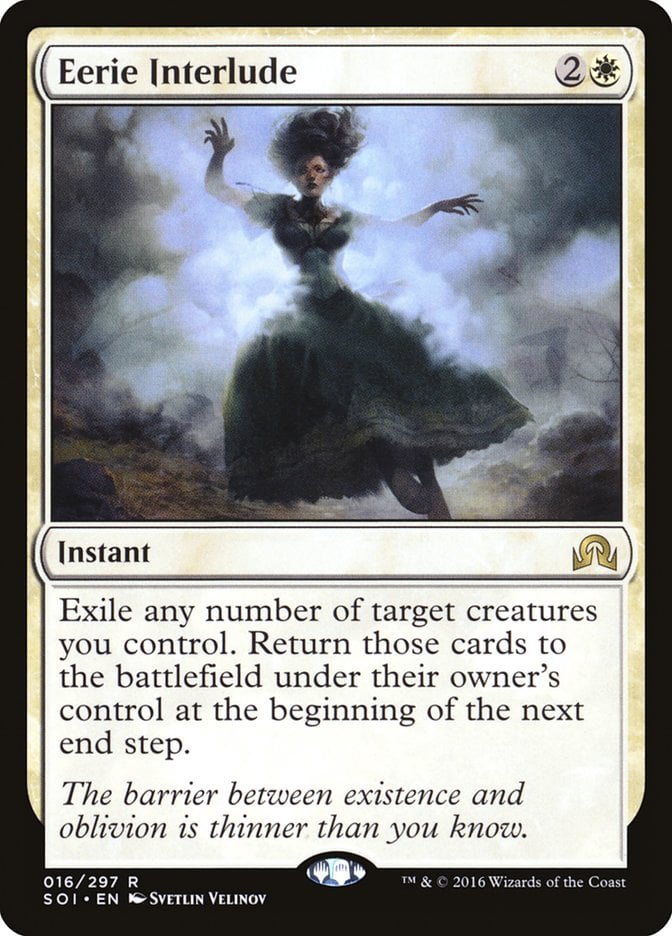
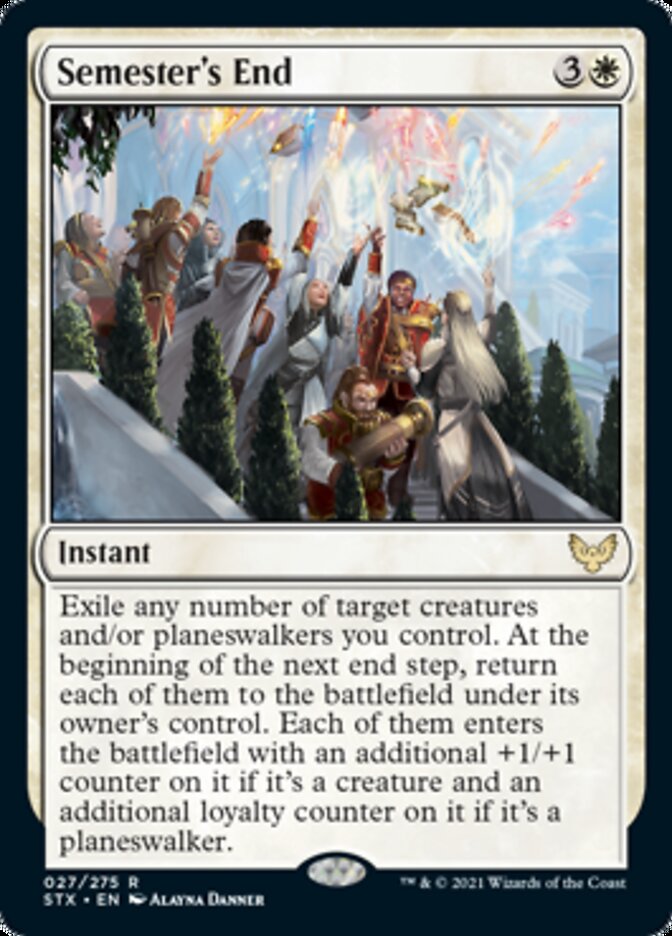
For example, if you play Eerie Interlude or Semester's End during your end step, the creatures return to the battlefield during your opponent's end step. That's because the beginning of the end step has already happened by the time you cast spells within the end step.
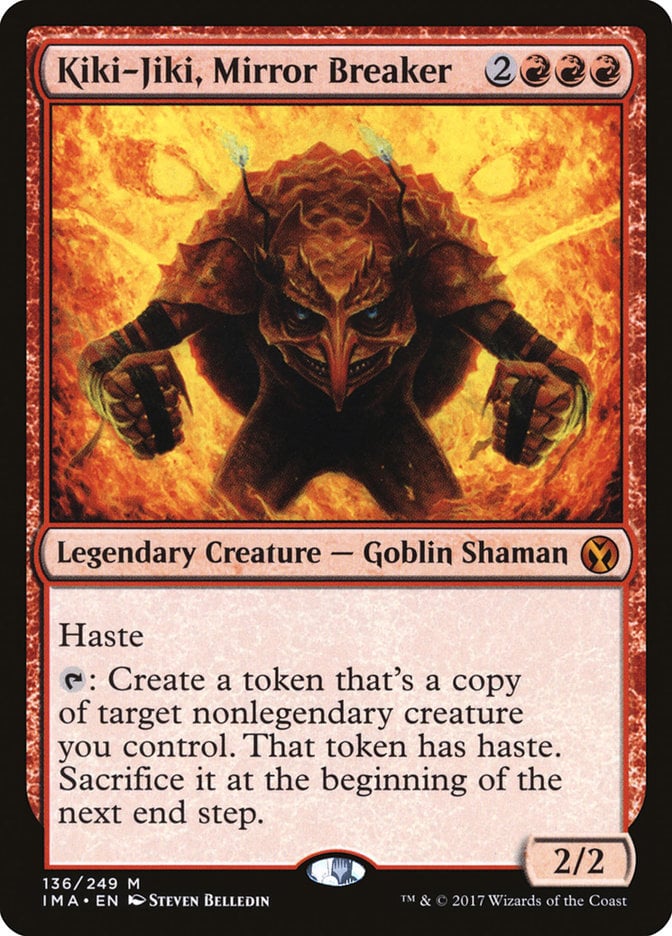
Or, if you have Kiki-Jiki, Mirror Breaker in play (without summoning sickness), and you use its ability during your end step to create a token copy of another creature, that token copy lasts until your opponent's end step.
What is the Beginning of the End Step?
The beginning of the end step is before either player gets priority. Certain effects trigger and go onto the stack for potential to be responded to.
When Exactly Does Someone Perform an Action “On Your End Step…”?
If you hear someone say “on your end step” they mean after the active player has passed priority, and before the cleanup step of the active player's turn. This is why if you flash in a creature on your opponent's end step, it is like virtual haste since the creature will not have summoning sickness on your turn.
Do “Until End of Turn” Effects End During the End Step?
Not quite, “until end of turn” effects go away in the cleanup step, which follows the end step.
What Is the Cleanup Phase?
The cleanup step is the very last step in an MTG turn – the end of the turn “for real”, if you will.
The first thing to note is that players don’t receive priority in this step, unless one (or more) of the automatic actions detailed below happens to trigger an effect and puts it on the stack – it's only in that case that the active player gets priority to react, and other players can respond.
The automatic actions that take place during the cleanup step are:
First, the active player (if it's your turn, that's you) discards enough cards to comply with the maximum hand size. That's usually seven cards, unless some effect like Reliquary Tower says otherwise. Note that this is only for the active player. If you have 7+ cards but it's not your turn, you get to keep any number of cards in your hand until your cleanup phase.
All damage on all permanents (from all players, and including phased-out permanents) is removed and all “until end of turn” and “this turn” effects end.
The above actions don't use the stack themselves and no player gets priority, so normally nobody can cast spells or activate abilities during the cleanup step. But if any of the above actions causes a triggered ability to go off and puts something on the stack, the active player gets priority and can cast a spell or activate abilities; afterward, other players may respond.
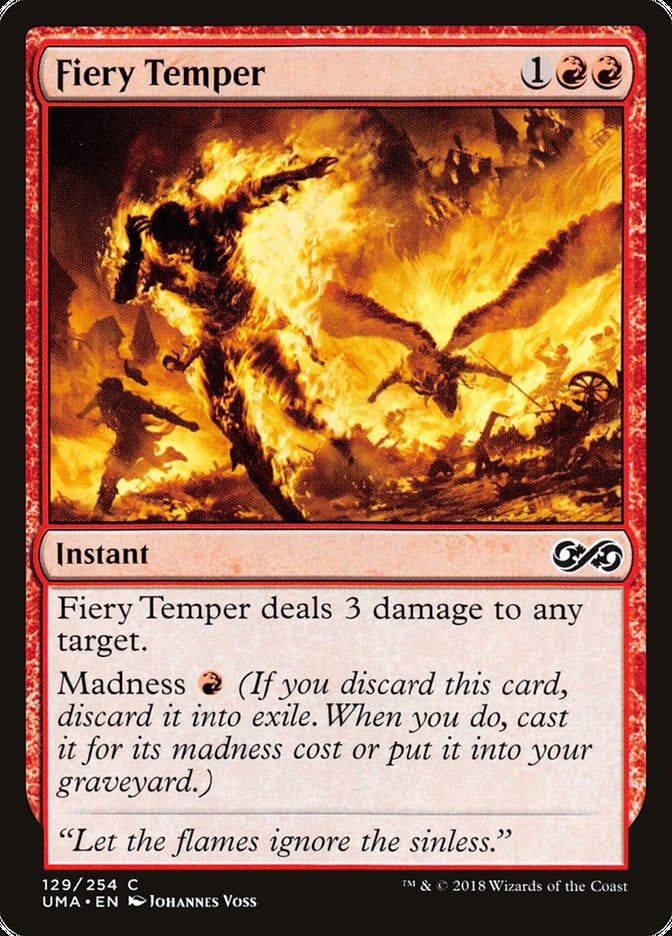
For example, discarding down to hand size might trigger a madness ability of a card like Fiery Temper, in which case the active player gets priority and may cast the spell. Once the stack is empty and all players pass in succession, another cleanup step begins; you'll need to discard extra cards if it's your turn, and damage will be removed from permanents.
When Do You Have to Discard Cards in the End Step?
You must discard cards (if you have more than the maximum hand size) during your cleanup step, not during your end step. Unless there's an effect in play that forces you to, you don't need to discard anything during your end step!
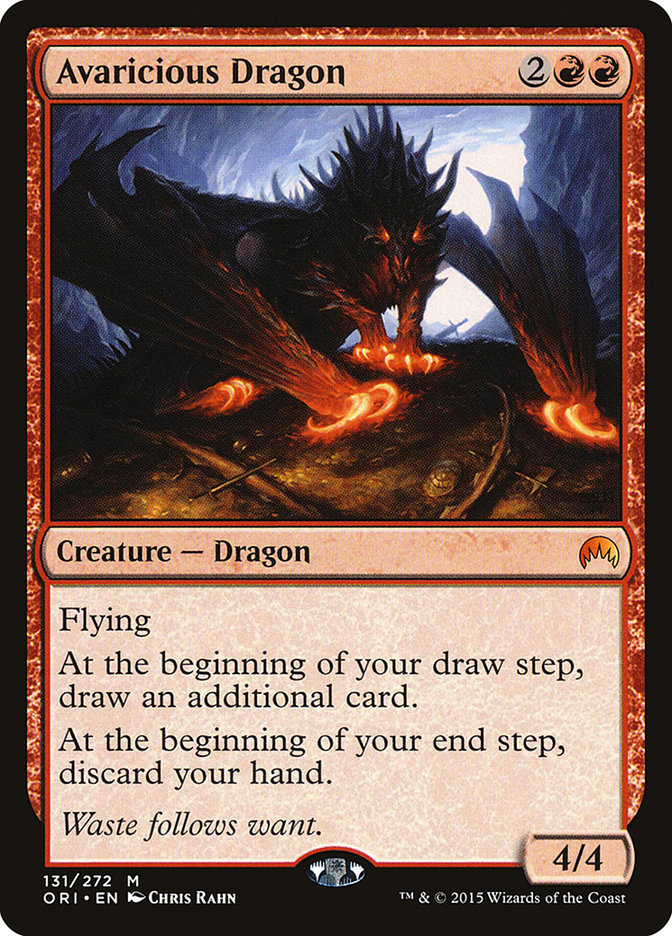
There may be some effect in play, like that of Avaricious Dragon, that triggers at the start of the end step and forces you to discard. But that's a different problem.
What Can You Do During Your End Step?
During your end step, you can perform any action that you can perform at instant speed: casting an instant spell, casting a spell with flash, or activating an activated ability.
On the other hand, you can't perform actions that are restricted to your main phases, like casting normal creatures or playing lands. And you can't attack; that's only for the combat phase.
Do You Get Priority During Your End Step?
Yep, you do! In fact, all players get priority during each and every end step.
If it's your turn, you're the active player and you get priority first. If it's not your turn, you get priority based on turn order.
Can You Respond to End Step Abilities?
Yes. You can respond to abilities triggered during the end step just like you can during any other phase of the game.
Do Any Permanents Leave or Re-enter the Battlefield During the End Step?
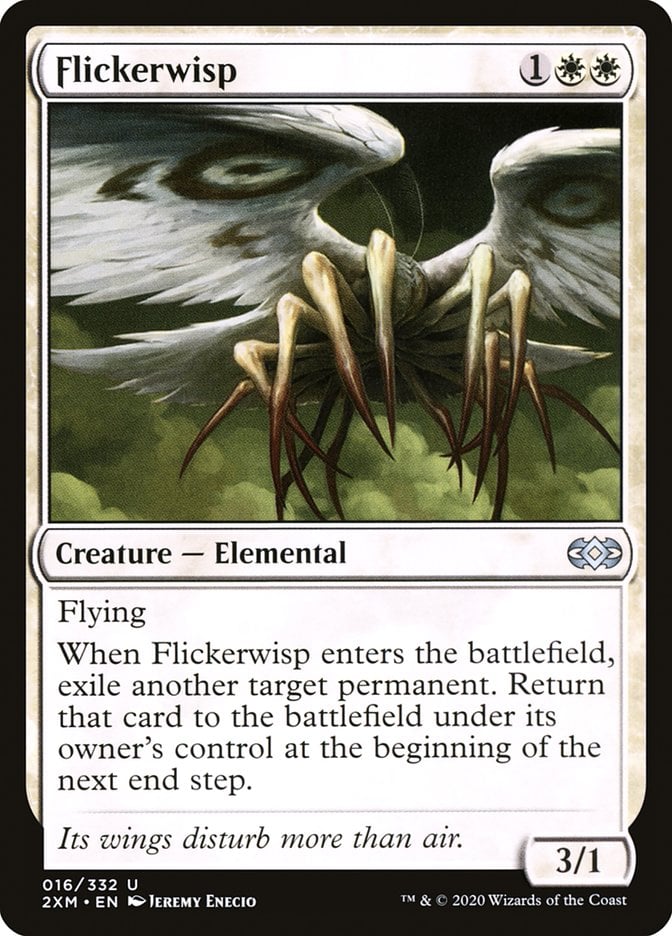
Yes, some permanents may enter or leave the battlefield during the end step. For instance, Flickerwisp brings a card back during the end step.
How Do Extra Turns Affect the End Step?
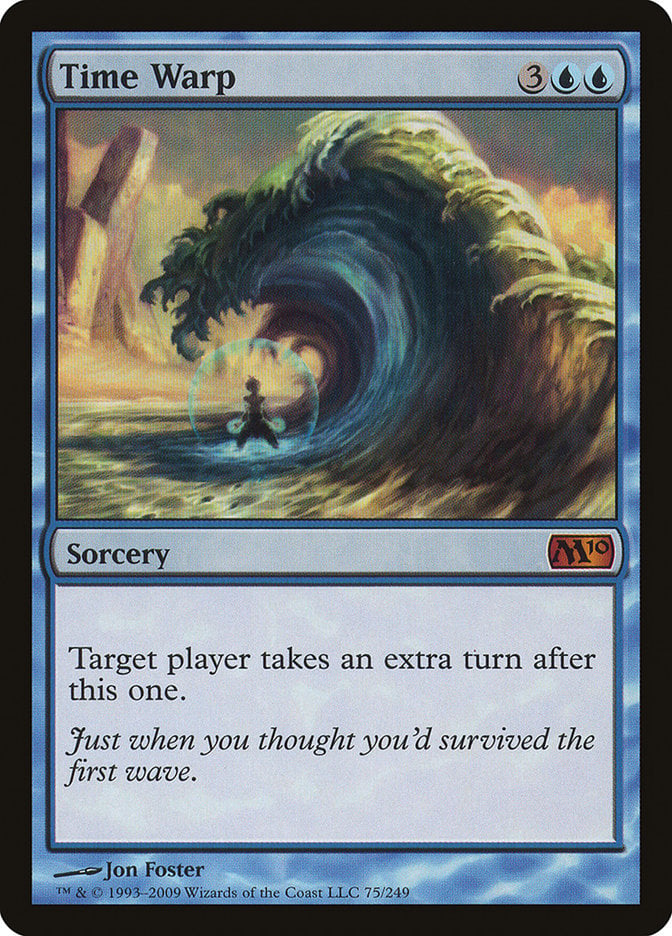
An extra turn means an extra end step, and a Time Warp does not change anything about the end step or how it functions.
Can You Skip Your End Step?
Depends on what you mean by “skip.”
If you mean “just do nothing during the end step,” yes. You just pass priority to your opponent. If they pass too, then the end step finishes, and the cleanup phase begins.
If you mean “just tell other players that we'll ignore my end step and we'll jump straight to the cleanup phase,” then no. The end step (and every phase and step in an MTG turn, for that matter) is mandatory, meaning you can’t choose to skip it. You can choose not to take any actions, but your opponents still get priority.
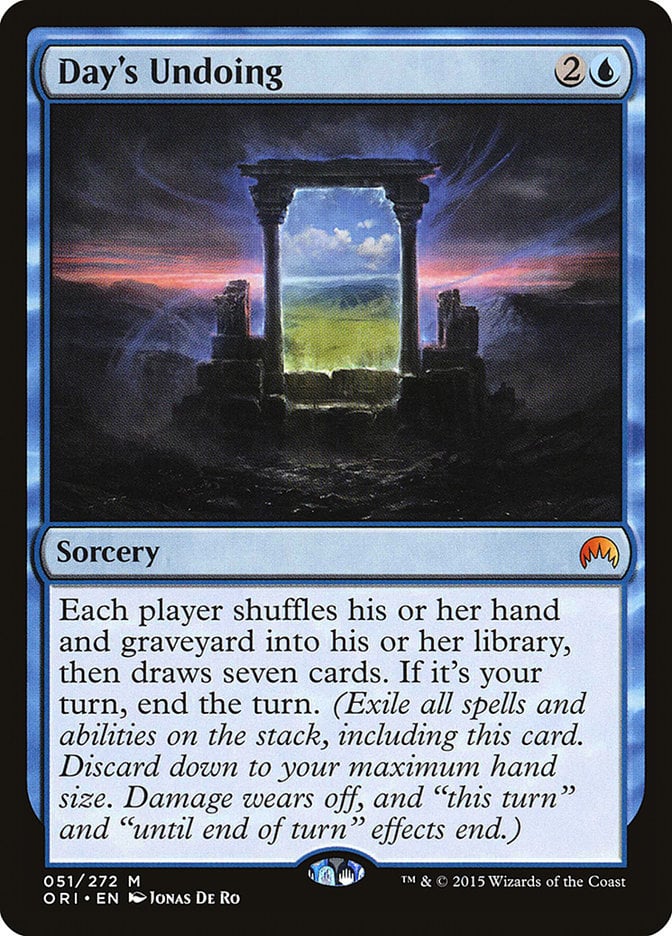
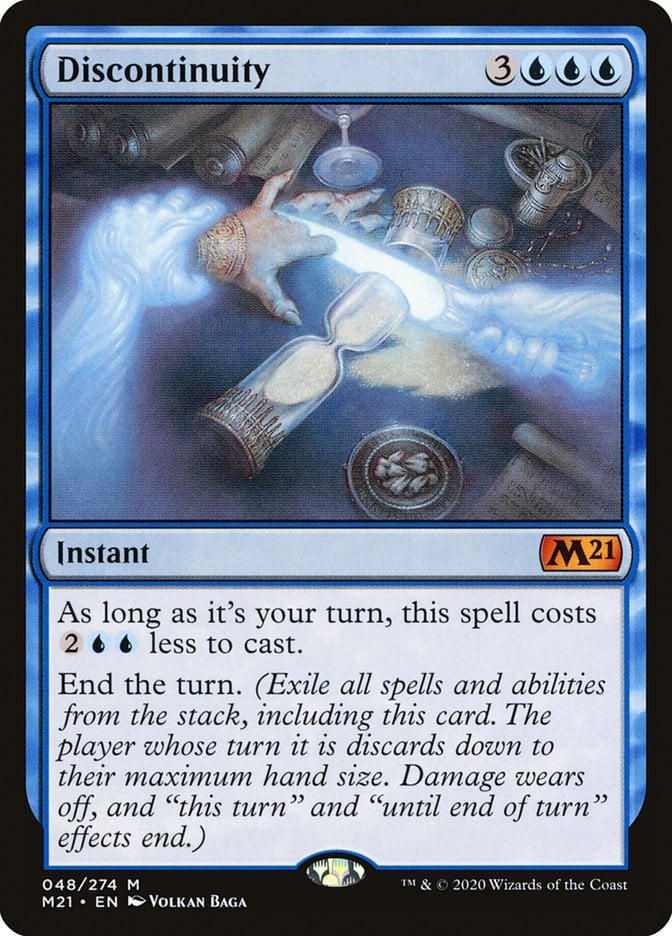
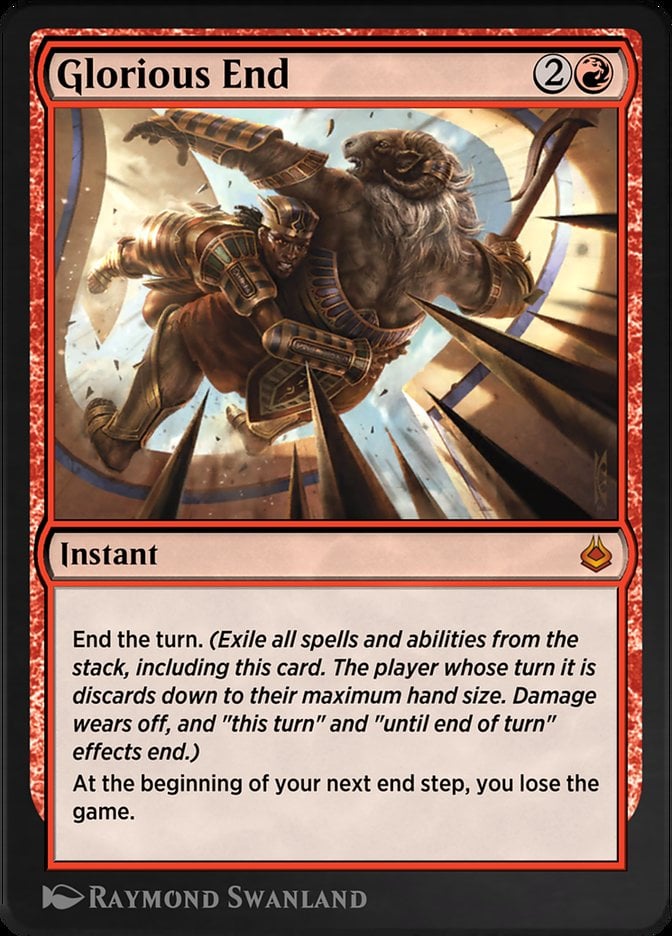
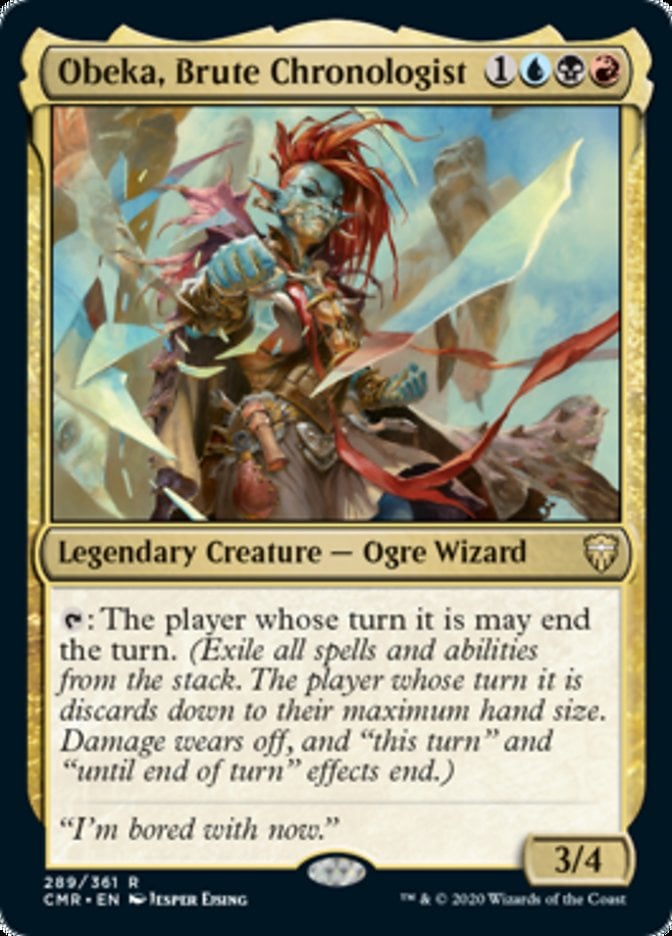
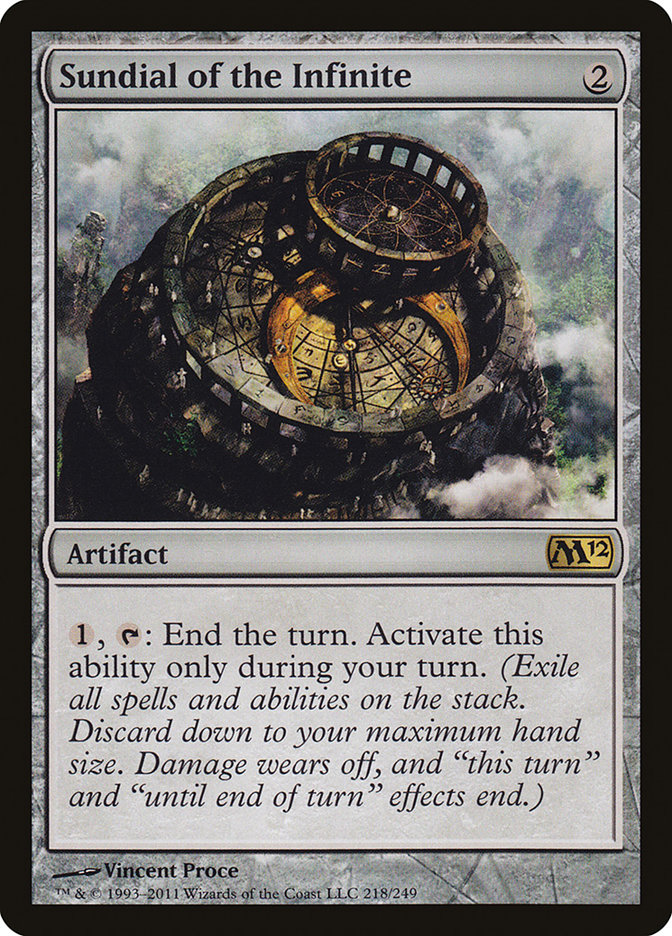
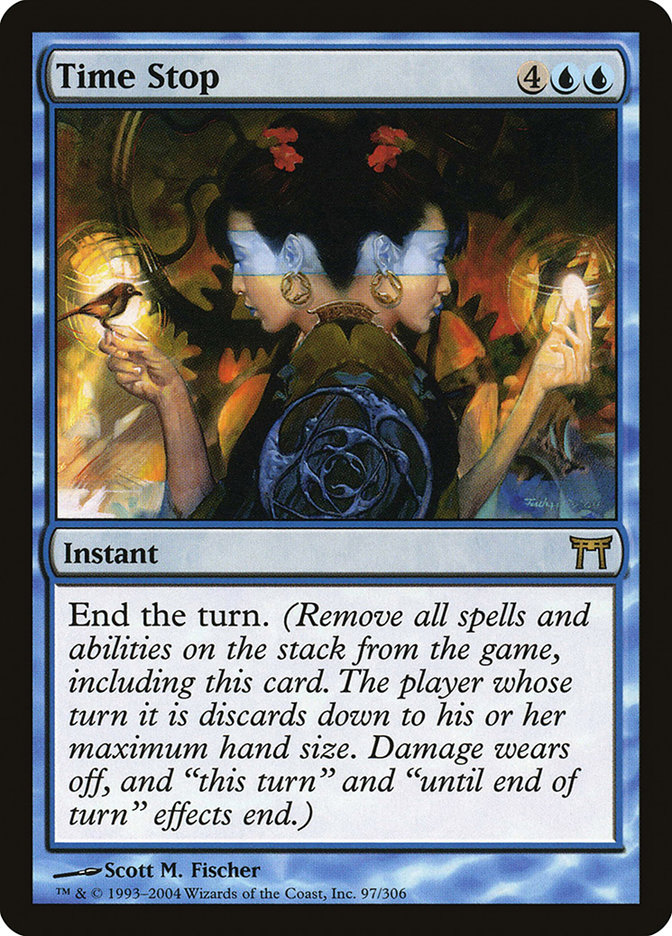
If you mean “play a card that skips the end step,” then yes, you can! There are half a dozen cards that fast-forward your turn from any spot right to the start of your cleanup phase (and therefore skip the end step that comes right before):
- Time Stop
- Discontinuity
- Glorious End
- Sundial of the Infinite
- Day's Undoing
- Obeka, Brute Chronologist
Notice that you can use Time Stop, Discontinuity and Glorious End during your opponents' turns, too.
Also note that these effects skip everything except the cleanup step. Effects that trigger at the start of your end step are skipped, but effects that last until the end of the turn wear off during the cleanup.
What’s an Extra End Step? Can You Get One?
Yes, you can get an additional end step!

Y'shtola Rhul lets you do exactly that: add an additional end step.
To date, that's the only cards that lets you do so.
Let's End This
Finale of Devastation | Illustration by Bayard Wu
And that would be all there is to know about the end step, one of the most confusing terms in MTG.
Just keep in mind that the end step isn’t really the end of the turn, but rather the beginning of the end. The cleanup step is the real ending, and it's during the cleanup step when “until the end of turn” effects end.
Other than that, the end step is a very straightforward step: You get priority, can perform any instant-speed action, and everything happens like in other phases.
Let's end this with the hope that you've enjoyed this mechanical deep dive, and if you have comments or questions please drop a comment below, or stop by the Draftsim Discord for a chat.
Follow Draftsim for awesome articles and set updates:









Add Comment