
Last updated on August 27, 2025

Talon Gates of Madara | Illustration by Steven Belledin
Lands are the most vital card type in Magic, yet they can be quite understated. Some have risen to fame for their sheer power, like fetch lands and shock lands, not to mention the original dual lands.
What does it take for a land cycle to receive such fame? A connection to one of the most iconic settings in Magic: Ravnica. The City of Guilds introduced the gate land type with the 10 Guildgates, but the archetype has grown and matured in the years since.
What does it look like today, and where will the gates lead us? Let's find out!
How Do Gates Work?

Circuitous Route | Illustration by Milivoj Ceran
Gates are lands with the gate subtype that often come into play tapped or have activated abilities that care about the number of gates you control. Most gates are from Ravnica-based sets, but Commander Legends: Battle for Baldur’s Gate introduced several gates and gate synergy cards. Other products feature a gate here or there like in Modern Horizons 3 and Lord of the Rings Commander.

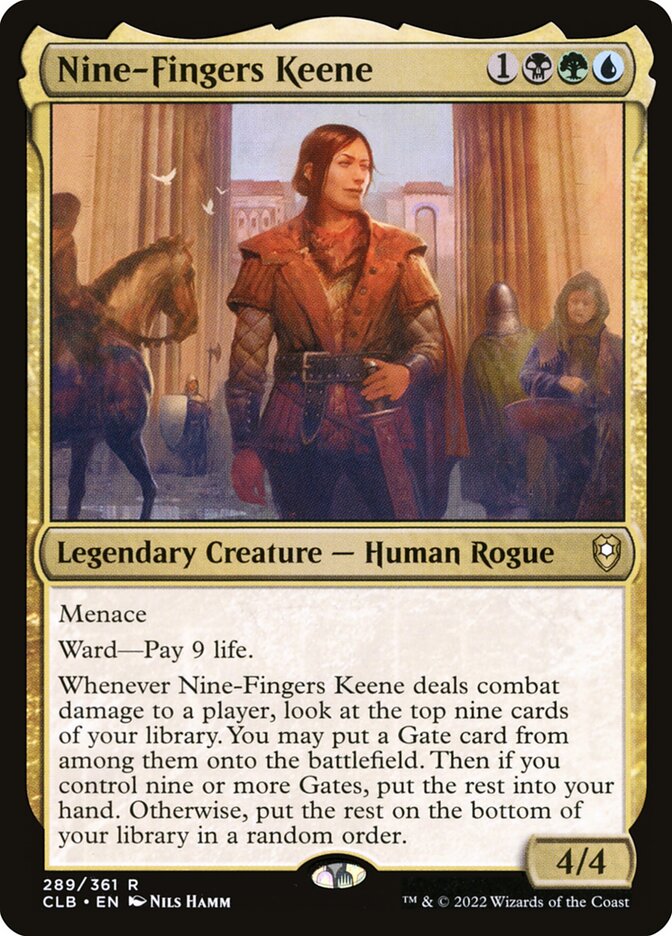
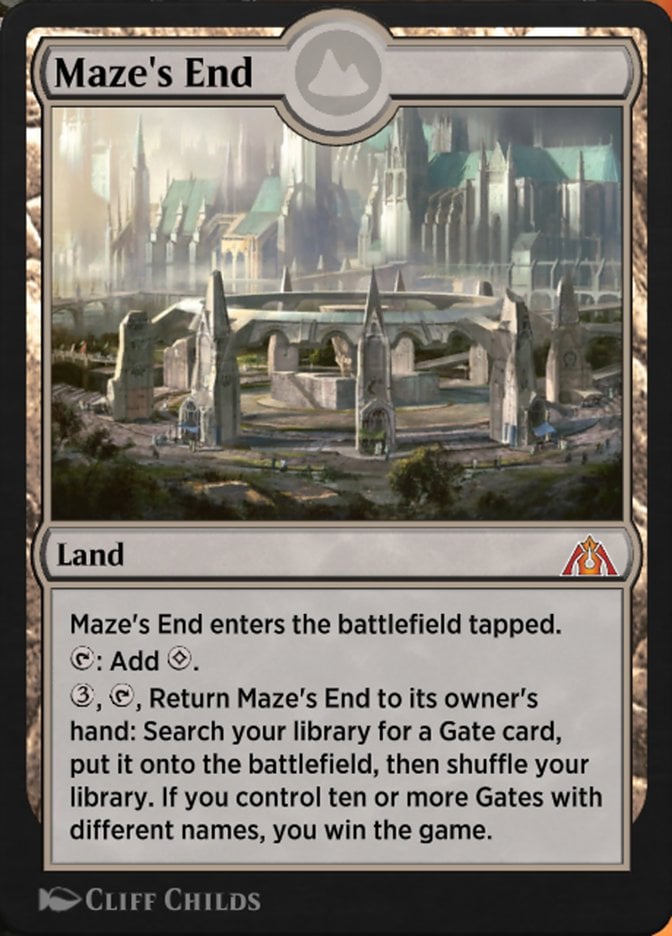
Gate synergies typically lean on having a critical mass of gates, either to make cards like Glaive of the Guildpact more powerful or to enable synergies with cards like Nine-Fingers Keene and Maze's End.
The History of Gates in MTG
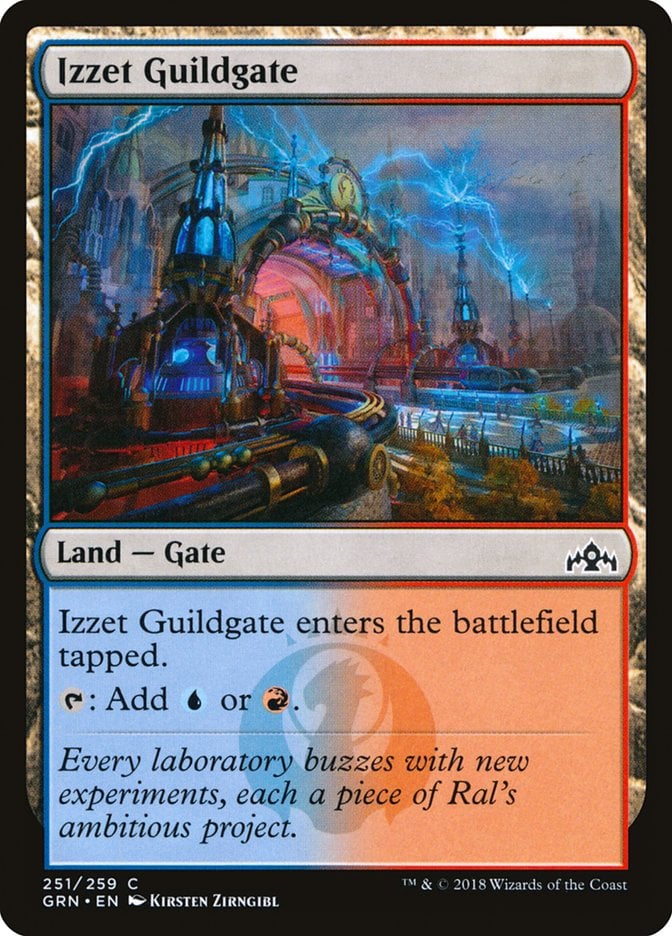
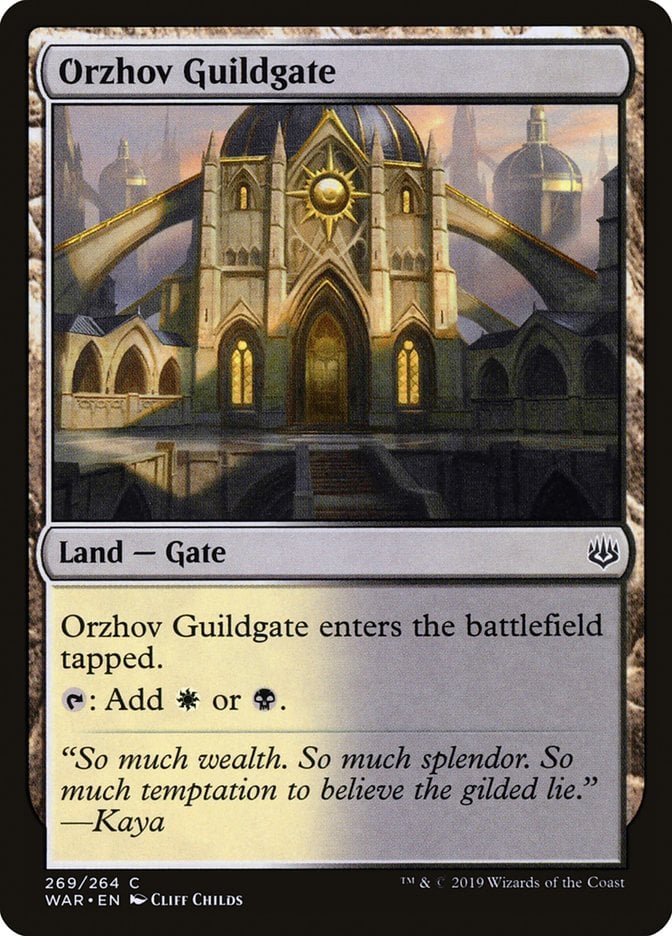

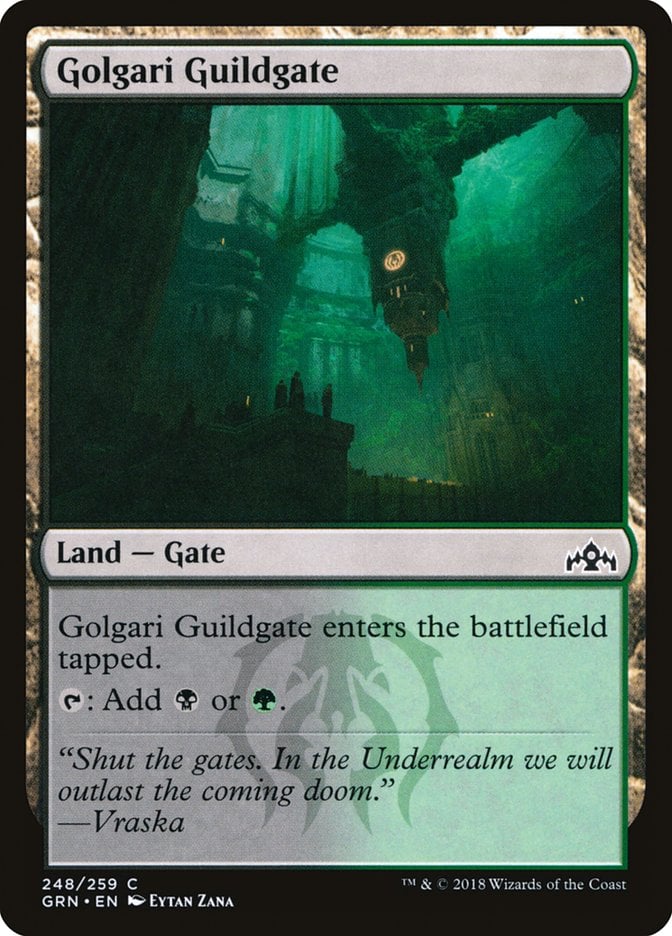
The gate subtype debuted with Return to Ravnica (RTR) in 2012. Ten gates were released with that Magic set, one for each of the 10 Ravnican guilds (Izzet Guildgate, Orzhov Guildgate, and Simic Guildgate, and so on for each color pair), each of which enters the battlefield tapped and taps for 1 mana of either of the guild's colors.
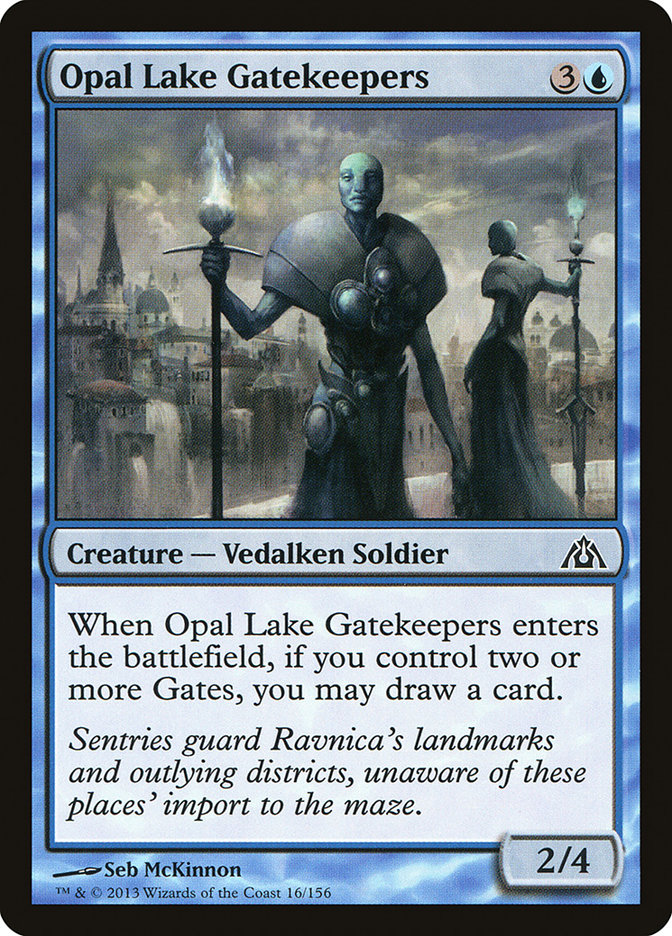
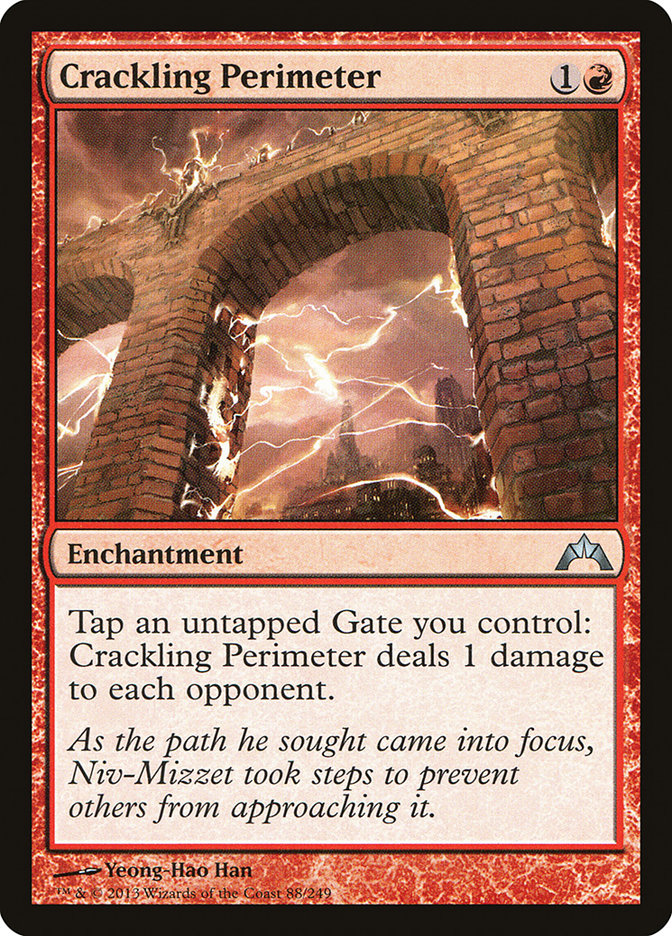
The RTR block introduced a smattering of gate synergy pieces like Opal Lake Gatekeepers and Crackling Perimeter, though the most popular by far was Maze's End from Dragon's Maze.
The gates were critical to the story of the RTR block, which focused on Jace Beleren as he tried to solve the mystery of the Implicit Maze, a construct of leylines weaving through Ravnica touching each of the 10 guildgates. Each guild sent a “maze runner” through the maze to try and solve it and unlock the power of the Guildpact; Jace ran as an independent agent. Ultimately, the bailiff at the end of the maze judged Jace to be best suited to inherit the power of the Guildpact, turning him into Jace, the Living Guildpact (hence the flavor of Maze's End winning the game when you've assembled 10 gates).
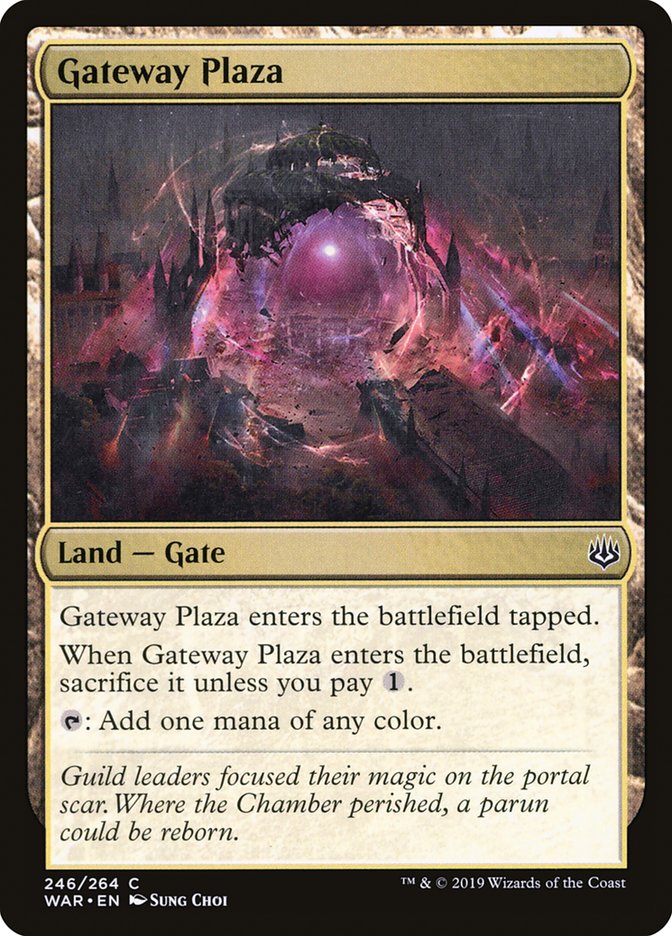
The guildgates saw a steady series of reprints, mostly in Commander precons, up through Guilds of Ravnica, Ravnica Allegiance, and into Foundations. These sets also printed the 11th gate, Gateway Plaza, which was quickly forgotten despite appearing in three consecutive sets.
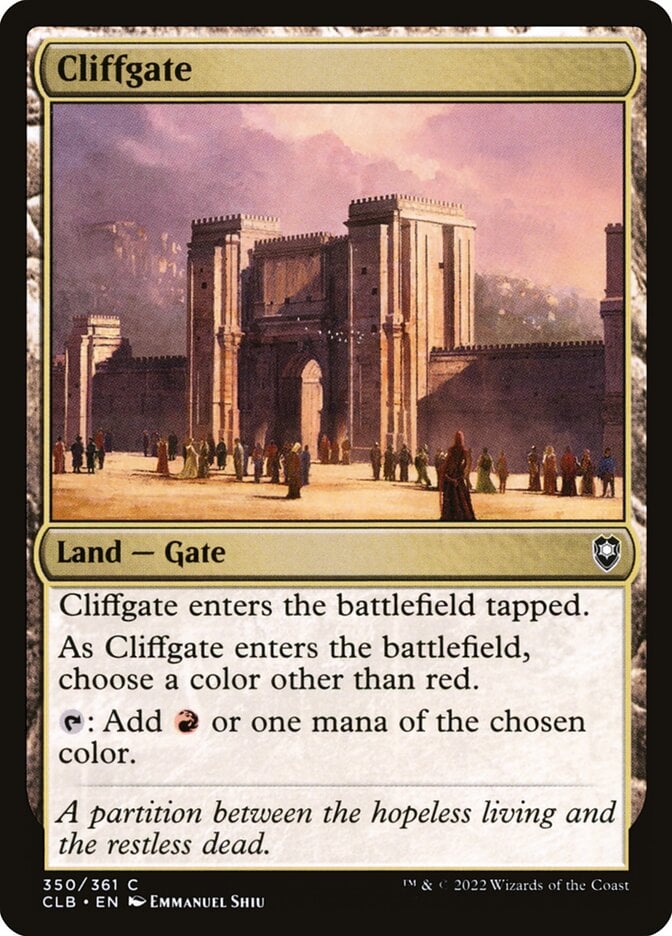
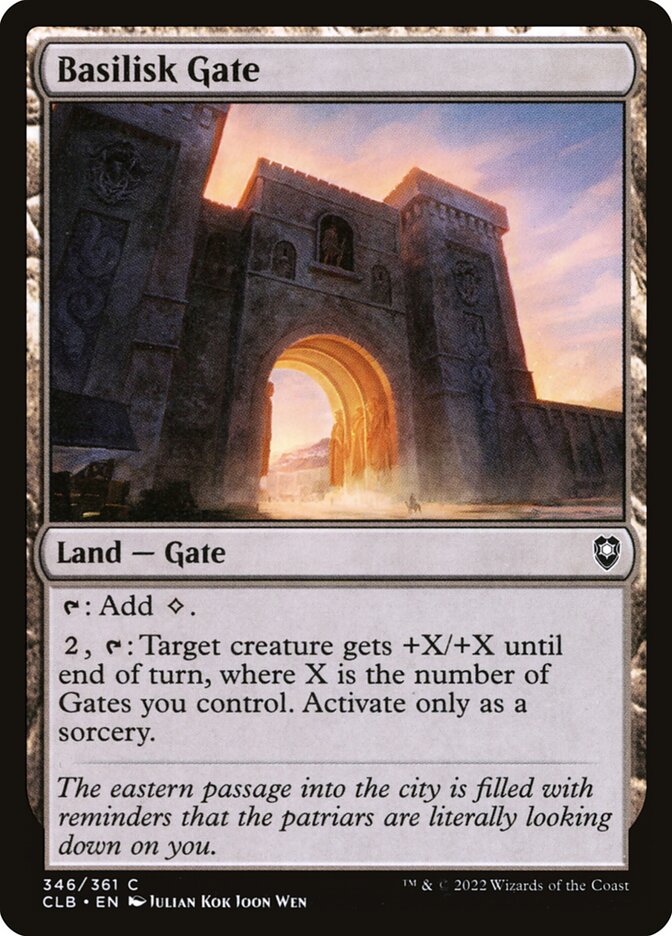
2022 brought us the first non-Ravnican gates in Commander Legends: Baldur's Gate (CLB), which introduced gates like Cliffgate and, more importantly, gate synergies like Basilisk Gate, which spawned a whole archetype in Pauper.
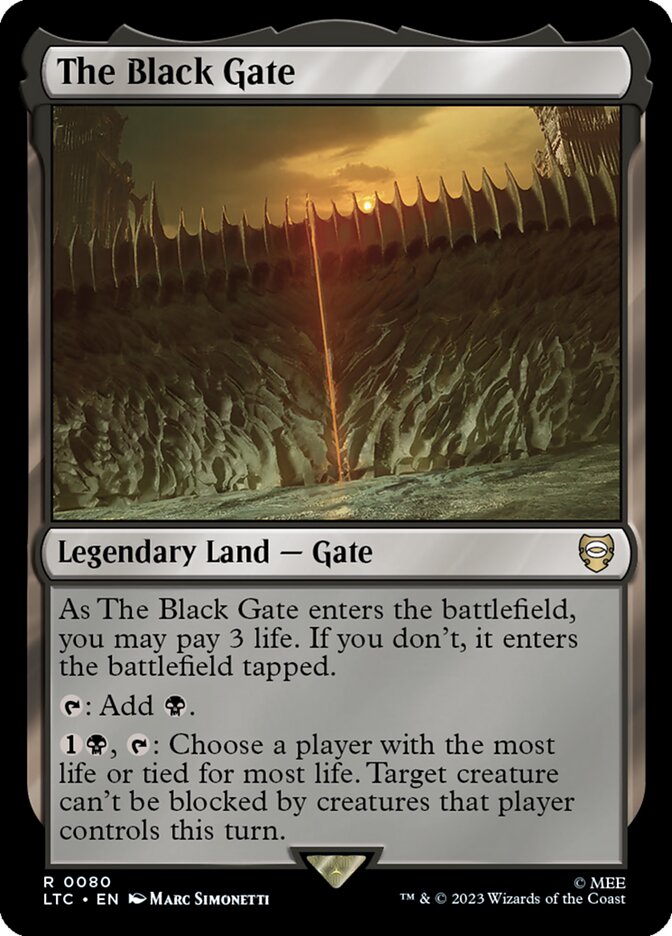
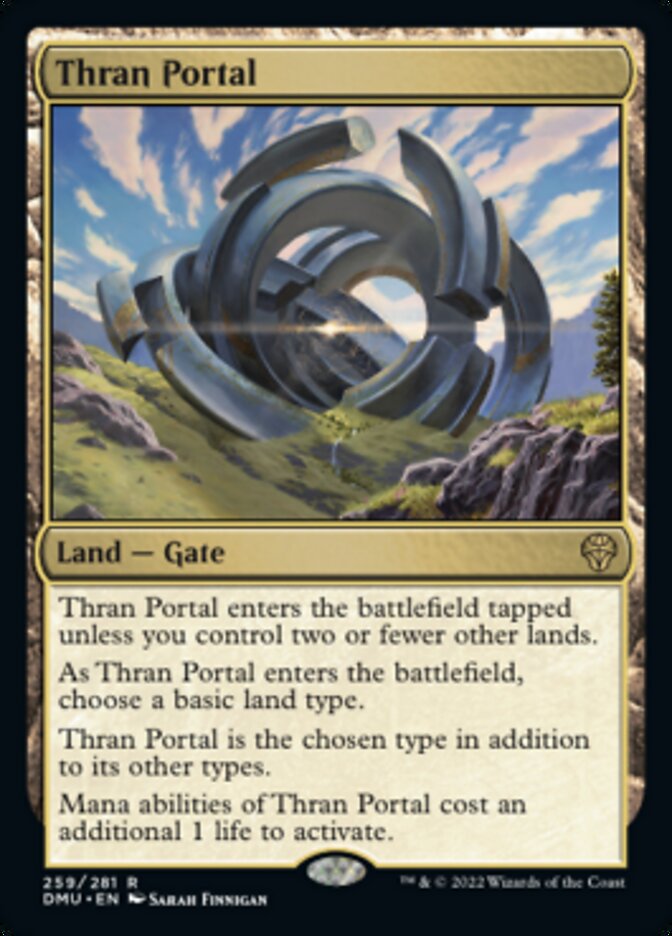

The next MTG set with major gate support was Modern Horizons 3, which didn't introduce many gate synergies but printed Planar Nexus and a commander that can grant all land types to lands. The gate subtype cropped up a few times between CLB and MH3, like with The Black Gate in the Tales of Middle-earth Commander set and Thran Portal in Dominaria United.
How Many Gates Are There?
Magic has 23 gates, plus Planar Nexus, which has all nonbasic land types. There are another five that are digital-only riffs on the gates from CLB. For example, Gate to the Citadel is the Alchemy Horizons: Baldur's Gate version of Citadel Gate. Lastly there is one rebalanced gate in Thran Portal that is legal in Historic, and always enters untapped.
Do Gates Count as Basic Land Types?
No. The gate subtype is a nonbasic land type and no gates have basic land types.
Can Gates be Fetched?
Since gates don't have basic land types like mountain or island, they cannot be fetched with traditional fetch lands like Scalding Tarn.
There are a few specific ramp spells that can find gates from your library, like Circuitous Route and Explore the Underdark.
What Is the Color Identity of a Gate?
The color identity of a gate depends on the color(s) of mana it can tap for, as represented by the symbols on the card.
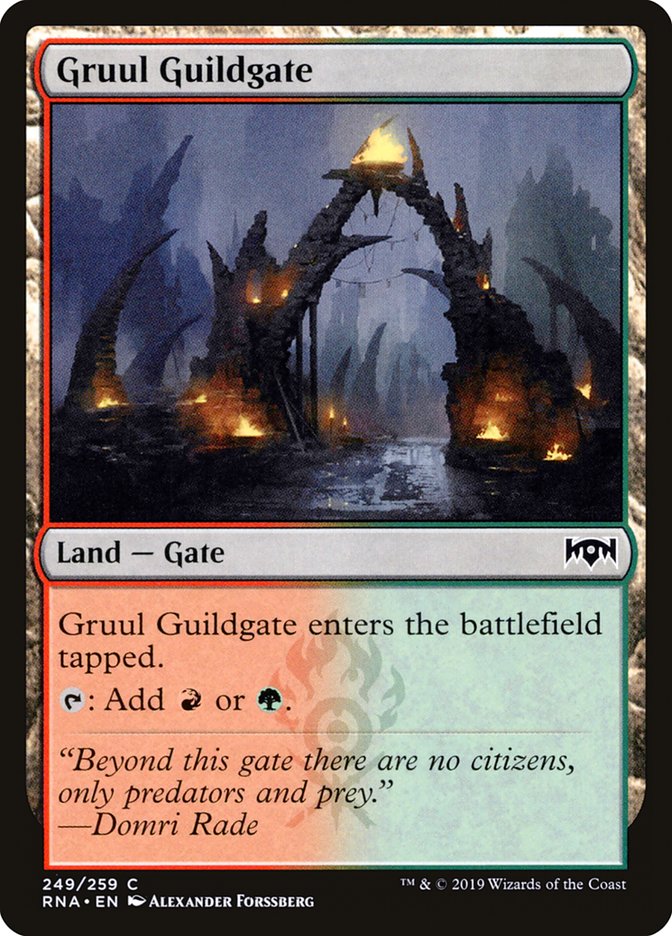
For example, Gruul Guildgate has a green-red () color identity while Cliffgate only has a red color identity.
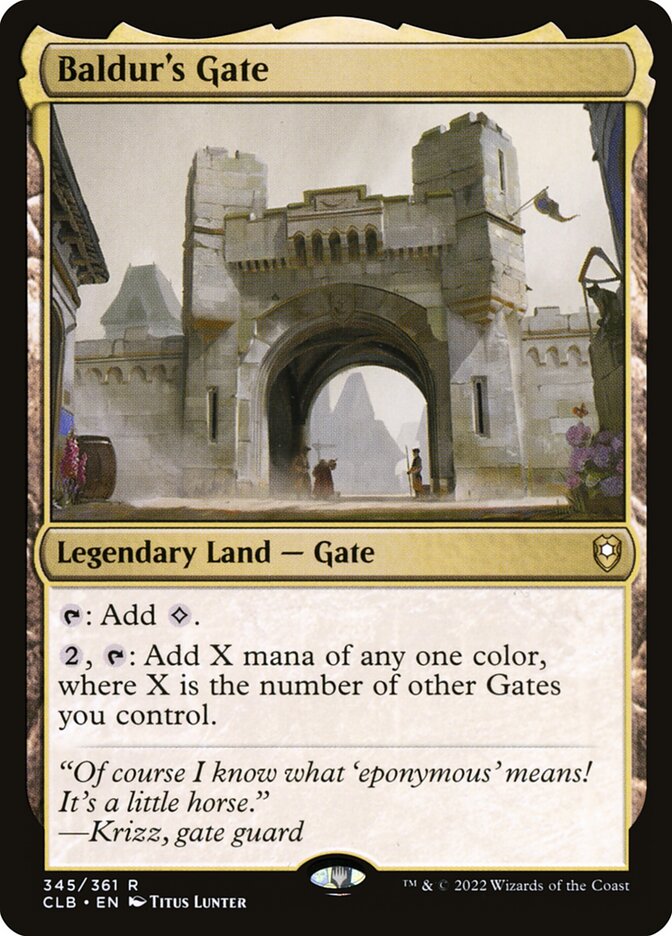
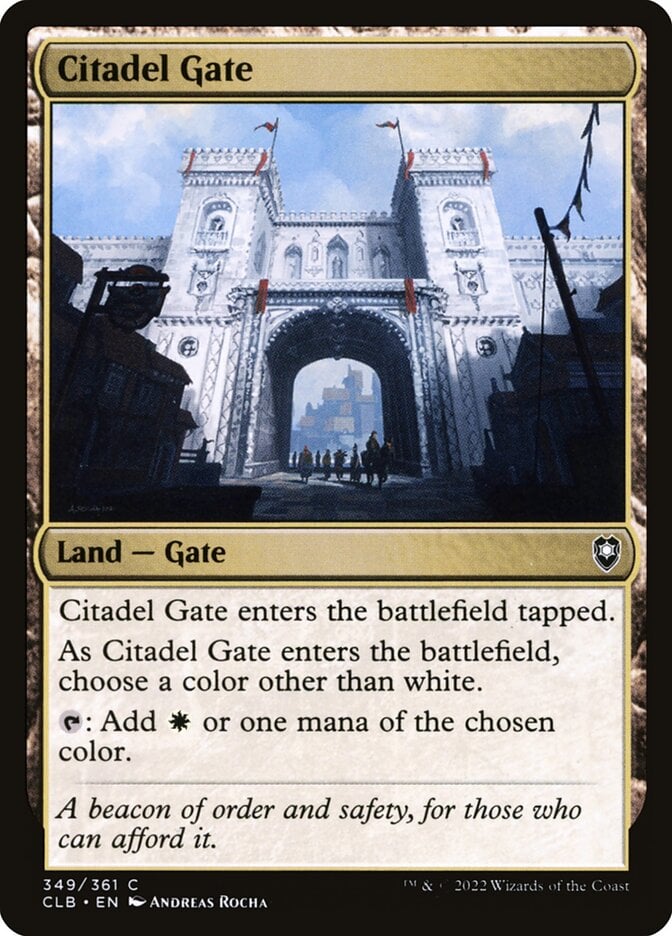
Any gates that can tap for colorless mana and otherwise lack colored mana symbols, like Baldur's Gate, have a colorless color identity and can go in any Commander deck.
Don't forget that a card's color identity doesn't change its in-game color. Gates, like all other lands, count as colorless cards in any game zone.
How Good Are Gates?
Most gates enter the battlefield tapped, which is a significant weakness. I consider them mediocre but cheap mana fixing. A mana base of gates has nothing on a mana base of fetches and shocks. They're just weak, at least on their own.
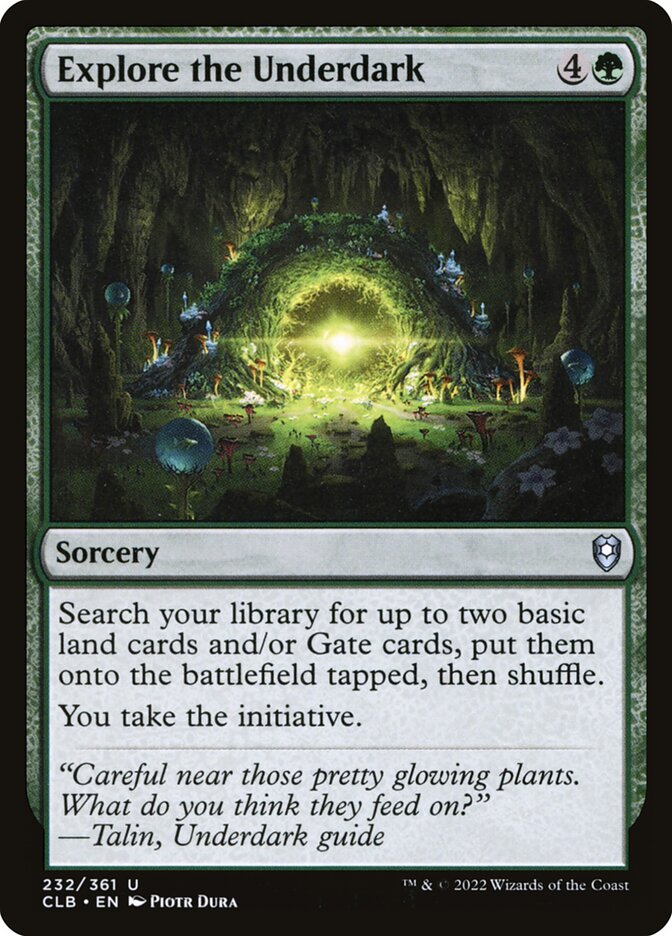
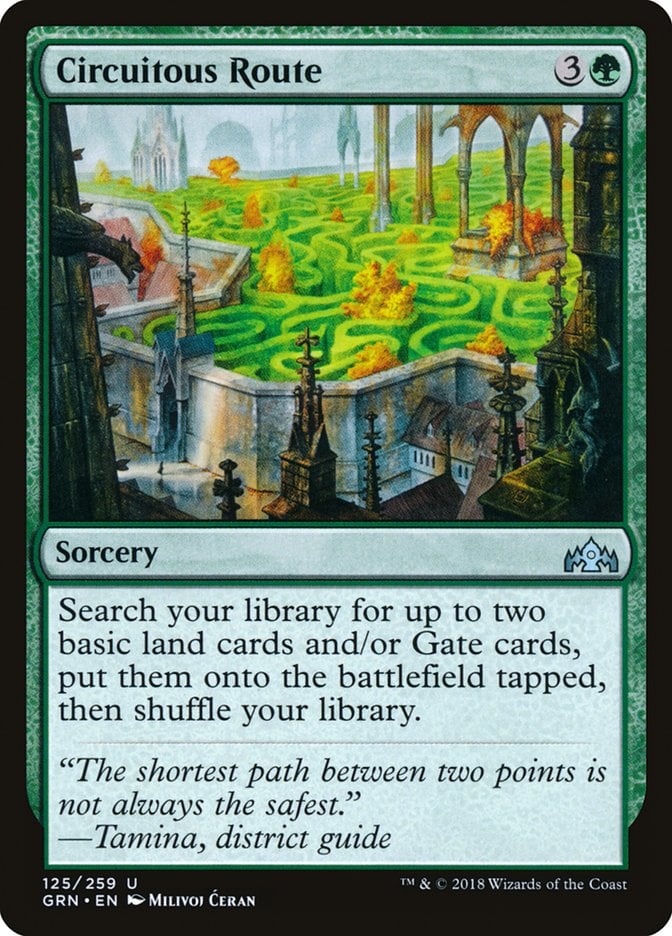
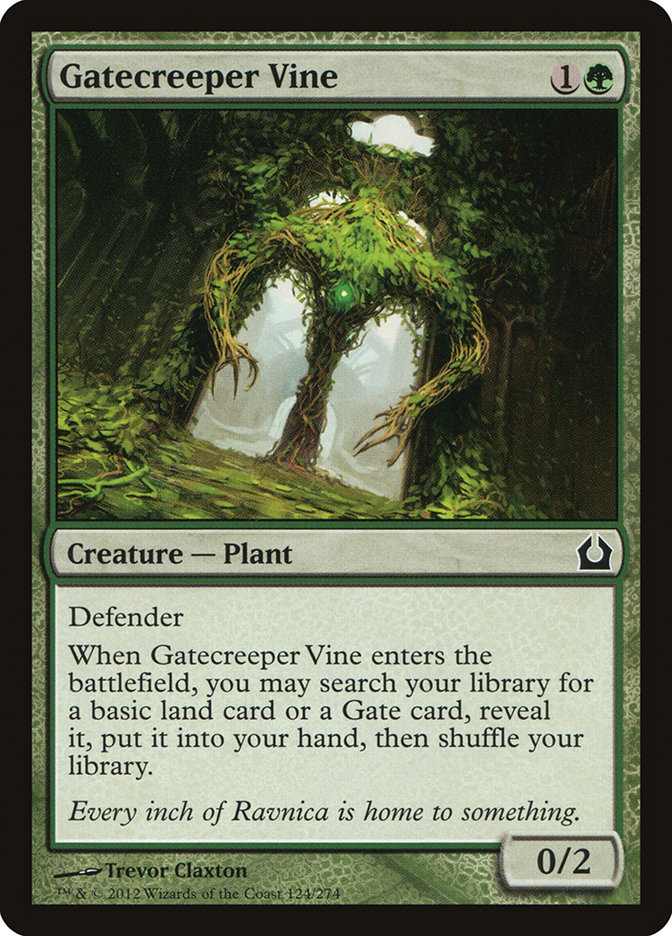
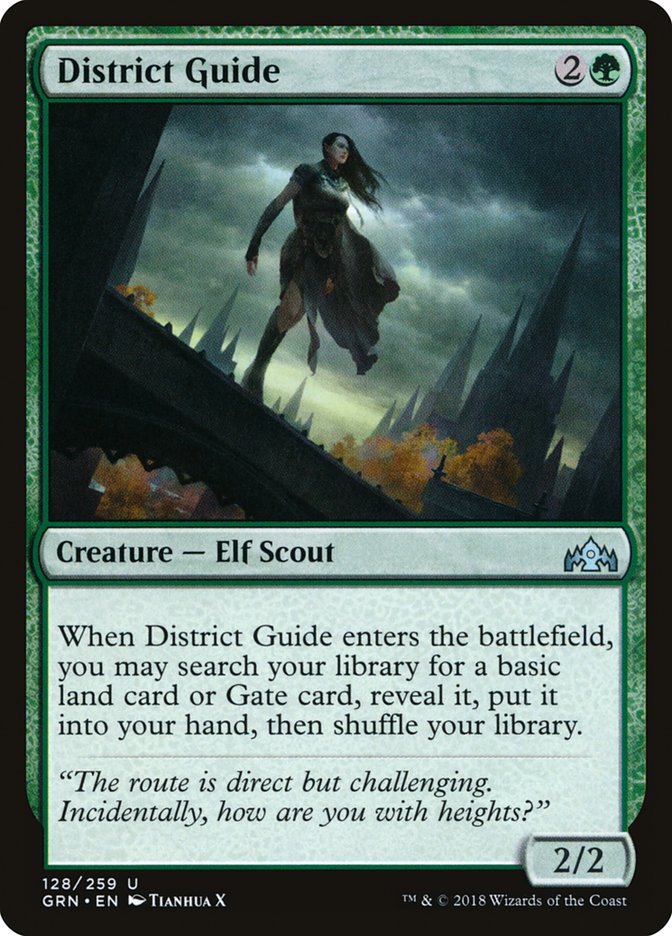

Gates can shine when you build around them with gate synergies. Gate-based ramp spells like Explore the Underdark and Circuitous Route are astonishingly efficient mana fixers that can fix for four colors at once. Cards like Gatecreeper Vine, District Guide, and Sage of the Maze similarly help fix your mana, so a gate-heavy theme can be a great way to construct a budget 5-color mana base in Commander.
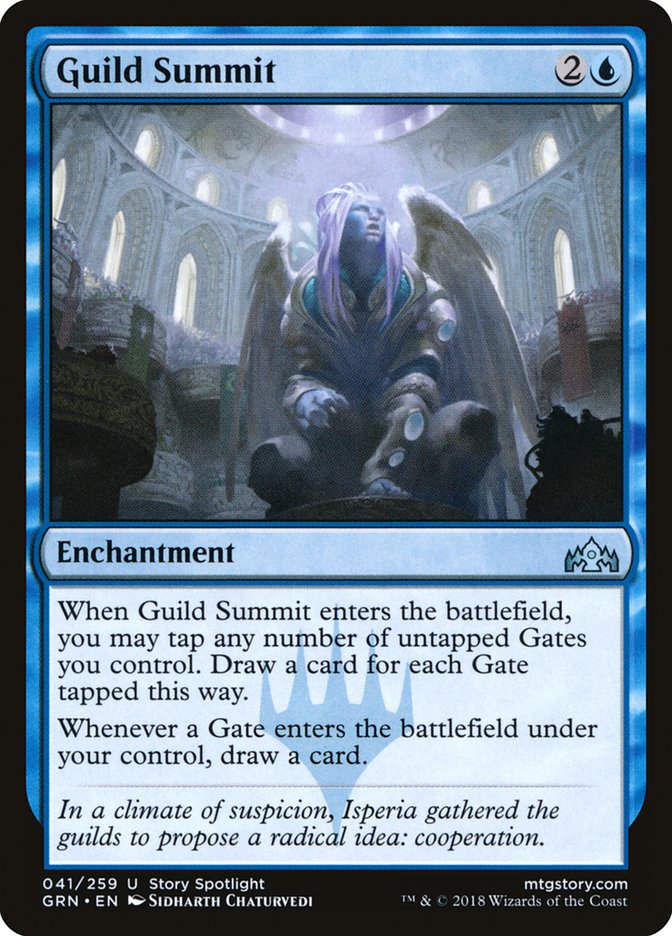
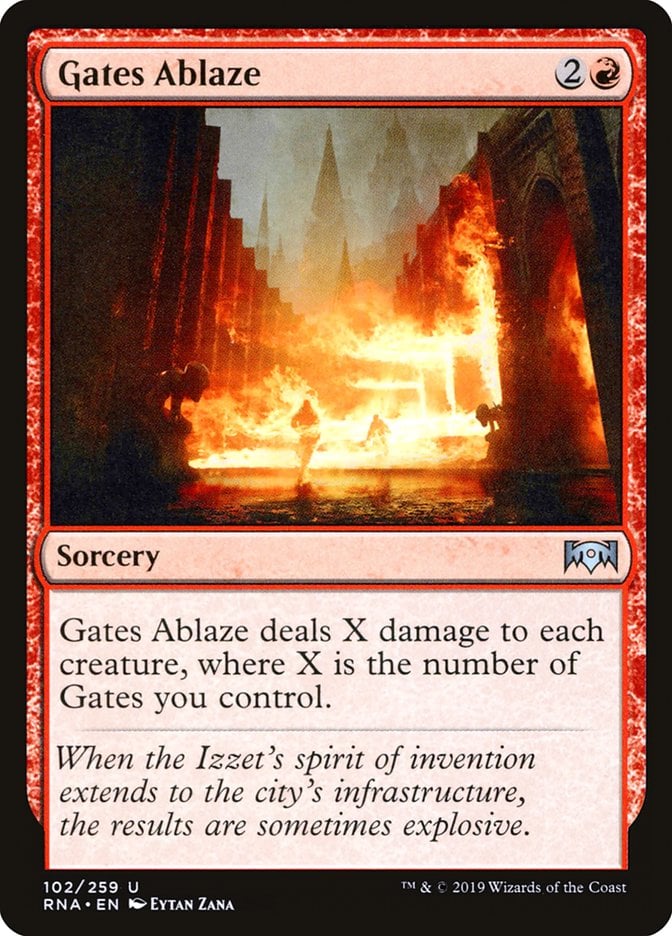
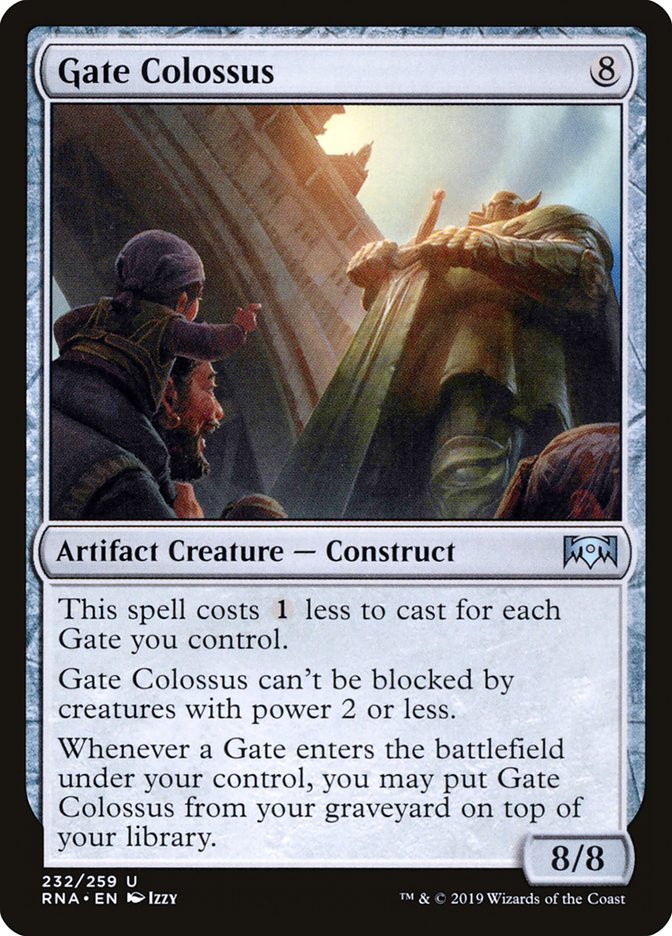
Cards like Gates Ablaze and Guild Summit are also quite powerful. The going-rate for 3 mana “deals damage to all creatures” is 3 damage, like Brotherhood's End, so it only takes four gates for Gates Ablaze to be above-rate. Every additional gate brings it closer to Damnation. Guild Summit draws an absurd number of lands if you drop it on turn 3 and continuously follow it up with gates, or it can become a massive draw spell later. Gate Colossus is a fully colorless payoff and recursive creature that excels with gates.
You also get a handful of alternate win conditions, namely Maze's End and Nine-Fingers Keene. They take a little work to set up, but just winning the game is a reward worthy of the effort. Keene is the go-to commander for a deck trying to win with Maze's End.
All things considered, gates individually aren’t the greatest fixing lands in the game—they're just inferior tapped lands when compared to Theros‘s Temples or Outlaws of Thunder Junction‘s deserts—lands that do something when they come into play—but building around gates gives you access to some incredible synergy packages that can overcome their initial weakness.
Are There Any Nonland Gates?
Not really; gates are a land subtype. The closest card to a nonland gate is Omo, Queen of Vesuva, which can make nongate lands into gates.
Are There Cards That Make Gates Enter Untapped?
Yes! These cards are often the linchpins of gate decks as they help your strategy unfold at a reasonable pace.
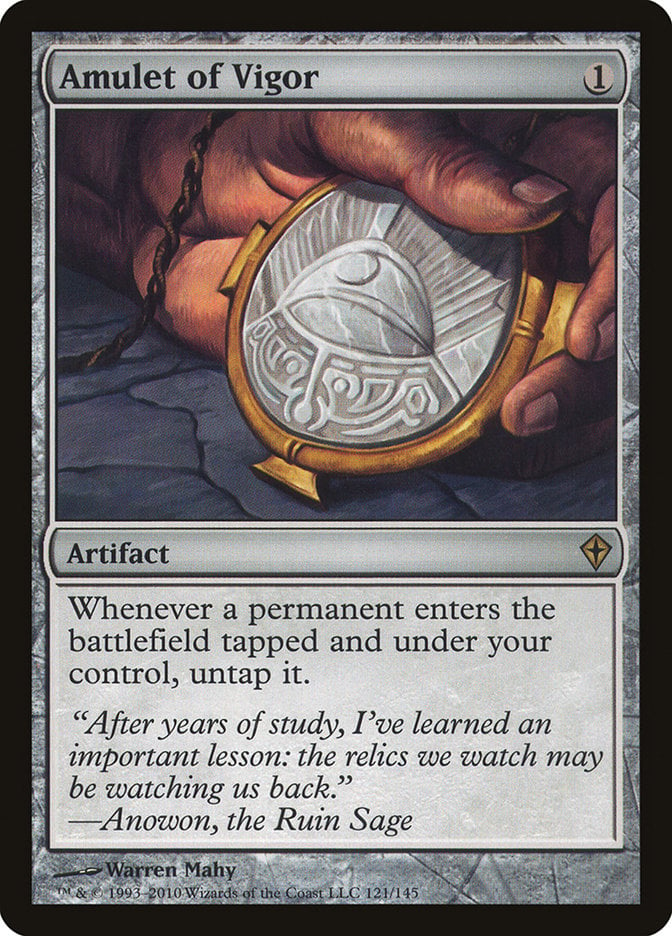
Amulet of Vigor is the most efficient option, though it's also the priciest since it sees Modern play.
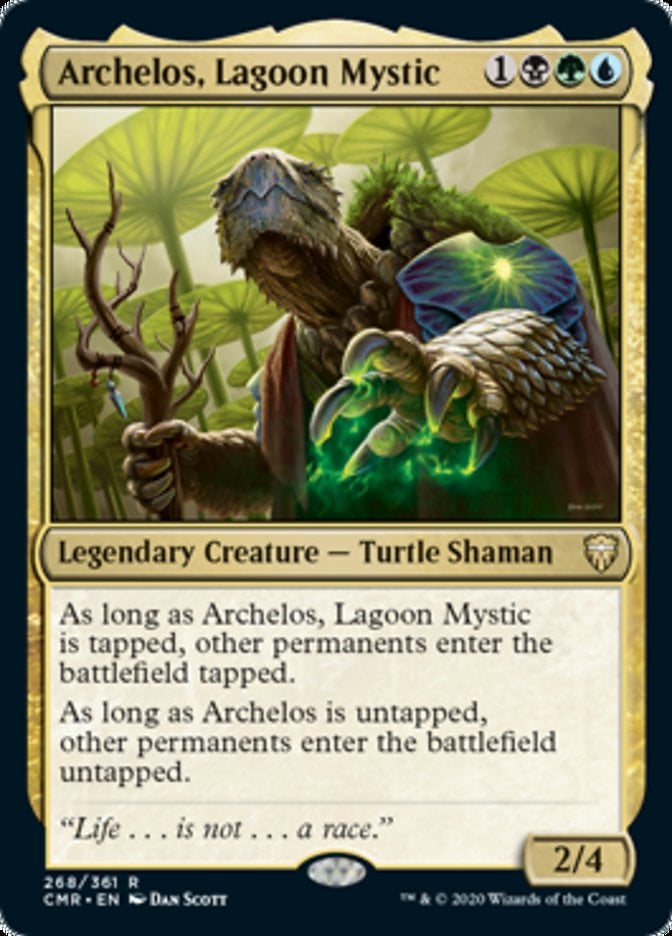
Archelos, Lagoon Mystic is a popular Gates commander since it lets them come into play untapped, though it also works in the 99.
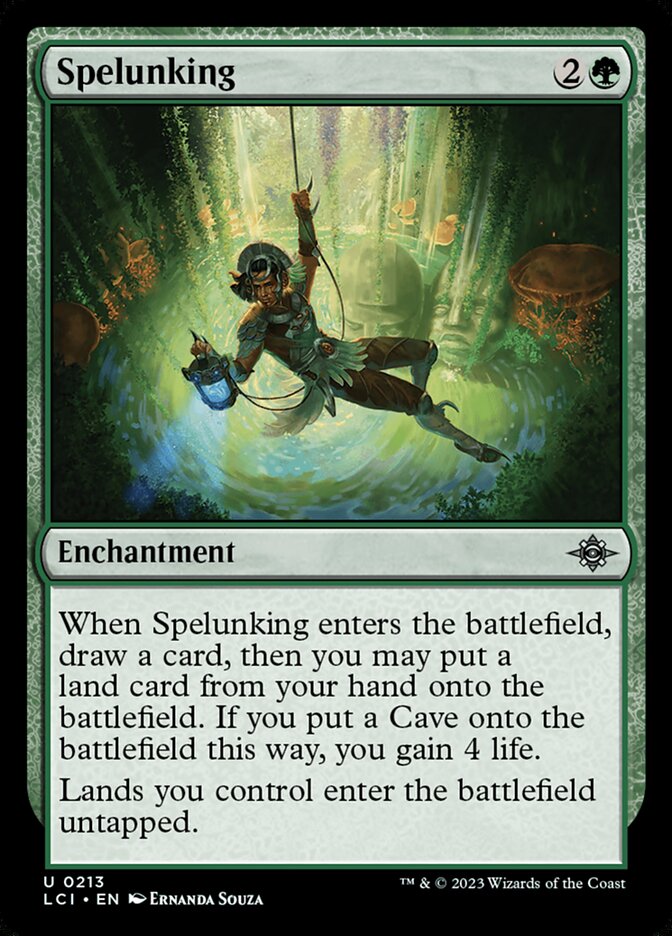

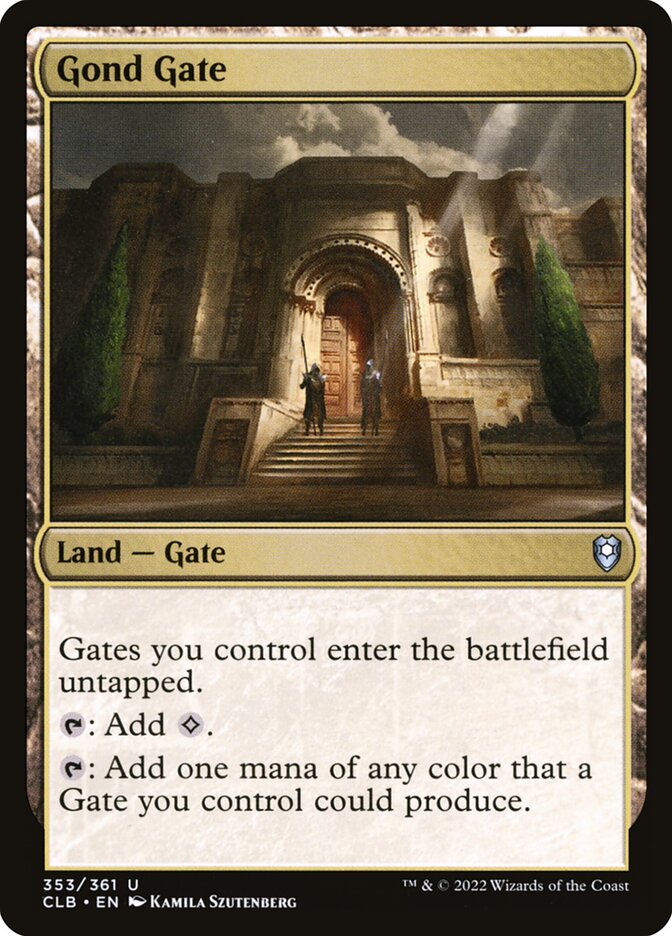
The best of these effects is Spelunking, as it not only untaps your gates but lets you draw a card and ramp. The Wandering Minstrel and Horizon Explorer work for all your lands and have upsides of their own. There's also Gond Gate which is not only a gate itself, but makes all your other gates enter untapped.
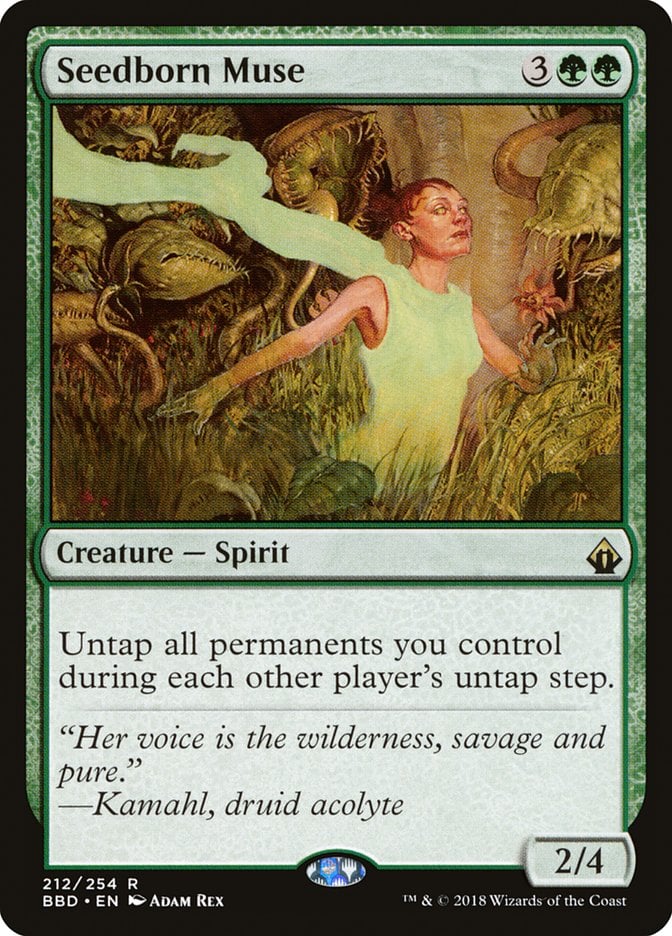
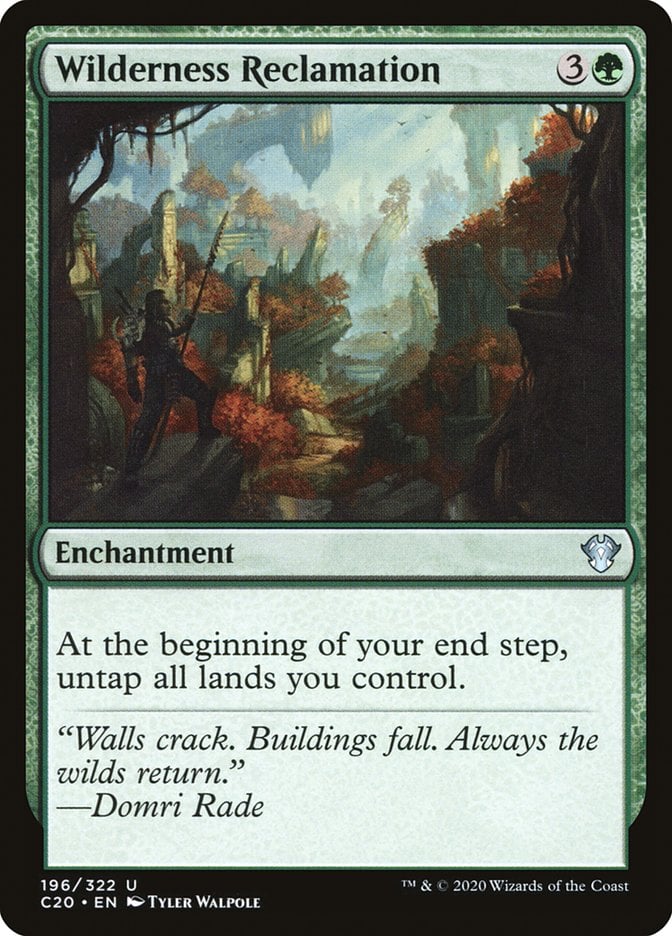
If you've constructed a gate deck that mostly plays at instant speed, you must know Seedborn Muse and Wilderness Reclamation as cards that give you access to mana on your opponents' turns.
How Does Maze’s End Work with Gates?
Maze's End works simply with gates. When you activate its ability, there are a few things to pay attention to.
Firstly, returning Maze's End to your hand is part of the activation cost of the card, not the ability; that means that when you announce that you're using Maze's End and pay the requisite costs, your opponents can't respond with Strip Mine or another piece of land destruction to stop it.
Next, remember that the different parts of an ability resolve in order. You'll search your library for the gate and put it into play, then check if you have 10 gates to win the game. You don't need to control 10 gates at the time of activation to win, just nine.
Finally, putting the gate into play and checking for 10 gates to win the game is all part of the same ability and all resolves at once. This means your opponents won't be able to destroy one of your gates between searching for it, putting it into play, and checking if you have 10 gates in play (but they can respond to the initial activation to keep you off 10 gates).
Does Modern Horizons 3 Have Gates?

Modern Horizons 3 has one gate: Talon Gates of Madara (incidentally, one of the better ones—what else would you expect from a Modern Horizons set?). There's also Planar Nexus, which is all nonbasic land types and therefore a gate.
Gallery and List of Gates
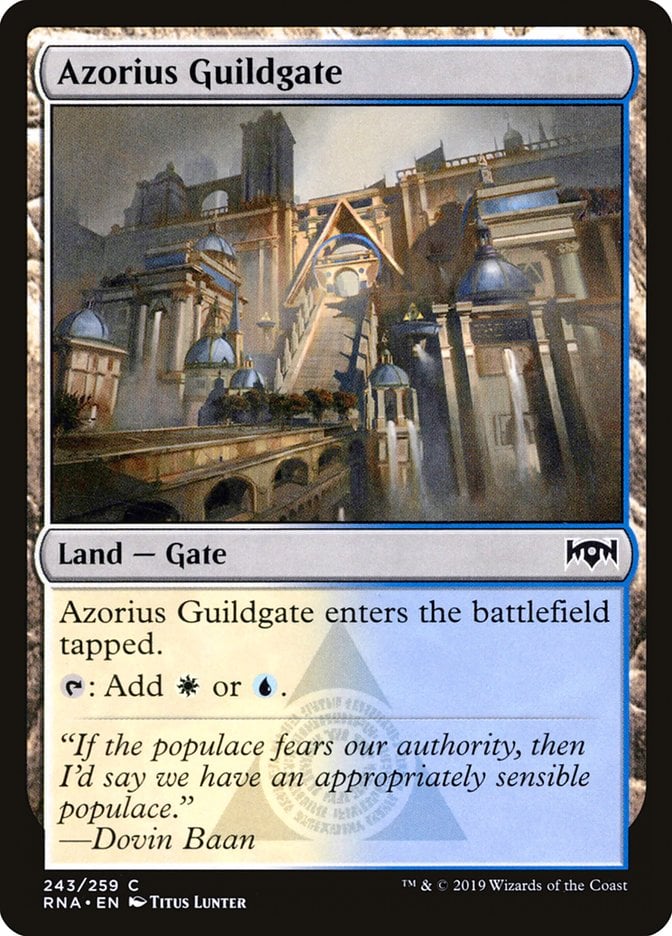
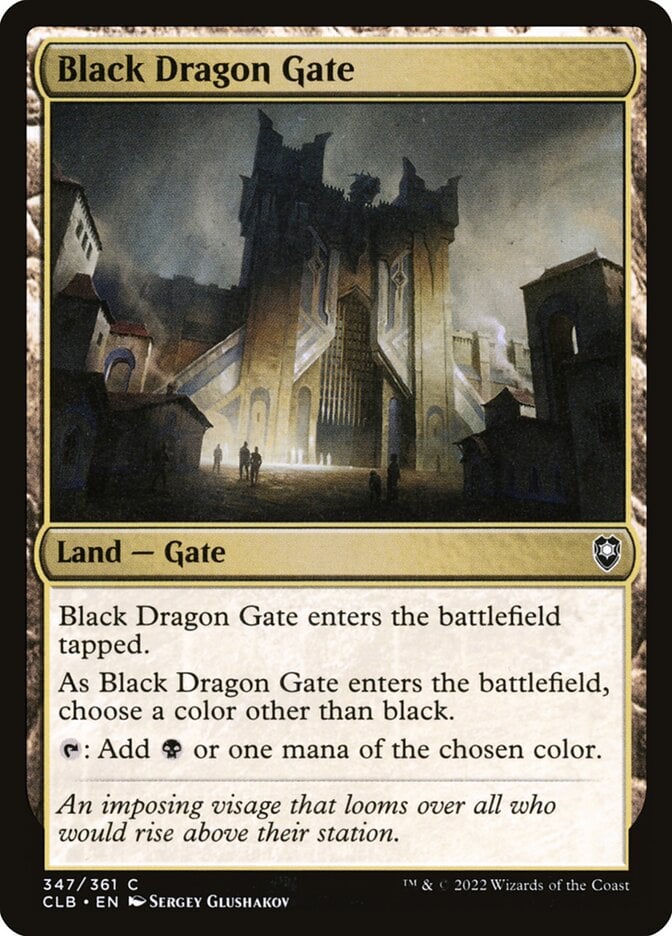
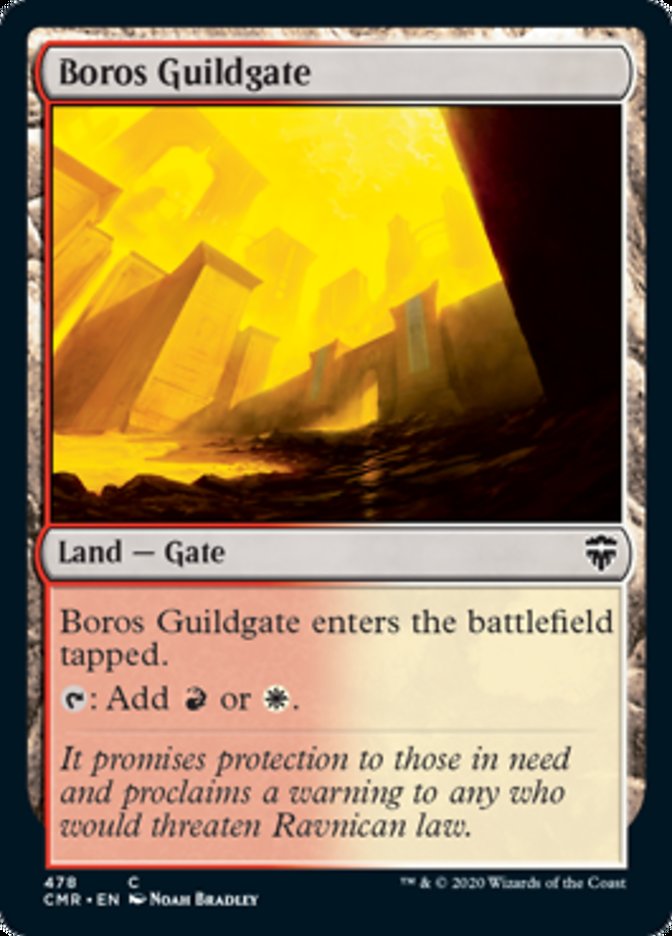

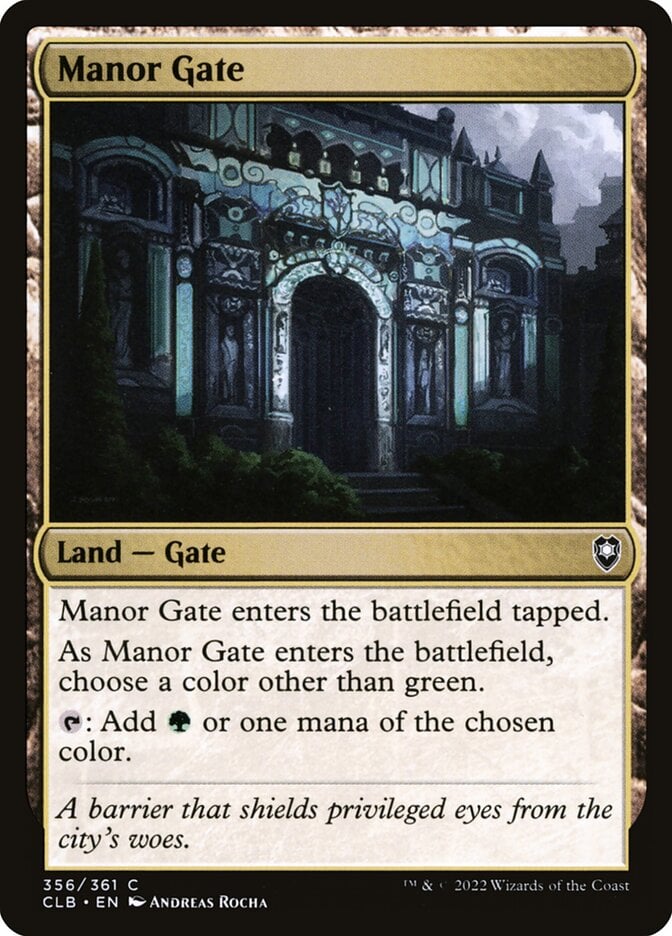
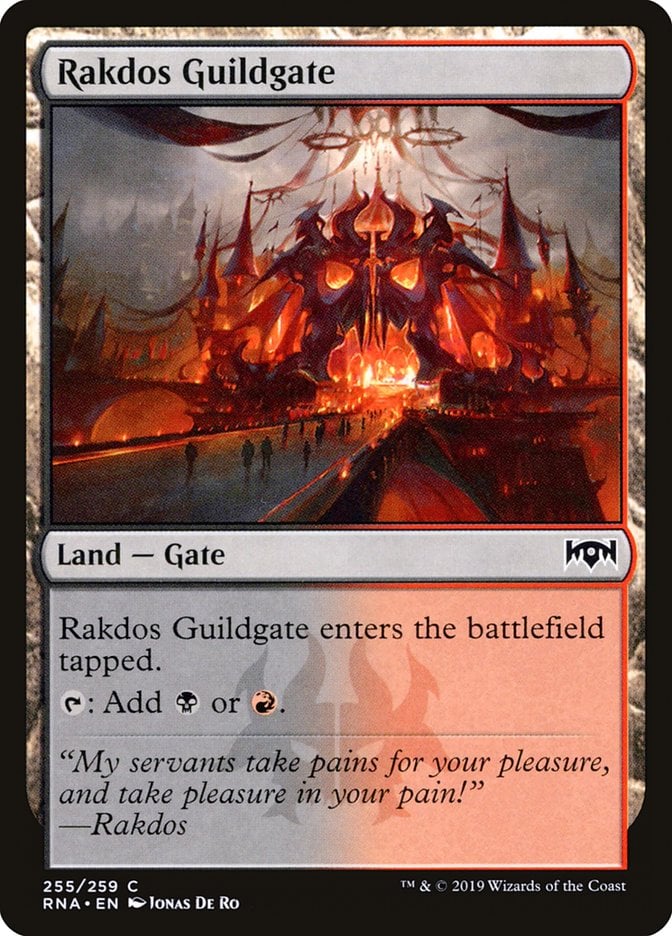
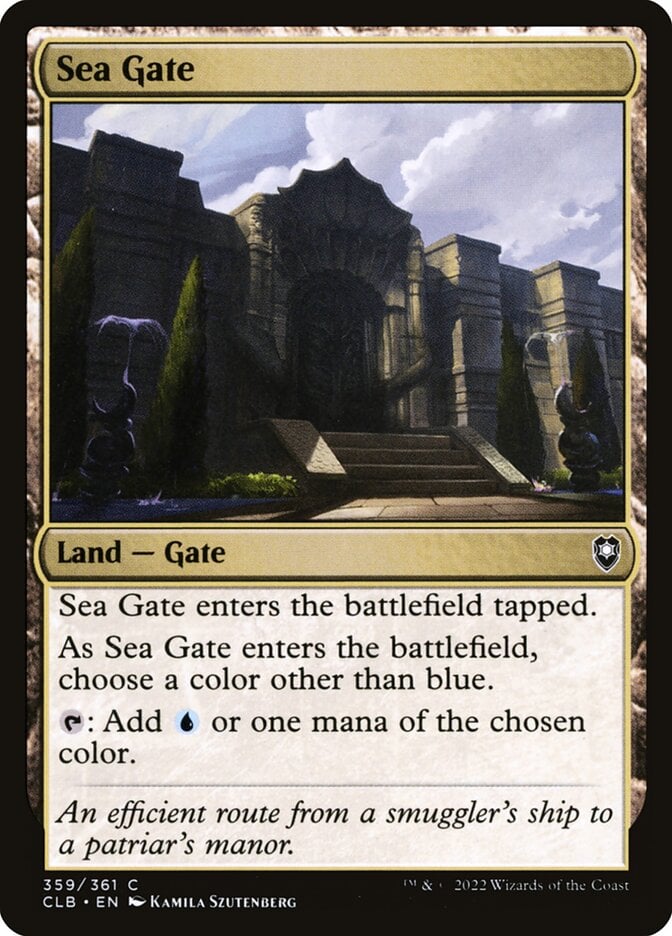
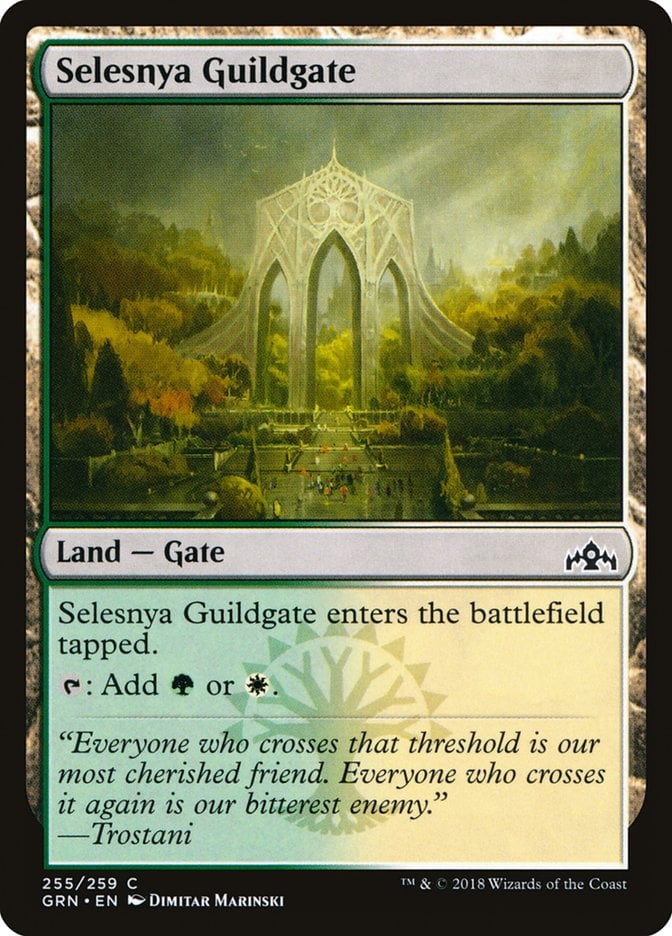
- Azorius Guildgate
- Baldur's Gate
- Basilisk Gate
- Black Dragon Gate
- Boros Guildgate
- Citadel Gate
- Cliffgate
- Dimir Guildgate
- Gateway Plaza
- Golgari Guildgate
- Gond Gate
- Gruul Guildgate
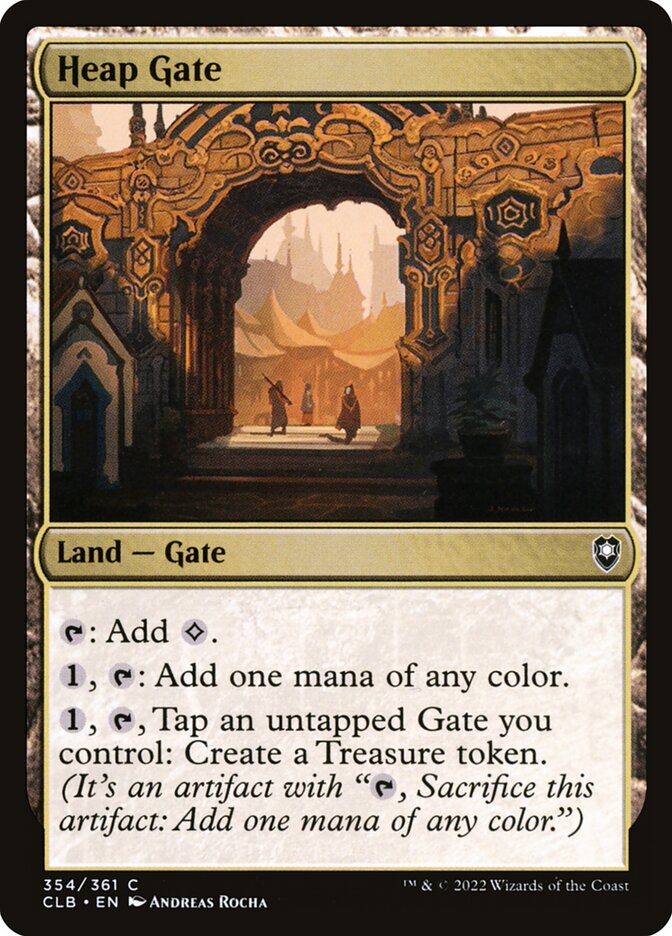
- Heap Gate
- Izzet Guildgate
- Manor Gate
- Orzhov Guildgate
- Rakdos Guildgate
- Sea Gate
- Selesnya Guildgate
- Simic Guildgate
- Talon Gates of Madara
- The Black Gate
- Thran Portal
- Planar Nexus
Best Gate Cards
This section includes the best gates and the best cards that care about gates!
#4. Baldur's Gate
Baldur's Gate gives the archetype a Cabal Coffers wannabe. You kind of need to be in 5-color gates to reach the critical mass of gates needed to make this worthwhile, but it's a powerful effect.
#3. Basilisk Gate
Basilisk Gate has become the cornerstone of a Pauper archetype, but it has potential in other formats as well. This delivers a pretty significant buff and a great reward for loading your deck with gates.
#2. The Black Gate
The Black Gate doesn't do anything the average gate deck cares about, but that unblockable ability pairs well with commanders that care about attacking or dealing combat damage, like The Infamous Cruelclaw or Kaalia of the Vast.
#1. Talon Gates of Madara
Talon Gates of Madara is fantastic. It plays best with the likes of Crop Rotation and Urza's Cave to tutor it into play, but any deck can get behind a land that ramps you and either protects one of your creatures or temporarily phases out a creature.
Best Gate Payoffs

I've brought up Circuitous Route, Navigation Orb, and Explore the Underdark a couple times, largely because they're some of the best reasons to play gates. You get a huge ramp spell plus near-perfect fixing for 3-, 4-, even 5-color decks. Since you already have green to cast these spells, fetching Izzet Guildgate and Orzhov Guildgate means you have access to all 5 colors!
Because gates enter tapped and you often want to assemble 9-10 gates to enable an alternate win condition, the deck wants to be controlling, or at least play for the late game. Gates Ablaze does this beautifully. You can play it early to deal with mana dorks and other cheap threats or slam it late to reset the game and give yourself time to solve the Implicit Maze.
Maze's End and Nine-Fingers Keene are essential parts of the gates deck, namely by giving you alternate win conditions. You won't win quickly, but a well-built deck pulls it off consistently.
Guild Summit is among the best gate payoffs. It's great on turn 3 to draw cards whenever you play lands, potentially multiple if you can make extra land drops or use some of the ramp spells above. You can also drop it later in the game to refill your hand. This kind of card advantage is critical when you want to play a long game and dig towards very specific win conditions.
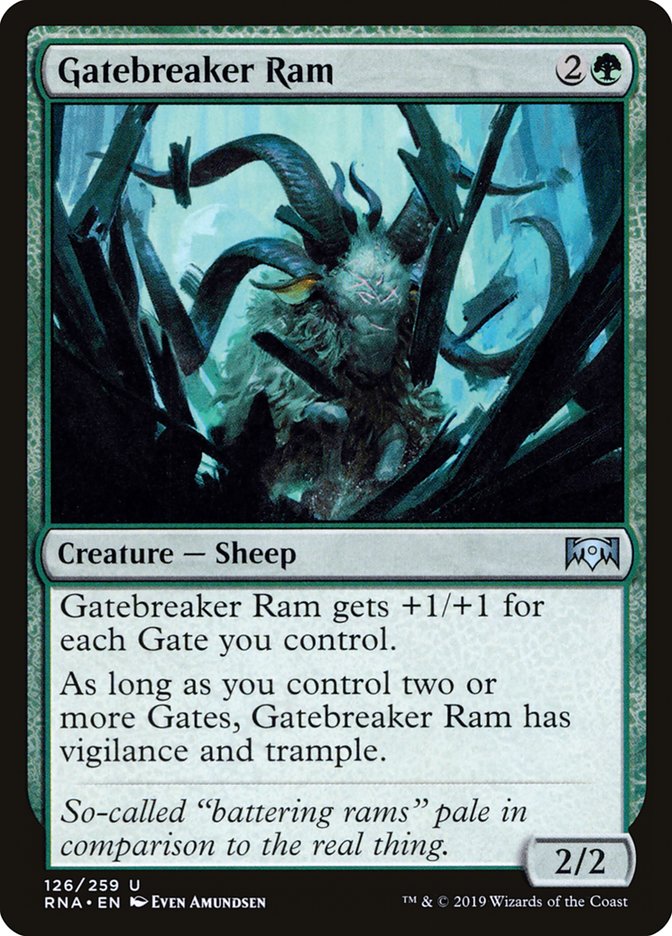
If you want to get more aggressive with your gates, you have a few options. Gatebreaker Ram becomes very large, very fast, and chews up blockers once you get a couple of gates down. Glaive of the Guildpact can make anything just as fierce and pairs especially well with flying creatures.
Decklist: Gates In Modern!

Creatures (6)
Arboreal Grazer x4
Subtlety x2
Instants (18)
Lightning Bolt x3
Counterspell x4
Planar Genesis x4
Expansion / Explosion x3
Nexus of Fate x4
Sorcery (4)
Gates Ablaze x4
Enchantments (7)
Guild Summit x4
Wilderness Reclamation x3
Lands (25)
Azorius Guildgate
Breeding Pool x2
Gruul Guildgate x4
Island
Izzet Guildgate x4
Misty Rainforest x2
Scalding Tarn x2
Simic Guildgate x4
Steam Vents x2
Thran Portal x3
Sideboard (15)
Consign to Memory
Haywire Mite x2
Spell Pierce x2
Swan Song
Damping Sphere x2
Dismember x2
Gatebreaker Ram x4
Force of Vigor
I won't pretend that this is the most competitive Modern deck in the world, but it's a riff on a deck I loved playing in the Standard, and it gives you a pretty good idea of how a gates deck wants to play.
The game plan is simple: You want to do a bit of ramping and drop a Wilderness Reclamation or two to make a bunch of mana in the end step. Spend this mana on Nexus of Fate, one of the silliest extra turn spells ever printed, which lets you chain together extra turns until your Reclamations give you enough mana for a lethal Expansion / Explosion.
The gates give you ways to control the board, namely Gates Ablaze to keep the board under wraps and Guild Summit to help tear through your deck, which is critical to help you chain Nexus of Fates. You also have Gatebreaker Rams chilling in the sideboard, ready to come in after your opponents side out all their spot removal when they realize you have no creatures worth killing.
Wrap Up

Cliffgate | Illustration by Emmanuel Shiu
Gates might not be the strongest lands in the game, but they're some of the most iconic and they allow you to whip up some powerful synergies. I can't wait to see how this archetype is fleshed out in future sets—perhaps we'll see gates on a new plane beyond Ravnica?
Do you like gates? Which legendary creature would you use to build around them in Commander? Let me know in the comments or on the Draftsim Discord.
Stay safe, and thank you for reading!
Follow Draftsim for awesome articles and set updates:










Add Comment