wordsfromanneli

Thoughts, ideas, photos, and stories.

Image


26 Comments

The Escape Plan

Image

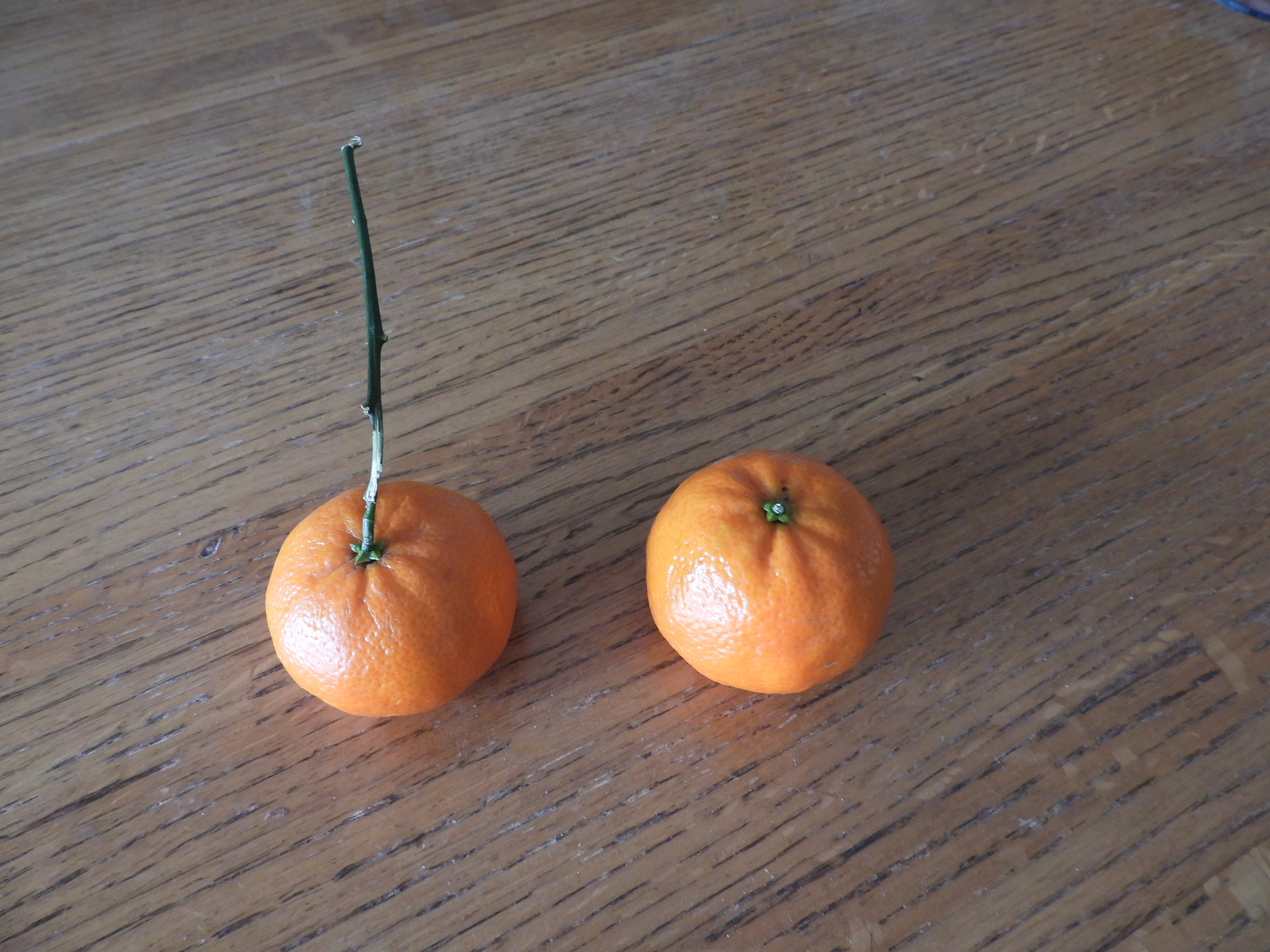
Mandarin #1:    Hey, buddy! You can lower that periscope. I can tell you where we are.

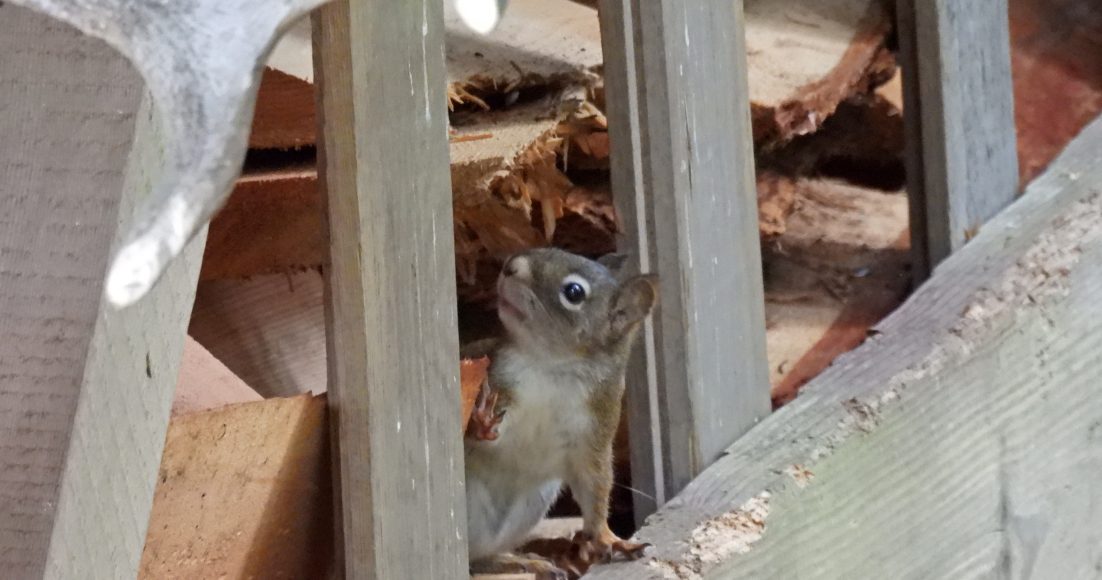
Mandarin #2:   I know where we are. I’m just watching for the predators. You think you’re too sweet to be eaten, but I know different. I see them getting settled in their recliners, looking like they need something sweet and juicy.

Mandarin #1:   What? You don’t think I’m sweet?

Mandarin #2:   No, dummy. It’s because you ARE sweet that you’ll get eaten.

Mandarin #1:   Well, if you think that silly periscope is going to save you, you’d better close the hatch now and “DIVE! DIVE! DIVE!” because here they come – that old couple that’s sick of winter and wants a taste of summertime – that’s US, by the way – the reminder of summertime.

Mandarin #2: So, what should we do?

Mandarin #1:  I don’t know…. Maybe you can scare them off by looking weird when you wiggle your periscope. Maybe they’ll think you have some disease.

Mandarin #2: And what about you?

Mandarin #1:  No diseases here, but I’ve got a plan. When they try to skin me alive, I’ll hold on tight to my skin, naturally, and make it harder for them to do a clean job. Their hands will get sticky, and they’ll get up to get a tissue. While they’re gone I’ll just roll away. Maybe hide under the table.

Mandarin#2:  That won’t work. Haven’t you seen their dog? She’s always hanging around begging for food.

Mandarin #1:  Oh, that. I’ve got that covered. I’ll squeeze a bit of OJ in her eye. She doesn’t like that. Ha ha. I’m looking forward to that.

Mandarin #2:   What about me?

Mandarin #1:  Oh, I think I can spare some juice and squirt you too.

Mandarin #2:   No! Don’t be a smartypants. I mean how will I escape?

Mandarin #1:  Well, like I said, you have that periscope. You can DIVE, DIVE, DIVE.  Then we can roll away into the sunset…well, under the couch, anyway.


19 Comments

Dialect in Writing


Dialect 

If one or more of your characters have a dialect or accent that you feel is important to note in your novel, I would suggest that unless you are very familiar with those regional speech patterns or accents, use them sparsely so they don’t distract from the story. The safer way to do it would be to choose a few instances of the dialect and use them in dialogue. Try as much as possible to have the rest of the writing in plain English.

Falling out of character by messing up the dialect is going to do damage to your credibility as a writer and to the credibility of the character.

I’d like to give you some examples of how I have used dialect and accent of a character in my novels.

One of my secondary characters in The Wind Weeps is Monique, a French-Canadian girl. I wanted to show that she spoke with a French-Canadian accent, but I didn’t want the phonetic spelling of every word of her speech become a chore for the reader. My solution was to limit Monique’s dialect and accent to a few of the most obvious speech habits that were typical of French speakers of English.

Saying the soft sound of “th” (as in “they”) is often difficult for speakers of French origin,  so, for example, instead of saying “there,” Monique would say “dere.”  For the hard sound of “th,” she might say “somet’ing” instead of “something.”

In French the sound of “h” is not used, so in English, Monique would have a habit of dropping the sound of the letter “h.” I showed this by placing an apostrophe in its place.  If she were saying, “It’s time to have something to eat,” she would say, “It is time to ’ave somet’ing to eat.”

That reminds me of the last clue to Monique’s speech being different; she would not use contractions. Instead of “can’t,” she would say “cannot,”  or she would say “it is” instead of “it’s, and “I ’ave” instead of “I’ve.”

By using these three changes in the dialogue, the reader could instantly identify that it was Monique who was speaking.  Just to be sure, I gave Monique two more habits of her own. I added the odd case of her swearing by having her say, “Tabernac,” once in a while. I also had her use an expression that was all her own by having her conflate two common phrases she had heard used in English. When she wanted to say “For sure” or “Sure thing,” as she had heard others say, she ended up saying, “For sure t’ing.”  Whenever this came up in the book, we would always know it was Monique speaking.

If you’d like to check it out yourself, you can find The Wind Weeps and its sequel, Reckoning Tide, at all amazon   (click on amazon) outlets and at smashwords.com (Click on smashwords.com).

My books are all marked down to 99 cents US so you can load your e-reader with bargain reading.

Image

Image

You can find a review of The Wind Weeps, by clicking on this blog post by Diana Wallace Peach.

P.S. For those who follow both my blogs, I have copied this post for both this one time. I don’t intend to make that a habit.