Are you running rental homes or considering renting out a property and wondering how peeps keep everything organized in this day and age?
Unfortunately, at the same time, this is what many property managers and landlords may only think about: rent tracking and documents in their daily work. This can feel like a lot if approached in traditional ways.
Modern property management technology is making it easier and more organized for everyone involved today. Cloud-based platforms are allowing property managers and owners to manage rental operations from anywhere while ensuring that information is organized, safe, and easy to find.
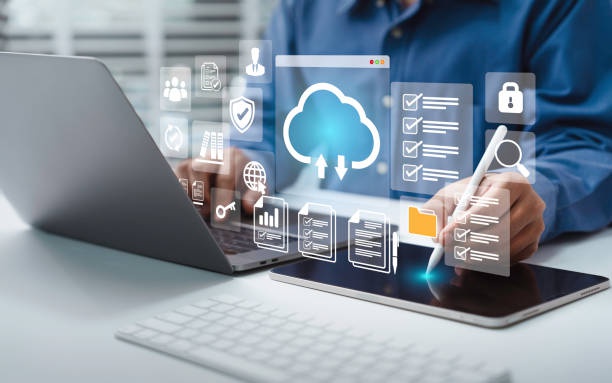
Cloud technology, simply put, is a solution that enables property managers to store and manage data online (not just on local computers or paper files). This minor adjustment has completely transformed how rental operations function.
Cloud systems help property managers stay organized and make rapid responses from communication with tenants to financial records and maintenance updates. It’s more like some smart assistant-in-charge that holds everything in place.
Many rental companies today will choose to use the digital tools fr at many reasons; Time efficiency, Confusion reduction, and everyone is on the same page. Systems that are organized and transparent benefit owners, managers, and tenants alike.
In This Article:
Understanding Cloud-Based Property Management Platforms
Just like renting a house or taking up membership at the gym, modern cloud platforms have brought all the manual rental operations into one easy system. Property managers can now manage payments, communication, and records from a unified set of digital tools. Now, everything can be contained in our single dashboard.
These platforms help property managers keep tabs on their tenants, payments, maintenance requests, and other forms of documentation while making sure information stays where it belongs.
Centralized Information Management
Centralized information through cloud property platforms. One major pro of the cloud property platform is centralized information. So he has access to the system in that everything about tenants can be seen through one view: who pays rent, what documents has uploaded by tenants, or the rental periods. If a landlord owns several units or buildings, he can quickly see who paid rent and when leases are due to expire. Rather than having to dig through emails or folders, the information explodes in front of your face.
Property management accounting: Many systems offer this functionality, which helps to keep track of rent payments, expenses, and financial records in an orderly manner. So owners can easily track their rental income and keep accurate financial records.
Access From Anywhere
One such feature is remote access. As the system is cloud-based, managers are able to log in using a laptop, tablet, or phone. This allows for a flexible and comfortable everyday work life.
Let’s say a property manager is out of the office and gets notified about an update to maintenance. Rather than waiting until they return to a computer, they can open the system on their phone, check out the request, and update its status. When communication is assiduously maintained, tenants tend to get responses faster, too.
This flexibility also benefits owners who live in other towns or even different countries. It enables them to remain connected to their rental business without necessarily having to visit the office.
Easing communication between landlords and tenants
A large part of property management is communication. Cloud platforms keep managers and tenants connected, with built-in messaging and notifications.
Many property managers find that introducing the system makes communication clearer and more organized.
Direct Messaging And Notifications
Many modern platforms have messaging features that allow tenants and managers to communicate with one another directly within the system. Messages remain recorded in one place instead of disconnected emails or calls.
Tenants can submit maintenance requests, pose questions, or get updates about building news. Managers can act on these quickly and maintain an implicit record of each conversation.
It also reminds tenants of upcoming rent payments or important announcements through notifications. It makes sure everyone is aware of what is happening and prevents misunderstanding.
Easy Maintenance Request Handling
All rental property management includes maintenance requests. The cloud platforms allow tenants to log in online and make requests in a few clicks.
After submission, the property manager gets notified and assigns it to someone from maintenance. It allows you to track updates within the system until the work is done.
This structure helps ensure that repair requests flow smoothly from beginning to end. It keeps tenants and property managers updated throughout the process.
Better Financial Tracking And Reporting
So a rental business can’t run without proper financial organization. Cloud property systems allow managers to maintain an easily readable catalogue while also decreasing the need for manual work.
Digital tools make tracking financial information and reviewing finances easier.
Organized Rent Collection
Cloud platforms enable conducting rent collection in a far more systematic manner. Tenants can pay rent online through secure payment methods, with the system automatically logging every transaction.
Property managers can easily view payment status for each unit. It allows them to track income flow and keep reports accurate.
Integrated property management accounting features also facilitate the lumping of expenses such as repairs, maintenance, and utilities. That gradually creates an unambiguous financial picture that guides prudent decisions.
Simple Financial Reports
Cloud platforms can even produce financial reports with the click of a button. Managers can track monthly income, expenses, and payment trends without equivalent spreadsheets.
They give property owners an opportunity to be aware of how well their rental business is performing. Instead of spending hours reorganizing numbers, the system gives you useful summaries.
Such financial readability enables effective planning and hassle-free day-to-day functioning.
Supporting Growing Rental Markets
“Many cities continue to see persistent rental housing demand.” As more buyers hunt for homes, tech is enabling property managers to keep pace with the heightened activity.
Cloud platforms can help manage listings, applications, and tenant records while keeping operations organized.
Managing Listings For Apartments
Property managers who work with apartments for rent usually manage dozens of units simultaneously. Cloud systems organize listings so managers are able to monitor availability and make updates quickly.
When a unit becomes available, managers can edit the listing and review applications via the platform. Such will create a set record and proceed from one stage to another in the rental procedure.
That helps prospective tenants too, because it gives them clear information about units that are available and the application process. It also benefits prospective tenants as it offers direct information on available units and the application process.
Supporting Long-Term Growth
Technology helps keep things stable as property portfolios expand. Cloud systems are also comfortable to scale with the business. Management can incorporate additional properties, leases, and transactions without overhauling the whole system.
This flexibility facilitates property managers considering expanding their rental operations in the future. Rather than transitioning platforms later on, it is continuing to scale with the business.
Data Organization And Security
Tenant records and financial data should be handled responsibly. Cloud platforms are useful as they store data securely, but are still available to specific viewers.
So systems using modern data protection techniques are routinely backed up to protect critical information.
Secure Document Storage
Lease agreements, tenant documents, and maintenance records can all be kept in the system digitally. This allows property managers to quickly retrieve files without the need for physical storage cabinets.
It streamlines the leasing process by allowing tenants to upload documents if needed. It stays all nicely sorted and finds easily.
Controlled User Access
Cloud platforms also enable managers to regulate who has access to what information. It also allows staff members to be assigned roles relevant to their responsibilities.
As an example, accounting staff is able to examine financial information while maintenance teams are able to view repair logs. And that makes it all tidier and readable in your code.
Final Thoughts
Cloud-based property management platforms are transforming rental operations. With a system that combines communication tools, financial tracking, tenant management, and document storage all in one place, property managers can perform daily activities with utmost comfort.
Whether it is managing apartments for rent or maintaining property management accounting, these platforms allow you to create clarity and a well-defined workflow that facilitates smoother rental operations while ensuring positive experiences at both ends of the spectrum, i.e., landlords as well as tenants.