Our global survey found unspoken compromises may persist in hemophilia care, pointing to a need for more open conversations. With 6 in 10 patients saying HCPs are their primary source of information on newer treatments, shared-decision making can help evolve care. See more:
We’re celebrating over 175 years of daring scientific innovation and we’re not done yet. Protect your health at PfizerForAll.com on.pfizer.com/CGs
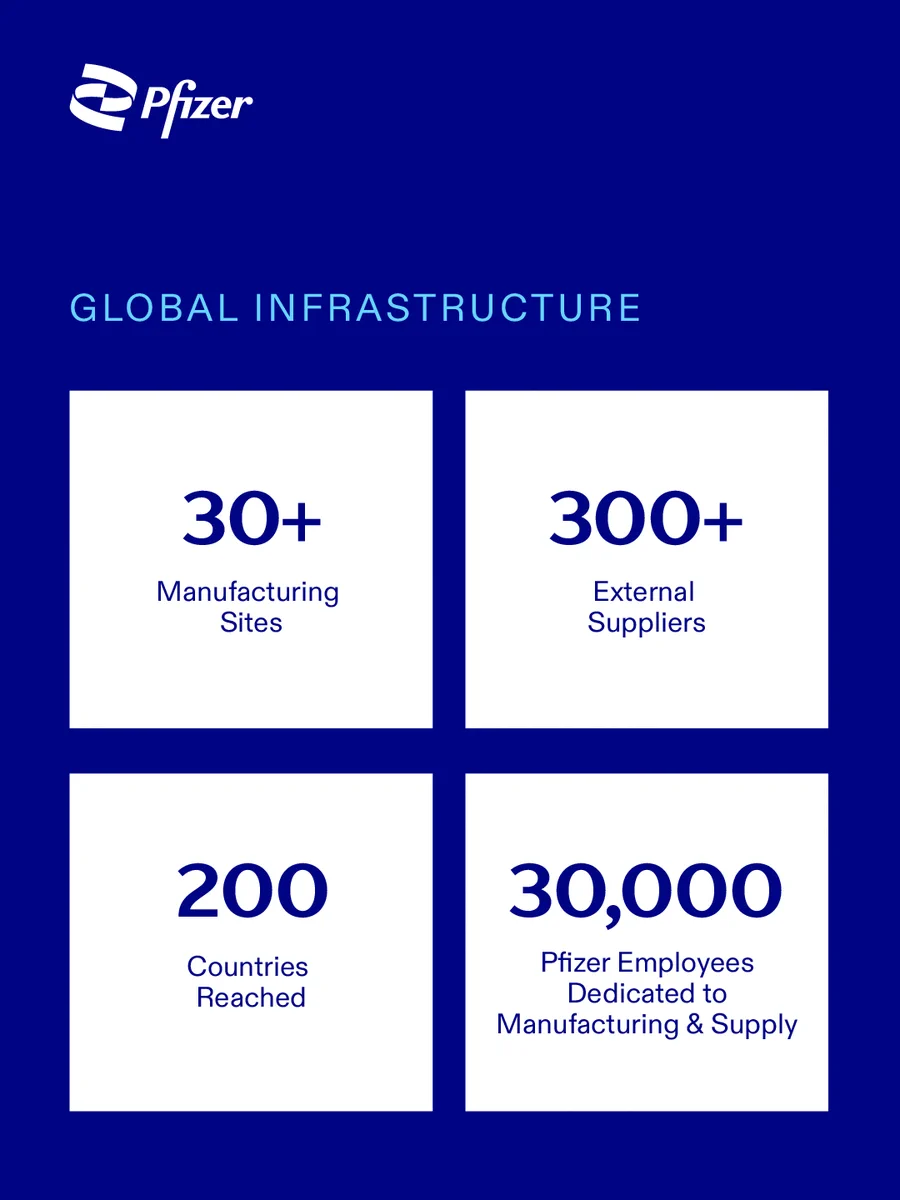
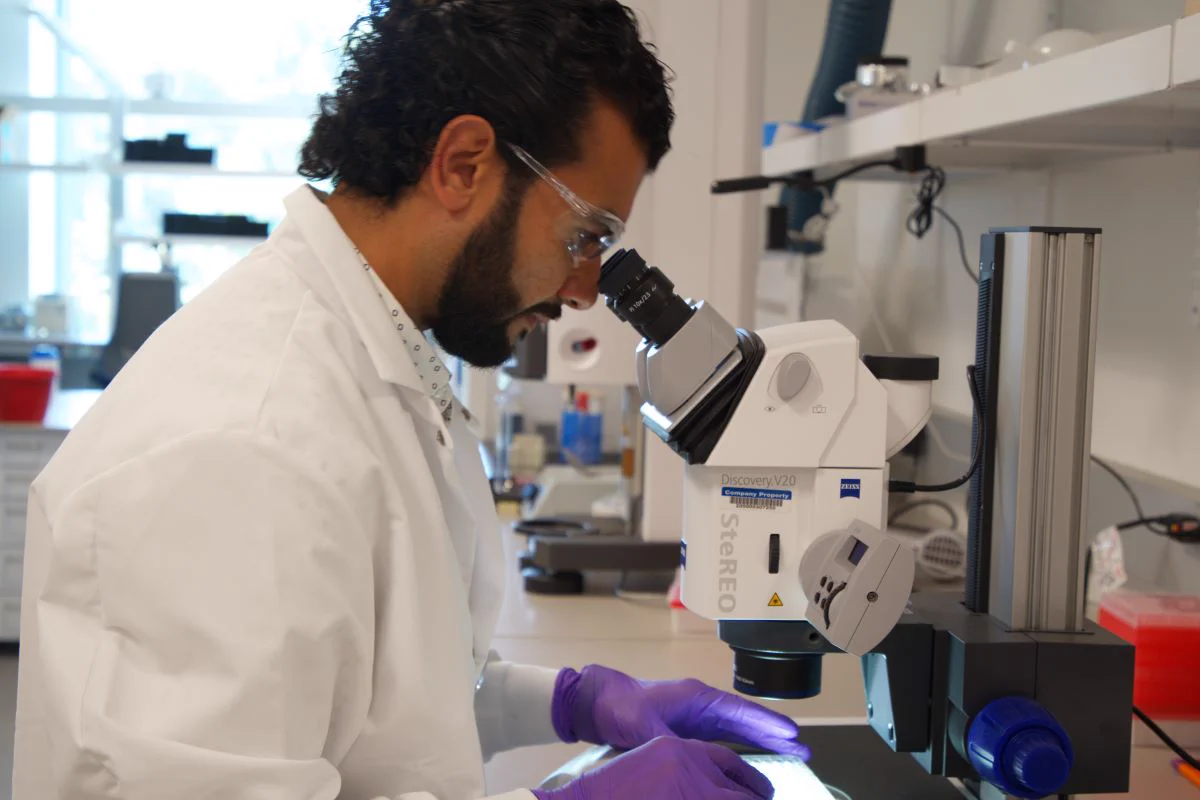
- Most scientific discoveries begin in a lab. Reaching patients requires something else entirely: a global system built to produce medicines consistently, at scale, without ever compromising on quality. Read more: on.pfizer.com/3SlZdxA #GlobalHealth #PatientAccess
- Not all migraine attacks are random. Hormonal shifts across the menstrual cycle can trigger longer, more severe attacks. Here’s what the research reveals about menstrual migraine: on.pfizer.com/4pP1u0x #MigraineAwareness #HormoneHealth #WomensHealth
- “My daughter is my driving force. She’s what I’m truly living for.” After a rare cancer diagnosis, Isis Kanevsky shares the lessons that ground her as she navigates treatment and survivorship. on.pfizer.com/4wSJVip #CancerSurvivorship #CancerAwareness #RareDisease
- GLP-1. GIP. Amylin. NuSH. What sounds like “alphabet soup” is actually reshaping how researchers understand obesity. New science is revealing how hormones, brain signaling, metabolism, and the gut-brain axis influence weight regulation — and is driving updated approaches to