Background
Acute myocardial infarction (AMI) is rare in childhood and adolescence. Although adults acquire coronary artery disease (CAD) from lifelong deposition of atheroma and plaque, which causes coronary artery spasm and thrombosis, children usually have either an acute inflammatory condition of the coronary arteries or an anomalous origin of the left coronary artery (LCA).
Two leading causes of AMI in children are anomalous origin of the LCA from the pulmonary artery (ALCAPA) [1, 2] and Kawasaki disease. [3] Intrauterine myocardial infarction (MI) also does occur, often in association with coronary artery stenosis. [4]

Pathophysiology
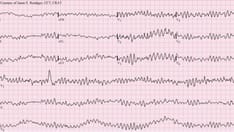
Whatever the etiology, the final common pathway of acute myocardial infarction (AMI) includes myocardial ischemia (resulting in hypoxia), release of inflammatory cytokines, and cell death. The terminal event is often a cardiac arrhythmia, either ventricular tachycardia deteriorating to ventricular fibrillation or extreme bradycardic arrest. The onset of the terminal event is heralded by a loss of peripheral circulation and consciousness and by cardiovascular collapse and cardiac arrest.
Kawasaki disease is an acquired disease of unknown etiology, and it can affect all cardiac tissues (pericardium, endocardium, myocardium, valves, and conductive tissue). The pathogenetic mechanism is attributable to a high degree of immune activation.
For patients undergoing the Jatene arterial switch procedure, the presence of an intramural coronary artery course in patients with dextro-transposition of the great arteries (D-TGA) may prohibit arterial repair. Hypothetically, manipulation of the intramural coronary artery may cause damage and resultant inflammation, kinking, thrombosis, and myocardial ischemia or infarction (see Transposition of the Great Arteries).
In patients with pulmonary atresia with intact ventricular septum, primitive embryonic sinusoidal connections to coronary vasculature may demonstrate severe intimal thickening, occlusion, or interruption. The right coronary artery is most commonly affected, followed by the left anterior descending artery and, less frequently, the distal extent of the circumflex coronary artery. In most patients, endocardial fibroelastosis, myocardial fibrosis, and AMI are observed.
Etiology
Pediatric acute myocardial infarction (AMI) is rare and most cases are due to anomalous origin of the left coronary artery (LCA) from the pulmonary artery (ALCAPA) followed by Kawasaki disease.
Neonatal MI has been reported sporadically. Multiple possible etiologies have been suggested, including intrauterine myocarditis, adverse effects of maternal oxytocin administration, thromboembolism from umbilical catheters or renal vein thrombosis, coronary artery steal in association with septal hypertrophy in an infant of a diabetic mother, and antithrombin III deficiency. [5, 6, 7]
Other congenital anomalies, inflammatory diseases and underlying genetic conditions that predispose children to AMI include:
-
Dextro-transposition of the great arteries (D-TGA)
-
Pulmonary atresia with intact ventricular septum
-
Coronary ostial stenoses can be seen in patients with Williams syndrome, most commonly accompanying supravalvular aortic stenosis but on rare occasions in isolation [8]
-
Coronary insufficiency may develop in patients with Marfan syndrome, Takayasu arteritis, or cystic medial necrosis with aortic root dilatation, aneurysm formation, and dissection into the coronary artery
-
Accelerated coronary artery atherosclerosis due to juvenile diabetic dyslipidemia or nephrotic syndromes; also known to occur in orthotopic cardiac transplant recipients on immunosuppressive therapy
-
Accelerated coronary vascular disease associated with chronic kidney disease and renal failure [9]
-
Inflammatory conditions such as viral and eosinophilic myocarditis [10] and systemic lupus erythematosus (SLE) [11]
-
Prothrombotic defects (eg, protein C deficiency and prothrombin gene mutations), especially in conjunction with other coronary anomalies [12]
-
Hypertrophic cardiomyopathy [13]
-
Fibromuscular dysplasia [14]
Drug use has been associated with MI in adolescents. K2 (a designer drug with synthetic cannabinoid effects) has reportedly been associated with MI, [15] as has the combination of ethanol and Adderall (amphetamine/dextroamphetamine). [16]
Epidemiology
United States data
According to the Centers for Disease Control and Prevention (CDC), mortality from AMI is 0.1 deaths per 100,000 population in persons under the age of 18 years between 1999-2020. [17]
One study used Nationwide Inpatient Sample (NIS) data from 1998-2001 to determine the incidence and outcomes of adolescent AMI and found an incidence of 157 cases per year, or 6.6 events per 1 million patient-years. [18] Within the subset of adolescents with AMI, the incidence was higher in individuals aged 16-18 years than in individuals aged 13-15 years.
Since the introduction of intravenous (IV) gamma globulin as part of standard therapy for Kawasaki disease, the incidence of AMI due to Kawasaki disease has decreased. [19]
Age- and sex-related demographics
The etiology of MI determines the age of incidence.
ALCAPA may occur as unexplained sudden death in a neonate. Coronary artery ostial stenosis may occur after repair of D-TGA in the neonatal period. In childhood, infarction may occur years after arterial switch due to kinking of the coronary arteries, possibly in association with aortic root dilation. Thrombotic coronary artery occlusion from Kawasaki disease may occur in infancy or early childhood.
Sudden death from an aberrant coursing left main coronary artery with its origin at the right sinus of Valsalva may occur in athletes who are exercising. Coronary insufficiency may develop in patients with Marfan syndrome, Takayasu arteritis, or cystic medial necrosis with aortic root dilatation, aneurysm formation, and dissection into the coronary artery. Though very rare, traumatic MI can occur at any age; it is more likely to occur in ambulatory patients.
Accelerated atherosclerosis is known to occur in orthotopic cardiac transplant recipients on immunosuppressive therapy and can occur in early adolescence. Coronary artery spasm as a cause of acute typical chest pain with associated cardiac enzyme elevation has been increasingly recognized in adolescents with otherwise normal coronary arteries. [20]
The incidence of substance abuse and smoking are higher in adolescents with AMI than in adolescents admitted to the hospital for other conditions, according to NIS data. A significant male preponderance in adolescent AMI (80%) has been reported. [18]
Prognosis
Acute myocardial infarction in neonates has a high mortality rate of 40-50%. [21] However, unlike adults with MI secondary to ischemic and atherogenic disease, children with MI who survive are less likely to have significant prolonged illness or disability. Some data suggest that the hospital survival for AMI in adolescents is excellent (mortality, 0.8%). [18]
AMI affects a small subset of children at risk for sudden cardiac death (defined as any natural death from cardiac causes that occurs from minutes to 24 hours after the onset of symptoms. Early mortality can be high, depending on the cause, the speed of diagnosis, and the availability of therapeutic interventions.
For patients with anomalous origin of the left coronary artery from the pulmonary artery (ALCAPA), early diagnosis and the development of improved surgical techniques (eg, myocardial preservation) have dramatically improved the prognosis of MI in childhood. Left untreated, the mortality rate in the first year of life is 90% secondary to myocardial infarction and mitral valve insufficiency leading to congestive heart failure. Sudden death may occur because of inadequate collateral circulation between the left and right coronary artery systems and/or development of arrhythmia.
In patients with Kawasaki disease, the highest risk for coronary artery events is in patients with residual giant aneurysms, particularly if both coronary artery systems are involved. In patients with untreated Kawasaki disease or with residual coronary aneurysms, sudden death has resulted from AMI caused by ruptured coronary artery aneurysms or thromboses. Detrimental changes in arterial wall hemodynamics are present and persist after acute Kawasaki disease, and these changes may predispose to long-term cardiovascular events. A recent study looking at outcomes in 245 patients with giant aneurysms over a median of 20 years after diagnosis of Kawasaki disease reported the incidence of death was 6%, acute MI 23%, and coronary artery bypass grafts 37%. [22] Most myocardial infarctions occurred within 2 years of diagnosis. [23]