Image

Retail Fail: The :CueCat Disaster

Digital Convergence Corporation is hardly a household name, and there’s a good reason for that. However, it raised about $185 million in investments around the year 2000 from companies such as Coca-Cola, Radio Shack, GE, E. W. Scripps, and the media giant Belo Corporation. So what did all these companies want, and why didn’t it catch on? If you are old enough, you might remember the :CueCat, but you probably thought it was Radio Shack’s disaster. They were simply investors.

The Big Idea

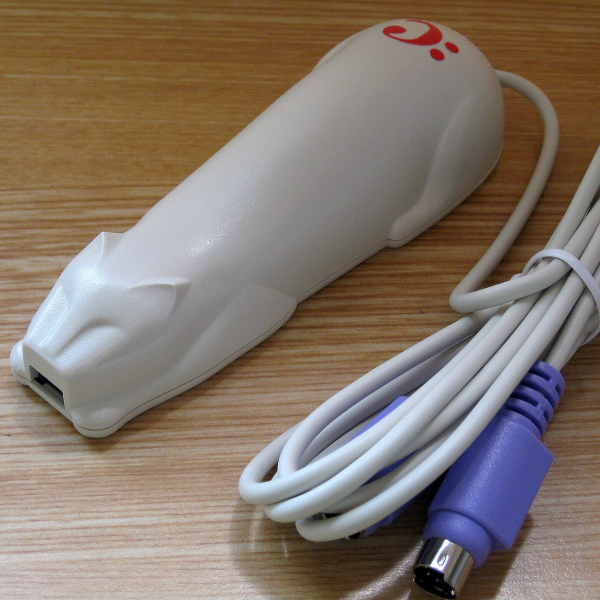
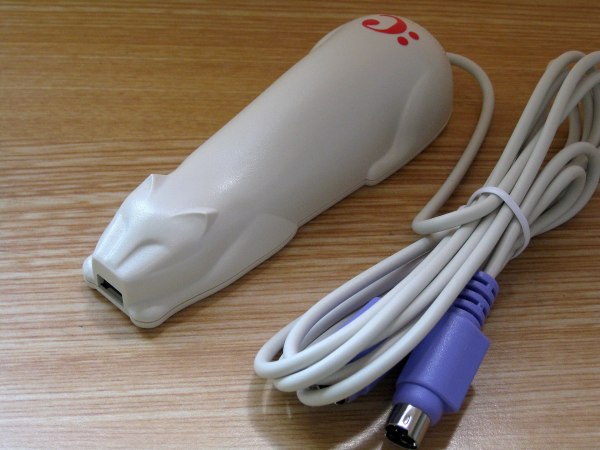
The :CueCat was a barcode scanner that, usually, plugged into a PC’s keyboard port (in those days, that was normally a PS/2 port). A special cable, often called a wedge, was like a Y-cable, allowing you to use your keyboard and the scanner on the same port. The scanner looked like a cat, of course.

However, the :CueCat was not just a generic barcode scanner. It was made to only scan “cues” which were to appear in catalogs, newspapers, and other publications. The idea was that you’d see something in an ad or a catalog, rush to your computer to scan the barcode, and be transported to the retailer’s website to learn more and complete the purchase.

The software could also listen using your sound card for special audio codes that would play on radio or TV commercials and then automatically pop up the associated webpage. So, a piece of software that was reading your keyboard, listening to your room audio at all times, and could inject keystrokes into your computer. What could go wrong?

Continue reading “Retail Fail: The :CueCat Disaster”

Reading Bar Codes With Arduino And Unaltered CueCat

Image

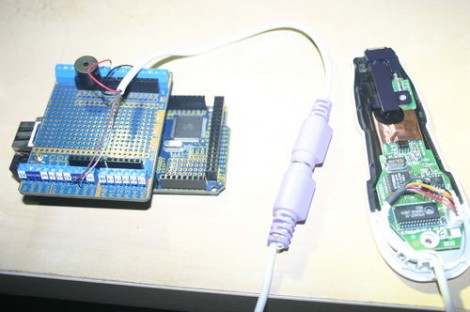
[Damcave] decided to try out some bar code reader projects. He got his hands on a CueCat years ago. The problem is that it outputs encrypted character sets instead of a clear text string. To get around this he used his Arduino to decrypt the CueCat’s data output.

Originally you could get you hands on a CueCat for free. It was meant to work like QR codes do now — you see a bar code, you scan it to get to a web address. It never really took off but you can still get your hands on one for about twelve clams. We’ve seen projects that clip a pin on the processor to disable to encryption. But [Damcave] didn’t want to mess with the hardware. Instead he connected the Arduino via the PS/2 connector and used software to translate the data. The encryption format has long been know so it was just a matter of translating the steps into an Arduino function.

CueCat, Meet Arduino

[youtube=http://www.youtube.com/watch?v=eUO3vn-ivqo]

Have you ever felt like you needed a portable barcode scanner around the house? No? Well, [Mkanoap] did, so he made one. He has hooked his CueCat up to his Arduino to capture barcode data and store it on an SD card. He is using it as an inventory tool for his personal library. Where before he had to carry a laptop around to do his scanning, or lug the books to his desk, he now just scans wherever he pleases.

You may notice some silly sounds dubbed over the video. Take note, these are the actual sounds it plays. The camera didn’t pick them up well enough, so he dubbed them in. You wouldn’t want to miss out on the entire experience would you?