TechNewsLit Explores

TechNewsLit Explores offers occasional essays about our photos and the media, written by Alan Kotok, CEO of Technology News & Literature (technewslit.com).

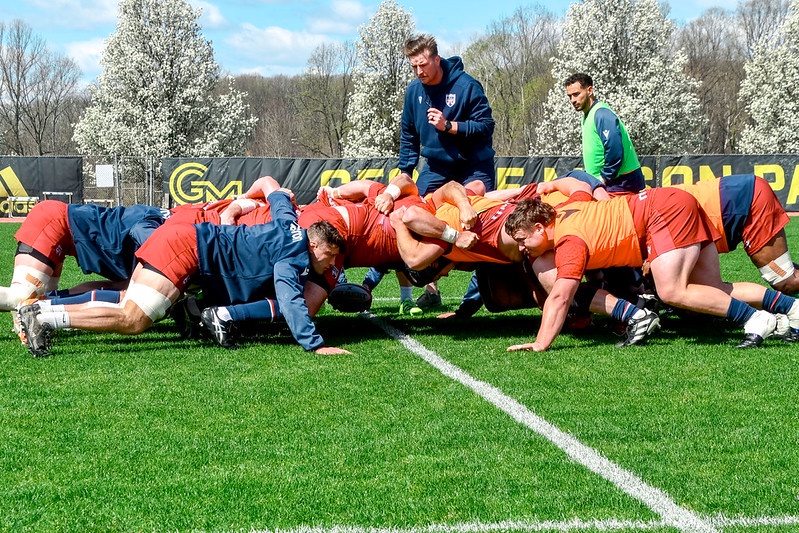
Four rugby players tackling another player carrying the ball.

I’ve not had many opportunities to shoot on-field sports photos, so when Old Glory DC, our local Major League Rugby franchise, announced an open practice in nearby Fairfax, Virginia, I jumped at the chance.

Rugby is a predecessor to American football, played with a fatter ball and in most cases with 15 on a side. It’s also played without helmets and pads, which gives the sport much of its mystique. Back in my checkered youth, I played six seasons — each spring and fall for three years — with the George Washington University rugby club.

The word “scrum” comes from rugby, which in today’s parlance has come to mean a disorganized mob. In rugby, however, a scrum requires intense and extraordinary teamwork; see for example Old Glory DC’s forwards in a real rugby scrum: Image

I tried to capture in these photos the high level of skill and teamwork required of rugby players at the professional level. See the whole gallery in our TechNewsLit collection on Smugmug.

You will note that all of the images in the gallery carries a Creative Commons – Attribution license.

Copyright © Technology News and Literature. All rights reserved.

White cherry blossoms in the foreground with the Jefferson Memorial in the background

According to local photographer David Coleman who publishes Cherry Blossom Watch on Substack, the Japanese cherry blossoms around the Tidal Basin in Washington, D.C. were in peak bloom yesterday, 26 Mar. And we were there to get a bunch of shots.

Two bunches of white cherry blossoms on a tree trunk

Plus, we got a few photos of iconic monuments and fellow gawkers at the Tidal Basin. See them all at the TechNewsLit collection on Smugmug.

Copyright © Technology News and Literature. All rights reserved.

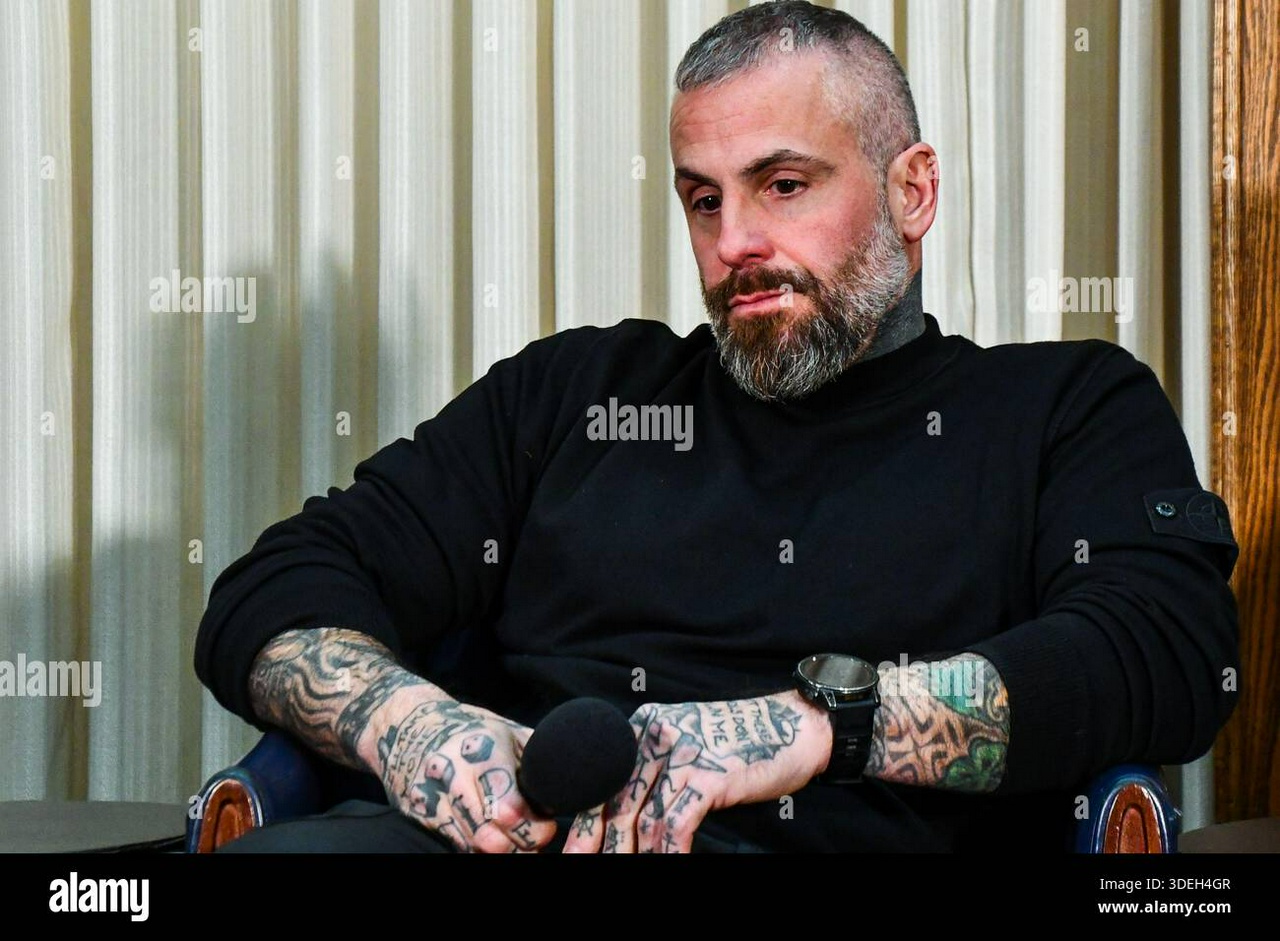
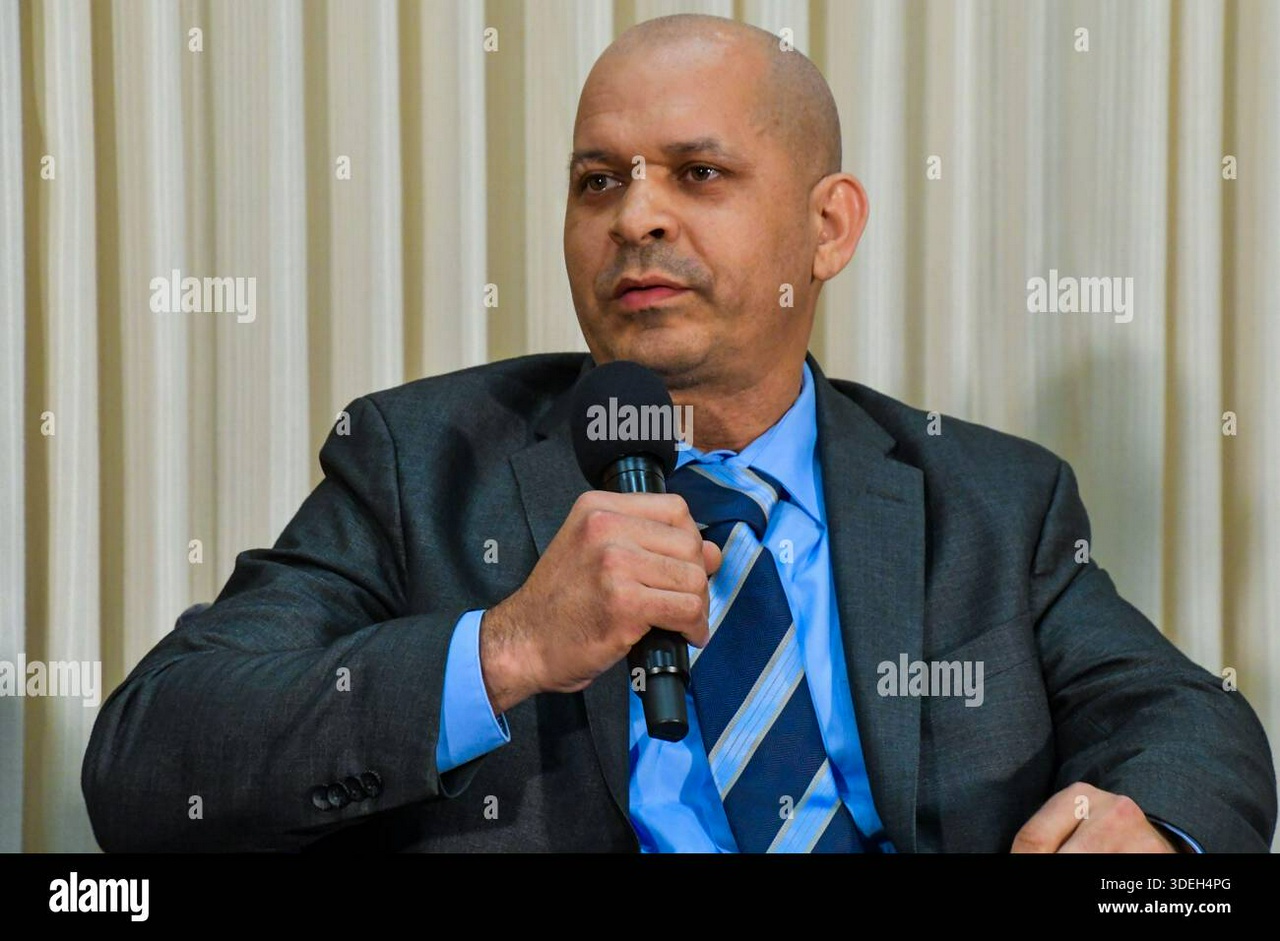
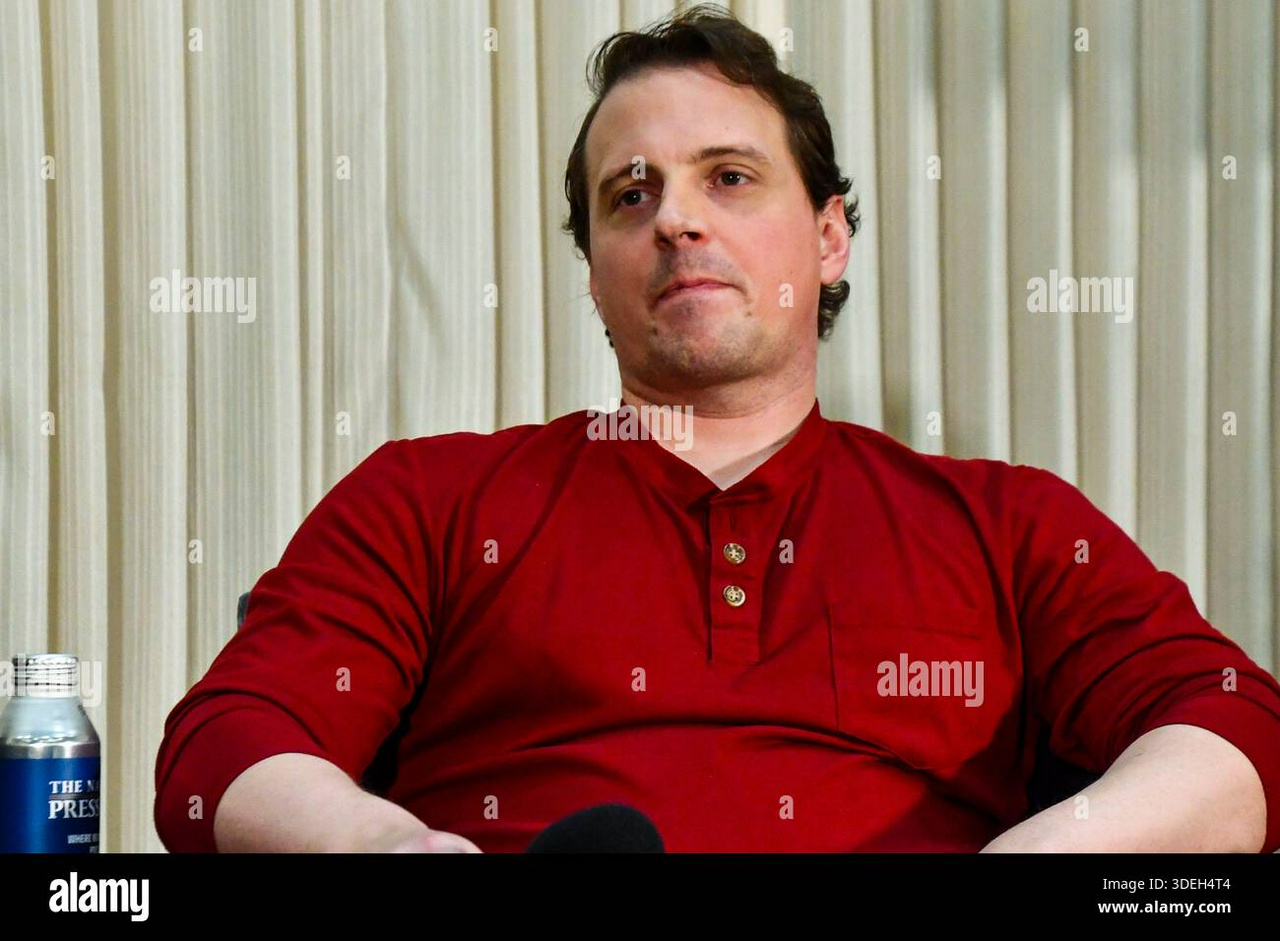
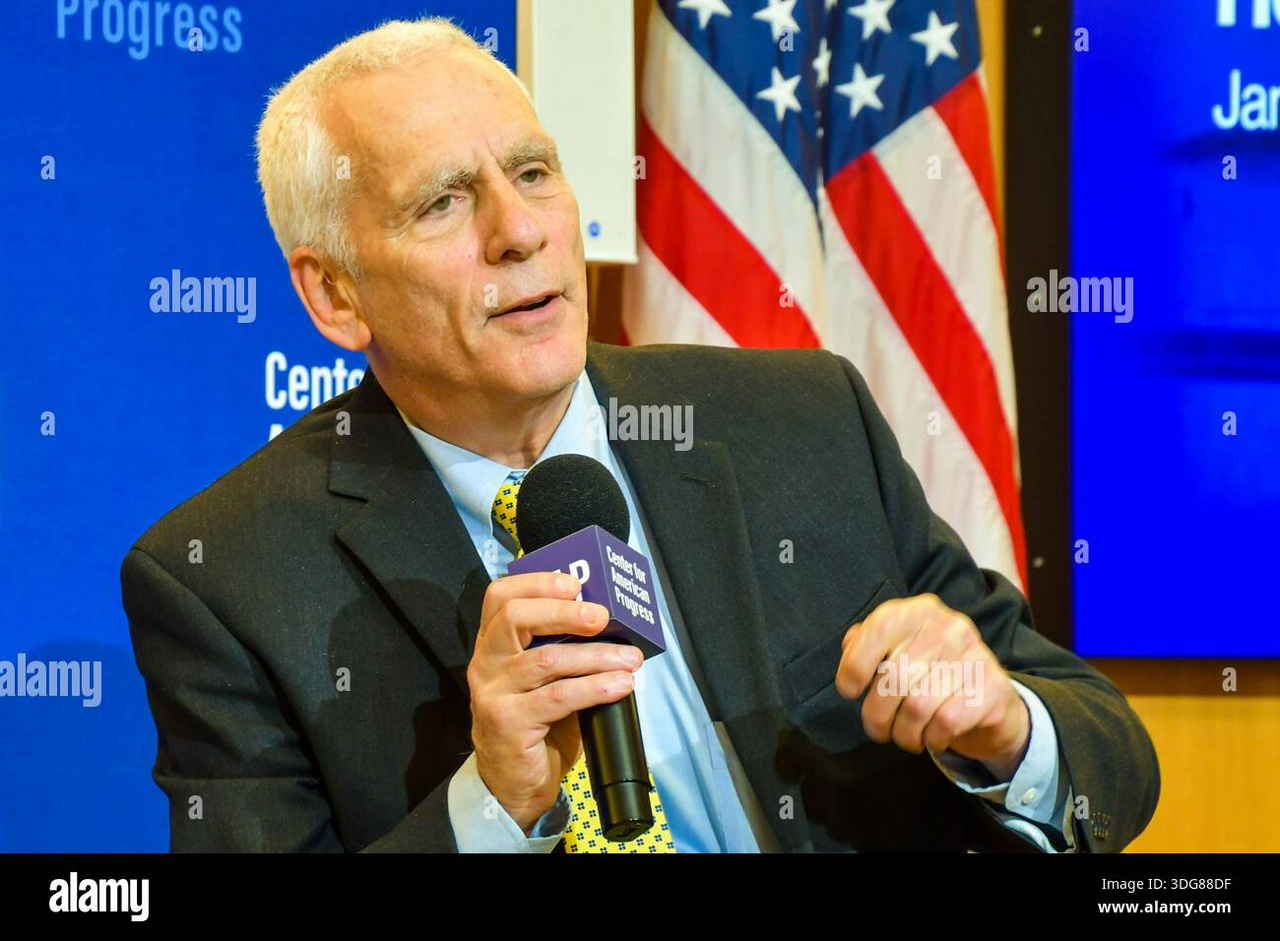
ImageImageImageImage

Photos: Former U.S. Capitol and D.C. Metropolitan Police officers wounded during the 6 Jan. 2021 attack on the Capitol. Top to bottom — Harry Dunn, Michael Fanone, Aquilino Gonell, and Daniel Hodges (A. Kotok). All images are available at the Alamy agency.

A memorial plaque honoring police officers wounded during the 6 Jan. 2021 mob attack on the U.S. Capitol was installed on the building’s west front side on Saturday 7 Mar. at 4:00 am. Olivia George, a Washington Post reporter, witnessed the installation after its authorization three years earlier.

George’s story in the Post notes Congress mandated a commemorative plaque in Mar. 2022, for installation within a year. George says artists created the plaque, but it remained in storage under orders from Speaker of the House Mike Johnson (R-LA), who supervises the Capitol architect, the office responsible for building maintenance.

Harry Dunn, one of the officers hurt in the attack, sued to have the plaque installed, and the Senate in Jan. 2026 gave unanimous consent for the installation. George says, “There was no announcement, no ceremony, no news cameras  just two employees on their routine overnight shift working while most of Washington slept.”

We photo’d Dunn and three other officers wounded in the attack who spoke at a “January 6, Five Years Later” program at the National Press Club. TechNewsLit Explores reported on the program on 8 Jan. Those photos, shown above, are available from the TechNewsLit portfolio at the Alamy agency.

Copyright © Technology News and Literature. All rights reserved.

Image

Jared Bernstein at the Center for American Progress in Washington, D.C. 15 Jan. 2026 (A. Kotok)

Today’s employment report from the Bureau of Labor Statistics shows the U.S. job market declined by 92,000 in February 2026, with the unemployment rate rising 0.1 points to 4.4 percent. And Jared Bernstein, who chaired the president Joe Biden’s Council of Economic Advisors, is worried.

As a good economist, Bernstein cautions readers not to put too much stock into findings from a single month, but in his Substack, Bernstein notes, “the trend is no longer our friend and, as a long-time data-watcher, I don't like what I'm seeing here.”

Bernstein says those data show …

The U.S. economy is in a fragile place. The job market is stuck in an unwelcoming, low-hire state, with too few opportunities for job seekers and new entrants. As best we can tell, this isn’t a function of collapsing economic growth, which looks pretty good. And at 4.4%, the jobless rate is a point above its low point from a few years ago, but still on the low side. Wage growth, at 3.8% over the past year, is handily beating inflation.

So, what do you get when you’ve got decent GDP growth with weak job growth? You get faster productivity growth, which is also a positive development in a macro sense. But growth without jobs is recipe for weakening living standards and even greater affordability concerns. Add to that last point the fact that this AM’s national average gas price was $3.32, up $0.42 from a month ago, and you begin to get the picture. It’s a weird version of stagflation, with weak job (vs. GDP) growth and rising prices.

From the new data, Bernstein also notes overall labor force participation and employment rates ticked down in February, while Black American unemployment rose from a year ago. While these data can jump around from one month to the next, says Bernstein, they add to the disturbing economic trends.

Plus, manufacturing jobs declined by 12,000 in February 2026 after rising a bit in January. Manufacturing employment is down by 300,000 since peaking at 12.9 million in early 2023 — when Joe Biden, Bernstein’s boss, was president.

“Over the decades,” concludes Bernstein, “one develops a feel for such things, and I don’t like where I fear we could be headed. I don’t like it one bit.”

Since leaving the Biden White House, Bernstein became a senior fellow at the Center on Budget and Policy Priorities. He also writes a column for The American Prospect and op-eds for the New York Times and Washington Post, and contributes to the CNBC business network.

We photographed Bernstein leading a panel of economists and housing experts at Center for American Progress in Jan. 2026. Our exclusive photos from that day are available in our media and business leaders collection and the overall TechNewsLit portfolio at the Alamy agency.

Copyright © Technology News and Literature. All rights reserved.

Photo of cactus plants growing out of red rock formation

Cactus on the rocks, Red Rocks State Park near Sedona, AZ. 16 Feb. 2026.

If you like spectacular red rock formations everywhere you turn, then Sedona, Arizona is for you. We spent six days in Sedona last week, taking in the scenery, but also remnants of ancient indigenous cultures …

Detail of pancient Hopi petroglyphs etched on red sandstone

Detail from a sandstone wall at Crane Petroglyph Heritage Site in the Coconino National Forest, Rimrock, AZ. 15 Feb 2026.

And witnessing spiritual experiences by today’s indigenous inhabitants …

Native American spirtual leader playing a flute at the top of a red rock formation

Native American spirtual leader playing a flute at the top of a red rock formation in Boynton Canyon, 17 Feb. 2026

More photos in the TechNewsLit photo library.

Panorama photo of red rock formations in Sedona, Arizona

Red rocks formations panorama, 13 Feb. 2026

Copyright © Technology News and Literature. All rights reserved.

Image

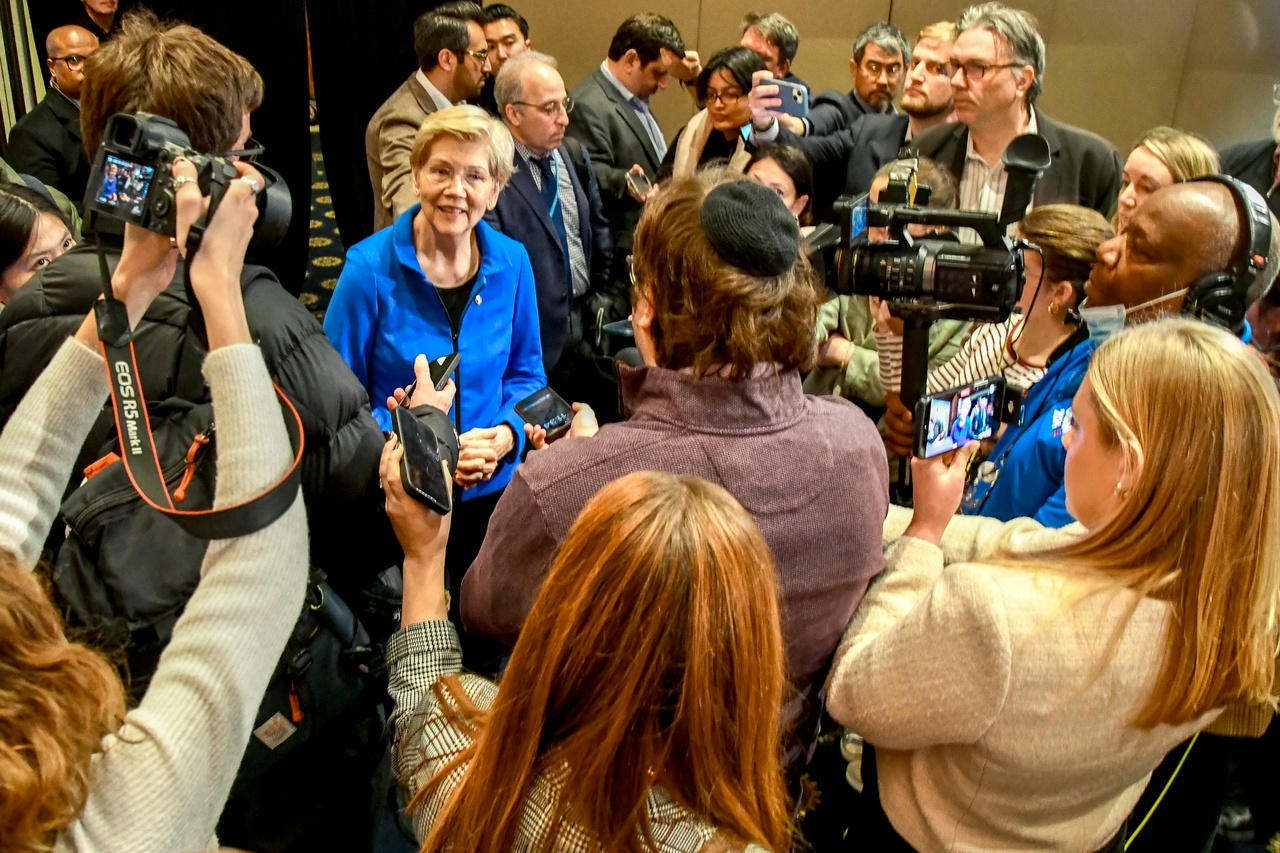
Sen. Elizabeth Warren (D-MA) answers questions from reporters after her talk at the National Press Club in Washington, D.C. 12 Jan. 2026. (A. Kotok)

Cross-posted from the Public Diplomacy Council blog, 3 Feb. 2026.

Much of the way we understand events is from the “pictures in our heads”, a term coined over a century ago by Walter Lippman. Those pictures formed in our brain cells are often the result of photos or videos we see in print, broadcast, or online media.

And in some cases, those news photos can change the world. Retired public diplomacy officer James Nealon, in an essay posted Jan. 29 on his Substack, highlights news photography that galvanized public opinion, showing photos by Matthew Brady from the Civil War battle of Antietam, to the napalm girl in Vietnam, to Iraqis abused at the prison at Abu Ghraib.

Nealon goes on to say that today, “We no longer have to depend on a single photographer being in the right place at the right time to capture a moment and change the course of history. Now, of course, we’re all war correspondents with cellphones in hand.”

But having every mobile phone user become a news photographer or videographer raises serious questions about the reliability of those images, particularly after their capture. After all, we've had Photoshop making wholesale changes to digital images since 1987, and now with artificial intelligence you don't even need an original photo to create a realistic image portraying an event — whether the image maker was at the event or if the event even happened.

The task of showing if news photos are real or fake has fallen on those of us who take or publish news photos, since our livelihoods depend on maintaining the trust of our audiences. But for many of us, representing reality in our photos is a responsibility we take seriously. So seriously, in fact, that the National Press Photographers Association code of ethics says, “Editing should maintain the integrity of the photographic images' content and context. Do not manipulate images or add or alter sound in any way that can mislead viewers or misrepresent subjects.”

Fortunately, we’re helped by an industry project begun by Adobe, the software company that created Photoshop. About five years ago, Adobe joined with other software companies and publishers to form the Coalition for Content Provenance and Authenticity or C2PA, “to develop an end-to-end, open standard for tracing the origin and evolution of digital content.”  The group produced an industry specification called Content Credentials to identify a digital media product's creator, as well as the steps it followed from start to finish.

With digital images, camera makers and media software companies add Content Credentials as extra data, called metadata, to the image file. These metadata identify the photographer and show the editing to produce the final image. Content Credentials are added to other standard metadata already collected in the image file, called Exif, short for Exchangeable Image File Format. Exif data show the date and time of creation, camera, lens, geographic location, and other technical and quality details.

Content Credentials example

Here’s an example of Content Credentials with a real news photo in my company’s library, shot on Jan. 12 of Sen. Elizabeth Warren (D-MA) at the National Press Club answering questions from a gaggle of reporters. Click on the information icon (the letter “i” in a black circle) in the left-hand column to see the Exif metadata. I added Content Credentials to the image with Adobe Lightroom Classic photo editing software.

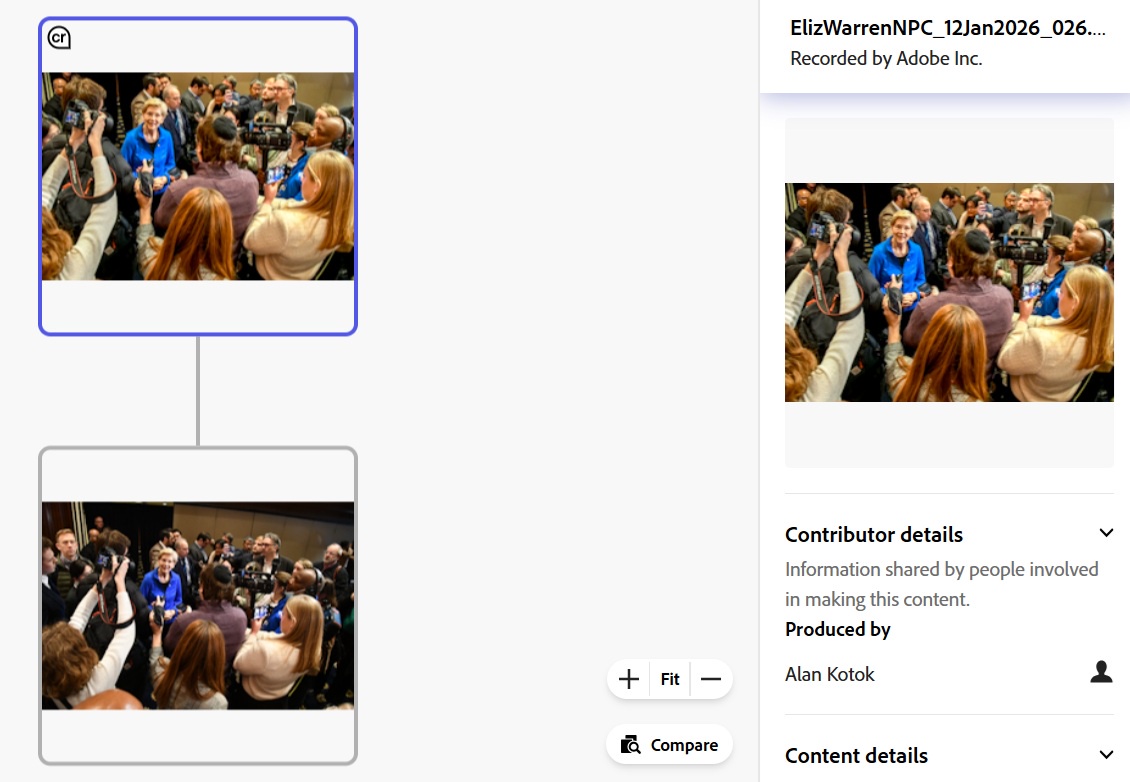
Adobe offers a page to inspect an image for Content Credentials. Here's a screenshot of the Content Credentials inspection page for the Elizabeth Warren gaggle image. It shows the final edited image at the top and the original image as shot at the bottom. In the right-hand column is the first part of the Content Credentials with my name as the producer.
Image

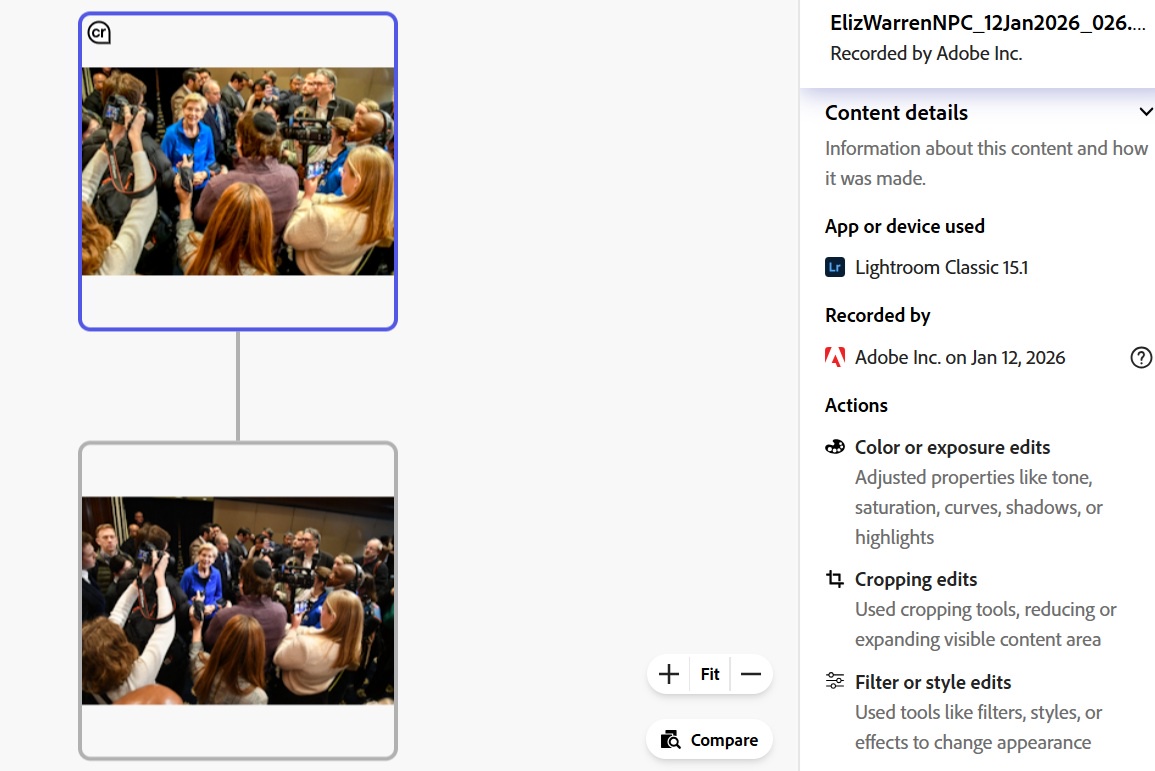
The following screenshot shows the rest of the Content Credentials in the right-hand column with the software used (Adobe Lightroom Classic) and the image edits. The page shows I cropped the image and enhanced the contrast with a preset provided by the software.
Image

Online publishers are beginning to identify images with Content Credentials, displaying a small circular bug with the letters “Cr”. Here's that photo posted on LinkedIn, a publisher that supports Content Credentials. Note the Cr bug in the upper left corner of the image.

Many digital camera companies such as Nikon, Sony, and Leica are adding Content Credentials to their native images. In addition to Adobe, other image software makers are expected to support Content Credentials in coming months. Note that Google, Microsoft, and Meta are on the C2PA steering committee.

If you're a strategic communicator or publisher, consider asking contributors to provide Content Credentials with their images, to protect yourself and build trust with your audiences. To paraphrase Ronald Reagan: verify first, then trust.

Alan Kotok is an ex-USIA journalist, photographer, and entrepreneur, now CEO of Technology News and Literature (technewslit.com) providing visual storytelling services to companies and organizations. He shoots news photos for the Alamy photo agency in London and serves as photography chair at the National Press Club.

Copyright © Technology News and Literature. All rights reserved.

Image

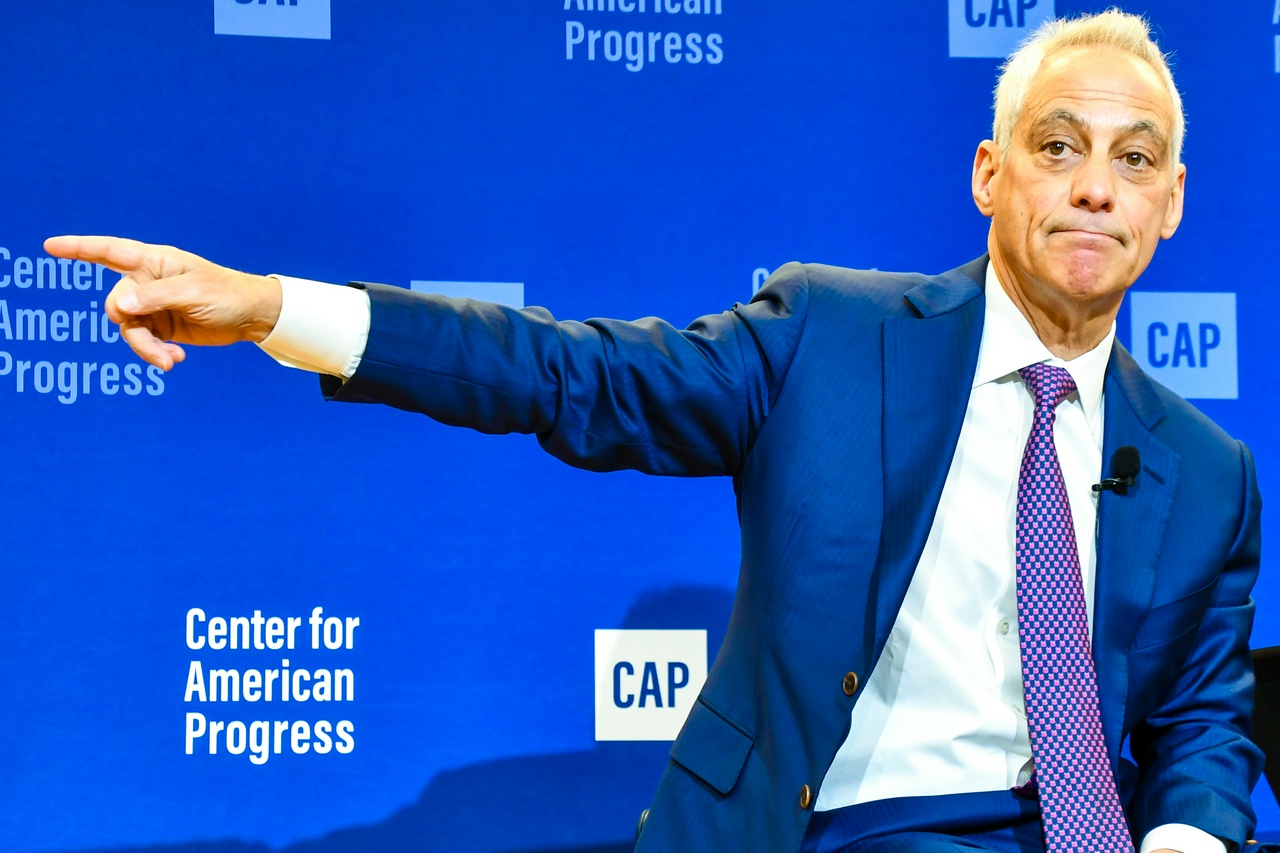
Former Chicago mayor and U.S. ambassador to Japan Rahm Emanuel points toward the exit door at Center for American Progress, 21 Jan. 2026 (A. Kotok)

Speaking at the Center for American Progress in Washington, D.C. yesterday, former Chicago mayor and U.S. ambassador to Japan Rahm Emanuel called for a mandatory retirement age of 75 across all three branches of government. And TechNewsLit was there to photo the event.

The age-75 limit is part of Emanuel's anticorruption proposals that he says should apply to the president, vice-president, members of Congress, and judiciary. “Thank you for your service,” said Emanuel, “up and out” at age 75. Both the New York Times and Politico Playbook this morning led with the mandatory retirement age in their reports of his talk at the D.C. think tank.

Emanuel talked about the need for reform during the Q&A part of the program, in response ot a question from Neera Tanden, president and CEO of Center for American Progress, or CAP. He said cleaning up the corruption in Washington needs to be a top goal of a new Democratic president, whether its gifts to Supreme Court judges, insider trading by members of Congress, or self-dealing in the White House. To this photographer, he sounded like a candidate for president.

In prepared remarks, Emanuel discussed education reform citing his experiences as mayor of Chicago, but also various statewide efforts. In Chicago, said Emanuel, he tried to make a high school diploma more of a checkpoint in personal growth than an end in itself. To receive a diploma, said Emanuel, students needed to show evidence of education or training beyond high school, such as an apprenticeship, training program, or college acceptance.

A gallery of photos from Emanuel's talk at CAP are now in the TechNewsLit collection on Smugumug. We expect other images to be available shortly in the TechNewsLit portfolio at the Alamy photo agency.

Copyright © Technology News and Literature. All rights reserved.
Image

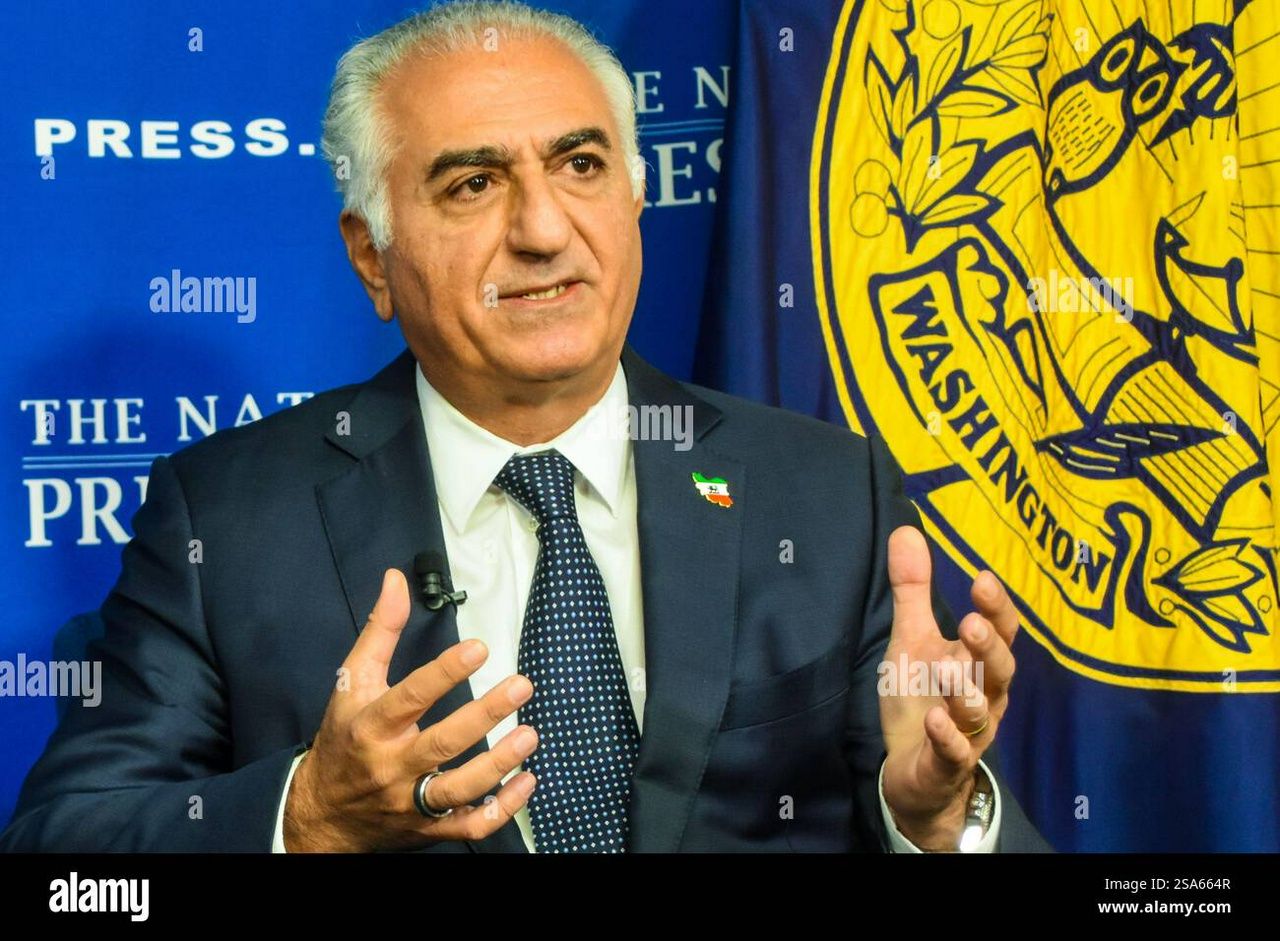
Reza Pahlavi, son of the late Shah of Iran, at the National Press Club in Jan. 2025 (A. Kotok)

Reza Pahlavi, the Iranian crown prince living in exile in the U.S., is receiving more media and official attention as discontent grows and spreads in Iran. I photographed Pahlavi at the National Press Club in Washington, D.C. about a year ago.

Iran is in the midst of daily street demonstrations against the fundamentalist regime and police crackdowns throughout the country for the past two weeks, sparked initially by a sharp drop in the value of the country's currency and corresponding jump in consumer prices. Authorities have tried to quell the disorder with repressive police tactics, as well as a countrywide Internet shutdown and communications disruptions with the outside world. Deaths during this time are believed to number in the thousands, although precise numbers are unknown.

Barak Ravid in Axios reports today that Pahlavi met with White House envoy Steve Witkoff this past weekend. Plus, Pahlavi is the subject of a New York Times profile and author of a Washington Post op-ed in the past seven days.

In the op-ed, Pahlavi says ...

In recent days, protests have escalated in nearly all provinces and over 100 cities across Iran. Protesters are chanting my name alongside calls for freedom and national unity. I do not interpret this as an invitation to claim power. I bear it as a profound responsibility. It reflects a recognition — inside Iran — that our nation needs a unifying figure to help guide a transition away from tyranny and toward a democratic future chosen by the people themselves.

Pahlavi says he is not seeking power for himself, as much as offering to serve as a transition to democracy. “My role,” he says in the Washington Post op-ed “is to bring together Iran’s diverse democratic forces — monarchists and republicans, secular and religious, activists and professionals, civilians and members of the armed forces who want to see Iran stable and sovereign again — around the common principles of Iran’s territorial integrity, the protection of individual liberties and equality of all citizens and the separation of church and state.”

I photographed Reza Pahlavi at a National Press Club Newsmaker event in Jan. 2025. In his interview with Associated Press journalist Mike Balsamo, president of NPC, Pahlavi made a similar offer, but also spoke about extending the so-called Abraham accords between Israel and several Arab countries to include Iran, which he calls the “Cyrus accords”.

Exclusive photos of Pahlavi, son of the late deposed Shah of Iran, are available from the TechNewsLit portfolio at the Alamy photo agency.

Copyright © Technology News and Literature. All rights reserved.

Image

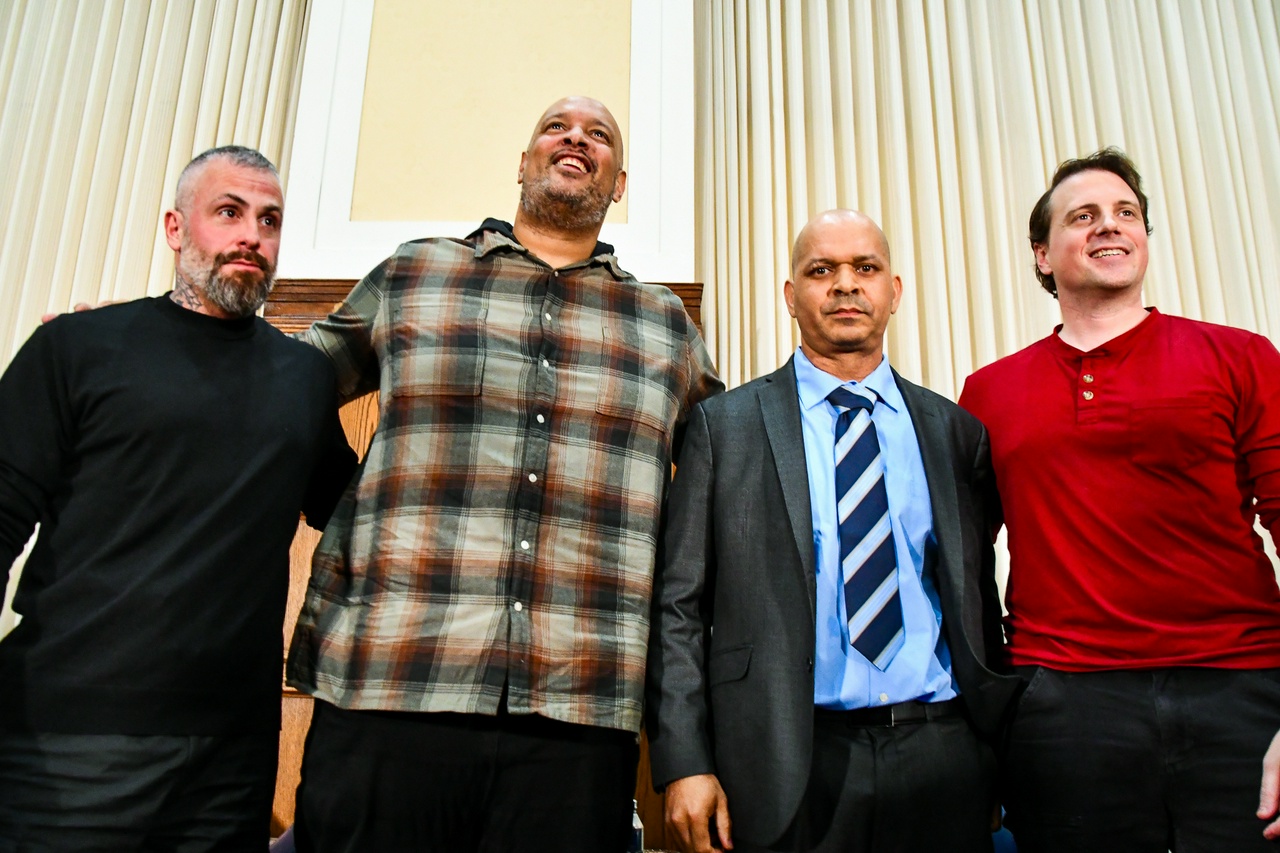
Police officers attacked and injured at the U.S. Capitol on 6 Jan. 2021, L-R: Michael Fanone, Harry Dunn, Aquilino Gonell, and Daniel Hodges. All four officers testified to the House Jan. 6 select committee. (A. Kotok)

New photos from an event commemorating the fifth anniversary of the 6 Jan. 2021 insurrection on Capitol Hill are now available in a TechNewsLit gallery on Smugmug. The Jim Acosta Show, a Substack and YouTube media operation, organized and produced the event at the National Press Club in Washington, D.C. on 6 Jan 2026.

The event featured two panels moderated by Acosta, a former CNN correspondent and anchor that left the network after a demotion following complaints about his coverage from the first-term Trump White House. The first panel had former Rep. Adam Kinzinger (R—IL) who served on the House Jan. 6 select committee, along with four U.S. Capitol and D.C. police officers assaulted by the mob on Jan. 6, 2021. (shown above).

Of the four officers, Michael Fanone made the most searing impression. Fanone was a U.S. Capitol Police officer on 6 Jan. 2021, and was tased, beaten, and chemically sprayed by the mob suffering a heart attack and traumatic brain injuries as a result. He and the other three officers on the panel later testified about their experiences before the House Jan. 6 select committee.

Image

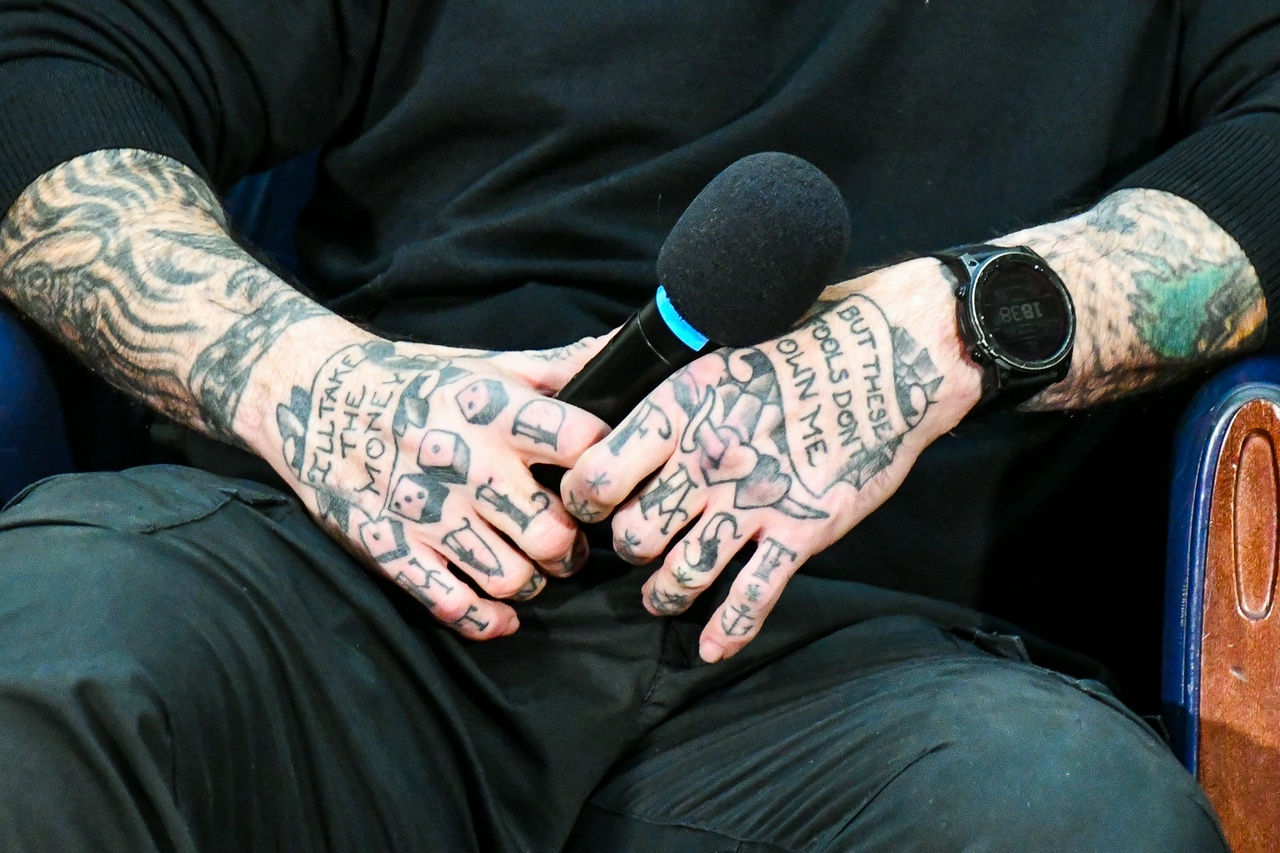
Close-up of Michael Fanone’s arms and hands. (A. Kotok)

Heavily tattooed, Fanone made little eye contact with the audience as he spoke, I was sitting in the front row, a few feet from the panel, and did not recall seeing Fanone smile once during the event. All of the former officers called for renewed criminal prosecution of Donald Trump and others involved with the Jan. 6 insurrection.

In the second panel, four commentators — of which, three were former Republican officials — talked about the legacy of 6 Jan. 2021 and actions to fix the damage done by Trump and MAGA since then. That panel had:

  • Glenn Kirschner, a U.S. Army veteran, former U.S. Attorney in Washington, D.C., and a legal analyst for NBC News and MSNBC.
  • Olivia Troye, former national security adviser to vice-president Michael Pence, and earlier served with the National Counterterrorism Center and other intelligence agencies.
  • Miles Taylor, a lifelong Republican who became chief of staff at the Department of Homeland Security during Trump's first term.
  • Tara Setmayer, co-founder and CEO of The Seneca Project, a women's politicial advocacy organization.

Acosta also connected with historian and essayist Heather Cox Richardson for a brief remote interview, and read a statement from academy-award winning actor Robert De Niro.

Copyright © Technology News and Literature. All rights reserved.

Image

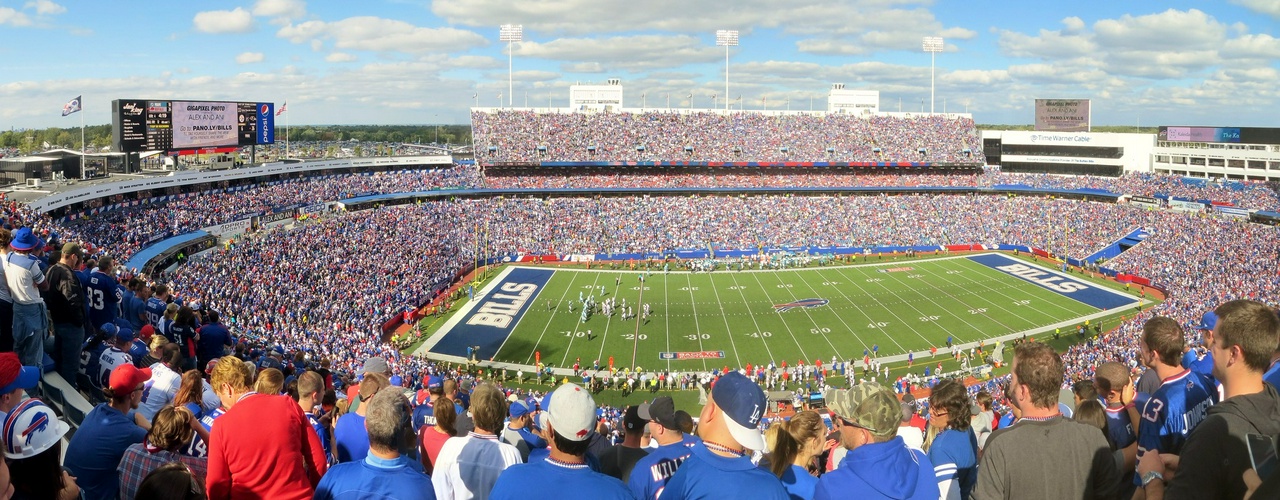
Highmark Stadium, then Ralph Wilson Stadium, 14 Sept. 2014 (A. Kotok)

On Sunday afternoon, the Buffalo Bills play their last regular-season home game at Highmark Stadium in nearby Orchard Park, against division rival New York Jets. The Bills are in the National Football League playoffs this year, but in second-place in the AFC East division, so they will likely play their playoff games elsewhere, making Sunday’s game probably their last game at Highmark.

My photo of that stadium, taken during a 2014 season game, is probably my most-viewed shot ever. Here’s how it happened.

The stadium, built in 1972 started out as Rich Stadium with naming rights sold to a local dairy products company, but in 1998 became Ralph Wilson Stadium after the team’s owner, which lasted until 2016. Thus the stadium became known locally as The Ralph, and that nickname stuck as other naming rights came and went. Highmark is a health insurance company that bought the naming rights in 2021.

For several years my two brothers and I — all Buffalo natives — along with their kids and grandkids, went to a Buffalo Bills home game each season. Bills fans, called the Bills Mafia, have a fierce legendary loyalty, despite the team’s ups-and-downs, portrayed in indie films old and new. The Bills Mafia is even the subject of a Hallmark feature film, released this past holiday season.

In Sept. 2014, we got tickets to the Bills game against division rival Miami Dolphins at The Ralph. We discovered, however, that those mid-field seats were up in the nose-bleed section, near the last row. (By the way, the Bills won that game 29-10.)

So I decided to make lemonade out of those lemons. With my Canon point-and-shoot camera, I took three slightly overlapping photos of the field and crowd, then after the game stitched them together with Microsoft’s photo-editing software into a panorama image.

After the game, I posted the image on my Flickr page, and gave it a Creative Commons license, making it freely available with attribution and a link back to the original Flickr file. About a month later, the photo was imported into Wikipedia and Wikimedia Commons.

The image soon appeared on the Ralph Wilson Stadium, now Highmark Stadium page on Wikipedia, where it still resides. For some time, it also appeared on the Buffalo. N.Y. Wikipedia page. Plus, Bills defensive back Jordan Poyer used the photo for a while as the title image on his Twitter page.

The team is building a new stadium, also called Highmark and also outdoors, across the road from the current stadium. I will have to get nose-bleed tickets next season for another photo.

Copyright © Technology News and Literature. All rights reserved.
Enter your email to subscribe to updates.