
Bettany goes way back in time, where myth and historical reality blend - to Sardis and to Gordion, home of King Midas, the man with the golden touch
S1E2 • Dawn of Civilisations • 2026 • History

From Ephesus to Cappadocia, from Ani to Divrigi, and from the world's first societies and weapons to the birth of myths and empires, this is the story of where it all began
S1E1 • Dawn of Civilisations • 2026 • History

Twenty-five years after the 9/11 attacks killed almost 3,000 people, tens of thousands of newly released documents are shedding fresh light on the claim that individuals working for the Saudi government might have been involved. Panorama investigates the role of Omar al-Bayoumi, who helped the first two hijackers after they arrived in America. A US judge has found that he could have been an agent working on the instructions of the Saudi government – something he, and Saudi Arabia, have always denied. After being arrested by British police and held for seven days, al-Bayoumi was released and allowed to return to Saudi Arabia. But Jane McMullen, reporting for Panorama, explores whether UK officers and FBI agents had access to all the available evidence against him. She uncovers never-before-broadcast video footage, hears from people close to the case who have never spoken before and asks why significant evidence remained hidden for so long.
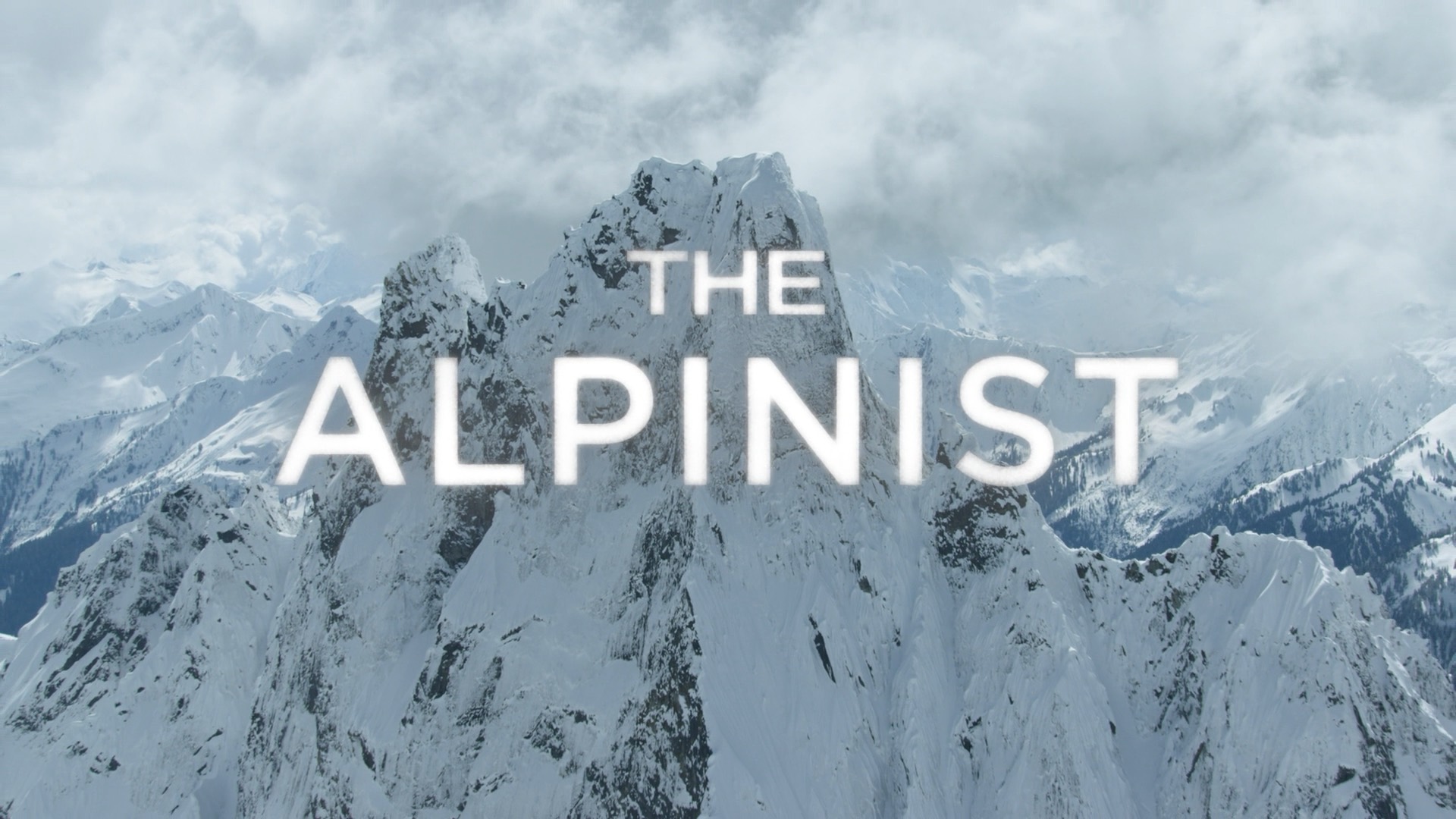
Marc-André Leclerc climbs alone, far from the limelight. The free-spirited 23-year-old makes some of the boldest solo ascents in history. With no cameras and no margin for error, Leclerc's approach is the essence of solo adventure.
2021 • People
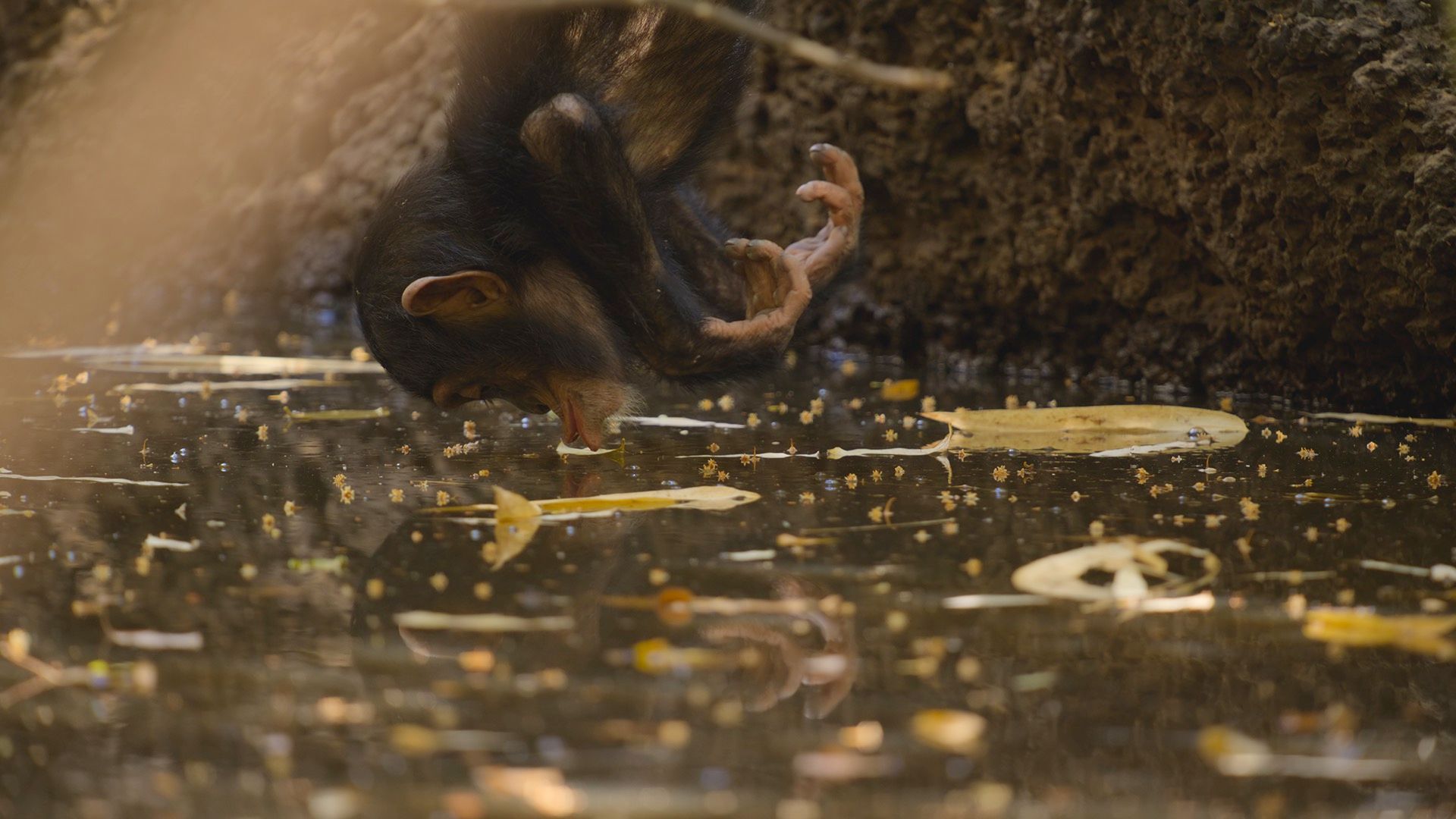
We turn the camera on the extraordinary people who are dedicating their lives to helping the animals cope with today's extreme weather.
S1E6 • Force of Nature • 2026 • Nature
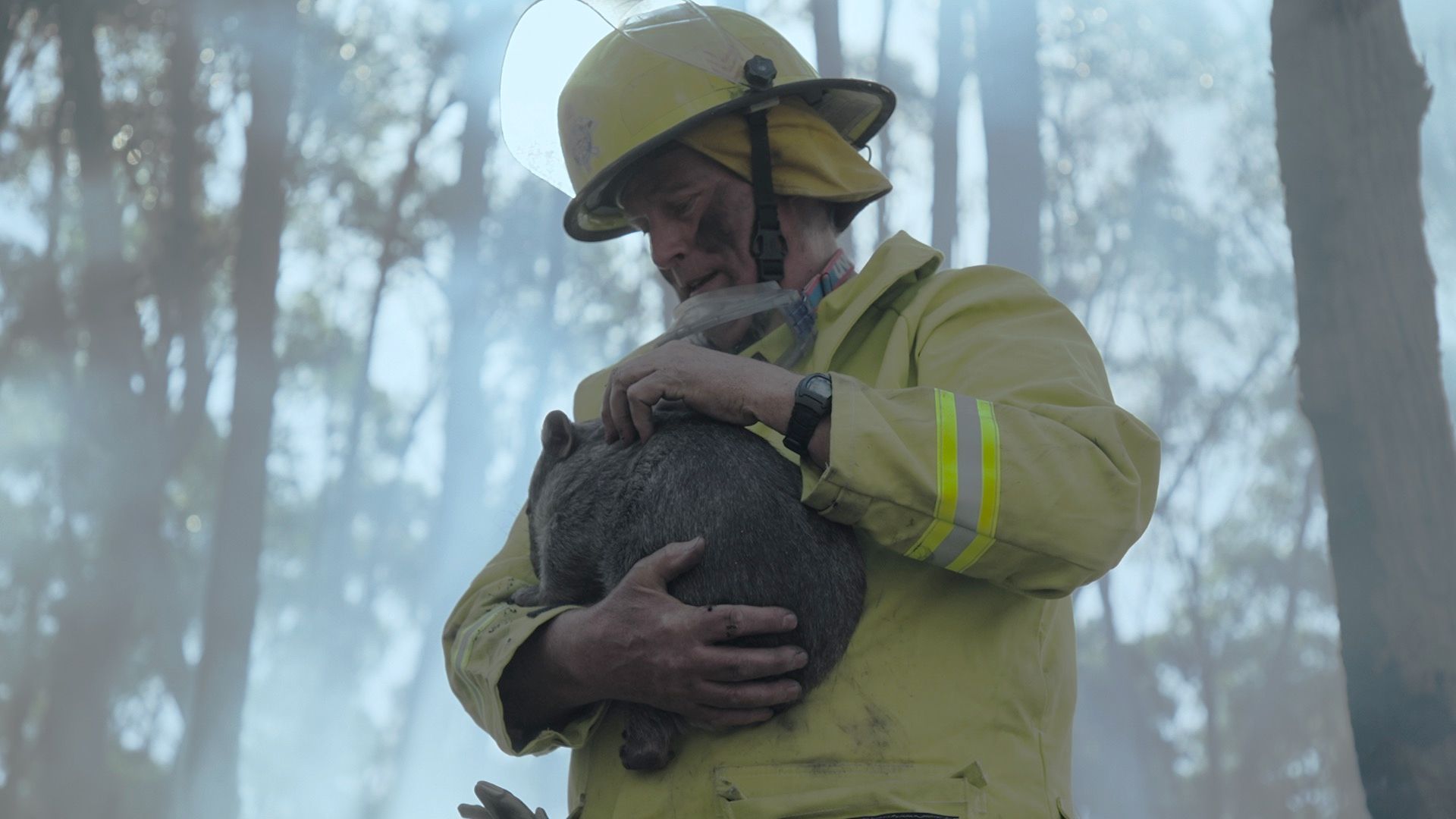
New extremes of heat and drought are pushing the extraordinary behavioural and physical adaptations of wombats, leopards and kangaroo rats to their very limits.
S1E5 • Force of Nature • 2026 • Nature
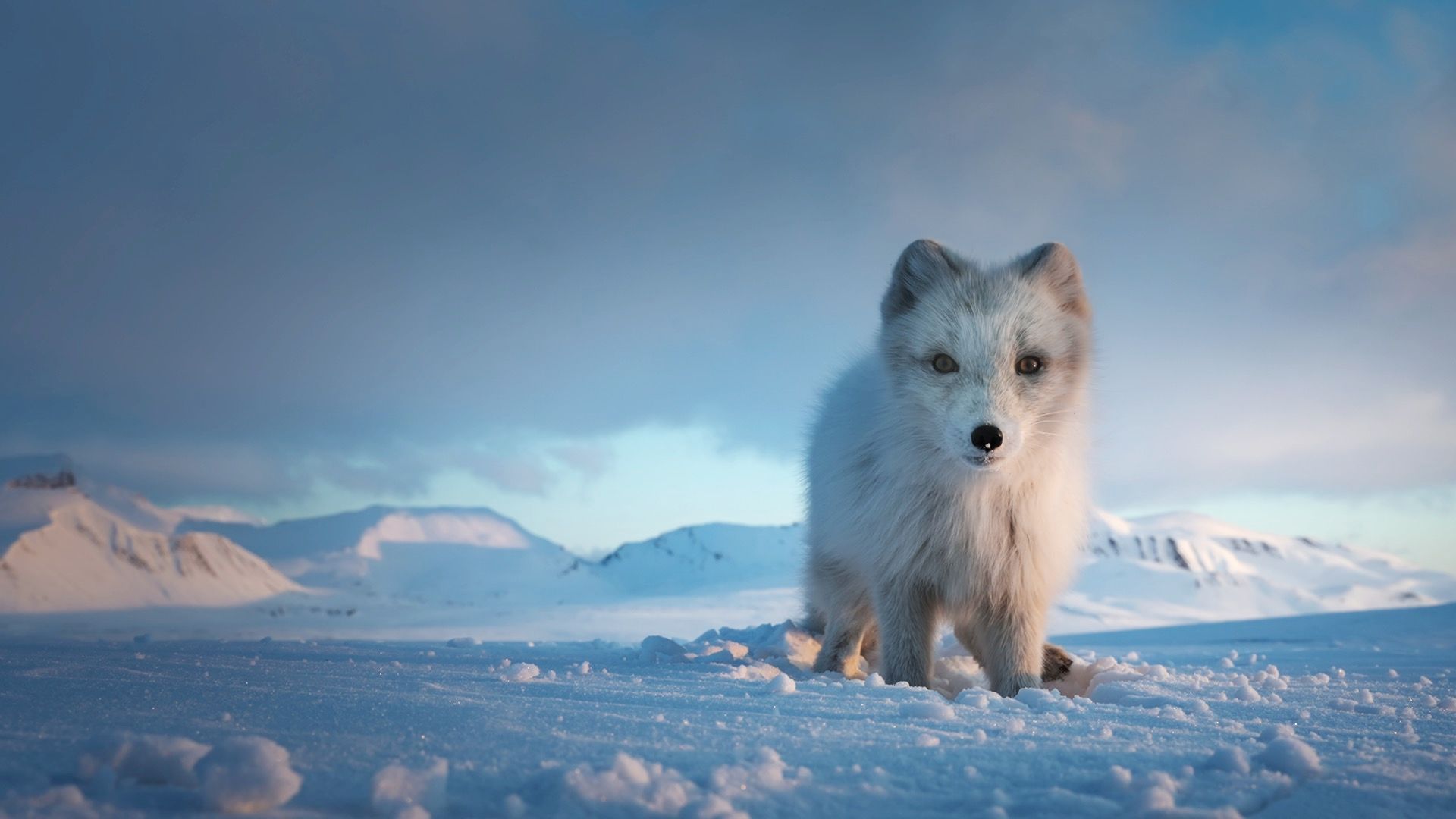
Andrew Lincoln narrates a look at how animals adapted to the cold are struggling in a warming world. A snow leopard in the peaks of the Indian Himalayas is forced from his home by a rival male, while an Arctic ground squirrel in Alaska undertakes the coldest migration of any mammal, and a young Arctic fox in Svalbard must face her first winter alone.
S1E4 • Force of Nature • 2026 • Nature
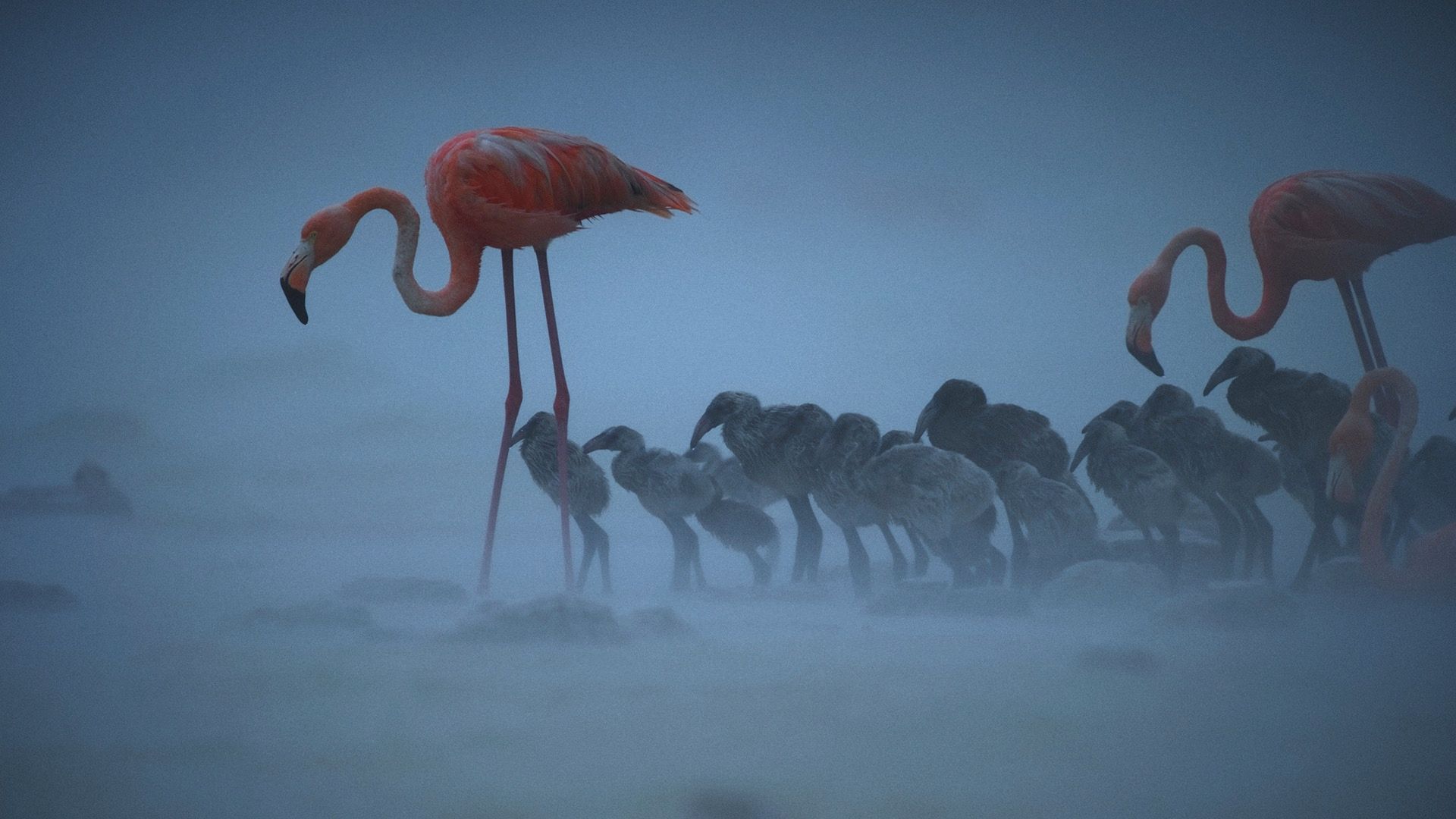
The world's coastal regions have always been an extreme environment to raise a family, but warming seas are exacerbating the challenges of parenthood. A hurricane hits a flamingo colony while chicks are still on the nest, a sea otter faces a huge winter storm in California, a clownfish on the Great Barrier Reef sees its anemone home bleached, and a little anole lizard clings on during a hurricane.
S1E3 • Force of Nature • 2026 • Nature
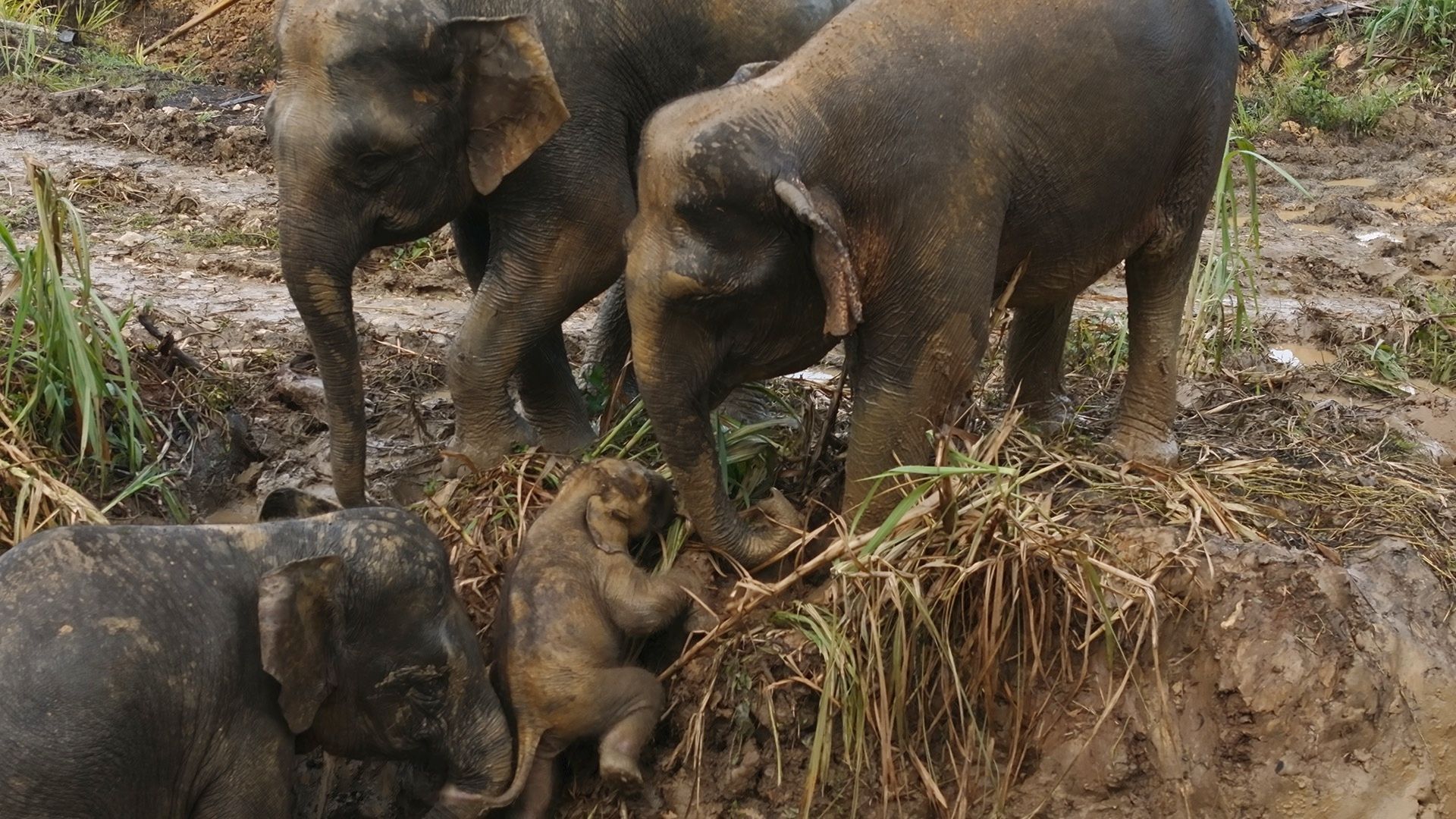
As the planet's shifting rain patterns rewrite the rules, survival is no longer about strength alone. From the desert to the jungle, three mothers face the ultimate test of survival as monsoon floodwaters tear through pygmy elephant territory in Borneo, a female platypus in Australia watches a flash flood destroy her home river, and a flood in Africa brings prey to a lone lioness. Andrew Lincoln narrates.
S1E2 • Force of Nature • 2026 • Nature
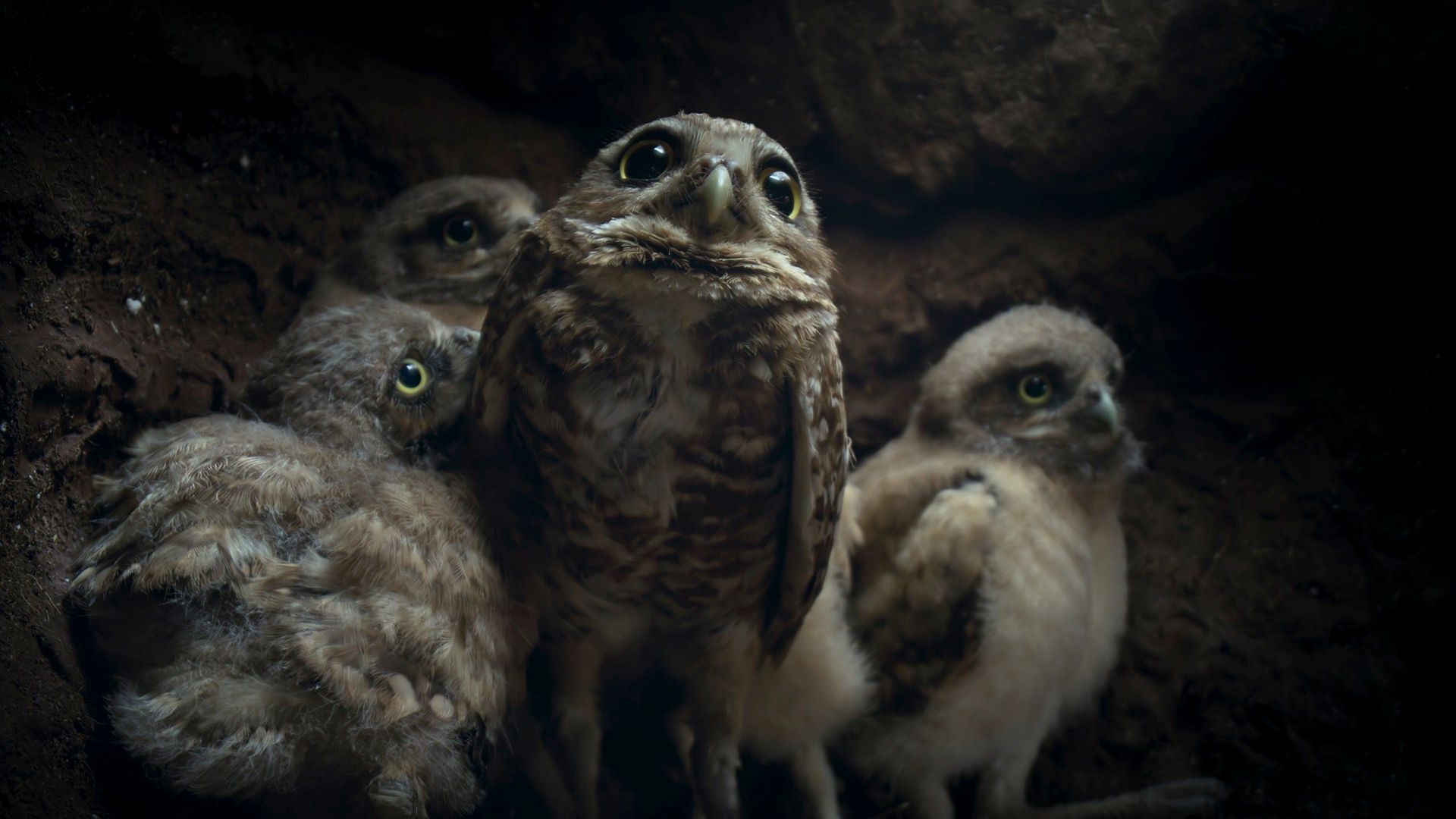
An owl protects its chicks underground, cheetahs struggle through record floods in Kenya, and a polar bear searches for disappearing Arctic sea ice as extreme weather intensifies across the planet.
S1E1 • Force of Nature • 2026 • Nature
As internal crises, economic strain, and repeated barbarian invasions intensify, the Western Empire fractures and collapses in 476, while the Eastern Empire survives and evolves into the Byzantine state centered on Constantinople.
S1E2 • The Rise and Fall of the Roman Empire • 2026 • History

From a small Italian city-state to Mediterranean superpower, this episode traces Rome’s expansion, the transition from Republic to Empire under Augustus, and the stability and prosperity of the Pax Romana that cemented imperial dominance.
S1E1 • The Rise and Fall of the Roman Empire • 2026 • History
Brian Cox considers what it is about our world that makes it a home for life.
S1E5 • Wonders of Life • Nature

Professor Jim Al-Khalili discovers the intriguing story of how we discovered the rules that drive the universe. (Part 2: The Story of Information) Professor Jim Al-Khalili investigates one of the most important concepts in the world today - information. He discovers how we harnessed the power of symbols, everything from the first alphabet to the electric telegraph through to the modern digital age. But on this journey he learns that information isn't just about human communication, it's woven very profoundly into the fabric of reality.
S1E2 • Order and Disorder • 2012 • Physics
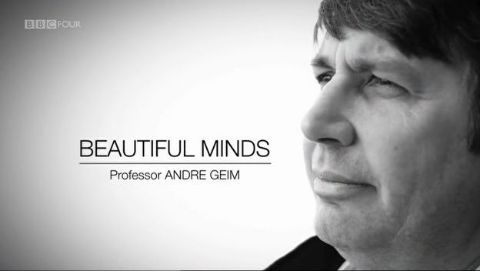
Professor Andre Geim is a condensed matter physicist at the University of Manchester. His life's work has been to gain a better understanding of the materials that make up the world around us. While just one subject can be a scientist's life's work, Andre has made switching fields a feature of his career. But while straying from the conventional path can be risky for a scientist, Andre has repeatedly turned it to his advantage. His "let's try it and see" approach means he's the only individual winner of the both the Nobel and the more light hearted Ig Nobel Prizes. He won the Nobel Prize for Physics in 2010 for uncovering the extraordinary properties of a material called graphene, but Geim can also lay claim to seeding two other new areas of physics research--levitation and gecko tape.
S2E2 • Beautiful Minds • 2012 • People
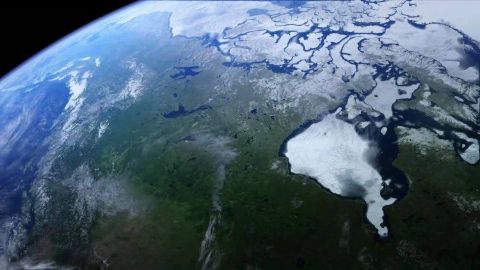
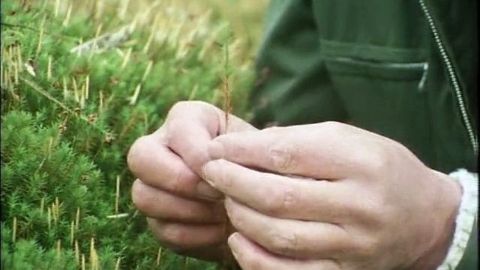
This instalment examines the earliest land vegetation and insects. The first plants, being devoid of stems, mainly comprised mosses and liverworts. Using both sexual and asexual methods of reproduction, they proliferated. Descended from segmented sea creatures, millipedes were among the first to take advantage of such a habitat and were quickly followed by other species. Without water to carry eggs, bodily contact between the sexes was now necessary. This was problematical for some hunters, such as spiders and scorpions, who developed courtship rituals to ensure that the female didn't eat the male.
3/13 • Life on Earth • 1979 • Nature
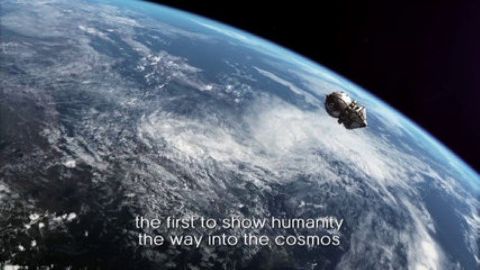
Beginning in Ethiopia, Professor Brian Cox discovers how the universe played a key role in our ascent from apeman to spaceman by driving the expansion of our brains. But big brains alone did not get us to space.
S1E1 • Human Universe • 2014 • People
The rains are late. It is the most brutal time of year. Babies born into drought face starvation. The weak and the injured are weeded out. Everything is desperate for rain. When it finally arrives, it is a downpour on an enormous scale. Alien creatures emerge into a different world. The wet season begins.
S1E3 • The Big Dry • 2017 • Nature
Who are you going to call when beavers are behaving badly? Well, if you live in Jackson Hole, Wyoming, Drew Reed is the go-to 'beaver buster'. Drew works as a wetland conservationist, helping to keep the peace between beavers and people. These busy rodents are incredibly industrious - felling trees and building dams are two of their favourite occupations. This can be good news in the wild, helping create rich habitats for a variety of wildlife, but in back yards it can spell disaster. A beaver is more than capable of bringing down a tree large enough to damage property, and their dam building can result in flooded homes. Drew must do what he can to steer beavers away from trouble and stop their so-called bad behaviour.
Natural World • 2014 • Nature
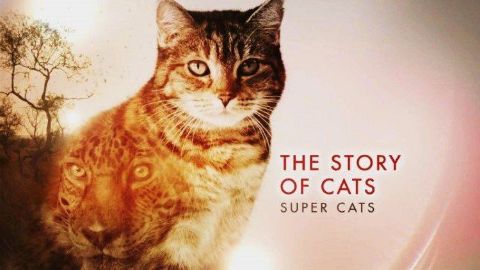
Cats are said to hate water, crave warmth and only eat meat. But in episode three, Super Cats, viewers are introduced to the wild cats that break all the feline rules. From jaguars with sub-aqua skills to tigers that can survive temperatures of minus forty, the programme reveals how cats have developed super powers to survive in the most unlikely landscapes. As well as the iconic big cats, in this final episode viewers get a glimpse into the lives of the most rare and strange cats of all – including a real-life Garfield recently discovered living high in the Himalayas. It’s revealed how the cats’ ability to adapt to extremes has made them some of the most successful predators on the planet.
S1E3 • The Story of Cats • 2016 • Nature
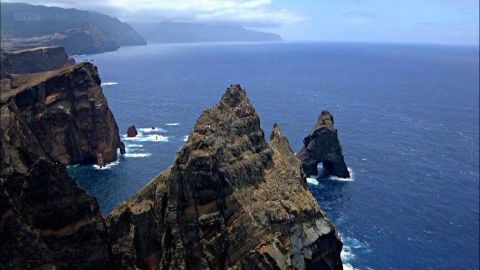
Fortey travels to Madeira to examine what happens to a volcanic island as it nears the end of its life-cycle and starts sinking back into the sea. Here, in the island's laurisilva forest, he examines the remains of an ancient forest that once carpeted all of Europe, finds island lizards that live to be four times older than their mainland counterparts, and meets a huge wolf spider. With the help of local divers, he also discovers an unexpectedly rich marine habitat populated by whales, dolphins and unusual deep-sea species that have much to tell us about the changing nature of our seas.
Part 3 • Nature's Wonderlands: Islands of Evolution • 2016 • Nature
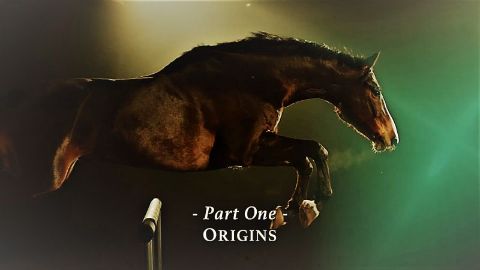
The relationship between man and his noble steed is almost as old as civilization itself, allowing our species to explore, conquer and flourish side by side with the horse.
S1E1 • Equus Story of the Horse • 2019 • Nature
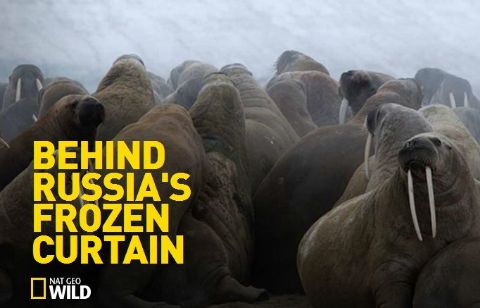
Explore the stark landscape, frigid sea, and wild animals in one of the most remote and inhospitable places on Earth. National Geographic Pristine Seas Explorer-in-residence Enric Sala leads a group of scientists on the first international scientific expedition to Franz Josef Land. His team works with Russia's most formidable biologists, geomorphologists and ornithologists to understand how climate change is affecting this remote ecosystem. From diving in subzero temperatures to running away from polar bears to avoiding titanic icebergs, the Pristine Seas team faces some of its most dangerous challenges to date.
2015 • Nature
This brings viewers the most complete picture of the process of organ donation and transplantation ever put on screen. Based at The Freeman Hospital in Newcastle, one of Europe's leading multi-organ transplant centres, the film follows a group of seven patients ranging in age from eight months to 56 years old, all in desperate need of a new heart.
2018 • Health
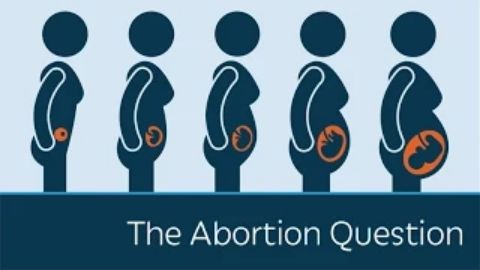
Is abortion right, or is it wrong? It's the big question that's lost in a societal debate that's mostly focused on legality. But, really, whether it's right or wrong is the most important question about abortion.
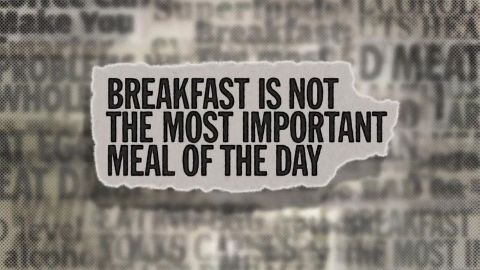
Gloria Hunniford and Chris Bavin unravel the truth behind food stories that have dominated the front pages. In this episode, they discover how it's not just what you eat that can make a difference to how you feel, but when you have it and how you cook it. The truth behind the headlines about the dangers of cooking with olive oil, and barbecues, is revealed. Several long-established beliefs are put to the test, with experiments to see whether three meals a day is the most effective way to fuel your body, and if breakfast really is the most important meal of the day.
S1E3 • Food: Truth or Scare • 2016 • Health
Fat is not just stored energy, it’s a complex organ that controls crucial hormones and communicates with your brain, immune system, and metabolism. It's one of the most powerful organs, but it can be one of the most dangerous ones, as well. When there’s too much of it, fat can trigger inflammation, disrupt hormonal balance, increase your risk for nearly every major disease, and significantly shorten your life. What is fat really, and how does it function? When does it become dangerous and can the damage caused by excessive amounts of fat be reversed?
In a Nutshell • 2026 • Health
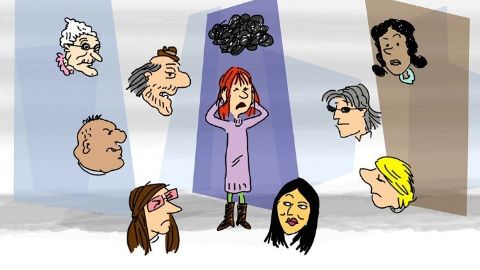
A woman narrates her story, portrayed in animated format, of her life with depression and the difficulties that come with it.
2014 • Health
Nikki Stamp takes us into the amazing world of our hearts -- revealing how they function, how we can look after them and shows us the latest science she uses to help fix them when they go wrong.
S1E6 • Catalyst: Series 18 • 2017 • Health
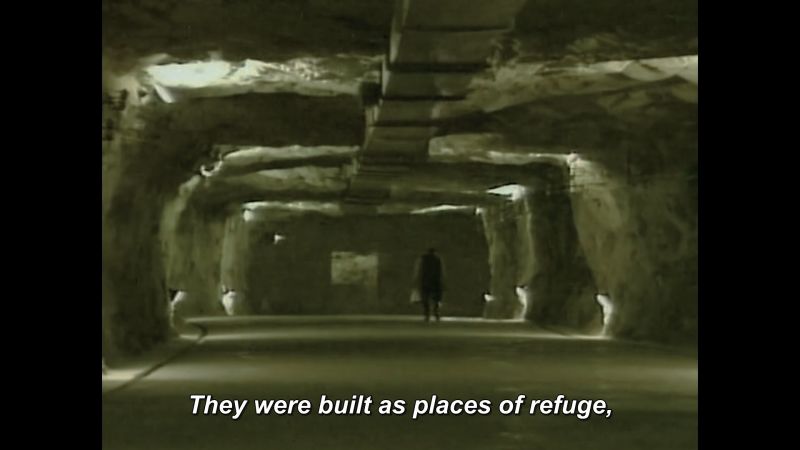
The author returns to Turkey to explore Derinkuyu, an ancient underground city and survival bunker that could shelter thousands in times of crisis.
S1E7 • Ancient Apocalypse • 2022 • Environment

Out of prison Hitler establishes the NSDAP to achieve power by legal means.as its sole leader, he develops the party into a movement that soon becomes the strongest force in parliament.
3/13 • The Hitler Chronicles • 2018 • History
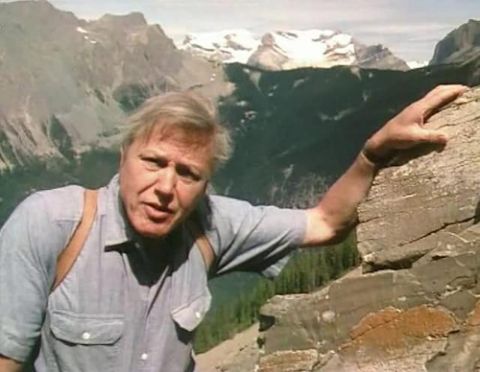
In this final installment to the series, David Attenborough travels to four unique locations about the globe where an abundance of fossilized plant and animal remains have given us a detailed picture of what life could have been like in prehistoric times. Each of the sites experienced its own set of circumstances which enabled it to preserve many perfect specimens for extraction and analysis. Piecing together the collected evidence, paleontologists have been able to determine early animal hierarchies, their diets and their evolutionary paths.
S1E4 • Lost Worlds, Vanished Lives • 1989 • Nature
In the final film, he reflects on the dramatic impact that humankind has had on the natural world within his own lifetime. He tells the surprising and deeply personal story of the changes he has seen, of the pioneering conservationists with who he has worked - and of the global revolution in attitudes towards nature that has taken place within the last six decades. In a journey that takes him from the London Zoo to the jungles of Borneo, Attenborough reveals what inspired him to become a conservationist. He remembers classic encounters with mountain gorillas, blue whales and the giant tortoise, Lonesome George. These are all characters that have helped to change public attitudes to the natural world.
S1E3 • Attenborough: 60 Years in the Wild • 2012 • Nature
For many animals, from lemurs to hummingbirds, the maternal bond is one of the strongest forces in nature. Not only do mothers carry their young everywhere, feed them, and help teach them essential life skills, they're also their primary source of comfort and security.
S1E2 • Baby Animals • 2016 • Nature
