




In This Article
Futures are a popular way to trade cryptocurrencies, especially if you seek leverage. Traders can also go long or short when trading futures, meaning profits can be made from rising and falling prices. However, crypto futures trading is complex, and you may be wondering what are the best crypto trading platforms to use when getting started with crypto derivatives. Let this article be your starting guide for all your Bitcoin futures needs.
This guide ranks the best crypto futures trading platforms for 2026. I also explain how futures trading works, which instruments are available, and what best practices to follow.
Key Takeaways
- Crypto futures are financial instruments that let you speculate on the price movement of a cryptocurrency without having to own it.
- The use of leverage in crypto futures trading allows you to make larger bets than your available capital.
- Top crypto futures platforms provide different levels of leverage. For example, MEXC offers leverage up to 100x while Binance has a max leverage limit of 125x.
- Perpetuals are special futures contracts that do not have an expiry date.
- Understanding a platform’s maker/taker fees and how leverage affects your end profit is crucial before entering trades.
The Best Crypto Futures Trading Platforms Ranked
Based on my research, the best crypto futures trading platforms are listed below:
- MEXC – The overall best place to trade crypto futures in 2026
- PrimeXBT – Access Bitcoin Futures With a Margin Requirement of Just 0.5%
- Binance – Trade crypto futures passively via copy trading and automated bots
- OKX – A great option for trading Bitcoin delivery futures
- CoinEX – Leading futures trading platform with copy trading and up to 100x leverage crypto
- BloFin – Highly secure crypto perpetuals exchange with user-friendly interface
- Kraken – An established and regulated futures platform offering 50x leverage
- KCEX – No-KYC crypto exchange with up to 100x leverage and low trading fees
- BingX – Trade with up to 150x leverage with low trading fees
- Pionex – Popular futures trading platform with its own futures trading bot
Reviewing the Top Crypto Futures Trading Sites
I will now talk about the best platforms for trading Bitcoin futures. I will go over maximum leverage, market access, fees, payment options, and security features. Continue reading to help you make a wise choice.



1. MEXC – Leading Crypto Futures Exchange with up to 100x leverage
MEXC specializes in crypto perpetual futures, and thousands of markets are supported. This includes some of the best meme coins, such as Pepe, Sundog, Dogecoin, Bonk, and Shiba Inu. The maximum leverage when trading large caps is 200x.
Smaller-cap markets come with lower leverage levels of between 20x and 100x. Most MEXC futures are settled in USDT, and long and short trading are supported. It’s also possible to trade inverse futures, with the position settled in the underlying crypto. Crucially, MEXC offers rock-bottom trading fees. Market takers pay just 0.02% per slide.
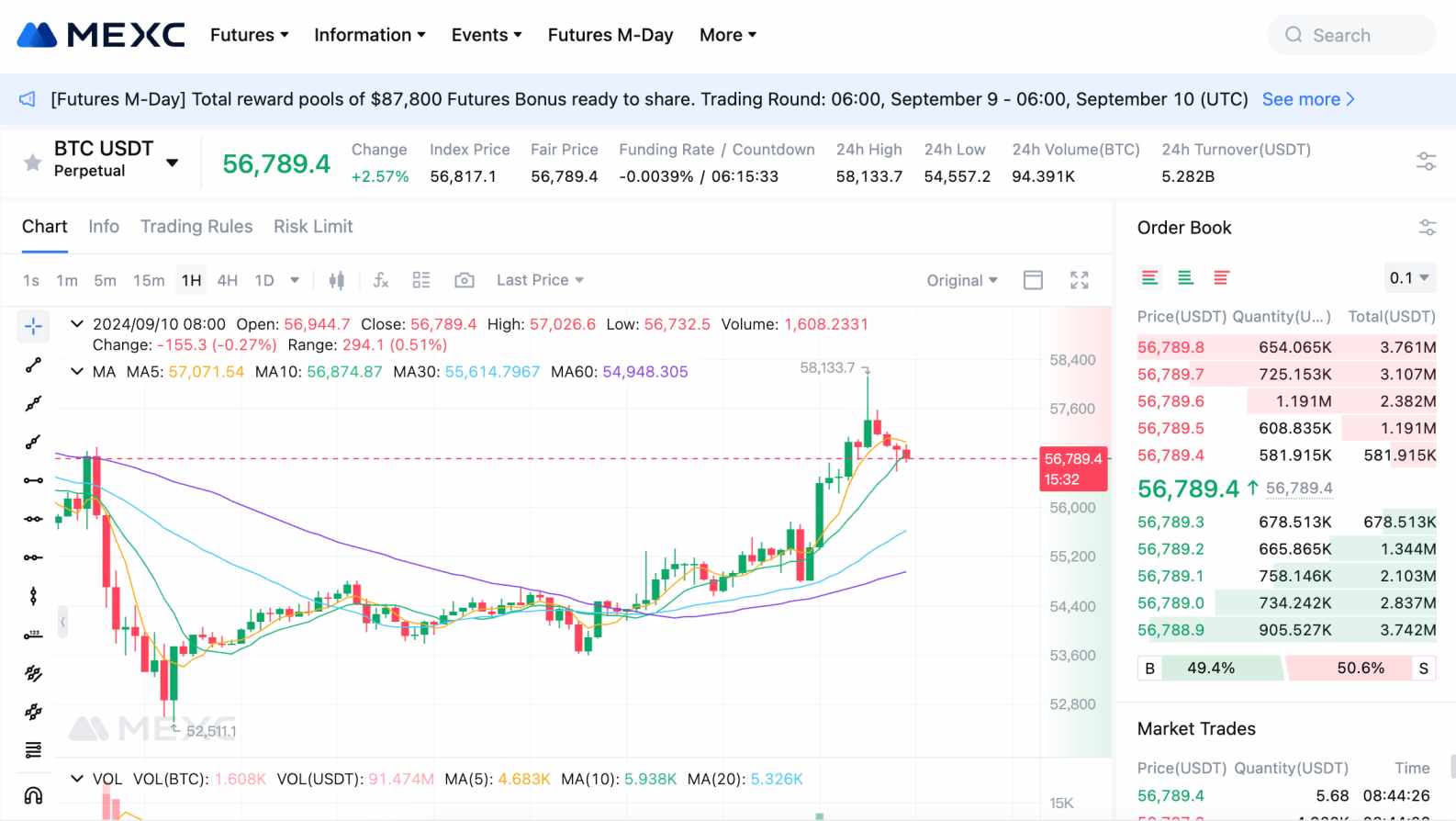
No commissions are charged when placing limit orders. MEXC is also a great option for trading anonymously. No personal information or ID verification documents are needed, although withdrawal limits will apply. MEXC also offers advanced trading tools, such as technical indicators. Other markets include spot, copy, and P2P trading. MEXC has also ended up as #1 on our list of best Coinbase alternatives.
Feel free to check out our in-depth MEXC Review to learn more about this top-ranking crypto exchange.
Pros and Cons of MEXC
Pros
-
Supports thousands of markets
-
0% commission when placing limit orders
-
Maximum leverage of 200x
-
No KYC when opening an account
-
Offers advanced charting and analysis tools
Cons
-
Doesn’t support delivery futures
-
Inverse futures only cover BTC and ETH
MEXC Review


2. PrimeXBT – Top Crypto Exchange With Low Trading Fees
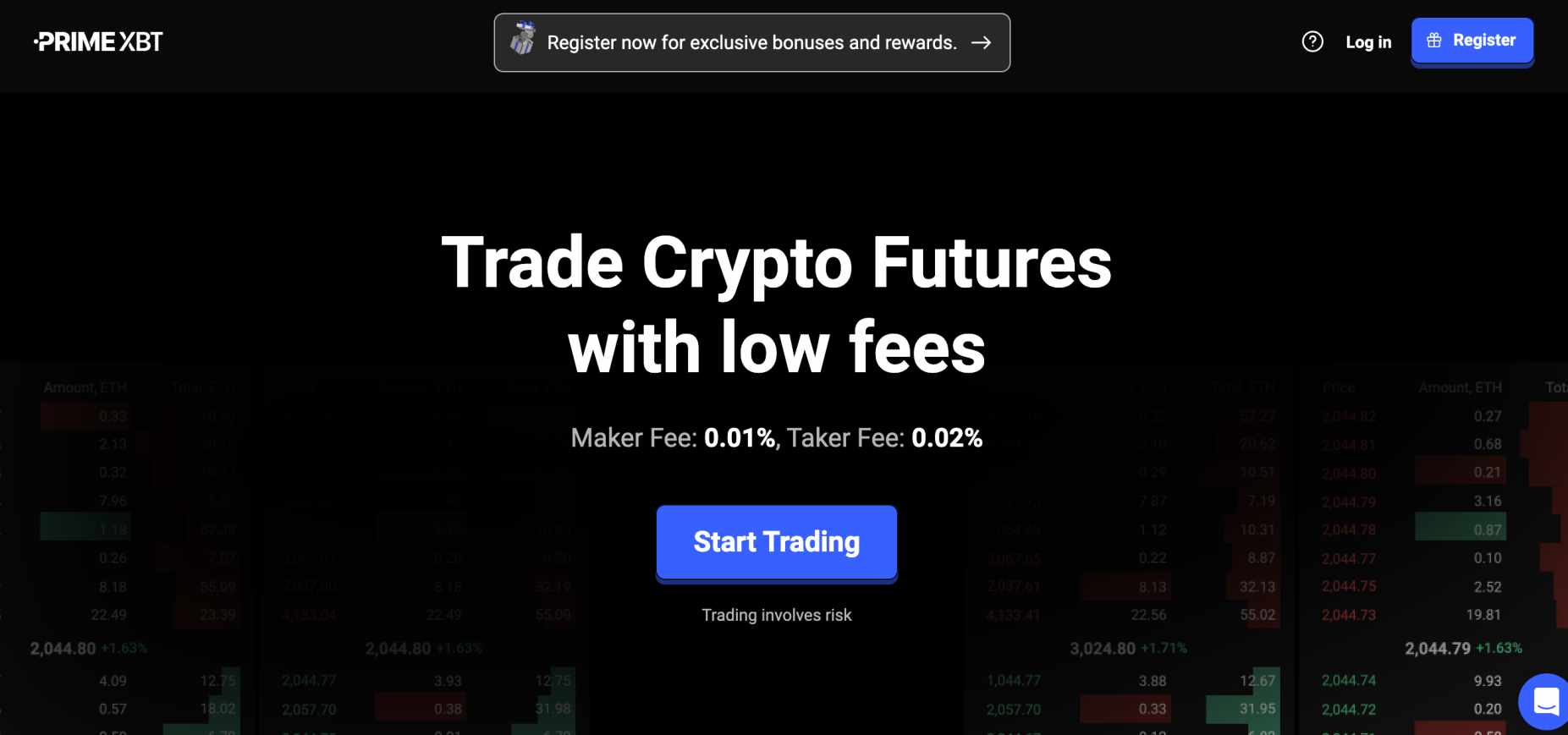
I found that PrimeXBT is the overall best option when trading crypto futures. It’s a great option for trading futures with high leverage limits and one of the best crypto leverage trading platforms with a minimum crypto margin trading requirement of just 0.5%. This means a $100,000 futures position would require an upfront balance of $500. However, do note that lower leverage will be offered when trading smaller-cap futures, such as Decentraland, Axie Infinity, and EOS.
Nevertheless, PrimeXBT specializes in perpetual futures and trading commissions are super competitive. Market takers pay just 0.02% per slide. Cheaper commissions of 0.01% are offered to market makers. I also like that PrimeXBT has a minimum deposit requirement of just $1. Moreover, PrimeXBT doesn’t charge deposit fees.
Payment methods include cryptocurrencies, debit/credit cards, Perfect Money, and P2P deposits via Paxful. In addition to futures, PrimeXBT also supports contracts-for-differences (CFDs). These support traditional financial markets like forex, indices, and commodities. PrimeXBT also offers copy trading tools for a passive investing experience that is best suited for beginner traders. Users can even create accounts with no KYC requirements.
Pros and Cons of PrimeXBT
Pros
-
Trade crypto futures with 200x leverage
-
Maximum futures trading fees of 0.02% per slide
-
Offers copy trading tools
-
Also supports forex, indices, and commodities
-
Minimum deposit requirement of just $1
Cons
-
Banned countries include the US, Canada, Japan, and New Zealand
-
A much smaller range of markets when compared to other platforms
PrimeXBT Review

3. Binance – Trade Crypto Futures Passively via Copy Trading and Bots
Binance is also one of the best crypto futures trading platforms. It supports hundreds of perpetual futures markets, covering everything from Ethereum, Pepe, and Bitcoin to Solana, Cardano, and Litecoin. Binance recently increased the maximum leverage limit to 125x. That said, limits will be reduced when trading less liquid markets.
Nonetheless, Binance is a great option for trading futures passively. First, there’s the copy trading feature. You can replicate the positions of an experienced trader like-for-like. Second, Binance also offers futures trading bots. Multiple strategies are available, including algorithmic and arbitrage trading. You can also niche down into long, short, or sideways bots.
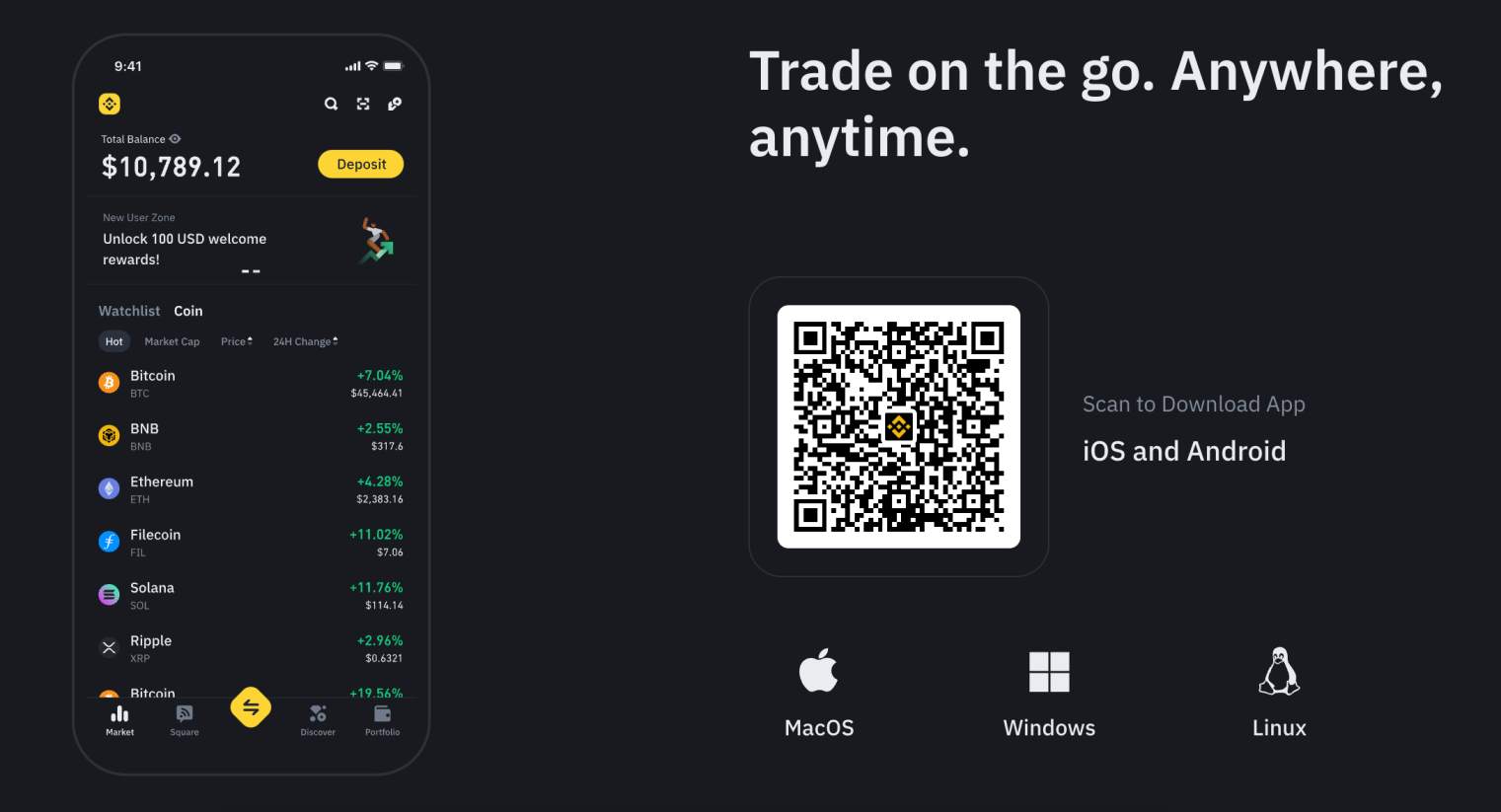
In addition to perpetuals, Binance also offers delivery futures. Only Bitcoin and Ethereum are supported. You can also trade options; markets cover Bitcoin, Ethereum, BNB, XRP, and Dogecoin. Binance charges commissions of 0.02% when placing limit orders. Market orders are charged 0.05%.
Pros and Cons of Binance
Pros
-
Trade crypto futures passively via copy trading
-
Also offers automated futures bots
-
Strategies include grid, algorithmic, and arbitrage trading
-
Offers maximum leverage of 125x
-
Maximum futures trading commission of 0.05%
Cons
-
Only BTC and ETH are available when trading delivery futures
-
Some nationalities (including the UK) can’t access futures
Binance Review
4. OKX – A Great Option for Trading Bitcoin Delivery Futures
OKX is the best option for trading crypto delivery futures. These replicate traditional futures markets and are settled in US dollars. Multiple expiry dates are available, ensuring flexible trading conditions. For instance, the March 2025 Bitcoin futures market comes with a strike price of just over $59,900. Traders can go long or short and apply leverage of up to 20x.
Delivery futures are also available for Ethereum and XRP. In addition, OKX also offers perpetual futures. Not only are hundreds of perpetual markets supported but the maximum leverage increases to 100x. This covers some of the best altcoins including Solana, Aave, Pepe, Toncoin, Maker, and SushiSwap.
OKX is also a good option for trading crypto options. It offers deep options chains for Bitcoin and Ethereum, alongside advanced analysis tools. In terms of fees, both delivery and perpetual futures can be traded at 0.02% when placing limit orders. Market orders are more expensive at 0.05%.
Be sure to check out our dedicated OKX Review if you want a deeper understanding of this crypto exchange.
Pros and Cons of OKX
Pros
-
Trade crypto delivery futures with USD settlement
-
Also offers hundreds of perpetual futures markets
-
Maximum leverage of 100x
-
Easily deposit and withdraw fiat currencies
-
Fully-fledged charting screens with technical indicators
Cons
-
Doesn’t accept traders from the US
-
Only three delivery futures markets are available
OKX Review
5. CoinEx – Top Futures Platform With 100x Leverage, Copy Trading, and Demo Accounts
CoinEx is a strong choice for crypto traders seeking flexible and reliable futures trading options. The platform supports up to 100x leverage across a wide range of futures contracts, allowing traders to scale positions without tying up large amounts of capital. The user interface is clean and responsive, designed to work equally well for beginners and experienced traders.
One of the standout features is CoinEx’s demo trading. This allows users to test out strategies and get comfortable with the interface using virtual funds, no real money required. It’s an excellent tool for risk-free learning, particularly for those new to futures trading. CoinEx also offers a copy trading feature, allowing users to follow top-performing traders and automatically mirror their positions. This opens futures markets to less experienced users who still want exposure to advanced strategies.
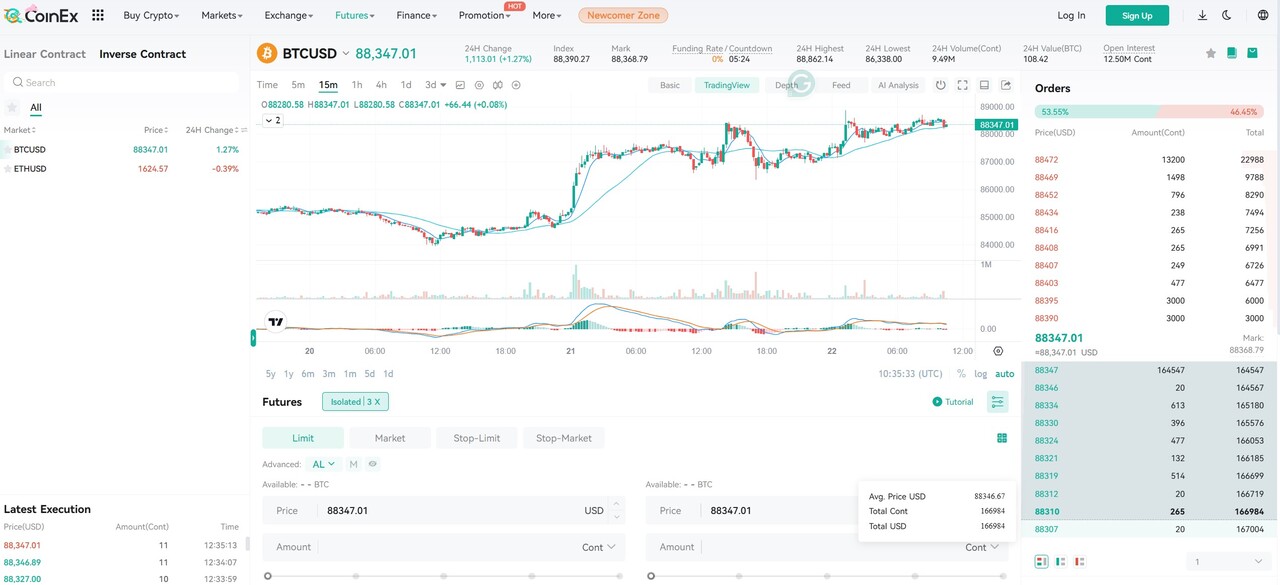
Real-time market data is built directly into the trading platform, with no delays. You can track order book depth, funding rates, open interest, and other key metrics that are crucial for making informed trading decisions. Overall, CoinEx offers a futures trading experience that is efficient, intuitive, and equipped with tools to help users trade smarter, whether they’re trading solo or copying the pros.
Pros and Cons of CoinEx
Pros
-
Easy-to-use demo trading for beginners
-
Competitive trading fees of 0.03%-0.05% (maker/taker)
-
Maximum leverage of 100x
-
Wide range of futures pairs available
-
Copy trading for hands-free strategy following
Cons
-
No support for fiat currency deposits, only crypto purchases with a card
-
Not available in all countries
CoinEx Review
6. BloFin – Secure Crypto Futures Platform with User-Friendly Interface
BloFin is another leading crypto futures exchange offering a comprehensive derivatives trading experience for over 400 crypto pairs. The platform focuses on becoming a dependable trading system and trustworthy exchange. With up to 150x leverage and Blofin’s diverse crypto asset selection, users have many options and trading opportunities with this exchange.
Another key feature of BloFin is its industry-level security and asset management. The platform holds a 1:1 reserve of all user crypto holdings, providing full transparency of funds. Additionally, asset custody is held by Fireblocks to maintain top-tier protection of assets. All these benefits can be enjoyed with the BloFin app, available for iOS and Android.
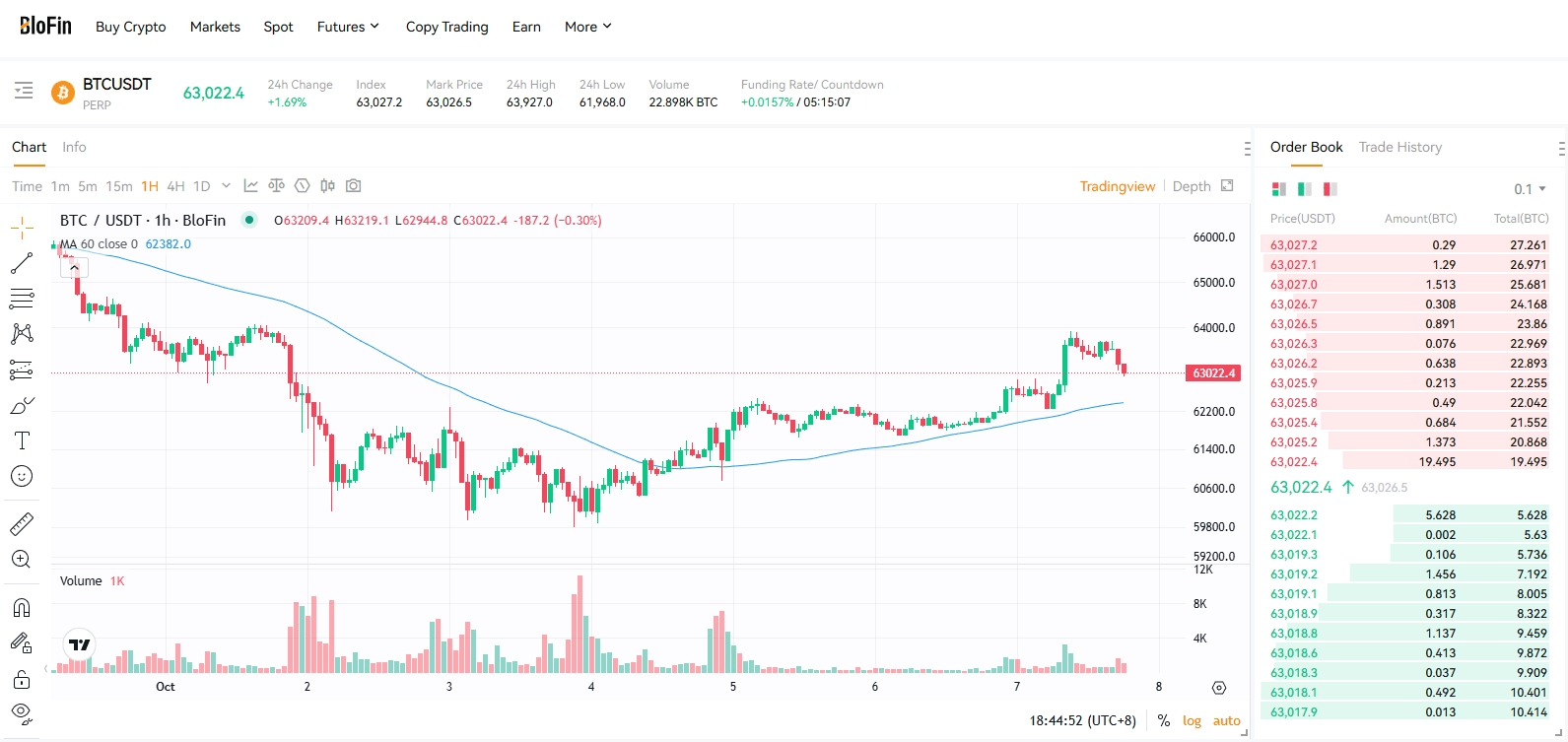
In addition to the seamless crypto futures trading experience, BloFin offers crypto trading bots and copy trading. The exchange’s signal trading bot is an automated tool that simplifies derivatives trading by allowing users to code trade executions when certain conditions are detected. Moreover, BloFin’s copy trading feature enables users to follow the positions of the most elite traders.
Read more: BloFin Review
Pros and Cons of BloFin
Pros
-
Trade 400+ crypto pairs
-
Up to 150x margin
-
1:1 proof of reserves and Fireblocks insurance for maximum crypto protection
-
Leverage crypto trading bots for intelligent automated executions
-
User-friendly interface with advanced charting tools
-
No KYC required
-
Supports spot trading and staking
Cons
-
Sparse educational futures contract materials
-
Average customer service ratings on Trustpilot
BIoFin Review
7. Kraken – A Highly-Rated Crypto Futures Trading Platform Offering up to 50x Leverage
When searching for the top crypto futures trading platforms, Kraken takes center stage as a reliable and trusted option. Renowned for its top-notch security, deep liquidity, and low fees, Kraken is a popular choice for novice and experienced futures traders.
Kraken’s users can trade futures with leverage up to 50x, making it a sound choice for those looking to boost their buying power. This futures trading platform supports multiple perpetual and quarterly futures contracts across mainstream altcoins such as BTC, ETH, SOL, and DOT. Nevertheless, leverage limits may vary for cryptos with limited liquidity.
A key benefit of choosing Kraken includes its transparent and competitive fee model. Market takers pay 0.05% per trade, while market makers pay even lower fees, starting at 0.02%. Furthermore, Kraken has no deposit fees for crypto transfers, and users can fund their accounts using a wide range of payment options, including bank transfers, debit/credit cards, and select stablecoins.
Another key feature is Kraken’s user-friendly interface and insightful trading tools, including advanced charting, risk management features, and API connectivity for professional traders. Additionally, Kraken is committed to offering robust security and regulatory compliance, making it a trusted choice for those who prioritize fund safety.
Kraken is a highly-trusted option for crypto futures enthusiasts looking for a secure trading platform, ample liquidity, and competitive fees. Whether you’re interested in trading BTC or ETH futures Kraken has you covered.
Pros and Cons of Kraken
Pros
-
Trade crypto futures with up to 50x leverage
-
Competitive trading fees as low as 0.02% for makers
-
Supports bank transfers, credit cards, and stablecoin deposits
-
Highly secure and regulatory-compliant platform
-
Access to deep liquidity and advanced trading tools
Cons
-
Limited leverage on some smaller-cap altcoin futures
-
Not available in certain restricted regions, including the US
Kraken Review
8. KCEX – No-KYC Crypto Exchange With up to 100x Leverage and Low Trading Fees
KCEX is a cryptocurrency exchange recognized for its robust futures trading capabilities and no mandatory KYC requirements. It supports leverage from 5x to 100x, allowing traders to adjust their risk levels. The platform offers over 500 trading pairs, including BTC/USDT, ETH/USDT, and XRP/USDT, as well as lesser-known tokens like TRB, BOME, and SONIC.
KCEX has low fees: 0% for makers and 0.01% for takers in futures trading. Its matching engine can handle more than 100,000 transactions per second, ensuring quick and efficient trade execution.
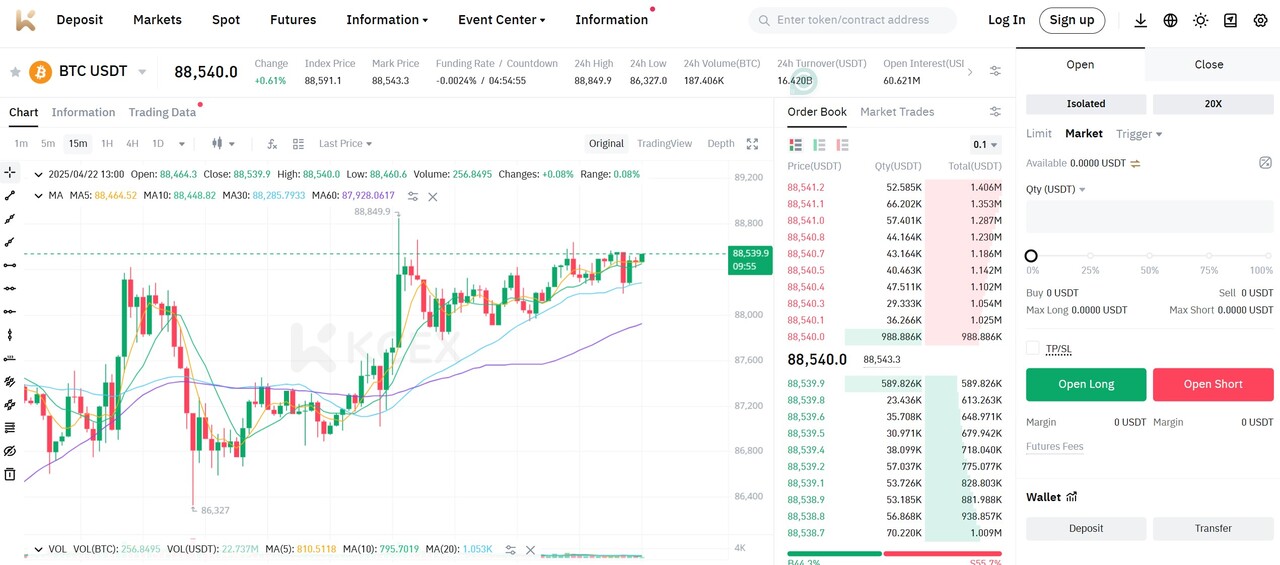
Occasionally, KCEX runs promotions, such as a zero-fee withdrawal event, where users can deposit and withdraw cryptocurrencies without incurring fees. This includes stablecoins across various blockchains, as well as Bitcoin, Ethereum, and hundreds of other cryptocurrencies. With 24/7 customer support and a user-friendly interface, KCEX is suitable for both new and experienced traders. Its combination of high leverage, low fees, and a wide range of trading pairs makes it a strong choice for futures trading.
Pros and Cons of KCEX
Pros
-
Up to 100x leverage available
-
Very low trading fees of 0% maker and 0.01% taker
-
Fast order execution engine
-
No KYC requirement
-
User-friendly interface for all levels
-
iOS and Android apps supported
Cons
-
No demo accounts or copy trading features
-
Not available in all countries
KCEX Review
9. BingX – Trade With up to 150x Leverage With Low Fees
BingX is a cryptocurrency exchange that offers a range of features for futures trading. Users can access perpetual contracts with leverage options up to 150x, allowing for flexible trading strategies. The platform supports a variety of trading pairs, including major cryptocurrencies and altcoins like ONDO and JUP.
Trading fees on BingX are competitive, with a maker fee of 0.02% and a taker fee of 0.05% for perpetual futures. These rates can be further reduced through the VIP program, which offers additional benefits based on trading volume.
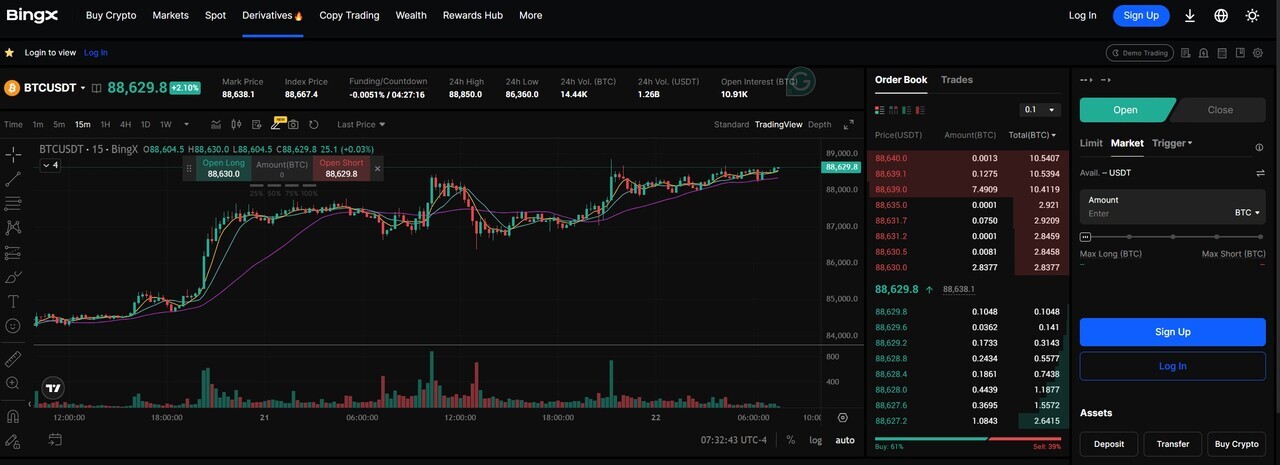
BingX also provides a copy trading feature, enabling users to replicate the strategies of experienced traders. This can be beneficial for those who prefer a more hands-off approach or are new to futures trading. The platform offers various rewards and promotions, such as welcome bonuses and trading competitions, to incentivize user engagement. Additionally, BingX has a rewards hub where users can participate in tasks to earn bonuses.
Pros and Cons of BingX
Pros
-
Trade crypto futures with 150x leverage
-
Low futures trading fees of 0.02% and 0.05% for maker/taker
-
Copy trading with top-ranked traders
-
Frequent rewards and bonus campaigns
-
Wide range of trading pairs
Cons
-
Limited fiat deposit options
-
Not available in all countries
BingX Review
10. Pionex – Popular Crypto Futures Platform With Low Fees and Trading Bots
Pionex stands out as a top choice for crypto futures trading, offering a user-friendly platform with advanced features. Traders can access up to 100x leverage, providing opportunities for significant gains. The platform has a competitive fee structure, charging only 0.05% per trade for takers and 0.02% for makers, which is among the lowest in the industry. However, the futures trading feature is not available in the US.
A key feature is the Futures Grid Bot, which automates trading by placing buy and sell orders within a set price range. This bot is particularly effective in sideways markets, allowing users to profit from price fluctuations without constant monitoring. Pionex supports a wide range of trading pairs, including BTC/USDT, ETH/USDT, and SUI/USDT, catering to diverse trading strategies. For those new to futures trading, Pionex offers a demo trading feature, allowing users to practice with virtual funds and build confidence before committing real capital.
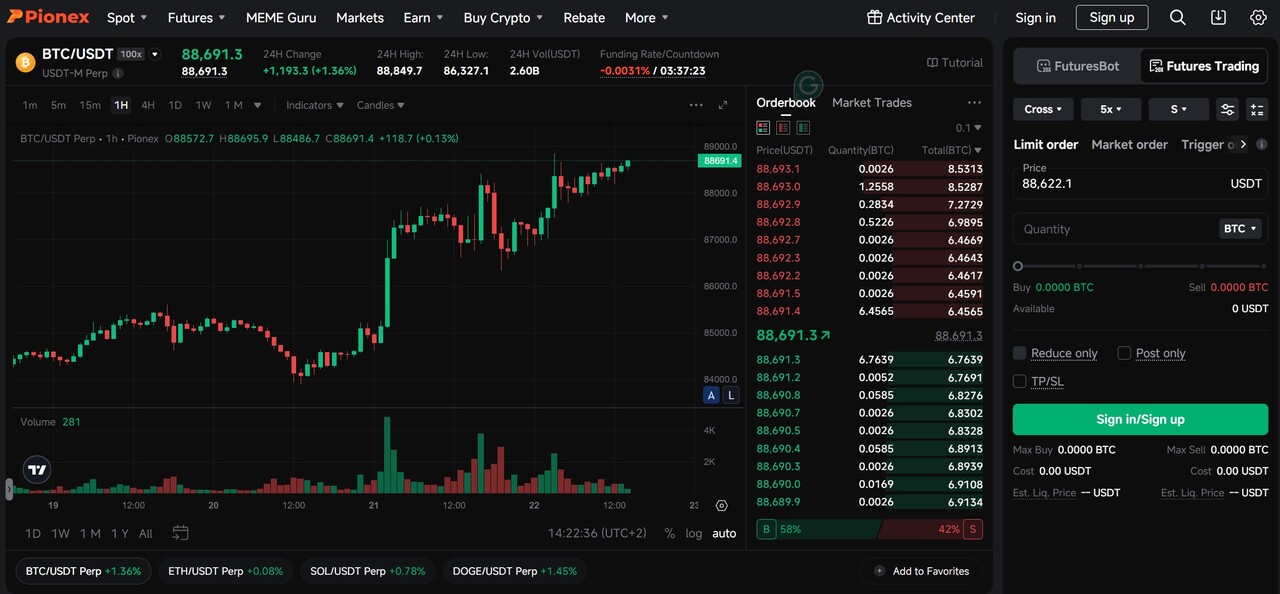
The platform’s intuitive interface, combined with its robust automation tools, makes it an excellent option for both beginners and experienced traders. With its low fees, high leverage options, and innovative trading bots, Pionex provides a comprehensive solution for those looking to engage in crypto futures trading.
Pros and Cons of Pionex
Pros
-
Trade crypto futures with up to 100x leverage
-
Low 0.02%-0.05% futures trading fee (maker/taker)
-
Free demo trading for practice
-
Offers futures trading bots
-
Wide selection of trading pairs
Cons
-
No fiat deposit options
-
Not available in the US
Pionex Review
What Are Crypto Futures?
Crypto futures are contracts that let traders guess the future price of a cryptocurrency, such as Bitcoin or Ethereum, without owning the actual asset. When you sign a futures contract, you agree to buy or sell a certain amount of a cryptocurrency at a set price on a future date. These futures contracts are standardized and are commonly traded on regulated exchanges like the Chicago Mercantile Exchange (CME). Additionally, there are now crypto-specific platforms that facilitate crypto futures trading too.
How Crypto Futures Are Traded
Trading crypto futures involves opening long or short positions. If you believe the price of a cryptocurrency will rise, you go long (buy). Conversely, if you expect the price to fall, you go short (sell). Futures trading allows for leverage, leaning traders can control a ;larger position than the capital they put down. For example, using 5x or 10x leverage. While this amplifies potential gains, it also significantly increases risk as losses can exceed the initial investment. These contracts can be settled in cash (you get paid the difference in value) or physically settled (you receive the underlying crypto), depending on the exchange.
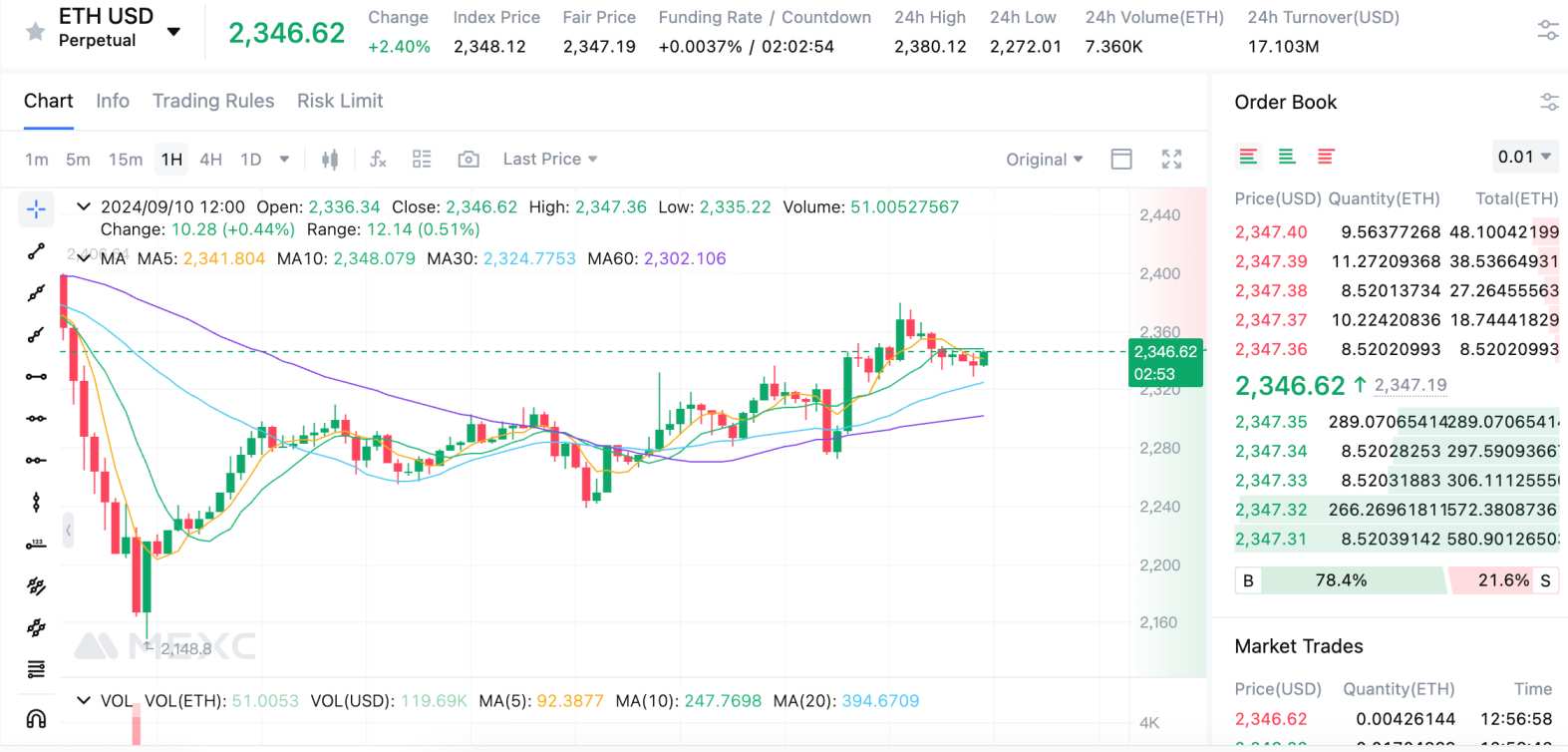
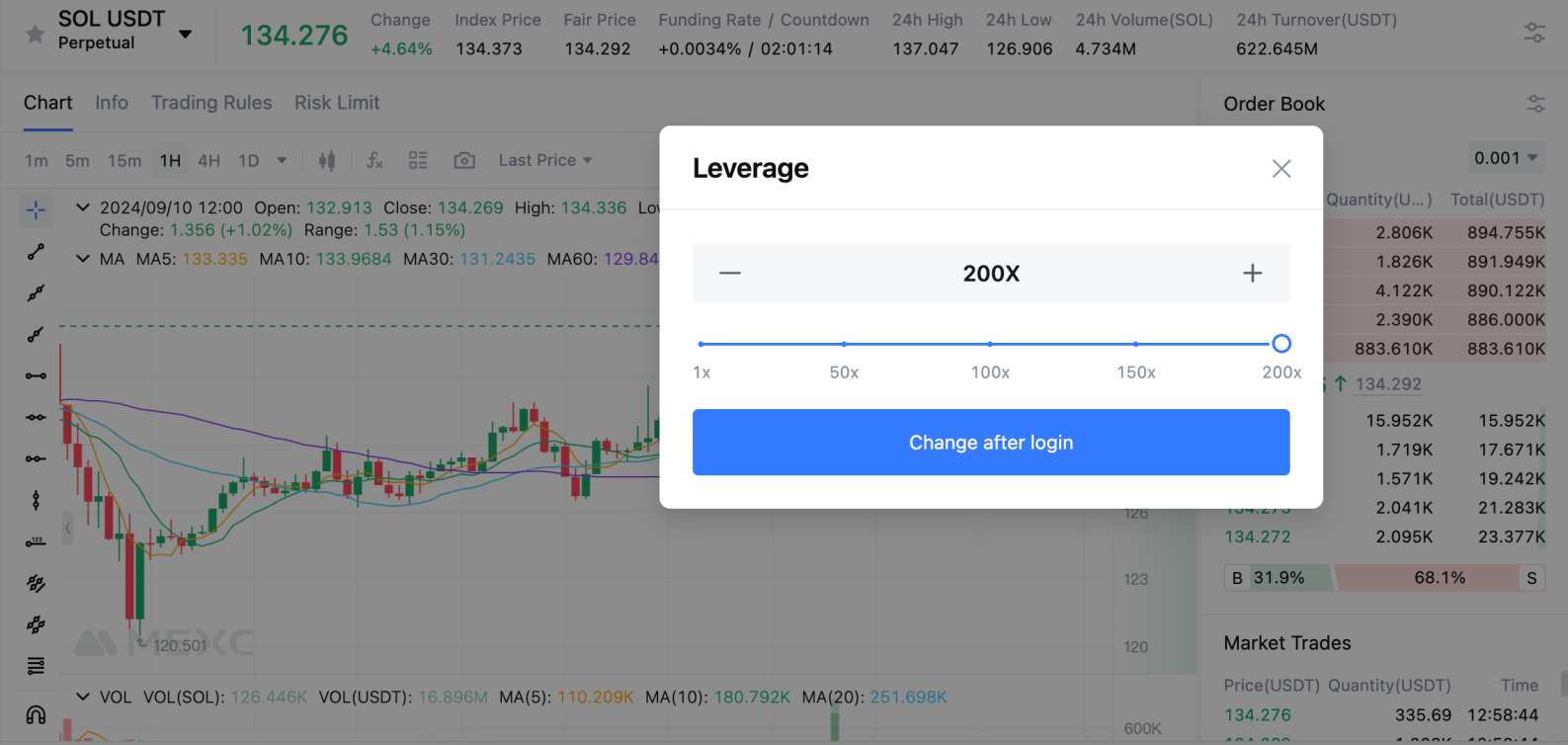
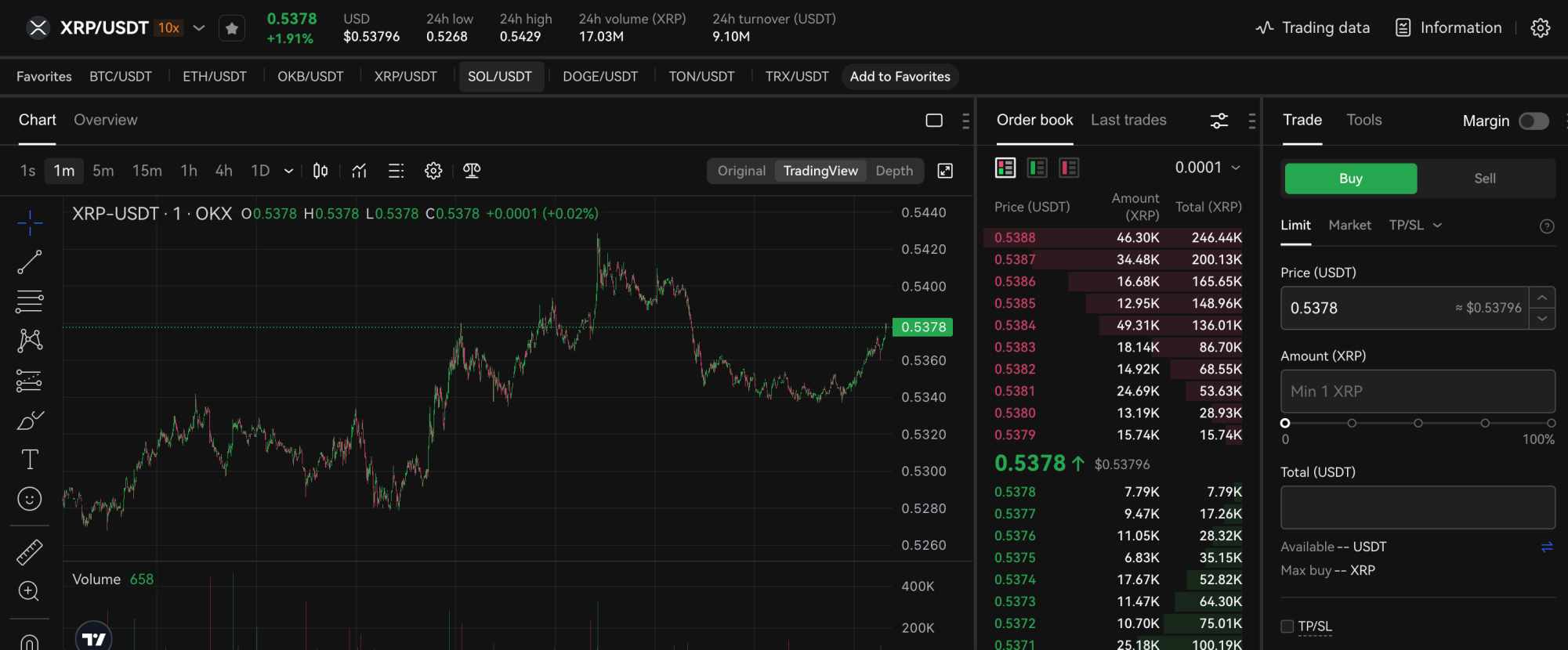
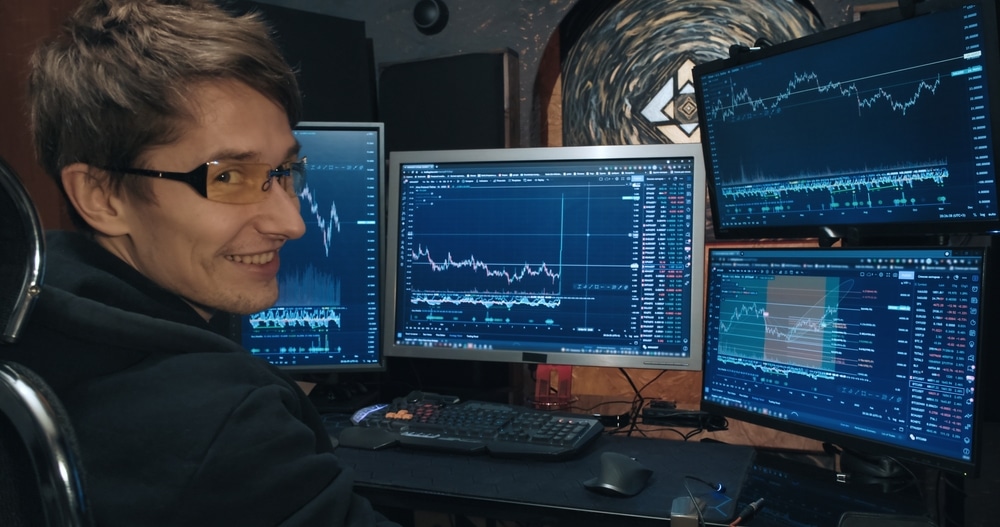
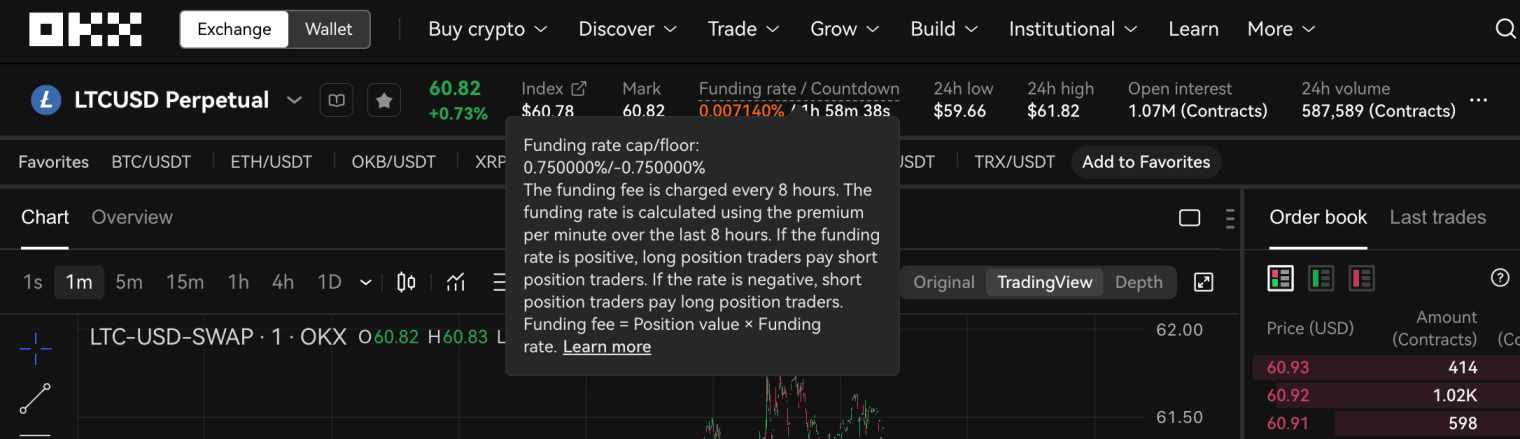
Pro Tip: Leverage can dramatically help an experienced trader grow an account balance, but is also the single most risky thing about crypto trading. Many amateur or unexperienced traders mistakenly use leverage only to lose their entire portfolio. Only ever use leverage with extreme caution and a close eye on the trade. Crypto futures are used by a range of participants including speculators, institutional investors, and miners. They serve both as tools for hedging against price volatility and as vehicles for making directional bets on market movements. In other words, you can use futures to cancel out market directional movements or lever up on the directionality. Futures contracts also provide insights into market sentiment. When futures prices are above spot prices (a condition called “contango”), it often signals bullish price sentiment. The reverse of that is known as “backwardation”, and can indicate bearish sentiment. They also allow you to bet against the market. In fact, if you’ve ever wondered how to short crypto, futures are the most direct and liquid way to do it. Bitcoin Futures Bitcoin futures are the most widely traded crypto derivatives, allowing investors to speculate on BTC price movements without owning the underlying asset. These futures are commonly used for hedging, arbitrage, and directional trading. They can be either cash-settled or physically settled, depending on the exchange. Learn all about Bitcoin futures in our BTC Futures Trading Guide. Major platforms where BTC futures are traded: Ethereum Futures Ethereum futures offer exposure to ETH price volatility, making them a popular tool for DeFi participants, institutional traders, and crypto hedge funds. Like BTC, ETH futures are available in both perpetual (no expiry) and fixed-expiry formats. Check out our ETH Futures Trading Guide to learn more. Major platforms where ETH futures are traded: Solana Futures Solana futures are newer compared to BTC and ETH, but their popularity is growing alongside Solana’s expanding ecosystem in DeFi and NFTs. SOL futures are especially favored by high-risk traders looking for leverage in volatile markets. Learn all about SOL futures in our easy-to-understand Solana Trading Guide. Major platforms where SOL futures are traded: Both futures and options are types of derivatives that allow traders to speculate on future prices of cryptocurrencies without owning the underlying asset. While Bitcoin futures and Bitcoin options are similar, they differ significantly in structure, risk, and most importantly, flexibility. Futures contracts obligate the buyer to purchase, and the seller to sell, a specific asset at a predetermined price on a set future date. These contracts are binding, once entered, both parties must fulfill the terms whether the trade ends in profit or loss. For example, Bitcoin futures and Ethereum futures are commonly used by traders and institutions to hedge exposure or take leveraged positions on crypto price movements. Options contracts on the other hand, give the buyer the right, but not the obligation, to buy or sell an asset at a specific price before a certain date. This flexibility is the big difference between futures and options. Using Bitcoin options and Ethereum options, traders can speculate on market direction with limited downside, only the premium pard for the option is at risk if the market moves unfavorably. That’s because the options trader is not required to buy or sell the underlying asset at the expiration date. Options are often used for more advanced strategies, like hedging, volatility plays, and income generation. In short, futures are mandatory agreements with high risk and potential reward. Options offer a more flexible approach with controlled risk. Both tools are very powerful, and which one to use depends on the trader’s goals and risk tolerance. Futures are increasingly being traded in the crypto markets. They offer two core advantages that aren’t possible when trading on a spot exchange: For example, PrimeXBT offers futures with a maximum leverage limit of 200x. This means a $200 account balance can be amplified to $40,000. What’s more, short-selling futures enable traders to profit from falling markets. Most crypto traders opt for ‘perpetual’ futures, which come without an expiry date. They simply mimic the spot trading price in real-time. Some platforms support thousands of perpetual markets, from Bitcoin and Ethereum to small-cap meme coins. It’s also possible to trade ‘delivery’ futures. These come with an expiry date like in the traditional futures scene. This is often a choice between weekly, monthly, and quarterly settlement dates. While crypto futures are ideal for accessing leverage or short selling, some drawbacks should be considered. For a start, you don’t own the underlying cryptocurrencies when trading futures; you’re merely speculating on the pair’s price. Futures are also risky, especially when trading with high leverage. More on this later. Crypto futures won’t be suitable for all trading styles. I’ll now take a much closer look at how this trading scene works. Read on to evaluate whether futures trading is right for you. Futures are derivative trading products. In simple terms, this means they replicate market prices, rather than providing ownership of the crypto assets. For example, suppose you buy BTC/USD futures. You’ll make a profit if the BTC/USD price increases. But you won’t own the underlying BTC. In addition, it’s important to learn the different types of crypto futures that can be traded. This is typically a choice between perceptual and delivery futures. The vast majority of crypto traders opt for perpetual futures. While similar to delivery futures, perpetuals come without an expiry date. In theory, this means you can hold perpetual futures positions indefinitely. However, as I cover later, this wouldn’t be a smart move, considering the fees involved. Nonetheless, perpetual futures mimic the spot price of the respective asset. For example, suppose ETH/USD trades at $2,346. An ETH/USD perpetual contract should also be priced at $2,346. This enables traders to speculate on ETH/USD without taking ownership, while still profiting from its price movements. Crucially, perpetuals offer a much wider range of markets when compared to delivery futures. This is because they’re easier for trading platforms to deploy and settle. For example, MEXC offers thousands of perpetual markets, but only BTC and ETH when trading delivery futures. Delivery futures are trading derivatives that come with an expiry date. This can be anywhere from a week up to three months. Some platforms even offer annual contracts, although these are less common. Unlike perpetuals, delivery futures have a ‘strike price’. This rises and falls in real time based on demand and supply. The objective is to predict whether the futures contract will expire above or below the strike price. Let’s cover a quick example, considering delivery futures are complex financial instruments: Of course, if BTC/USD closed below the strike price on expiry, you would have made a loss. For instance, suppose the BTC/USD price declined by 10%. You risked $10,000, so you’d be left with $9,000 ($1,000 loss). Both perpetual and delivery futures support long and short trading. In simple terms: While long positions are supported in the spot trading markets, this isn’t the case with short-selling. This is one of the core benefits of crypto futures trading. For example: Another core benefit of futures trading is margin and leverage. Put simply, this means you can trade cryptocurrencies with significantly more than you have available. I mentioned earlier that PrimeXBT offers 200x leverage when trading perpetuals. Here’s an example of how a 200x leveraged position works: That said, trading with high leverage isn’t recommended – the futures position can be liquidated. Liquidation is the biggest risk when crypto trading with futures. This happens when the futures position declines but more than the margin balance. In the example above, I explained that a $2,000 trade was leveraged by 200x to $400,000. This means the upfront margin requirement was 0.5%. Now, let’s say the SOL/USD position declined by 0.5% before rebounding. This mirrors the margin requirement, so your futures position would have been liquidated by the platform. This means the platform keeps the upfront margin, which was $2,000. Moreover, the trade is immediately closed, so you’ve got no way of recording the loss. It’s more risk-averse to trade with lower leverage levels. This will reduce the risk of being liquidated. For example, suppose you traded with 10x leverage instead of 200x. You risked $2,000, which amplifies the position to $20,000. This means the margin requirement is 10%. As such, the trade will only be liquidated if it declines by 10%, a considerable increase from 0.5%. The below shows the approximate liquidation point for the most common leverage levels: While some similarities are shared, crypto futures and regular trading have many differences. Read on to determine which trading market is right for you. The first key difference between futures and regular trading is ownership. When you trade on the traditional spot markets, you are directly purchasing the respective asset. For example, suppose you’re trading ETH/USD. You’re swapping USD for ETH, meaning you own the ETH coins. You can then choose what to do with that ETH. For instance, you can withdraw it to a private wallet or invest it in a staking pool. In contrast, you don’t own anything when you trade futures. Suppose you go long on ETH/USD perpetuals. While you believe the ETH/USD price will increase, you can’t access the ETH coins. Instead, you can only close the position; you’ll make a profit or loss depending on the exit price. The proceeds will be paid in USD. Regular trading is particularly suitable for long-term strategies. For example, suppose you purchase BTC/USD. You transfer the BTC coins to a private wallet and hold them for several years. You can redeposit those coins into an exchange at any time and sell them for fiat or another crypto. Crucially, you can hold for as long as you want without incurring fees. Conversely, futures trading is best suited for shorter-term strategies, especially day trading. This is because futures positions attract funding fees. This is often charged daily at a set time. The fees will be reduced from the margin balance, meaning you inch closer to liquidation as each day passes. Regular trading doesn’t offer much flexibility. You buy coins because you believe their price will increase. Suppose you invest in XRP. The only way you will make a profit is if the XRP price increases. This isn’t the case with futures, as short-selling is supported. This means you can profit from bearish markets. What’s more, futures are ideal for increasing the trading bankroll. You can amplify the account balance by up to 200x on some platforms. Regular trading doesn’t offer the same luxury. Although some exchanges offer conventional margin accounts, the leverage ratio will be minute. Looking to make money trading crypto futures? Here are some key things to know. Crypto futures allow traders to profit from the ups and downs in the crypto markets, offering the potential for profits in any market conditions. However, this isn’t as easy as just going long or short and getting lucky. Successful traders need to use effective trading strategies, manage their trading psychology, and most importantly, have a profound understanding of proper risk management strategies if they want to survive in this game. Here are some basics you should know if you are interested in futures trading. Crypto futures are contracts that allow traders to speculate on the future price of cryptocurrencies without the need to actually own the asset. Traders try and predict whether the price of a cryptocurrency will rise or fall, going long if they feel the price of the asset will appreciate, and going short or “short selling” if they feel the price will tank by buying futures contracts. This approach enables traders to profit in both bull and bear markets, making it a viable option to potentially profit in any market conditions. It’s no secret that people love to take risks and the attraction of being able to use leverage as “free money” to trade with is a seductive proposition that attracts traders to the crypto futures market. But like everything, there are tradeoffs and the “free money” offered through leverage comes with significant risks. Leverage allows traders to control a larger position with a smaller amount of capital, potentially amplifying gains (and losses!). For instance, with 10x leverage, a $100 investment can control a $1,000 position. It is important to understand that leverage also magnifies losses if the market moves against your position. Traders who wish to use leverage need to have an effective risk management strategy as it is a well-known statistic that most traders who use leverage lose money, so this is a tool best used by professionals. Setting stop-loss orders, understanding your risk tolerance, and employing strategies like hedging and using proper profit-to-loss ratios can help mitigate potential losses. Hedging involves taking an opposite position in the futures market to offset your exposure in the spot market, providing a safety net against adverse price movements. Understanding profit-to-loss ratios helps ensure that you don’t need to be right 100% of the time in order to be profitable. Proper profit-to-loss ratios can ensure a trader remains profitable even if they are only right 40% of the time! Beyond basic long and short positions, traders need to understand different types of trading and time frames as well. Scalping involves making numerous trades throughout the day to profit from small price movements, requiring quick decision-making and execution. Scalping is the most intensive form of trading and requires traders to be glued to their screens consistently throughout the day. Scalping should not be approached as a hobby or a part-time job, scalping is incredibly difficult and requires focus, strong mental fortitude, and an unhealthy obsession with technical analysis, analyzing chart patterns, utilizing multi-time-frame analysis, and staring and multiple screens for hours at a time. Unless you’ve got a setup like the guy below an are willing to sit there for countless hours a day, scalping may not be the trading approach for you. Swing trading focuses on holding positions for several days or weeks, aiming to capture short- to medium-term market trends. Technical analysis uses historical price data and chart patterns to forecast future price movements, while fundamental analysis looks at the intrinsic value of a cryptocurrency based on market demand, technological advancements, and regulatory news. Swing trading is more of a “set and forget” method, if you believe the value of Bitcoin, for example, is going to be going up over time, traders will often employ basic technical and fundamental analysis, open their position, set their take profit and stop loss (using adequate profit to loss ratios) and walk away, letting price play out. Additionally, automated trading systems can execute trades based on predefined criteria, reducing emotional decision-making and capitalizing on opportunities even when you’re not actively monitoring the market. By combining these strategies and keeping a finger on the pulse of not only the crypto markets, but broader macroeconomic conditions, regulatory developments, and news that can impact cryptocurrencies, traders can enjoy a higher success rate and trade with greater confidence, potentially turning market fluctuations into profitable opportunities. Remember, while the potential for high returns exists, so does the risk of significant losses, so be sure to thoroughly educate yourself on trading strategies, and risk management principles, and be sure to try demo trading before jumping in with live funds. Let’s summarize the pros and cons of crypto futures trading: Even the best crypto futures trading platforms charge fees. It’s important to know what you’re paying before entering a position. Crucially, fees can be substantial when trading futures with high leverage. This is also the case when keeping positions open for too long, as per funding fees. Let’s take a closer look at what fees to expect when trading crypto futures. Similar to regular trading, crypto futures attract commissions. This will be a percentage commission multiplied by the trade size. Now, you’ll notice that futures commissions are almost always lower than the spot markets, at least in percentage terms. However, futures commissions also take into account the leverage applied. For example: Similar to spot trading, futures commissions must also be paid when closing the position. Leading on from the above example: Beginners frequently forget to incorporate funding fees when trading futures. This fee is based on the leverage multiple, as you’re essentially borrowing capital to fund the trade. Like any lending agreement, leverage attracts interest. This is often charged every 8 hours. For example: However, it’s important to note that funding fees won’t always be charged when the next 8-hour cycle arrives. This is because it’s only charged to one side of the market; either those going long or short. For instance, the example above mentioned that you’re long on BTC/USD. You might be charged funding fees in 8 hours. But in the following 8 hours, the funding fees might be charged to short-sellers. This is based on whether the funding rate is positive or negative. It’s determined by the imbalance between futures and spot trading prices. Funding fees aren’t found in the spot markets, considering leverage isn’t utilized. Still not sure how to select the best crypto futures trading platform? These are the most important considerations to make: I’ll now explain how to trade crypto futures, using MEXC for this walkthrough. It is one of the most popular derivatives platforms in 2026 that provides 100x leverage. If you’re based in the United States and looking for the top platforms to trade crypto futures, be sure to check out our list of the best crypto futures trading sites in the U.S. Futures are traded every day by millions of crypto traders. This covers beginners and experienced pros alike. However, there are some safety aspects to consider before processing. First, futures are high-risk assets. They invite high leverage levels and thus, liquidation can happen at any time. This means the original margin requirement will be kept by the platform, and your futures trade will be closed automatically. In addition, funding rates can make futures trading unviable when kept open long-term. This is because fees can be charged every 8 hours, based on the amount borrowed. That said, you can avoid funding fees by trading delivery futures. Another risk is that many futures platforms aren’t regulated or are licensed offshore. This means investors aren’t protected by conventional securities laws. As such, choosing the best crypto futures trading platform becomes even more important. Ultimately, only consider futures if you’ve explored the risks, especially regarding liquidation. It’s wise to start with small amounts. You might even consider a demo trading platform that offers risk-free funds. Be sure to also look into platform-specific risk management tools, such as stop-loss orders and leverage limits, which can help mitigate sudden losses. Additionally, seek out platforms that offer educational resources, including webinars and guides on futures trading, to boost your understanding before diving in. Crypto futures come with many benefits, including high leverage and the option for short-selling. They’re highly accessible too, with many platforms supporting KYC-free accounts. Overall, I rate PrimeXBT as the best crypto futures trading platform. It offers leverage of up to 200x, dozens of futures contracts are supported, and only an email address is needed to register. However, consider the risks before proceeding. See Also: PrimeXBT is the best platform to trade crypto futures. It offers dozens of perpetual crypto futures with leverage of up to 200x. Bybit is a great option for trading smaller-cap futures markets, especially meme coins. Binance is a solid choice for automated futures strategies, including copy trading and bots. Crypto futures attract commissions, which are paid when entering and exiting a trade. Leveraged positions will also incur funding fees. Perpetual futures never expire, while delivery futures have a settlement date. Both invite leverage and short-selling. The best crypto futures trading platform for USA clients is Coinbase. It offers regulated crypto futures with 10x leverage. PrimeXBT is a great option for futures traders seeking high leverage. It offers leverage limits of up to 200x. PrimeXBT is the cheapest futures trading platform for crypto. It has no deposit fees and low trading costs. Profits from crypto futures will be taxed as capital gains. This is the case in most jurisdictions. Established in 2013, 99Bitcoin’s team members have been crypto experts since Bitcoin’s Early days. Weekly Research Monthly readers Expert contributors Crypto Projects ReviewedWhy Traders Use Crypto Futures
Options vs. Futures
What is Crypto Futures Trading?
How Does Crypto Futures Trading Work?
Derivative Trading Products
Perpetual Futures
Delivery Futures
Going Long and Short
Margin Requirements and Leverage
Liquidation in the Crypto Futures Market
Leverage Amount
Liquidation Percentage
2x
50%
5x
20%
10x
10%
20x
5%
50x
2%
100x
1%
200x
0.5%
Crypto Futures Trading vs Regular Crypto Trading
Asset Ownership
Short and Long-Term Strategies
Market Flexibility
How to Make Money Trading Crypto Futures
Understanding the Basics of Crypto Futures Trading
Leverage and Risk Management
Strategic Trading
Pros & Cons of Trading Crypto Futures
Pros
Cons
How do Crypto Futures Trading Fees Work?
Futures Trading Commissions
Funding Fees
How to Pick a Crypto Futures Trading Platform
How to Trade Crypto Futures – Step-by-Step Guide
Create Your Account on MEXC
Visit the official MEXC website and complete the registration process to access your trading dashboard and manage your funds.
Fund Your Account
Traders can fund their account with fiat via bank transfer, bank card, or transfer USDT or other cryptocurrencies to their account to be used as their trading balance.
Access the Futures Trading Screen
Log in and open the trading interface. No extra registration or passwords are needed; once your account is funded, you’re ready to trade.
Select Your Market and Trading Direction
Choose the cryptocurrency you want to trade, such as BTC, ETH, or DOGE. Then decide whether to go long (betting on price increase) or short (betting on price decrease).
Set Your Leverage and Position Size
Pick your leverage level. MEXC offers up to 100× leverage, but beginners should start lower. Enter the amount of USDT you want to allocate as collateral for the trade.
Configure Stop-Loss and Take-Profit
To manage risk, set stop-loss orders to limit potential losses and take-profit orders to secure gains. These tools help you control trades without constant monitoring.
Execute and Monitor Your Trade
Review all settings and confirm your trade. Track your position in real-time, including profits and losses. You can close the trade manually or let your stop-loss/take-profit orders do it automatically.
Withdraw or Reinvest Your Funds
After closing a trade, your updated USDT balance returns to your wallet. You can withdraw your funds, keep them stored, or use them for new trades whenever you like.
Is Cryptocurrency Futures Trading Safe?
Conclusion
FAQs:
What is the best platform to trade futures crypto?

Is Bybit or Binance better for futures trading?
What are the fees for trading crypto futures?
What is the difference between a perpetual and standard futures exchange?
What are the best crypto futures trading platforms in the USA?
Which crypto futures platform offers the highest leverage?
What is the cheapest futures trading platform for crypto?
How are profits from crypto futures trading taxed?
References:

Why you can trust 99Bitcoins