


The Essential Guide to Centipedes: Facts, Behaviors & Identification Tips
Learn how to identify and manage centipedes with our expert guidance, so you can take care of your home with confidence.

Centipede facts every homeowner should know
Centipedes thrive in damp environments.
They are commonly found in bathrooms, basements, and crawl spaces where moisture levels are higher.
Centipedes hunt other insects.
They prey on pests like spiders, ants, and cockroaches, which means their presence can indicate other pest activity in the home.
Centipedes are fast-moving pests.
With multiple legs and agile bodies, centipedes can move quickly across floors and walls, often surprising homeowners when spotted.
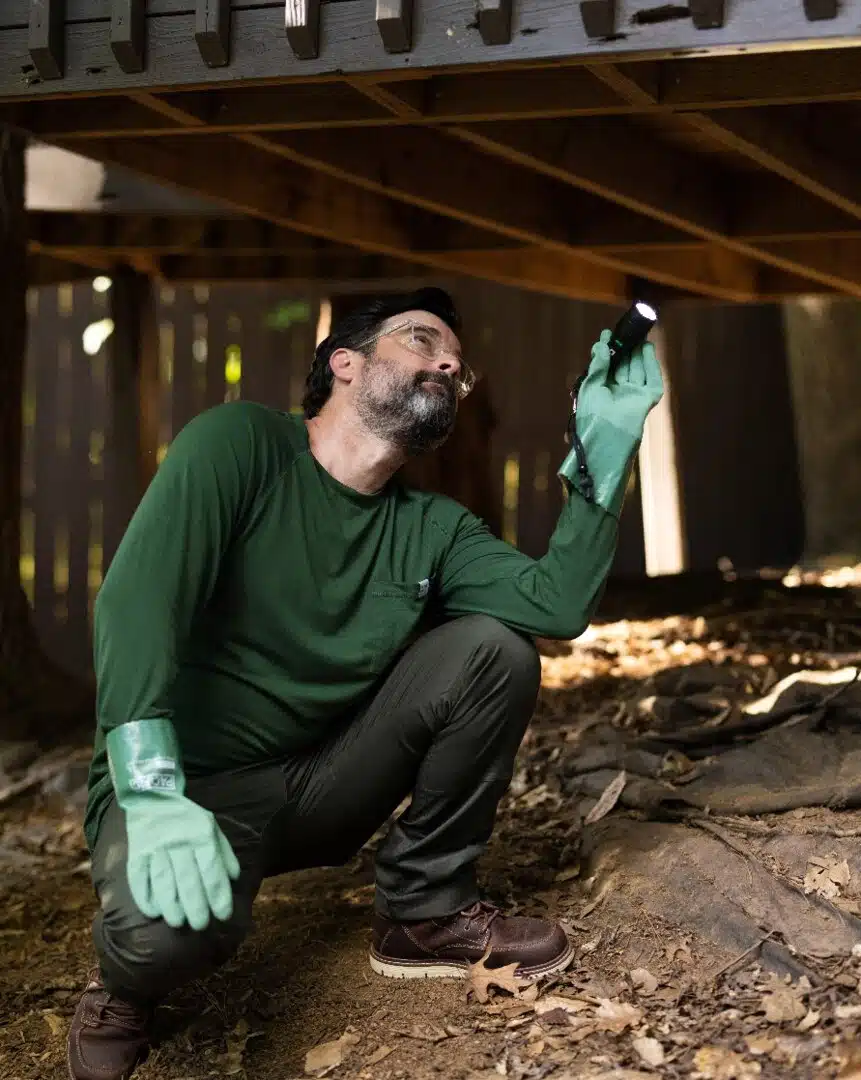
How we handle centipede control
Aptive’s centipede control experts apply targeted treatments in areas where centipedes are most active, including cracks, crevices, and high-moisture environments. We focus on locations such as basements, bathrooms, and areas with organic debris or mulch – placing treatments where they will be most effective for your home and property.
Every home is different, which is why our pest control experts take a thoughtful, customized approach to centipede control. We listen carefully to your concerns, inspect your property for signs of activity, and develop a targeted plan to help protect your home inside and out. We’re dedicated to providing you with peace of mind so you can enjoy your home more comfortably. Connect with your local Aptive team for specialized centipede control and experience our exceptional service with confidence.
Centipedes prefer moist environments and are commonly found in basements, bathrooms, and other damp areas of the home*.
If you’re dealing with centipedes in your home, give Aptive a call and let our team help you take your space back.
What does a centipede look like?
Most centipedes have long, flattened bodies made up of many segments, each with a single pair of legs, giving them a distinctive multi-legged appearance. They typically range in color from yellowish to dark brown and can vary in size depending on the species. Common house centipedes have elongated legs and fast-moving bodies that allow them to navigate tight spaces. Their physical features make them well suited for hiding in damp, dark areas like basements, bathrooms, and crawl spaces, where they can hunt other small insects.
What are signs of centipede infestation?
Identifying a centipede infestation often starts with spotting the pests themselves, as they are nocturnal and move quickly across floors or walls when disturbed. Since they thrive in damp environments, you should check for activity in high-moisture areas like bathrooms, basements, and crawl spaces. Another subtle sign is an increase in other small insects like spiders or ants, which serve as the primary food source that attracts centipedes to your home. Seeing these fast-moving, multi-legged hunters in plain sight usually indicates they have found a reliable habitat and are actively breeding nearby.
What causes a centipede infestation?
Centipede infestations are driven by the availability of insects, their primary food source. Centipedes seek out damp, dark areas such as basements, bathrooms, and crawl spaces. High humidity and moisture create favorable conditions for centipedes. Structural gaps, cracks, and openings provide entry points for centipedes to enter homes. Poor sanitation and cluttered spaces can exacerbate a centipede infestation by providing abundant food and hiding places.
How to get rid of centipedes?
To get rid of centipedes, reduce moisture in and around your home by fixing leaks and using dehumidifiers. Remove clutter and debris where centipedes can hide, such as piles of leaves, mulch, or firewood. Seal cracks and gaps in walls, windows, and doors to prevent entry. Use insecticides or centipede traps in high-activity areas. Regularly clean and vacuum infested areas, paying special attention to basements, bathrooms, and crawl spaces. Keep your home well-ventilated to reduce humidity levels. Remove any sources of standing water and ensure proper drainage around your property. Maintain a clean and dry environment to make your home less attractive to centipedes.
If the infestation is severe or persistent, contact Aptive for a tailored pest management plan that includes comprehensive inspection and treatment to help keep centipedes at bay. Regular maintenance and proactive measures can help prevent future centipede infestations.
