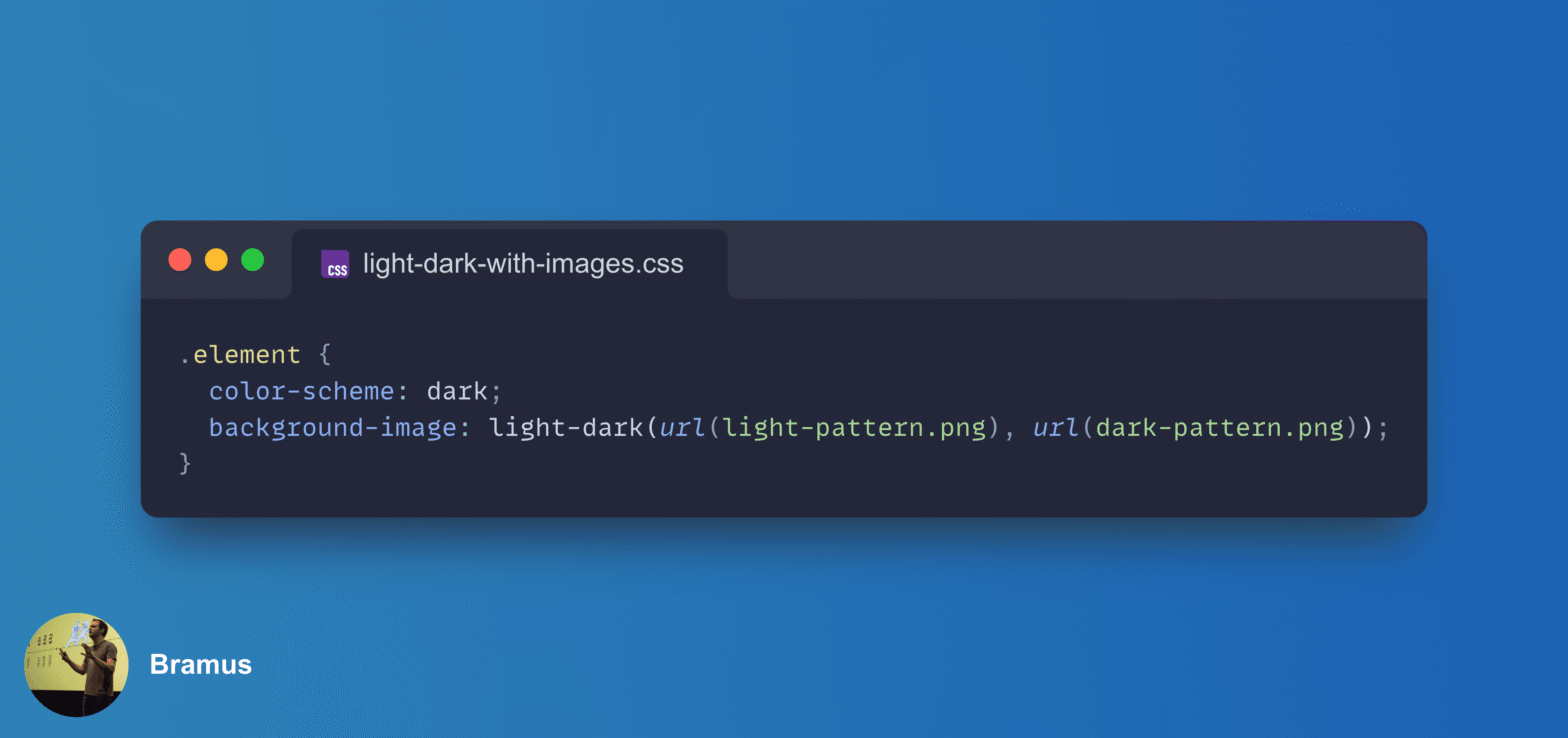
CSS light-dark() is being extended to support images.
A rather geeky/technical weblog, est. 2001, by Bramus
light-dark() is about to support images!@supports at-rule(@keyword)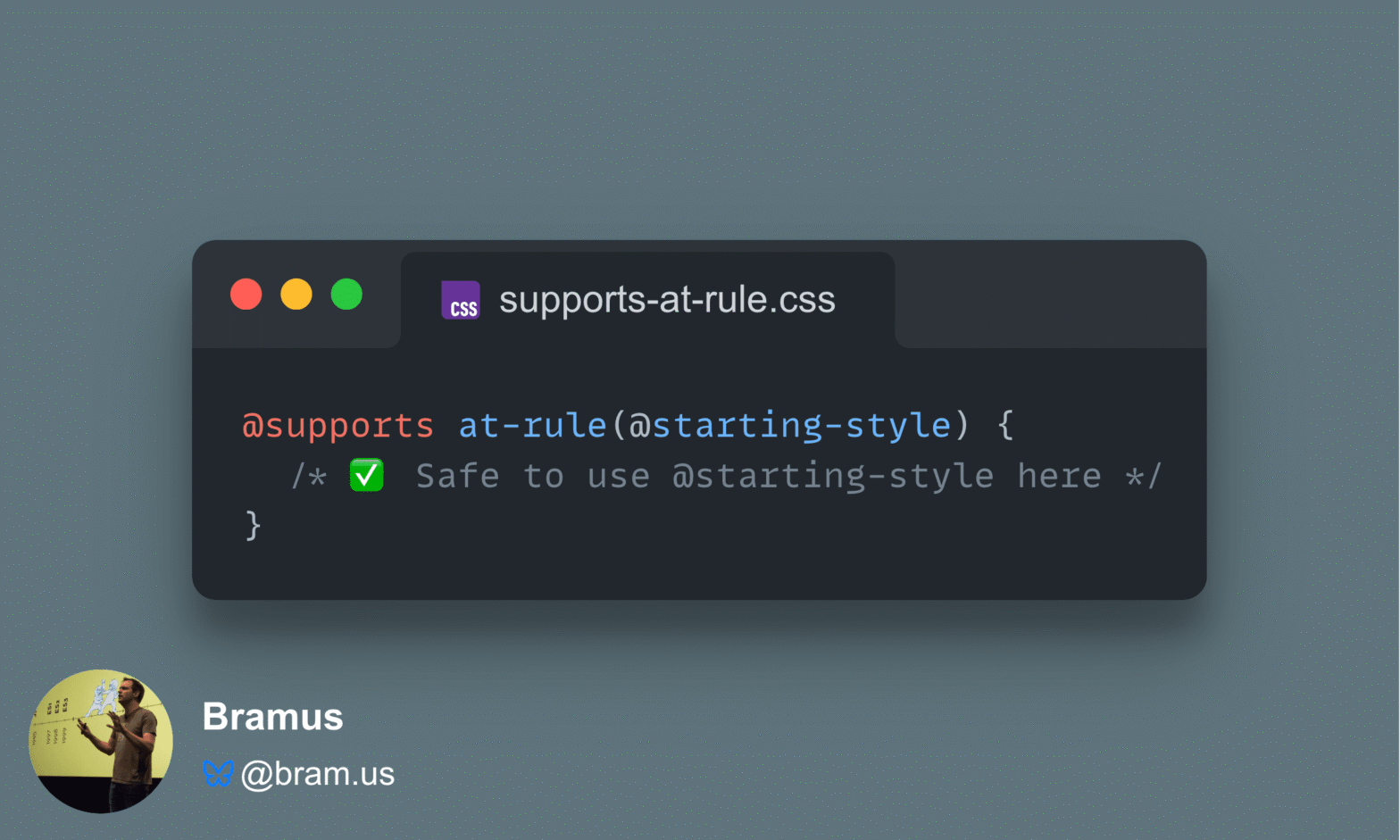
Back in January 2022, I wrote about an exciting new CSS Working Group decision: a function to detect at-rule support using @supports at-rule(@keyword). Fast forward to today, and the CSS Conditional Rules Module Level 5 specification has solidified how this feature works and Chromium (Chrome, Edge, etc.) is about to ship it in Chromium 148!
view-transitions-mock: A non-visual Polyfill for Same-Document View Transitions
View Transitions are a powerful Modern Web feature allow for smooth seamless animated transitions two between different states of a web page. They can make for a much more pleasant user experience, but as with any new web platform feature, browser support is not yet fully universal so you need to add some fallback logic to your code.
view-transitions-mock bridges that gap. It is a spec-compliant JavaScript implementation of Same-Document View Transitions that polyfills the entire JavaScript API surface of the spec, but that doesn’t do the animation bits.
position-area with View Transitions
CSS Anchor Positioning is a powerful tool, but one of the things that you cannot do natively (yet) is animating the position-area property. This blog post introduces a technique to animate position-area changes using View Transitions.
100vw is now scrollbar-aware (in Chrome 145+, under the right conditions)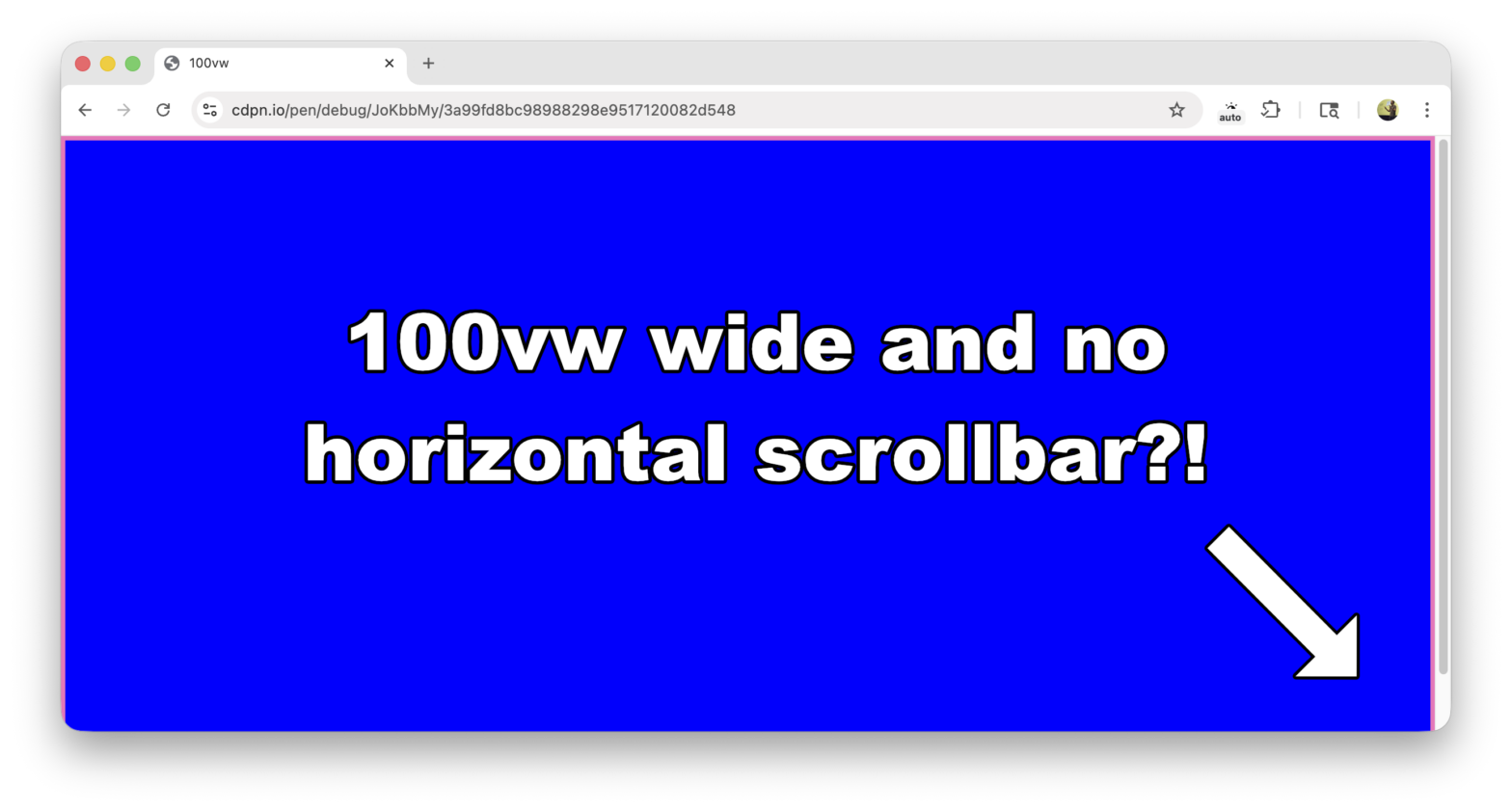
From Chrome 145 onwards, 100vw will automatically subtract the size of the (vertical) scrollbar from it if you have forced the html element to always show a vertical scrollbar (using overflow[-y]: scroll) or if you reserve space for it (using scrollbar-gutter: stable). The same applies to vh with a horizontal scrollbar, as well as all small, large, and dynamic variants.
rdar:// Bug ID
If you read the Safari release notes – like the Safari 26.2 release notes – you see a lot of trailing “(12345678)”-mentions in the list of fixed bugs. These numbers are Apple-internal bug IDs, as used within Apple’s internal bug tracker (fka?) named “Radar”.
These numbers are not linked to anything because Radar is Apple-internal, so to external people these numbers are practically useless … or are they?
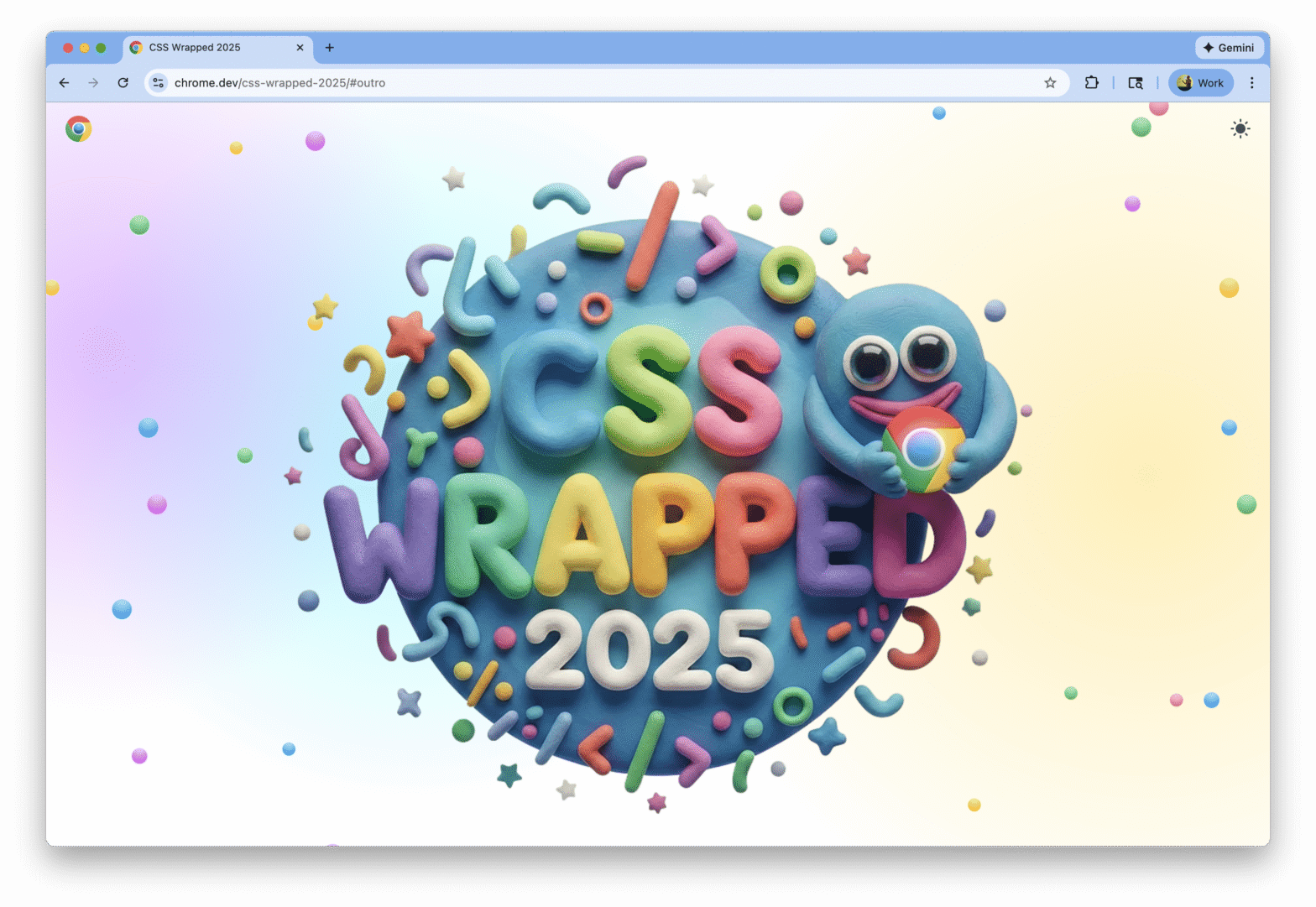
Once again, it has been an AMAZING year for CSS and UI. To celebrate this, we – the Chrome CSS/UI DevRel Team – created another edition of CSS Wrapped!